
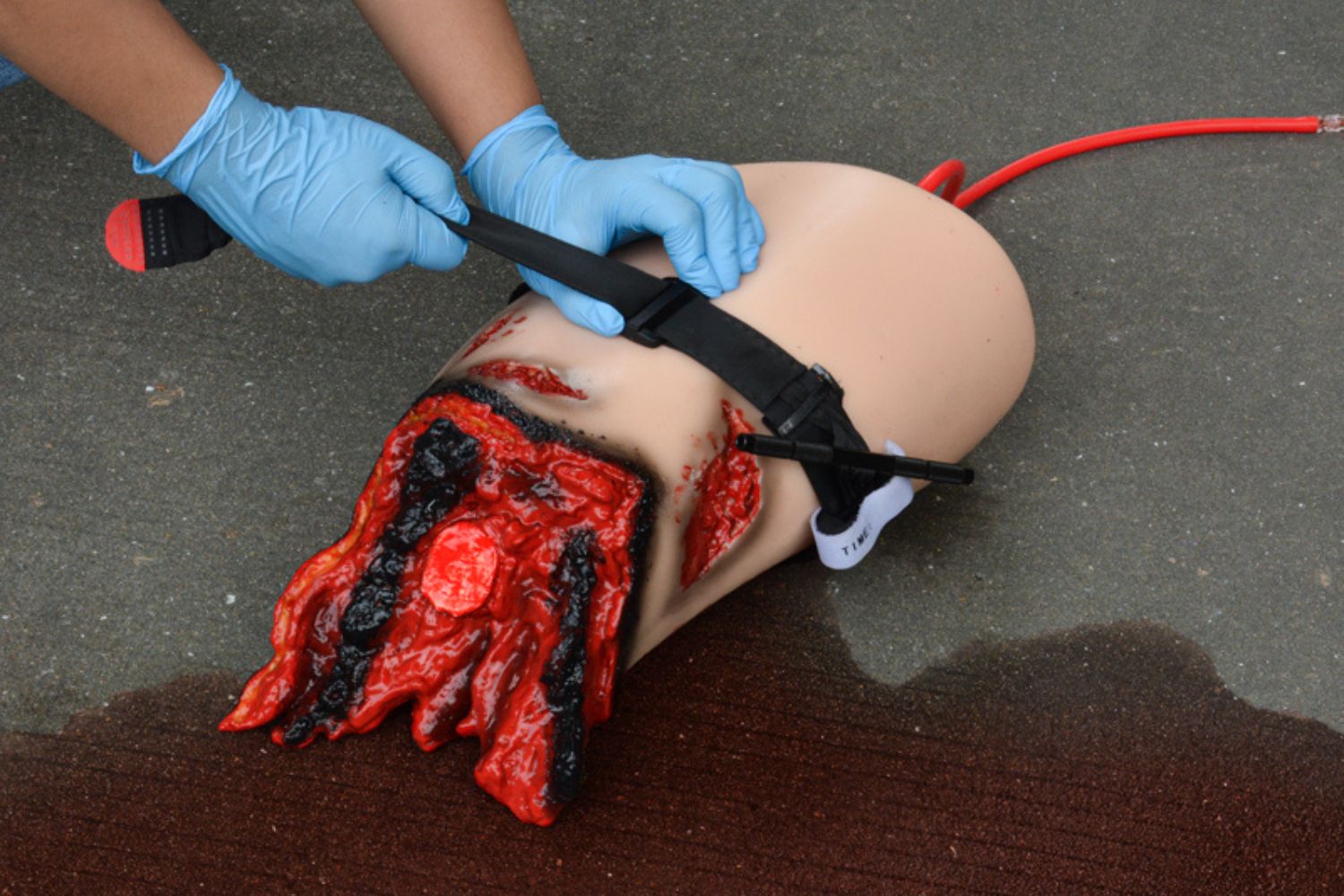
L'hémorragie incontrôlée est la principale cause de mortalité évitable en cas de traumatisme. Lorsque le saignement des membres est incontrôlé, de nombreuses agences EMS, sinon la plupart, ont désormais reconnu l'avantage d'utiliser des garrots.
Aujourd'hui, en raison des campagnes éducatives nationales Stop the Bleed mettant l'accent sur la réponse des témoins aux situations de tireur actif, de nombreuses personnes non formées commencent à se familiariser avec des techniques de contrôle des hémorragies simples mais efficaces.
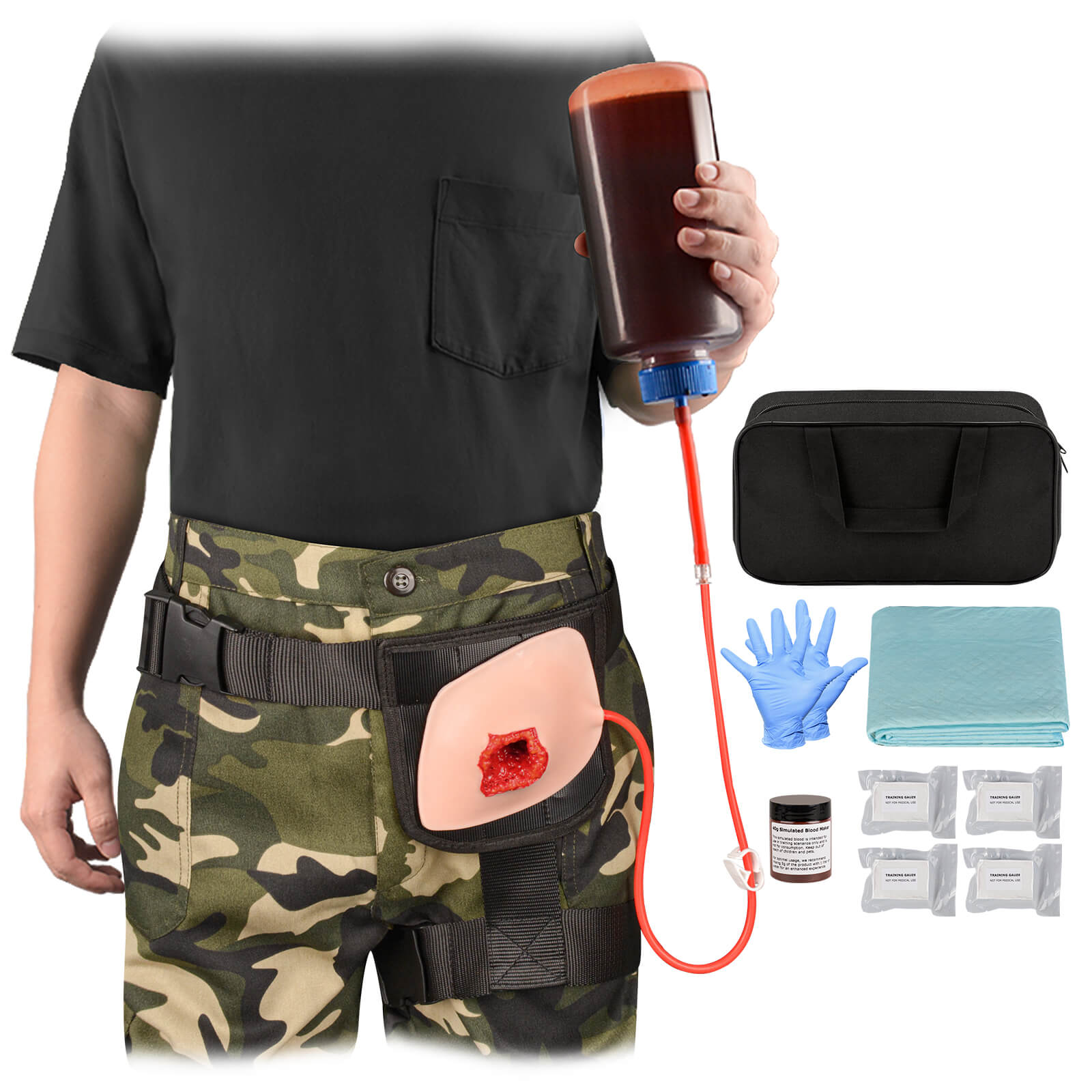
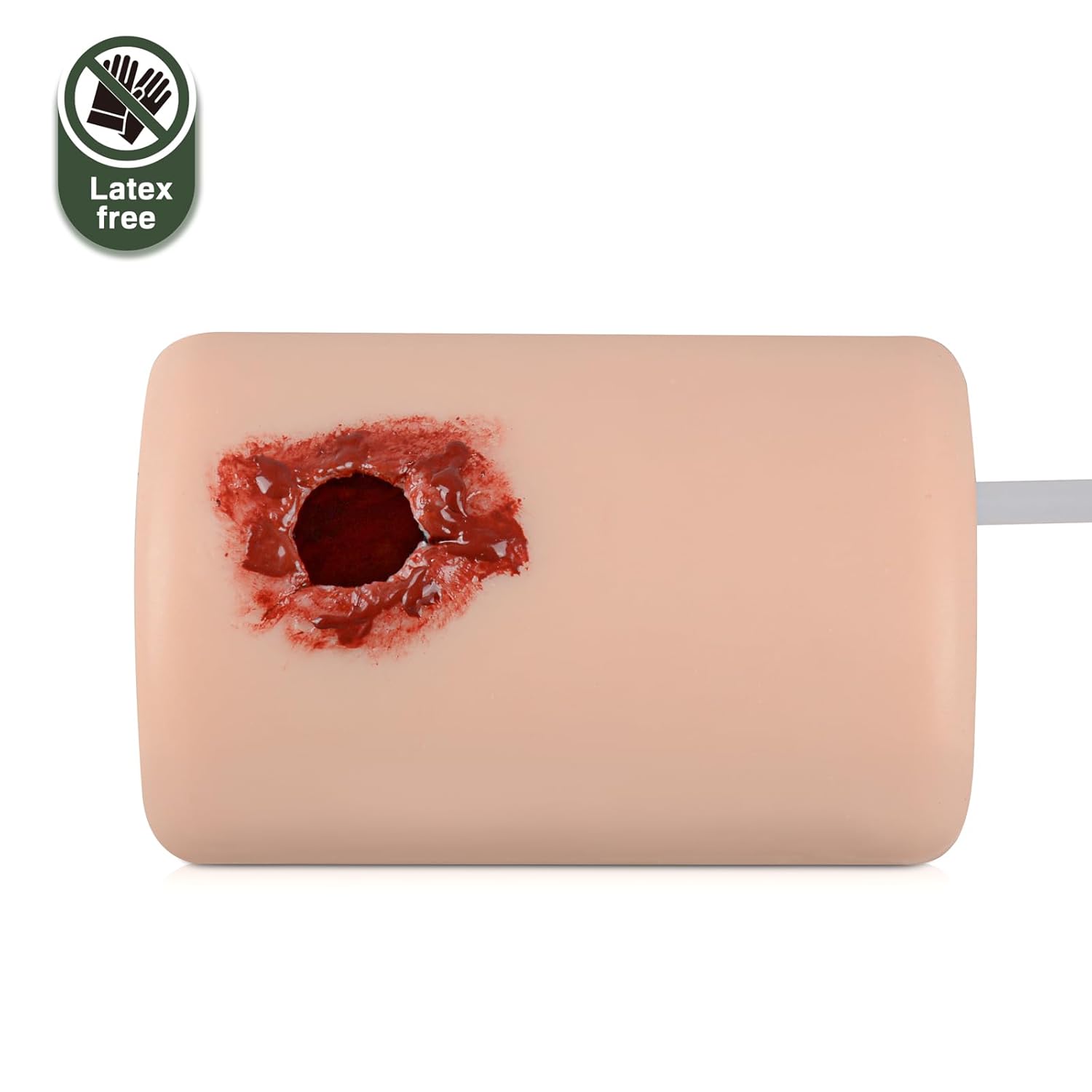
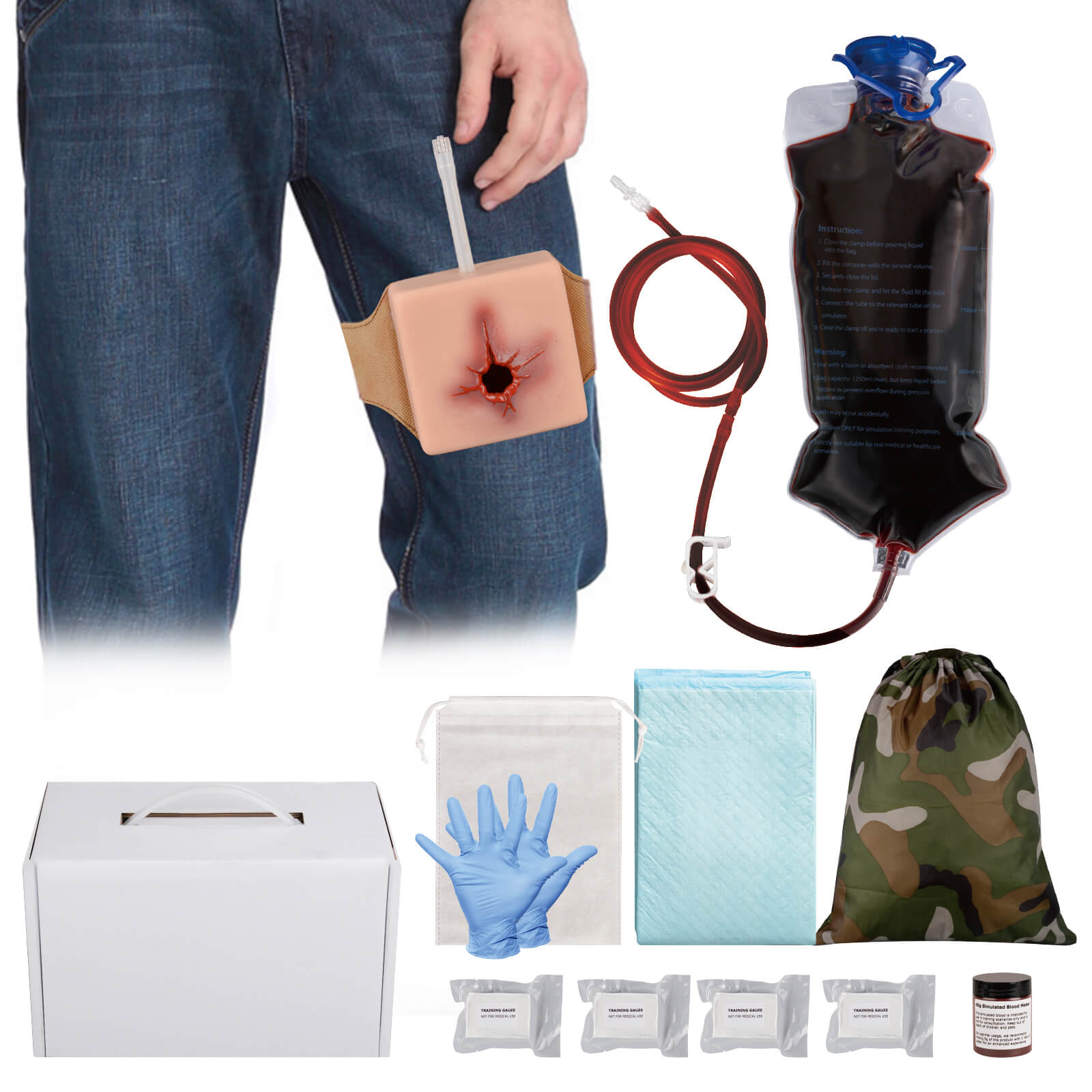
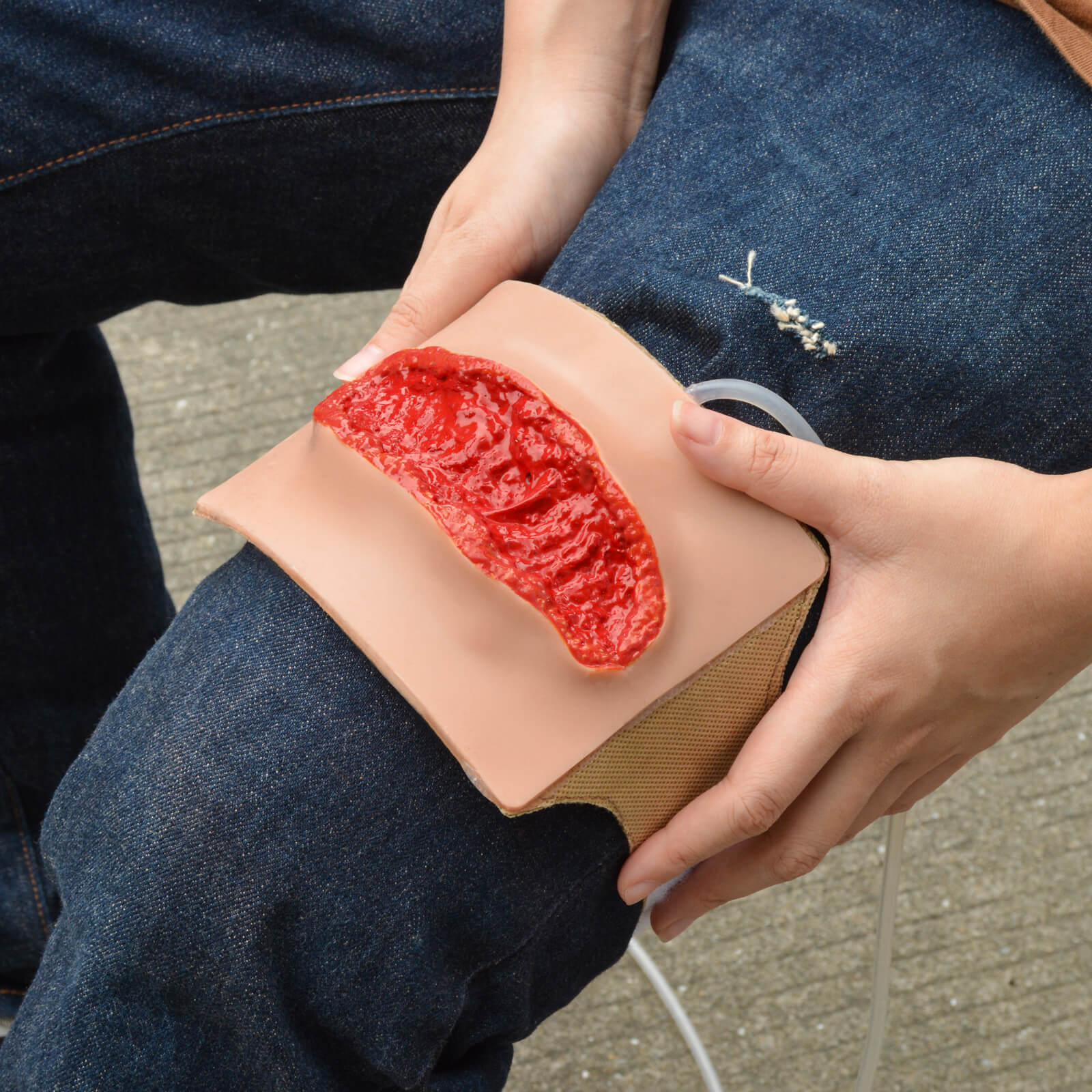
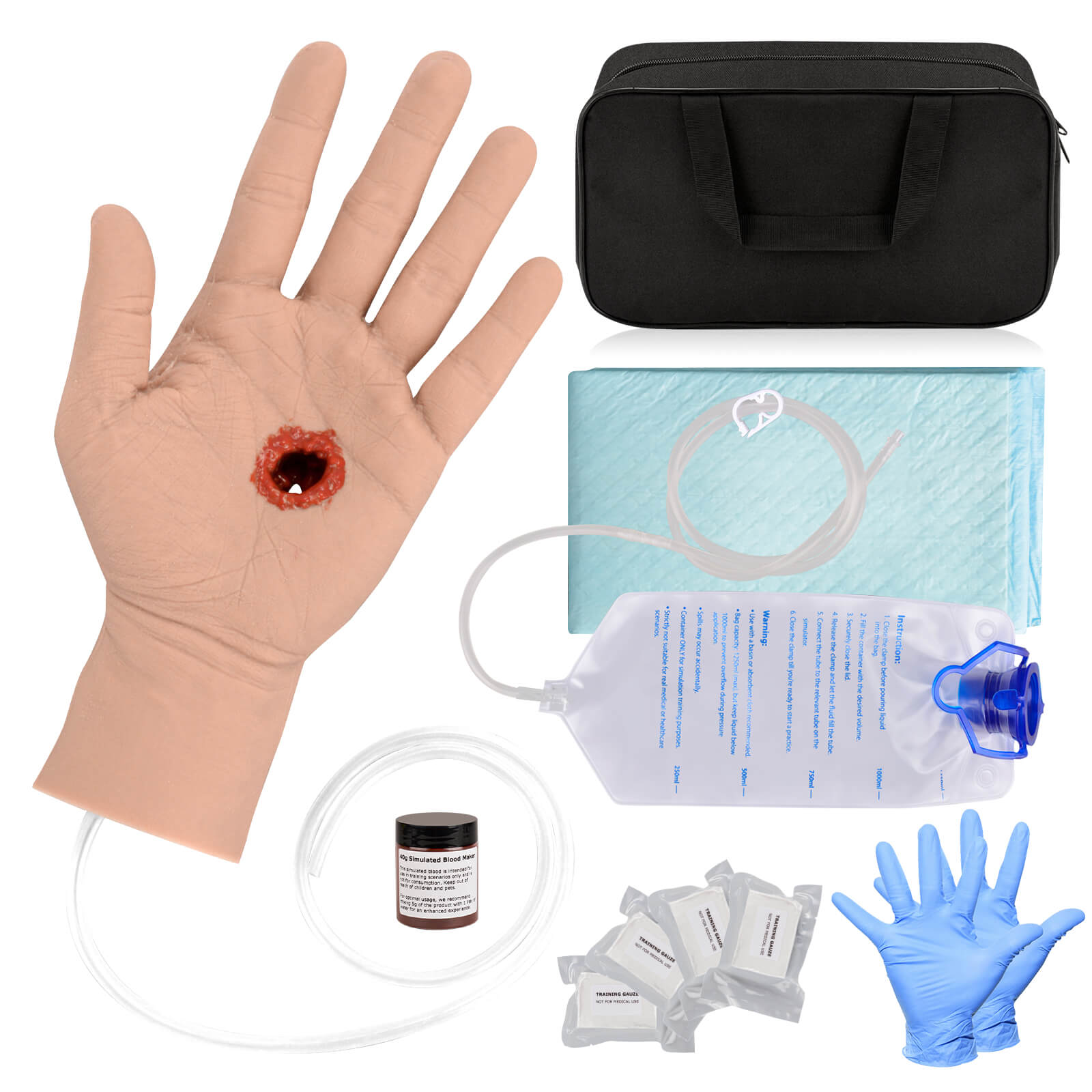
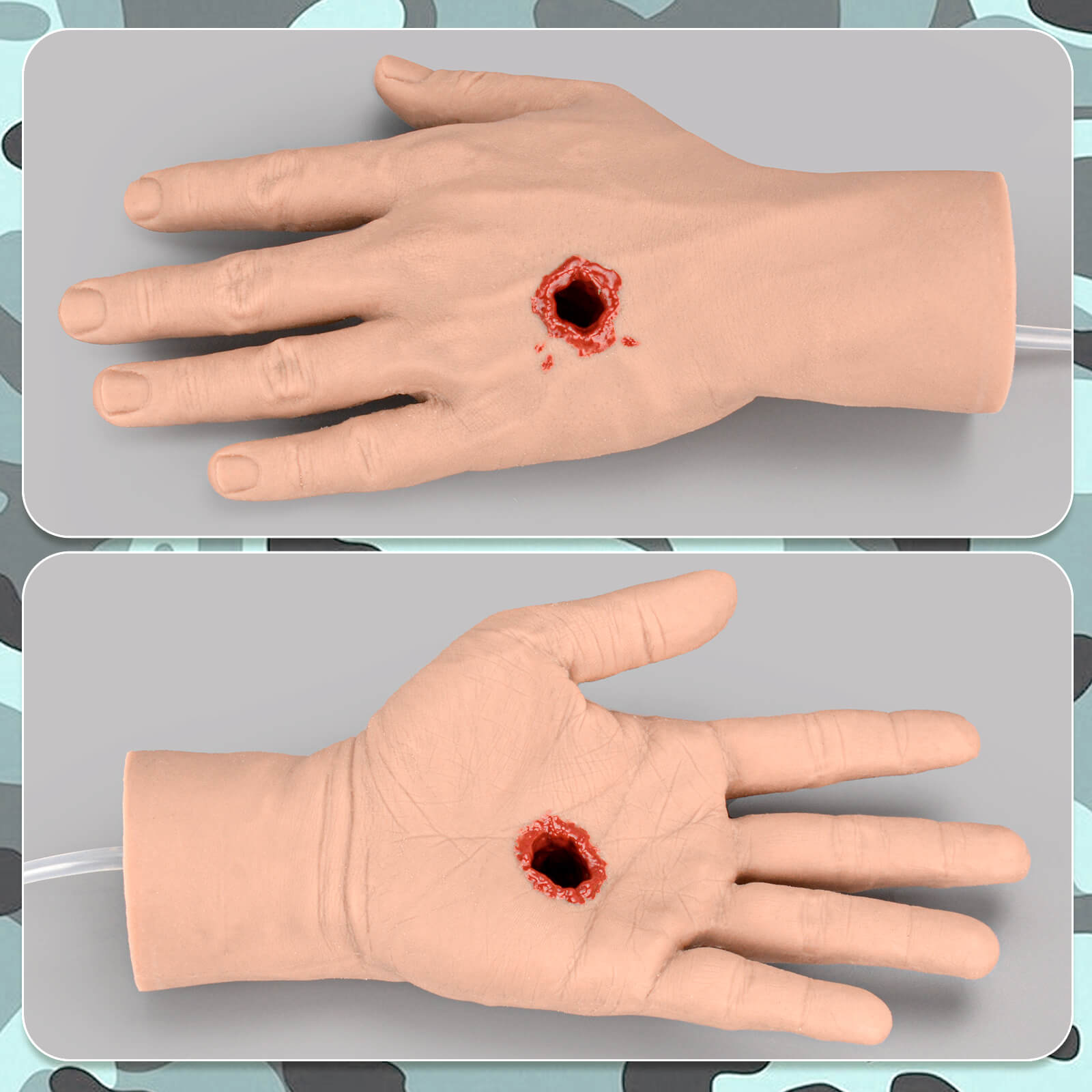
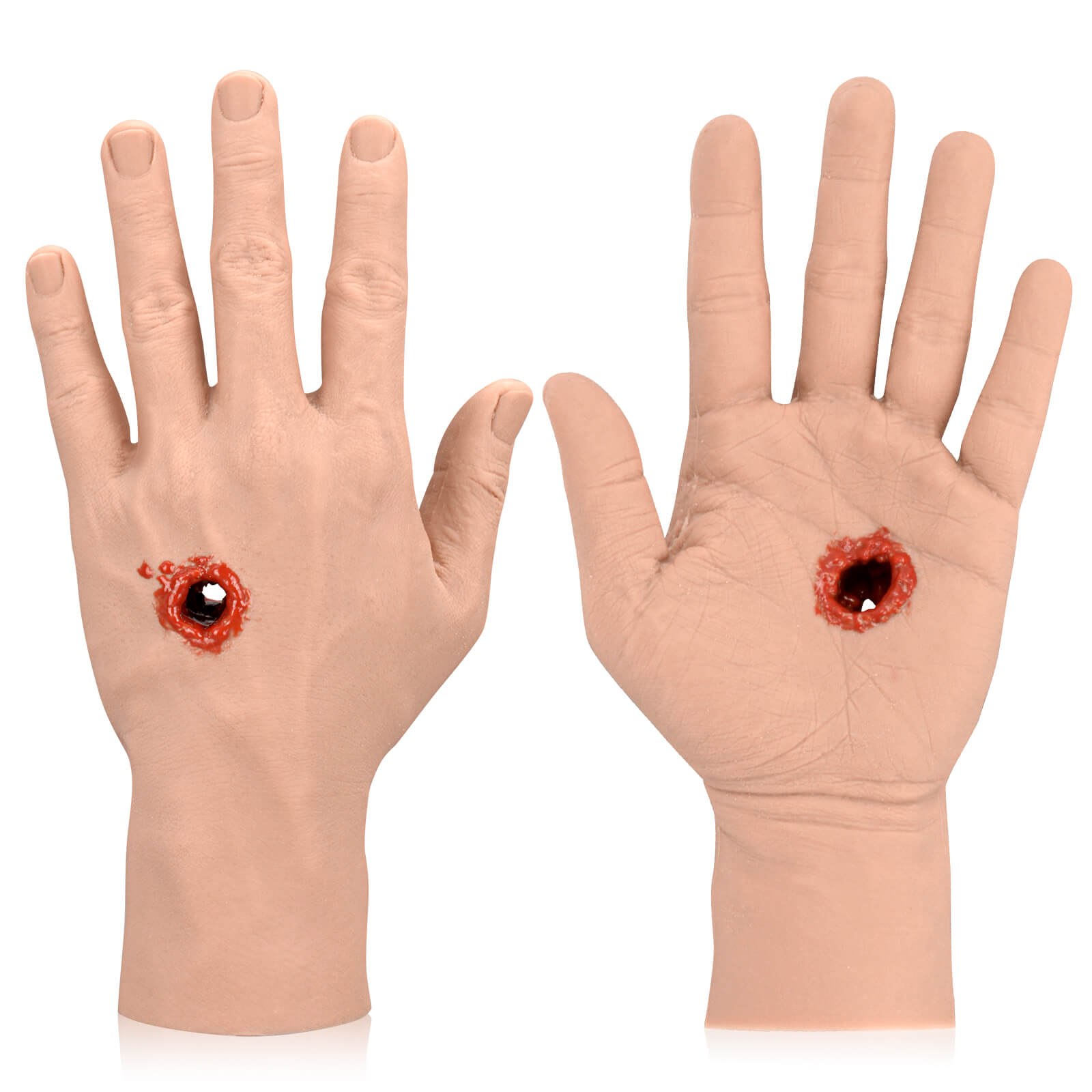
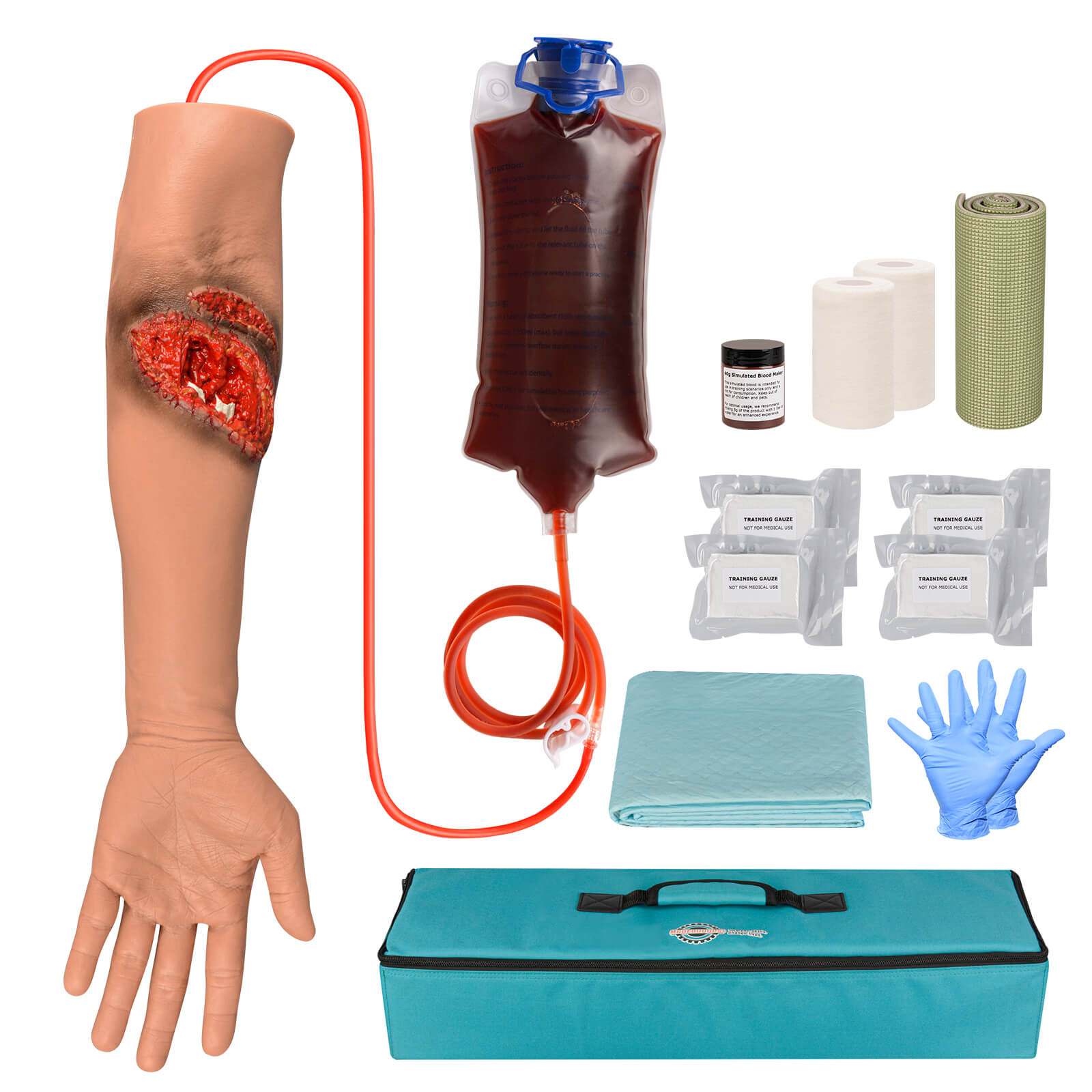
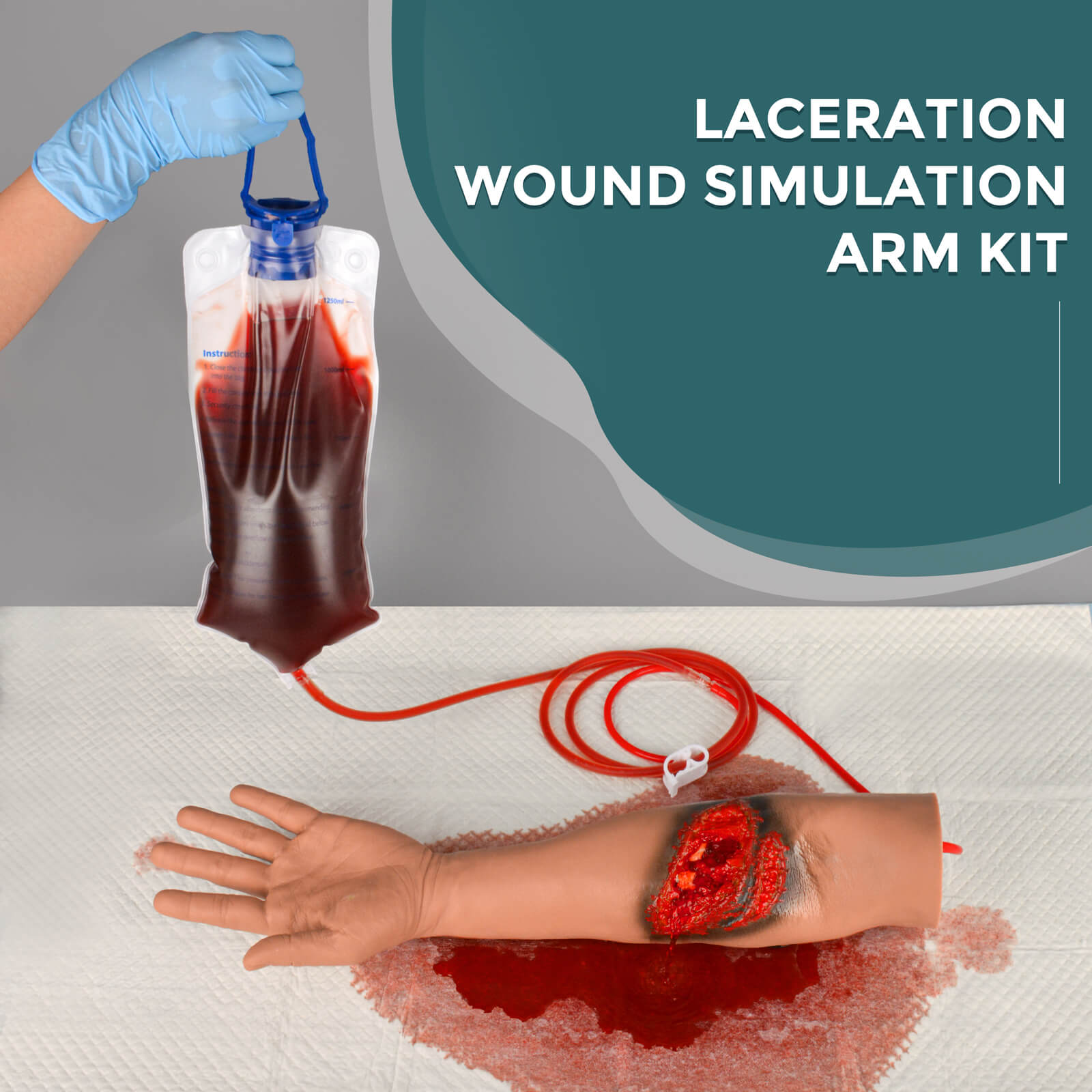
L'utilisation de la pression directe et des garrots sur les saignements des extrémités est relativement simple pour les fournisseurs de services médicaux d'urgence. Cependant, les blessures les plus difficiles sont celles dans les zones de jonction - l'aine et l'aisselle - où les garrots ne peuvent pas être utilisés. Le saignement dans ces endroits est souvent plus profond et maintenir une pression externe adéquate peut être difficile ou impossible.
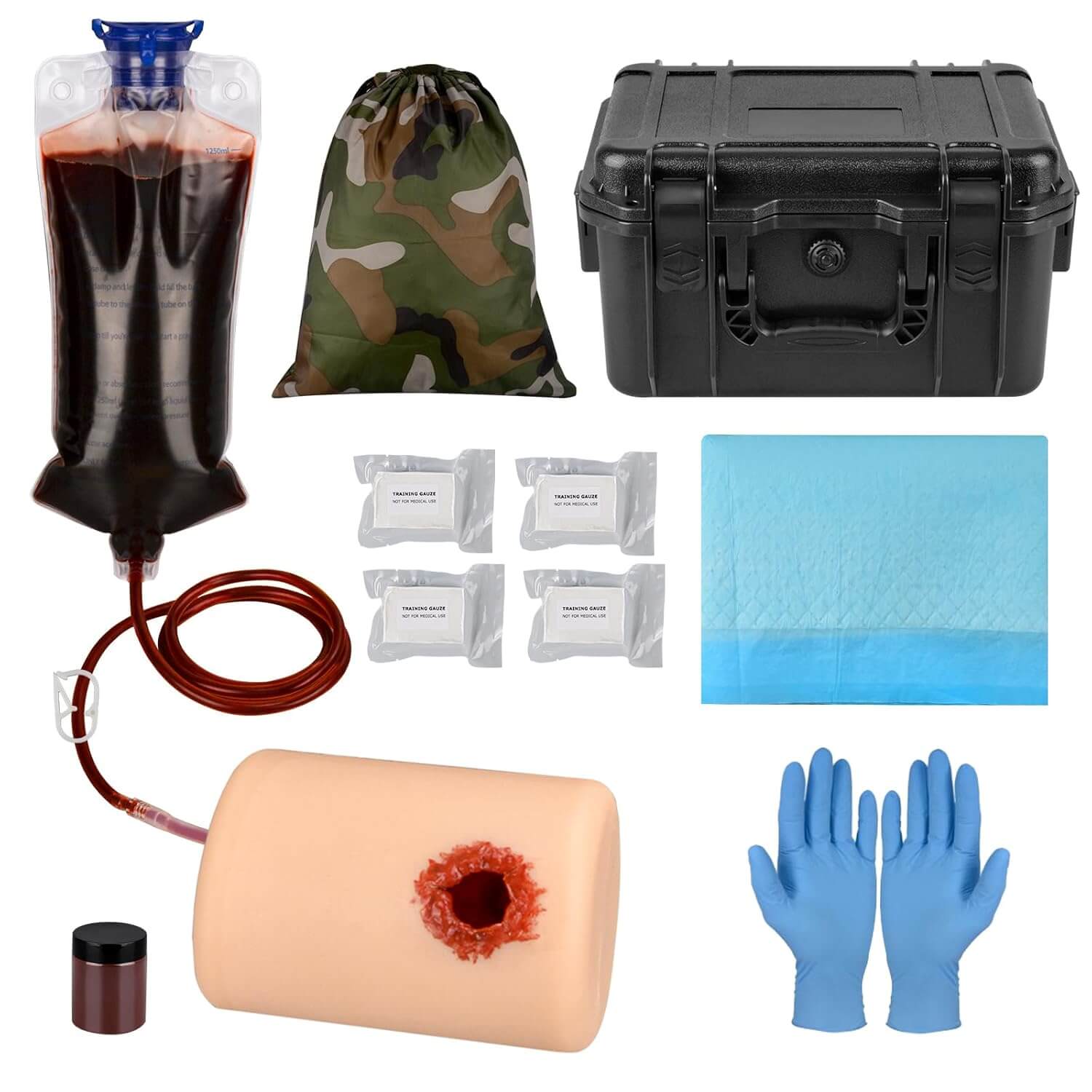
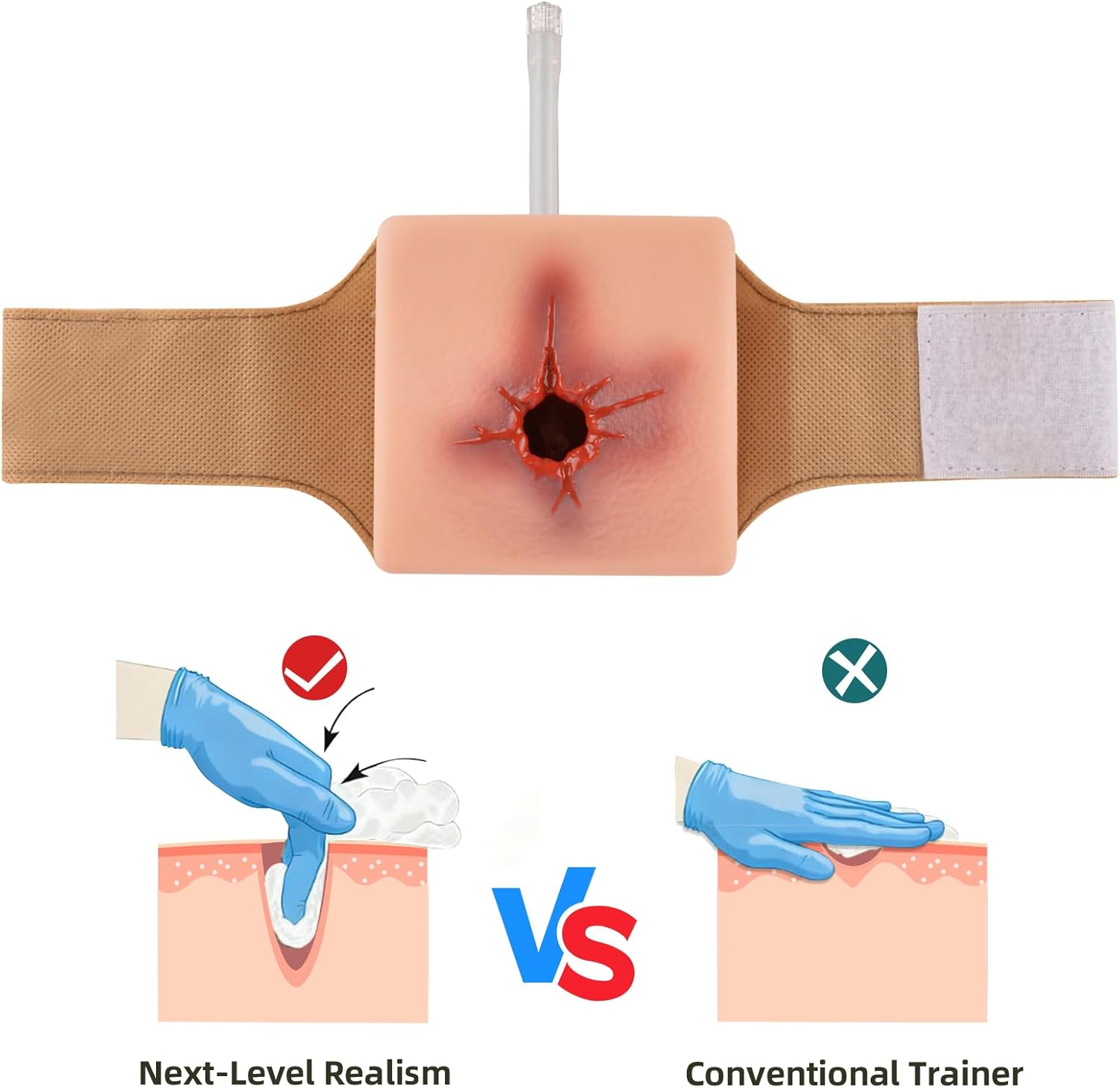
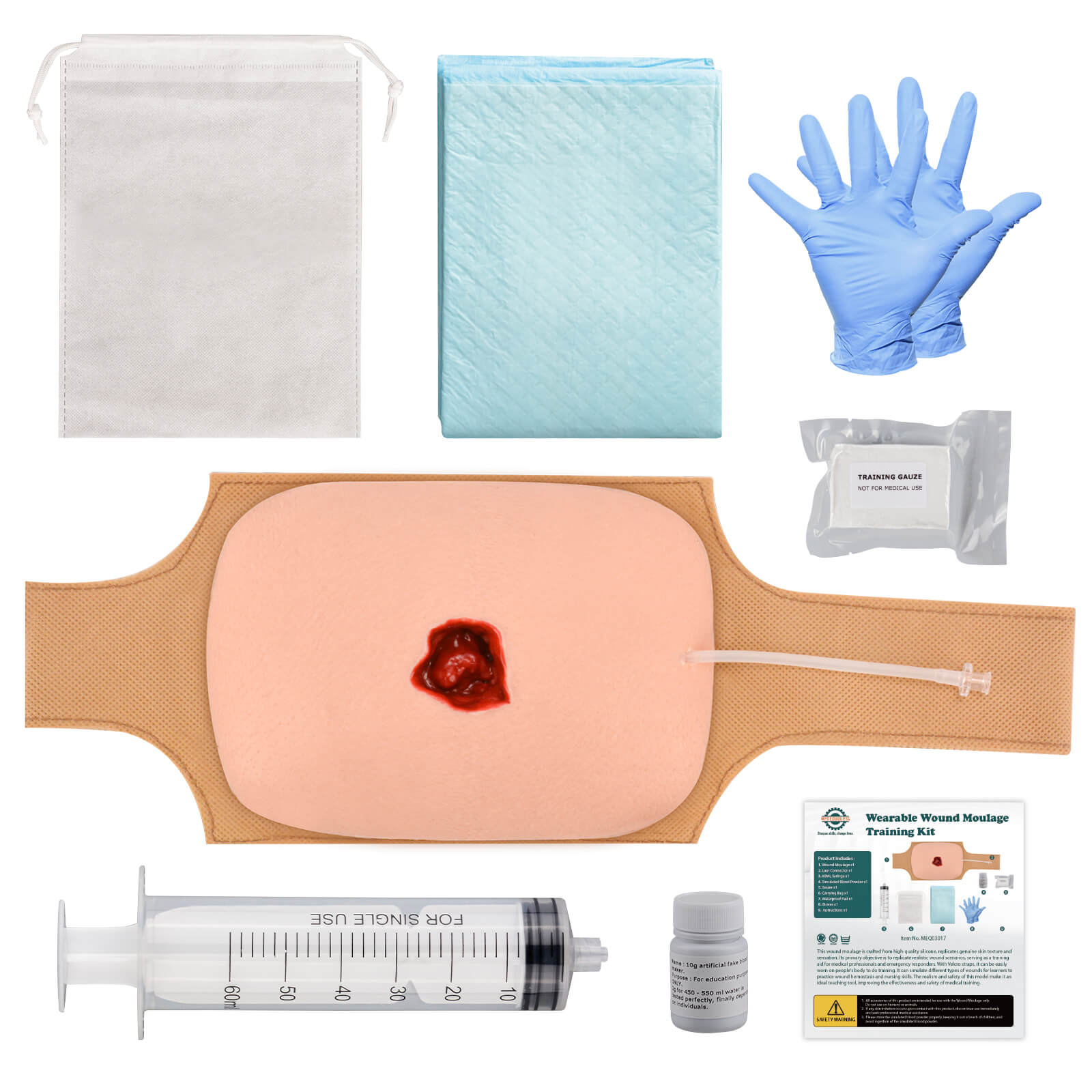
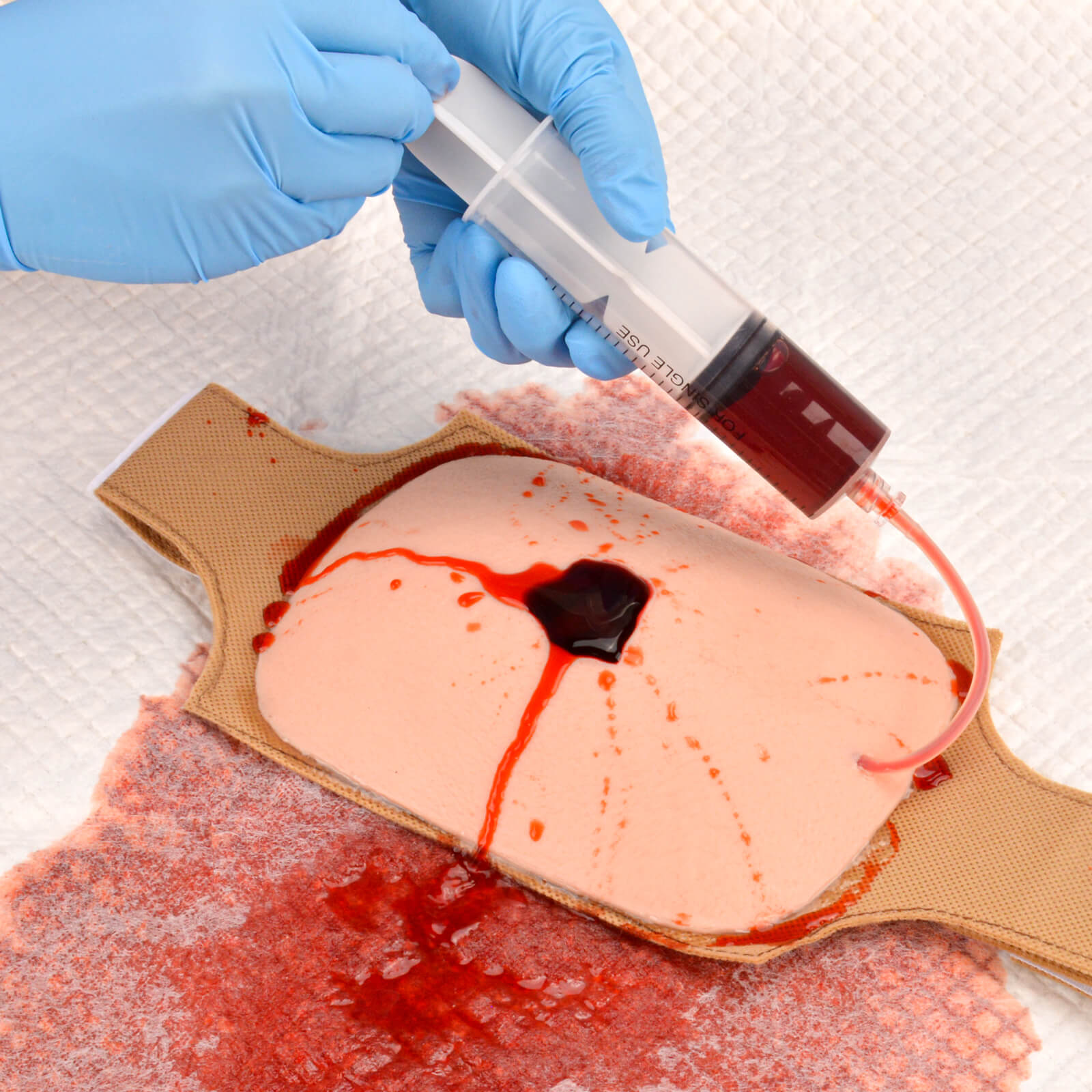
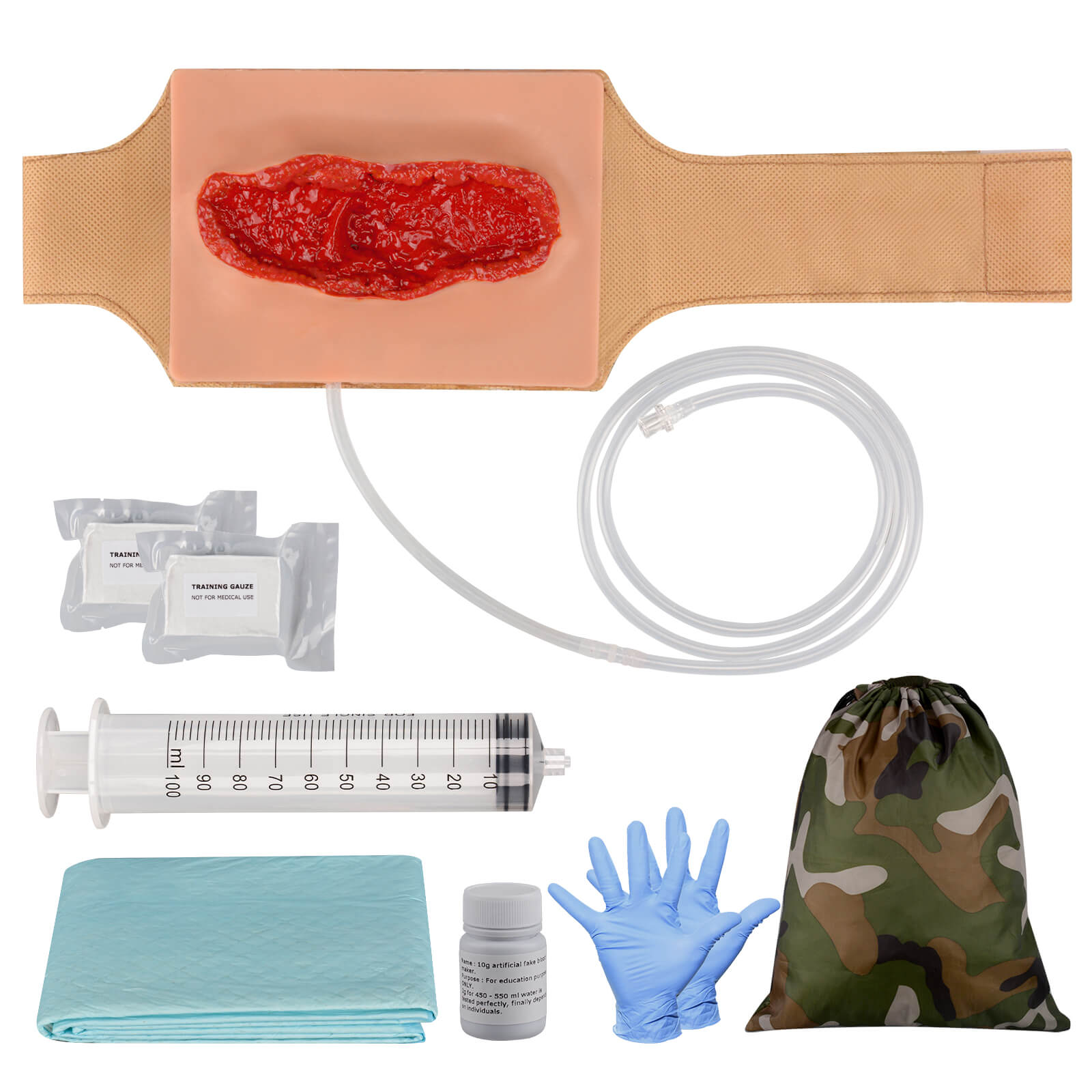
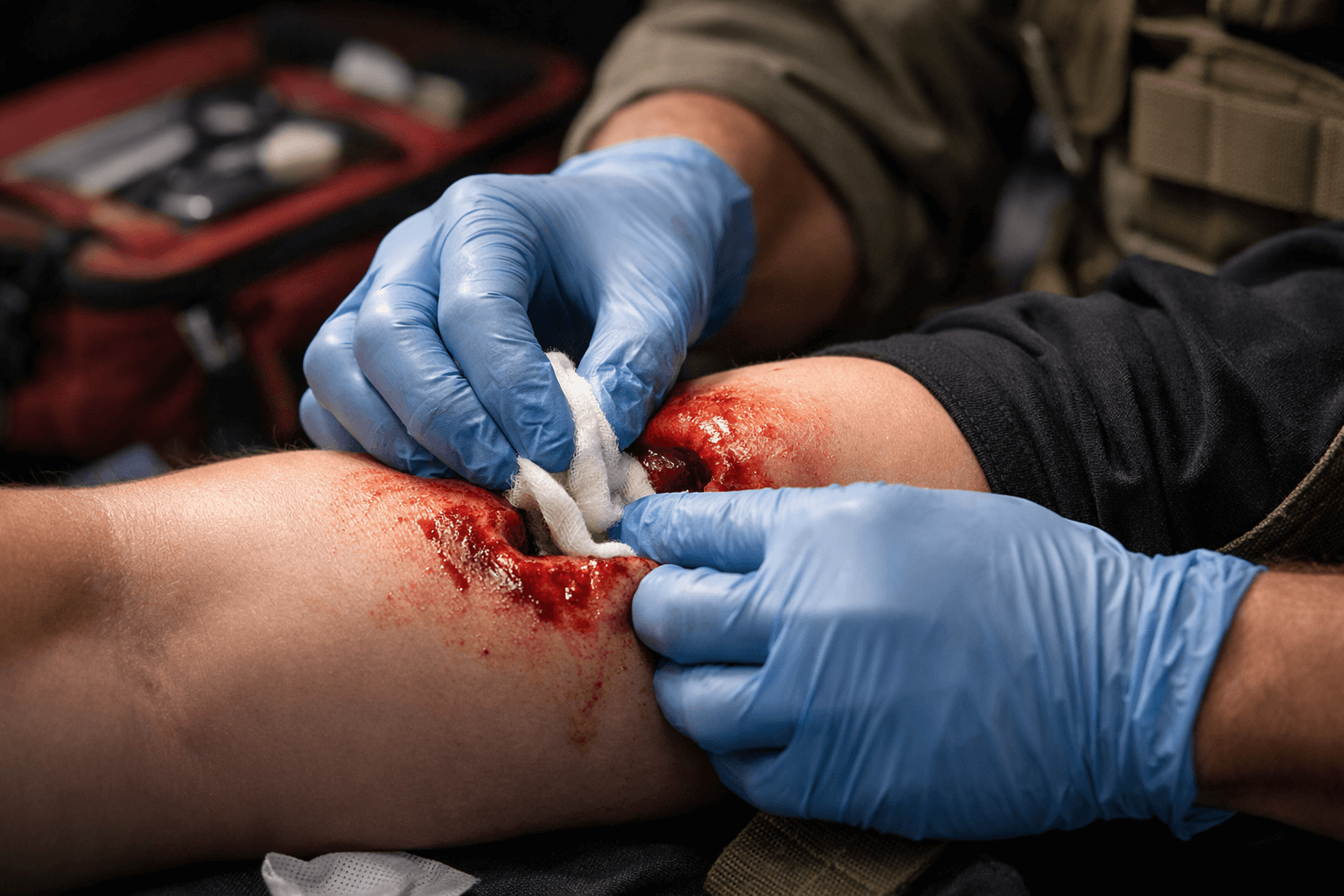
L'armée américaine enseigne depuis des années le remplissage des plaies avec des compresses standard et des pansements hémostatiques à ses médecins. Comme la transition des garrots de l'armée vers les services médicaux d'urgence civils, ces compétences sont désormais adoptées par les équipes EMS tactiques ainsi que par les EMT et paramédics de terrain. Le remplissage des plaies peut être utilisé en concert avec l'utilisation de garrots ou comme une technique de gestion des hémorragies à part entière.
L'hémorragie incontrôlée est la principale cause de mortalité évitable en cas de traumatisme. Lorsque le saignement des membres est incontrôlé, de nombreuses agences EMS, sinon la plupart, ont désormais reconnu l'avantage d'utiliser des garrots.
Aujourd'hui, en raison des campagnes éducatives nationales Stop the Bleed mettant l'accent sur la réponse des témoins aux situations de tireur actif, de nombreuses personnes non formées commencent à se familiariser avec des techniques de contrôle des hémorragies simples mais efficaces.1
L'utilisation de la pression directe et des garrots sur les saignements des extrémités est relativement simple pour les fournisseurs de services médicaux d'urgence. Cependant, les blessures les plus difficiles sont celles dans les zones de jonction - l'aine et l'aisselle - où les garrots ne peuvent pas être utilisés. Le saignement dans ces endroits est souvent plus profond et maintenir une pression externe adéquate peut être difficile ou impossible.
L'armée américaine enseigne depuis des années le remplissage des plaies avec des compresses standard et des pansements hémostatiques à ses médecins.3 Tout comme la transition des garrots de l'armée vers les services médicaux d'urgence civils, ces compétences sont désormais adoptées par les équipes EMS tactiques ainsi que par les EMT et paramédics sur le terrain. Le remplissage des plaies peut être utilisé en complément de l'utilisation du garrot ou comme technique de gestion des hémorragies à part entière.
.jpeg?w=1600&h=1600)
.jpeg?w=1600&h=1600)
.jpg?w=1600&h=1600)
.jpg?w=1600&h=1600)
.jpeg?w=1500&h=1500)
.jpg?w=1000&h=1000)
.jpg?w=1000&h=1000)
.jpg?w=1500&h=1500)
.jpg?w=1500&h=1500)
.jpg?w=1500&h=1500)
.jpg?w=1500&h=1500)
.jpg?w=1500&h=1500)
.jpg?w=1500&h=1500)
.jpg?w=1500&h=1500)
.jpg?w=1500&h=1500)
.jpeg?w=1500&h=1500)
.jpeg?w=1500&h=1500)
.jpeg?w=1600&h=1600)
.jpeg?w=1600&h=1600)
.jpg?w=1600&h=1600)
.jpg?w=1600&h=1600)