
Teaching stoma care effectively requires more than explaining procedures through textbooks, videos, or classroom presentations. Nursing students need opportunities to practice assessment, appliance management, and patient care techniques in a realistic learning environment.
For nursing educators, incorporating simulation-based stoma care training with realistic ostomy care training models helps bridge the gap between theoretical knowledge and clinical practice.
Why Realistic Stoma Care Training Matters
Ostomy care involves multiple skills that require accuracy and repetition, including:
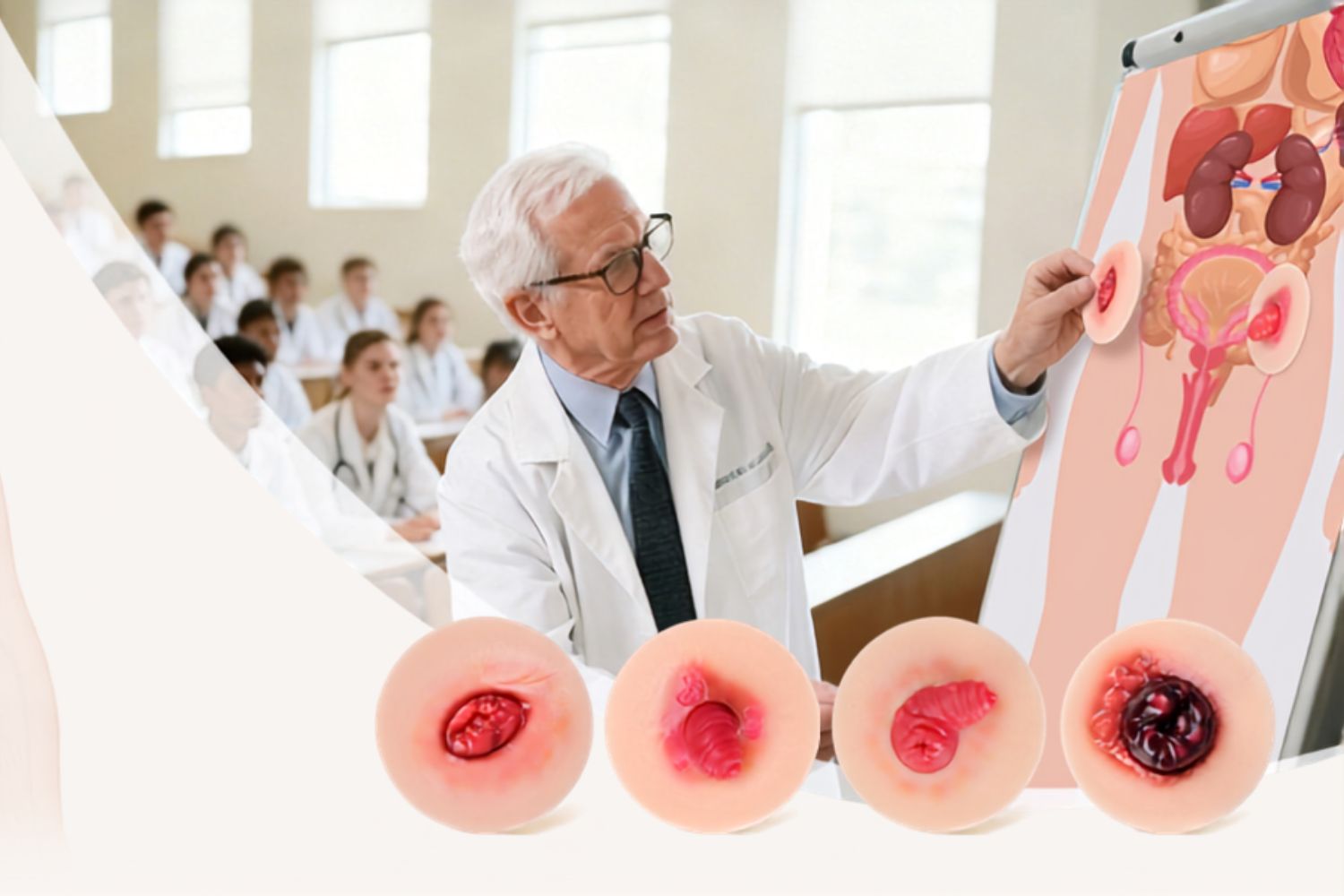
- Identifying different stoma types
- Assessing stoma appearance and surrounding skin
- Measuring and fitting ostomy appliances
- Preventing leakage and skin irritation
- Educating patients about self-care
Without hands-on practice, students may understand ostomy procedures academically but feel uncertain when applying these skills in clinical settings.
Simulation models provide a safe environment where students can practice repeatedly and receive feedback before caring for real patients.
Create Immersive Stoma Care Learning Scenarios
Realistic training models allow educators to design more engaging skills lab activities.
Instead of demonstrating only one procedure, instructors can create different patient scenarios that require students to:
- Assess various stoma conditions
- Identify appropriate care approaches
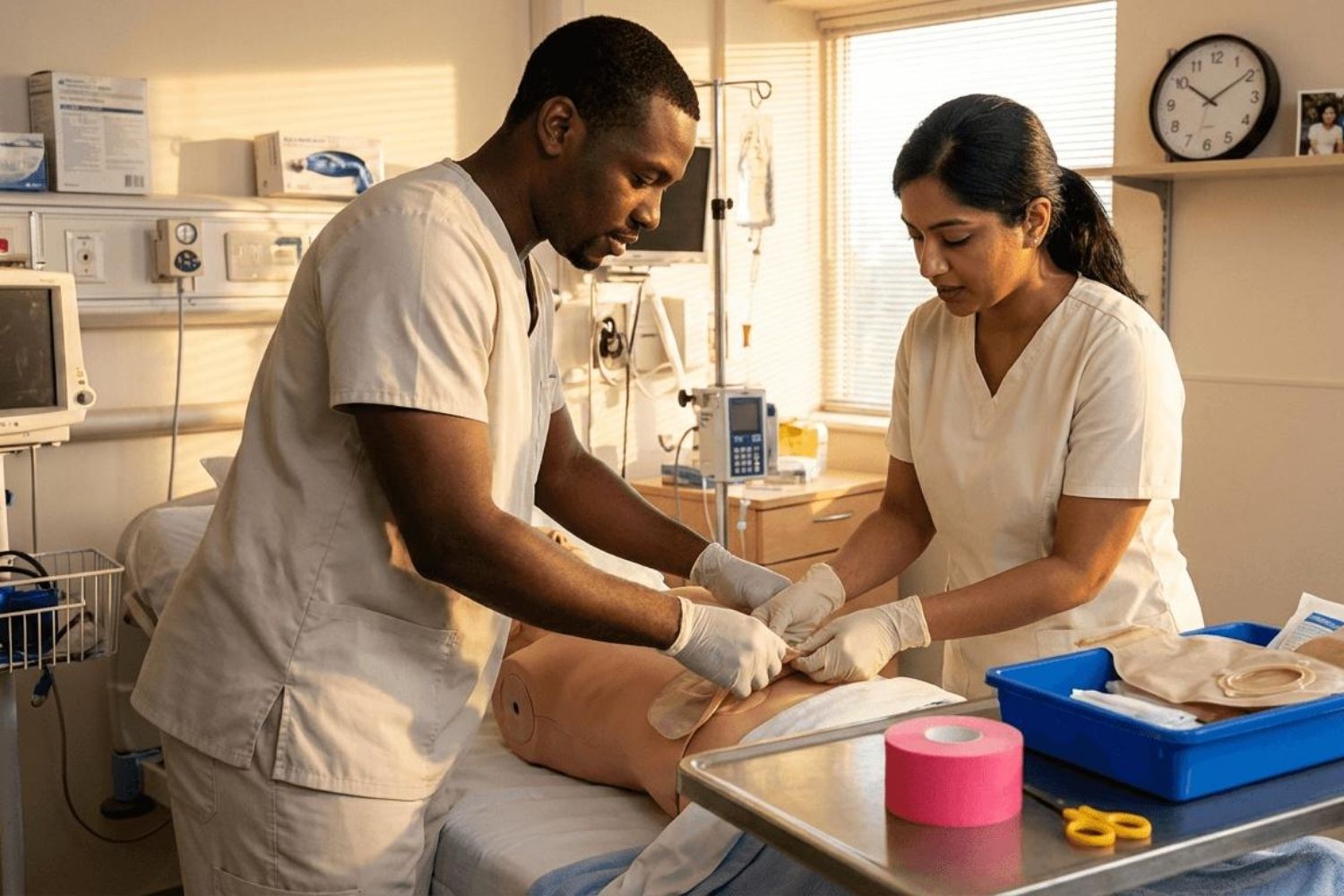
- Practice appliance placement and removal
- Discuss patient education strategies
Using scenario-based learning encourages students to develop not only technical skills but also clinical judgment and problem-solving abilities.
Support Hands-On Skills Lab Training
Nursing skills labs often require students to practice procedures in small groups.
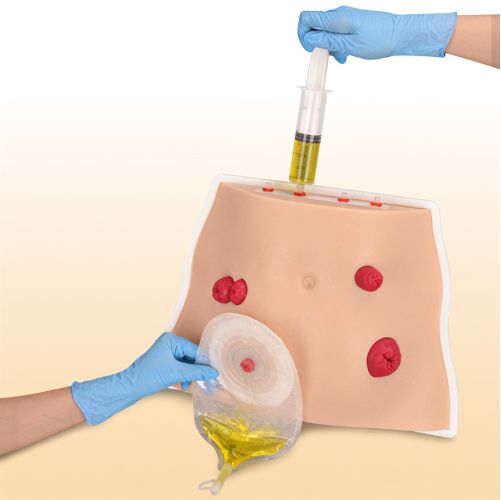
Tabletop and wearable ostomy training models allow educators to organize:
- Individual practice sessions
- Small-group workshops
- Instructor demonstrations
- Skills competency assessments
Students can rotate through practice stations to complete different tasks, improving both confidence and teamwork.
Teach Different Ostomy Care Situations
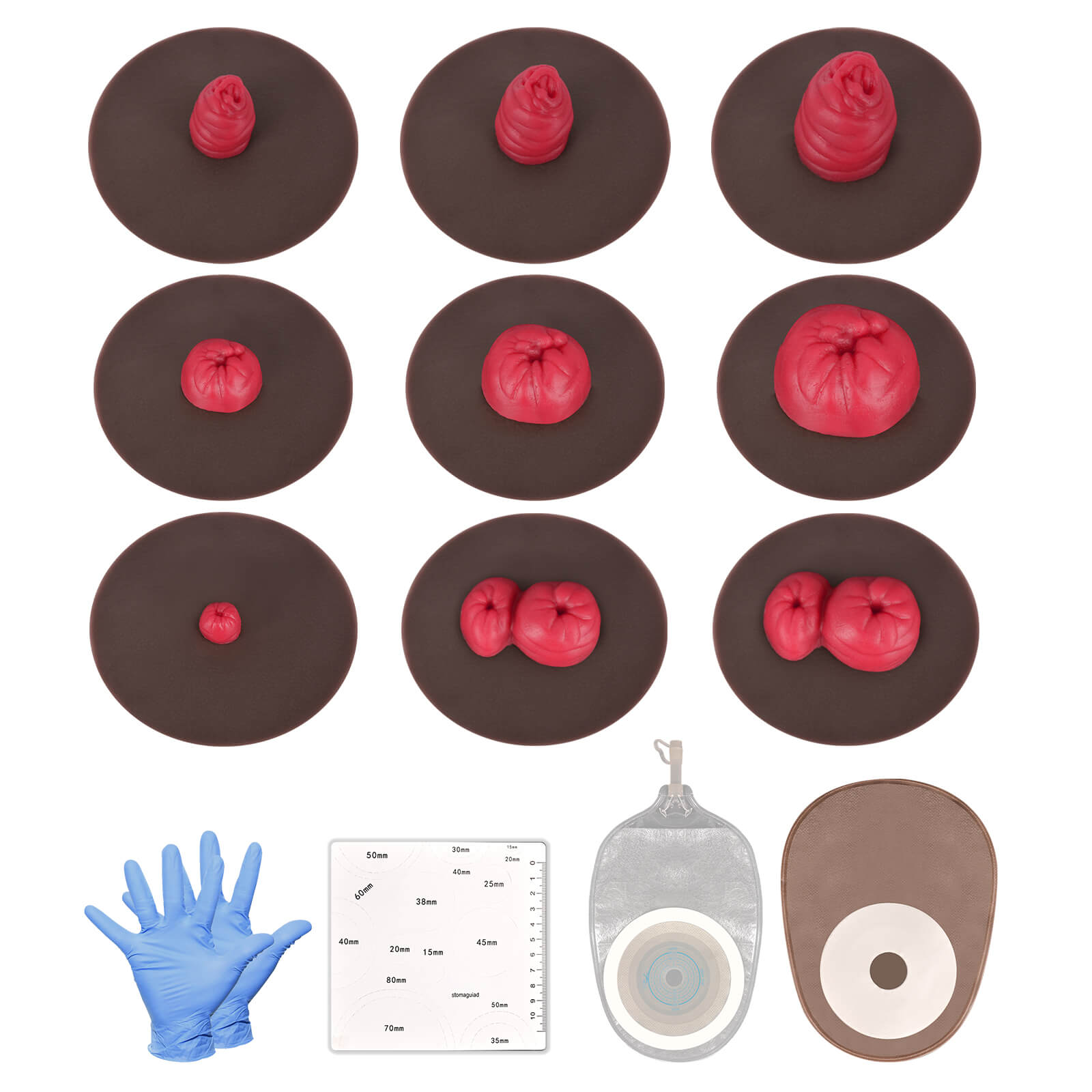
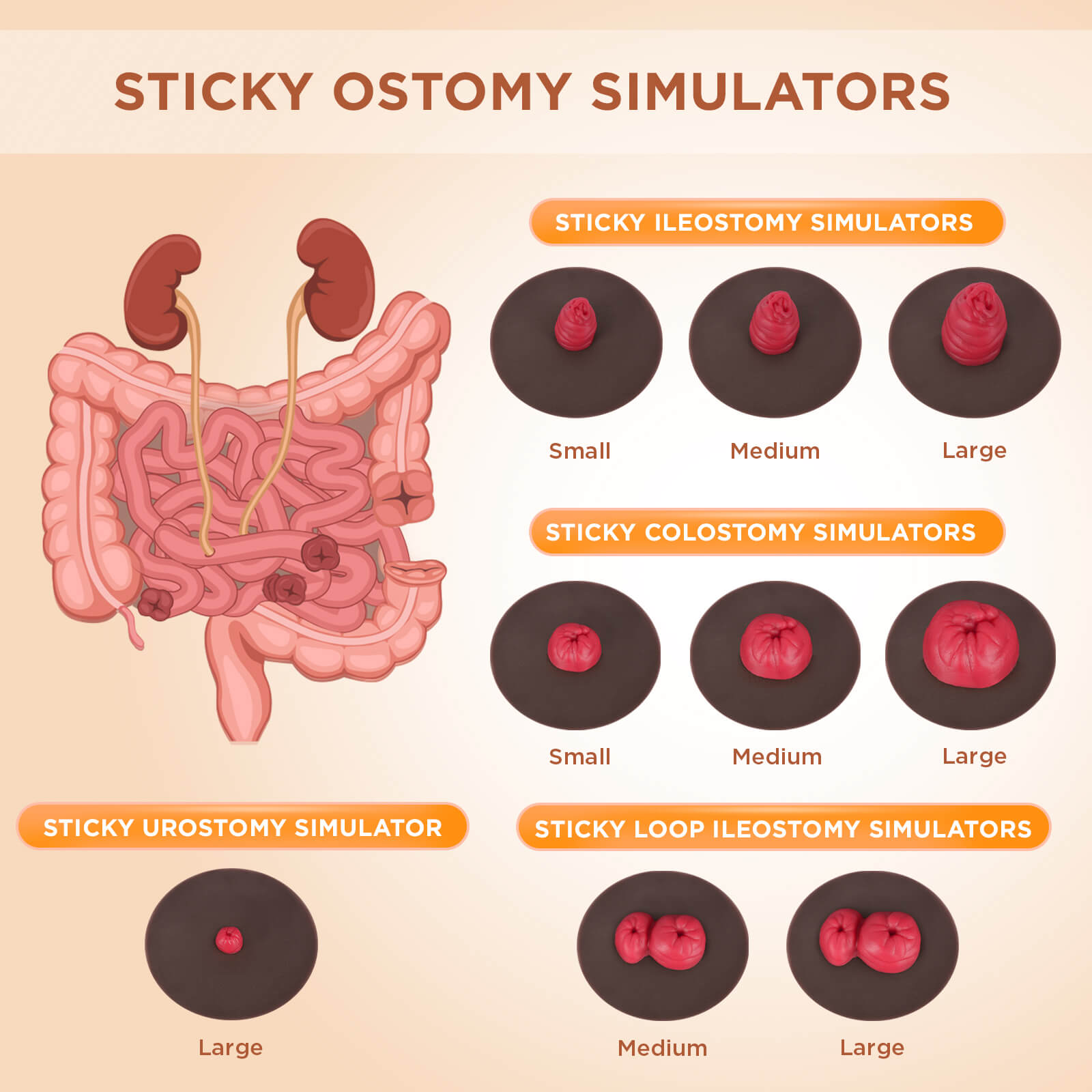
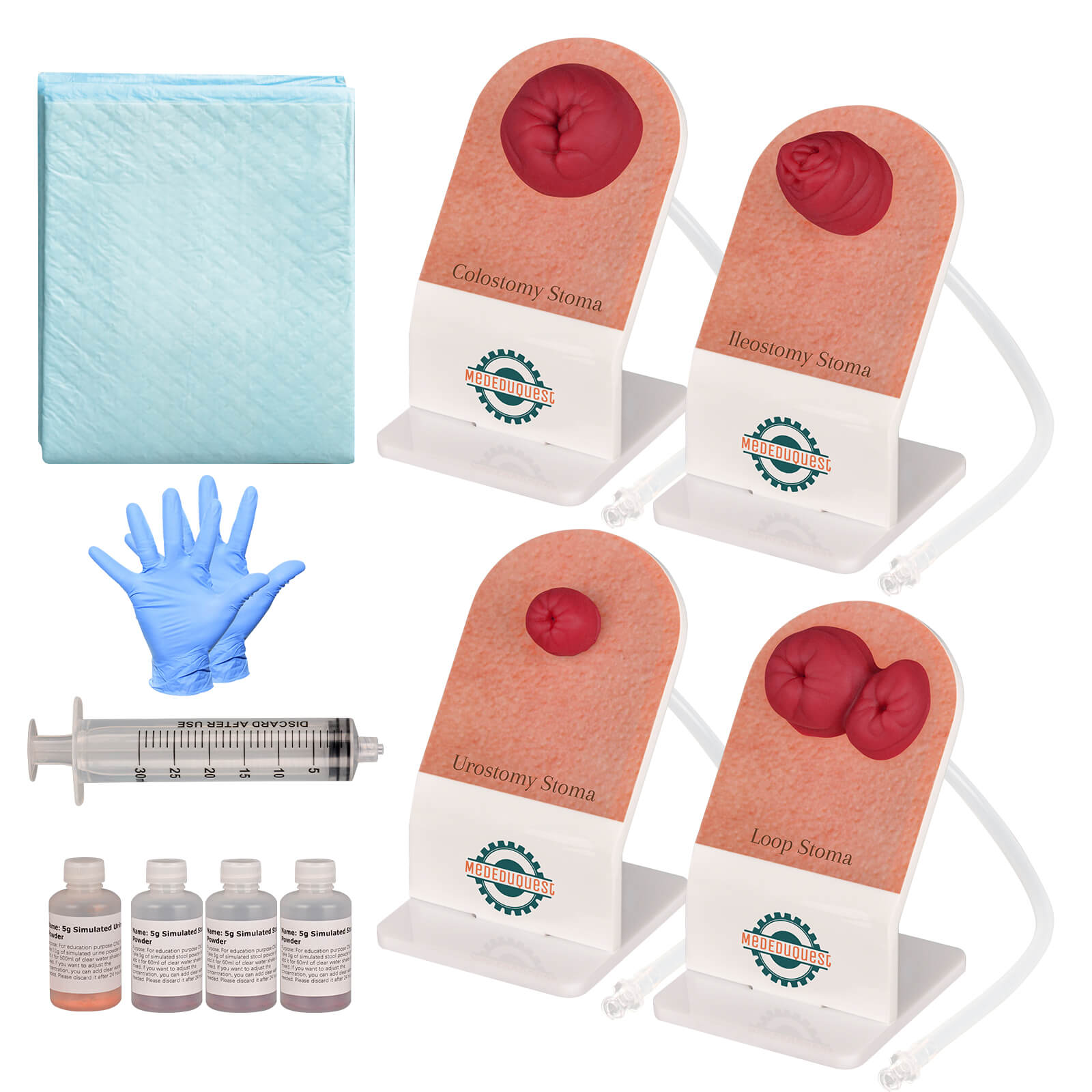
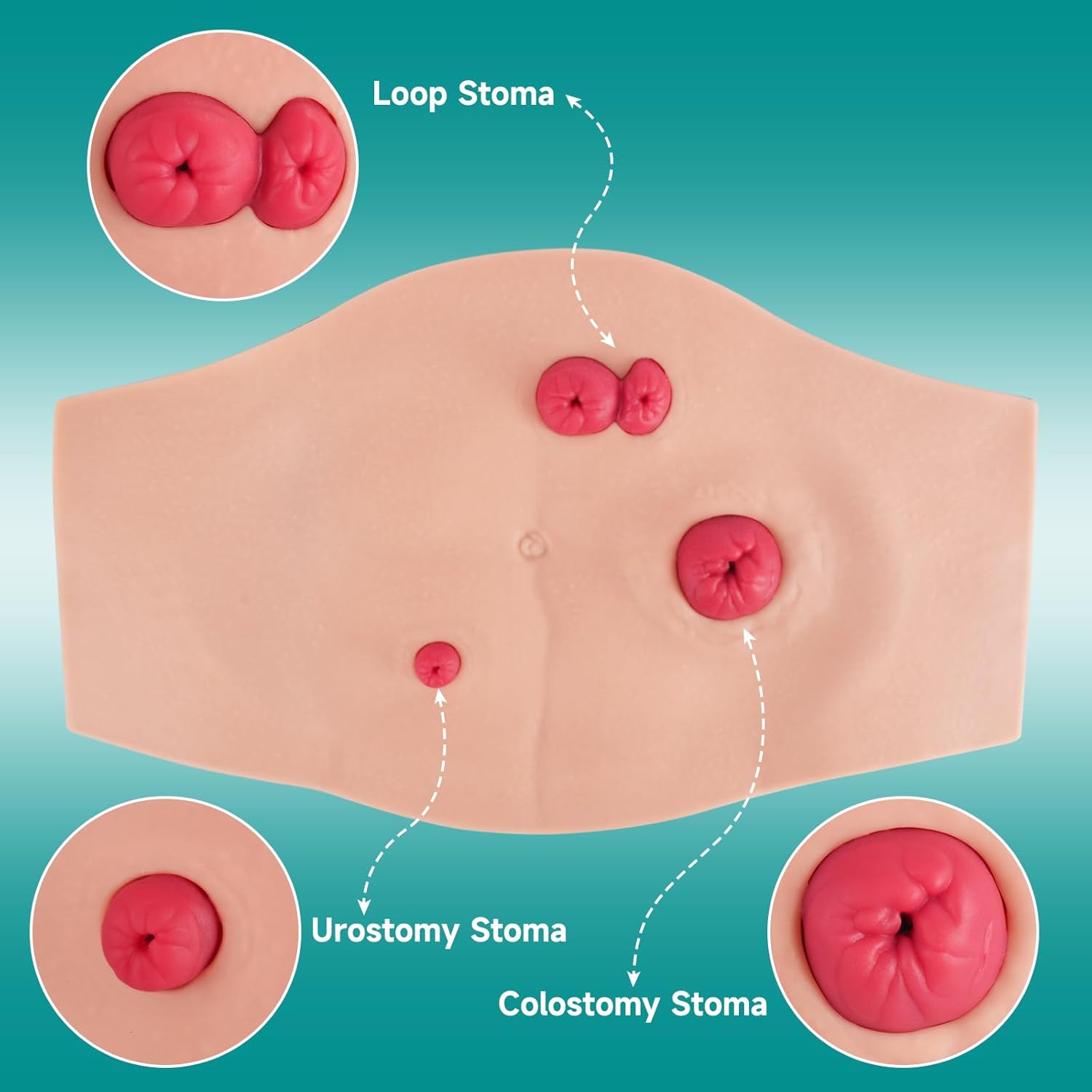
A comprehensive ostomy training program should introduce students to different types of ostomies, including:
- Colostomy
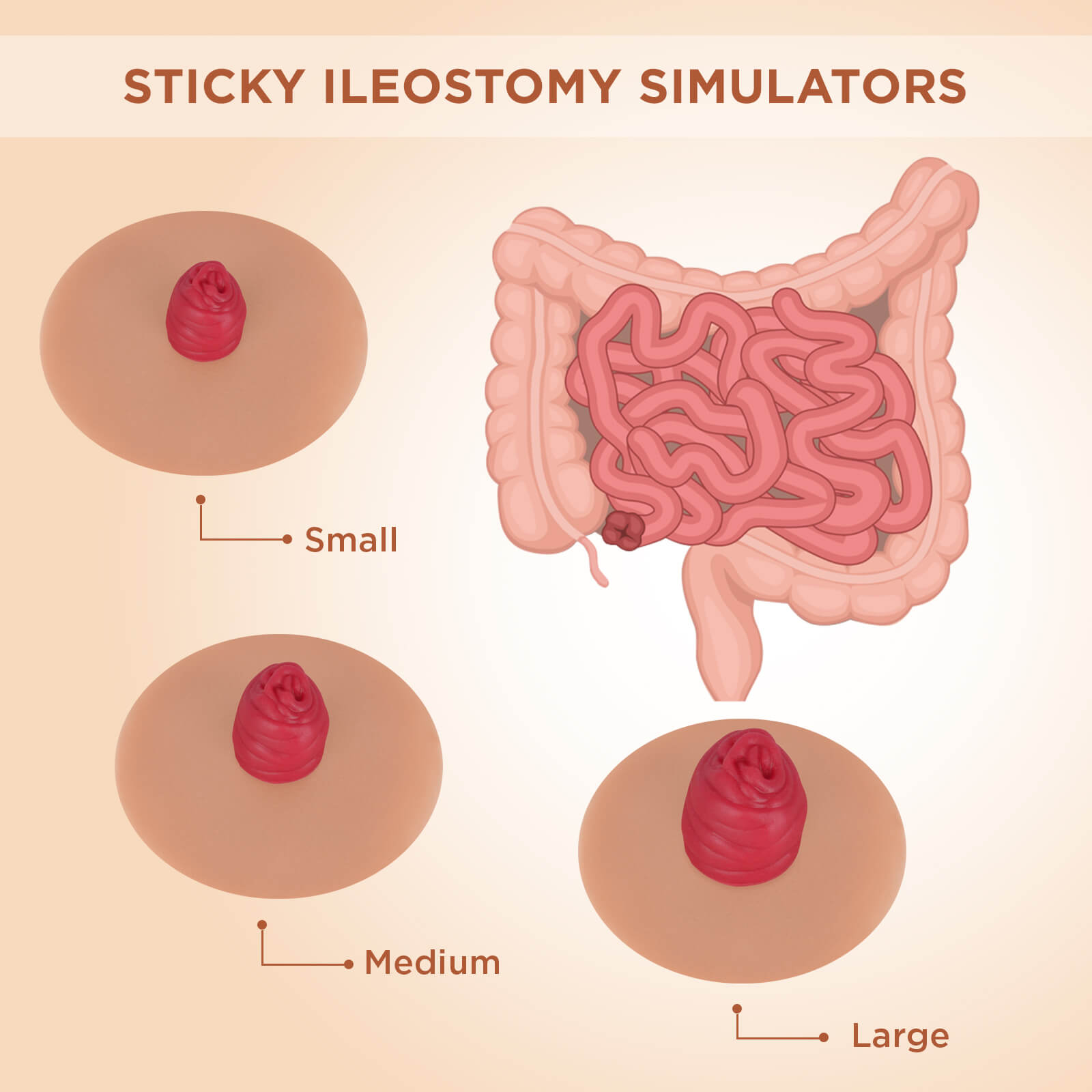
- Ileostomy
- Urostomy
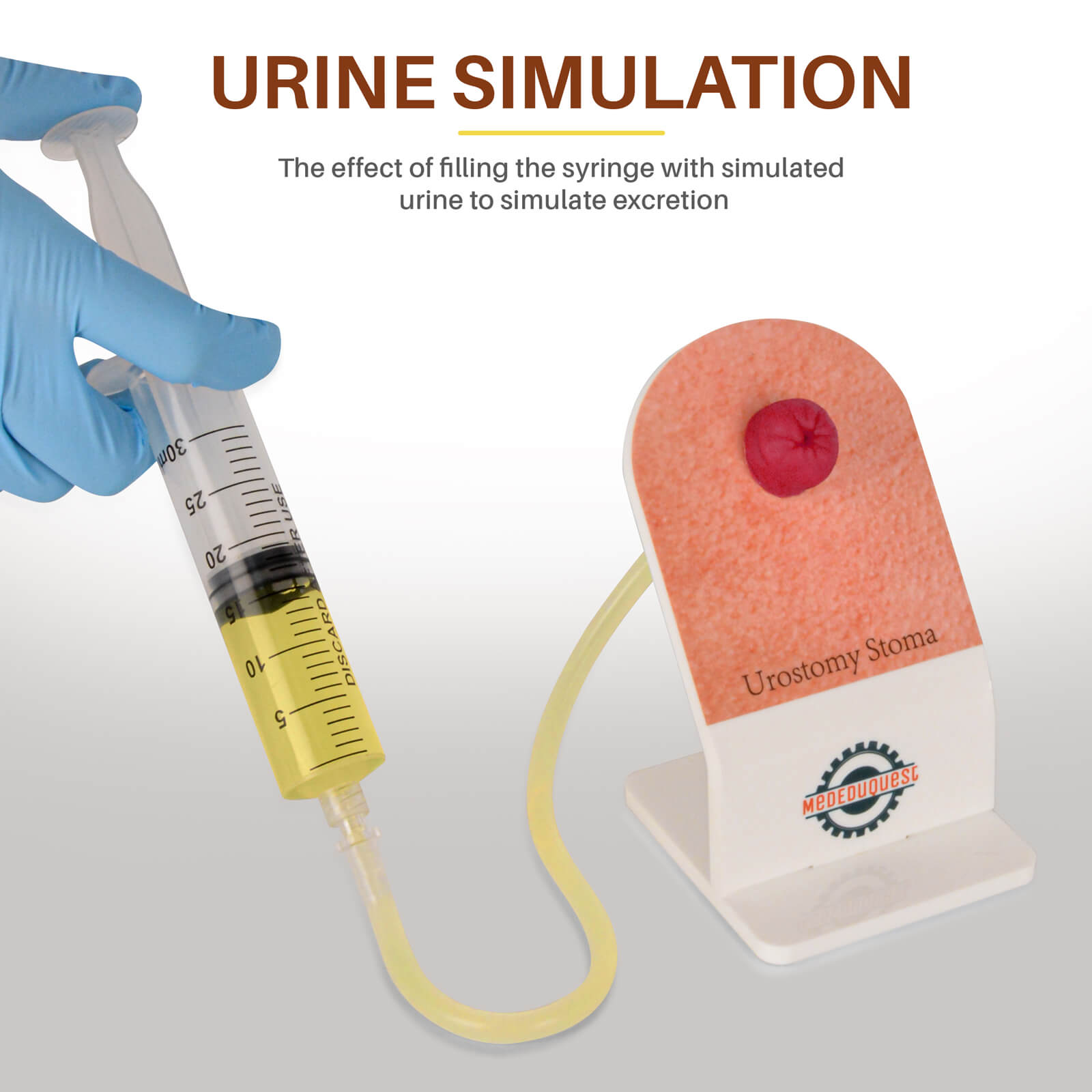
Training with models featuring different stoma types helps students understand how care approaches may vary depending on anatomy and patient needs.
This prepares students for a wider range of clinical situations.
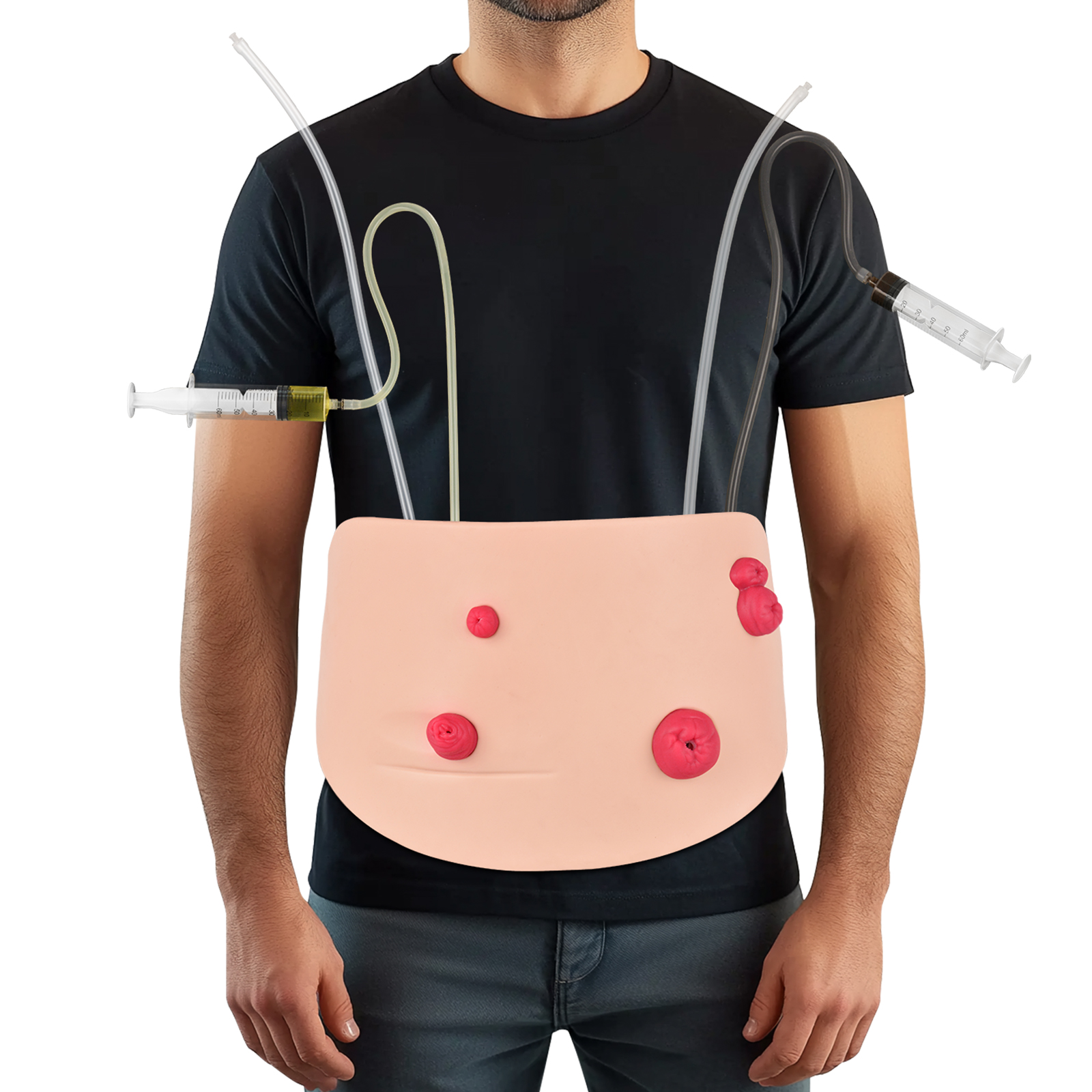
Add Wearable Simulation for More Realistic Practice
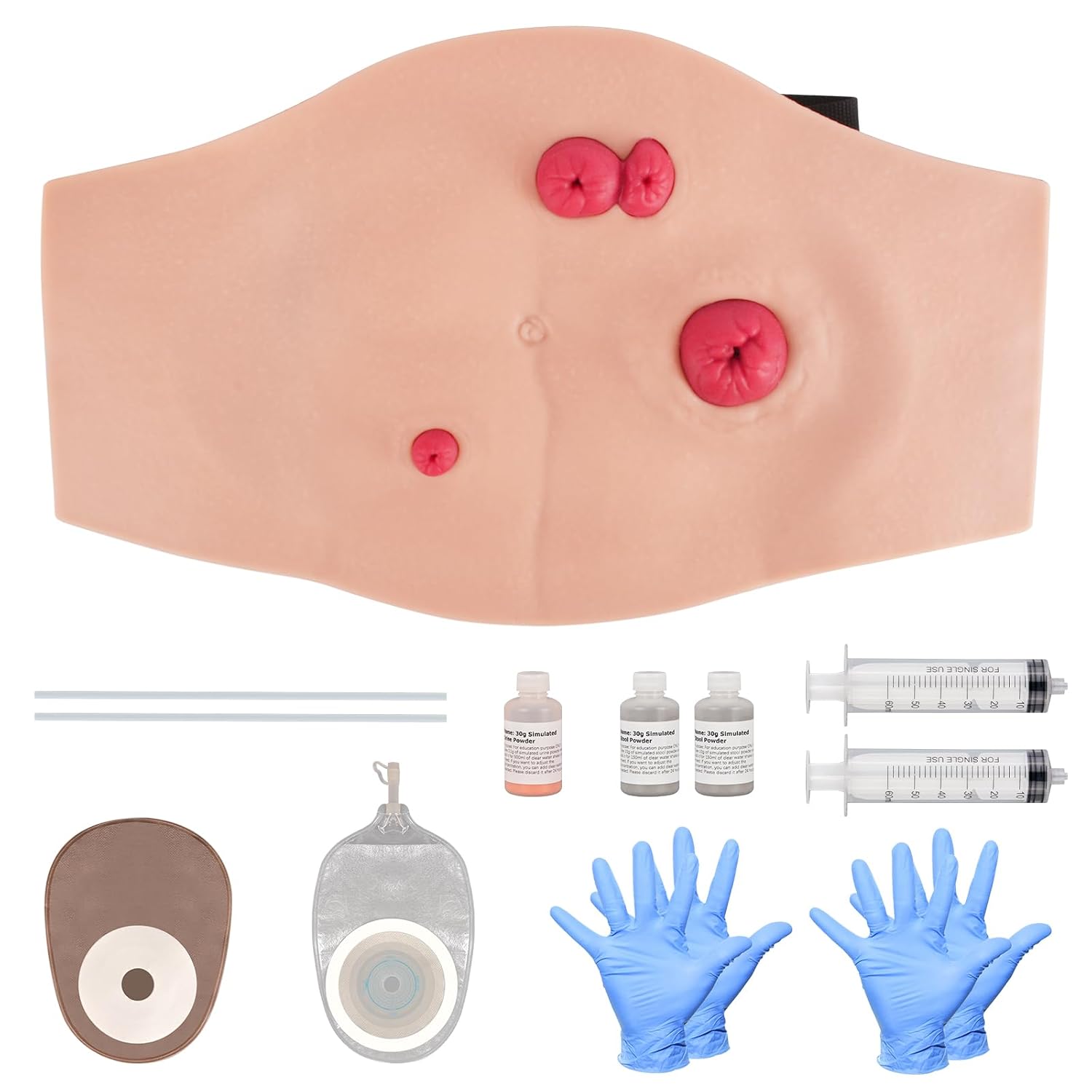
Traditional tabletop models are useful for demonstrations, but wearable simulation provides an additional level of realism.
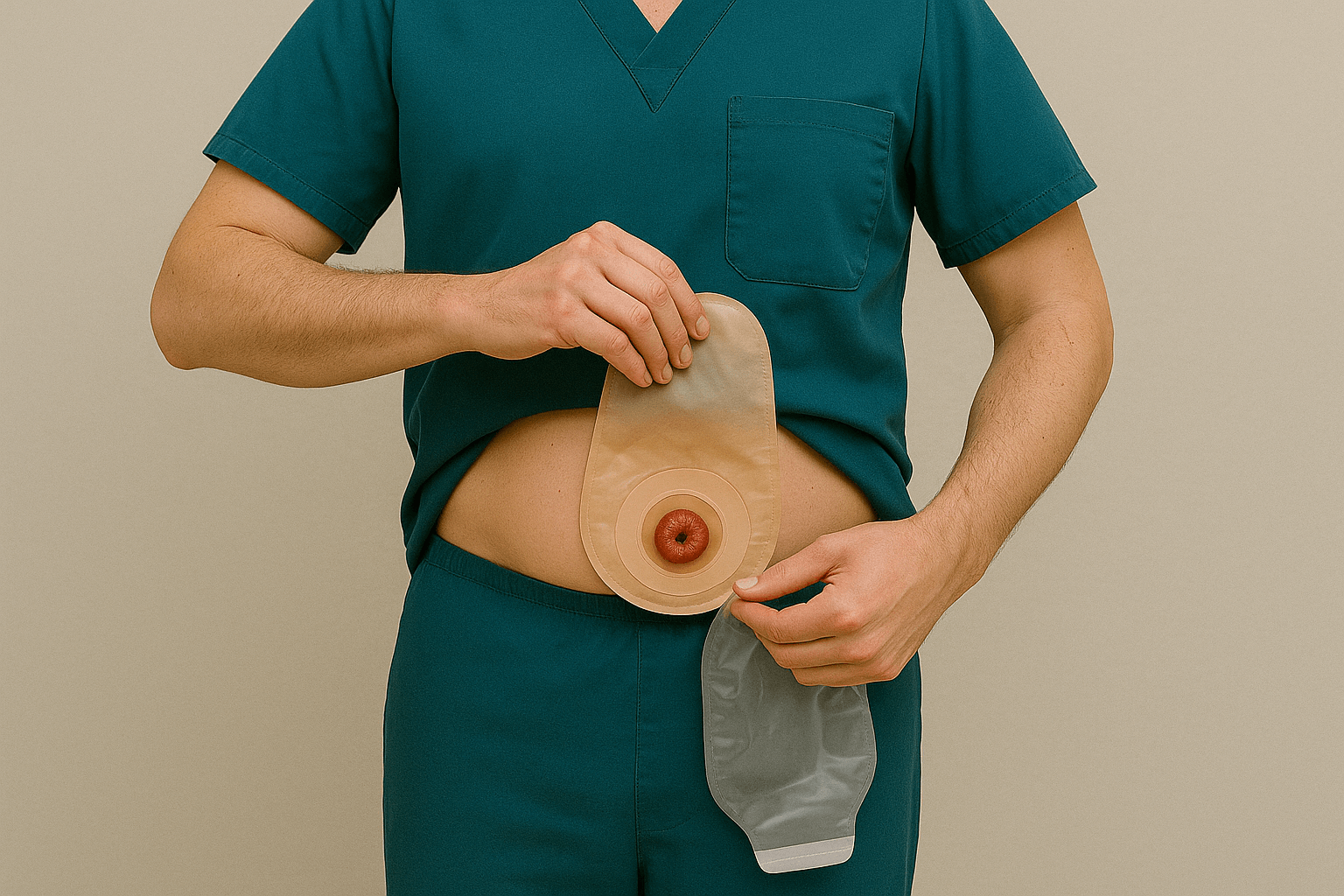
A wearable ostomy care trainer allows students to practice care procedures in positions closer to real bedside situations, including:
- Standing assessments
- Patient positioning scenarios
- Appliance changes in different body positions
This approach helps students understand the practical challenges of providing ostomy care outside the classroom.
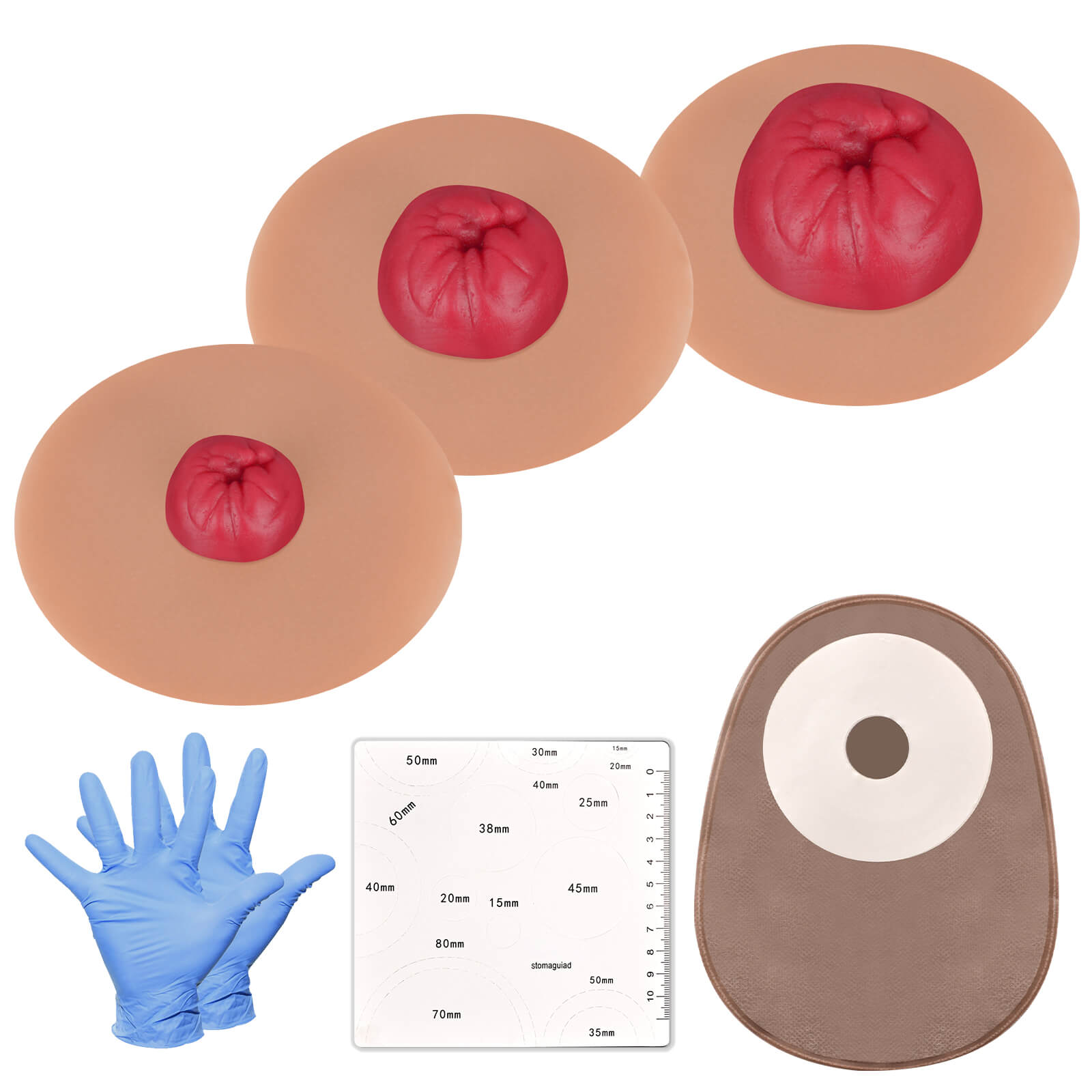
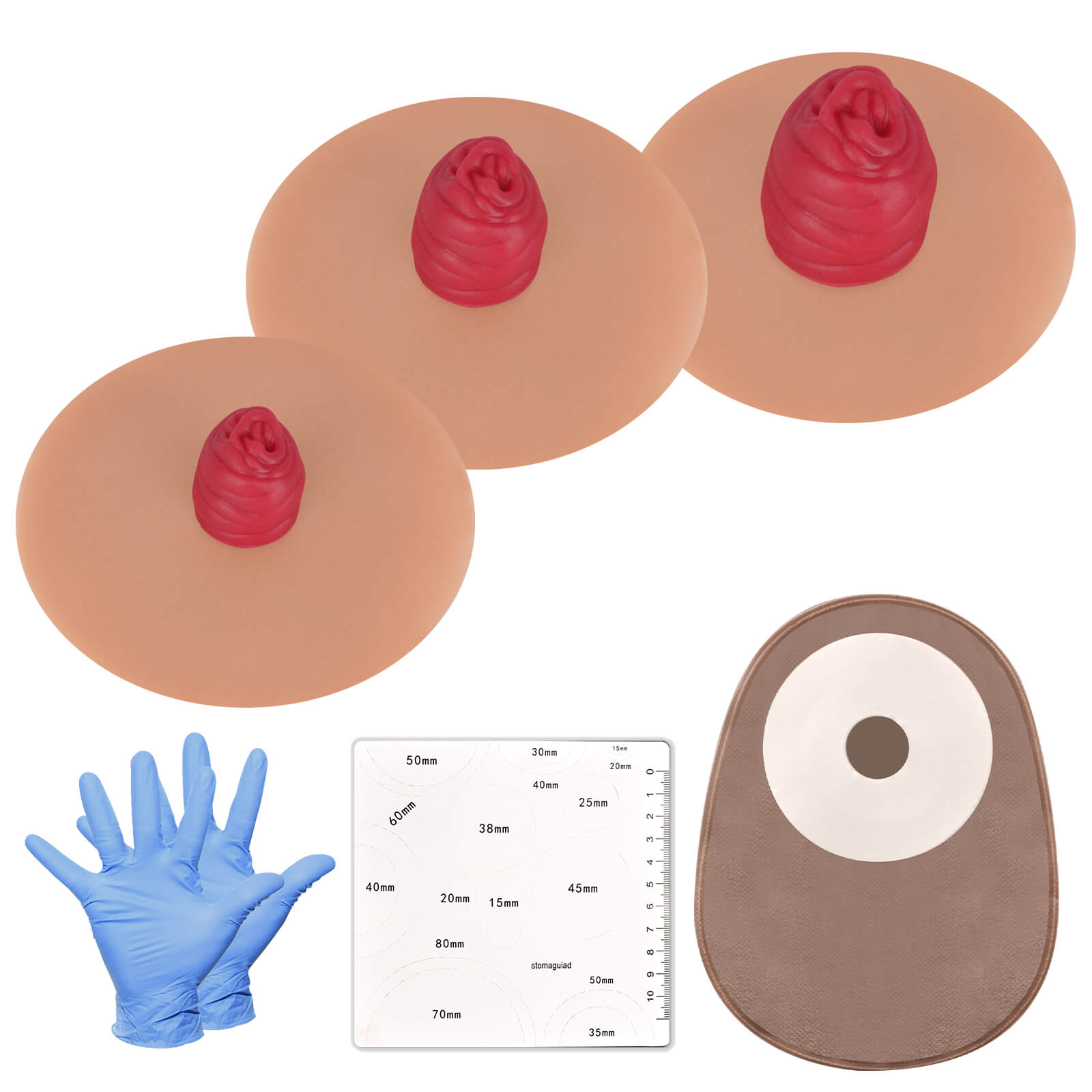
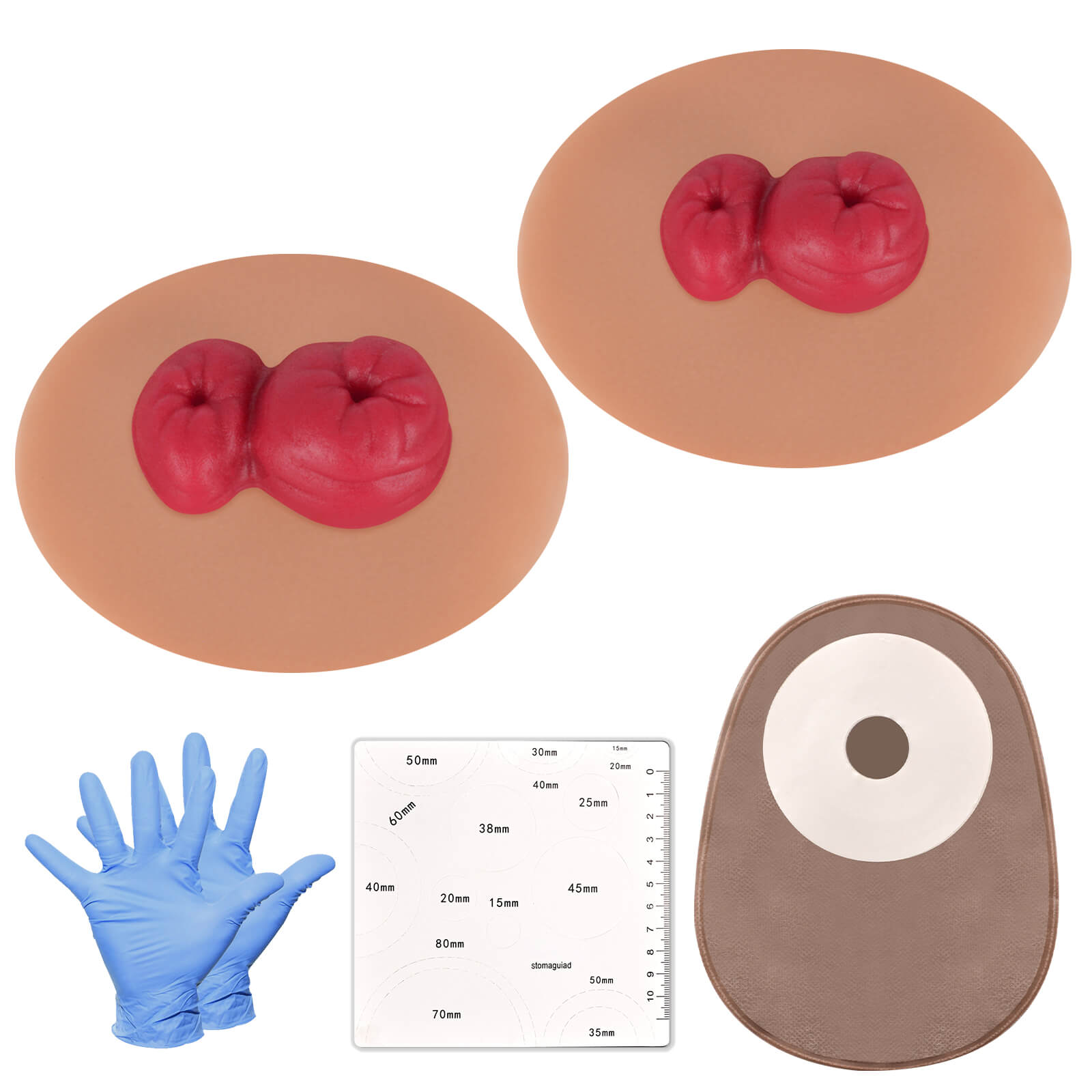
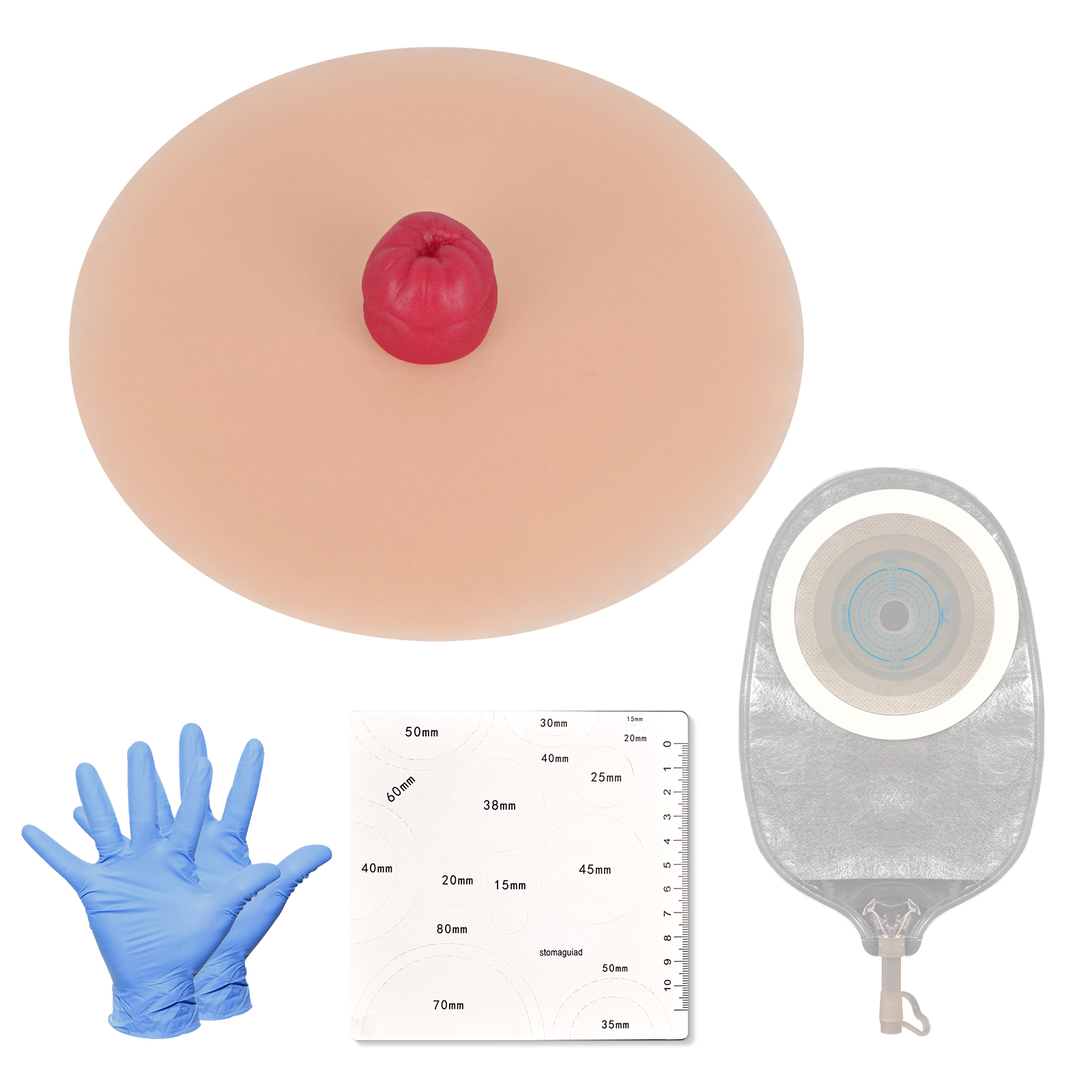
For programs looking to create more realistic patient-care scenarios, a Wearable Ostomy Care Trainer Kit for teaching and hands-on practice can support advanced simulation activities.
Integrate Simulation Into Long-Term Nursing Programs
Successful ostomy training programs require equipment that supports repeated practice across different courses and student levels.
Simulation models should be easy to integrate into:
- Nursing skills labs
- Clinical competency assessments
- Healthcare education workshops
- Continuing professional training
Best Practices for Teaching Stoma Care
- Combine Theory With Simulation
Students should first understand ostomy anatomy and care principles, then apply their knowledge through hands-on practice.
- Use Structured Skills Evaluation
Checklists and competency assessments help educators measure student progress.
- Encourage Reflection and Feedback
After simulation exercises, discussions and instructor feedback help students identify improvement areas.
- Include Patient Communication
Effective ostomy care requires both technical ability and compassionate communication.
Explore Ostomy Training Solutions for Nursing Education
Whether you are building a nursing skills lab, updating simulation equipment, or expanding healthcare training programs, realistic ostomy models can help create effective hands-on learning experiences.
Explore MedEduQuest ostomy training solutions designed for nursing schools, simulation centers, and healthcare educators.
Conclusion
Effective stoma care training requires more than theoretical instruction. Nursing students need opportunities to practice procedures, develop clinical confidence, and understand patient care challenges.
Realistic ostomy simulation models help nursing educators create engaging, repeatable, and clinically relevant training experiences that better prepare students for professional practice.
.jpg?w=1600&h=1600)
.jpg?w=1600&h=1600)
.jpeg?w=1600&h=1600)
.jpeg?w=1600&h=1600)
.jpeg?w=1600&h=1600)
.jpeg?w=1600&h=1600)
.jpg?w=1000&h=1000)
.jpg?w=1000&h=1000)
.jpeg?w=1500&h=1500)
.jpeg?w=1500&h=1500)
.jpeg?w=1600&h=1600)
.jpeg?w=1600&h=1600)
.jpg?w=1600&h=1600)
.jpg?w=1600&h=1600)
.jpg?w=1500&h=1500)
.jpg?w=1500&h=1500)
.jpg?w=1500&h=1500)
.jpg?w=1500&h=1500)
.jpg?w=1500&h=1500)
.jpg?w=1500&h=1500)
.jpg?w=1500&h=1500)
.jpg?w=1500&h=1500)