
One of the most common questions among pregnant women is:
👉 How can I check if my cervix is dilated at home?
While professional exams are the most accurate, midwives and trained doulas use finger-based cervical exams to assess dilation and effacement.
⚠️ Note: Self-examinations carry risks such as infection and incorrect assessments. If in doubt, consult a healthcare professional.
How to Check Cervical Dilation with Fingers
The fingertip method is widely used for assessing dilation:
| Dilation | Finger Measurement |
|---|---|
| 1 cm | One fingertip fits inside |
| 3 cm | Two fingers slightly apart |
| 5 cm | Two fingers can spread further apart |
| 10 cm | Fully open cervix |
💡 For midwife training: Hands-on practice with cervical dilation models like the Cervical Dilation Simulator 1-8cm is crucial for mastering this technique.
01.jpeg?w=1600&h=1600)
How to Check Cervical Effacement
Effacement is harder to measure than dilation. To estimate it, feel the thickness of the cervix:
- Thick and firm = 0% effaced
- Half-thinned = 50% effaced
- Very thin = 100% effaced
When to See a Doctor?
Seek medical attention if:
❗ Severe pain occurs
❗ Water breaks before contractions start
❗ No dilation or effacement occurs after prolonged contractions
Conclusion
Learning how to check dilation and effacement is beneficial for midwives and doulas. Using realistic medical training models ensures more accurate assessments.
➡ Next: Cervical Dilation Chart: A Visual Guide to Labor Progression
.jpeg?w=1600&h=1600)
.jpeg?w=1600&h=1600)
.jpeg?w=1600&h=1600)
.jpeg?w=1600&h=1600)
.jpg?w=1600&h=1600)
.jpg?w=1600&h=1600)
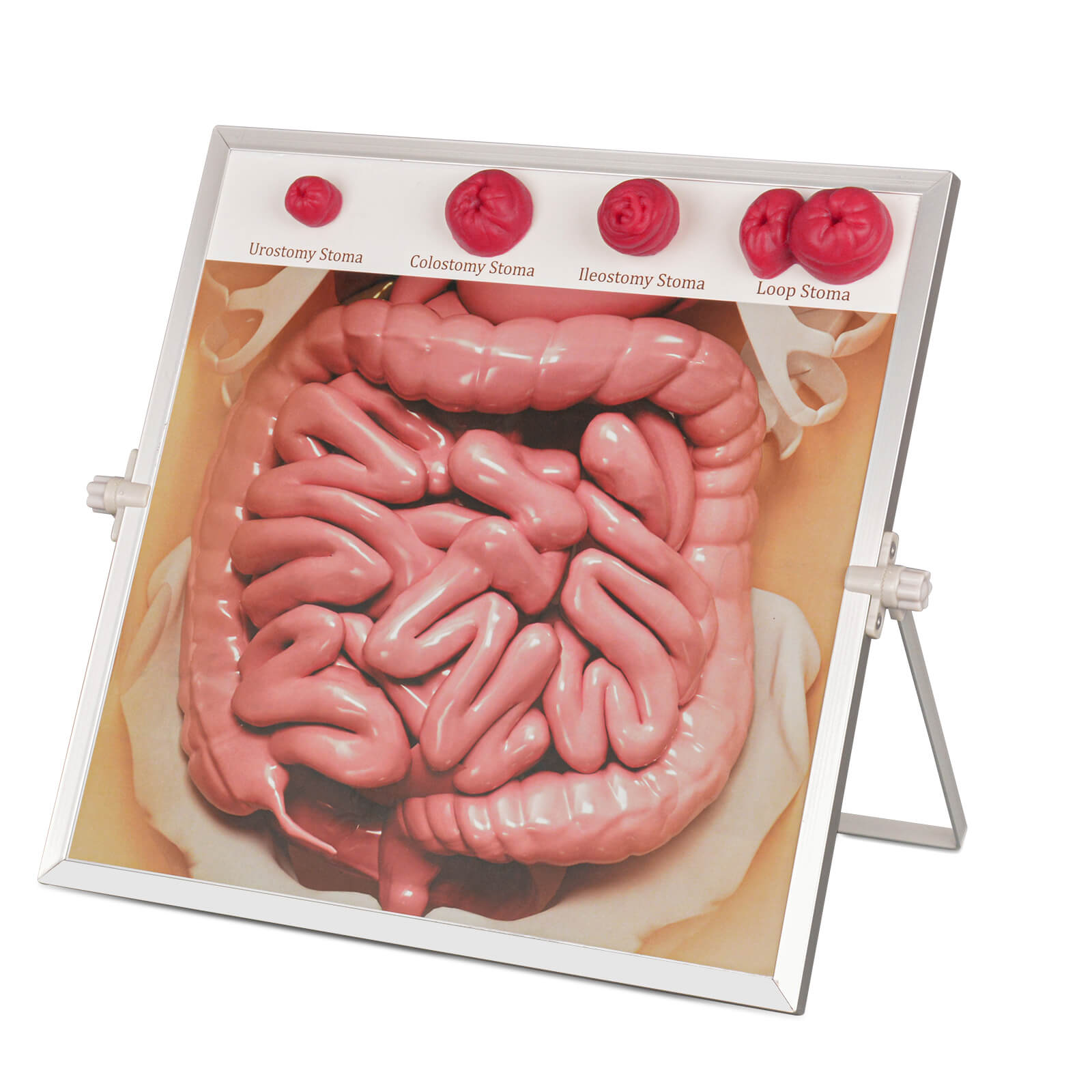



.jpg?w=1000&h=1000)
.jpg?w=1000&h=1000)

.jpeg?w=1500&h=1500)
.jpeg?w=1500&h=1500)
.jpeg?w=1600&h=1600)
.jpeg?w=1600&h=1600)
.jpg?w=1600&h=1600)
.jpg?w=1600&h=1600)
.jpg?w=1500&h=1500)
.jpg?w=1500&h=1500)
.jpg?w=1500&h=1500)
.jpg?w=1500&h=1500)
.jpg?w=1500&h=1500)
.jpg?w=1500&h=1500)