MedEduQuest Wound Packing Trainers FAQs
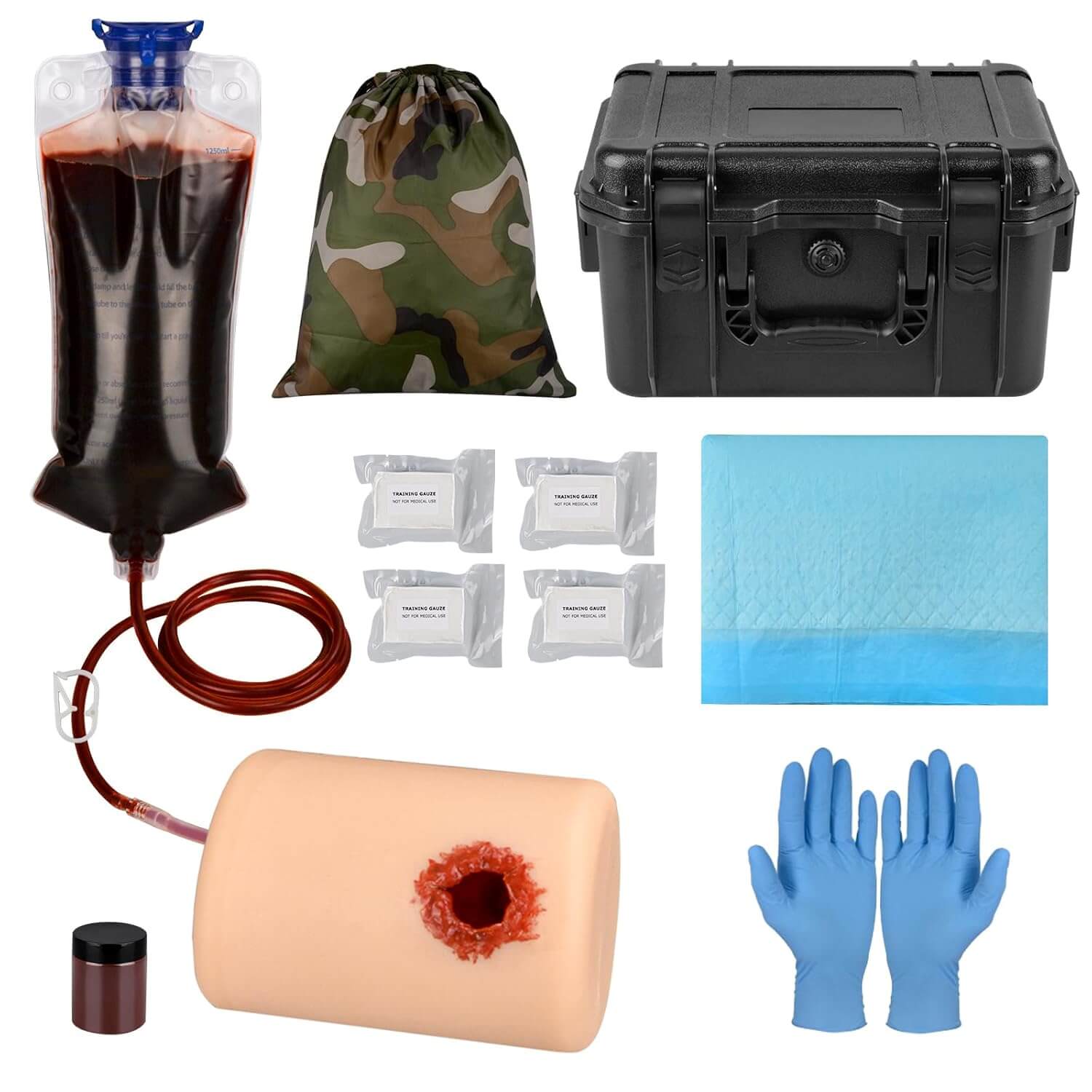
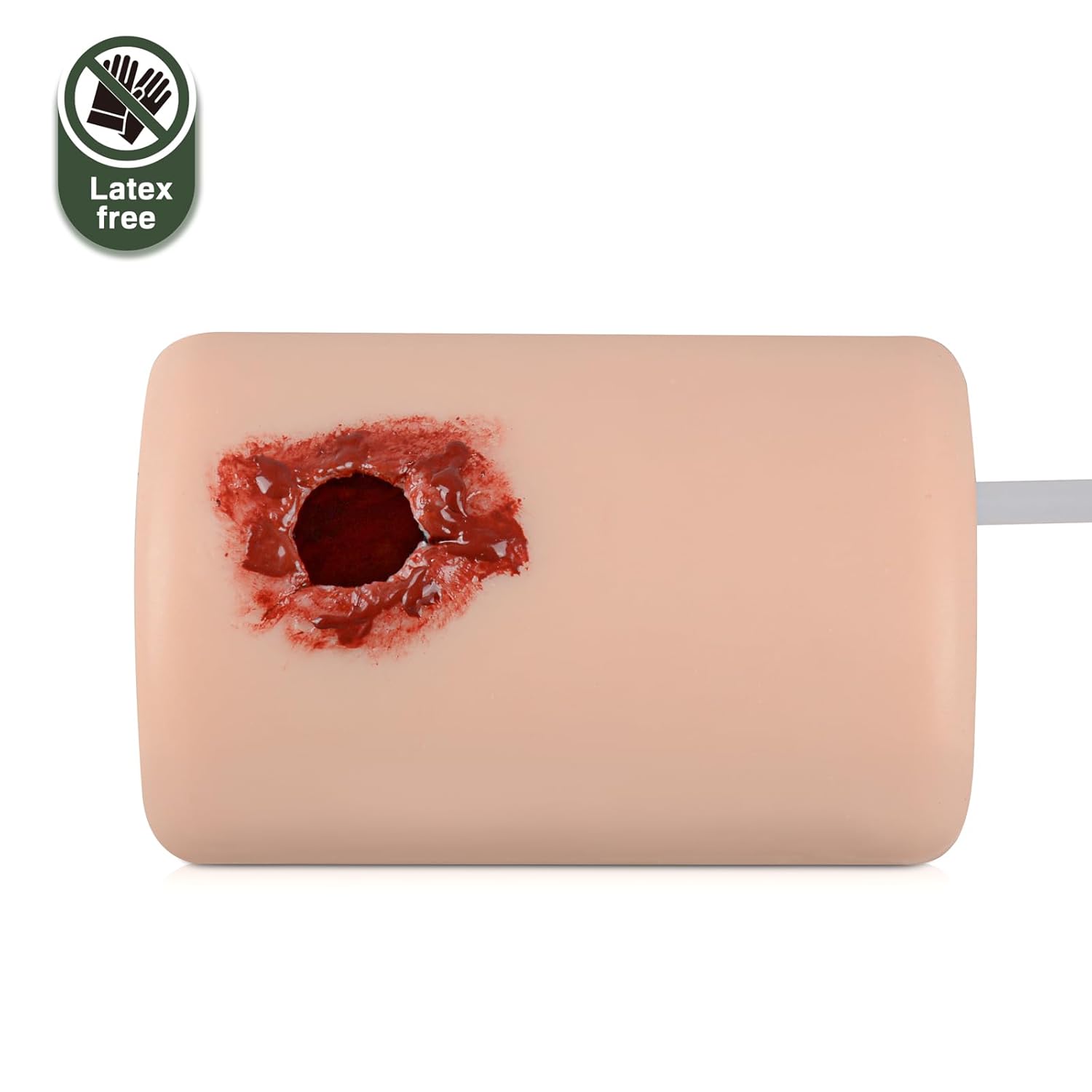
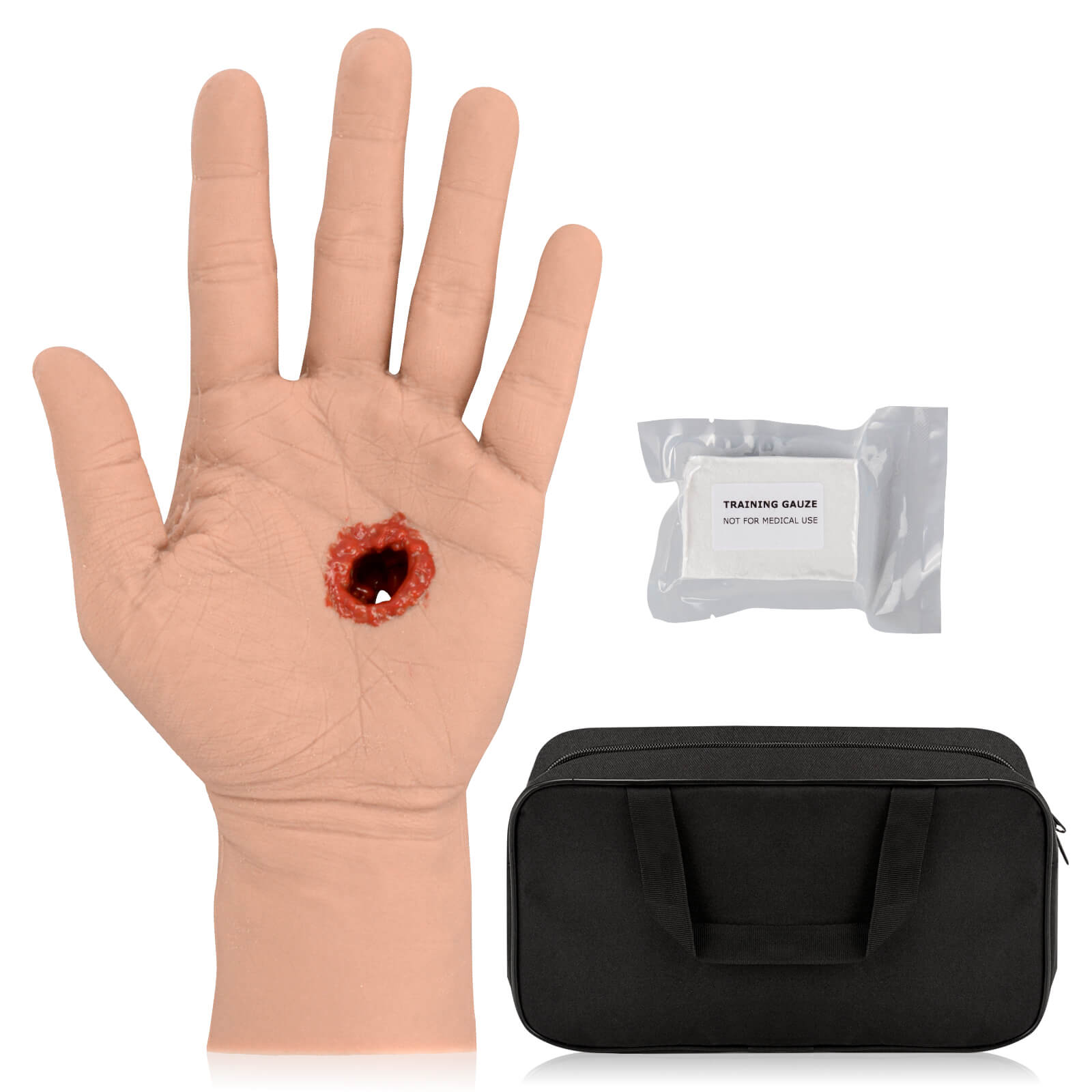
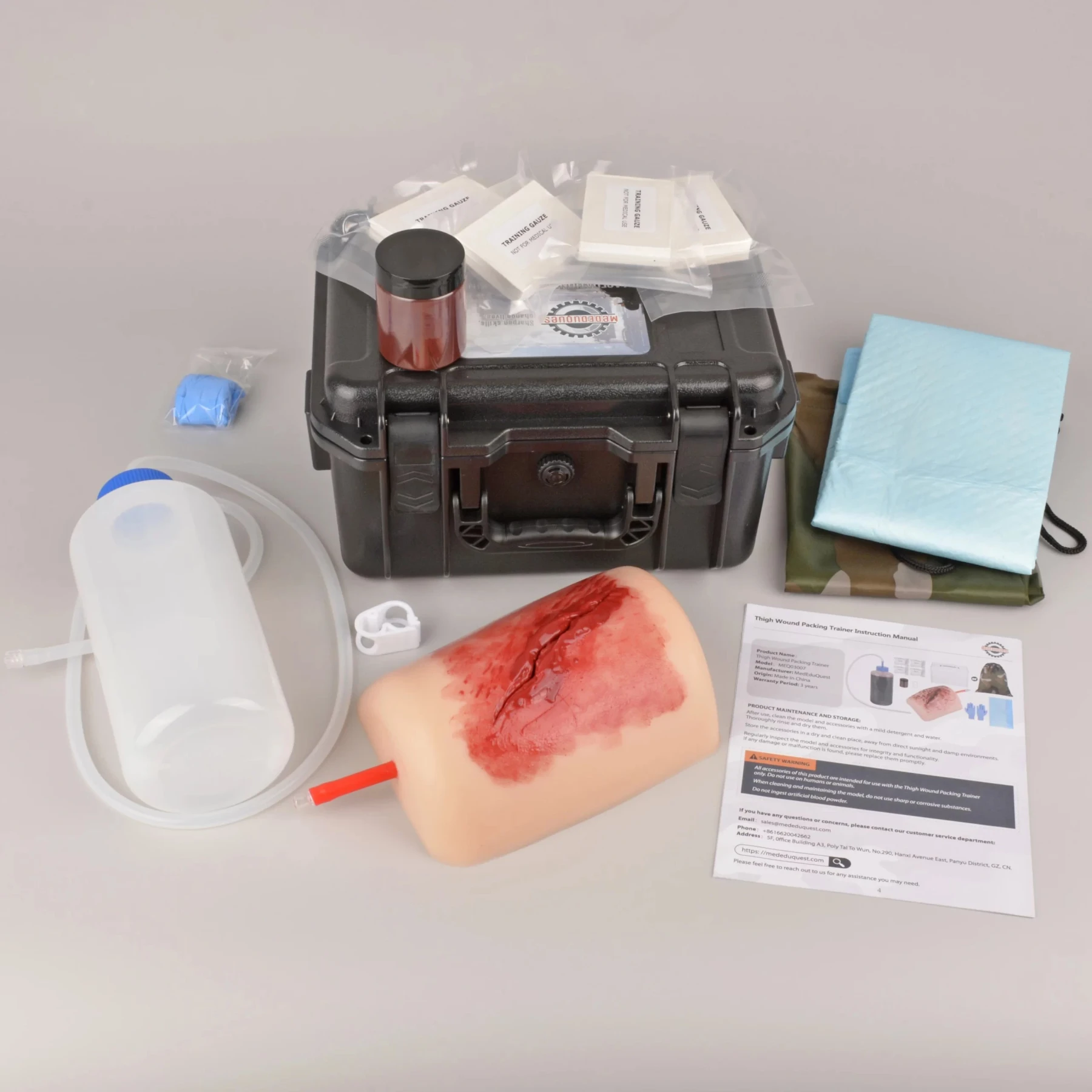
Wound Packing Trainers are advanced medical education simulators that help learners practice the critical skill of hemorrhage control. They are designed to replicate deep or penetrating injuries, such as gunshot wounds, stab wounds, or junctional trauma - so that trainees can safely develop hands-on competence in wound packing, hemostatic dressing application, and direct pressure control.
Effective wound packing can prevent fatal bleeding in trauma cases before surgical care is available. Practicing with lifelike models helps students and emergency professionals build muscle memory and confidence in real-world, high-pressure situations such as pre-hospital or battlefield care.
Our trainers replicate the texture, resistance, and elasticity of human soft tissue. Many models feature a controllable bleeding system to simulate active hemorrhage, allowing realistic visual and tactile feedback during practice.
Each wound packing trainer is crafted from high-grade medical silicone with reinforced durability. The material is skin-safe, reusable, and designed to retain its shape and flexibility after hundreds of training sessions.
Start by applying gauze or hemostatic dressing into the wound cavity using steady, firm pressure. Continue packing until resistance is felt and simulated bleeding stops. Reinforce with external pressure for several seconds.
For detailed steps, visit our article: How to Perform Effective Wound Packing →
MedEduQuest offers a full range of wound types, including:
- Deep lacerations and open soft-tissue wounds
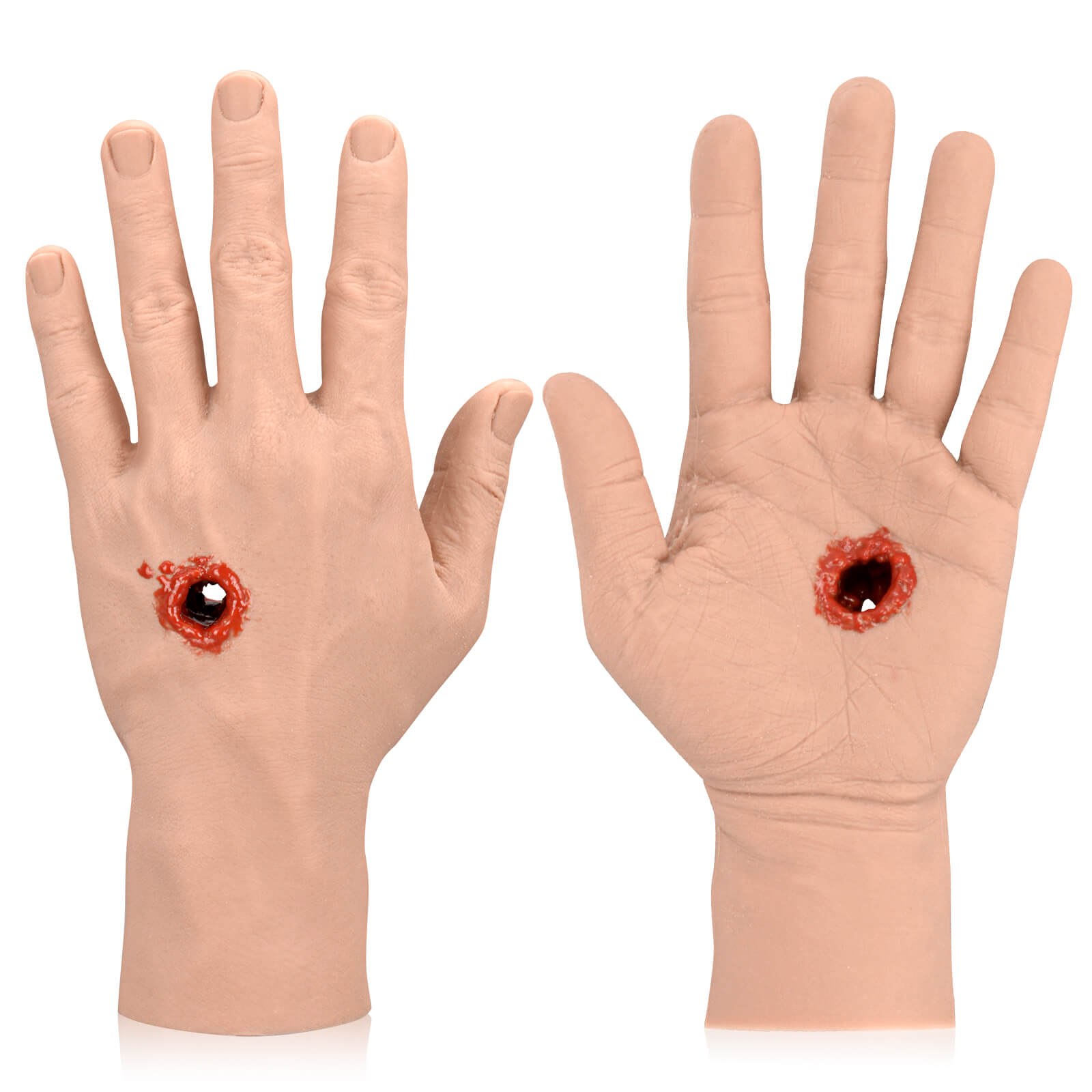
- Gunshot and puncture wounds
- Junctional wounds near groin or armpit
- Amputation or fracture injuries
You can explore all available simulators here: Wound Packing Trainer Collection
After use, rinse with clean water or mild soap and allow to air dry. Avoid strong solvents or alcohol. Store in a dry, shaded area to maintain material integrity. Regular care ensures optimal performance for years of training.
Our models are widely used in:
- Trauma simulation and paramedic programs
- Tactical Combat Casualty Care (TCCC) courses
- EMS and first responder training
- Nursing and medical schools
- Stop-the-Bleed and civilian emergency workshops
They are suitable for both individual learners and institutional programs.
Yes. Our academic consultants will help you choose based on your learning objectives, training environment (classroom, field, or clinical), and desired wound type.
Contact our education support team.
Orders are processed within 1–2 business days and typically delivered within 7–12 days, depending on your region and order volume.
If you receive a damaged or incorrect product, please contact us immediately with your order details and photos - our team will promptly arrange a replacement or refund.
Yes. MedEduQuest provides preferential pricing for universities, hospitals, EMS agencies, and distributors.
We also support custom wound designs, institutional branding, and OEM/ODM collaborations for specialized trauma training requirements.
Request a bulk quote →
If you have further questions, feel free to contact us!
-
-
Wearable Chest Gunshot Wound Penetrating Trauma Packing Trainer Kit
.jpeg?w=1600&h=1600)
.jpeg?w=1600&h=1600)
Wearable Chest Gunshot Wound Penetrating Trauma Packing Trainer Kit
$159.99 USD -
Wearable Neck Gunshot Wound Packing Trainer Kit
.jpg?w=1600&h=1600)
.jpg?w=1600&h=1600)
Wearable Neck Gunshot Wound Packing Trainer Kit
$76.99 USD -
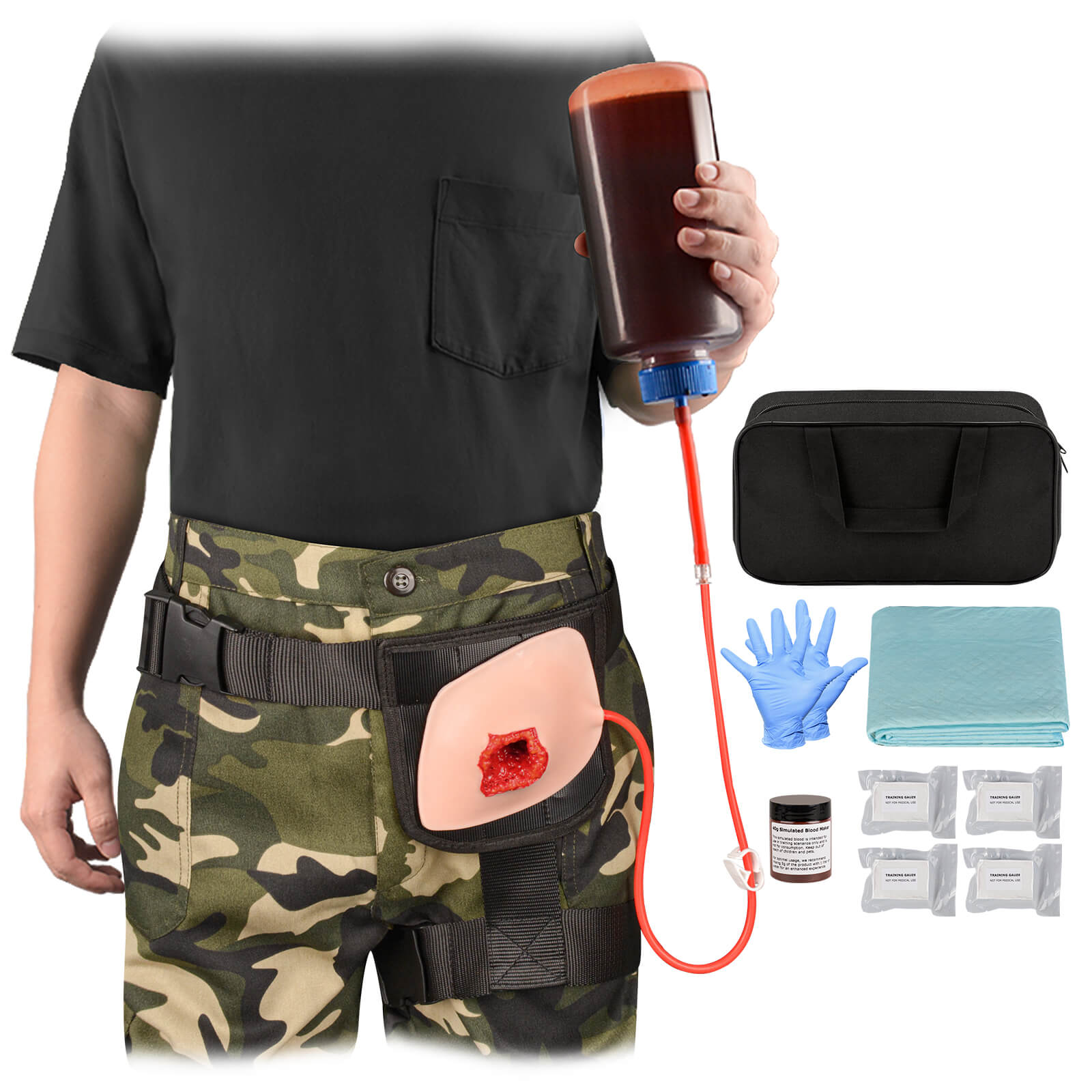
Wearable Inguinal Gunshot Wound Packing Trainer Kit
.jpeg?w=1500&h=1500)
Wearable Inguinal Gunshot Wound Packing Trainer Kit
$89.99 USD -
Wearable Gunshot Wound Haemostatic Clotting Trainer Kit
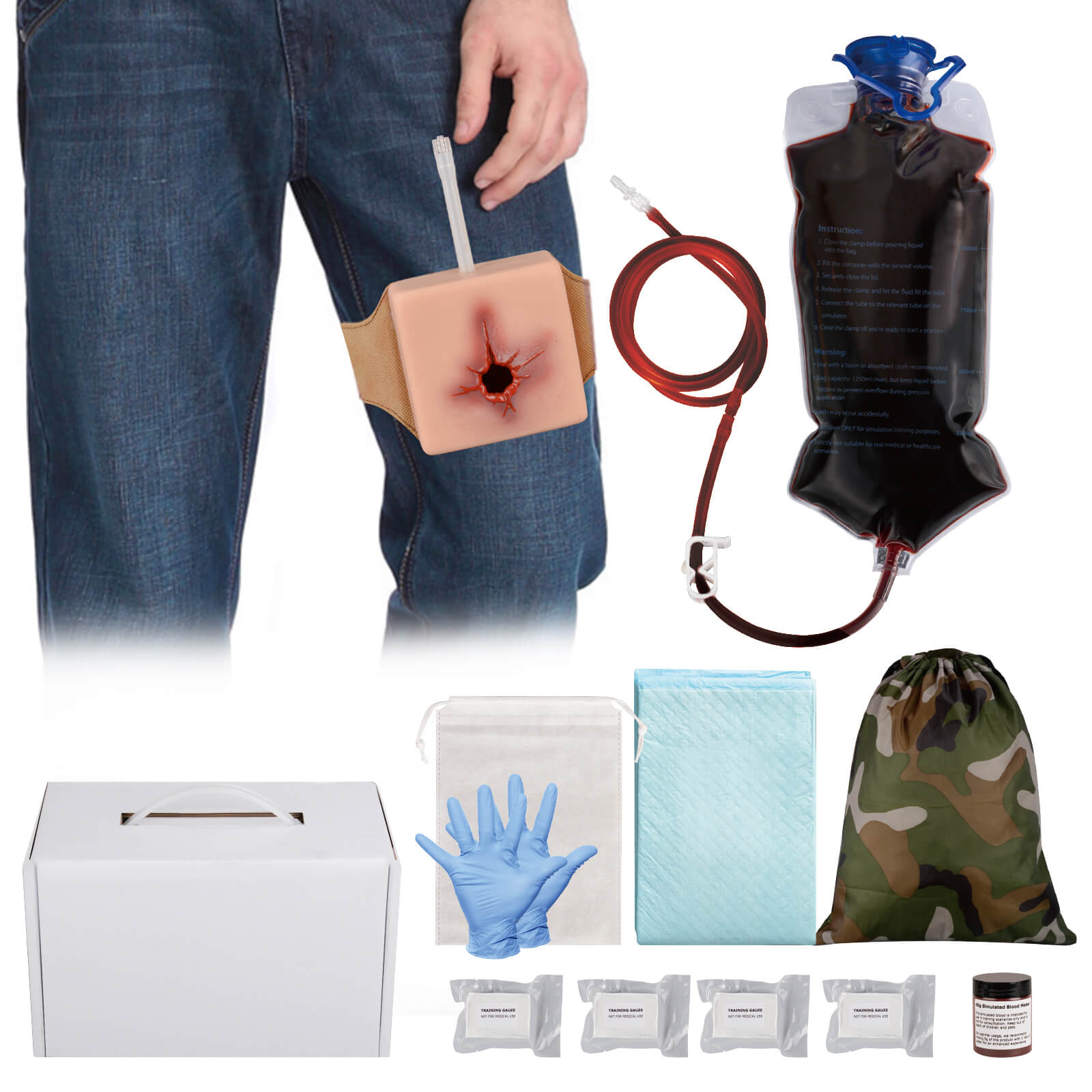
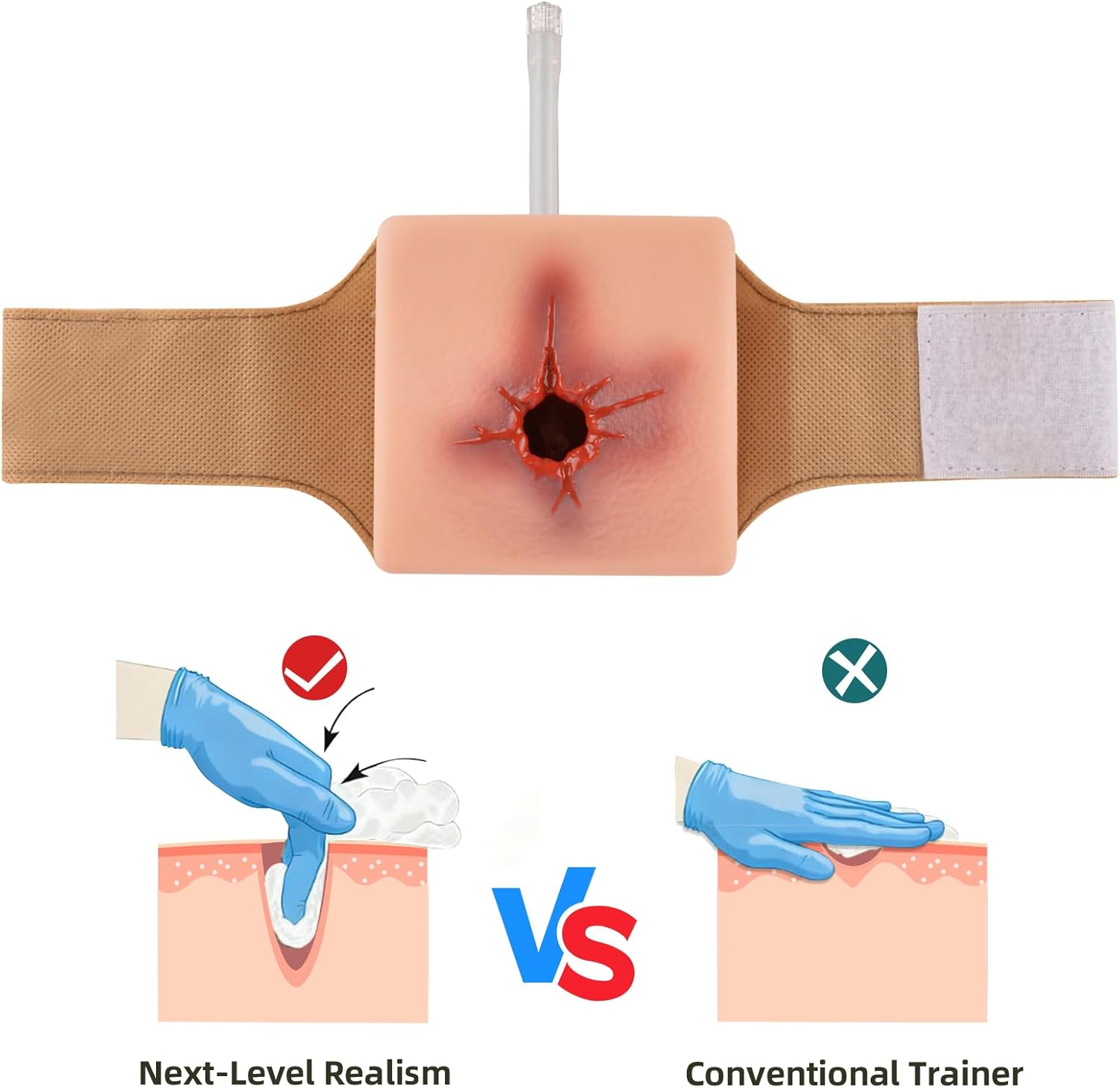
Wearable Gunshot Wound Haemostatic Clotting Trainer Kit
$87.99 USD -
Wearable Haemostatic Wound Packing Trainer Kit
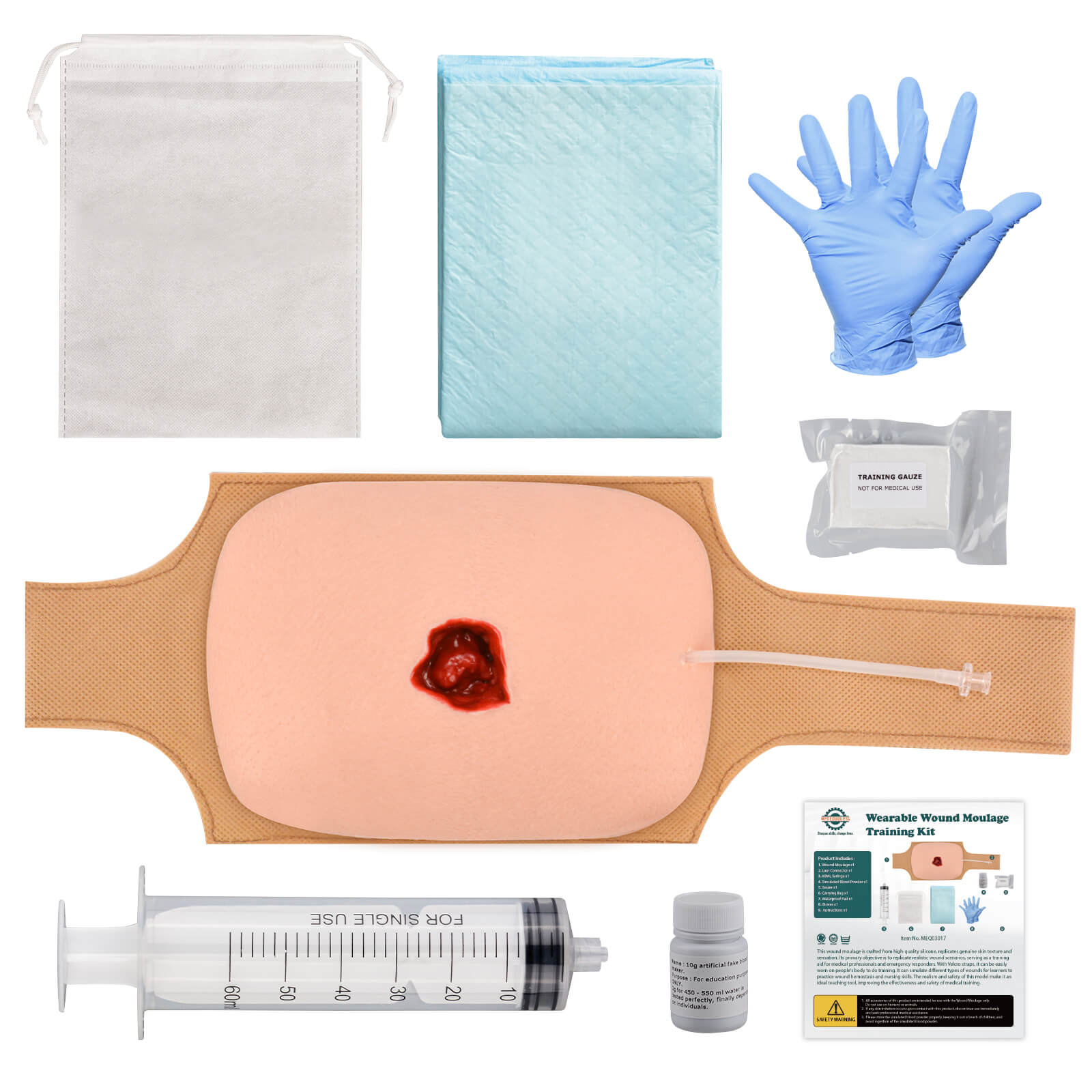
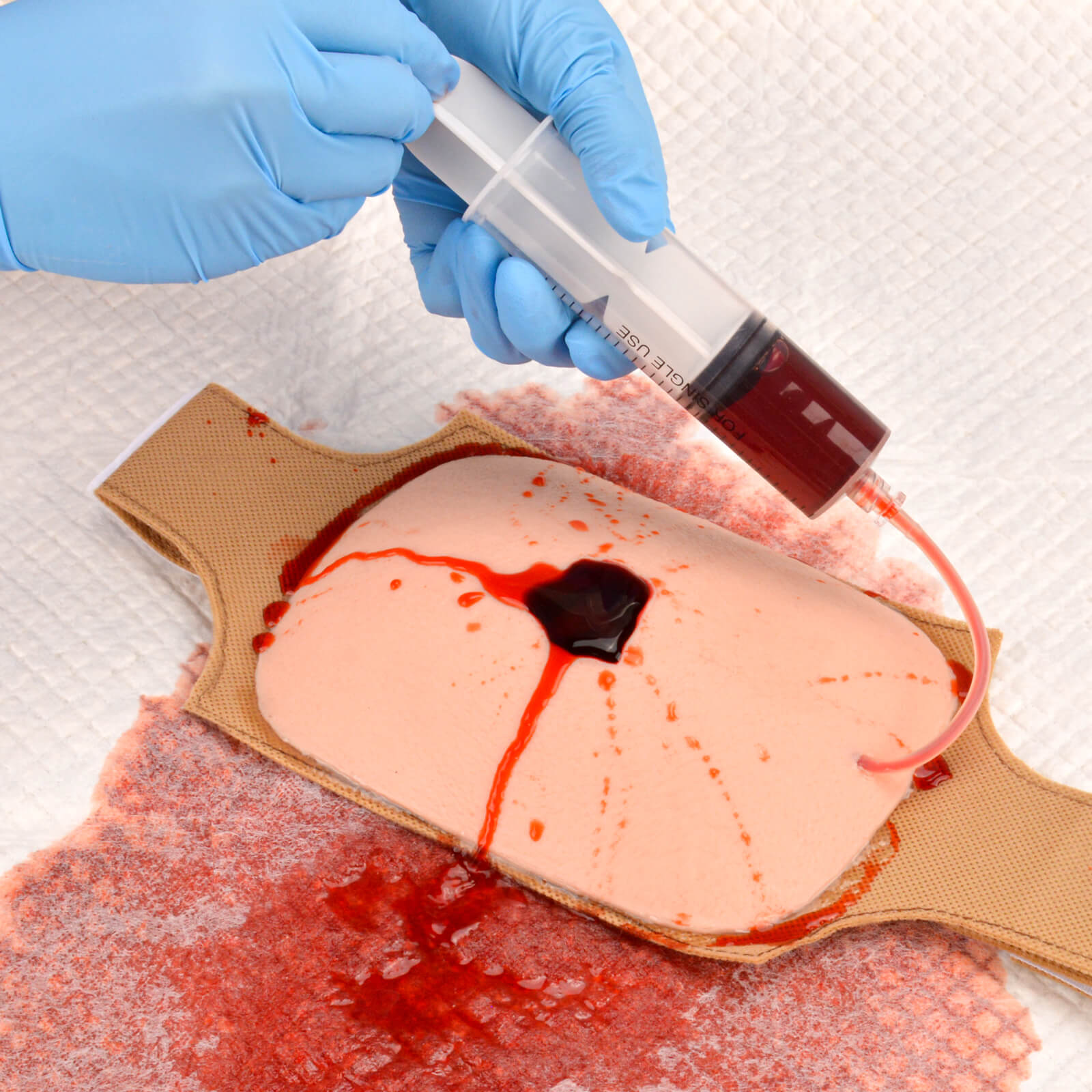
Wearable Haemostatic Wound Packing Trainer Kit
$76.99 USD -
Wearable Thigh Laceration Hemostasis Training Kit
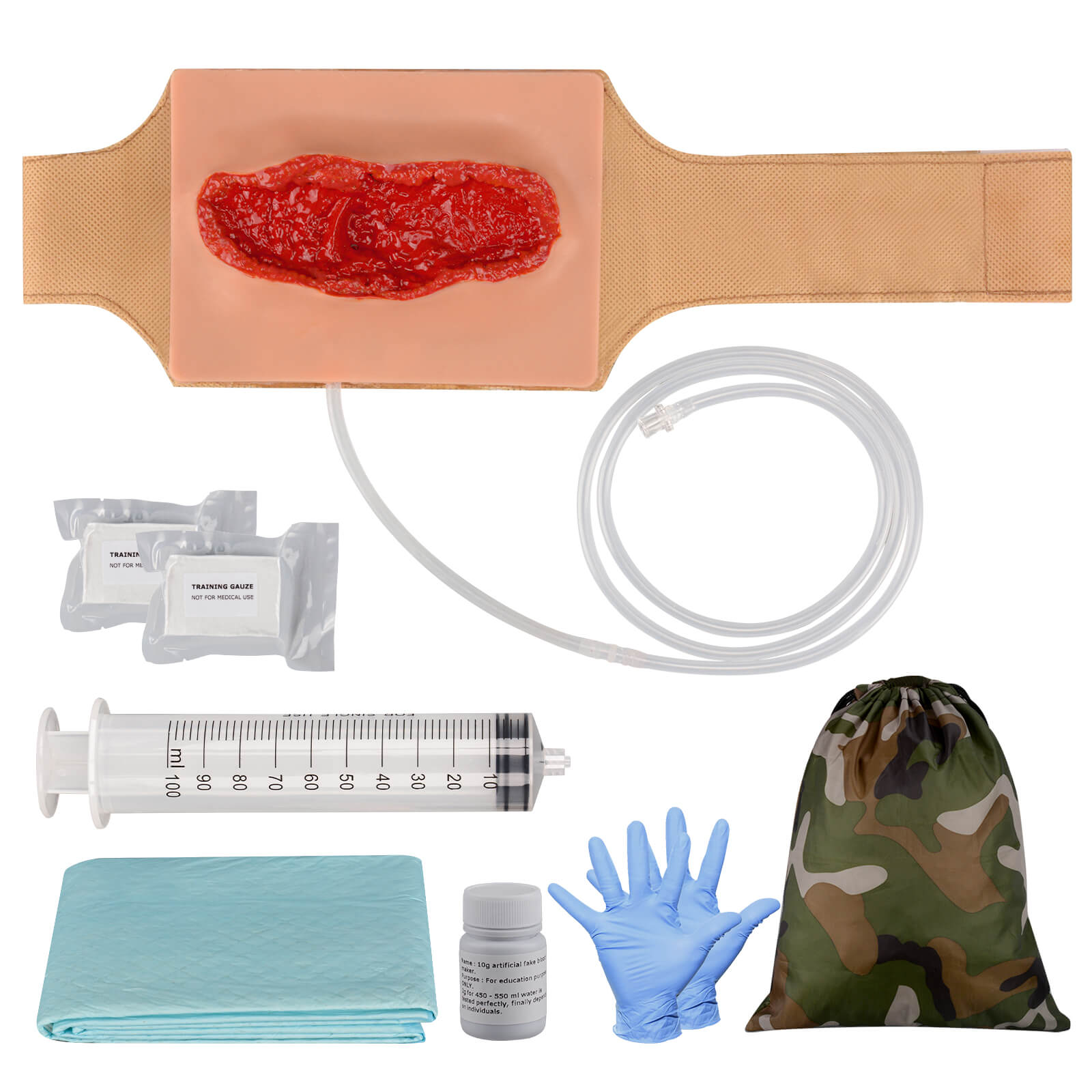
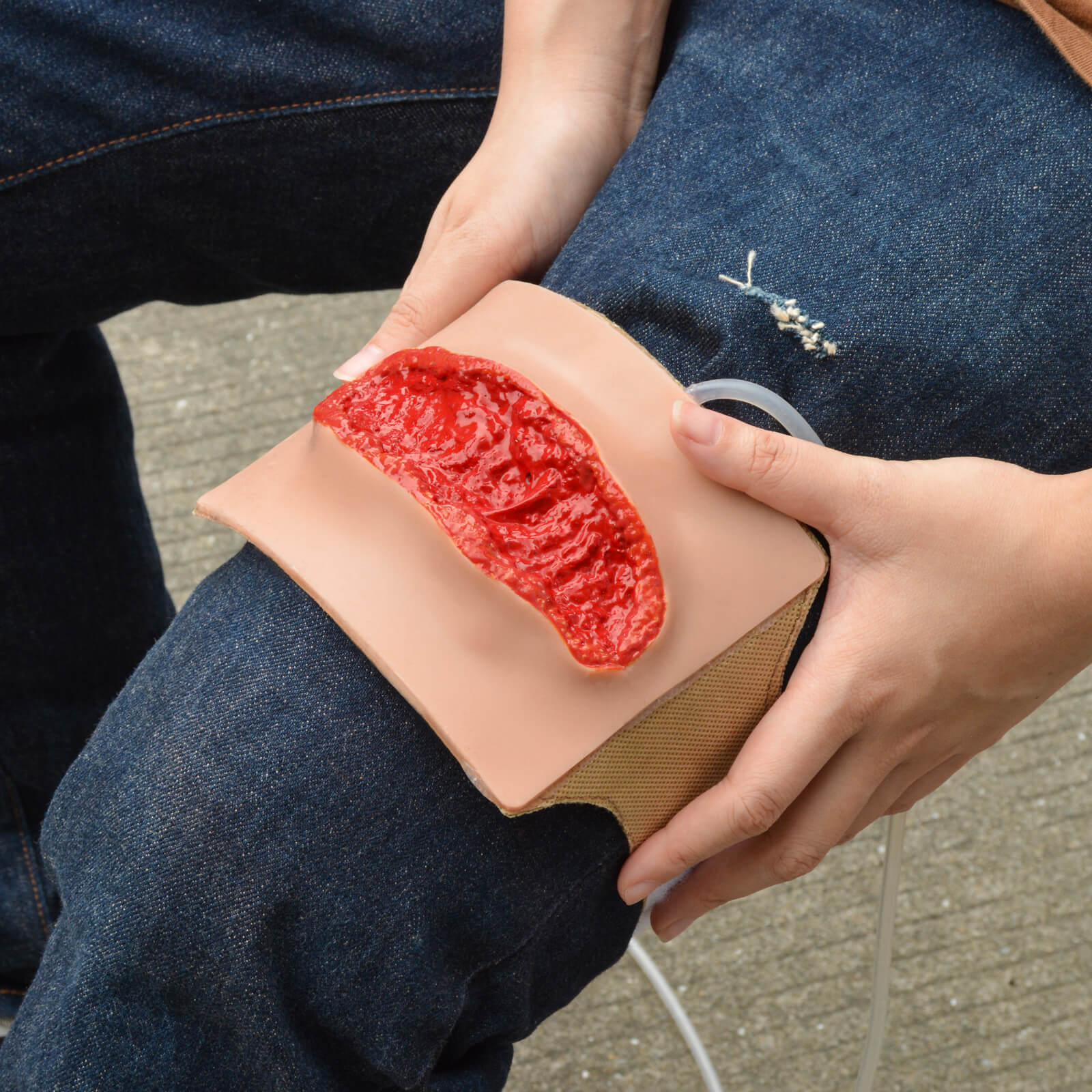
Wearable Thigh Laceration Hemostasis Training Kit
$87.99 USD -
GSW Through Hand Stop The Bleed Training Kit
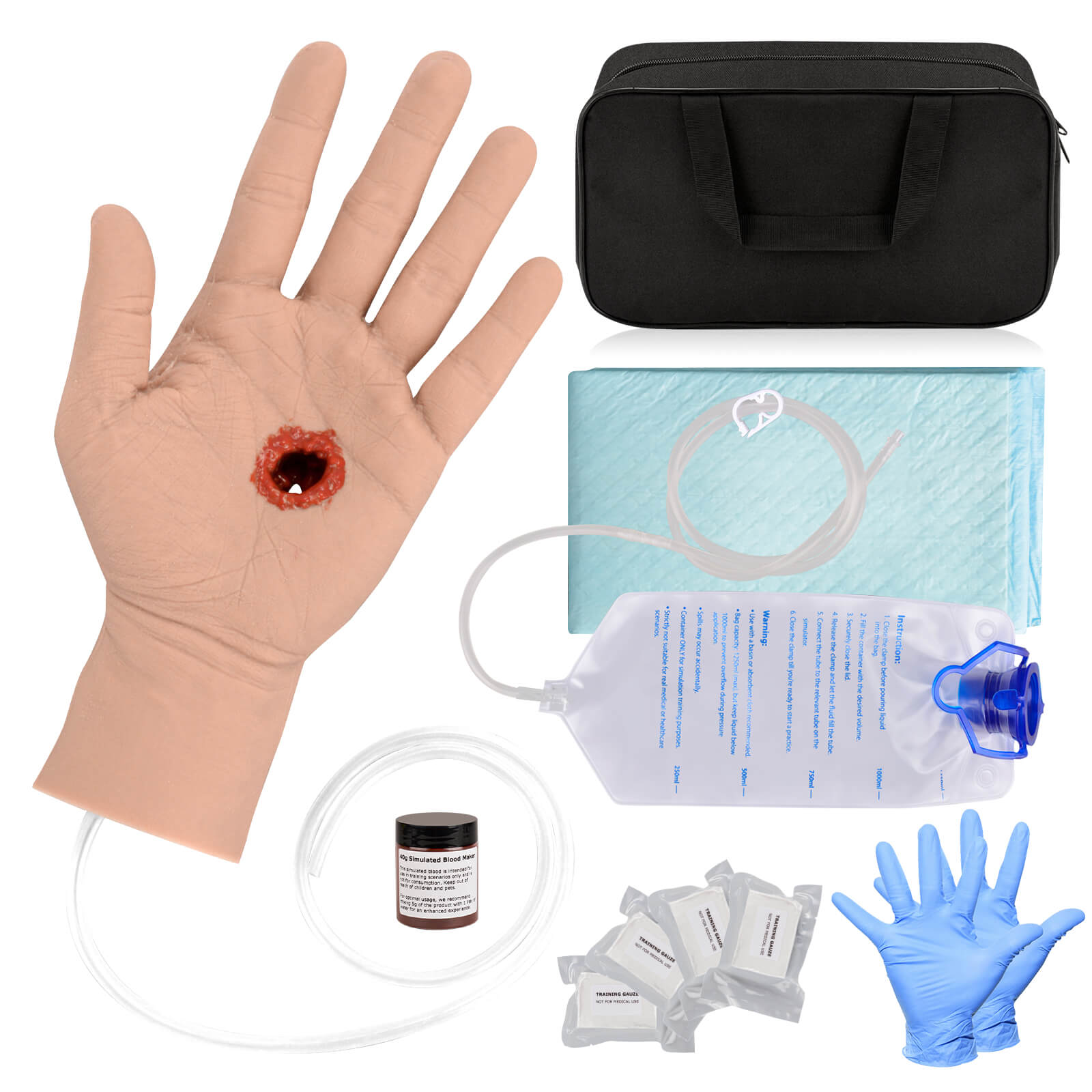
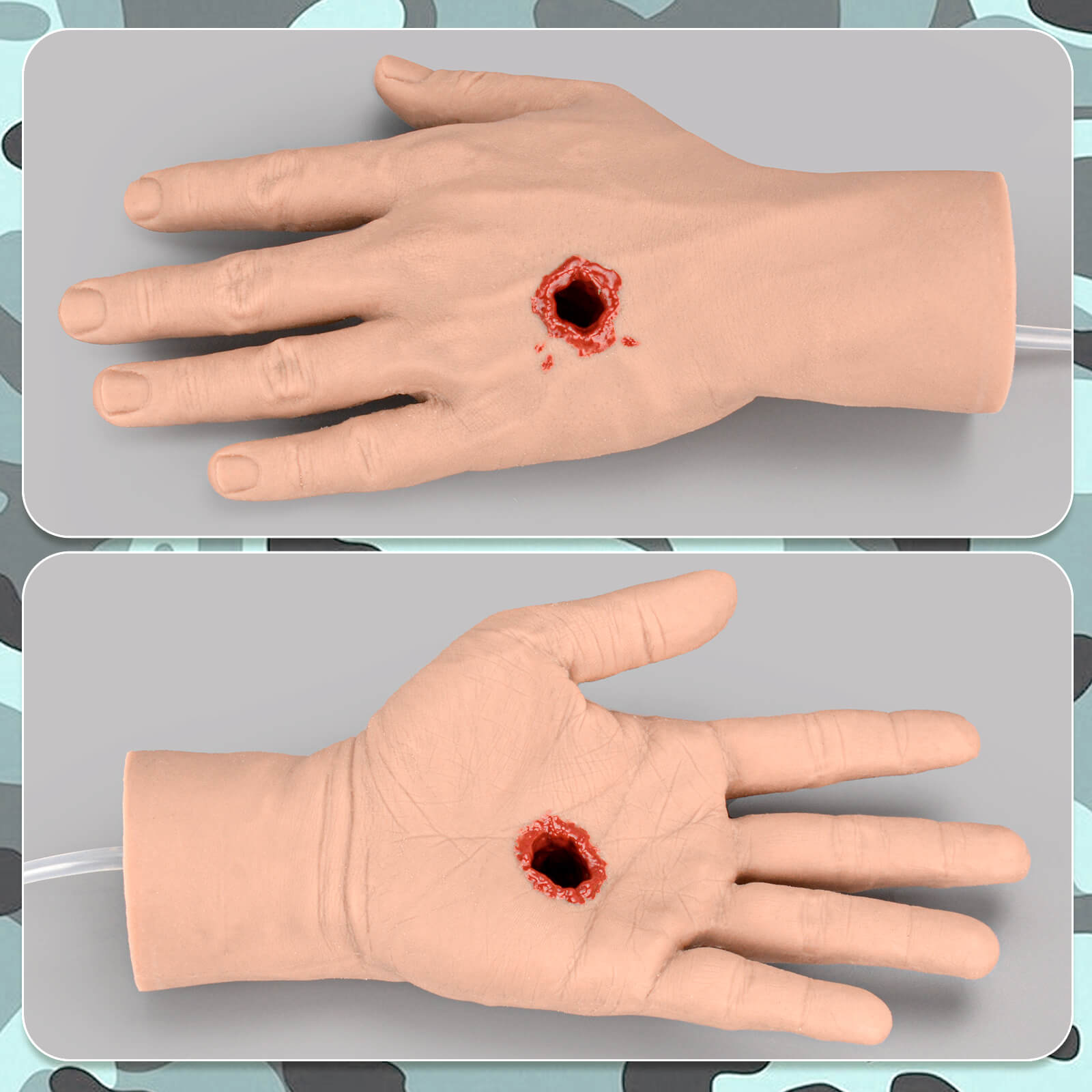
GSW Through Hand Stop The Bleed Training Kit
$112.99 USD -
Laceration & Fracture Wound Packing Arm Trainer Kit
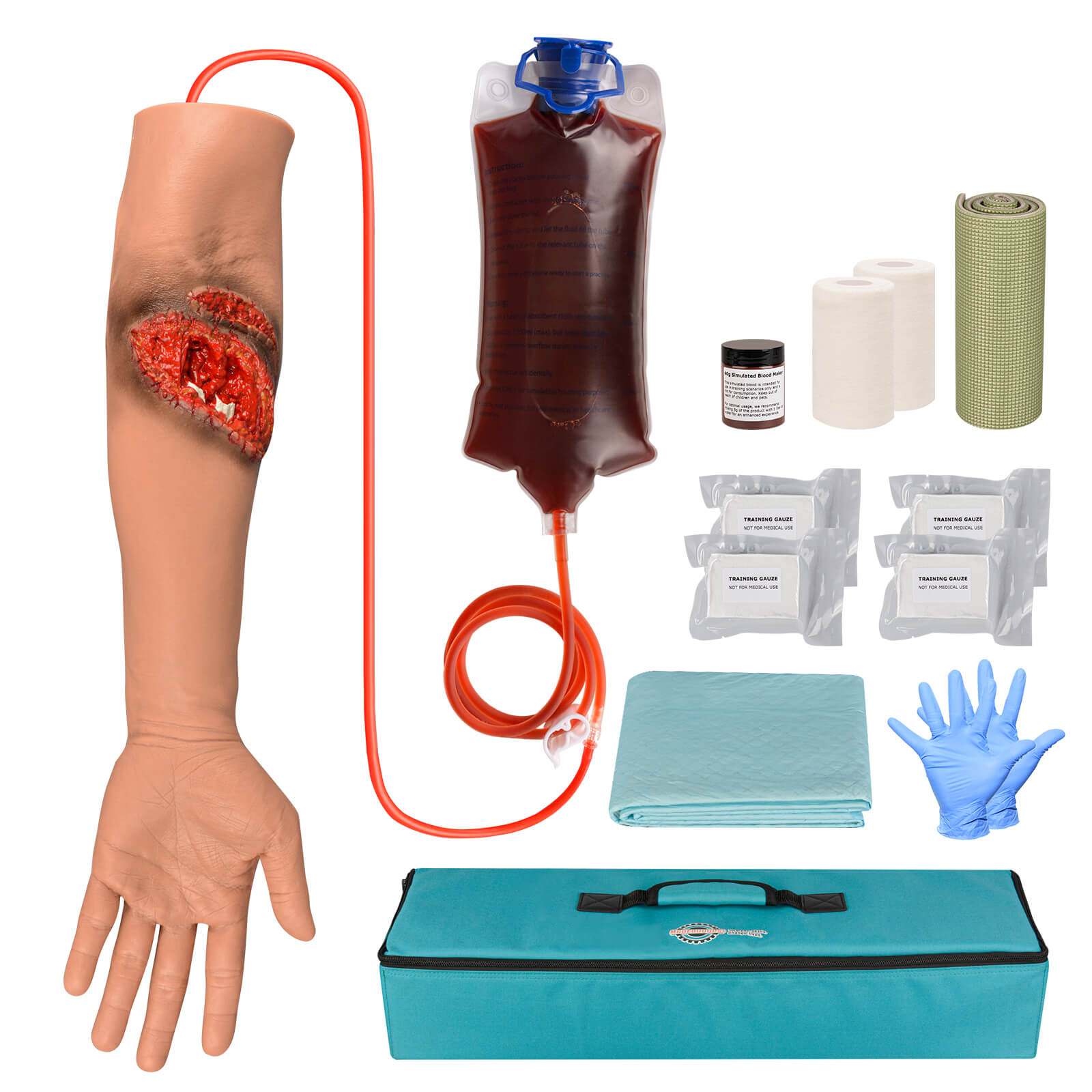
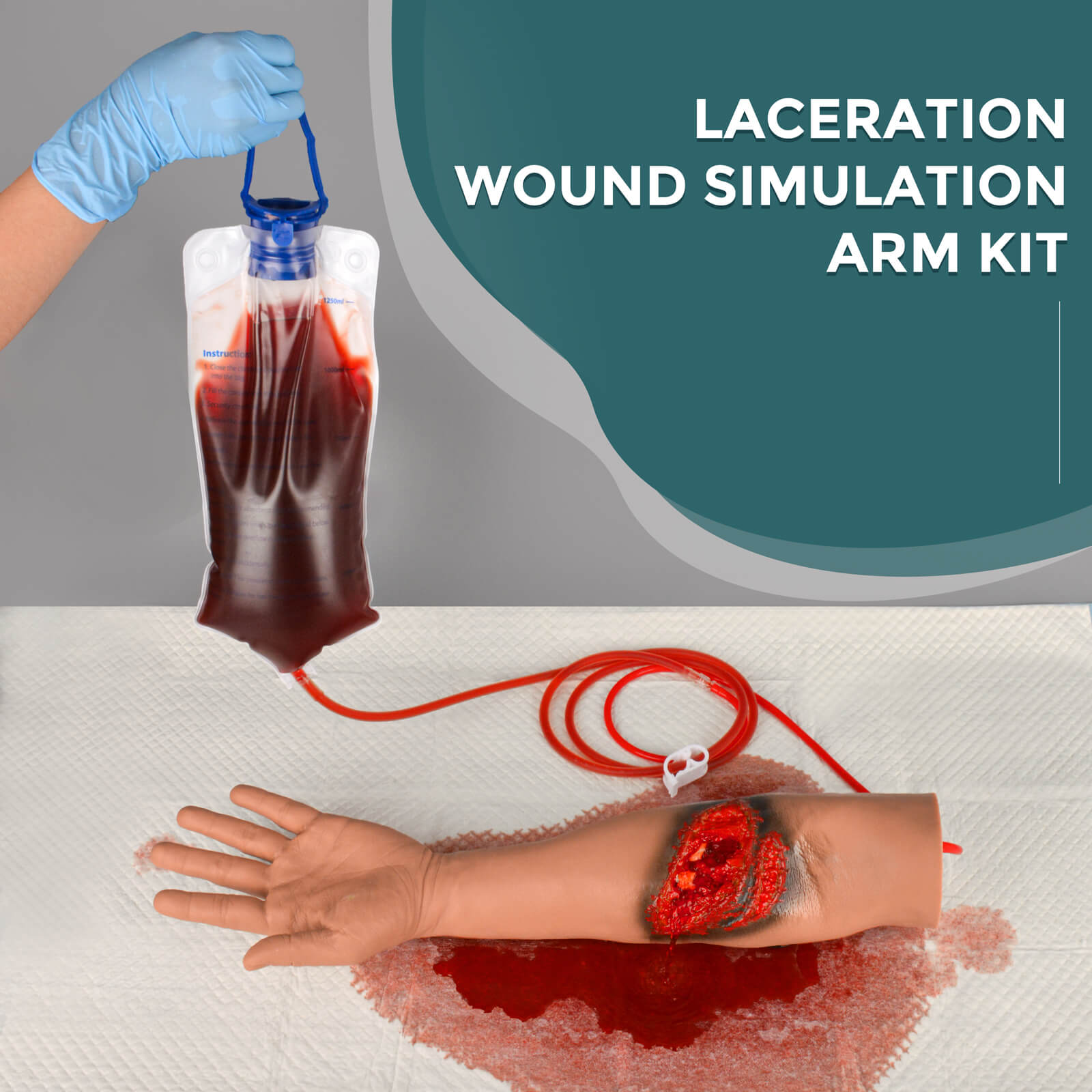
Laceration & Fracture Wound Packing Arm Trainer Kit
$189.99 USD -
Translucent Haemorrhage Control Arm Simulator, Knife Cut Wounds
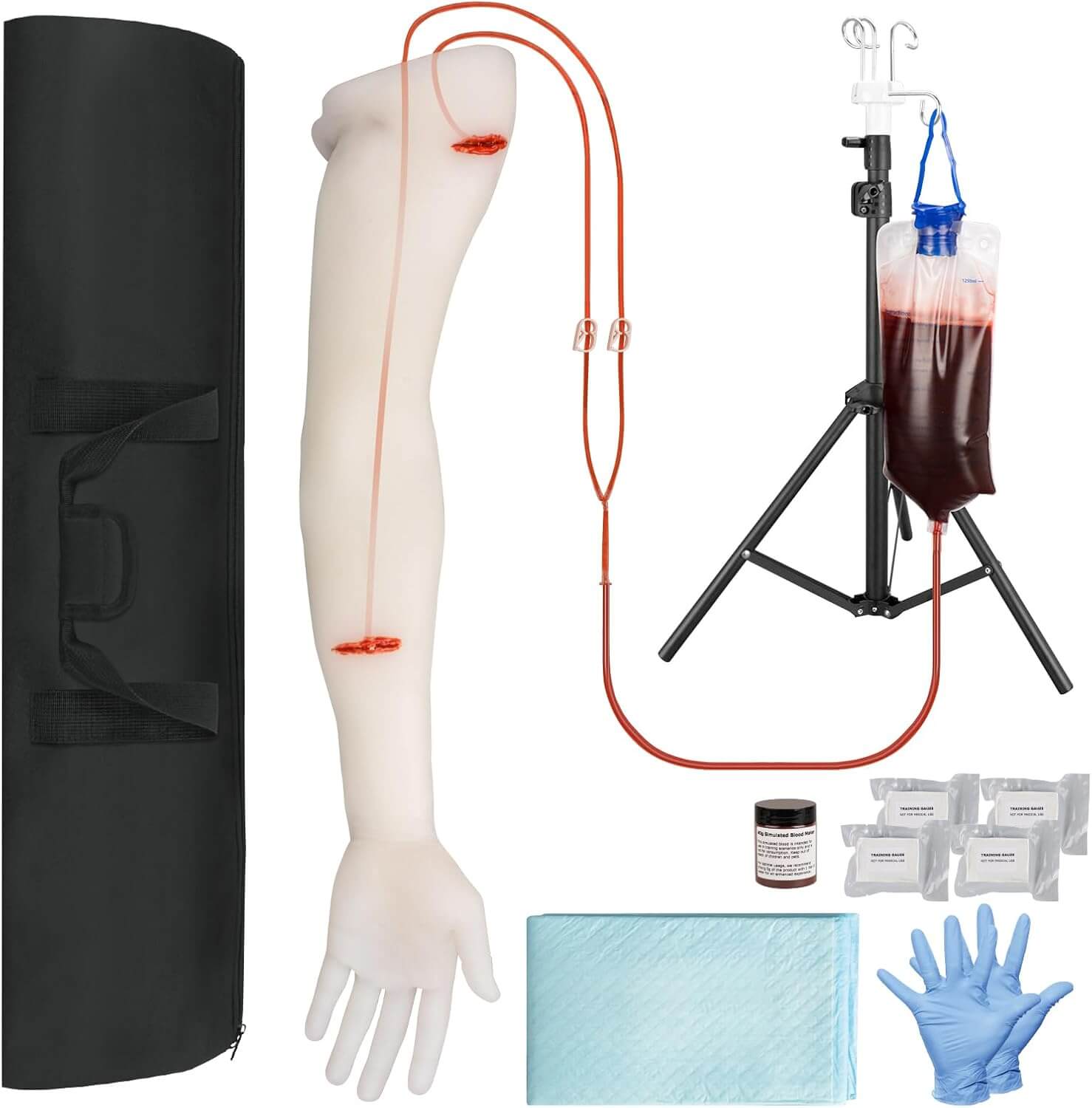
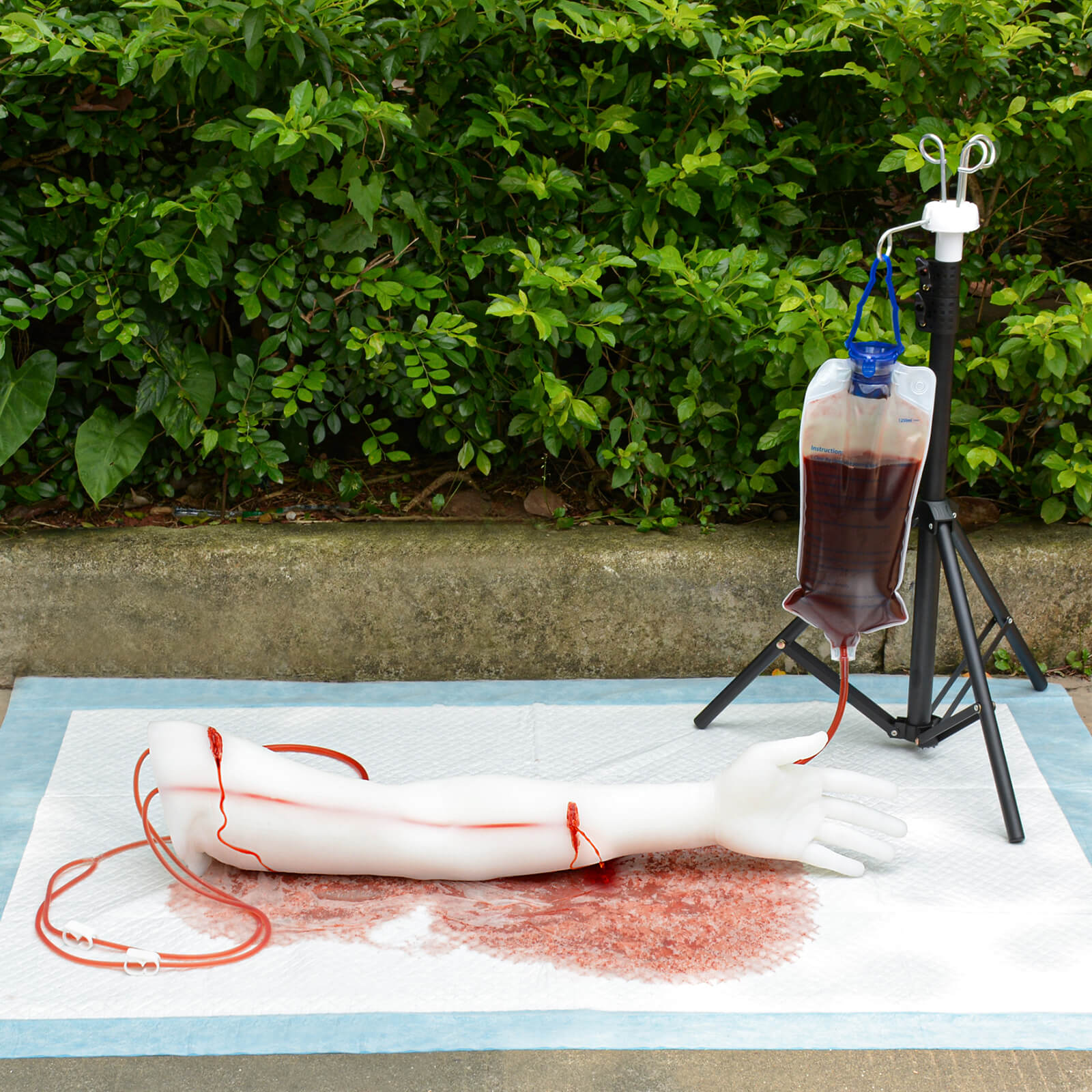
Translucent Haemorrhage Control Arm Simulator, Knife Cut Wounds
$399.00 USD -
Wound Packing & Hemorrhage Control Arm Trainer, 4 Wounds
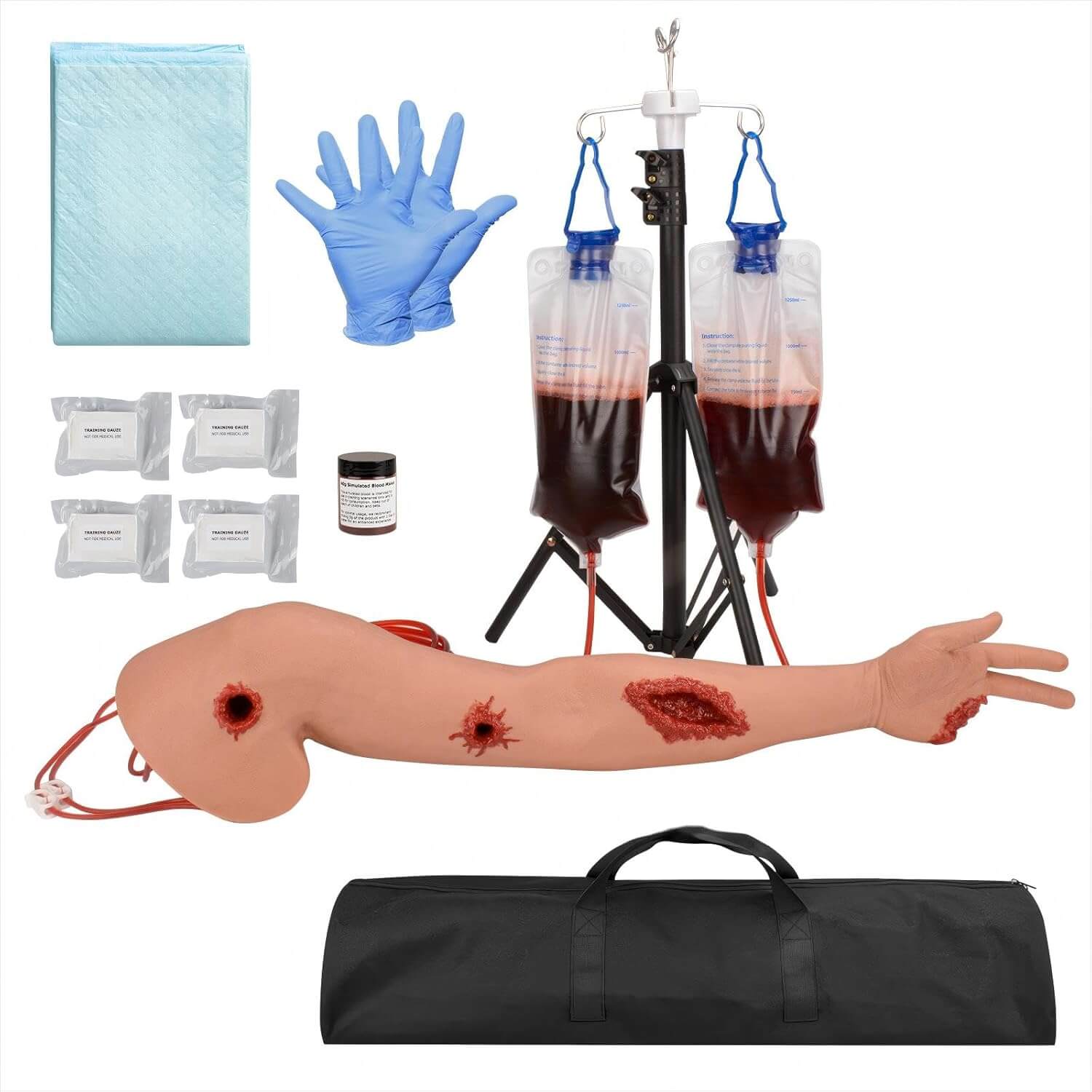
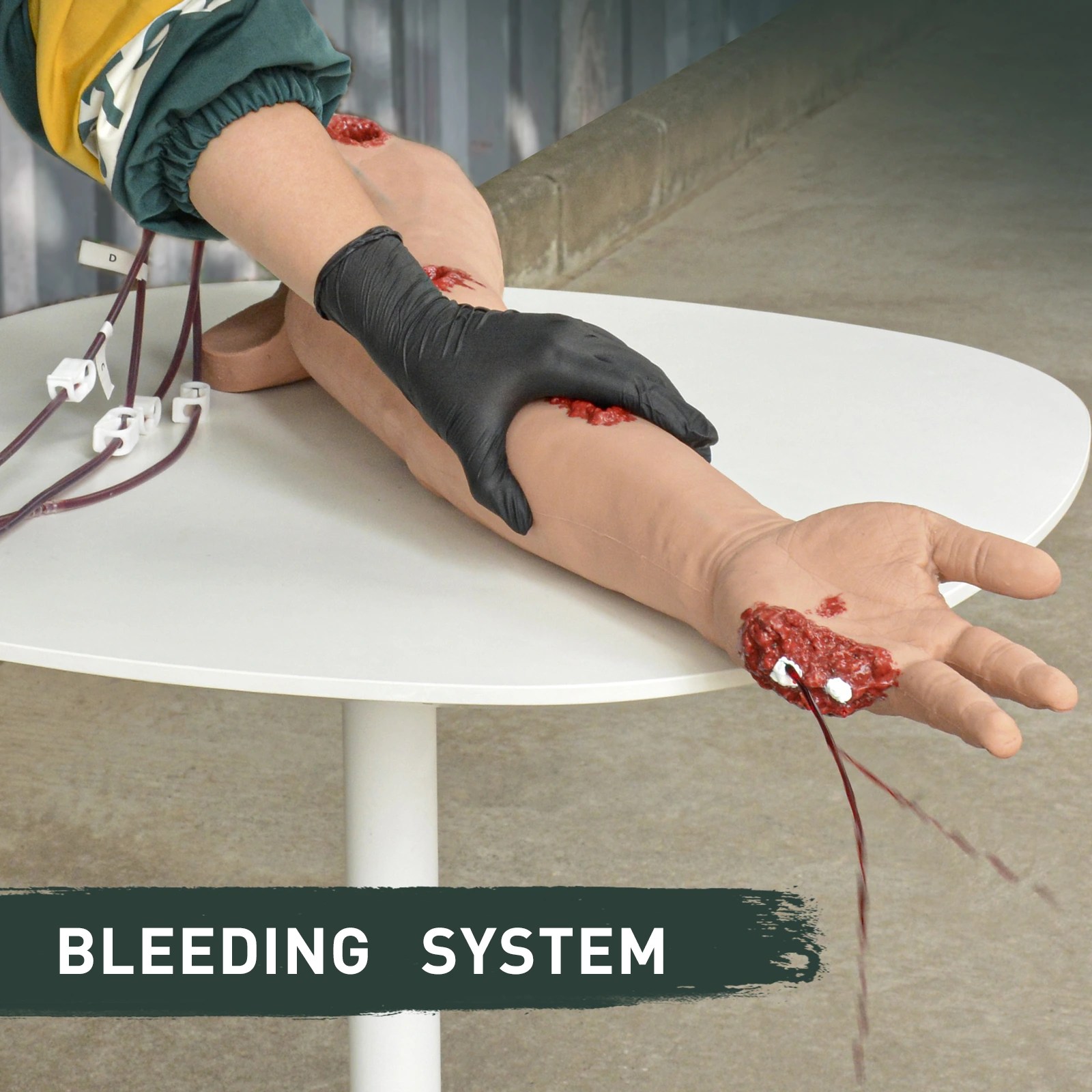
Wound Packing & Hemorrhage Control Arm Trainer, 4 Wounds
$516.00 USD