
.jpg?w=1500&h=1500&q=90)
.jpg?w=1500&h=1500&q=90)
.jpg?w=1500&h=1500&q=90)
.jpg?w=1500&h=1500&q=90)
.jpg?w=1500&h=1500&q=90)
.jpg?w=1500&h=1500&q=90)
.jpg?w=1500&h=1500&q=90)
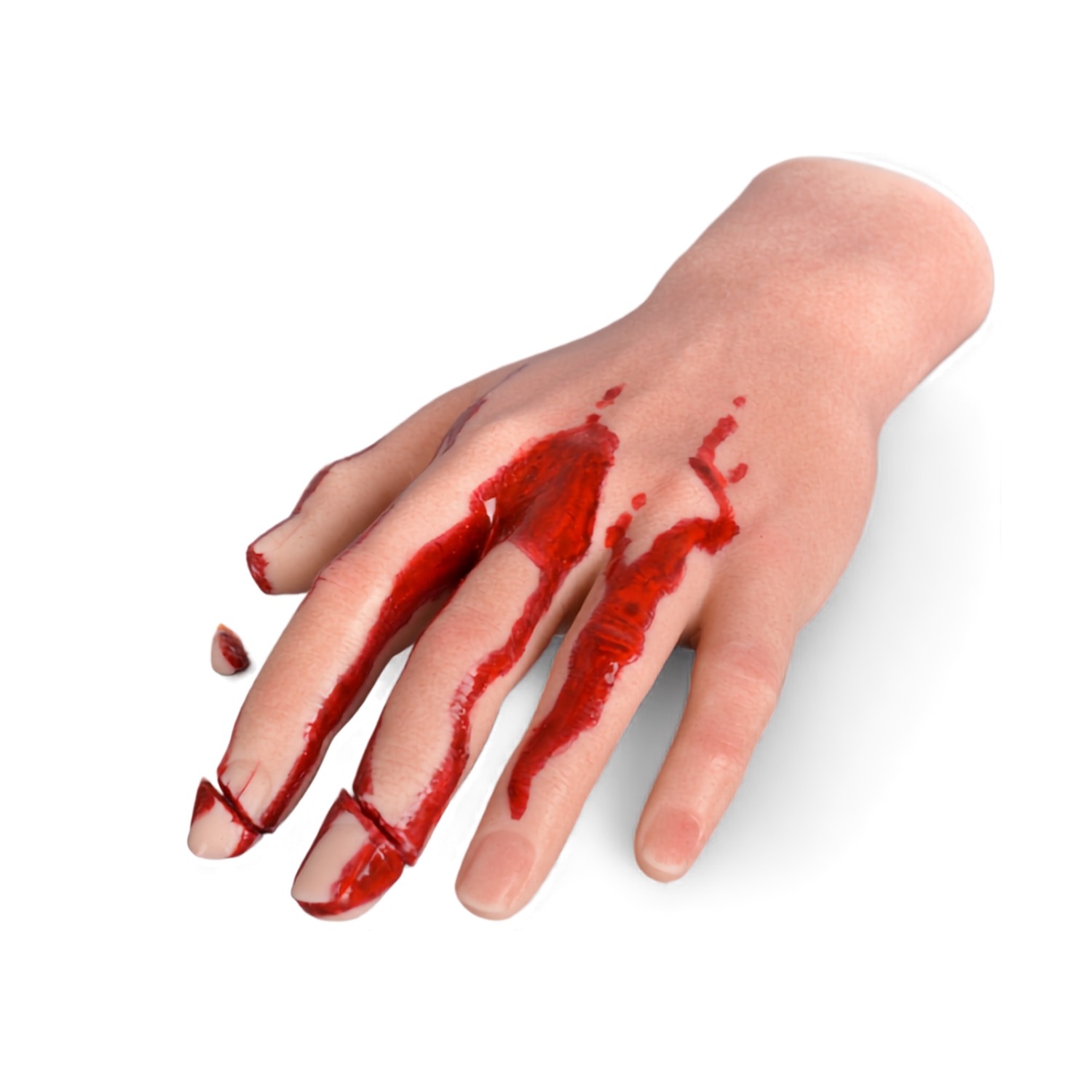
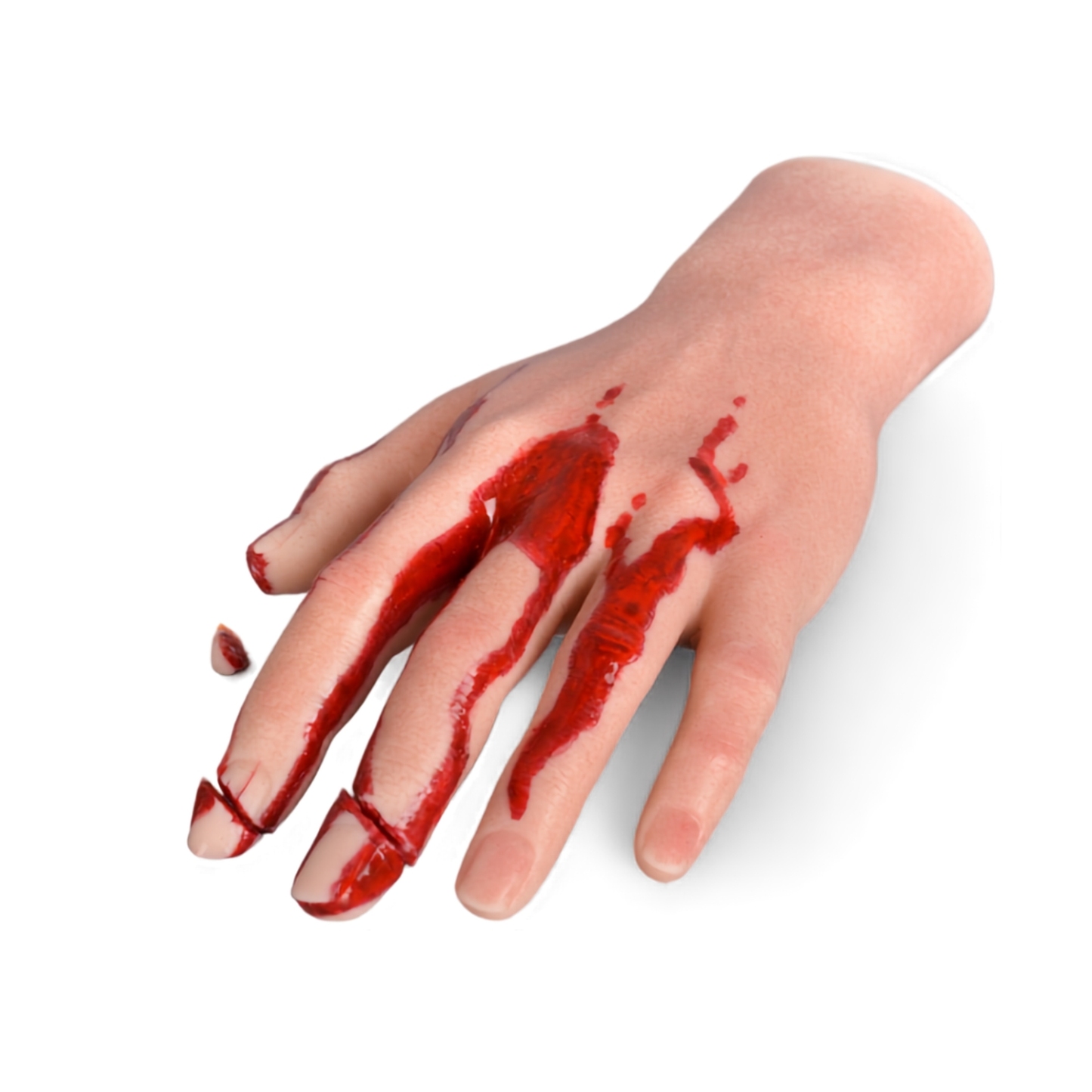
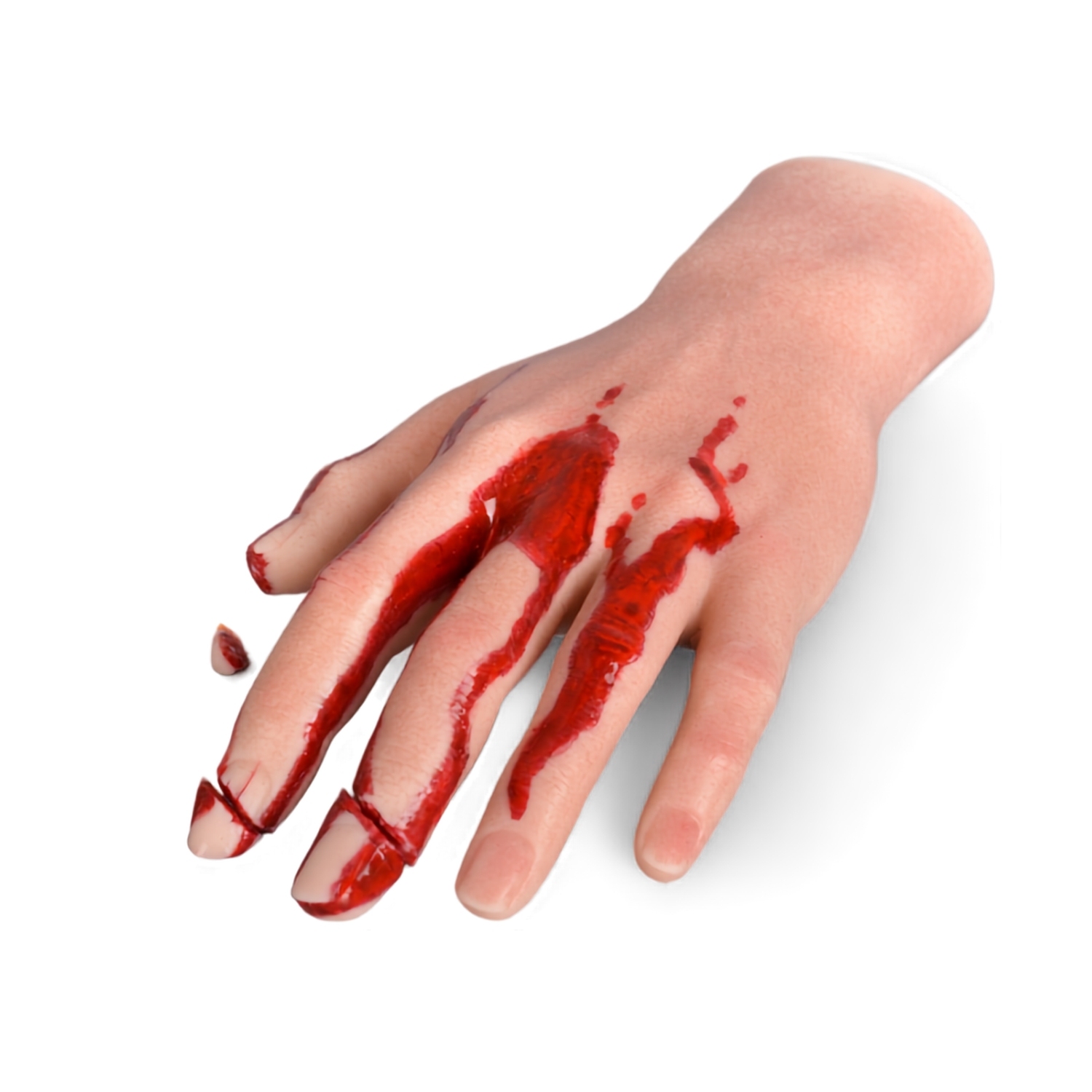
Fingertip Amputation Injury Simulation Hand
CRMQ021
$89.99 USD
Shipping calculated at checkout.
Quantity
Need multiple items? Request a bulk quote →
_1445x.jpg?w=1500&h=1500&q=90)
_1445x.jpg?w=1500&h=1500&q=90)
_1445x.jpg?w=1500&h=1500&q=90)
_1445x.jpg?w=1500&h=1500&q=90)
_1445x.jpg?w=1500&h=1500&q=90)
_1445x.jpg?w=1500&h=1500&q=90)
_1445x.jpg?w=1500&h=1500&q=90)
_1800x.jpg?w=1500&h=1500&q=90)
_1800x.jpg?w=1500&h=1500&q=90)
_1800x.jpg?w=1500&h=1500&q=90)
_1800x.jpg?w=1500&h=1500&q=90)
_1800x.jpg?w=1500&h=1500&q=90)
_1800x.jpg?w=1500&h=1500&q=90)
_1800x.jpg?w=1500&h=1500&q=90)
Bulk, Custom & Institutional Orders
Do you offer bulk pricing?
Yes. Volume pricing is available for multiple-unit orders. Contact us with your required quantity for a quote.
Can I order a customized training model?
Yes. We can develop custom training models based on your training requirements, including product design, logos, and packaging.
Do you support institutional and distributor orders?
Yes. We support medical and nursing schools, universities and simulation centers, hospitals and training programs, EMS and emergency response organizations, aesthetic academies and clinics, and distributors worldwide.
Can you recommend products for our training program?
Yes. If you are setting up or expanding a training program, our team can recommend suitable models based on your skills, learner level, and training requirements.
Need multiple units or a customized solution?
[Request a Quote →]
Looking for details about ordering, customization, shipping, warranty, or product support?
Visit our FAQ Center for more frequently asked questions.