
This guide is designed to help healthcare educators, trainees, and simulation lab staff efficiently set up and operate the Advanced Airway Management Manikin. By following these instructions, users can maximize the effectiveness of airway training simulations and ensure the longevity of the simulator.
1. Unboxing and Initial Setup
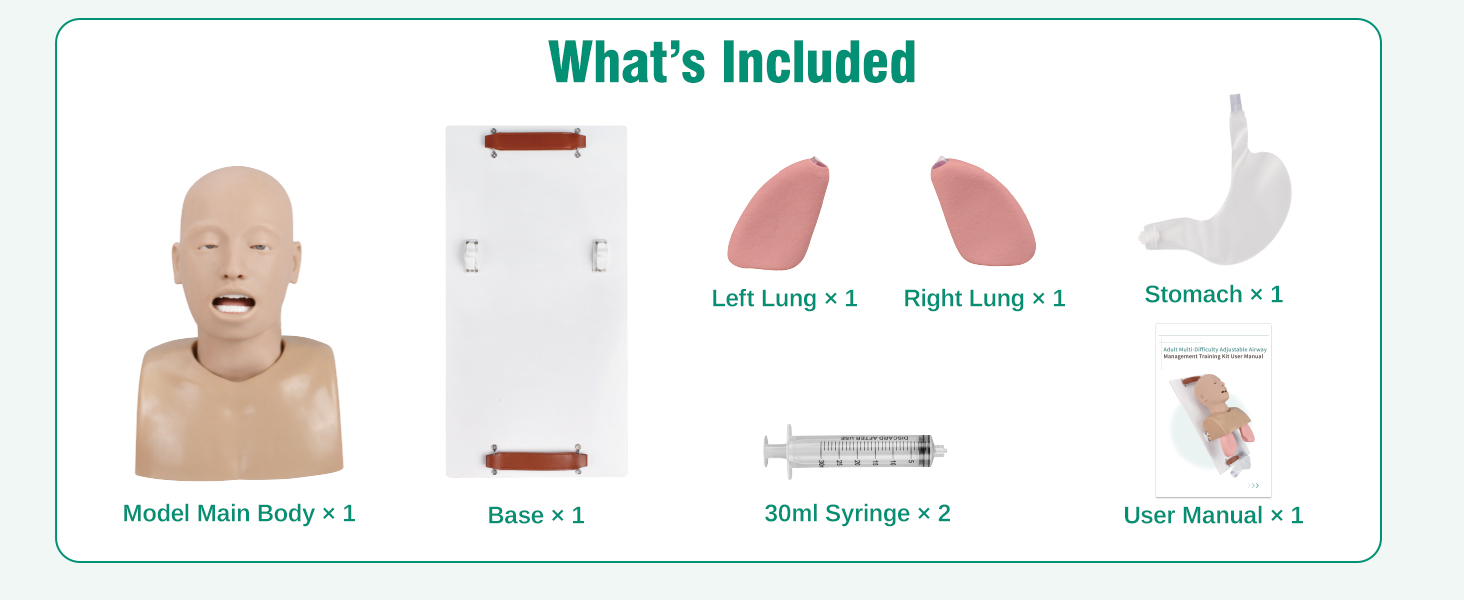
Contents Checklist:
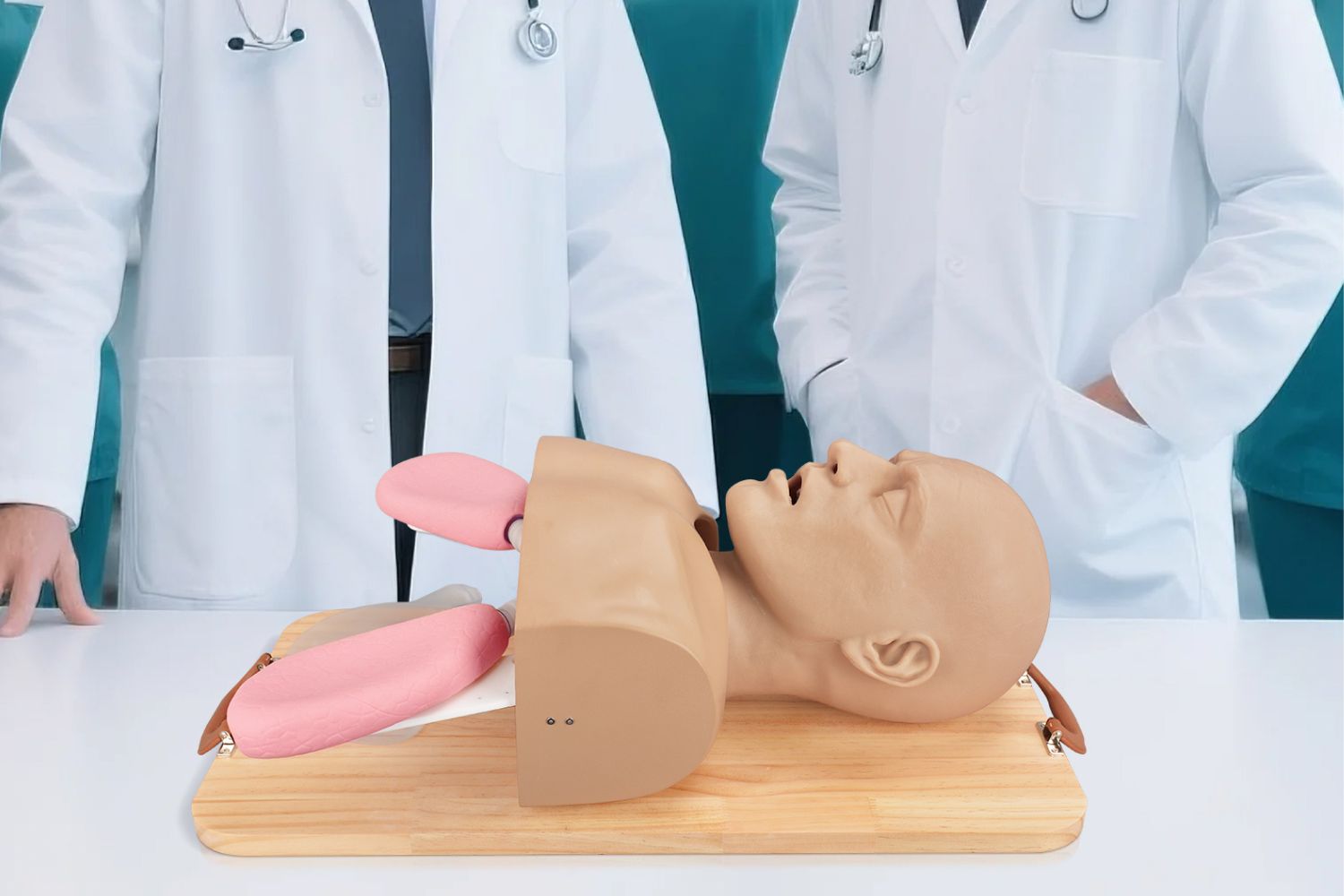
- Adult airway manikin
- Removable lung and stomach simulation modules
- Support board
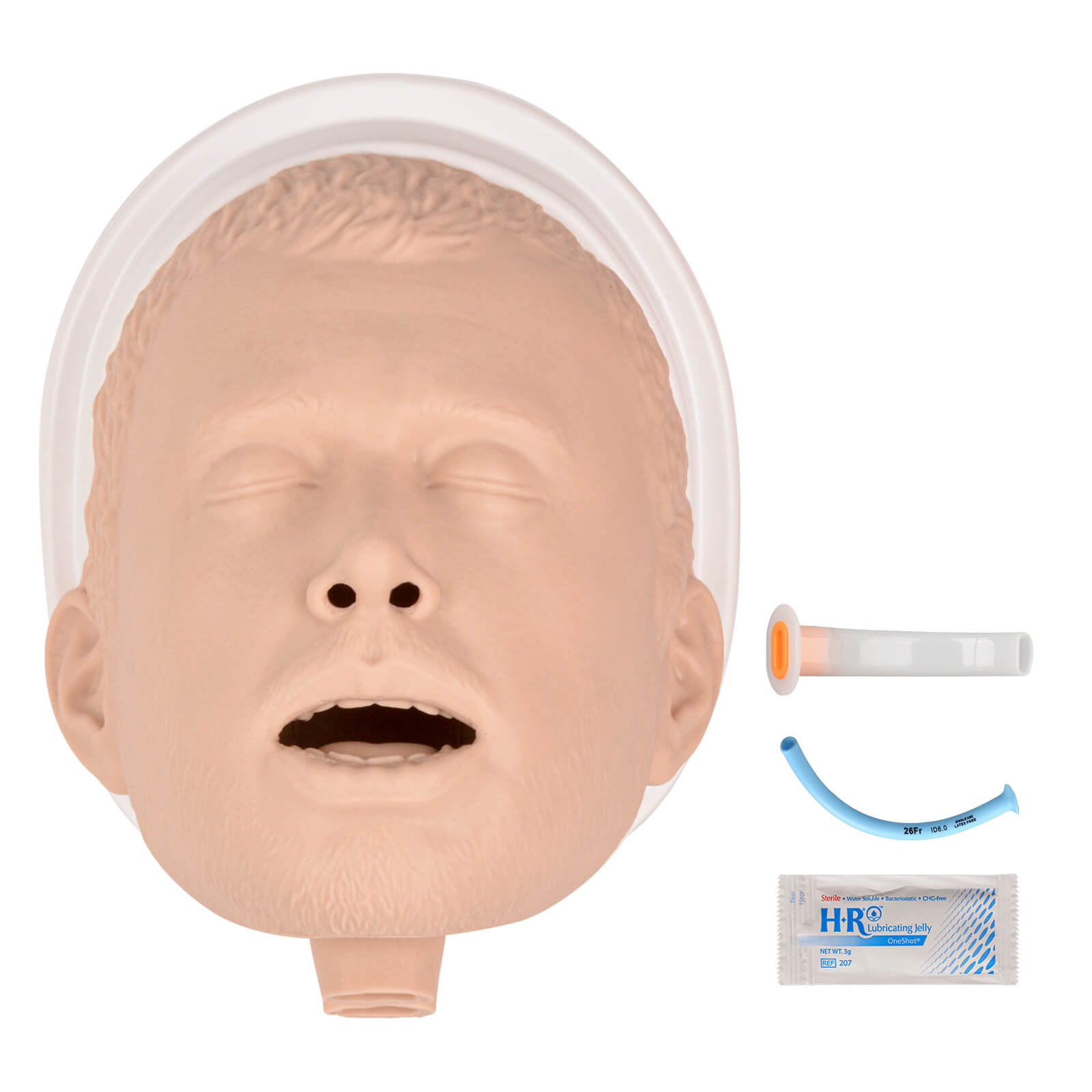
- Cleaning Kit
- Instruction manual
Setup Steps:
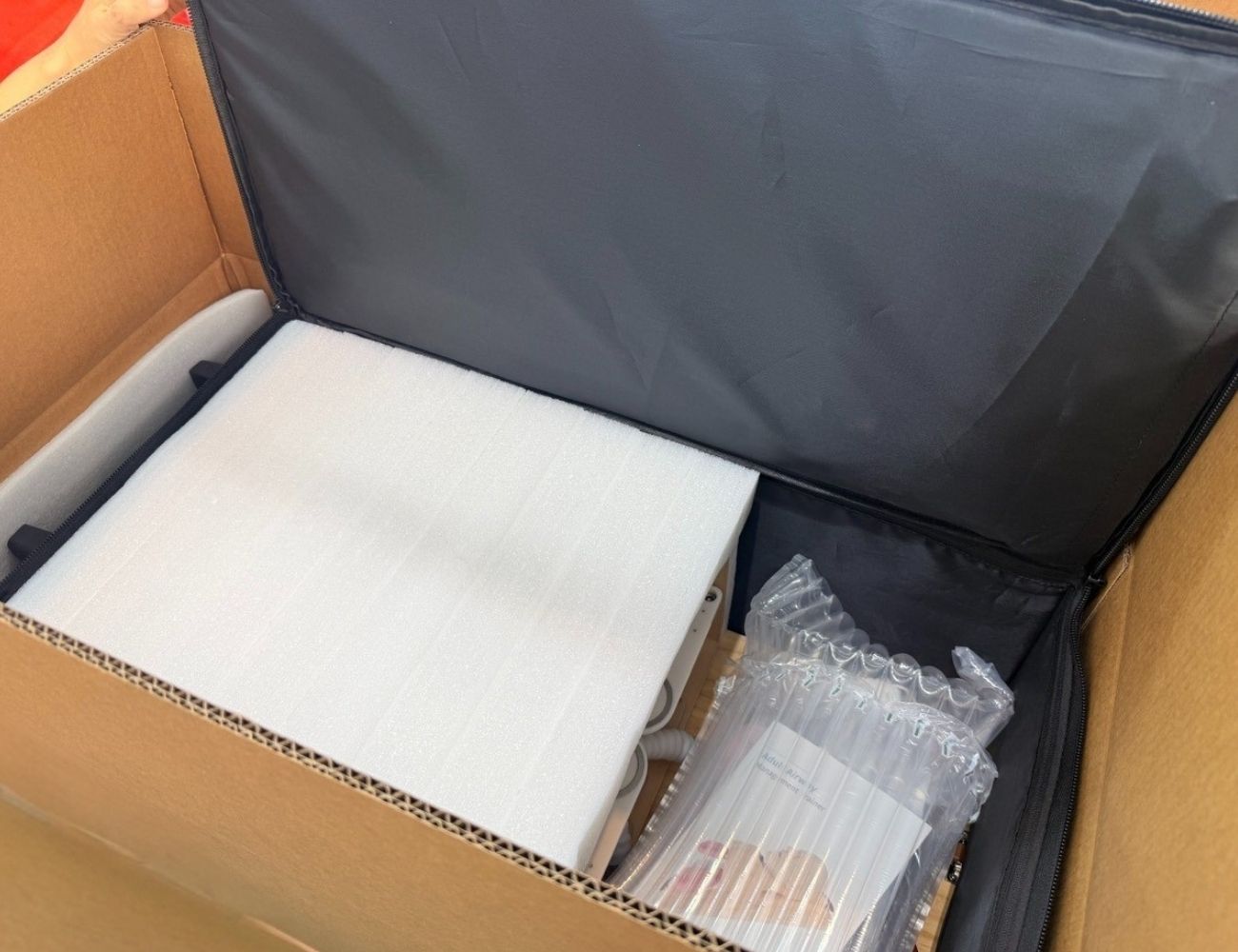
- Carefully remove the manikin and components from the packaging.
- Attach the airway manikin to the base, ensuring it sits securely.
- Connect the lung simulation system if practicing BVM ventilation.
- Verify all removable components fit snugly without forcing.
Tip: Keep the instruction manual handy for reference on component placement.
2. Performing Intubation and Airway Procedures
Watch the full demonstration of oral and nasal intubation, laryngoscopy, and BVM ventilation practice.
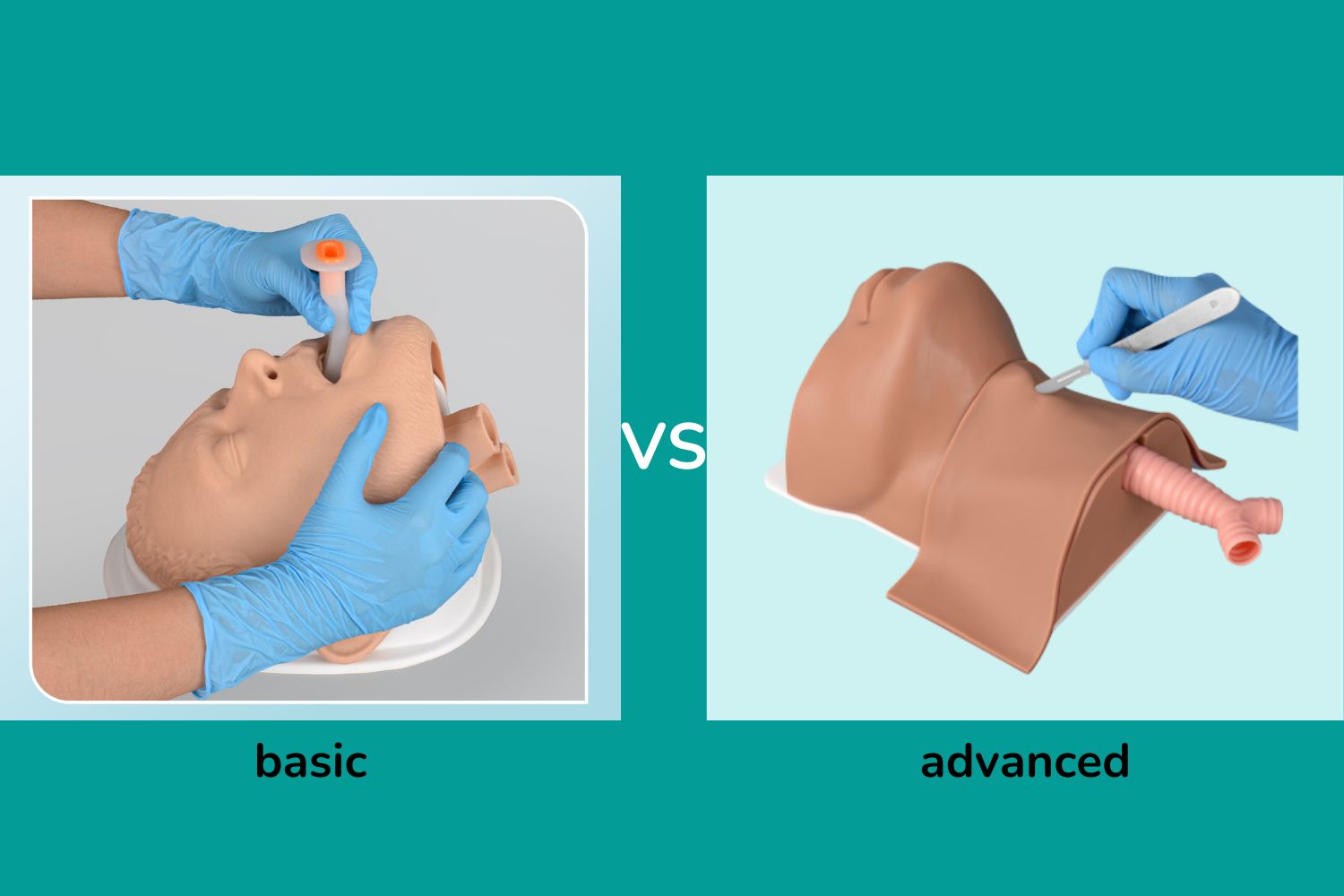
Advanced Adult Airway Management Manikin Verion 3.0:
Advanced Adult Airway Management Manikin Version 2.0:
Recommended Practice Areas:
- Oral and nasal intubation
- Laryngoscopy technique
- Laryngeal mask airway (LMA) insertion
- Bag-mask ventilation (BVM)
- Suctioning and airway clearing
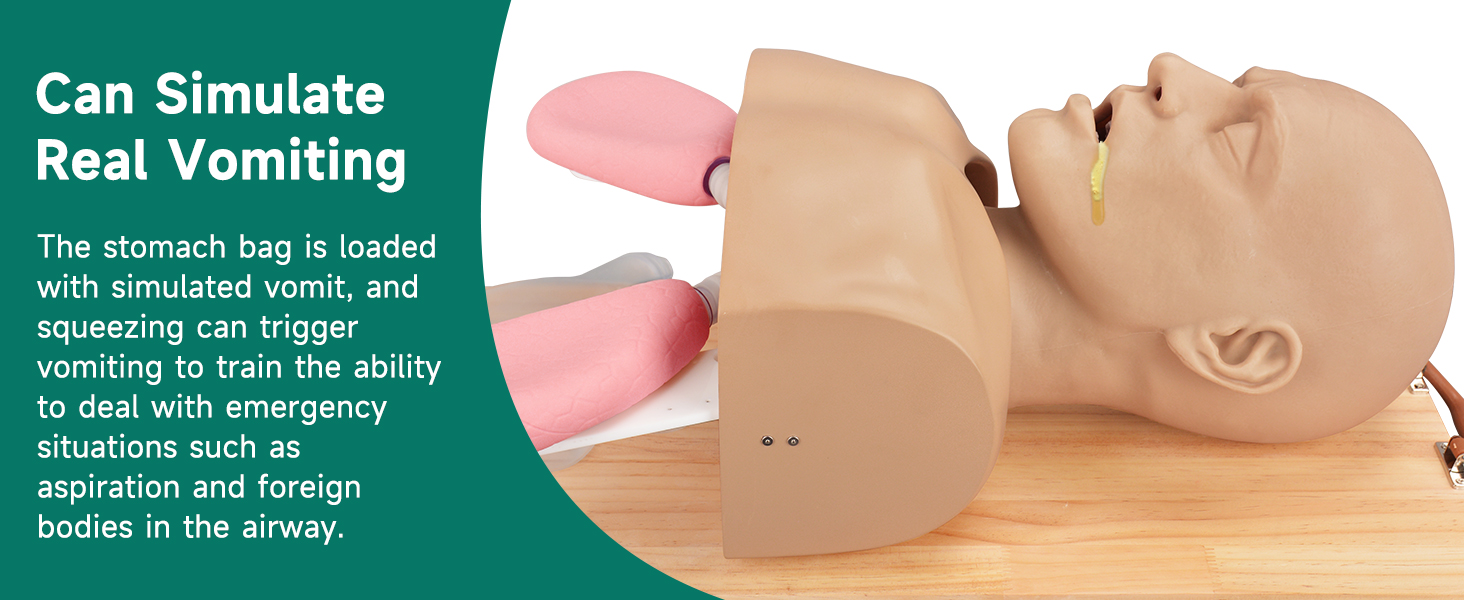
- Vomiting simulation
Step-by-Step Guidance:
- Position the manikin on a stable surface at chest height.
- Confirm the airway pathway is unobstructed.
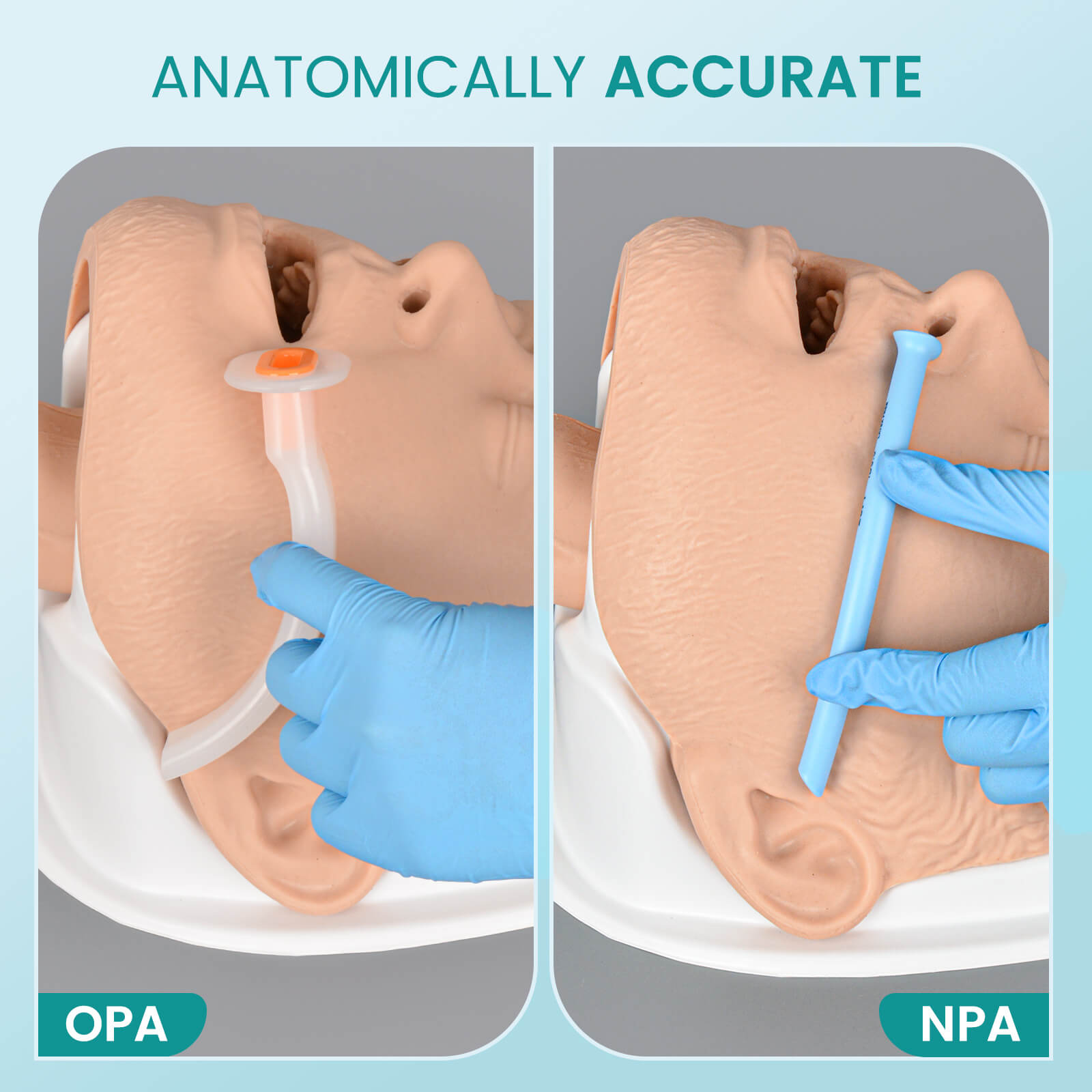
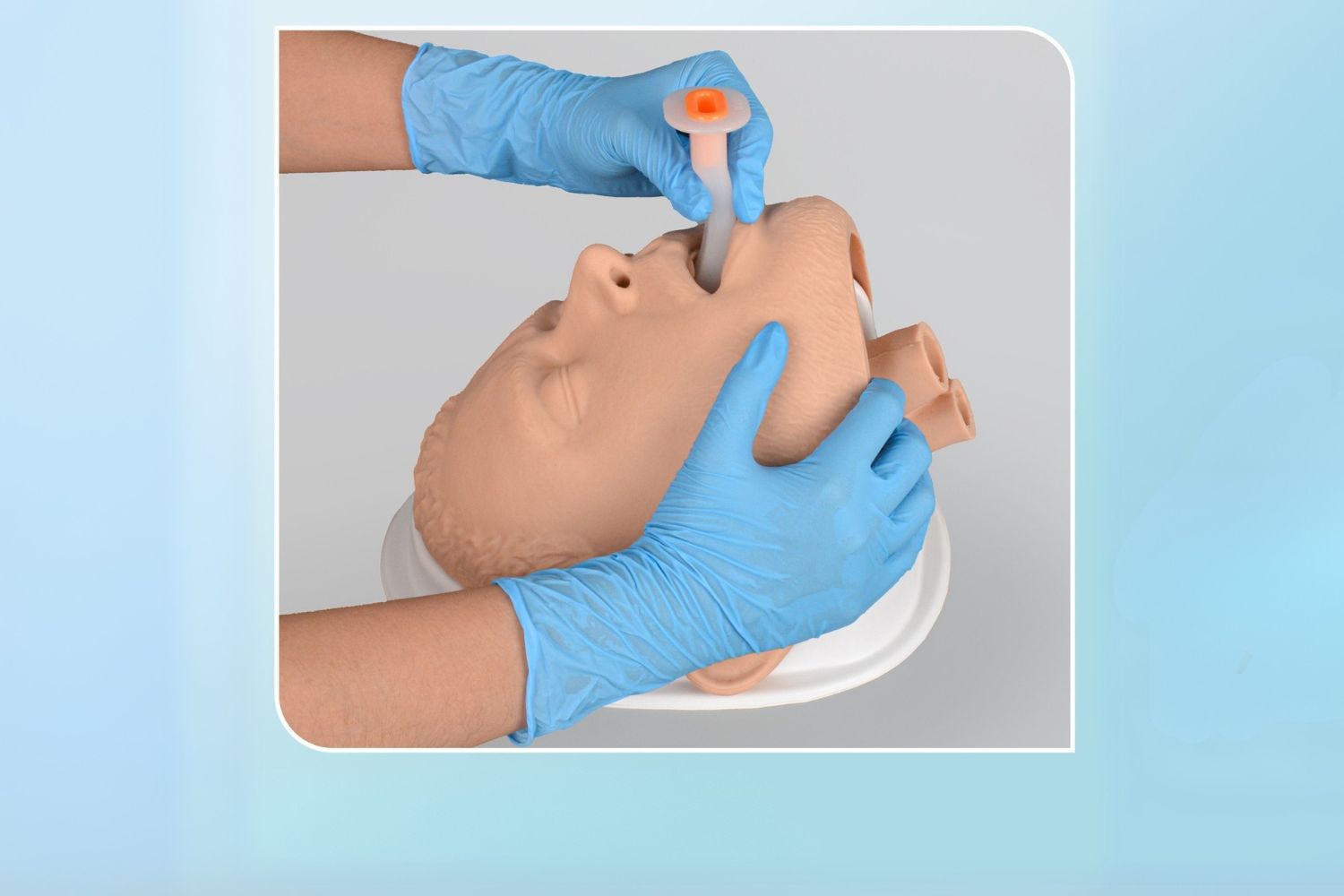
- Insert the oropharyngeal or nasopharyngeal airway using gentle, controlled movements.
- Practice laryngoscopy by visualizing the vocal cords, following proper technique.
- Attach the BVM device for ventilation simulation; observe lung inflation response.
- Practice suctioning procedures if included in your training protocol.
Pro Tip: Rotate through different airway scenarios to simulate real-world variability, such as tongue swelling or simulated vomiting.
3. Ventilation and Lung Simulation
- Ensure lung modules are correctly connected before simulating ventilation.
- Adjust ventilation rate and pressure according to the training objective.
- Observe lung expansion and contraction for feedback on technique accuracy.
Maintenance Tip: Always check for air leaks and replace worn-out lung modules to maintain realistic simulation response.
.jpeg?w=1464&h=600)
.jpeg?w=1464&h=600)
.jpeg?w=1464&h=600)
.jpeg?w=1464&h=600)
4. Cleaning and Maintenance
- Cleaning: Wipe surfaces with mild disinfectant. Avoid harsh chemicals that may degrade silicone components.
- Removable Parts: Detach tongue, lungs, and stomach modules for cleaning and air drying.
- Storage: Keep the manikin in a cool, dry environment. Avoid direct sunlight exposure.
Routine Check: Inspect all connections and moving parts before each session to prevent damage.
5. Troubleshooting
| Issue | Solution |
|---|---|
| Airway feels obstructed | Remove and inspect tongue or airway module for misalignment |
| Lung does not inflate | Check BVM connection and ensure lung module is properly seated |
| Difficulty inserting laryngoscope | Ensure head and neck are correctly positioned; lubricate if necessary |
| Component wear | Replace worn tongue, lung, or stomach modules promptly |
6. Technical Specifications
- Height: Adjustable adult torso size
- Weight: Approx. 12 kg
- Materials: High-fidelity silicone for realistic tissue simulation
- Compatibility: Works with standard BVM and laryngoscope devices
7. Additional Tips for Effective Training
- Incorporate timed practice sessions to enhance hand-eye coordination.
- Simulate emergency scenarios such as airway obstruction for advanced learners.
- Use checklist-based evaluation for structured feedback.
- Rotate components regularly to maintain realistic resistance and tactile response.
Note:
This airway trainer is specifically engineered to simulate a difficult airway, representing a Cormack-Lehane Grade 3~4 view. This means the vocal cords are not directly visible, which is a common and critical scenario in real-life practice that clinicians must train for.
Here's how to manage this scenario on the trainer:
1. Optimal Positioning: First, ensure the head is in the sniffing position. Tilt the head back to align the airway axes.
2. External Manipulation: Apply the BURP maneuver. Press the thyroid cartilage firmly Backward, Upward, and to the Right. This often brings the vocal cords into view.
3. Use a Stylet: If the cords remain hidden, use a stylet to shape the tube into a hockey-stick curve. Advance the tip under the epiglottis and gently pass it through the glottis.
Mastering these techniques on this model provides invaluable training for challenging real-world intubations. If you have any further questions, please don't hesitate to reach out for support.
Conclusion
Following this guide ensures safe, effective, and repeatable airway management practice. Proper setup, usage, and maintenance of the Advanced Adult Intubation Manikin will enhance simulation-based training outcomes and extend the life of the equipment.
Ready to Train? Get Advanced Adult Airway Manikin Now.
.jpg?w=1600&h=1600)
.jpg?w=1600&h=1600)
.jpg?w=1441&h=1285)
.jpg?w=1500&h=1500)
.jpeg?w=1600&h=1600)
.jpeg?w=1600&h=1600)
.jpg?w=1500&h=1500)
.jpg?w=1500&h=1500)
.jpg?w=1000&h=1000)
.jpg?w=1000&h=1000)
.jpeg?w=1500&h=1500)
.jpeg?w=1500&h=1500)

.jpeg?w=1600&h=1600)
.jpeg?w=1600&h=1600)
.jpg?w=1600&h=1600)
.jpg?w=1600&h=1600)
.jpg?w=1500&h=1500)
.jpg?w=1500&h=1500)
.jpg?w=1500&h=1500)
.jpg?w=1500&h=1500)
.jpg?w=1500&h=1500)
.jpg?w=1500&h=1500)
.jpg?w=1500&h=1500)
.jpg?w=1500&h=1500)