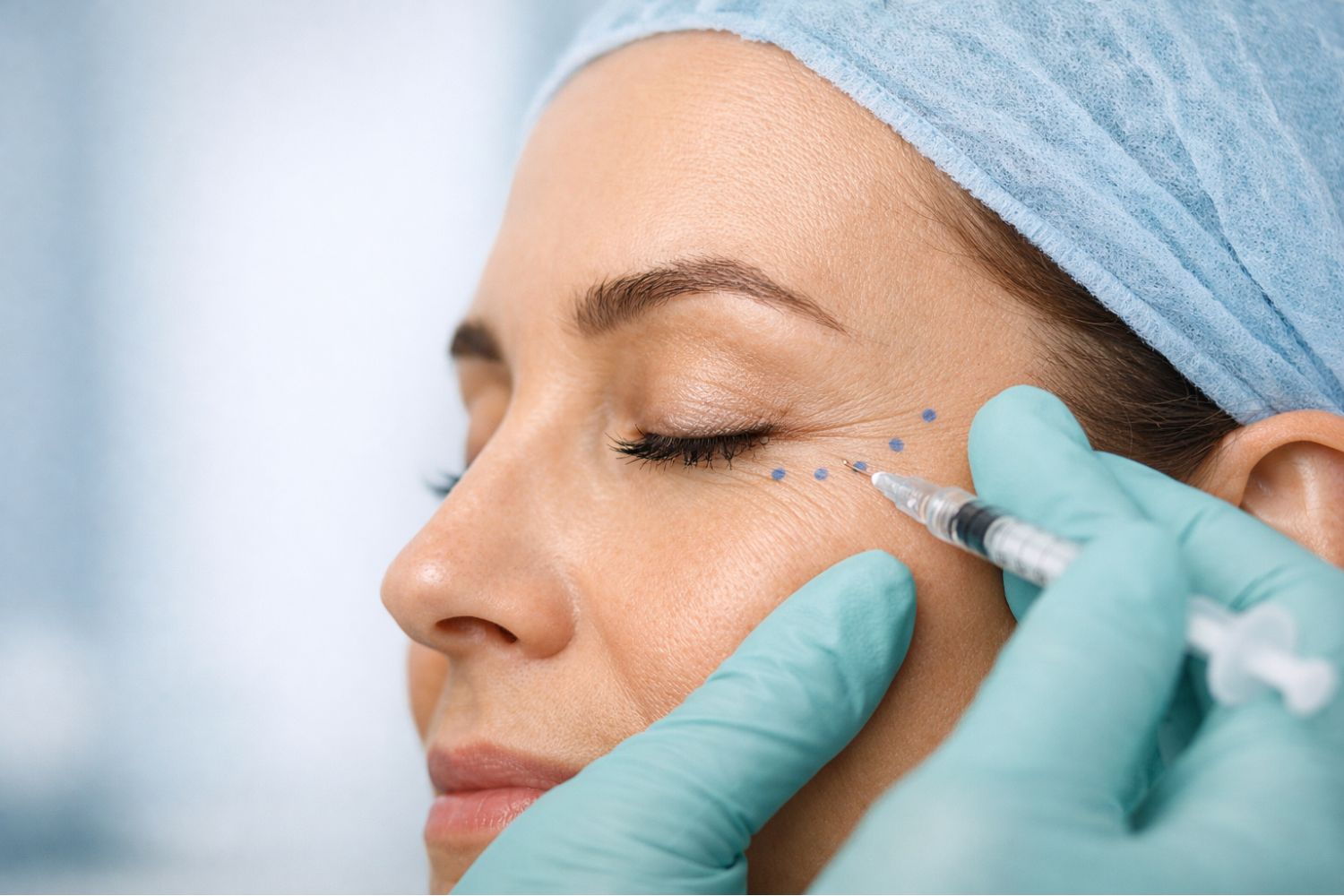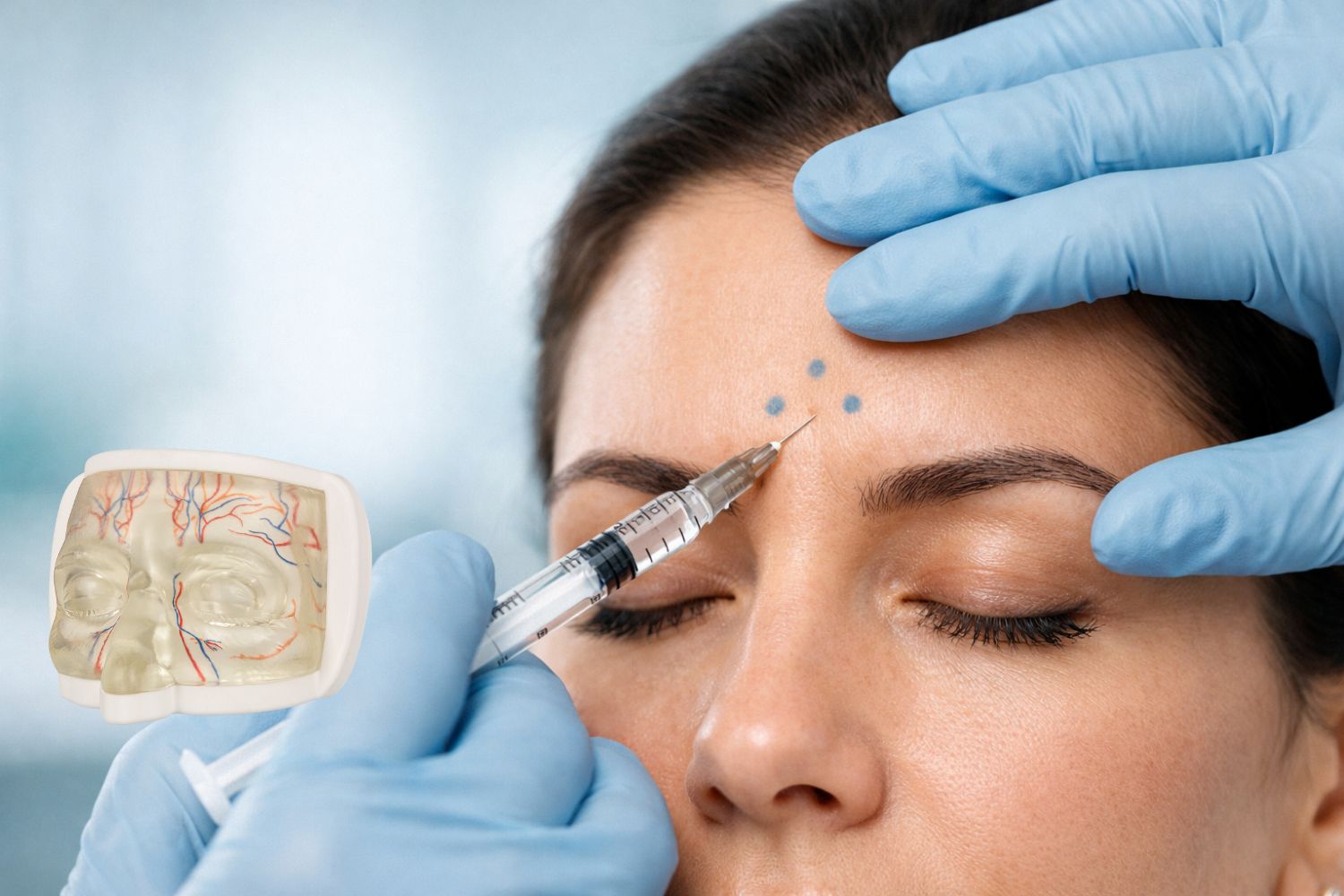
Nasolabialfalten sind eines der erkennbarsten Zeichen der Gesichtsalterung. Während Dermalfüller häufig verwendet werden, um das Volumen in diesem Bereich wiederherzustellen, wird Botox manchmal in Betracht gezogen, um die dynamische Muskelaktivität zu mildern, die zur Vertiefung der Falten beiträgt. Das Verständnis des Injektionsortes für Botox in die Nasolabialfalte ist entscheidend, um subtile, sichere und natürlich aussehende Ergebnisse zu erzielen.
Wichtig ist, dass Botox nicht direkt in die Nasolabialfalte selbst injiziert wird. Stattdessen konzentriert sich die Behandlung auf die umliegenden Muskeln, die die Faltenbildung beeinflussen, was eine sorgfältige anatomische Bewertung und präzise Injektionsplanung erfordert.
Verständnis der Anatomie der Nasolabialfalte
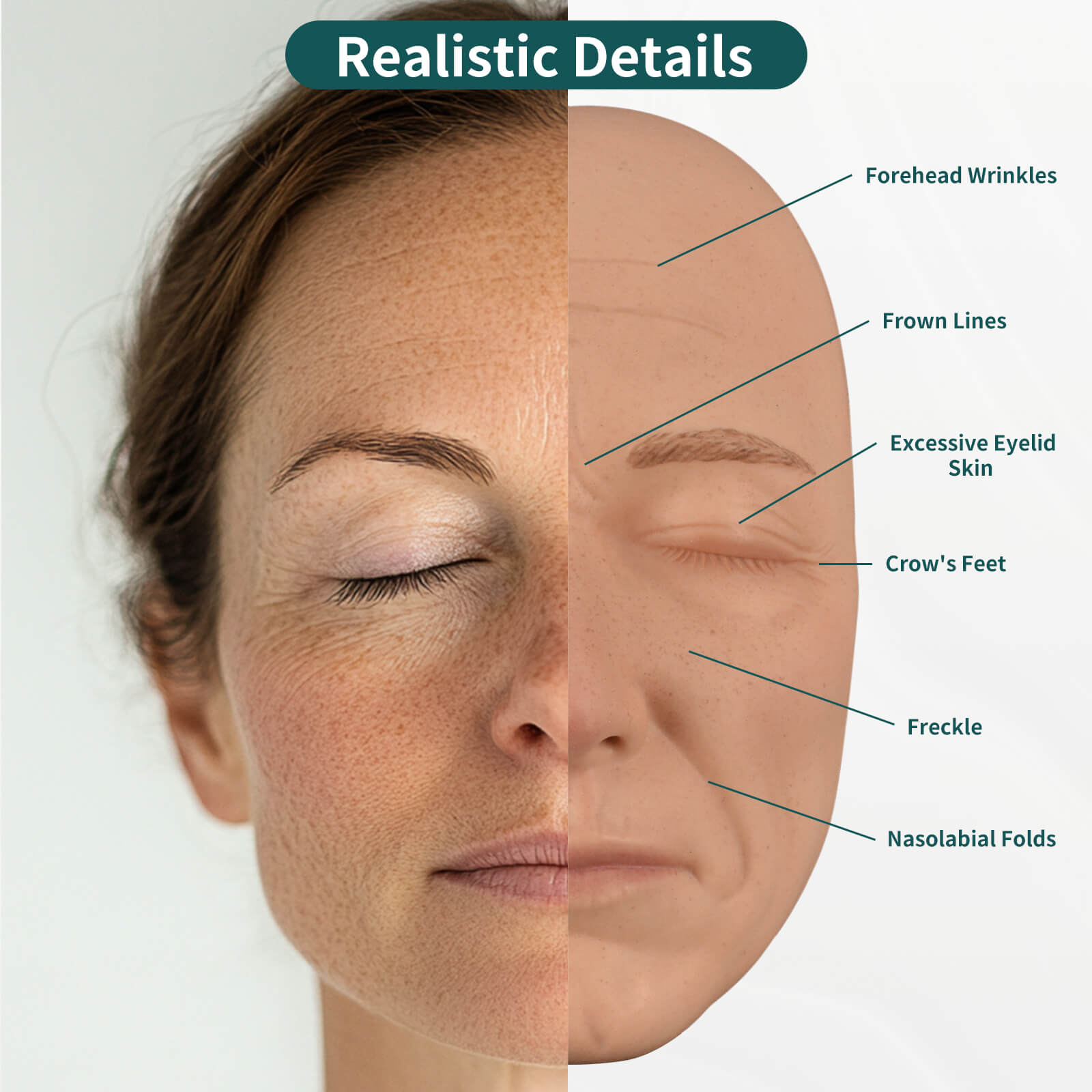
Die Nasolabialfalte verläuft von der Seite der Nase bis zur Mundwinkel. Ihr Erscheinungsbild wird von mehreren Faktoren beeinflusst, darunter Hauterschlaffung, Abstieg der Fettpolster und wiederholte Muskelbewegungen.
Mehrere Muskeln spielen in diesem Bereich eine Rolle, insbesondere die, die an der Anhebung der Oberlippe und dem Lächeln beteiligt sind. Eine Überaktivität dieser Muskeln kann die Tiefe der Falte während des Gesichtsausdrucks übertreiben. Gleichzeitig enthält der Bereich komplexe vaskuläre Strukturen, was ihn zu einer der technisch anspruchsvolleren Zonen in der ästhetischen Injektionspraxis macht.
Wo ist der Injektionsort für Botox in die Nasolabialfalte?
Botox für Nasolabialfalten wird in die umliegenden Muskelgruppen injiziert, nicht direkt in die Falte selbst.
Das Ziel ist es, übermäßige Muskelzüge zu reduzieren, die die Falte betonen, nicht sie direkt zu füllen oder zu beseitigen.
Häufige Zielmuskeln können diejenigen sein, die zur Anhebung der Oberlippe und zur seitlichen Nasenbewegung beitragen, abhängig von der individuellen Gesichtsdynamik. Die richtige Standortwahl ist stark patientenspezifisch und sollte auf der Muskelaktivität und nicht nur auf der Faltentiefe basieren.
Eine direkte Injektion in die Nasolabialfalte mit Botox wird im Allgemeinen vermieden, da sie nur begrenzte ästhetische Vorteile bietet und das Risiko unerwünschter Diffusion erhöht.
Injektionstiefe und technische Überlegungen
Botox-Injektionen in die Nasolabialfalte werden typischerweise in einer oberflächlichen bis mitteltiefen Muskulatur durchgeführt, abhängig vom Zielmuskel und der Anatomie des Patienten.
Zu tiefes Injizieren kann das Risiko einer Diffusion in unbeabsichtigte Muskeln erhöhen, was möglicherweise die Symmetrie des Lächelns oder die Lippenbewegung beeinträchtigt. Umgekehrt kann eine zu oberflächliche Platzierung die Wirksamkeit der Behandlung verringern. Kontrollierte Dosierung und konservative Technik sind entscheidend, insbesondere bei Erstbehandlungen.
Da sich dieser Bereich in der Nähe wichtiger Gesichtsgefäße befindet, sind langsame Injektionsgeschwindigkeit und präzise Nadelplatzierung kritische Komponenten einer sichereren Praxis.
Gefahrenzonen und Sicherheitsbewusstsein
Der Bereich der Nasolabialfalte gilt als Hochrisikobereich für ästhetische Injektionen aufgrund seiner komplexen vaskulären Anatomie.
Äste der Gesichts- und Winkelarterien verlaufen nahe gängiger Injektionsebenen, was das Risiko vaskulärer Komplikationen erhöht, wenn Techniken schlecht ausgeführt werden.
Deshalb sind umfassende anatomische Kenntnisse und praktische Schulungen unerlässlich, bevor Injektionen in diesem Bereich durchgeführt werden. Praktiker müssen nicht nur wissen, wo sie injizieren, sondern auch, wo sie nicht injizieren sollten.
Häufige Fehler bei der Botox-Behandlung der Nasolabialfalte
Die meisten Komplikationen im Zusammenhang mit Botox in der Nasolabialfalte ergeben sich aus falscher Standortwahl und nicht aus der Dosierung.
Häufige Fehler sind:
- Botox direkt in die Falte injizieren
- Behandlung von Patienten, die besser für Dermalfüller geeignet sind
- Ignorieren der individuellen Muskelbewegungen
- Übermäßiges Entspannen der Muskeln, die den natürlichen Gesichtsausdruck unterstützen
Zu erkennen, ob eine Nasolabialfalte hauptsächlich dynamisch oder strukturell ist, ist eine wichtige klinische Entscheidung, die die Ergebnisse direkt beeinflusst.
Botox vs. Filler für Nasolabialfalten
Botox und Filler dienen in diesem Bereich unterschiedlichen Zwecken. Botox wirkt, indem es die Muskelaktivität reduziert, während Filler verlorenes Volumen und strukturelle Unterstützung wiederherstellen.
In vielen Fällen bietet Botox allein nur begrenzte Verbesserungen bei tiefen oder statischen Nasolabialfalten. Ein kombinierter oder alternativer, fillerbasierter Ansatz kann angemessener sein. Eine ordnungsgemäße Patientenbewertung und realistische Behandlungsplanung sind entscheidend für sichere und zufriedenstellende Ergebnisse.
Wie man die Injektionstechniken für Nasolabialfalten sicher übt
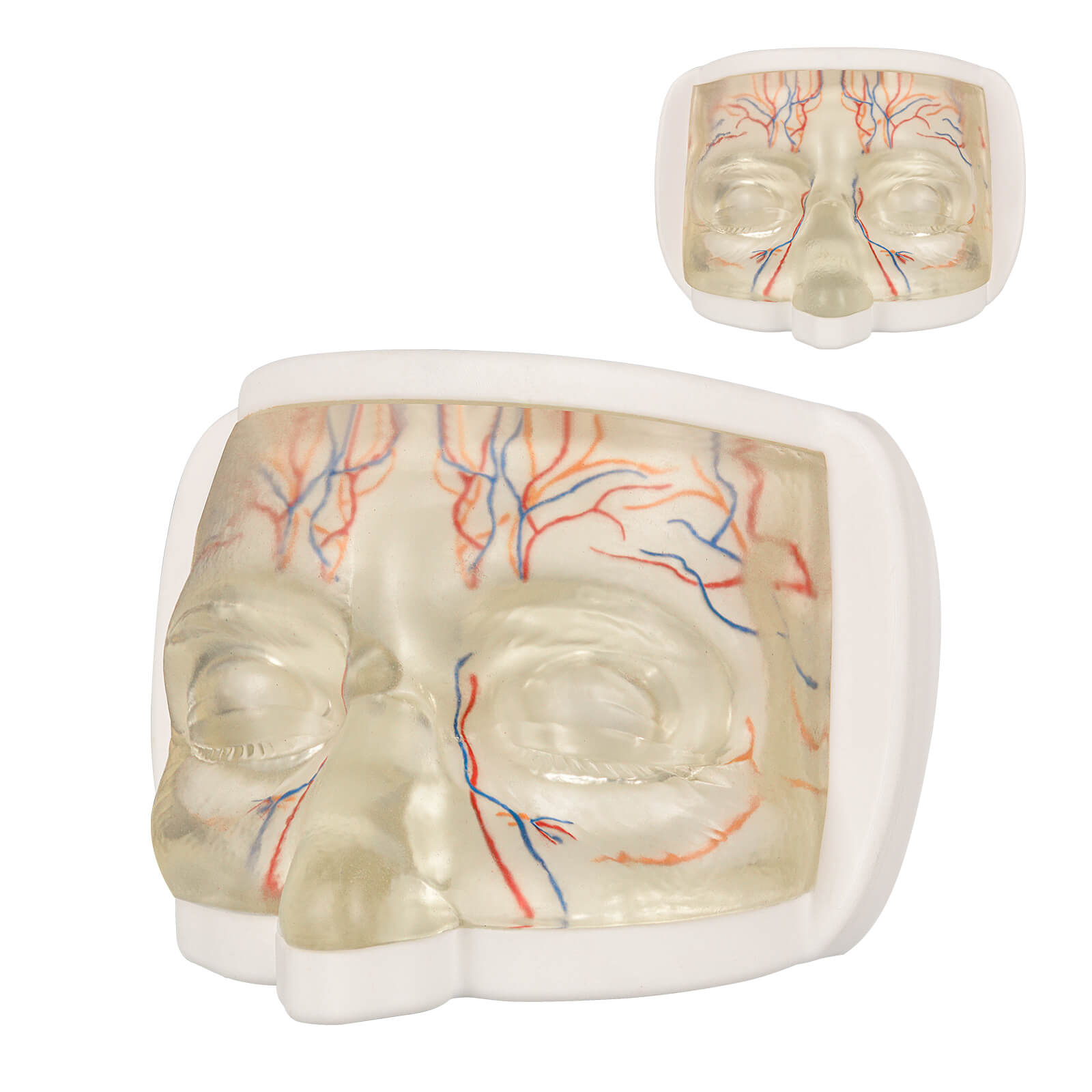
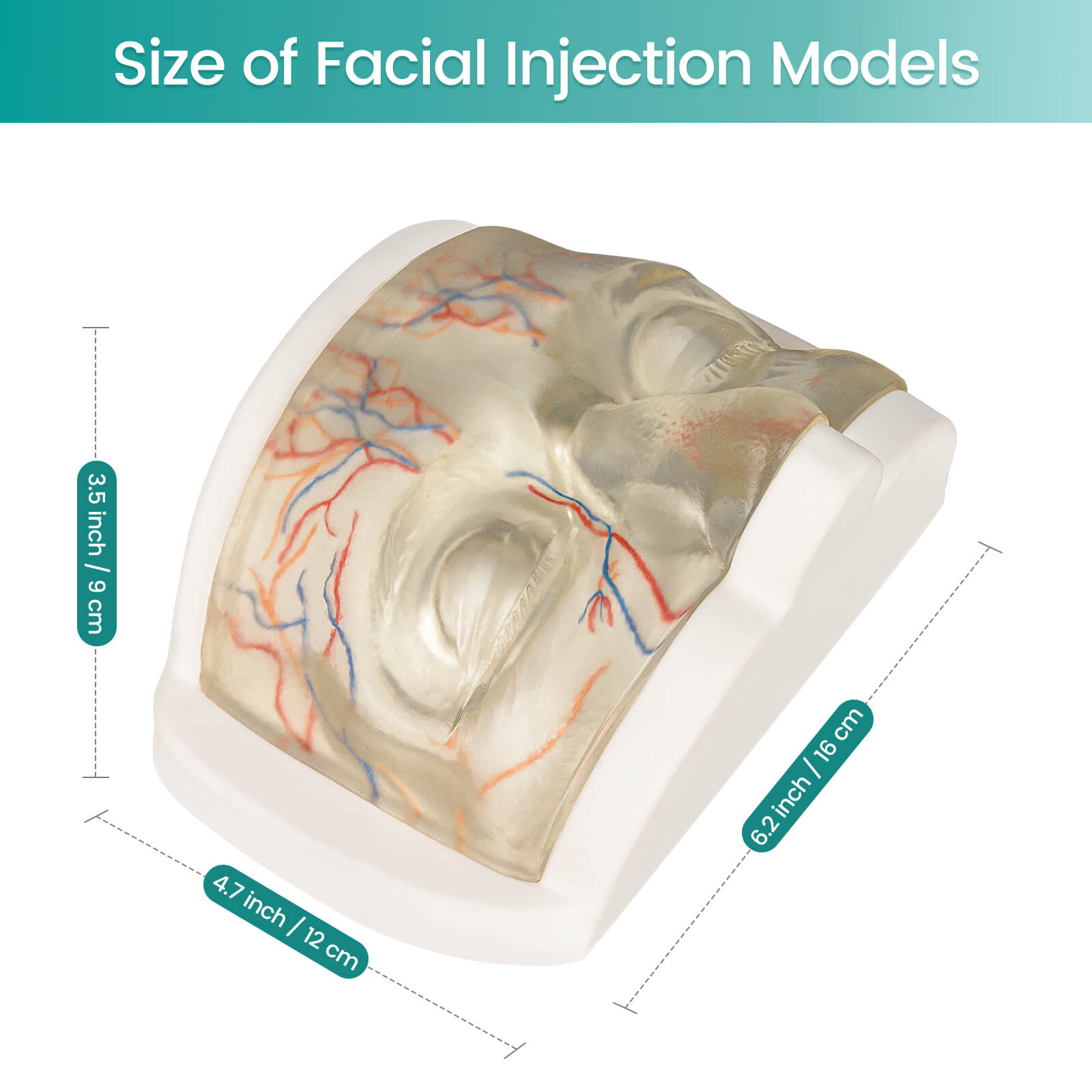
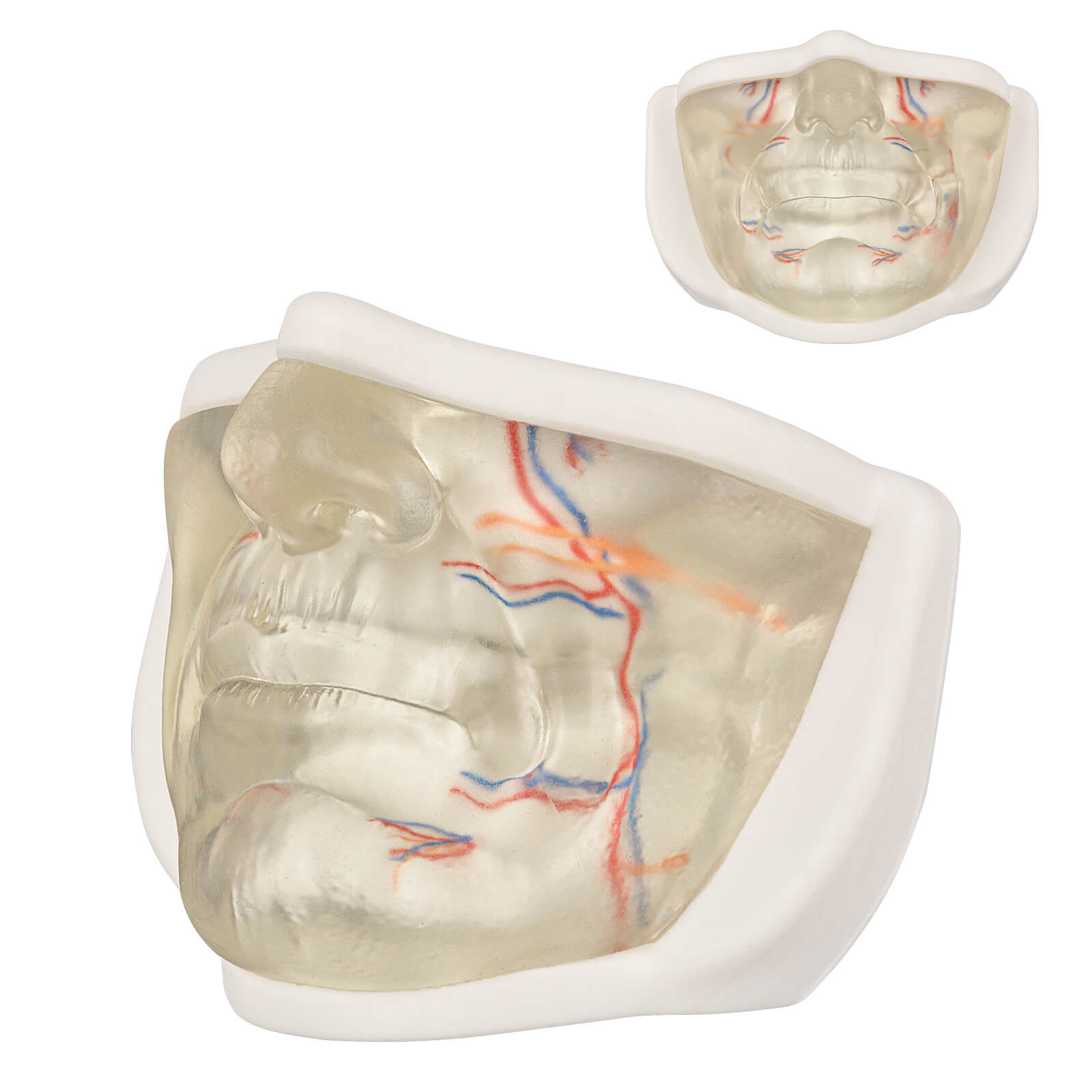
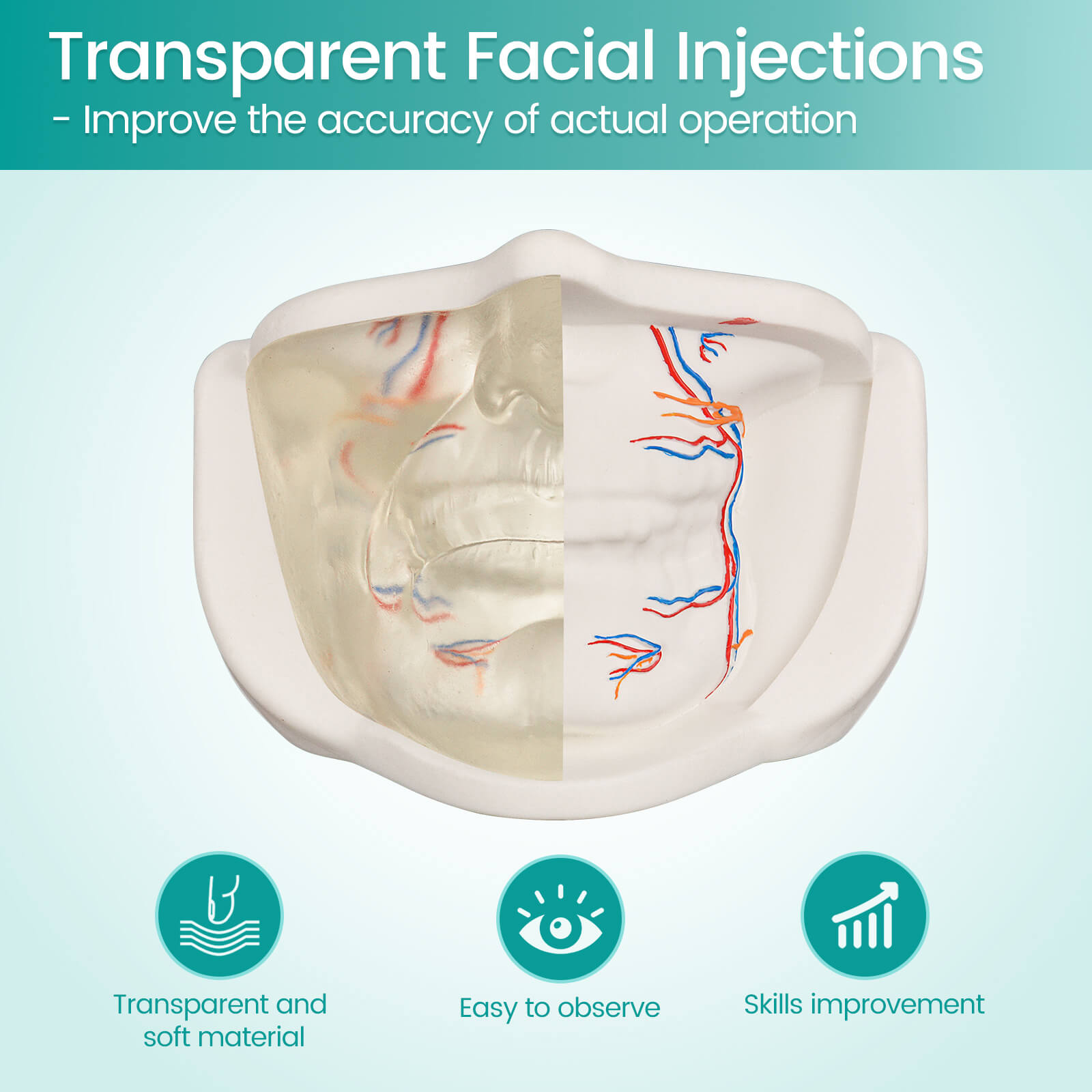
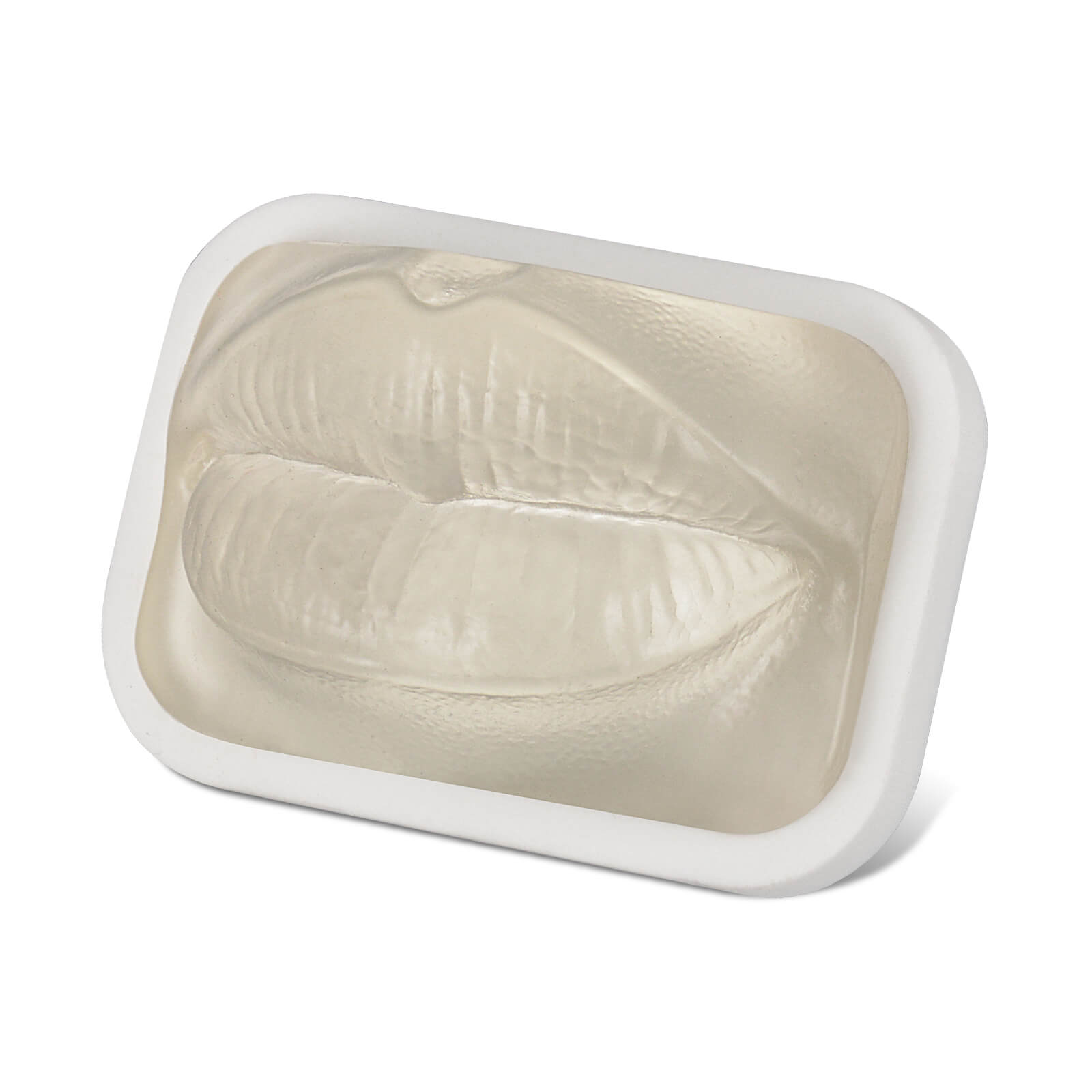
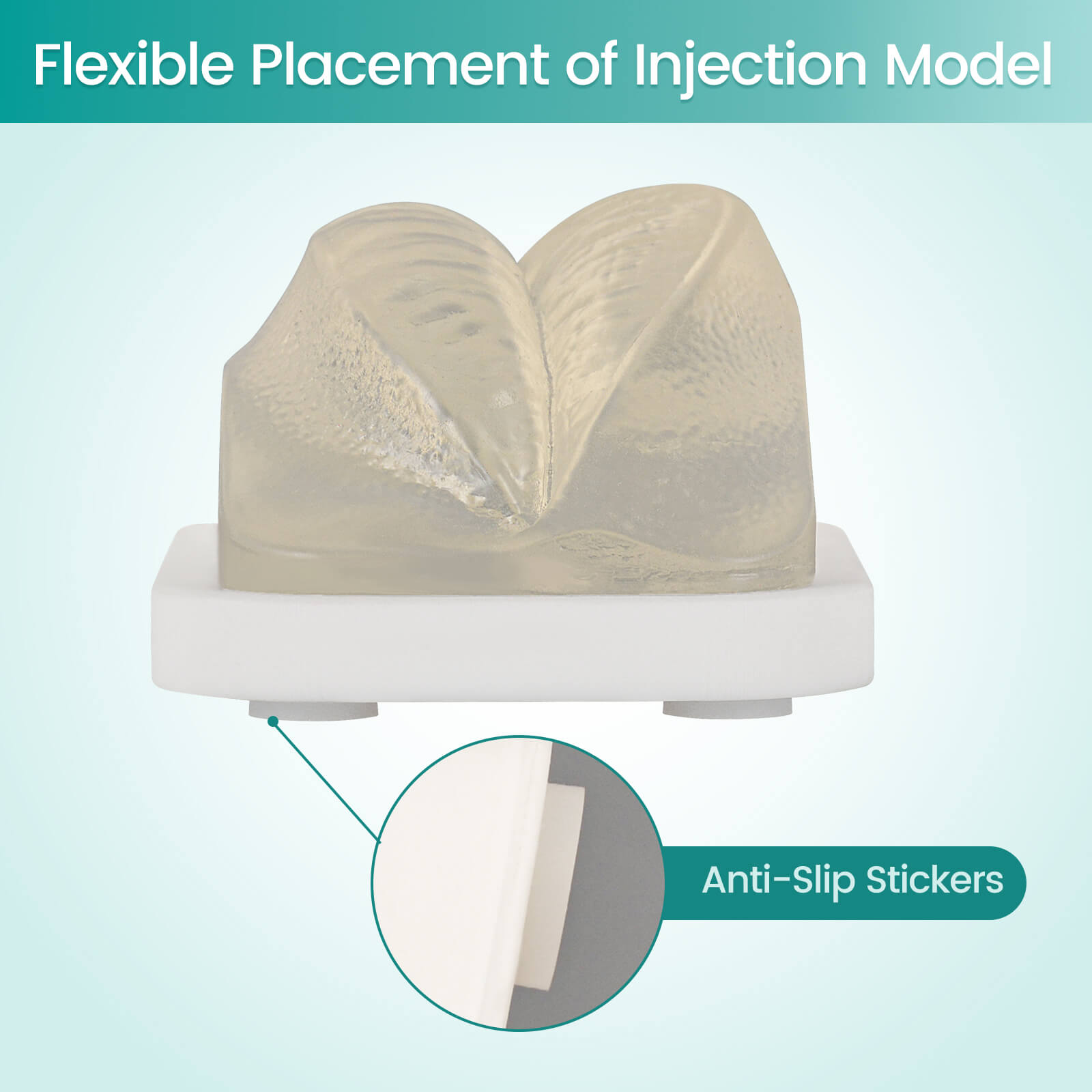
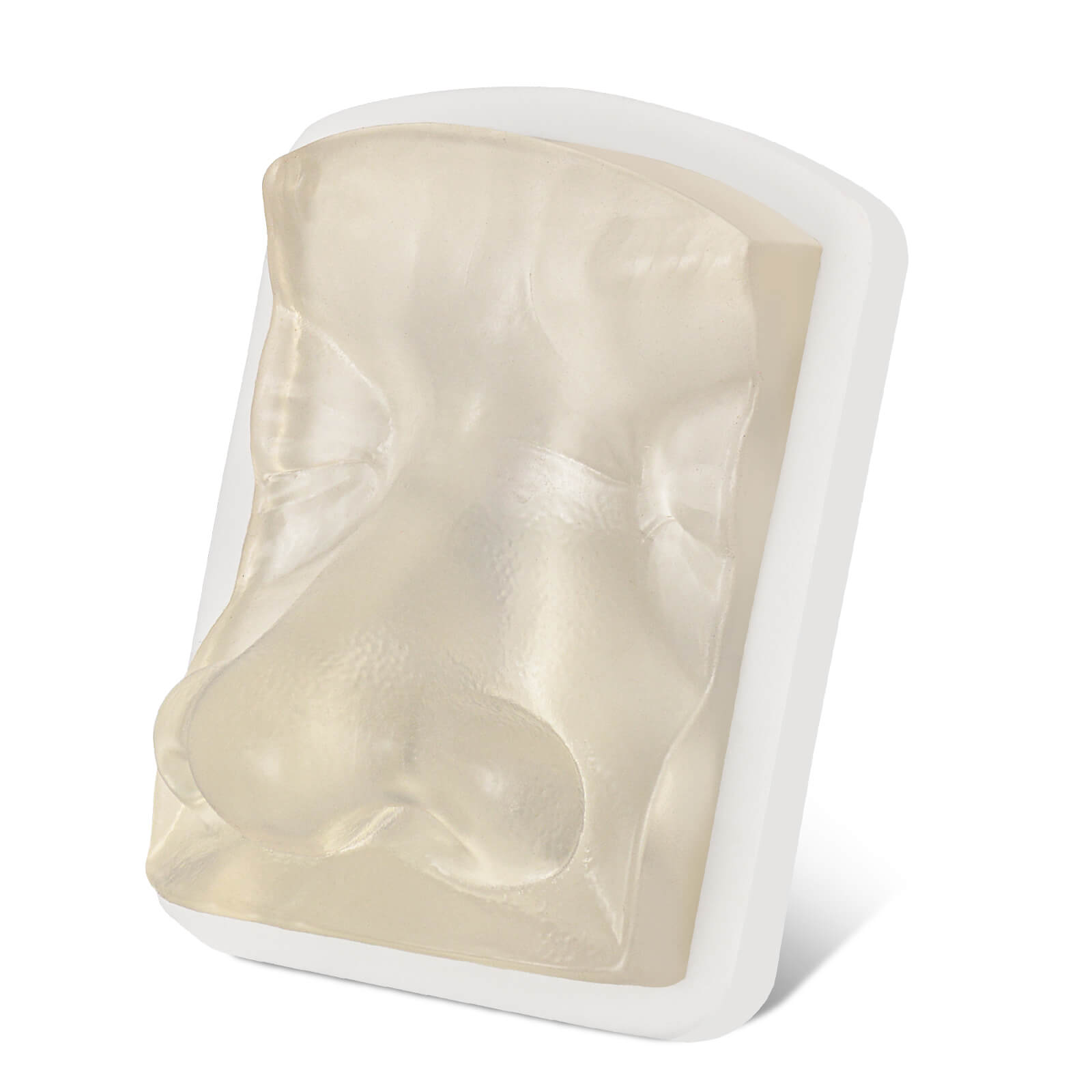
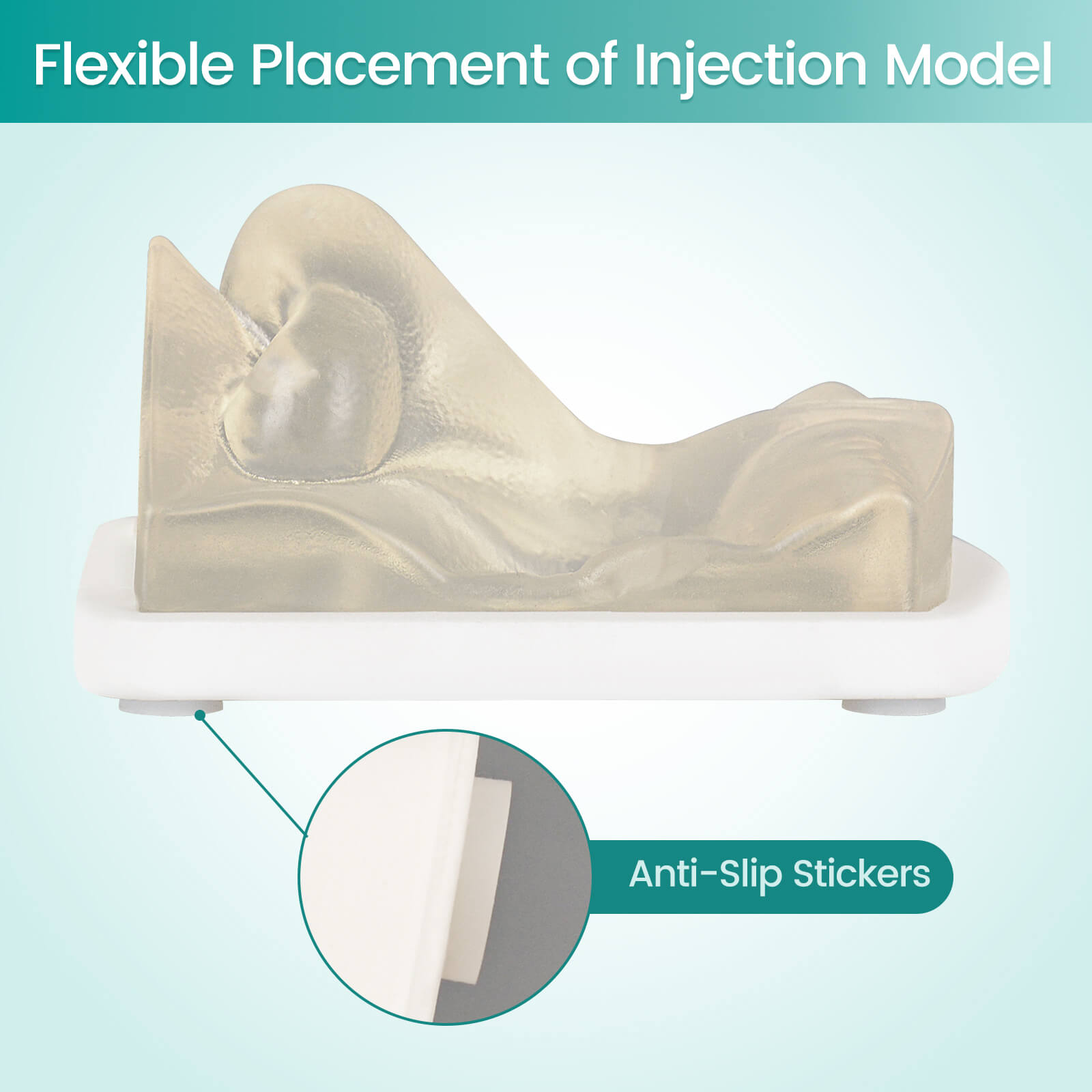
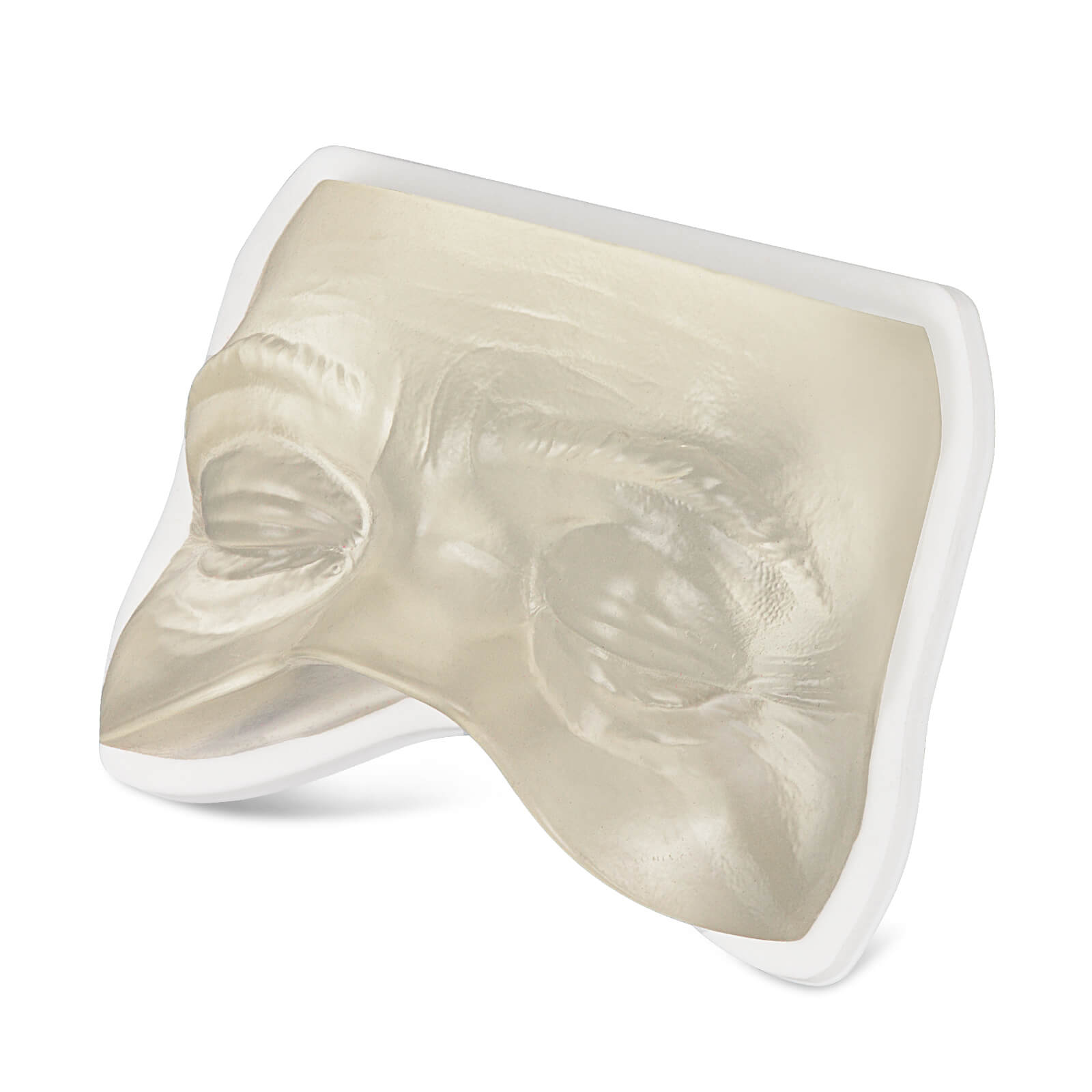
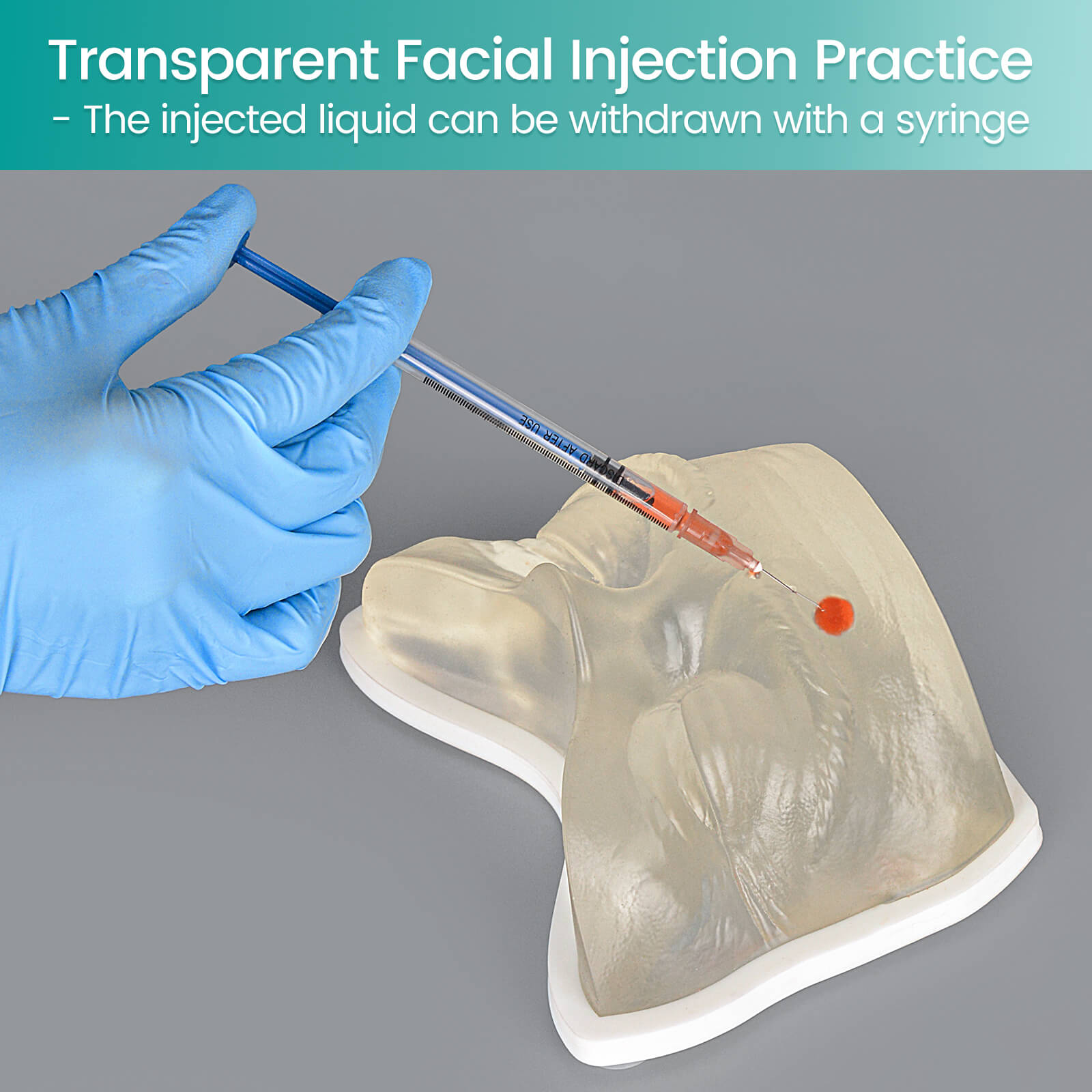
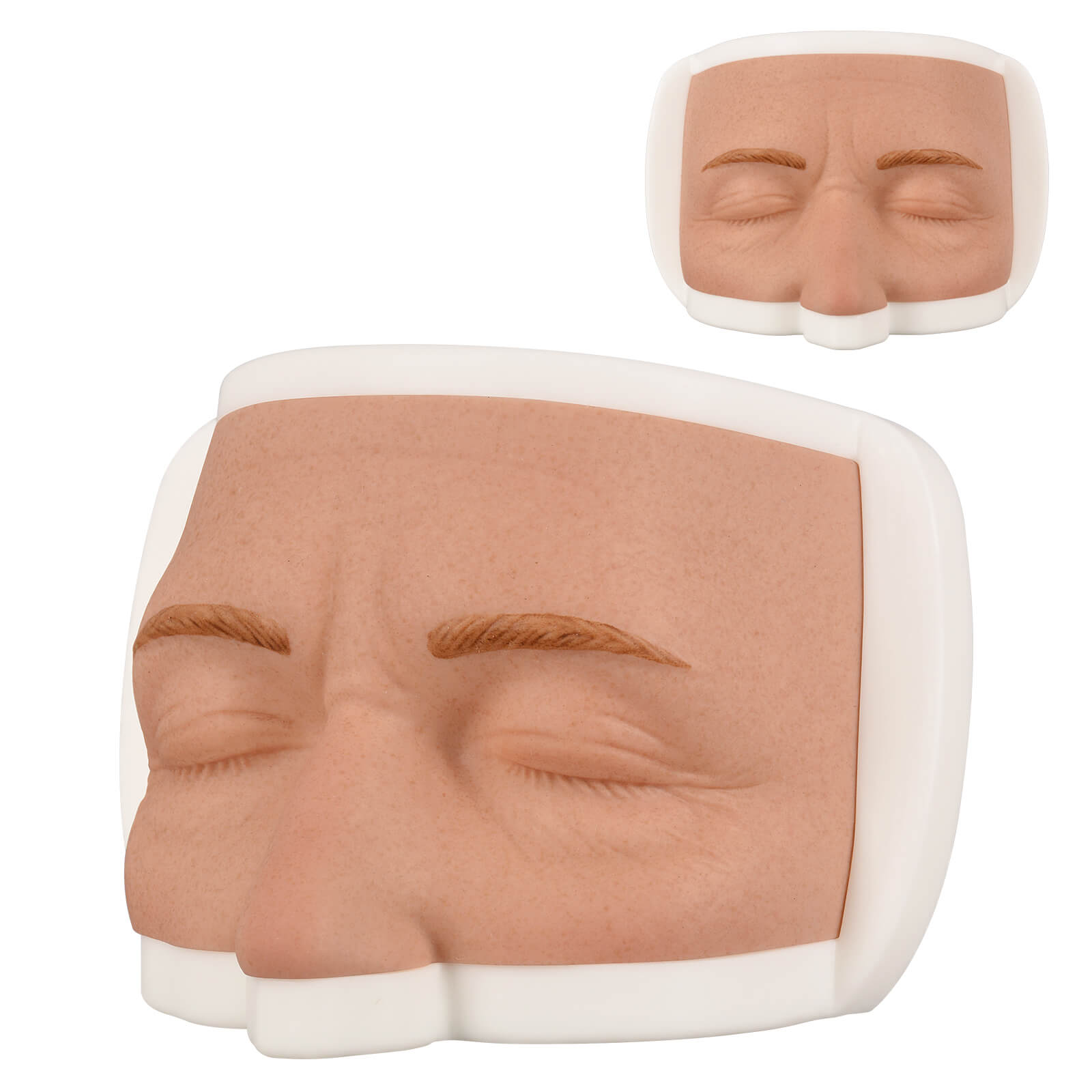
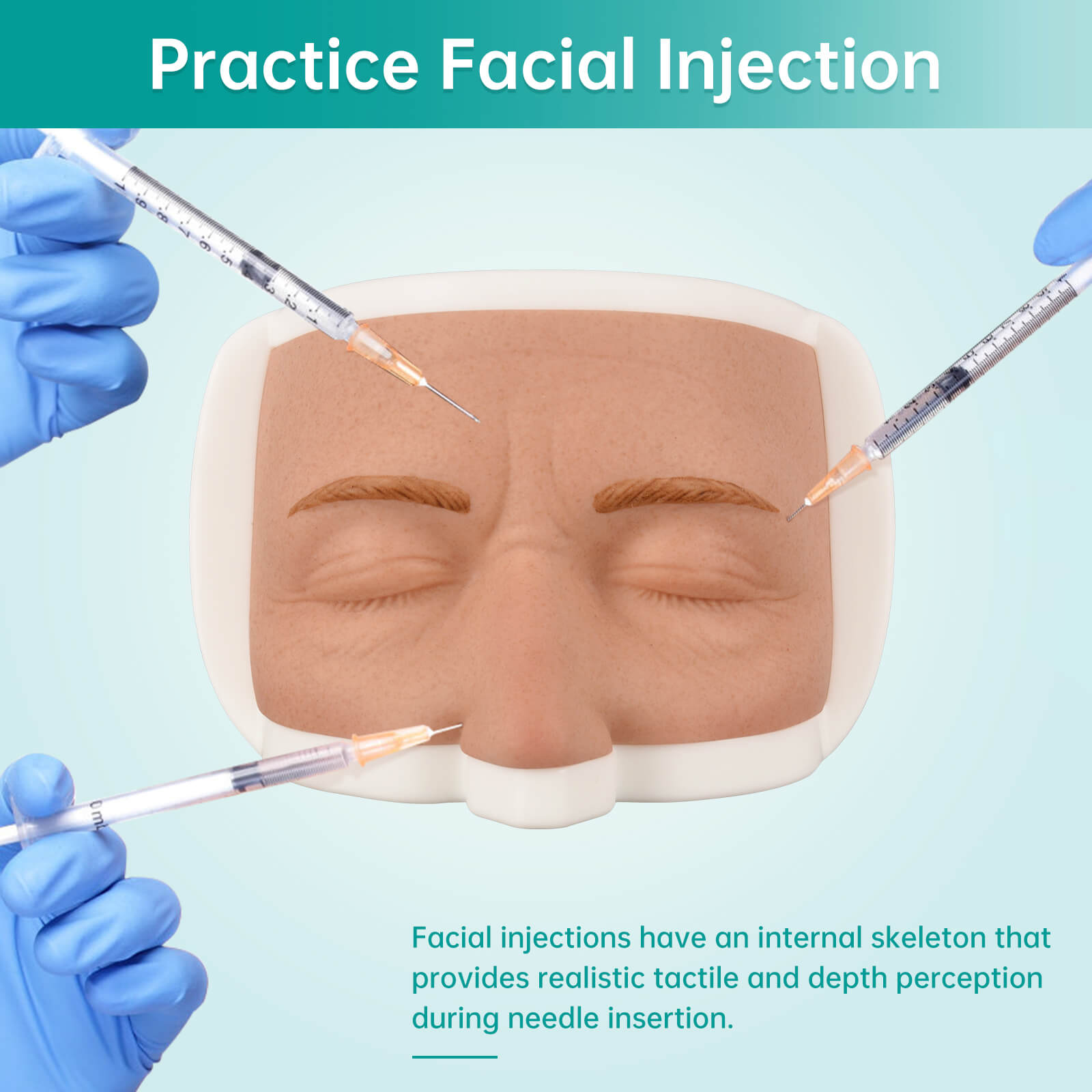
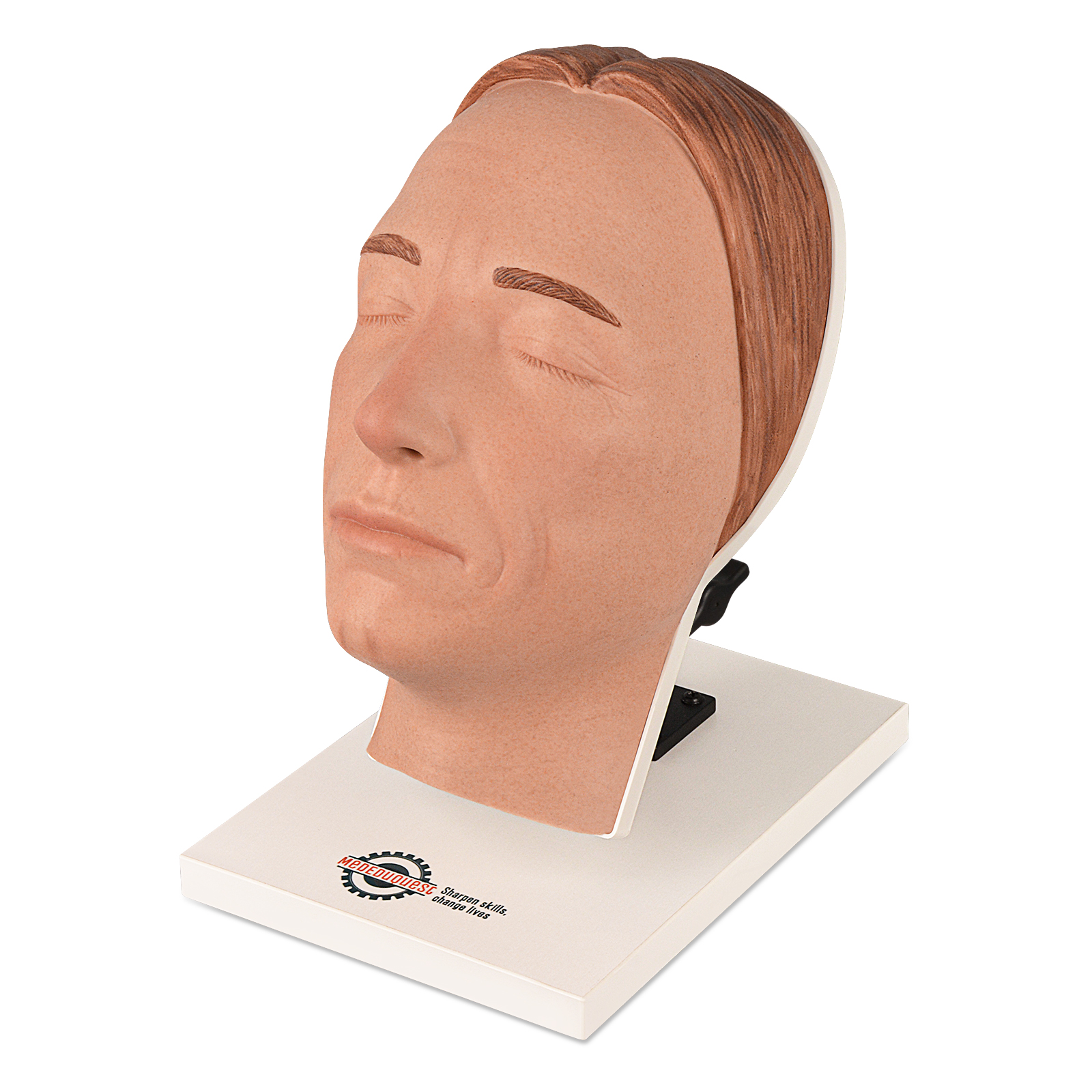
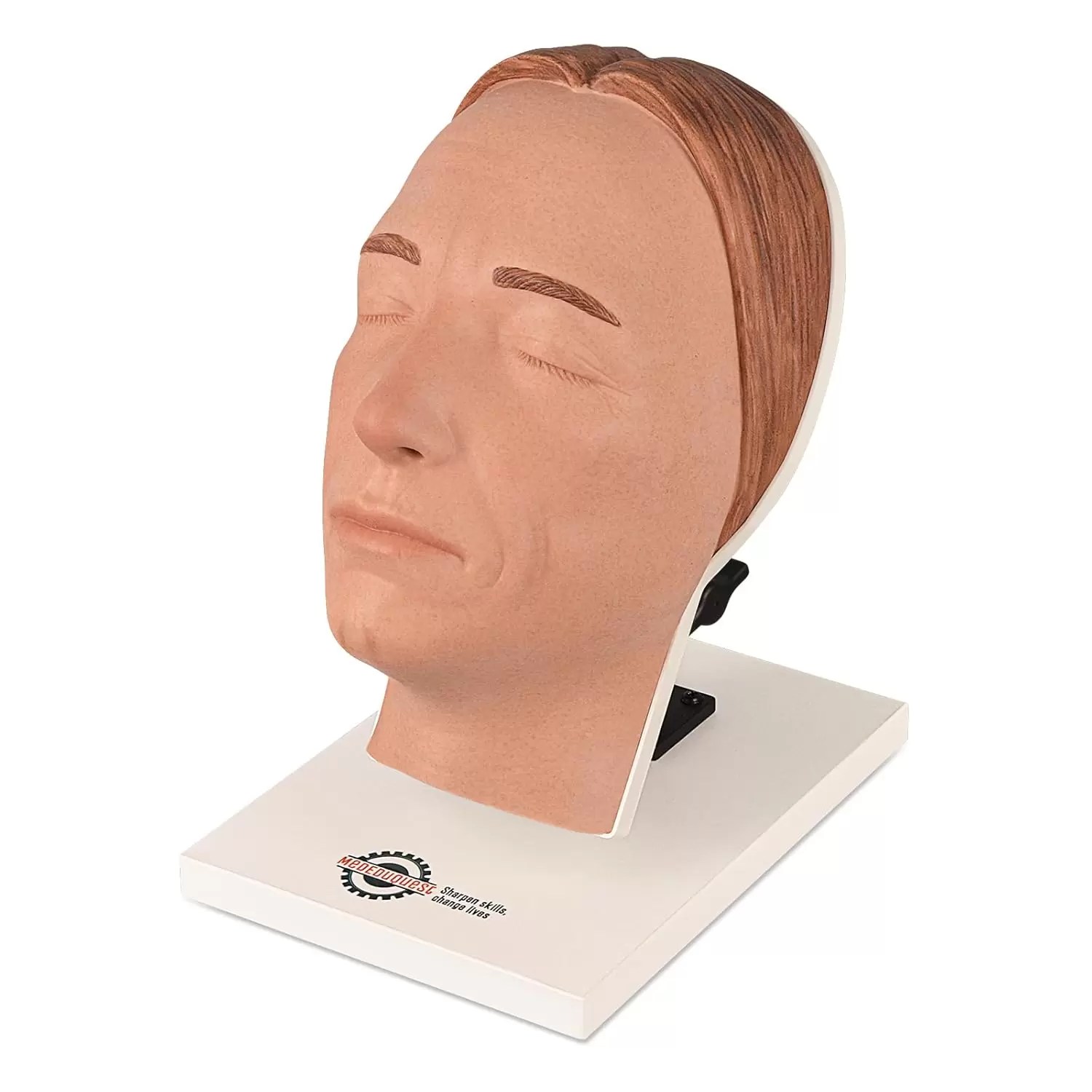
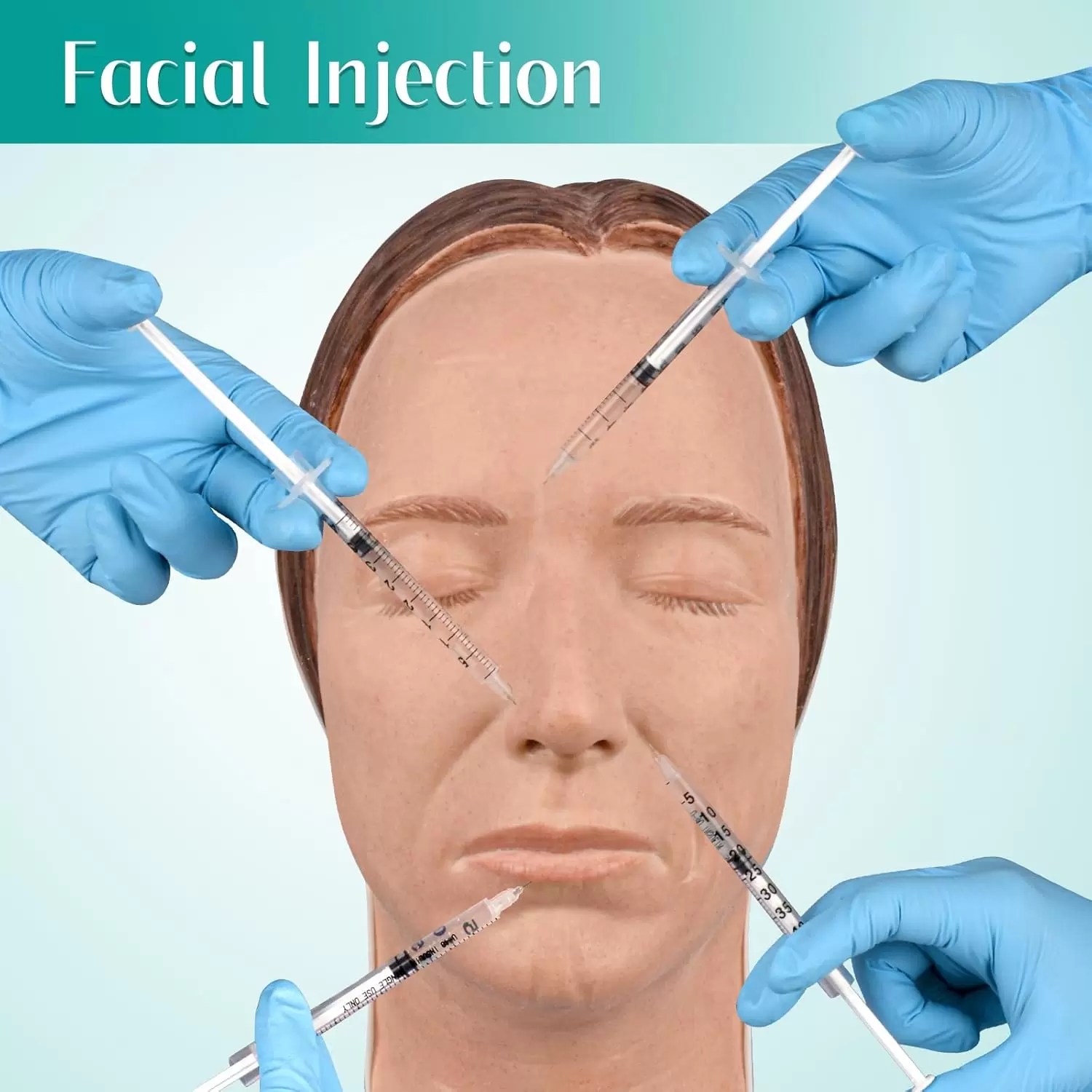
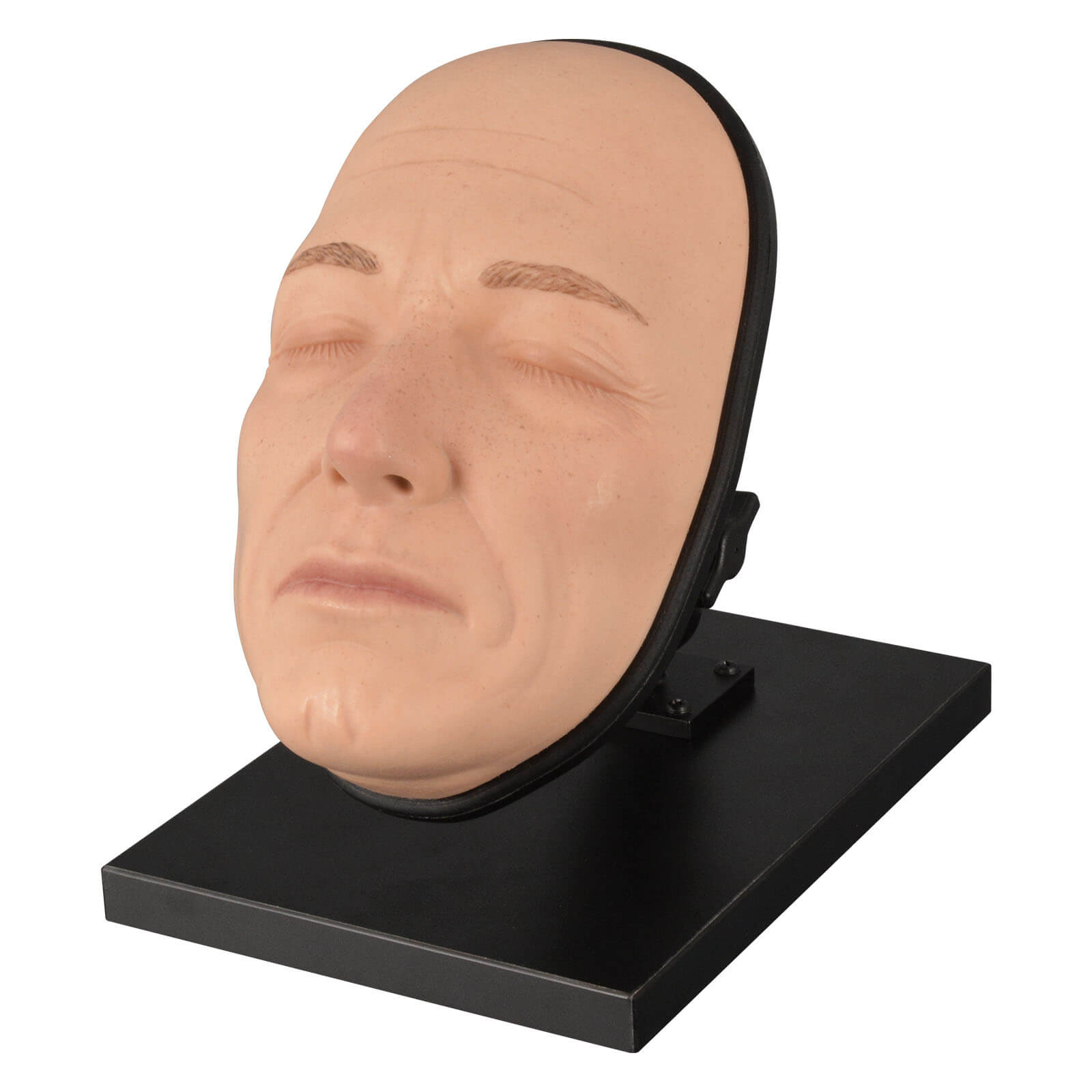
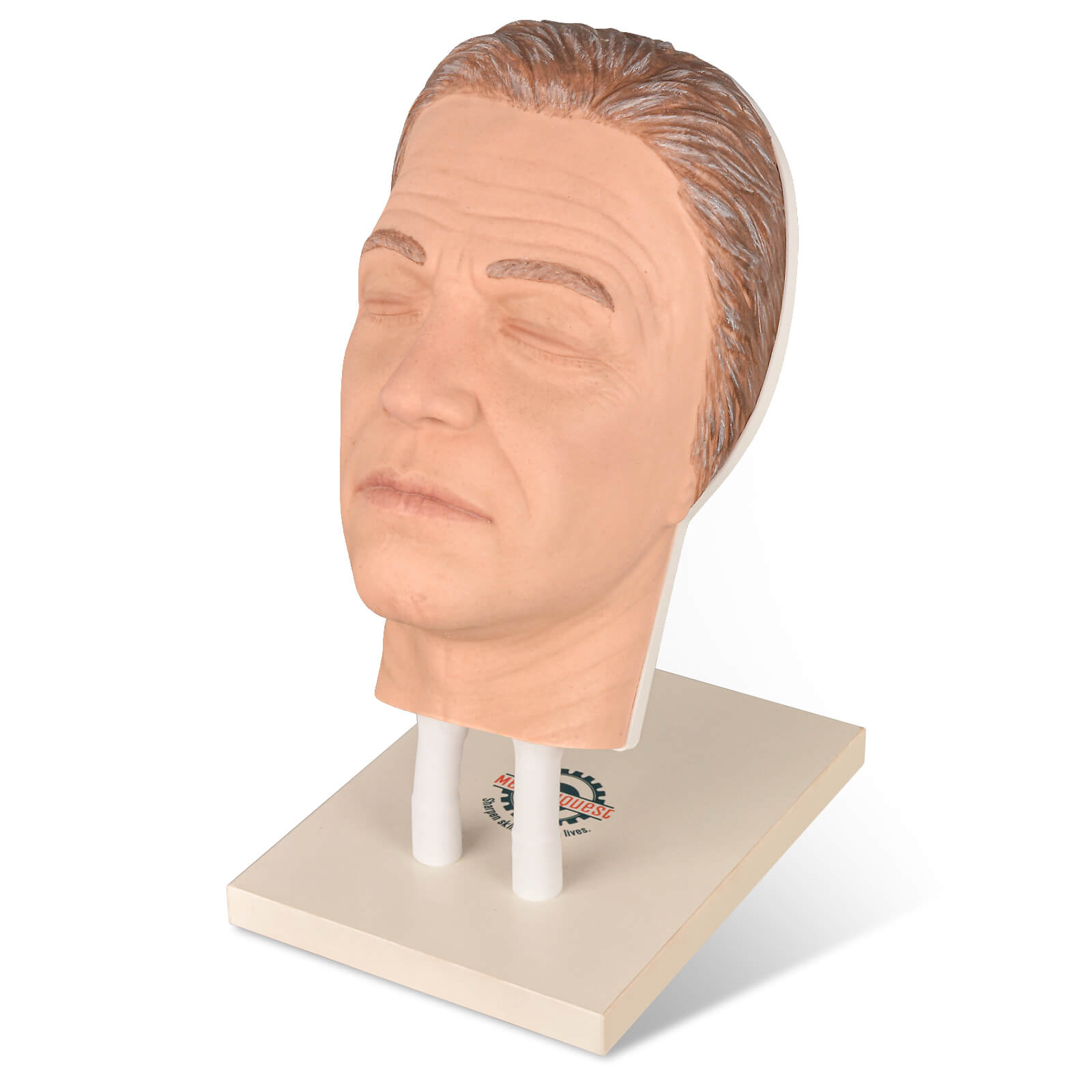
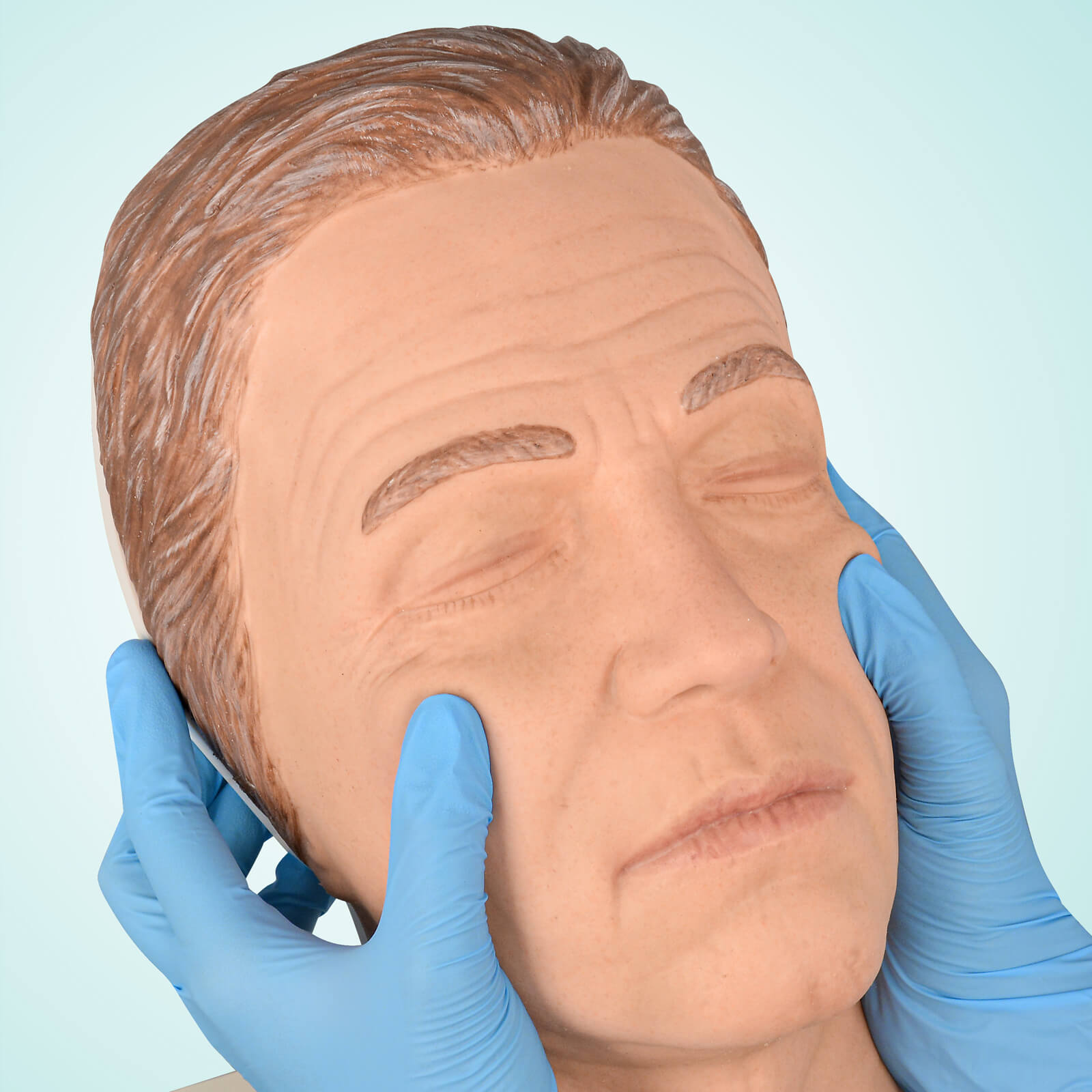
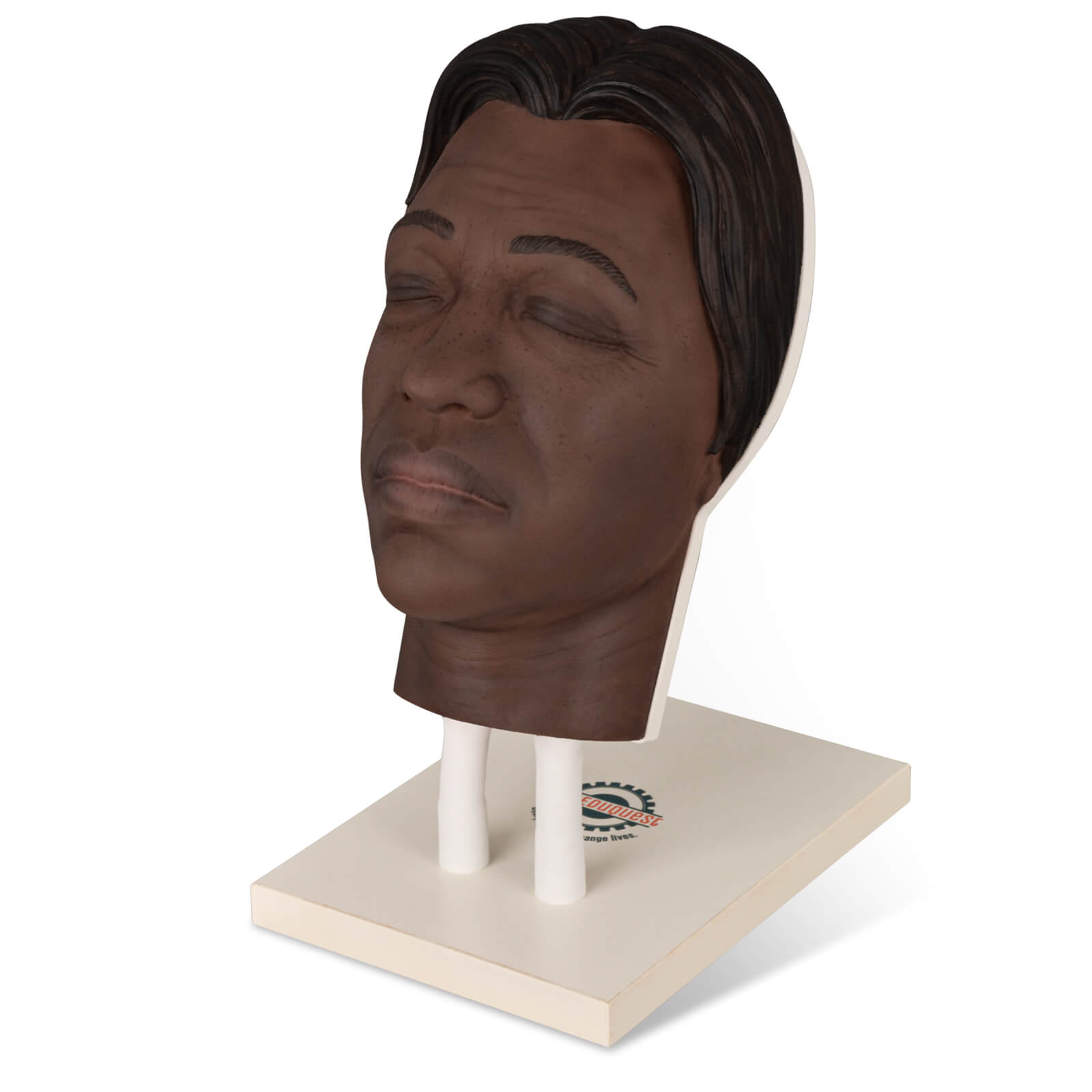
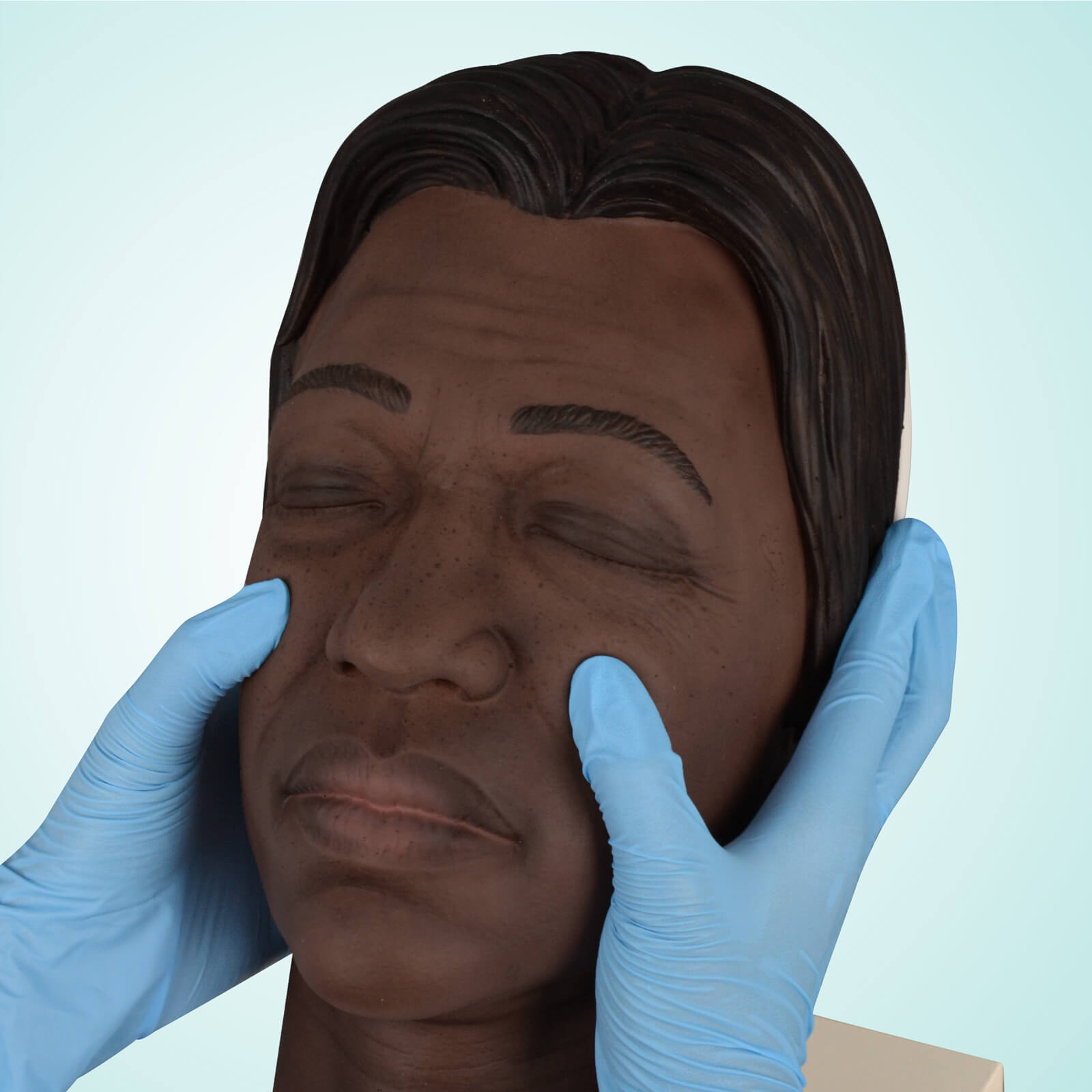
Da der Nasolabialbereich ein höheres Risiko birgt, ist das Üben außerhalb von lebenden Patienten besonders wichtig. Trainingsmodelle für Gesichts-Injektionen ermöglichen es Praktikern, Handpositionierung, Nadelwinkel und Standortwahl ohne Risiko für Patienten zu verfeinern.
MedEduQuest bietet eine Reihe von Trainingspuppen für Gesichts-Injektionen, die für die ästhetische Ausbildung konzipiert sind, einschließlich Vollgesicht- und regionaler Gesichtssimulatoren. Diese Modelle helfen Praktikern, die Gesichtsanatomie besser zu verstehen und Vertrauen aufzubauen, bevor sie echte Behandlungen durchführen.
Hier können Sie geeignete Modelle für die ästhetische Injektionspraxis erkunden:
👉 https://mededuquest.com/collections/facial-injection
Häufig gestellte Fragen
Q1: Wo sollte Botox für Nasolabialfalten injiziert werden?
Botox sollte in die Muskeln injiziert werden, die die Bewegung der Nasolabialfalte beeinflussen, nicht direkt in die Falte selbst. Dieser Ansatz reduziert das Risiko und verbessert die ästhetische Kontrolle.
Q2: Wie tief injizieren Sie Botox in Nasolabialfalten?
Die Injektionstiefe liegt typischerweise zwischen oberflächlich und mitteltief, abhängig vom Zielmuskel. Die Tiefe sollte sorgfältig angepasst werden, um Diffusion und funktionale Komplikationen zu vermeiden.
Q3: Ist Botox für Nasolabialfalten sicher?
Botox kann sicher sein, wenn es von geschulten Praktikern mit fundierten anatomischen Kenntnissen durchgeführt wird. Der Bereich gilt jedoch als Hochrisiko und erfordert eine vorsichtige Technik.
Q4: Warum kann Botox in der Nasolabialfalte schiefgehen?
Komplikationen resultieren häufig aus schlechter Standortwahl, direkter Injektion in die Falte oder der Behandlung von Patienten, die keine guten Kandidaten für eine Botox-basierte Korrektur sind.
Q5: Können Trainingsmodelle helfen, die Injektionssicherheit zu verbessern?
Ja. Realistische Trainingspuppen für Gesichts-Injektionen ermöglichen es Praktikern, anatomiebasierte Techniken zu üben und die Präzision zu verbessern, bevor sie echte Patienten behandeln.
.jpeg?w=1500&h=1500)
.jpeg?w=1500&h=1500)
.jpeg?w=1600&h=1600)
.jpeg?w=1600&h=1600)