
Aesthetic Injection Practice & Simulation
Realistic Facial Injection Models for Safer Skill Development
What Is Aesthetic Injection Practice & Simulation?
Aesthetic injection practice and simulation refers to the use of anatomical facial models to rehearse and refine injection-related skills in cosmetic procedures such as Botox and dermal filler treatments.
Rather than focusing on clinical treatment or patient outcomes, simulation-based practice emphasizes:
- Recognition of common facial injection sites
- Awareness of injection depth and tissue layers
- Needle angle control and hand positioning
- Identification of facial danger zones
This approach supports a practice-before-patient mindset, allowing repeated skill development in a controlled, risk-free environment.
Why Simulation Matters in Facial Aesthetic Injections
Facial aesthetic injections involve complex anatomy, where small variations can significantly impact safety and outcomes. Key challenges include:
- Individual differences in facial anatomy
- The presence of critical vessels and nerves
- Risks associated with incorrect injection depth
- Limited margin for error in high-risk zones
Simulation models allow practitioners to practice repeatedly without causing harm, helping them develop confidence, anatomical familiarity, and technical awareness before working with live patients.
Practice Scenarios Supported by MedEduQuest Models
MedEduQuest Aesthetic Injection Manikins are designed to support simulation across the most commonly treated aesthetic regions.
Common Aesthetic Injection Areas for Practice:
- Forehead and frontalis muscle
- Glabella complex
- Crow's feet (lateral canthal lines)
- Nasolabial folds
- Lips and perioral region
All scenarios are intended strictly for practice and simulation, not for clinical instruction or patient treatment.
Facial Injection Models Designed for Aesthetic Practice
Explore our Facial Injection Training Models designed to support hands-on aesthetic injection practice across different facial regions.
Transparent Facial Injection Models
Transparent models allow users to visualize internal anatomical structures, helping to:
- Observe simulated vessels and depth relationships
- Improve spatial and anatomical awareness
- Receive immediate visual feedback during practice
Skin-Tone Facial Injection Manikins
Skin-tone facial manikins focus on realistic surface anatomy and tactile feedback, offering:
- Life-like resistance during needle insertion
- Full-face injection flow simulation
- Multiple skin tone options for inclusive training environments
They are commonly used for holistic facial injection practice and workflow familiarization.
Transparent vs. Skin Tone Facial Injection Manikin
How Practitioners Use Simulation Models Safely
Aesthetic Injection Training Models are commonly used for:
- Repeated needle placement and hand control practice
- Mapping injection sites across facial regions
- Comparing depth awareness in different anatomical zones
- Technique familiarization before live treatment
These activities support skill development without involving dosage guidance, clinical protocols, or medical decision-making.
Related Aesthetic Injection Practice Guides
To support structured learning and focused practice, MedEduQuest publishes in-depth guides on specific aesthetic injection areas:
- Forehead Botox Injection Sites
- Glabella Botox Injection Sites and Danger Zones
- Crow's Feet Botox Injection Points
- Nasolabial Fold Botox Injection Sites
- Lip Filler Injection Sites and Techniques
- Cheek Filler Injection Points
- Chin Filler Injection Points
- Nose Filler Injection Points
Together, these resources form a comprehensive aesthetic injection practice topic cluster, supporting both knowledge exploration and hands-on simulation.
Who Uses Aesthetic Injection Simulation Models?
MedEduQuest Botox & Filler Injection Practice Models are used by a wide range of professionals and organizations, including:
- Aesthetic practitioners in training
- Medical professionals expanding into aesthetic procedures
- Educational institutions using simulation-based learning
- Workshops and non-clinical certification programs
The models are designed to support skill development while maintaining a clear boundary from clinical instruction.
Build Confidence Through Aesthetic Injection Practice
-
-
Facial Anatomy Model for Aesthetic Injection Training
.jpg?w=1000&h=1000)
 Save $100.00 USD
Save $100.00 USDFacial Anatomy Model for Aesthetic Injection Training
$799.00 USD $899.00 USD -
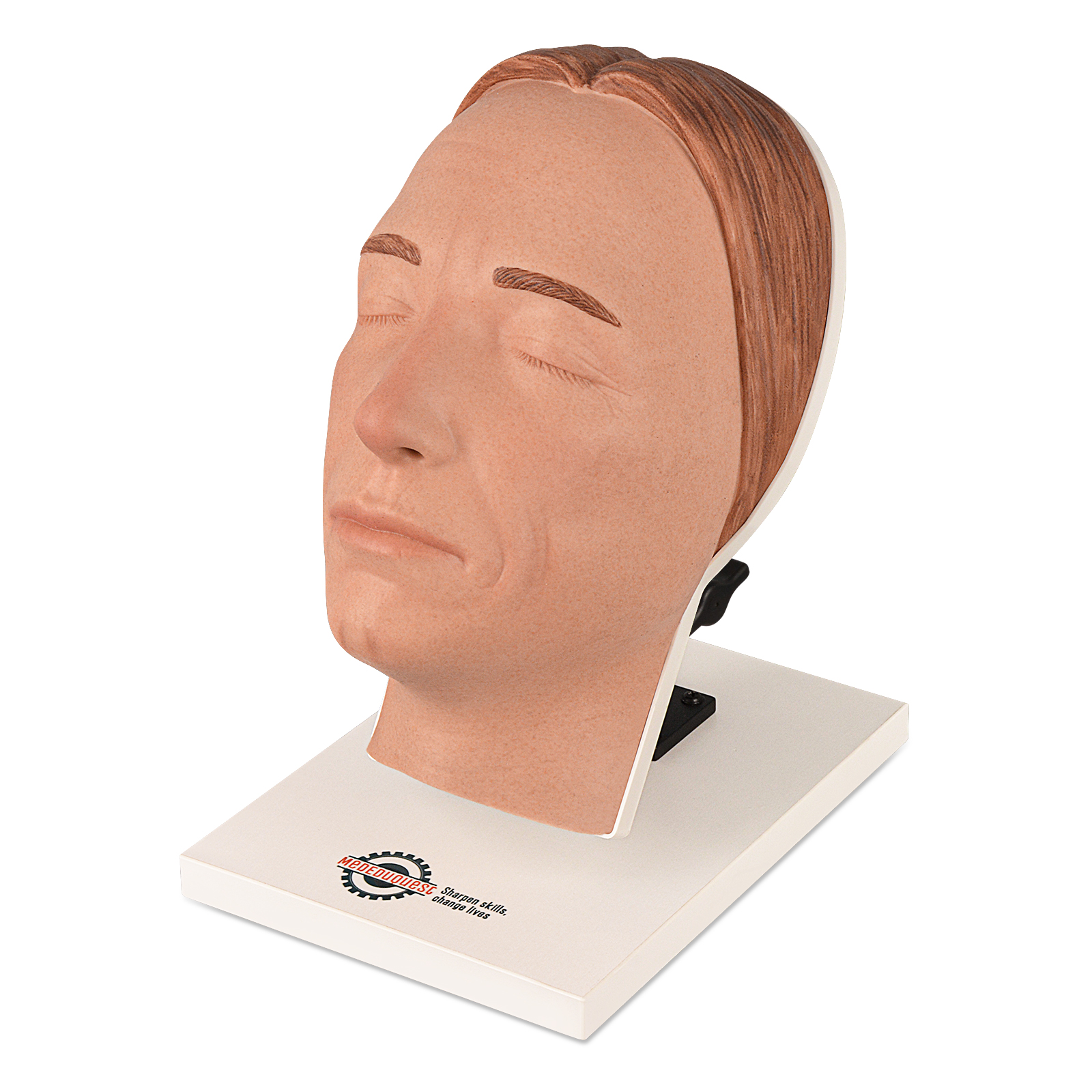
Multi-Directional Facial Injection Mannequin Head - Emma Model
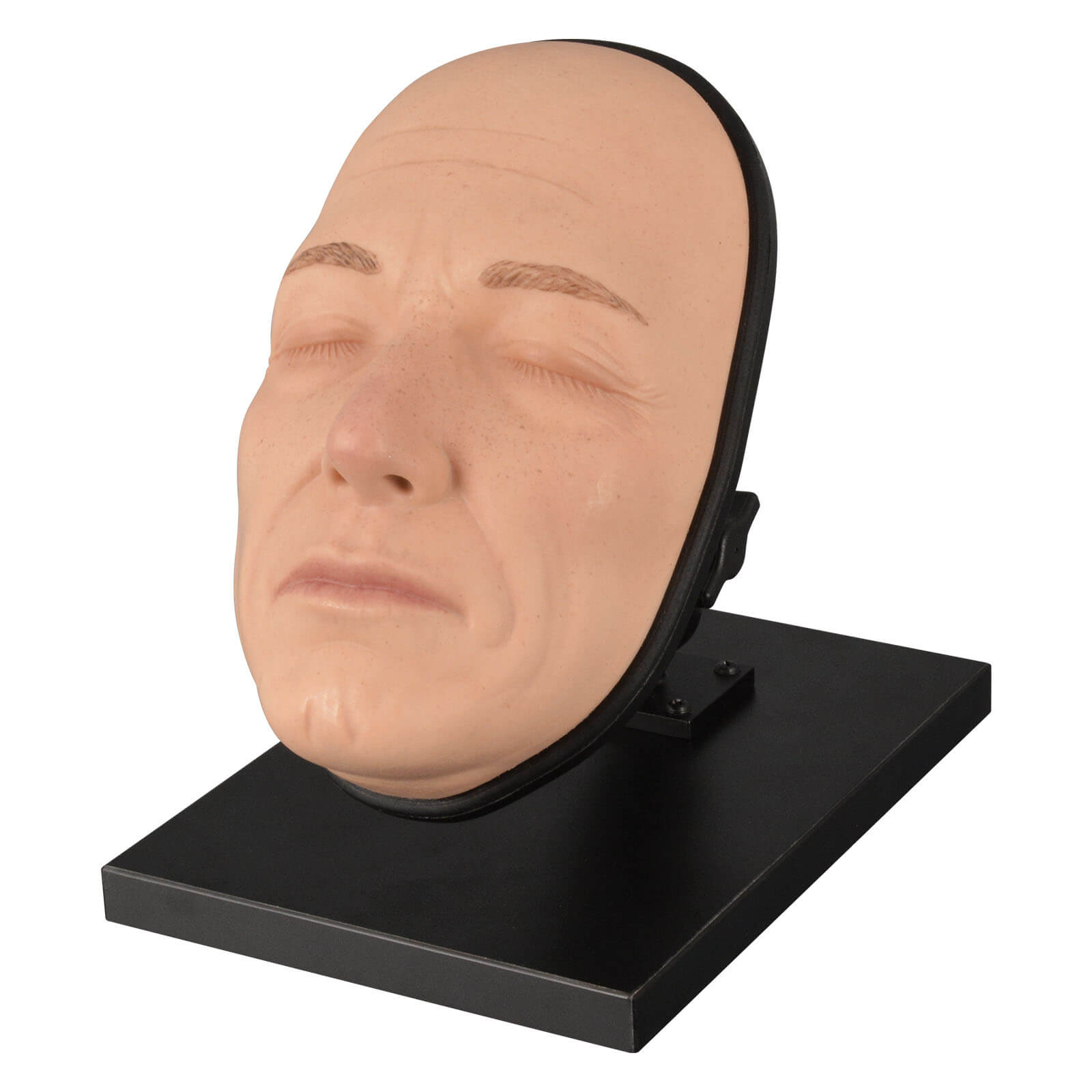
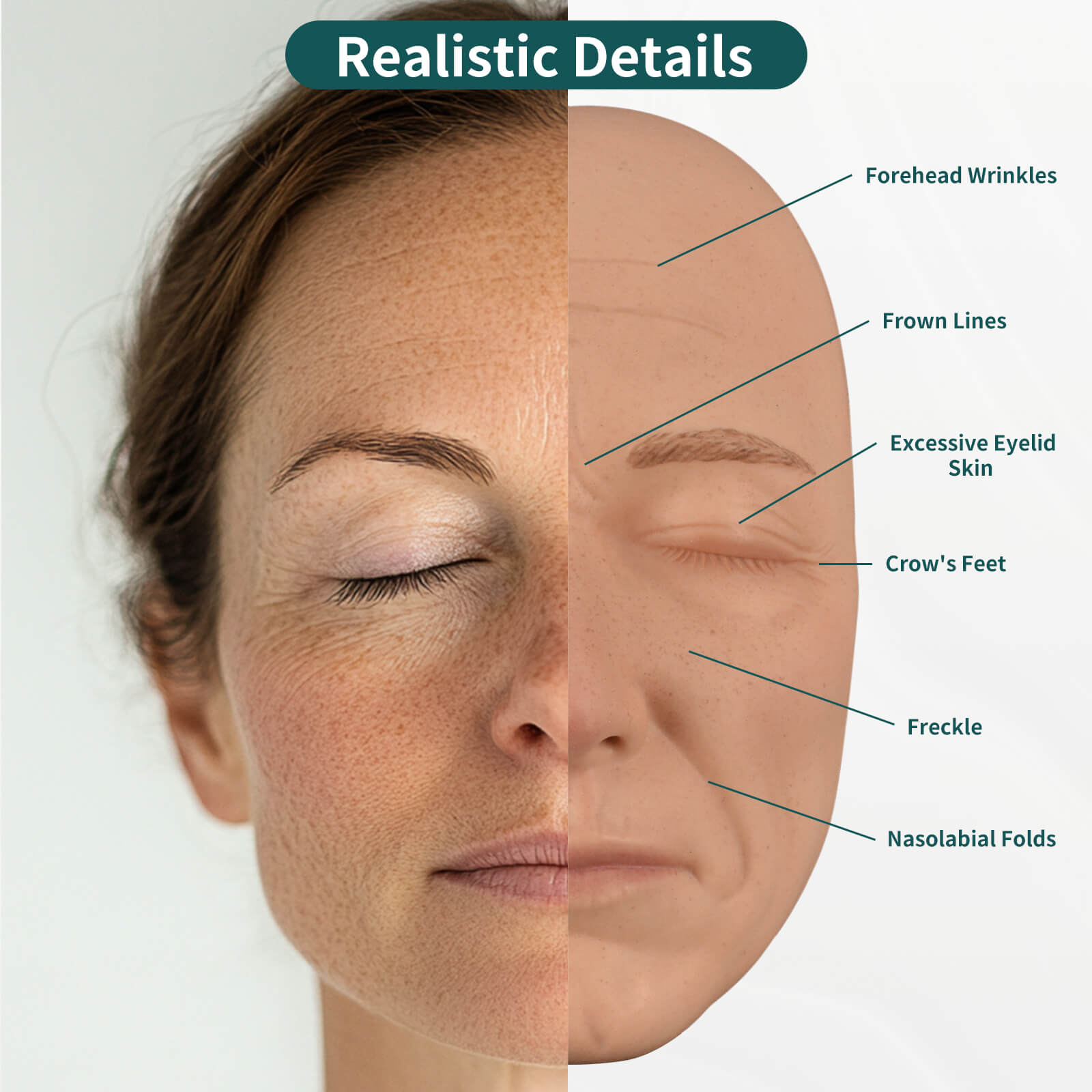
Multi-Directional Facial Injection Mannequin Head - Emma Model
$219.99 USD -
Male Facial Injection Mannequin - James Model
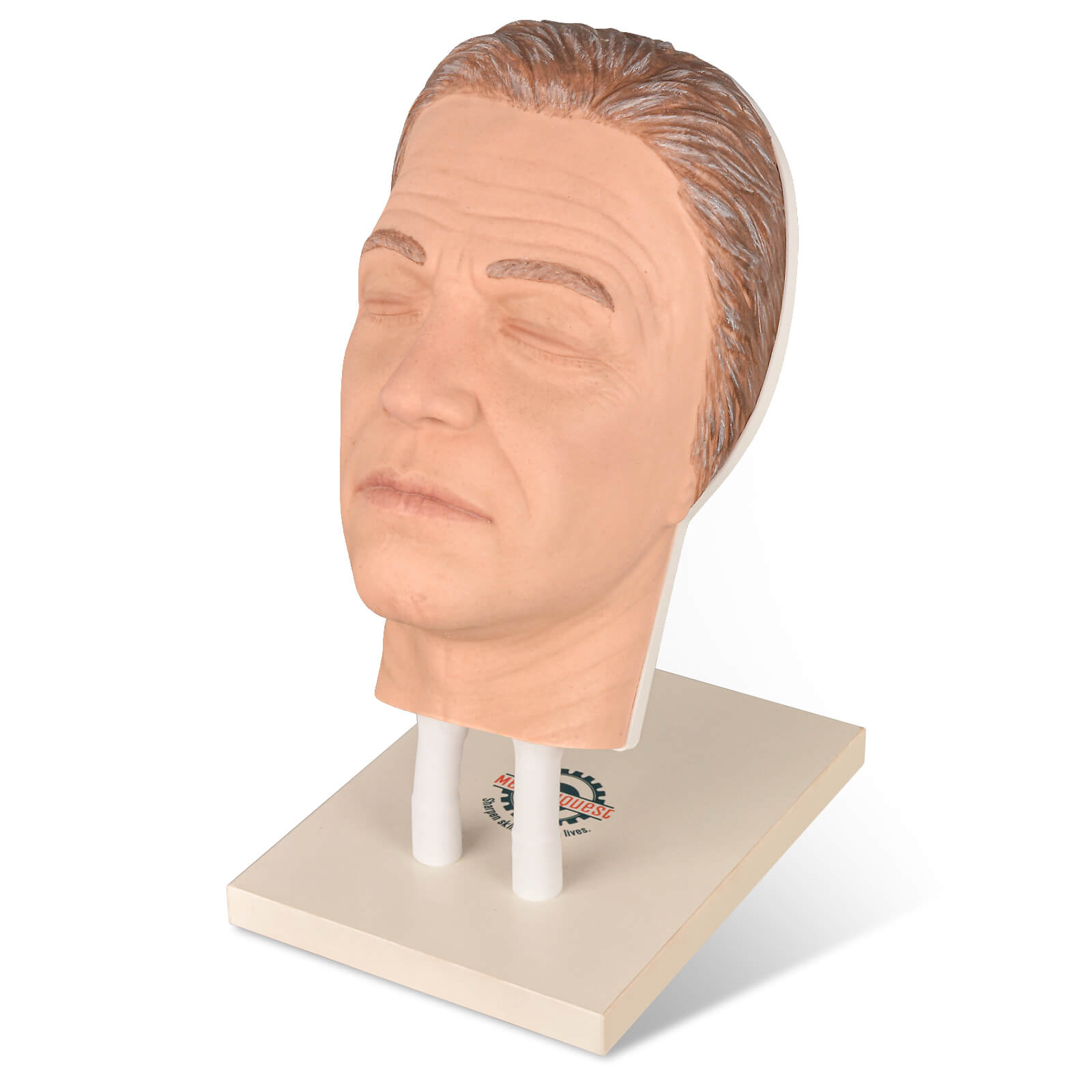
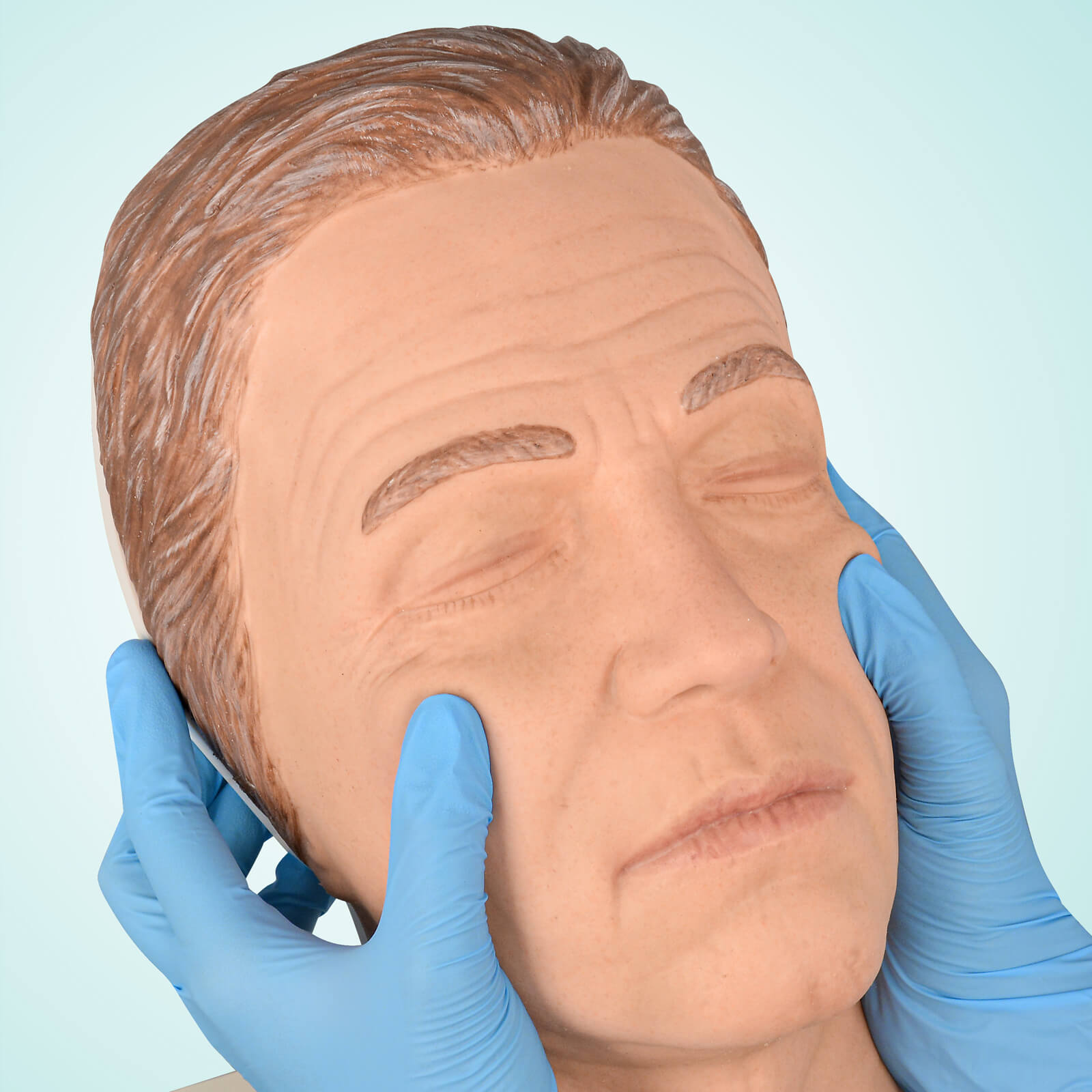
Male Facial Injection Mannequin - James Model
$219.99 USD -
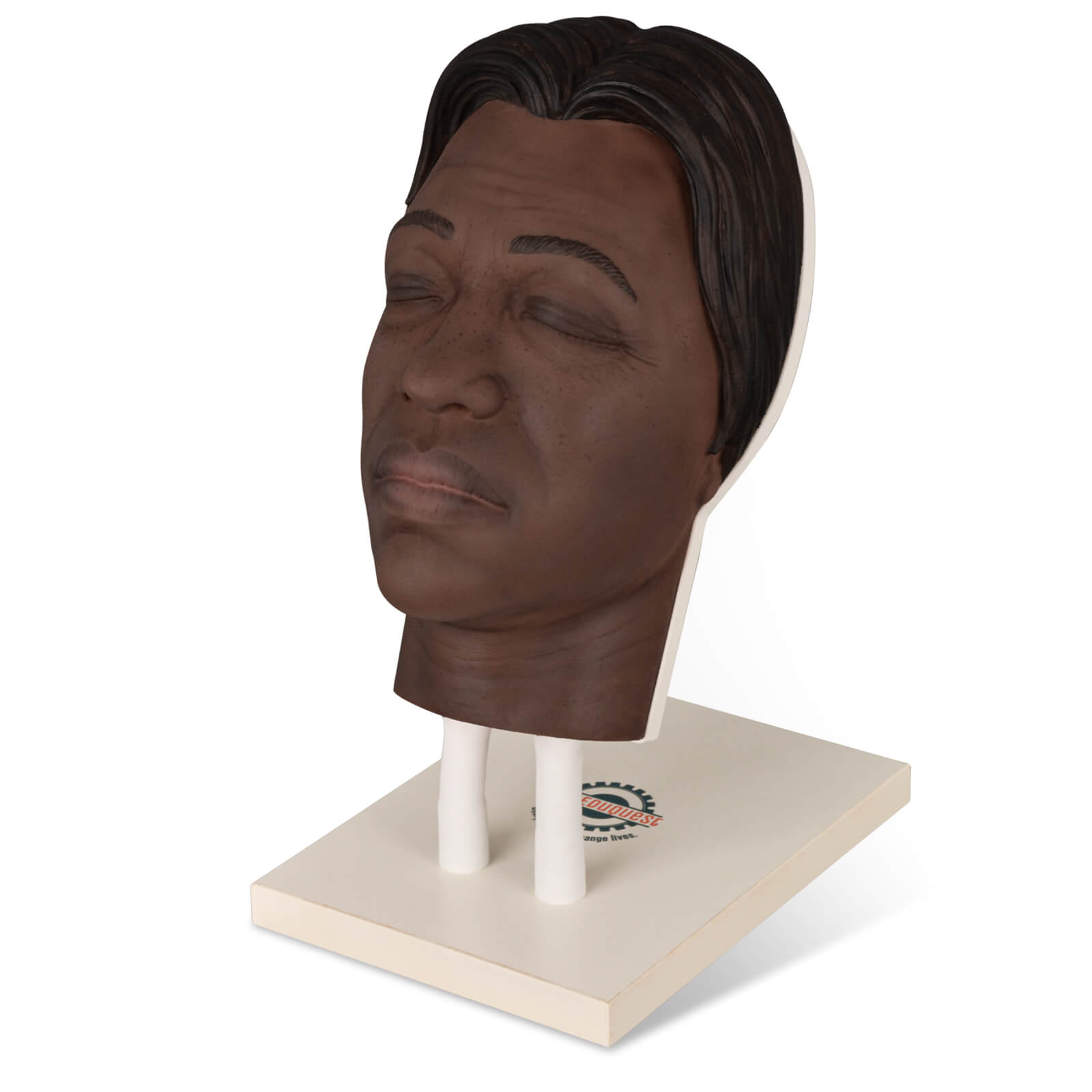
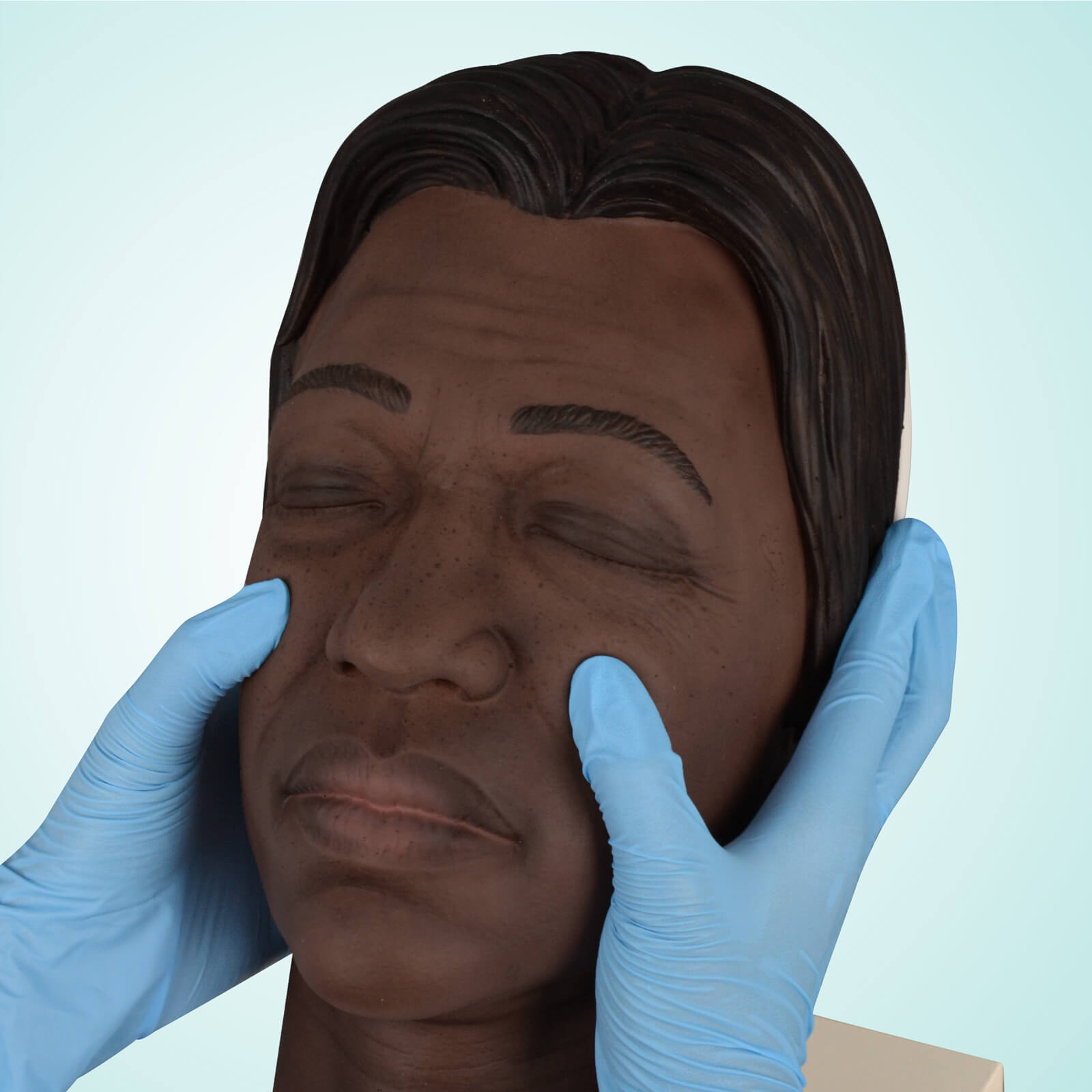
Dark Skin Facial Injection Training Mannequin - Kaya Model
 Save $20.00 USD
Dark Skin Facial Injection Training Mannequin - Kaya Model
$219.99 USD $239.99 USD -
Realistic Facial Injection Manikin with Feminine Features - Nana Model
.jpeg?w=1500&h=1500)
.jpeg?w=1500&h=1500)
Realistic Facial Injection Manikin with Feminine Features - Nana Model
$219.99 USD -
Female Facial Injection Mannequin - Sara Model
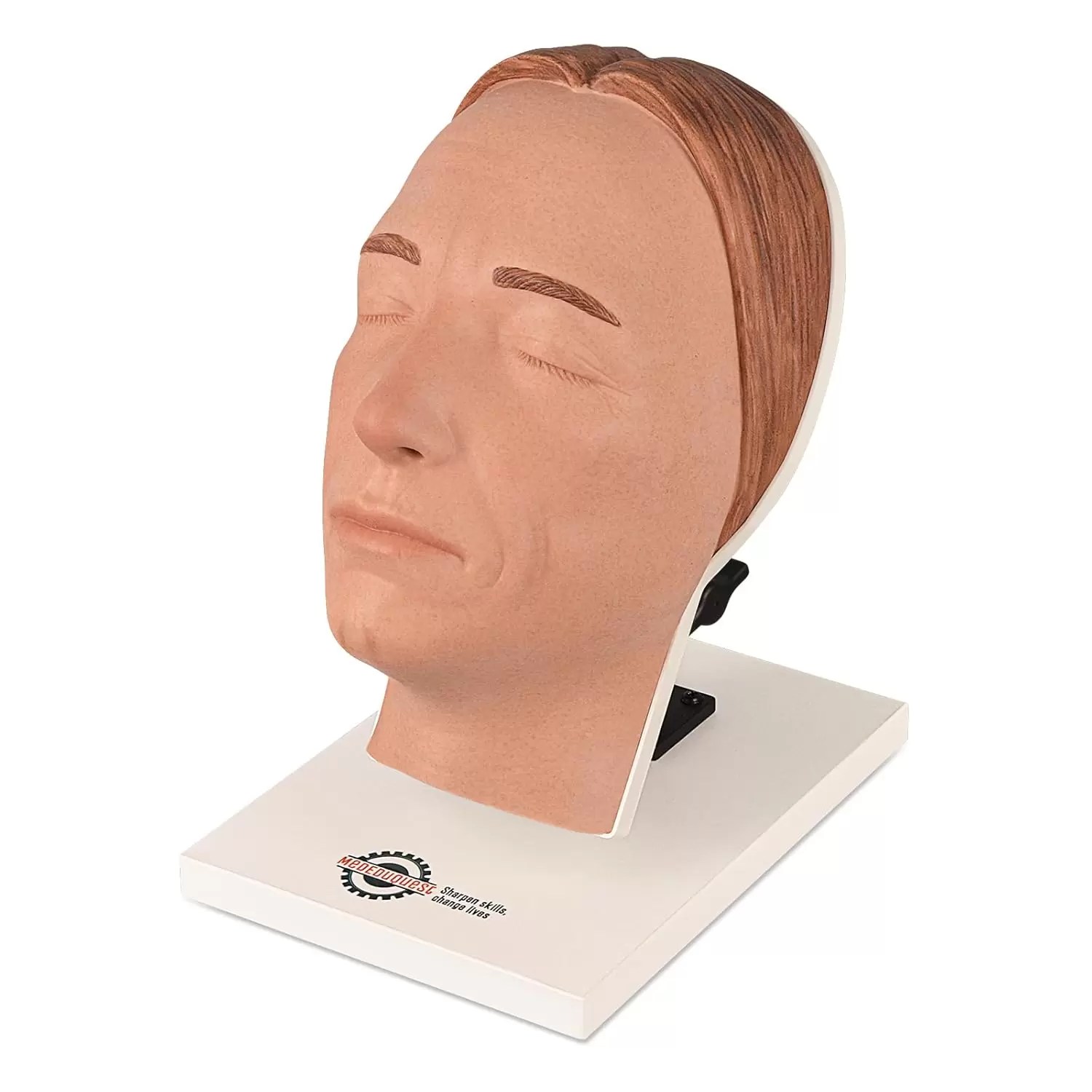
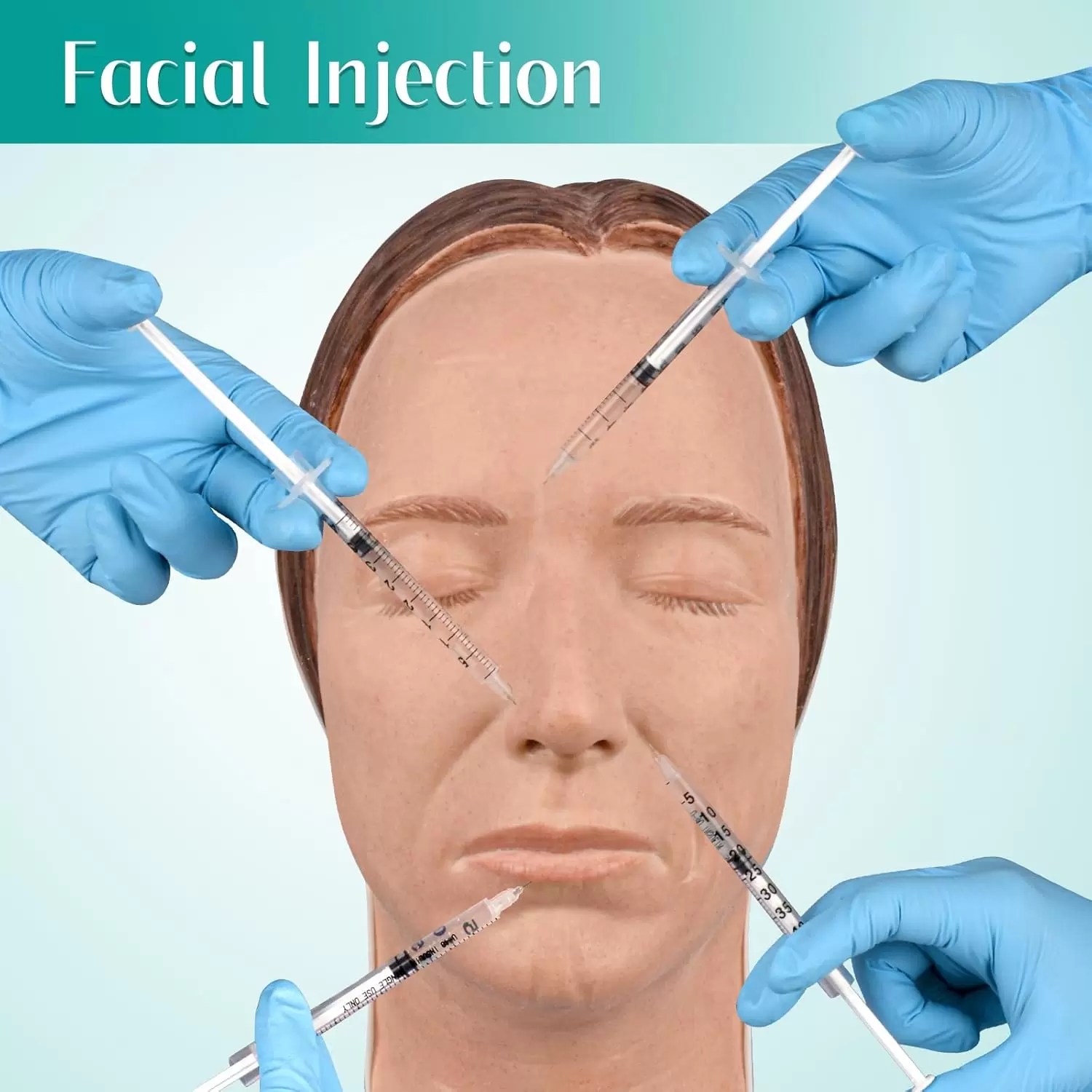
Female Facial Injection Mannequin - Sara Model
$219.99 USD -
Transparent Full Face Injectable Model with Removable Skin
.jpeg?w=1600&h=1600)
.jpeg?w=1600&h=1600)
Transparent Full Face Injectable Model with Removable Skin
$249.99 USD -
Transparent Face Injection Training Model with Visible Vessels & Nerves
.jpg?w=1600&h=1600)
 Save $20.00 USD
Save $20.00 USDTransparent Face Injection Training Model with Visible Vessels & Nerves
$249.99 USD $269.99 USD