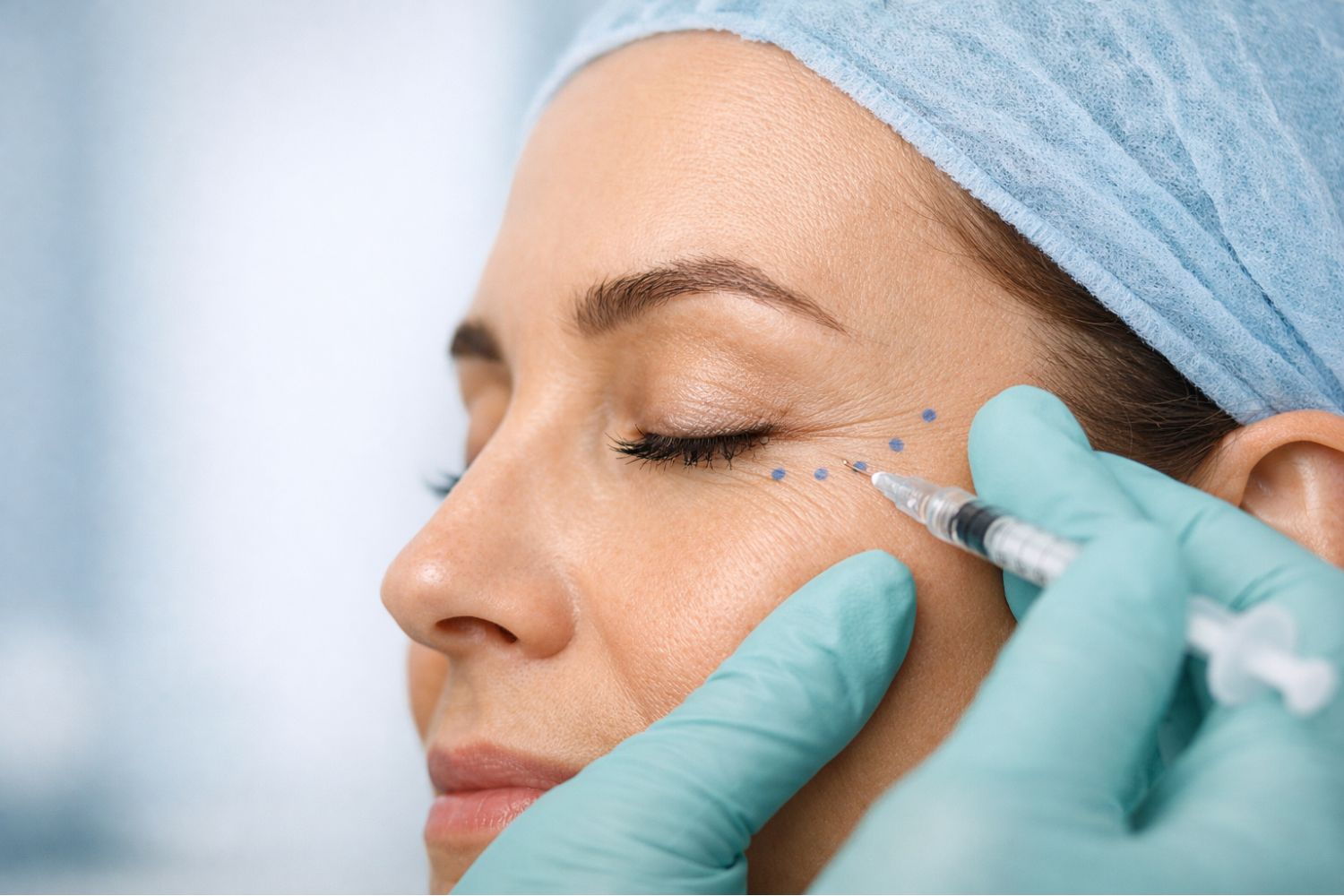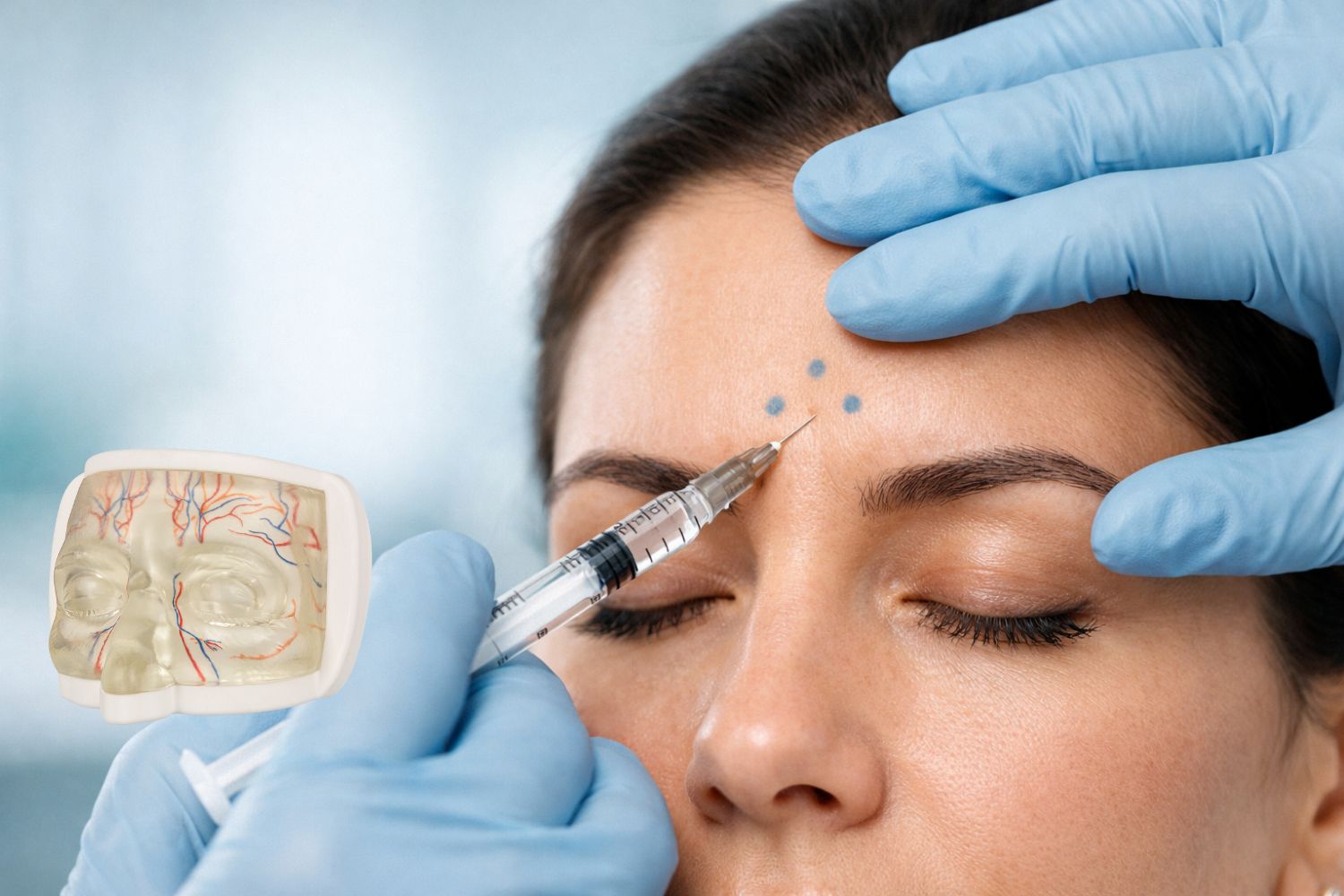
Las inyecciones de Botox en la frente pueden parecer sencillas, pero en la práctica, son una de las fuentes más comunes de complicaciones estéticas. El tratamiento excesivo, la profundidad incorrecta o una mala comprensión de la anatomía del músculo frontal pueden llevar fácilmente a ptosis de las cejas, expresiones congeladas o resultados desiguales.
Para los profesionales que están aprendiendo o perfeccionando las inyecciones en la frente, es esencial entender dónde inyectar, qué tan profundo inyectar y qué áreas evitar. Esta guía desglosasitios de inyección de Botox en la frentecon un enfoque práctico y prioritario en la seguridad, y explica cómo los modelos de inyección facial realistas pueden apoyar un entrenamiento más seguro antes de tratar a pacientes reales.
Comprendiendo la anatomía de la frente: el músculo frontal
El frontal es el músculo principal responsable de levantar las cejas y formar líneas horizontales en la frente. A diferencia de muchos músculos faciales, no tiene una conexión ósea directa en la parte inferior, lo que lo hace altamente sensible a la colocación de inyecciones y la dosificación.
Puntos anatómicos clave:
- El músculo frontal se extiende verticalmente desde las cejas hacia la línea del cabello.
- Es delgada y superficial.
- Su función está estrechamente ligada a la posición de la ceja.
Debido a esta anatomía, las inyecciones de Botox en la frente deben centrarse en relajar las arrugas dinámicas mientras se preserva la elevación natural de las cejas.
Sitios de inyección de Botox en la frente: dónde inyectar
Zonas comunes de inyección en la frente
Los sitios de inyección de Botox en la frente se distribuyen típicamente a lo largo de la parte superior y media de la frente, evitando áreas demasiado cercanas a las cejas.
Principios de mejores prácticas:
- Inyectar por encima de la frente media, no directamente sobre las cejas
- Puntos de inyección de espacio uniformemente a lo largo de las líneas de arrugas activas
- Ajustar la colocación según la fuerza muscular individual y la altura de la frente
Este enfoque reduce el riesgo de caída de las cejas mientras mantiene el movimiento facial natural.
¿A qué profundidad inyectar el frontal?
Una de las preguntas más comunes es: ¿Qué tan profundo debe inyectarse el Botox en la frente?
Orientación general:
- El Botox en la frente generalmente se inyecta intramuscularmente pero de manera superficial.
- La aguja debe penetrar lo suficiente para alcanzar el frontal sin profundizar demasiado.
- Inyecciones profundas aumentan el riesgo de difusión en los músculos circundantes
Desarrollar un control de profundidad consistente es una habilidad que se beneficia enormemente de la práctica práctica antes de trabajar con pacientes.
Las 3 áreas clave del Botox en la frente
Clínicamente, la frente se puede dividir en tres zonas funcionales:
- Frente superior: la zona más segura para la inyección
- Frente central: requiere una dosis equilibrada
- Frente baja (zona de peligro) – cerca de los elevadores de cejas
Tratar estas áreas de manera diferente ayuda a preservar la forma de las cejas y prevenir la pesadez.
Zonas de peligro en las inyecciones de Botox en la frente
La zona de peligro más crítica se encuentra demasiado cerca de las cejas. Inyectar Botox demasiado bajo puede debilitar el soporte de las cejas y llevar a la ptosis del párpado o de la ceja.
Los riesgos adicionales incluyen:
- Difusión superpuesta hacia el orbicular de los ojos
- Dosis excesiva en pacientes con músculos frontales ya débiles
Entender estas zonas visualmente, y no solo teóricamente, es esencial para inyecciones seguras.
Dónde inyectarse para las arrugas de la frente de forma segura
Para las arrugas horizontales de la frente:
- Apunta a las líneas activas durante la expresión
- Mantener una distancia segura de la ceja.
- Utilice dosis conservadoras, especialmente en tratamientos por primera vez.
Un enfoque conservador y basado en la anatomía produce resultados más predecibles y naturales.
Cómo entrenar de forma segura para inyectarse Botox en la frente
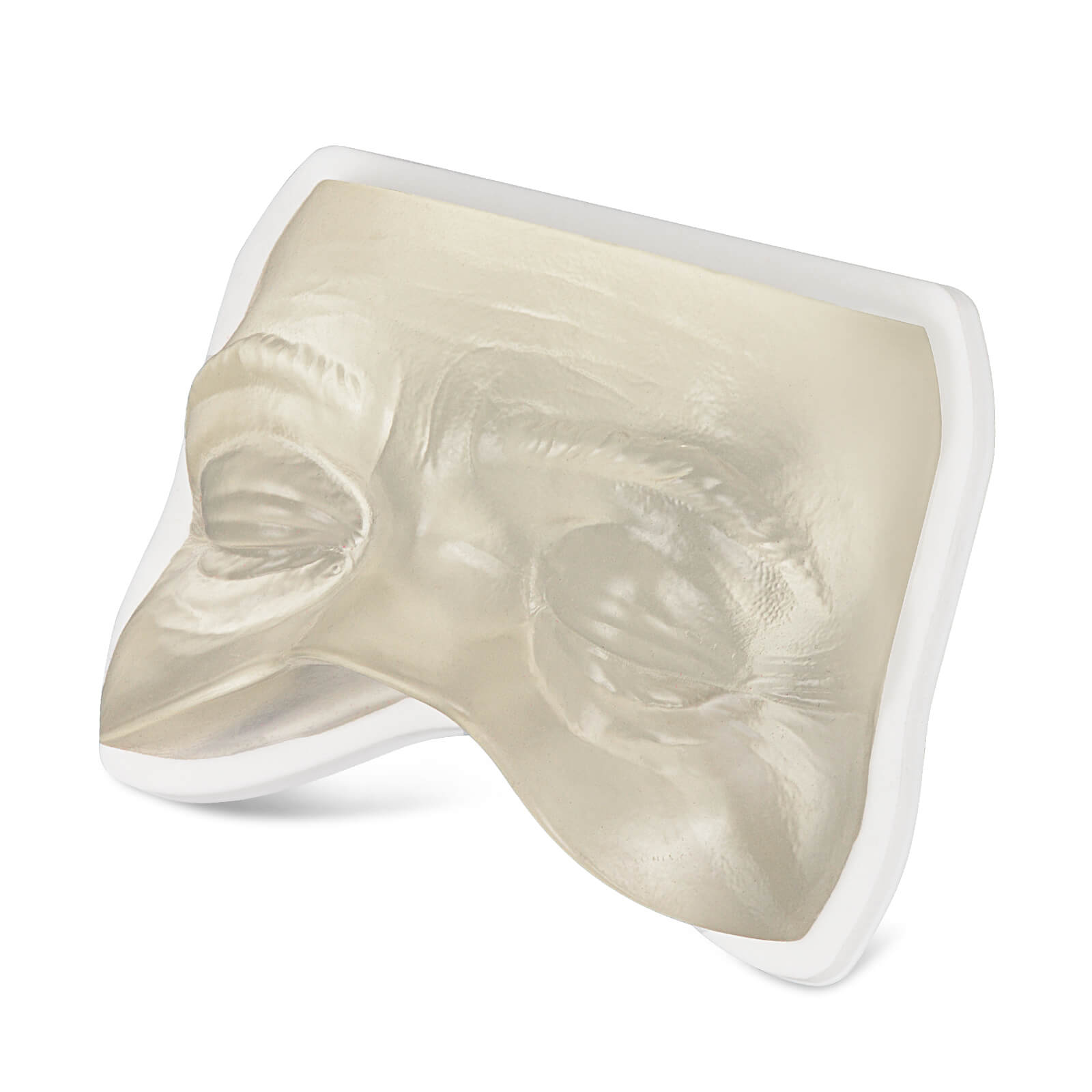
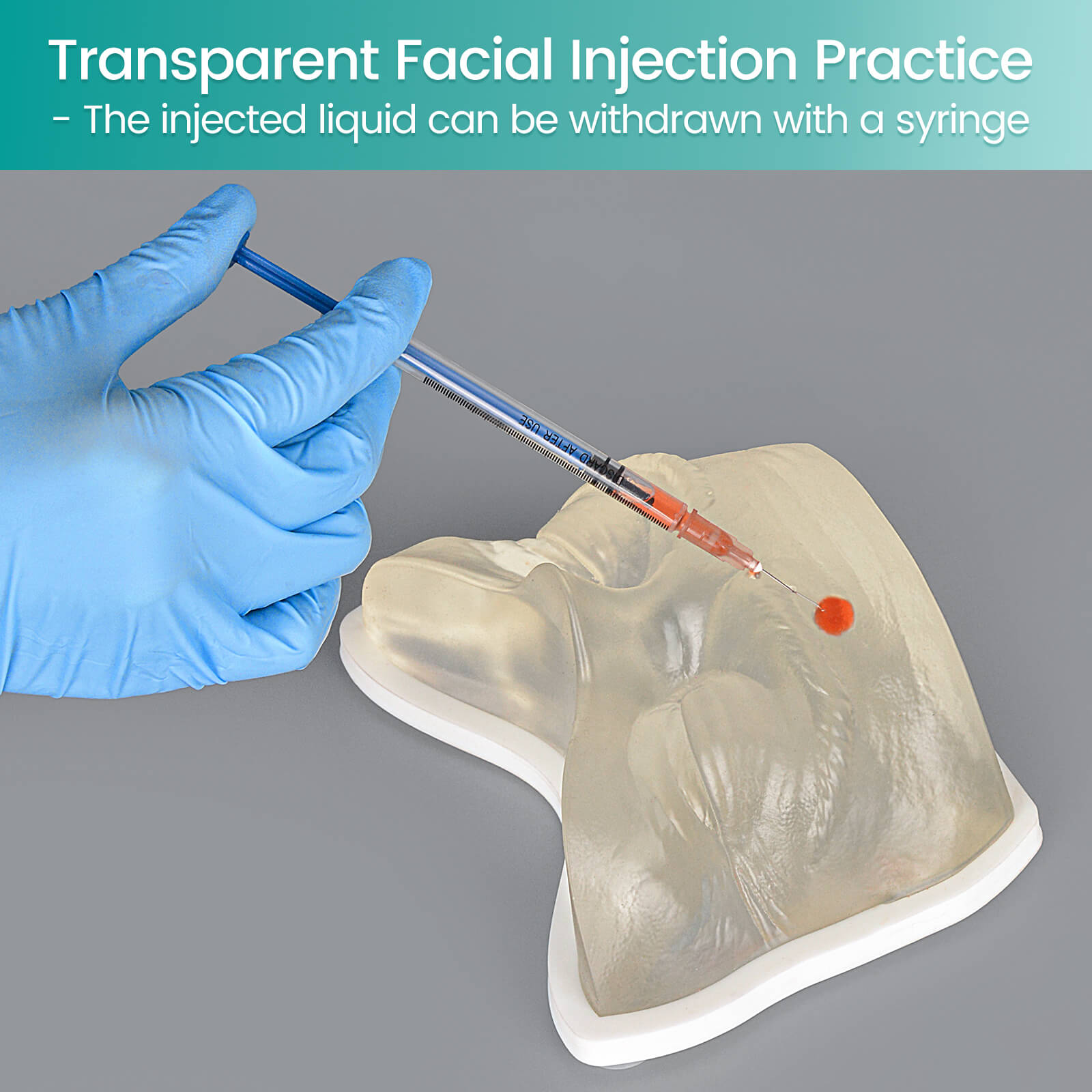
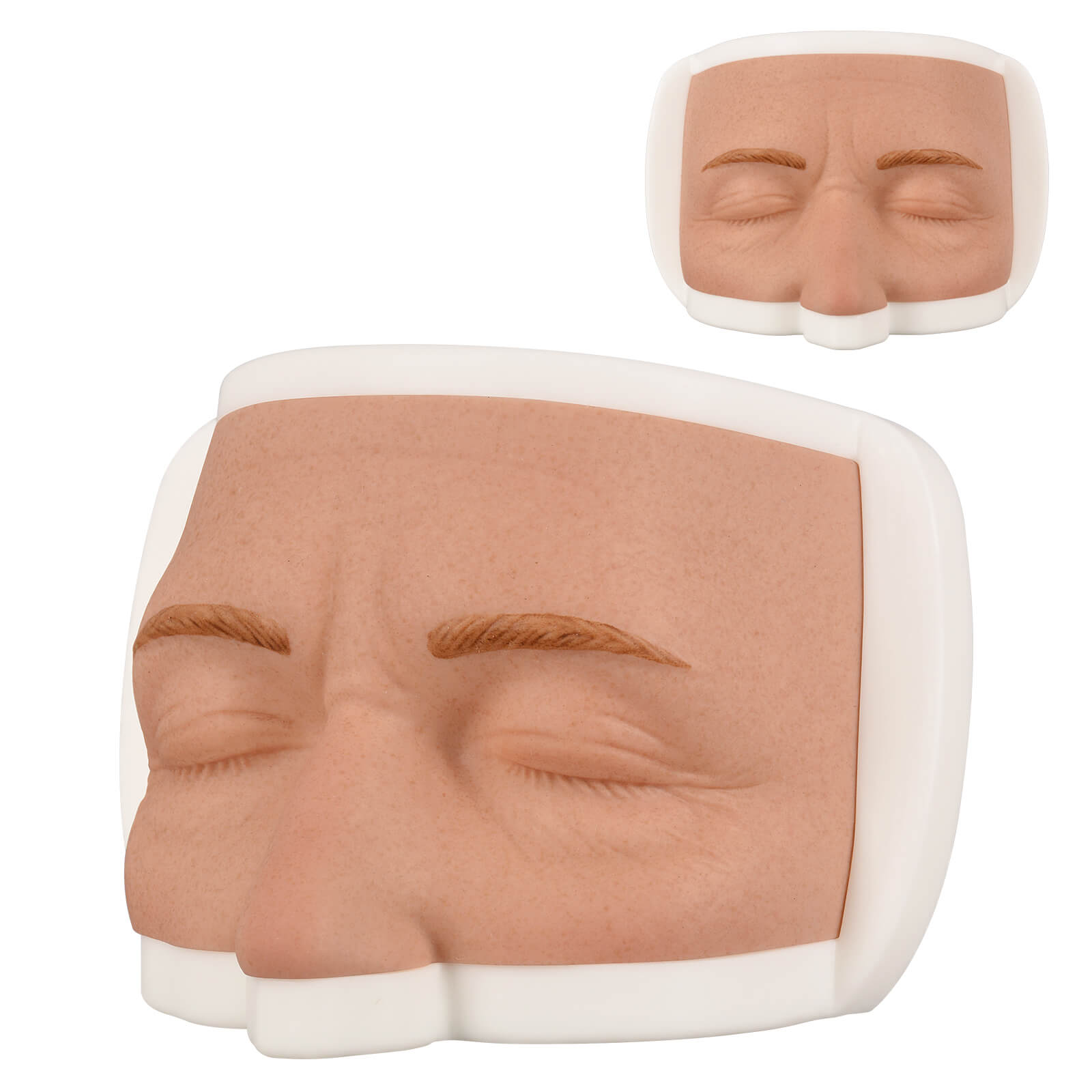
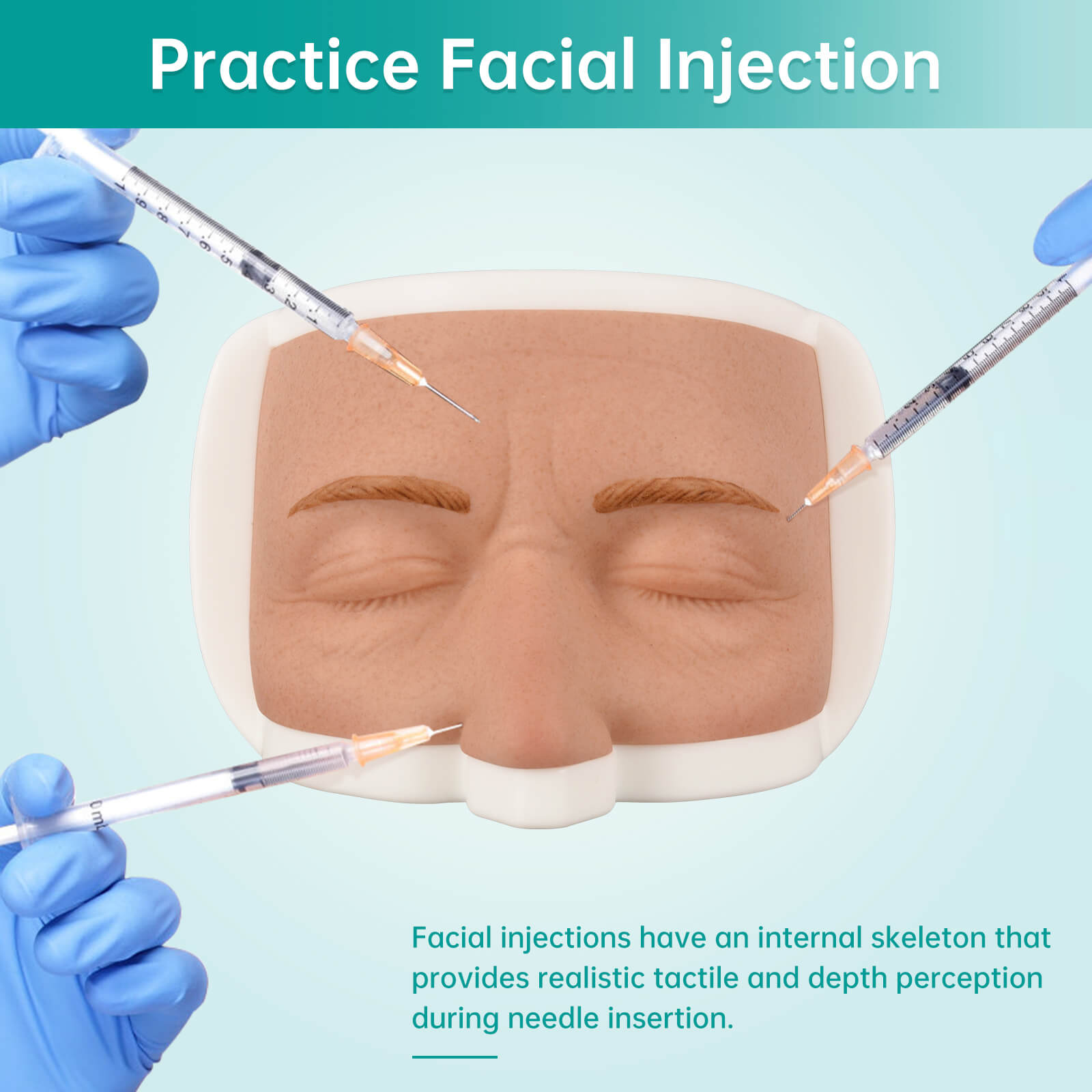
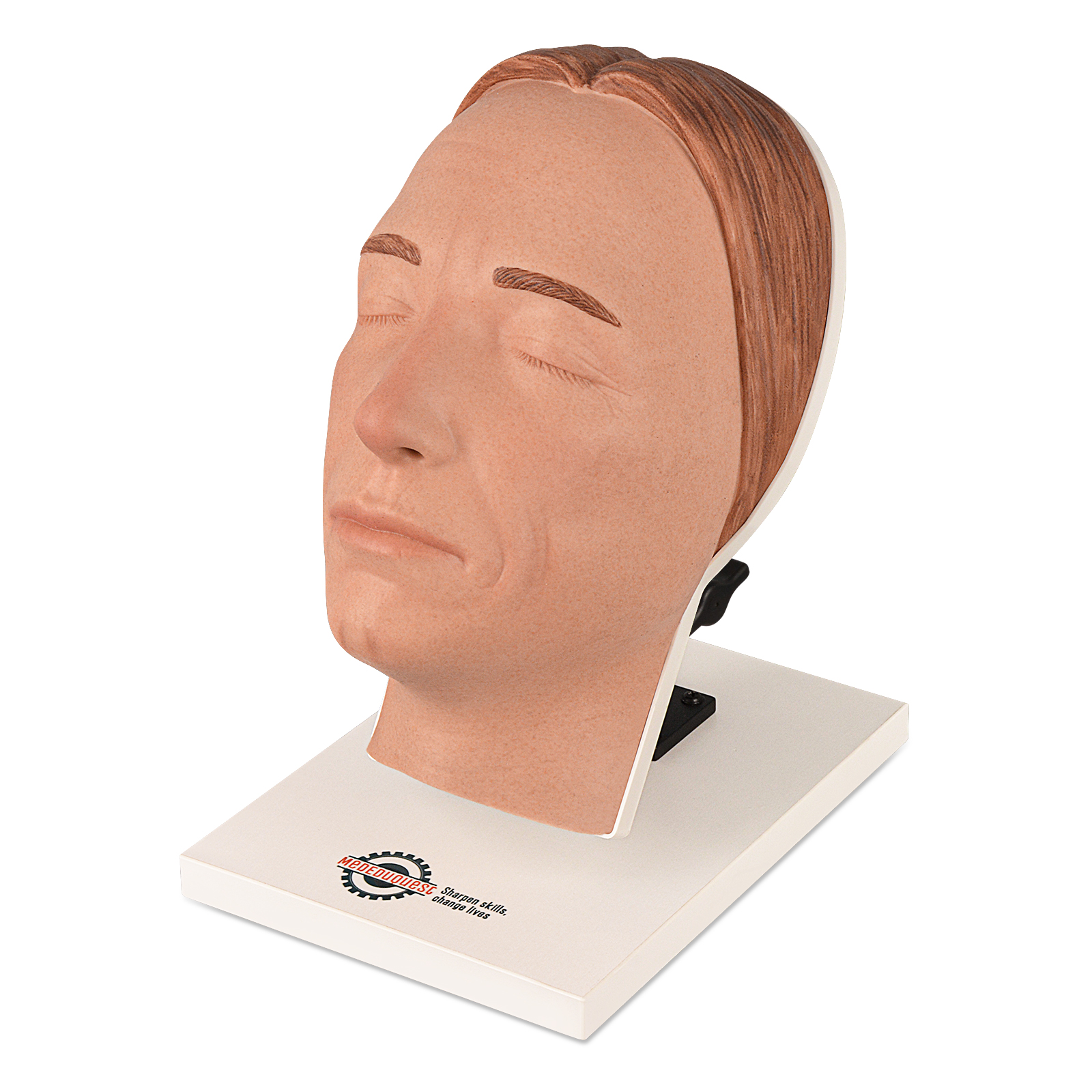
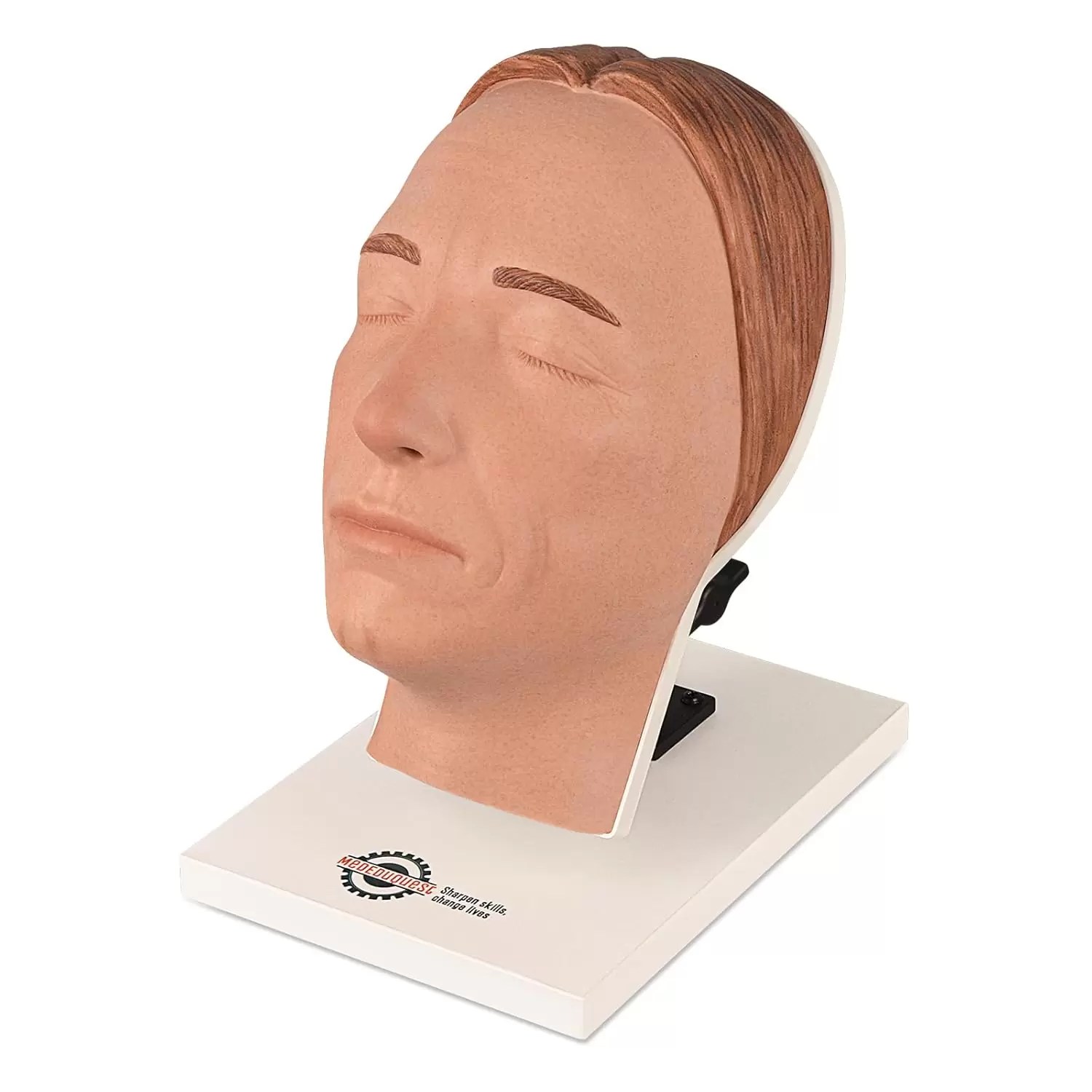
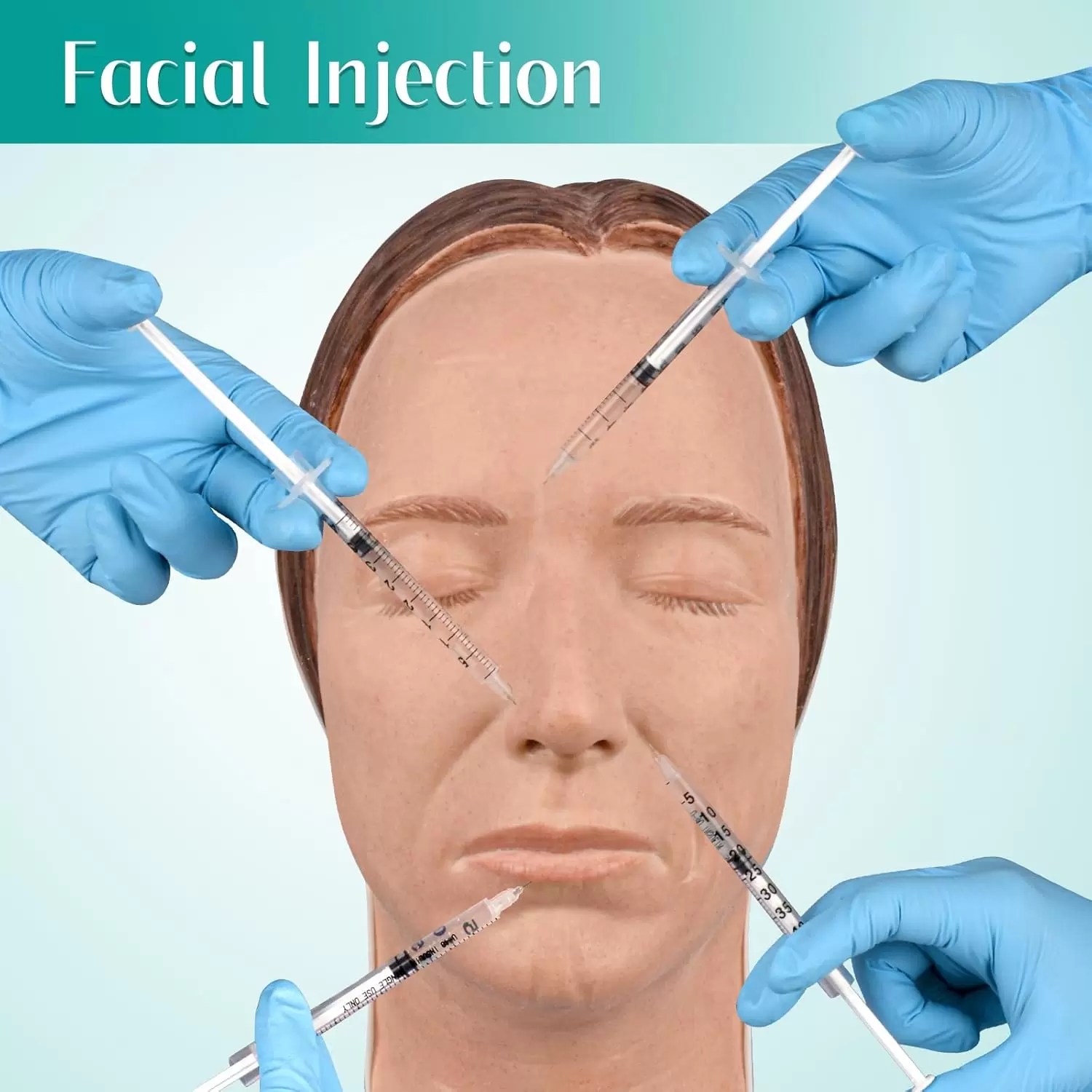
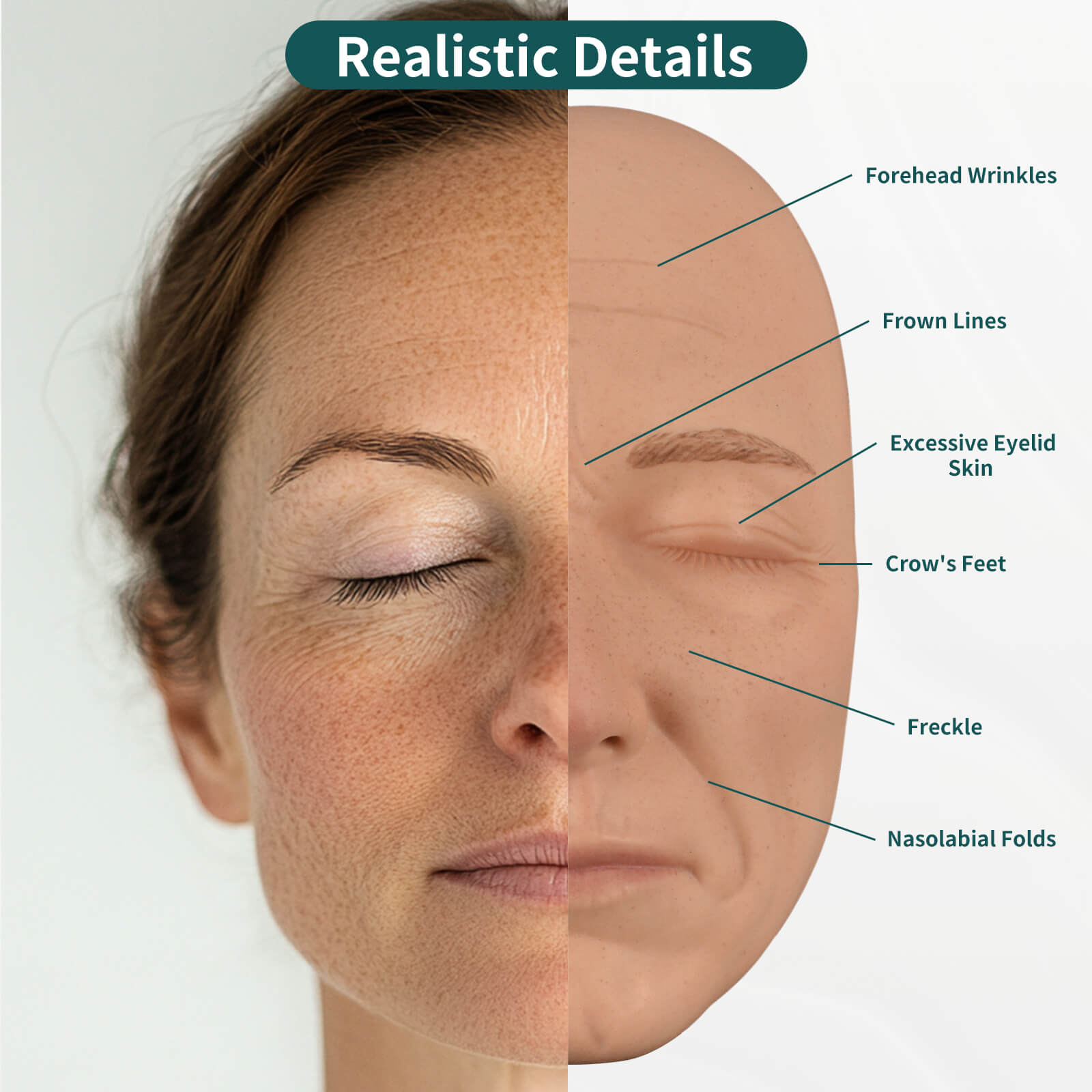
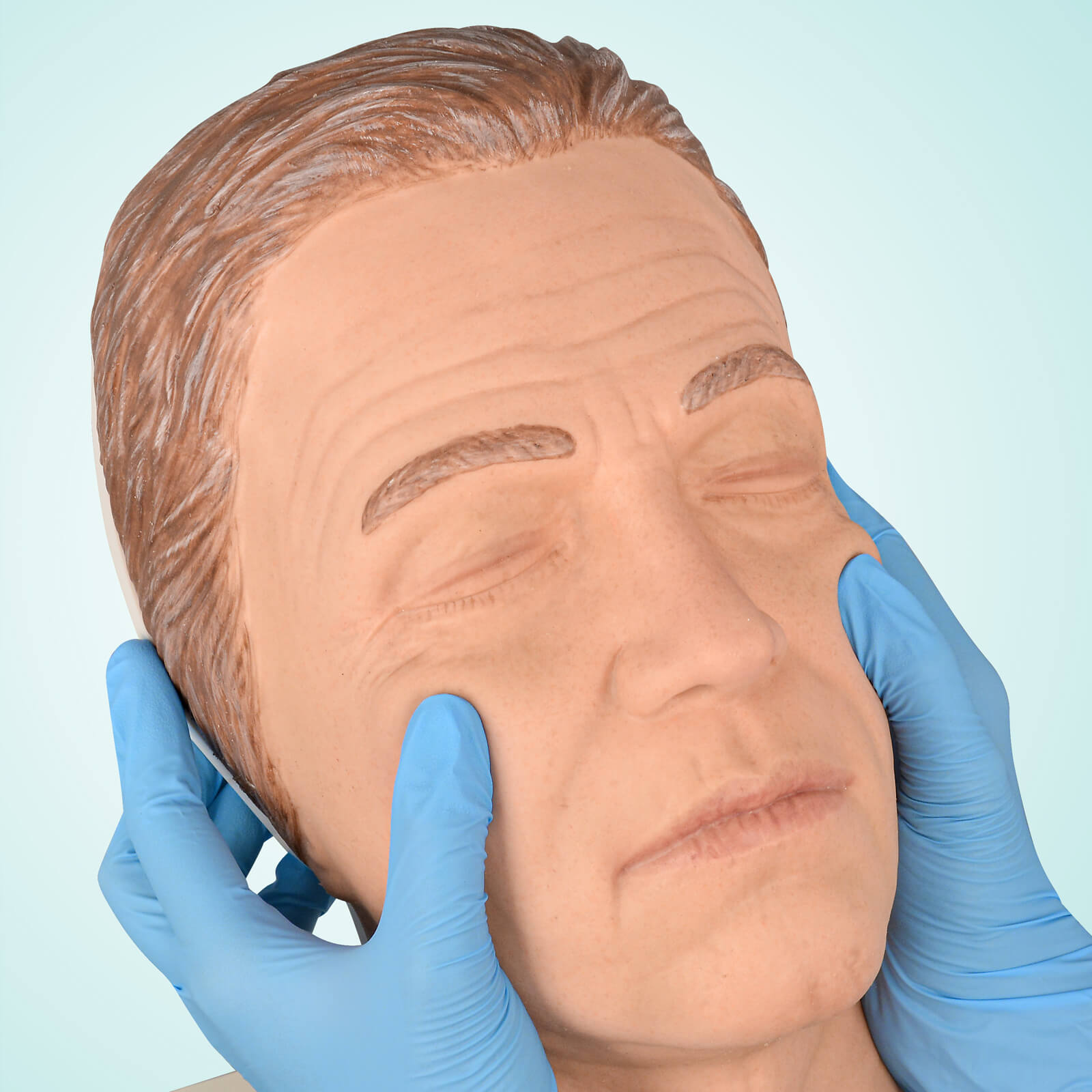
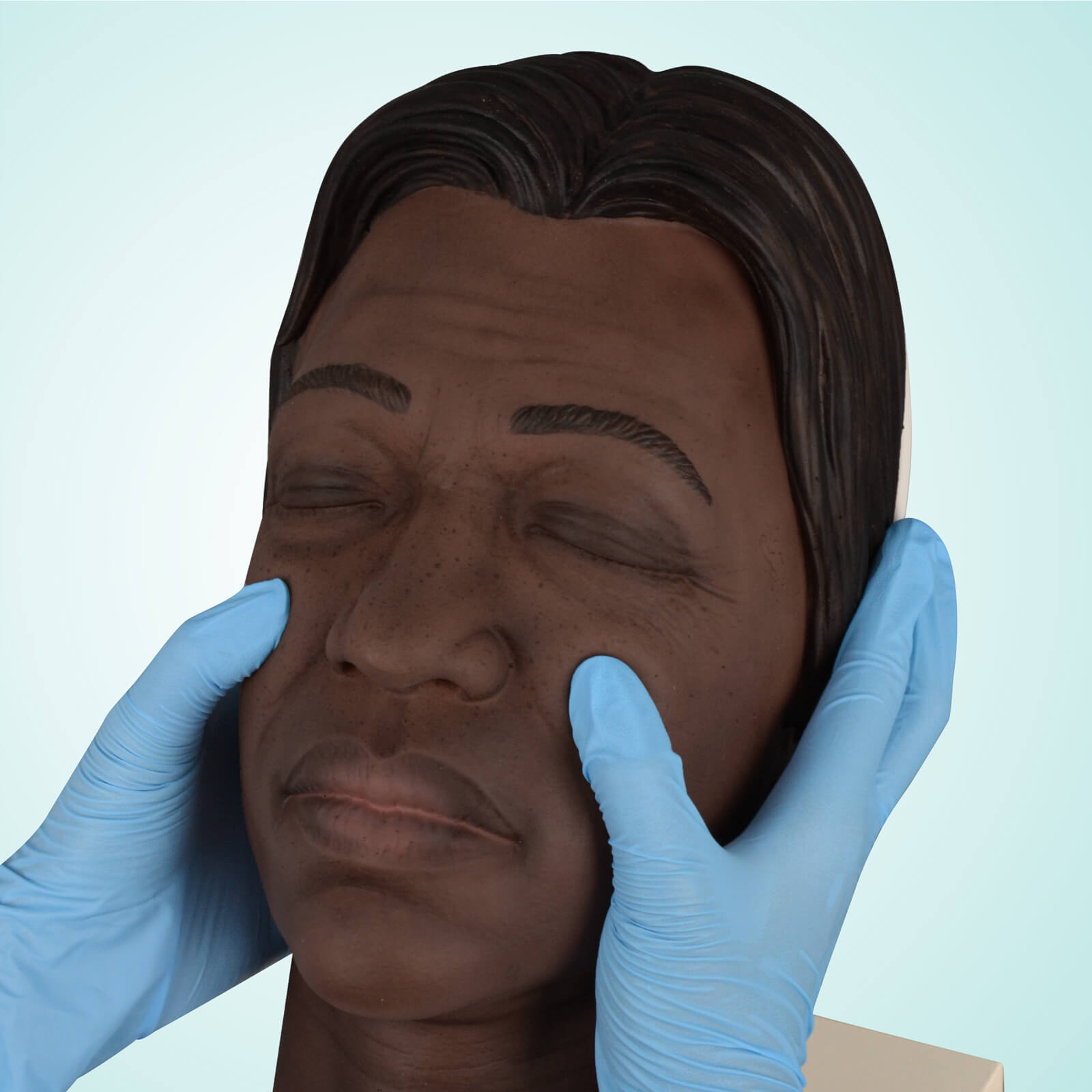
Inyectar Botox en la frente directamente en los pacientes conlleva un riesgo innecesario. Aquí es donde el realismoModelos de formación en inyección cosmética facialdesempeñan un papel fundamental.
Practicar en un maniquí de inyección facial permite a los aprendices:
- Visualizar la anatomía de la frente
- Practique la profundidad y el espaciamiento de las inyecciones
- Comprenda las zonas seguras y peligrosas
- Desarrolle la memoria muscular sin riesgo para el paciente
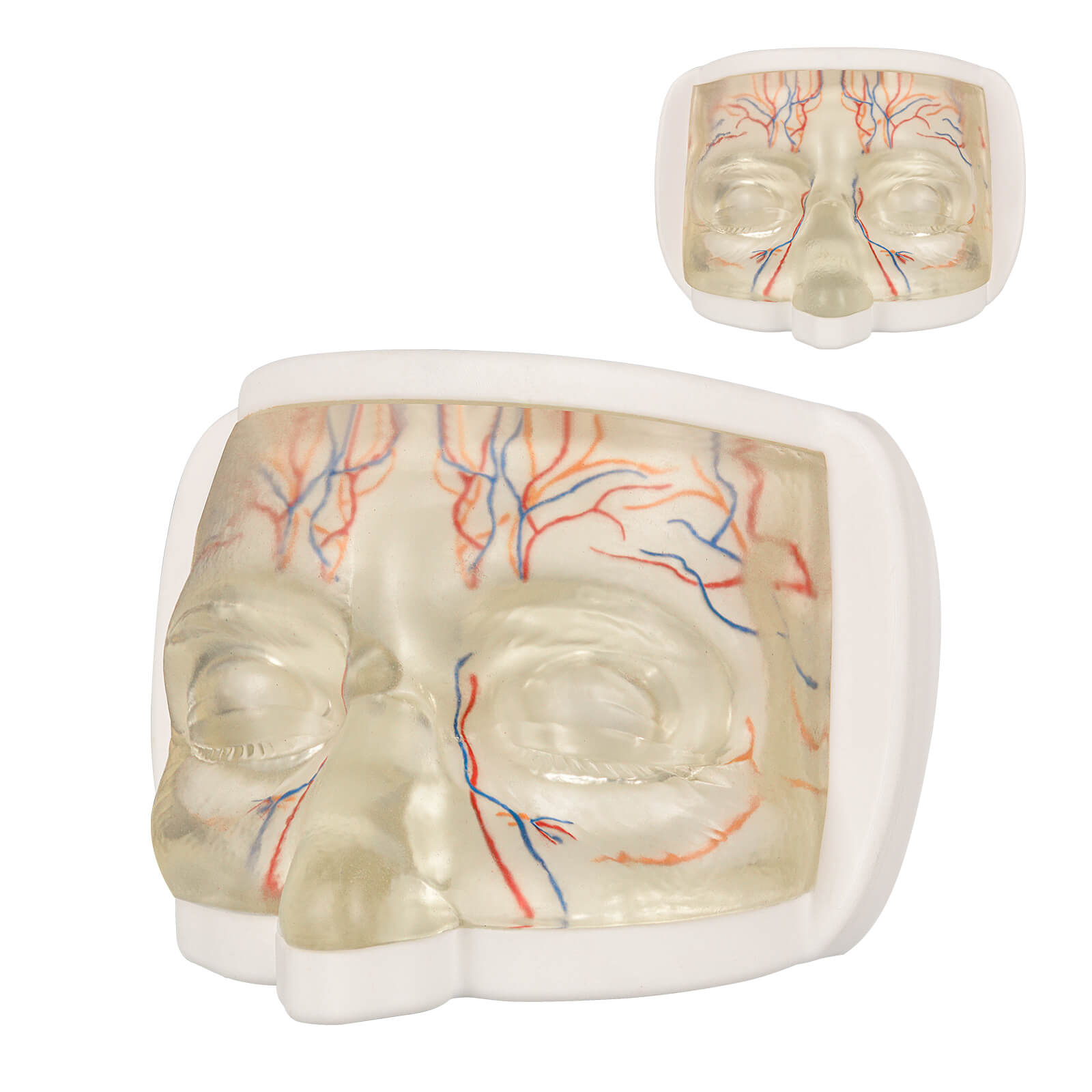
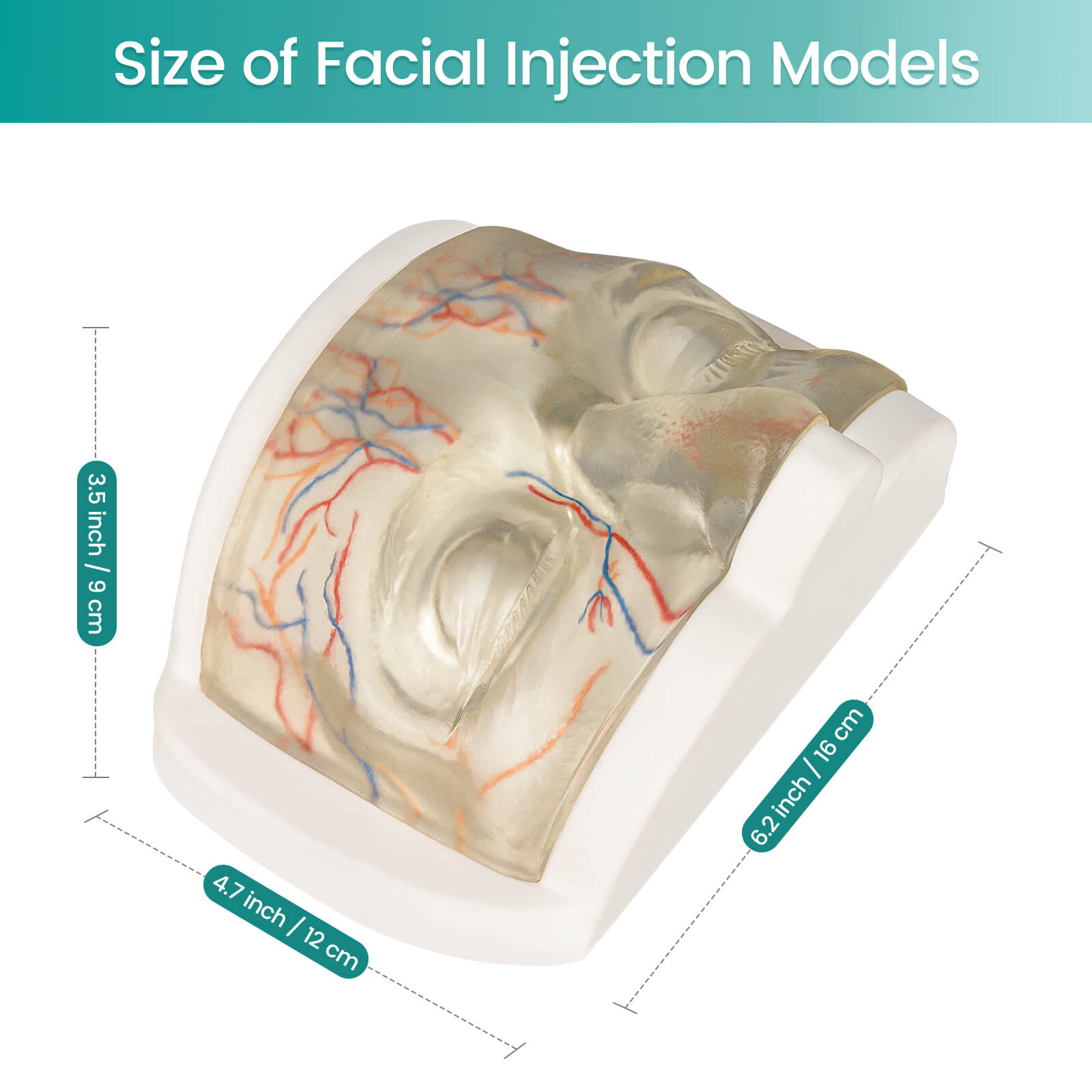
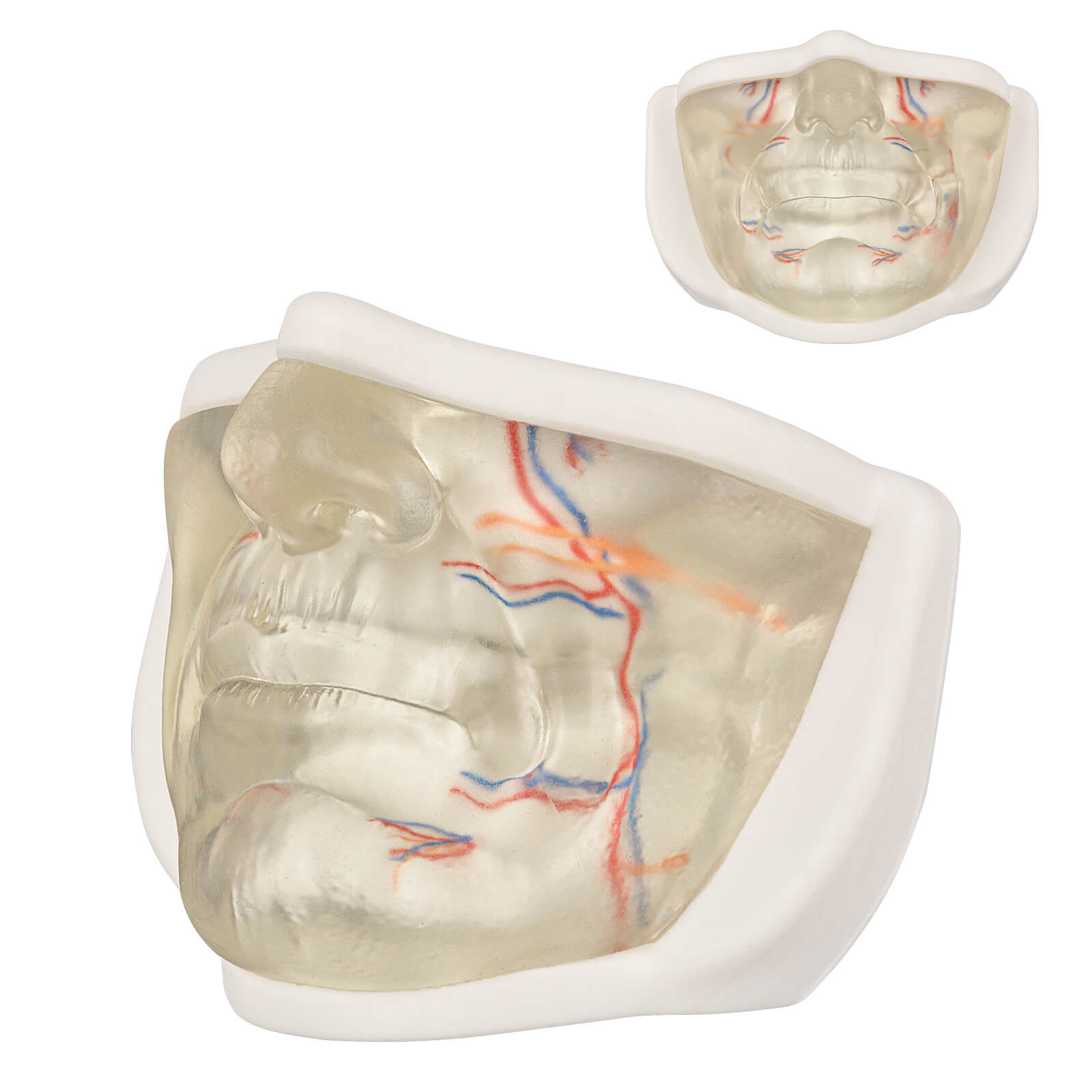
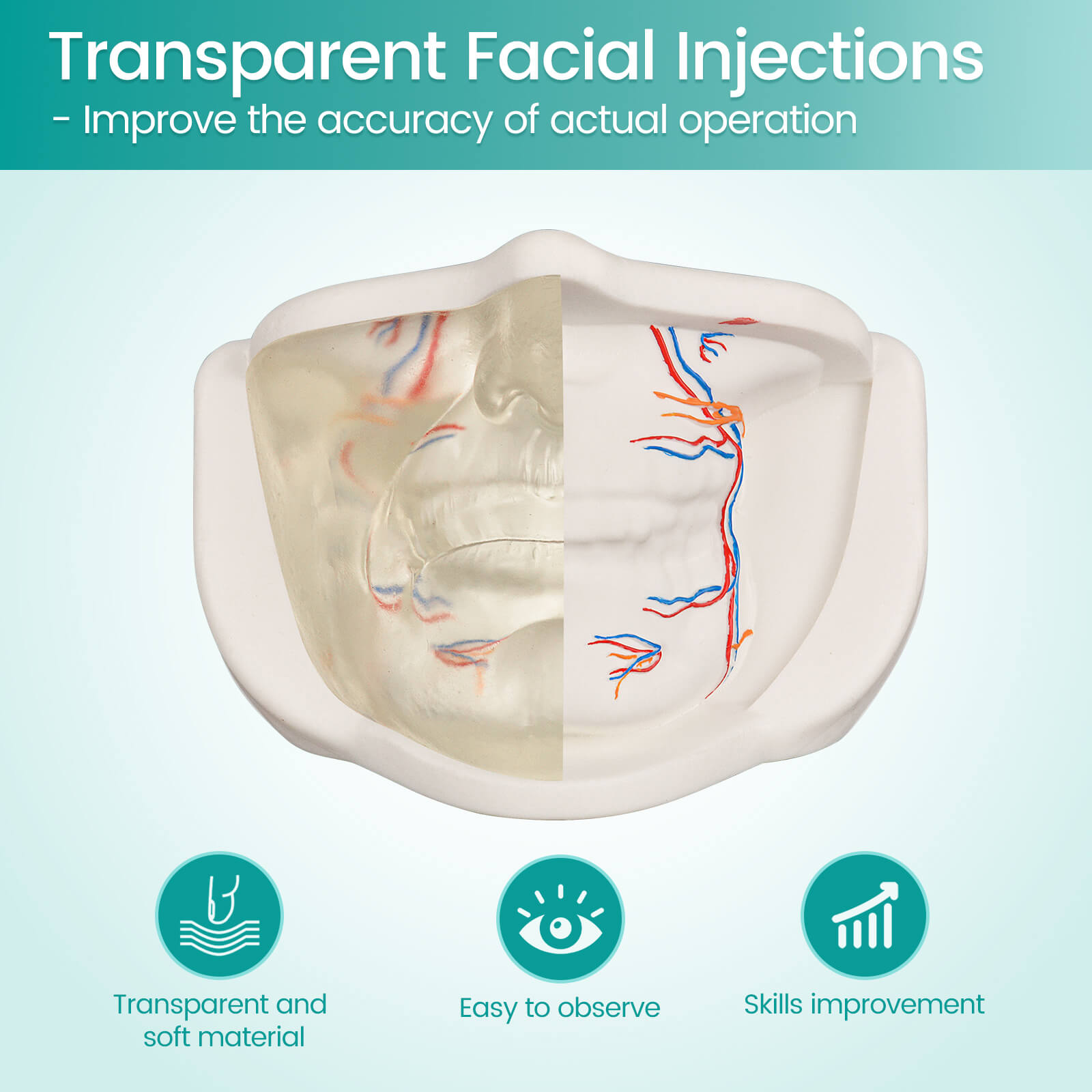
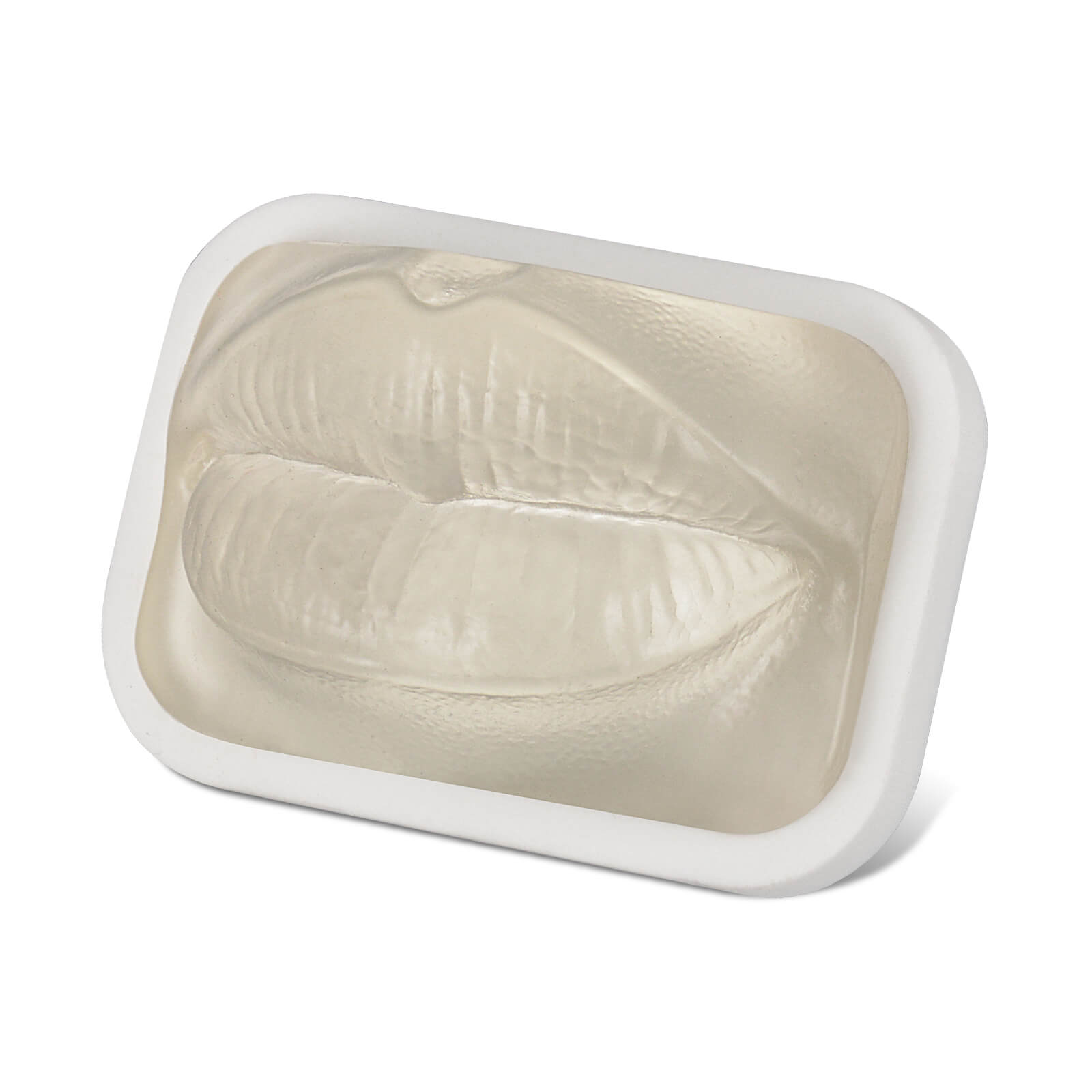
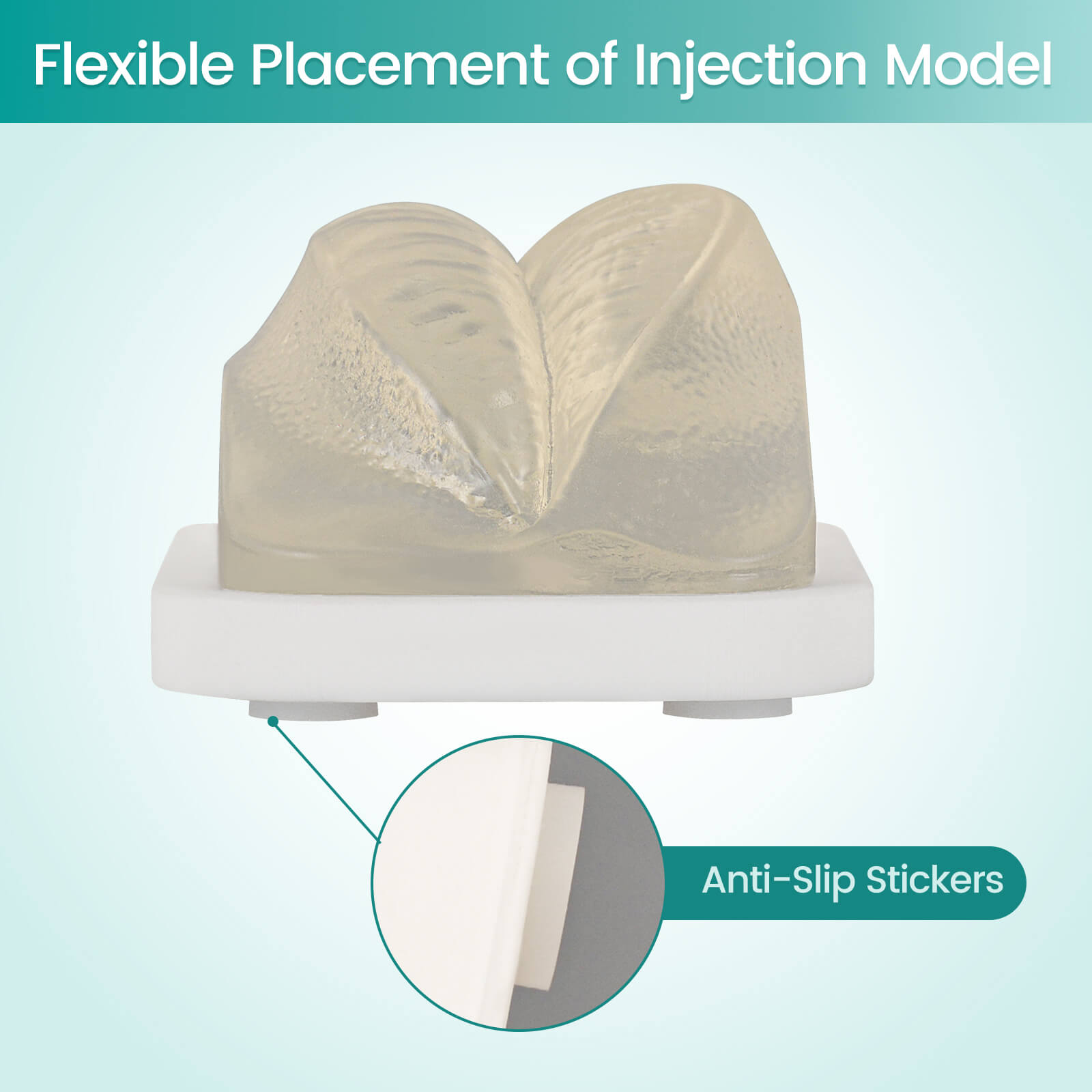
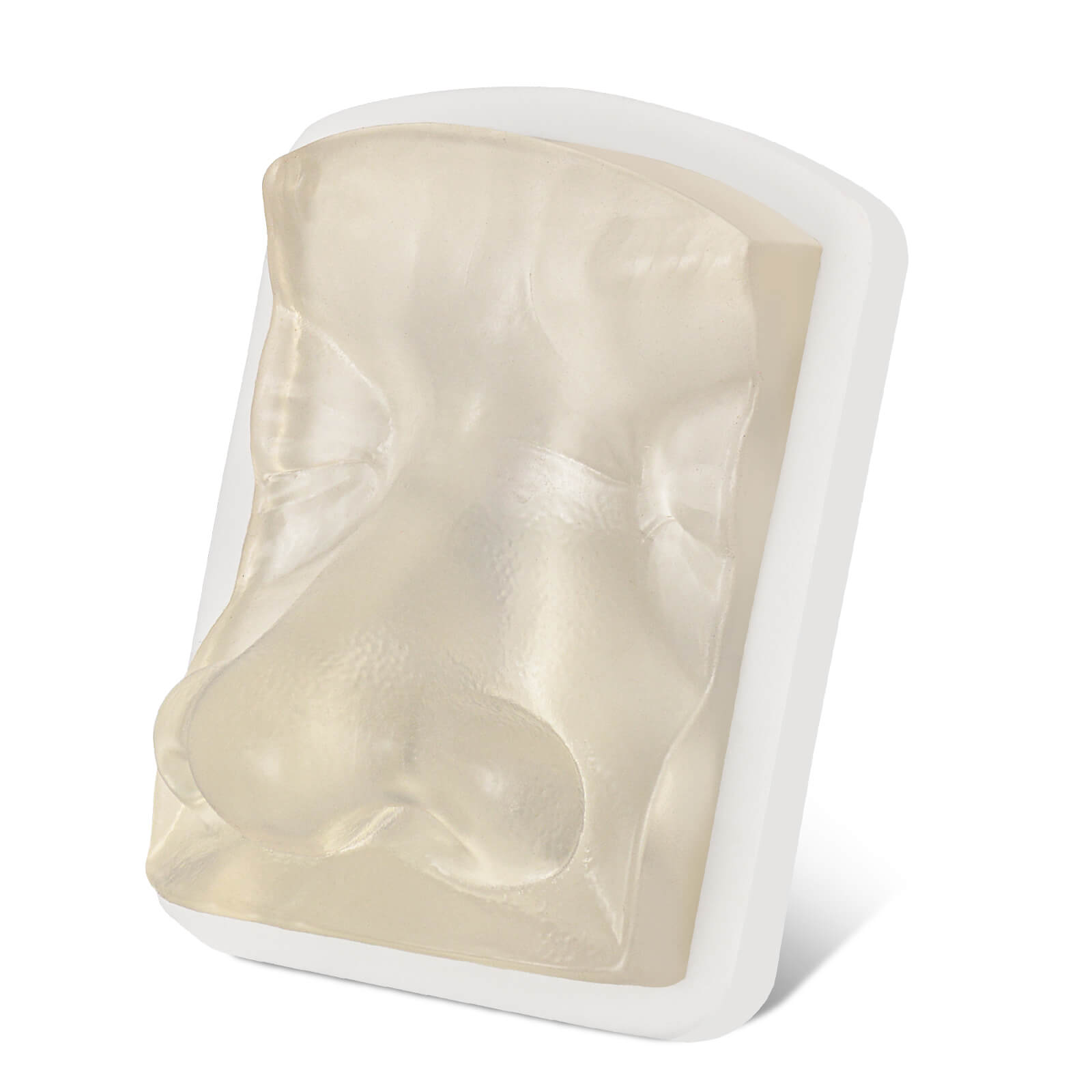
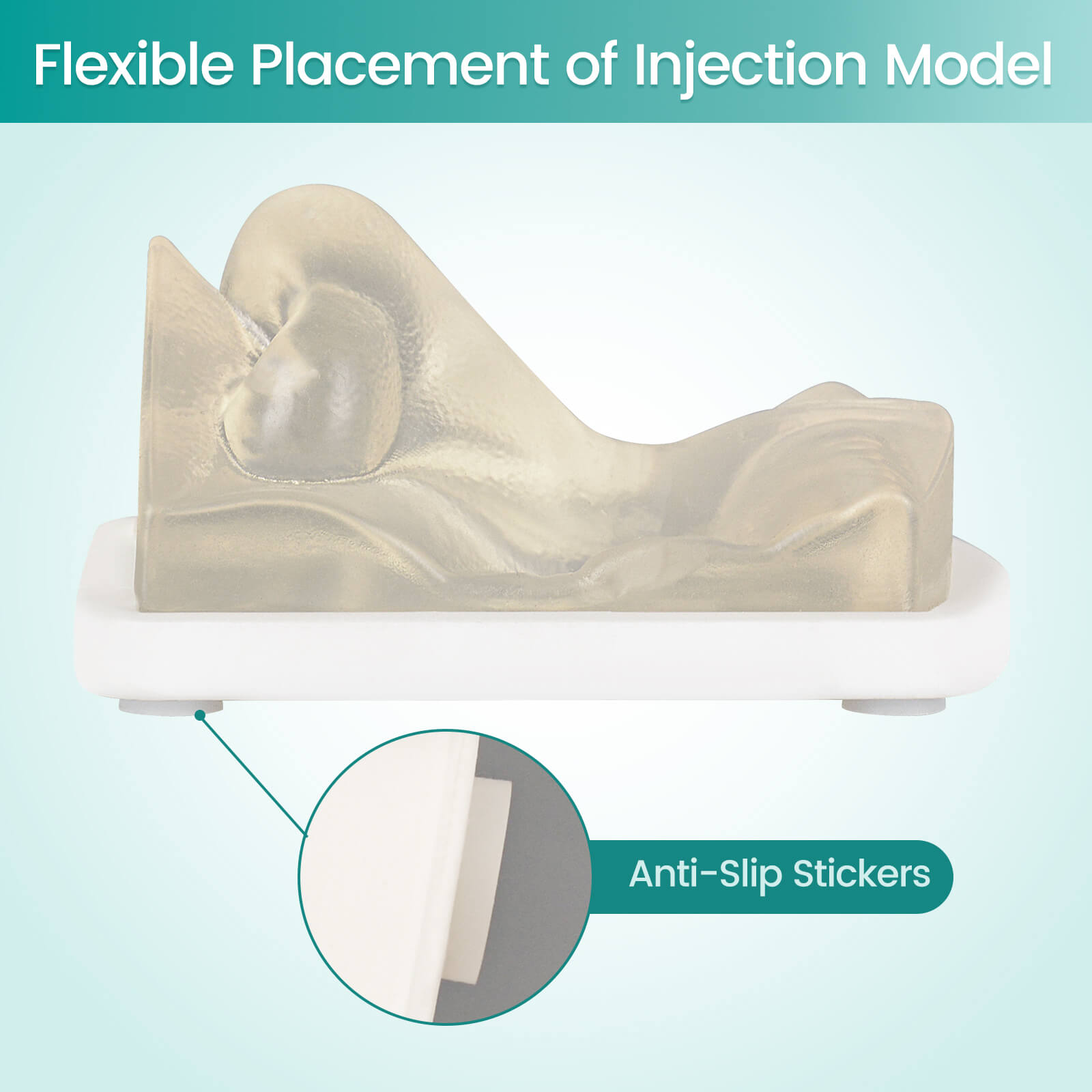
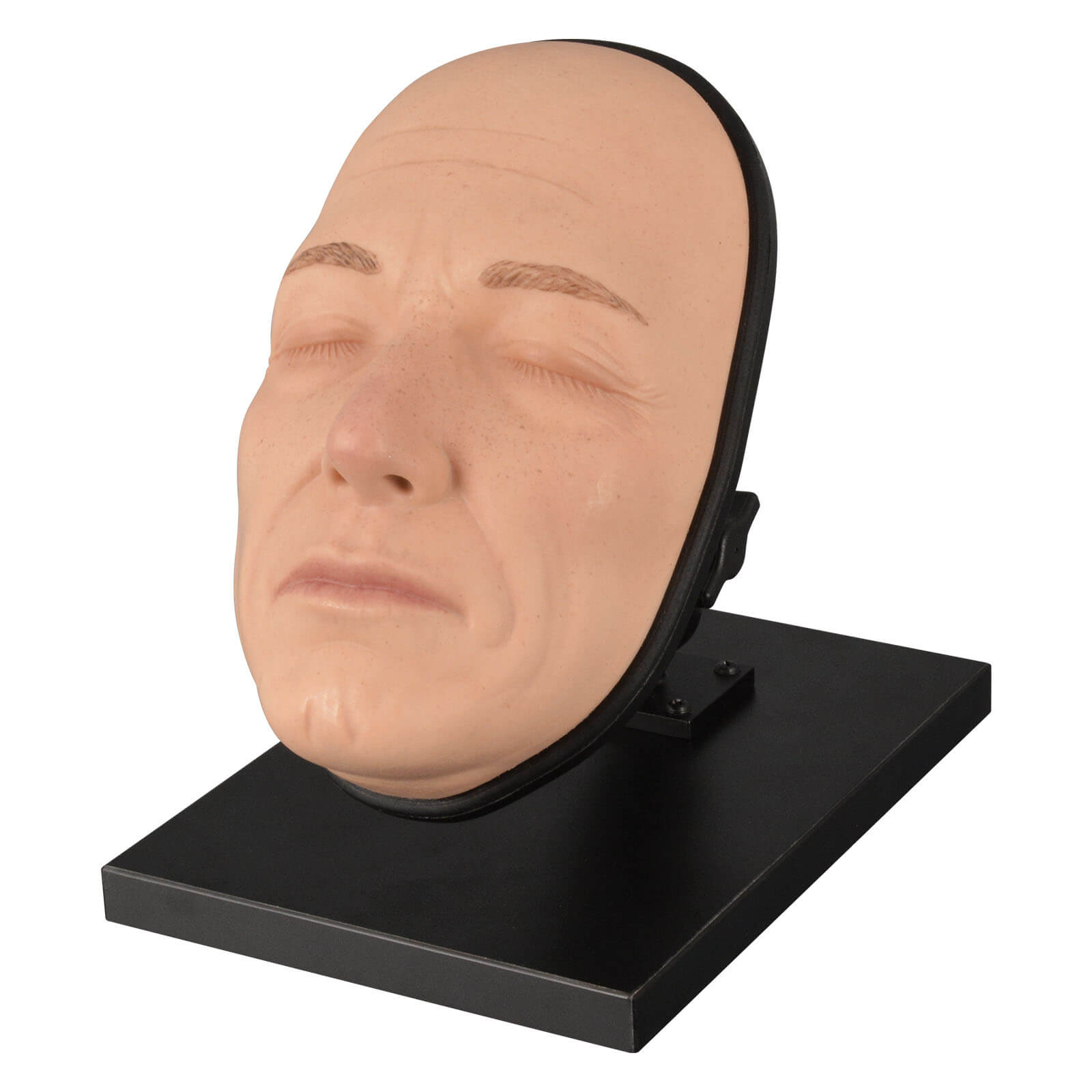
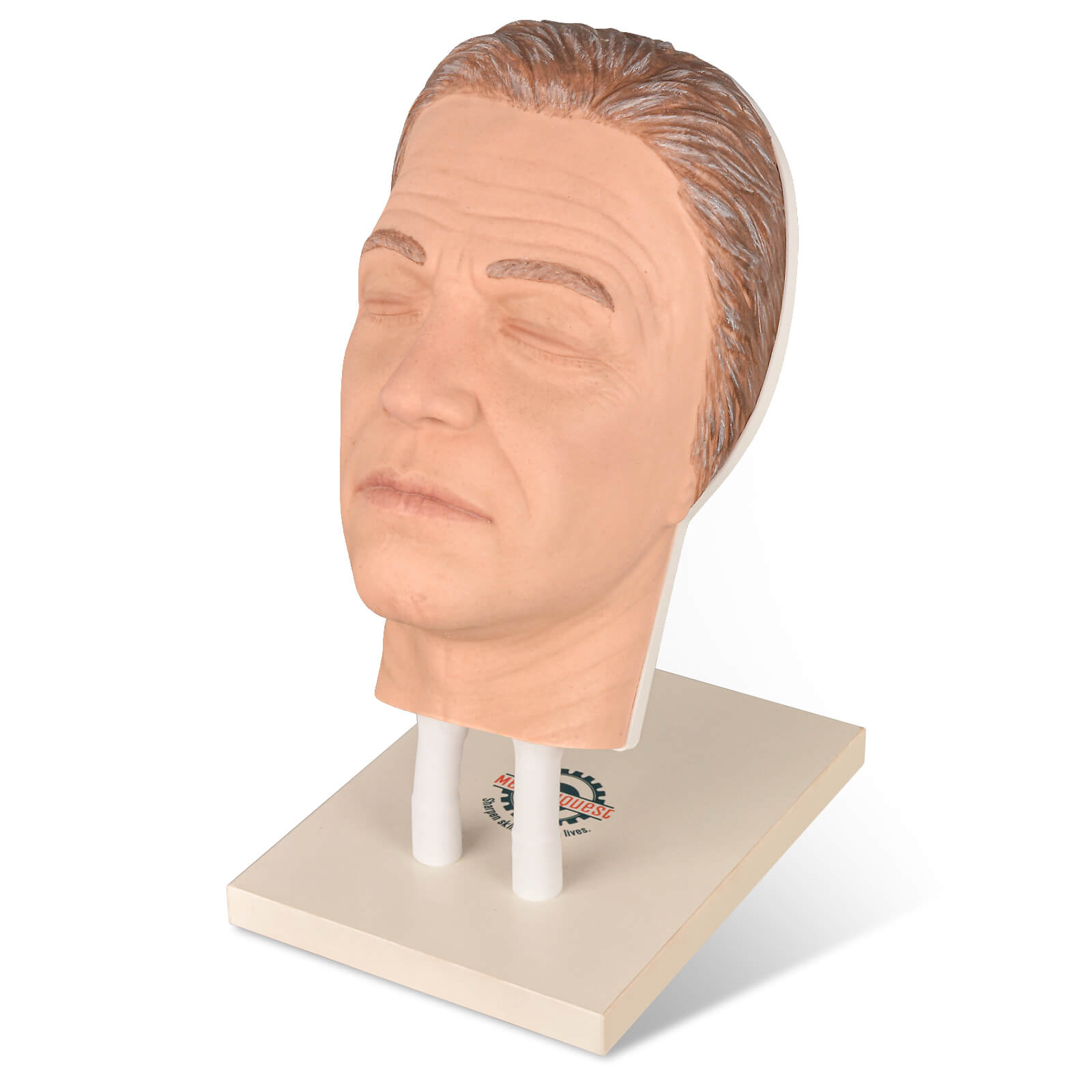
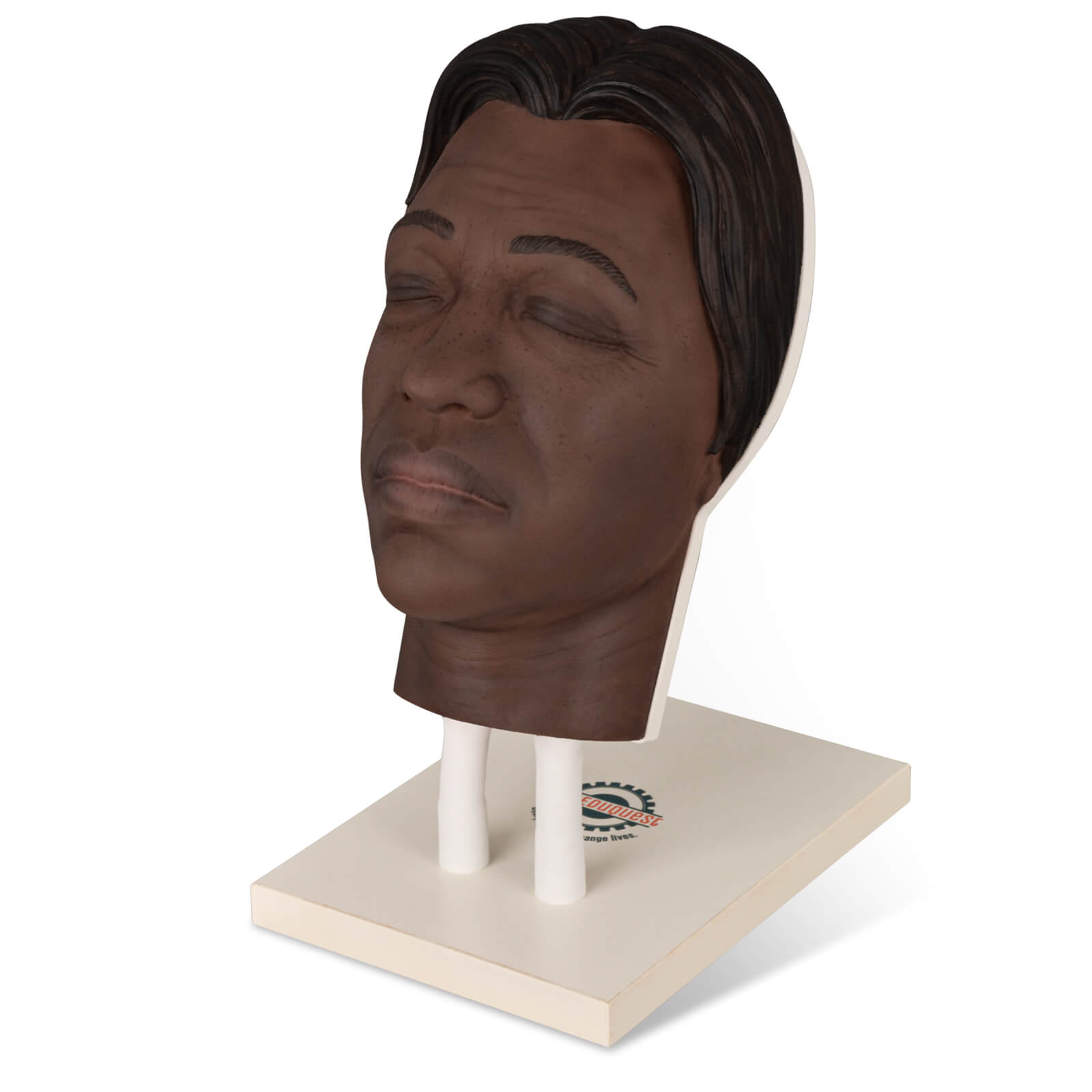
MedEduQuestofrece una gama de modelos de inyección de cara completa y parte superior de la cara diseñados específicamente para la formación en Botox y rellenos. Los modelos transparentes con vasos simulados son especialmente útiles para comprender la anatomía debajo de la piel.
Puede explorar opciones de formación adecuadas en el
👉Maniquíes de inyección facial
Elegir el modelo adecuado para la práctica de inyecciones en la frente
Maniquíes de inyección de cara completa
Mejor para un entrenamiento facial completo y una posición realista:
- Cabezas de maniquíes para inyección facial femeninas y masculinas (Sara,Nana,Jaime,Entonces)
- Modelos de entrenamiento de inyección facial multidireccional (Emma)
- Piel oscura ycara completa transparenteopciones
Modelos de inyección en la parte superior del rostro
Ideal para practicar el área de la frente y los ojos:
- Modelos faciales superiores transparentes con vasos sanguíneos simulados
- Modelos de práctica de inyección ocular y periocular
Los modelos transparentes proporcionan retroalimentación visual inmediata, ayudando a los aprendices a comprender la profundidad y la difusión, habilidades que se traducen directamente en resultados clínicos más seguros.
Preguntas frecuentes: Sitios de inyección de Botox en la frente
P1: ¿Dónde se debe inyectar el Botox en la frente?
El Botox en la frente debe ser inyectado en el músculo frontal, típicamente por encima de la mitad de la frente y lejos de las cejas.
P2: ¿A qué profundidad se inyecta el músculo frontal?
Las inyecciones deben ser intramusculares superficiales, evitando la colocación profunda para reducir el riesgo de difusión.
P3: ¿Cuáles son las 3 áreas de la frente tratada con Botox?
Frente superior, frente central y frente inferior (zona de peligro cerca de las cejas).
```
Q4: ¿Cuál es la zona de peligro para las inyecciones de frontalis?
```
La parte inferior de la frente cerca de las cejas, donde la sobreinyección puede causar caída de las cejas o los párpados.
Q5: ¿Es seguro practicar inyecciones de Botox en la frente en modelos?
Sí. Maniquíes de inyección facial MedEduQuestse utilizan ampliamente para el desarrollo seguro de habilidades antes de la aplicación clínica.
.jpeg?w=1500&h=1500)
.jpeg?w=1500&h=1500)
.jpeg?w=1600&h=1600)
.jpeg?w=1600&h=1600)