
Las úlceras por presión, también conocidas como llagas por decúbito o úlceras por decúbito, son lesiones localizadas en la piel y el tejido subyacente que generalmente ocurren sobre prominencias óseas. A menudo se desarrollan en individuos con movilidad limitada, como aquellos que están postrados en cama o utilizan una silla de ruedas. Comprender los sitios comunes para las úlceras por presión es crucial para la prevención, la detección temprana y el cuidado efectivo.
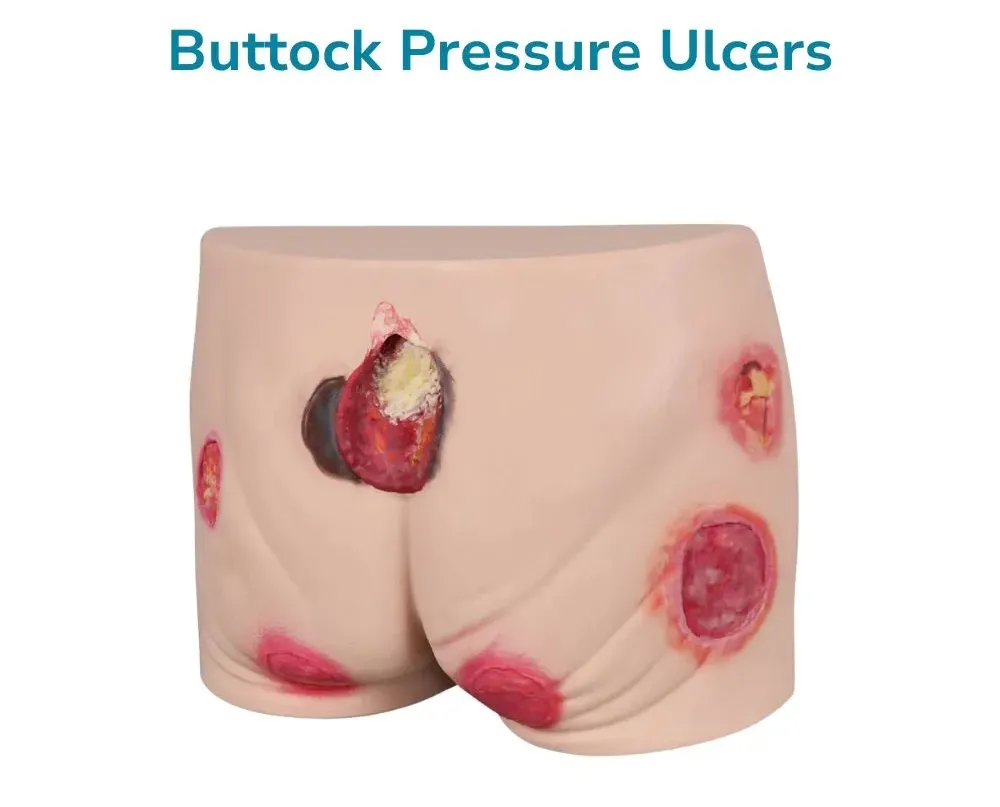
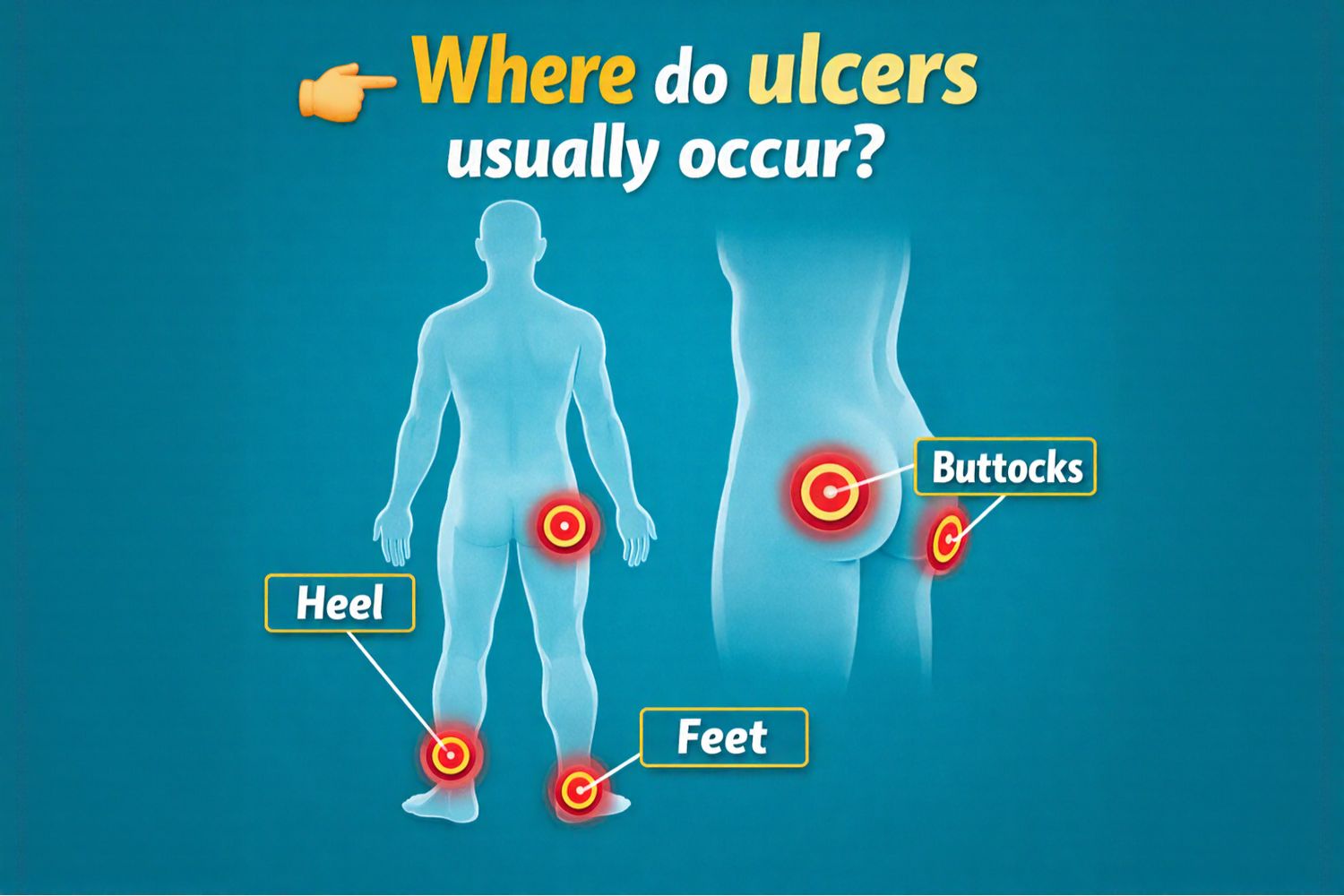
1. Sacro y Glúteos
El área sacra, ubicada en la parte baja de la espalda sobre el coxis, es uno de los sitios más frecuentes para las úlceras por presión. La presión prolongada en esta región puede reducir el flujo sanguíneo, lo que lleva a daños en el tejido. Los pacientes que permanecen en posición supina durante períodos prolongados son particularmente vulnerables.
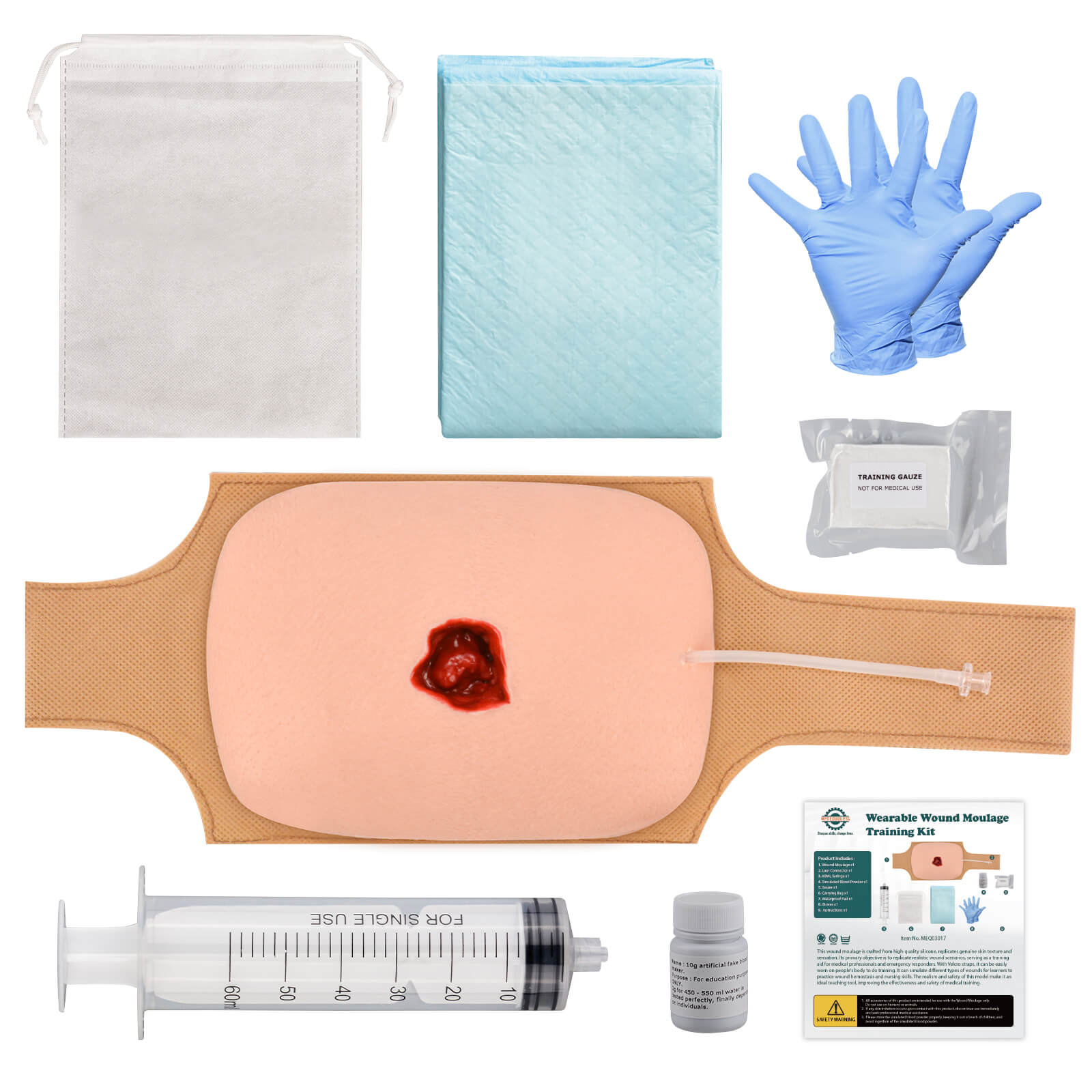
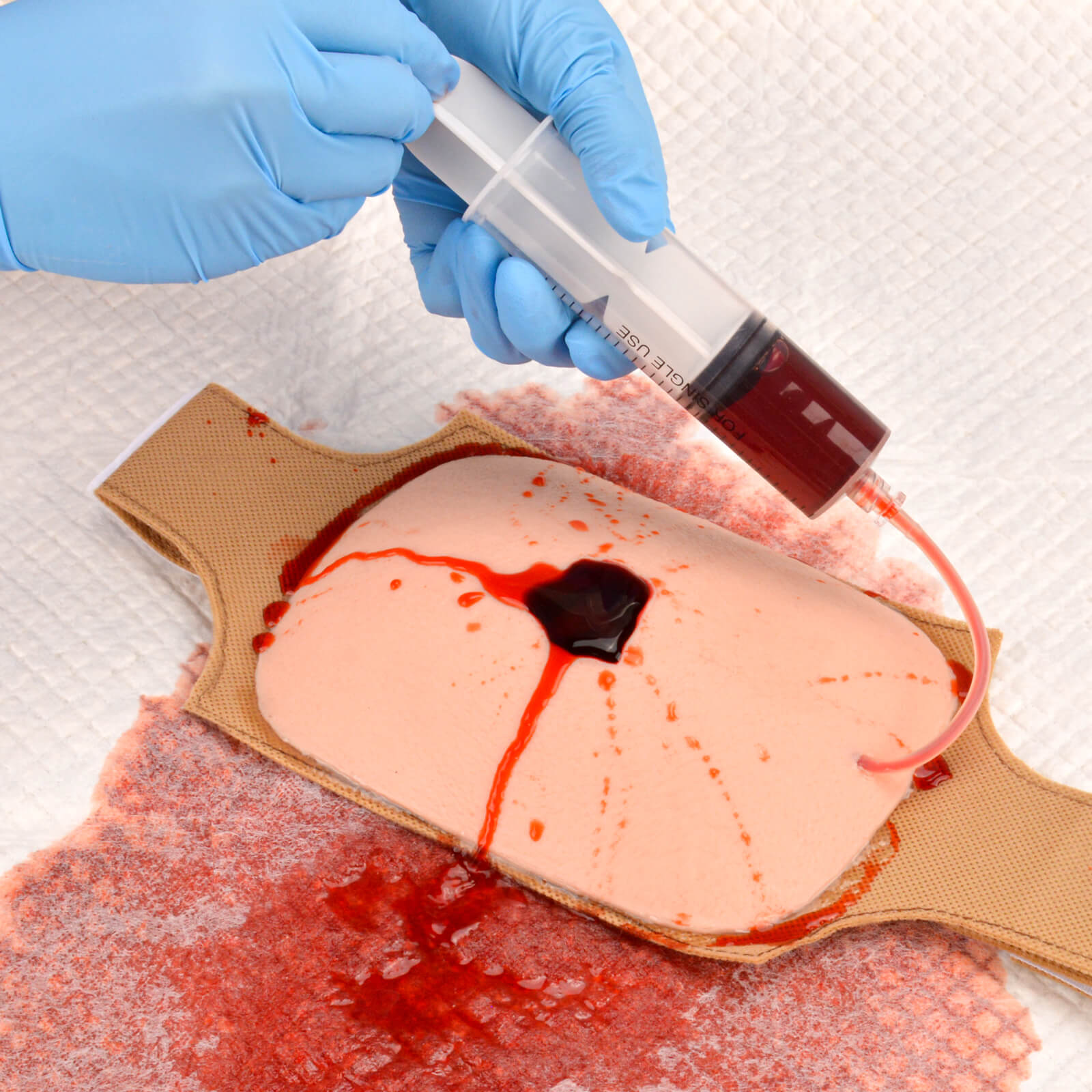
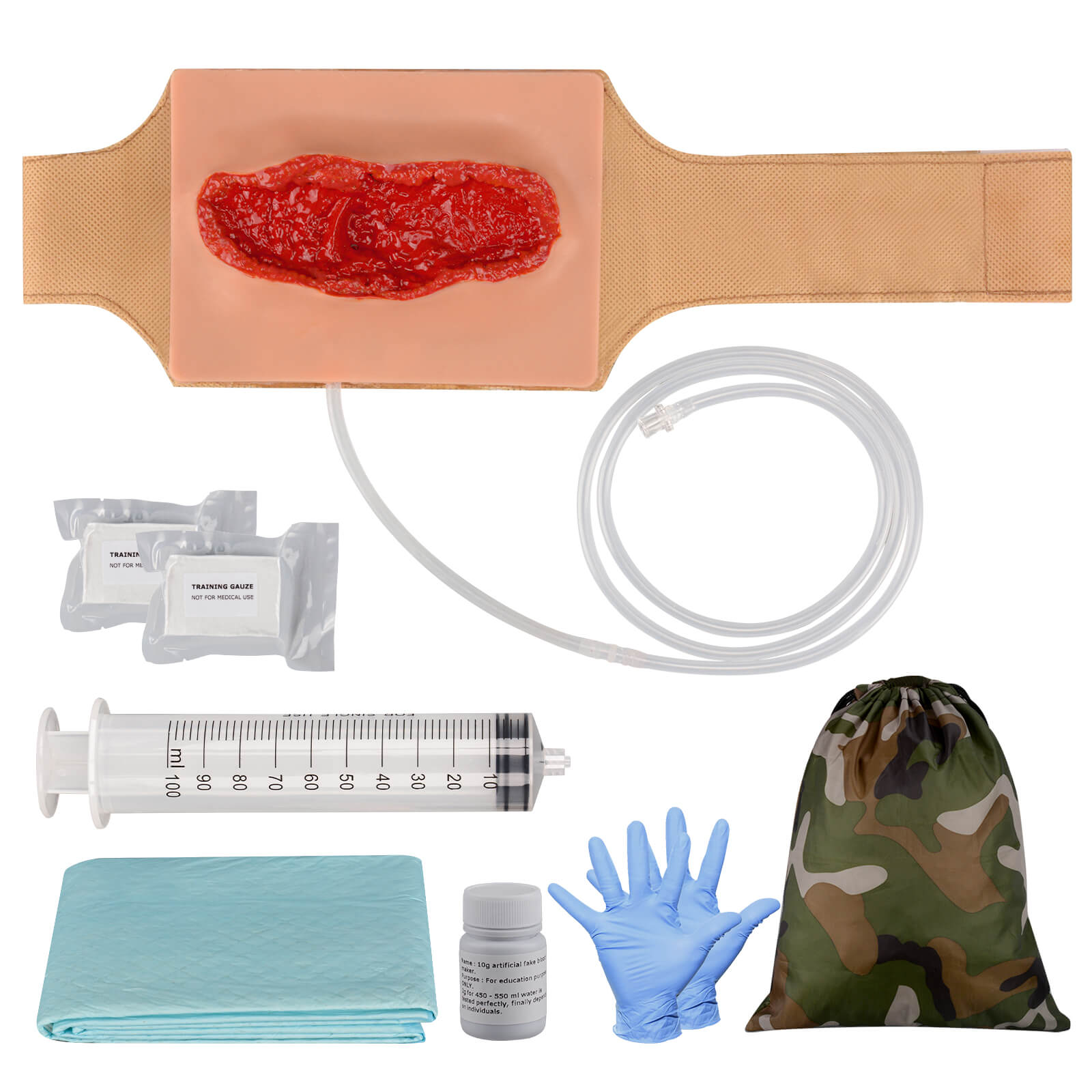
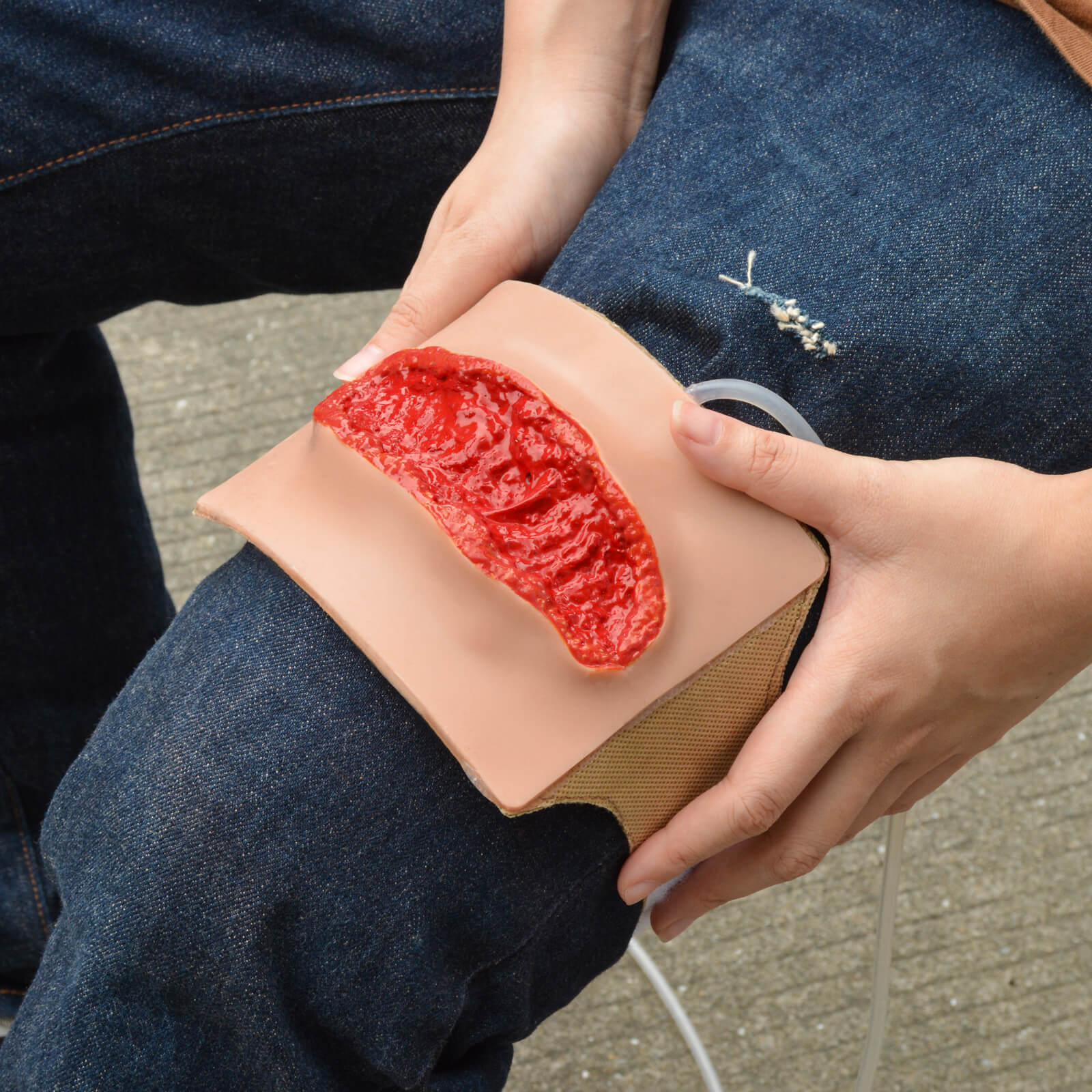
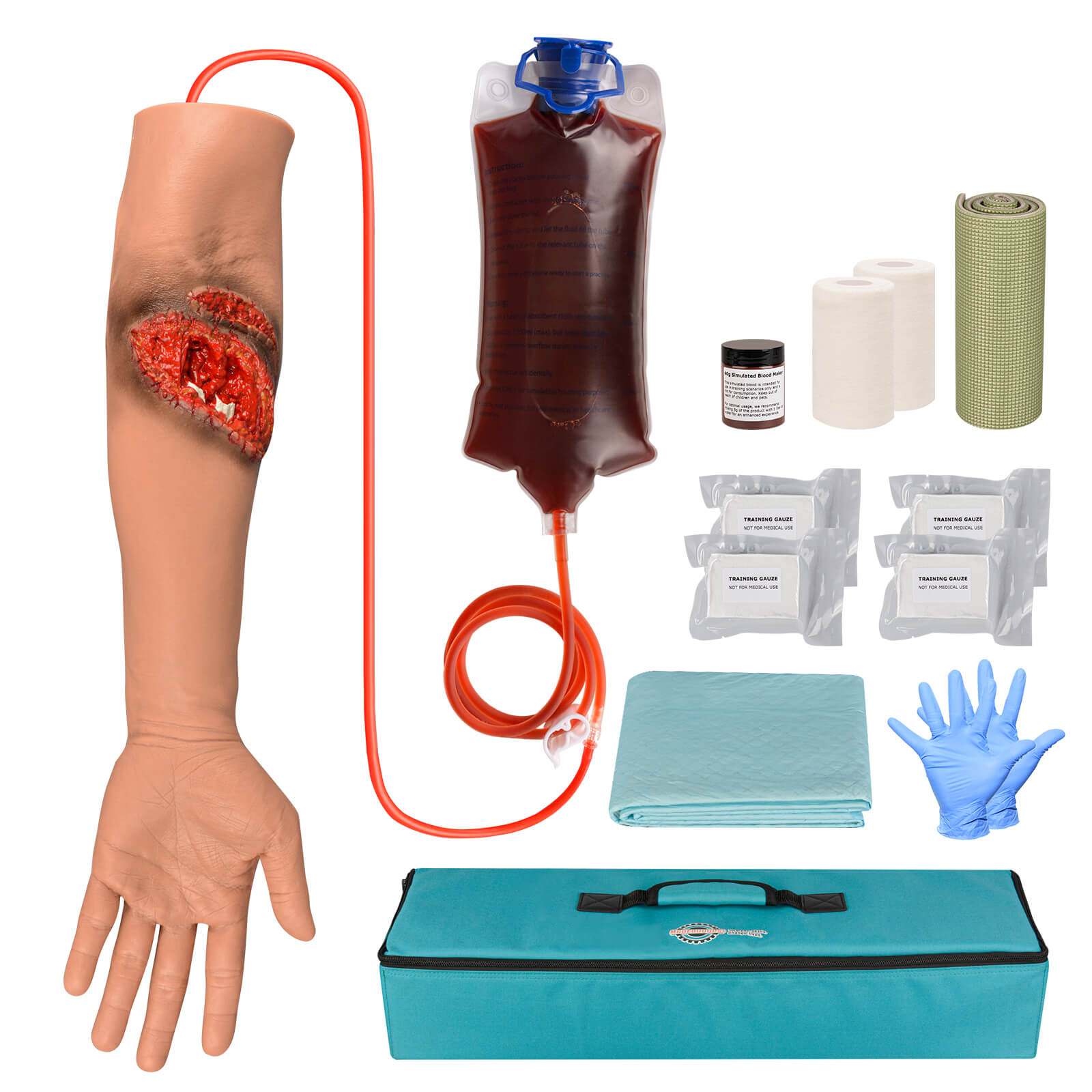
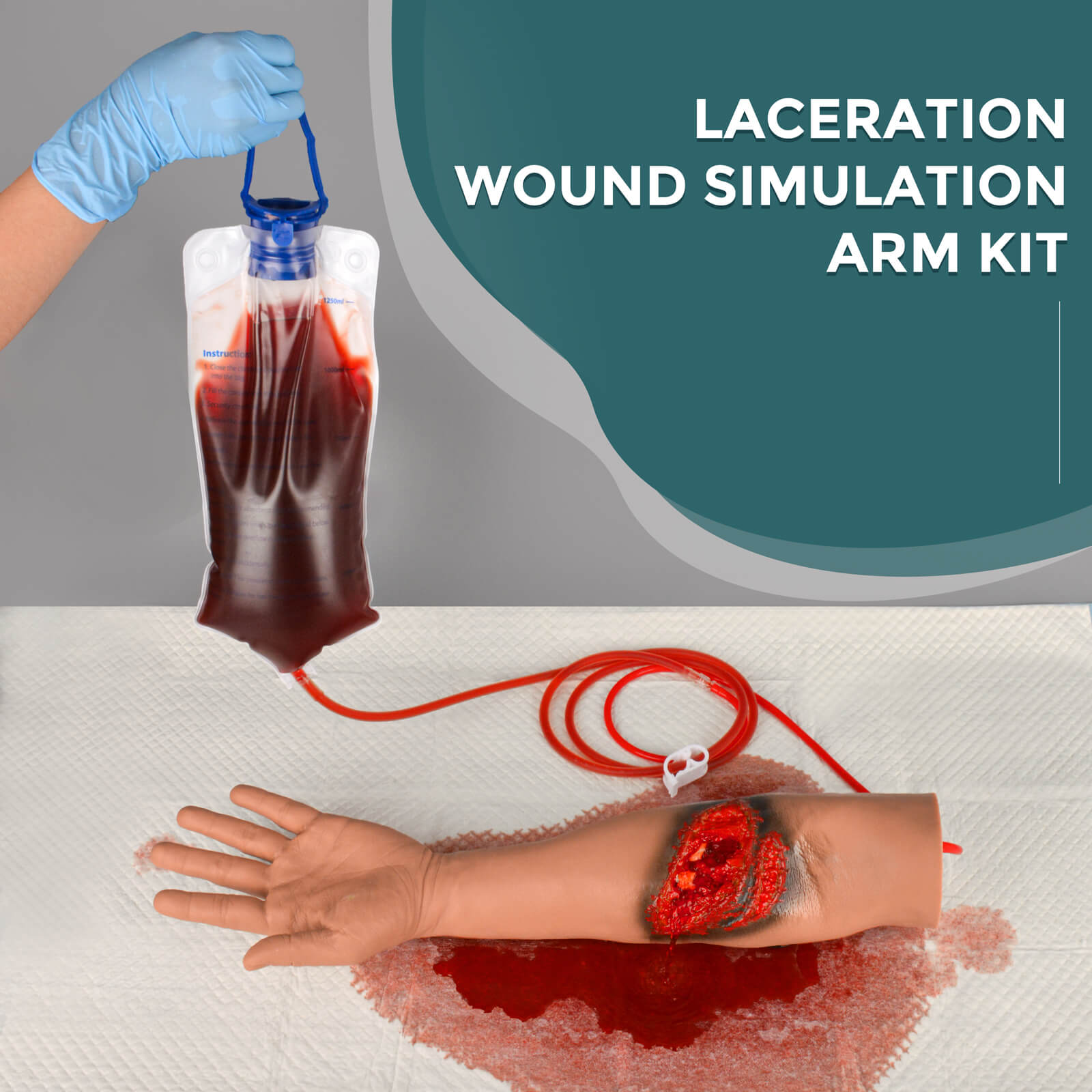
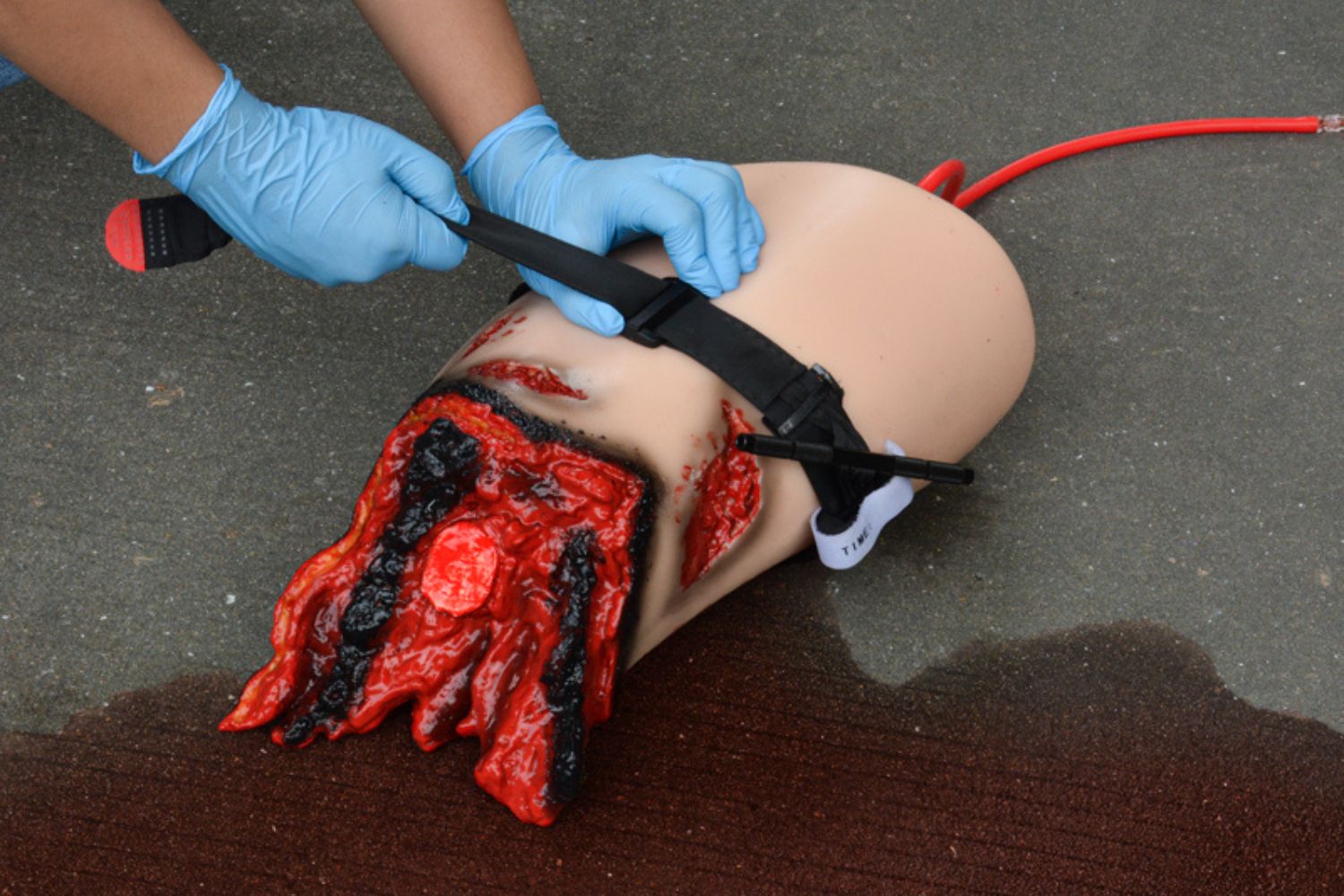
Los profesionales de la salud utilizan herramientas de simulación para practicar técnicas de prevención y manejo. Por ejemplo, un Modelo de Úlcera por Presión en el Glúteo puede ayudar a los aprendices a entender cómo progresan las lesiones por presión y cómo aplicar estrategias adecuadas de cuidado de heridas.
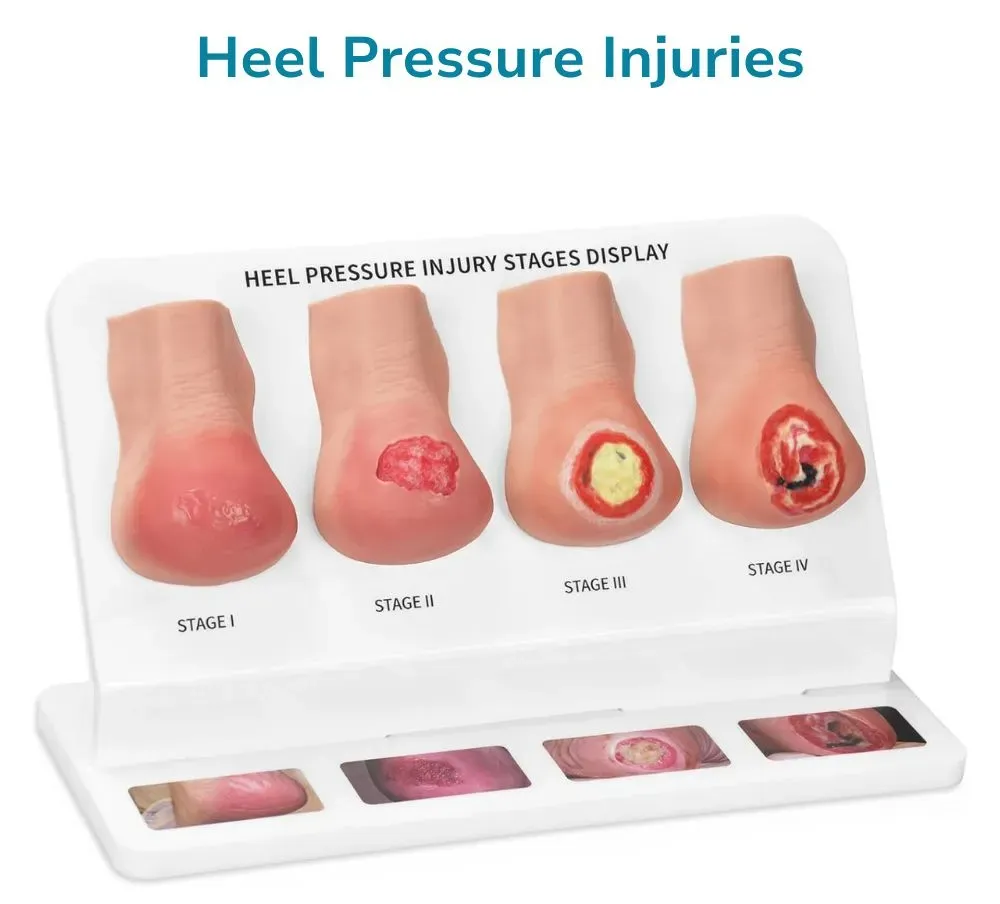
2. Talones
El talón es otro sitio de alto riesgo, especialmente en pacientes que permanecen inmóviles o tienen disminuida la sensibilidad debido a la diabetes o neuropatía. La delgada capa de tejido sobre el hueso calcáneo hace que el talón sea propenso a lesiones por presión de Etapa I a Etapa IV.
Las herramientas de capacitación como el Modelo de Demostración de Etapas de Lesiones por Presión en el Talón o el Entrenador de Cuidado de Heridas por Úlcera en el Talón permiten a los cuidadores y estudiantes practicar la evaluación y el manejo de úlceras en el talón de manera segura y efectiva.
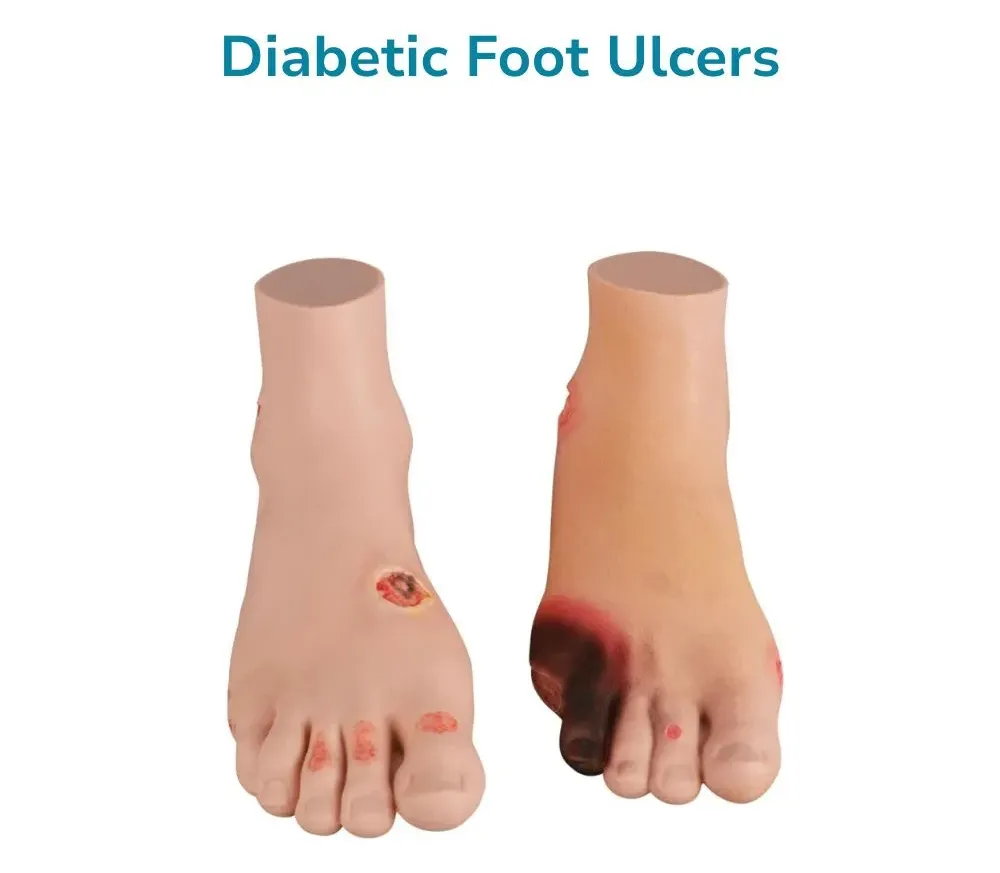
3. Tobillos, Caderas y Otras Áreas Óseas
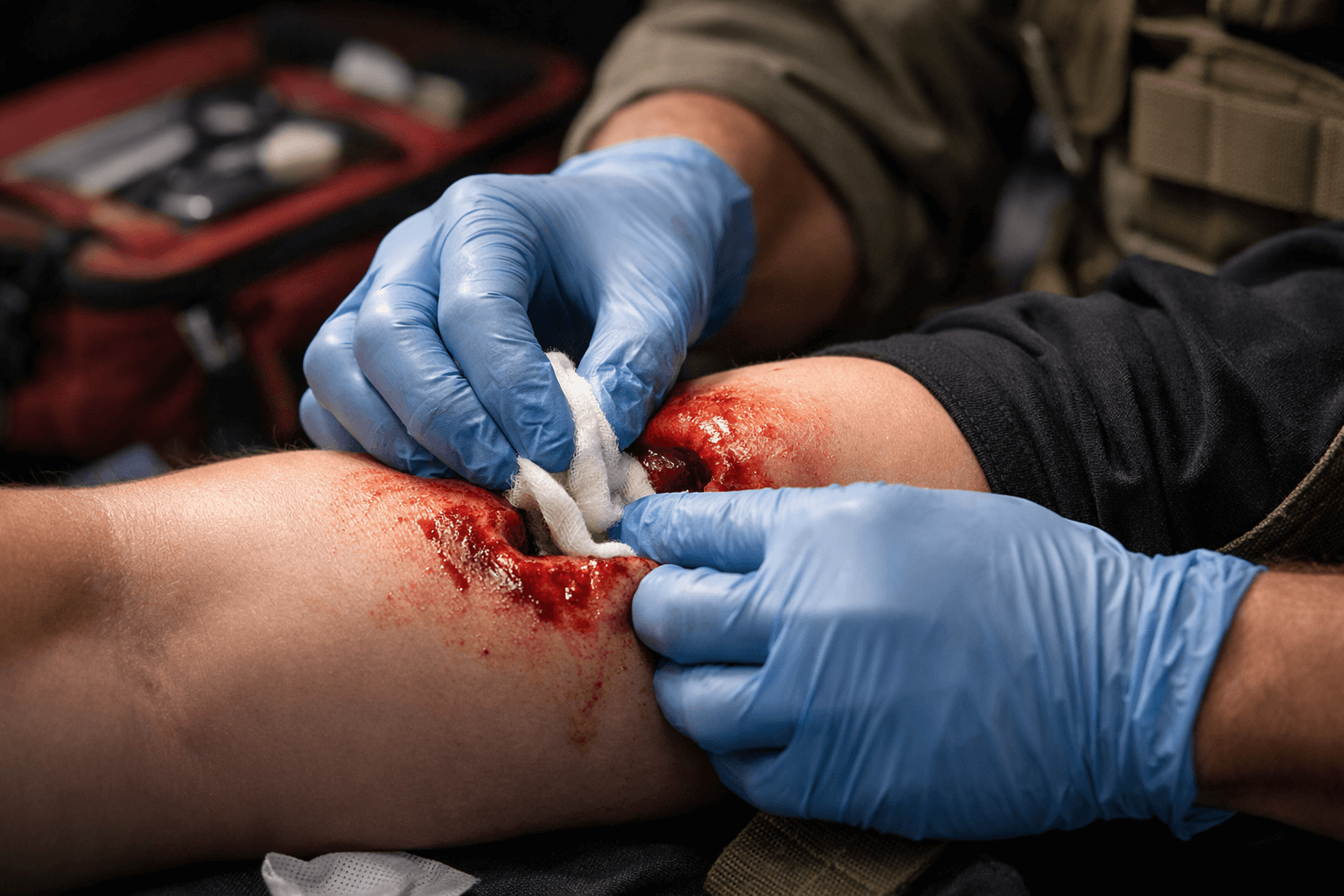
Aunque son menos comunes que el sacro o los talones, las úlceras por presión se desarrollan frecuentemente sobre otras prominencias óseas como los tobillos, caderas, codos y hombros. Estos sitios son particularmente susceptibles cuando los pacientes permanecen en la misma posición durante largos períodos sin reubicarse.
Modelos educativos como el Modelo de Úlcera del Pie Diabético o los Modelos de Etapas de Cuidado de Úlceras por Decúbito ayudan a los aprendices a reconocer las diferentes etapas de las úlceras en distintos sitios anatómicos, reforzando las técnicas de evaluación adecuadas y las estrategias de intervención temprana.
Conclusiones Clave
Prevenir las úlceras por presión requiere conciencia de las áreas de alto riesgo, reposicionamiento frecuente y evaluación continua de la piel. La capacitación con modelos realistas de cuidado de heridas mejora la comprensión del desarrollo de úlceras, permite una práctica segura y práctica, y apoya mejores resultados para los pacientes.
Al familiarizarse con estos sitios comunes, el sacro, los talones y otras prominencias óseas, puede reducir el riesgo de lesiones por presión y proporcionar un cuidado más efectivo.
.jpeg?w=1600&h=1600)
.jpeg?w=1600&h=1600)
.jpg?w=1600&h=1600)
.jpg?w=1600&h=1600)
.jpeg?w=1500&h=1500)
.jpg?w=1000&h=1000)
.jpg?w=1000&h=1000)

.jpeg?w=1500&h=1500)
.jpeg?w=1500&h=1500)
.jpeg?w=1600&h=1600)
.jpeg?w=1600&h=1600)
.jpg?w=1600&h=1600)
.jpg?w=1600&h=1600)
.jpg?w=1500&h=1500)
.jpg?w=1500&h=1500)
.jpg?w=1500&h=1500)
.jpg?w=1500&h=1500)
.jpg?w=1500&h=1500)
.jpg?w=1500&h=1500)