
オストミーケアは、細部への注意、臨床判断、患者中心のコミュニケーションを必要とする重要な看護スキルです。
看護学生にとって、オストミーケアを学ぶことは手順を理解する以上のことを含みます。学生は、ストーマの評価、オストミー装置の管理、皮膚の完全性の保護、患者教育に自信を持つ必要があります。
このオストミー看護スキルチェックリストは、学生が臨床実習、シミュレーション評価、または看護スキル評価の前に重要なスキルを復習するための構造化されたガイドを提供します。
看護学生がオストミーケアチェックリストを必要とする理由
チェックリストは、看護学生が学習を整理し、重要なステップが見落とされないようにするのに役立ちます。
構造化されたオストミースキルチェックリストを使用することで、学生は:
- 重要な手順を体系的に復習する
- 追加の練習が必要な領域を特定する
- 患者ケア中の一貫性を向上させる
- 臨床スキル評価の準備をする
- 実際の患者と働く前に自信を築く
オストミーケアは複数のステップを含み、小さなミスでも漏れ、皮膚の刺激、または患者の不快感などの合併症を引き起こす可能性があります。
オストミー看護スキルチェックリスト
1. オストミーの種類と解剖学の理解
☐ オストミーの目的を理解する
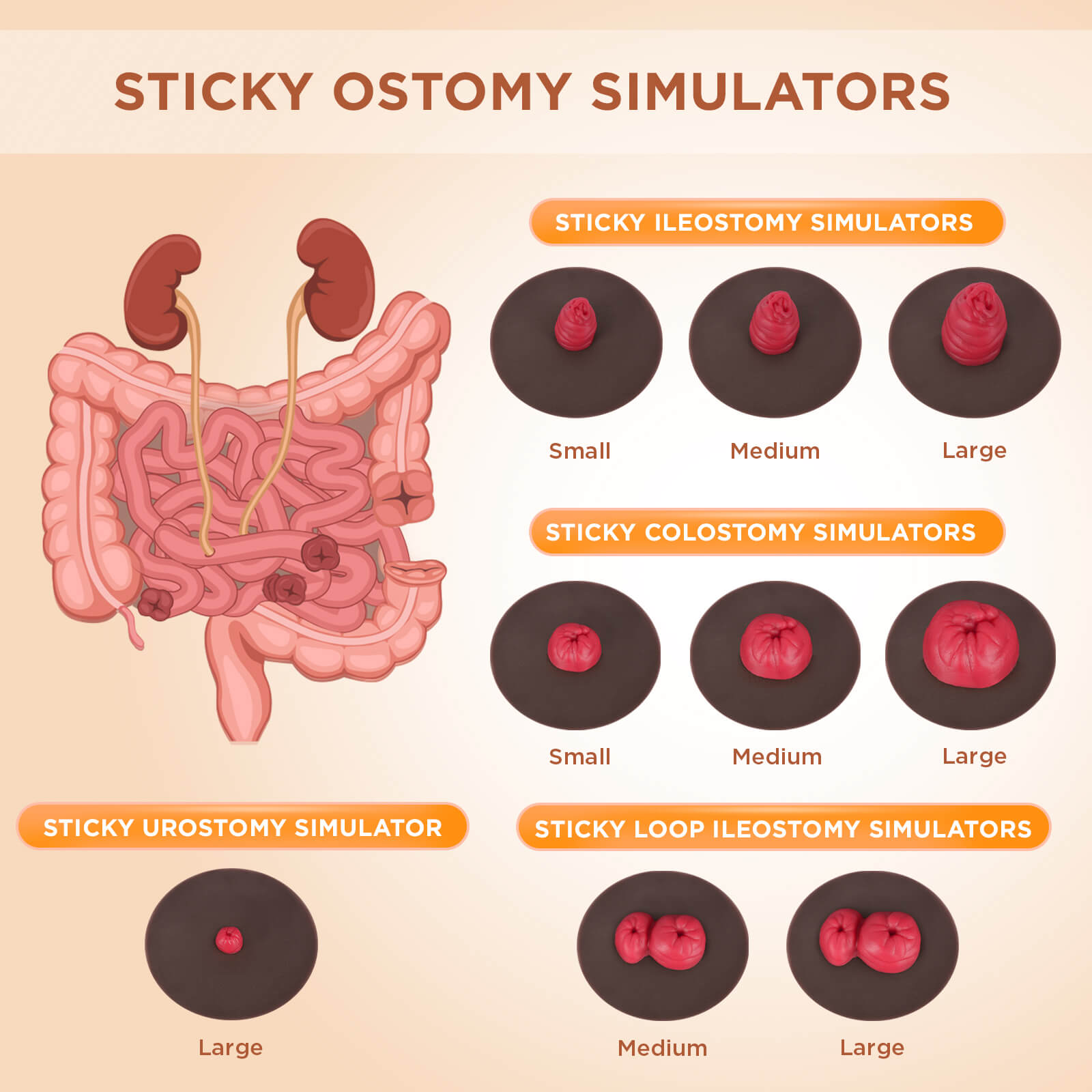
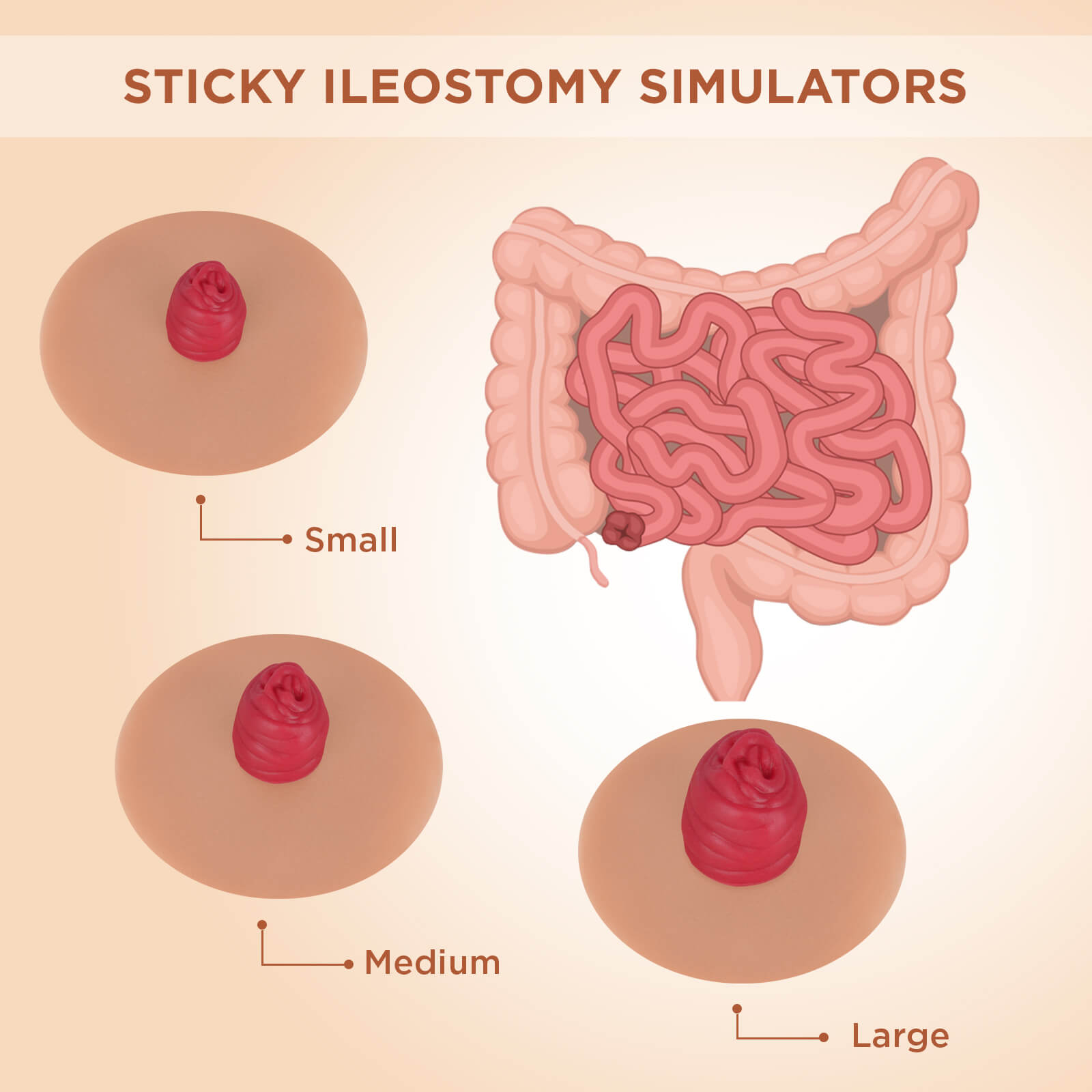
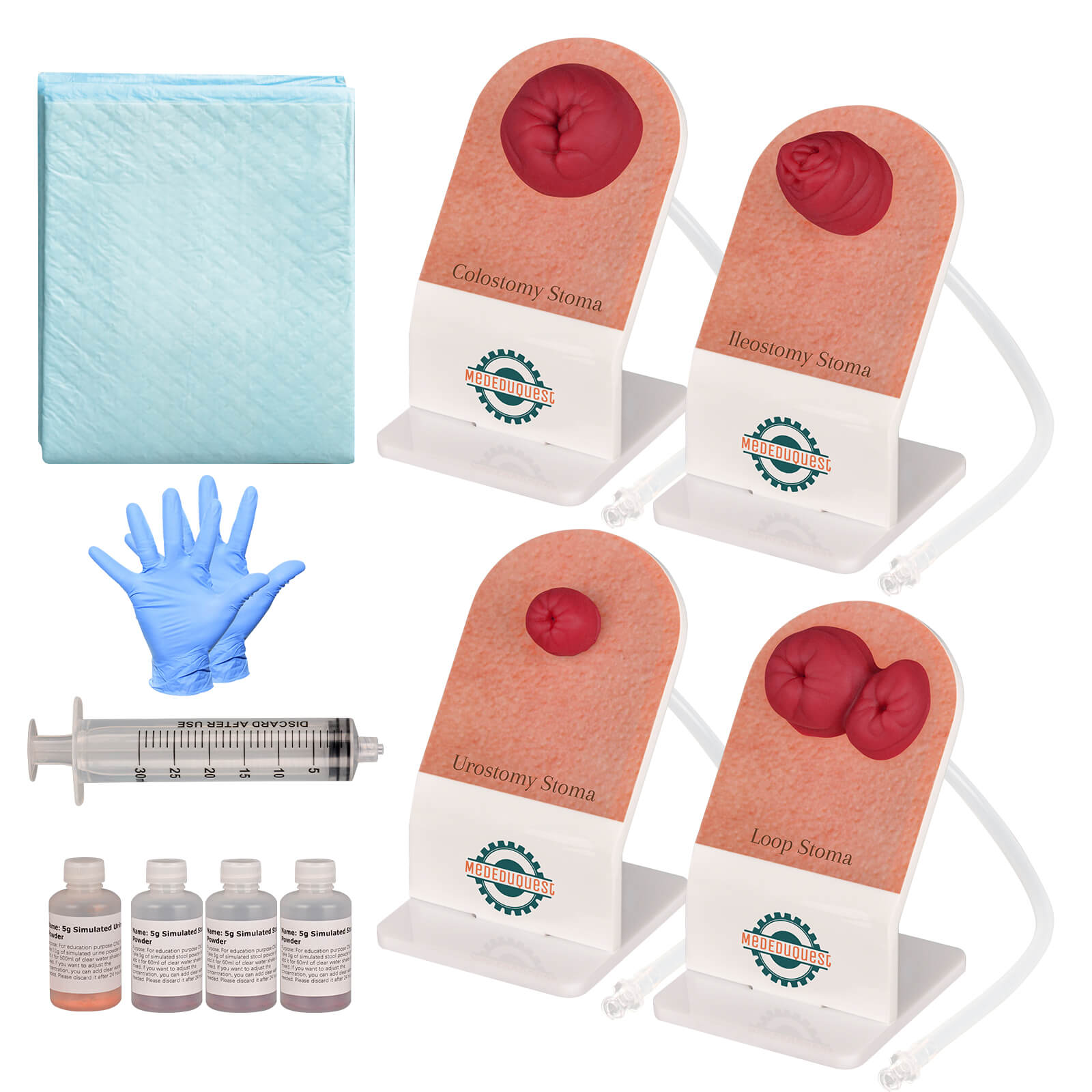
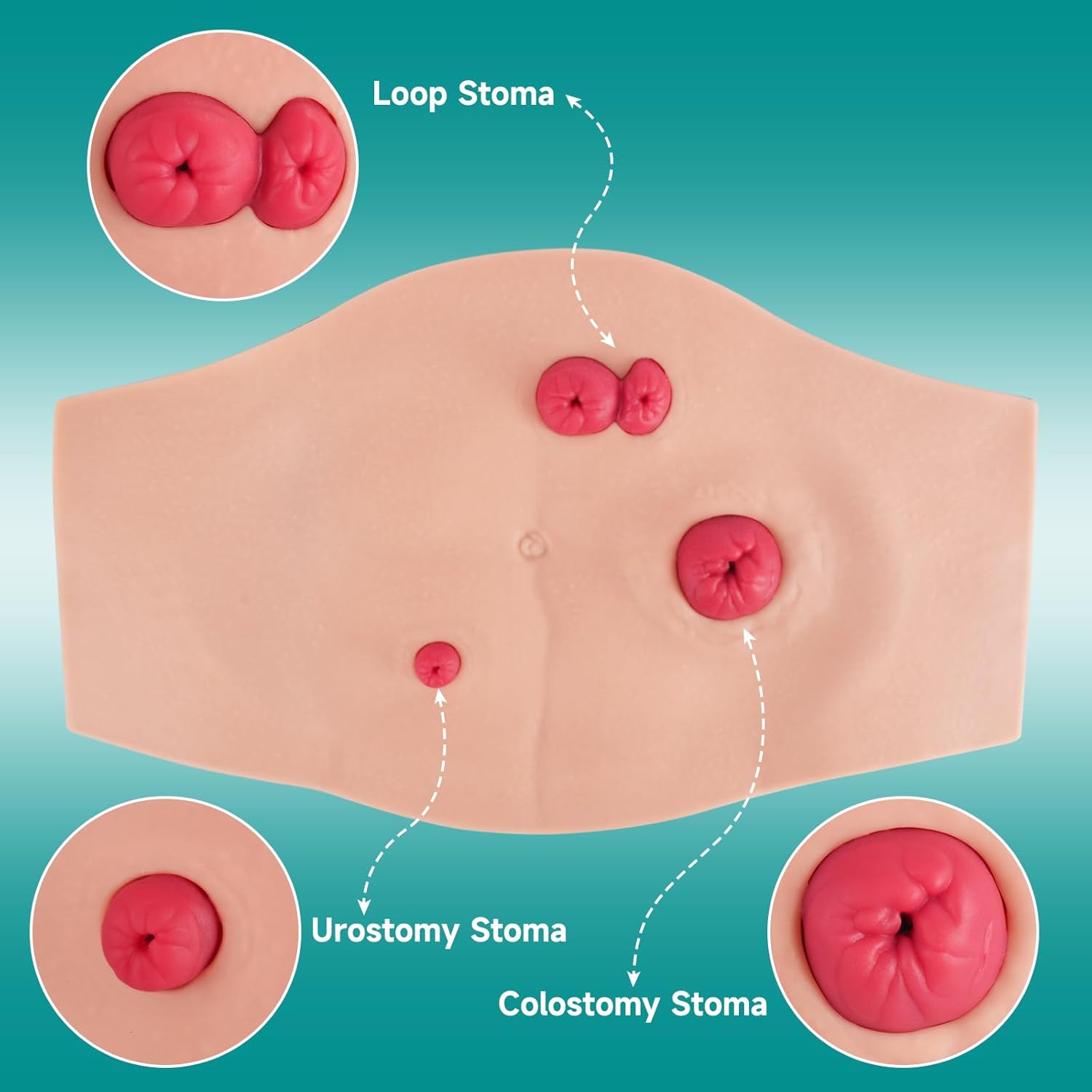
☐ 一般的なオストミーの種類を特定する:
- コロストミー
- イレオストミー
- 尿路ストミー
☐ 出力特性の基本的な違いを理解する
☐ 一般的なストーマの位置と解剖学的考慮を認識する
解剖学の強固な基盤は、看護師がより正確で個別化されたケアを提供するのに役立ちます。
2. ストーマ評価の実施
ケアを提供する前に、看護学生はストーマと周囲の皮膚を評価できる必要があります。
チェックリスト:
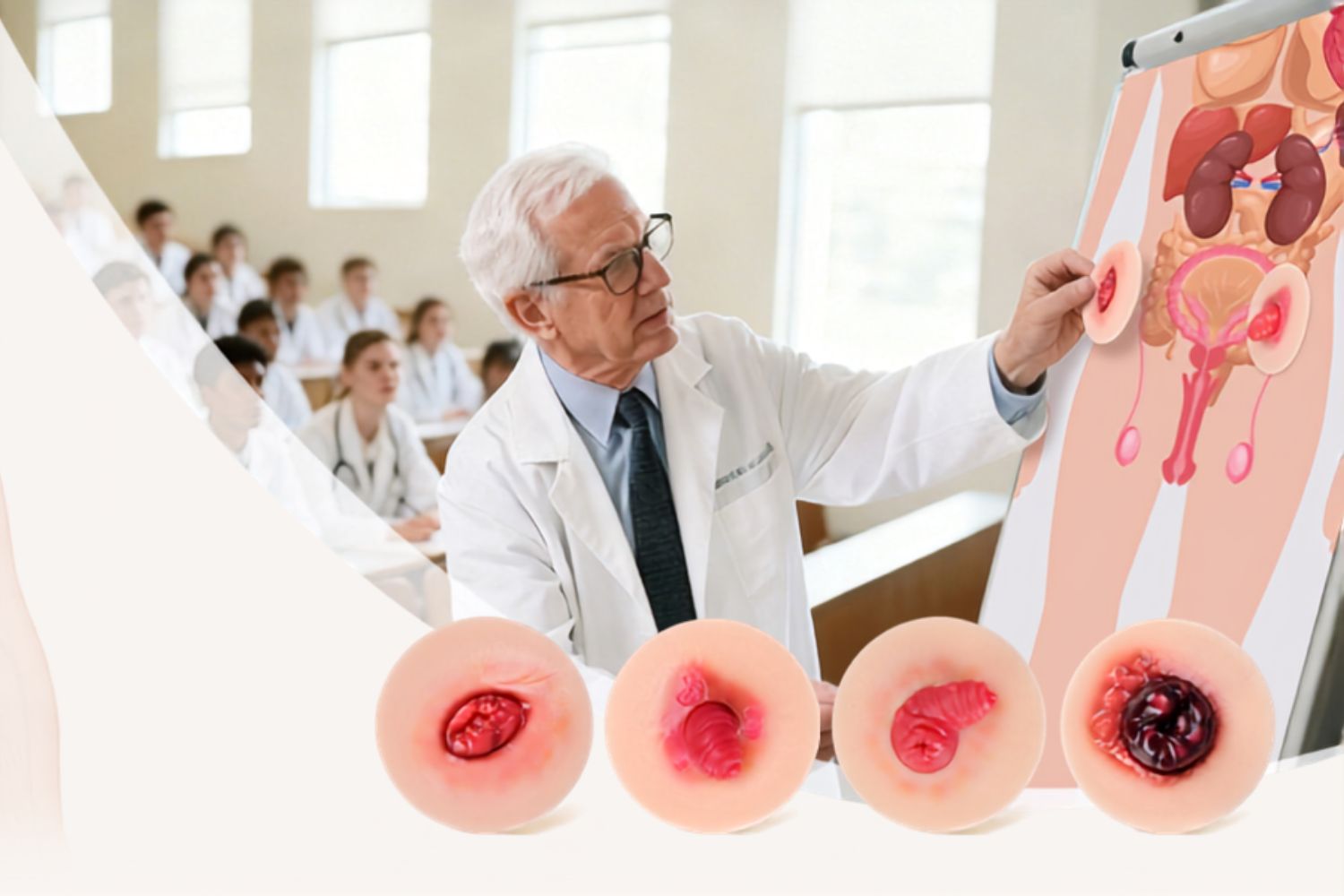
☐ ストーマの色と外観を観察する
☐ ストーマのサイズと形状を評価する
☐ 湿気と腫れを確認する
☐ ストーマ周囲の皮膚の状態を検査する
☐ 刺激、感染、または合併症の兆候を特定する
☐ 評価結果を正確に文書化する
定期的な評価は、看護師が潜在的な問題を早期に特定するのに役立ちます。
3. オストミー装置の管理
適切な装置管理は、最も重要なオストミー看護スキルの一つです。
学生は次のことを練習する必要があります:
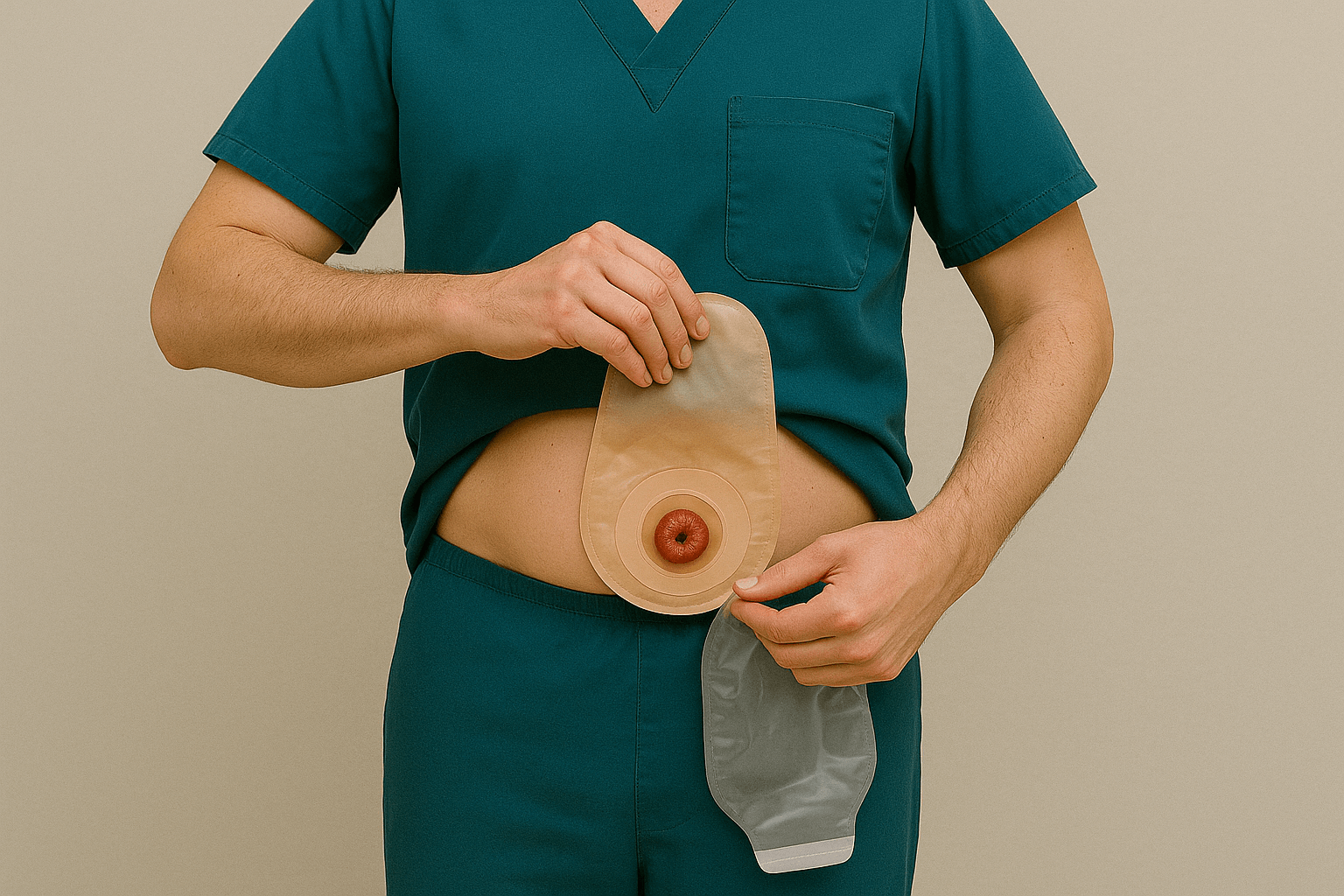
☐ 適切なポーチシステムを選択する
☐ ストーマのサイズを正しく測定する
☐ ウェファーの開口部を正確に切る
☐ 古い装置を安全に取り外す
☐ ストーマ周囲の皮膚を清掃する
☐ 必要に応じて皮膚バリアを適用する
☐ 新しいポーチをしっかりと取り付ける
☐ 適切なフィット感と漏れ防止を確認する
繰り返しの練習は、正確さと自信を向上させます。
4. ストーマ周囲の皮膚を保護する
ストーマ周囲の健康な皮膚を維持することは、看護の重要な責任です。
チェックリスト:
☐ 皮膚の状態を定期的に評価する
☐ 刺激の兆候を認識する
☐ 正しい装置のフィッティングを確保する
☐ 湿気の曝露を防ぐ
☐ 適切な皮膚ケア教育を提供する
不適切なフィッティングの装置は、皮膚の合併症の一般的な原因であり、このスキルは看護学生にとって不可欠です。
5. 出力と患者の状態のモニタリング
学生は、オストミーの出力がオストミーの種類によってどのように変化するかを理解する必要があります。
チェックリスト:
☐ 出力の量と一貫性を観察する
☐ 出力パターンの変化をモニタリングする
☐ 異常な所見を認識する
☐ 懸念を適切に報告する
☐ イレオストミー患者の水分補給の考慮を理解する
臨床観察は、看護師が介入を必要とする可能性のある変化を特定するのに役立ちます。
6. 患者教育とコミュニケーション
オストミーケアには、患者が日常生活の変化に適応するのを支援することが含まれます。
看護学生は次のことを練習する必要があります:
☐ オストミー手順を明確に説明する
☐ ポーチ管理技術を教える
☐ 患者の質問に敬意を持って答える
☐ 患者の自立を促す
☐ 感情的なサポートを提供する
効果的なコミュニケーションは、患者がオストミーケアを管理する自信を高めるのに役立ちます。
7. 感染予防と安全実践
安全な看護実践には、適切な衛生と感染管理が必要です。
チェックリスト:
☐ ケアの前後に手指衛生を行う
☐ 装置の交換中に清潔な技術を維持する
☐ 用品を適切に廃棄する
☐ 機関の感染予防ガイドラインに従う
これらの実践は、患者と医療提供者の両方を保護します。
シミュレーションを用いたオストミー看護スキルの実践
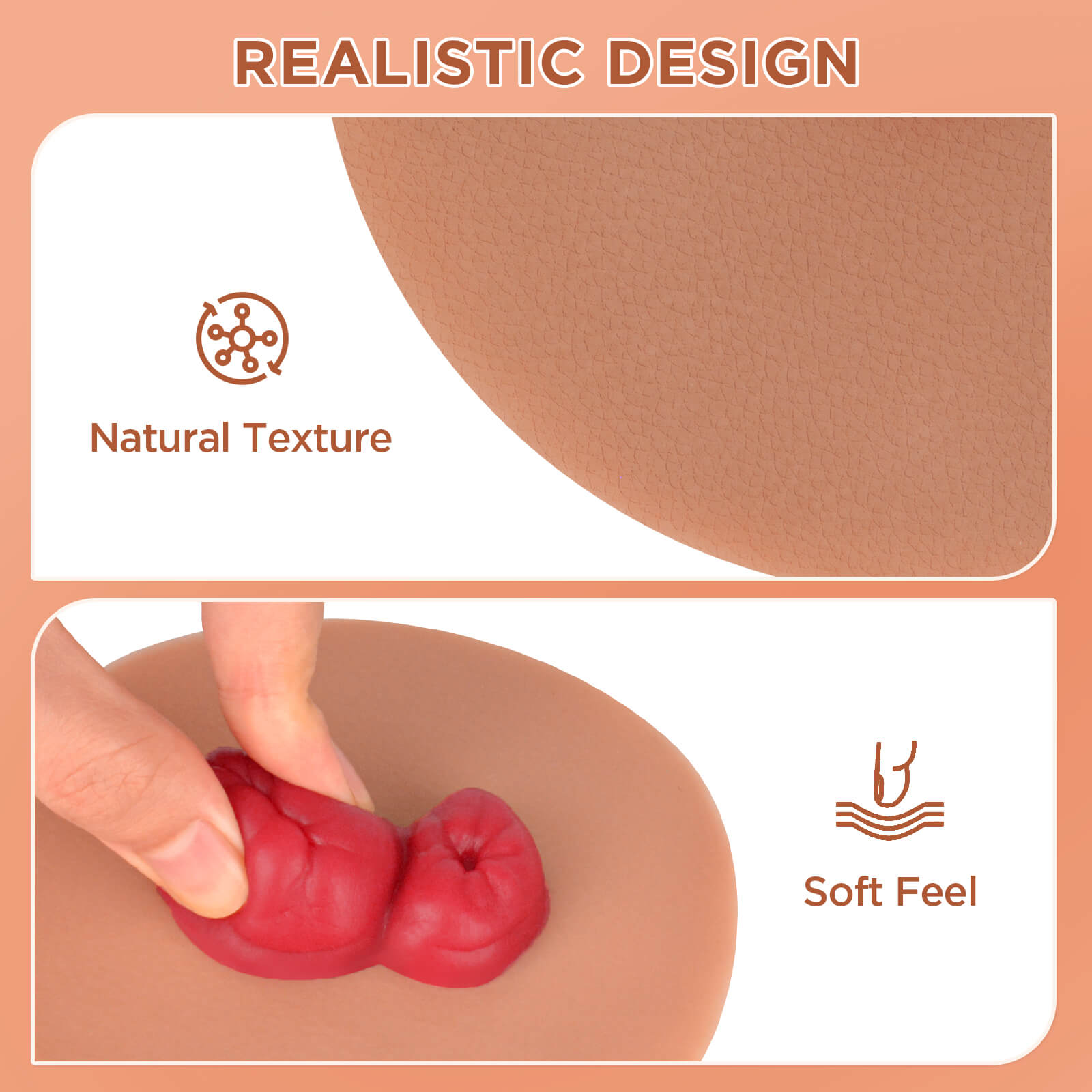
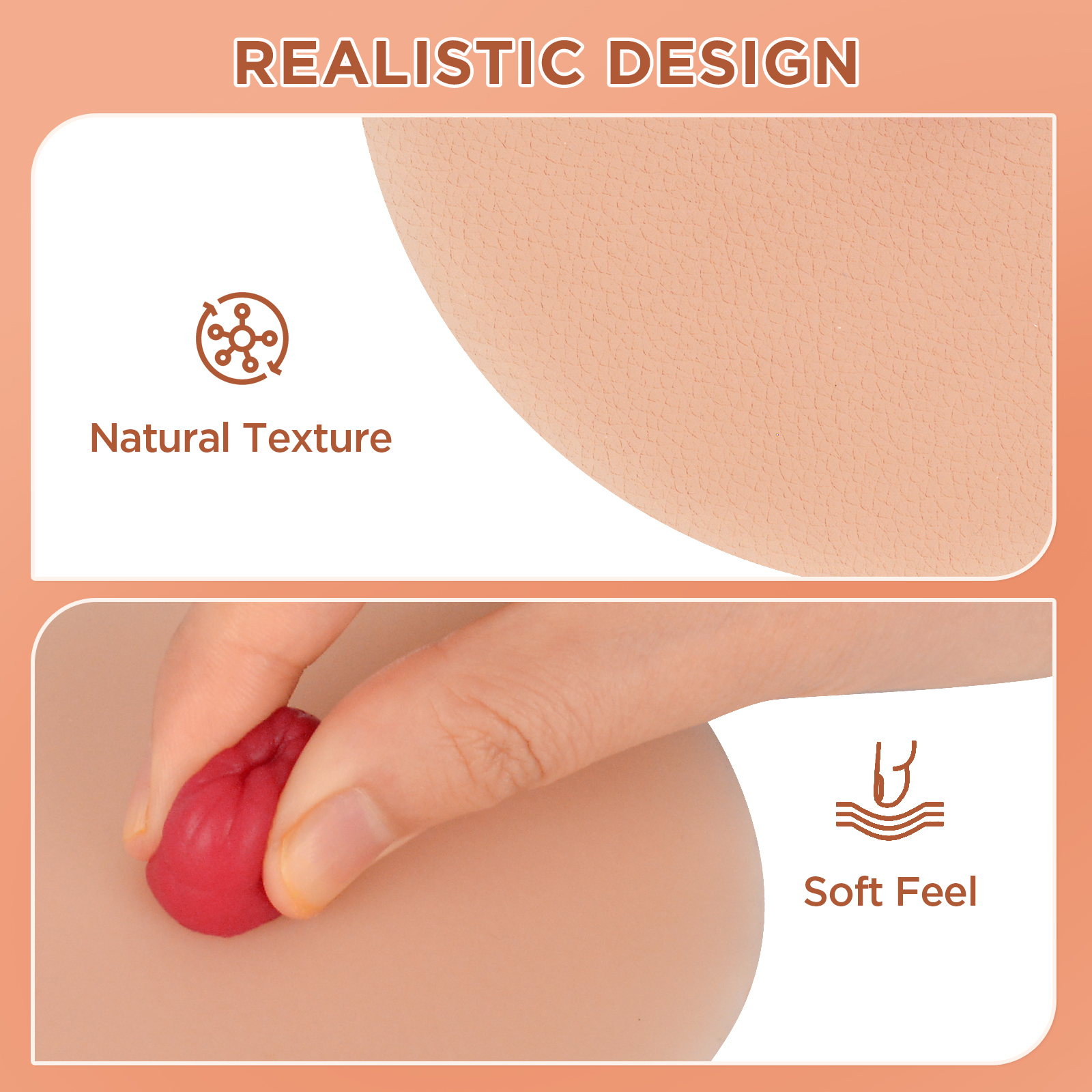
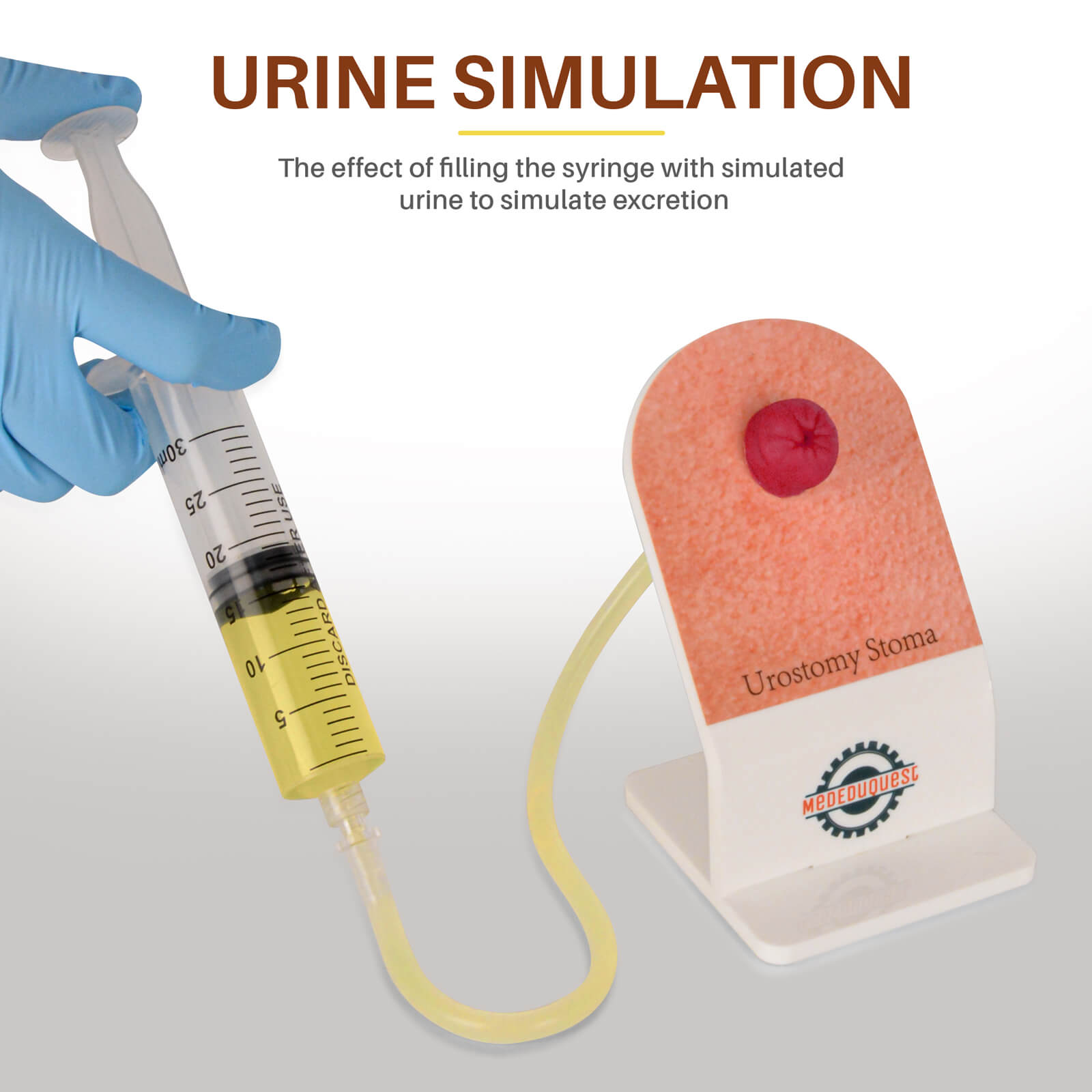
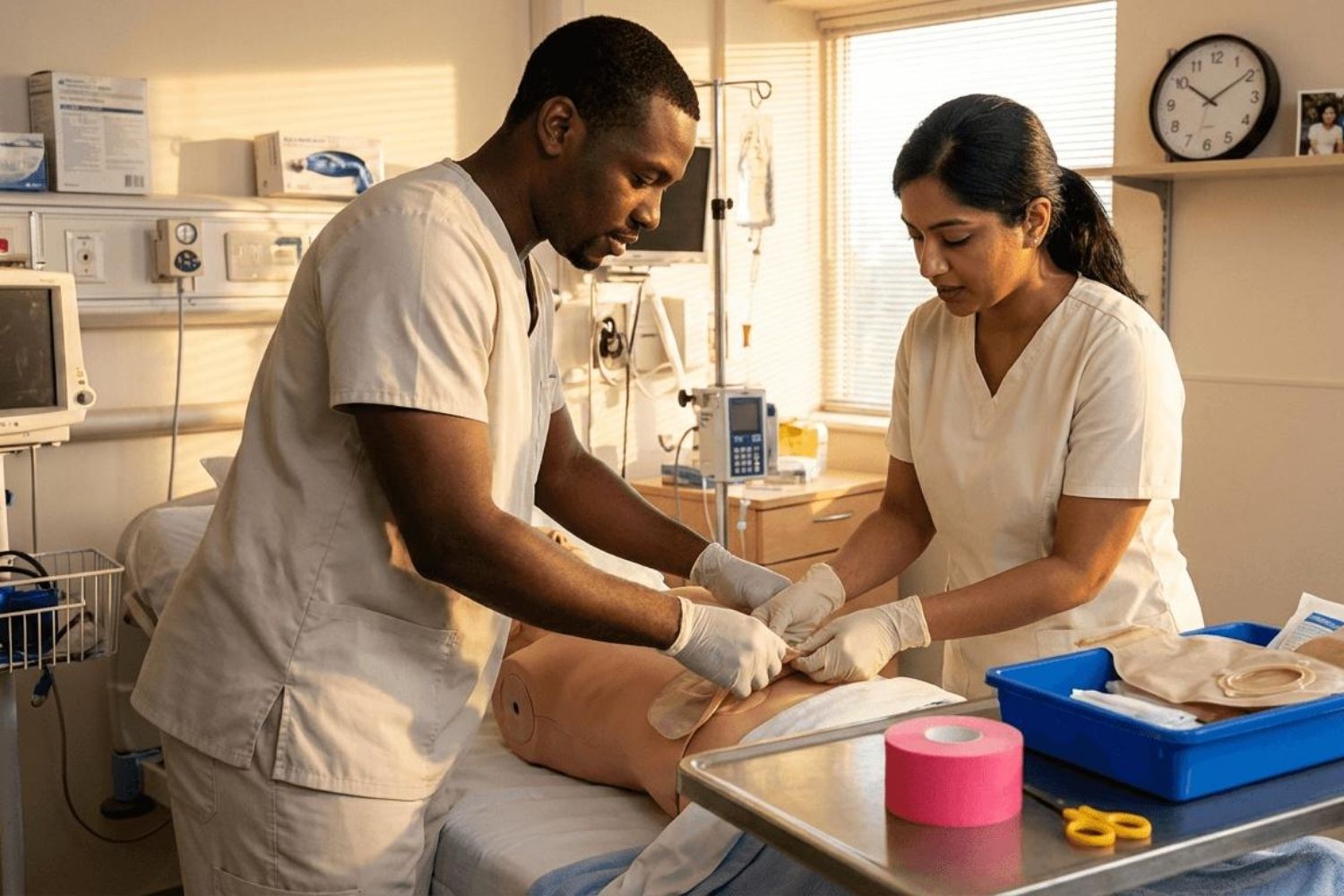
手順を読むだけでは、臨床的な自信を育むには不十分です。実践的なシミュレーションは、看護学生が安全な環境でスキルを繰り返し練習することを可能にします。
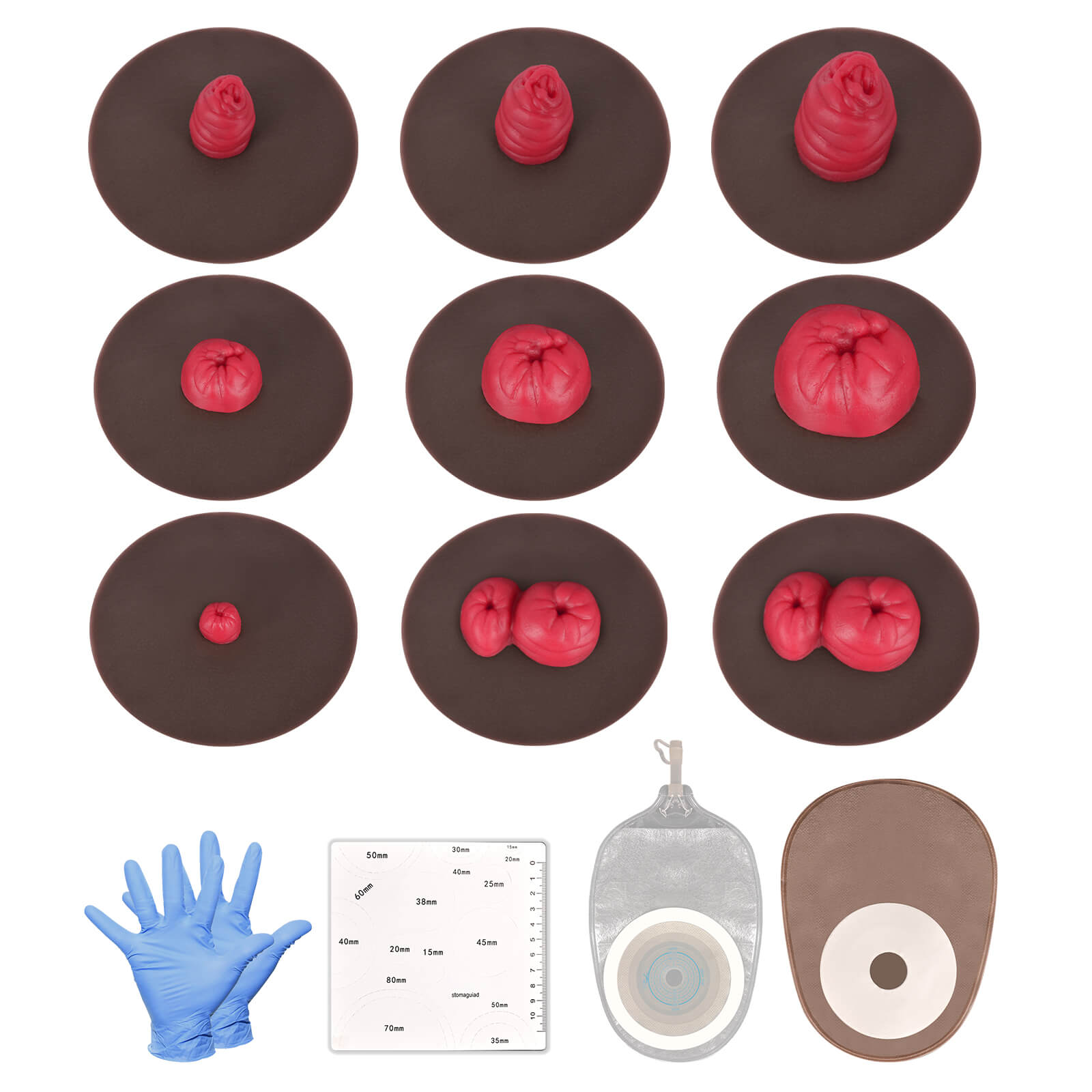
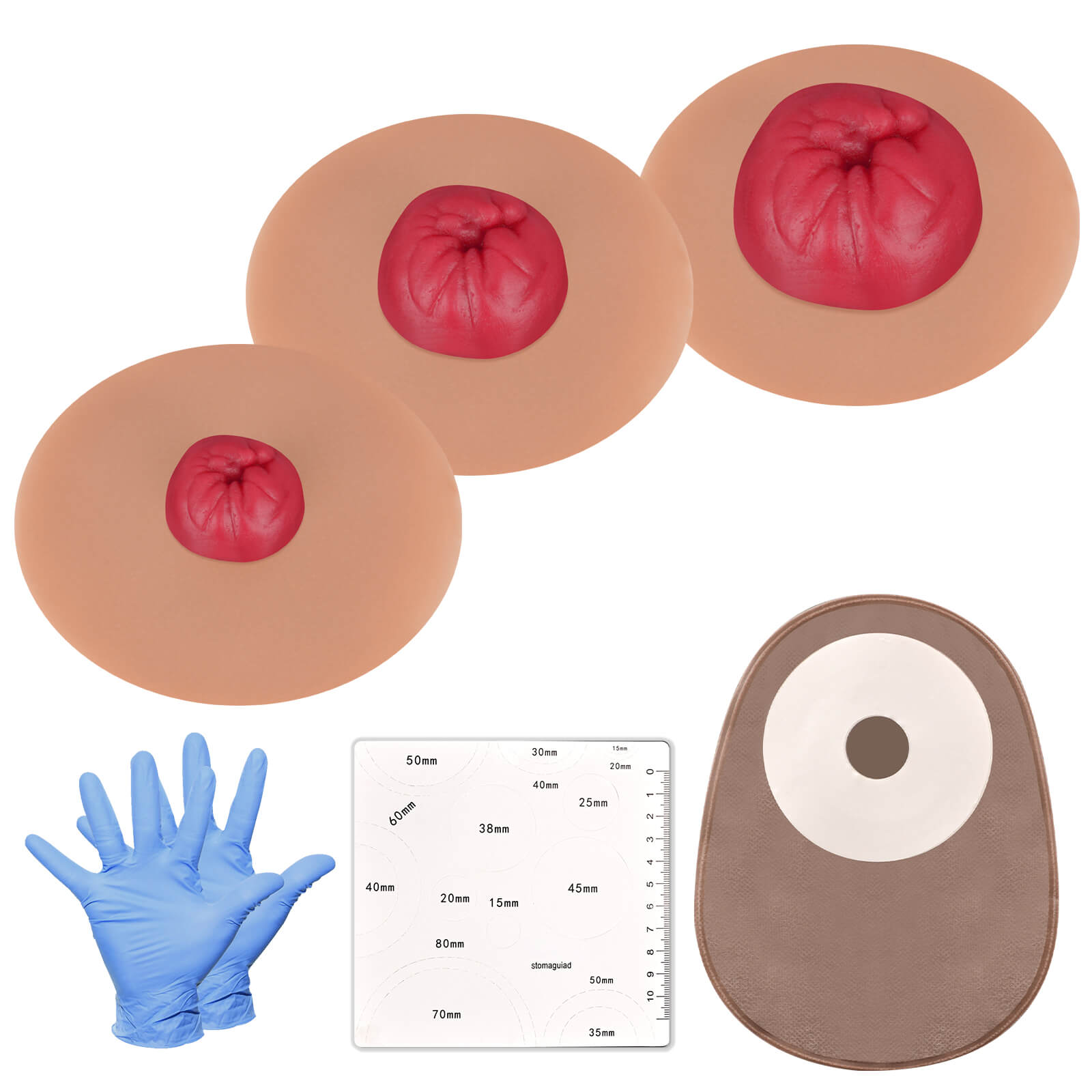
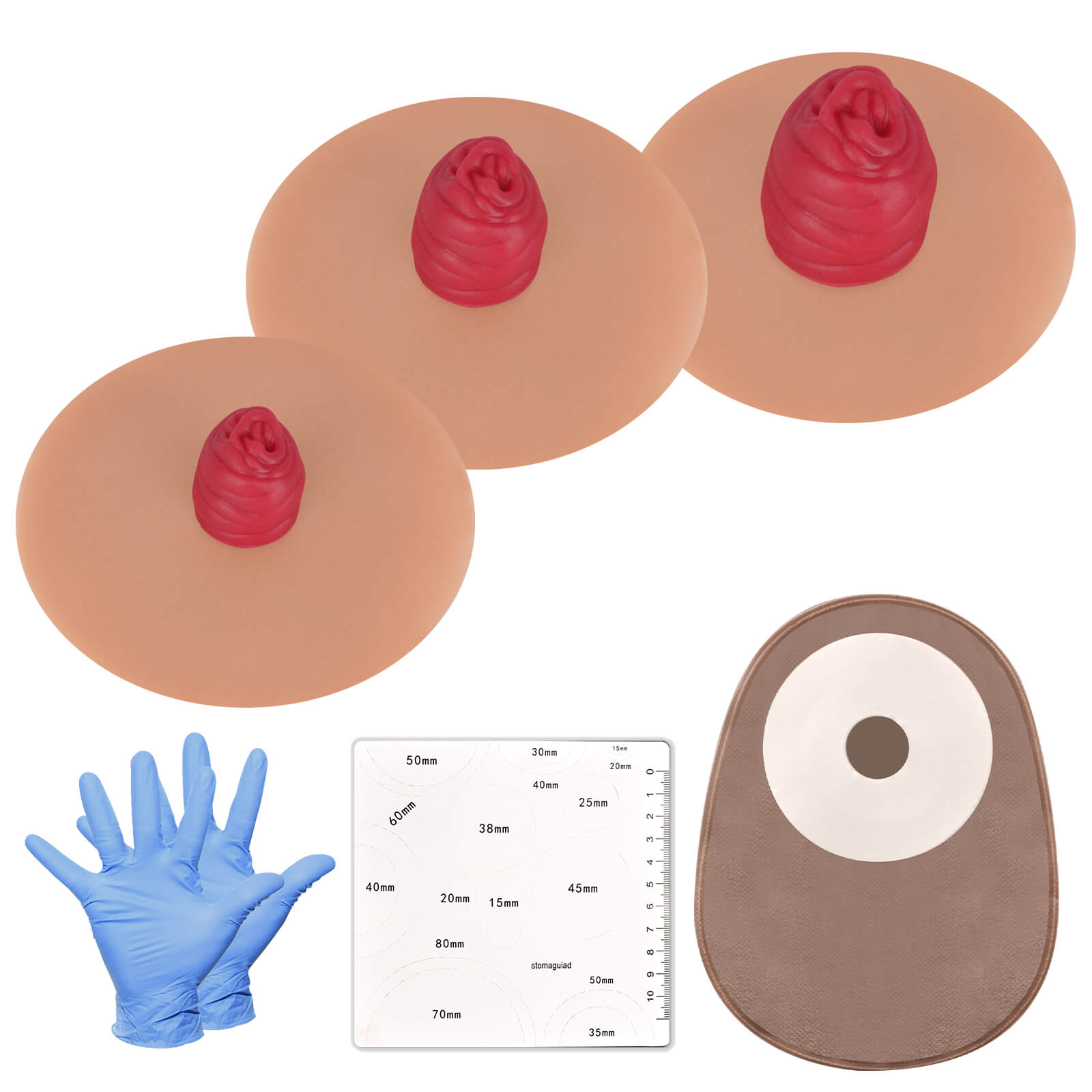
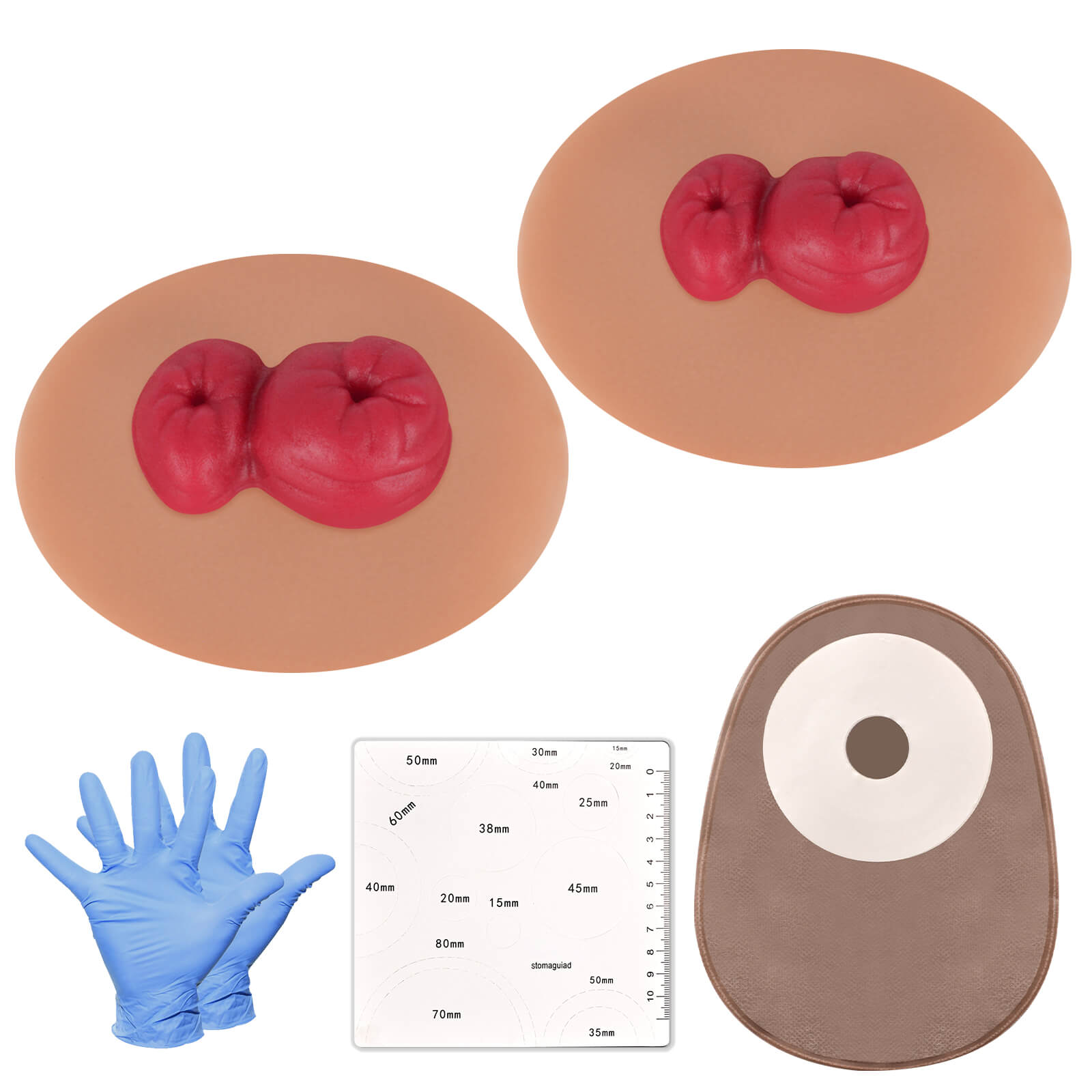
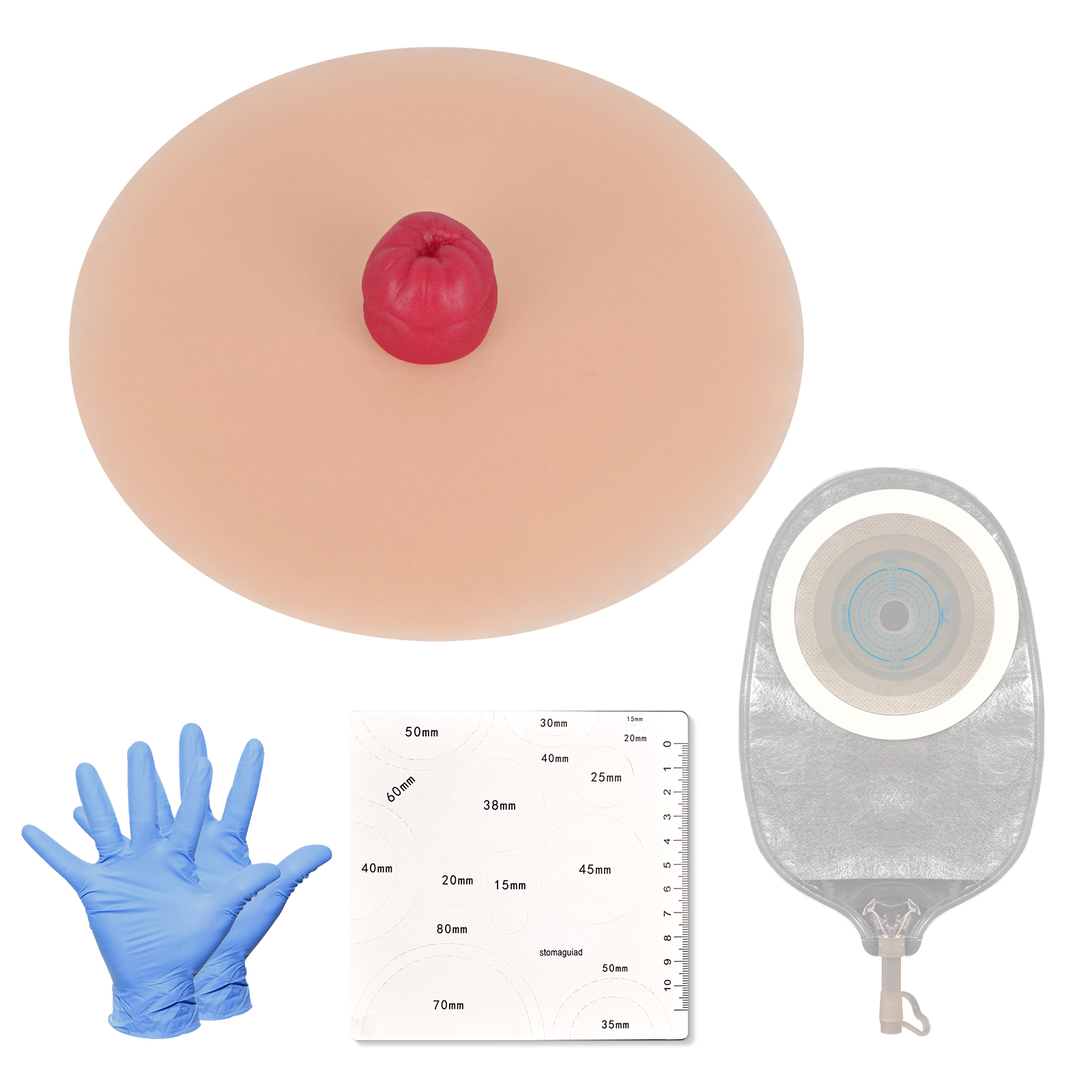
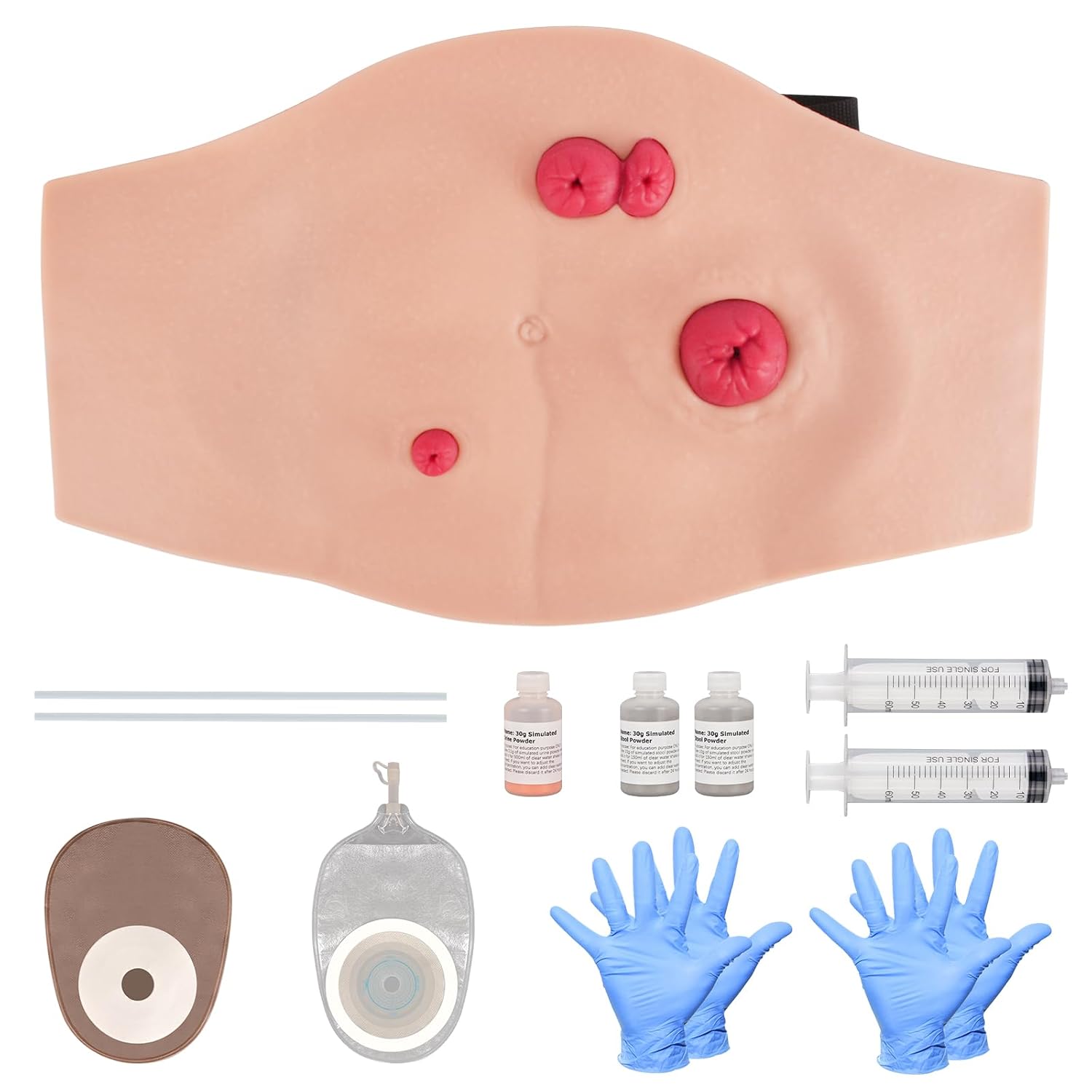
オストミー訓練モデルは、学生が次のことを練習するのに役立ちます:
- ストーマ評価
- 装置の取り外しと交換
- ウェファーの測定
- ポーチのフィッティング
- 皮膚ケア技術
- 患者教育のデモンストレーション
シミュレーションベースのオストミーケア学習は、教室の知識と実際の患者ケアのギャップを埋めるのに役立ちます。
看護学生のためのオストミースキル評価のヒント
- 完全な手順を練習する
学生は、個々のステップだけでなく、評価から装置の適用までの全体のワークフローを練習する必要があります。
- 一貫した順序に従う
毎回同じ順序を使用することで、ミスを減らし、効率を向上させます。
- フィードバックを求める
インストラクターのフィードバックは、技術的な問題や改善が必要な領域を特定するのに役立ちます。
- 患者コミュニケーションを練習する
オストミーケアには、技術的なスキルと感情的なサポートの両方が含まれることを忘れないでください。
トレーニング中にオストミー看護スキルチェックリストを使用する
チェックリストは次のように使用できます:
- スキルを独立して復習する看護学生
- 学生のパフォーマンスを評価するインストラクター
- 能力評価を行うシミュレーションラボ
- スキルコースを開発する医療トレーニングプログラム
チェックリストベースの学習と実践を組み合わせることで、学生はより強力な臨床準備を整えることができます。
結論
オストミー看護には、技術的な知識、実践的なスキル、そして思いやりのある患者ケアの組み合わせが必要です。
整理されたオストミー看護スキルチェックリストは、学生が重要な手順を復習し、学習のギャップを特定し、臨床実践の準備をするのに役立ちます。
繰り返しのシミュレーショントレーニングと構造化された評価を通じて、将来の看護師は安全で効果的なオストミーケアを提供するために必要な自信を育むことができます。
.jpg?w=1600&h=1600)
.jpg?w=1600&h=1600)
.jpeg?w=1600&h=1600)
.jpeg?w=1600&h=1600)
.jpeg?w=1600&h=1600)
.jpeg?w=1600&h=1600)
.jpg?w=1000&h=1000)
.jpg?w=1000&h=1000)
.jpeg?w=1500&h=1500)
.jpeg?w=1500&h=1500)
.jpeg?w=1600&h=1600)
.jpeg?w=1600&h=1600)
.jpg?w=1600&h=1600)
.jpg?w=1600&h=1600)
.jpg?w=1500&h=1500)
.jpg?w=1500&h=1500)
.jpg?w=1500&h=1500)
.jpg?w=1500&h=1500)
.jpg?w=1500&h=1500)
.jpg?w=1500&h=1500)
.jpg?w=1500&h=1500)
.jpg?w=1500&h=1500)