
Ostomy care is an essential nursing skill that requires both technical knowledge and hands-on experience. For nursing students, learning how to assess a stoma, manage ostomy appliances, and support patients emotionally can be challenging without proper practice opportunities.
As healthcare education continues to evolve, simulation-based ostomy care training has become an important approach for helping nursing students develop confidence and clinical competence before entering real patient environments.
Why Ostomy Care Training Matters in Nursing Education
Patients with ostomies often rely on nurses for education, daily care support, and complication prevention. Nurses need to understand not only the technical procedures but also how to provide safe and compassionate care.
Effective ostomy training helps nursing students develop the confidence and practical abilities needed for clinical settings. These include mastering essential stoma care skills for nursing students, such as:
- Perform accurate stoma and peristomal skin assessments
- Apply and remove ostomy appliances correctly
- Prevent leakage and skin irritation
- Educate patients on self-care techniques
- Communicate effectively with patients experiencing lifestyle changes
Without sufficient hands-on practice, students may understand ostomy care concepts theoretically but lack confidence during clinical placement.
Essential Ostomy Care Skills for Nursing Students
1. Stoma Assessment and Monitoring
Assessment is the foundation of safe ostomy care.
Students should learn to evaluate:
- Stoma color, size, and appearance
- Moisture and condition of surrounding skin
- Signs of irritation, infection, or complications
- Proper fit of the pouching system
Regular assessment allows nurses to identify potential issues early and provide appropriate interventions.
2. Ostomy Appliance Management
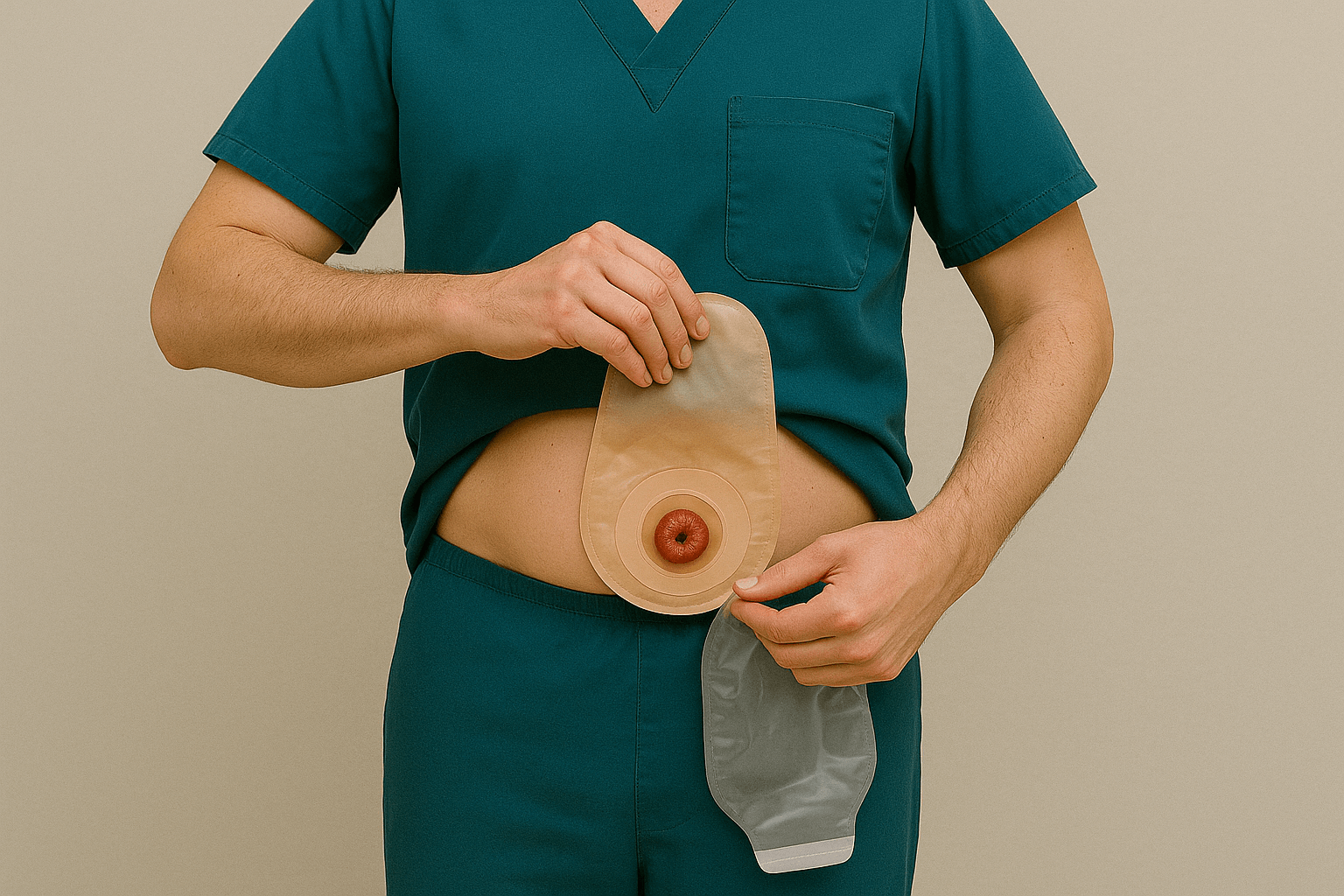
Changing an ostomy pouching system requires accuracy and attention to detail.
Key training skills include:
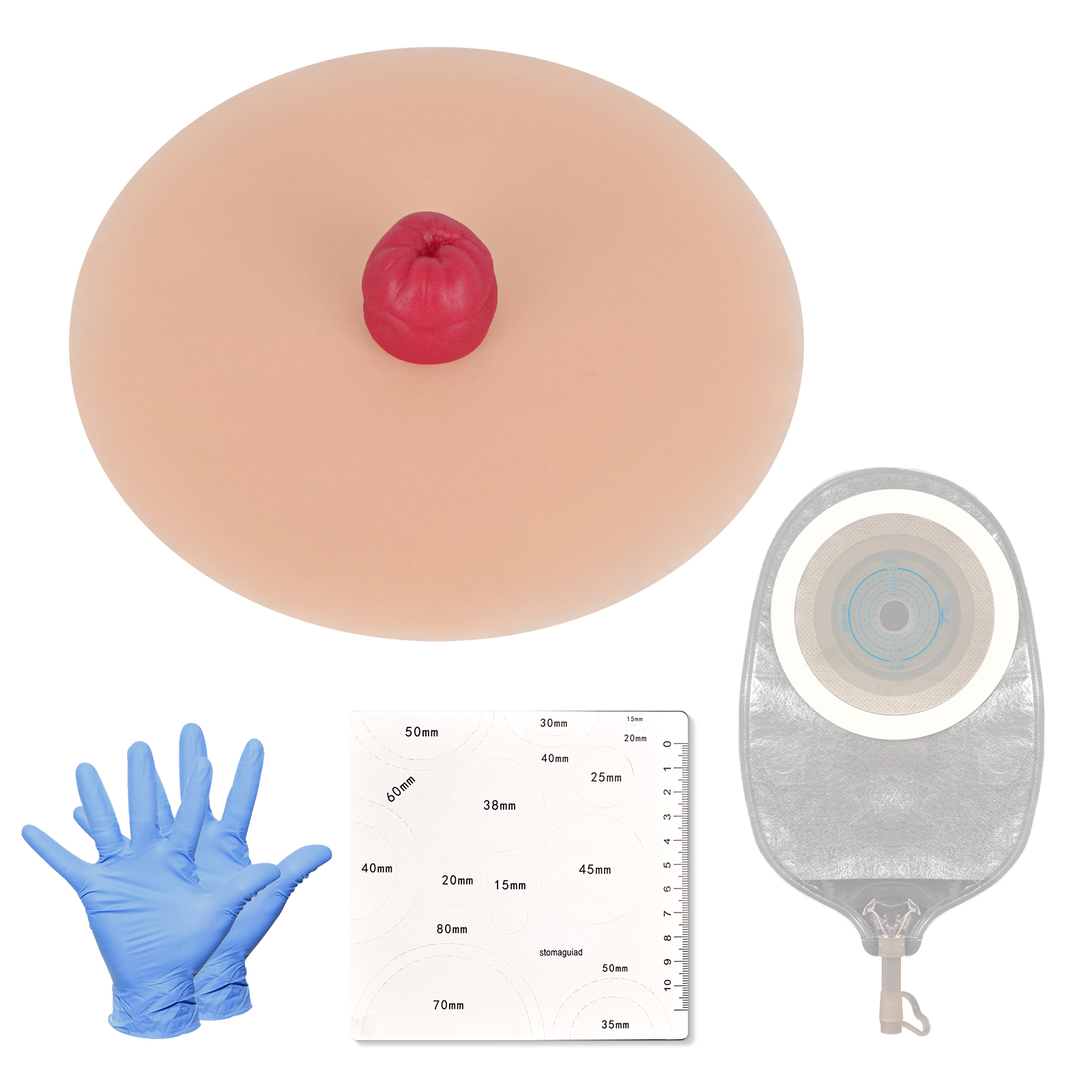
- Measuring stoma size
- Cutting wafer openings correctly
- Applying skin barriers
- Ensuring proper adhesion
- Removing appliances safely
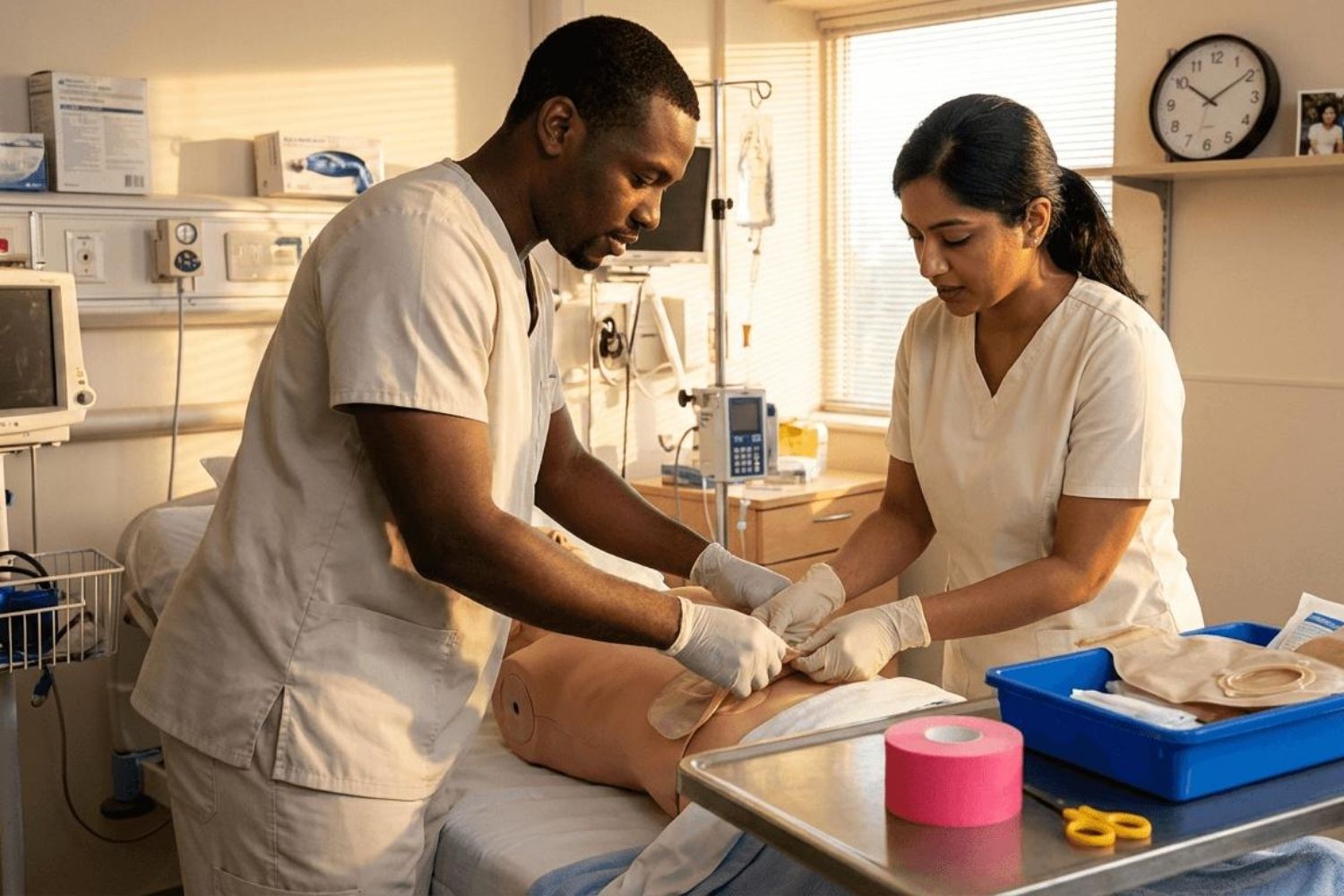
Simulation practice allows students to repeat these steps until they develop consistent technique and confidence.
3. Patient Education and Emotional Support
Ostomy care is not only a clinical procedure. Many patients experience emotional challenges when adapting to life with a stoma.
Nursing students should learn how to:
- Explain ostomy care procedures clearly
- Encourage patient independence
- Address concerns about appearance and lifestyle
- Provide supportive communication
Strong patient education skills are an important part of holistic nursing care.
The Role of Simulation in Ostomy Care Education
Traditional classroom teaching often relies on textbooks, diagrams, and demonstrations. While these resources provide important knowledge, they cannot fully replace hands-on practice.
Simulation-based ostomy training allows students to experience realistic practice scenarios in a safe environment.
Benefits include:
- Repeated Practice Without Patient Risk
Students can perform pouch changes, skin assessments, and appliance fitting multiple times to improve their technique.
- Building Clinical Confidence
Hands-on simulation helps reduce anxiety before students encounter real patients during clinical rotations.
- Standardized Nursing Training
Training models allow educators to provide consistent instruction and evaluate student performance using the same practice scenarios.
- Improved Skill Retention
Active learning through simulation helps students remember procedures better compared with passive observation.
Choosing the Right Ostomy Training Models for Nursing Programs
For nursing schools and healthcare training centers, realistic simulation equipment can improve the quality of skills education.
A suitable ostomy training model should provide:
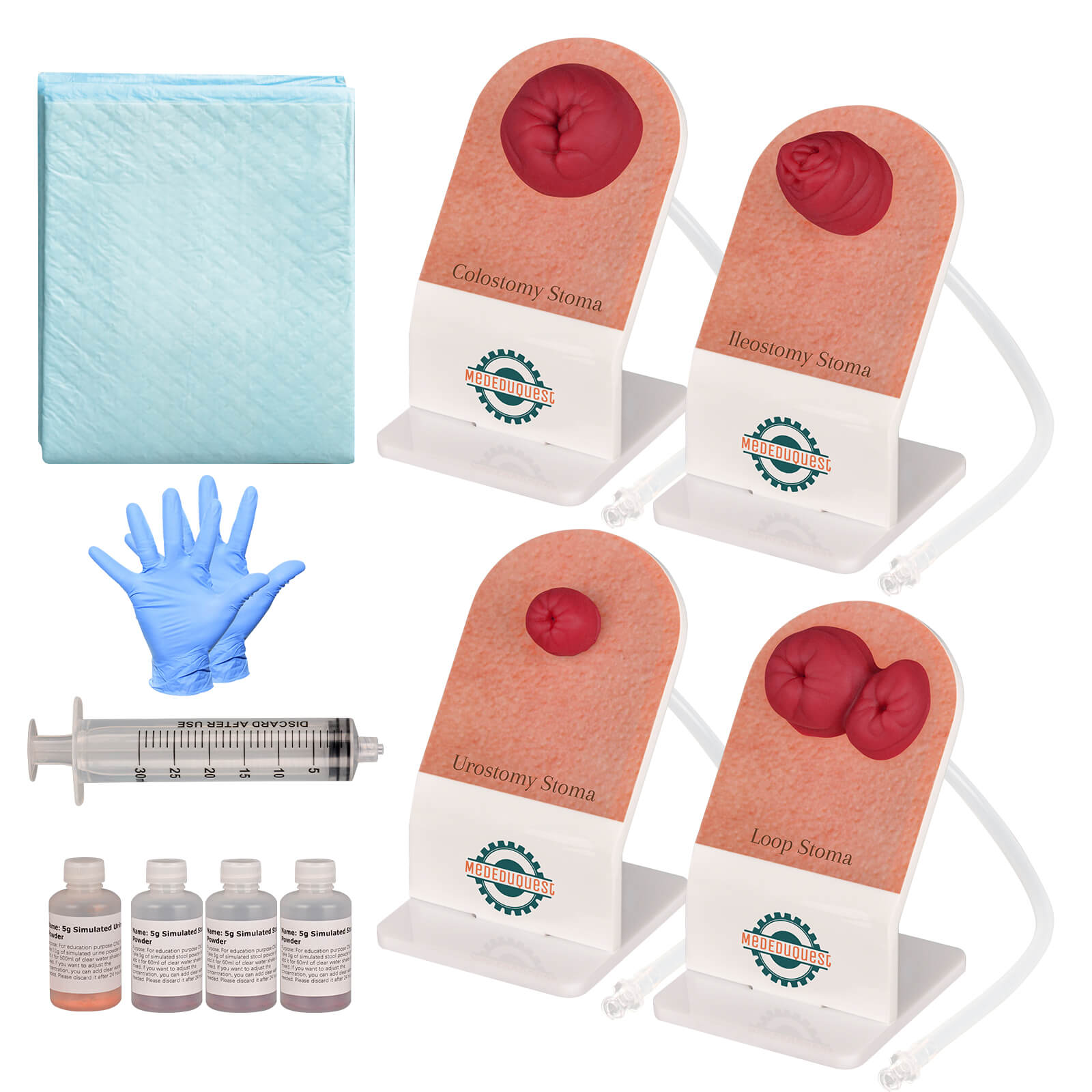
- Multiple Stoma Types
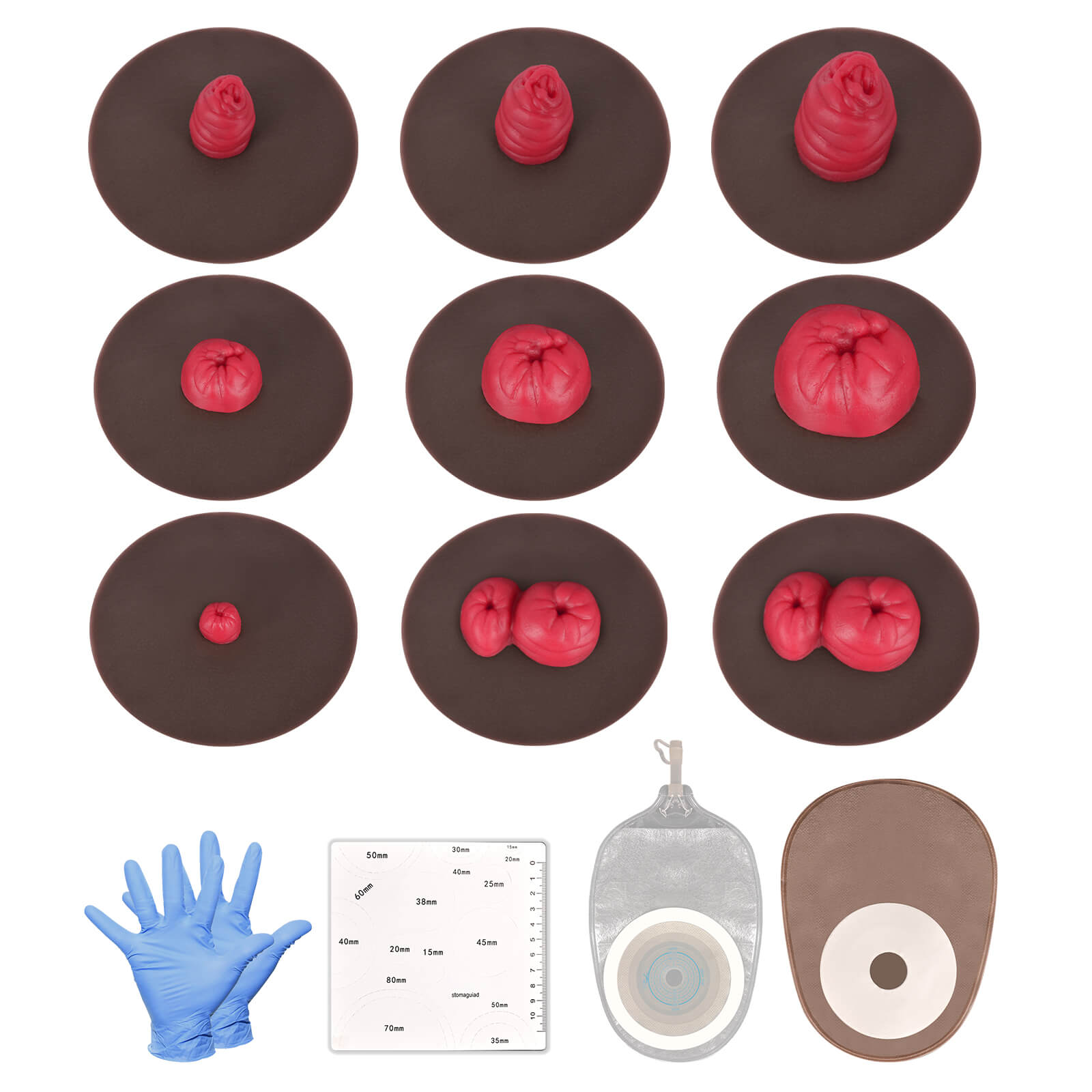
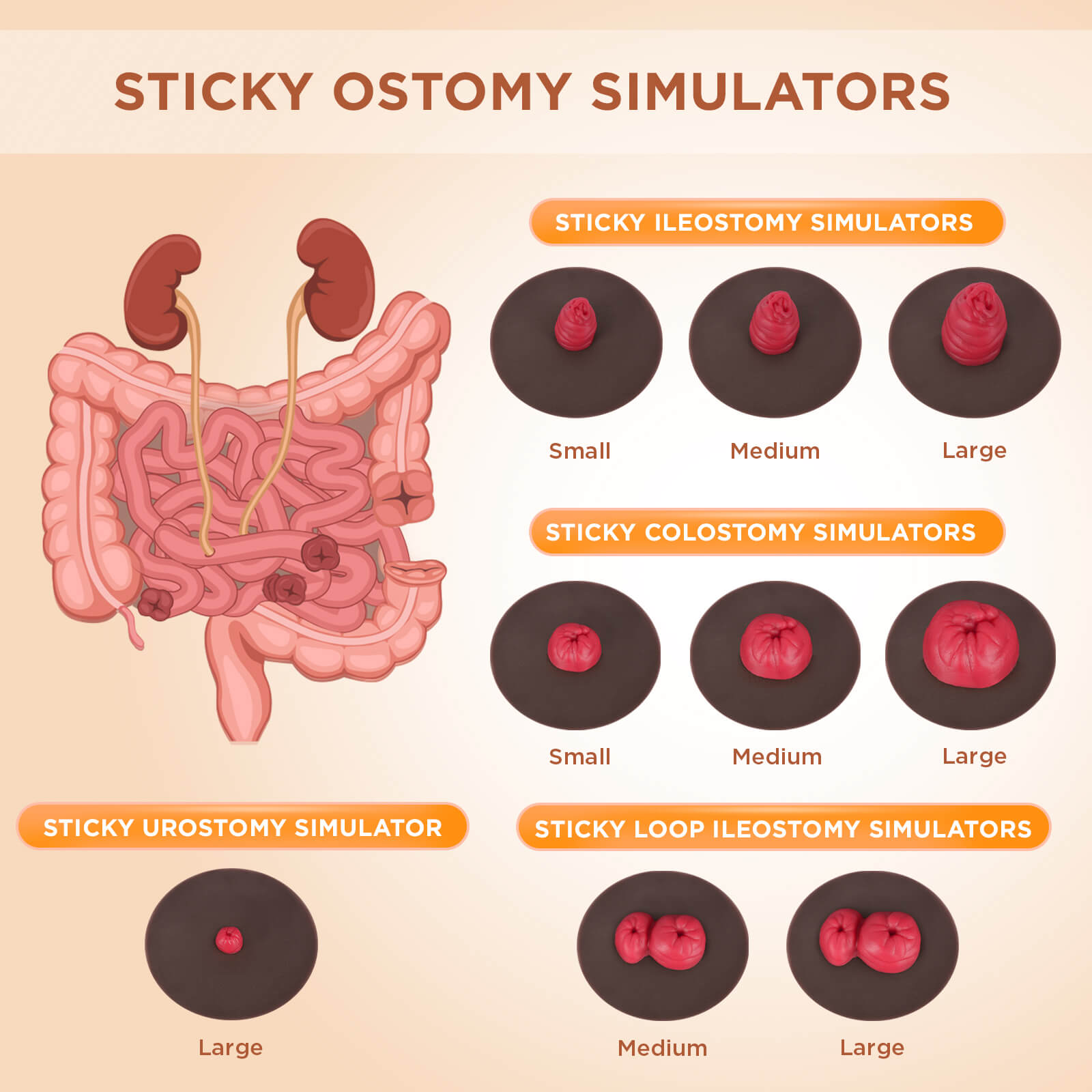
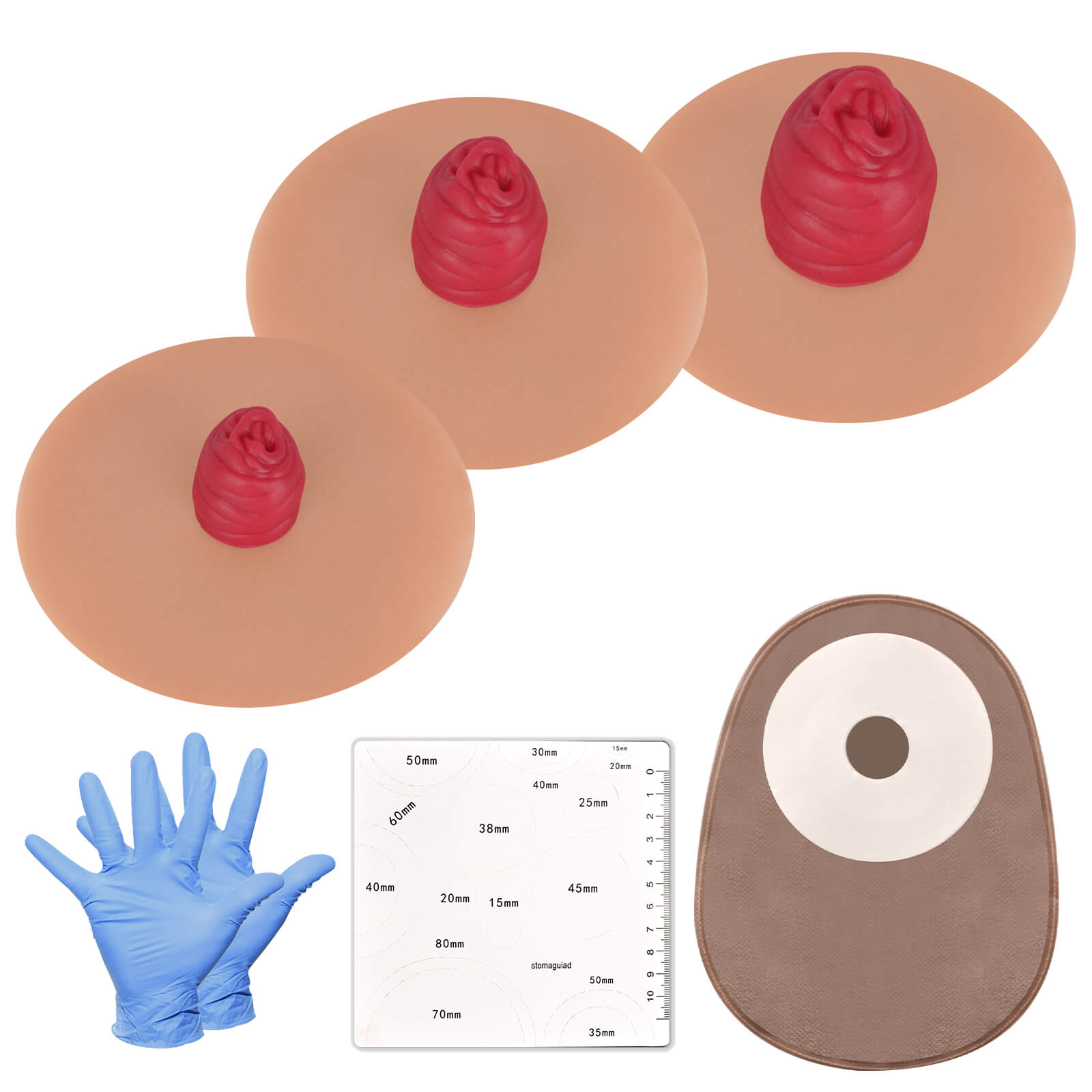
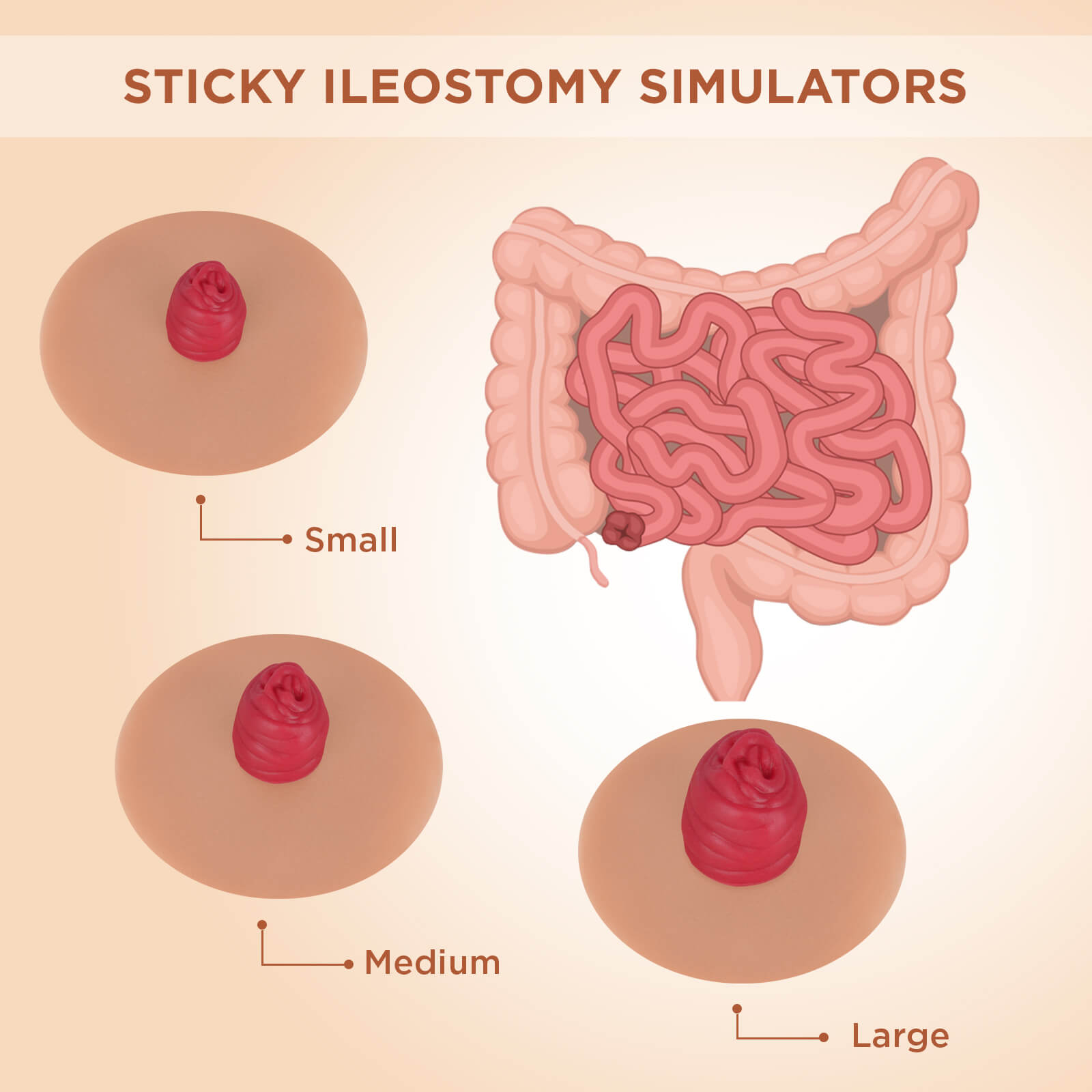
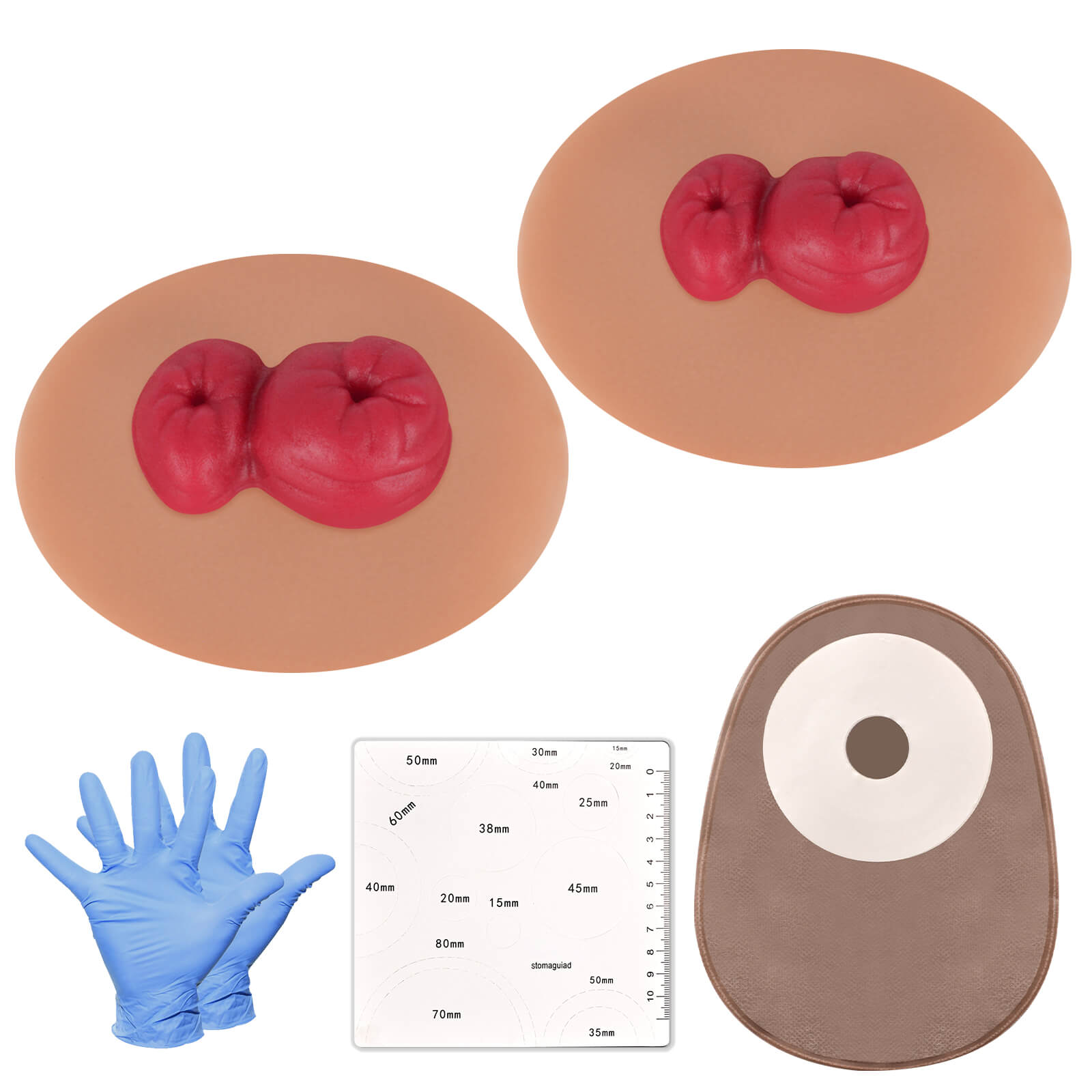
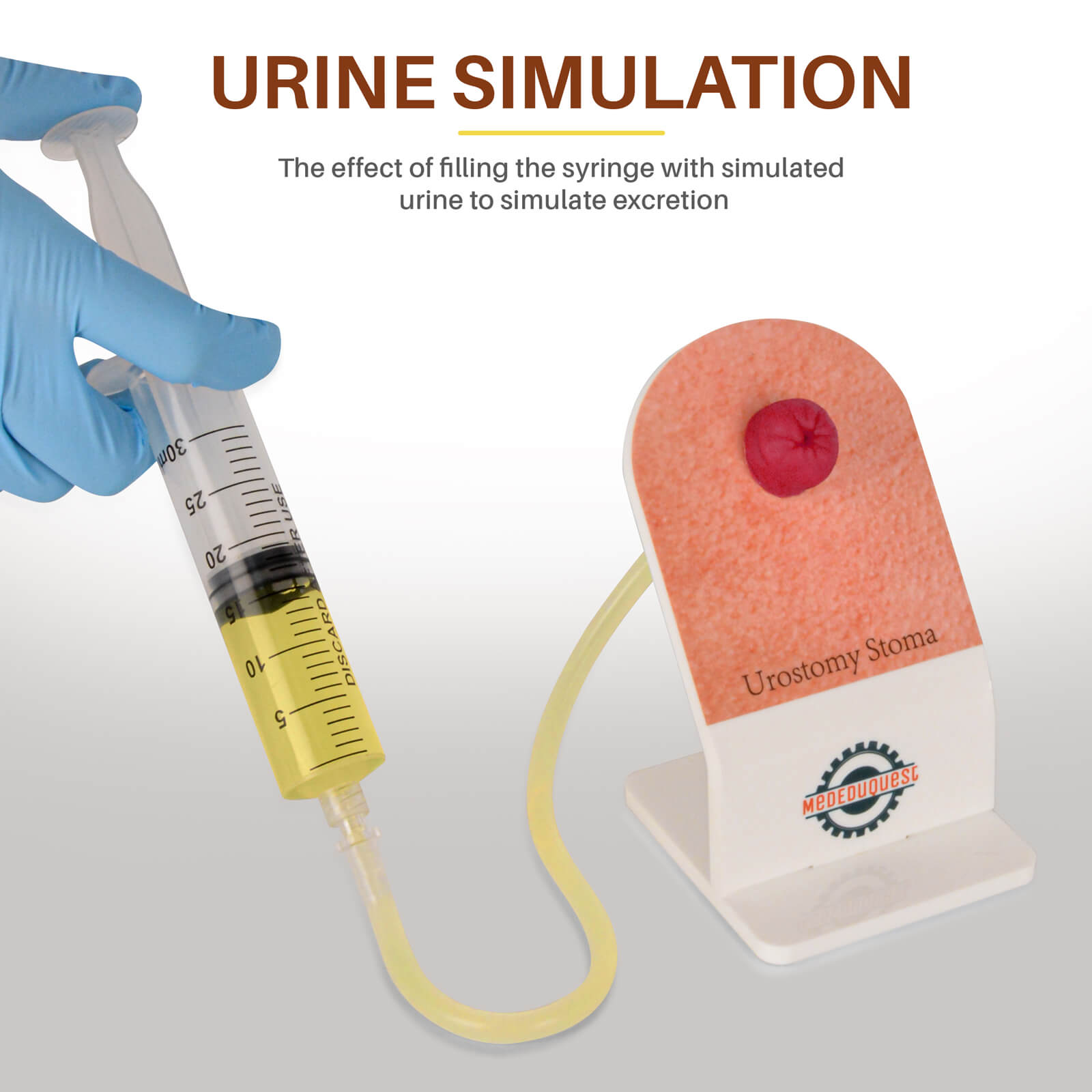
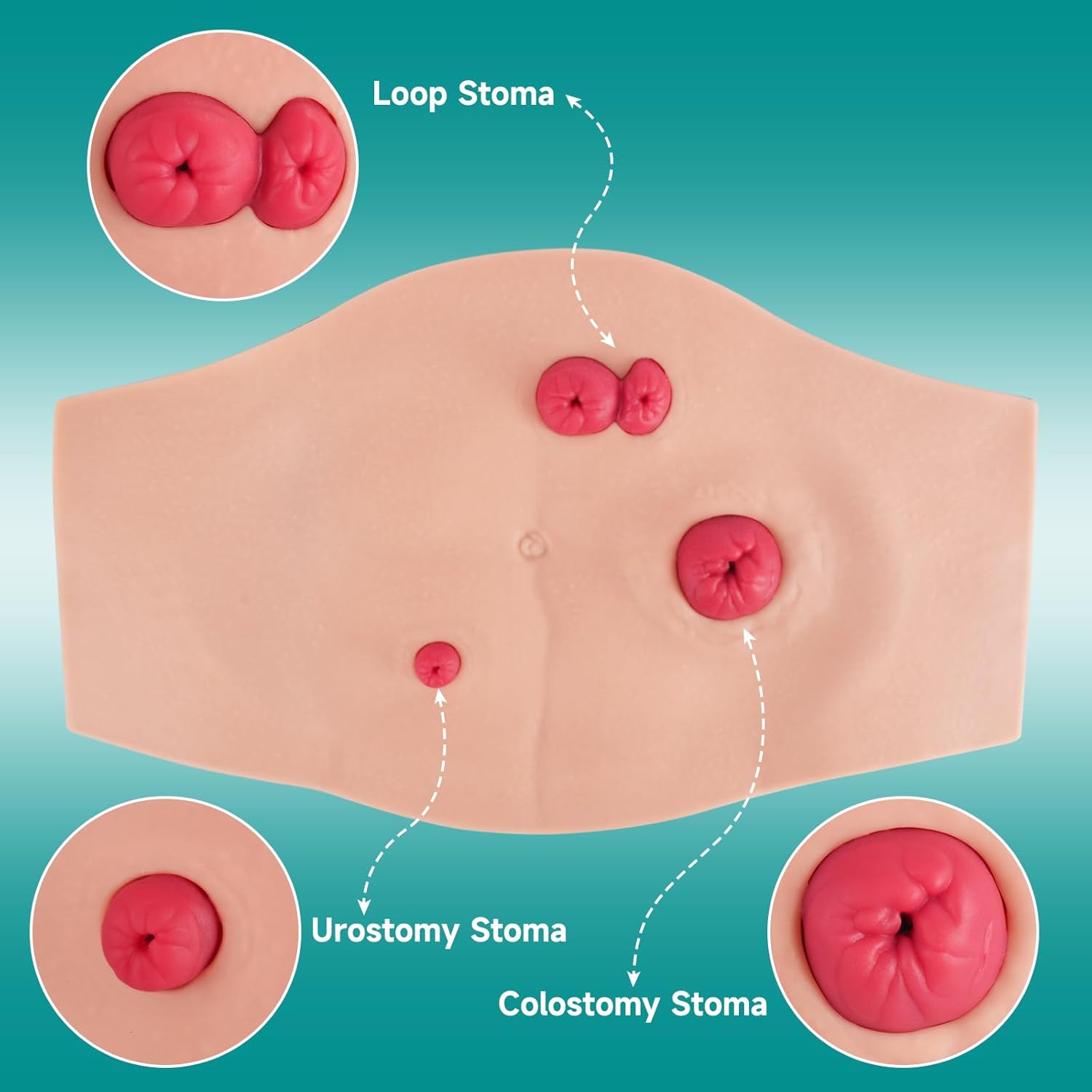
Different stoma configurations allow students to practice various patient situations, including colostomy, ileostomy, and urostomy care.
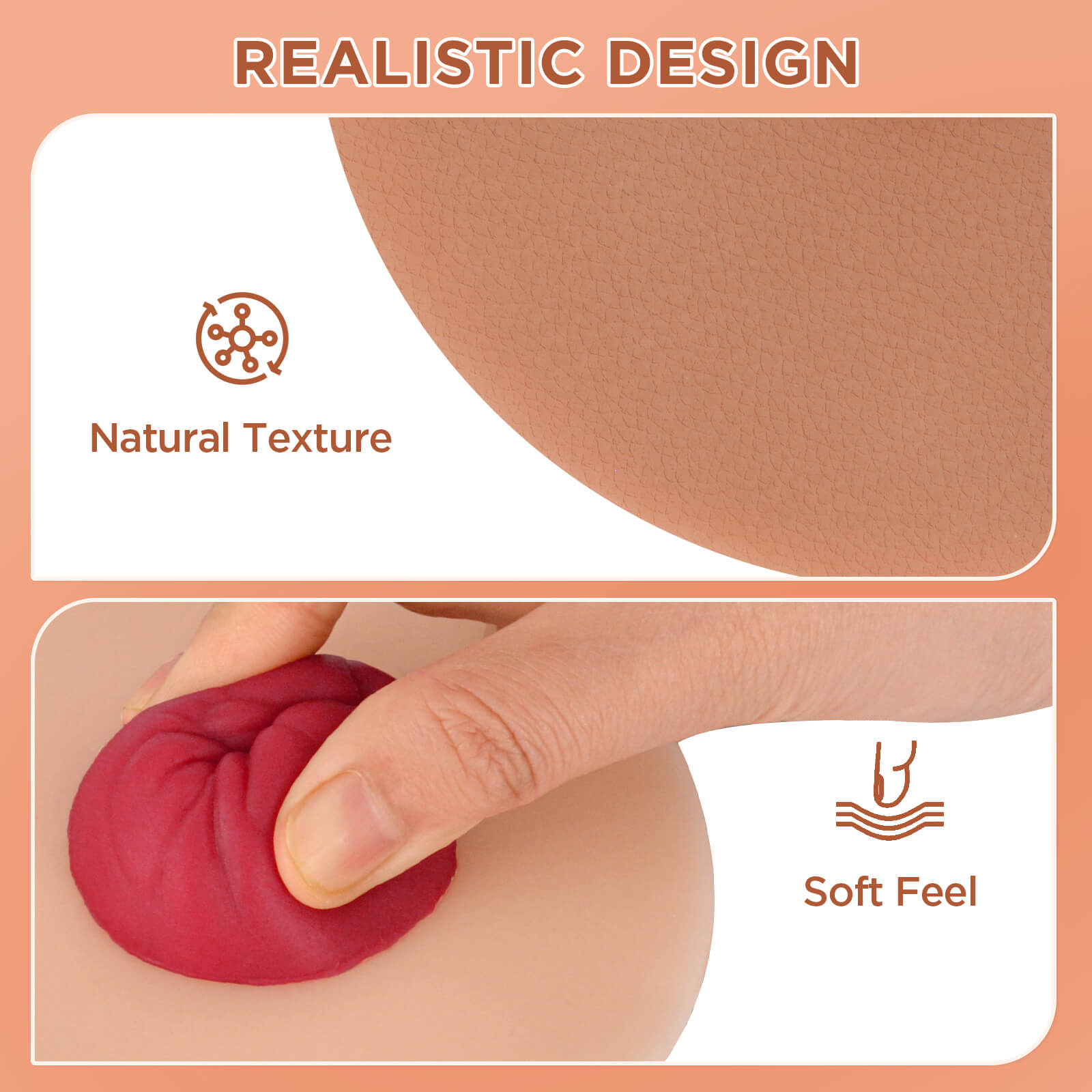
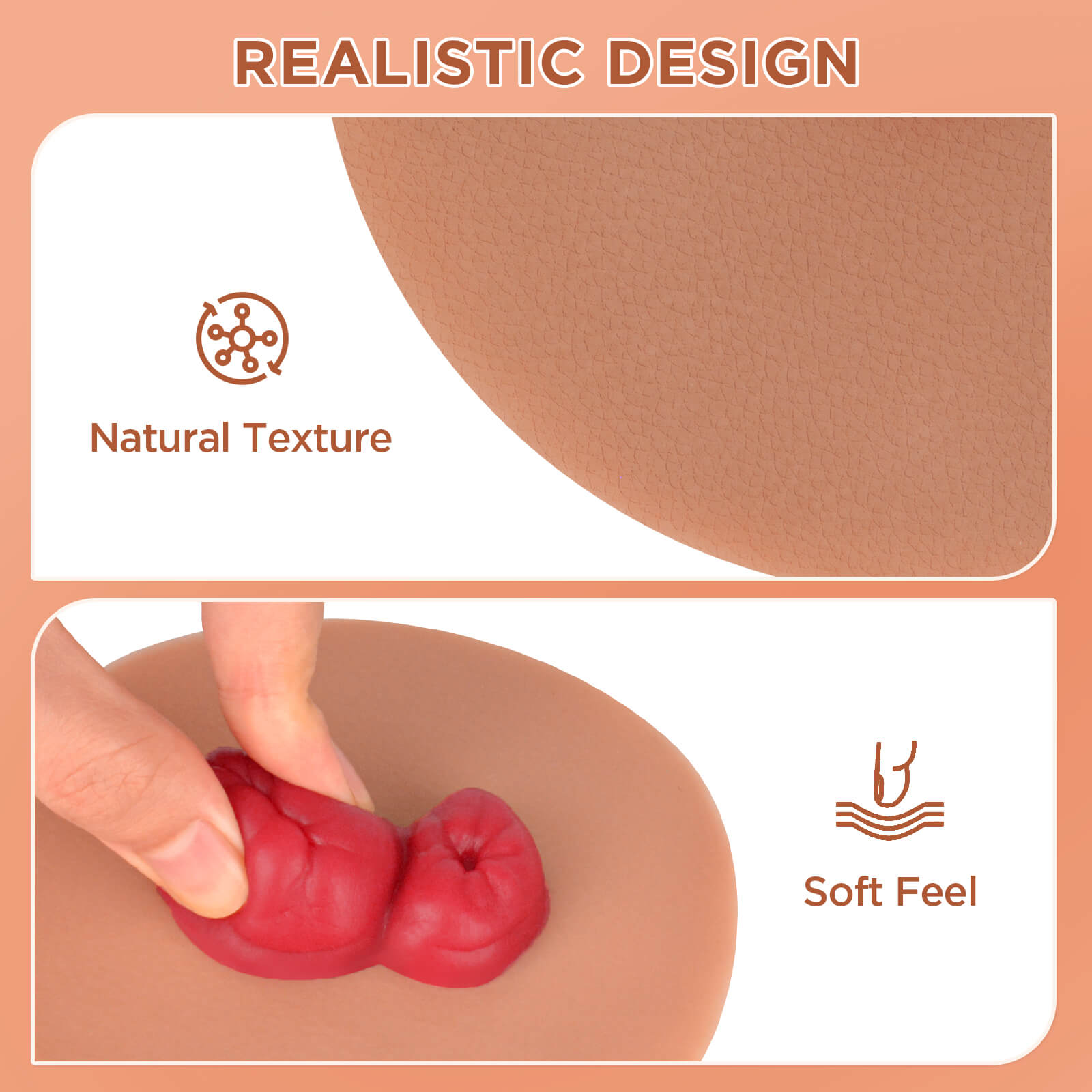
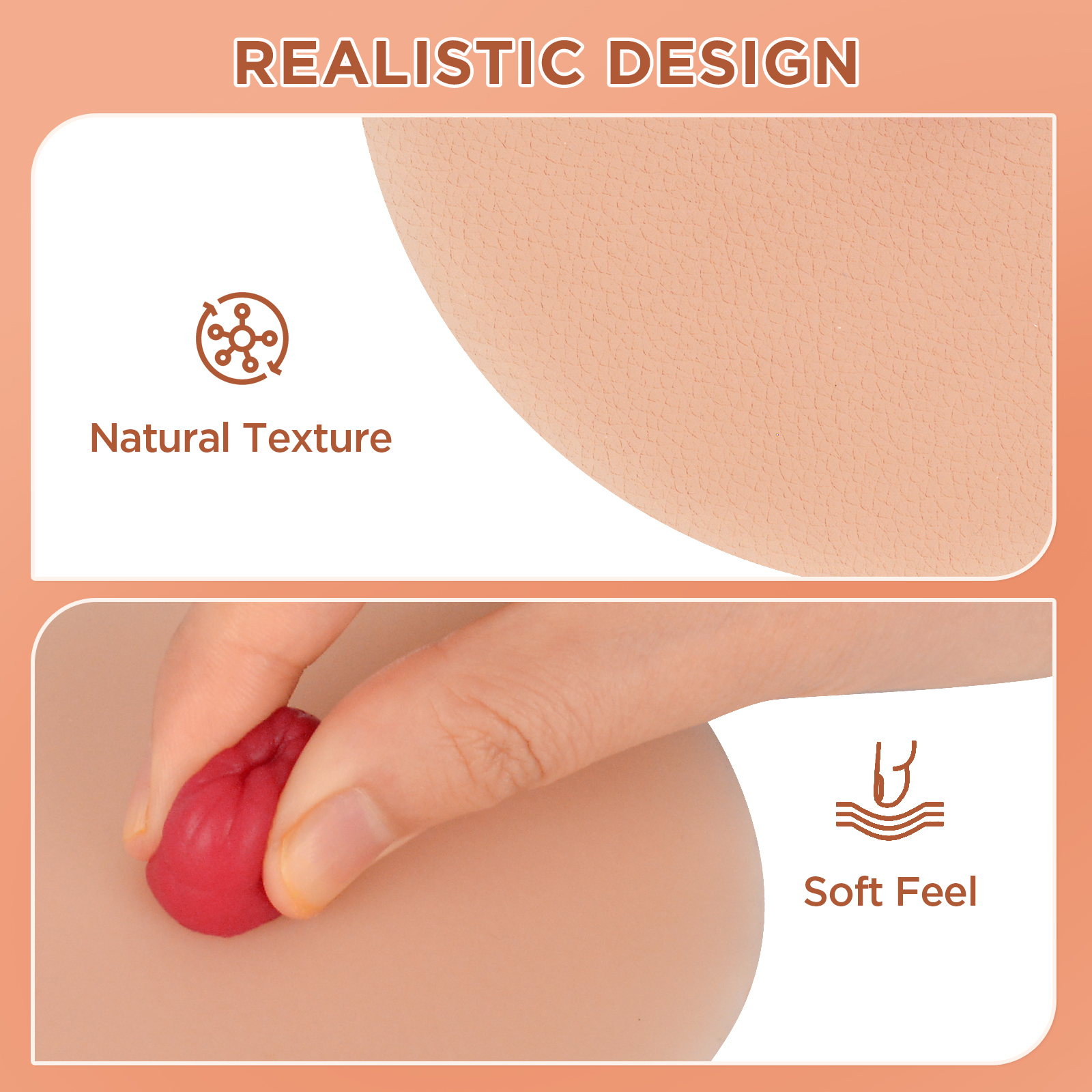
- Realistic Skin and Tissue Feel
Realistic materials help students understand appliance placement, fitting, and skin care techniques.
- Easy Classroom Demonstration
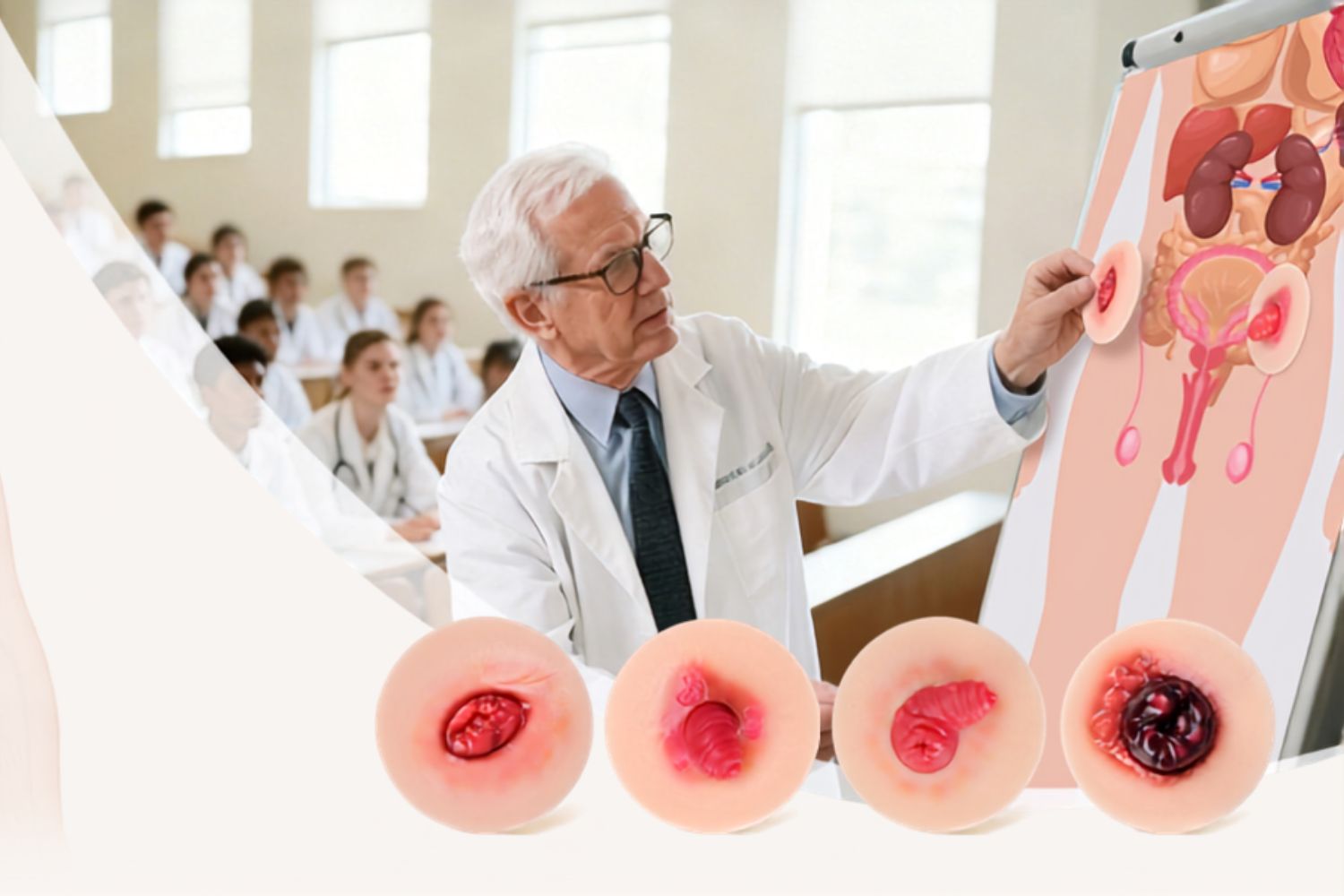
Training models should support instructor demonstrations and group learning during nursing skills labs.
- Repeated Use
Durable construction allows students to practice procedures repeatedly throughout their training program.
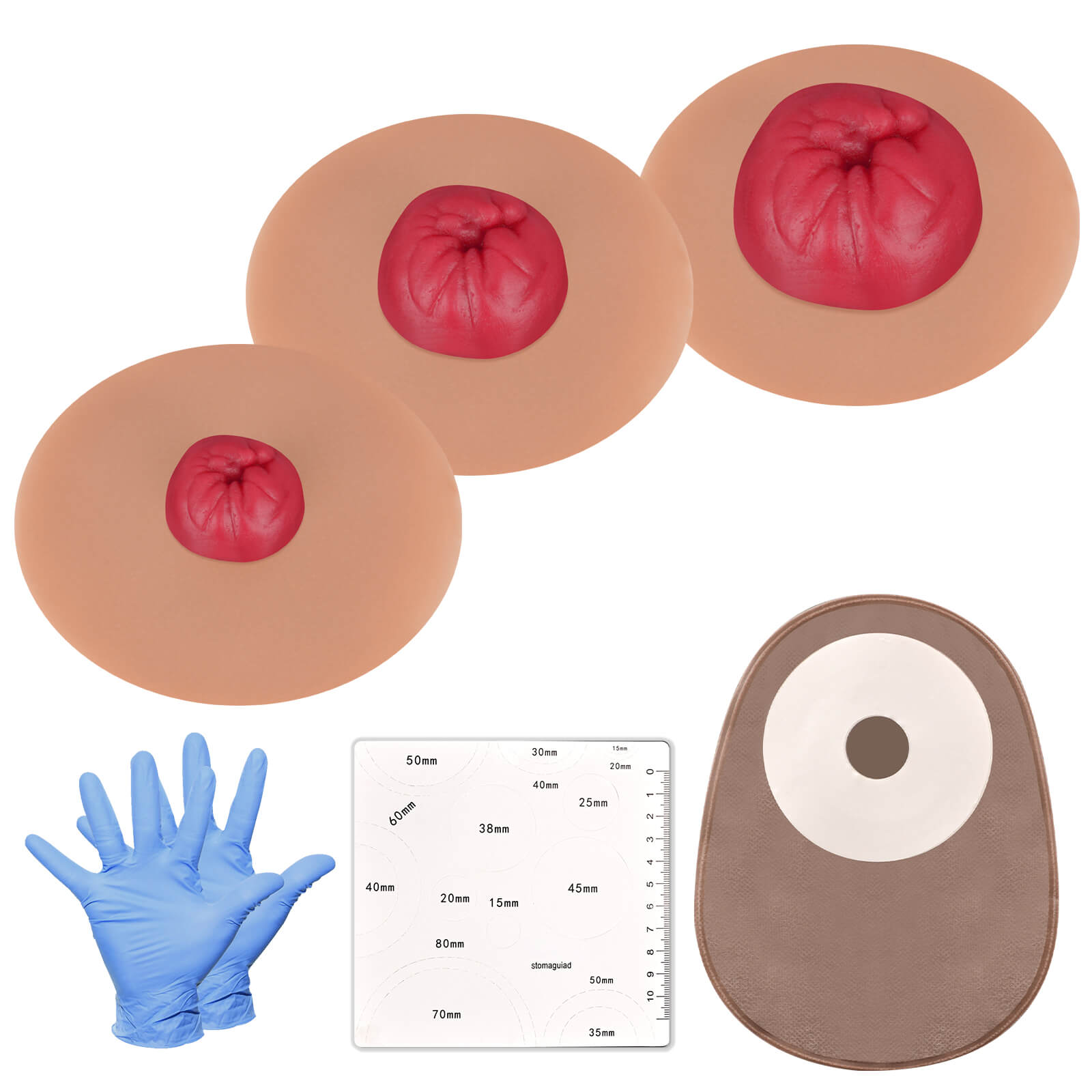
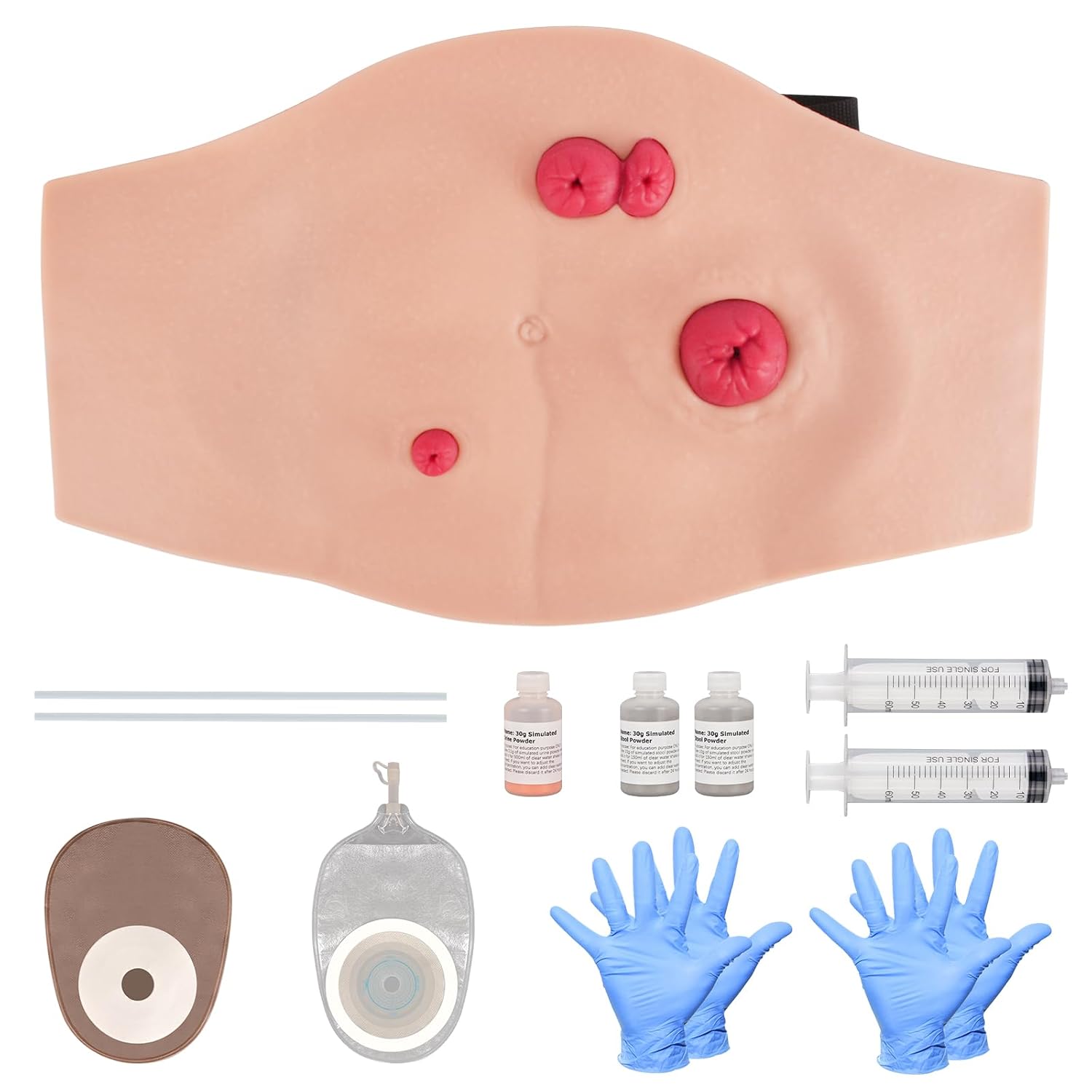
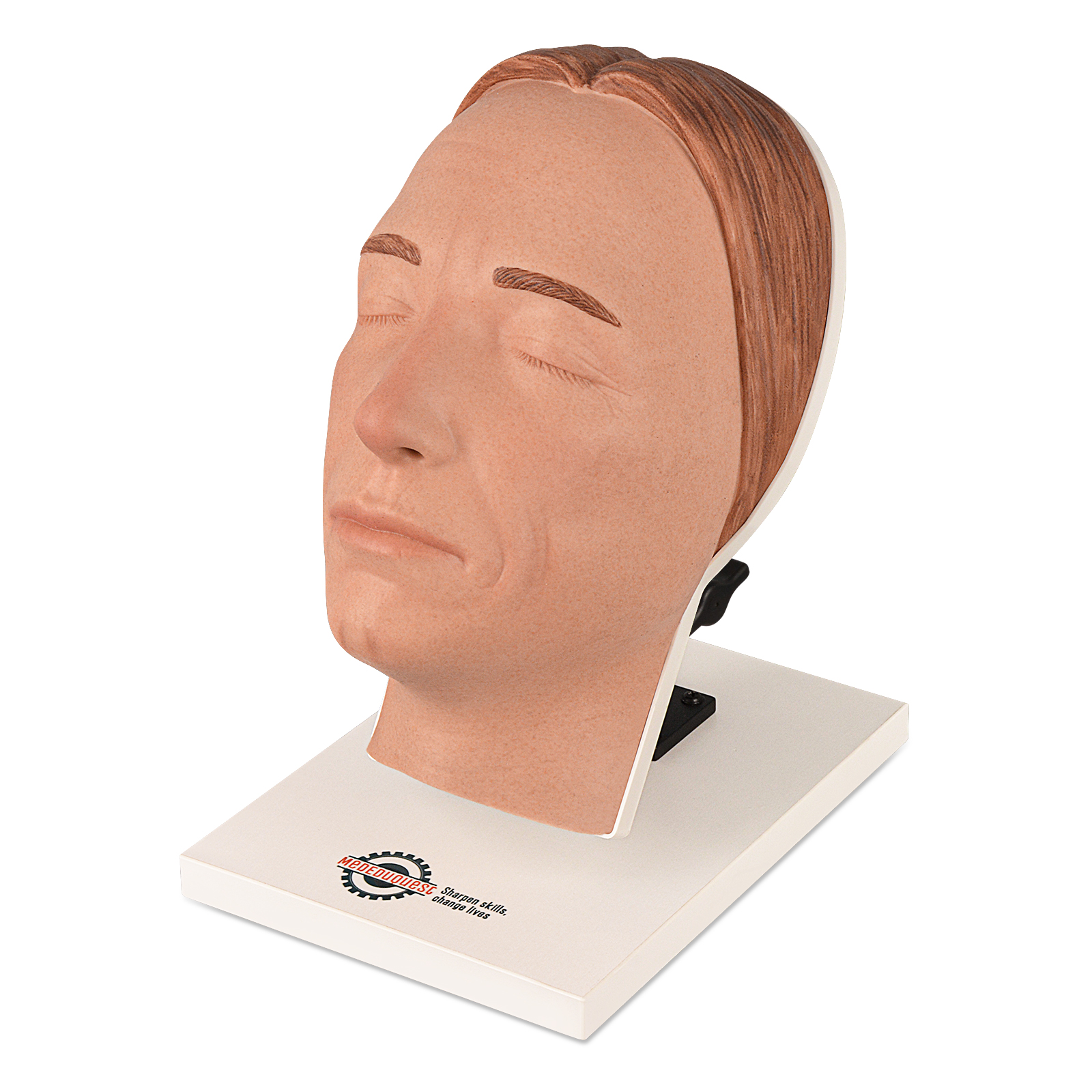
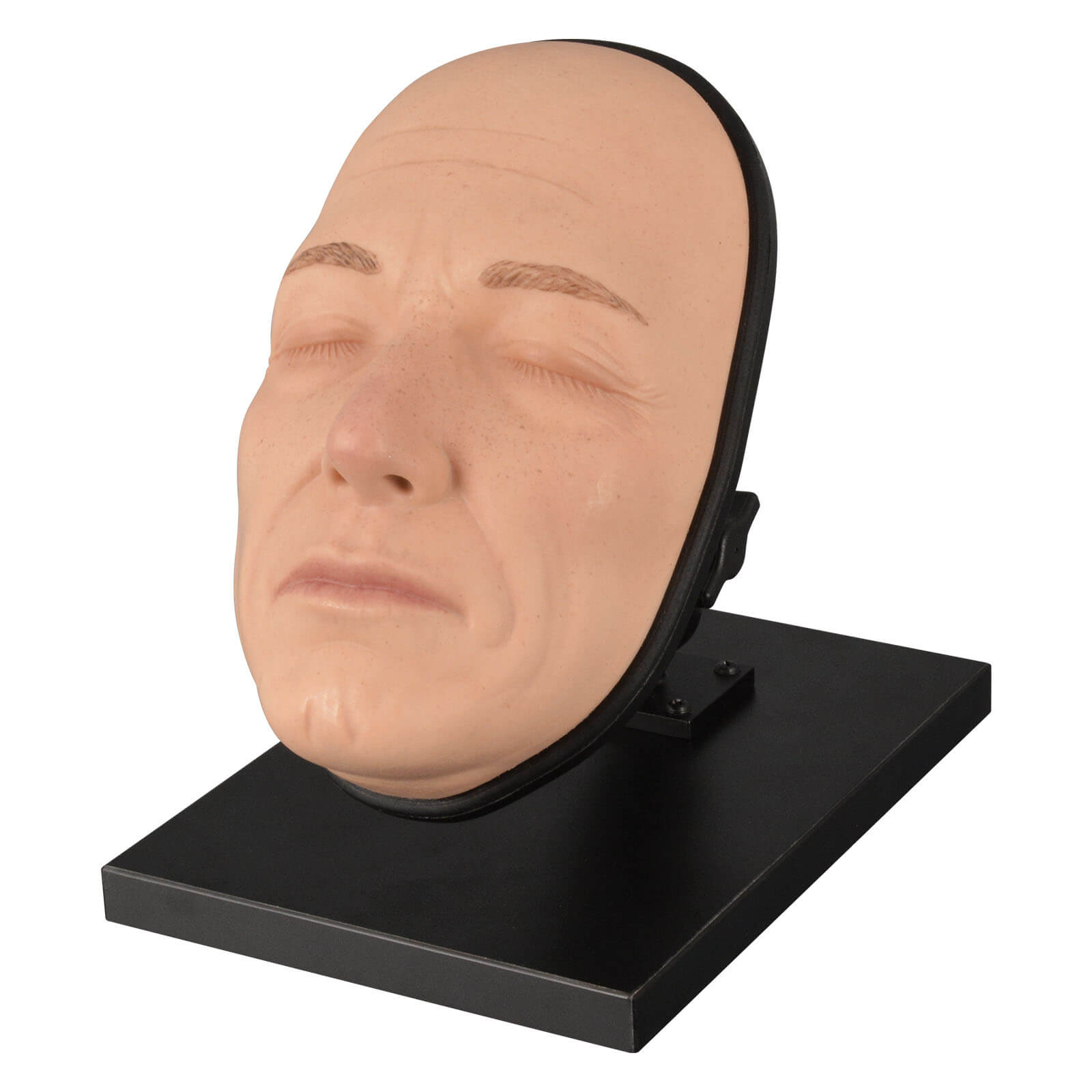
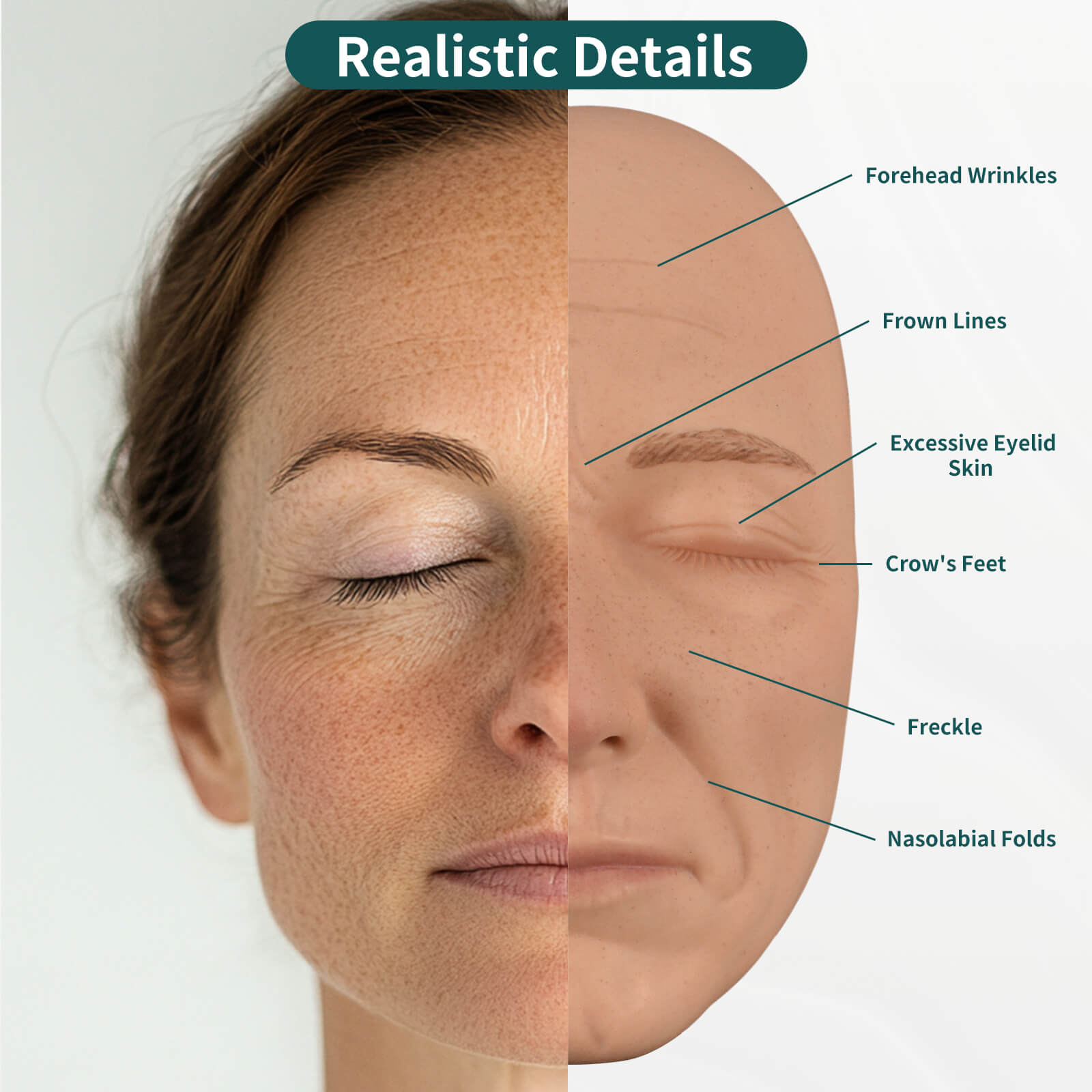
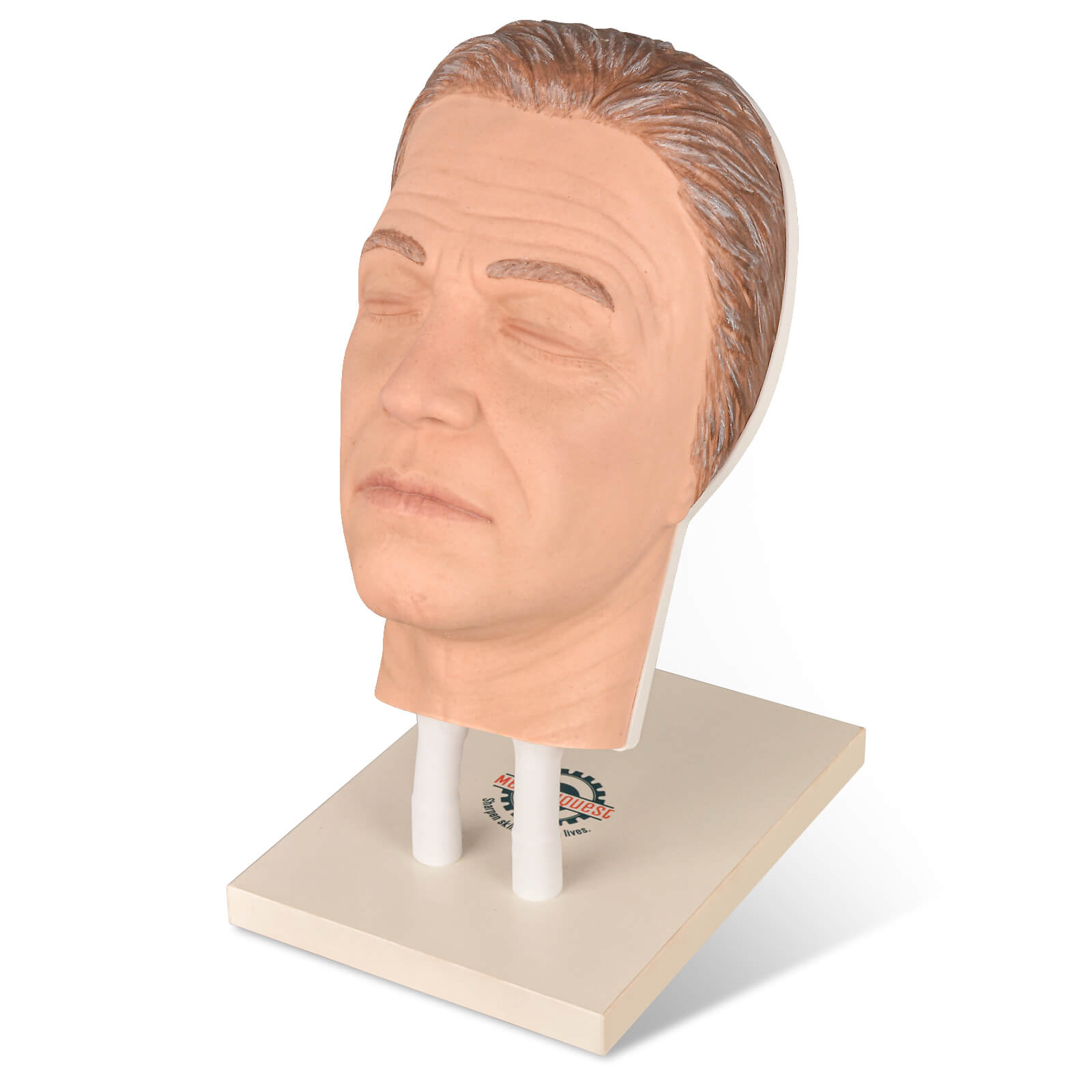
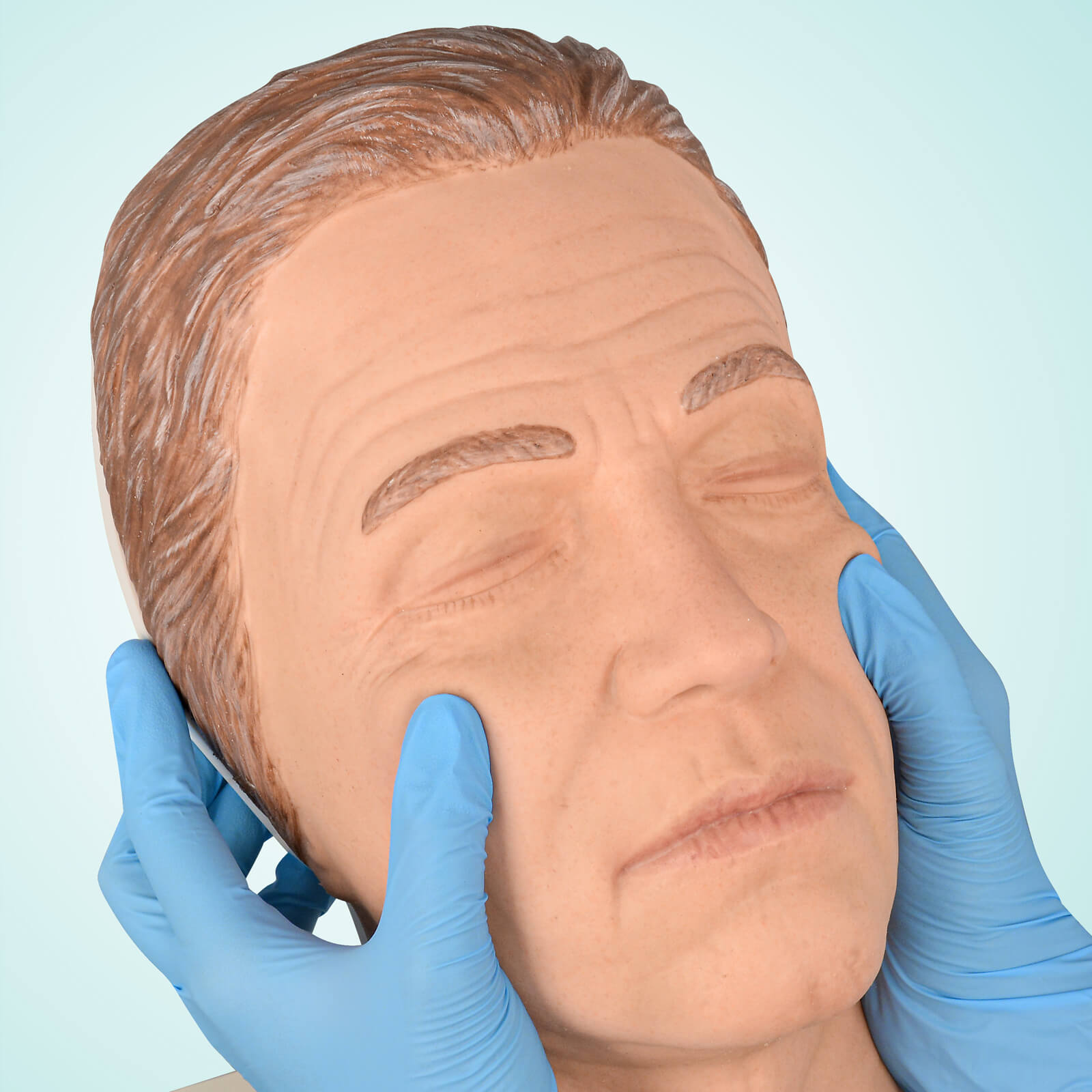
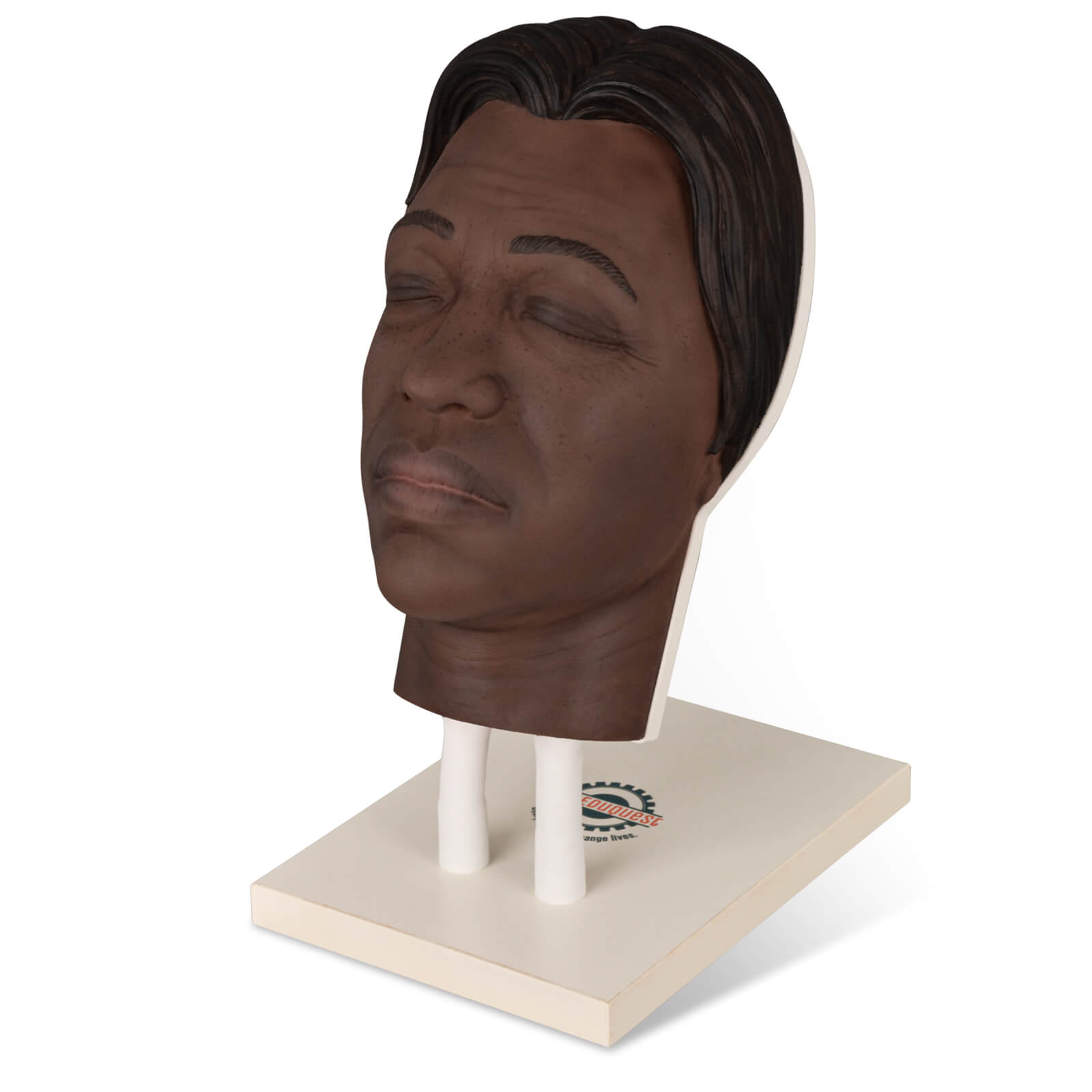
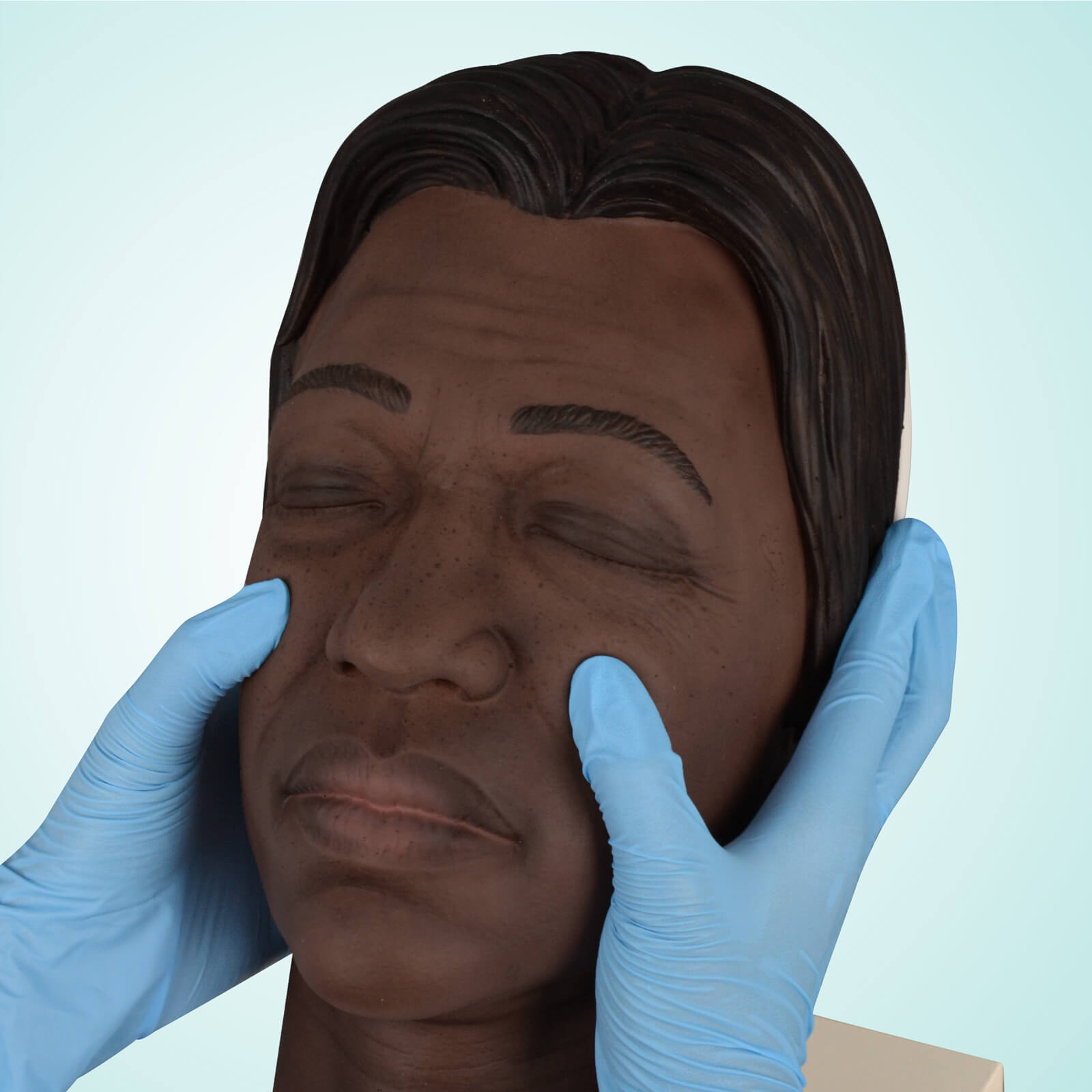
MedEduQuest ostomy training models are designed for nursing education, simulation labs, and healthcare training programs, helping bridge the gap between theoretical learning and clinical practice.
| Adhesive Ostomy Training Model | Tabletop Ostomy Care Training Kit |
Wearable Ostomy Care Trainer |
Ostomy Care Simulator |
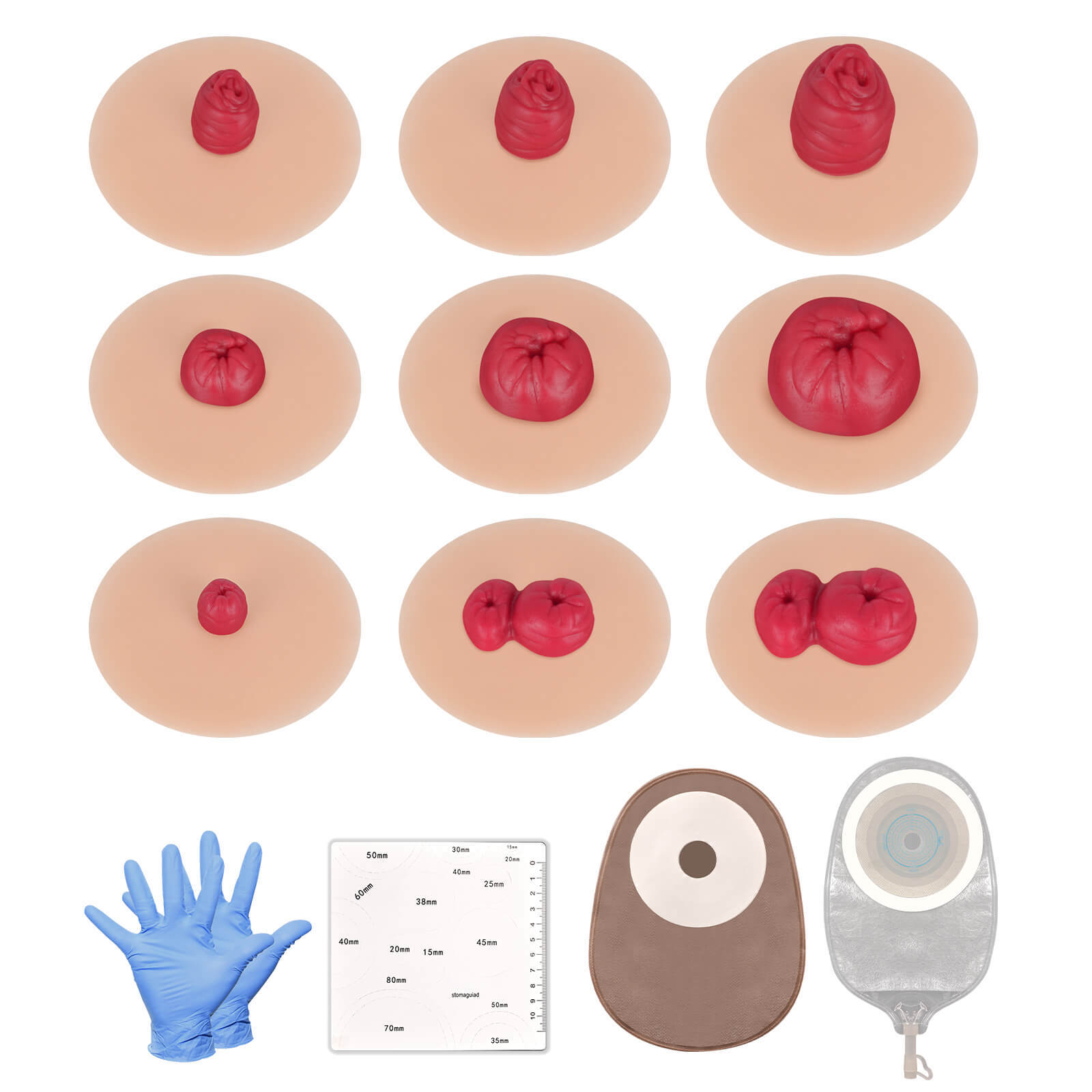 |
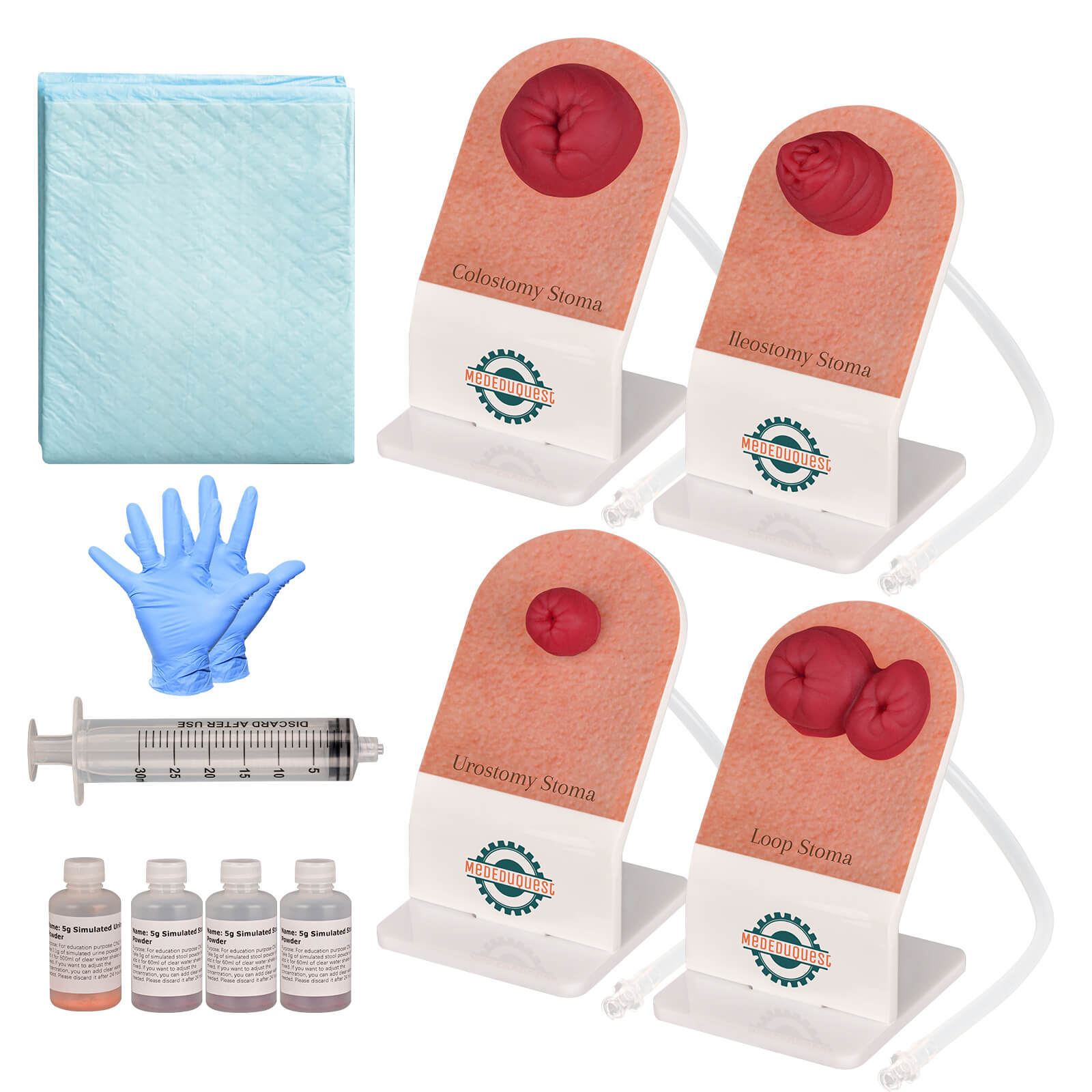 |
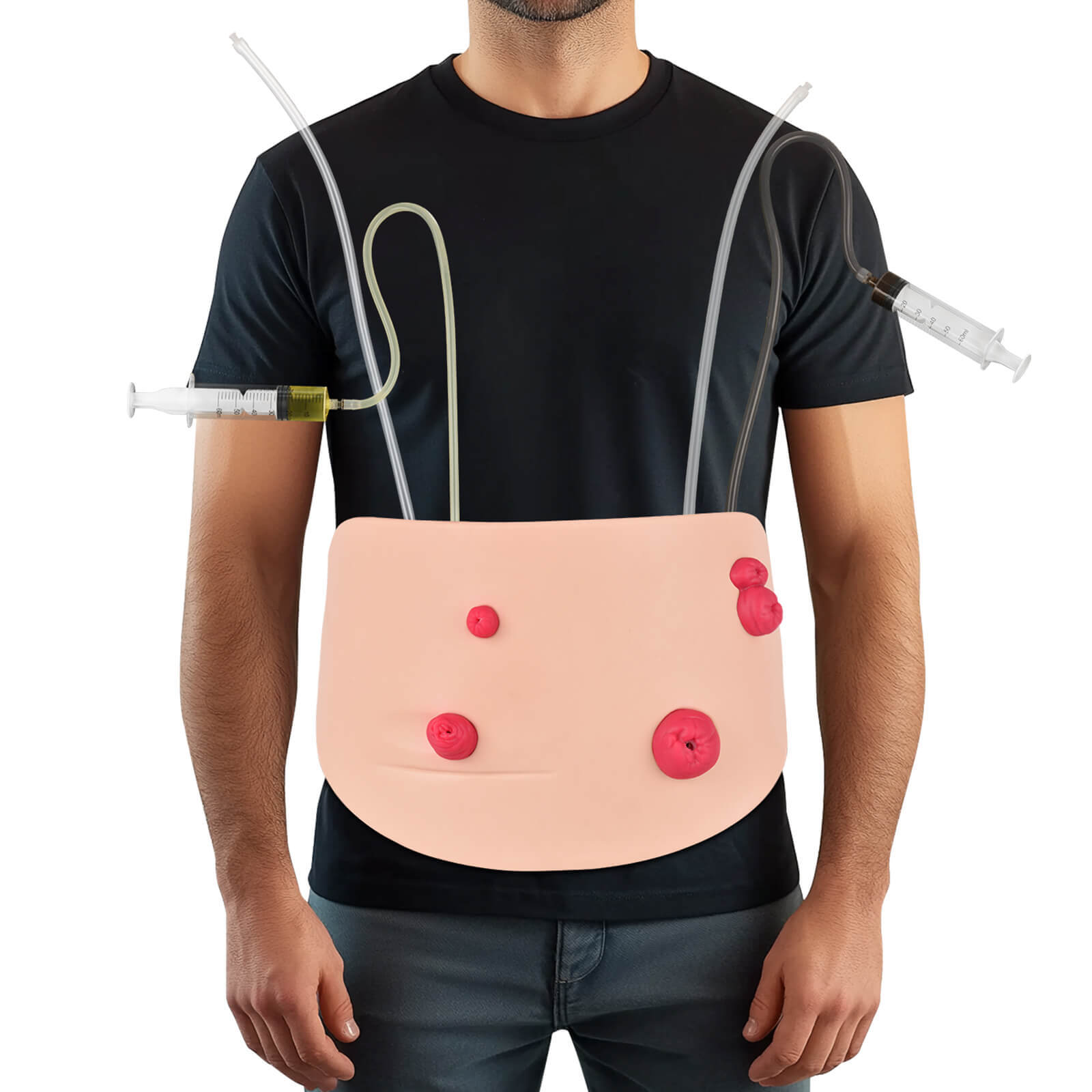 |
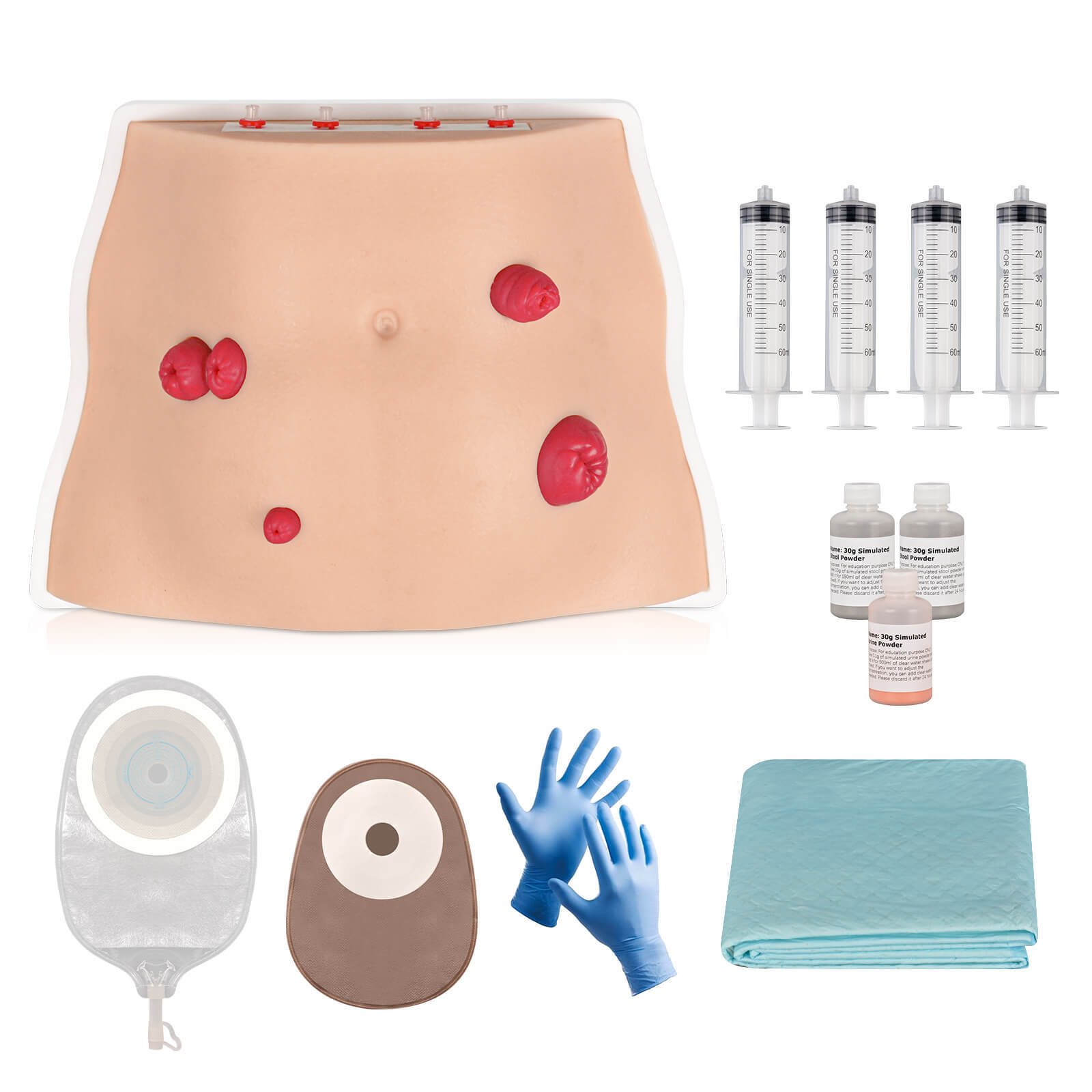 |
Best Practices for Teaching Ostomy Care Skills
- Combine Theory With Hands-On Practice
Students should first understand ostomy anatomy, indications, and complications before performing practical procedures.
- Use Step-by-Step Training Methods
Breaking procedures into smaller skills helps students master each stage before completing the full process.
- Encourage Peer Learning
Pair practice and instructor feedback can help students identify mistakes and improve technique.
- Include Realistic Patient Scenarios
Simulation scenarios that include patient communication and problem-solving better prepare students for clinical environments.
How Simulation-Based Learning Prepares Future Nurses
Ostomy care requires more than memorizing procedures. Nurses must combine technical skills, clinical judgment, and empathy.
Through structured simulation training, nursing students can:
- Develop confidence in ostomy management
- Improve procedure accuracy
- Practice patient-centered communication
- Gain experience before clinical practice
By integrating realistic ostomy simulation into nursing education, schools can better prepare students to deliver high-quality patient care.
Conclusion
Ostomy care training is an important component of modern nursing education. Combining classroom knowledge with simulation-based practice allows students to develop the skills and confidence needed for real-world clinical situations.
With realistic training tools and effective teaching strategies, nursing programs can create stronger learning experiences and prepare future nurses to provide safe, compassionate ostomy care.
.jpg?w=1600&h=1600)
.jpg?w=1600&h=1600)
.jpeg?w=1600&h=1600)
.jpeg?w=1600&h=1600)
.jpeg?w=1600&h=1600)
.jpeg?w=1600&h=1600)
.jpg?w=1000&h=1000)
.jpg?w=1000&h=1000)
.jpeg?w=1500&h=1500)
.jpeg?w=1500&h=1500)
.jpeg?w=1600&h=1600)
.jpeg?w=1600&h=1600)
.jpg?w=1600&h=1600)
.jpg?w=1600&h=1600)
.jpg?w=1500&h=1500)
.jpg?w=1500&h=1500)
.jpg?w=1500&h=1500)
.jpg?w=1500&h=1500)
.jpg?w=1500&h=1500)
.jpg?w=1500&h=1500)
.jpg?w=1500&h=1500)
.jpg?w=1500&h=1500)