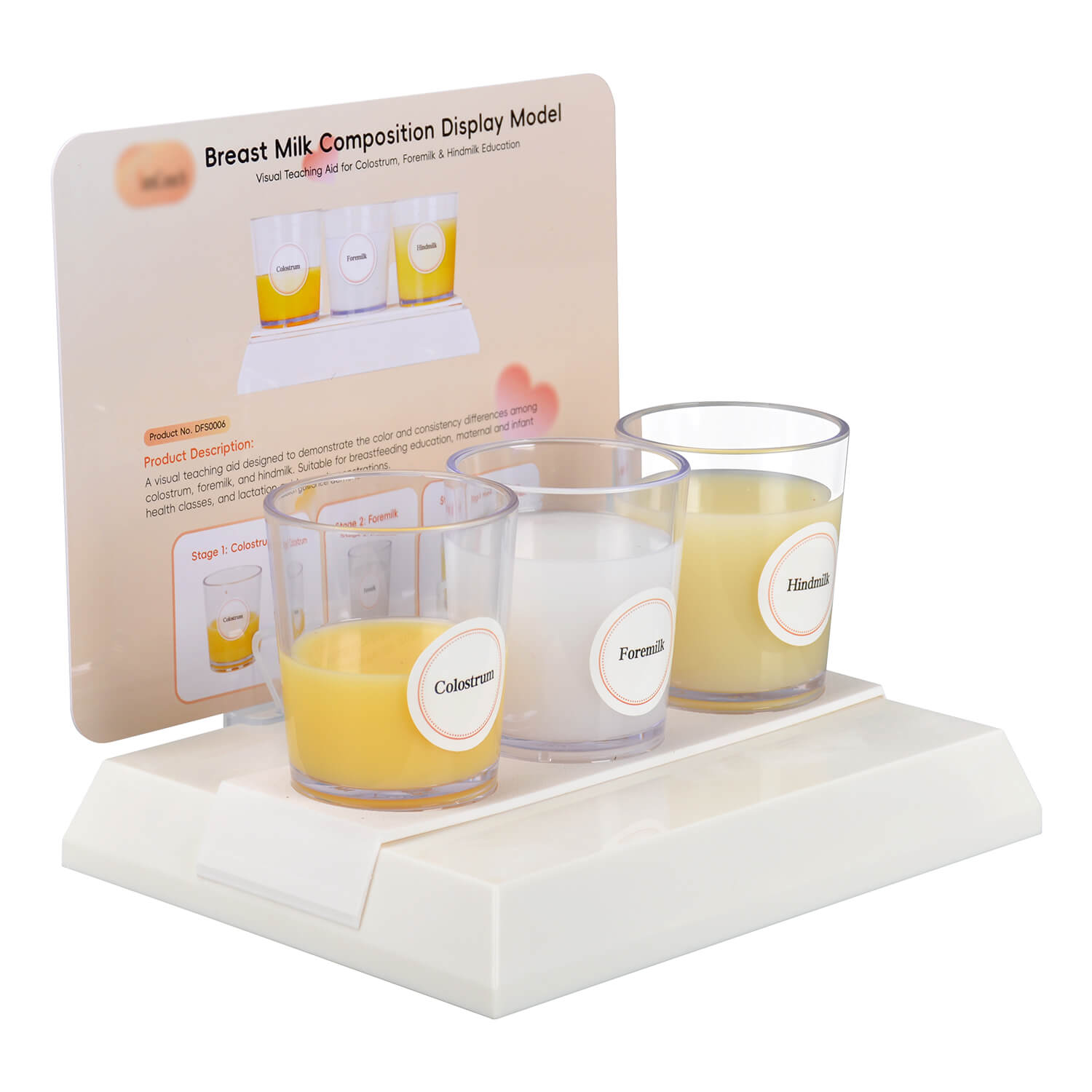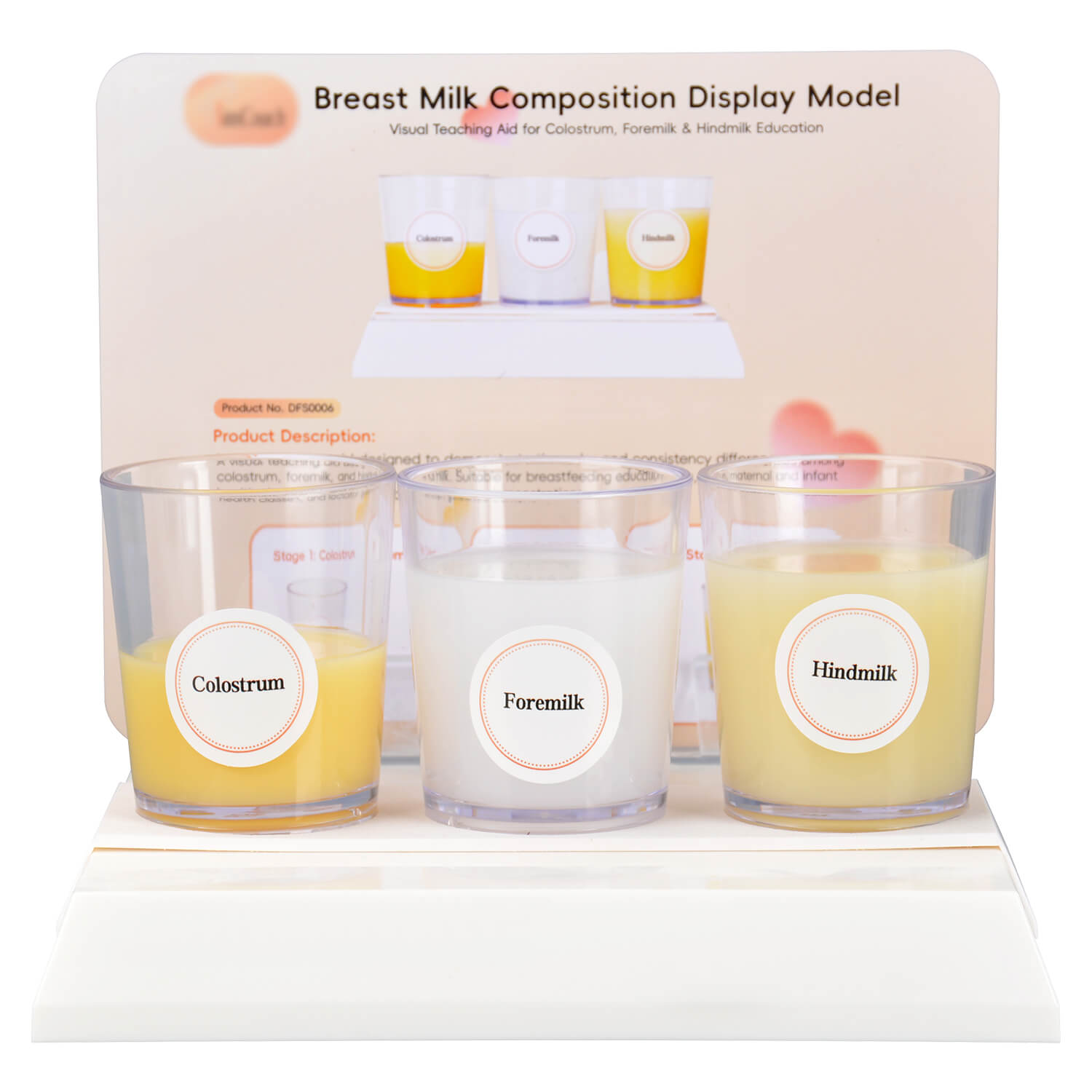
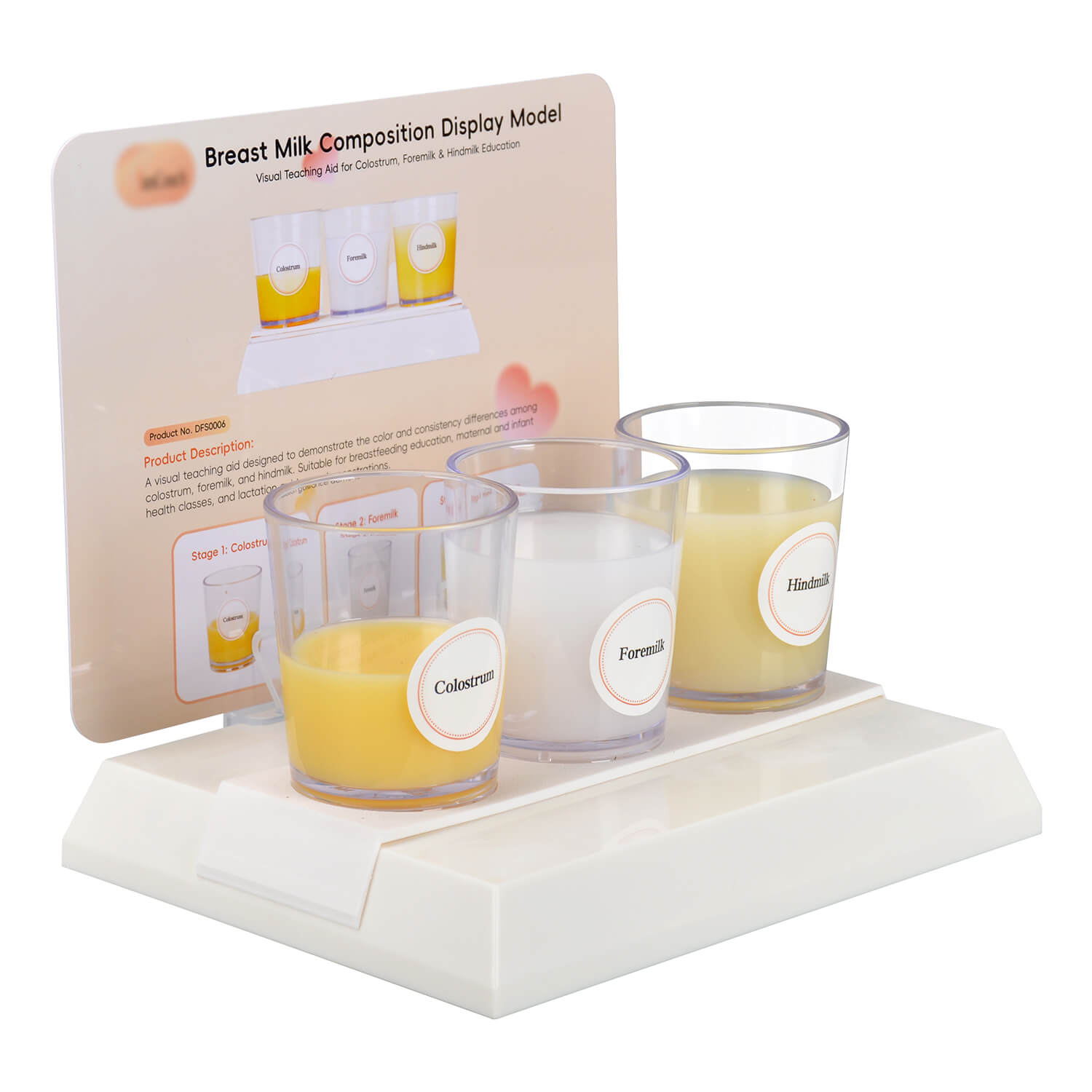
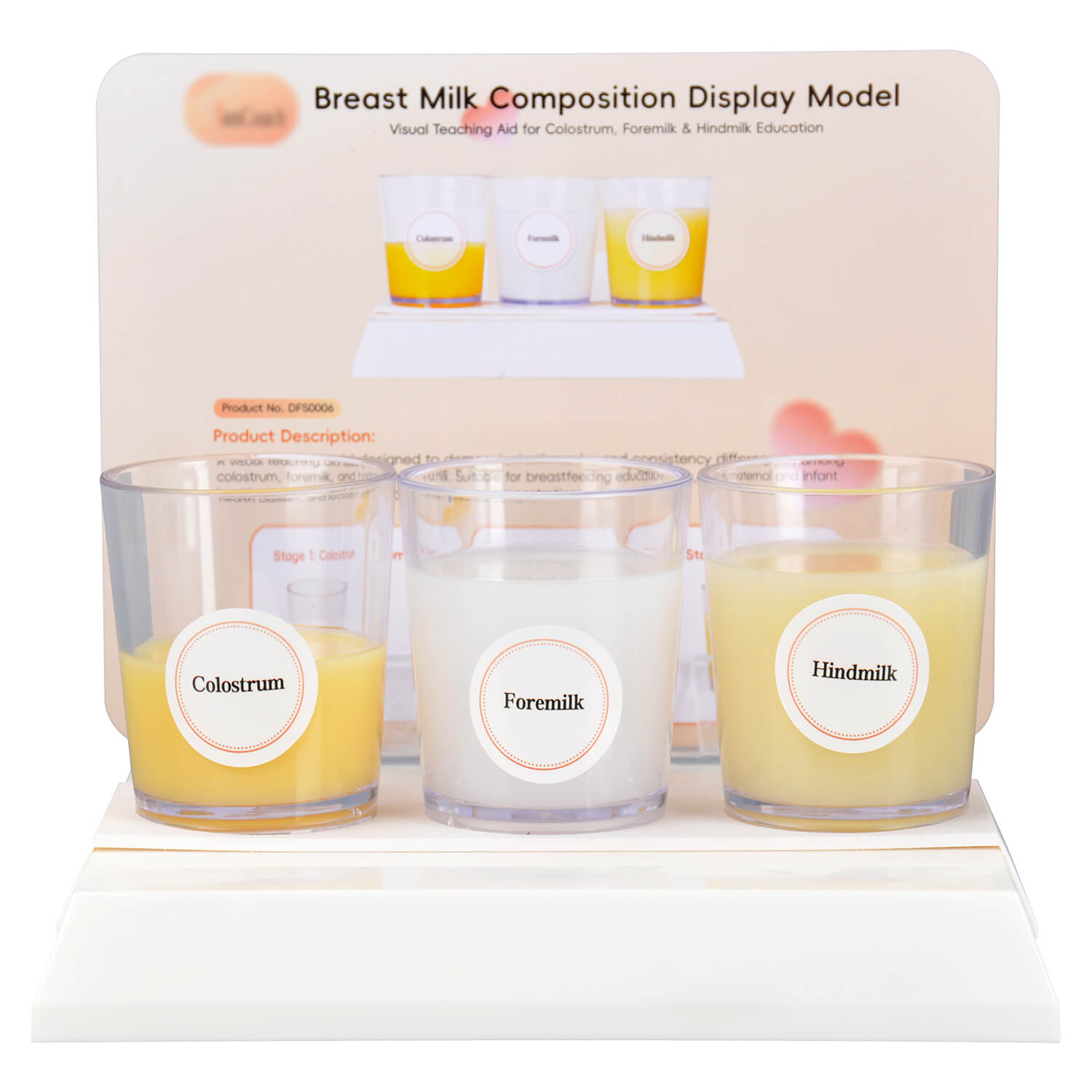
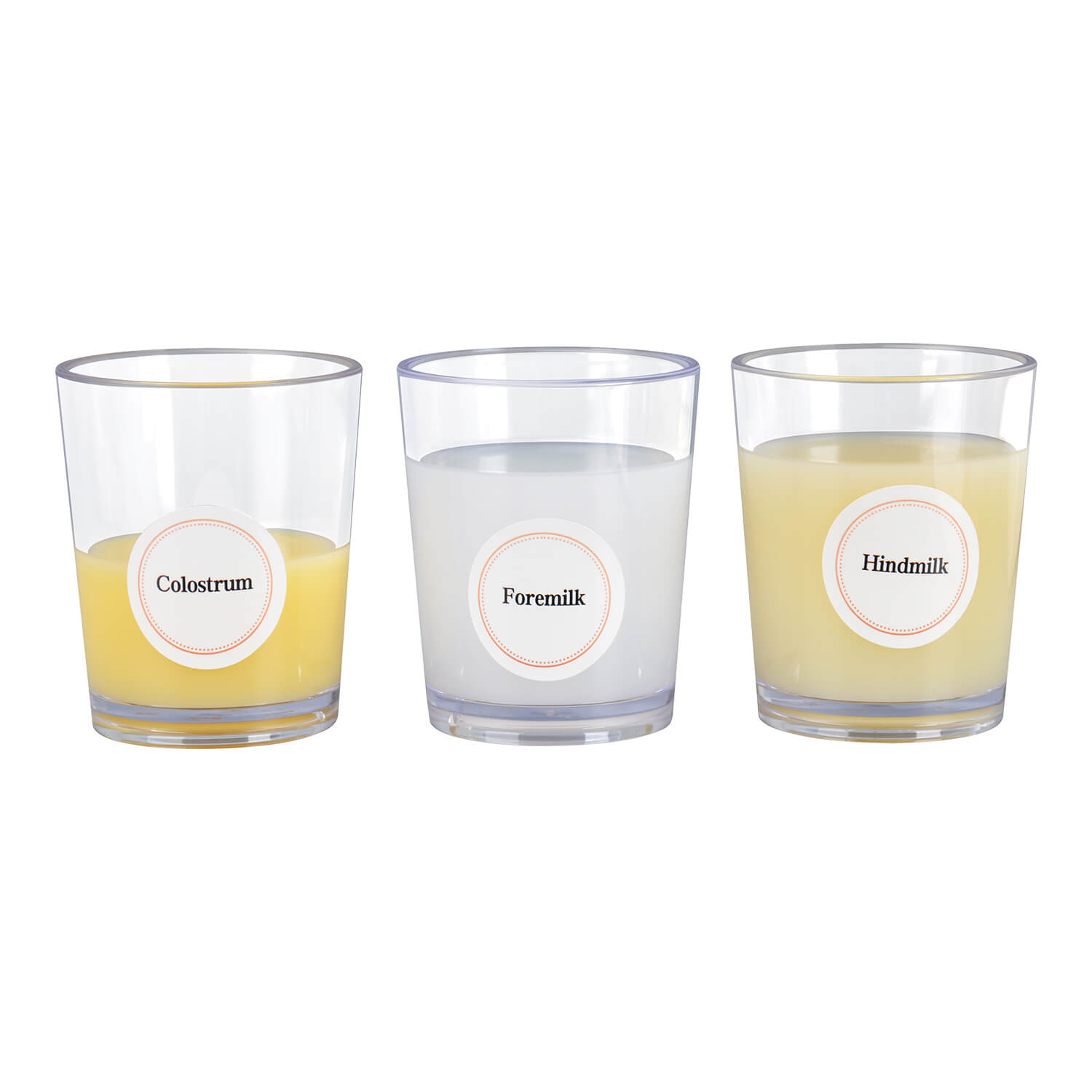
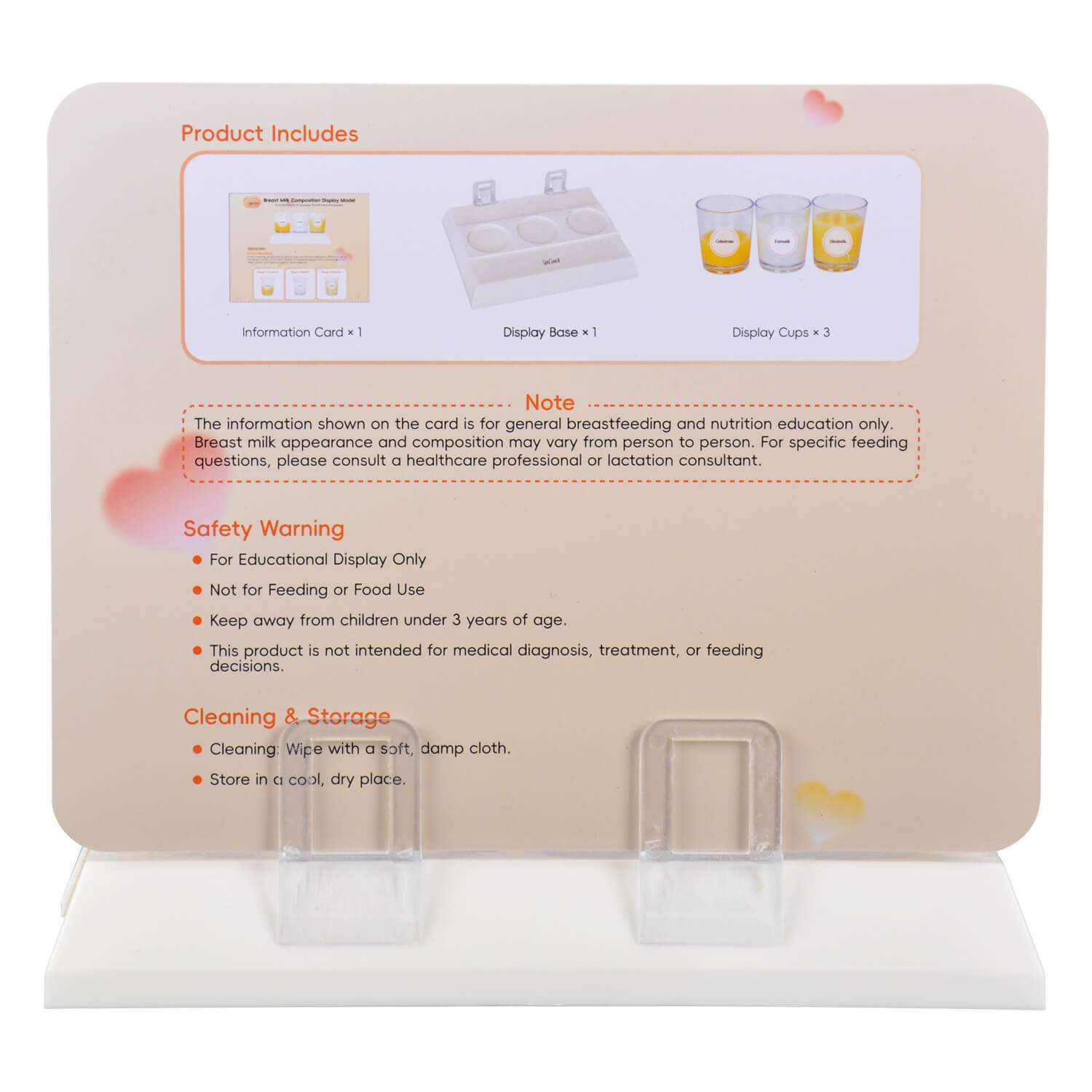
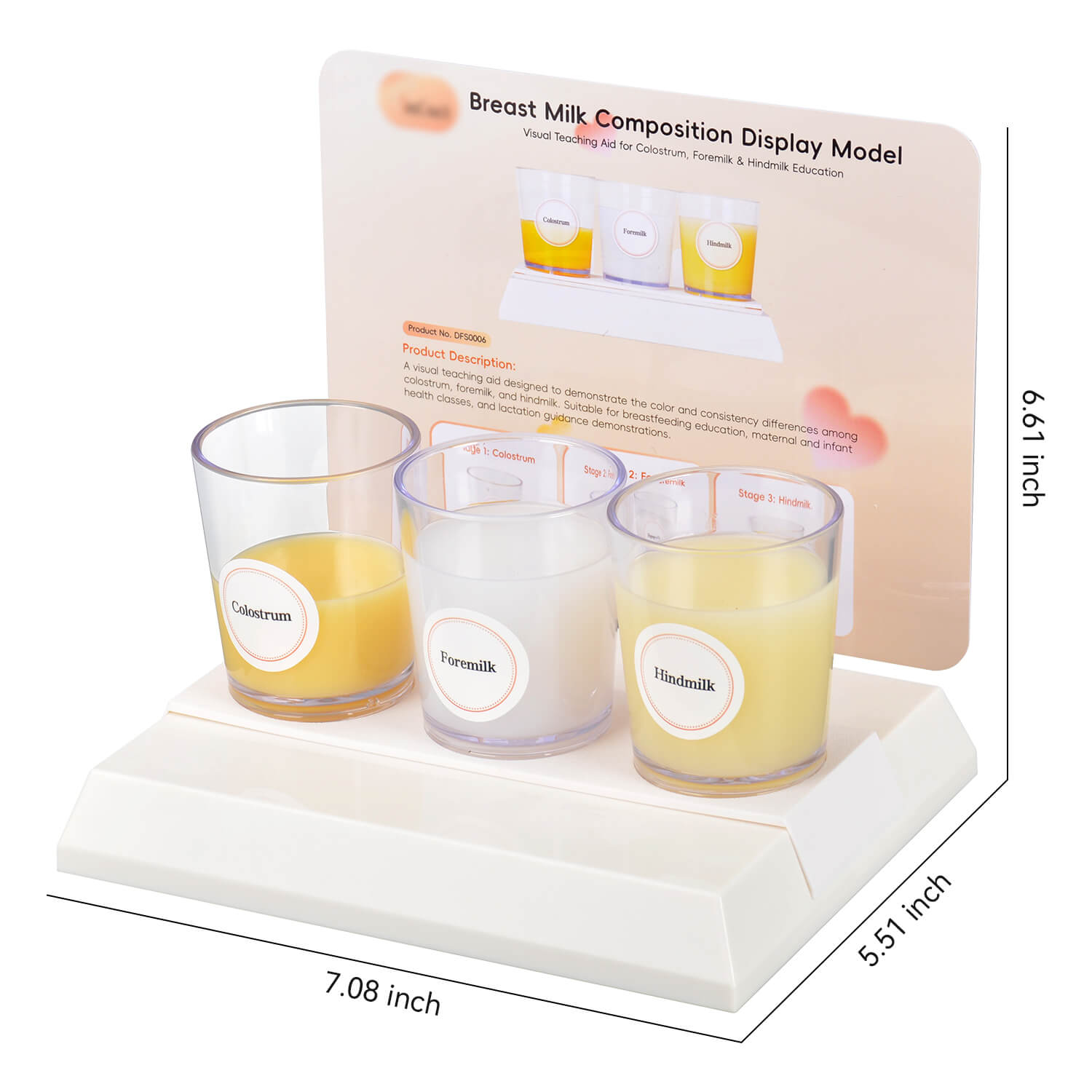
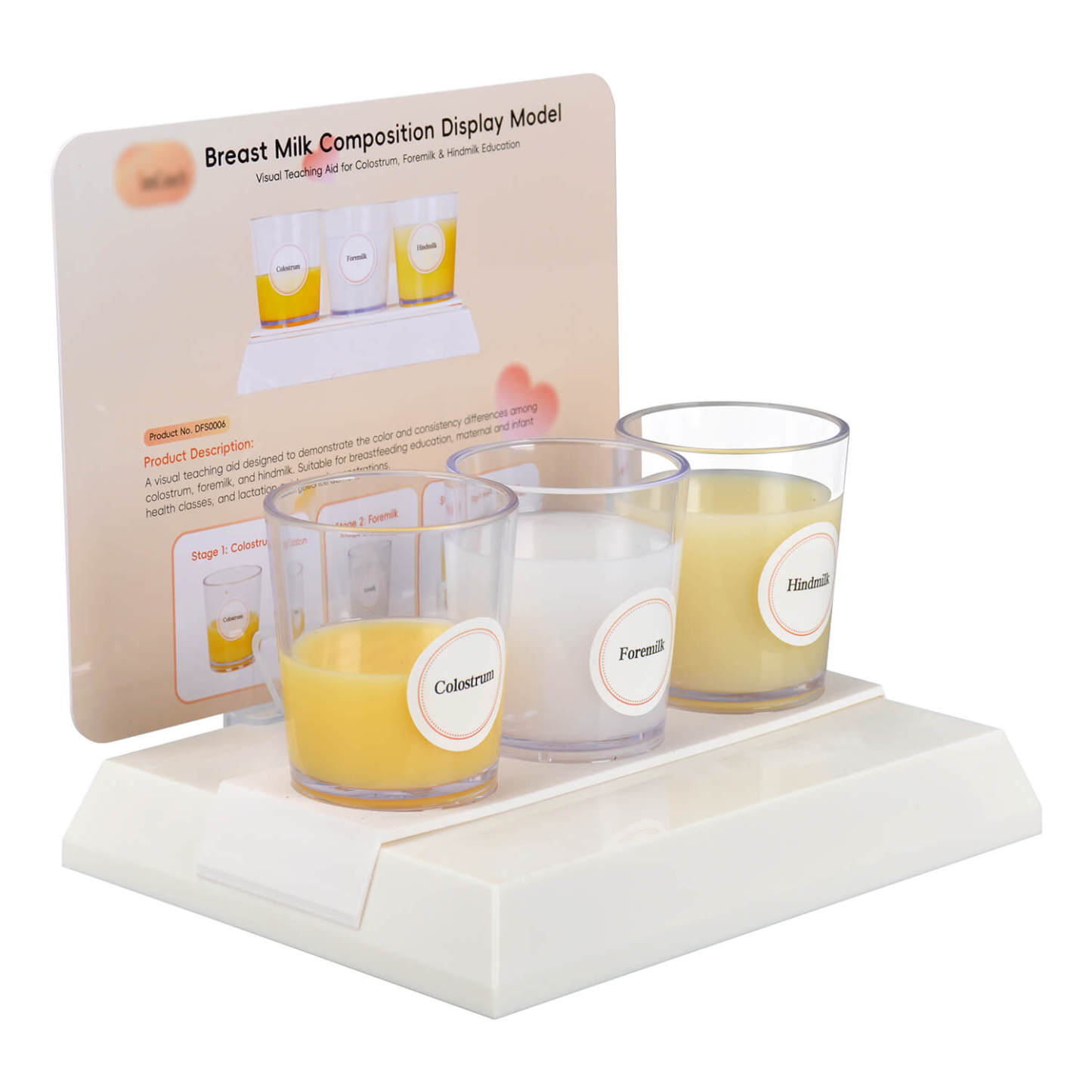
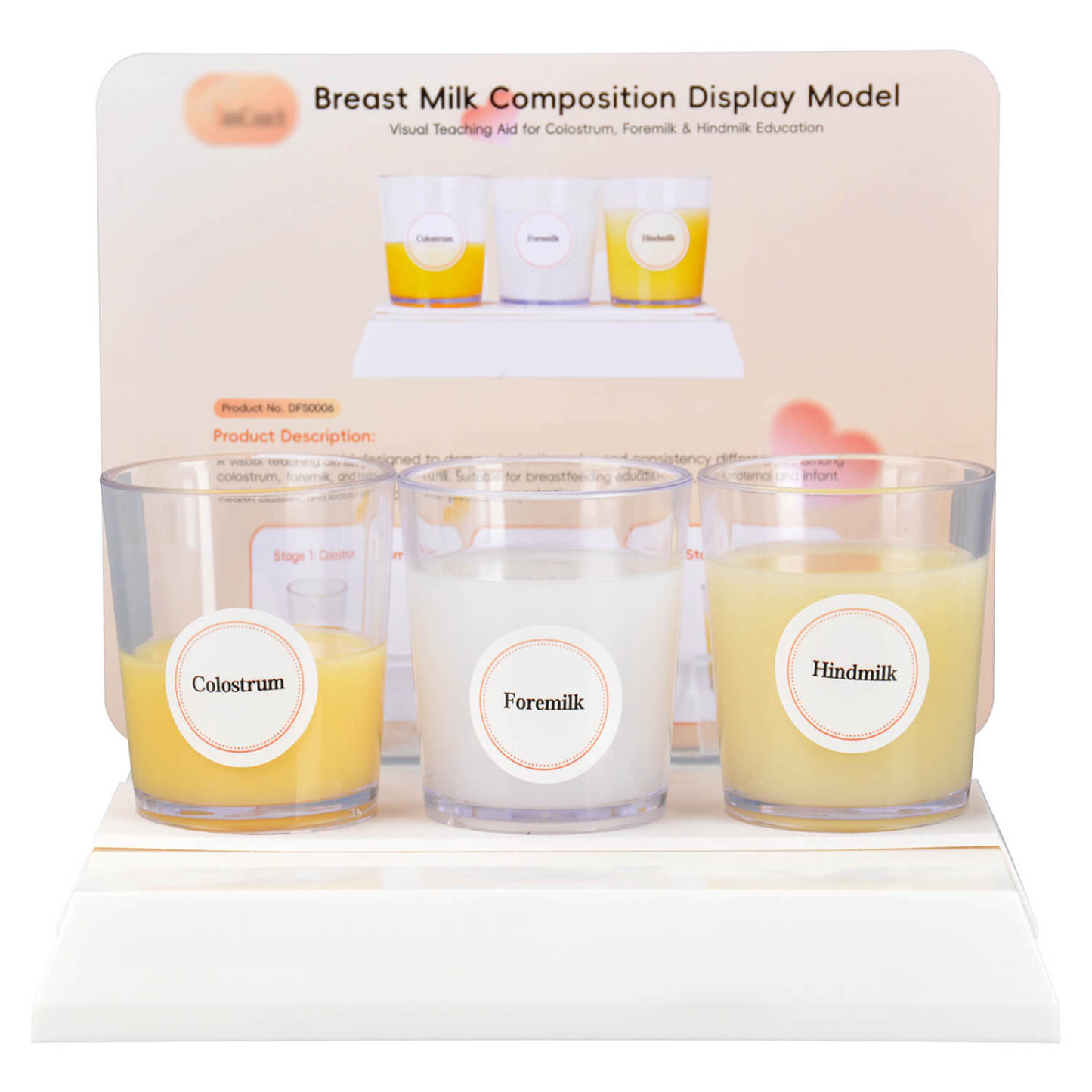
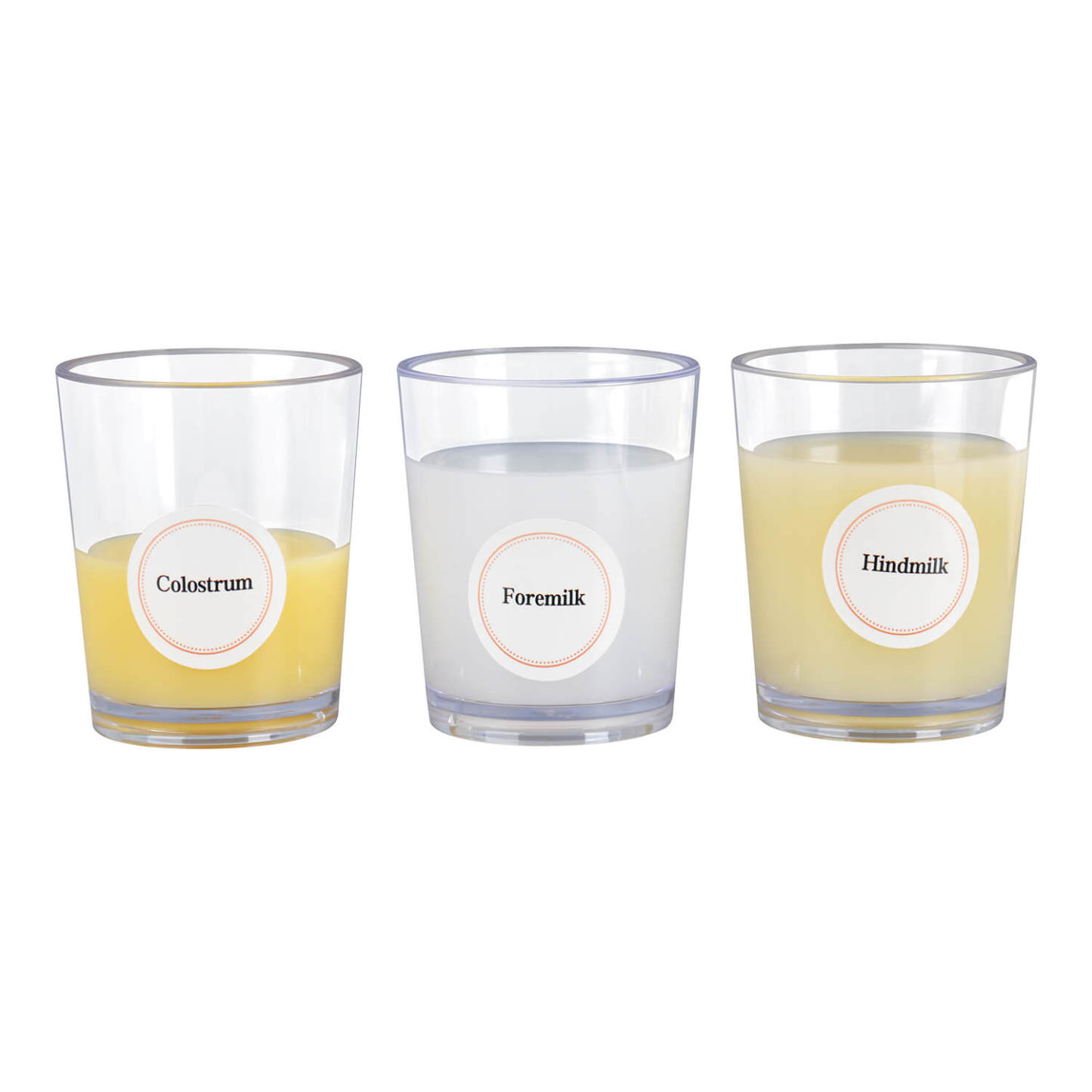
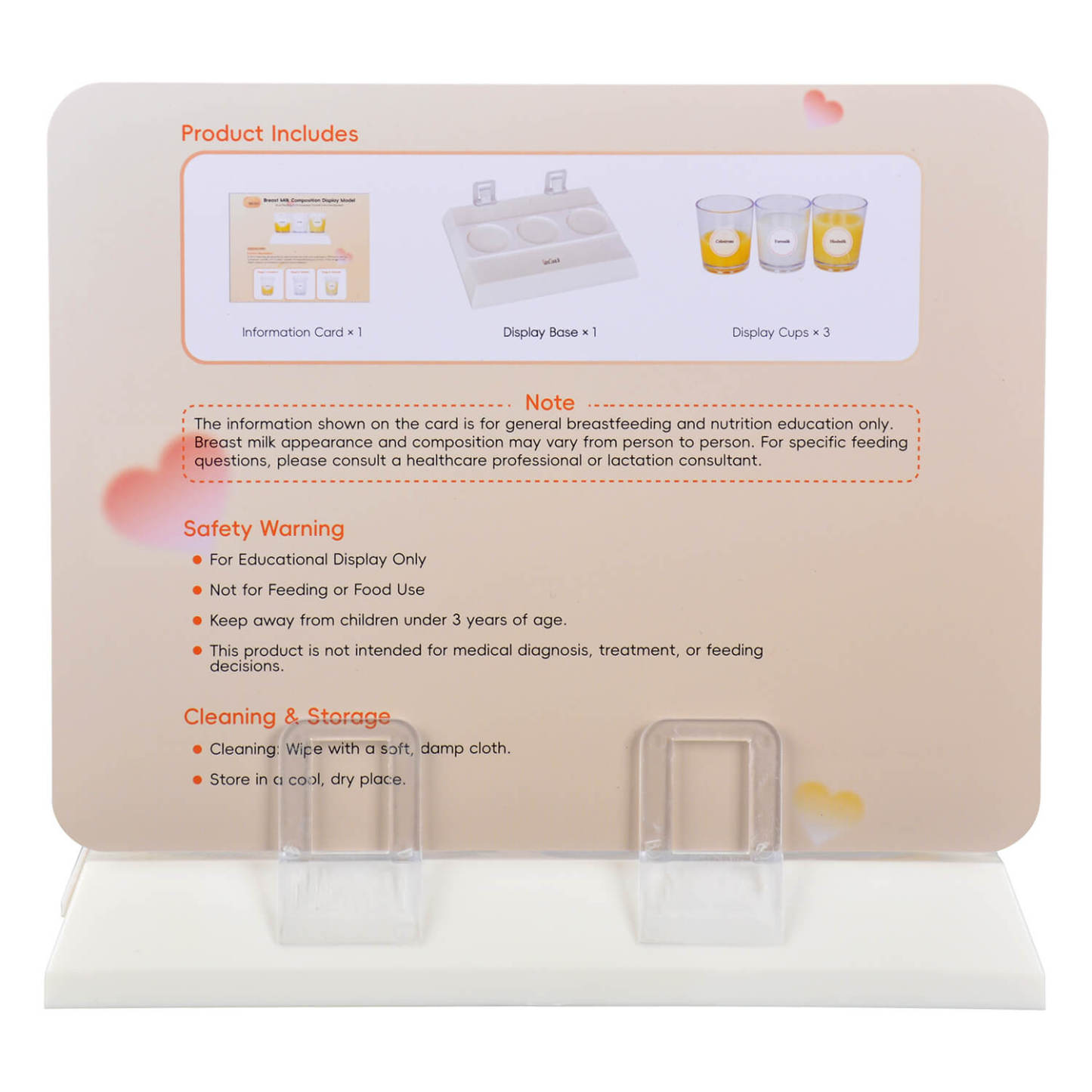
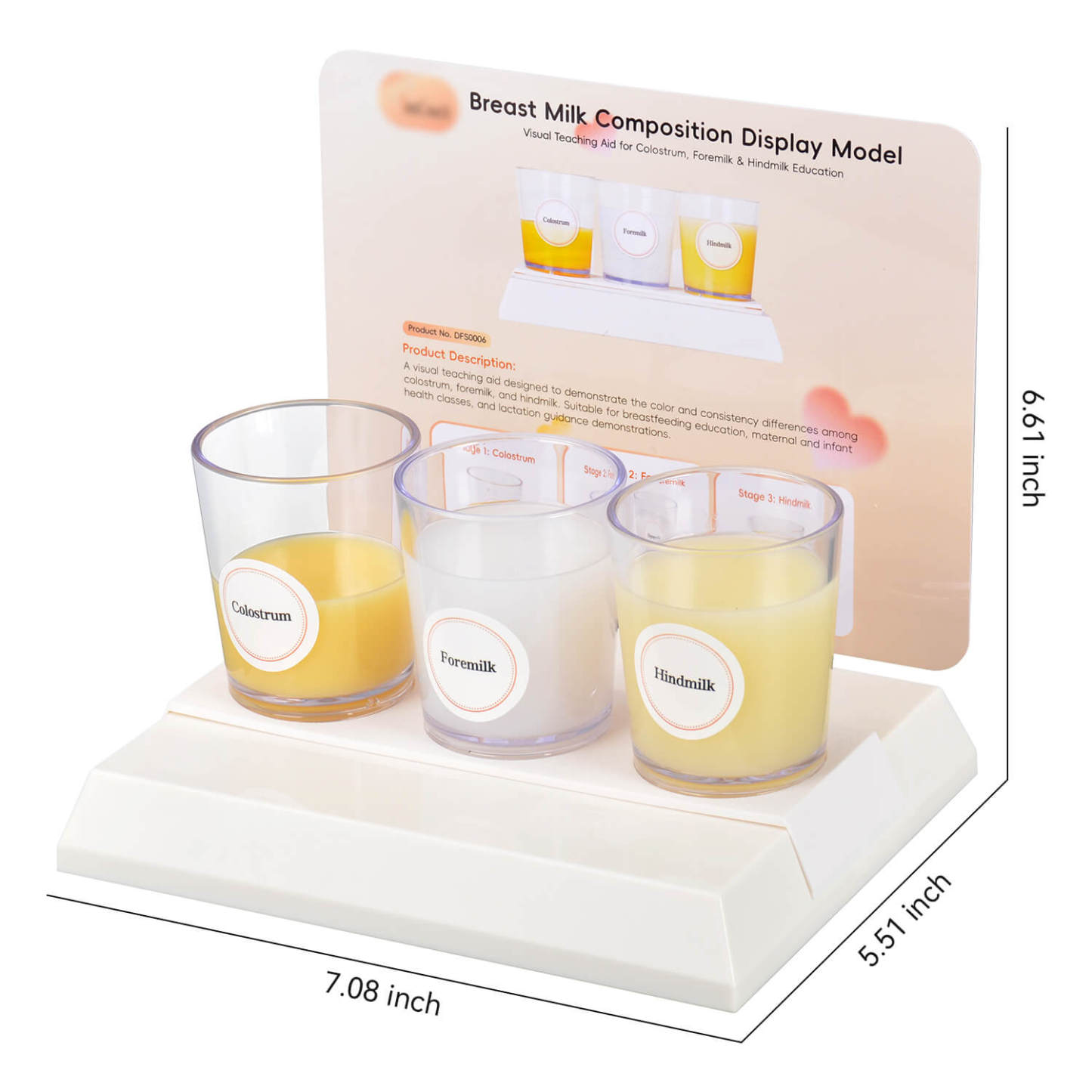
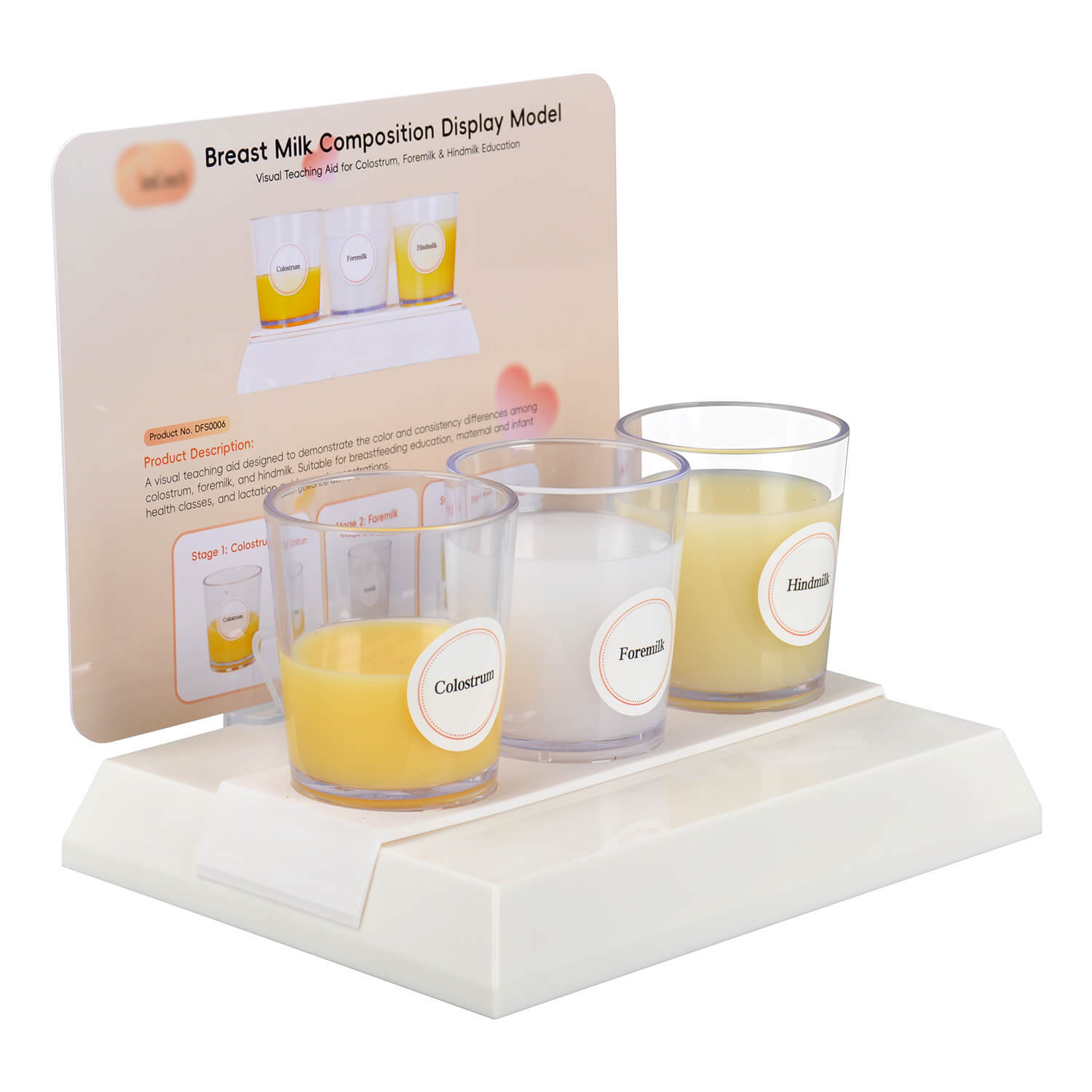
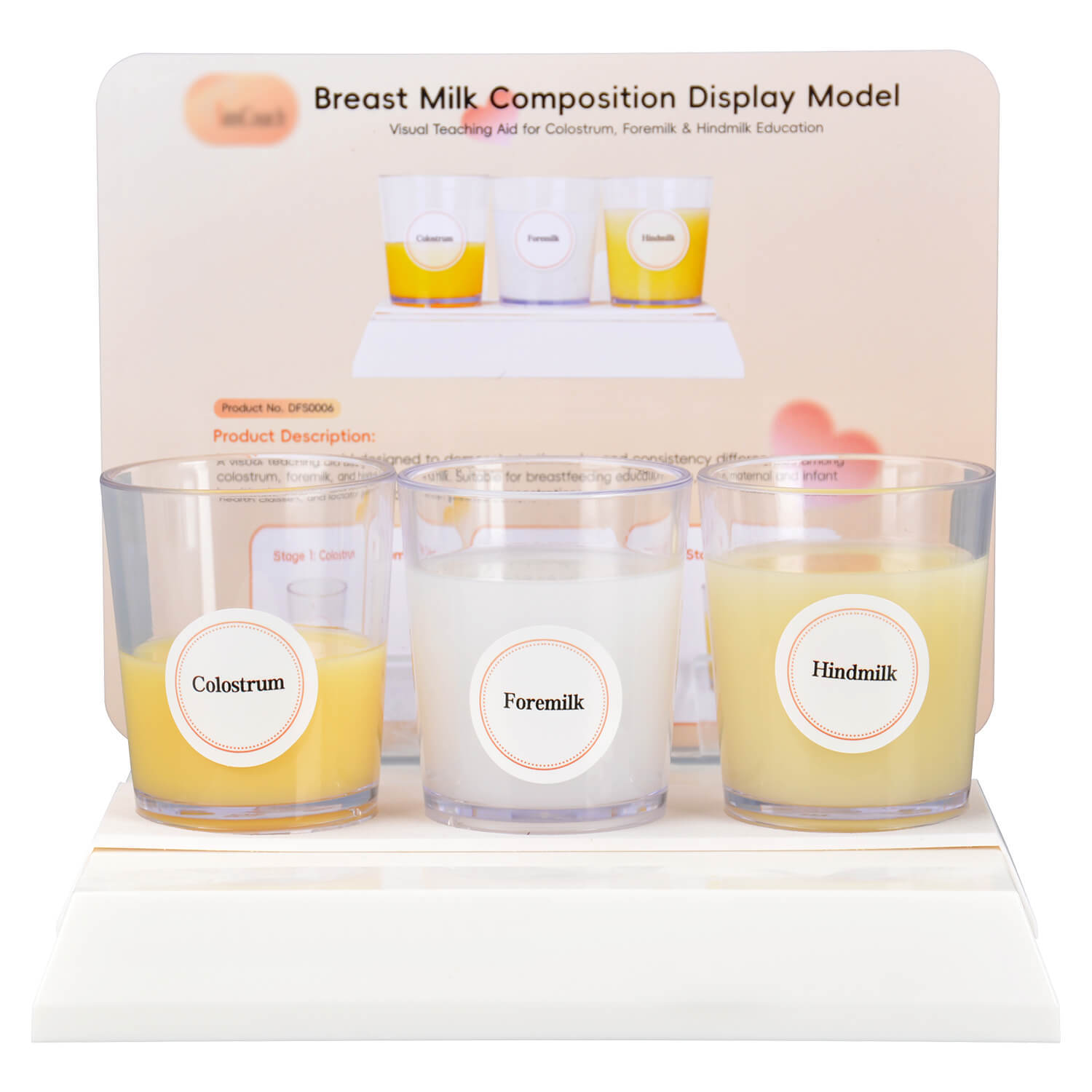
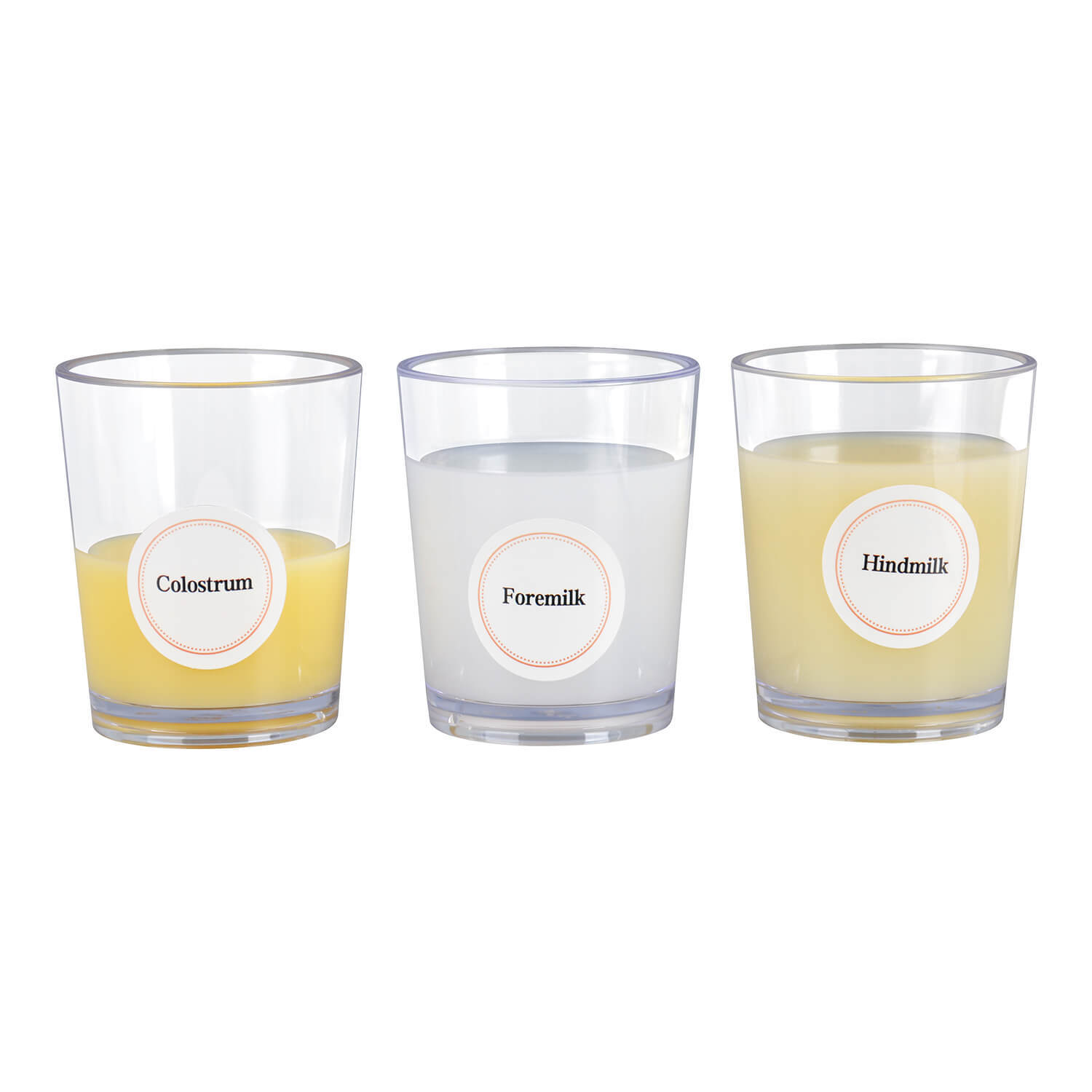
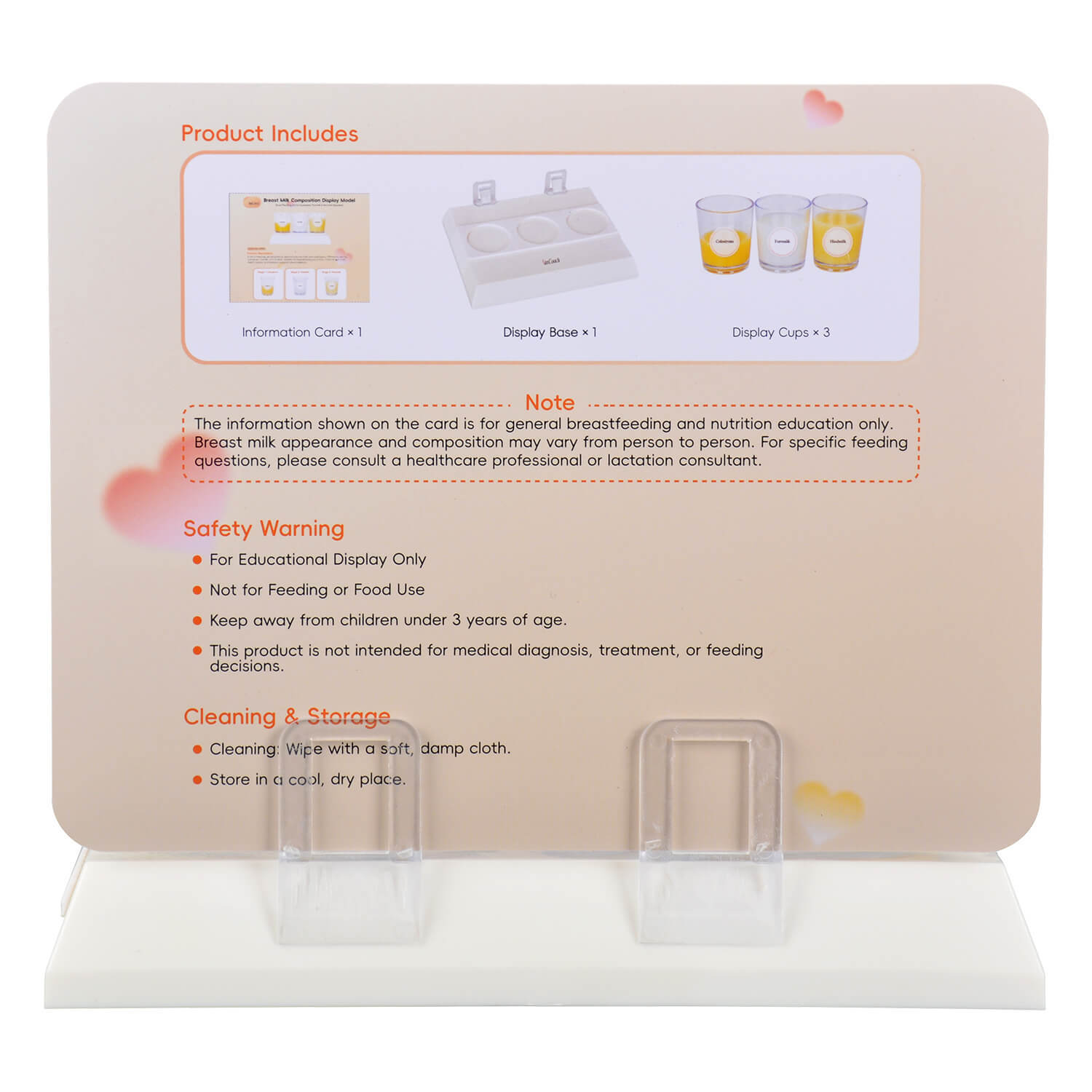
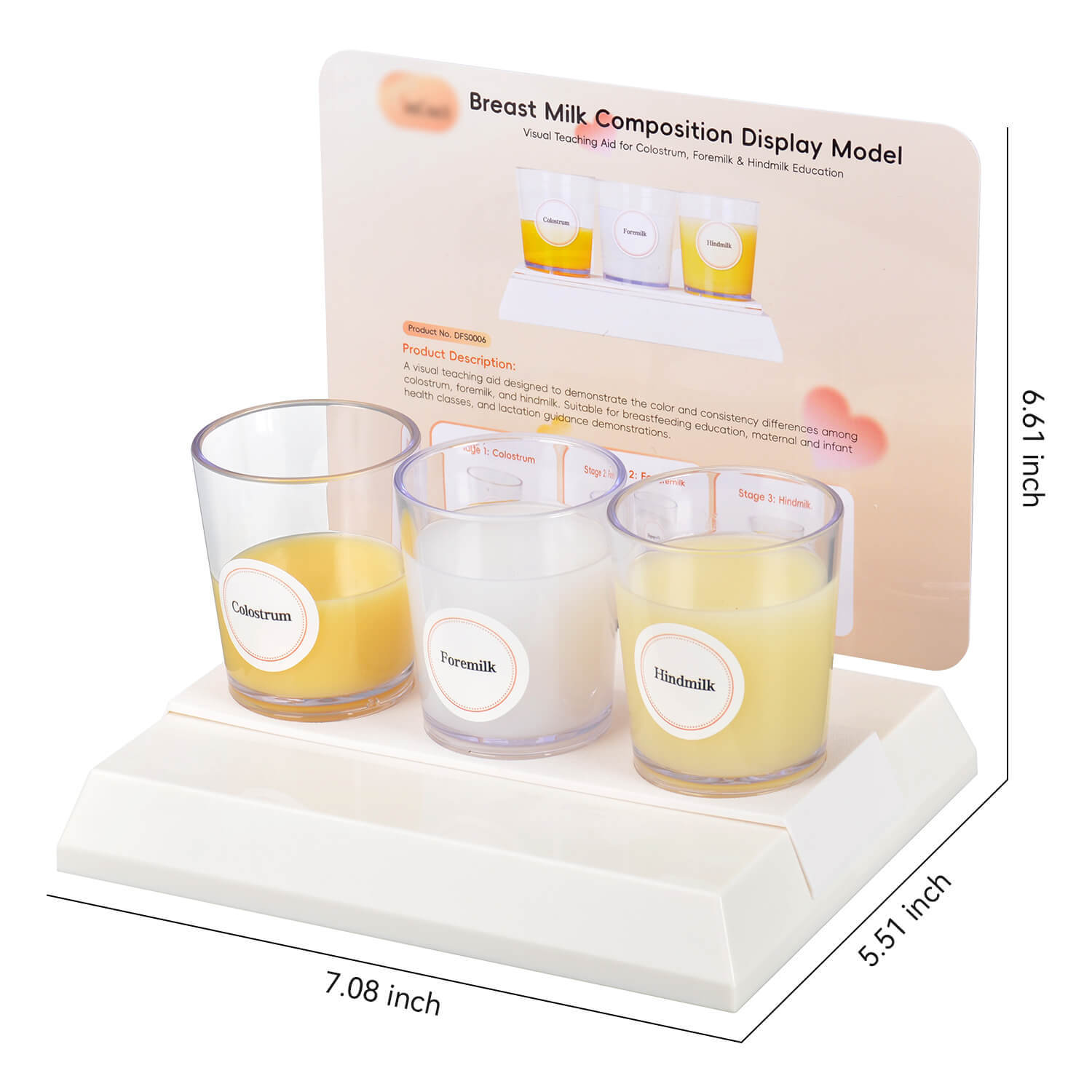
Breast Milk Composition Teaching Set
KC0818
$95.99 USD
Shipping calculated at checkout.
Quantity
📩 Bulk order or customization? Request a Quote →
-

-
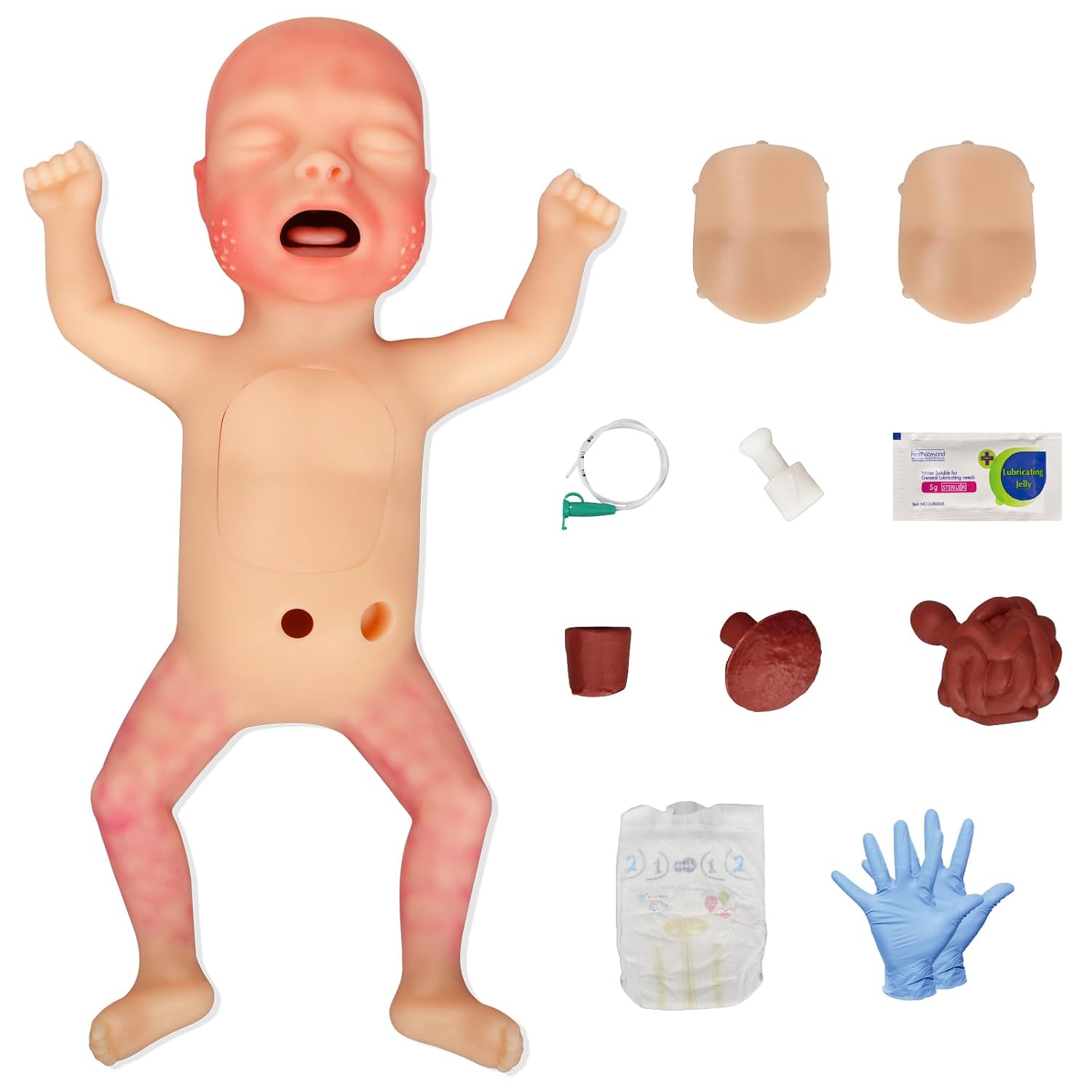
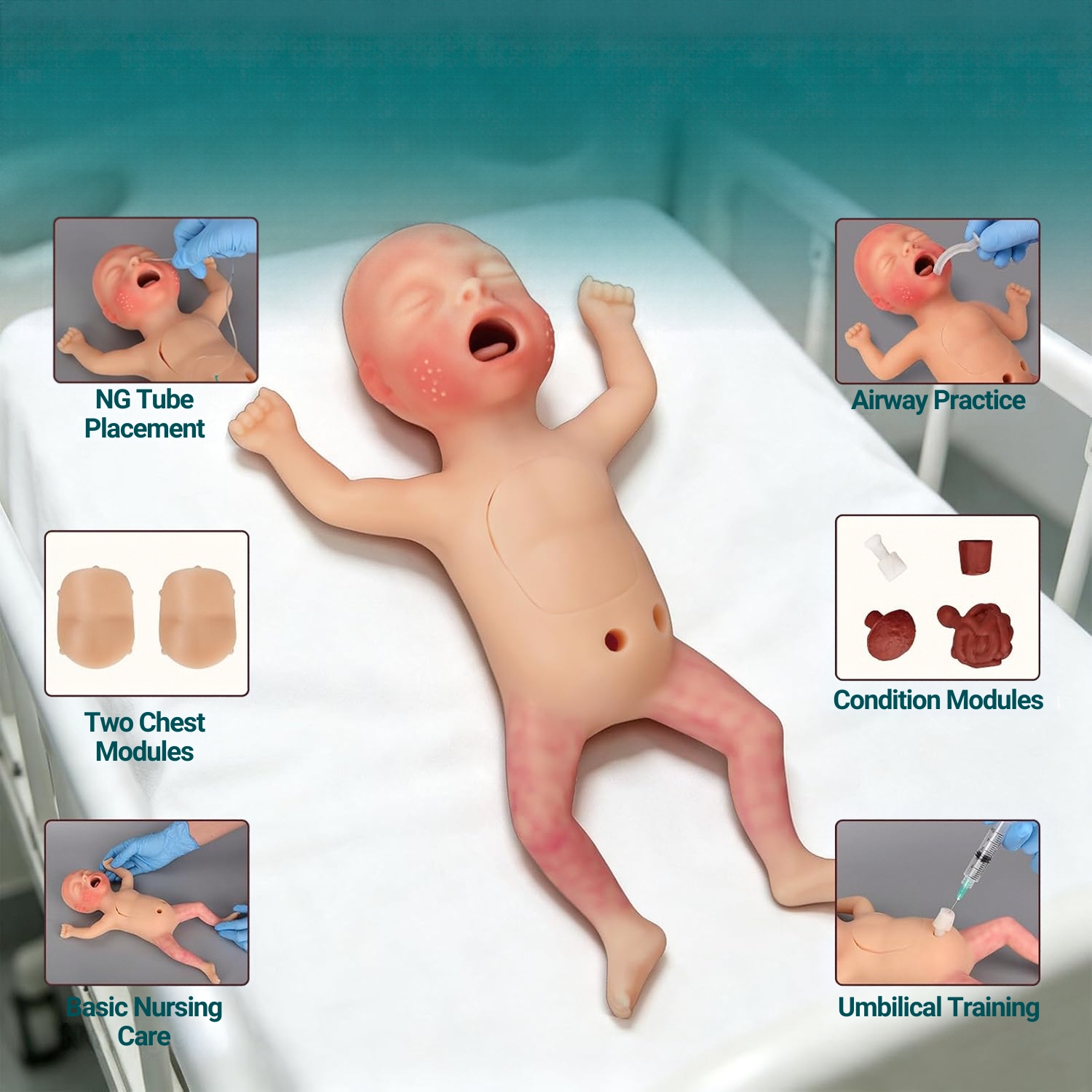
Premature Infant Manikin for NICU Training (24, 26 & 30 Weeks)


Premature Infant Manikin for NICU Training (24, 26 & 30 Weeks)
$79.99 USD -
Mini Childbirth Education Model with Fetal & Pelvis
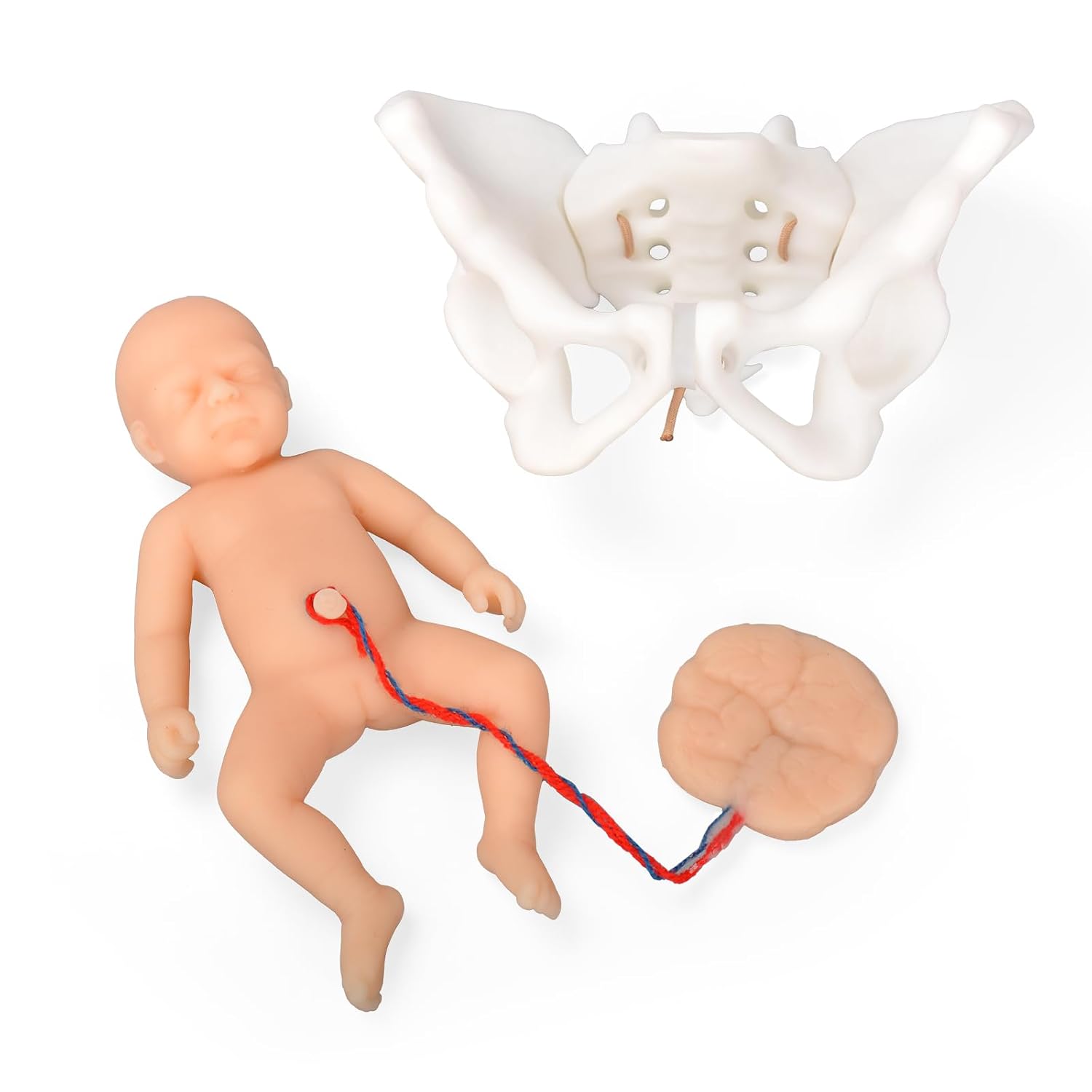
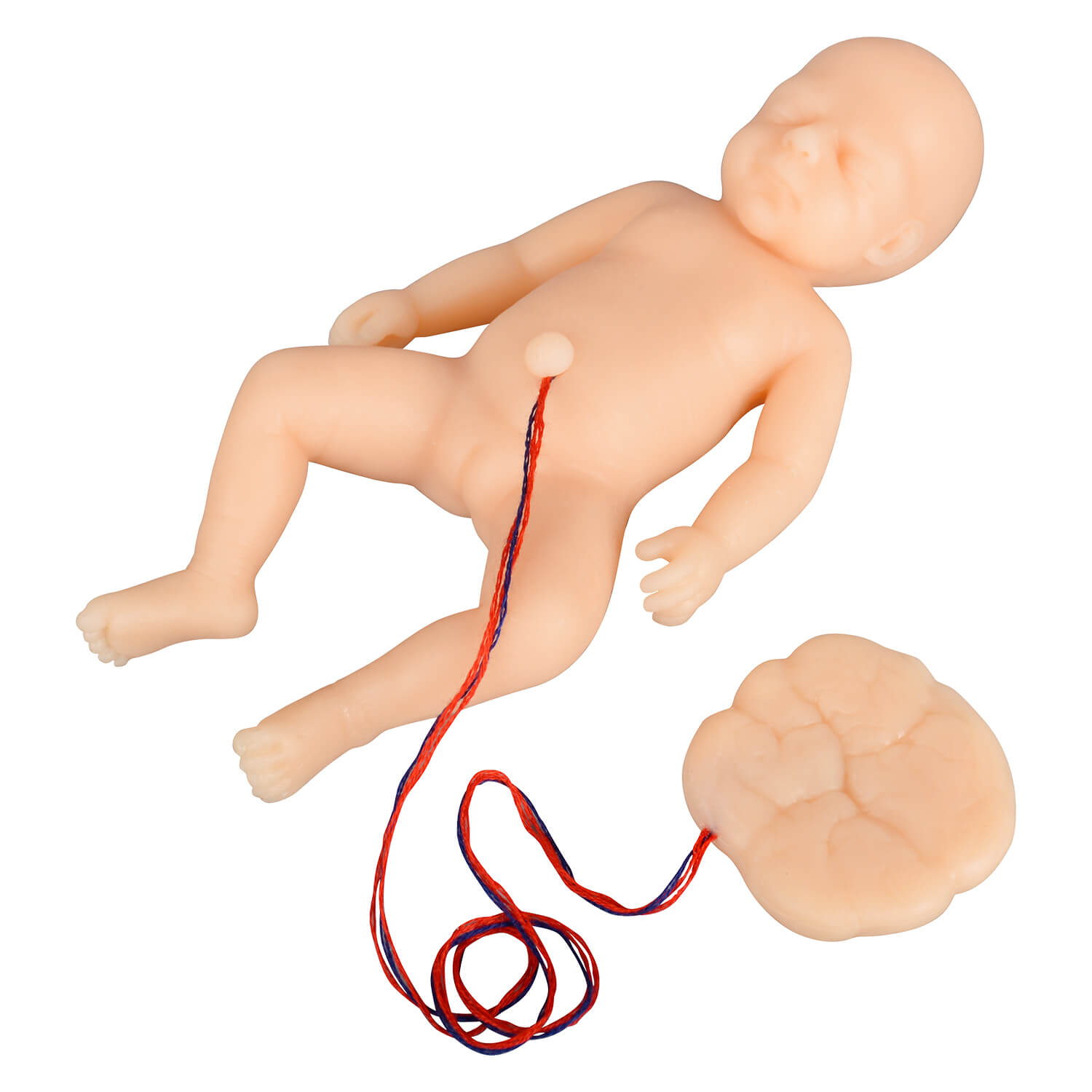
Mini Childbirth Education Model with Fetal & Pelvis
$99.99 USD -
Silicone Baby Girl Care Model for Nursing & Parenting Education
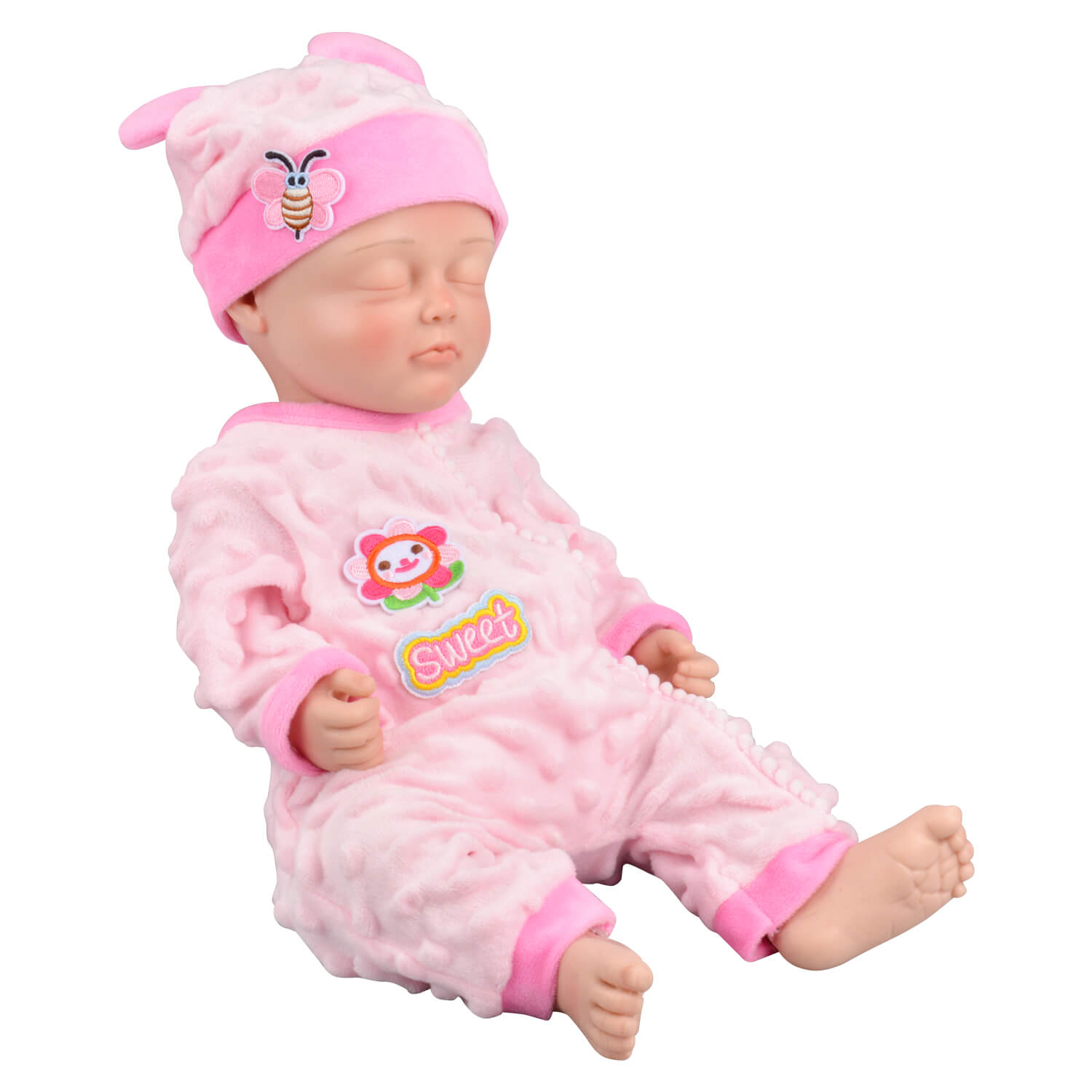

Silicone Baby Girl Care Model for Nursing & Parenting Education
$129.99 USD -
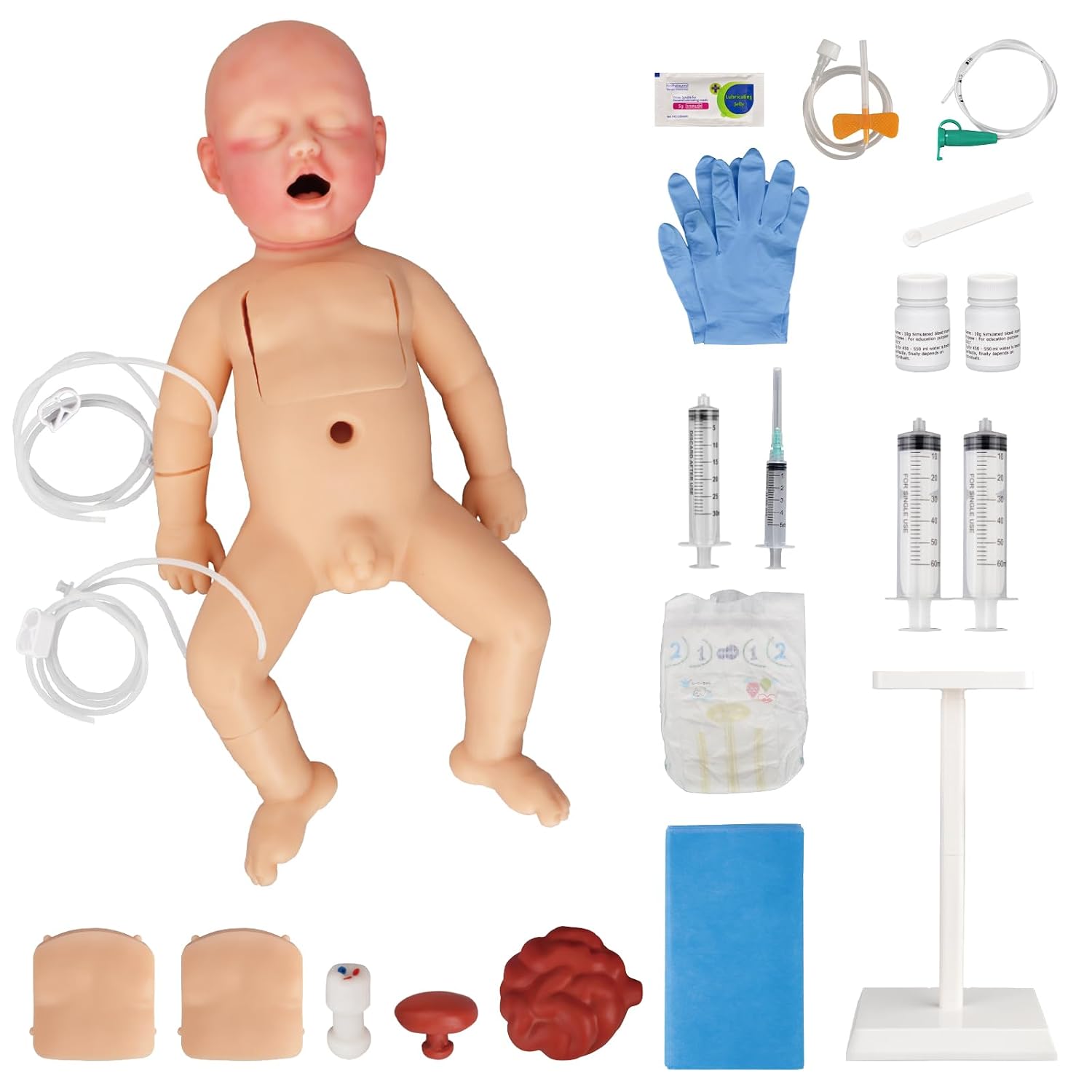
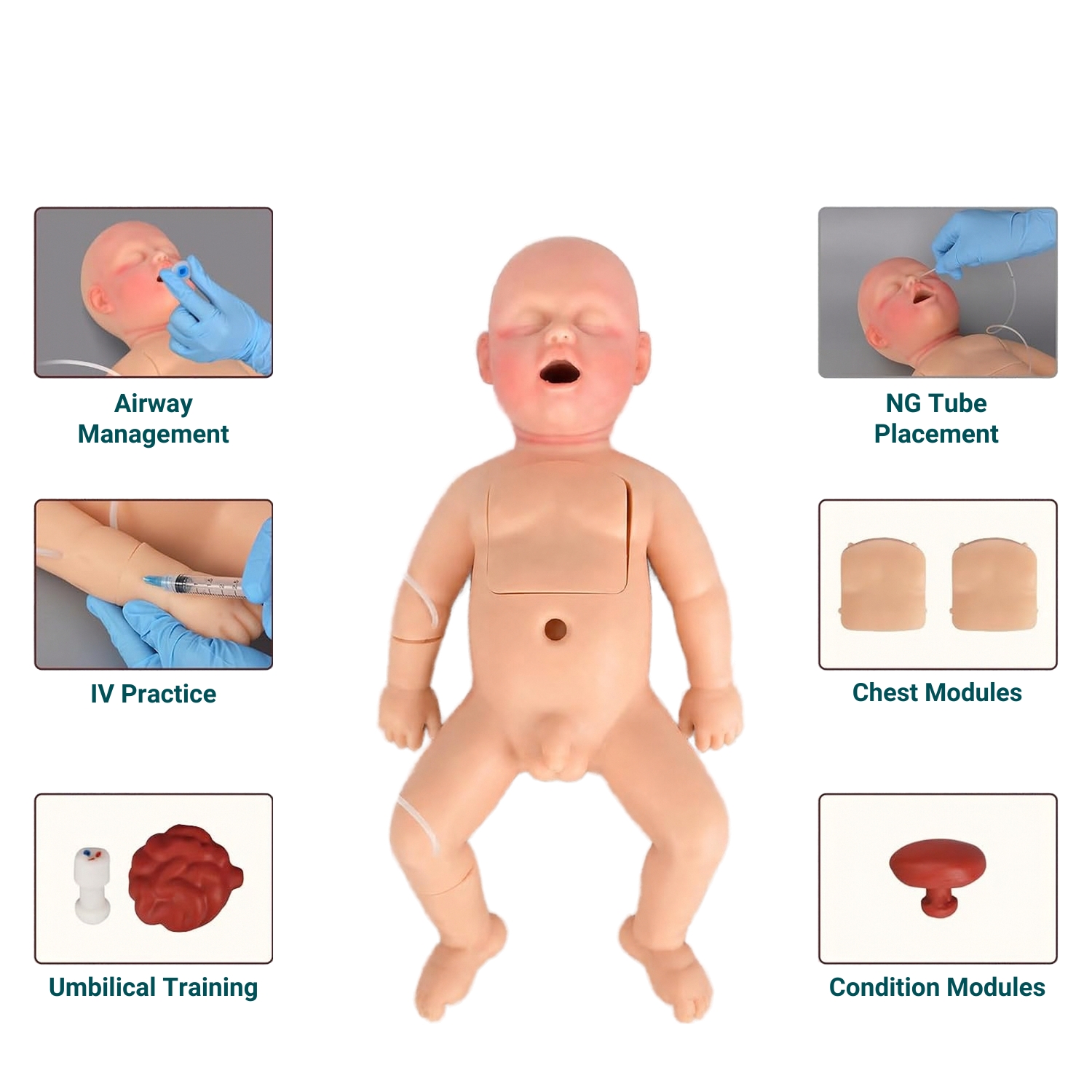
Silicone Baby Boy Infant Simulator for Newborn Care Training
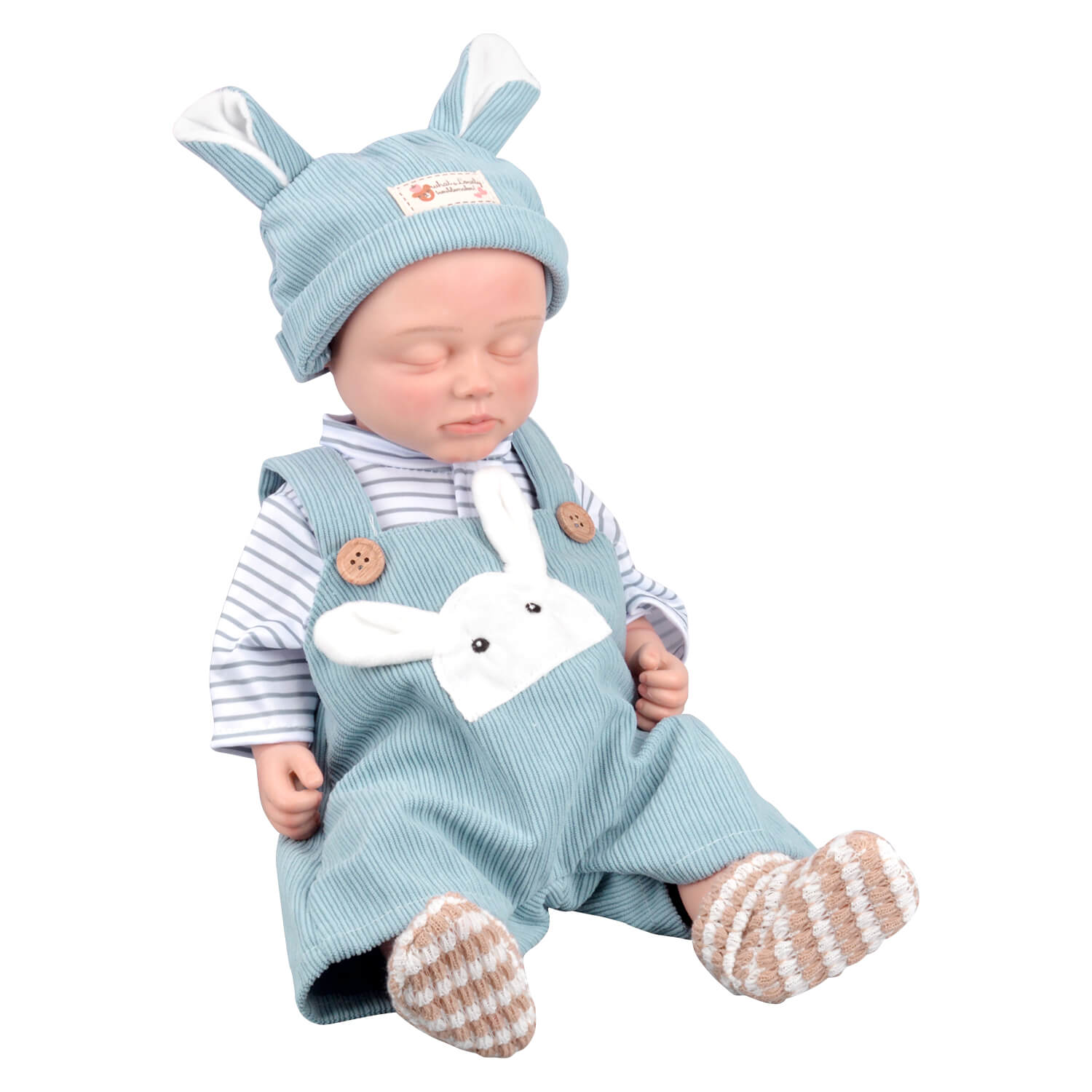
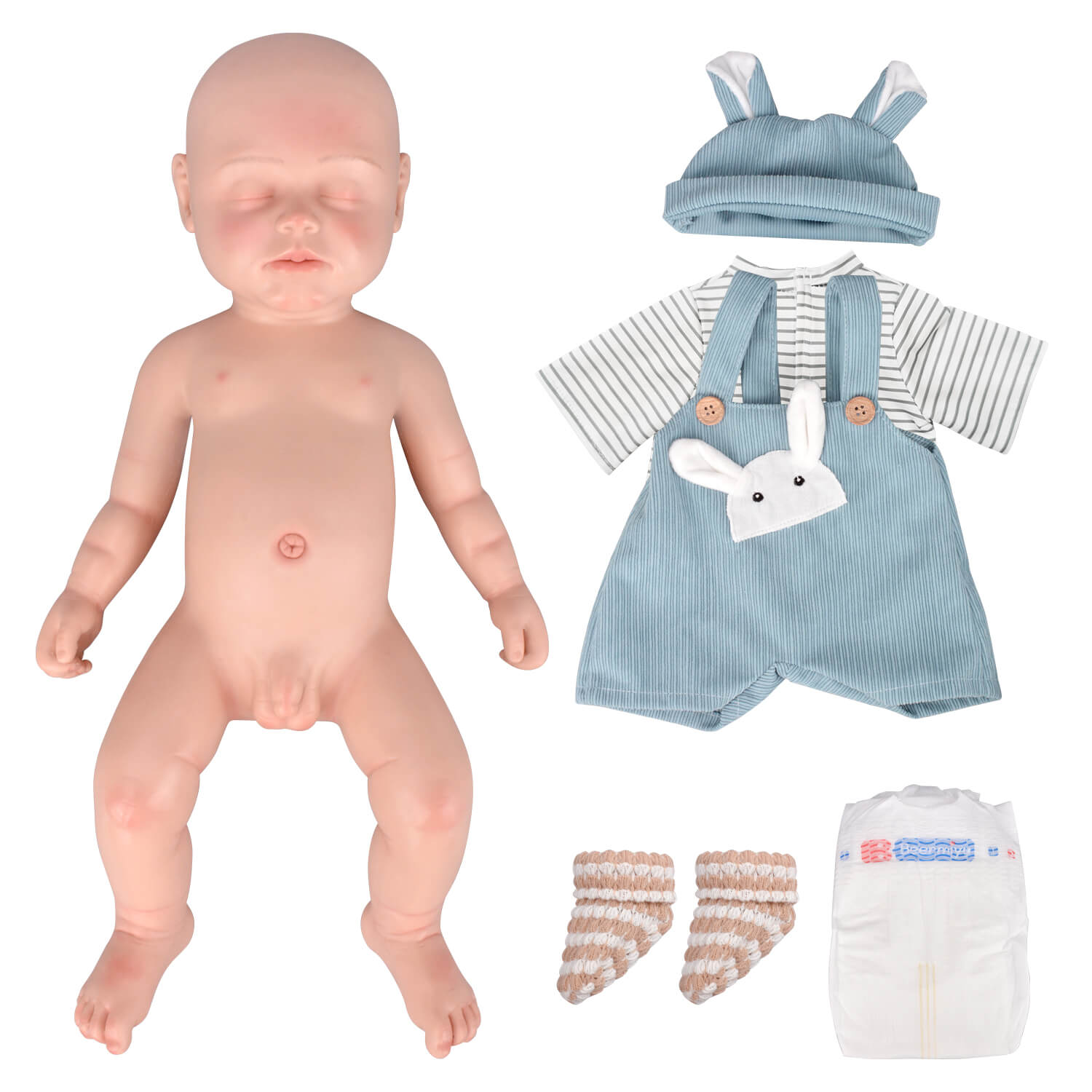
Silicone Baby Boy Infant Simulator for Newborn Care Training
$129.99 USD -
Lactation Breast Model with Milk Expression Function


Lactation Breast Model with Milk Expression Function
$149.99 USD -
Wearable Breastfeeding Simulator with Water Filling System


Wearable Breastfeeding Simulator with Water Filling System
$89.99 USD -
Vaginal and Pelvic Exam Training Model with Cervix and Speculum


Vaginal and Pelvic Exam Training Model with Cervix and Speculum
$116.29 USD -
Advanced Gynecological Examination Training Model


Advanced Gynecological Examination Training Model
$189.99 USD