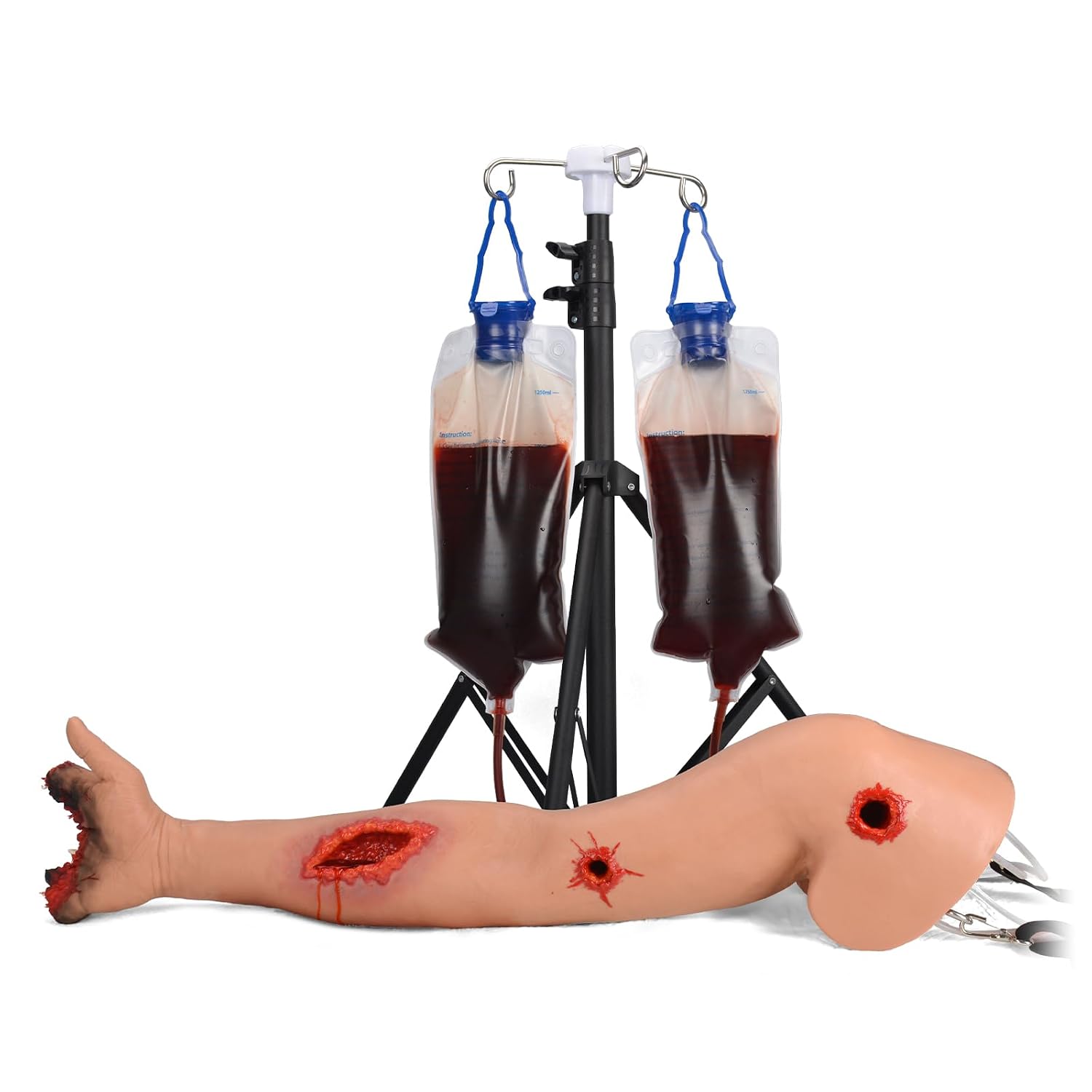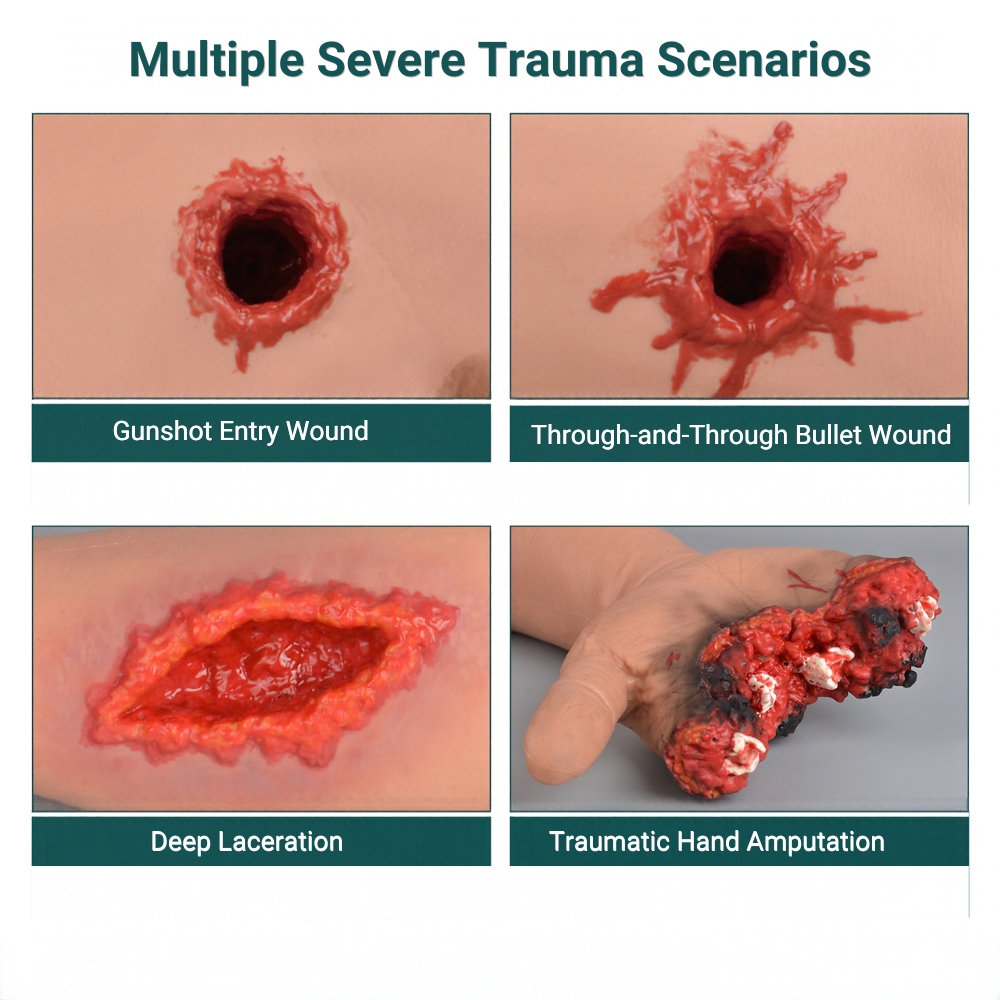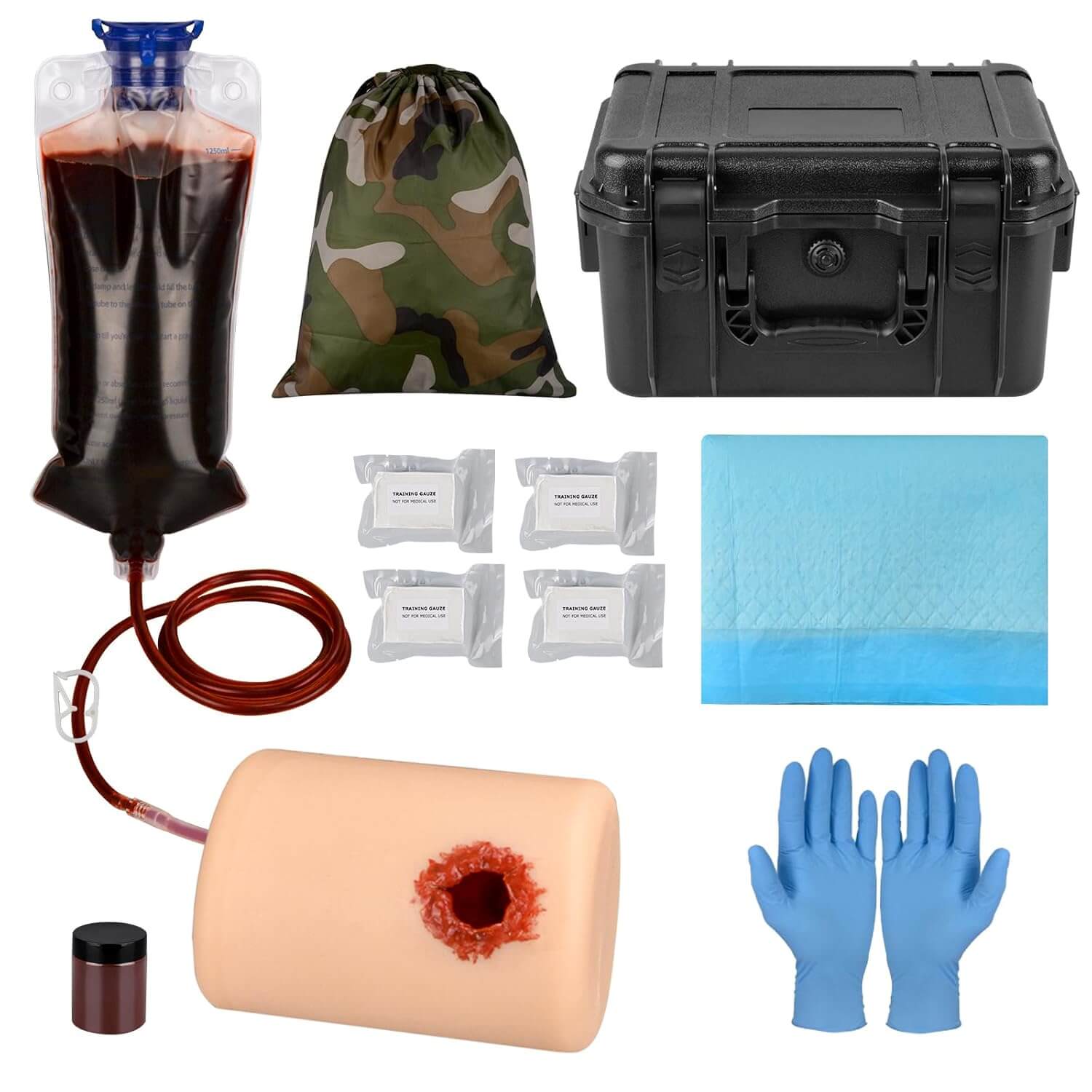


Frostbite Pathology Teaching Hand Model (Stages I–IV Progression)
KC0826
$89.99 USD
Shipping calculated at checkout.
Quantity
📩 Bulk order or customization? Request a Quote →


-

-
Wound Packing Arm Trainer with External Pressure Pump
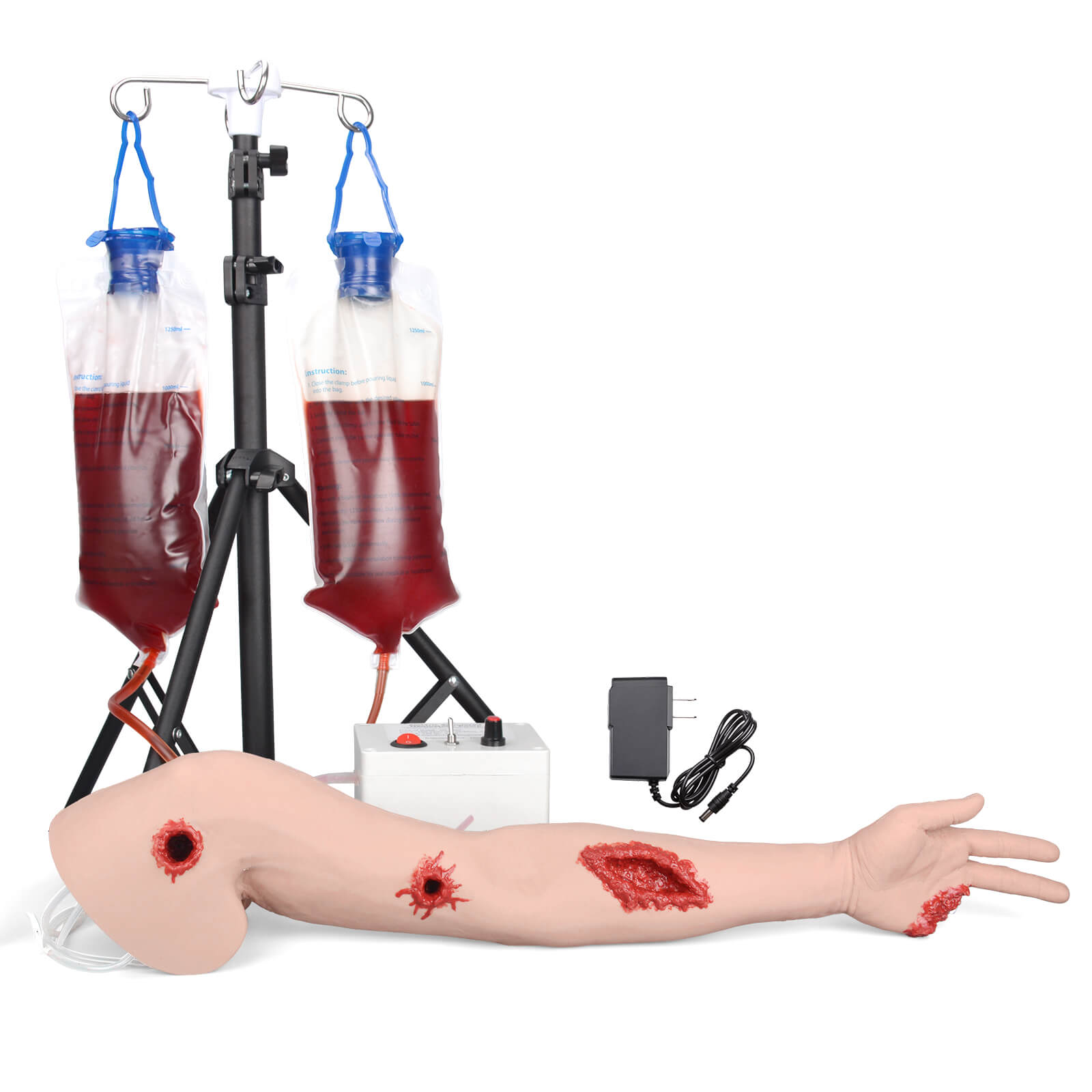
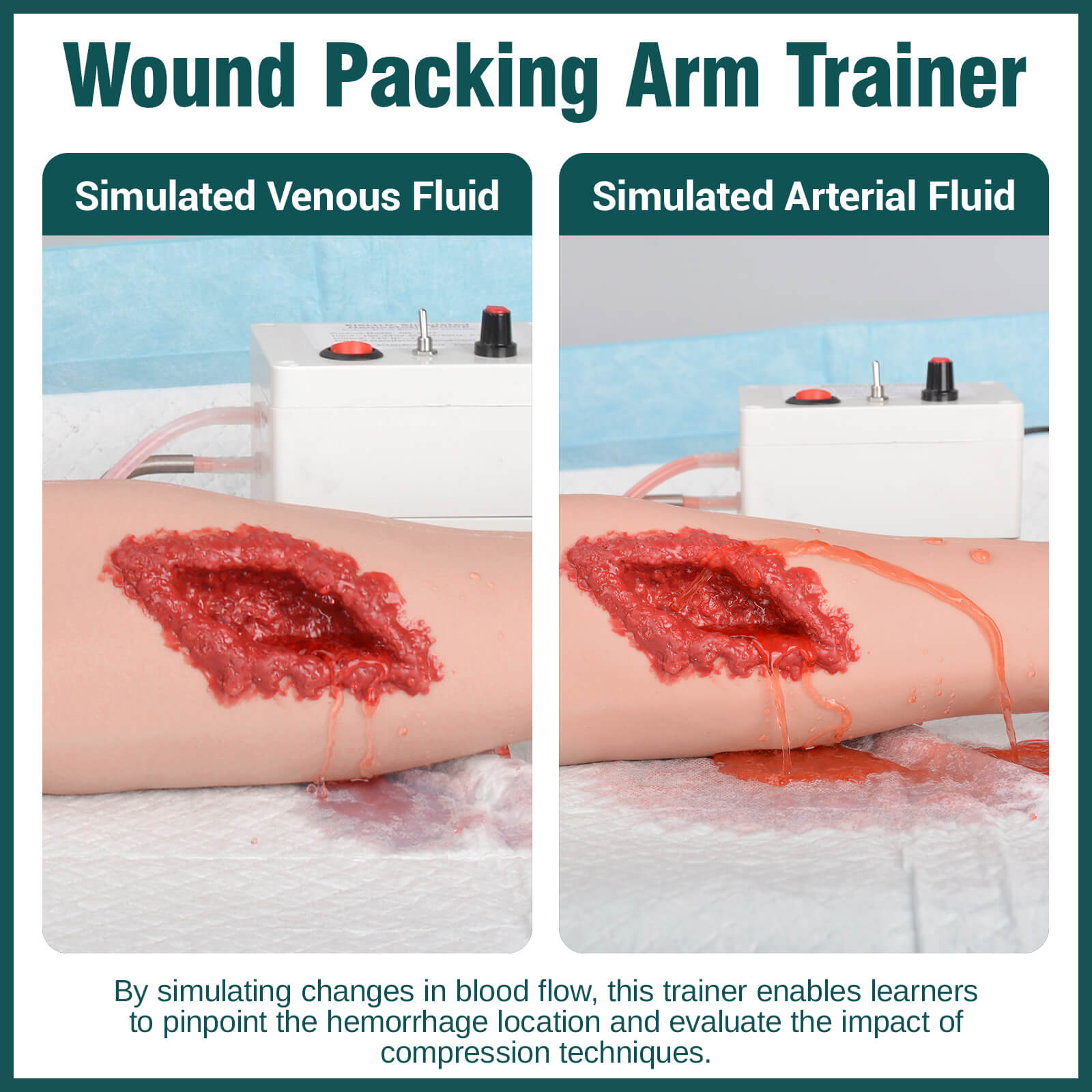
Wound Packing Arm Trainer with External Pressure Pump
$799.00 USD -
Bleeding Control Arm Simulator with Multiple Wounds
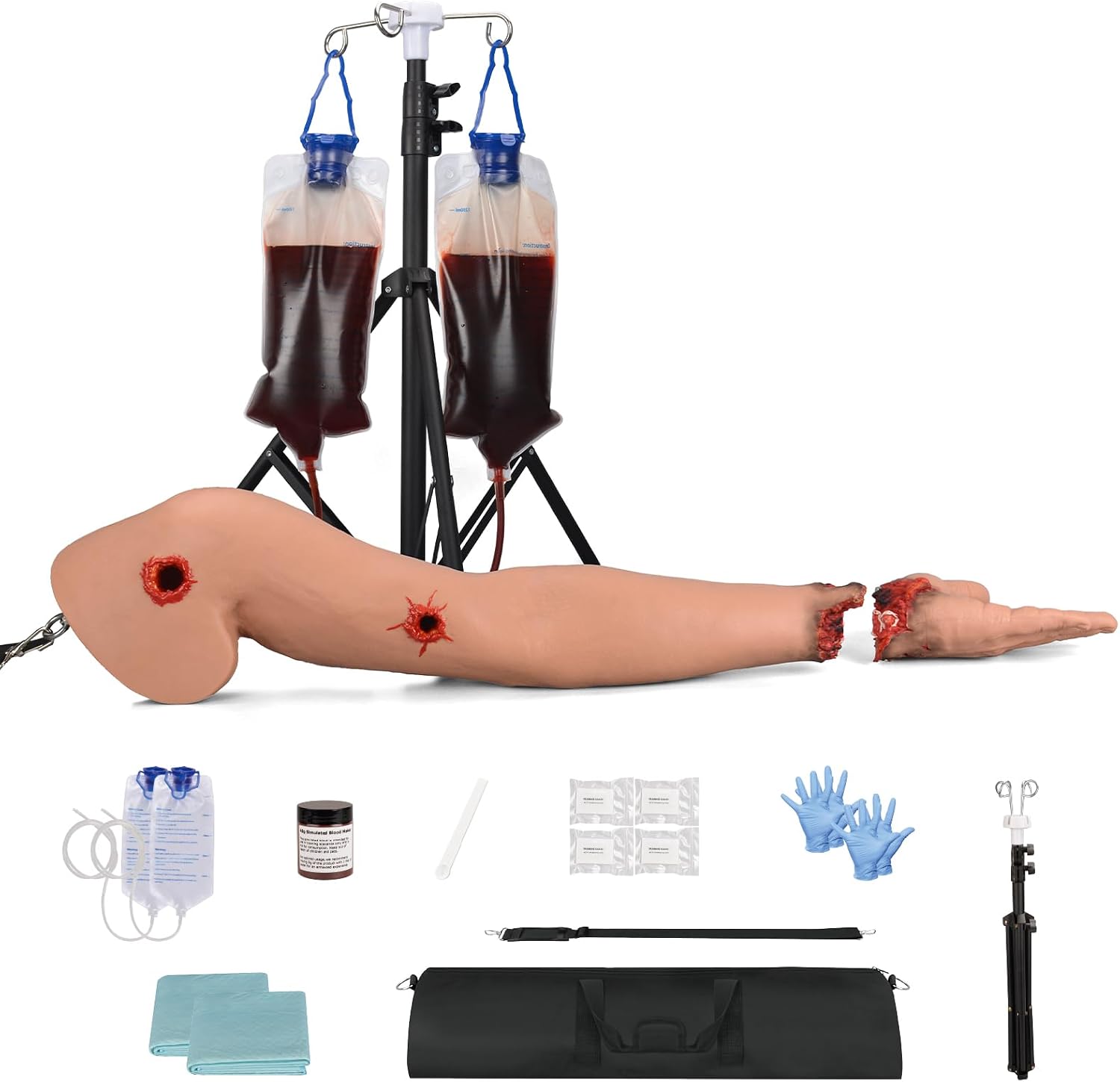
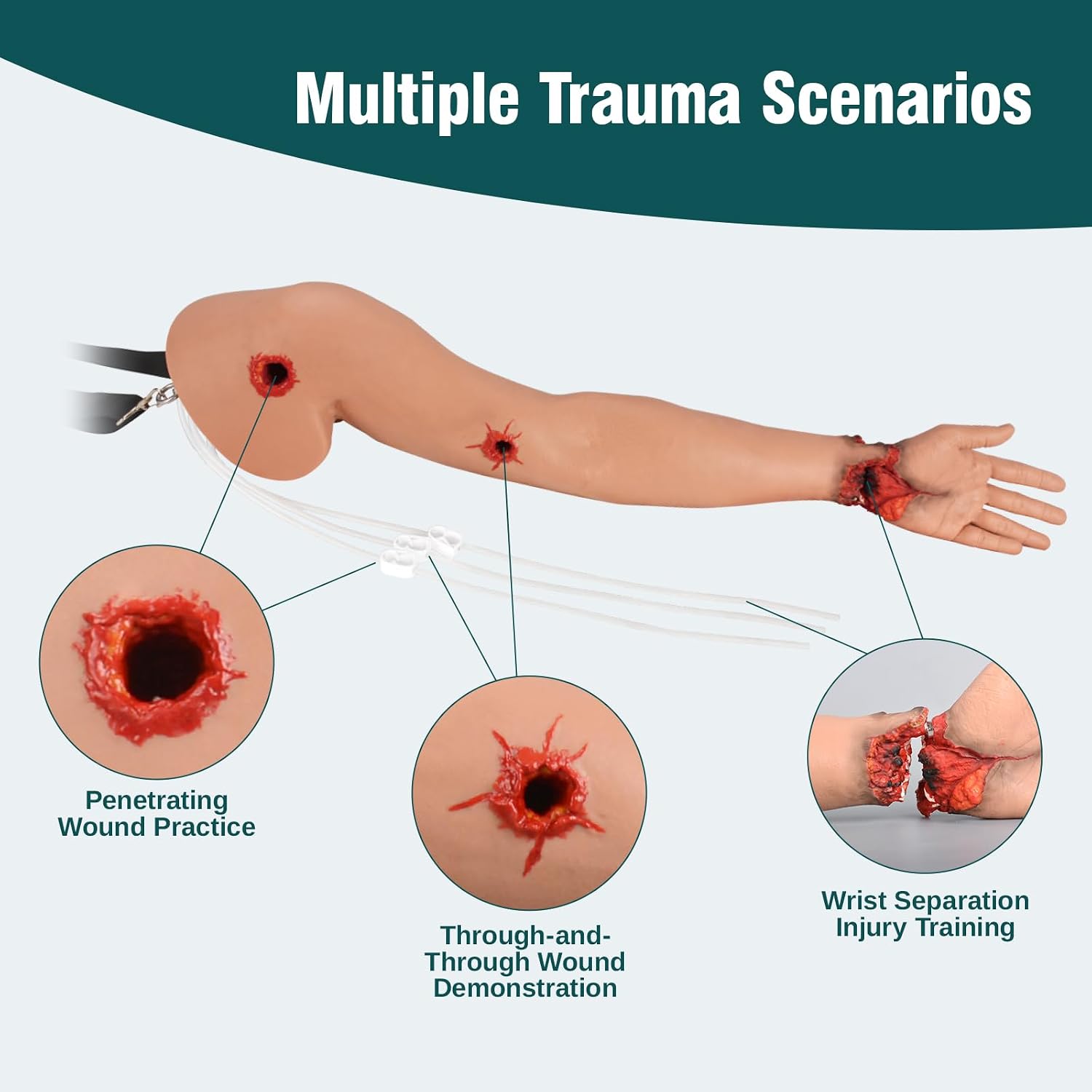
Bleeding Control Arm Simulator with Multiple Wounds
$799.00 USD -
Chest Penetrating Gunshot Wound Training Kit
.jpeg?w=1600&h=1600)
.jpeg?w=1600&h=1600)
Chest Penetrating Gunshot Wound Training Kit
$139.99 USD -
Wearable Abdominal Impalement Trauma Trainer Kit
.jpeg?w=1600&h=1600)
.jpeg?w=1600&h=1600)
Wearable Abdominal Impalement Trauma Trainer Kit
$149.99 USD -
Wearable Arm Amputation & Bleeding Control Trainer, Right


Wearable Arm Amputation & Bleeding Control Trainer, Right
$369.99 USD -
Wearable Partial Arm Amputation Simulation Kit


Wearable Partial Arm Amputation Simulation Kit
$262.99 USD -
Wearable Chest & Abdominal Blast Trauma Trainer Kit


Wearable Chest & Abdominal Blast Trauma Trainer Kit
$169.99 USD -
Silicone Buttock Pressure Ulcer Model with Multi-Stage Ulcer Simulation


Silicone Buttock Pressure Ulcer Model with Multi-Stage Ulcer Simulation
$229.99 USD