The term "aesthetic mannequin head" can mean different things depending on the type of training being discussed.
A mannequin head used for makeup, hairstyling, lash practice, or facial massage is designed for beauty and cosmetology education. A model designed for medical aesthetic injection training, however, serves a very different purpose.
This distinction matters for educators, aesthetic practitioners, medical students, and training providers looking for a realistic way to practice facial injection techniques.
In simple terms:
A beauty mannequin head is primarily designed to practice appearance-related or esthetic skills, while a facial injection training model is designed to simulate the conditions and anatomical considerations involved in medical aesthetic injection practice.
Understanding the difference can help training programs choose the right type of model and avoid using a mannequin designed for one purpose to teach skills it was never intended to represent.
What is an Aesthetic Mannequin Head?
Aesthetic mannequin head is a broad term rather than a standardized medical device category.
Depending on the manufacturer and context, it may refer to a head-shaped training model used in beauty, cosmetology, esthetics, or aesthetic education.
Common applications include:
- Makeup application
- Hairstyling
- Eyelash extension practice
- Facial massage
- Skincare demonstrations
- General esthetician training
These models are often designed to provide a convenient, reusable surface for practicing techniques related to beauty services.
However, "aesthetic" does not automatically mean "medical aesthetic injection."
This is an important distinction when evaluating training equipment.
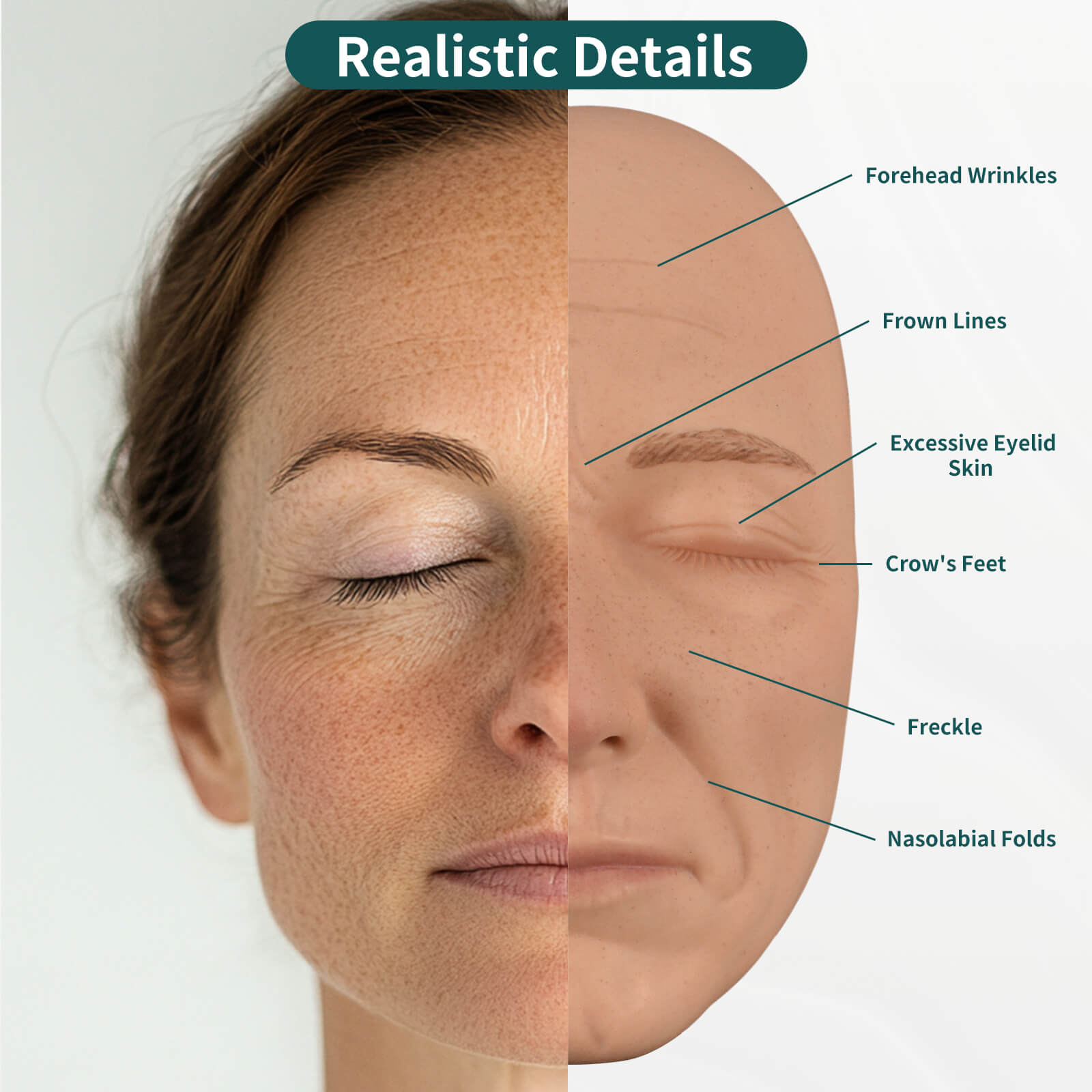
A mannequin head created for makeup application, for example, may accurately represent the general shape of a human face while offering little or no simulation of the characteristics needed for injection training.
What is a Facial Injection Training Model?
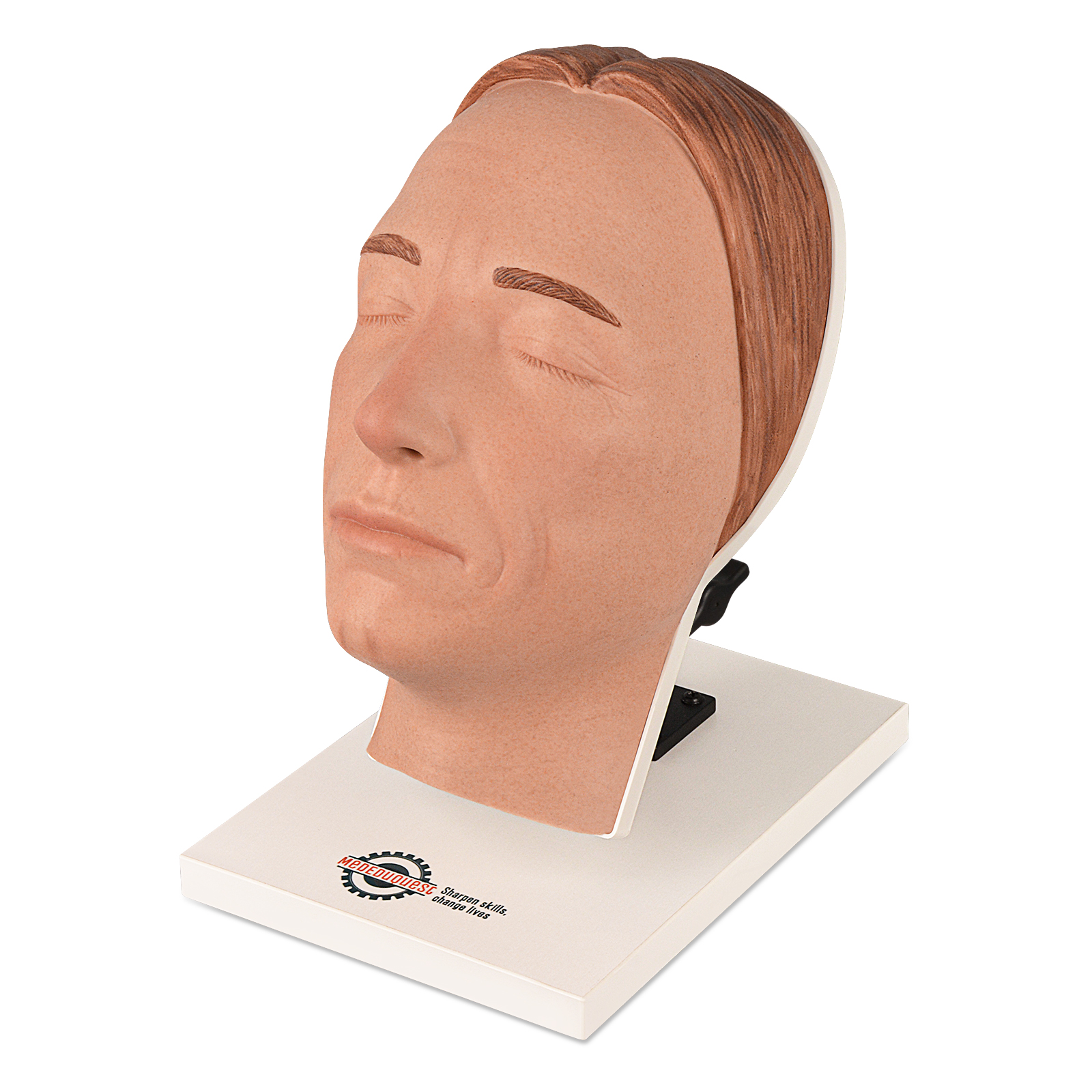
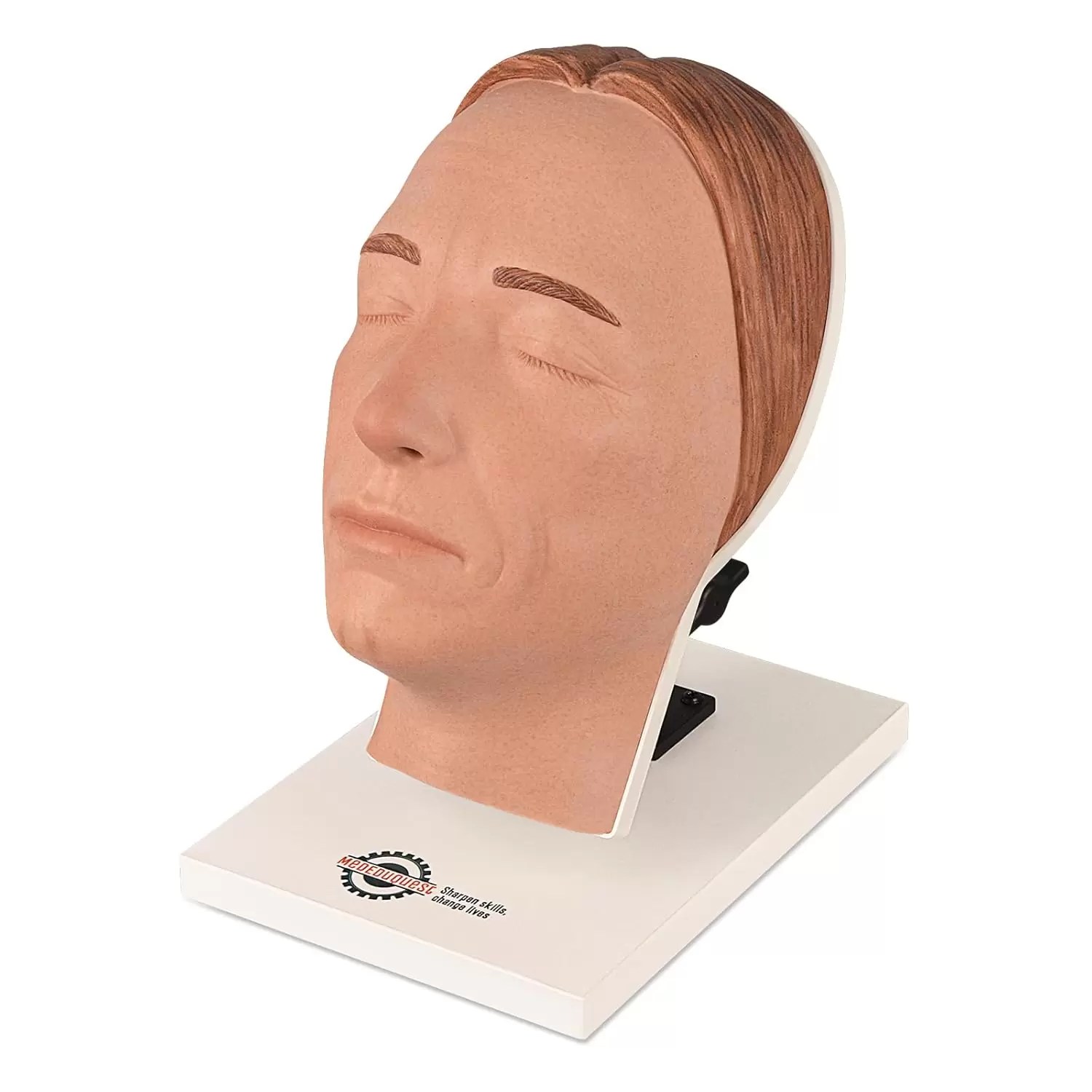
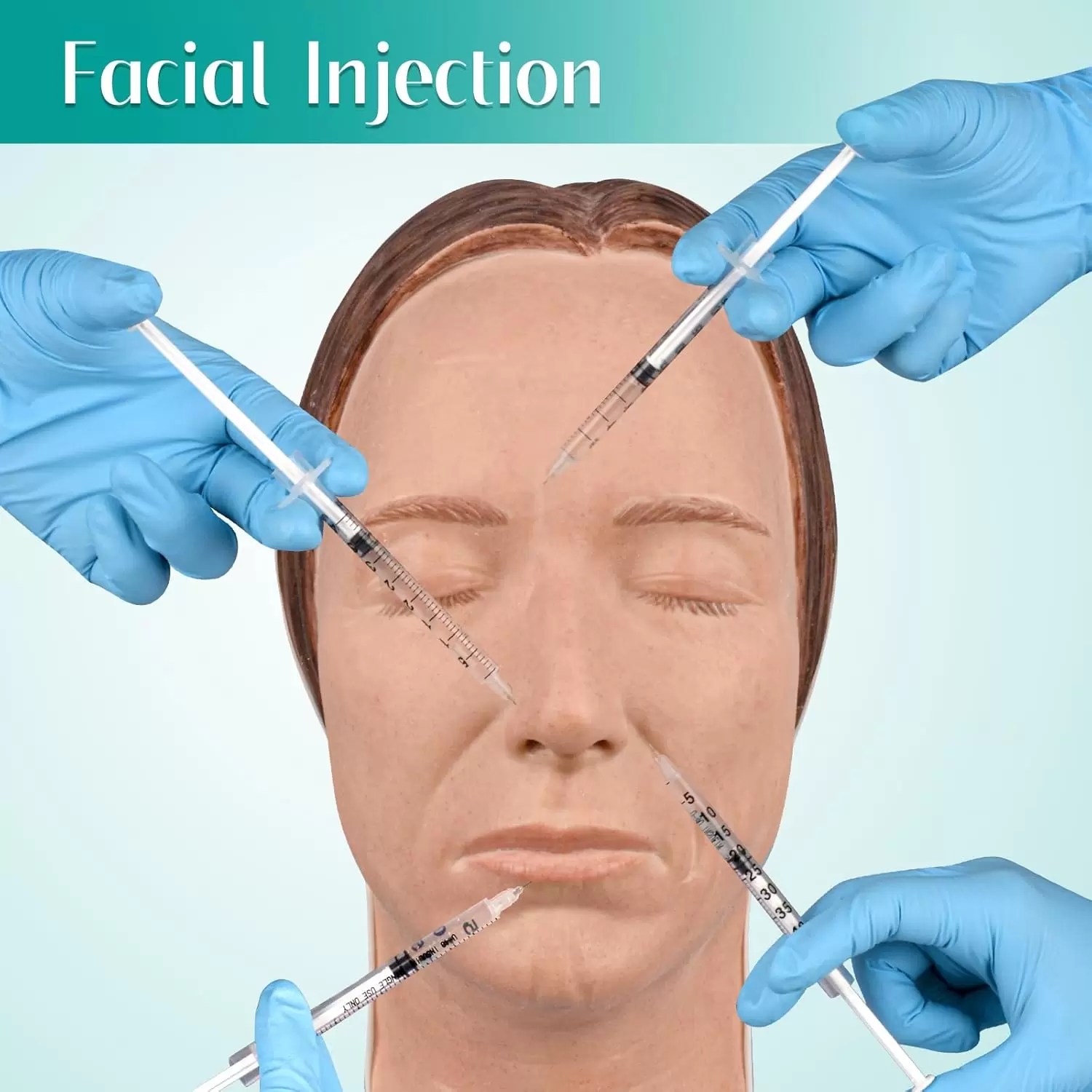
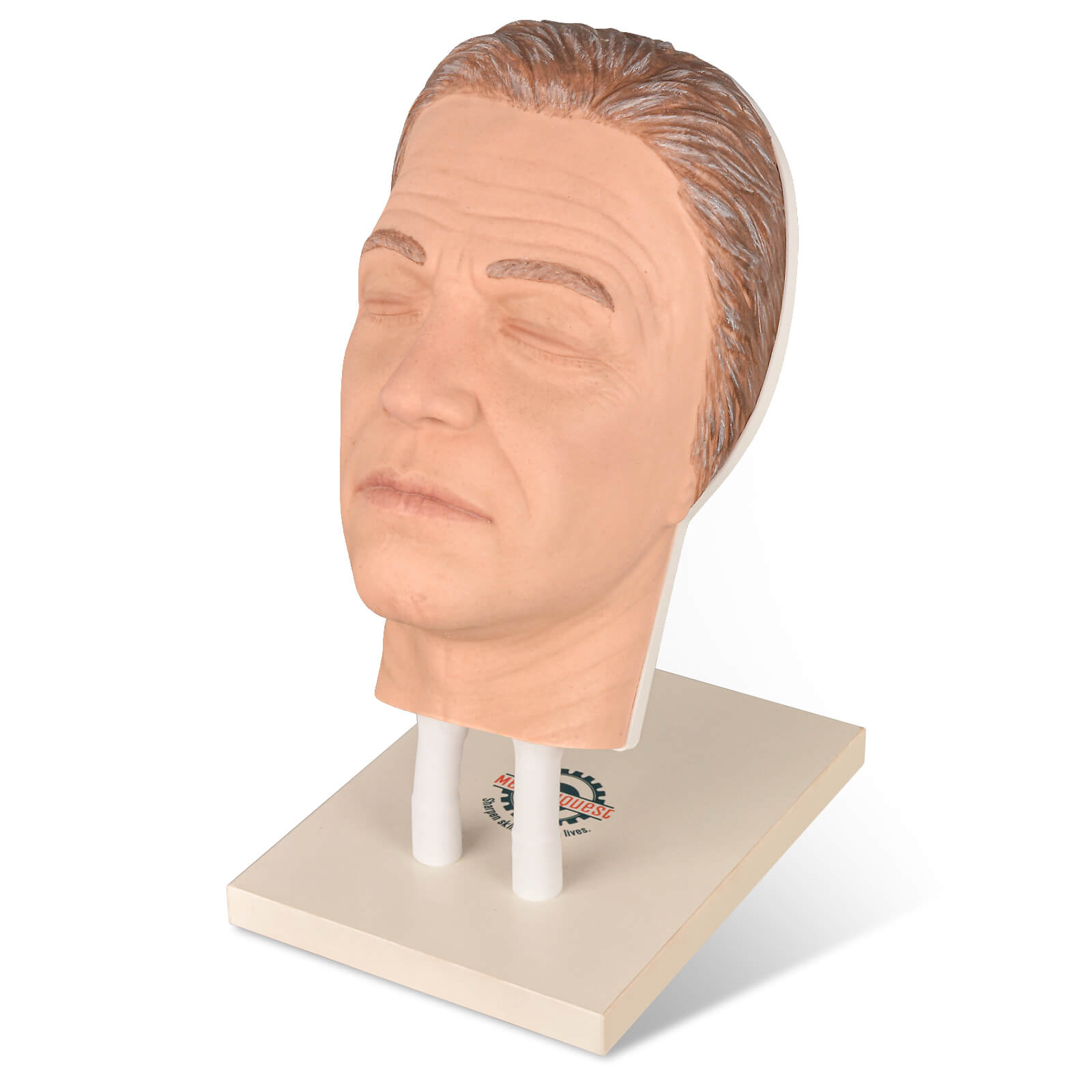
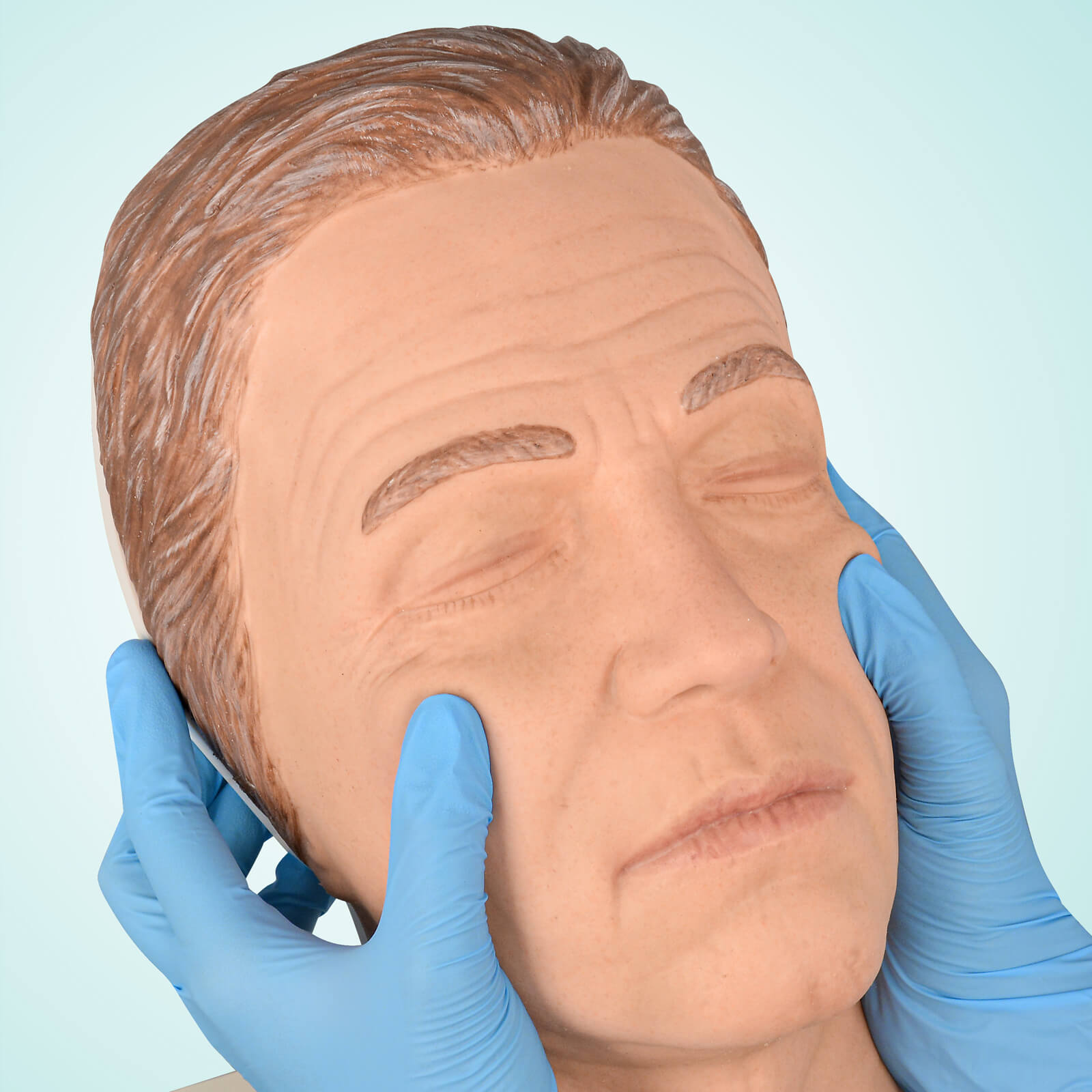
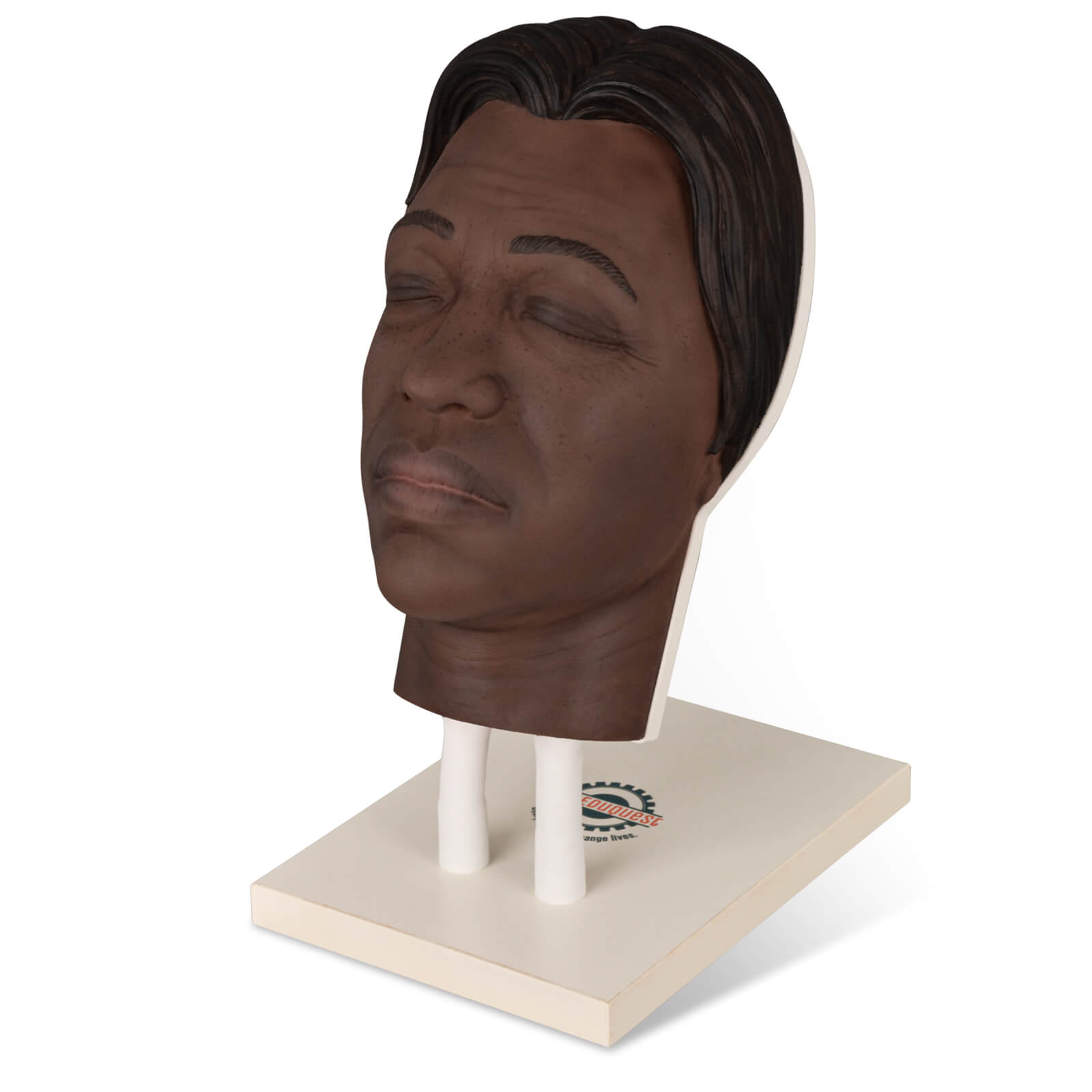
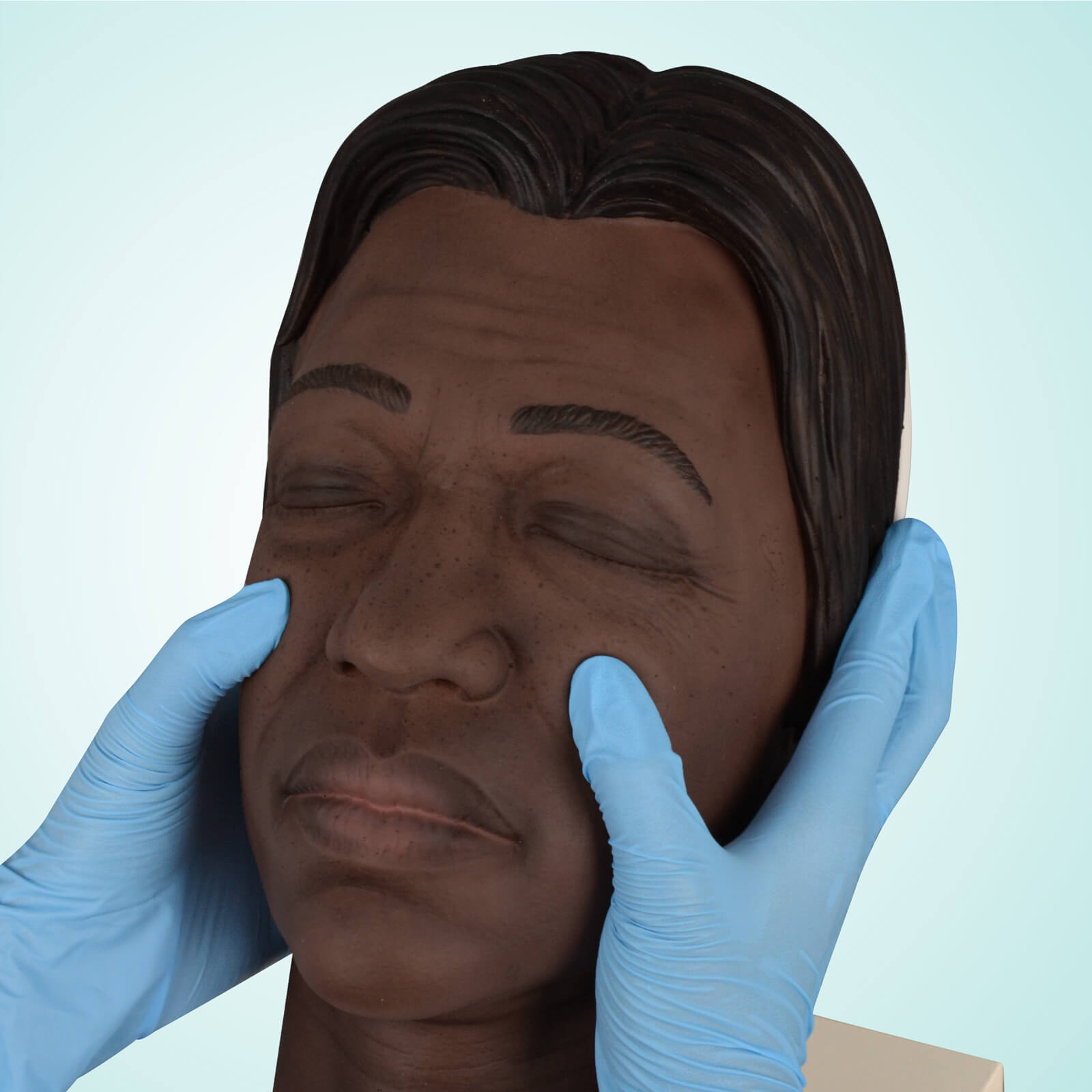
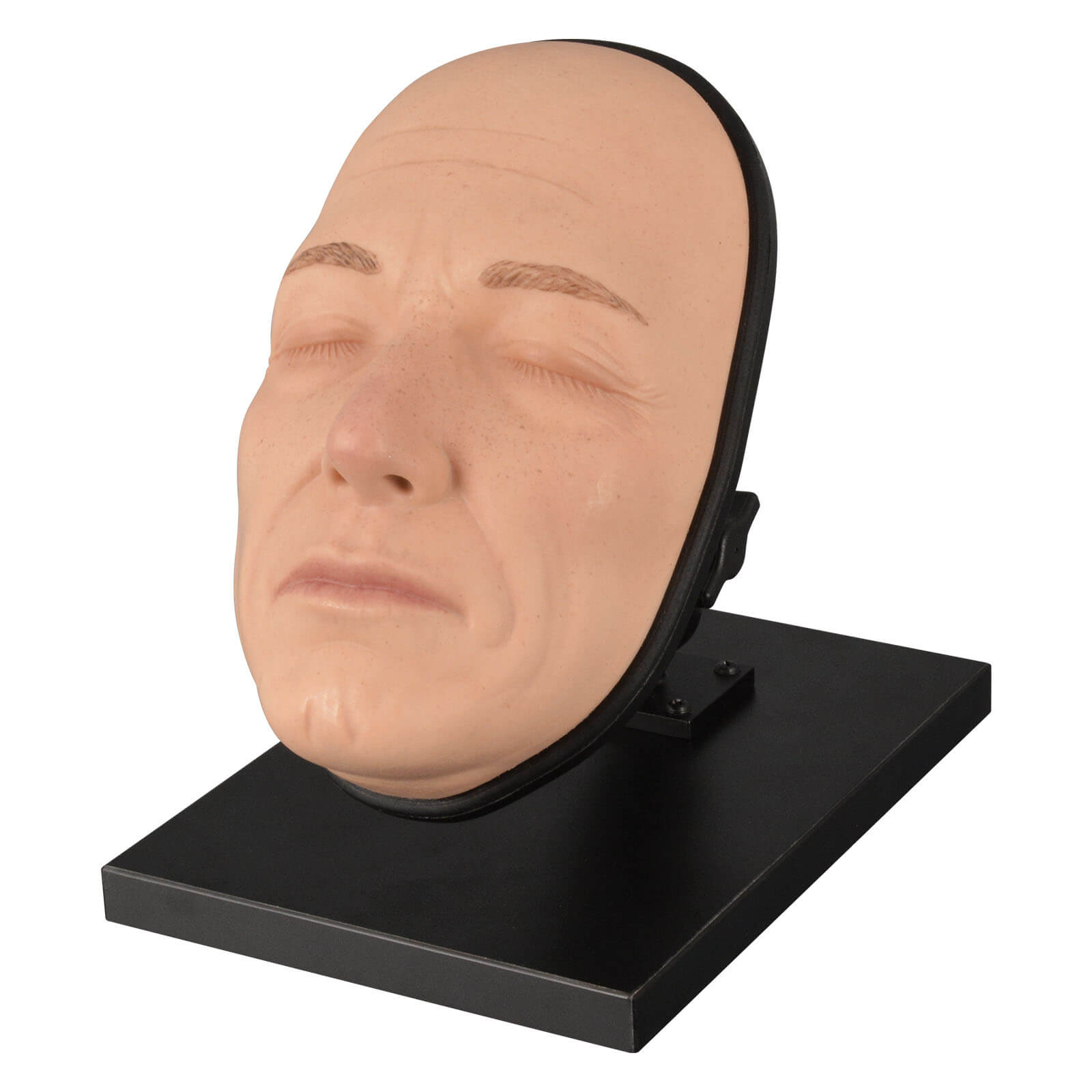
A facial injection training model is designed specifically for education and hands-on practice involving facial injection procedures.
Depending on the model, it may be used to support training related to:
- Botulinum toxin injection techniques
- Dermal filler injection practice
- Facial injection techniques
- Injection site identification
- Facial anatomy education
- Needle positioning and handling
- Injection depth awareness
- Non-surgical rhinoplasty training
The level of anatomical realism varies considerably between models.
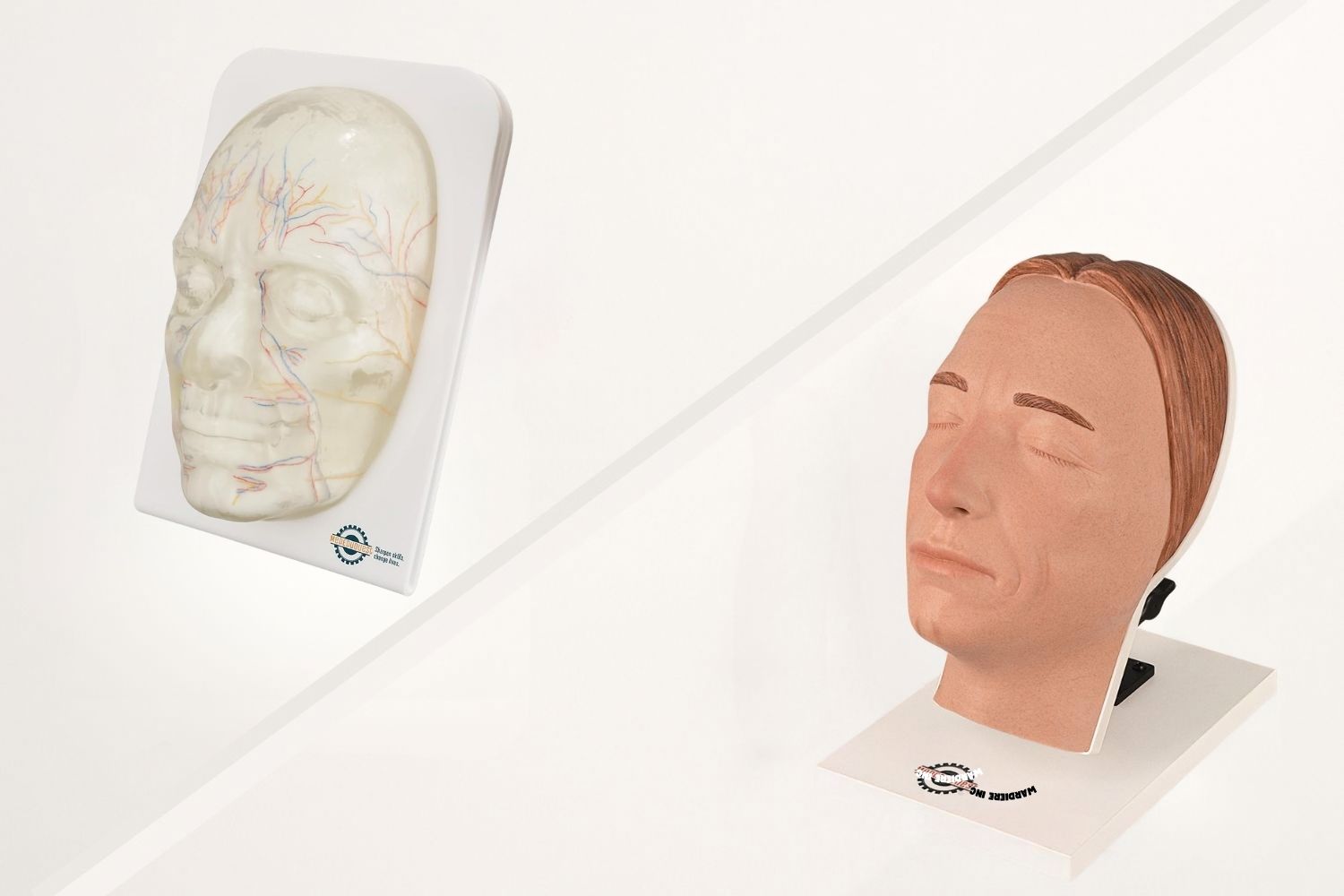
Some are primarily designed for basic injection practice, while more advanced models may incorporate structures such as muscles, blood vessels, nerves, or multiple anatomical layers.
This makes the design of the training model particularly important when the educational objective extends beyond simply practicing needle handling.
.jpg?w=1500&h=1000)
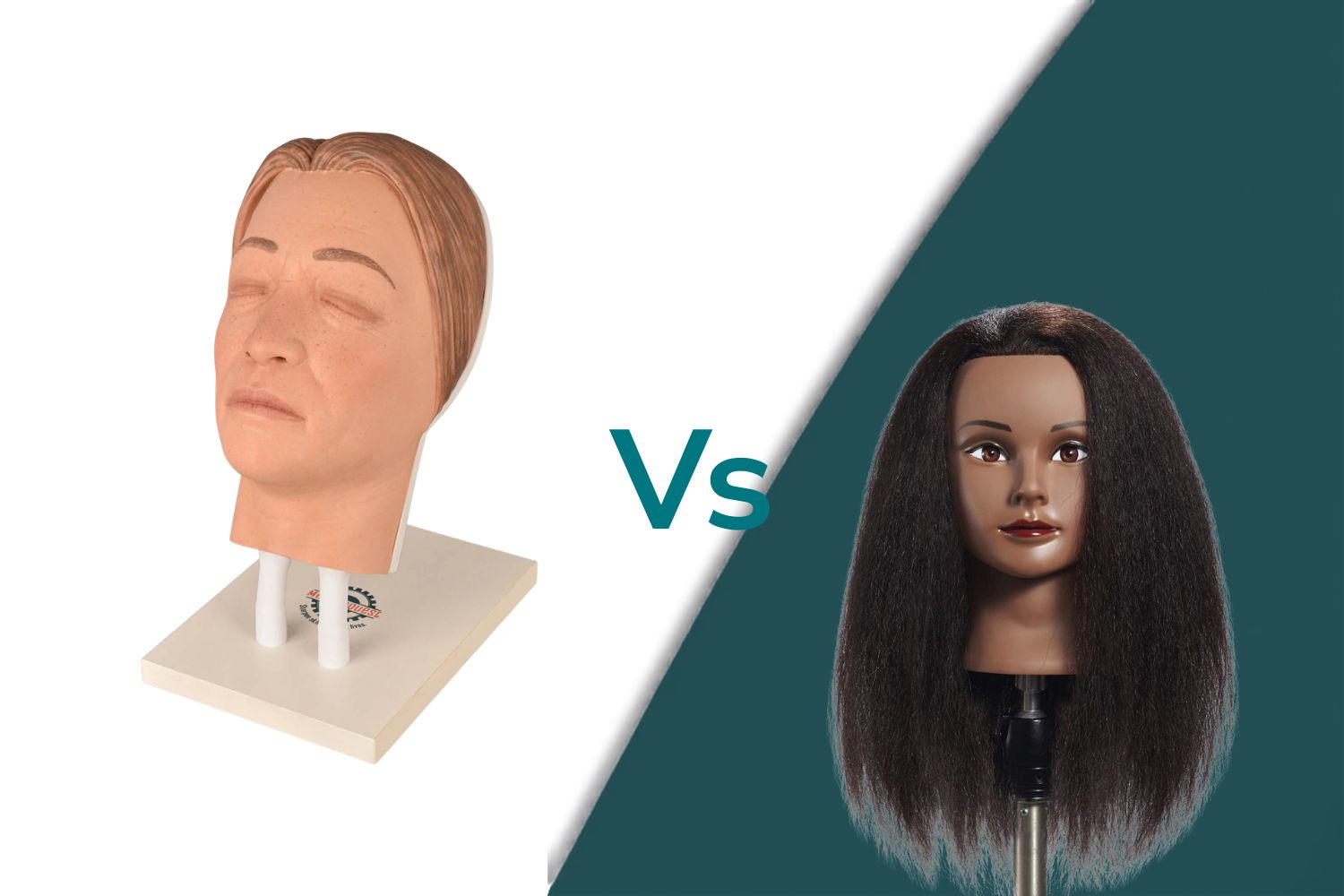
Aesthetic Mannequin Head vs. Facial Injection Training Model
The easiest way to understand the difference is to look at the training objective rather than the appearance of the model.
| Feature | Aesthetic Mannequin Head | Facial Injection Training Model |
|---|---|---|
| Makeup practice | ✓ | Not the primary purpose |
| Hair or styling practice | ✓ | Not the primary purpose |
| Lash training | ✓ | Not the primary purpose |
| Facial massage practice | Often | Not the primary purpose |
| Injection practice | Usually not | ✓ |
| Botox training | Usually not | ✓ Depending on model |
| Dermal filler training | Usually not | ✓ Depending on model |
| Facial anatomy education | Limited or variable | ✓ Depending on model |
| Anatomical structures | Usually limited | May include muscles, vessels, nerves, or layers |
| Needle handling practice | Not typically intended | ✓ |
| Medical aesthetic education | Limited | ✓ |
The important point is that a realistic-looking face does not necessarily make a model suitable for injection training.
Training purpose, material properties, anatomical design, and the intended procedure all matter.
Why the Difference Matters for Injection Training
Injection training involves more than identifying where a needle should enter the skin.
A training model may be used to help learners develop:
- Hand positioning
- Needle control
- Injection angle awareness
- Landmark identification
- Spatial understanding of facial structures
- Familiarity with different facial regions
- Confidence with instrument handling
For more advanced education, anatomical representation becomes increasingly relevant.
For example, a model intended for facial anatomy education may provide visual or tactile references for structures beneath the skin. This can help learners understand why injection location and depth matter.
However, a training model should complement—not replace—formal medical education, supervised clinical training, or instruction from qualified professionals.
No simulation model can reproduce every characteristic of living human tissue or fully replicate the clinical variables encountered in actual patients.
Not All Facial Injection Models Are Designed the Same Way
Another common misconception is that all injection training models provide the same training experience.
They do not.
The design can differ in several important areas.
1. Skin and Tissue Simulation
The material used for the outer surface influences how the model feels during needle insertion and manipulation.
Different materials can provide different levels of:
- Softness
- Elasticity
- Resistance
- Needle penetration feel
- Surface durability
For repeated training, durability and consistency are also important considerations.
2. Anatomical Detail
Some models provide only an external facial surface.
Others may include visible or simulated:
- Muscles
- Arteries
- Veins
- Nerves
- Fat compartments
- Multiple anatomical layers
The appropriate level of detail depends on the learning objective.
A beginner practicing basic injection handling may not require the same anatomical complexity as an advanced learner studying facial anatomy and injection-related spatial relationships.
3. Facial Region
Different face models may be designed around different areas of the face.
For example:
- Full-face injection practice
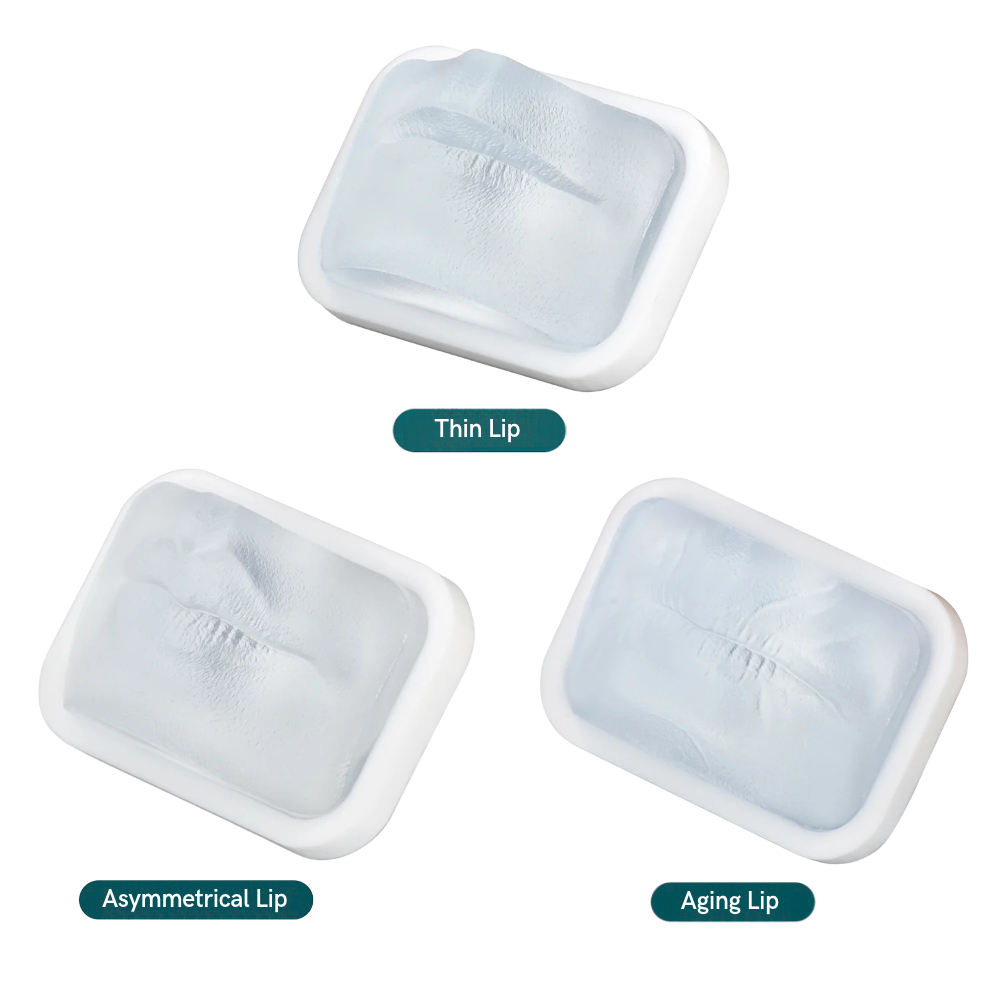
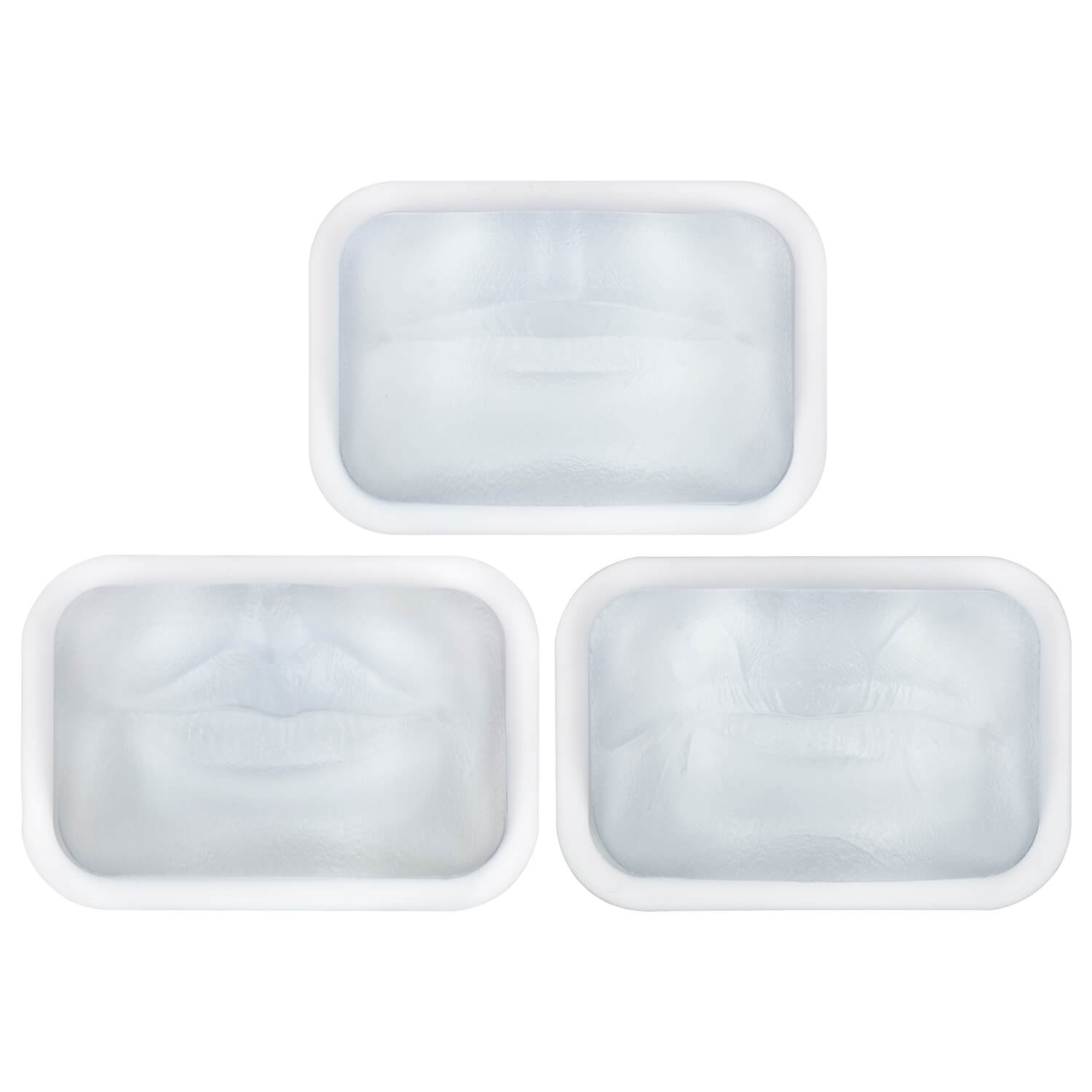
- Lip injection practice
- Nose and nasal injection practice
- Cheek and midface practice
- Perioral regions
- Specific anatomical structures
A model intended for nose filler practice, for example, may be more relevant to non-surgical rhinoplasty training than a general beauty mannequin head.
4. Reusability
Training institutions and educators should also consider how frequently the model will be used.
For repeated practice, relevant factors may include:
- Skin durability
- Resistance to repeated needle insertion
- Ease of cleaning
- Replacement components, if available
- Long-term consistency
The most realistic-looking model is not necessarily the most practical choice for every training environment.
Can a Beauty Mannequin Head Be Used for Injection Practice?
In general, a beauty mannequin head should not automatically be assumed to be suitable for medical aesthetic injection training.
A model designed for makeup, hair, lash, or facial massage practice may have a human-like appearance, but appearance alone does not establish its suitability for injection education.
Before using any model for injection practice, educators should check:
- What is the model specifically designed for?
- Does the manufacturer identify injection training as an intended application?
- What material is used for the simulated skin?
- Does the model provide relevant anatomical structures?
- Is it designed for repeated needle insertion?
- Does its design match the procedure being taught?
This is especially important for professional training environments where the model is being used as part of a structured educational program.
What Type of Model Is Appropriate for Medical Aesthetic Training?
The right choice depends on the learning objective.
For makeup or beauty skills
A traditional mannequin head may be appropriate for:
- Makeup
- Hair styling
- Lash application
- General beauty practice
For esthetics training
A specialized esthetics manikin may be more appropriate for:
- Facial massage
- Skincare demonstrations
- Facial treatment practice
For medical aesthetic injection education
A dedicated injection training model is generally more appropriate when the objective involves:
- Botox injection practice
- Dermal filler injection practice
- Facial injection techniques
- Facial anatomical education
- Needle handling
- Injection site identification
- Procedure-specific simulation
For educators looking specifically for models intended for medical aesthetic injection education, see Facial Injection Training Models.
How to Choose Between Different Injection Training Models
Once you have determined that an injection-specific model is appropriate, the next question is which type of model best fits the training program.
Consider these factors.
1. Training objective
Are learners practicing basic needle handling, specific injection techniques, or more advanced facial anatomy?
2. Procedure
Does the training focus on Botox, dermal filler, facial injection, or a specific area such as the nose?
3. Anatomical complexity
Does the course require only surface-level practice, or does it benefit from visible or simulated underlying structures?
4. Learner level
Beginners and advanced practitioners may have very different simulation requirements.
5. Training frequency
A model used in a classroom several times a week may need different durability characteristics from one used occasionally for demonstrations.
6. Educational context
A medical school, aesthetic training academy, clinic, and individual learner may each have different requirements.
There is no single "best" training model for every situation. The most useful model is the one whose design aligns with the specific skill, learner level, and teaching objective.
A Simple Rule of Thumb
When evaluating an "aesthetic mannequin head," start with the intended use, not the name.
If the primary goal is:
- Makeup → choose a makeup practice head.
- Hair or lash training → choose a beauty training mannequin.
- Facial massage or esthetics → choose an esthetics training model.
- Botox, dermal filler, face lift, or facial injection practice → look for an injection-specific training model.
This distinction can prevent a common purchasing mistake: choosing a mannequin because it looks realistic without confirming whether its design supports the intended training application.
Frequently Asked Questions
Q1: Is an aesthetic mannequin head the same as a facial injection training model?
No. Aesthetic mannequin head is a broad term that can describe models used for makeup, hair, lash, esthetics, or other beauty-related training. A facial injection training head model is specifically intended for practicing or demonstrating medical aesthetic injection techniques.
Q2: Can I use a makeup mannequin head for Botox training?
A standard makeup mannequin head is not necessarily designed or manufactured for injection training. Before using one for this purpose, verify the manufacturer's intended application, material properties, and suitability for repeated needle insertion.
Q3: What is a facial injection training model used for?
Depending on its design, a facial injection model can be used for Botox, dermal filler, facial injection, anatomical education, needle handling, and procedure-specific practice such as nose filler or non-surgical rhinoplasty training.
Q4: Are all facial injection training models anatomically detailed?
No. Anatomical detail varies between models. Some provide a basic facial surface for injection practice, while others incorporate structures such as muscles, arteries, nerves, or multiple layers.
Q5: What should I look for in a facial injection training model?
Consider the intended procedure, skin or tissue material, anatomical detail, facial regions represented, durability, reusability, and whether the model matches the learner's level and educational objectives.
Q6: Can these models replace training on real patients?
No. Simulation models are educational tools and do not reproduce every characteristic of living human tissue or the full range of clinical variables. They should be used alongside appropriate medical education, clinical instruction, and supervised training where applicable.
.jpg?w=1000&h=1000)
.jpg?w=1000&h=1000)
.jpeg?w=1500&h=1500)
.jpeg?w=1500&h=1500)
.jpeg?w=1600&h=1600)
.jpeg?w=1600&h=1600)
.jpg?w=1600&h=1600)
.jpg?w=1600&h=1600)
.jpg?w=1500&h=1500)
.jpg?w=1500&h=1500)
.jpg?w=1500&h=1500)
.jpg?w=1500&h=1500)
.jpg?w=1500&h=1500)
.jpg?w=1500&h=1500)