
Ostomy care is an essential skill for nurses who support patients recovering from surgery or living with long-term ostomies. However, not all ostomies are the same.
The three most common types of ostomy procedures are colostomy, ileostomy, and urostomy. Each type has different anatomical locations, output characteristics, and care considerations.
For nursing students and healthcare professionals, understanding these differences is the first step toward providing safe and effective ostomy care.
What is an Ostomy?
An ostomy is a surgically created opening that allows waste to leave the body through a stoma. The stoma is created when part of the digestive or urinary system is redirected through the abdominal wall.
Depending on the organ involved, ostomies are commonly classified into:
- Colostomy: created from the colon (large intestine)
- Ileostomy: created from the ileum (small intestine)
- Urostomy: created to divert urine from the urinary system
Although all three require pouching systems and skin care, the daily management and nursing considerations can vary significantly.
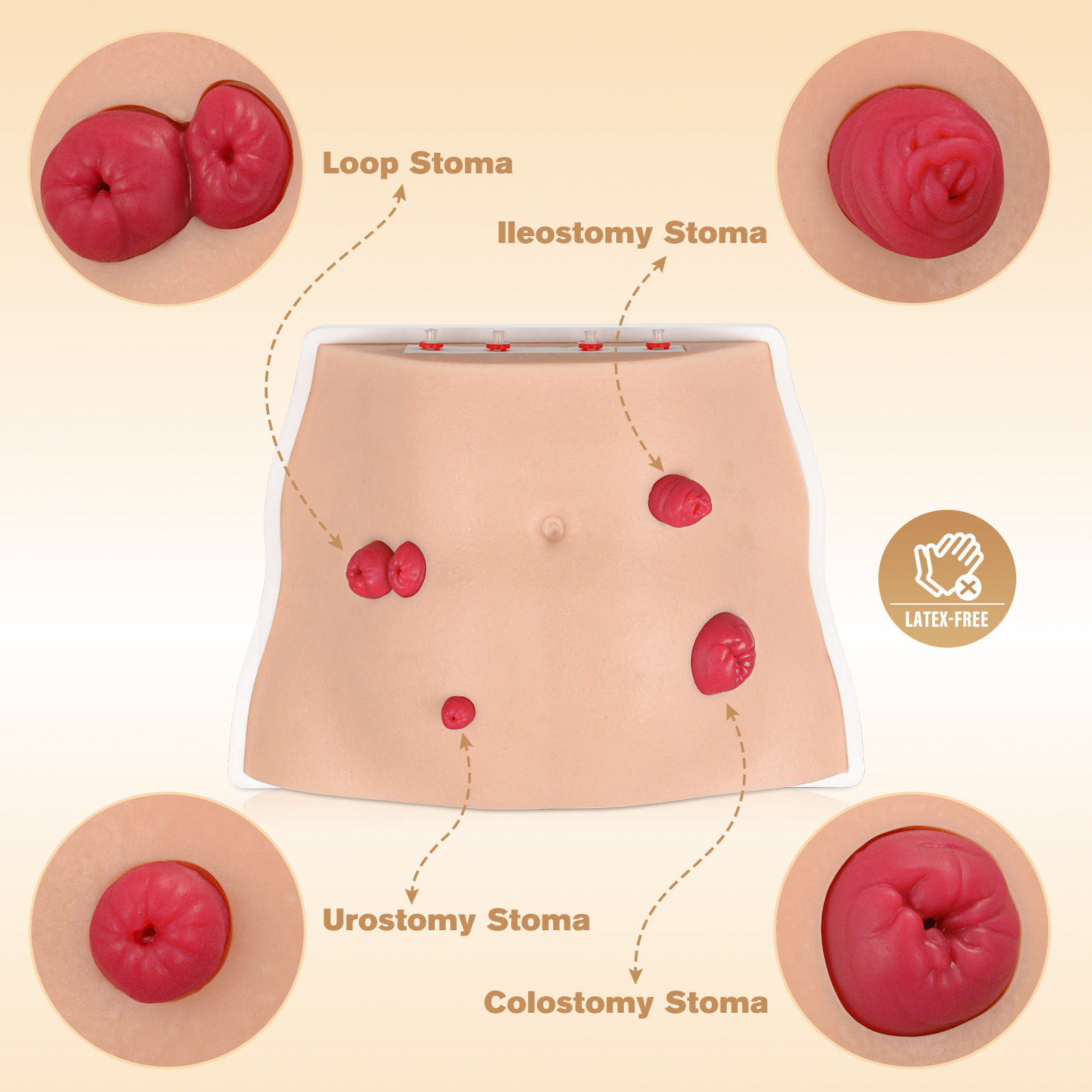
Colostomy: Large Intestine Diversion
What is a Colostomy?
A colostomy connects part of the colon to an opening on the abdominal wall, allowing stool to pass through the stoma into an external pouch.
Colostomies may be temporary or permanent depending on the patient's medical condition.
Key Characteristics:
- Output is usually more formed because water is absorbed in the colon
- Stool consistency depends on the location of the colostomy
- May require routine pouch changes and skin monitoring
Nursing Care Considerations
Nursing students should practice:
- Assessing stoma appearance
- Monitoring stool characteristics
- Ensuring proper pouch fit
- Preventing leakage and skin irritation
Ileostomy: Small Intestine Diversion
What is an Ileostomy?
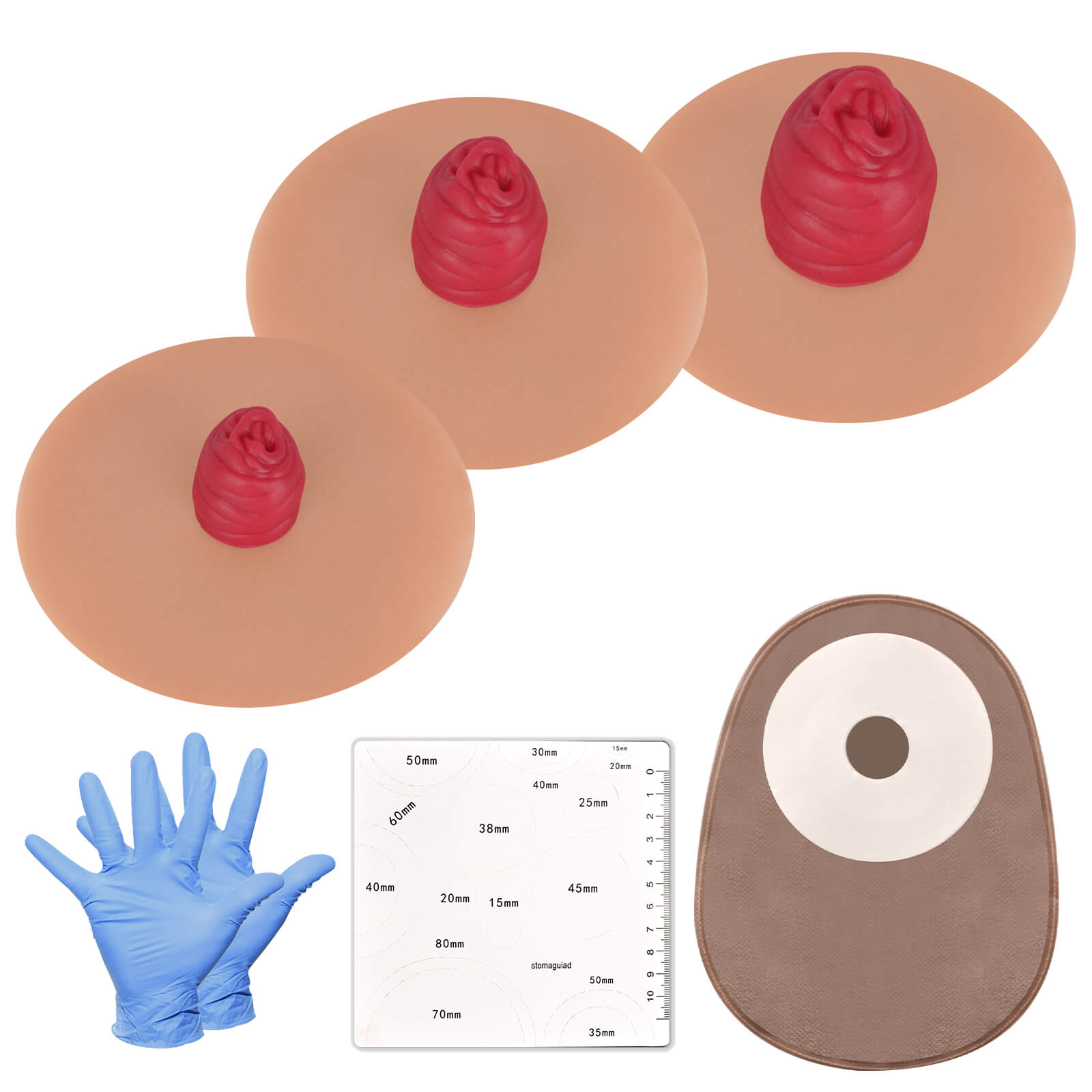
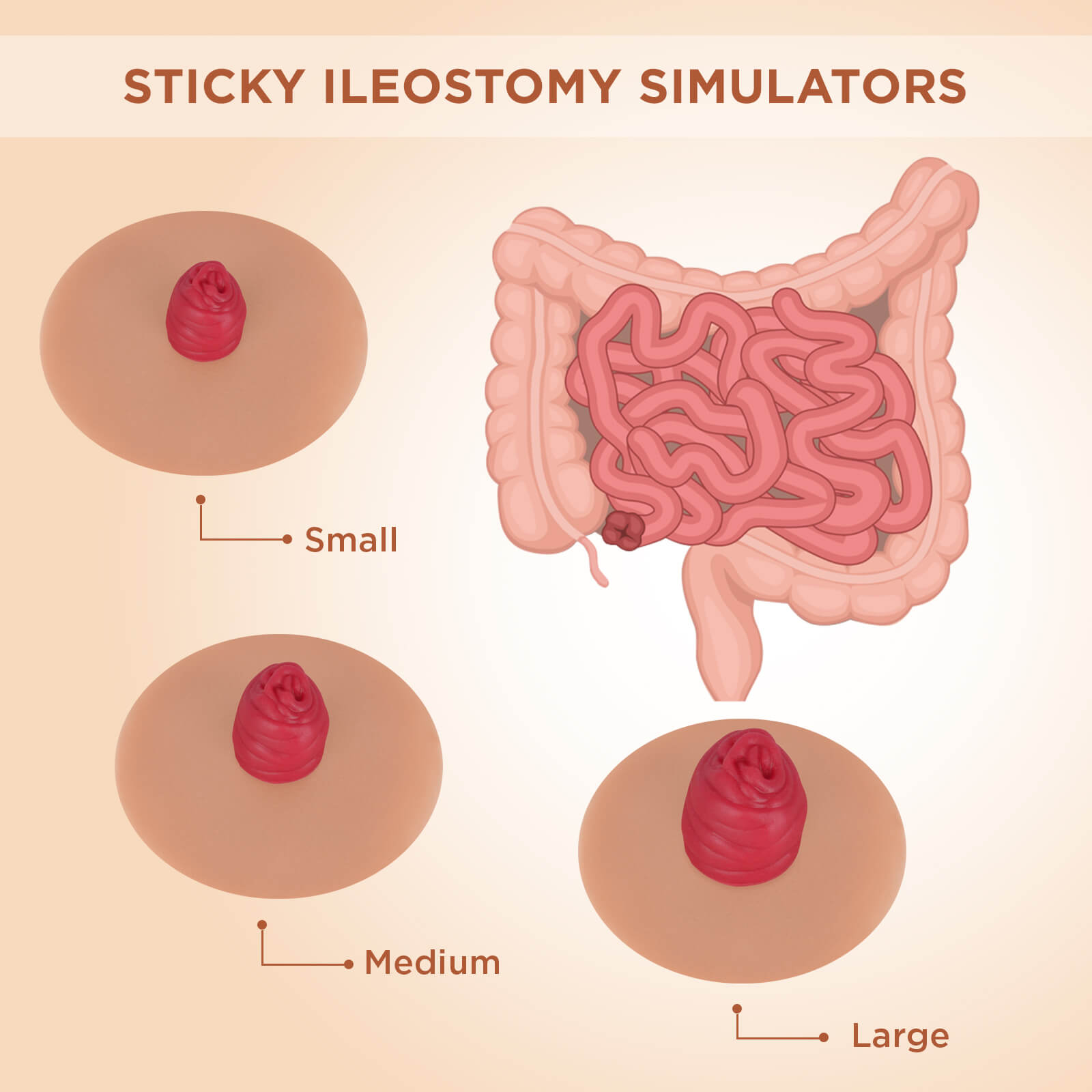
An ileostomy is created using the ileum, the final section of the small intestine. It allows intestinal contents to exit through the stoma.
Key Characteristics
- Output is usually more liquid compared with colostomy
- Contains digestive enzymes that may irritate surrounding skin
- Requires careful skin protection
Nursing Care Considerations
Important training skills include:
- Measuring output volume and consistency
- Protecting peristomal skin
- Checking appliance seal quality
- Educating patients about hydration and care routines
Because ileostomy output can be more irritating, proper appliance fitting and skin assessment are especially important.
Urostomy: Urinary Diversion
What is a Urostomy?
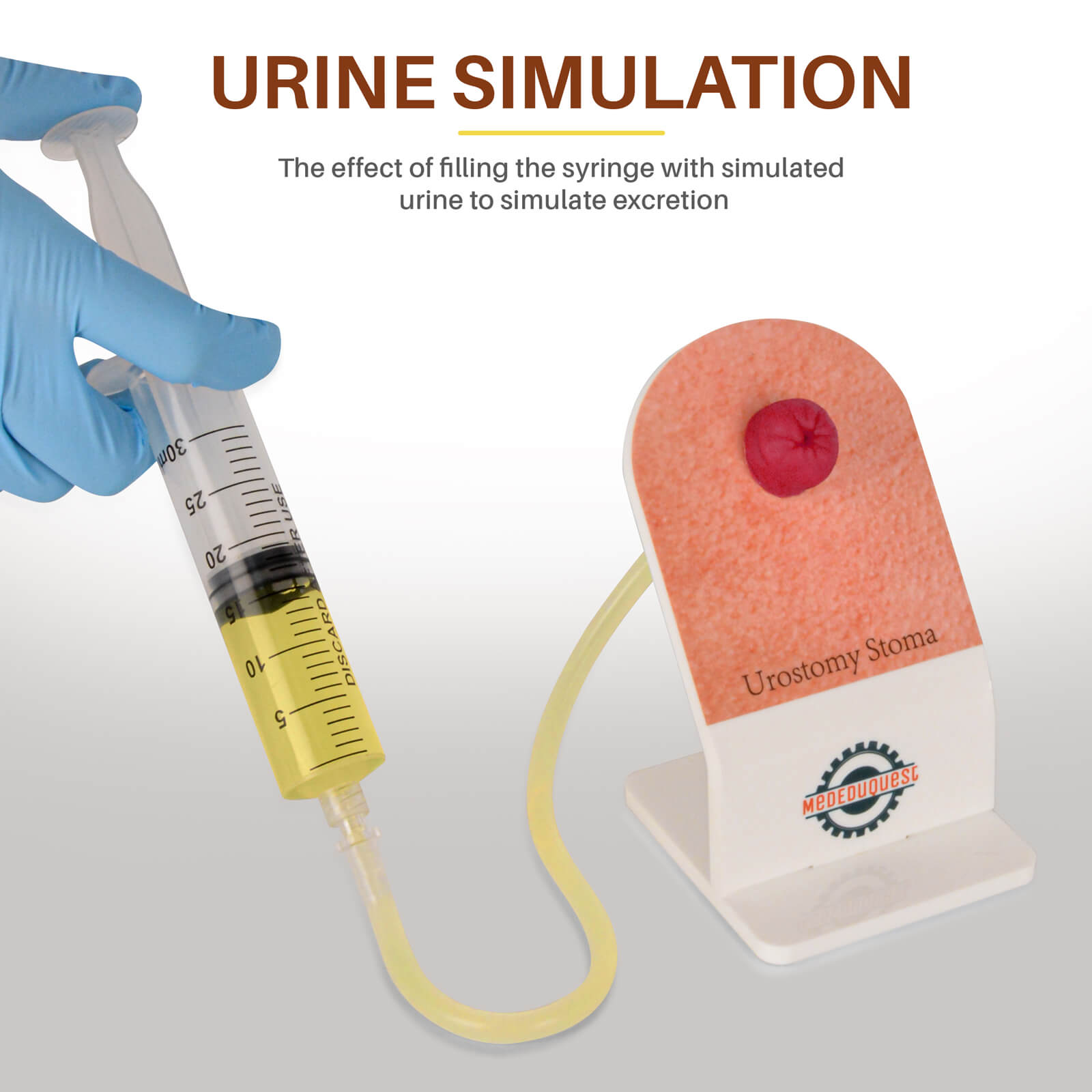
A urostomy is a urinary diversion procedure that creates a pathway for urine to leave the body through a stoma.
Unlike colostomy and ileostomy, a urostomy does not involve stool output.
Key Characteristics
- Produces continuous urine drainage
- Often uses a pouch with a drainage system
- Requires attention to skin protection and appliance management
Nursing Care Considerations
Students should learn:
- Assessing urine output
- Maintaining appliance connections
- Preventing skin irritation from moisture
- Teaching patients daily management techniques
Colostomy vs Ileostomy vs Urostomy: Key Differences
| Feature | Colostomy | Ileostomy | Urostomy |
| Source | Colon | Ileum | Urinary system |
| Output | More formed stool | Liquid stool | Urine |
| Main concern | Appliance fit and skin care | Skin protection and hydratio | Moisture management |
| Nursing focus | Stool assessment and pouch care | Output monitoring and leakage prevention | Drainage management and skin care |
Understanding these differences helps nursing students provide more accurate and personalized patient care.
Why Ostomy Simulation Training Matters
Learning the differences between ostomy types is important, but nursing students also need hands-on experience.
Simulation-based ostomy care training allows students to practice:
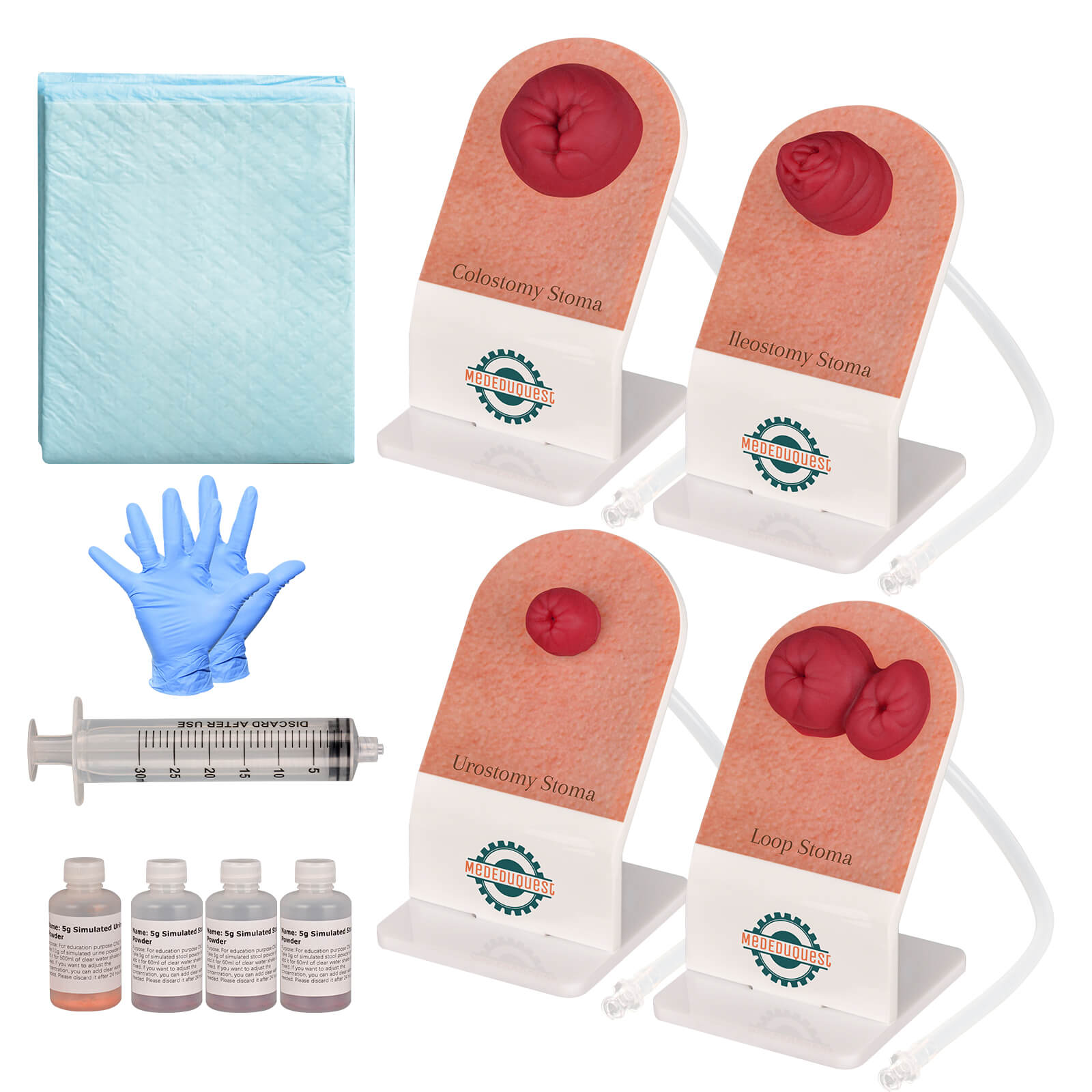
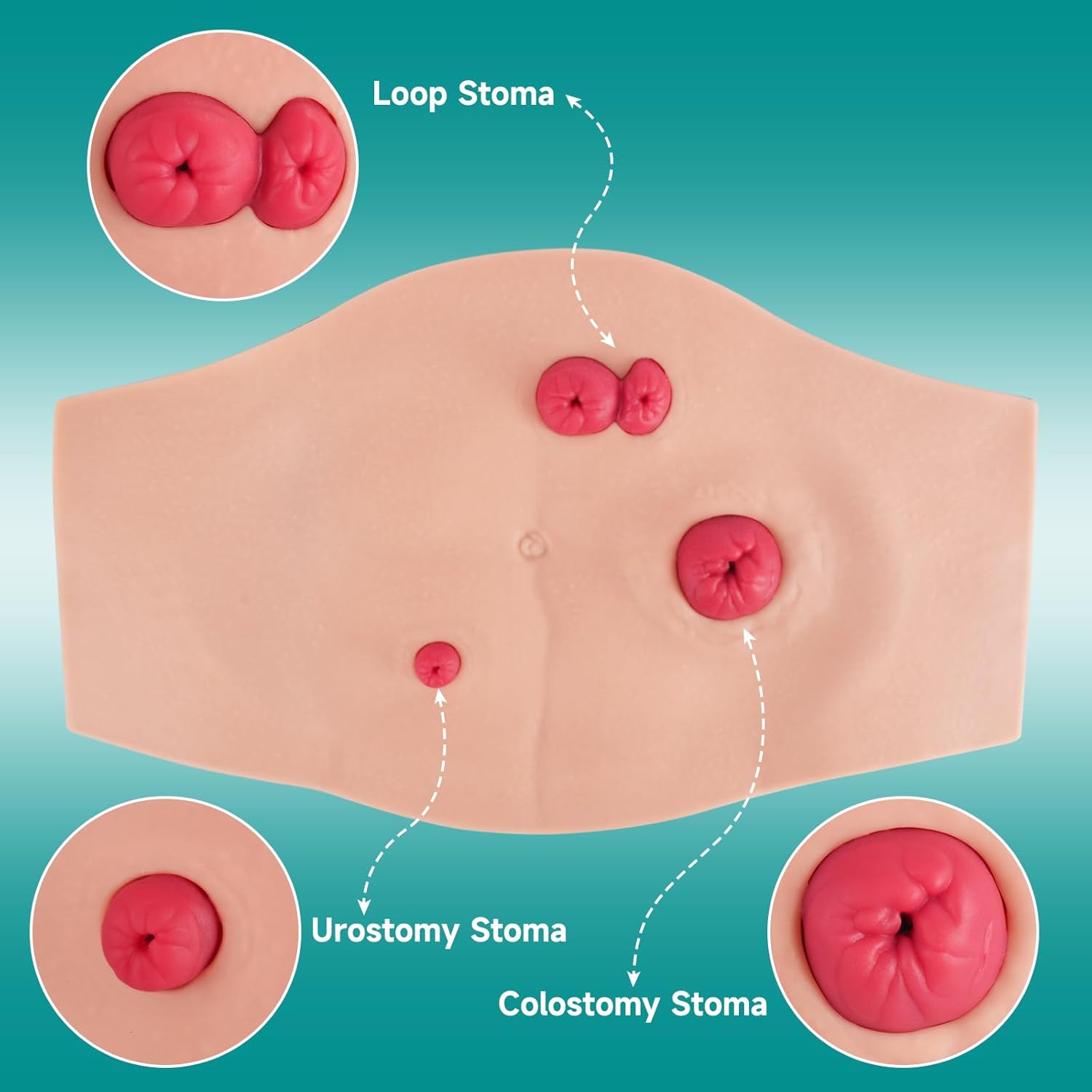
- Identifying different stoma types
- Performing stoma assessments
- Applying and removing ostomy appliances
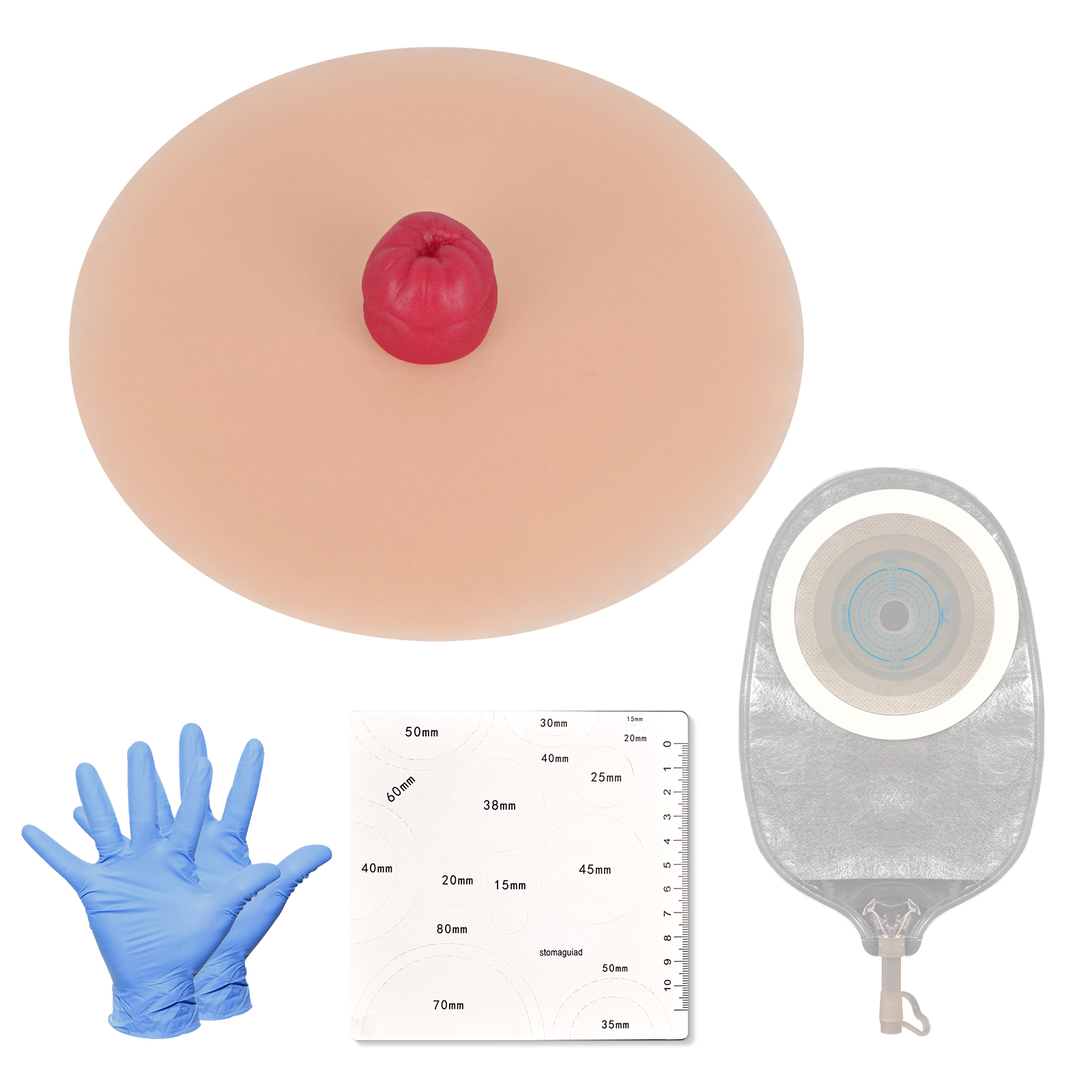
- Measuring and fitting wafers
- Preventing common care complications
Unlike theoretical learning alone, simulation provides repeated practice in a safe environment before students care for real patients.
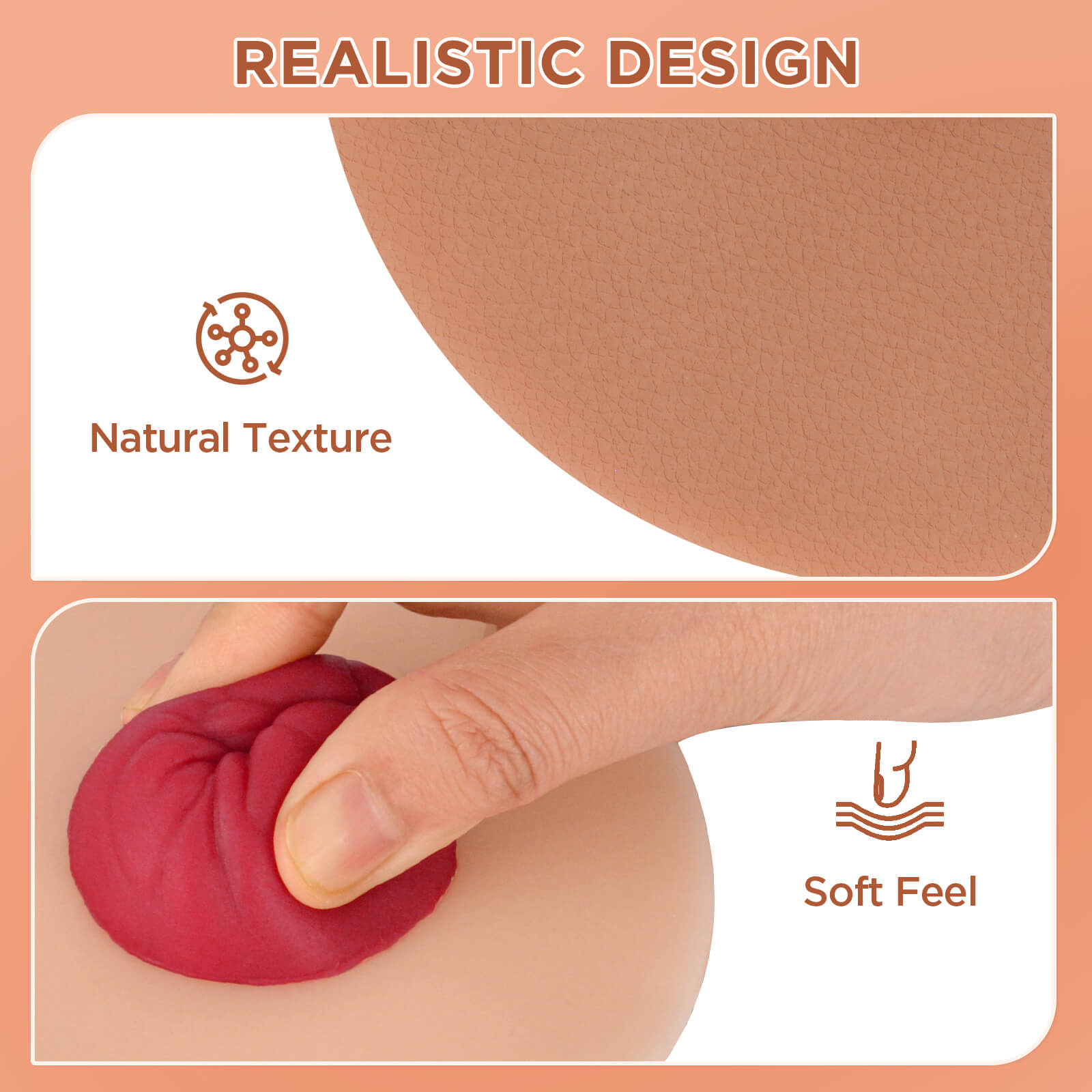
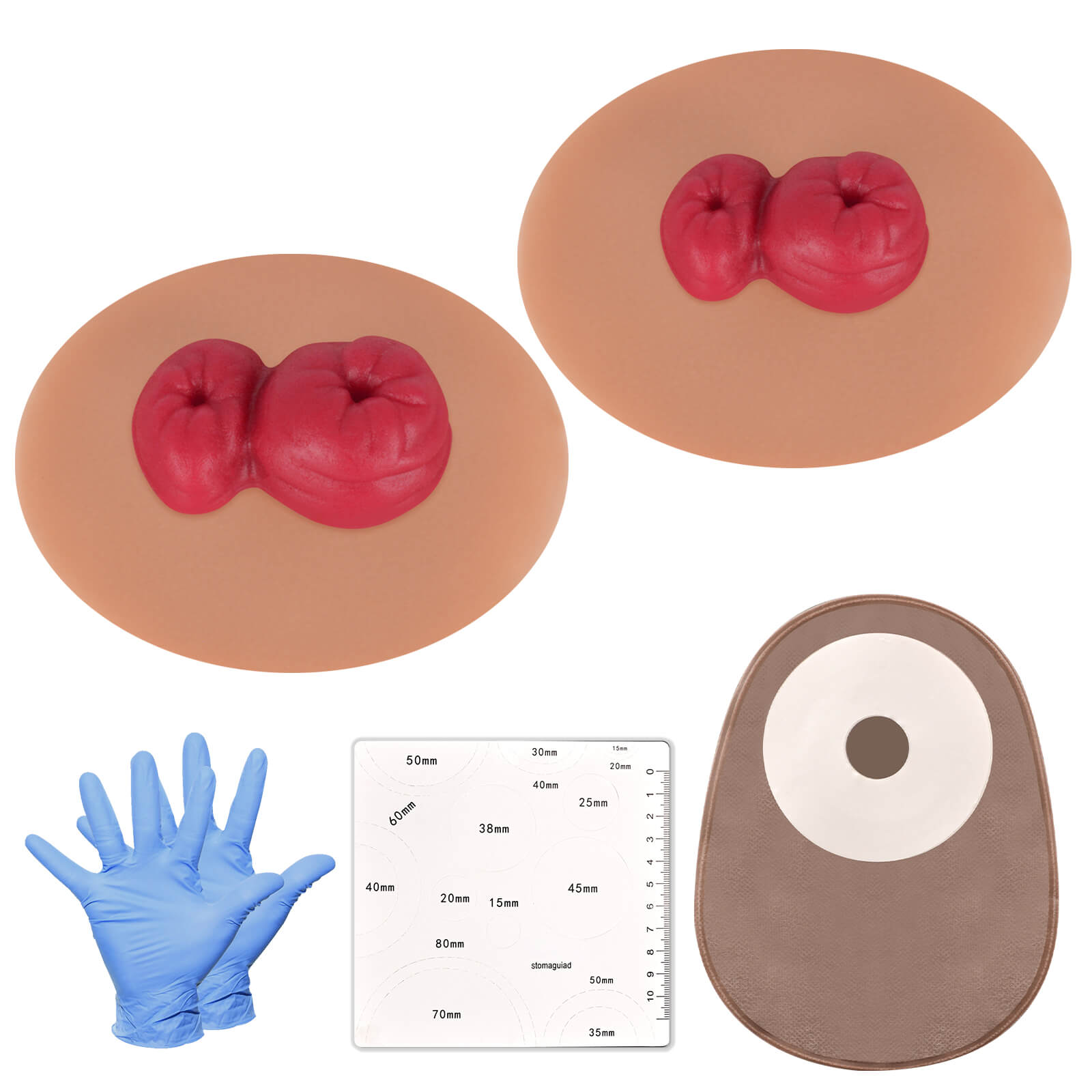
Training with Realistic Ostomy Models
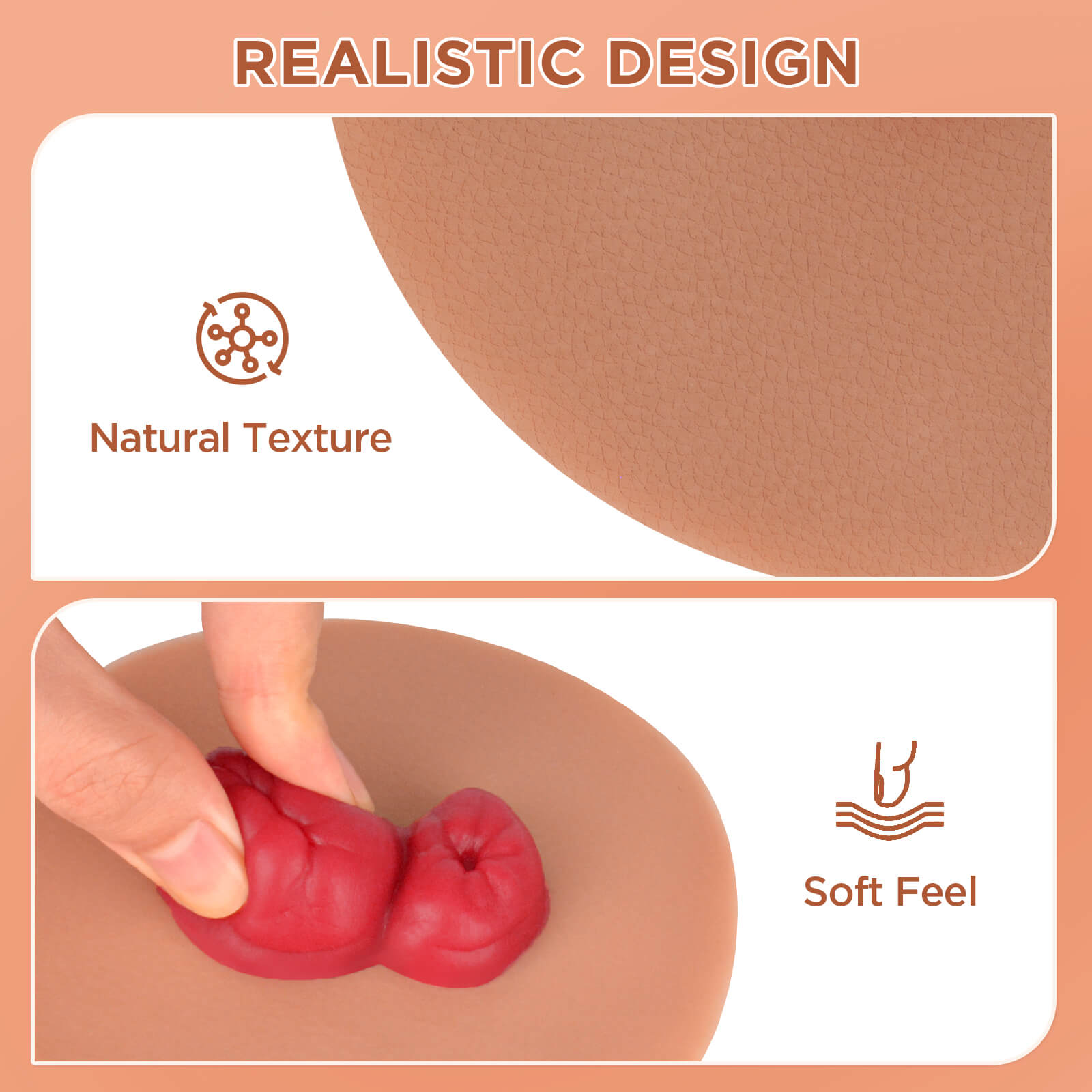
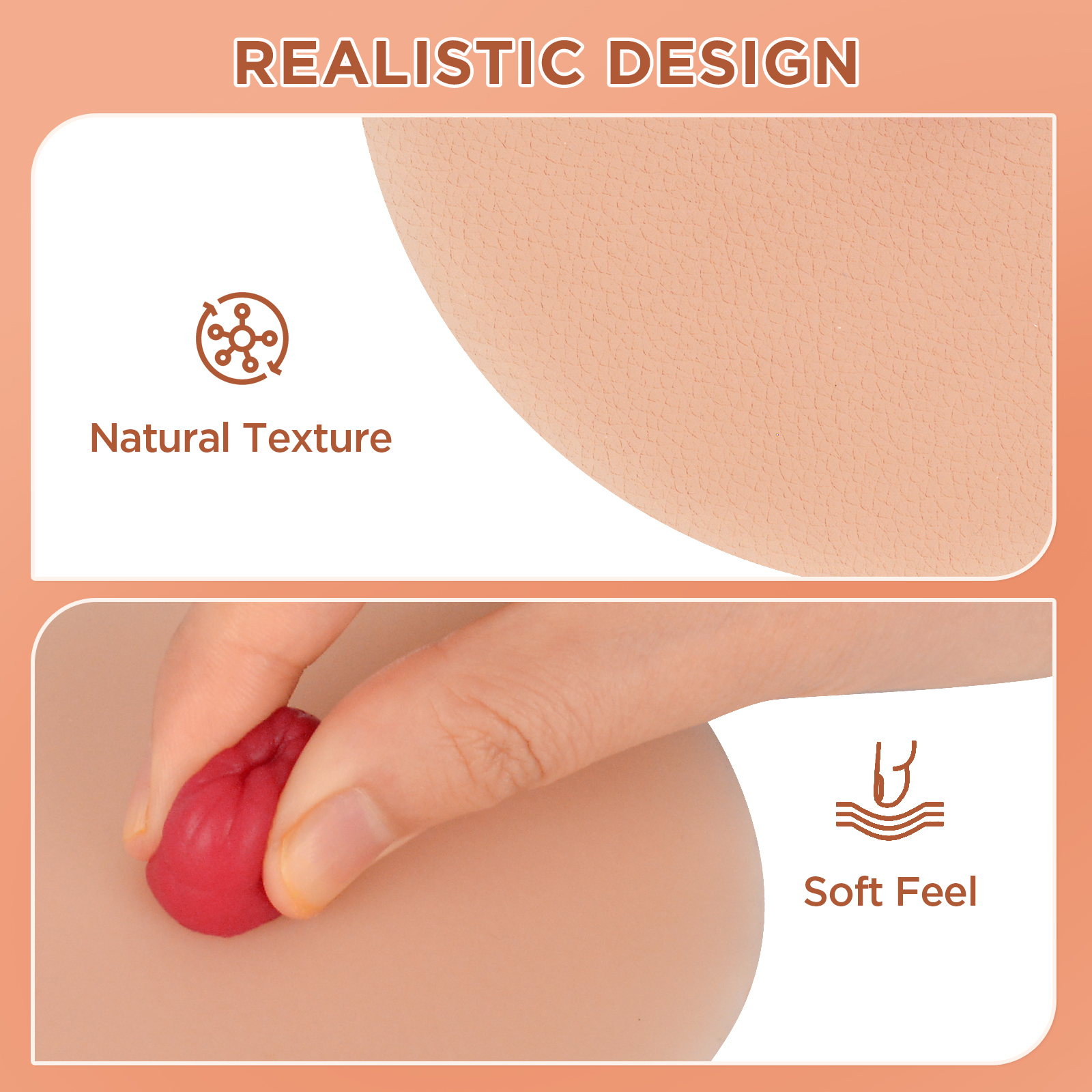
For nursing schools and healthcare education programs, realistic ostomy training models help create more effective skills-based learning.
A quality ostomy simulator should allow students to practice:
- Different Ostomy Types
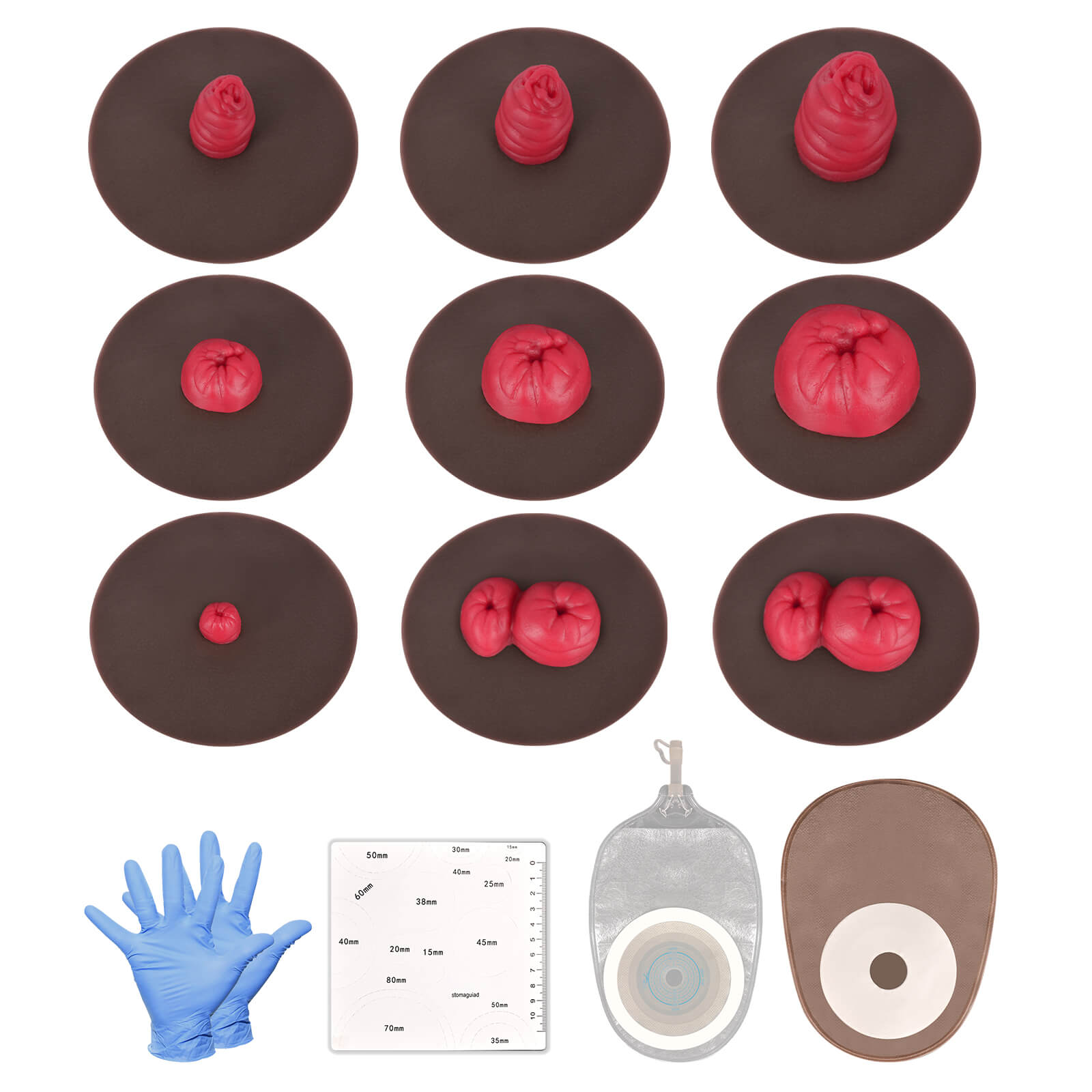
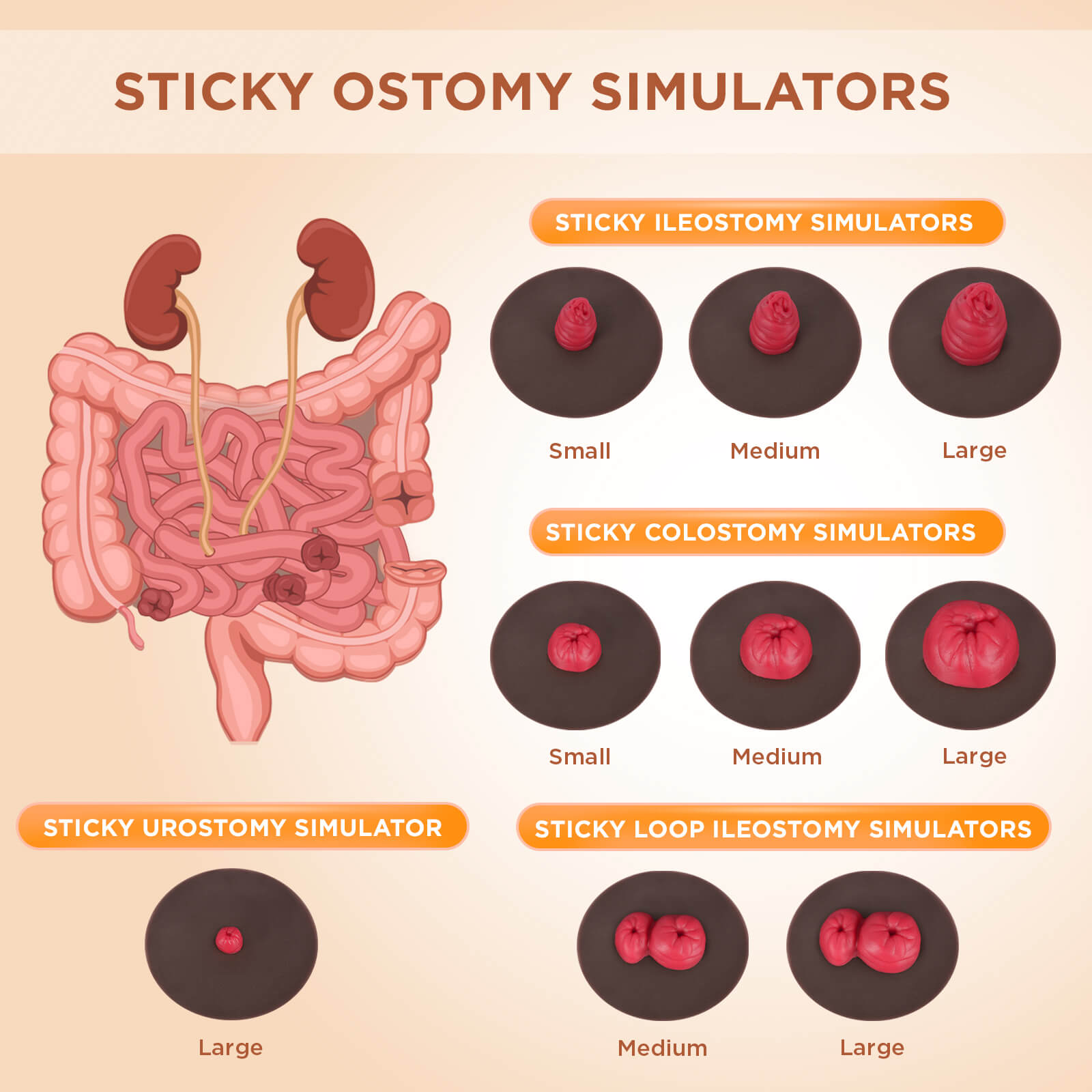
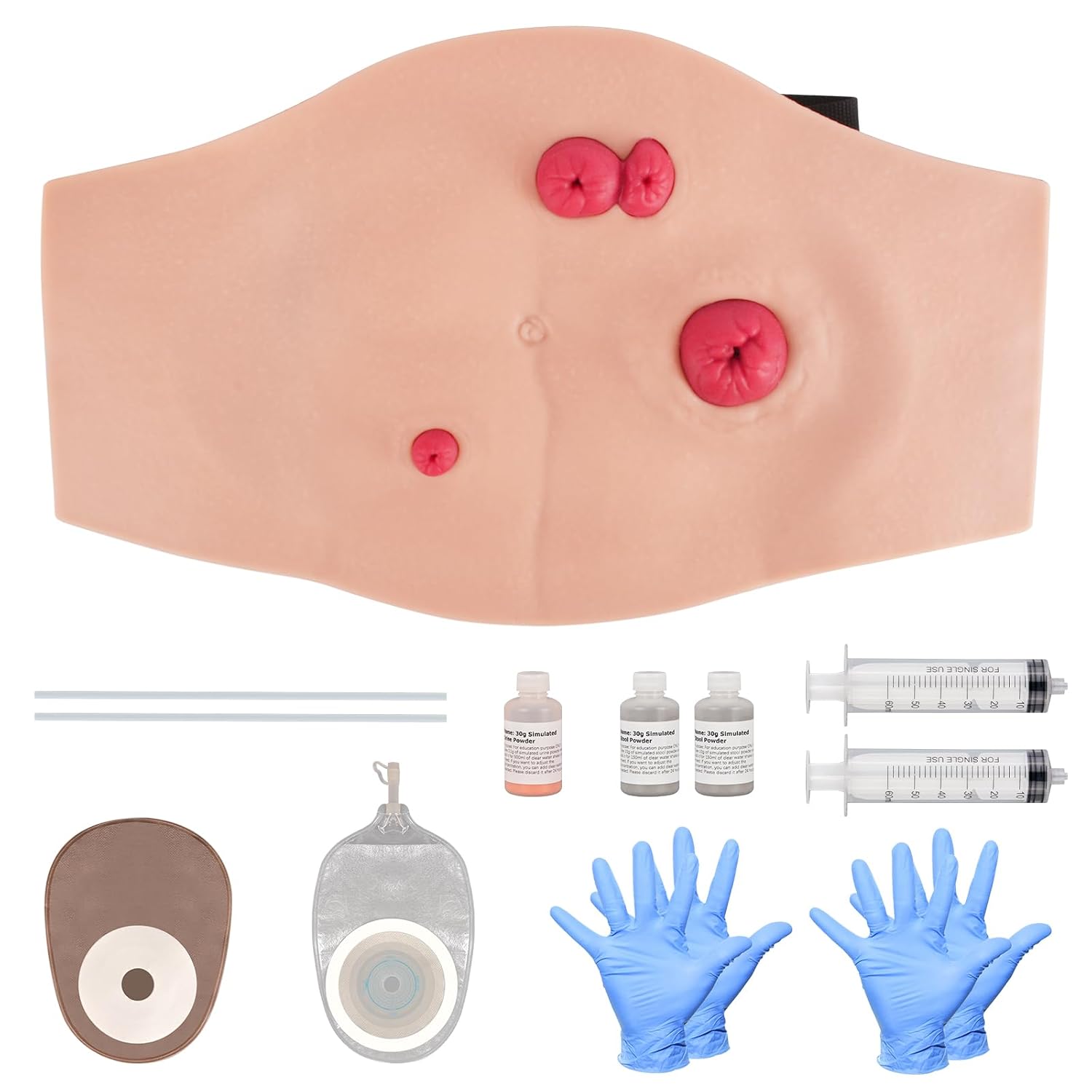
Training models featuring multiple stoma variations help students understand differences between colostomy, ileostomy, and urostomy care.
- Realistic Care Procedures
Students can practice appliance changes, skin assessment, and pouch fitting techniques.
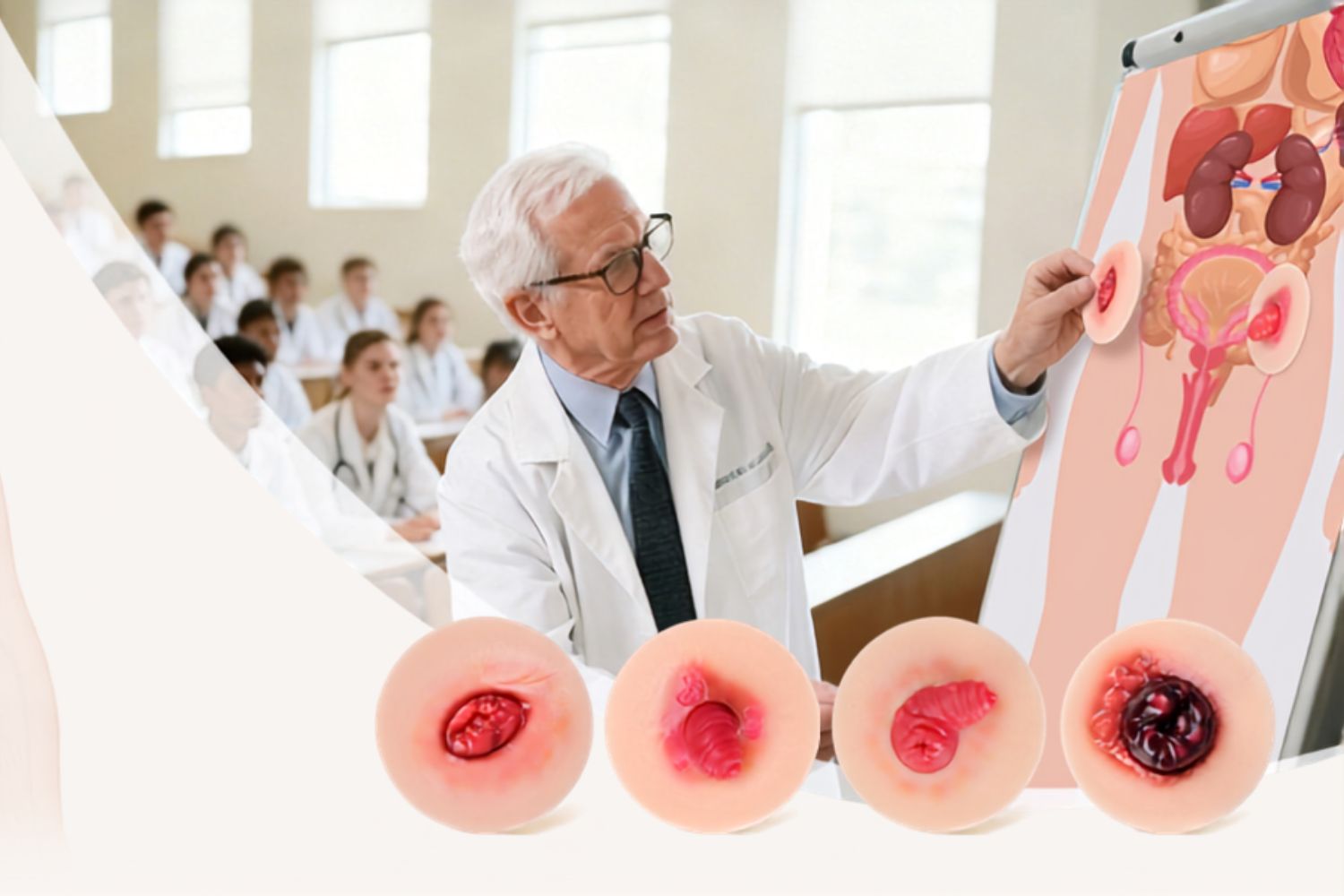
- Classroom Demonstration
Educators can use simulation models to demonstrate procedures and evaluate student performance.
MedEduQuest ostomy teaching models are designed for nursing education, simulation labs, and healthcare training programs to support practical ostomy care instruction.
Best Practices for Teaching Ostomy Care
- Combine Knowledge With Practice
Students should understand anatomy and procedures before performing hands-on training.
- Use Repeated Simulation Exercises
Repeated practice improves confidence, accuracy, and clinical readiness.
- Include Patient Communication Training
Effective nurses need both technical skills and the ability to support patients emotionally.
- Evaluate Practical Skills
Skills assessments help educators identify areas where students need additional practice.
Conclusion
Colostomy, ileostomy, and urostomy each have unique characteristics that influence nursing care approaches. Understanding these differences helps nursing students provide safer and more effective patient support.
By combining theoretical knowledge with simulation-based practice, healthcare education programs can better prepare future nurses for real-world ostomy care situations.
.jpg?w=1600&h=1600)
.jpg?w=1600&h=1600)
.jpeg?w=1600&h=1600)
.jpeg?w=1600&h=1600)
.jpeg?w=1600&h=1600)
.jpeg?w=1600&h=1600)


.jpg?w=1000&h=1000)
.jpg?w=1000&h=1000)



.jpeg?w=1500&h=1500)
.jpeg?w=1500&h=1500)

.jpeg?w=1600&h=1600)
.jpeg?w=1600&h=1600)
.jpg?w=1600&h=1600)
.jpg?w=1600&h=1600)

.jpg?w=1500&h=1500)
.jpg?w=1500&h=1500)