
Teaching ostomy care in a nursing skills lab requires more than demonstrating pouch changes or explaining procedures.
Students need opportunities to assess stomas, practice appliance management, communicate with patients, and develop confidence in a realistic but safe learning environment.
A well-designed ostomy care skills lab combines classroom knowledge, simulation-based ostomy care training, and instructor feedback to help students transition from theory to clinical practice.
Why Ostomy Care Skills Lab Training Matters
Ostomy care is a practical nursing skill that requires accuracy, confidence, and attention to patient needs.
Students must learn how to:
- Assess stoma appearance and surrounding skin
- Identify different ostomy types
- Measure and fit ostomy appliances
- Prevent leakage and skin irritation
- Educate patients on self-care
- Provide emotional support and communication
Without hands-on practice, students may understand ostomy care concepts but feel uncertain when caring for real patients.
Skills labs provide a controlled environment where students can repeat procedures and improve their technique.
Step 1: Introduce Ostomy Concepts Before Hands-On Practice
Before starting simulation activities, educators should ensure students understand:
- Basic ostomy anatomy
- Reasons for ostomy surgery
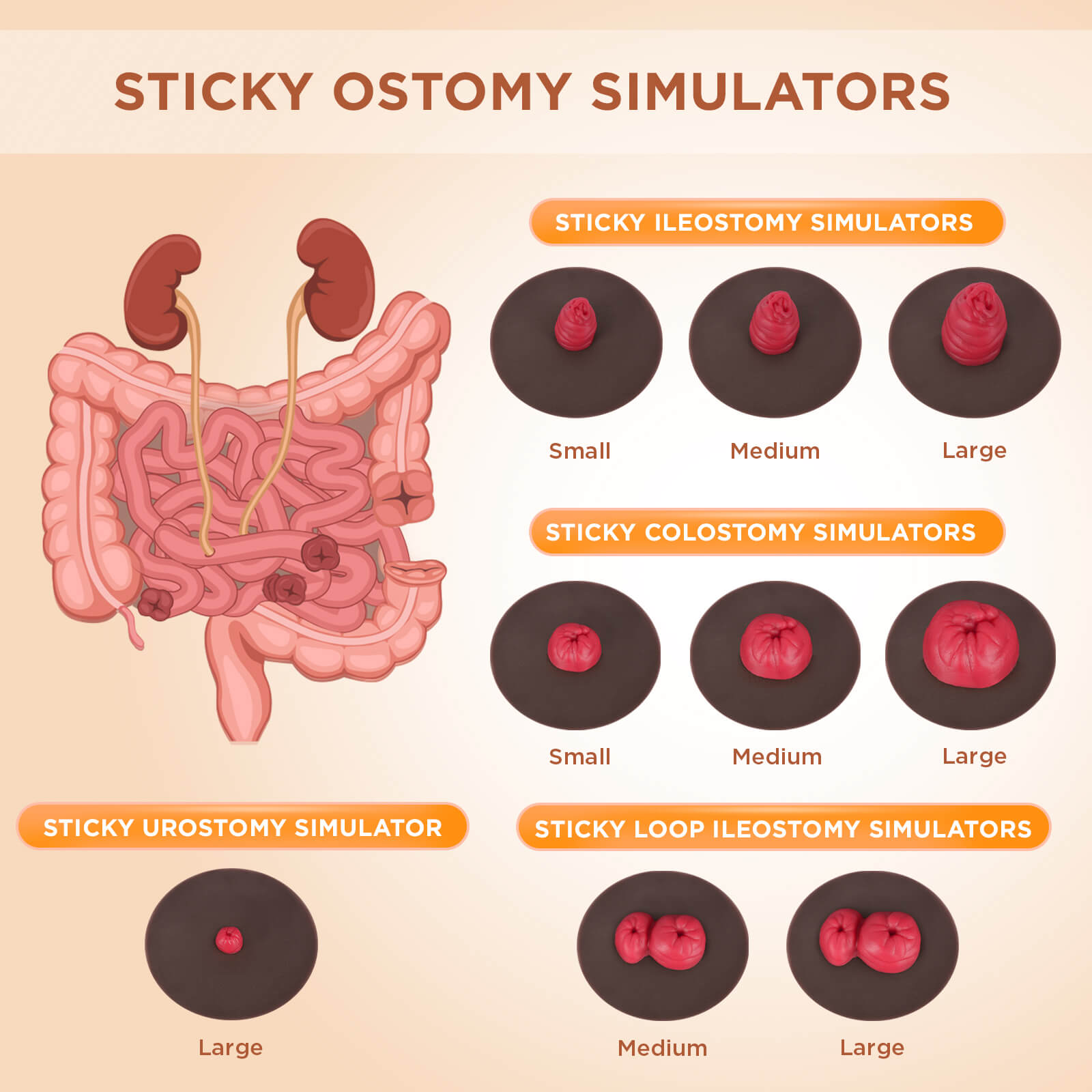
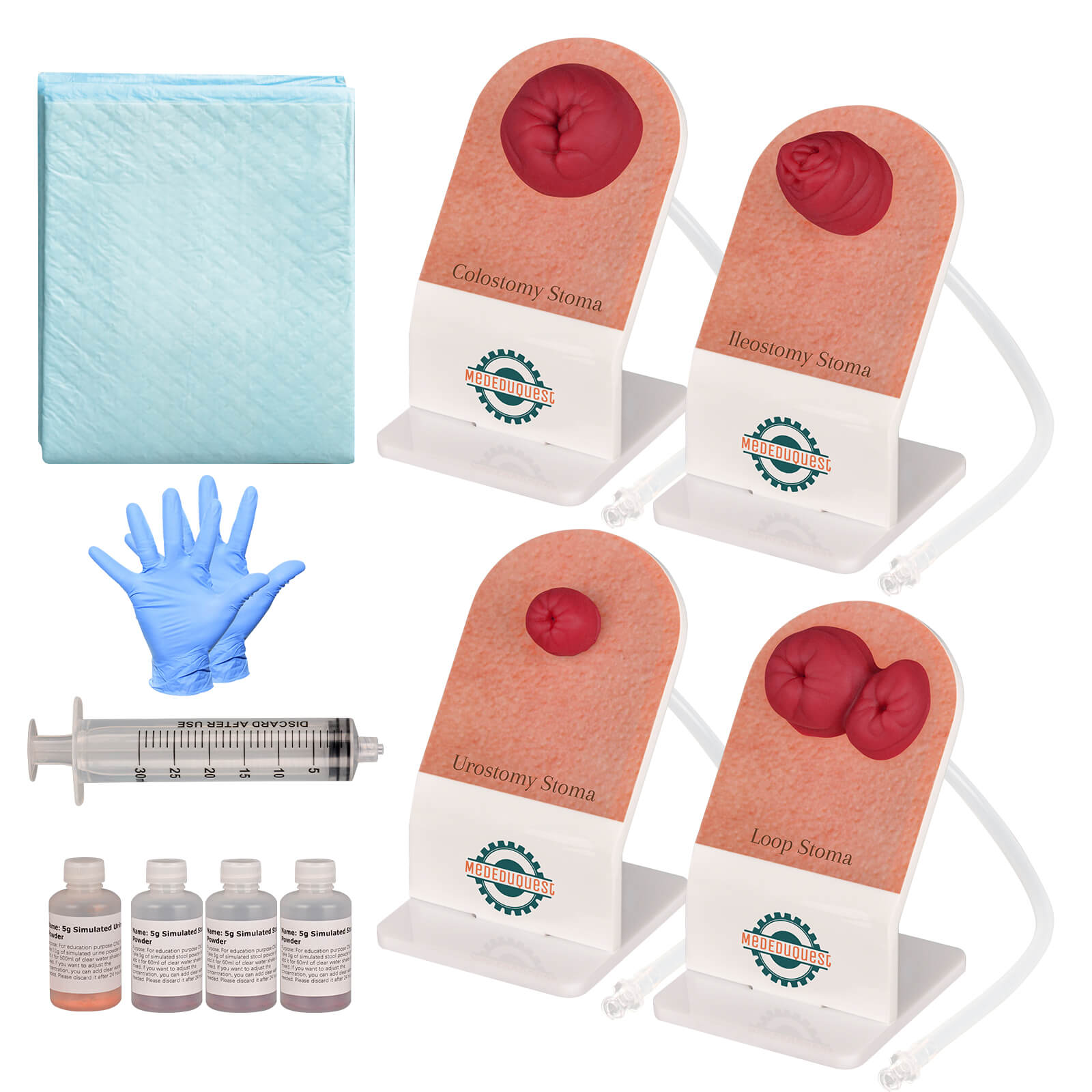
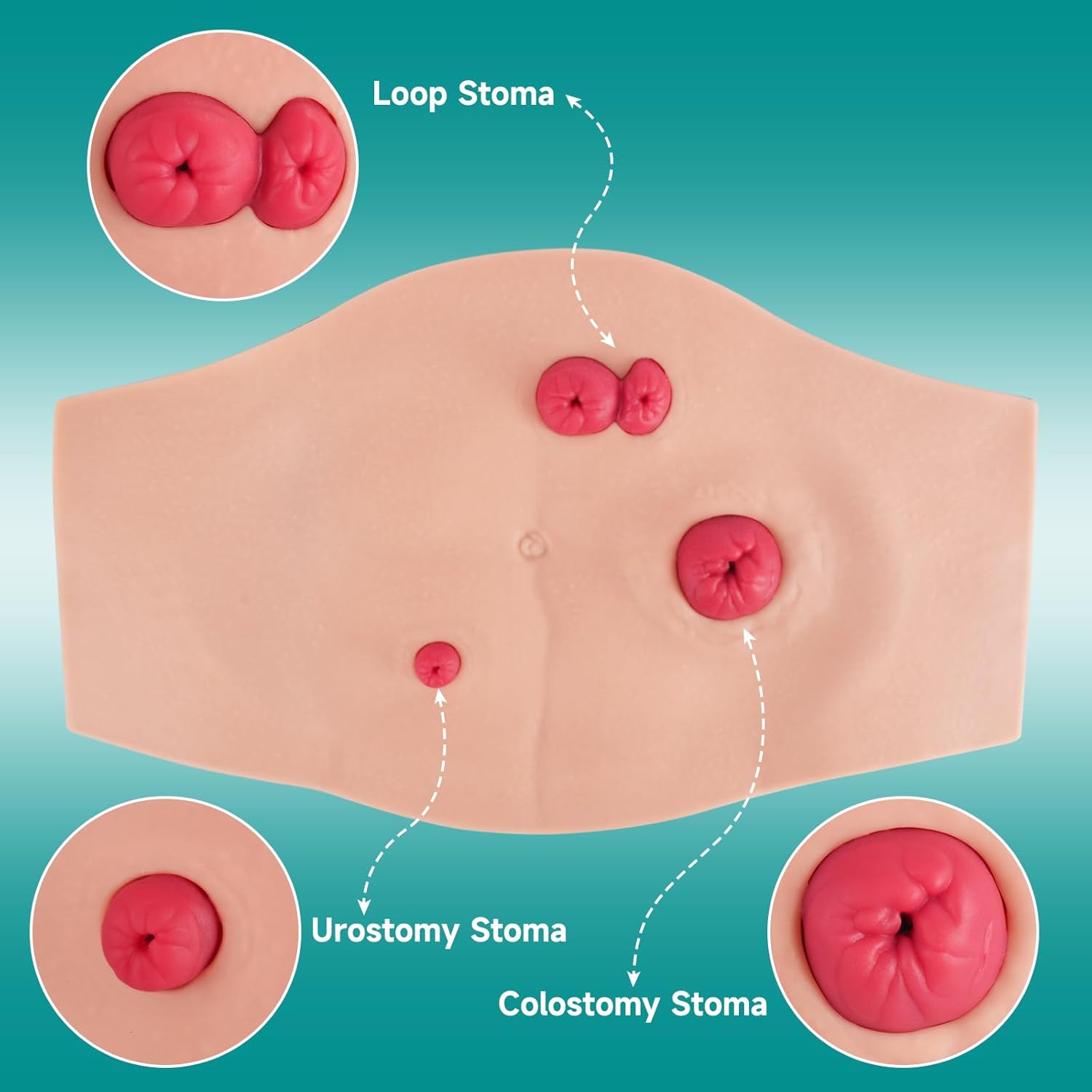
- Differences between colostomy, ileostomy, urostomy, and loop stoma
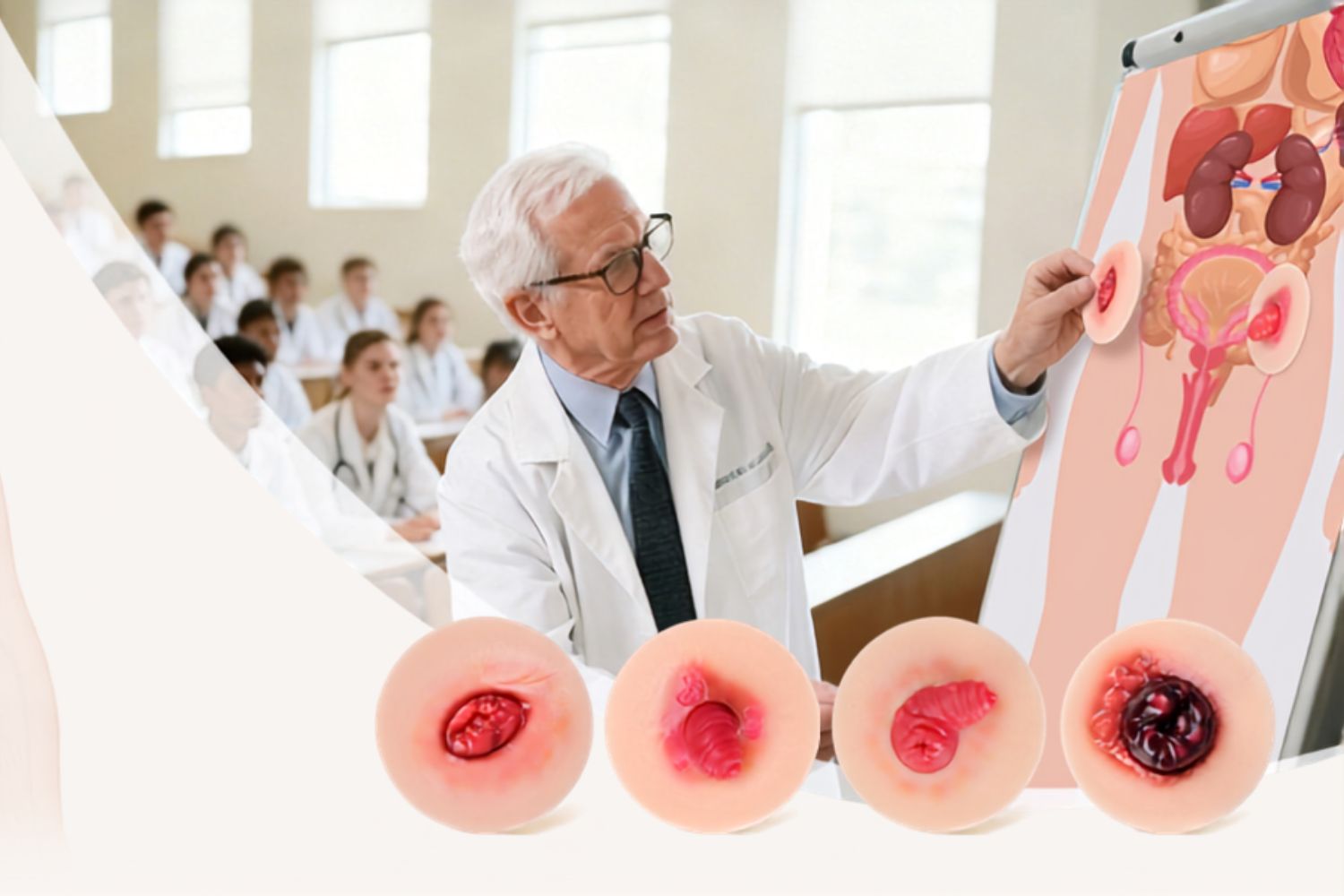
- Common complications
- Principles of skin protection
A strong knowledge foundation helps students understand why each care step is performed.
Step 2: Demonstrate Essential Ostomy Care Procedures
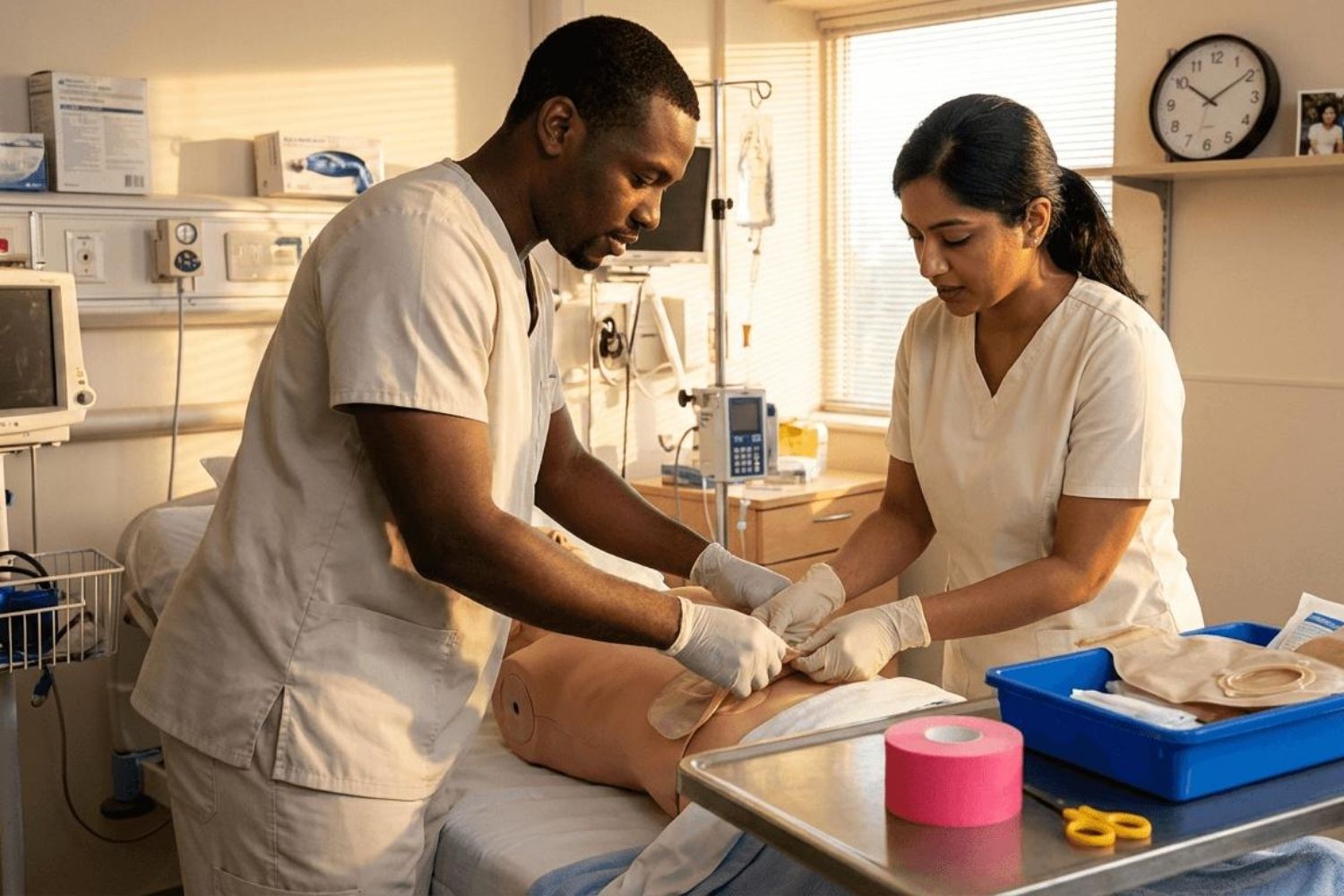
Instructor demonstrations allow students to observe proper techniques before practicing independently.
Key demonstrations should include:
Stoma Assessment
Students should learn to evaluate:
- Stoma color
- Size and shape
- Surrounding skin condition
- Signs of irritation or complications
Appliance Management
Demonstrate:
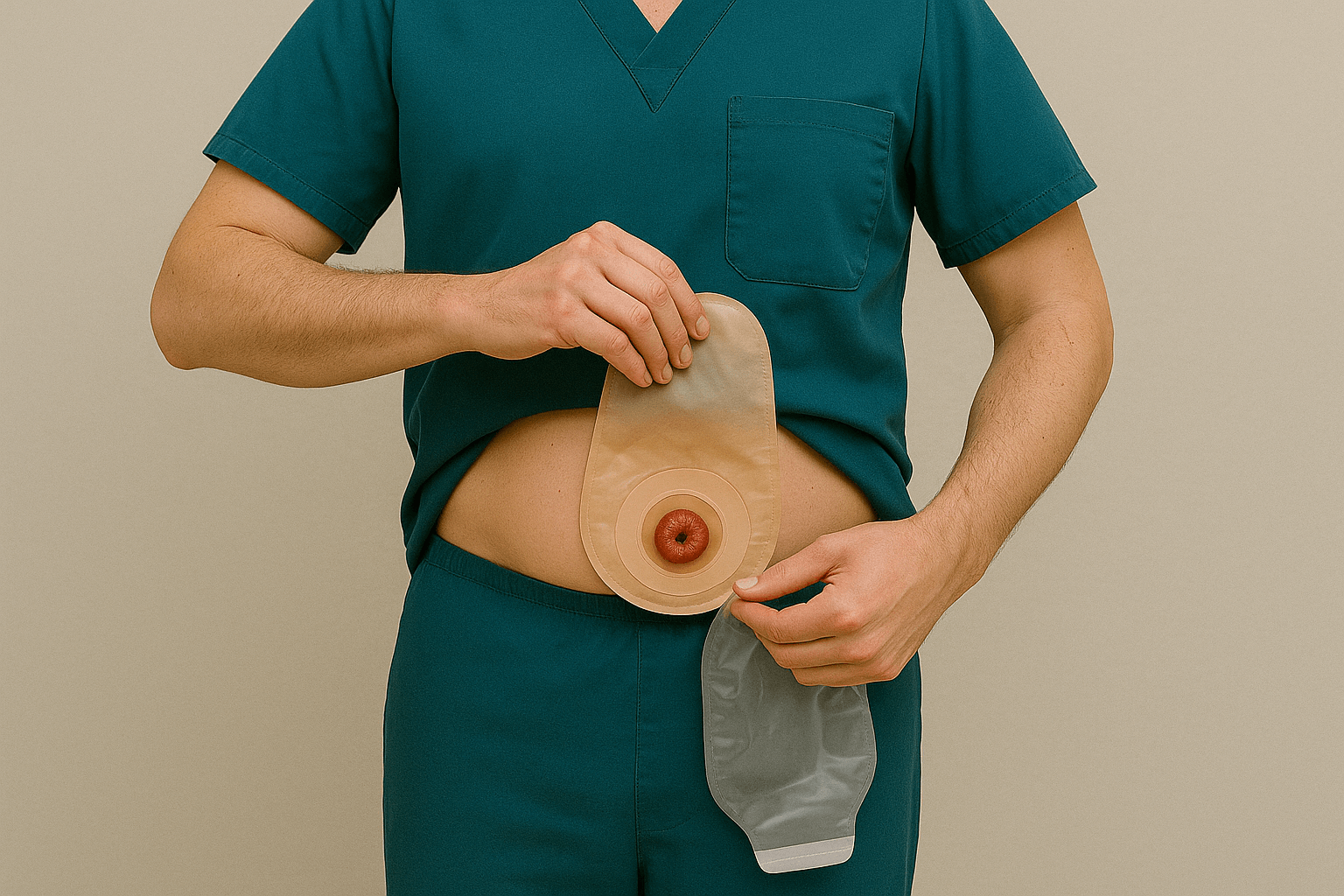
- Safe pouch removal
- Wafer measurement
- Skin preparation
- New pouch application
- Checking the final seal
Breaking the procedure into clear steps helps students build confidence.
Step 3: Use Simulation Models for Hands-On Practice
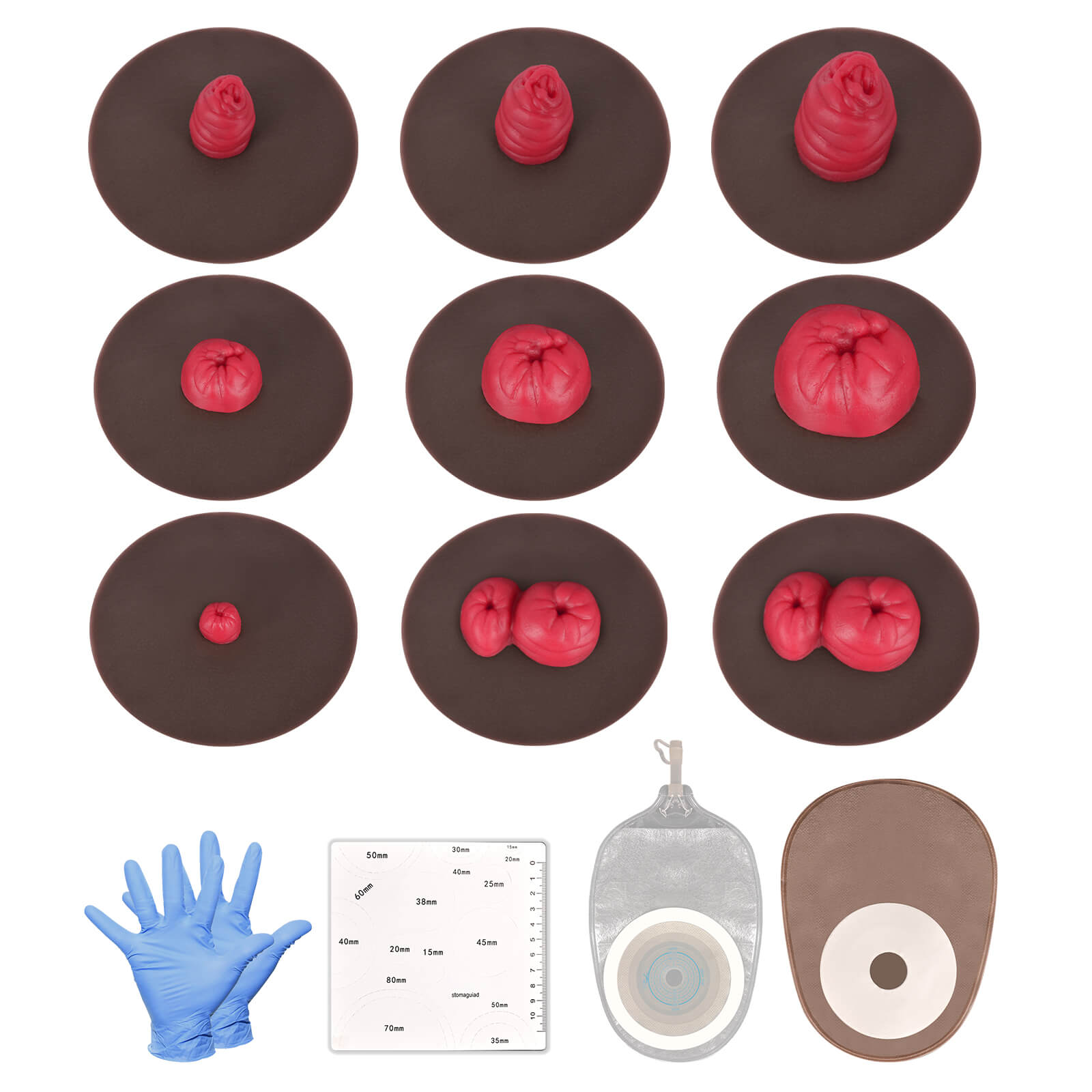
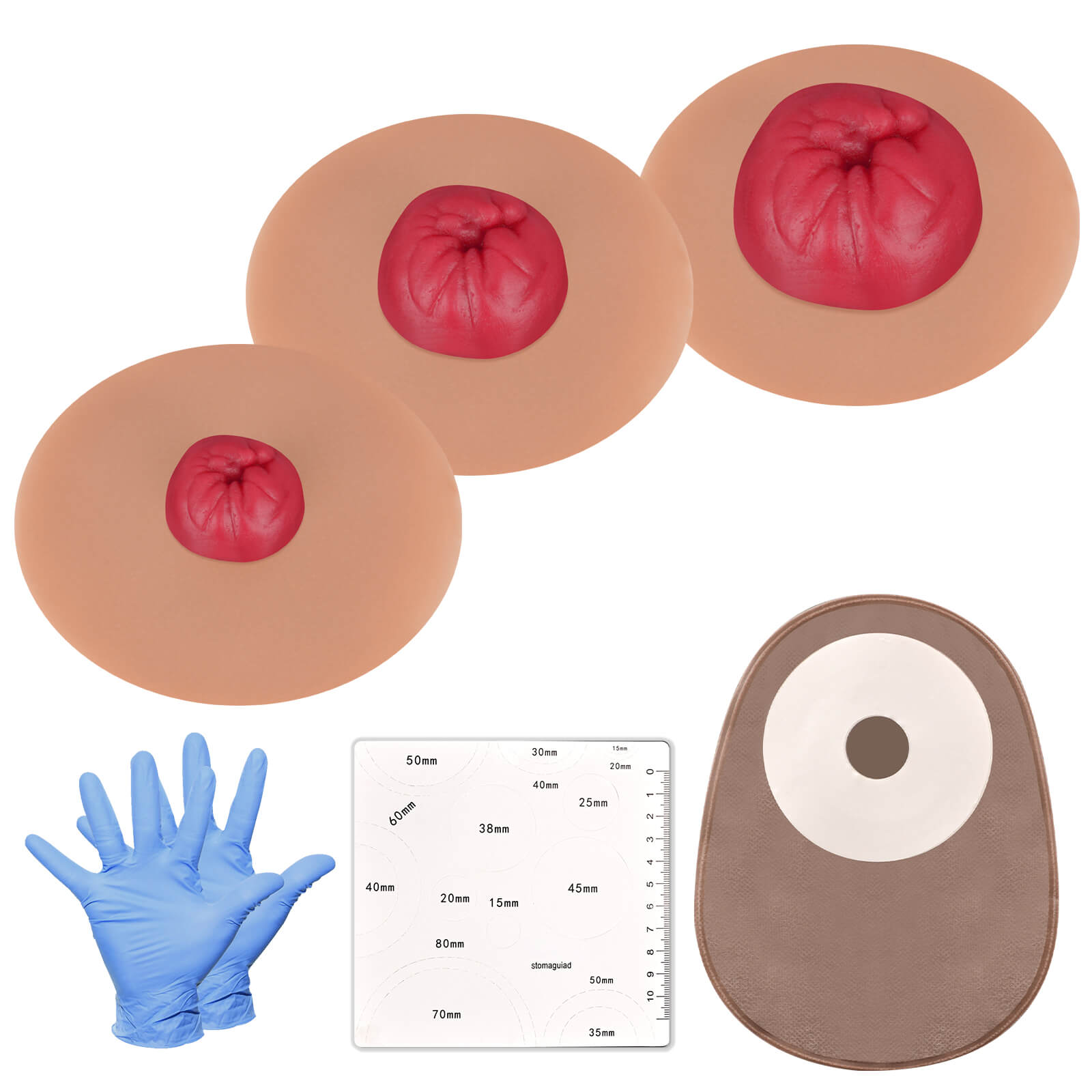
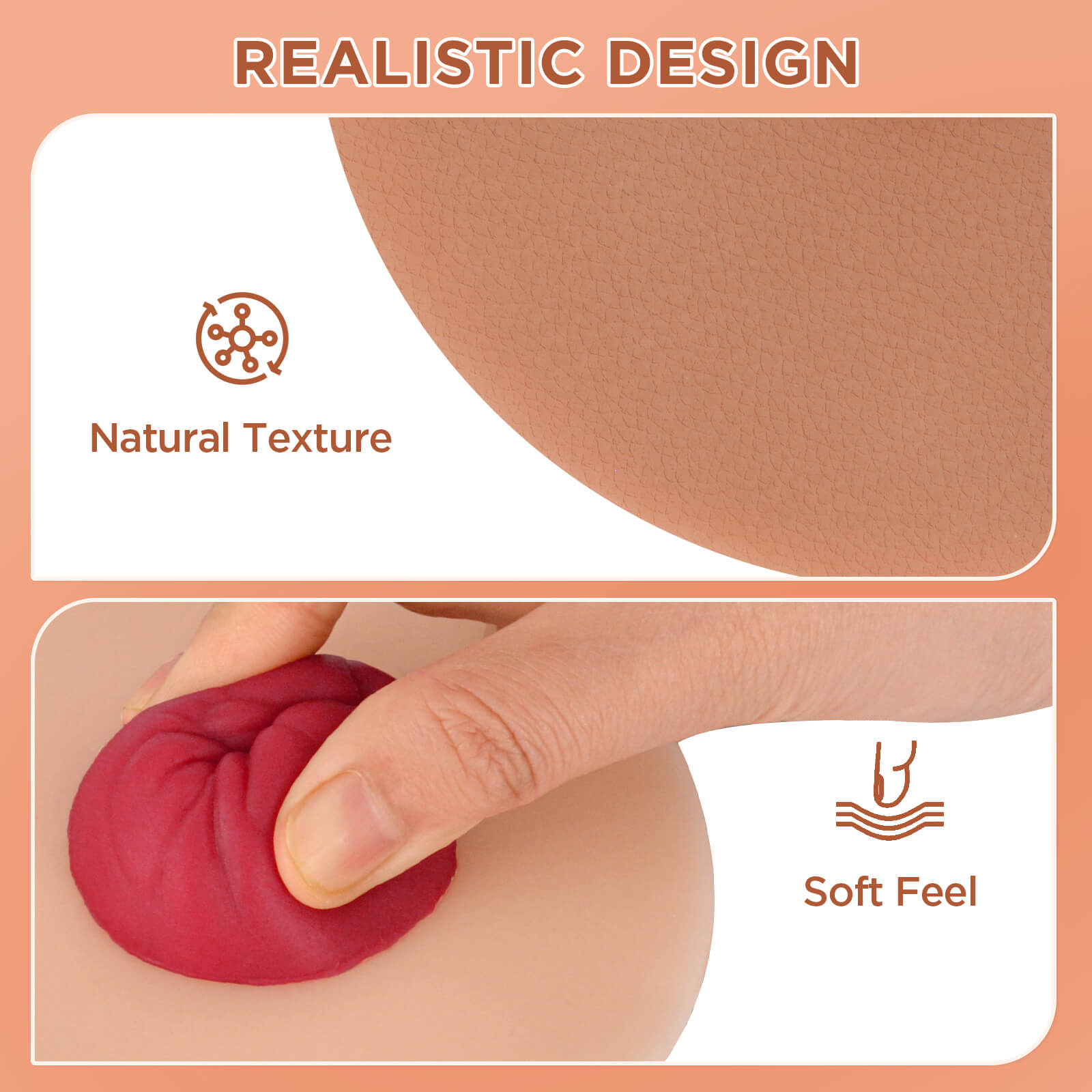
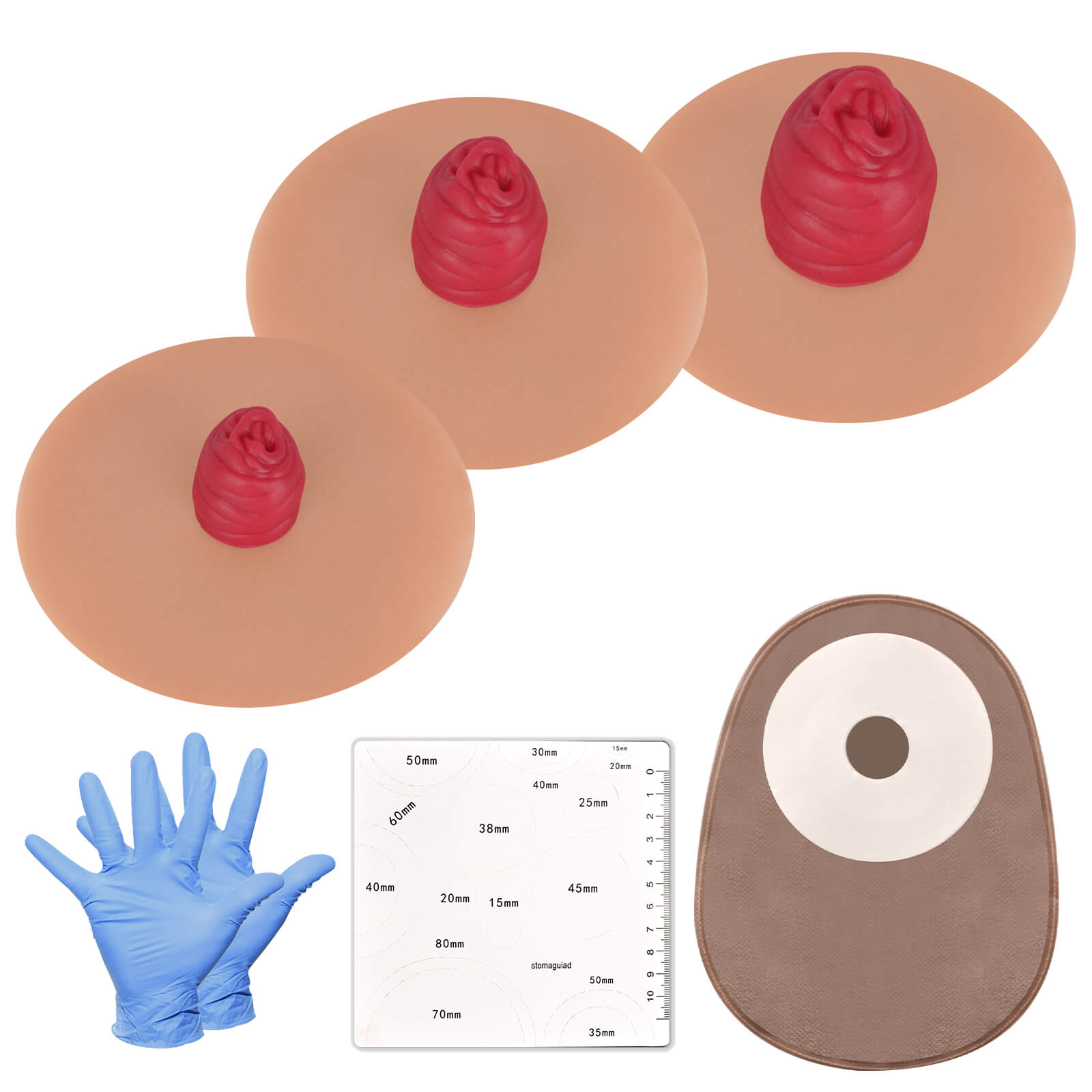
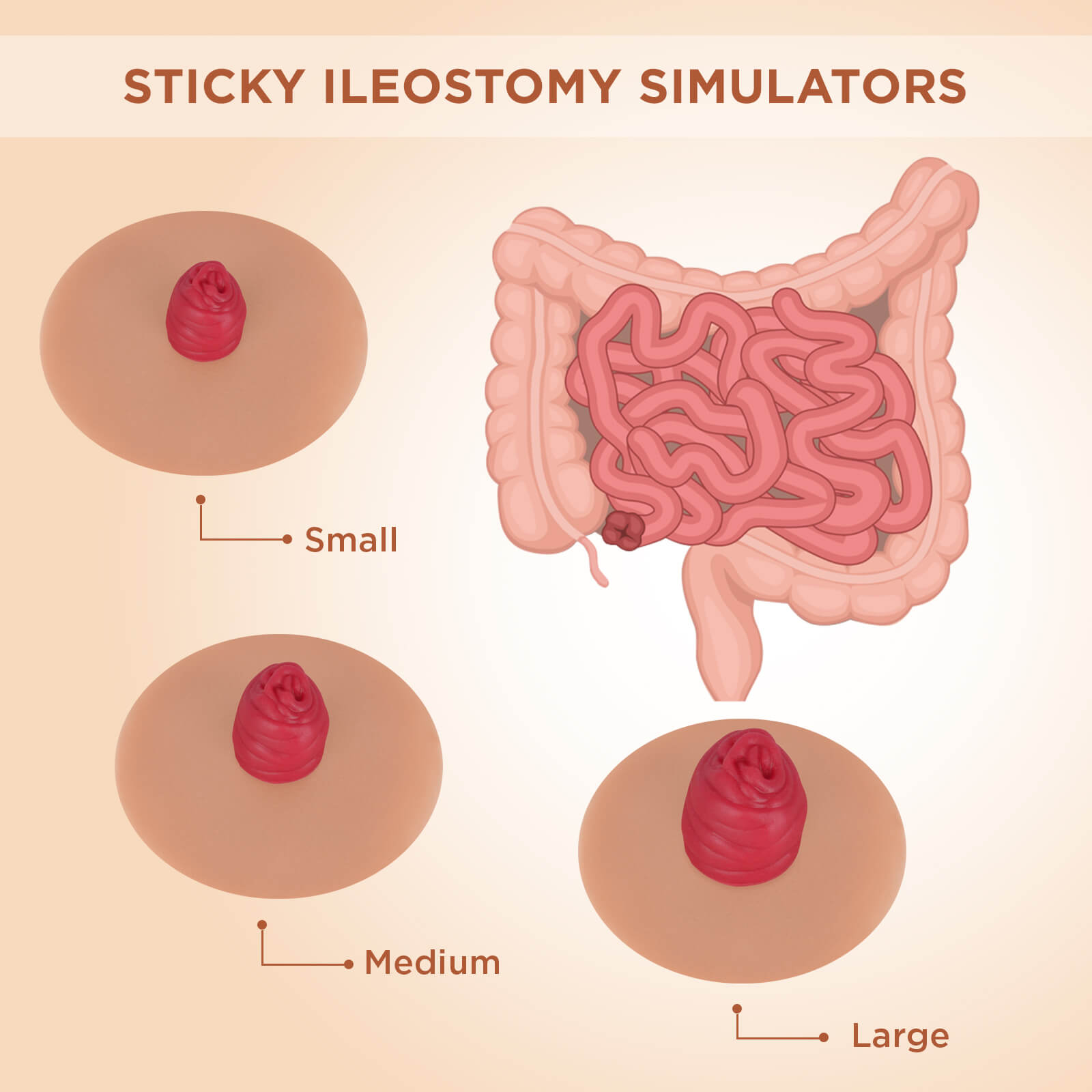
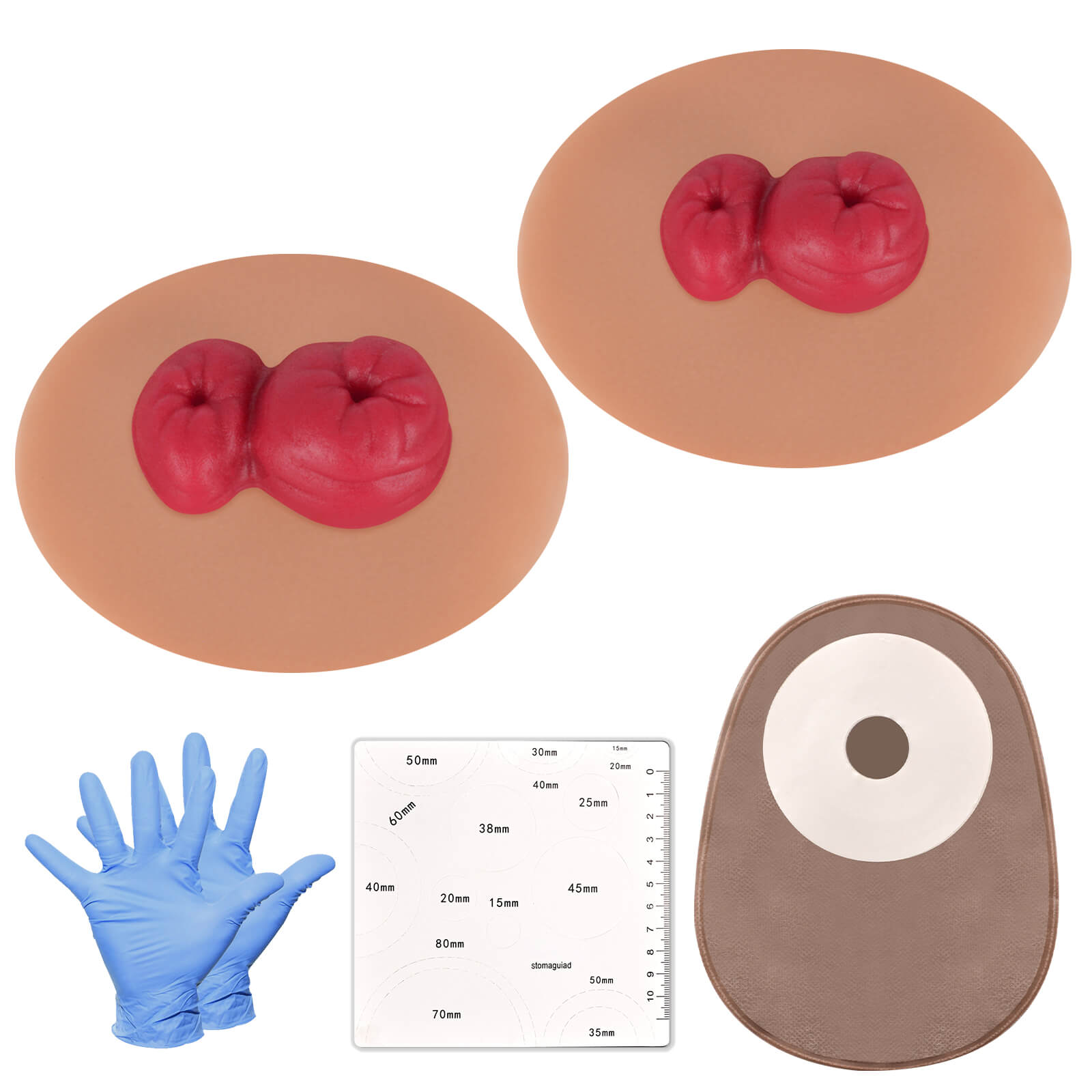
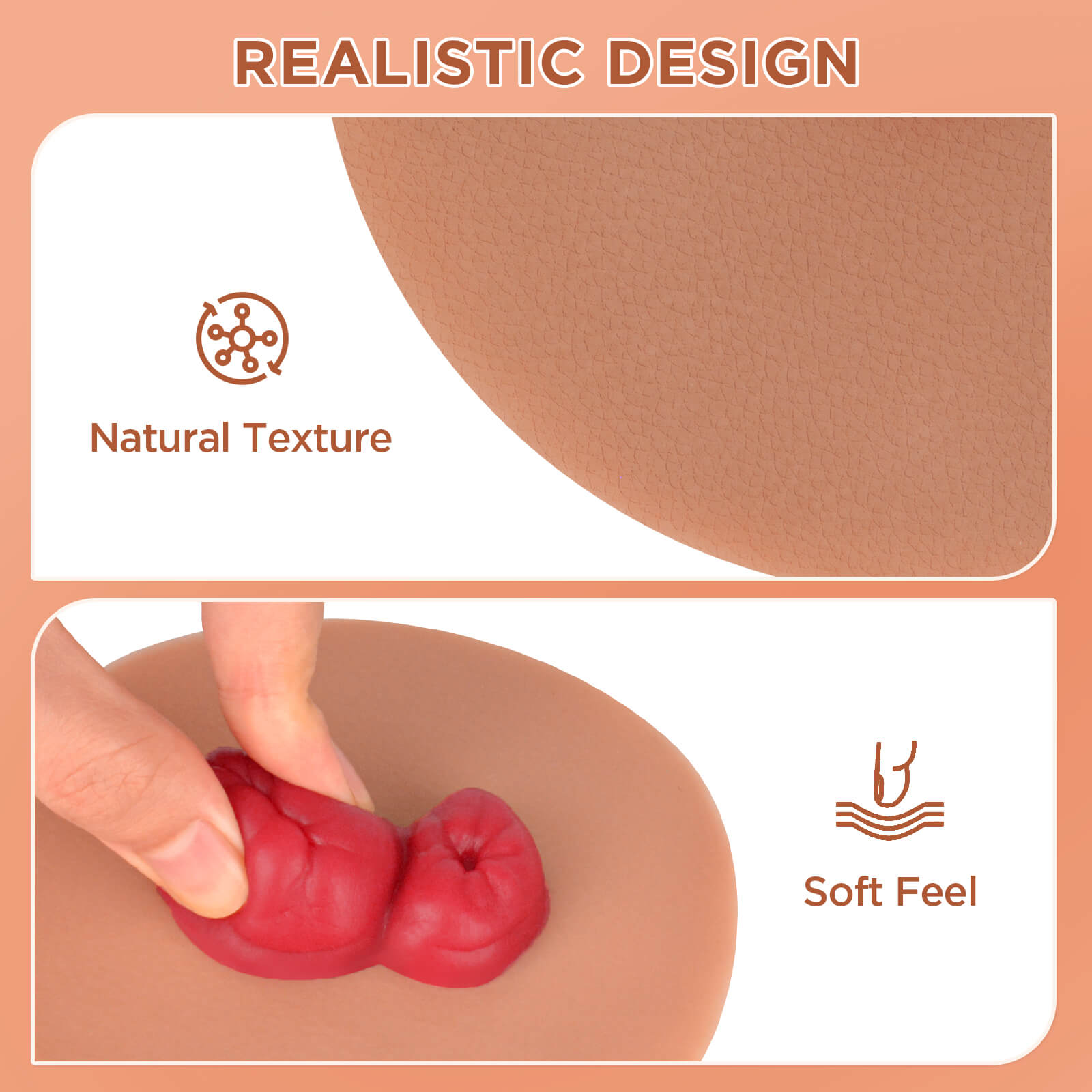
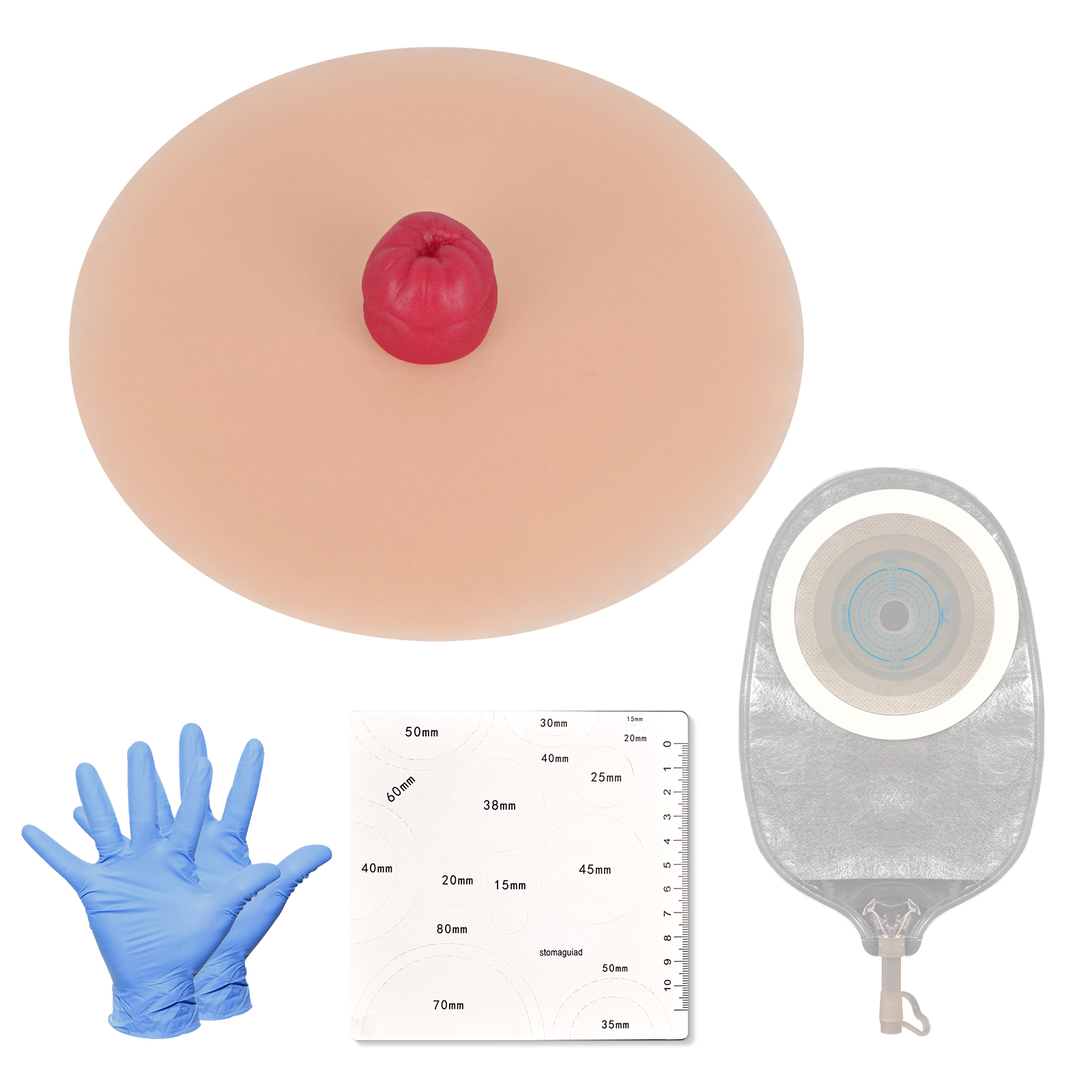
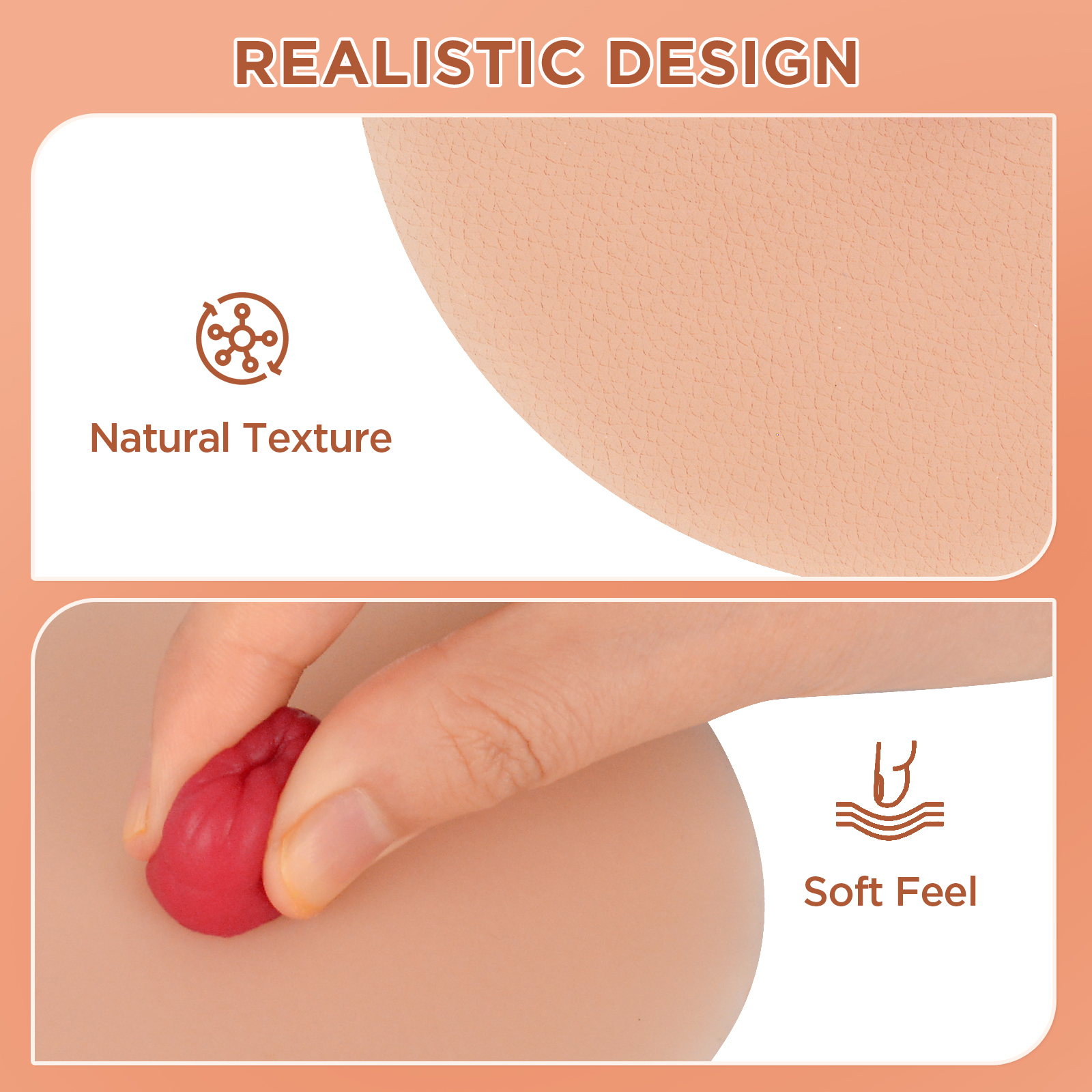
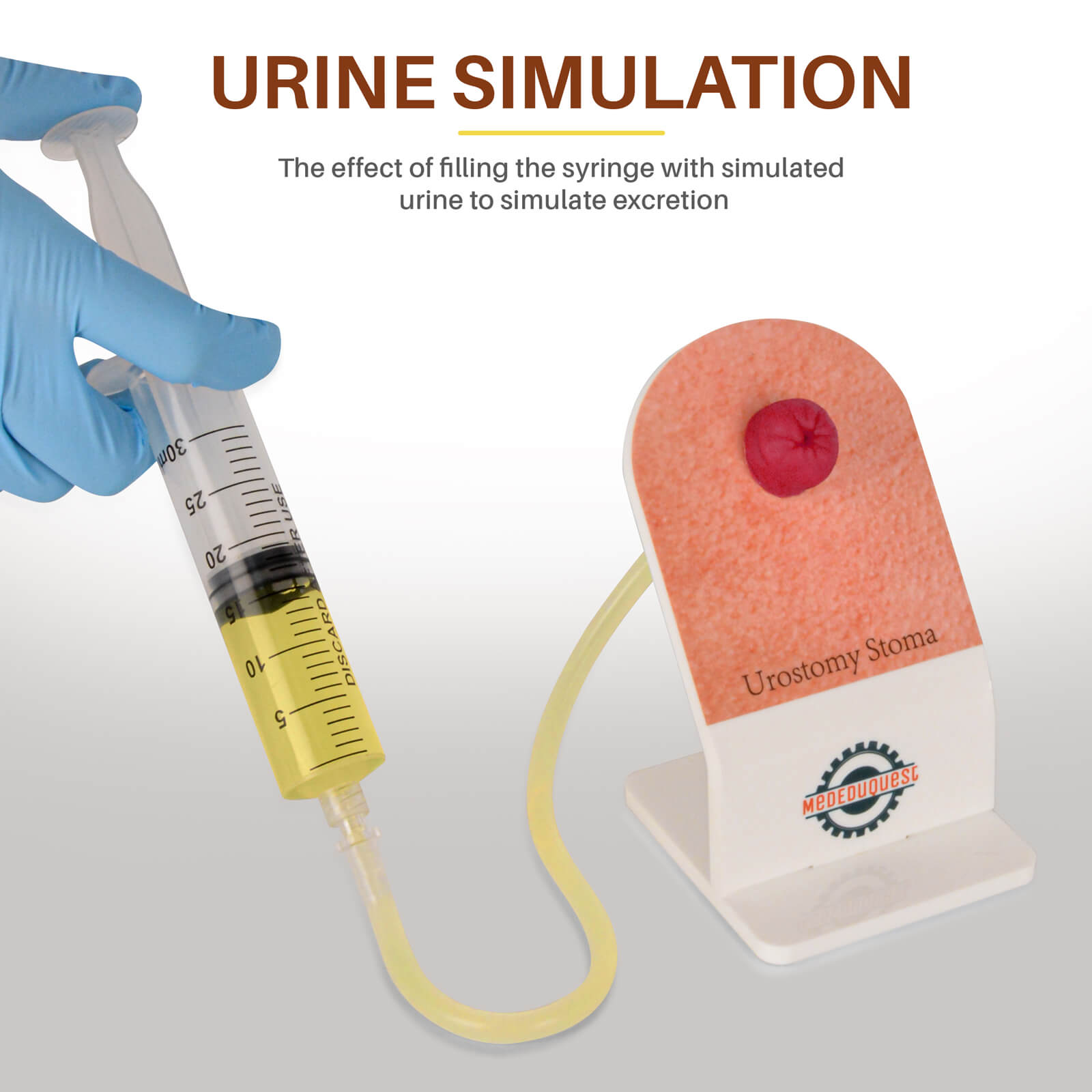
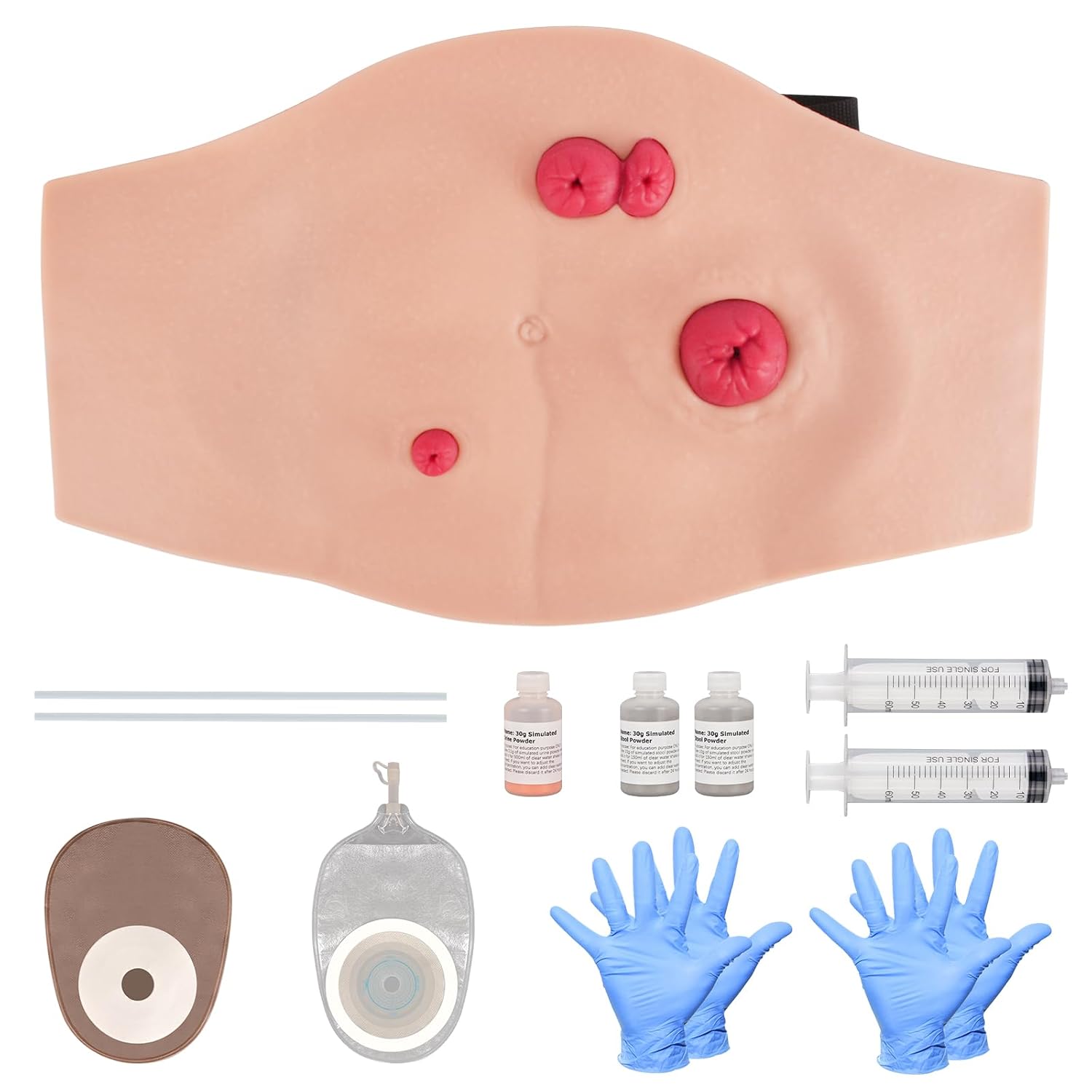
Realistic ostomy training models allow students to practice procedures repeatedly without risk to patients.
Simulation activities can include:
- Stoma assessment exercises
- Appliance change practice
- Leakage prevention scenarios
- Patient-care simulations
Tabletop ostomy models are useful for instructor demonstrations and group learning, while wearable models provide more realistic bedside-care experiences.
Step 4: Create Small-Group Skills Lab Activities
Skills labs work best when students actively participate rather than only watch demonstrations.
Educators can organize:
Practice Stations
Example stations:
Station 1: Stoma assessment
Station 2: Skin preparation and wafer fitting
Station 3: Pouch application
Station 4: Patient education
Students rotate through each station and practice different skills.
Step 5: Include Patient-Centered Scenarios
Ostomy care is not only a technical procedure.
Students should practice communication skills through realistic scenarios.
Examples:
- Explaining pouch changes to a newly diagnosed patient
- Addressing concerns about body image
- Teaching self-care techniques
- Supporting patient independence
Simulation activities help students develop both clinical competence and empathy.
Step 6: Evaluate Student Performance
Assessment is an essential part of skills lab education.
Educators can evaluate:
- Technical accuracy
- Infection control practices
- Appliance fitting skills
- Communication ability
- Patient education techniques
Using an ostomy nursing skills checklist for students helps instructors evaluate performance consistently and provide targeted feedback.
Step 7: Encourage Reflection and Feedback
After completing simulation activities, students should reflect on:
- What skills were challenging?
- What techniques need improvement?
- How could patient communication be improved?
Instructor feedback helps students correct mistakes and strengthen clinical confidence.
Designing an Effective Ostomy Skills Lab Curriculum
A successful ostomy training session should combine:
- Knowledge
Students understand anatomy and care principles.
- Demonstration
Educators show correct procedures.
- Practice
Students repeat skills using simulation models.
- Assessment
Students receive feedback and competency evaluation.
This structure helps create a complete learning experience.
Supporting Ostomy Education with Realistic Training Models
Realistic ostomy simulation models help nursing educators create effective skills lab experiences.
They support training activities such as:
- Stoma assessment
- Appliance management
- Skin care practice
- Patient education
- Clinical scenario simulation
MedEduQuest ostomy training models are designed for nursing schools, simulation centers, and healthcare education programs that need reliable tools for hands-on instruction.
Conclusion
Teaching ostomy care effectively requires structured skills lab activities, realistic simulation, and meaningful feedback.
By combining knowledge instruction with hands-on practice, nursing educators can help students develop the confidence and skills needed for safe, patient-centered ostomy care.
A well-designed ostomy skills lab bridges the gap between classroom learning and clinical practice, preparing future nurses for real-world patient care.
.jpg?w=1600&h=1600)
.jpg?w=1600&h=1600)
.jpeg?w=1600&h=1600)
.jpeg?w=1600&h=1600)
.jpeg?w=1600&h=1600)
.jpeg?w=1600&h=1600)
.jpg?w=1000&h=1000)
.jpg?w=1000&h=1000)
.jpeg?w=1500&h=1500)
.jpeg?w=1500&h=1500)
.jpeg?w=1600&h=1600)
.jpeg?w=1600&h=1600)
.jpg?w=1600&h=1600)
.jpg?w=1600&h=1600)
.jpg?w=1500&h=1500)
.jpg?w=1500&h=1500)
.jpg?w=1500&h=1500)
.jpg?w=1500&h=1500)
.jpg?w=1500&h=1500)
.jpg?w=1500&h=1500)
.jpg?w=1500&h=1500)
.jpg?w=1500&h=1500)