
Ostomy care is an important nursing skill that requires attention to detail, clinical judgment, and patient-centered communication.
For nursing students, learning ostomy care involves more than understanding the procedure steps. Students need to develop confidence in assessing stomas, managing ostomy appliances, protecting skin integrity, and educating patients.
This ostomy nursing skills checklist provides a structured guide to help students review essential skills before clinical placement, simulation assessments, or nursing skills evaluations.
Why Nursing Students Need an Ostomy Care Checklist
A checklist helps nursing students organize their learning and make sure important steps are not overlooked.
Using a structured ostomy skills checklist allows students to:
- Review essential procedures systematically
- Identify areas that need additional practice
- Improve consistency during patient care
- Prepare for clinical skills assessments
- Build confidence before working with real patients
Ostomy care involves multiple steps, and even small mistakes can lead to complications such as leakage, skin irritation, or patient discomfort.
Ostomy Nursing Skills Checklist
1. Understanding Ostomy Types and Anatomy
☐ Understand the purpose of an ostomy
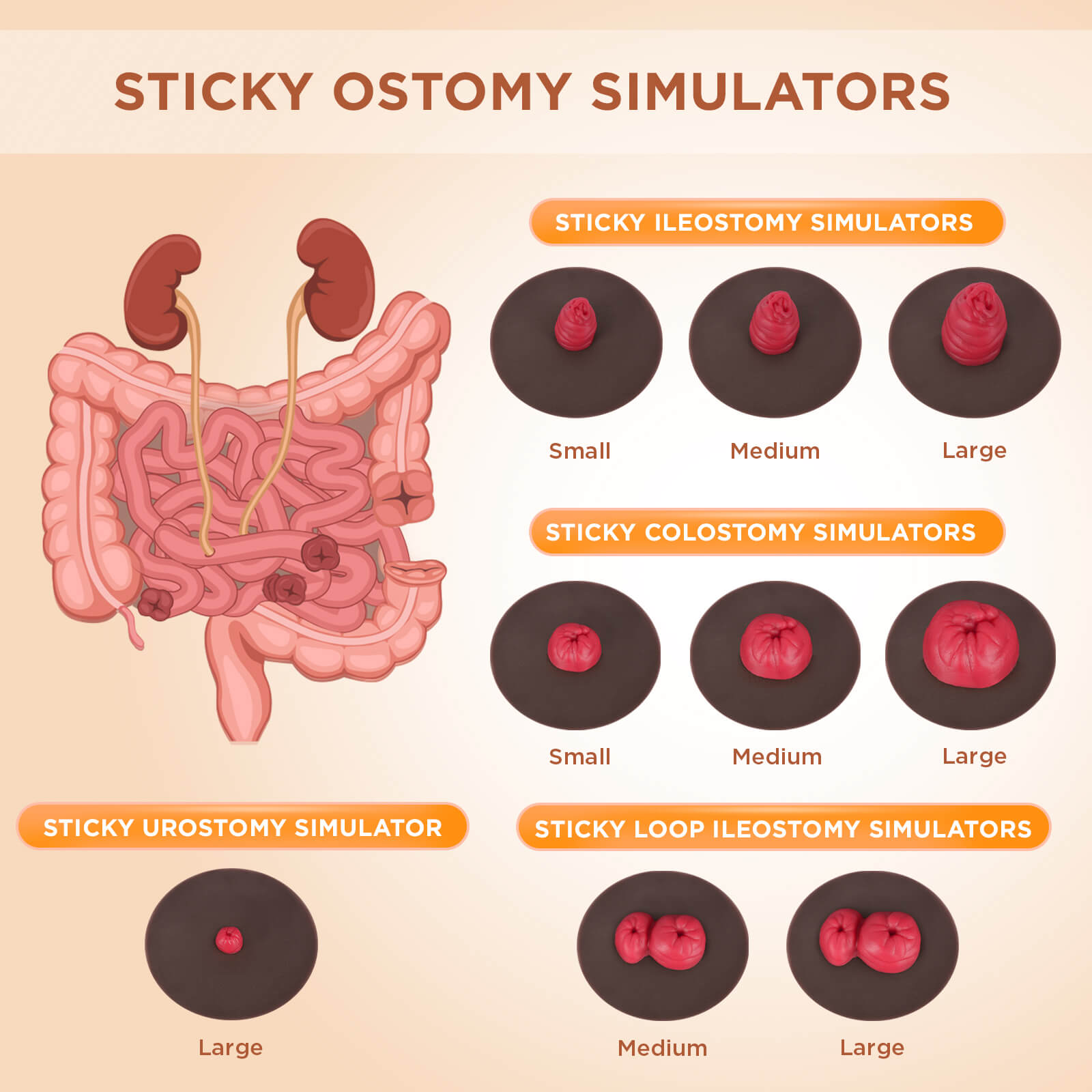
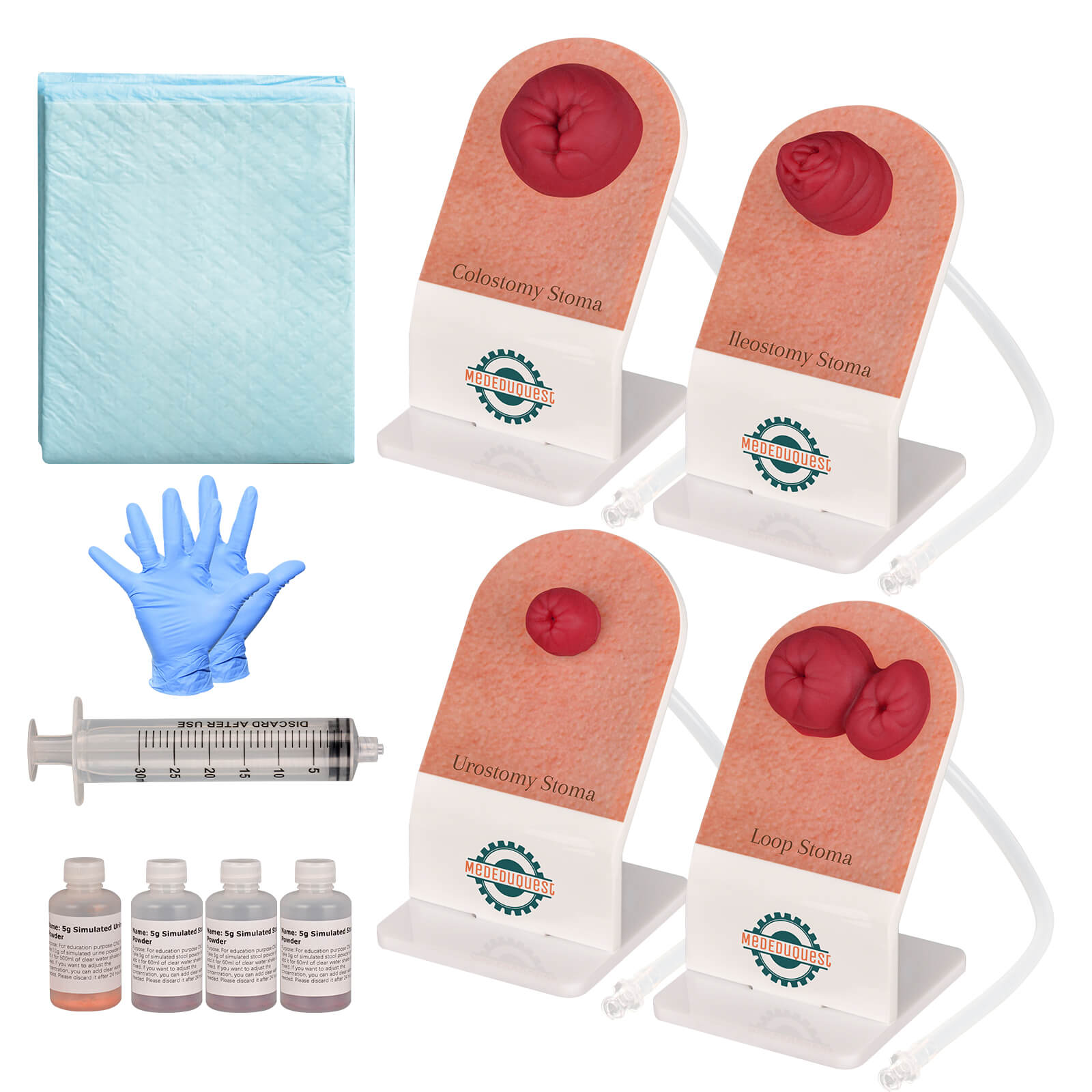
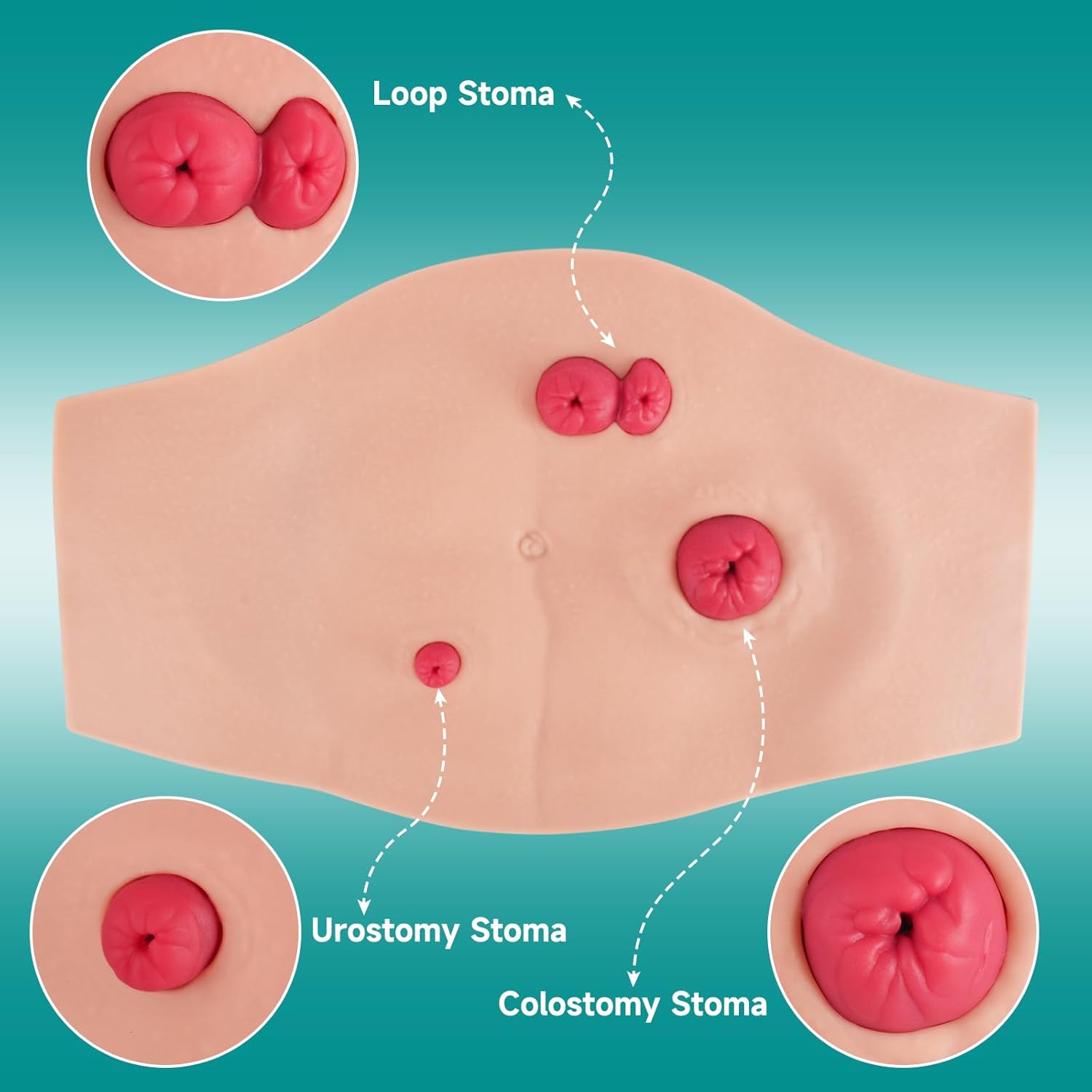
☐ Identify common ostomy types:
- Colostomy
- Ileostomy
- Urostomy
☐ Understand basic differences in output characteristics
☐ Recognize common stoma locations and anatomical considerations
A strong foundation in anatomy helps nurses provide more accurate and individualized care.
2. Performing Stoma Assessment
Before providing care, nursing students should be able to assess the stoma and surrounding skin.
Checklist:
☐ Observe stoma color and appearance
☐ Assess stoma size and shape
☐ Check moisture and swelling
☐ Inspect peristomal skin condition
☐ Identify signs of irritation, infection, or complications
☐ Document assessment findings accurately
Regular assessment helps nurses identify potential problems early.
3. Managing Ostomy Appliances
Proper appliance management is one of the most important ostomy nursing skills.
Students should practice:
☐ Selecting the appropriate pouching system
☐ Measuring stoma size correctly
☐ Cutting wafer openings accurately
☐ Removing old appliances safely
☐ Cleaning the skin around the stoma
☐ Applying skin barriers when needed
☐ Attaching the new pouch securely
☐ Checking for proper fit and leakage prevention
Repeated practice improves accuracy and confidence.
4. Protecting Peristomal Skin
Maintaining healthy skin around the stoma is a key nursing responsibility.
Checklist:
☐ Assess skin condition regularly
☐ Recognize signs of irritation
☐ Ensure correct appliance fitting
☐ Prevent moisture exposure
☐ Provide appropriate skin care education
Poor fitting appliances are a common cause of skin complications, making this skill essential for nursing students.
5. Monitoring Output and Patient Condition
Students should understand how ostomy output can vary depending on ostomy type.
Checklist:
☐ Observe output amount and consistency
☐ Monitor changes in output patterns
☐ Recognize abnormal findings
☐ Report concerns appropriately
☐ Understand hydration considerations for ileostomy patients
Clinical observation helps nurses identify changes that may require intervention.
6. Patient Education and Communication
Ostomy care includes supporting patients as they adapt to changes in their daily lives.
Nursing students should practice:
☐ Explaining ostomy procedures clearly
☐ Teaching pouch management techniques
☐ Answering patient questions respectfully
☐ Encouraging patient independence
☐ Providing emotional support
Effective communication helps patients feel more confident managing their ostomy care.
7. Infection Prevention and Safety Practices
Safe nursing practice requires proper hygiene and infection control.
Checklist:
☐ Perform hand hygiene before and after care
☐ Maintain clean technique during appliance changes
☐ Dispose of supplies properly
☐ Follow institutional infection prevention guidelines
These practices protect both patients and healthcare providers.
Practicing Ostomy Nursing Skills with Simulation
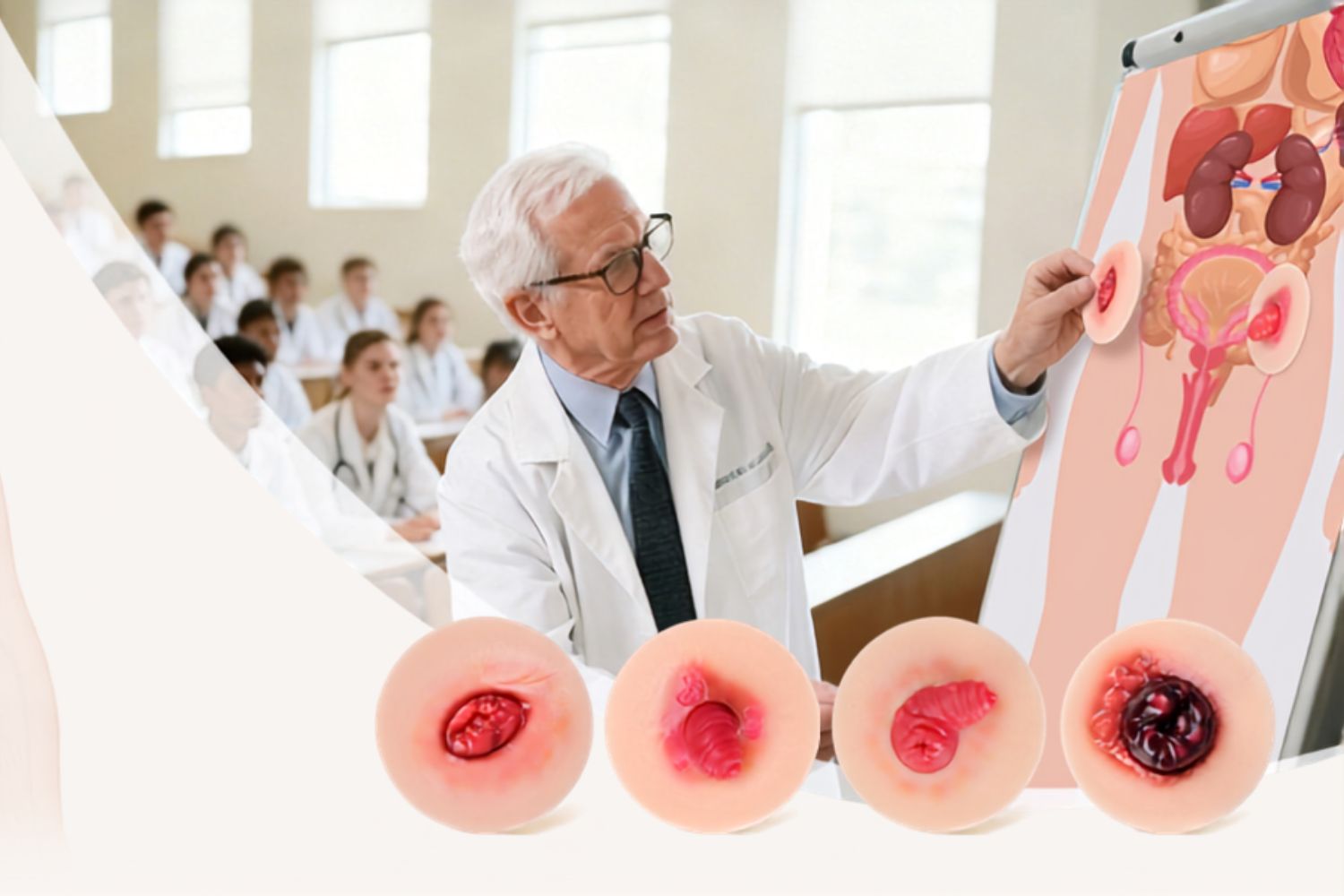
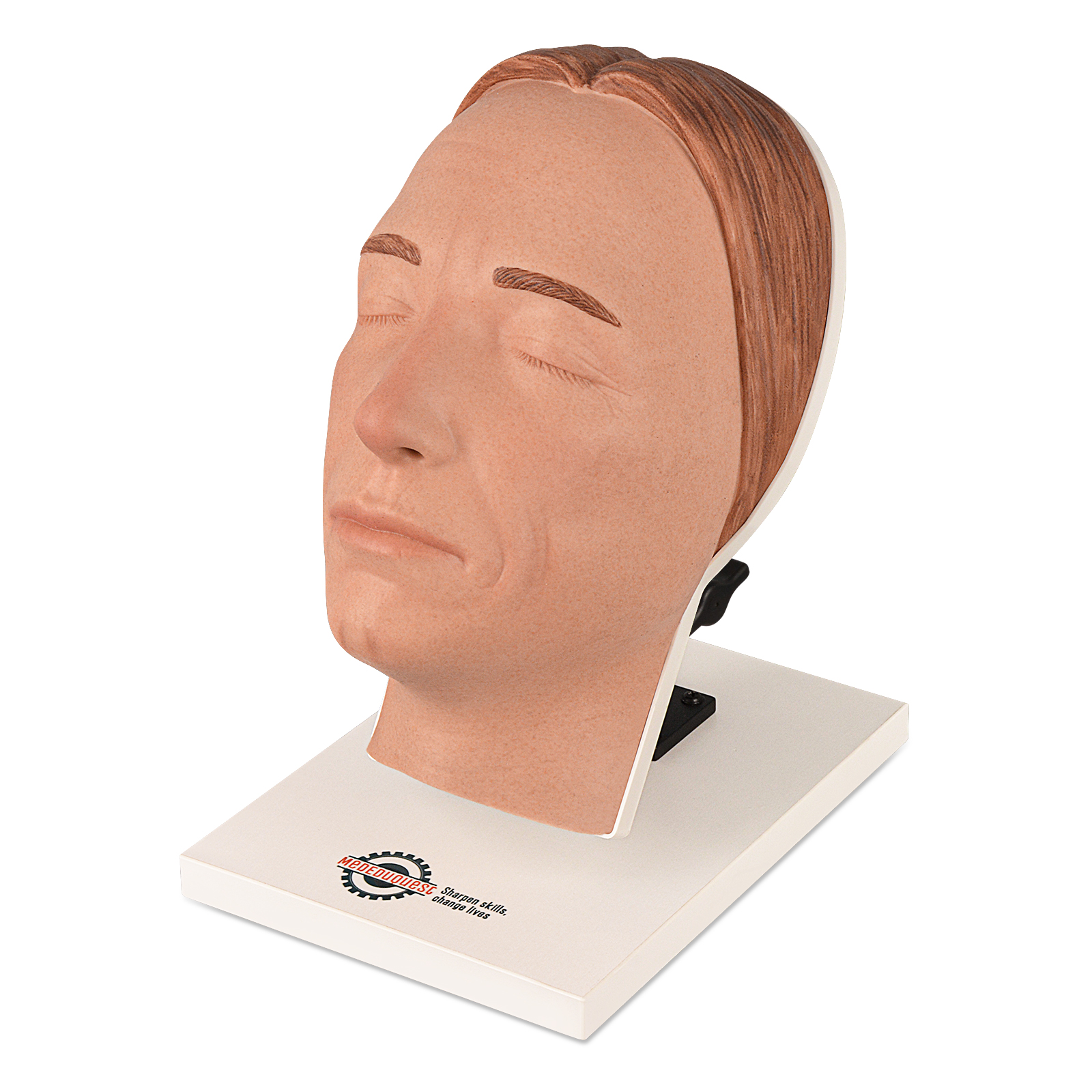
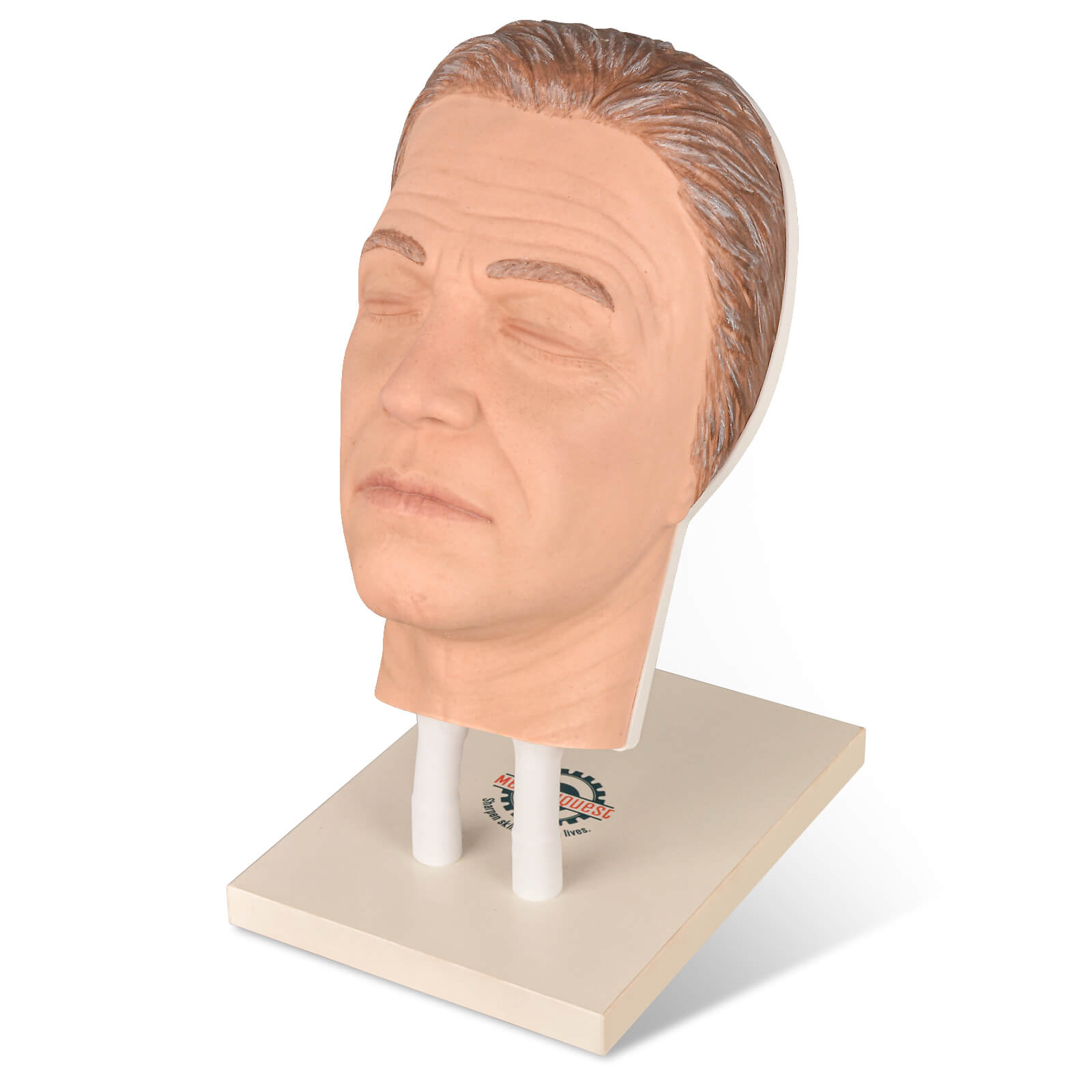
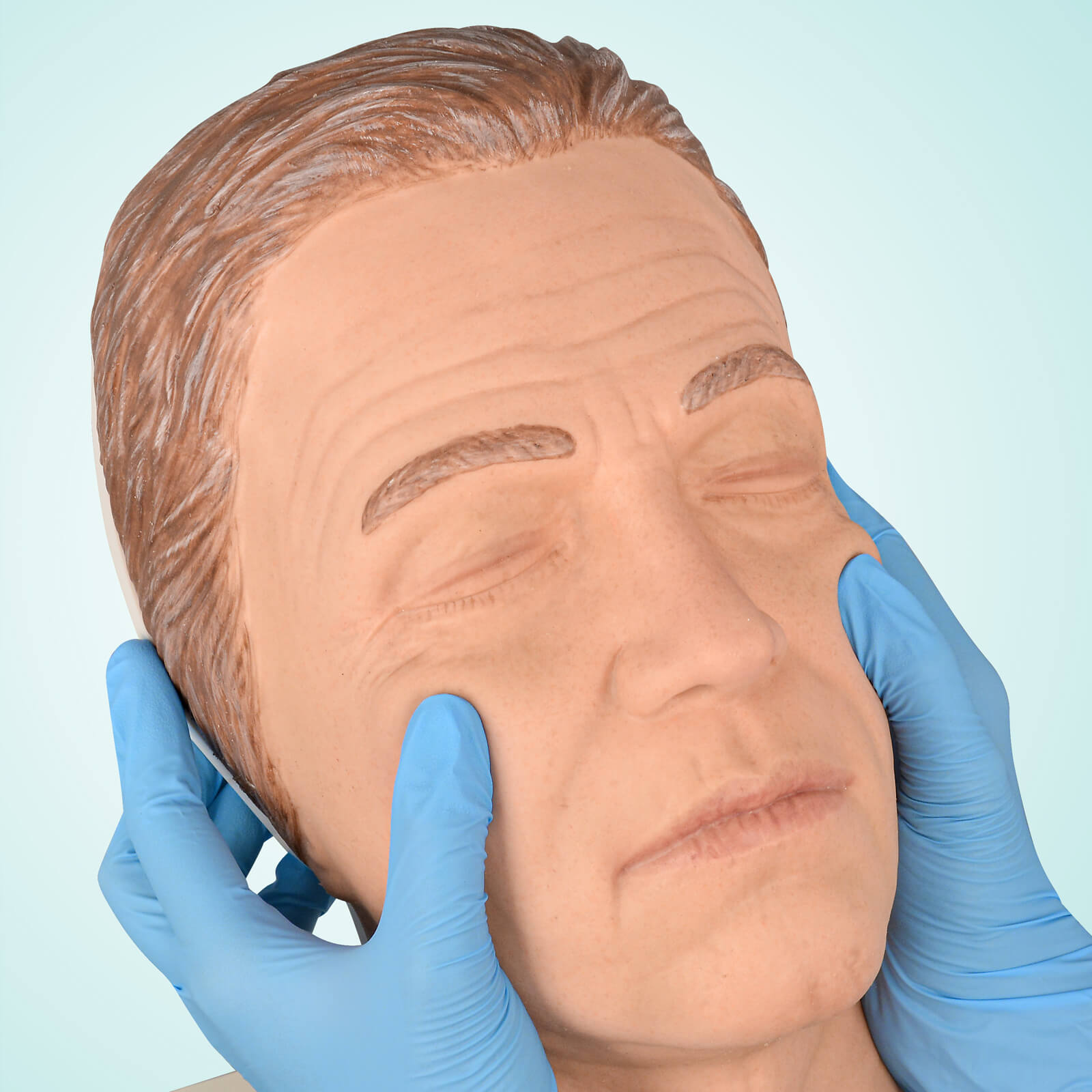
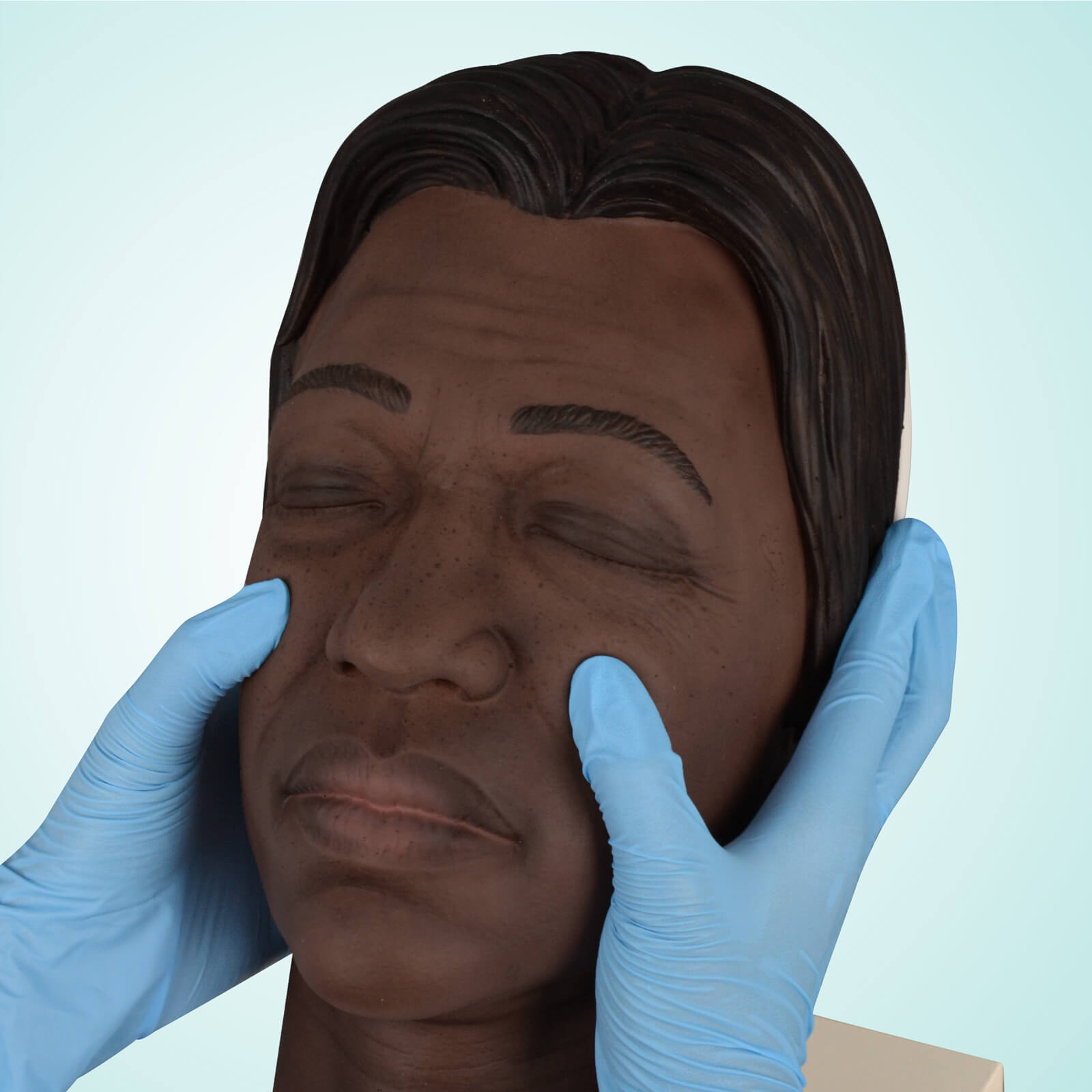
Reading procedures alone is not enough to develop clinical confidence. Hands-on simulation allows nursing students to practice skills repeatedly in a safe environment.
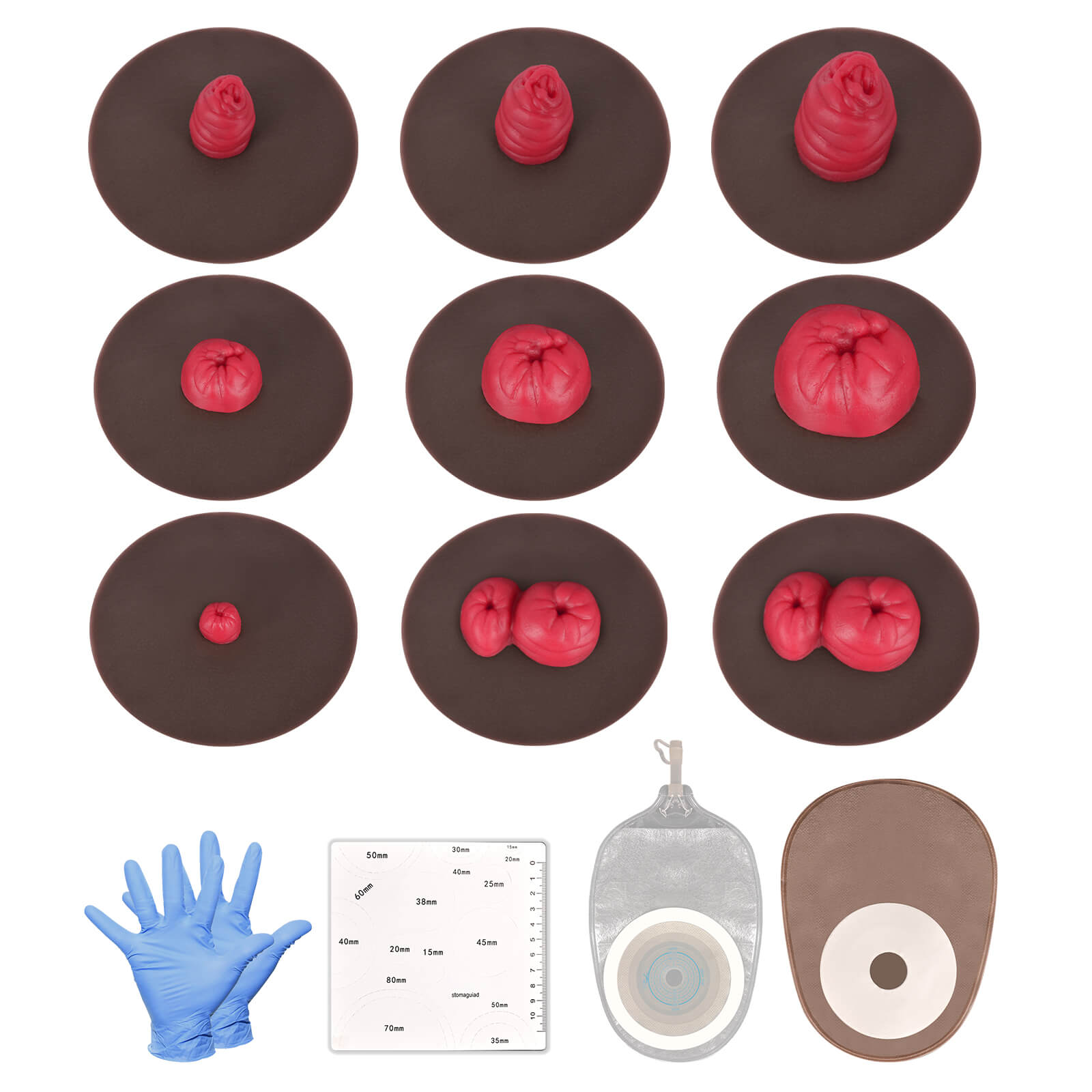
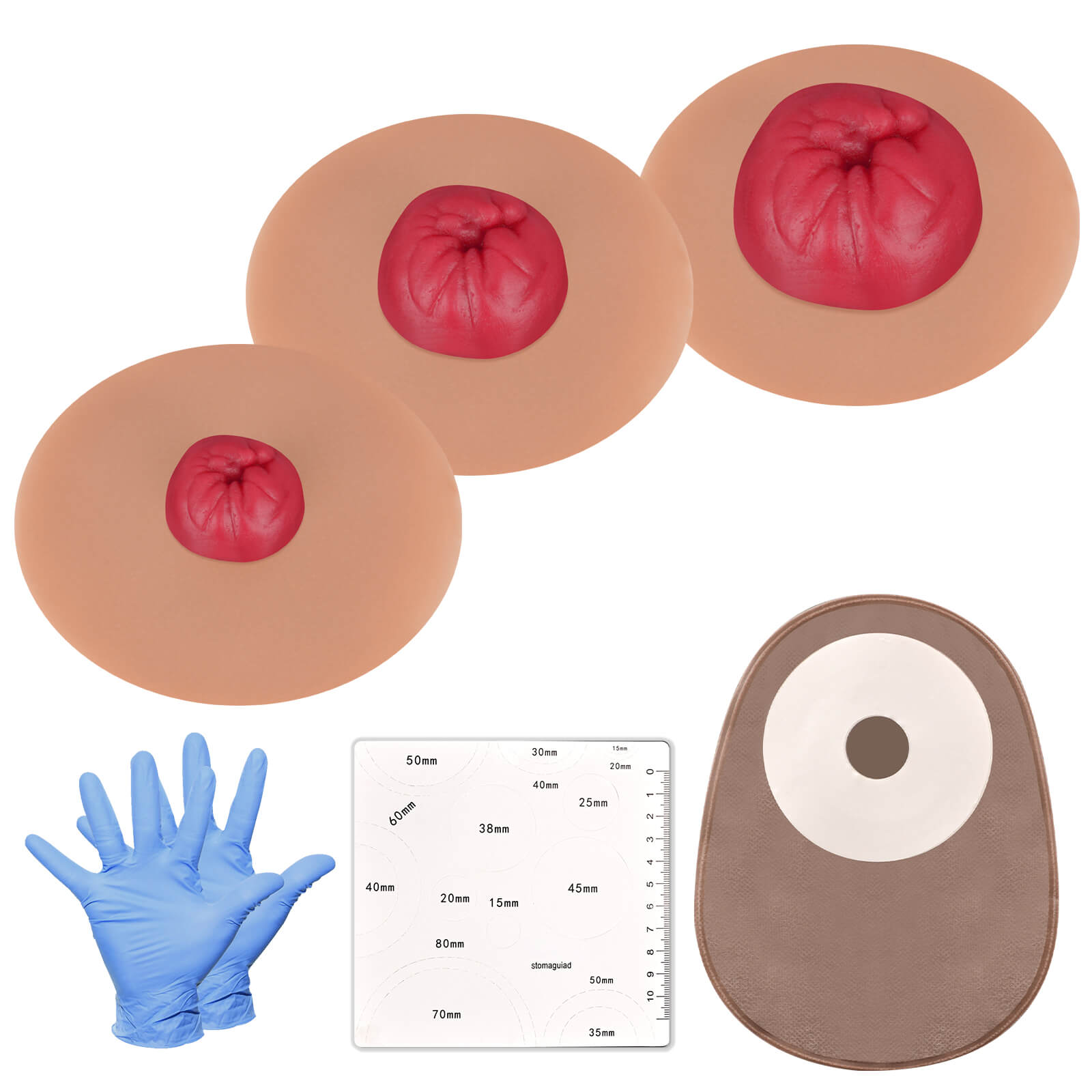
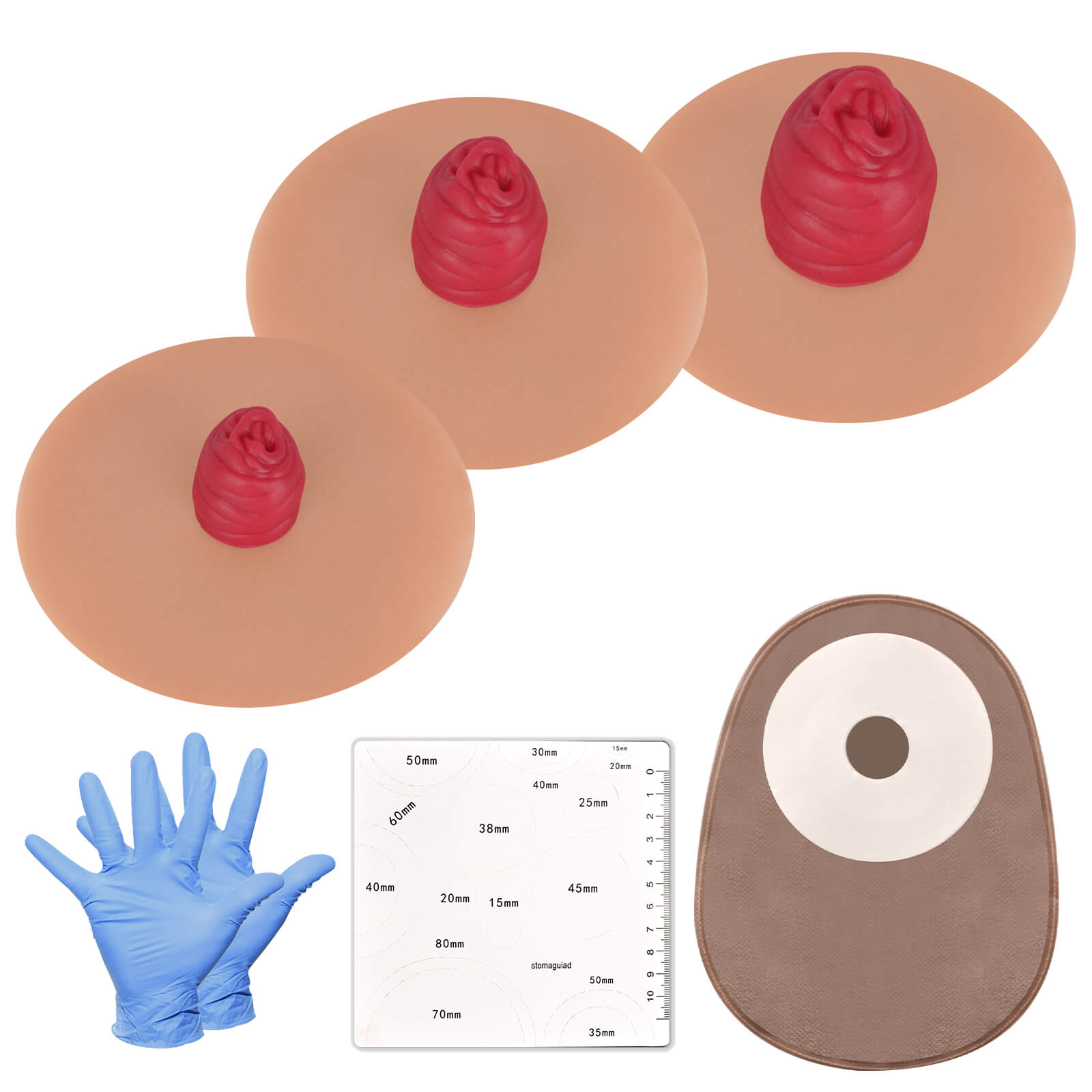
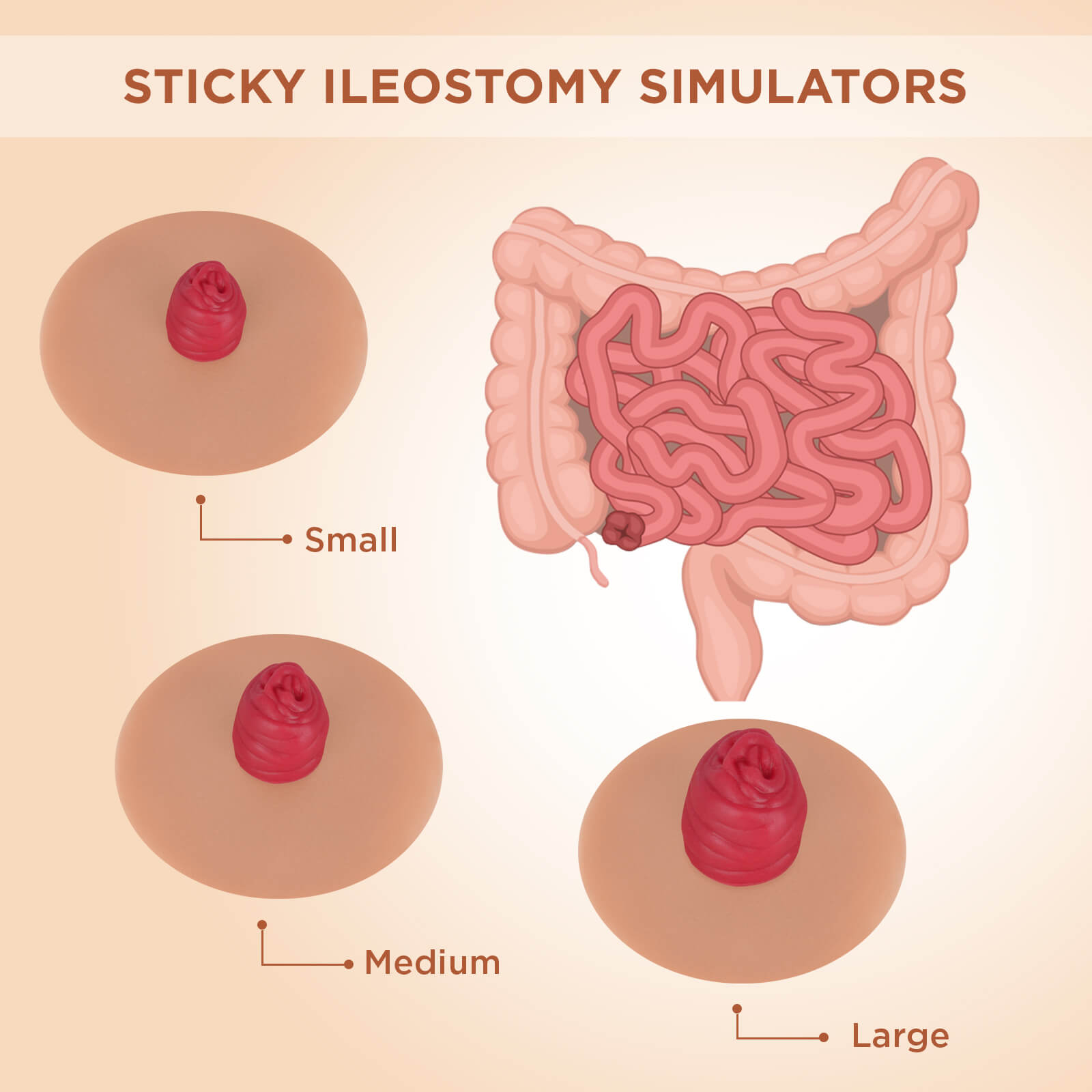
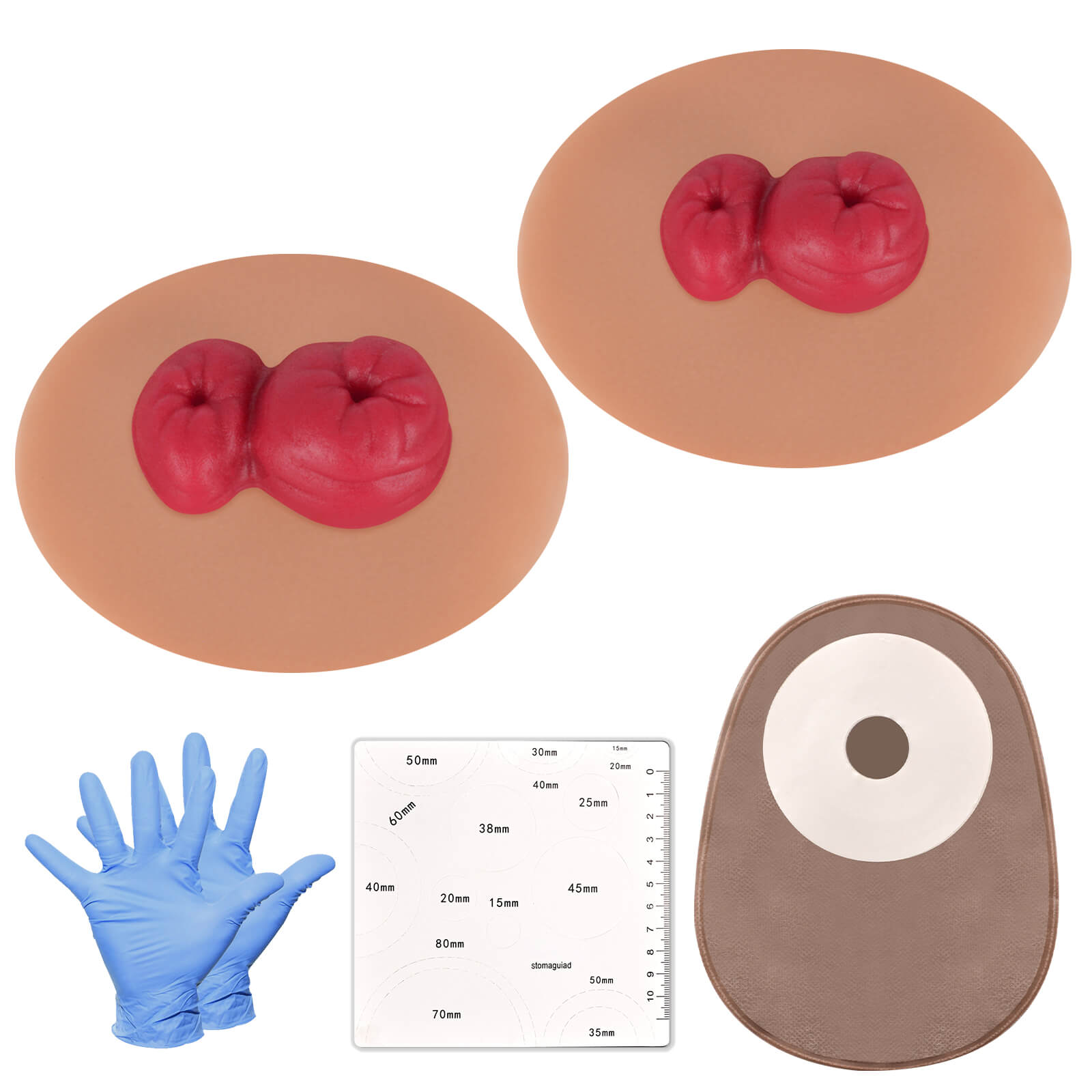
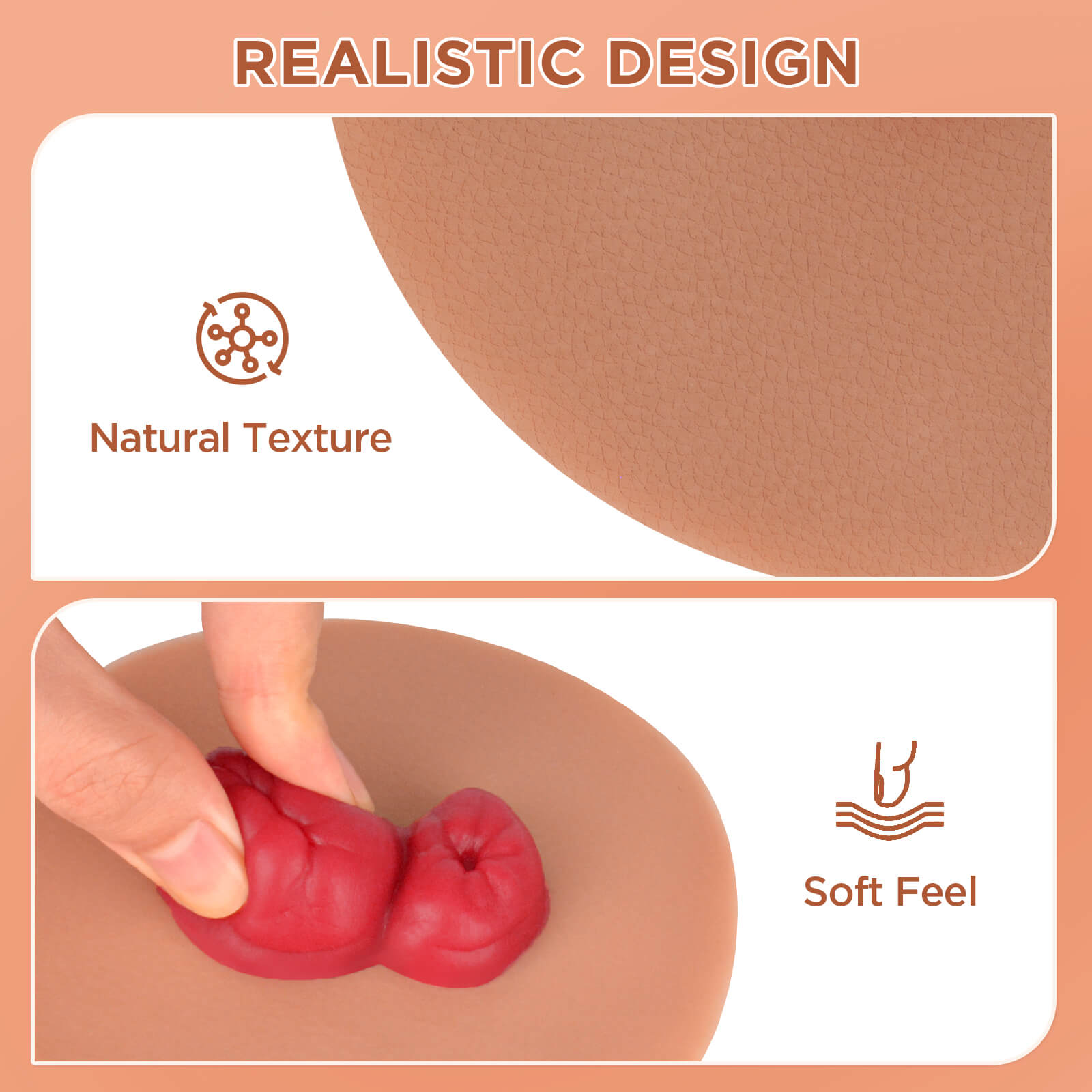
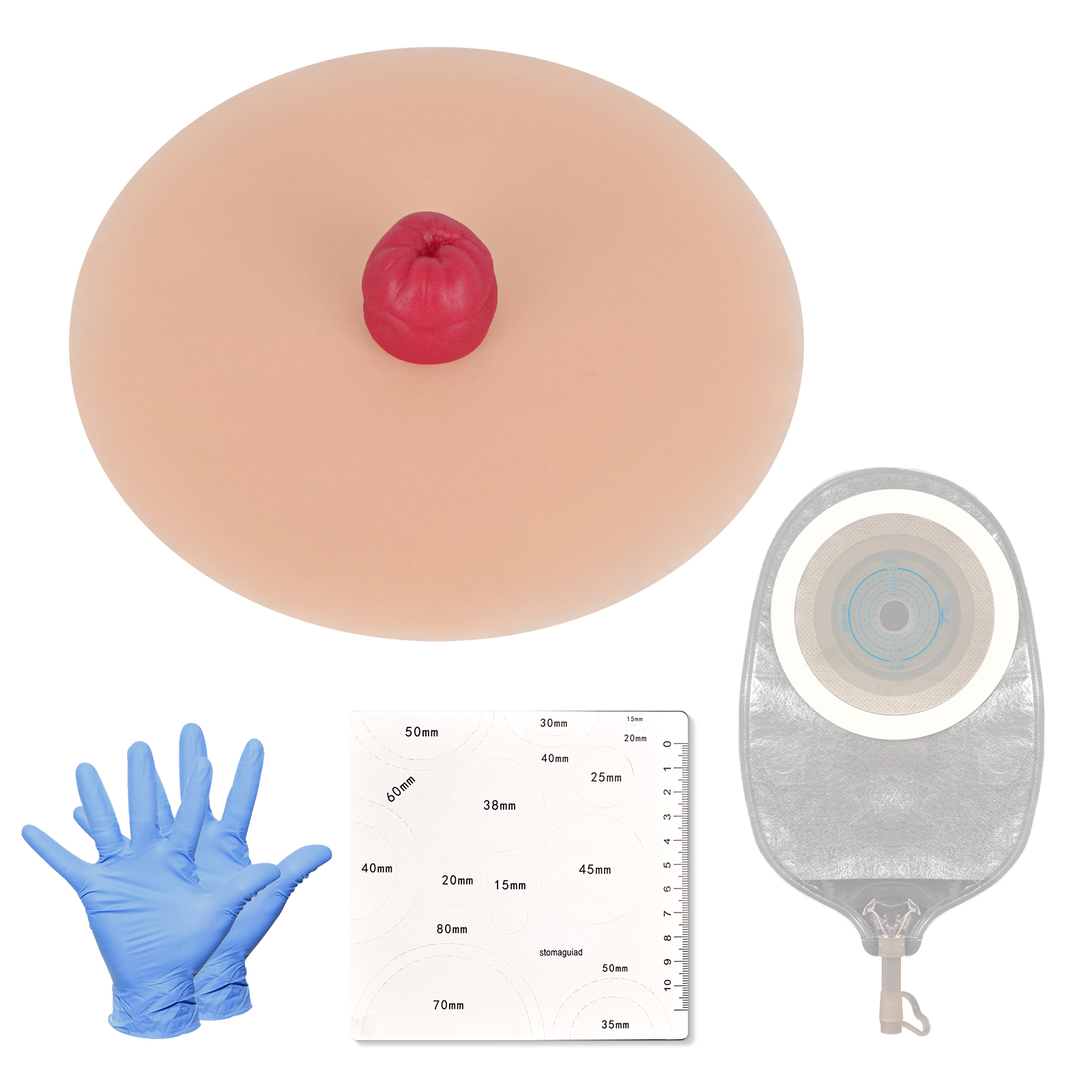
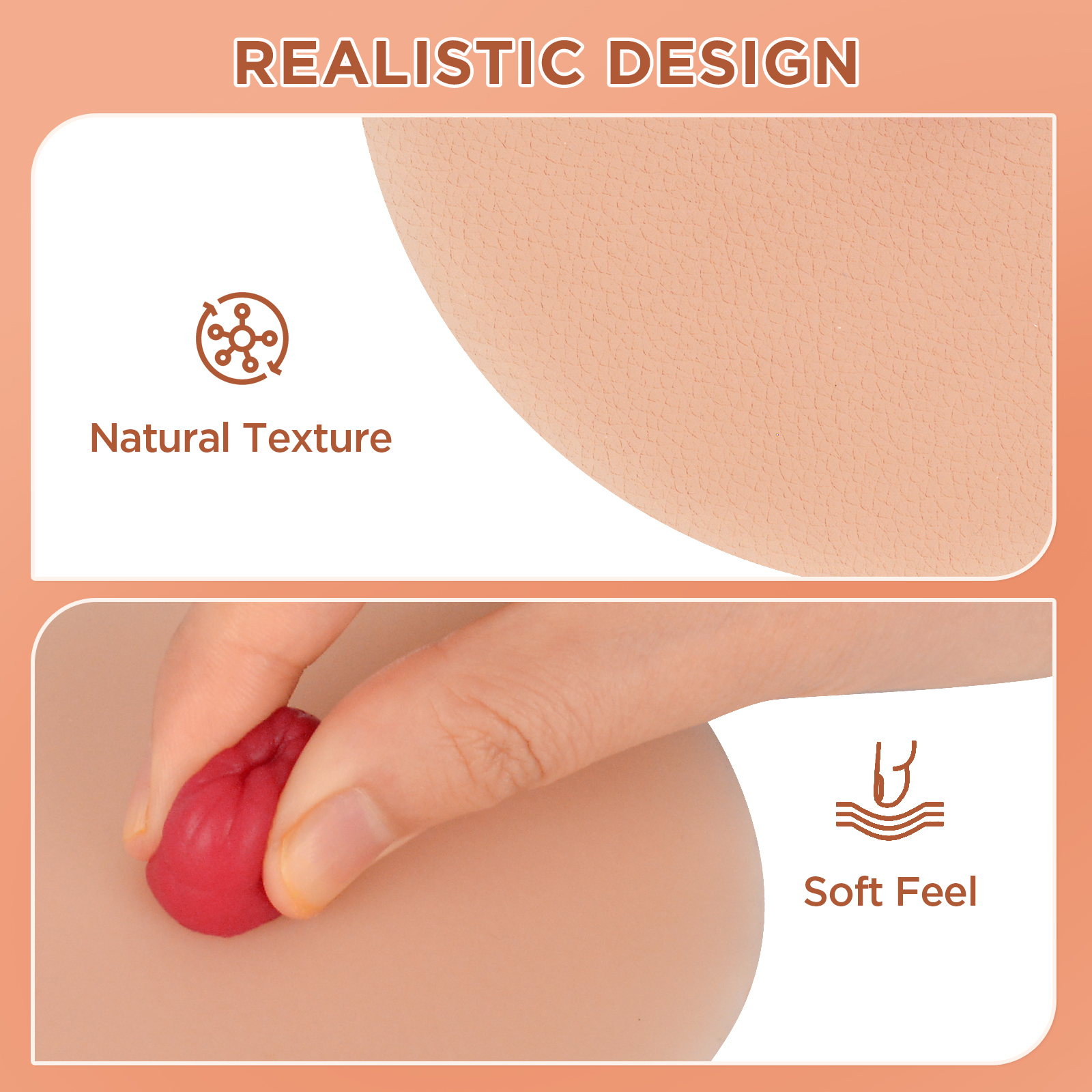
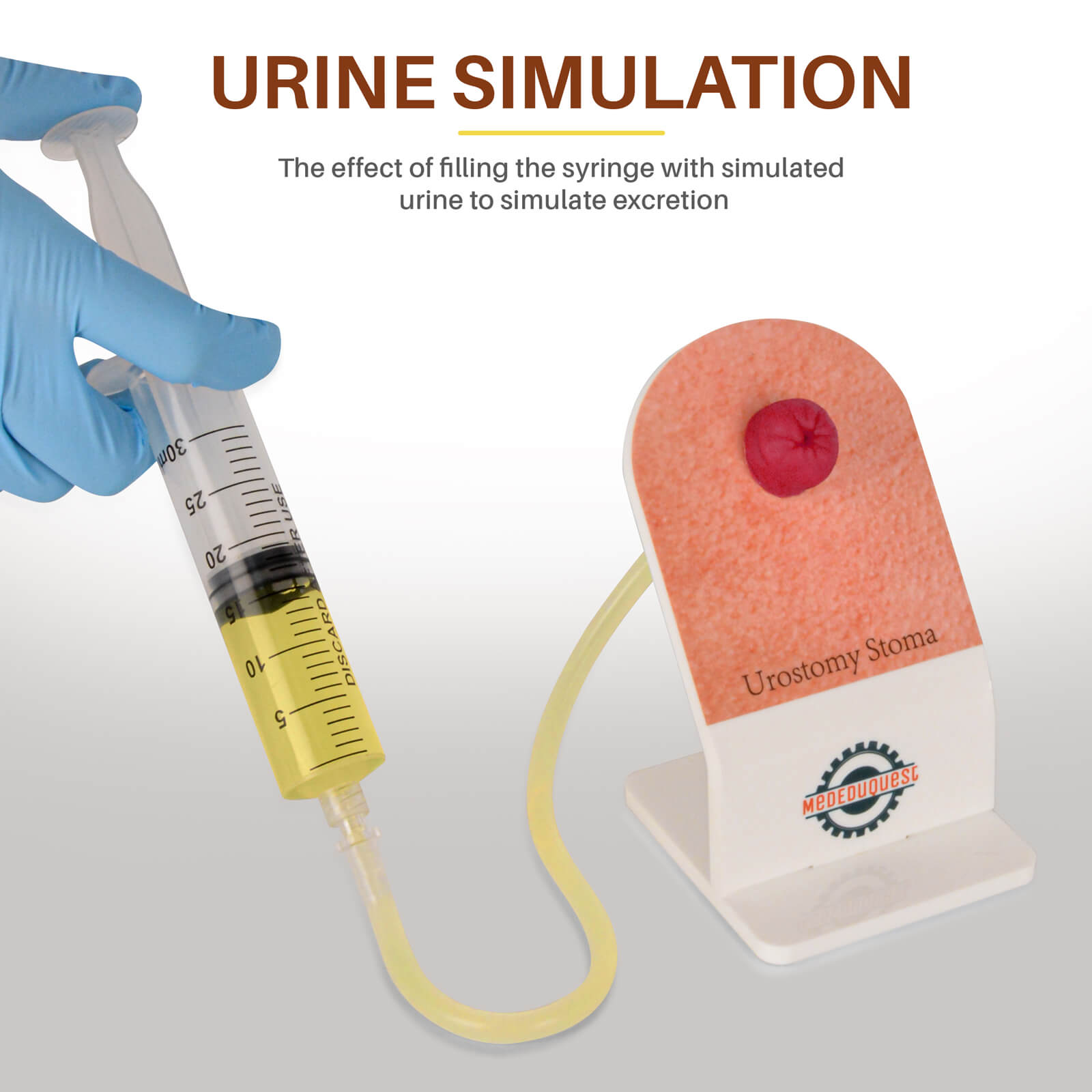
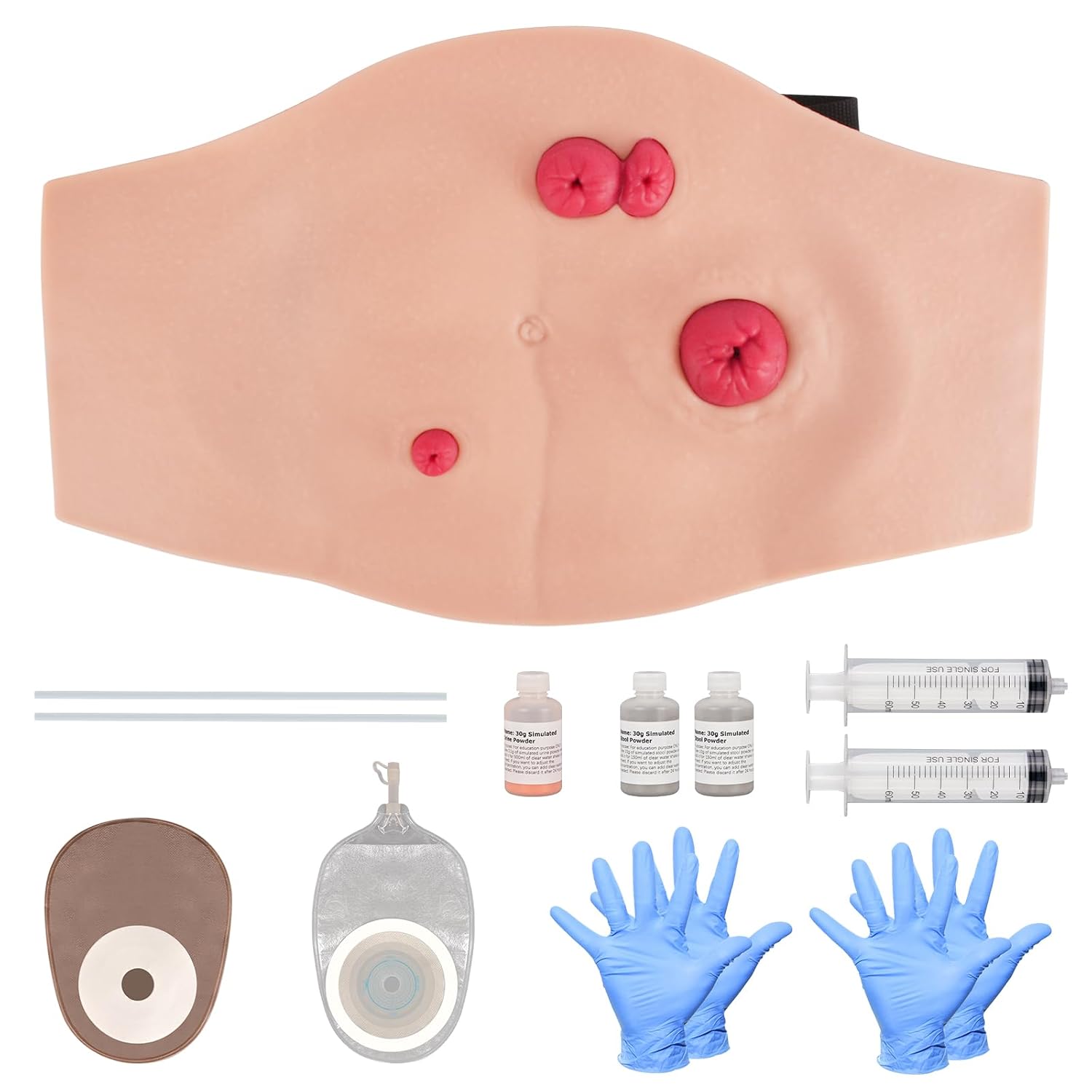
Ostomy training models can help students practice:
- Stoma assessment
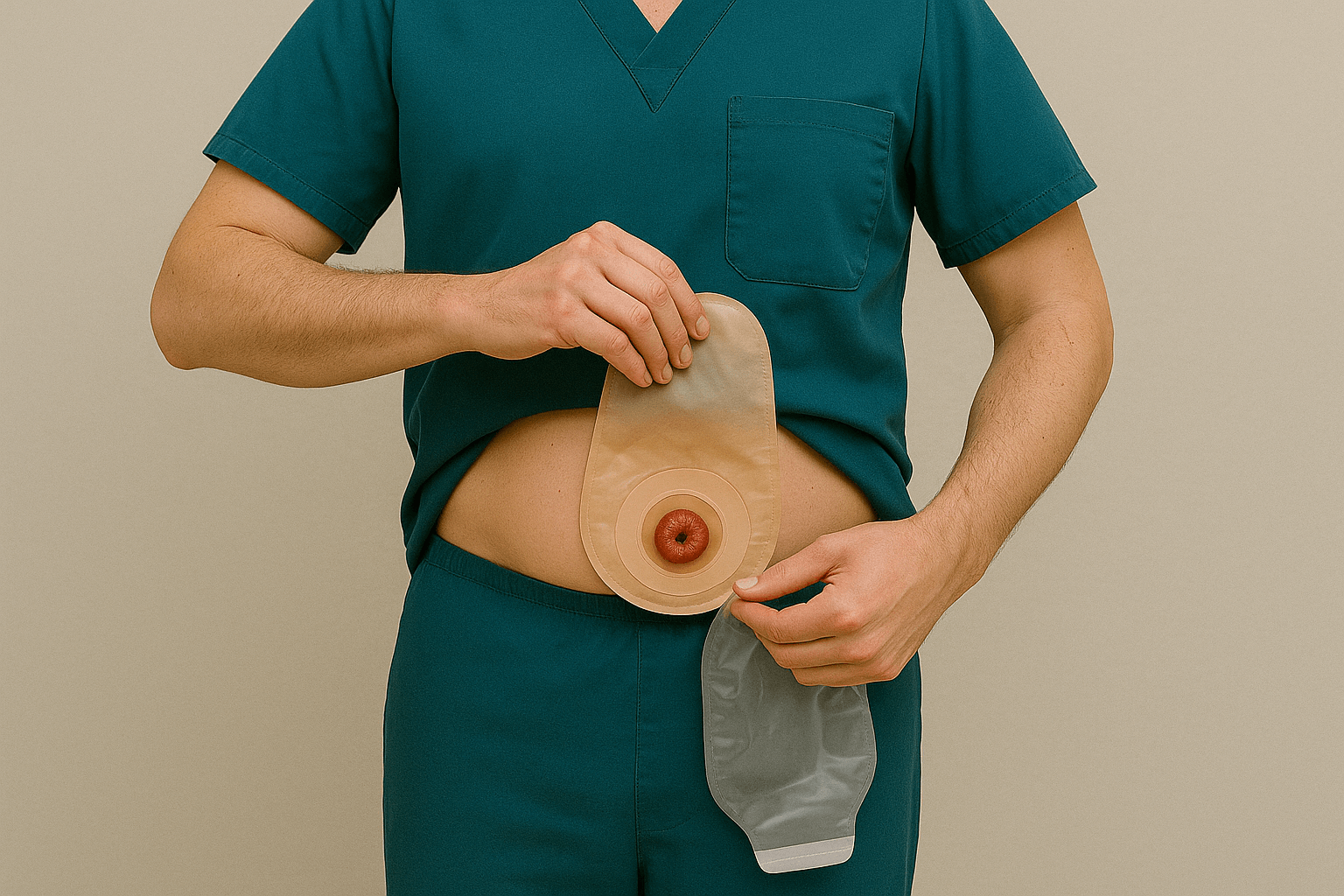
- Appliance removal and replacement
- Wafer measurement
- Pouch fitting
- Skin care techniques
- Patient education demonstrations
Simulation-based ostomy care learning helps bridge the gap between classroom knowledge and real patient care.
Ostomy Skills Assessment Tips for Nursing Students
- Practice the Complete Procedure
Students should practice the entire workflow from assessment to appliance application rather than individual steps only.
- Follow a Consistent Sequence
Using the same order every time reduces mistakes and improves efficiency.
- Request Feedback
Instructor feedback helps identify technique issues and areas for improvement.
- Practice Patient Communication
Remember that ostomy care involves both technical skills and emotional support.
Using an Ostomy Nursing Skills Checklist During Training
A checklist can be used by:
- Nursing students reviewing skills independently
- Instructors evaluating student performance
- Simulation labs conducting competency assessments
- Healthcare training programs developing skills courses
By combining checklist-based learning with hands-on practice, students can develop stronger clinical readiness.
Conclusion
Ostomy nursing requires a combination of technical knowledge, practical skills, and compassionate patient care.
An organized ostomy nursing skills checklist helps students review important procedures, identify learning gaps, and prepare for clinical practice.
Through repeated simulation training and structured assessment, future nurses can develop the confidence needed to provide safe and effective ostomy care.
.jpg?w=1600&h=1600)
.jpg?w=1600&h=1600)
.jpeg?w=1600&h=1600)
.jpeg?w=1600&h=1600)
.jpeg?w=1600&h=1600)
.jpeg?w=1600&h=1600)

.jpg?w=1000&h=1000)
.jpg?w=1000&h=1000)



.jpeg?w=1500&h=1500)
.jpeg?w=1500&h=1500)
.jpeg?w=1600&h=1600)
.jpeg?w=1600&h=1600)
.jpg?w=1600&h=1600)
.jpg?w=1600&h=1600)
.jpg?w=1500&h=1500)
.jpg?w=1500&h=1500)
.jpg?w=1500&h=1500)
.jpg?w=1500&h=1500)
.jpg?w=1500&h=1500)
.jpg?w=1500&h=1500)
.jpg?w=1500&h=1500)
.jpg?w=1500&h=1500)