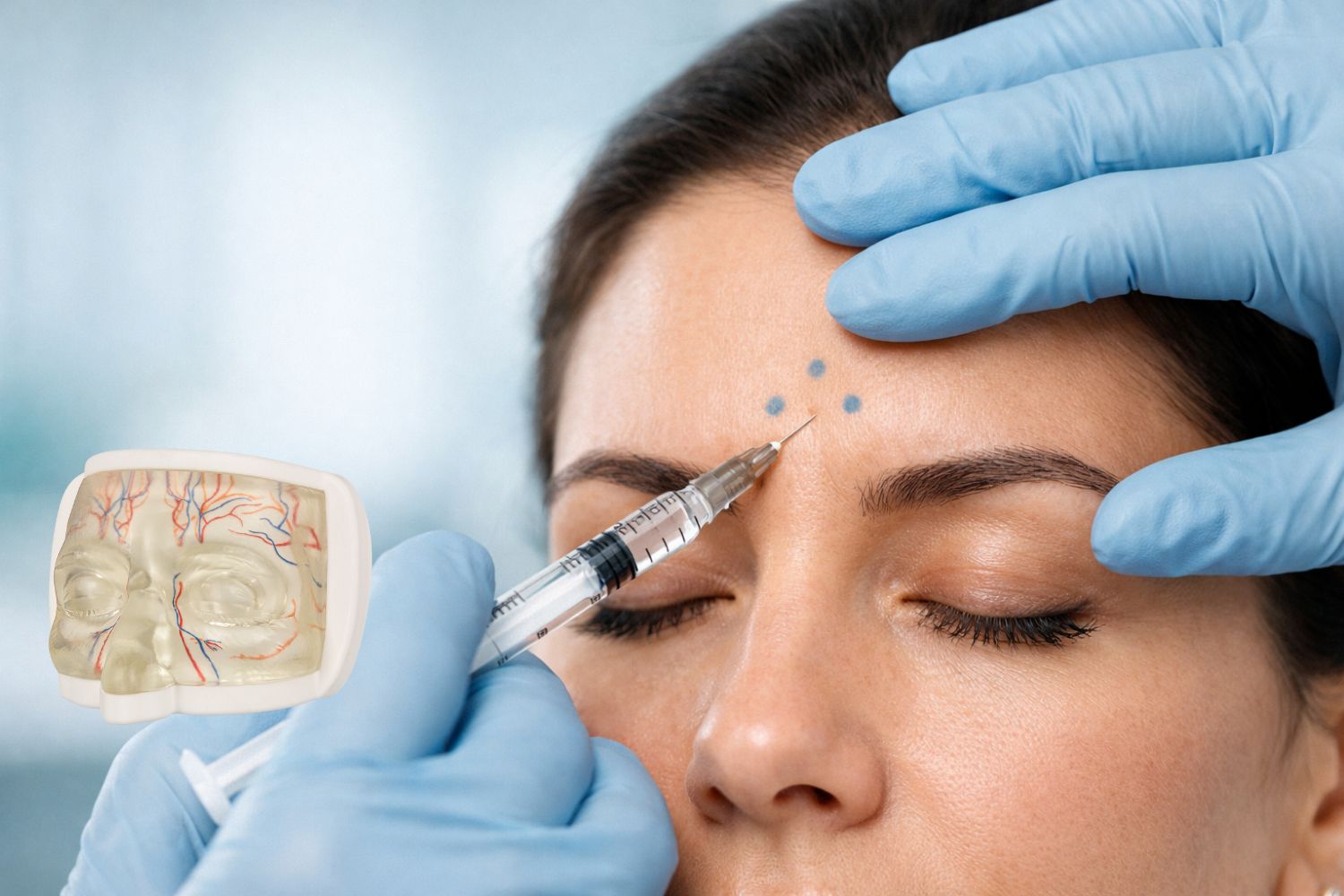
New to facial injection training?
Wondering how deep your needle should go, or which model fits your learning stage? You're not alone - hundreds of beginners ask these same questions every day.
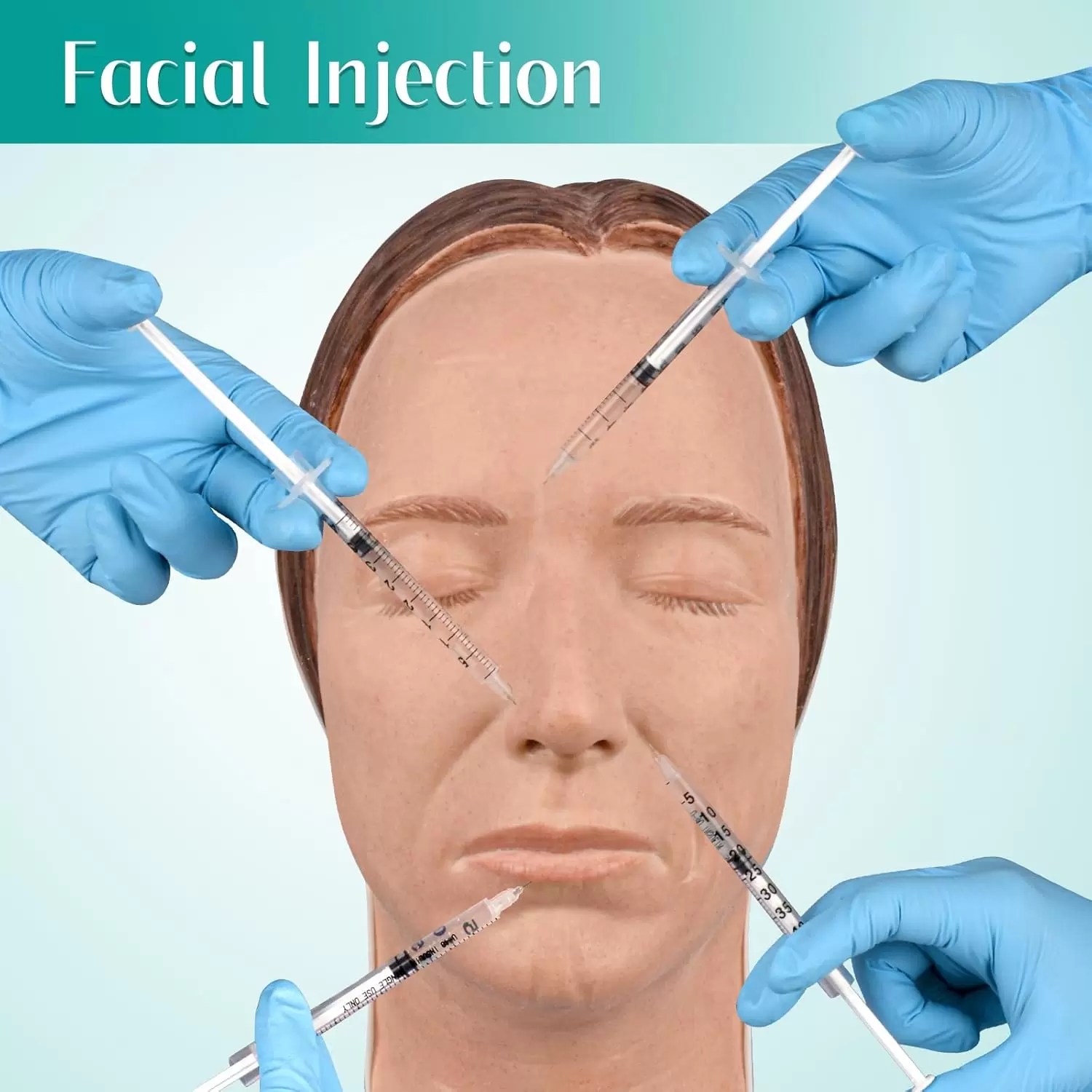
MedEduQuest facial injection manikins come in two main types:
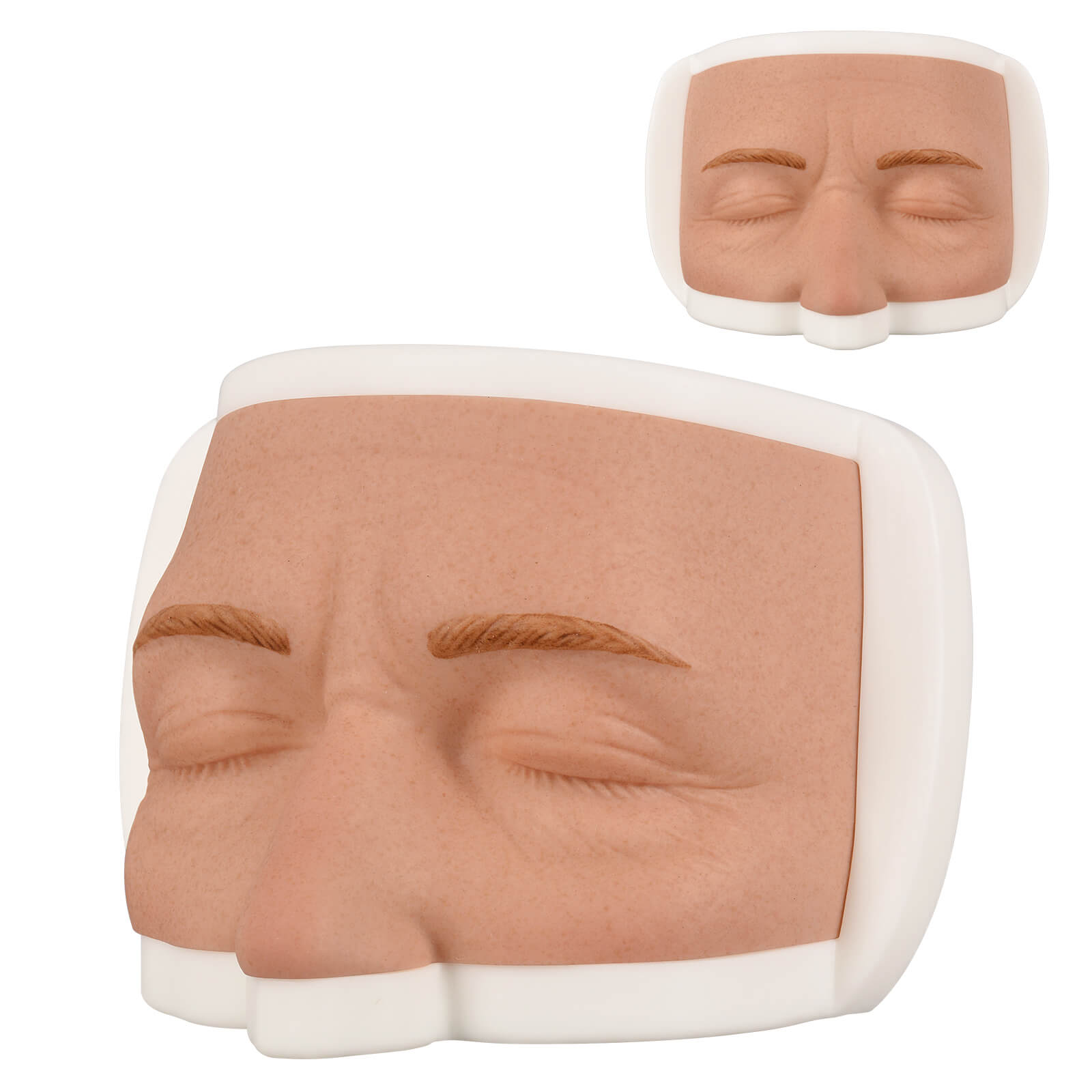
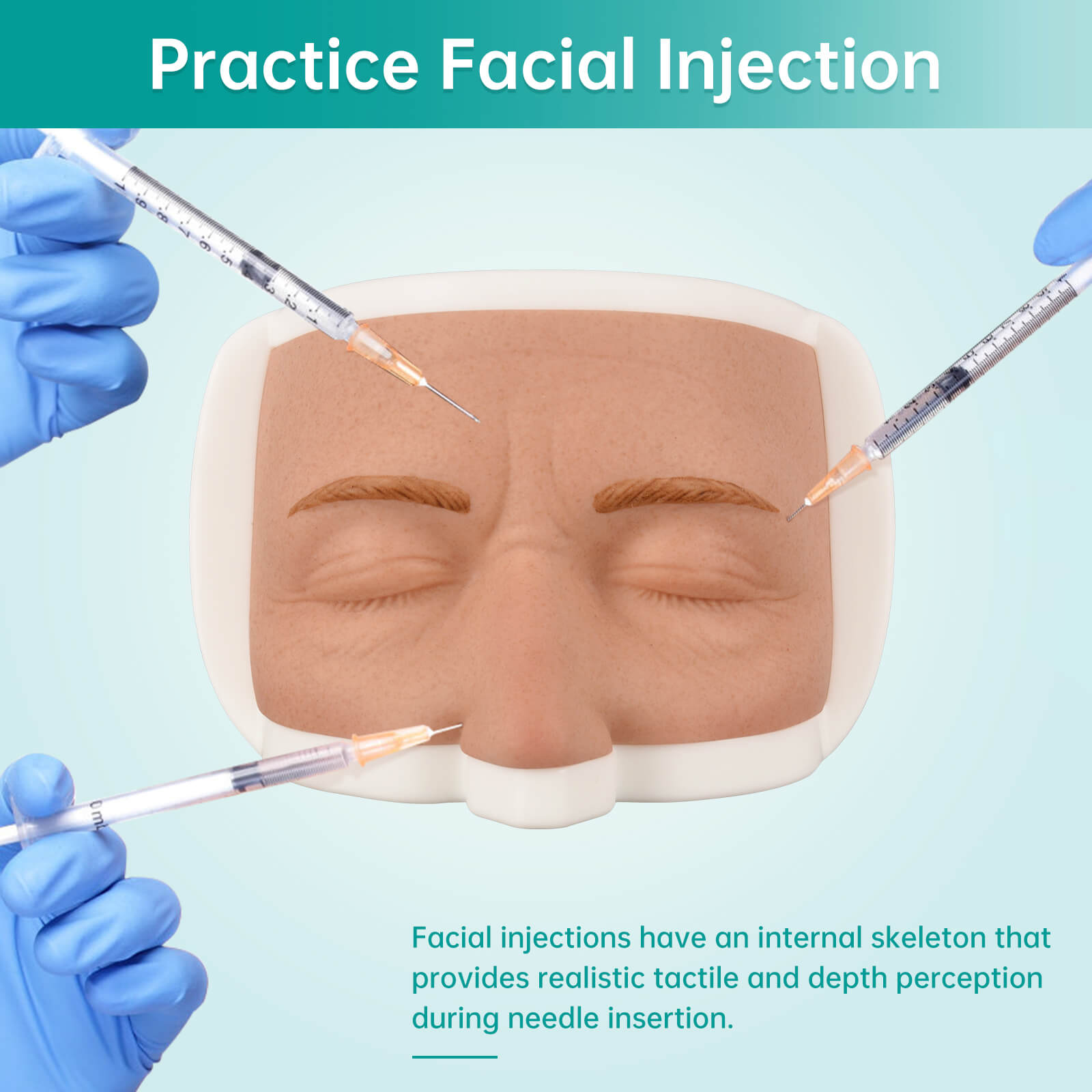
- Real skin-tone models that simulate lifelike resistance and hand feel.
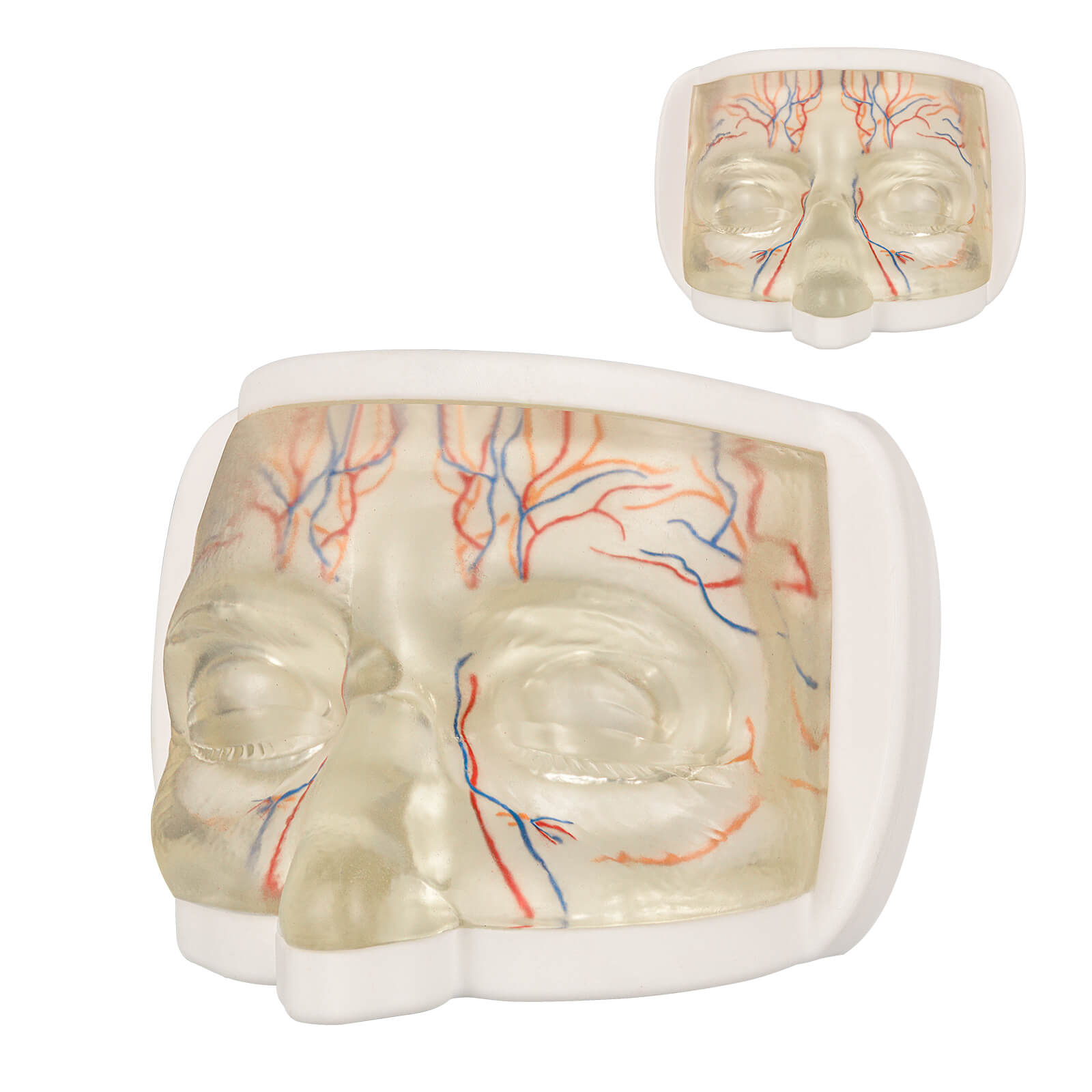
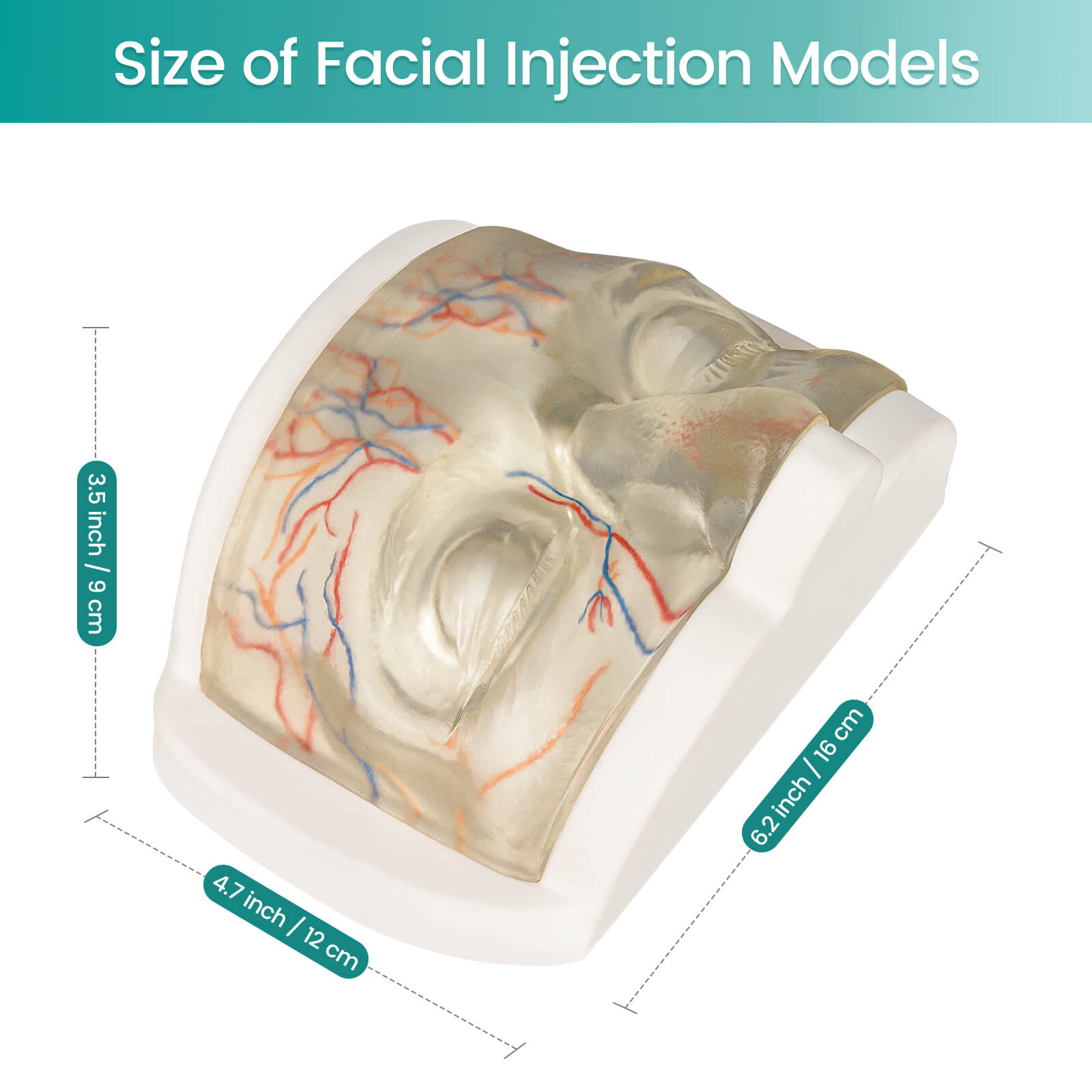
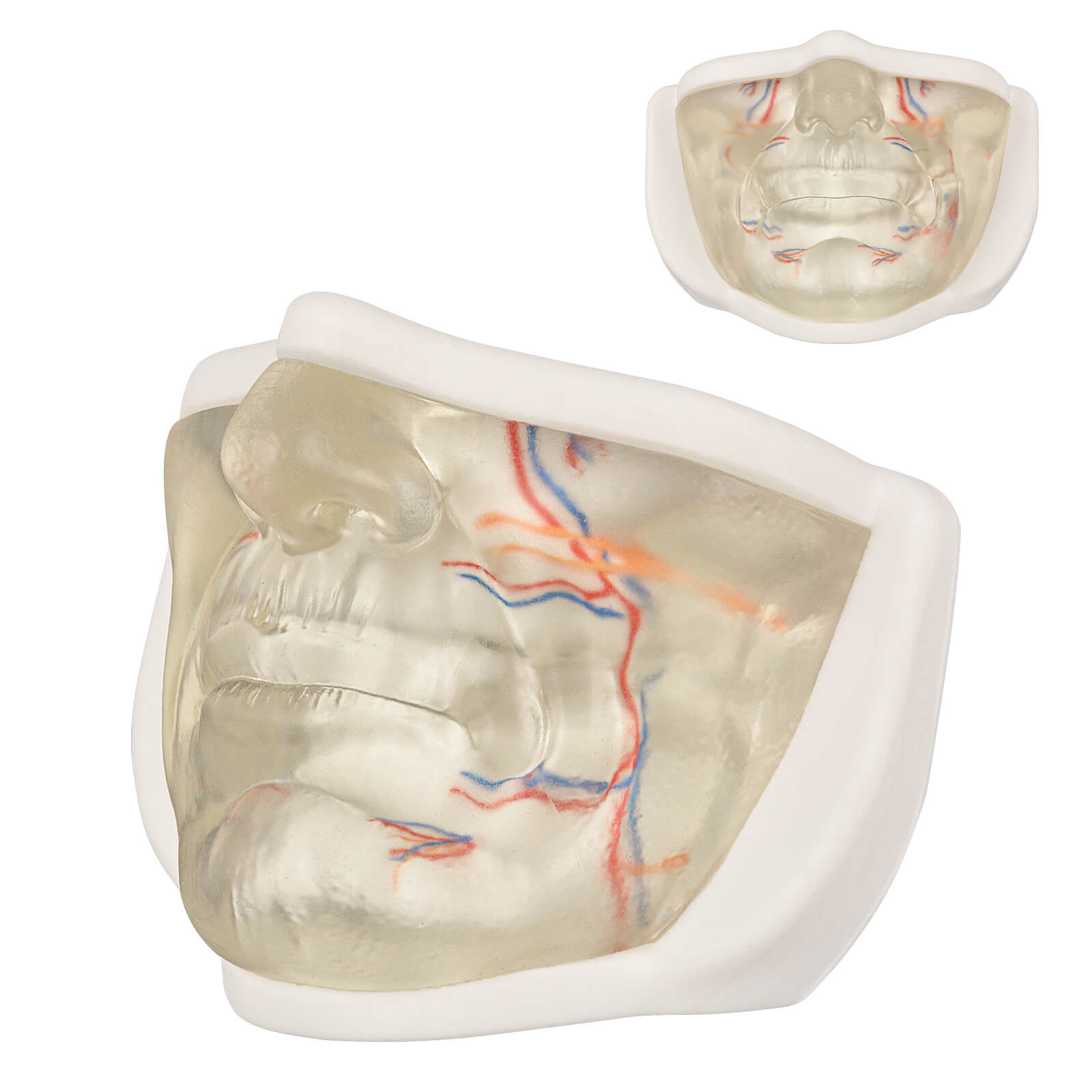
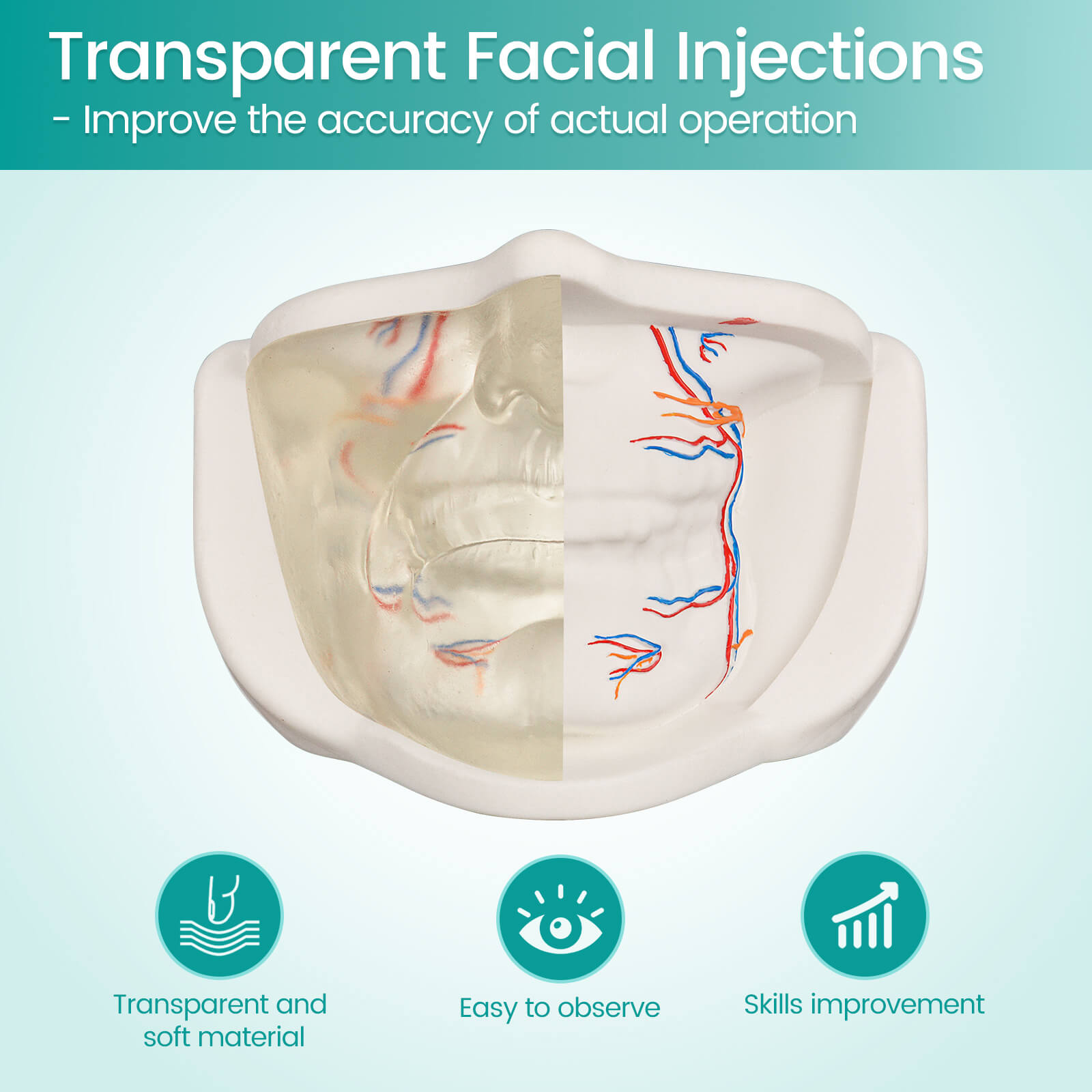
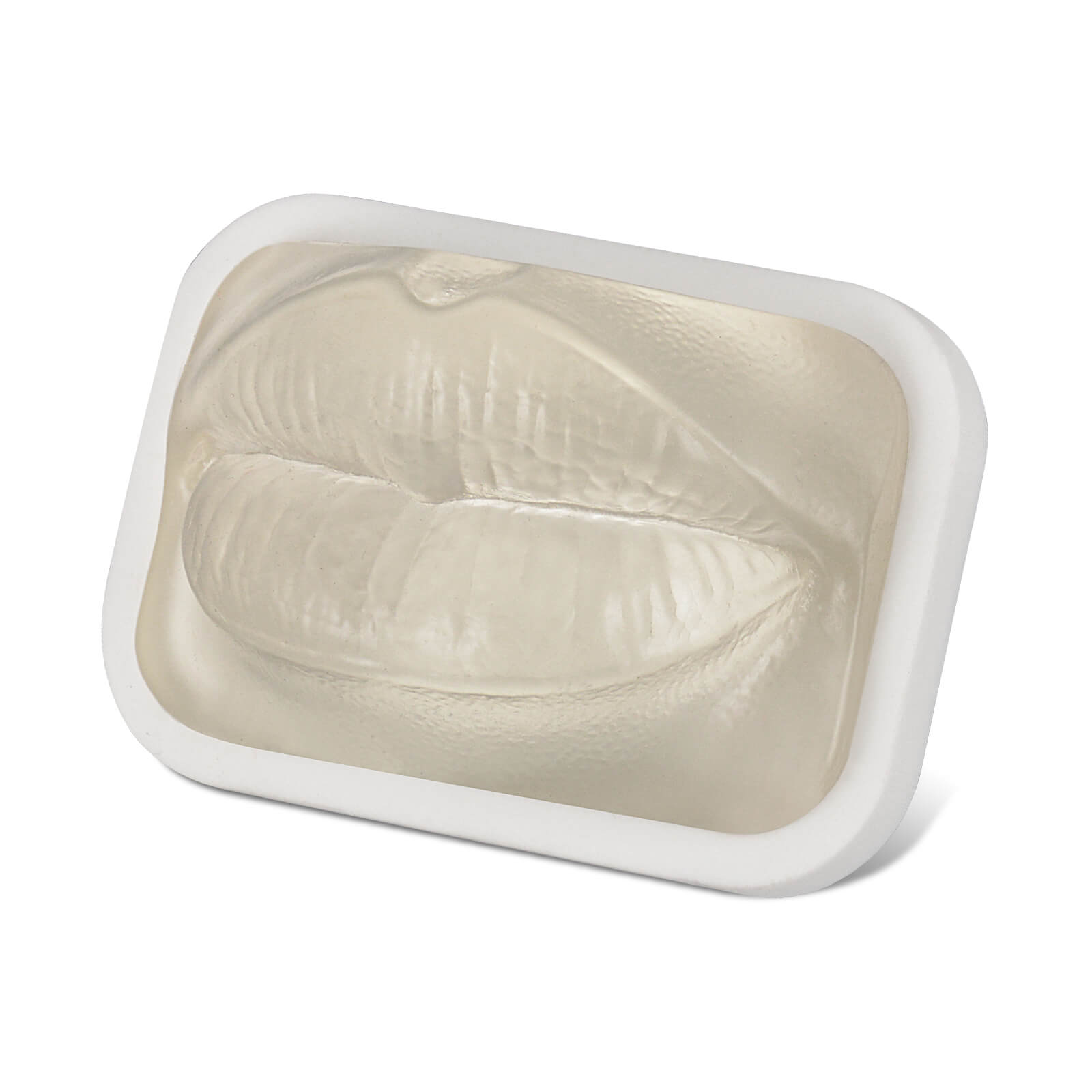
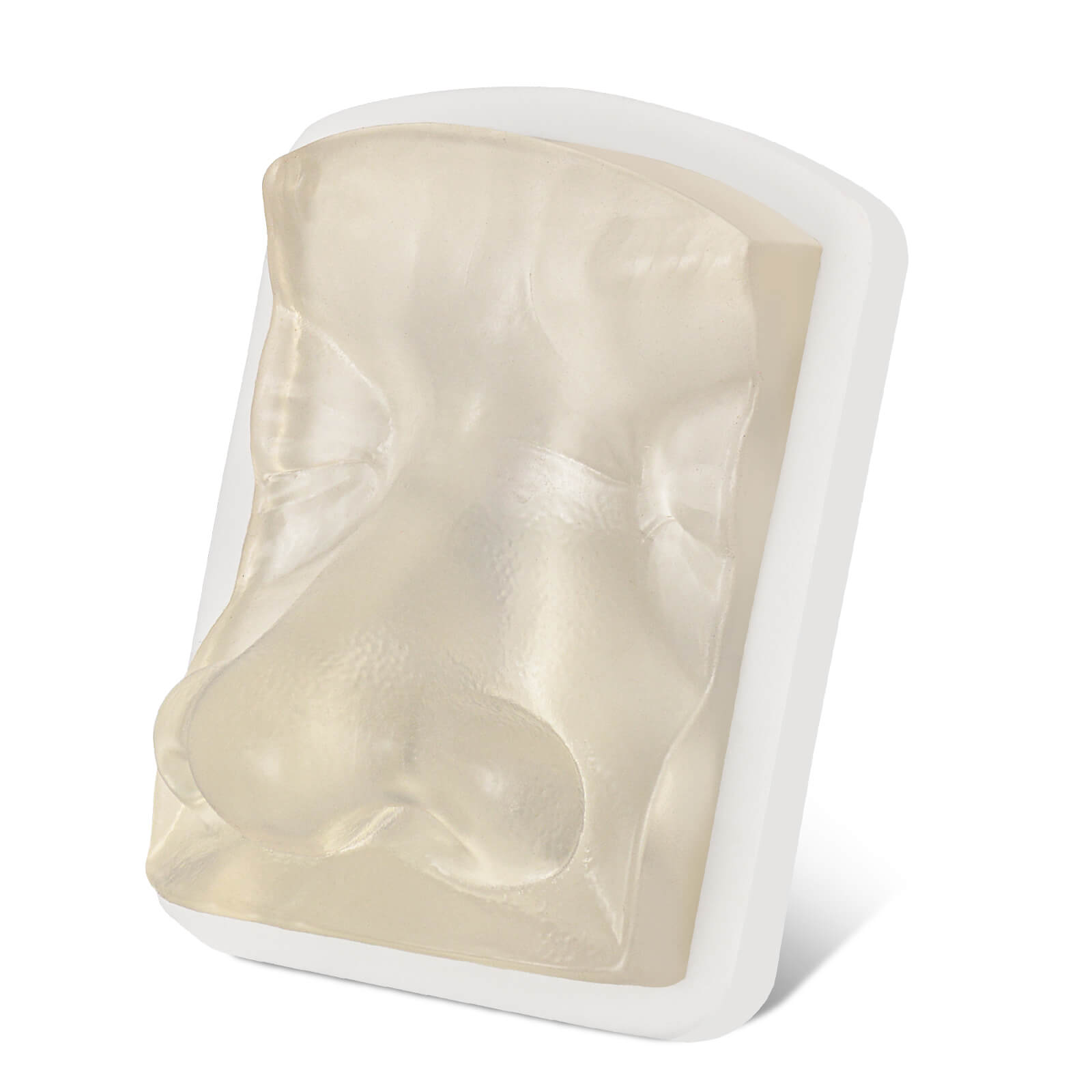
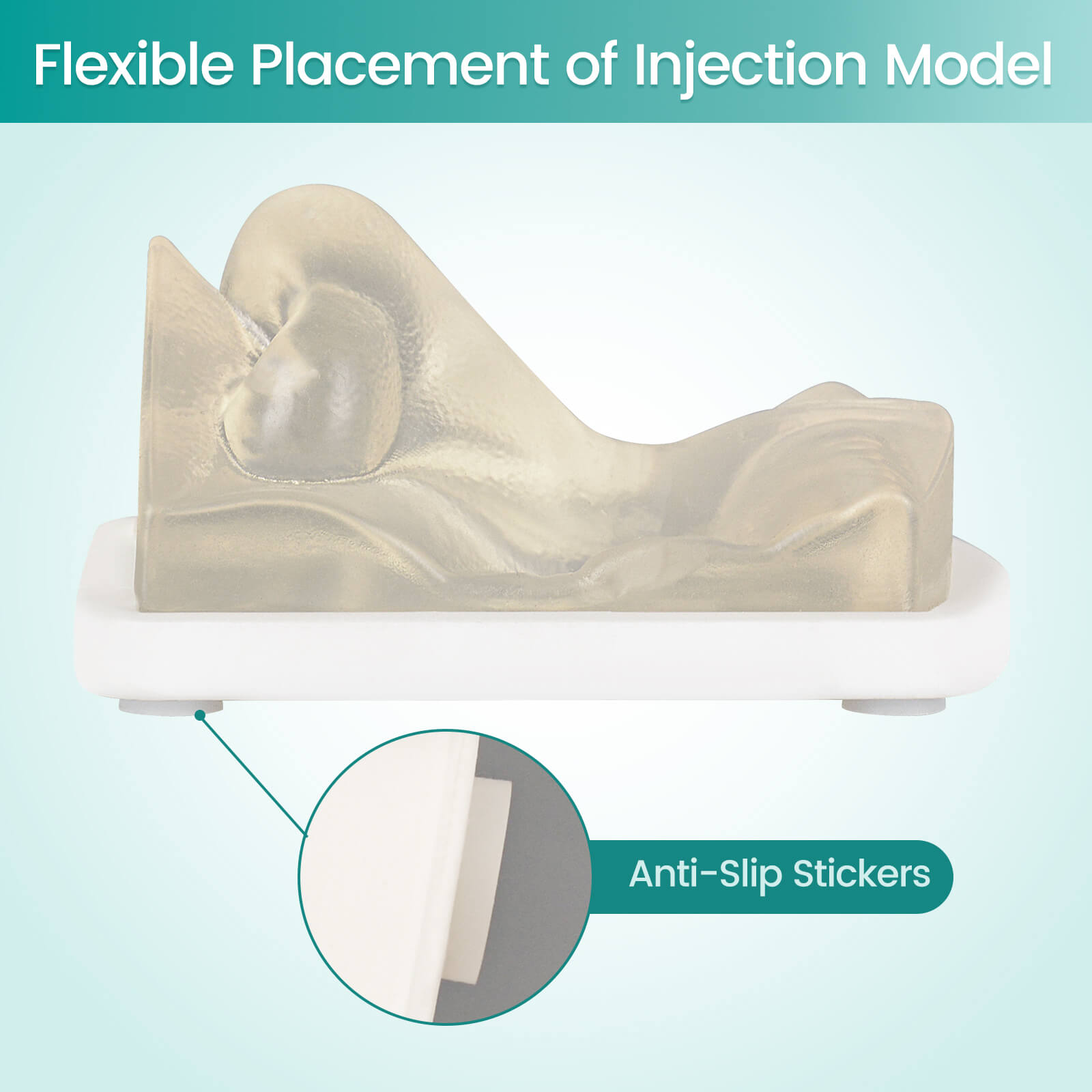
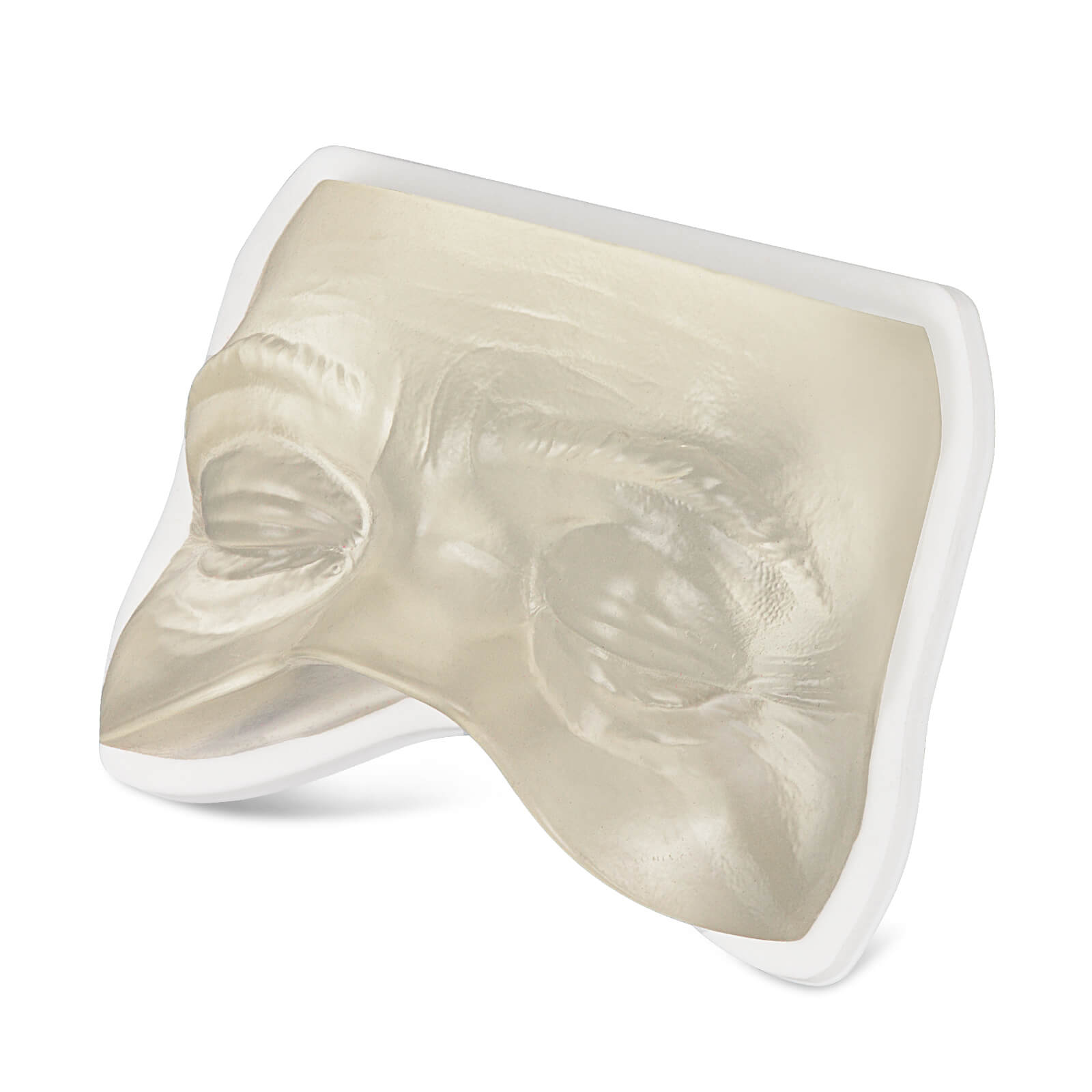
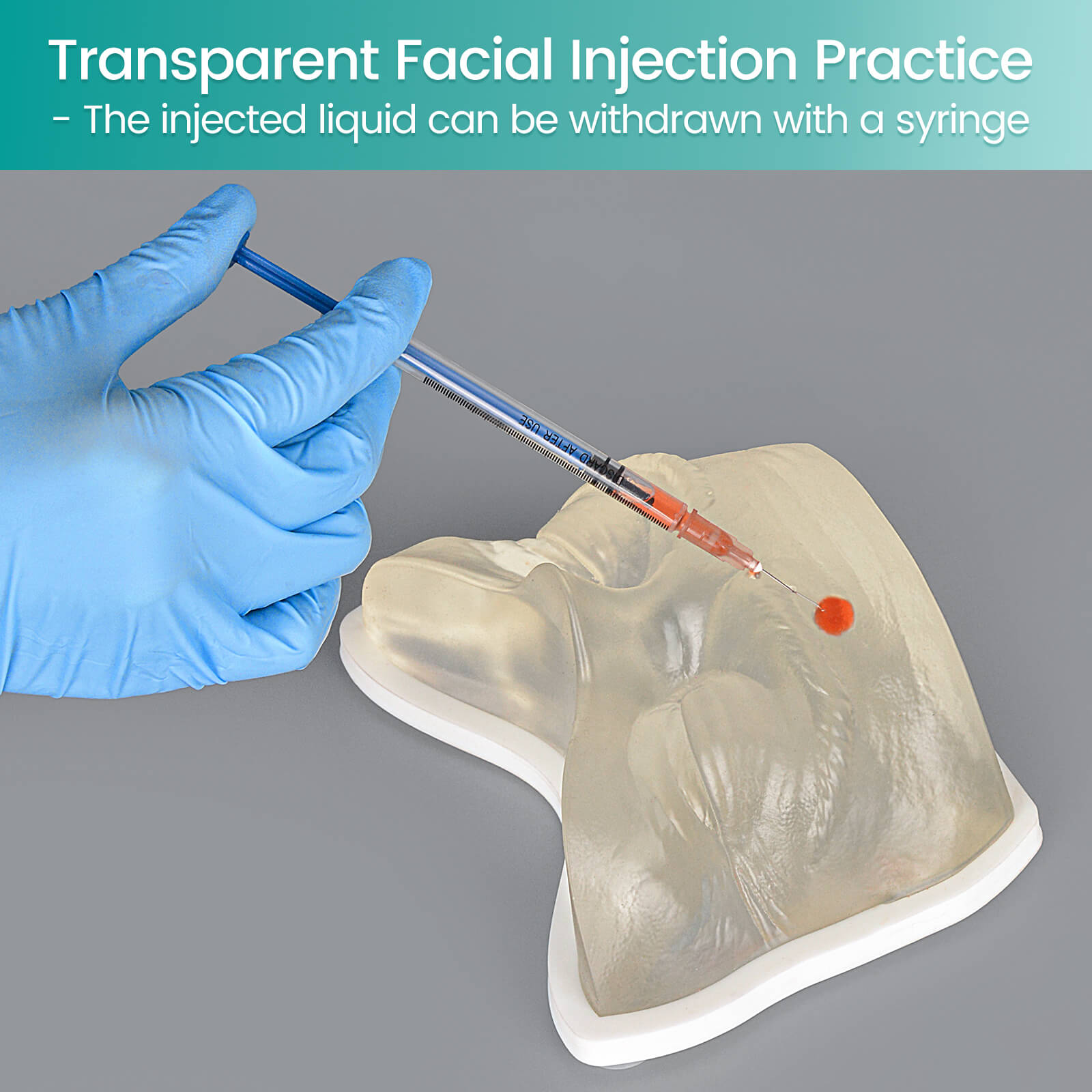
- Transparent models that reveal the underlying muscles and vessels for precise visualization.
Each serves a different purpose - this guide answers the most common beginner questions and helps you pick the right tools to start your training safely and effectively.
1. For Beginners: Your First Injection Practice
Q: What's the safest area to start with?
Start with the lateral cheek (zygomatic arch).
It's a low-risk area with fewer major vessels, letting you focus on mastering needle angle, hand stability, and depth control before moving on to complex zones like lips or temples.
Q: What kind of needle or filler should I use for practice?
Use a 27G or 30G needle and a water or gel-based filler simulant.
Never inject real hyaluronic acid or toxin into a model - training is about precision, not product use.
Q: Do I need a license to buy or use these practice models?
No license required.
Facial injection practice models are educational tools designed for students, nurses, aestheticians, and medical trainees preparing for hands-on certification.
Explore injection training manikins here:
👉 Facial Injection Manikin Collection
2. Choosing the Right Practice Model
Q: Transparent vs. Real Skin-Tone: Which is right for you?
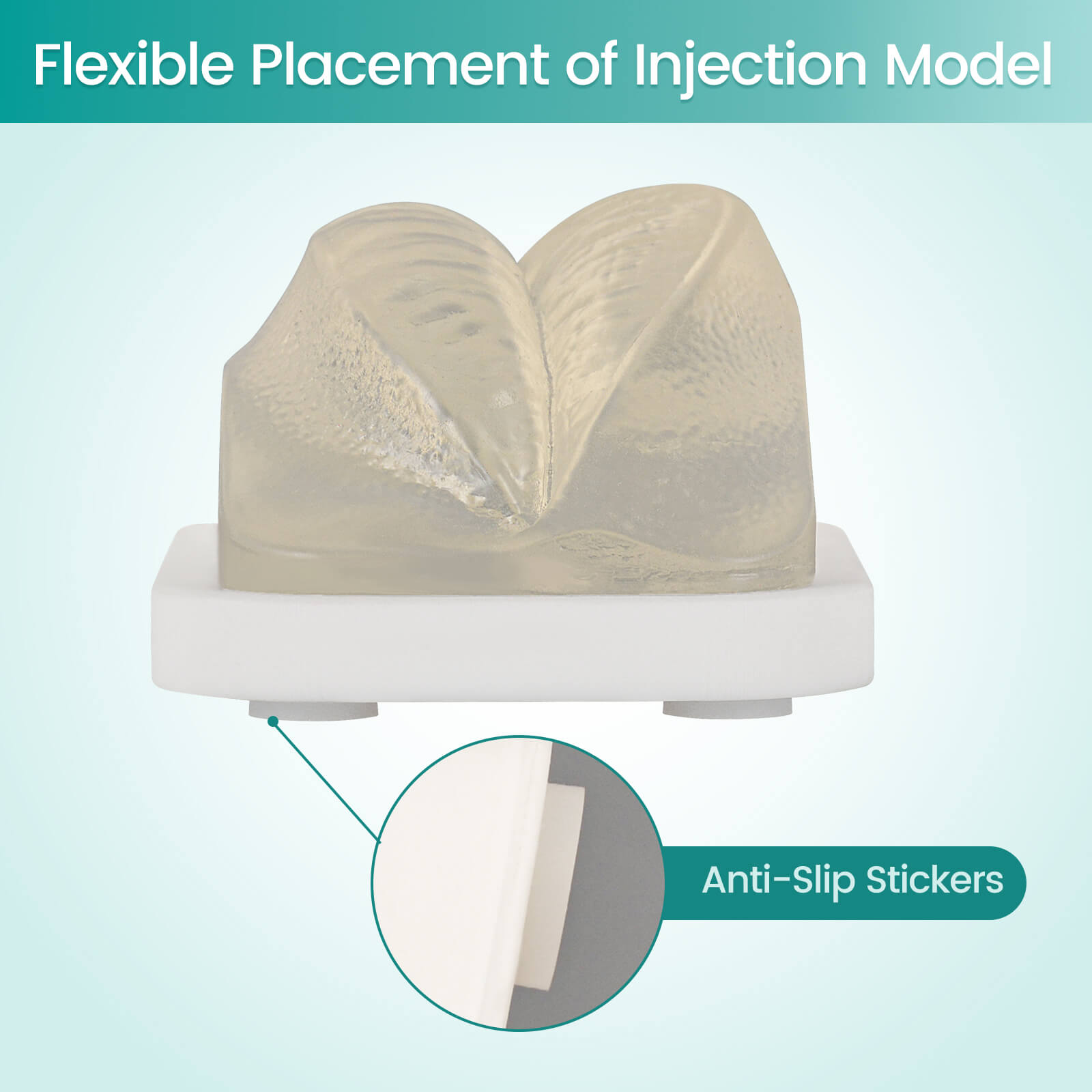
Transparent models, like the Transparent Facial Injection Lip Model, let you see the needle path and depth in real time, helping you understand anatomy and avoid over-injection.
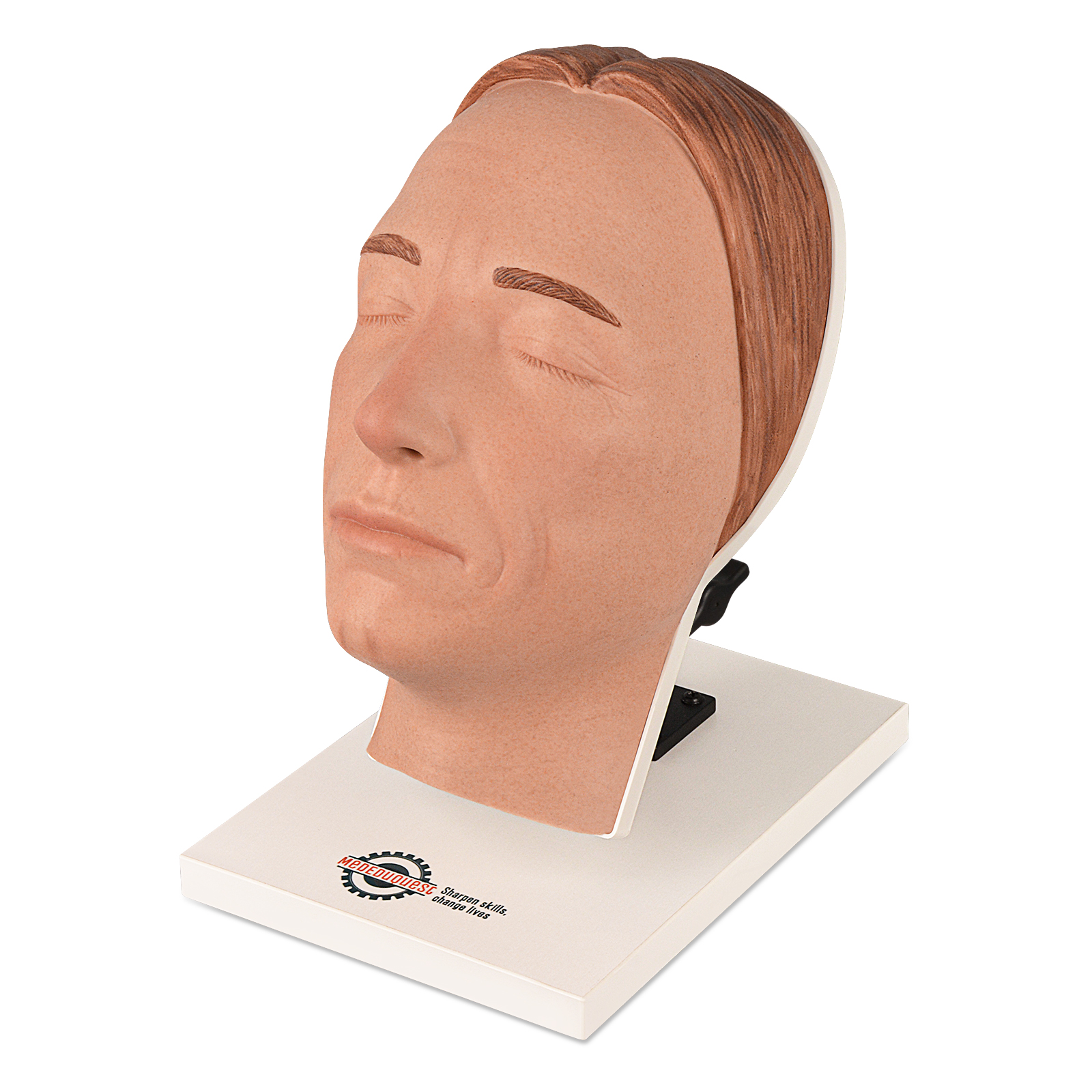
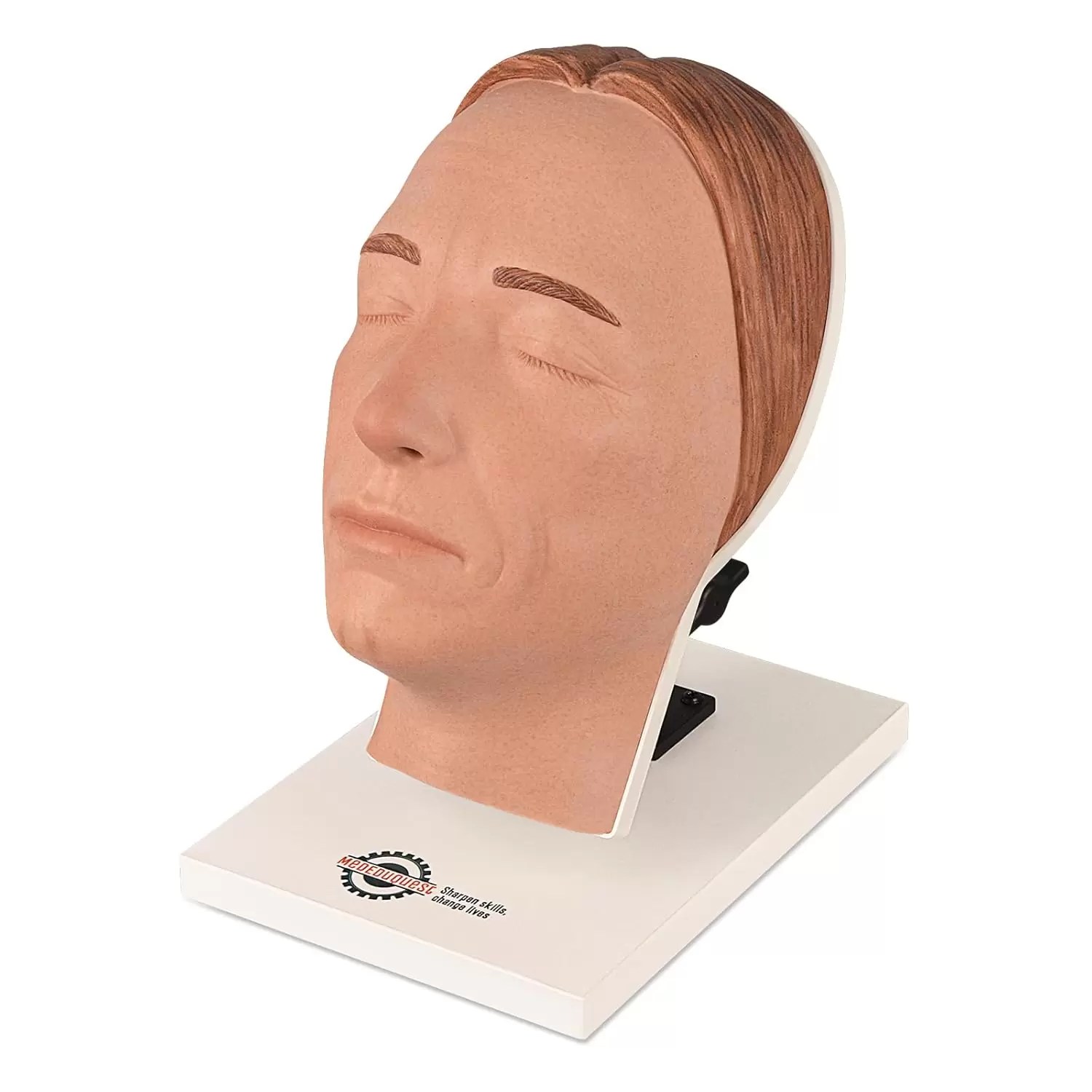
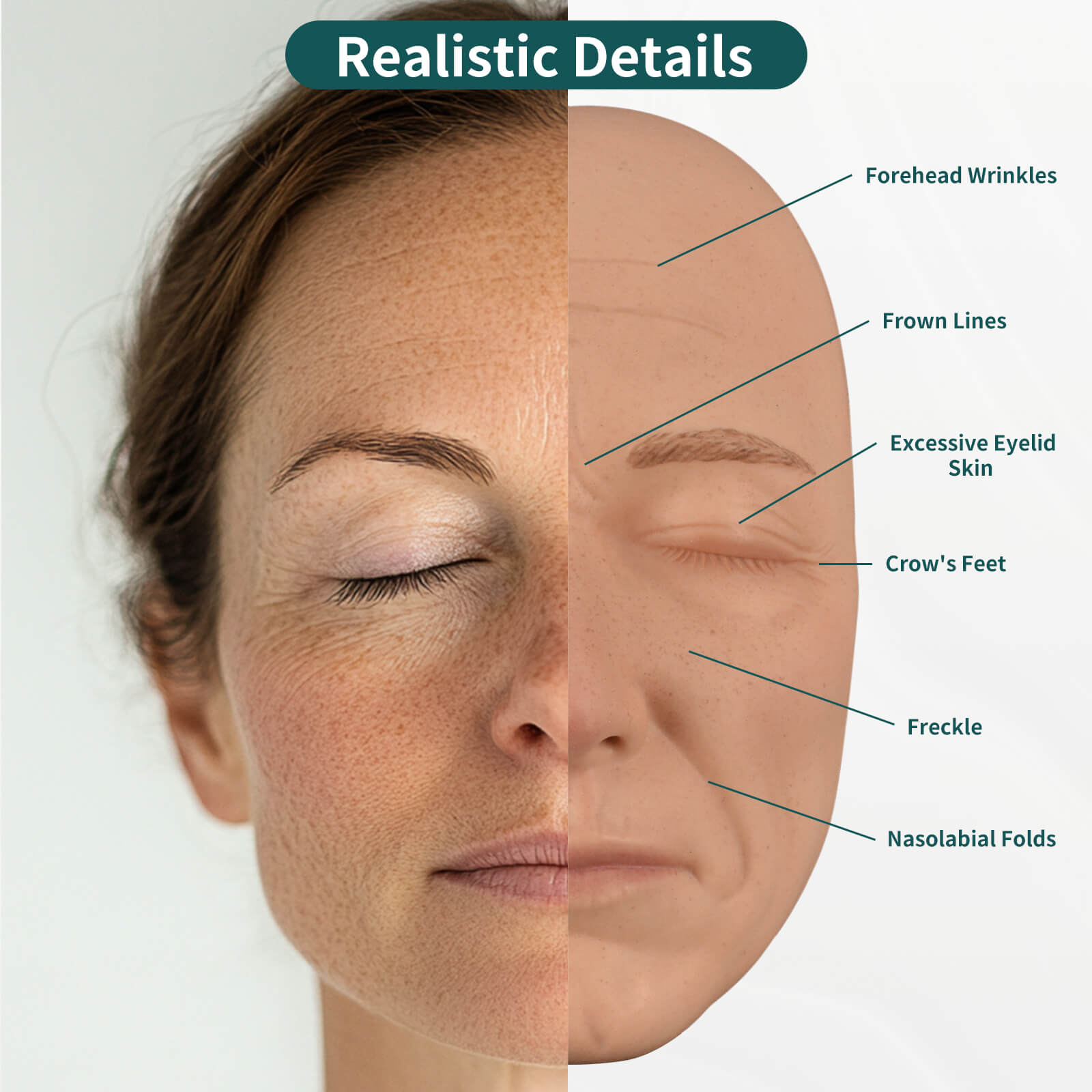
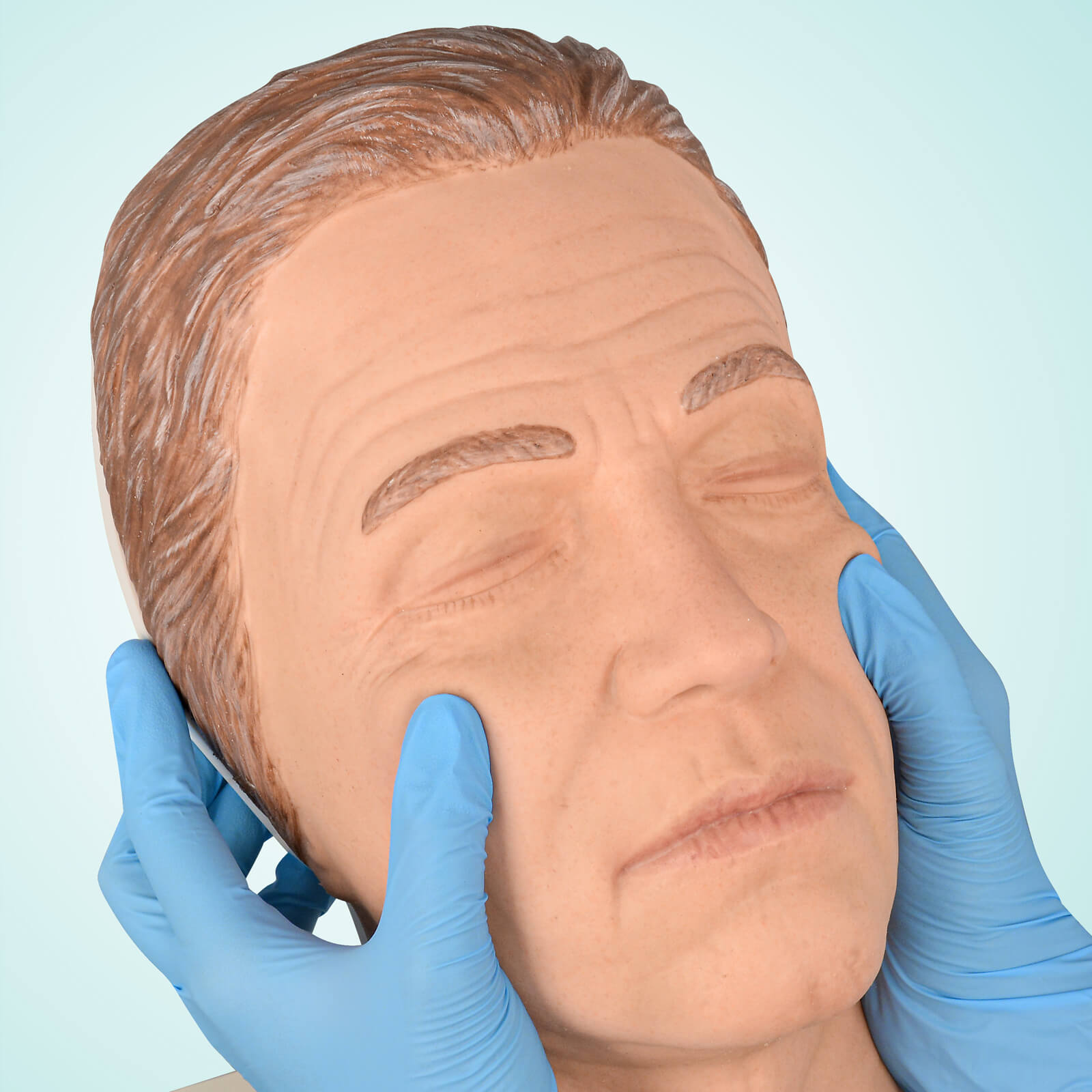
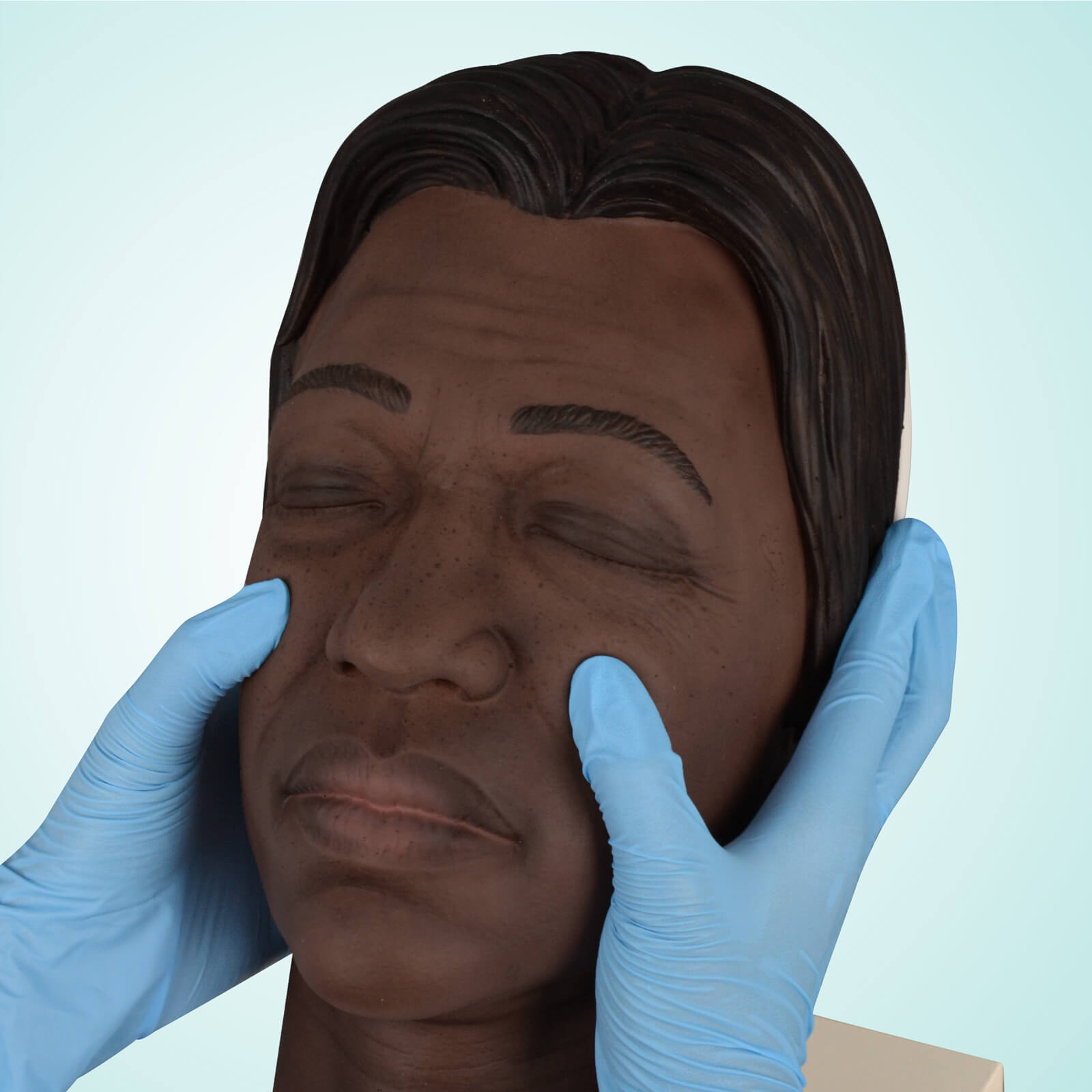
Skin-tone models, such as the Sara Model, replicate realistic skin resistance, giving a lifelike sense of how soft tissue feels during injection.
| Training Goal | Best Model Type |
| Learn anatomy and safety depth | Transparent |
| Develop realistic tactile feedback | Skin-tone |
| Master both visual and sensory technique | Combine both |
Q: How many times can I inject the same site?
Up to 100+ punctures per site on average, depending on needle size and pressure.
For longer model life, insert needles slowly and steadily, avoiding sharp re-entry angles.
Q: Are these models anatomically accurate?
They are simulation-accurate, not full cadaveric replicas.
Transparent mannequin mark key vascular zones and injection planes, while skin-tone models emphasize layered depth and resistance.
3. Techniques and Troubleshooting
Q: How do I simulate different injection depths safely?
Choose multi-layer manikins that show depth transitions visually.
Transparent face models reveal when the needle tip is in the superficial dermis vs. deep fat plane, improving your hand-eye coordination.
Q: What's the best angle for lips or nasolabial folds?
- Lips: Enter at a 30–45° angle along the vermilion border.
- Nasolabial folds: Use a 45–60° angle, staying above the facial artery (visible in transparent models).
Practicing angles on both transparent and realistic models helps refine your control and minimize overfilling.
Q: Common error to avoid?
- Too shallow → filler visibility or uneven surface
- Too deep → risk of vascular compromise
Practicing on a transparent facial injection model helps you visualize depth and correct these errors early.
4. Beyond the Basics: Maintenance & Learning Progression
Q: How do I clean my facial injection models?
Use mild soap and warm water, then air dry completely.
Avoid alcohol or bleach, which can damage silicone layers. Store in a cool, dust-free environment.
Q: When is it time to upgrade your model?
Once you've mastered lips and cheeks, move to full-face models like the Nana Model - featuring temples, chin, jawline, and forehead areas for advanced injector training.
Q: How can I track improvement over time?
Record your practice sessions from a consistent angle.
Compare needle entry points, steadiness, and symmetry over time - this builds precision and confidence faster than repetition alone.
Facial injection mastery doesn't start with "knowing" - it starts with seeing, feeling, and correcting.
Each practice builds muscle memory, visual accuracy, and safety awareness that carry into real clinical work.
Ready to put your learning into action?
Explore the full Facial Injection Training Collection from MedEduQuest - trusted by educators and aesthetic professionals worldwide.
.jpeg?w=1500&h=1500)
.jpeg?w=1500&h=1500)



.jpeg?w=1600&h=1600)
.jpeg?w=1600&h=1600)