
I still remember the first time I encountered a patient with a small but deceptively serious injury. During my nursing rotation, a teenager came into the clinic after stepping on a rusty nail while helping his father in the garden. At first glance, it seemed like a minor puncture, but the depth and contamination immediately concerned my mentor. That day I learned that puncture wounds, though sometimes small on the surface, can hide serious tissue damage and infection risk.
Understanding Puncture Wounds
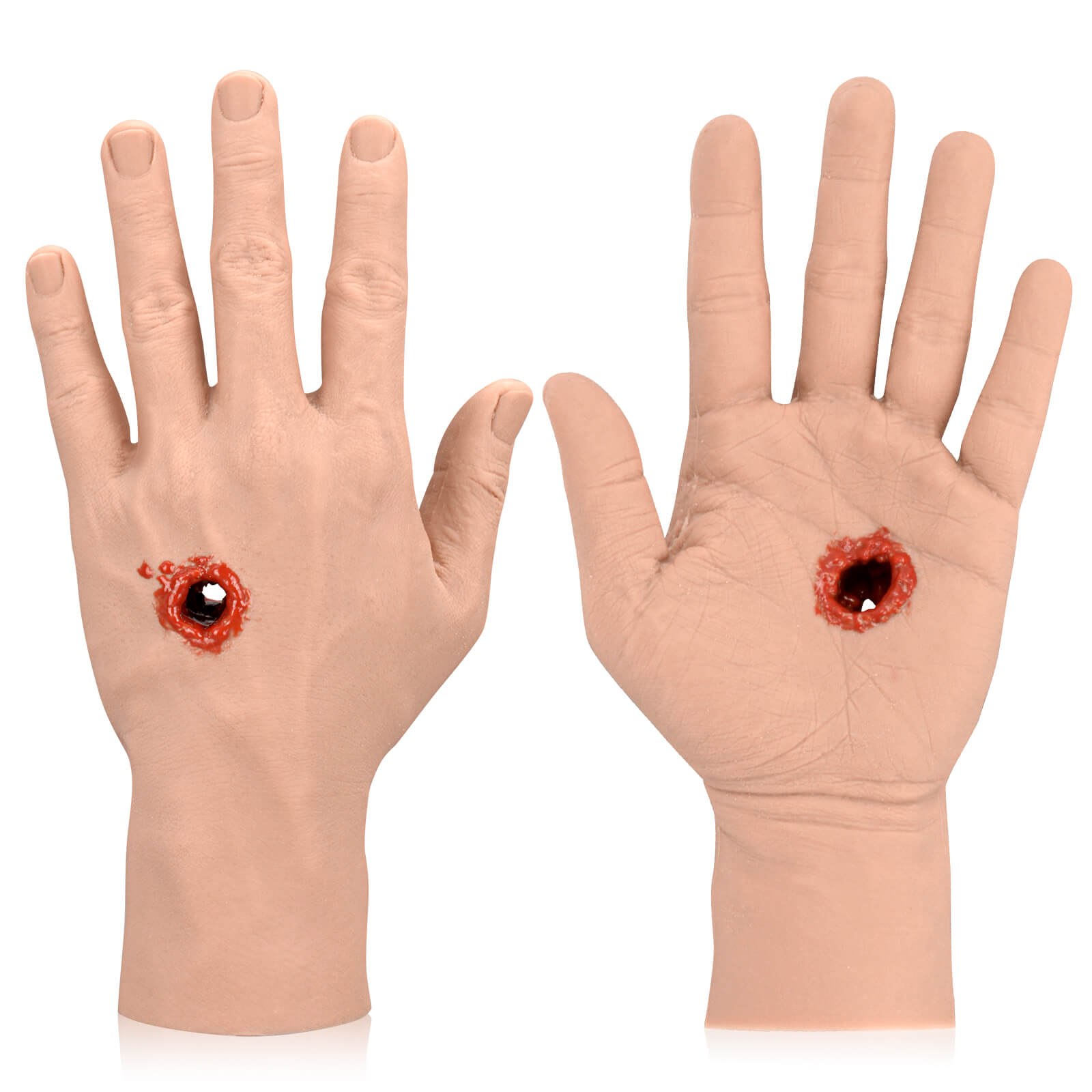
A puncture wound occurs when a sharp object penetrates the skin and underlying tissue. Unlike cuts or abrasions that scrape or slice the skin, puncture wounds can be deep and narrow, creating a small entry point while damaging tissues beneath. Common causes include stepping on nails, being stabbed, bites from animals, or even punctures from tools like screwdrivers.
These wounds are often more dangerous than they appear because:
- Depth over surface: The small surface opening can hide deep tissue damage.
- Infection risk: Bacteria can travel down the narrow channel and reach muscles, tendons, or bones.
- Foreign objects: Sometimes the object remains partially embedded, complicating healing.
Common Examples of Puncture Wounds
- Nail or metal punctures: Often occur in industrial or home settings.
- Knife or sharp tool injuries: Can cause serious bleeding and tendon damage.
- Animal bites: Cat or dog bites may puncture deeply and introduce bacteria.
- Medical punctures: Injections or IV placements are controlled punctures but can become infected if aseptic technique is not followed.
Risks and Complications
Even small puncture wounds can lead to:
- Infection: Including tetanus if not properly immunized.
- Tissue necrosis: If blood supply is compromised.
- Abscess formation: Particularly in deeper wounds where drainage is limited.
- Delayed healing: Due to bacteria, foreign material, or underlying tissue damage.
Preventive Measures and Early Assessment
Early recognition and proper care are crucial. Always assess:
- Depth and size of the wound
- Presence of foreign material
- Signs of infection such as redness, swelling, or discharge
- Patient’s tetanus immunization status
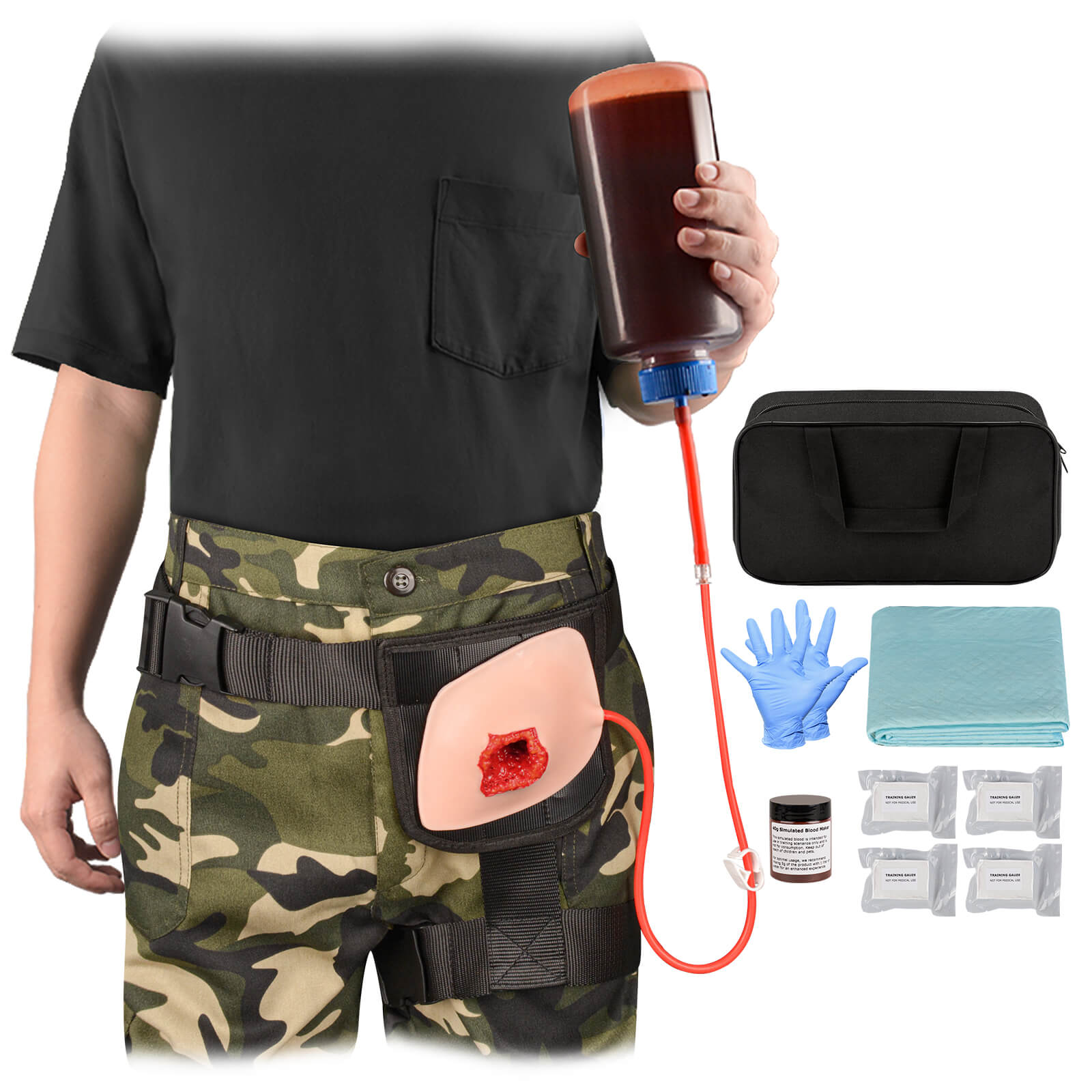
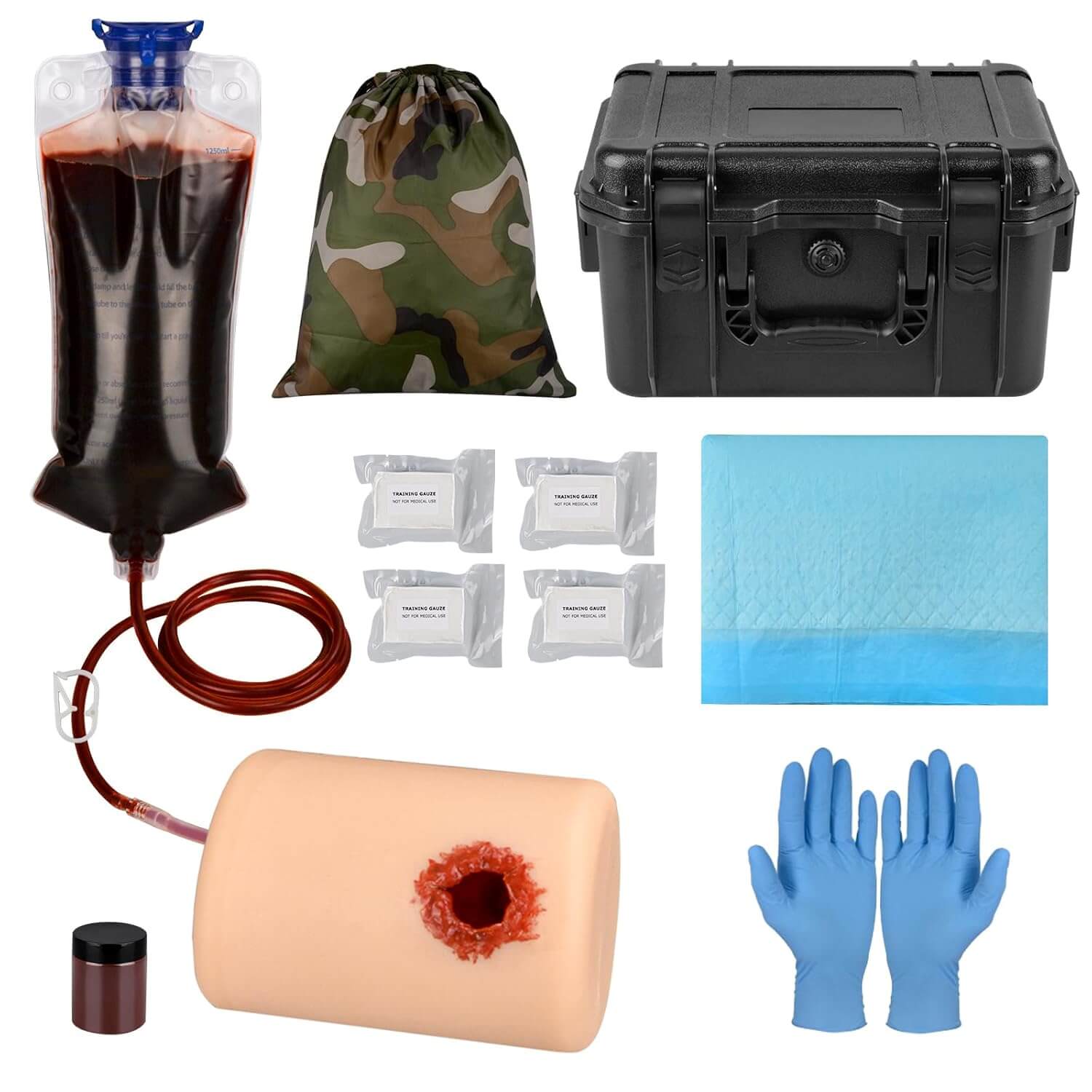
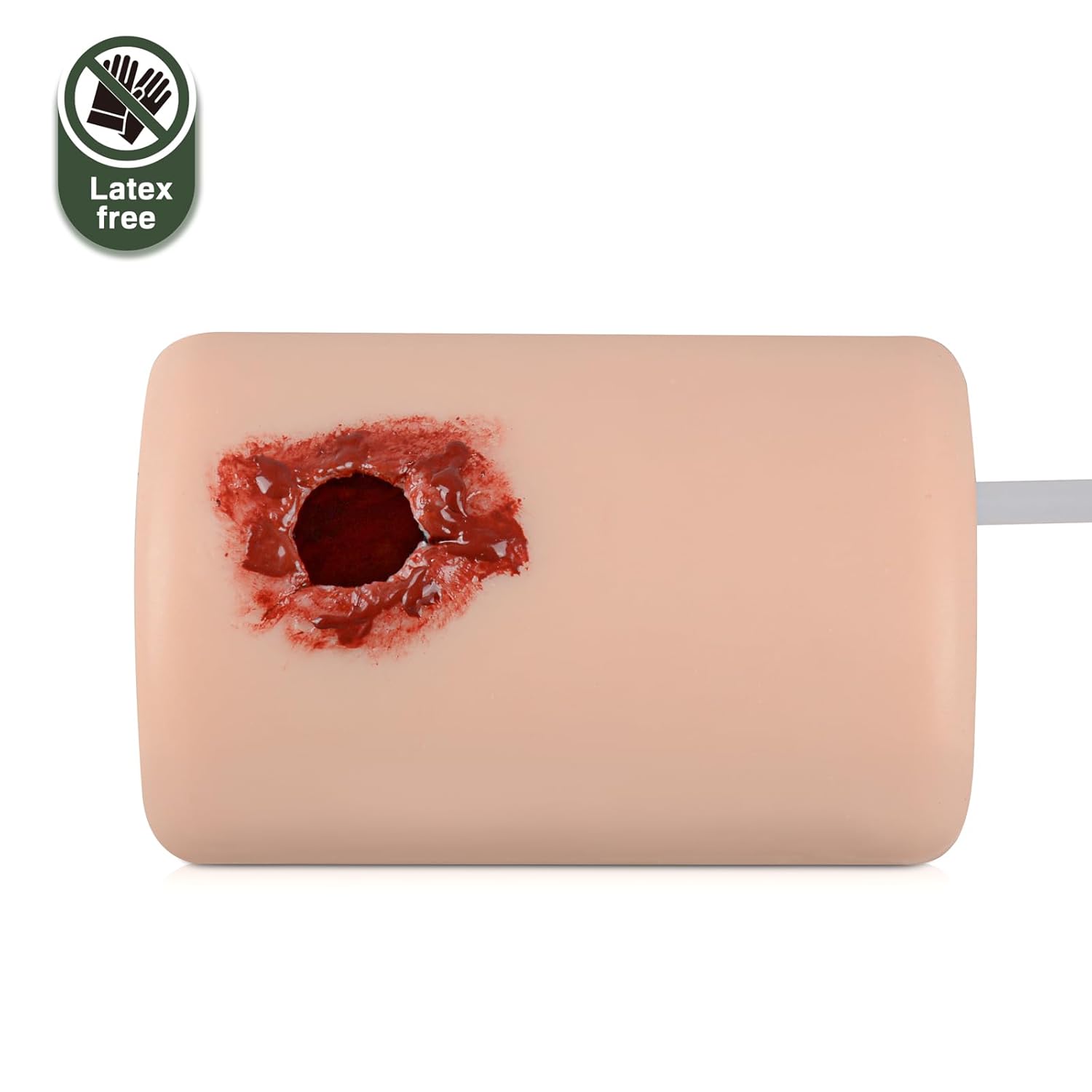
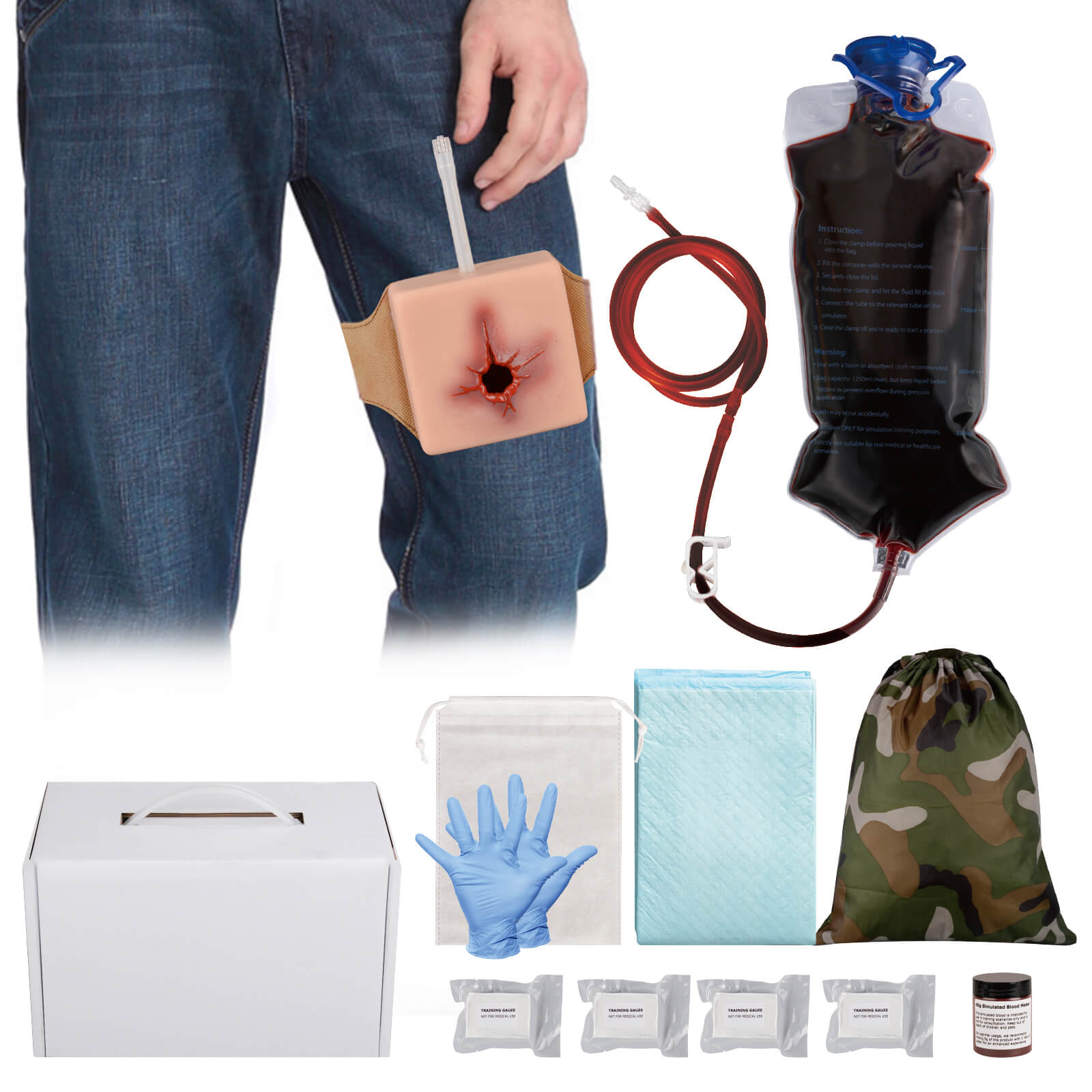
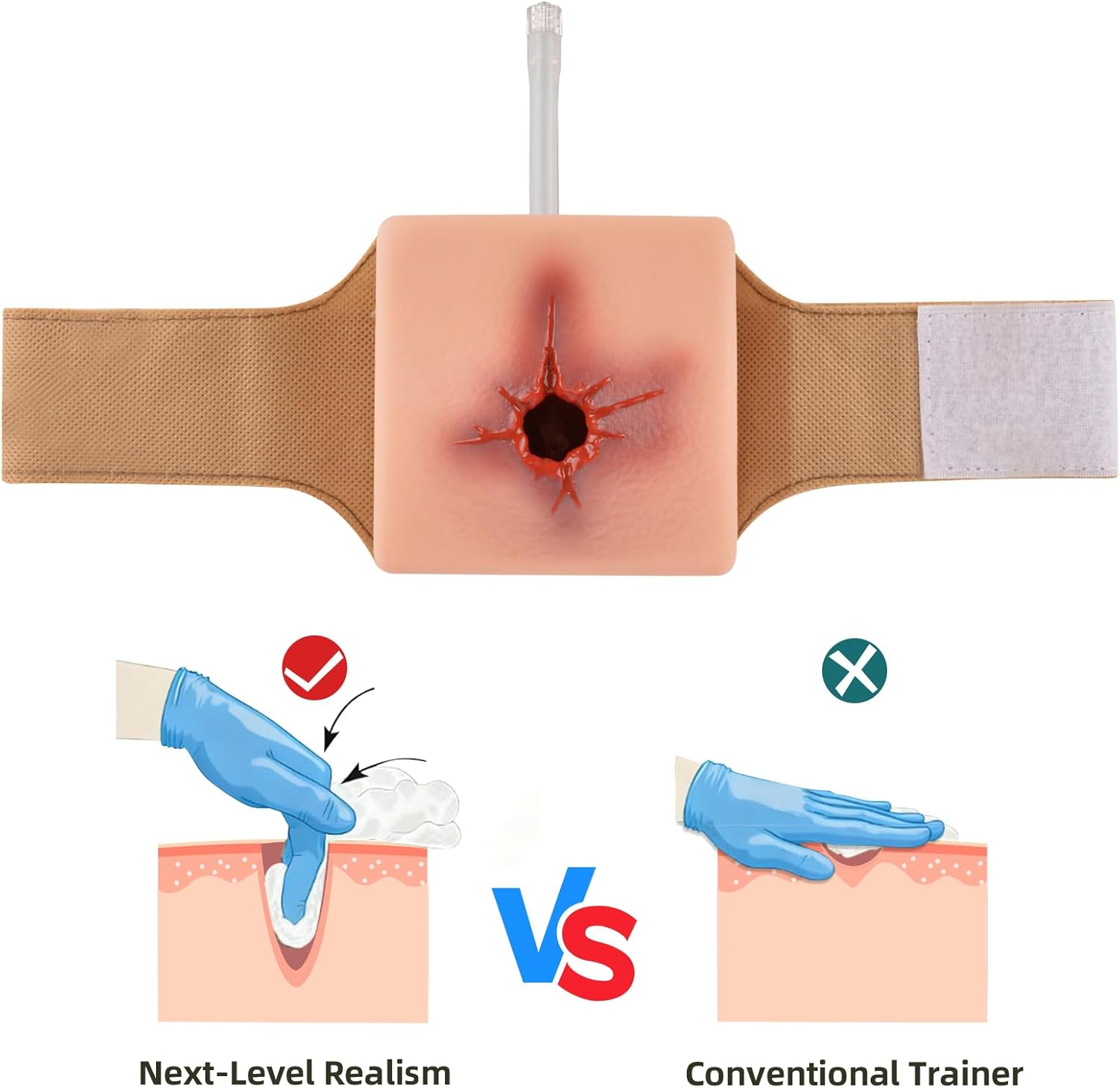
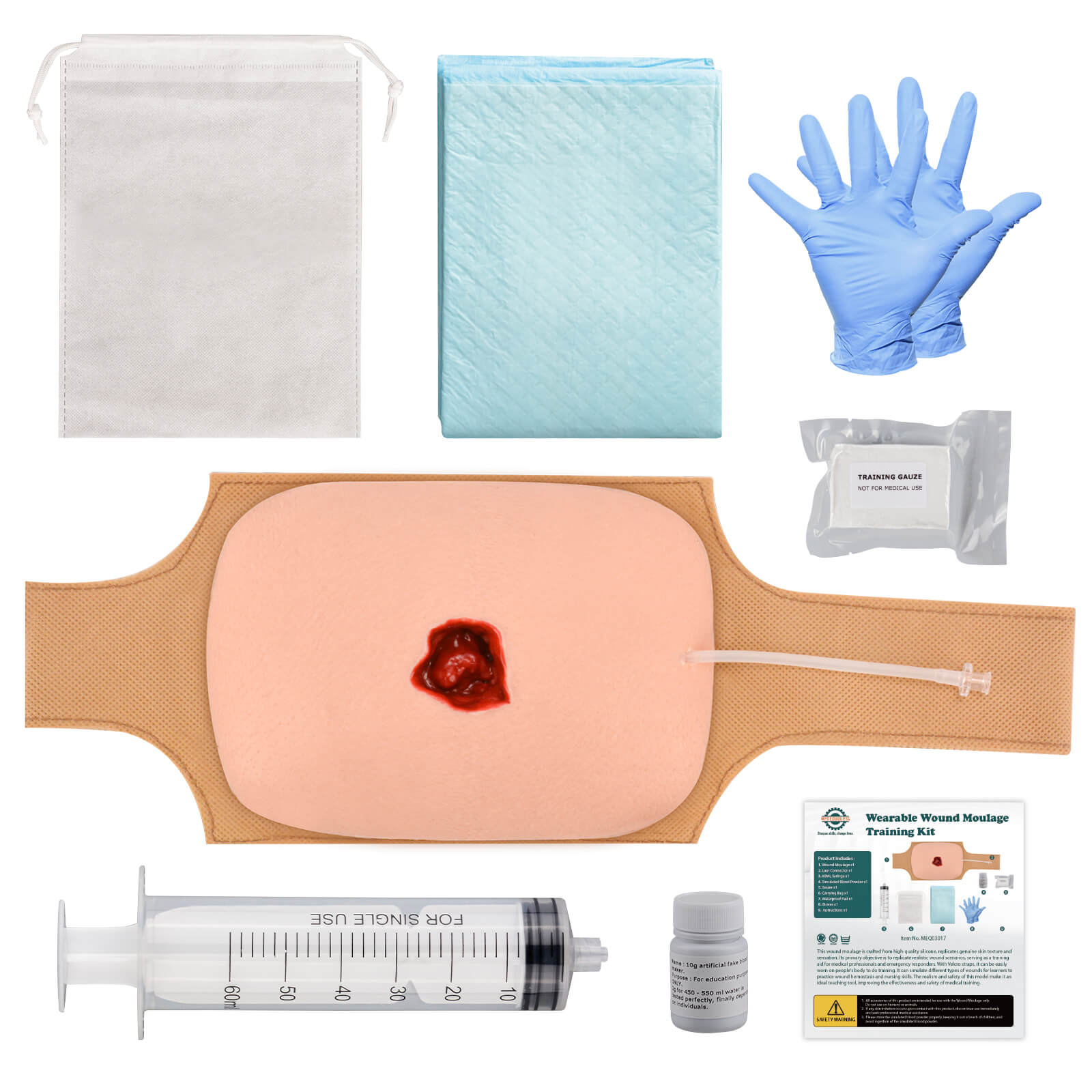
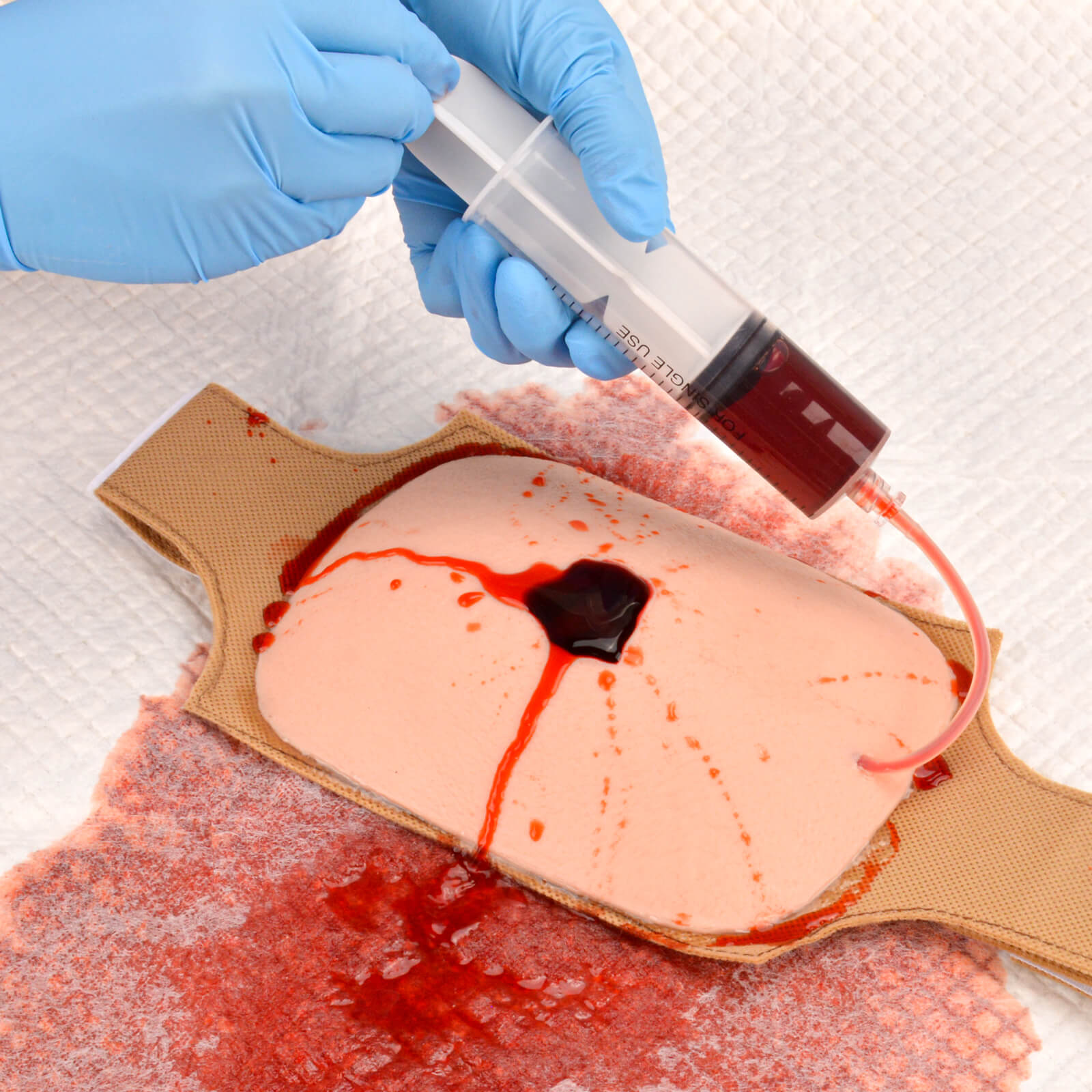
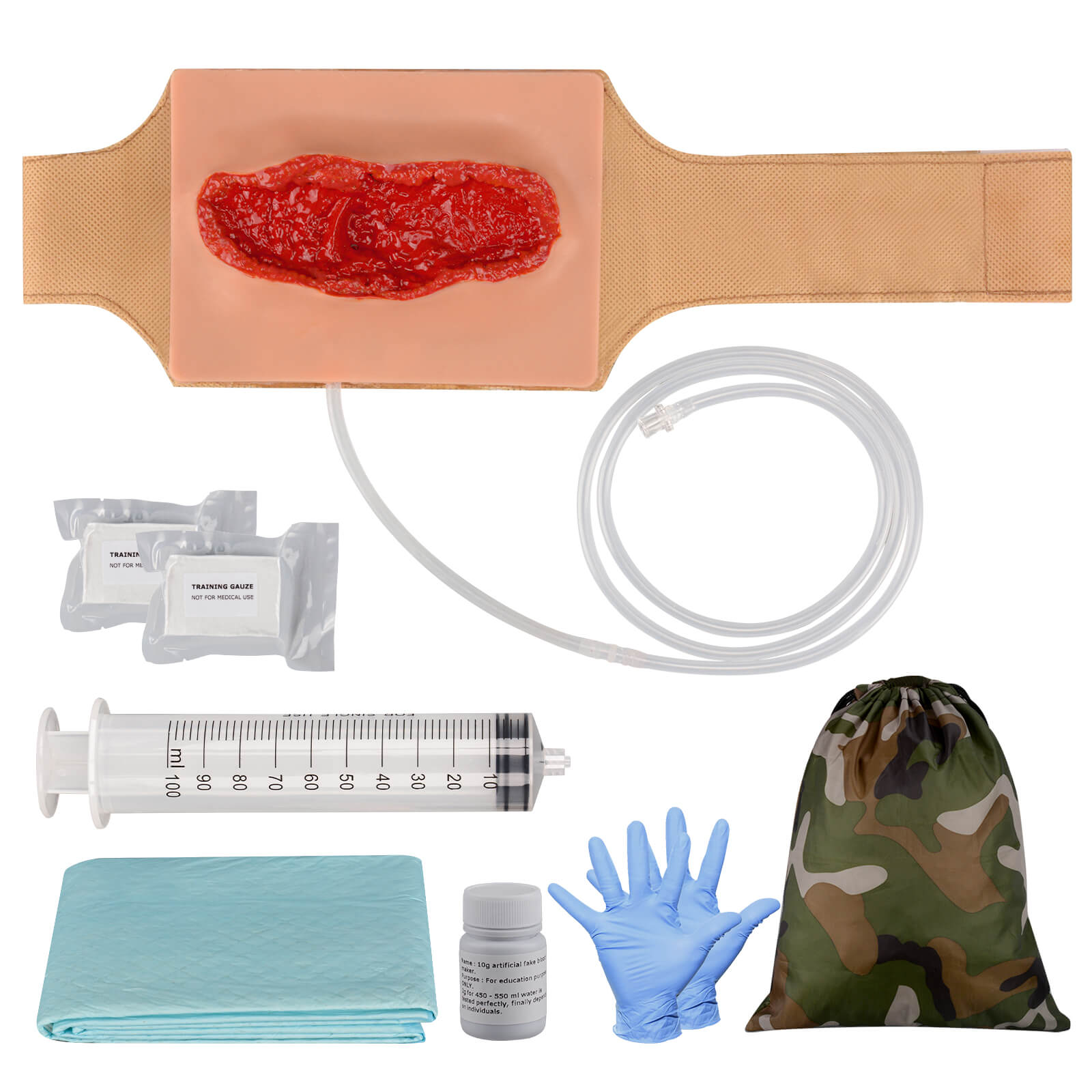
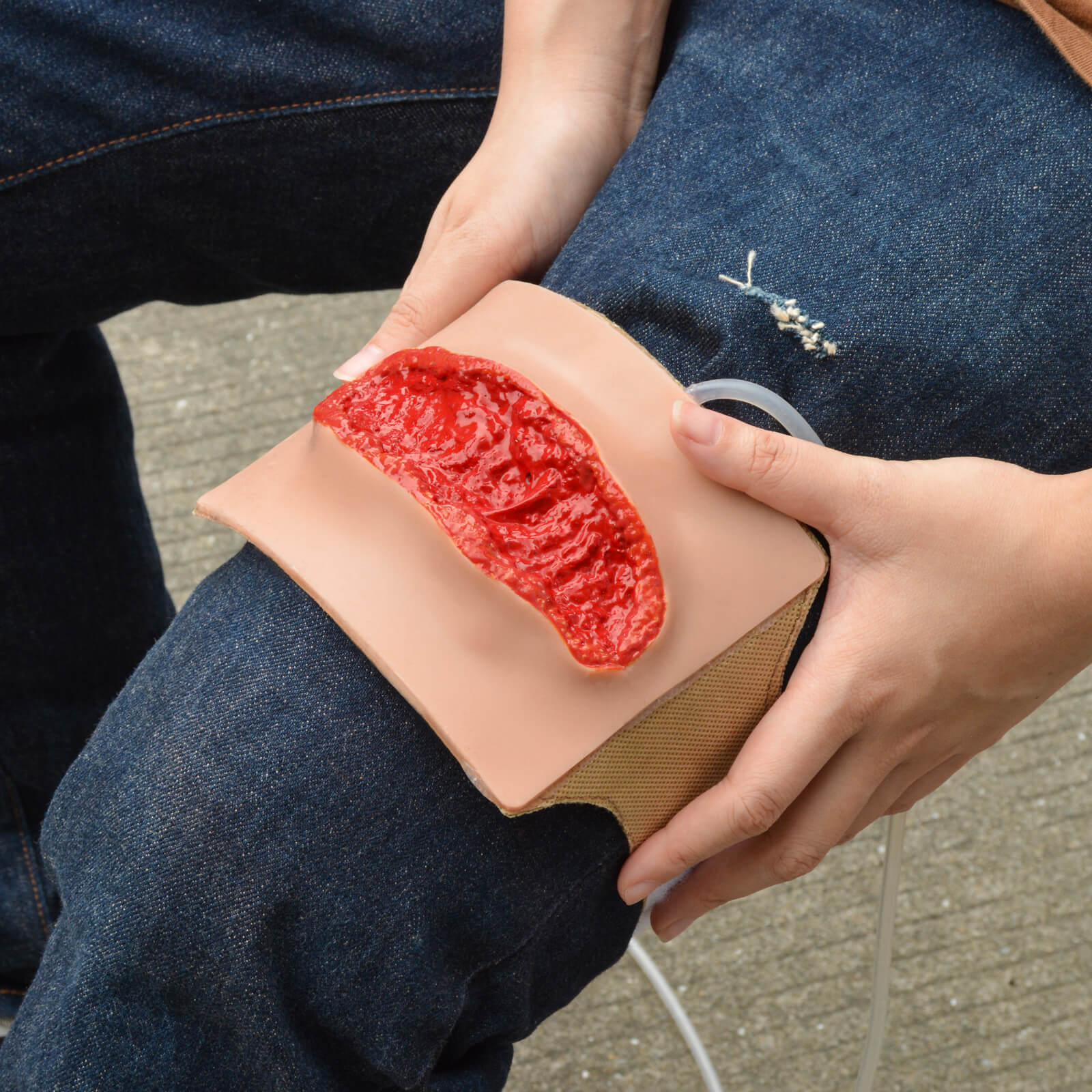
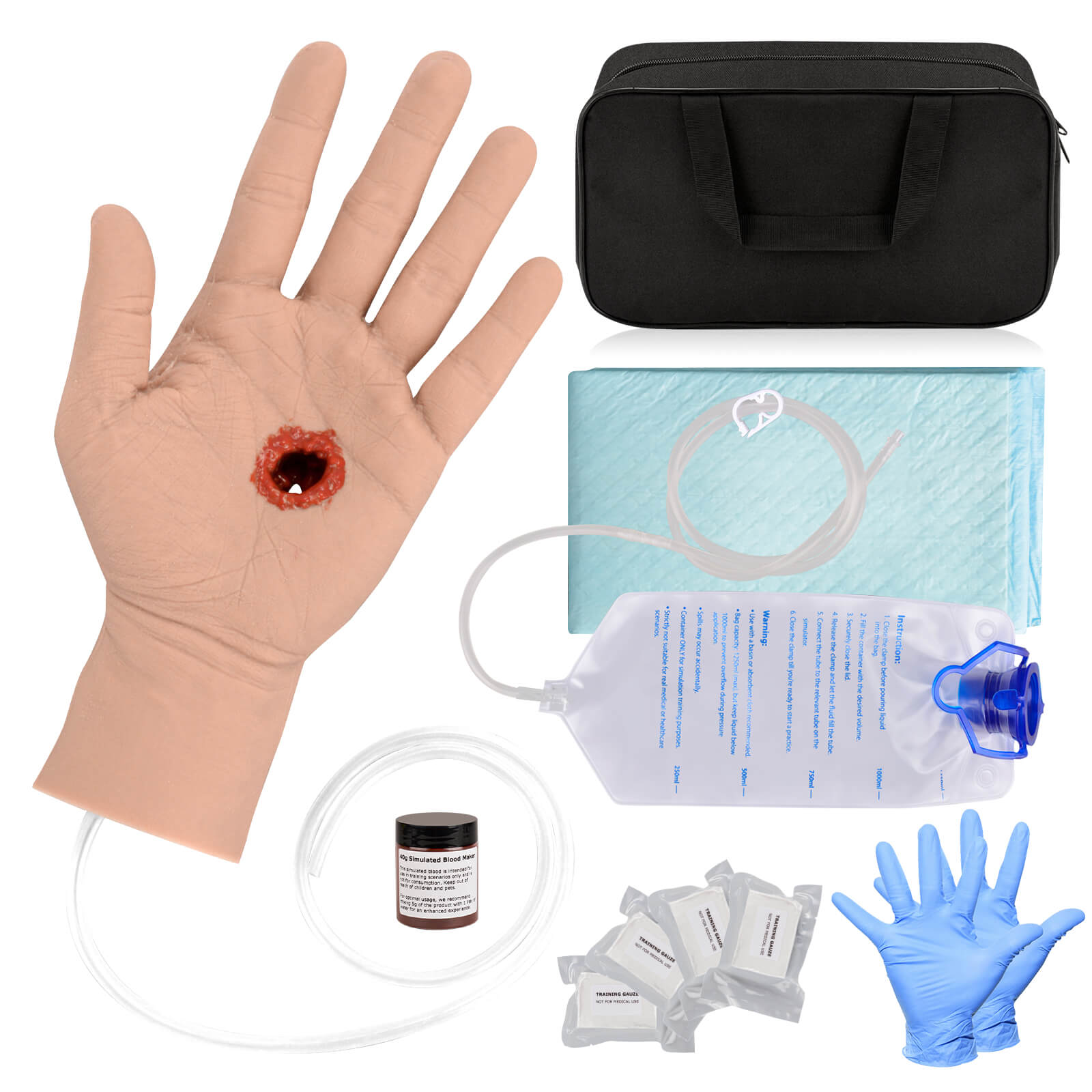
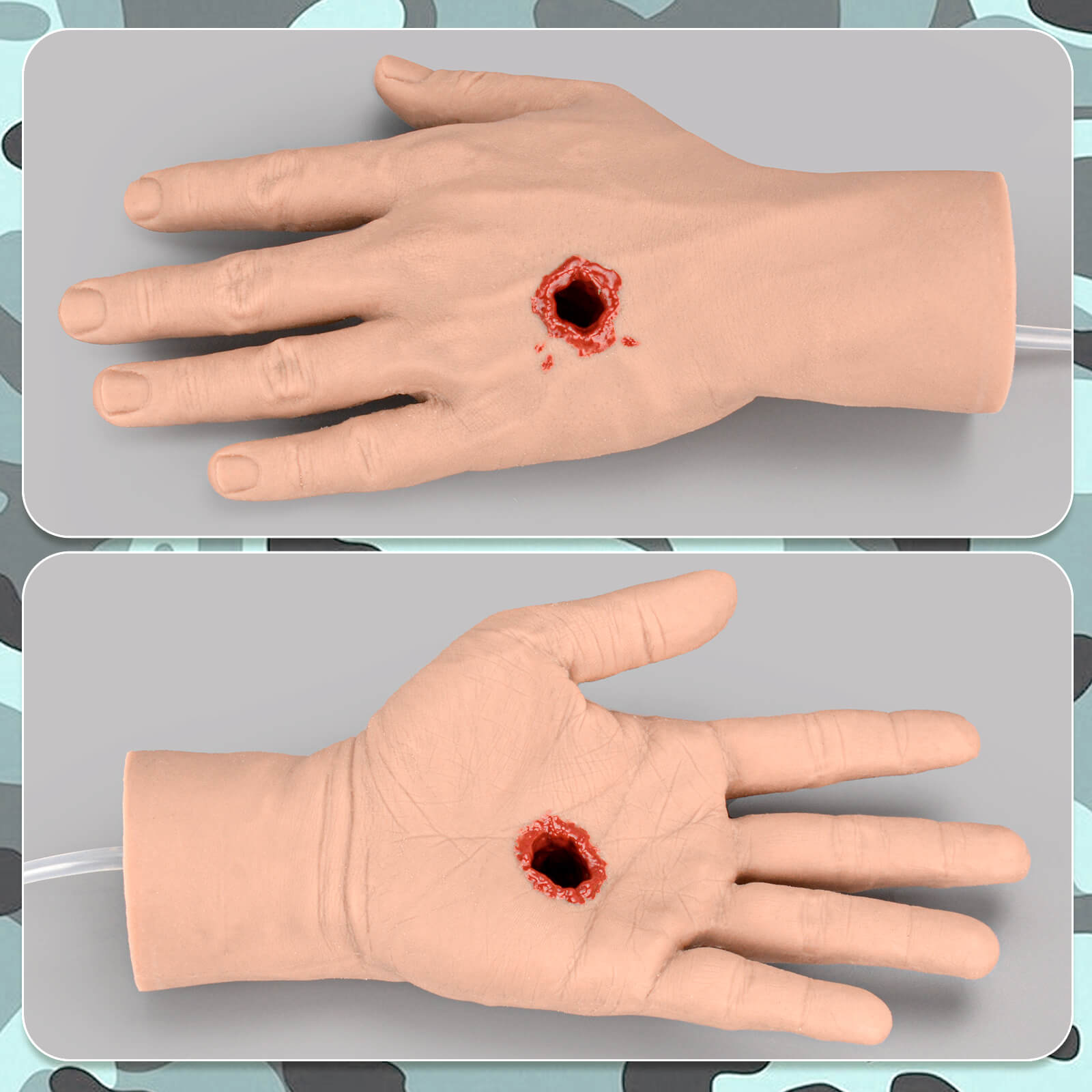
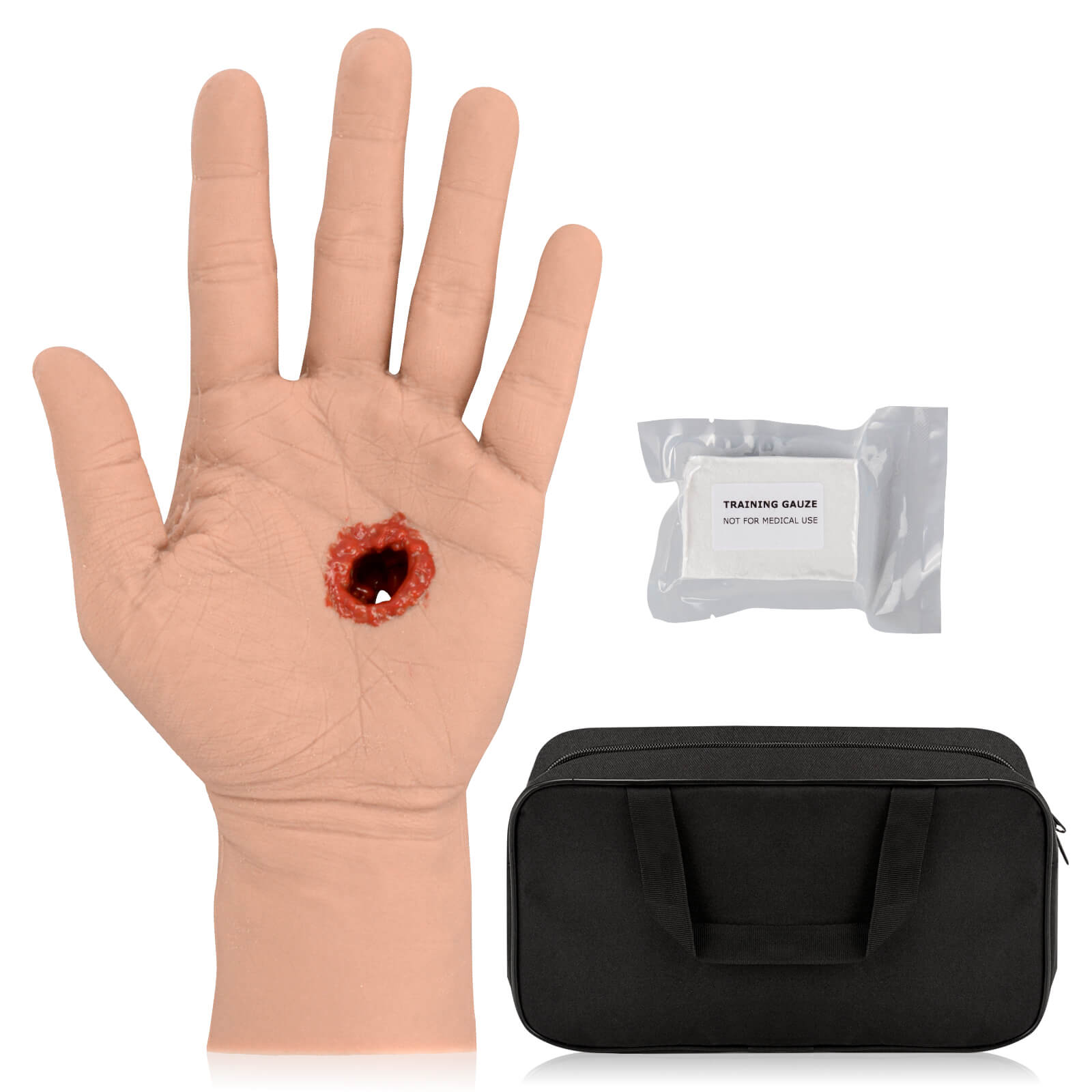
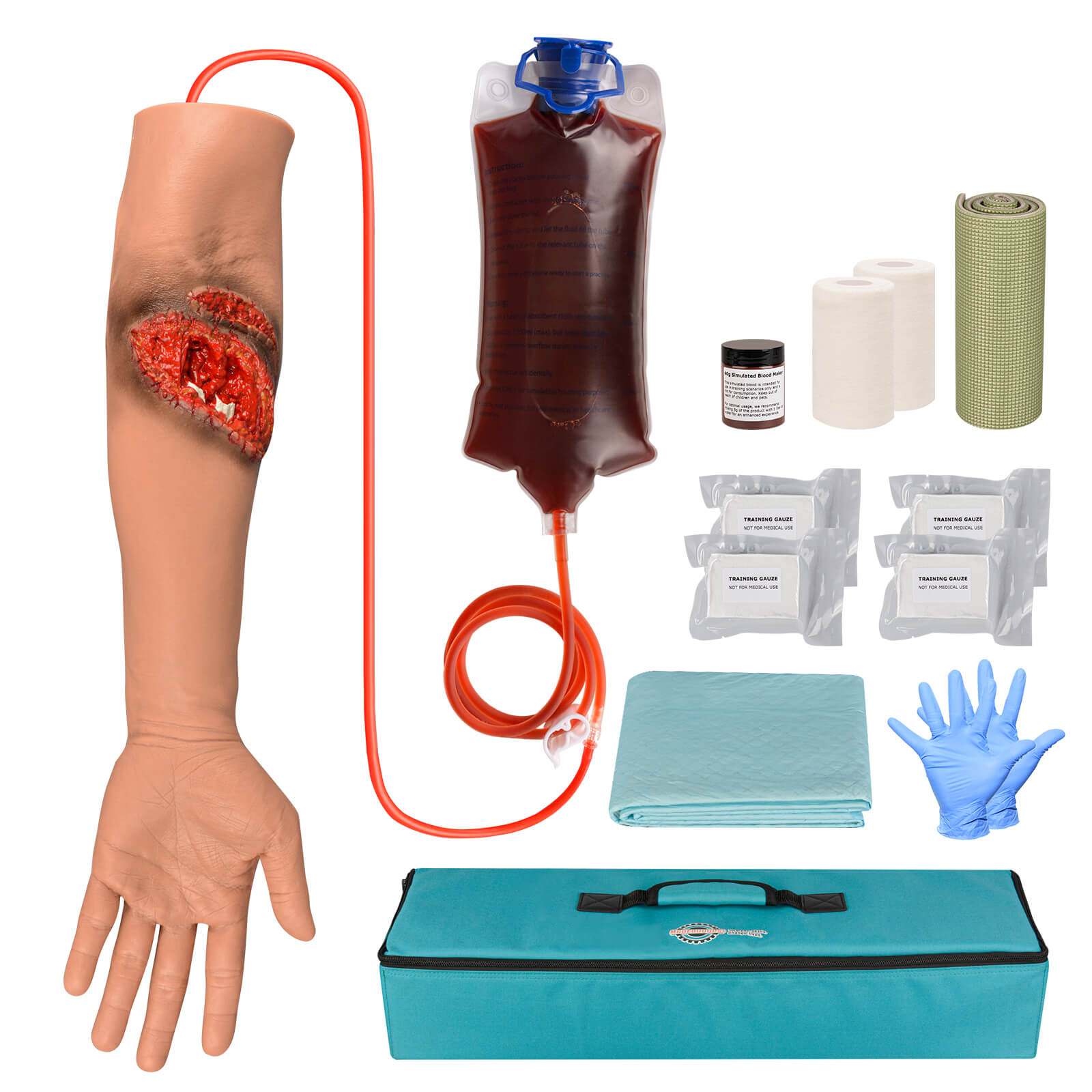
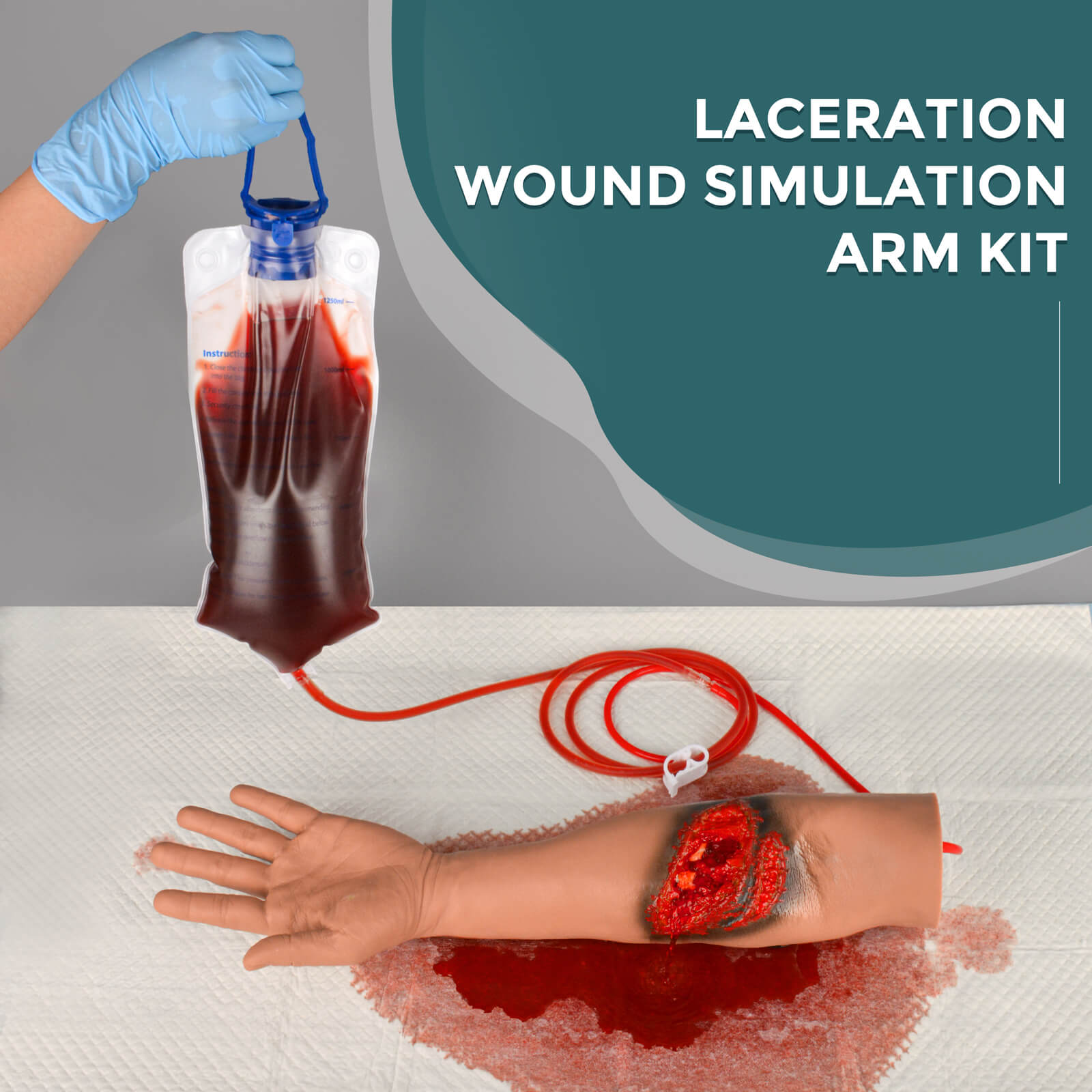
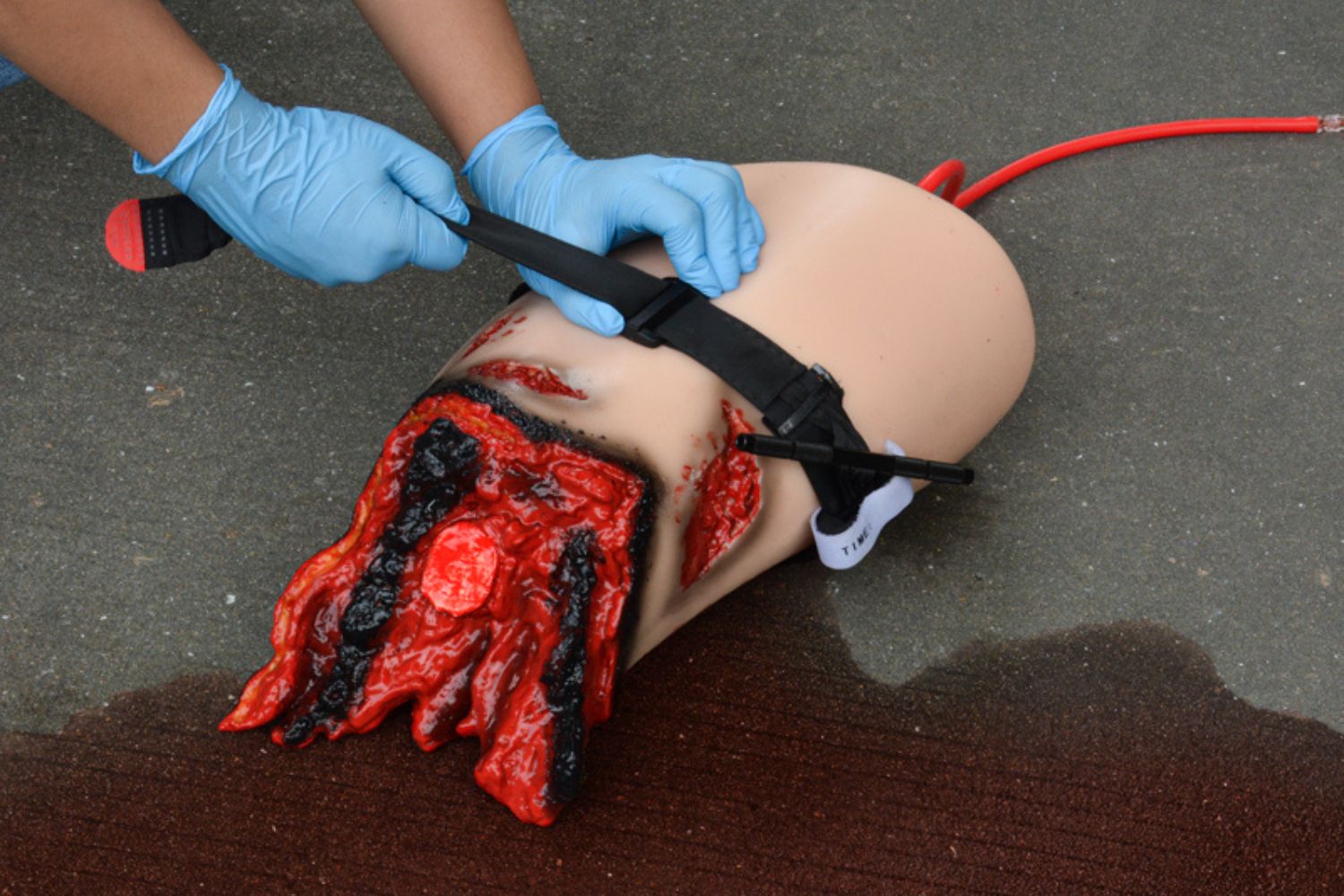
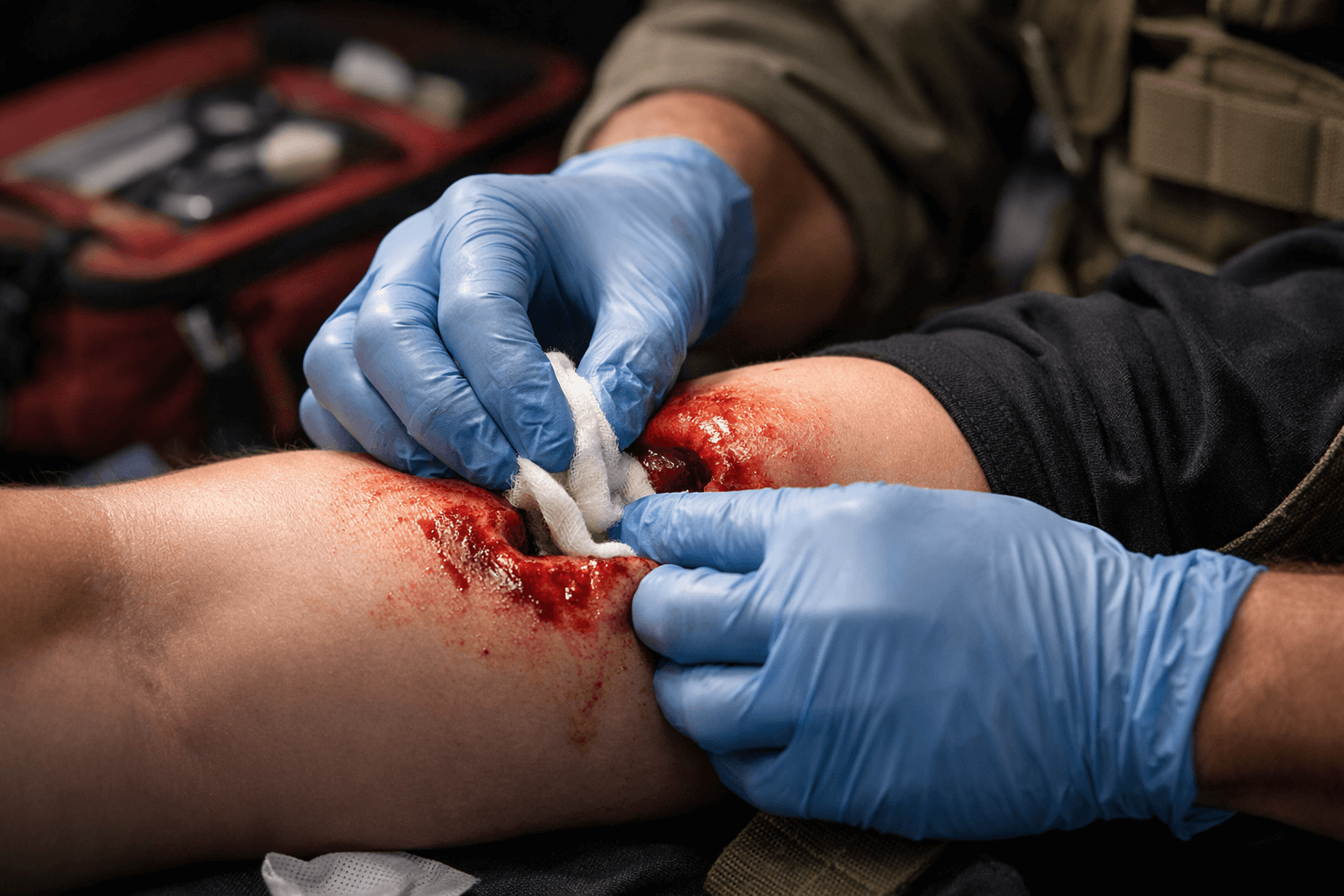
Simulation and practice are invaluable for healthcare trainees. Using puncture wound models, such as the Wearable Thigh Puncture Wound Bleeding Control Trainer, allows students to practice assessment and intervention safely. These models replicate the appearance and feel of real puncture wounds, helping students understand depth, tissue resistance, and bleeding patterns.
Key Takeaways
Puncture wounds are deceptively dangerous. While the opening may seem small, the injury can penetrate deeply, carrying a high risk of infection and tissue damage. Awareness of common causes, prompt cleaning, proper first aid, and professional evaluation are essential. For healthcare students and nurses, hands-on training with realistic puncture wound packing trainers reinforces safe, effective wound care techniques.
By combining theoretical knowledge with practical simulation, both medical professionals and patients can better recognize risks and respond appropriately, reducing complications and improving outcomes.
.jpeg?w=1600&h=1600)
.jpeg?w=1600&h=1600)
.jpg?w=1600&h=1600)
.jpg?w=1600&h=1600)
.jpeg?w=1500&h=1500)
.jpg?w=1000&h=1000)
.jpg?w=1000&h=1000)



.jpeg?w=1500&h=1500)
.jpeg?w=1500&h=1500)

.jpeg?w=1600&h=1600)
.jpeg?w=1600&h=1600)
.jpg?w=1600&h=1600)
.jpg?w=1600&h=1600)
.jpg?w=1500&h=1500)
.jpg?w=1500&h=1500)
.jpg?w=1500&h=1500)
.jpg?w=1500&h=1500)
.jpg?w=1500&h=1500)
.jpg?w=1500&h=1500)
.jpg?w=1500&h=1500)
.jpg?w=1500&h=1500)