
What's Wound Packing?
Wound packing is a medical technique used to manage open or deep wounds by filling the wound cavity with sterile material, usually gauze. Rather than simply covering the surface, packing a wound focuses on what happens inside the injury.
So, what does "packing a wound" actually mean?
At its core, wound packing serves three critical purposes:
-
Bleeding control: Applying internal pressure to damaged blood vessels
-
Eliminating dead space: Preventing pockets where blood or infection can collect
-
Supporting proper healing: Encouraging the wound to heal from the base upward rather than closing prematurely at the surface
This is why wound packing is commonly used in trauma care, surgical recovery, and complex wound management. Understanding what is packing a wound and why pack a wound is essential before attempting the technique in real situations.
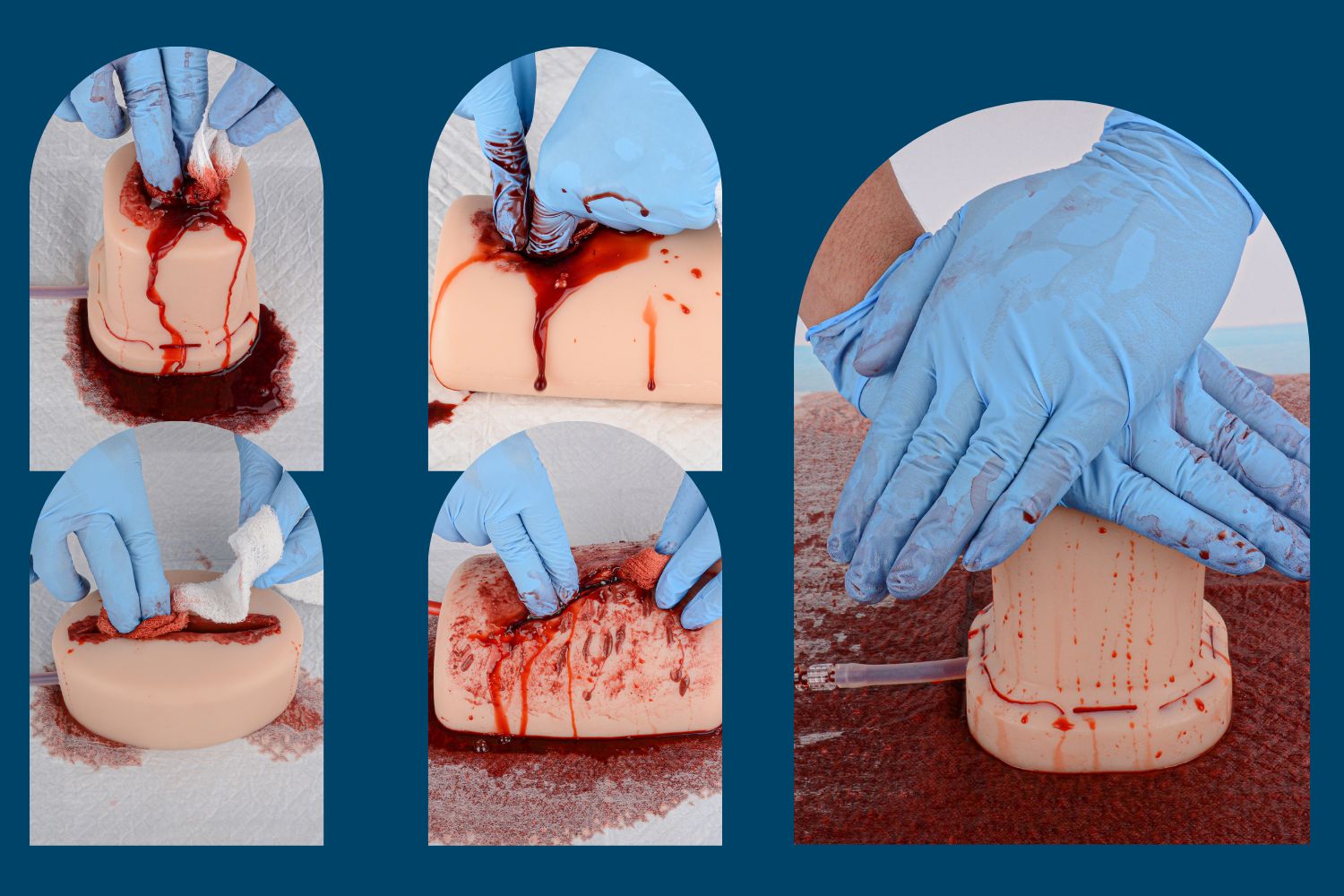
When is Wound Packing Necessary?
Not every injury requires packing. In fact, knowing when not to pack a wound is just as important as knowing when to do it.
Wound packing is typically necessary in the following situations:
-
Deep wounds with a visible cavity, such as a traumatic deep wound
-
Penetrating injuries, including gunshot wounds and stab wounds
-
Severe bleeding that cannot be controlled with simple direct pressure
-
Open surgical wounds that must heal gradually from the inside
-
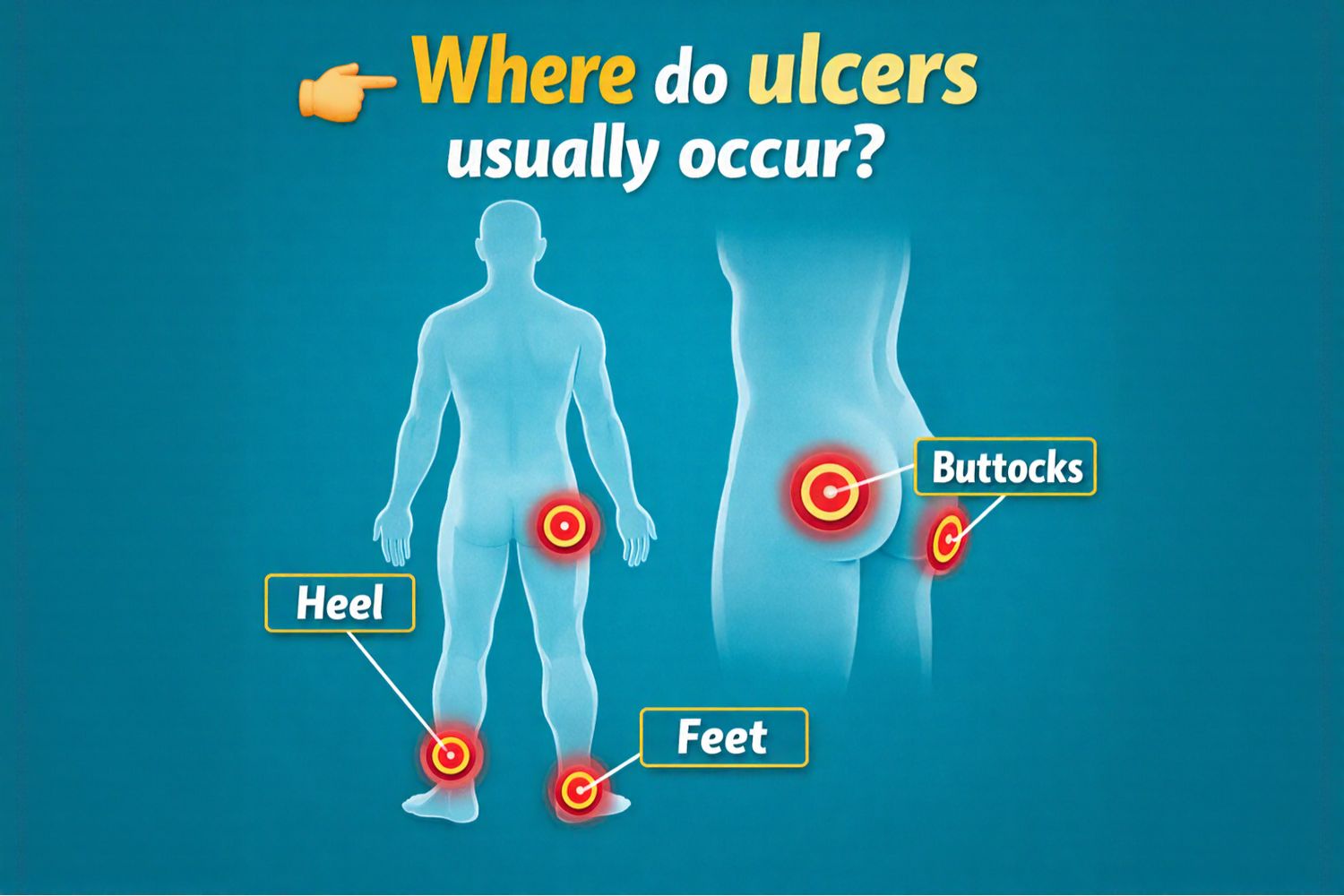
Chronic wounds, such as pressure ulcers or infected wounds (non-emergency settings)
In contrast, shallow injuries like minor abrasions or small cut wounds usually require only cleaning and surface dressing, not packing.
How to Pack a Wound: Understanding the Core Logic
When people search "how do you pack a wound" or "how to pack a wound to stop bleeding," they often expect a step-by-step checklist. In reality, effective wound packing is less about memorizing steps and more about understanding the logic behind the technique.
At a high level, packing a wound involves:
1. Exposing and assessing the wound:
You must identify the true source of bleeding and understand the depth and shape of the wound cavity.
2. Selecting appropriate packing material:
This may include sterile gauze, hemostatic gauze, or iodoform gauze depending on the clinical situation.
3. Packing from deep to superficial layers:
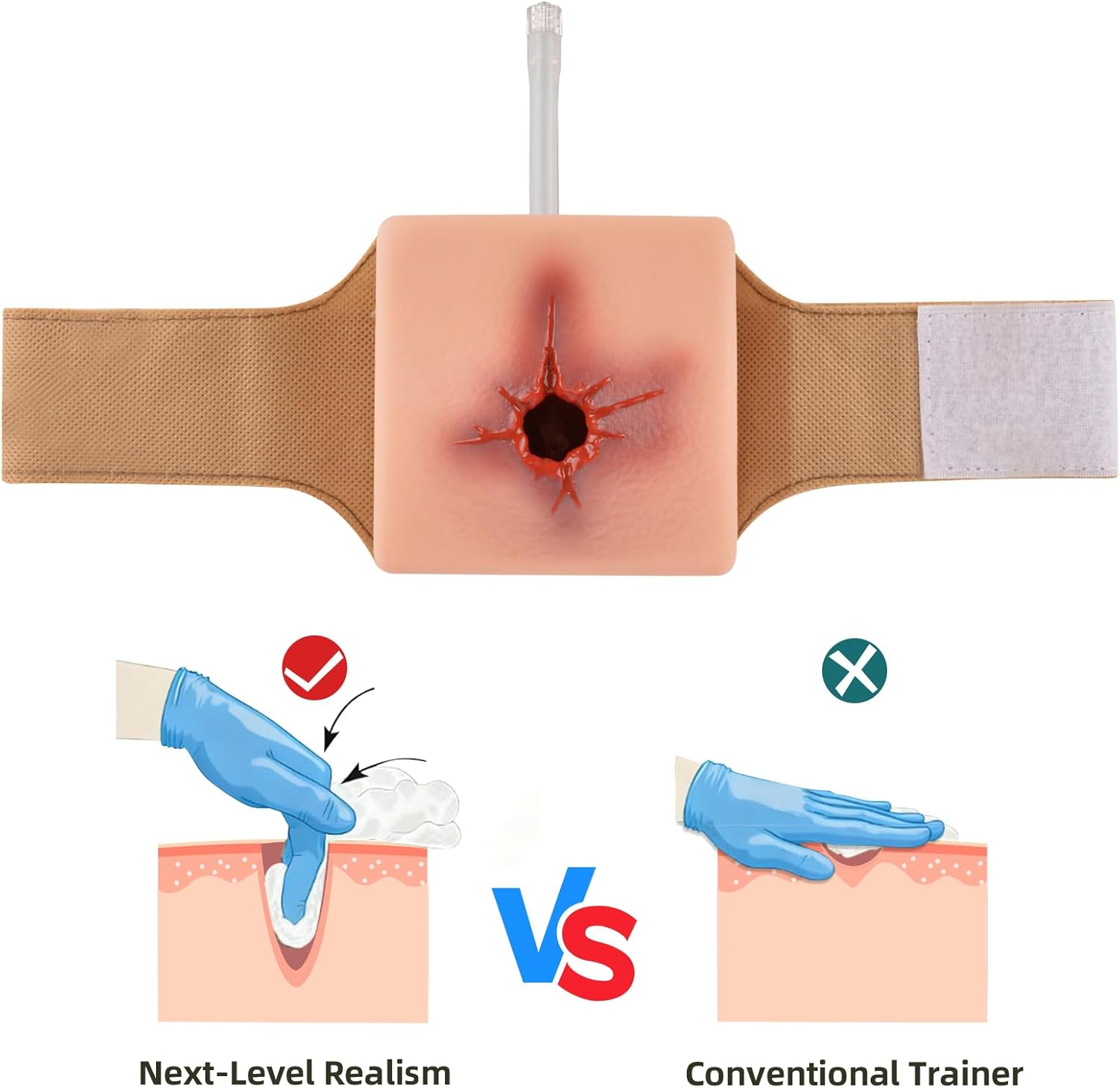
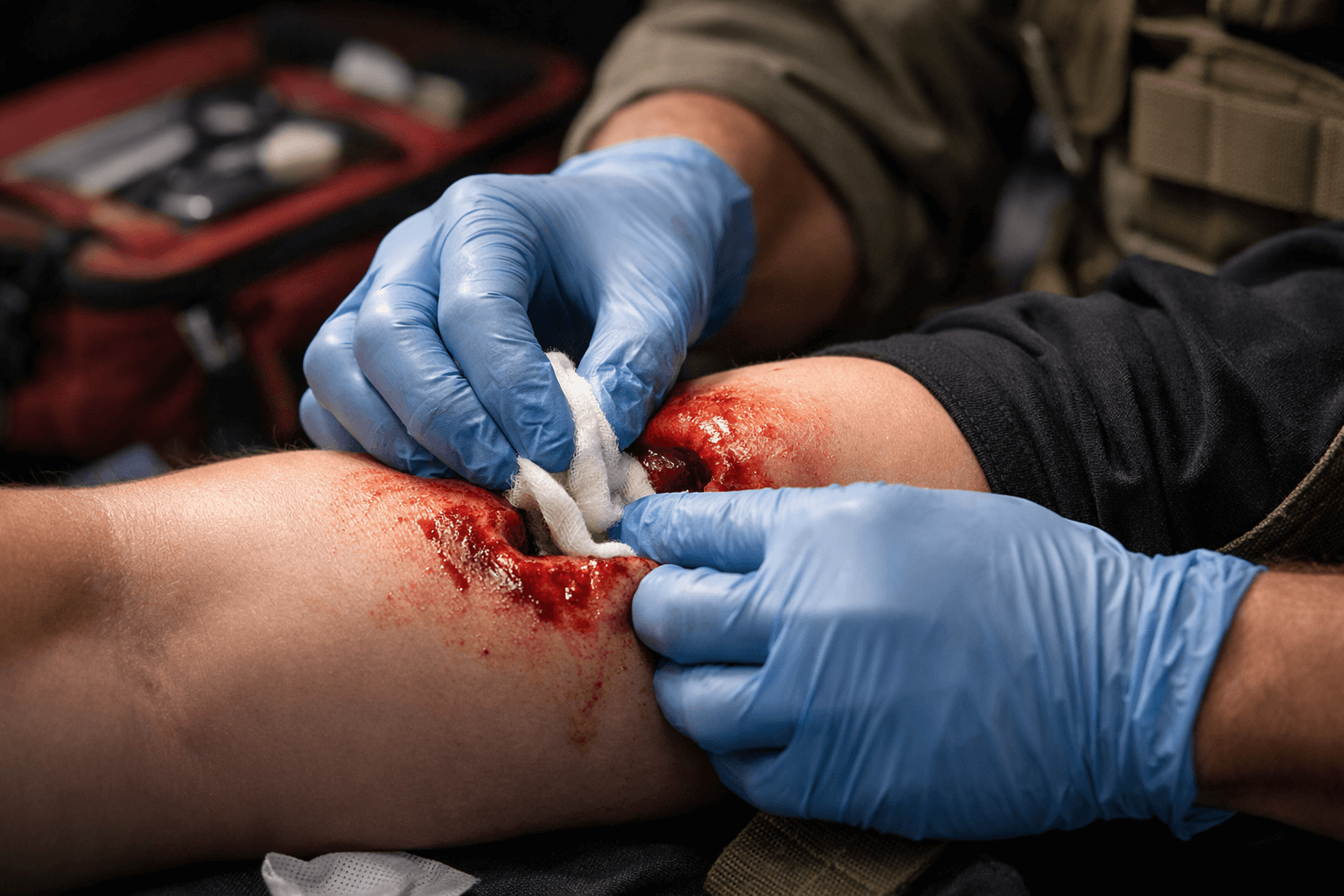
Packing begins at the deepest point of the wound, applying firm, even pressure as material is layered upward.
4. Maintaining sustained pressure:
Continuous pressure helps promote clot formation and bleeding control.
5. Securing and monitoring the wound:
Once packed, the wound is covered with a pressure dressing and closely observed.
Because this technique involves depth perception, pressure control, and anatomical awareness, wound packing should never be learned for the first time on a real patient. That is why simulation-based practice is essential.
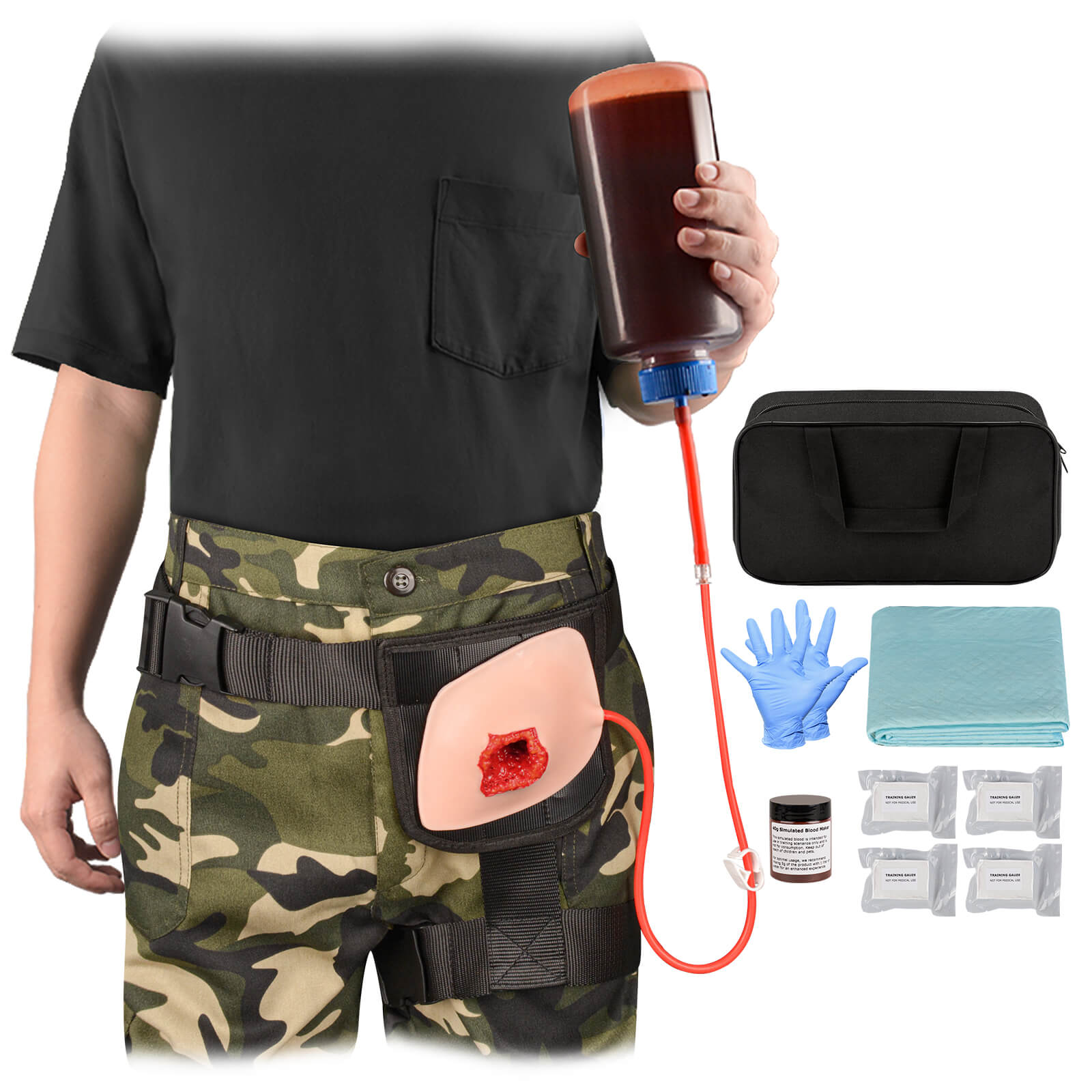
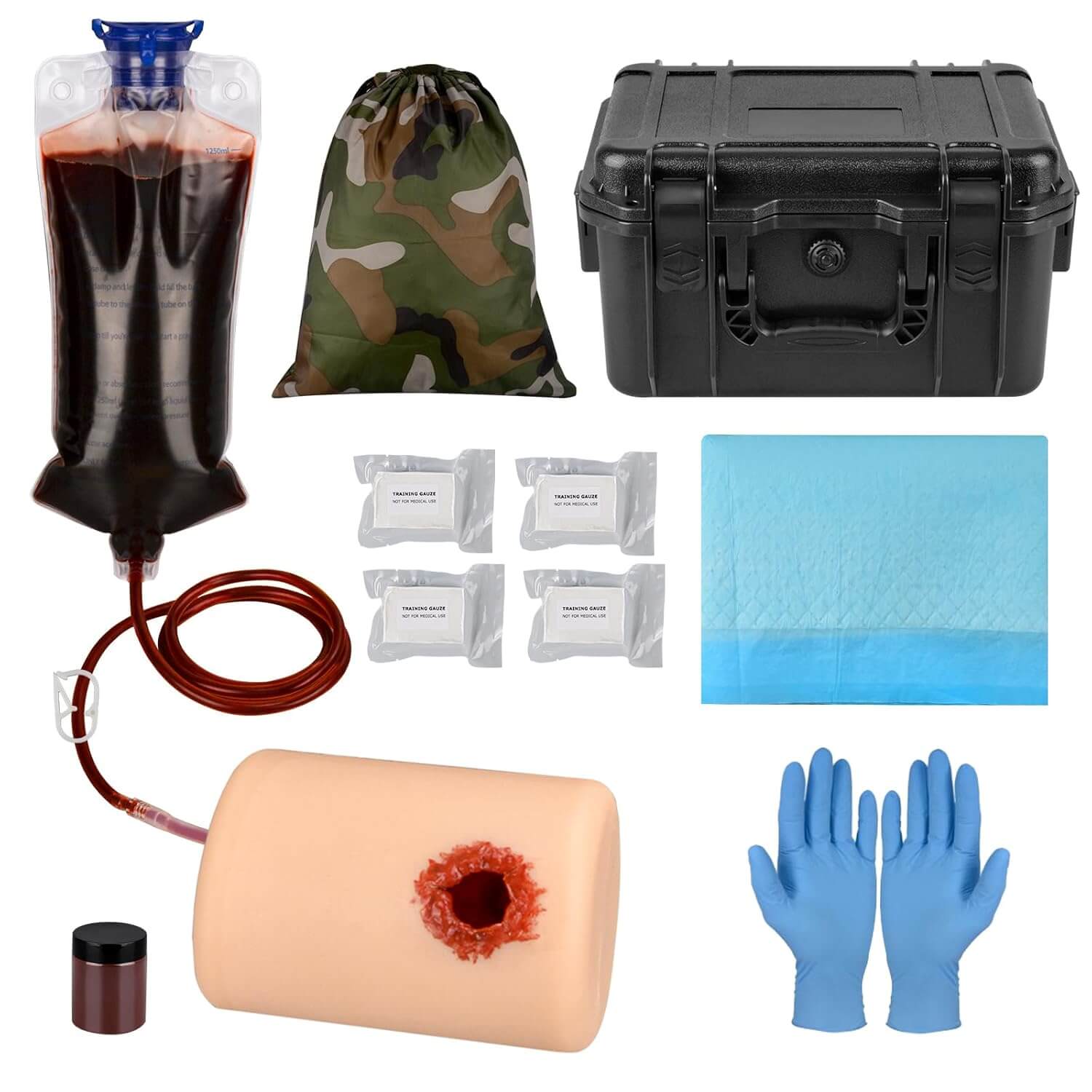
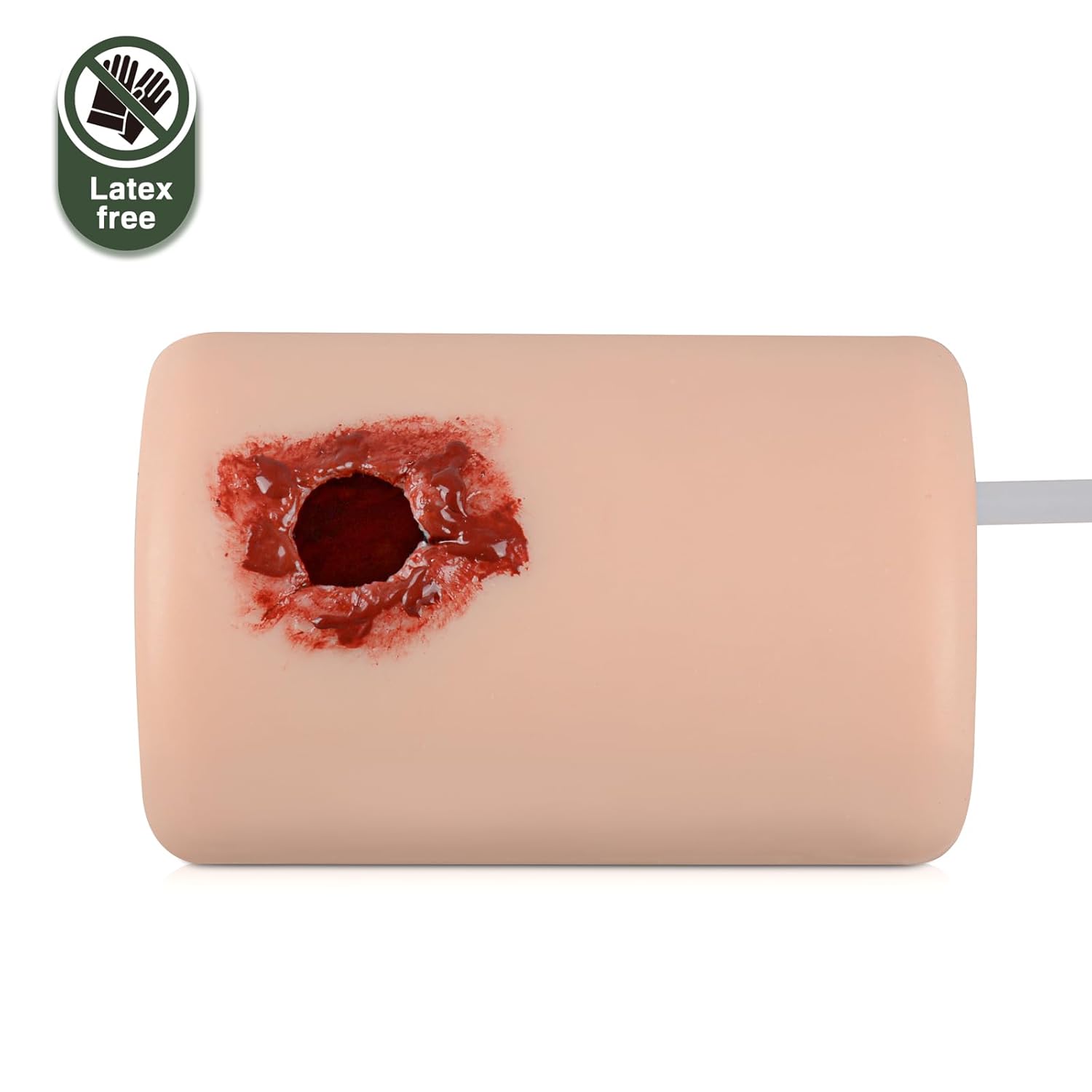
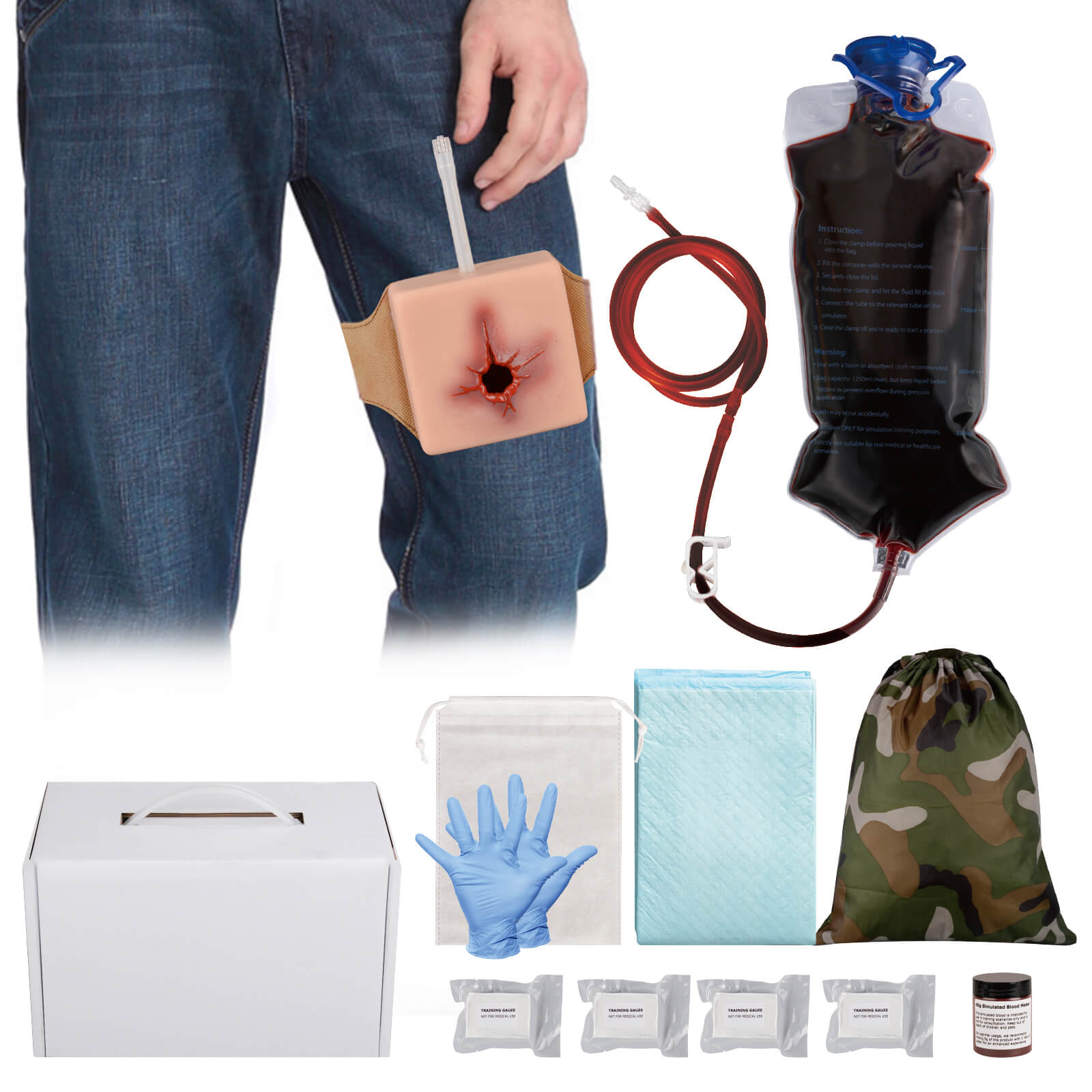
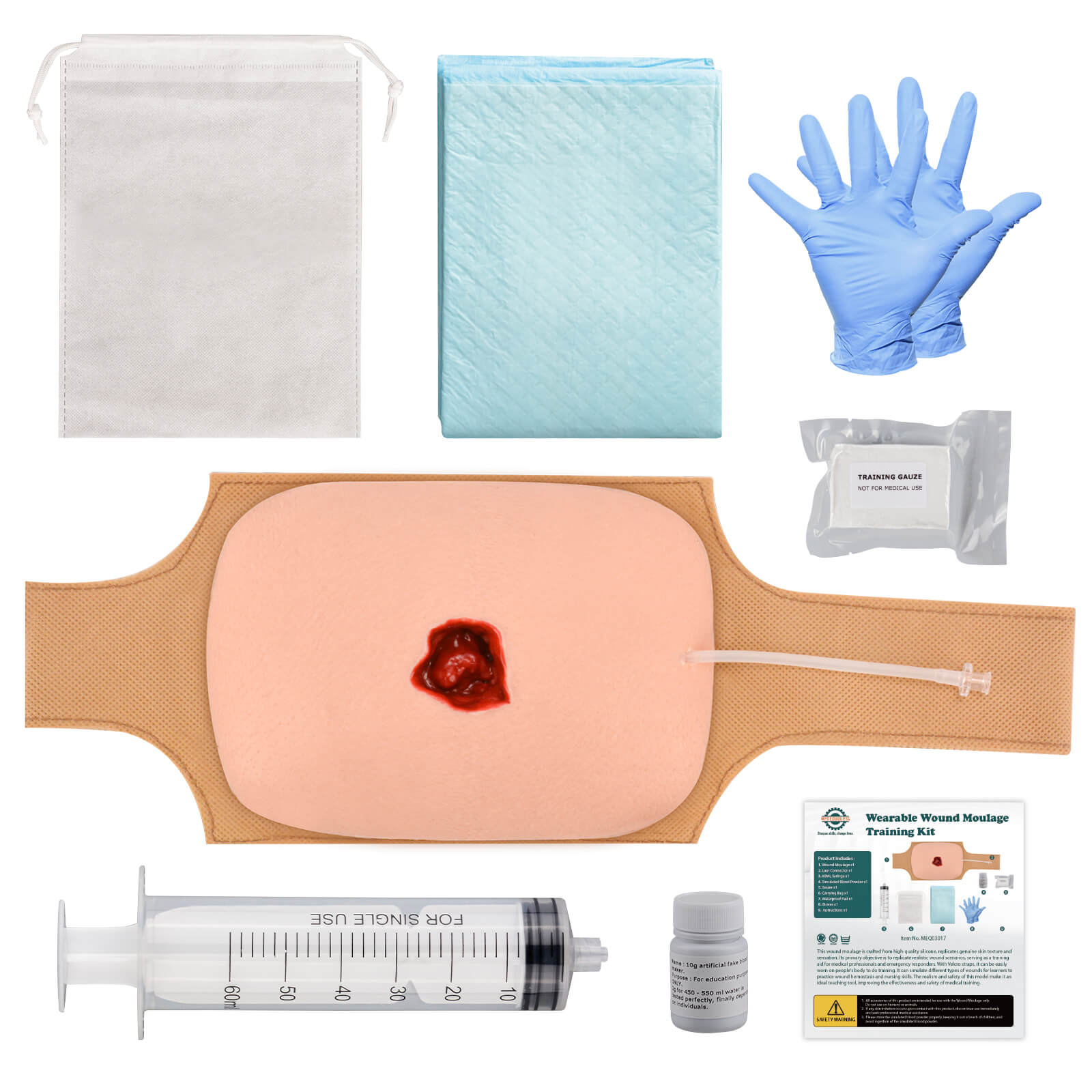
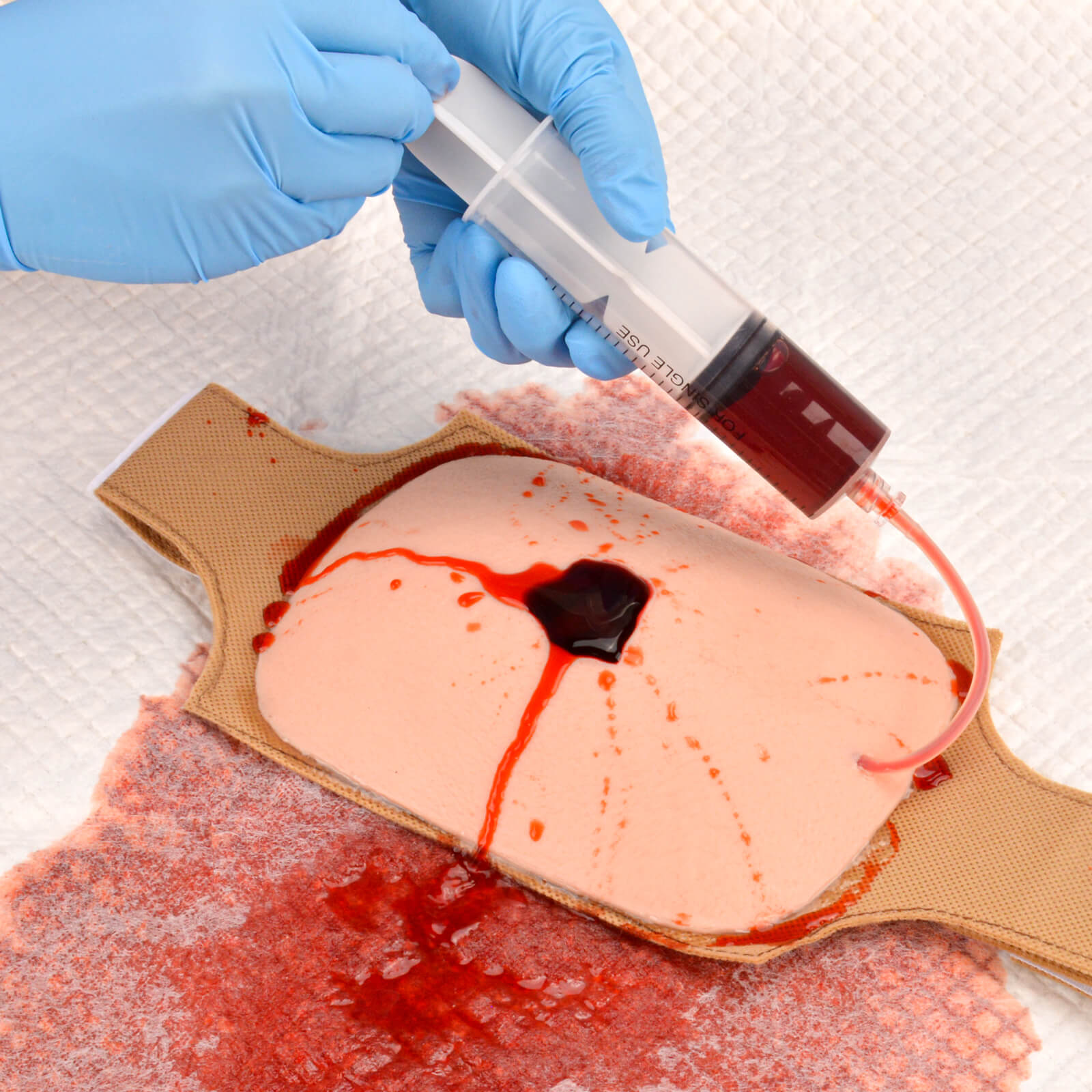
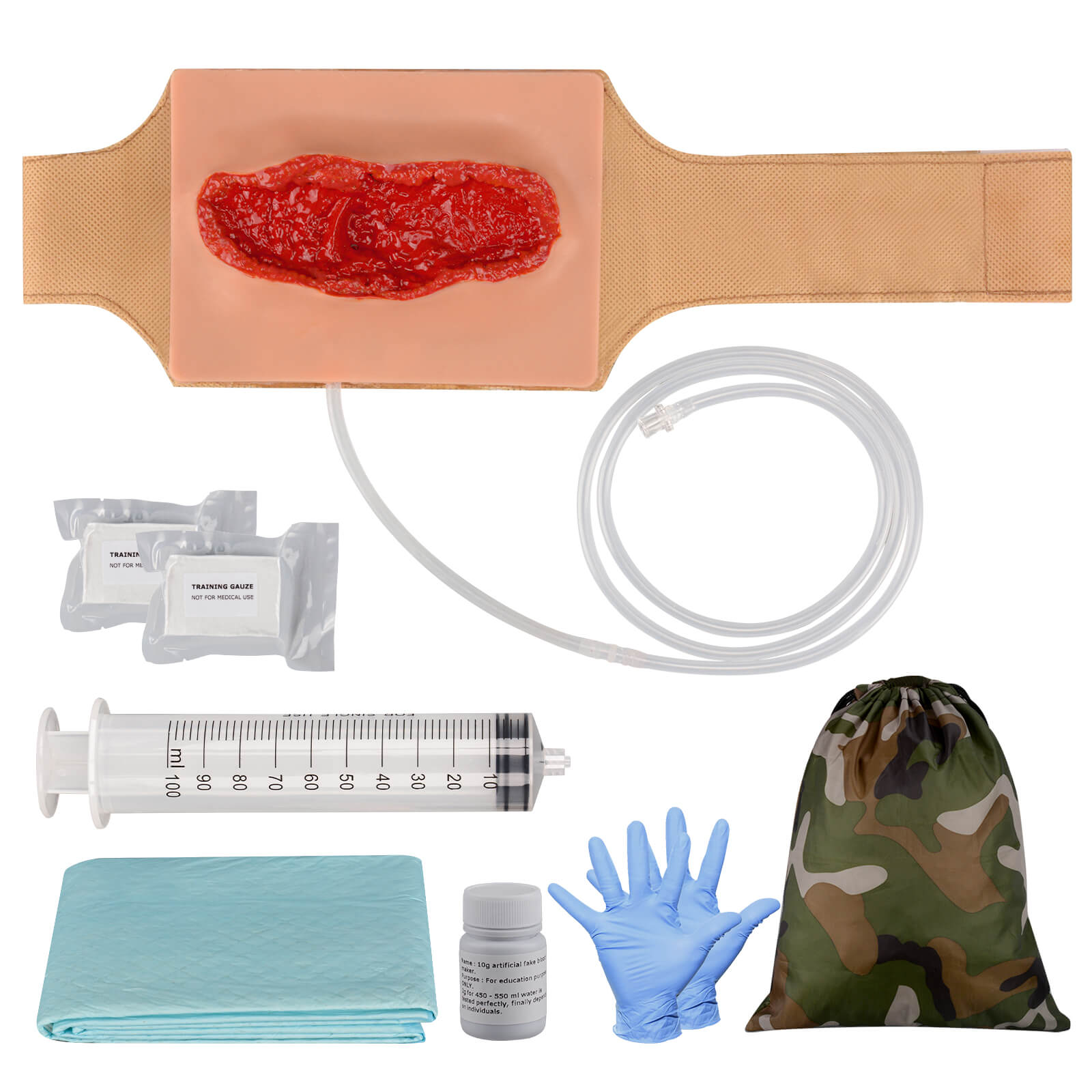
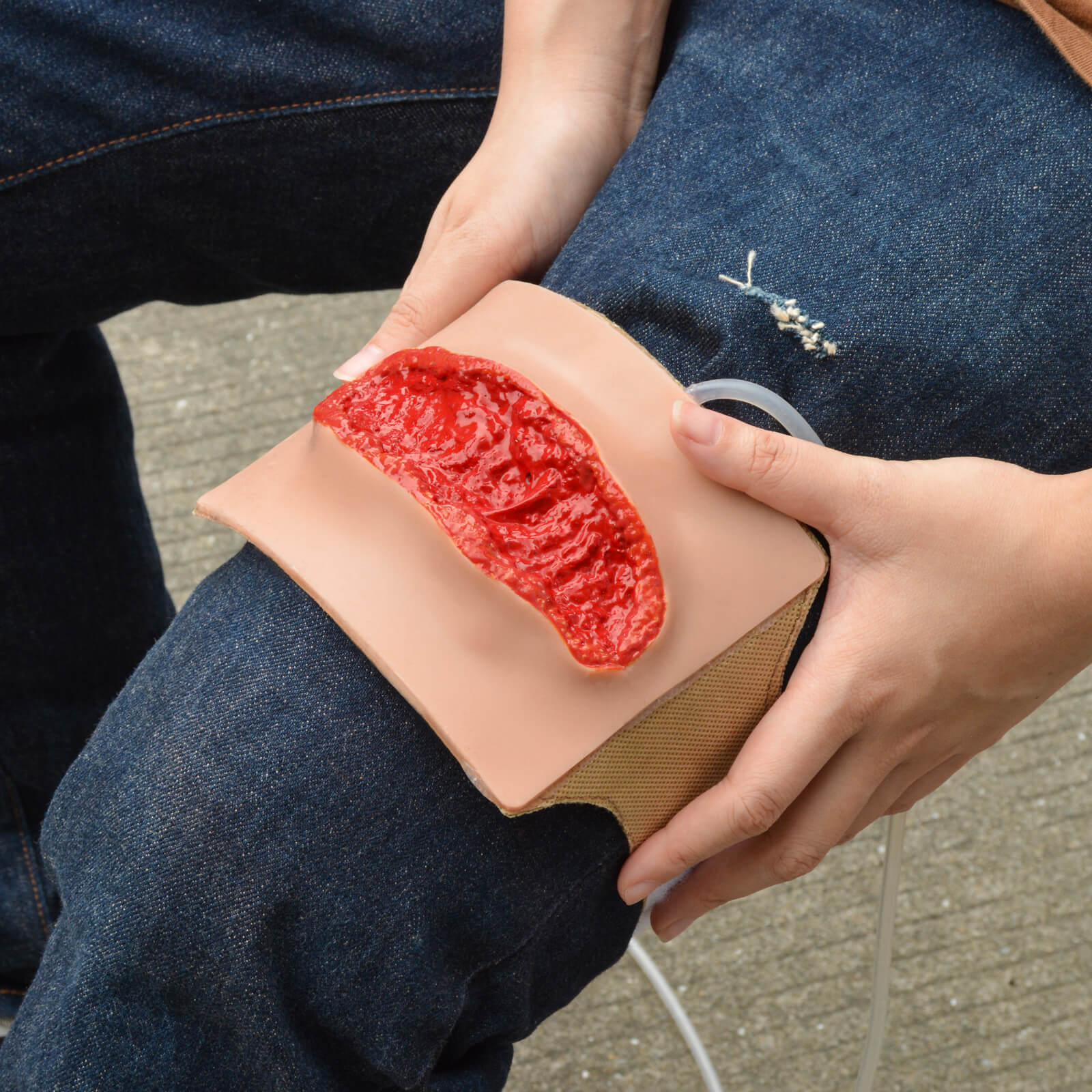
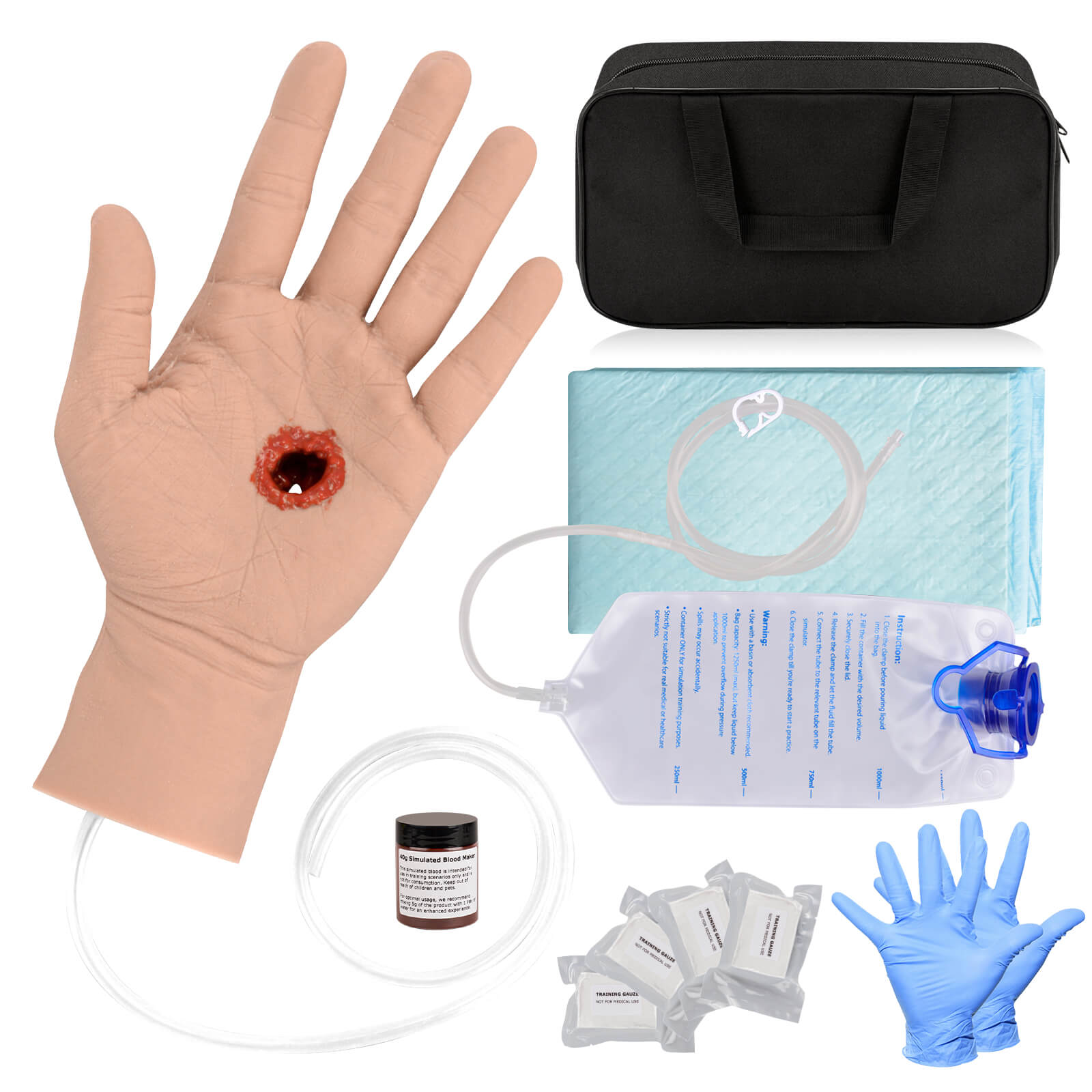
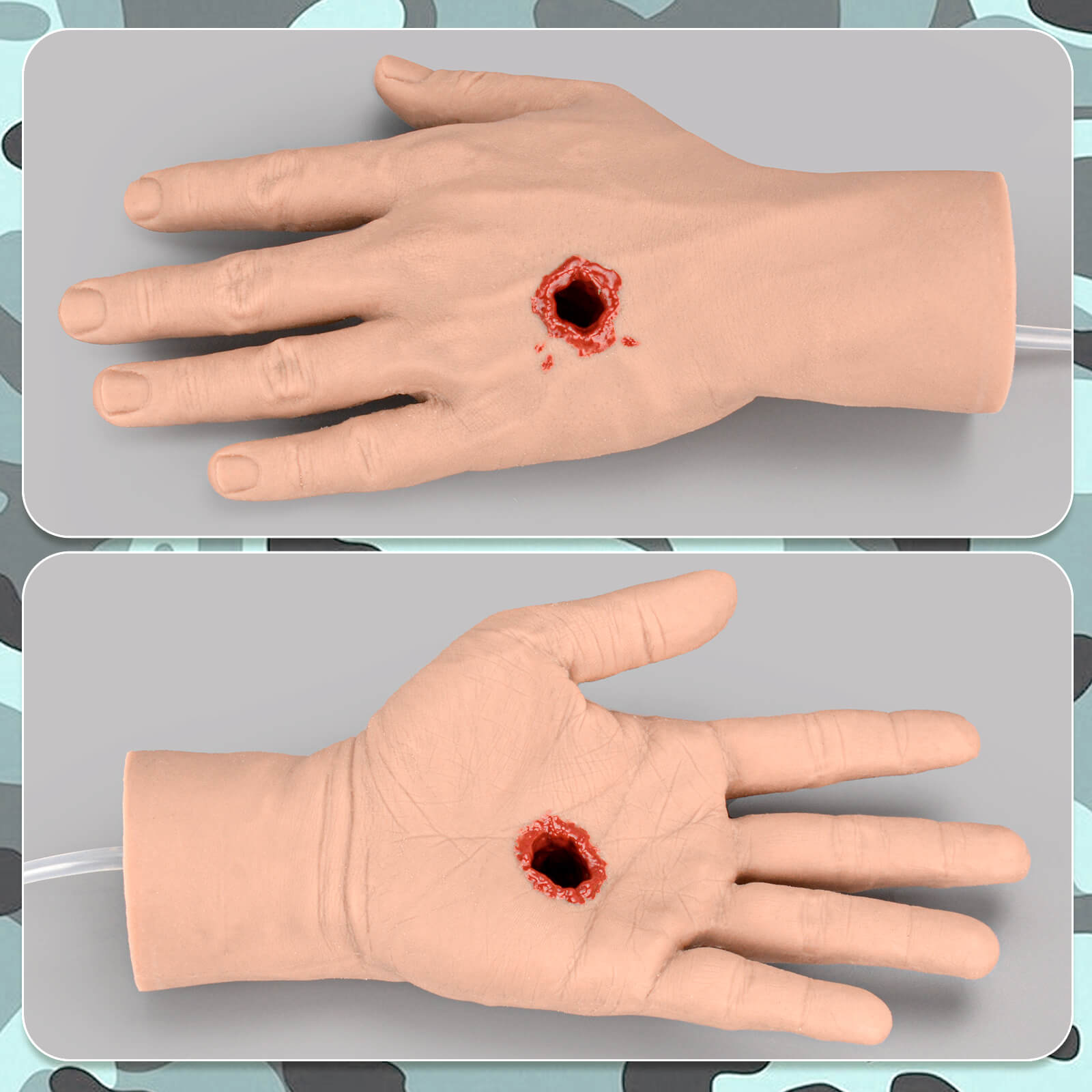
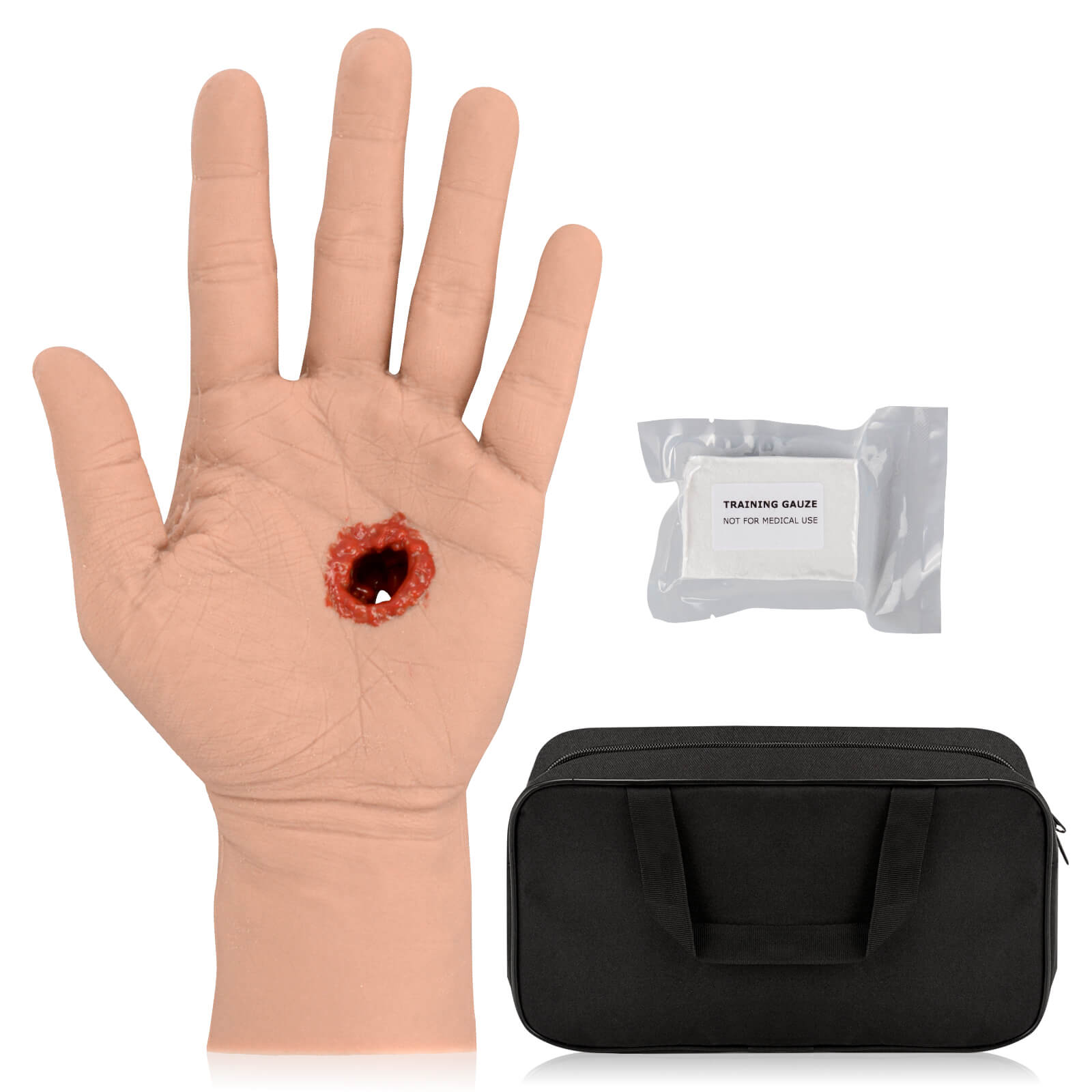
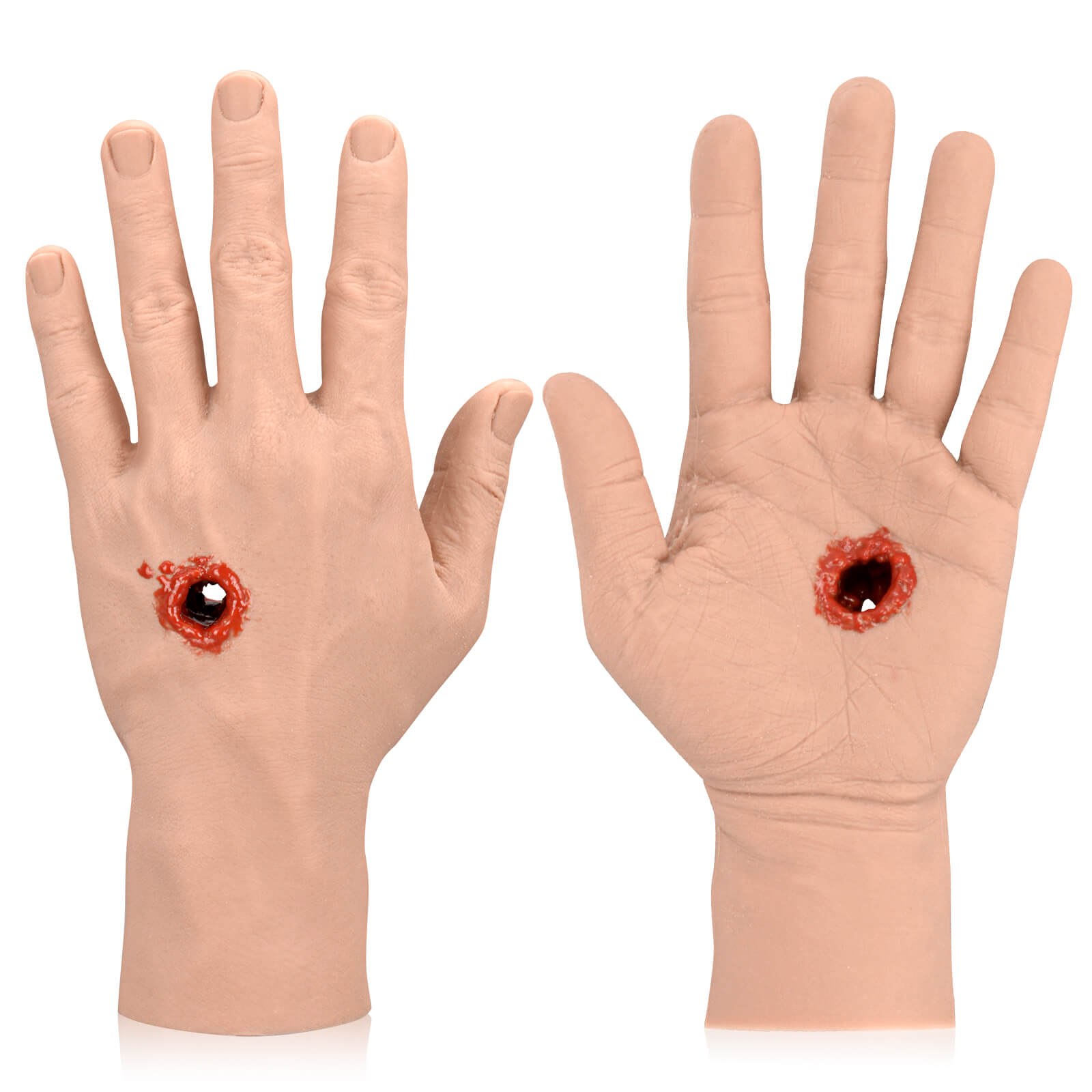
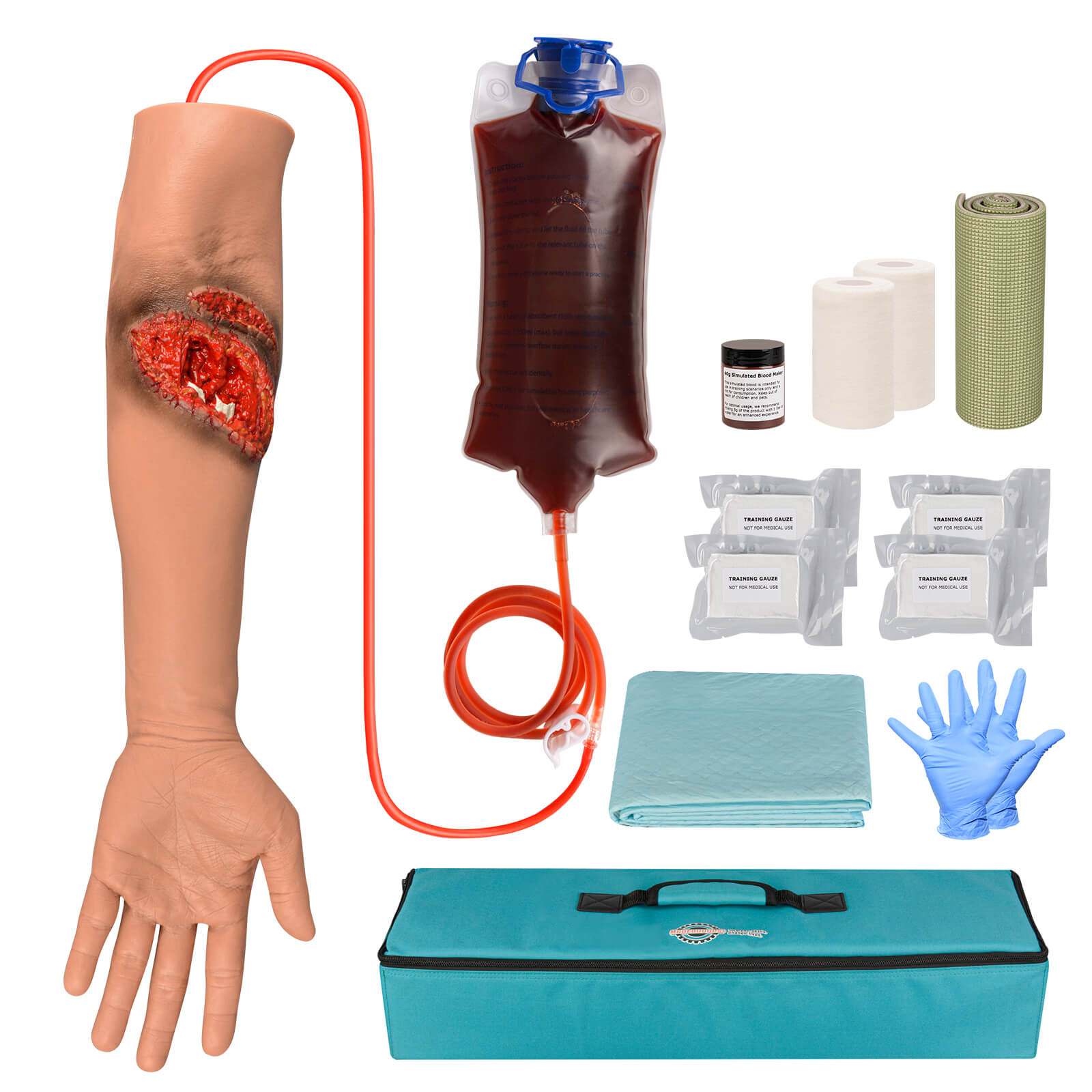
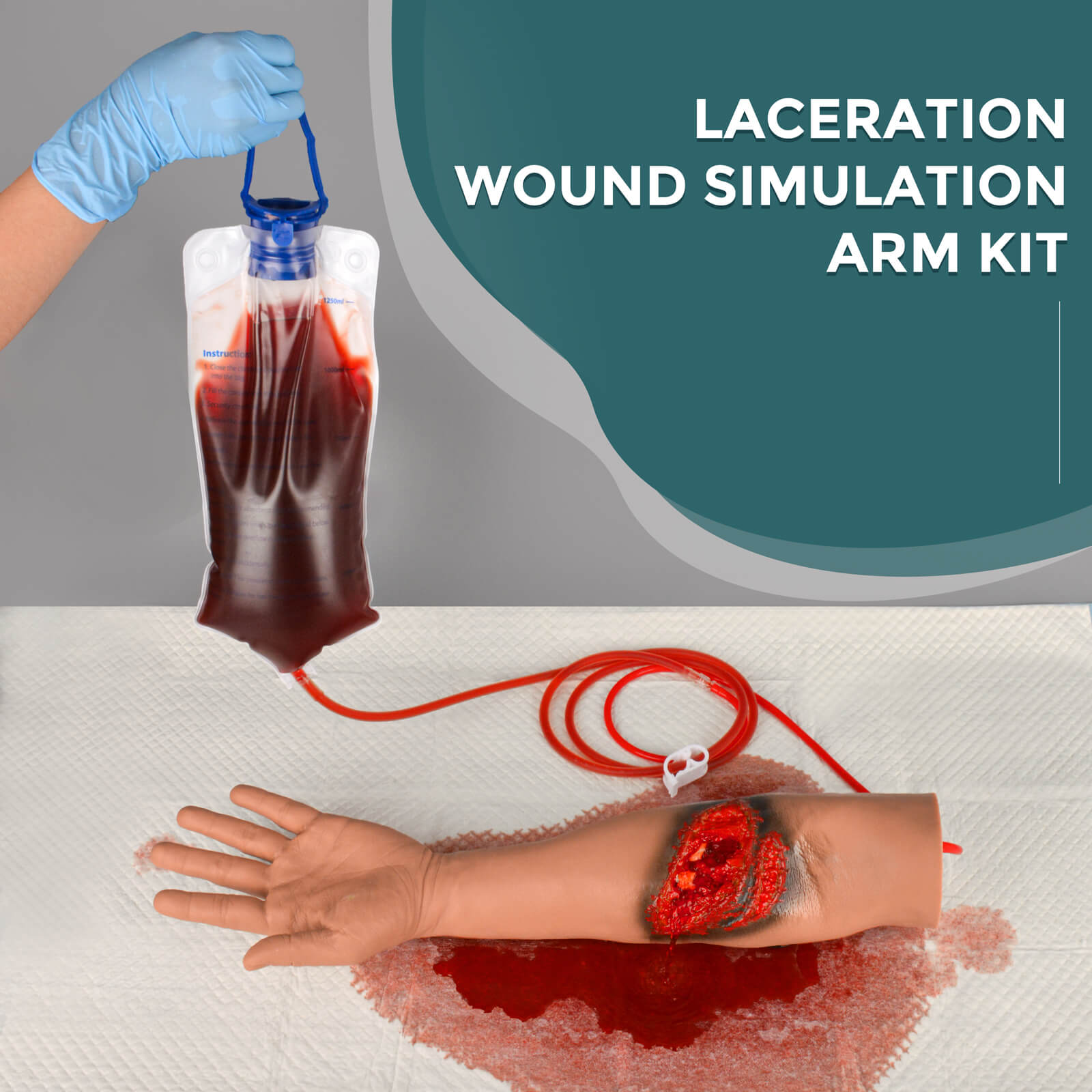
Using a realistic wound packing trainer allows learners to safely practice packing techniques, understand resistance and depth, and build confidence before entering real clinical or emergency environments.
How to Practice Wound Packing with a Trainer (Video Demo)
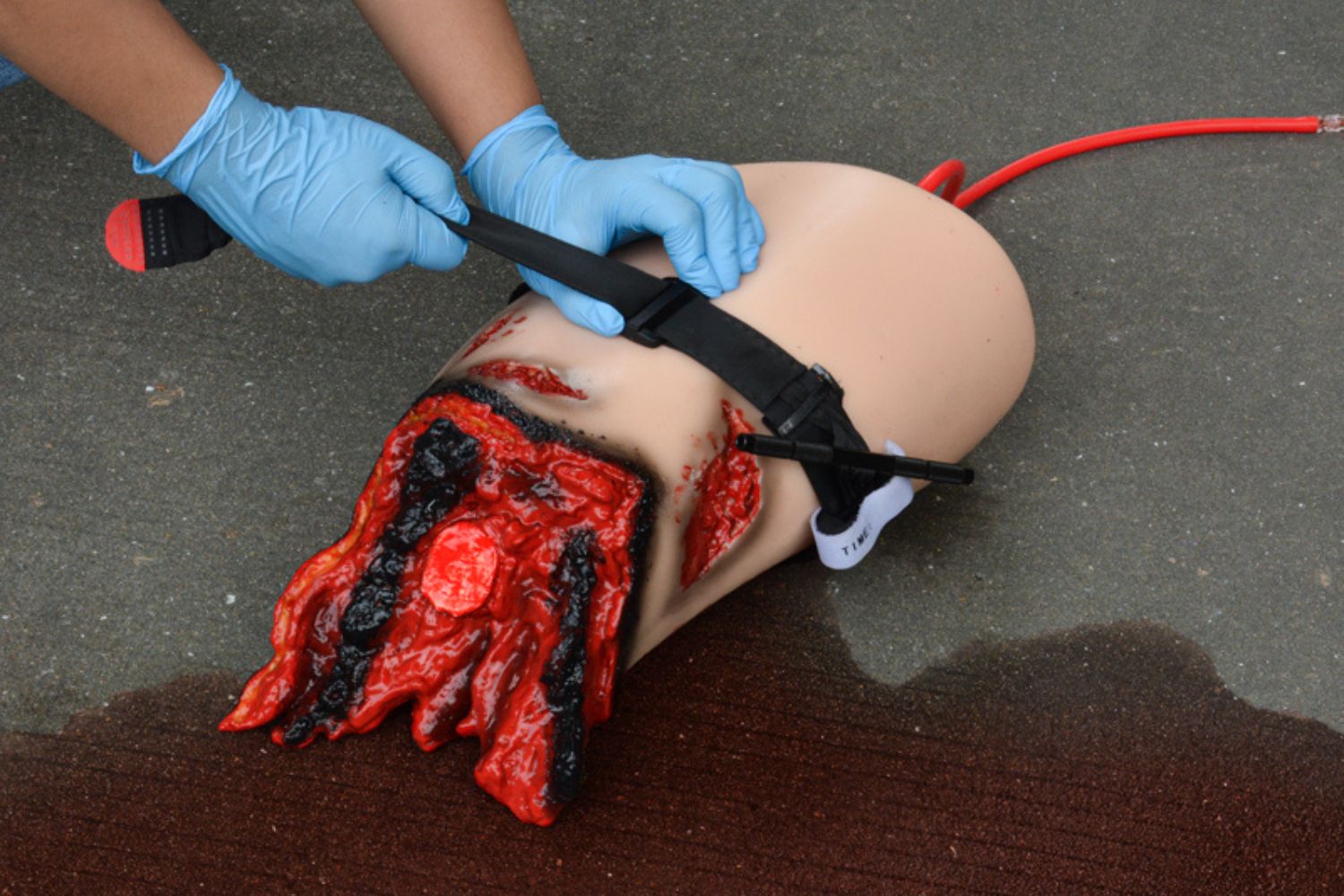
A high-quality wound packing trainer recreates real-world conditions, including wound cavities, tissue resistance, and bleeding scenarios. Training videos typically demonstrate:
-
How to pack gauze into a wound to stop bleeding
-
How much pressure is effective without causing damage
-
How packing differs between deep, penetrating, and surgical wounds
Practicing with trainers bridges the gap between theory and hands-on performance, especially for nursing students, EMTs, combat medics, and emergency responders.
FAQs About Wound Packing
Q1: What is used to pack a wound?
Sterile gauze, hemostatic gauze, or medicated materials like iodoform gauze are commonly used, depending on the wound type and clinical setting.
Q2: What is the purpose of packing a wound?
The purpose is to control bleeding, prevent infection, eliminate dead space, and support healing from the inside out.
Q3: How does packing a wound help it heal?
Packing encourages proper tissue growth, reduces fluid buildup, and prevents the wound from closing too quickly at the surface.
Q4: Does packing a wound help it heal faster?
Not necessarily faster, but it helps wounds heal more safely and correctly, reducing complications.
Q5: When should you stop packing a wound?
Packing typically stops when the wound cavity becomes shallow and healthy granulation tissue fills the space, as determined by clinical assessment.
Q6: What happens if packing is left in a wound too long?
Leaving packing in place longer than recommended can increase infection risk and delay healing, which is why regular wound evaluation is critical.
Q7: Wound packing vs. tourniquet: which works better?
They serve different purposes. Tourniquets are best for severe limb bleeding, while wound packing is essential for deep or junctional wounds where tourniquets cannot be applied.
Why Proper Training Matters
Wound packing is a life-saving skill, but only when performed correctly. Reading about it is not enough. Hands-on practice using realistic wound simulators ensures learners understand how long to pack a wound, how much pressure to apply, and when to transition care.
For anyone serious about mastering wound care, structured training with accurate simulators is the safest and most effective way to learn.
.jpeg?w=1600&h=1600)
.jpeg?w=1600&h=1600)
.jpg?w=1600&h=1600)
.jpg?w=1600&h=1600)
.jpeg?w=1500&h=1500)
.jpg?w=1000&h=1000)
.jpg?w=1000&h=1000)

.jpeg?w=1500&h=1500)
.jpeg?w=1500&h=1500)

.jpeg?w=1600&h=1600)
.jpeg?w=1600&h=1600)
.jpg?w=1600&h=1600)
.jpg?w=1600&h=1600)
.jpg?w=1500&h=1500)
.jpg?w=1500&h=1500)
.jpg?w=1500&h=1500)
.jpg?w=1500&h=1500)
.jpg?w=1500&h=1500)
.jpg?w=1500&h=1500)
.jpg?w=1500&h=1500)
.jpg?w=1500&h=1500)