
Introduction
Simulation-based education has become a cornerstone of procedural skills training in healthcare. For circumcision — both neonatal and adult — simulation provides a safe, controlled, and repeatable environment where learners can master anatomy, instrumentation, and complication management before performing clinical cases. This article outlines the evidence supporting circumcision simulation, practical curriculum components, and strategies for integrating simulation resources into residency programs, medical schools, and continuing education initiatives.
Why Simulation Matters for Circumcision Training
Patient Safety, Repetition, and Standardization
Simulation enables repeated practice without risk to patients. Trainees can develop confidence, refine technique, and receive structured feedback in a consistent environment. Studies show that simulation-based circumcision training improves procedural competency and reduces early clinical errors, allowing learners to transition safely into supervised patient care.
Evidence Highlights
-
Pilot programs using structured workshops demonstrate increased self-efficacy and skill acquisition in both neonatal and adult circumcision.
-
Reusable models combined with stepwise checklists improve performance in commonly used techniques such as Gomco, Mogen, and Plastibell.
-
Adult circumcision training in low- and high-resource settings shows that simulation enhances both technical skill and complication management capabilities.
Note: Simulation complements but does not replace supervised clinical training. Trainees must achieve competency under supervision before independent practice.
Core Components of an Evidence-Based Circumcision Simulation Curriculum
1. Clear Learning Objectives
Define measurable outcomes: anatomical identification, proper instrument selection, stepwise execution of circumcision techniques, and handling procedural complications. Include objective assessment metrics such as checklists or rating scales.
2. Pre-Learning Materials
Provide videos, readings, or interactive modules introducing relevant anatomy, indications, contraindications, instrumentation, and common complications. Evidence shows that pre-learning improves hands-on session efficiency and skill retention.
3. Hands-On Deliberate Practice
Break the procedure into discrete tasks for repeated practice: skin exposure and retraction, clamp placement, excision and hemostasis, and suturing or device placement. Incorporate scenario-based complication management (e.g., minor bleeding, adhesion correction). Checklists guide learners and instructors for structured feedback.
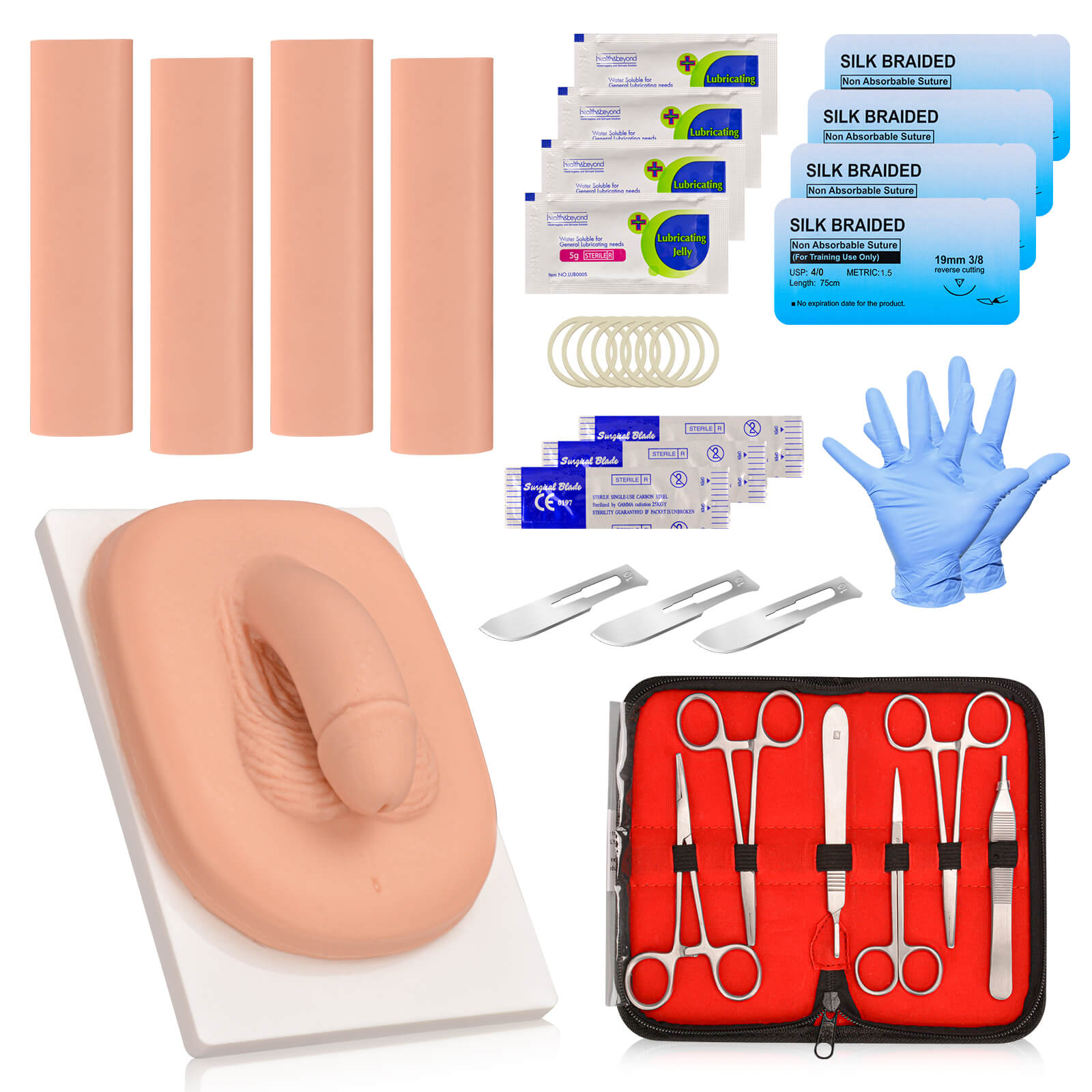
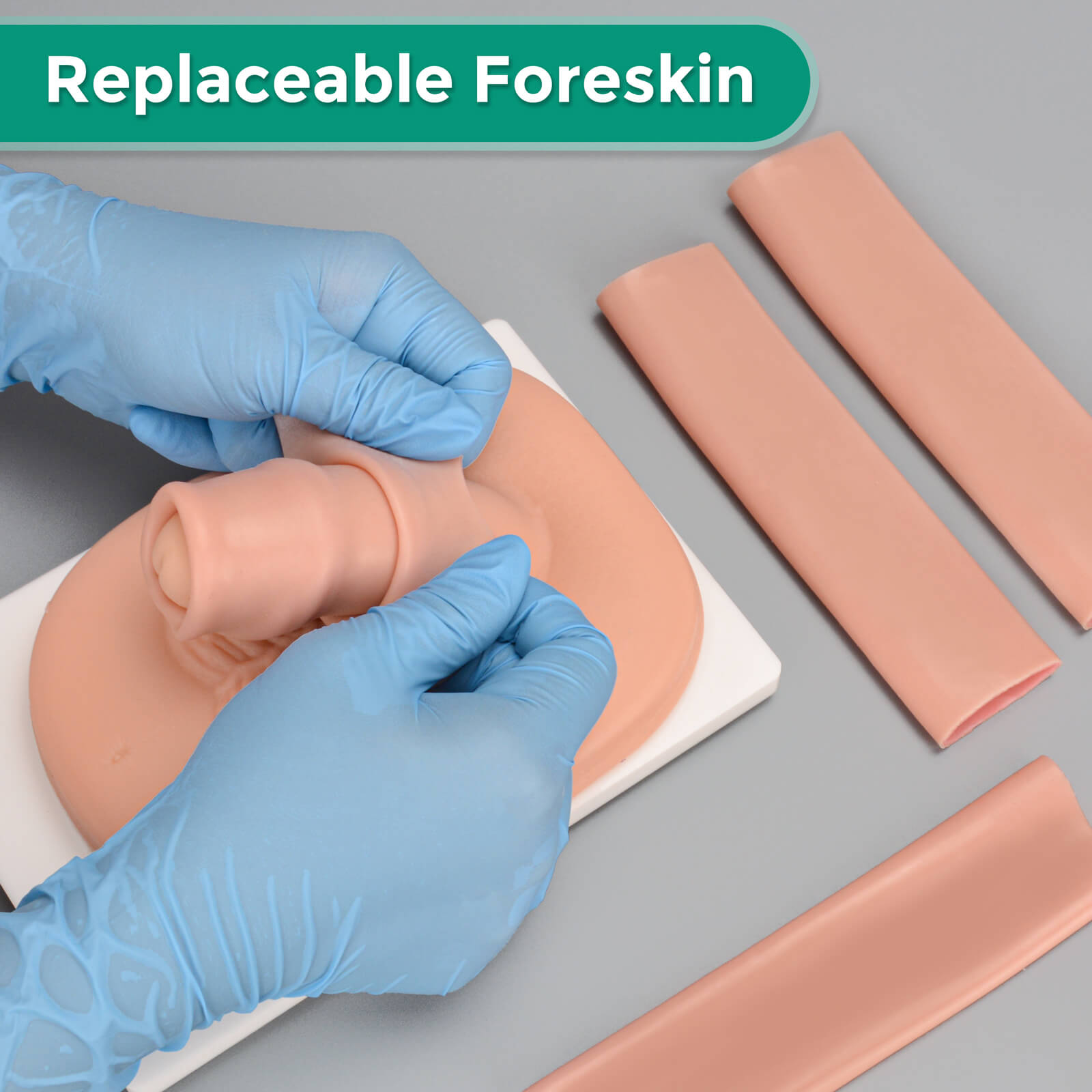
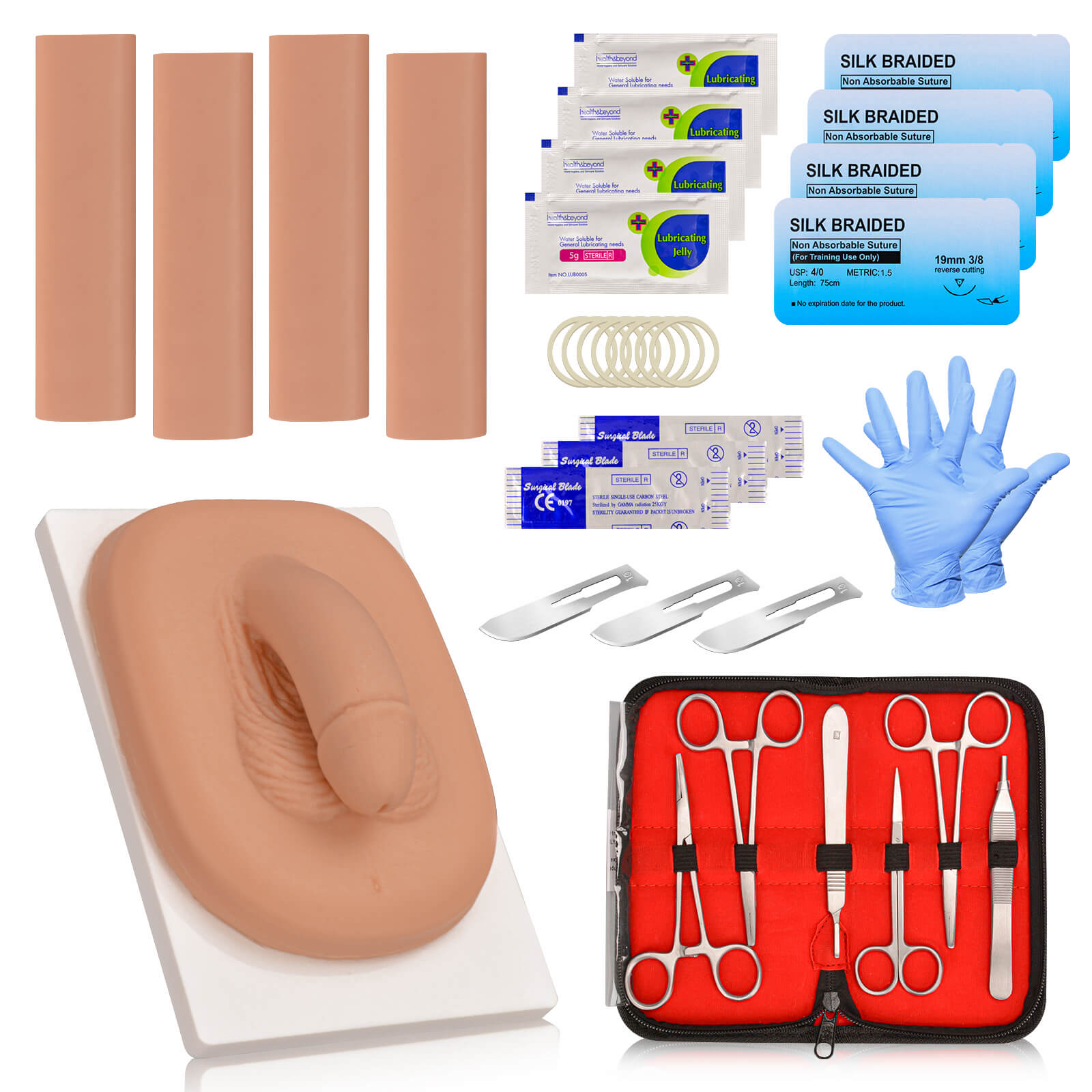
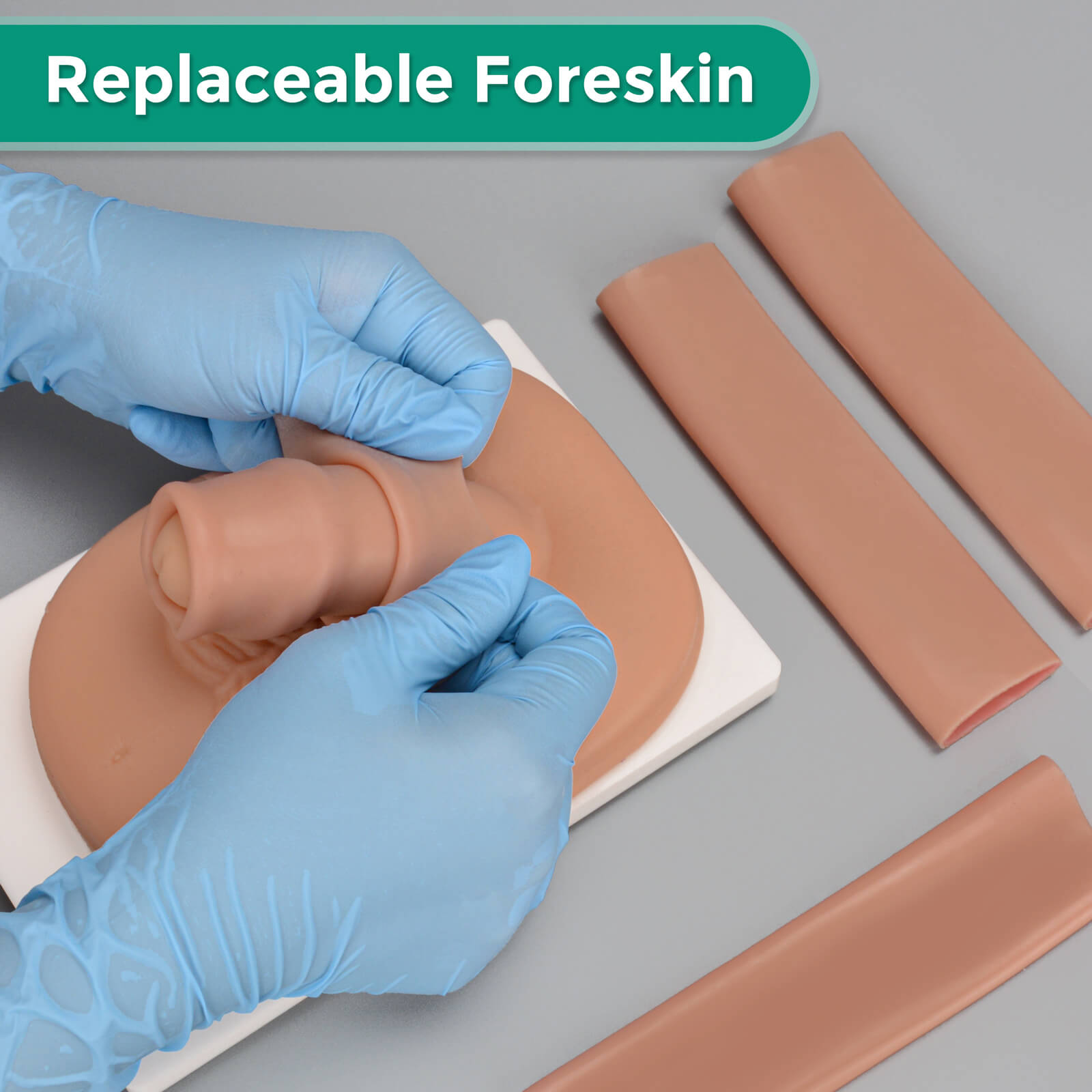
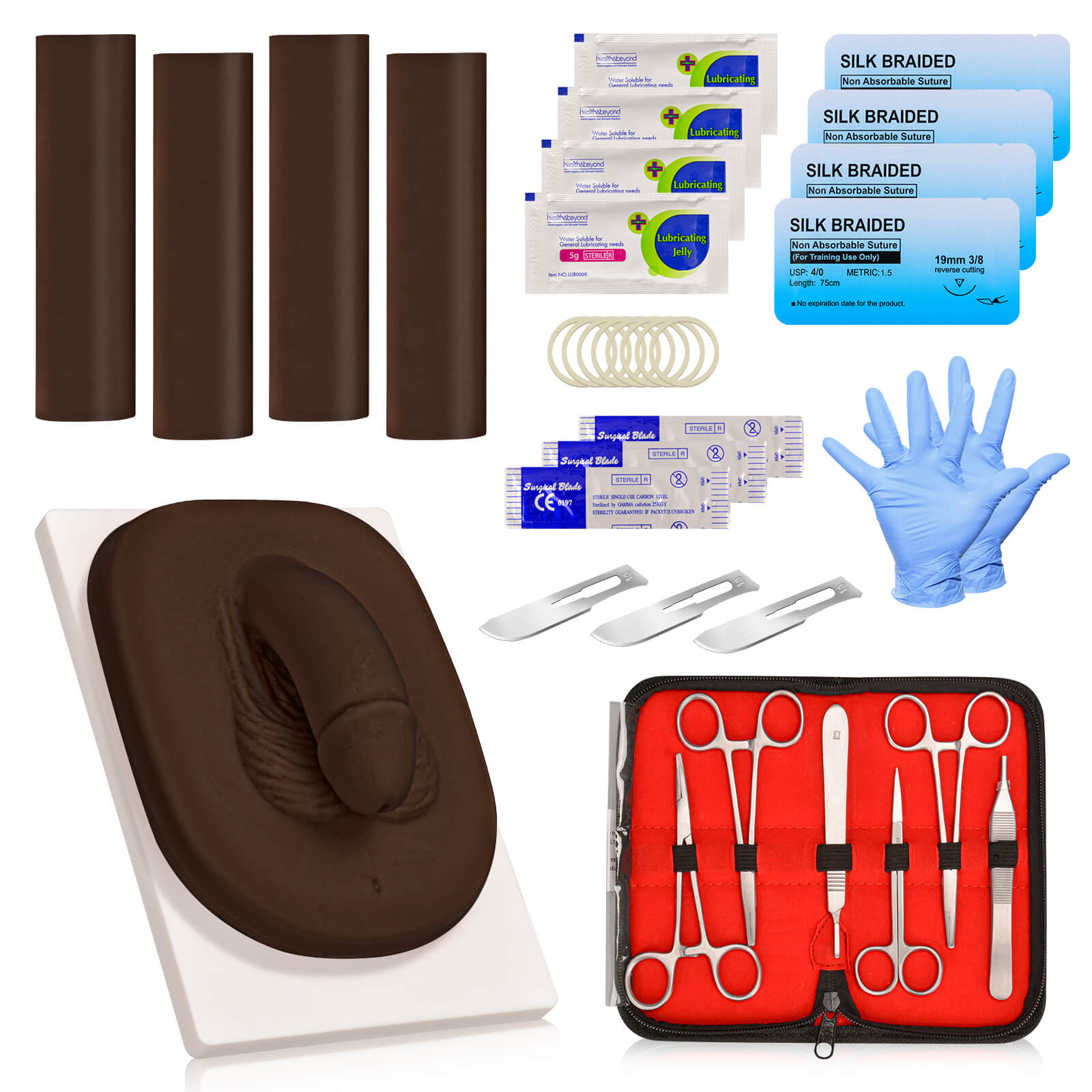
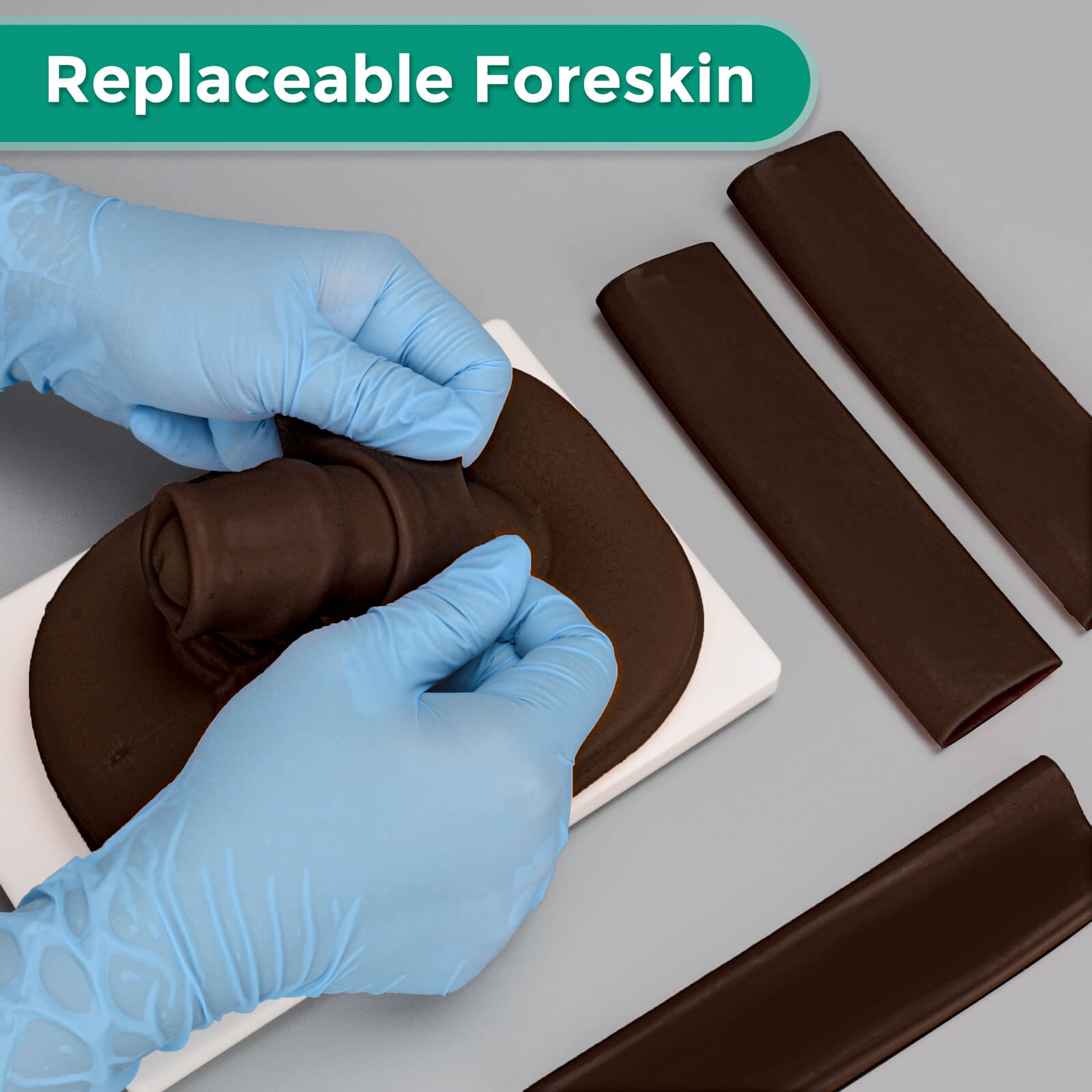
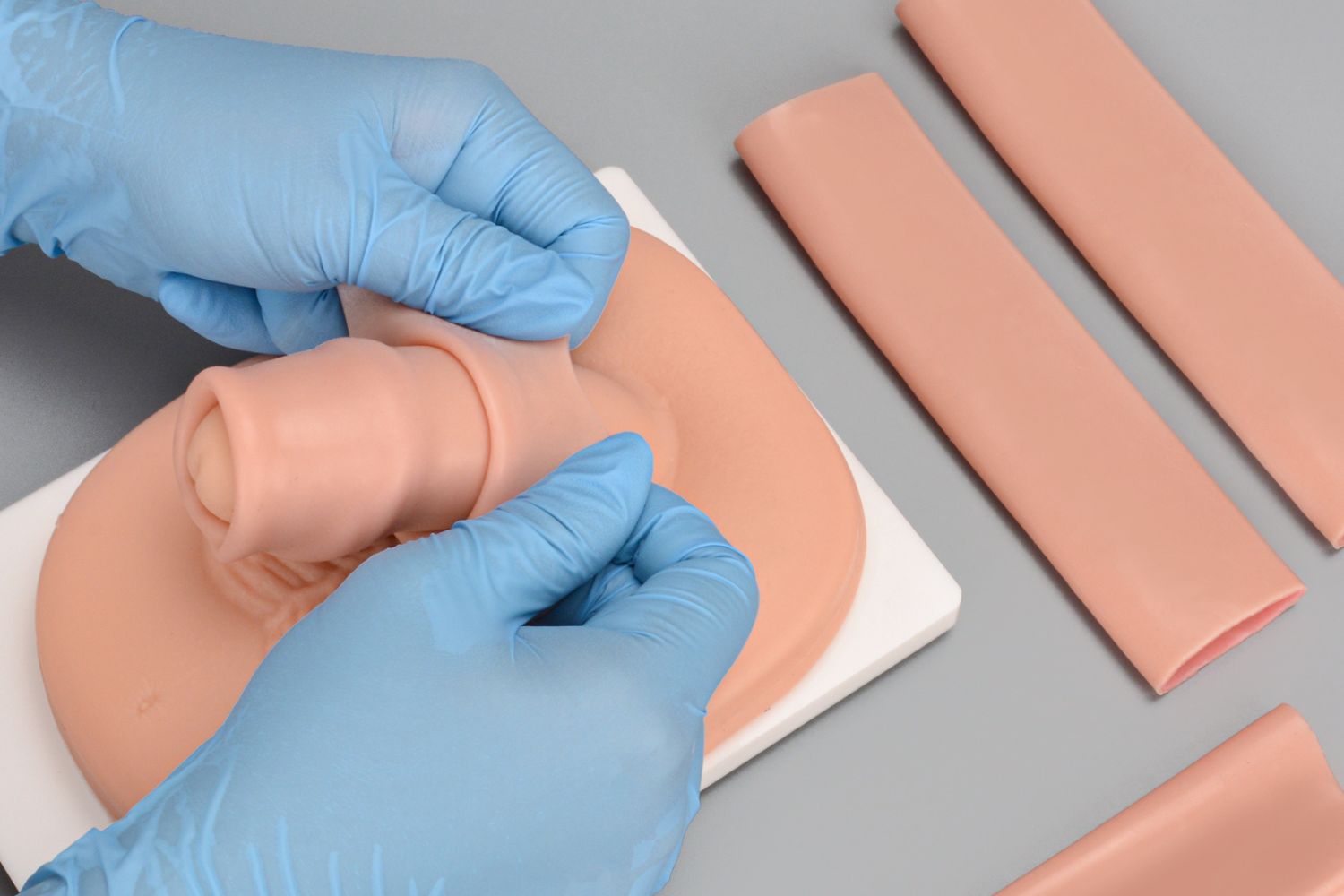
For practical implementation, educators can use high-fidelity adult circumcision models (Light, Medium, Dark) and infant circumcision trainer with replaceable foreskin to allow repeated hands-on practice in a safe, controlled environment.
4. Feedback and Assessment
Immediate, targeted feedback is essential. Recommended instructor-to-learner ratios are 1:4 or 1:6. Use structured evaluation forms or video-assisted review to track improvement.
5. High-Fidelity Scenarios
Incorporate realistic scenarios such as uncontrolled bleeding, equipment malfunction, or neonatal monitoring challenges. Practicing these events builds crisis management skills and improves patient safety outcomes.
Neonatal vs Adult Training: Key Differences
Neonatal Circumcision Simulation
-
Emphasizes small-scale anatomy, device handling, and gentle tissue manipulation.
-
Includes analgesia/sedation protocols and vital sign monitoring for safety.
-
Highlights family communication and consent processes due to the vulnerability of newborn patients.
Adult Circumcision Simulation
-
Focuses on adult tissue tension, hemostasis, suturing, and technique selection based on clinical context.
-
Training may incorporate scenarios relevant to elective or resource-limited environments.
-
Emphasizes sterile technique, infection prevention, and complication management.
Sample Session Blueprint for Educators
Session Duration: 60–90 minutes (introductory)
Group Size: 6 trainees : 2 instructors
Equipment: Anatomical simulator, instrument set (Gomco/Mogen/Plastibell), sutures, hemostatic simulators
Structure:
-
10–15 min: Orientation & objectives
-
15–20 min: Instructor demonstration (stepwise)
-
20–30 min: Deliberate practice with checklist guidance
-
10–15 min: Feedback & remediation
-
Optional: Competency assessment using short OSCE-style checklist
Measuring Outcomes
To demonstrate curriculum effectiveness:
-
Track pre- and post-training skill scores using standardized checklists
-
Survey self-reported confidence levels
-
Record time and performance on first supervised clinical cases
-
Gather learner satisfaction and instructor observations
These metrics support continuous improvement and justify institutional investment in simulation resources.
Implementation Tips & Procurement Considerations
-
Select versatile simulation tools: Prioritize reusable models with replaceable components to reduce long-term costs.
-
Budgeting: Calculate per-trainee cost, including consumables and maintenance, to compare options efficiently.
-
Faculty Training: Instructors should be trained in structured feedback, checklist use, and scenario facilitation.
-
Compliance: Ensure neonatal programs adhere to local regulatory and ethical guidelines.
For effective curriculum implementation, educators are encouraged to select reusable circumcision simulators that provide realistic feedback and long-term value. MedEduQuest offers adult and neonatal circumcision trainers suitable for diverse educational needs.
Downloadable Resources (Lead Magnet)
Simulation-Based Circumcision Syllabus (Sample)
Includes: 60–90 minute lesson plan, checklists, evaluation forms, and a resource/procurement checklist for program implementation.
Download the Simulation Syllabus
FAQ
Q1: Can simulation replace clinical training?
A1: No. Simulation enhances skill development and confidence, but supervised clinical practice is required for full competency.
Q2: Which techniques should trainees practice?
A2: Gomco clamp, Mogen clamp, and Plastibell device application, including excision, hemostasis, and suturing.
Q3: How long should a training session last?
A3: 60–90 minutes for introductory sessions; advanced workshops may extend to half-day or multi-day formats.
Q4: How is competency assessed?
A4: Structured checklists, OSCE-style evaluation, and supervised clinical observation are recommended.
Q5: What special considerations exist for neonatal training?
A5: Pay attention to analgesia, monitoring, and family communication. Follow all institutional guidelines for neonatal care.
References (for credibility)
-
Basuray RG et al., Neonatal Circumcision Simulation: A Resource for Beginners, MedEdPORTAL, 2025.
-
Dos Santos J et al., CIRCumcision Learning Experience Using Simulation (CIRCLES), Frontiers in Medical Education, 2023.
-
Roca P. et al., Effectiveness of a Simulated Training Model for Procedural Skill Demonstration in Neonatal Circumcision, Pediatrics, 2012.
-
Parnham A., Validation of a Reusable Model for Simulation Training of Adult Circumcision, 2015.
-
American Academy of Pediatrics, Committee on Fetus and Newborn, Neonatal Circumcision Guidelines, 2024.
.jpeg?w=1600&h=1600)
.jpeg?w=1600&h=1600)
-0.jpg?w=1600&h=1600)
-0.jpg?w=1600&h=1600)
.jpeg?w=1600&h=1600)
.jpeg?w=1600&h=1600)
.jpg?w=1500&h=1500)
.jpg?w=1500&h=1500)
.jpg?w=1600&h=1600)
.jpg?w=1600&h=1600)
.jpg?w=1500&h=1500)
.jpg?w=1500&h=1500)
.jpg?w=1500&h=1500)
.jpg?w=1500&h=1500)

.jpg?w=1000&h=1000)
.jpg?w=1000&h=1000)




.jpeg?w=1500&h=1500)
.jpeg?w=1500&h=1500)
.jpeg?w=1600&h=1600)
.jpeg?w=1600&h=1600)
.jpg?w=1600&h=1600)
.jpg?w=1600&h=1600)
.jpg?w=1500&h=1500)
.jpg?w=1500&h=1500)
.jpg?w=1500&h=1500)
.jpg?w=1500&h=1500)
.jpg?w=1500&h=1500)
.jpg?w=1500&h=1500)
.jpg?w=1500&h=1500)
.jpg?w=1500&h=1500)