
Simulation-based training has transformed procedural skills education, providing medical trainees a safe, controlled, and repeatable environment to practice complex procedures. Circumcision - both adult and neonatal - demands precision, understanding of anatomy, and complication management. Simulation allows learners to gain competence before performing clinical procedures, reducing errors and increasing patient safety. This guide outlines a step-by-step approach to circumcision training, practical curriculum components, and recommended high-fidelity simulation models for hands-on practice.
Why Simulation Matters for Circumcision Training
- Patient Safety: Simulation enables repeated practice without risk, helping learners gain confidence and refine technique.
- Structured Learning: Stepwise practice ensures standardization, allowing instructors to provide consistent feedback.
- Skill Retention: Deliberate practice and scenario-based challenges improve long-term retention and procedural proficiency.
Step 1: Pre-Learning Preparation
Before hands-on training, learners should:
- Review anatomy of the male genitalia for both adults and neonates.
- Understand indications, contraindications, and procedural options (Gomco, Mogen, Plastibell).
- Watch instructional videos or review stepwise guides for the procedure.
Providing pre-learning resources improves the efficiency and effectiveness of hands-on sessions.
Step 2: Hands-On Deliberate Practice
Break the procedure into discrete tasks for repeated practice:
- Skin exposure and retraction
- Clamp placement
- Excision and hemostasis
- Suturing or device placement
Incorporate scenario-based complication management, such as minor bleeding or adhesion correction. Checklists guide learners and instructors for structured feedback.
Product Integration (Natural Placement):
For practical implementation, educators can use high-fidelity simulation models:
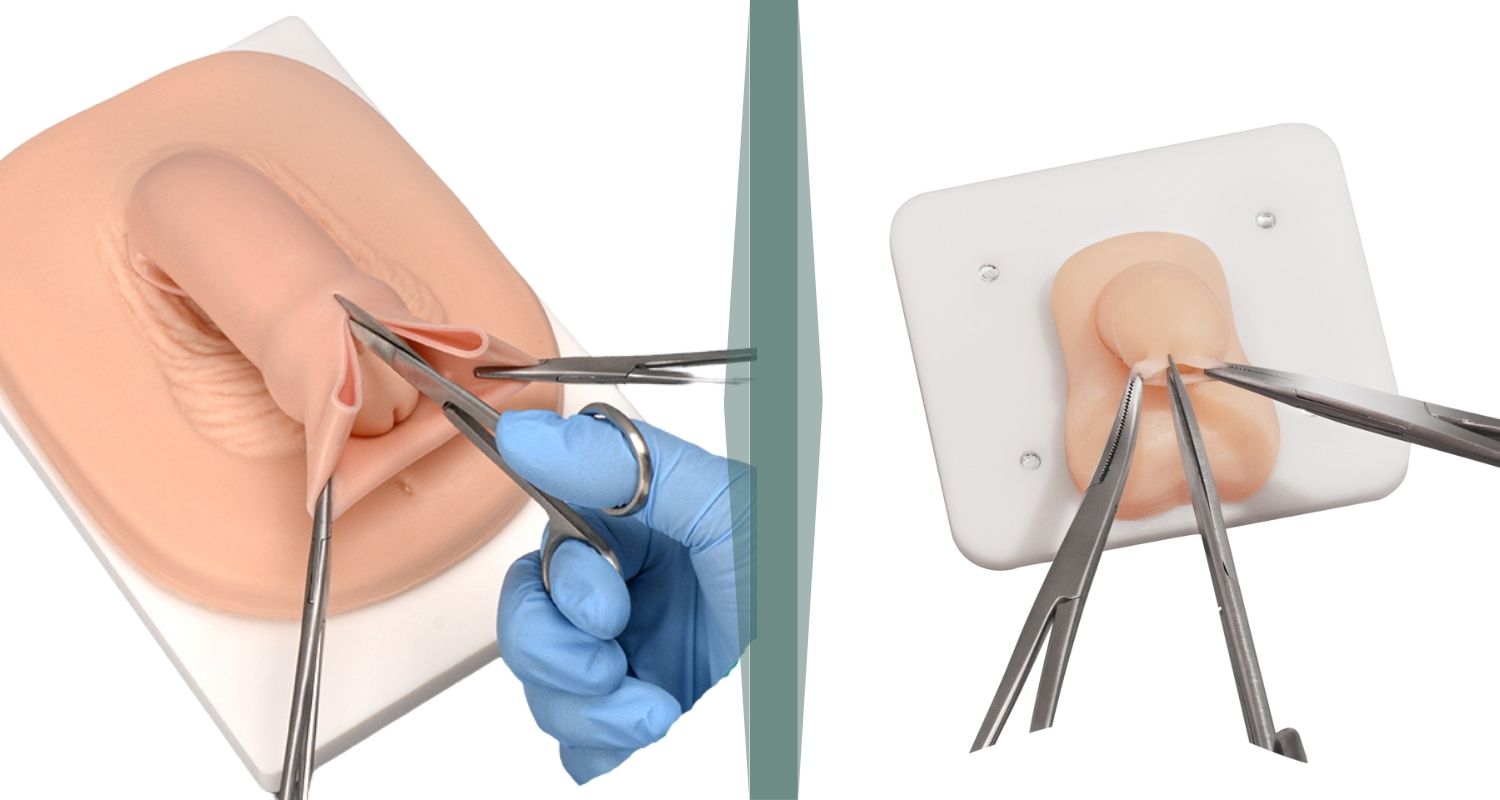
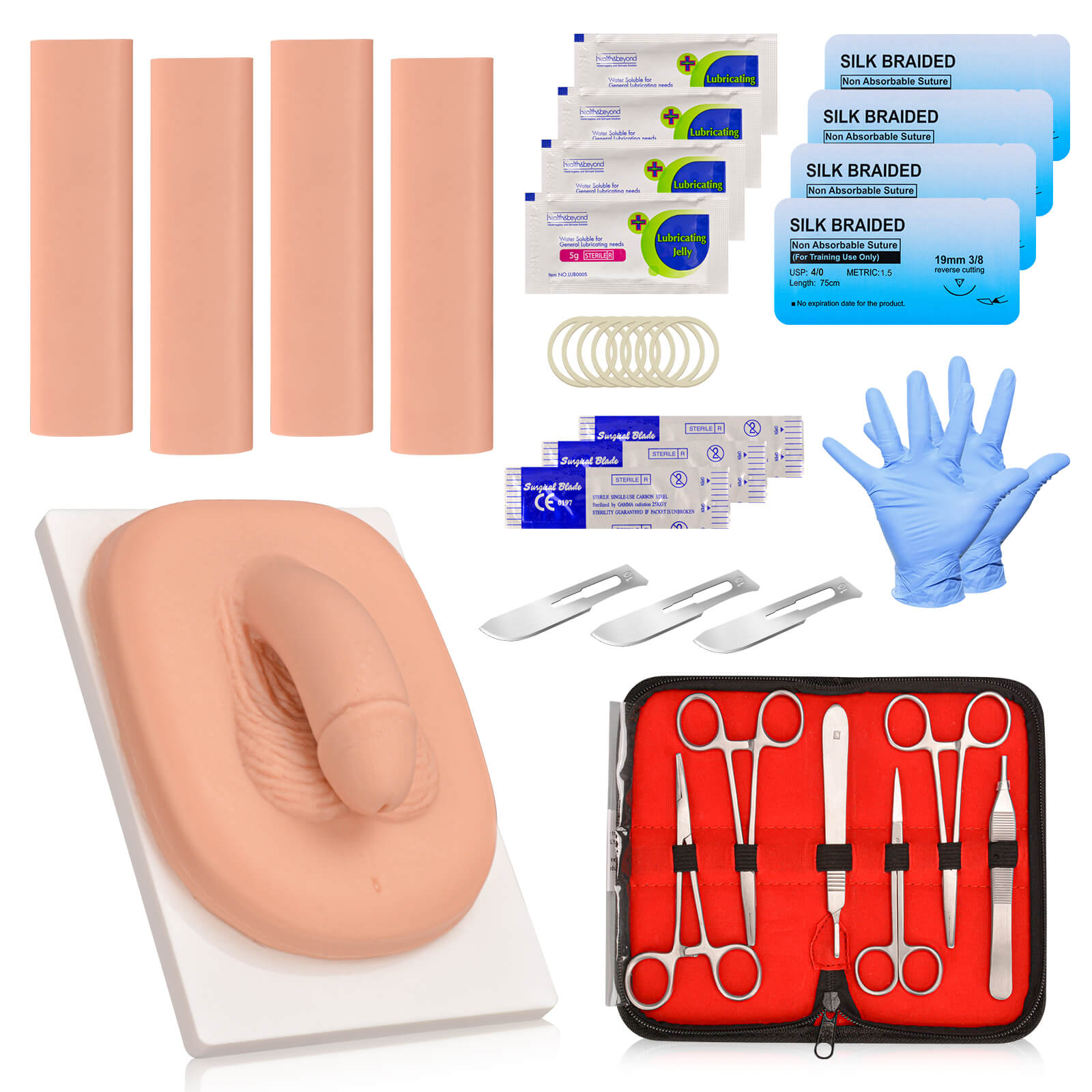
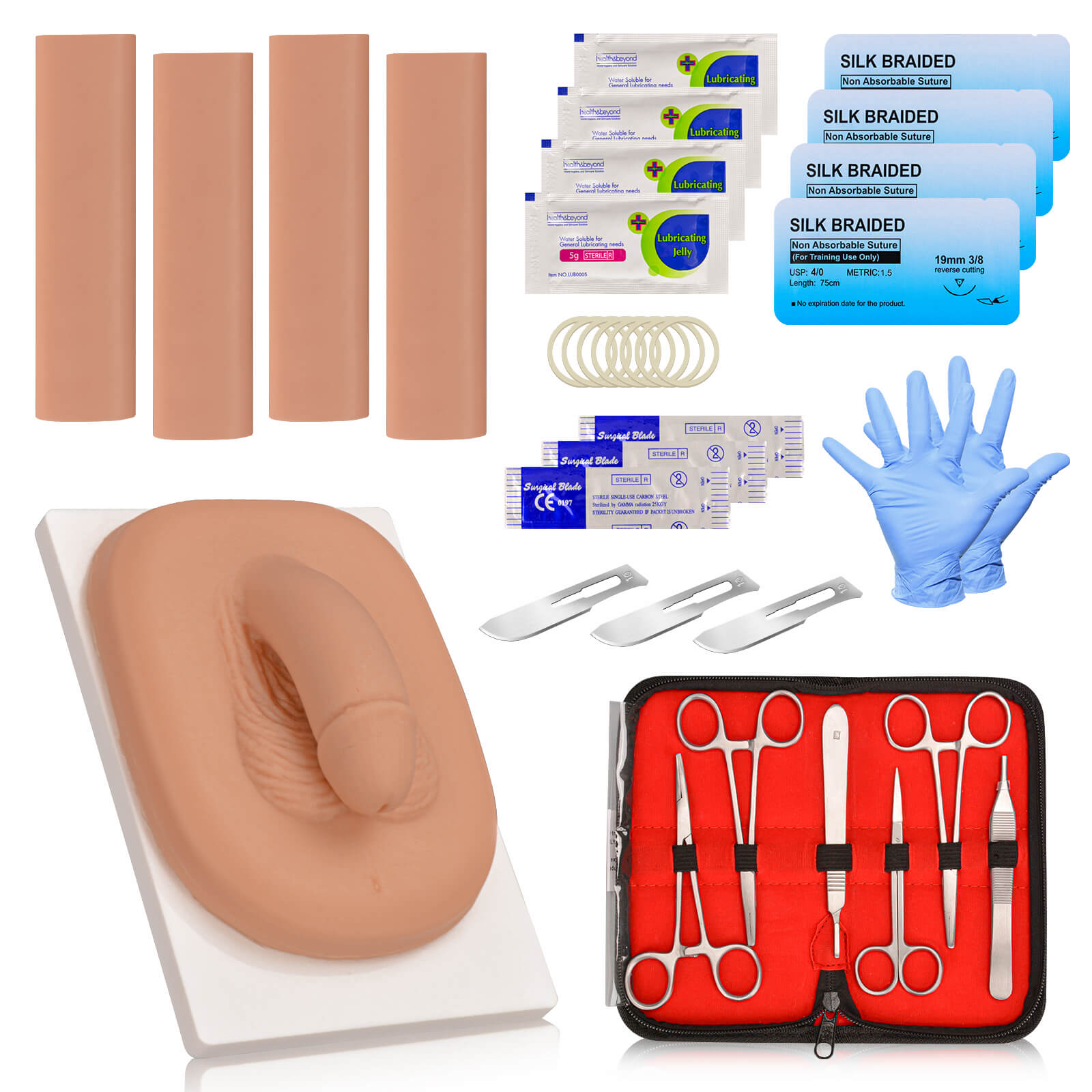
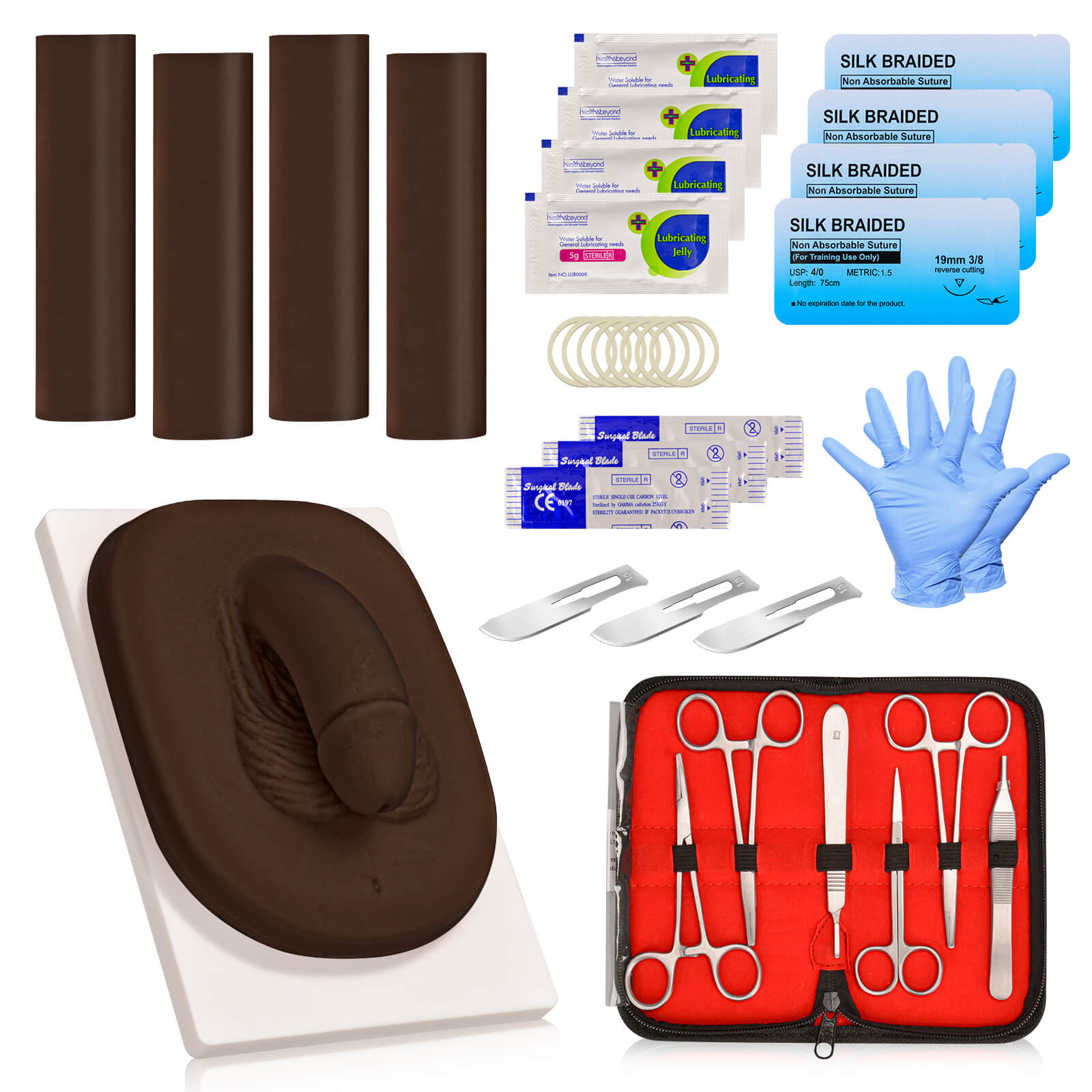
- Adult Male Circumcision Simulator for realistic adult tissue texture and clamp feedback.
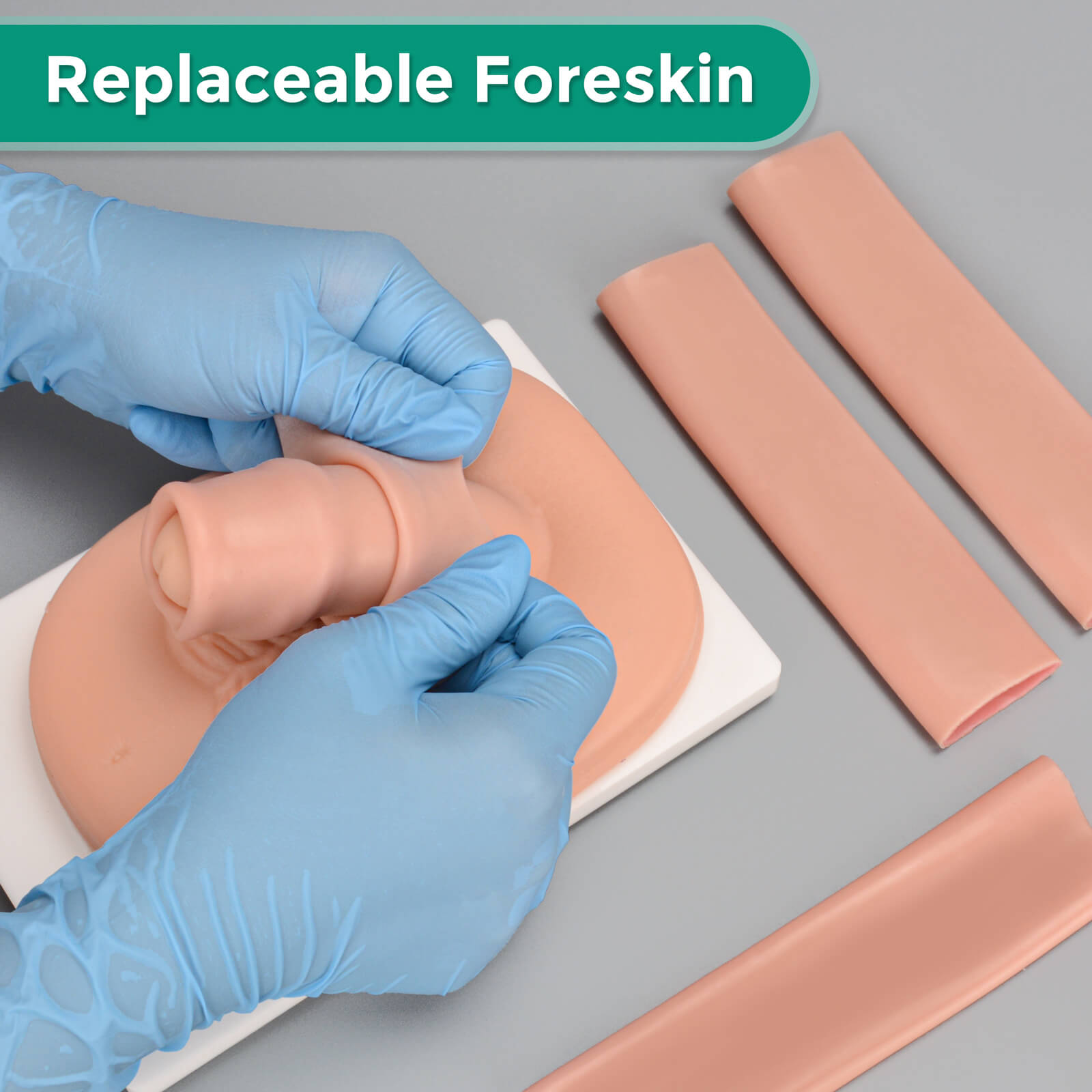
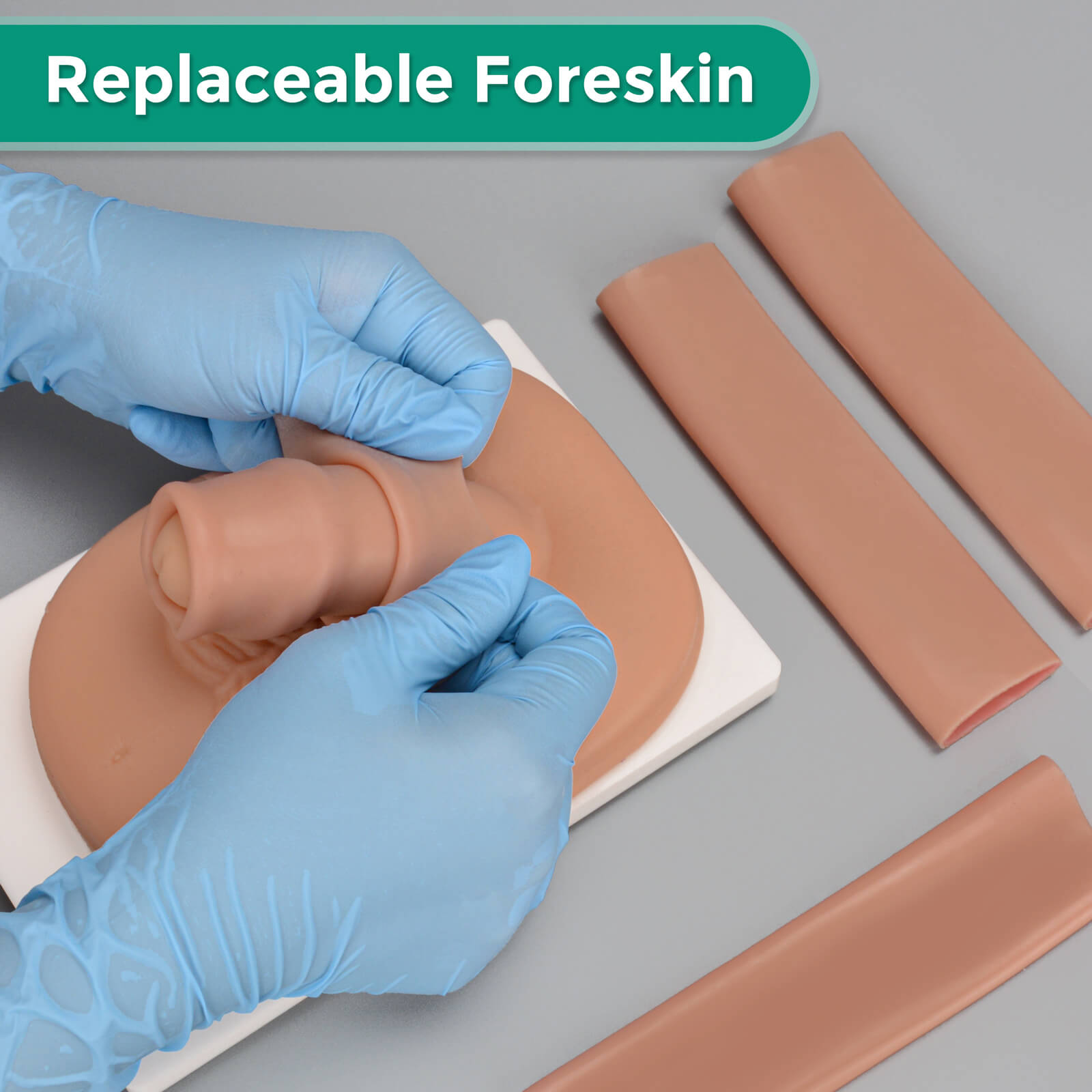
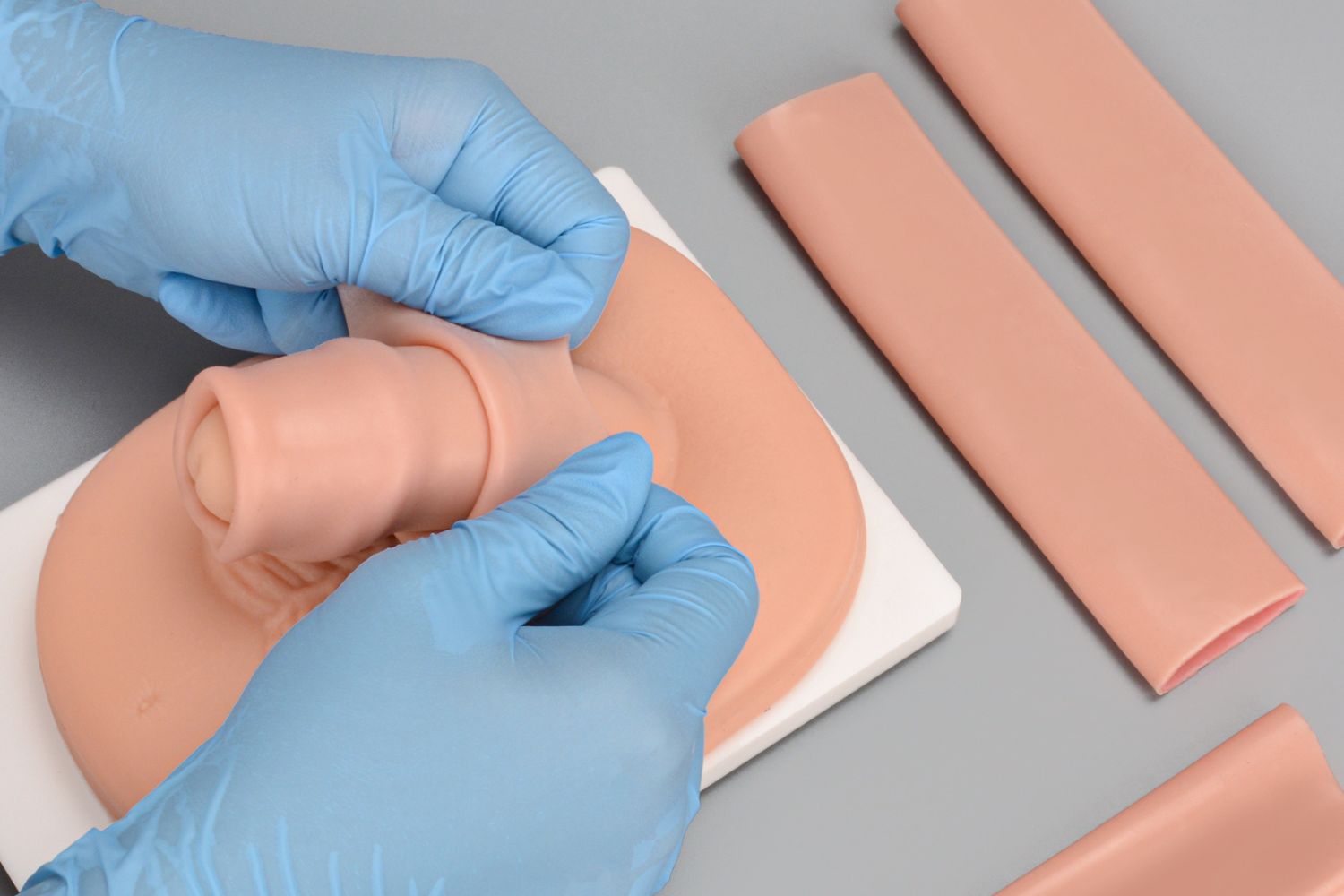
- Infant Circumcision Trainer with replaceable foreskin for repeated neonatal practice in a safe, controlled environment.
These circumcision models allow learners to practice circumcision technique and procesure safely, gain confidence, and receive feedback without risk to patients.
Step 3: Feedback and Assessment
Immediate feedback is critical for skill development:
- Use structured checklists to assess competency at each step.
- Instructor-to-learner ratio should ideally be 1:4 or 1:6.
- Peer observation and video review can supplement instructor feedback.
Assessment should cover anatomy identification, clamp/device handling, procedural steps, complication management, and communication.
Step 4: Differences Between Neonatal and Adult Training
Neonatal Circumcision:
- Focus on small-scale anatomy, gentle tissue handling, and analgesia monitoring.
- Includes family communication and consent practice.
Adult Circumcision:
- Emphasizes adult tissue tension, hemostasis, and suture technique.
- Scenario-based challenges may include elective procedures or resource-limited settings.
Simulation models for both groups allow repeated practice tailored to these differences.
Step 5: Implementing a Simulation-Based Training Program
Tips for Educators:
- Select versatile and reusable circumcision models to reduce long-term cost.
- Ensure all necessary instruments are available (clamps, sutures, hemostatic tools).
- Provide clear pre-learning resources and structured evaluation checklists.
- Document trainee progress for competency tracking.
Simulation can be integrated into medical school, residency, or continuing education programs to enhance both neonatal and adult circumcision proficiency.
Conclusion
Simulation-based circumcision training bridges the gap between theoretical knowledge and clinical practice. By combining stepwise practice, structured feedback, and high-fidelity models such as the Adult Male Circumcision Simulator and Infant Circumcision Trainer, trainees gain competence, confidence, and safety awareness. Properly implemented, simulation training ensures learners are well-prepared to perform circumcision procedures under supervision, improving patient outcomes and enhancing educational efficiency.
.jpeg?w=1600&h=1600)
.jpeg?w=1600&h=1600)

-0.jpg?w=1600&h=1600)
-0.jpg?w=1600&h=1600)
.jpeg?w=1600&h=1600)
.jpeg?w=1600&h=1600)
.jpg?w=1500&h=1500)
.jpg?w=1500&h=1500)
.jpg?w=1600&h=1600)
.jpg?w=1600&h=1600)
.jpg?w=1500&h=1500)
.jpg?w=1500&h=1500)
.jpg?w=1500&h=1500)
.jpg?w=1500&h=1500)

.jpg?w=1000&h=1000)
.jpg?w=1000&h=1000)



.jpeg?w=1500&h=1500)
.jpeg?w=1500&h=1500)
.jpeg?w=1600&h=1600)
.jpeg?w=1600&h=1600)
.jpg?w=1600&h=1600)
.jpg?w=1600&h=1600)
.jpg?w=1500&h=1500)
.jpg?w=1500&h=1500)
.jpg?w=1500&h=1500)
.jpg?w=1500&h=1500)
.jpg?w=1500&h=1500)
.jpg?w=1500&h=1500)
.jpg?w=1500&h=1500)
.jpg?w=1500&h=1500)