
A Personal Glimpse into the Delivery Room
I still remember one of my early nights on call as a young obstetrician. The labor ward was full, and I was attending to a young first-time mother who had been pushing for over two hours. Her baby's head was visible, but the perineal tissues were tense and resisting further progress. She was exhausted. After explaining the options and receiving her consent, I performed a mediolateral episiotomy. Within minutes, her baby was born, crying vigorously, and her perineal repair began. That moment reminded me why episiotomy, when performed appropriately, can be a valuable intervention - although it is not without its controversies.
What is an Episiotomy?
An episiotomy is a surgical incision made in the perineum - the area between the vaginal opening and the anus - during childbirth. Its main purpose is to enlarge the vaginal opening to assist in delivery, especially in cases of fetal distress, prolonged second stage of labor, or instrumental deliveries (like forceps or vacuum).
The decision to perform an episiotomy is individualized, aiming to reduce severe uncontrolled perineal tearing and to expedite delivery when needed.
Types of Episiotomy and Their Characteristics
|
Type |
Direction |
Advantages |
Disadvantages |
|---|---|---|---|
|
Midline Episiotomy |
Vertical cut from vaginal opening towards anus |
Less blood loss, easier repair, less pain |
Higher risk of extending into 3rd/4th degree perineal tears |
|
Left Mediolateral Episiotomy |
Diagonal cut from midline to left side at 45° |
Lower risk of anal sphincter injury |
More blood loss, slightly more difficult repair |
|
Right Mediolateral Episiotomy |
Diagonal cut from midline to right side at 45° |
Same as left mediolateral in benefits and risks |
Same as left |
|
Lateral Episiotomy |
Cut starts 1–2 cm from midline, directed laterally |
Rarely used; avoids anal sphincter |
More pain, increased healing time, may injure Bartholin’s gland |
|
J-Shaped Episiotomy |
Starts midline, curves laterally |
Avoids direct anal extension |
Technically more complex, less common |
Which type should be considered first?
Globally, midline and mediolateral episiotomies are the most common. In the U.S., midline is more popular due to ease of repair, but in Europe and many Asian countries, mediolateral is preferred because it reduces the risk of severe anal sphincter injury.

Degrees of Episiotomy (Laceration Classification)
Episiotomies and perineal tears are classified similarly by degrees:
-
1st Degree: Involves skin only
-
2nd Degree: Involves skin and perineal muscles (most episiotomies fall here)
-
3rd Degree: Extends to anal sphincter
-
4th Degree: Extends into rectal mucosa
Knowing the degree is essential for correct repair and patient recovery.
Episiotomy vs. Tearing
A common question is: "Isn"t natural tearing better?"
Some small spontaneous tears heal more quickly than episiotomies, but uncontrolled large tears - especially those involving the anal sphincter - can have more severe consequences. Episiotomy provides a controlled incision that can be repaired predictably, but its routine use is no longer recommended.
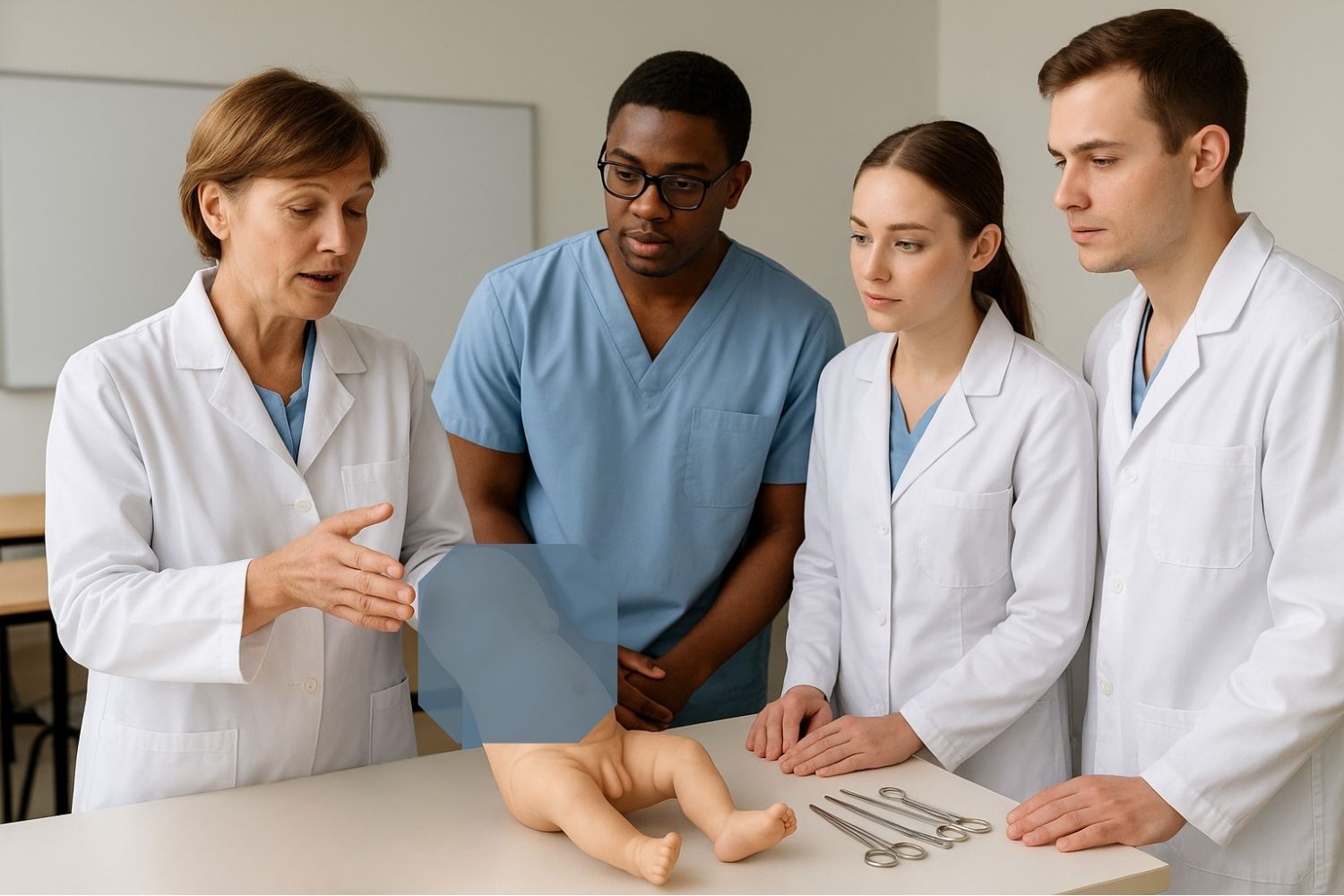
Training for Episiotomy and Perineal Repair
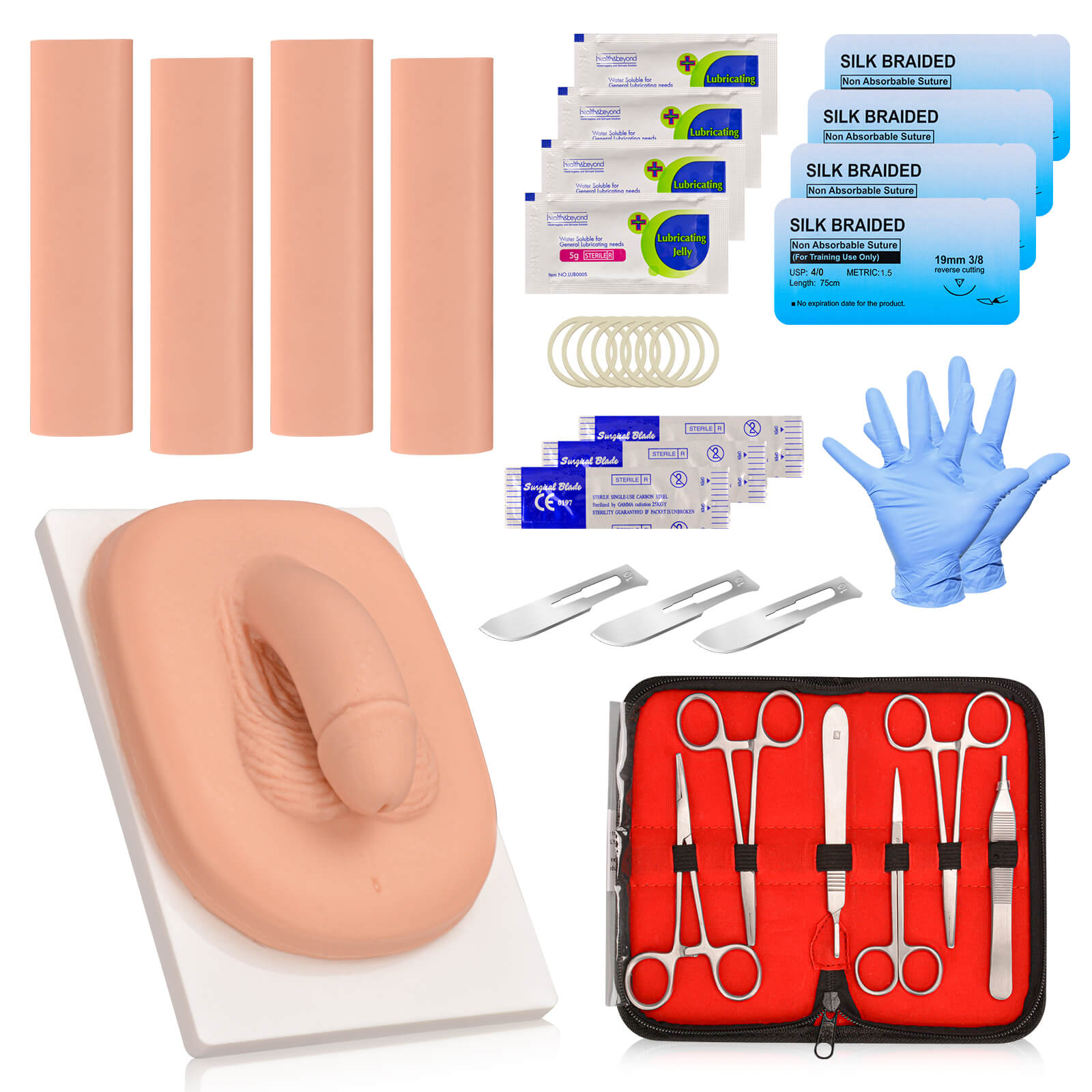
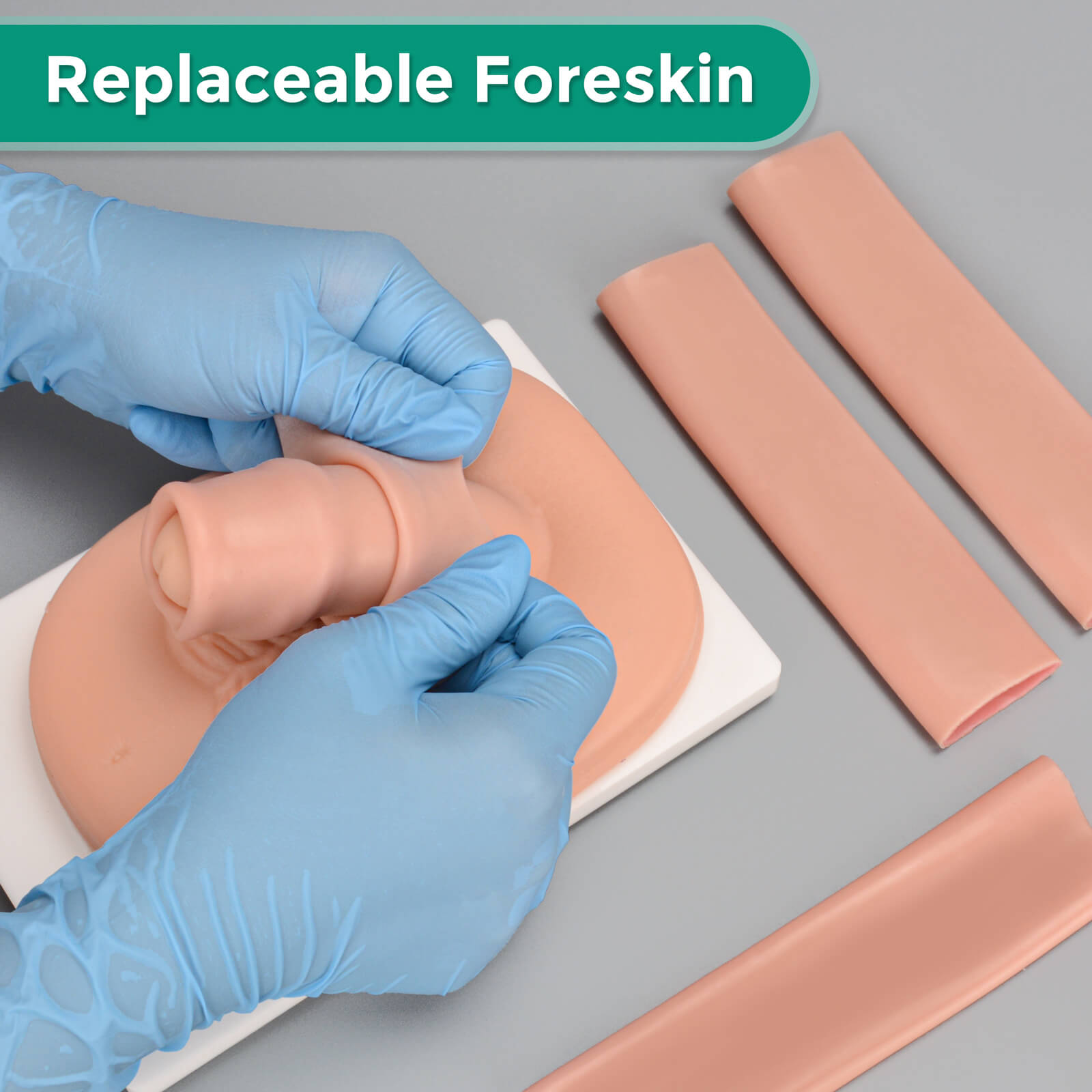
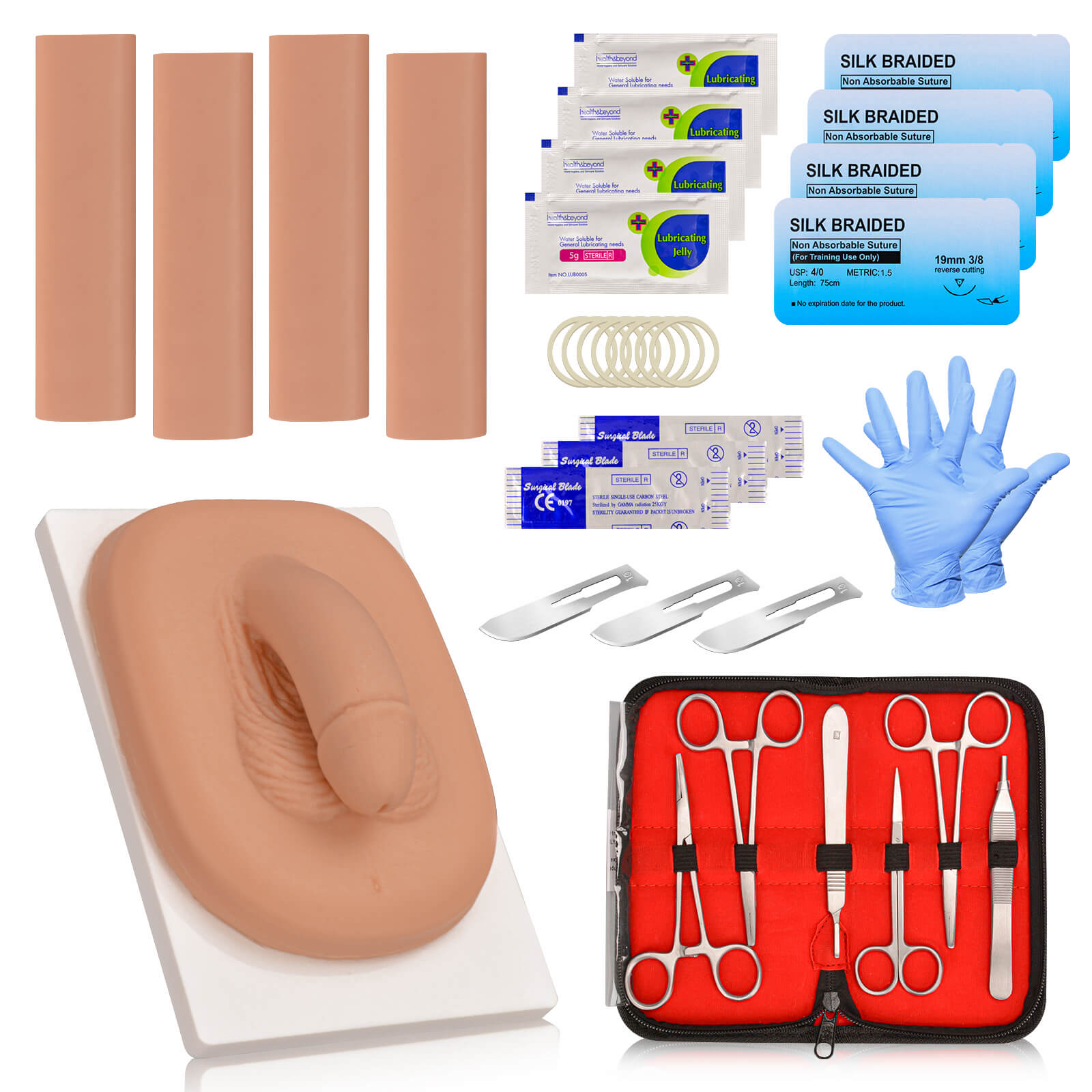
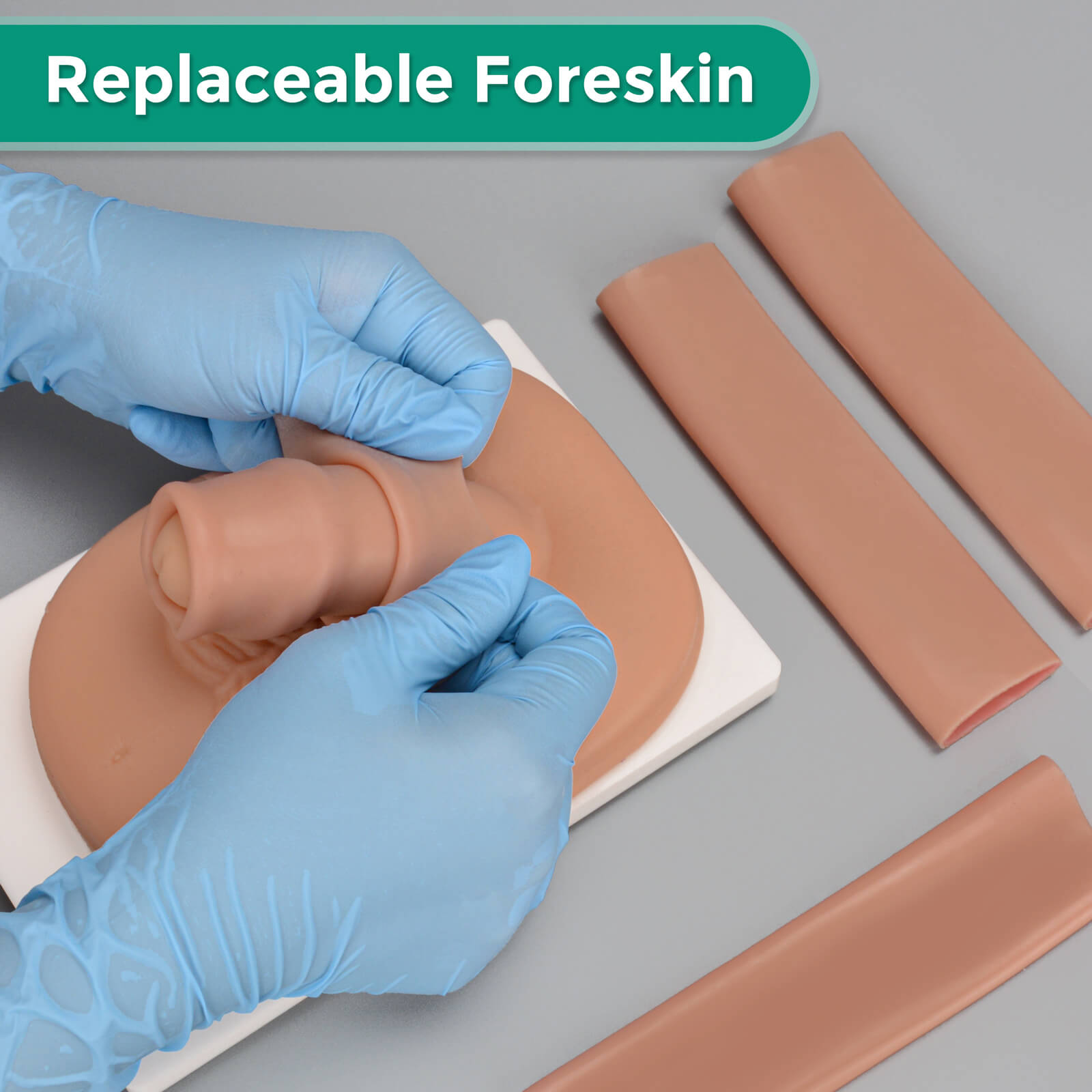
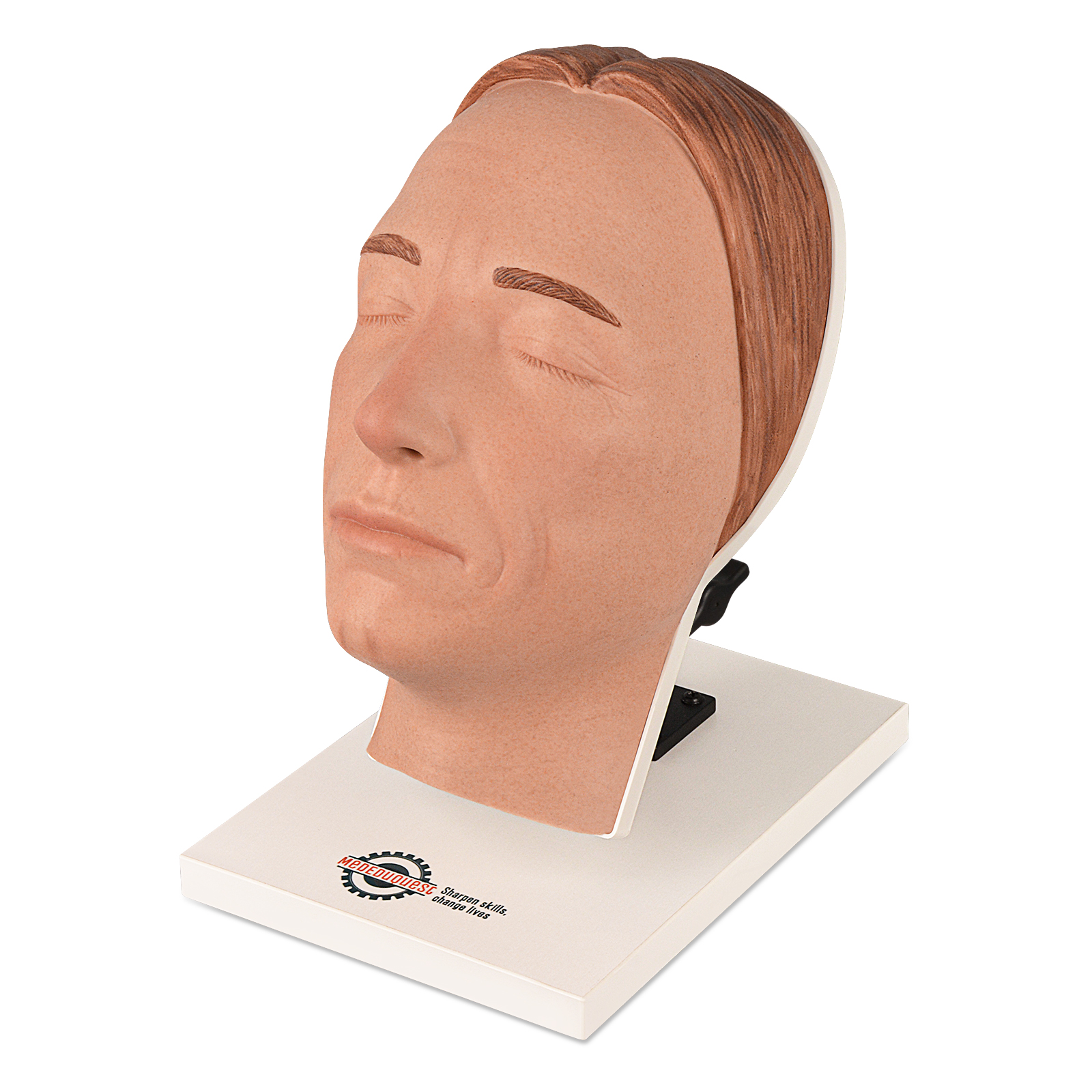
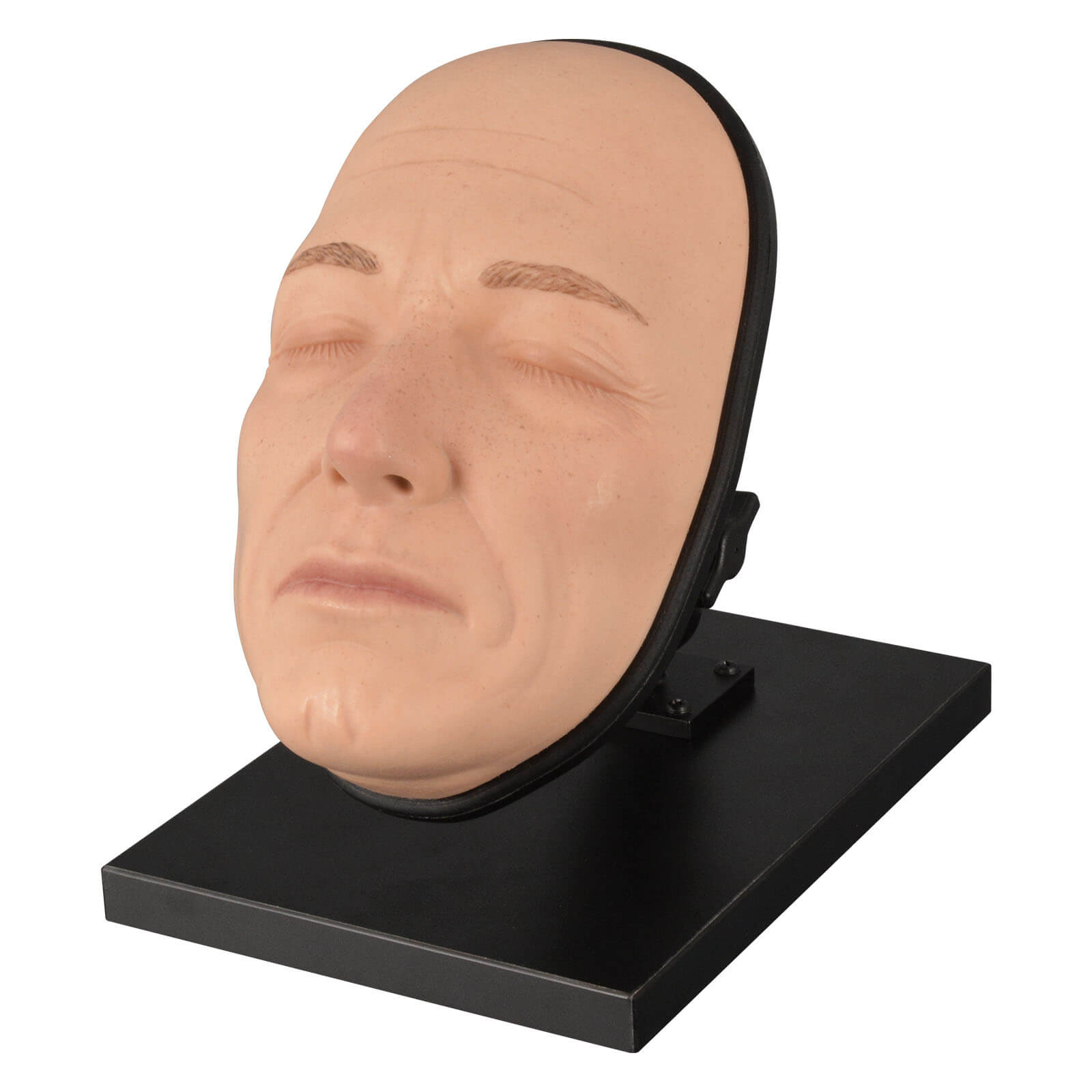
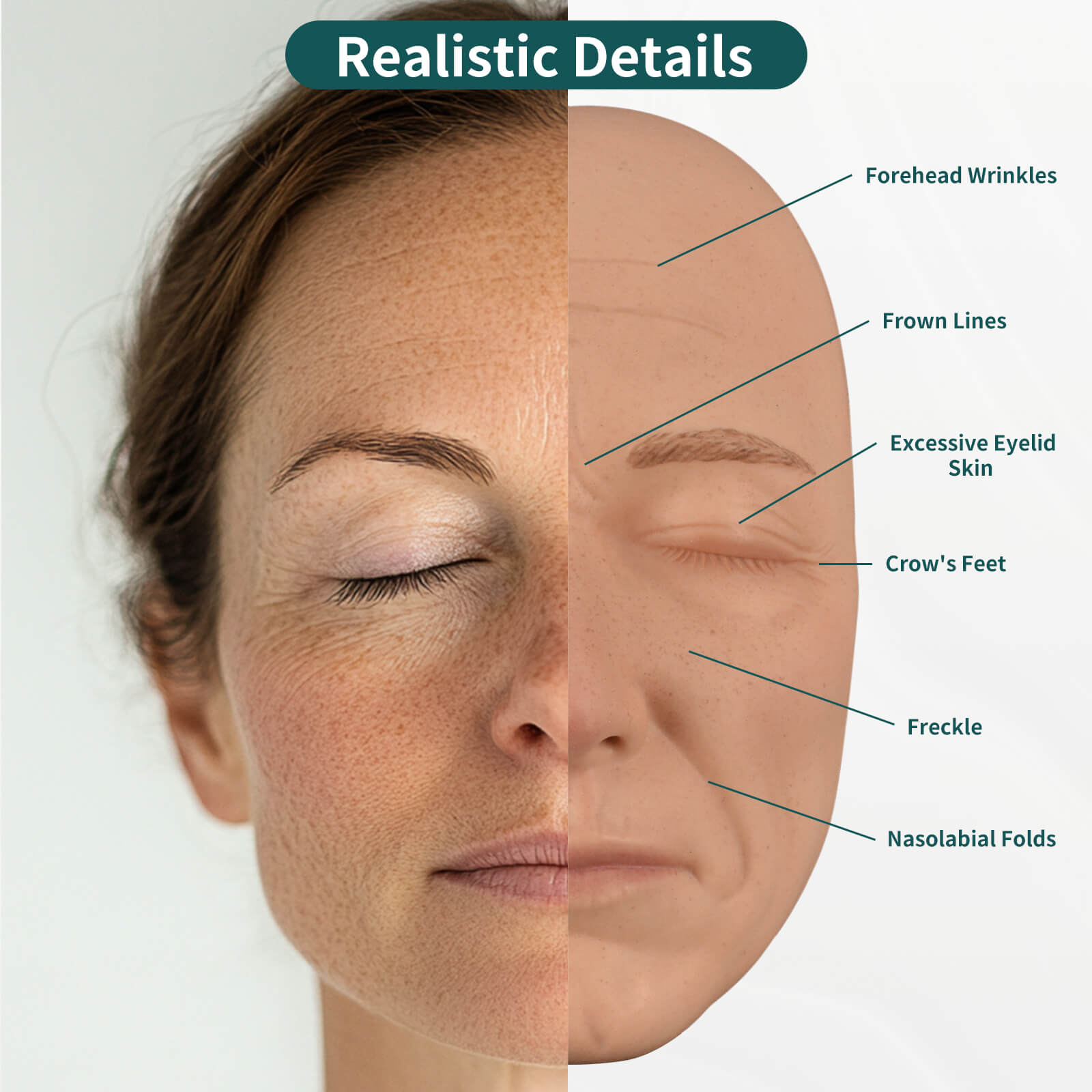
Hands-on practice is vital for mastering episiotomy procedure and repair techniques. MedEduQuest offers specialized training models for this purpose:
-
Episiotomy and Perineal Tear Repair Training Model with Multi-Incision – Pre-set with left mediolateral episiotomy, right mediolateral episiotomy, and midline episiotomy options. Ideal for practicing different approaches.
-
Episiotomy and Suturing Simulator – For flexible training without pre-set incisions, allowing learners to simulate various cuts and repairs.
Both simulators provide realistic tissue feedback, making them valuable for obstetrics residents, midwifery students, and continuing education programs.
Healing and Aftercare
Episiotomy healing stages typically include:
-
Inflammation (Days 1–4) – Swelling, tenderness
-
Proliferation (Days 4–14) – New tissue growth, reduced pain
-
Maturation (Weeks to Months) – Scar tissue softens, full function restored
Good hygiene, pain relief, and follow-up care are essential for optimal recovery.
Episiotomy is neither a relic of the past nor an all-purpose solution. It's a targeted intervention that, when applied with skill, can protect both mother and baby. Combining solid theoretical knowledge with realistic training kits ensures healthcare providers are prepared for the moments that matter most in the delivery room.
About the Author:
Dr. Emily Carter is a board-certified obstetrician-gynecologist with over 15 years of experience in maternal health and surgical training. She is a senior educator at the Women's Health Training Center, specializing in obstetric procedures and hands-on clinical simulation training.
.jpeg?w=1600&h=1600)
.jpeg?w=1600&h=1600)
-0.jpg?w=1600&h=1600)
-0.jpg?w=1600&h=1600)
.jpeg?w=1600&h=1600)
.jpeg?w=1600&h=1600)
.jpg?w=1500&h=1500)
.jpg?w=1500&h=1500)
.jpg?w=1600&h=1600)
.jpg?w=1600&h=1600)
.jpg?w=1500&h=1500)
.jpg?w=1500&h=1500)
.jpg?w=1500&h=1500)
.jpg?w=1500&h=1500)
.jpg?w=1000&h=1000)
.jpg?w=1000&h=1000)
.jpeg?w=1500&h=1500)
.jpeg?w=1500&h=1500)
.jpeg?w=1600&h=1600)
.jpeg?w=1600&h=1600)
.jpg?w=1600&h=1600)
.jpg?w=1600&h=1600)
.jpg?w=1500&h=1500)
.jpg?w=1500&h=1500)
.jpg?w=1500&h=1500)
.jpg?w=1500&h=1500)
.jpg?w=1500&h=1500)
.jpg?w=1500&h=1500)
.jpg?w=1500&h=1500)
.jpg?w=1500&h=1500)