Mastering lip filler injections goes beyond knowing injection sites. Technique determines how filler spreads, how lips move, and how natural the final result appears. This guide explores different lip filler injection techniques and explains how structured training helps practitioners improve safely.
Why Technique Matters in Lip Filler Injections
Even with correct injection points, poor technique can lead to:
- Uneven filler distribution
- Overfilled or stiff lips
- Increased complication risk
Refined technique allows better control over depth, volume, and symmetry.
Different Lip Filler Injection Techniques
There are several commonly used lip filler injection techniques, each suited for different goals:
- Linear threading – controlled filler placement along defined lines
- Serial puncture – precise volume control in small increments
- Micro-droplet technique – subtle enhancement with minimal trauma
- Cannula technique – reduced bruising in select cases
Choosing the right technique depends on anatomy, lip condition, and desired outcome.
How to Choose the Right Technique
No single technique works for every patient. Experienced practitioners assess:
- Lip thickness and elasticity
- Degree of volume loss
- Desired definition vs softness
Combining techniques is often more effective than relying on one method alone.
How to Train to Do Lip Fillers Safely
Learning lip filler injections should never start on real patients. Structured training allows practitioners to:
- Understand tissue resistance
- Practice depth control
- Refine hand positioning and pressure
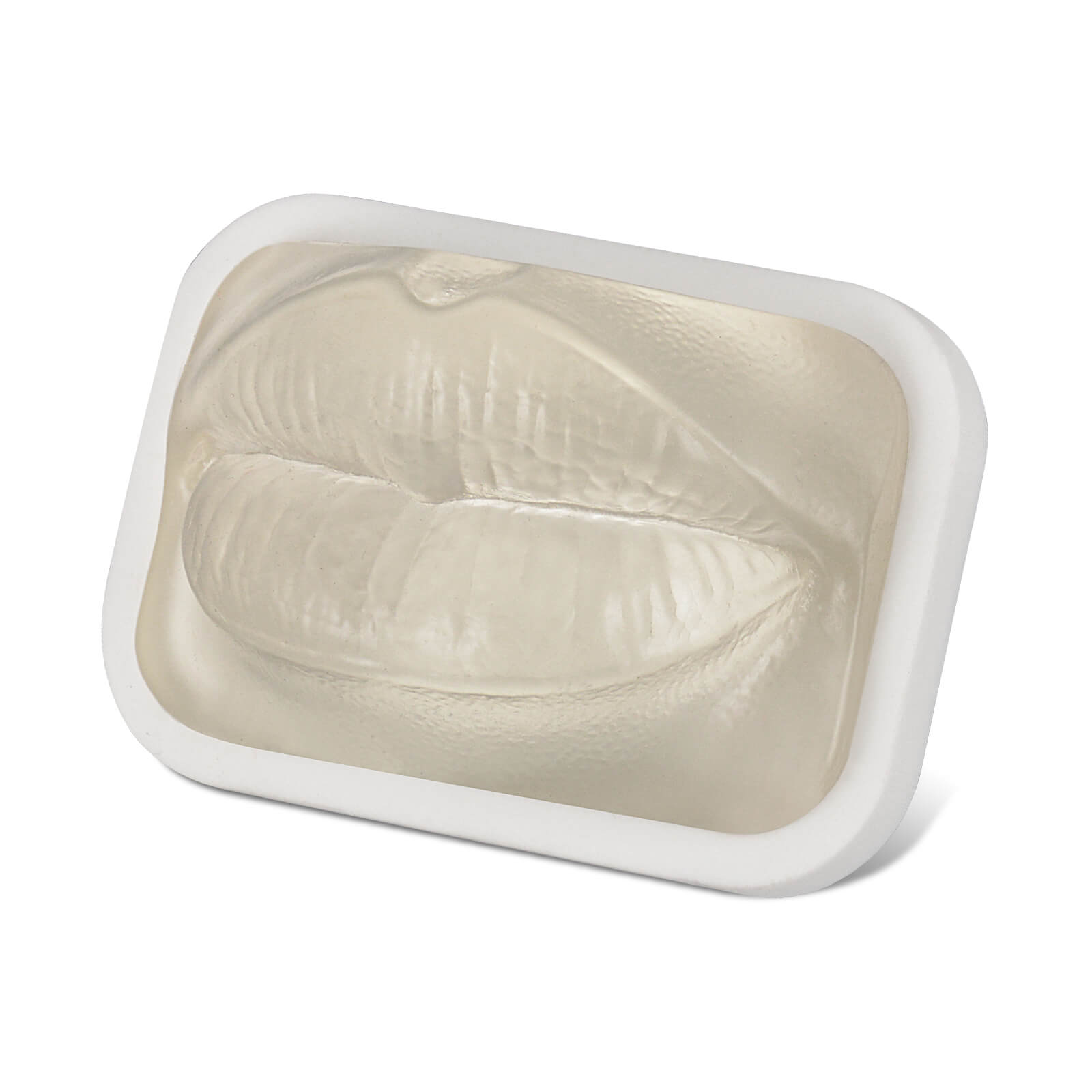
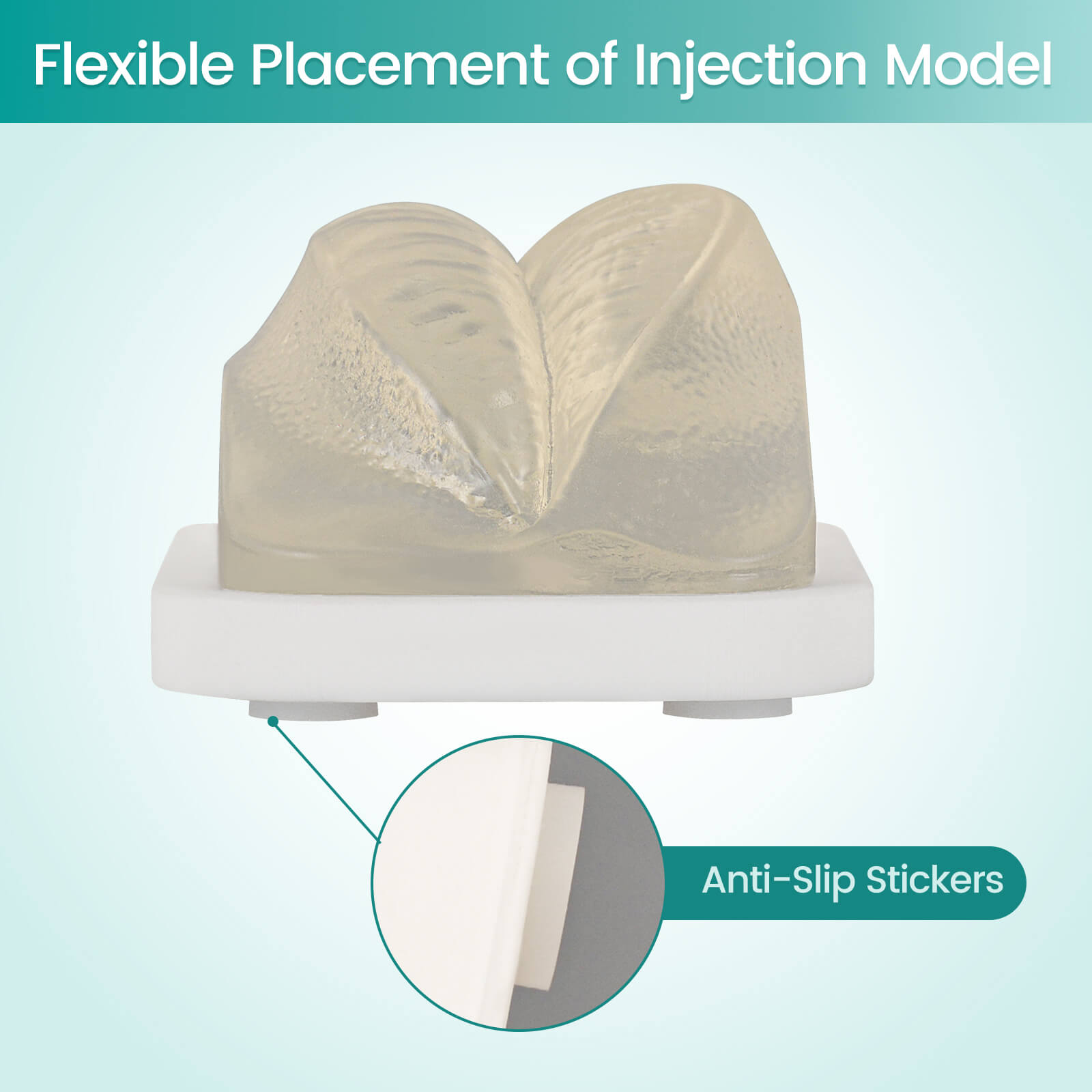
Using a lip filler simulator provides a safe environment to repeat techniques until muscle memory and confidence develop.
Why Training Models Matter
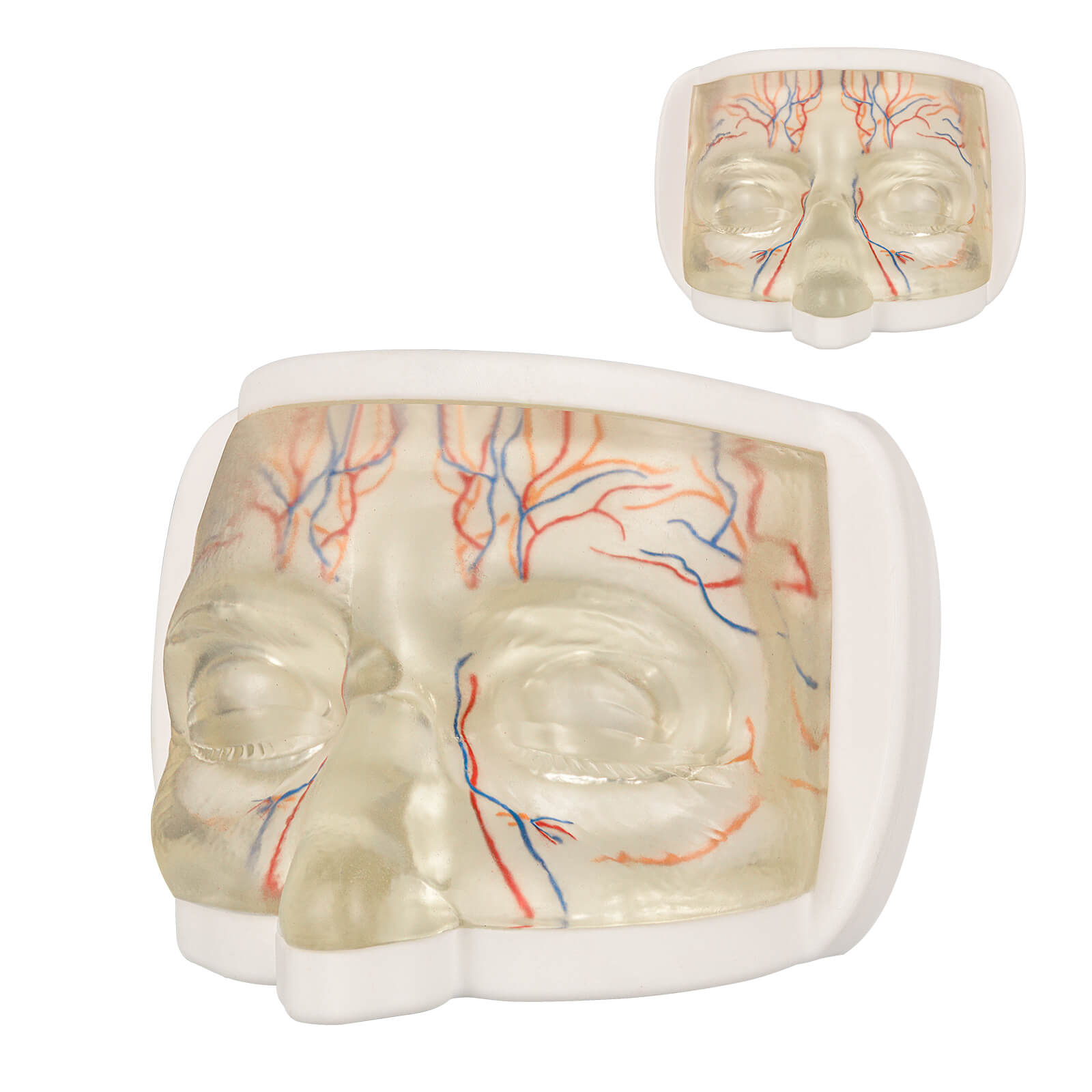
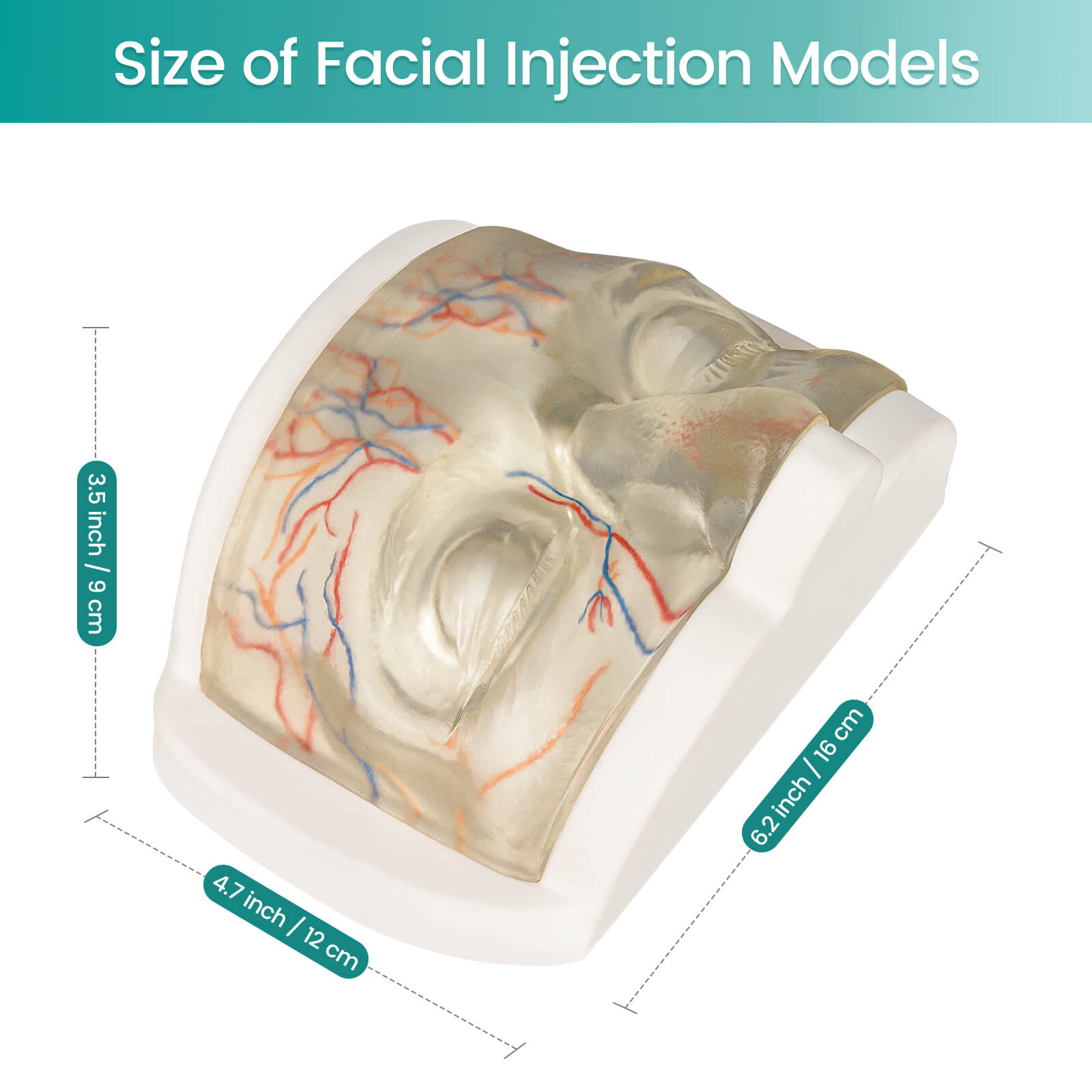
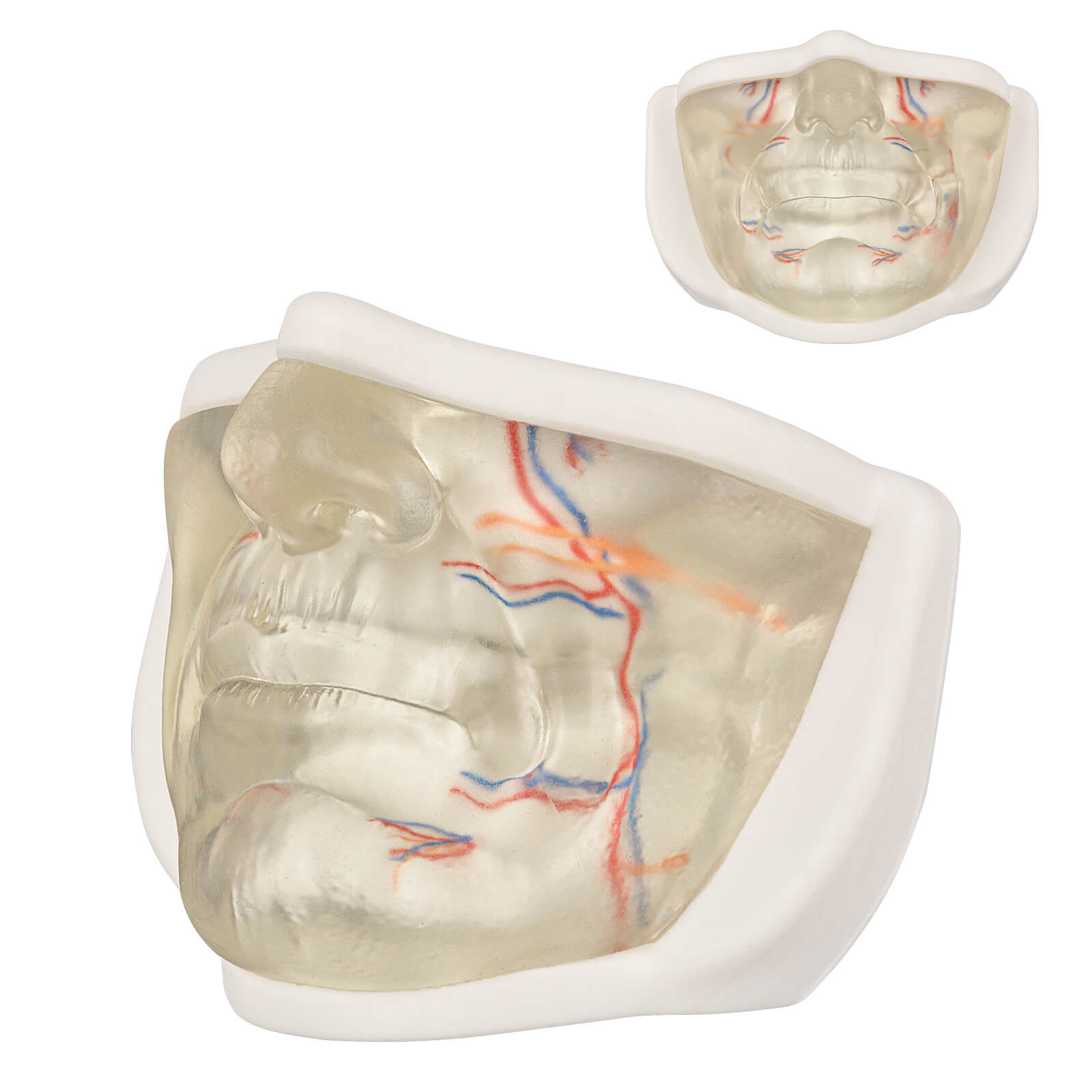
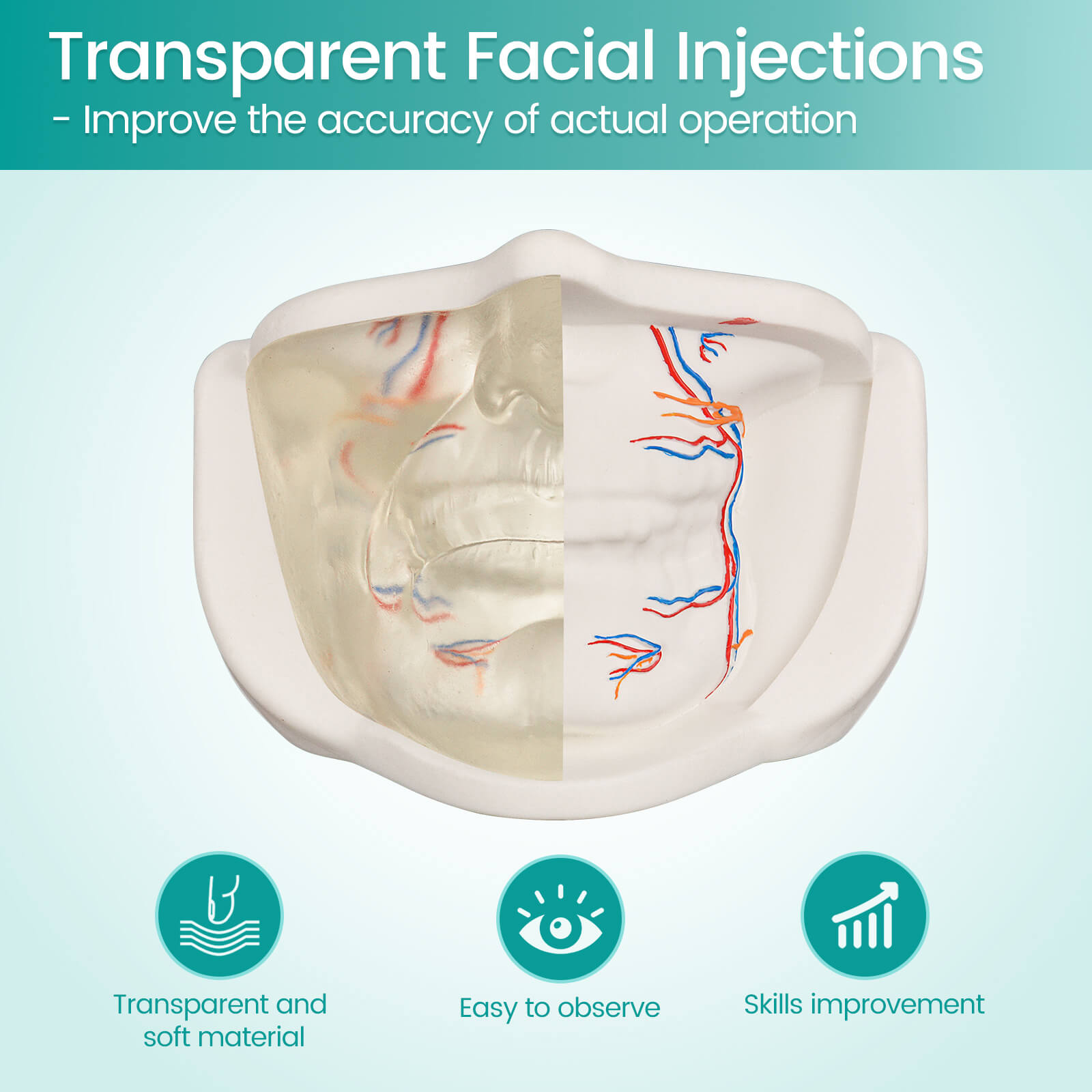
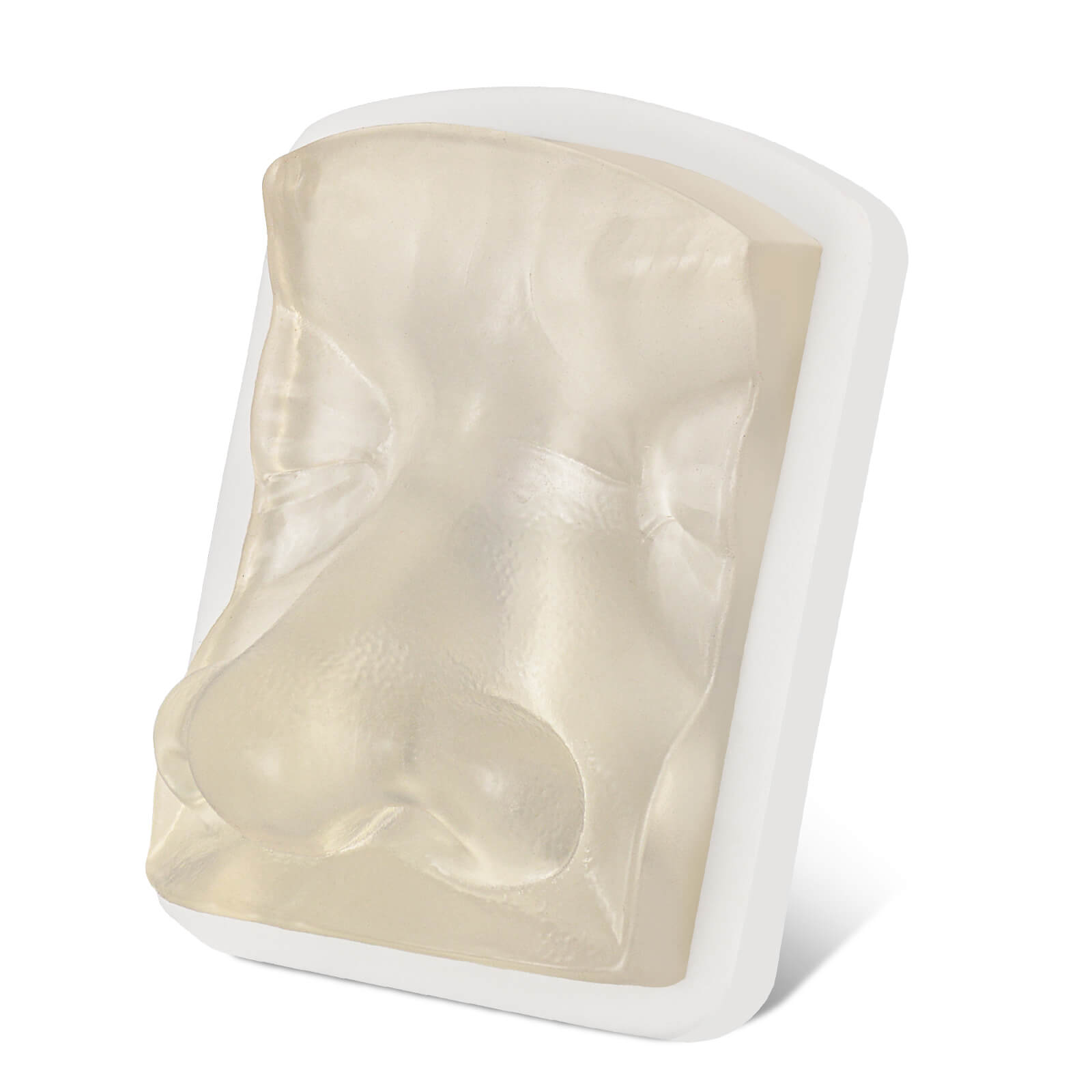
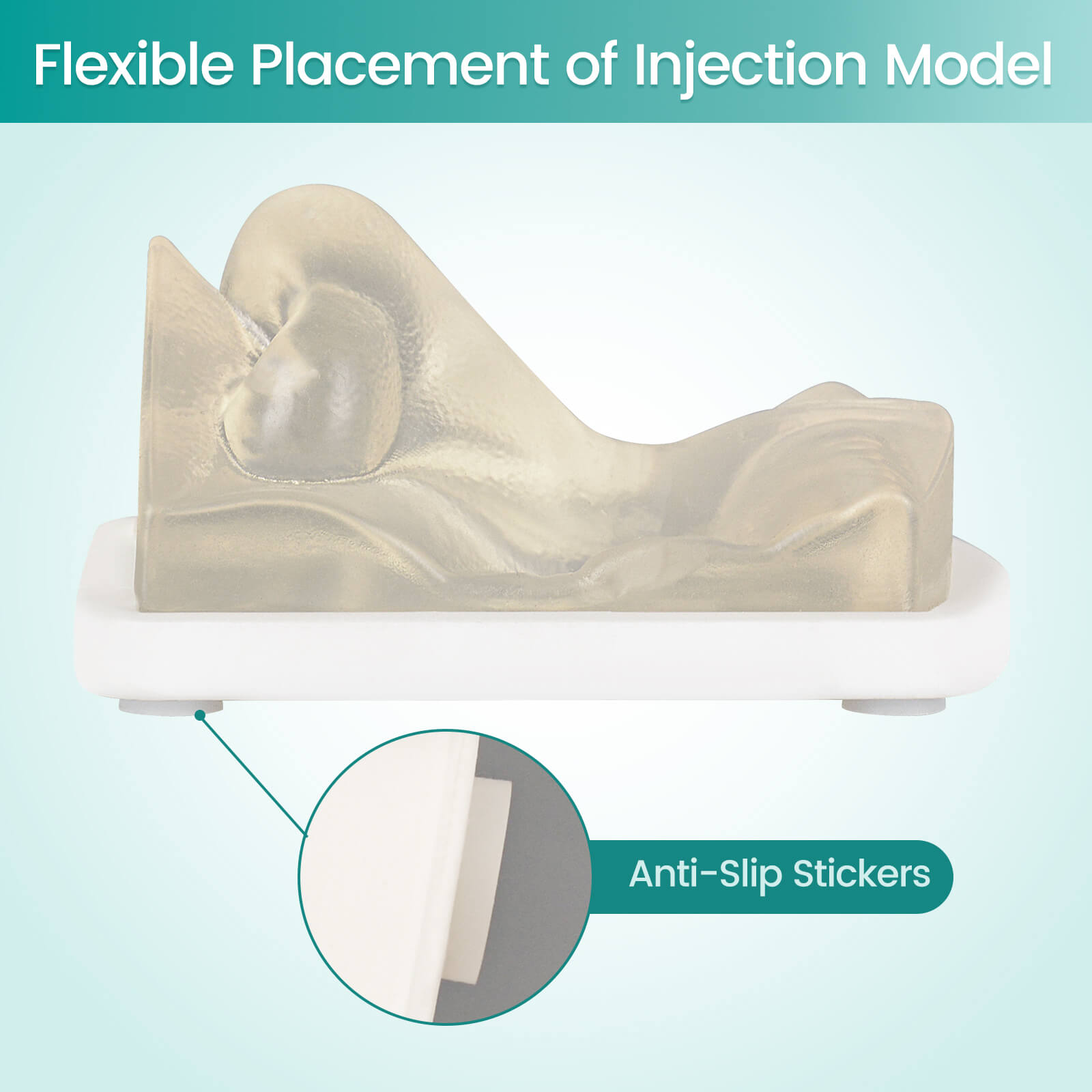
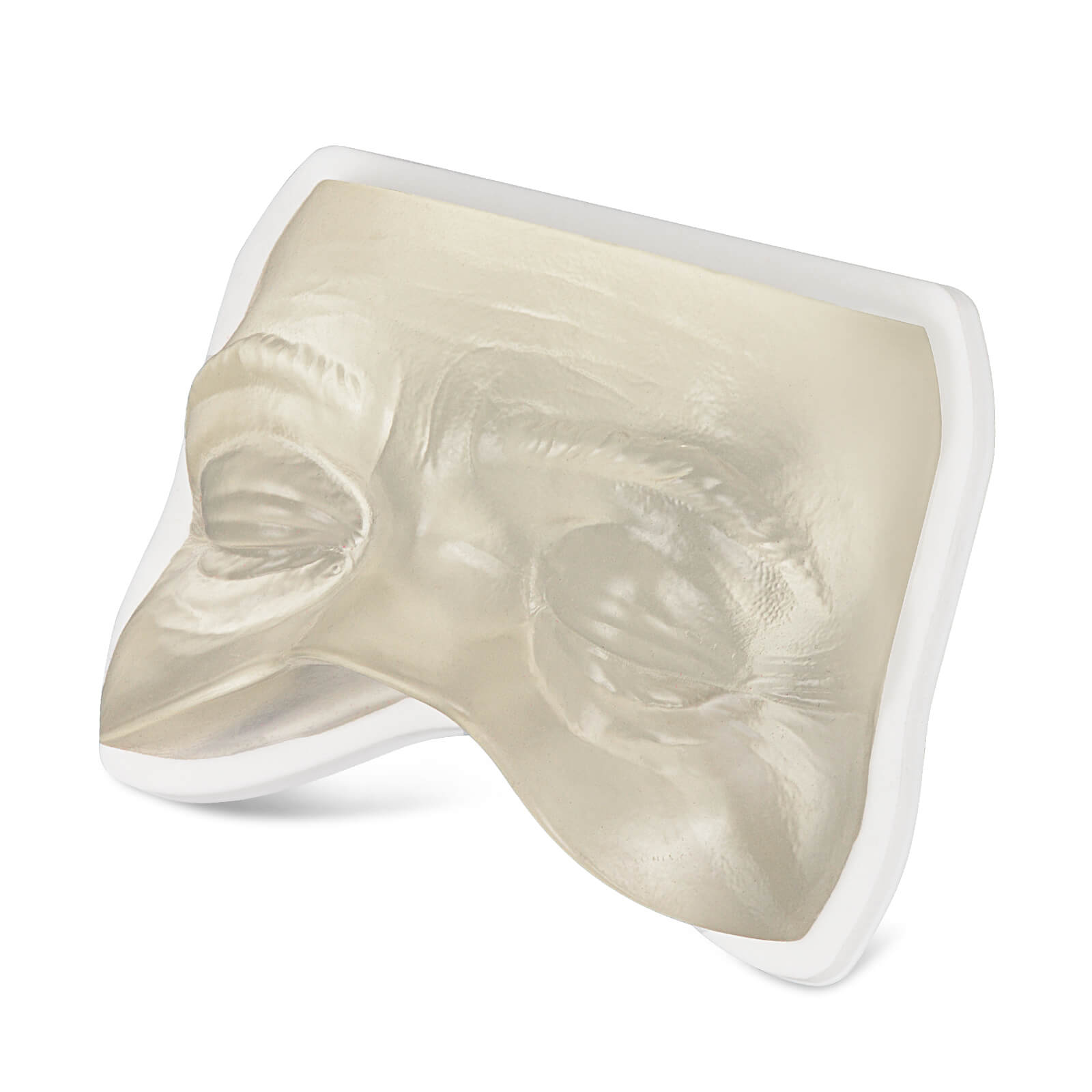
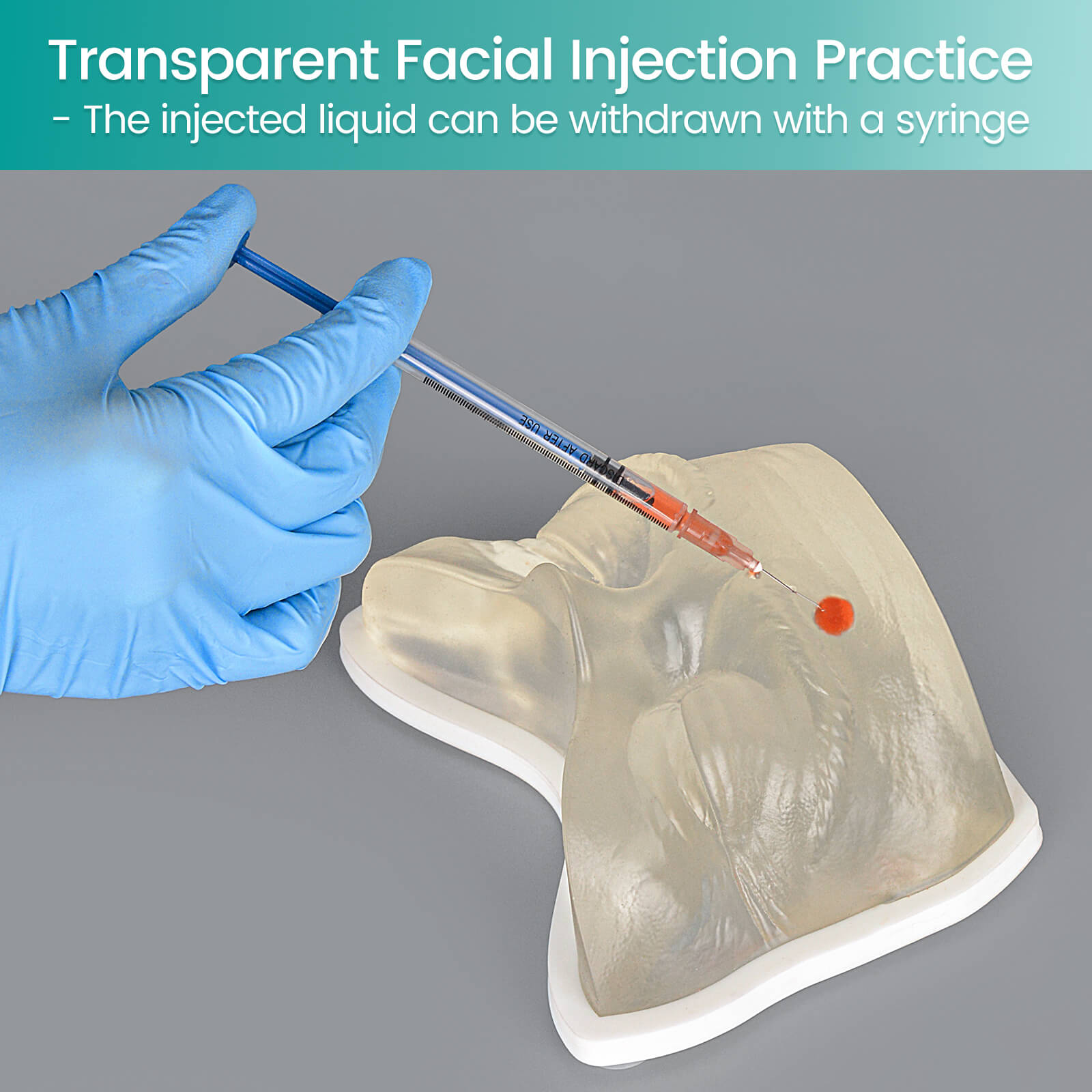
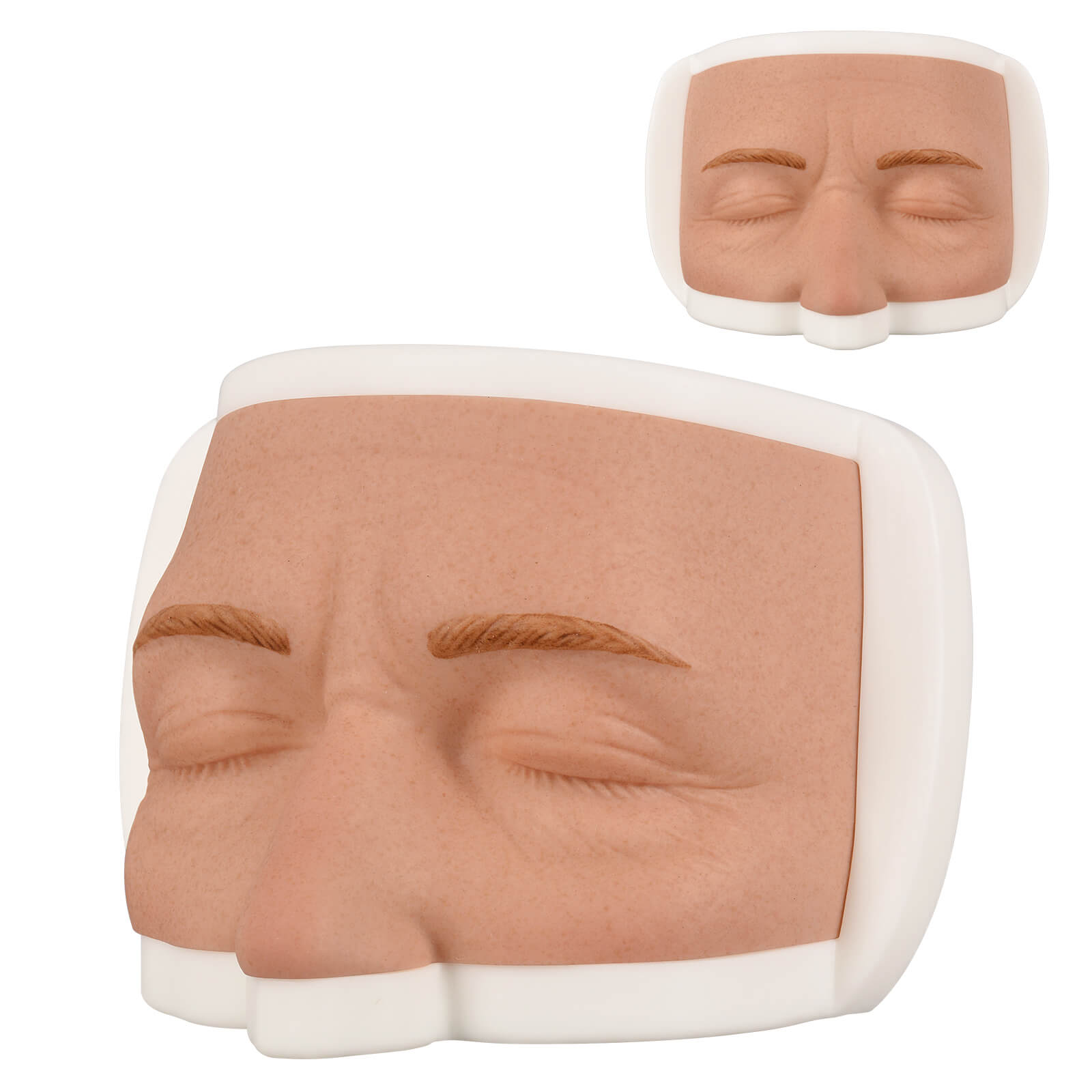
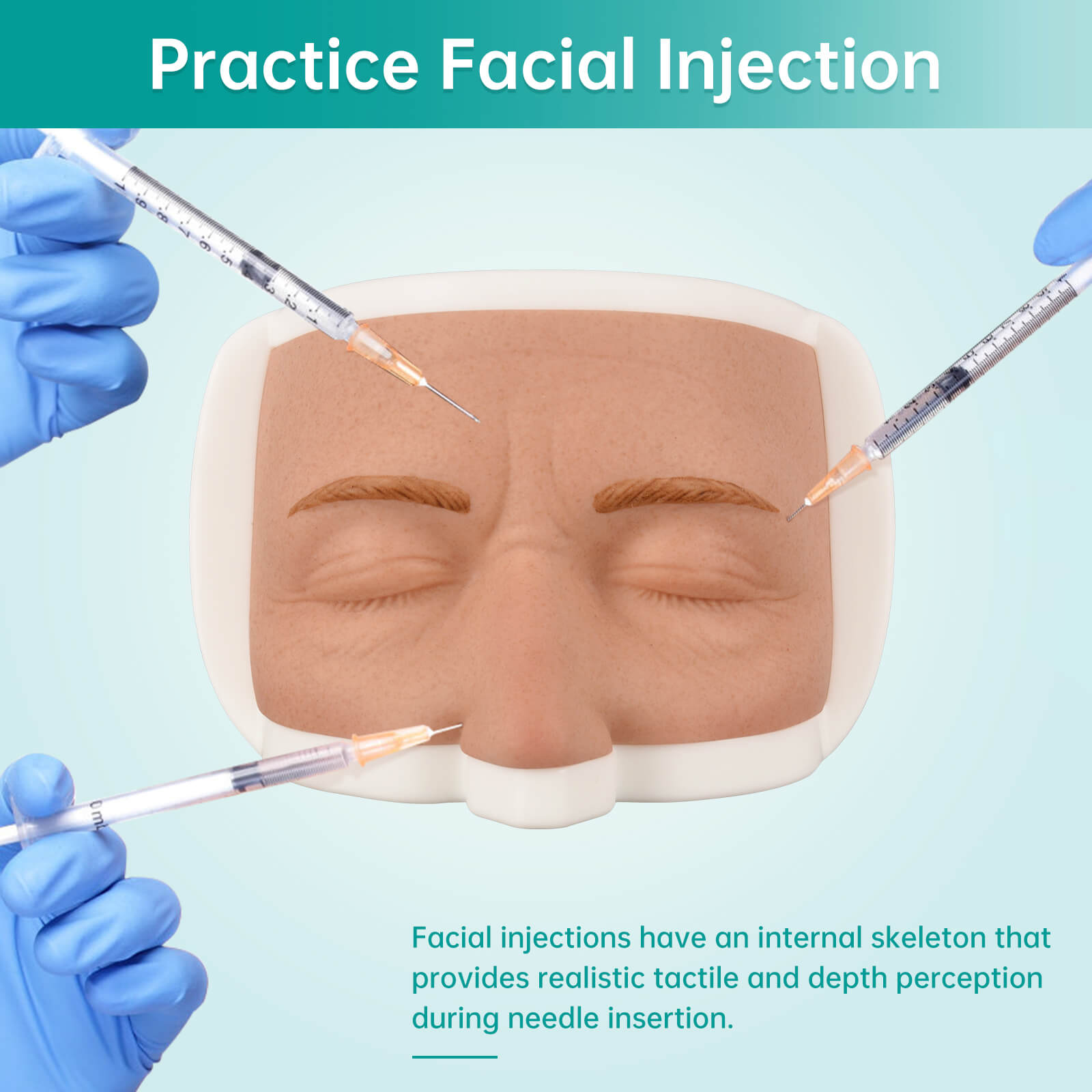
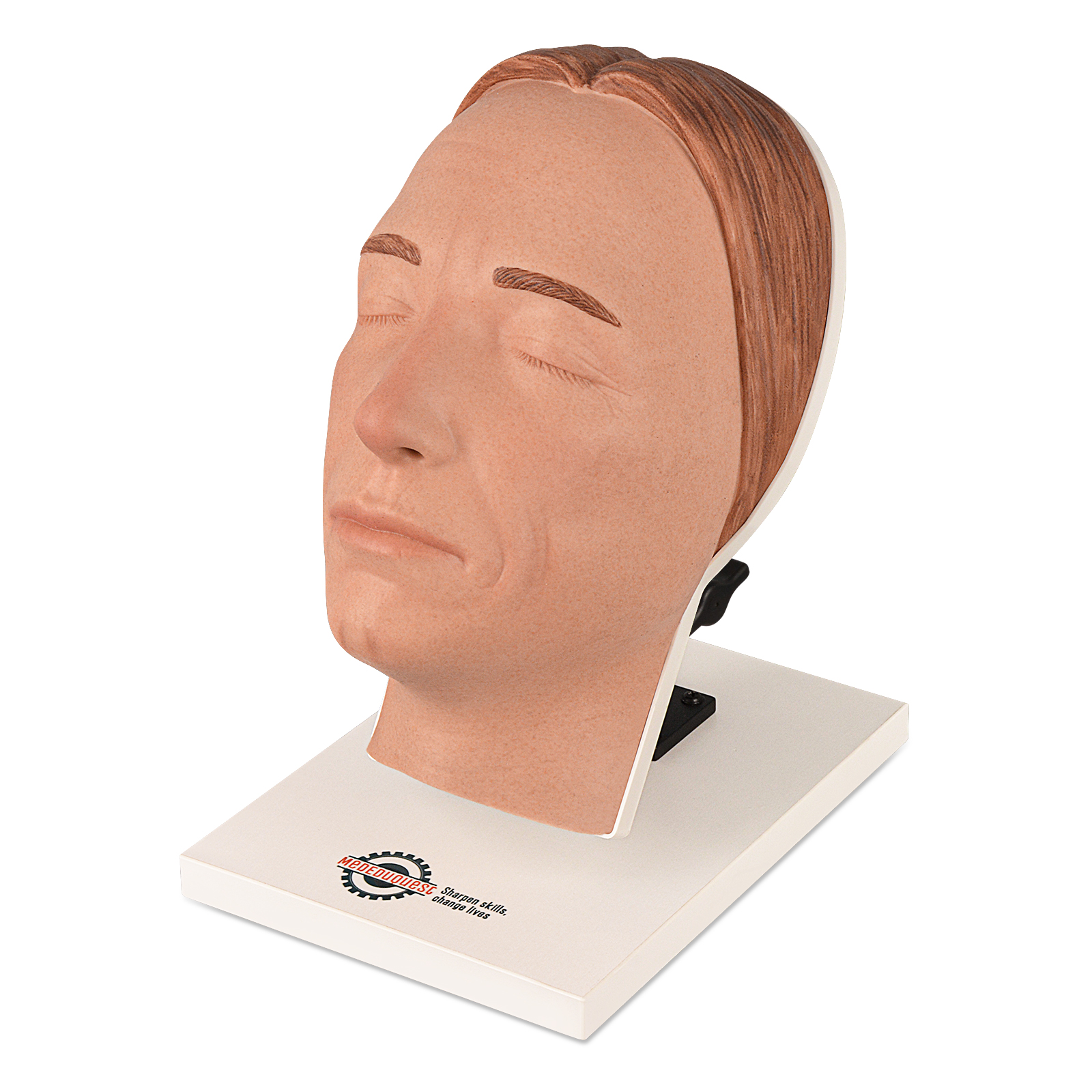
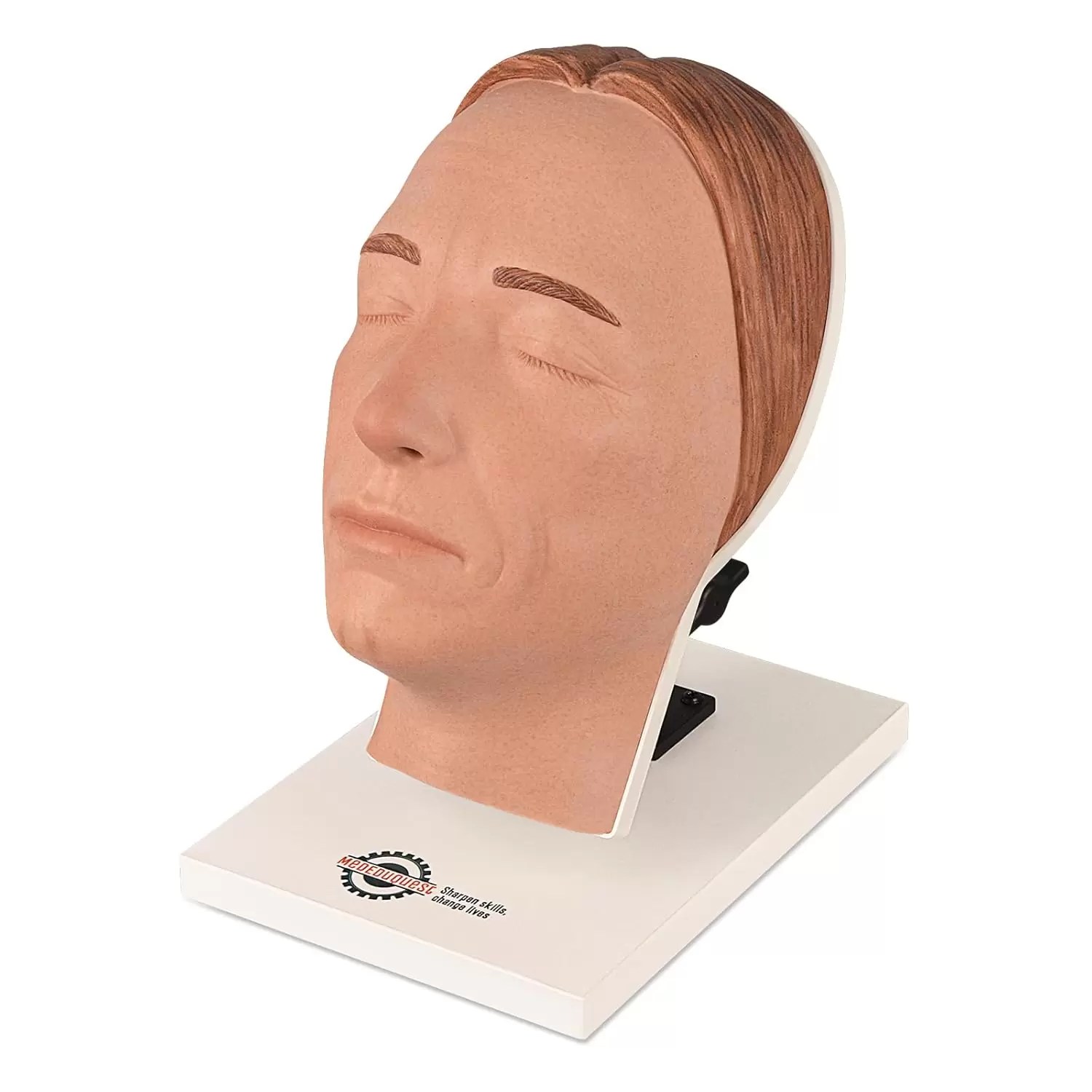
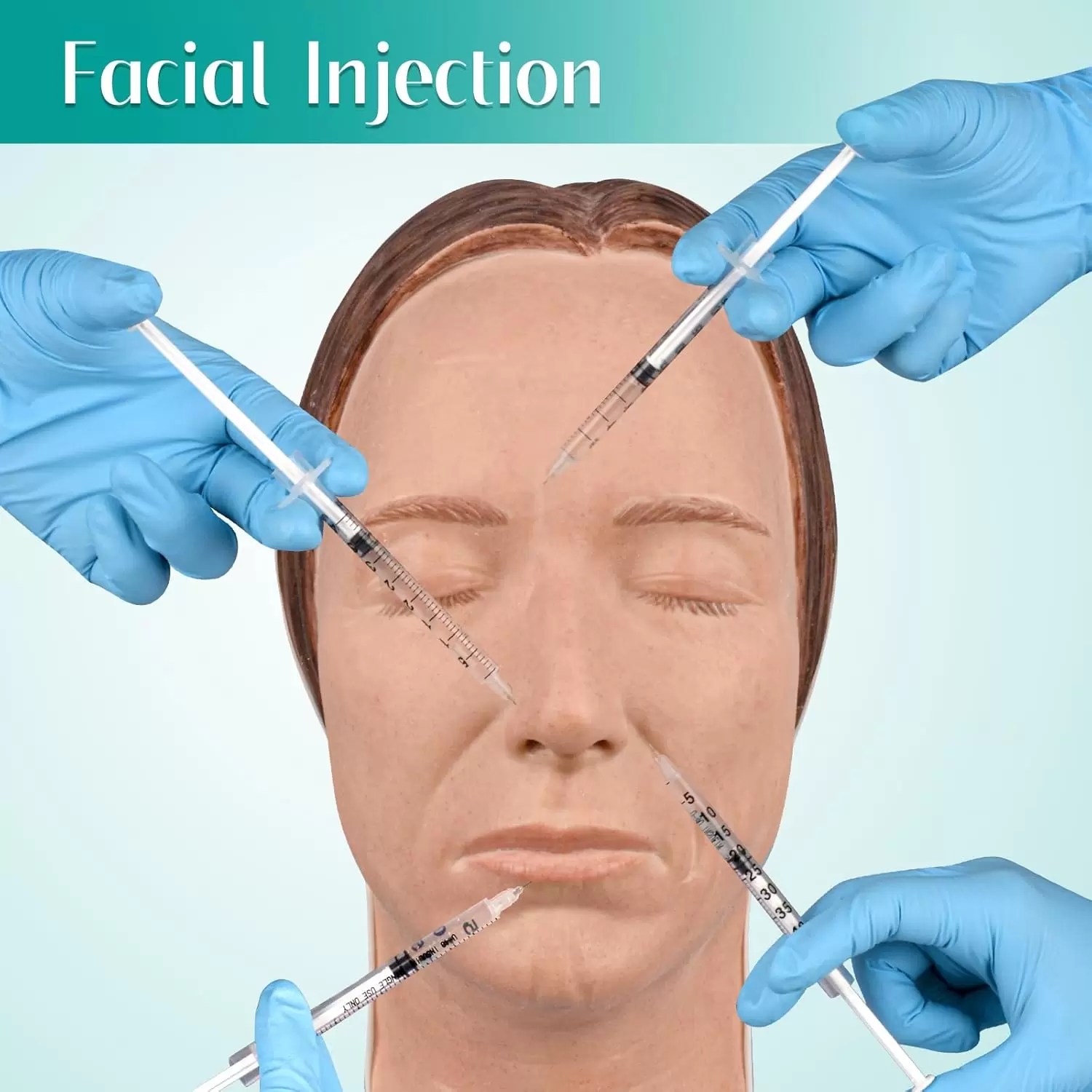
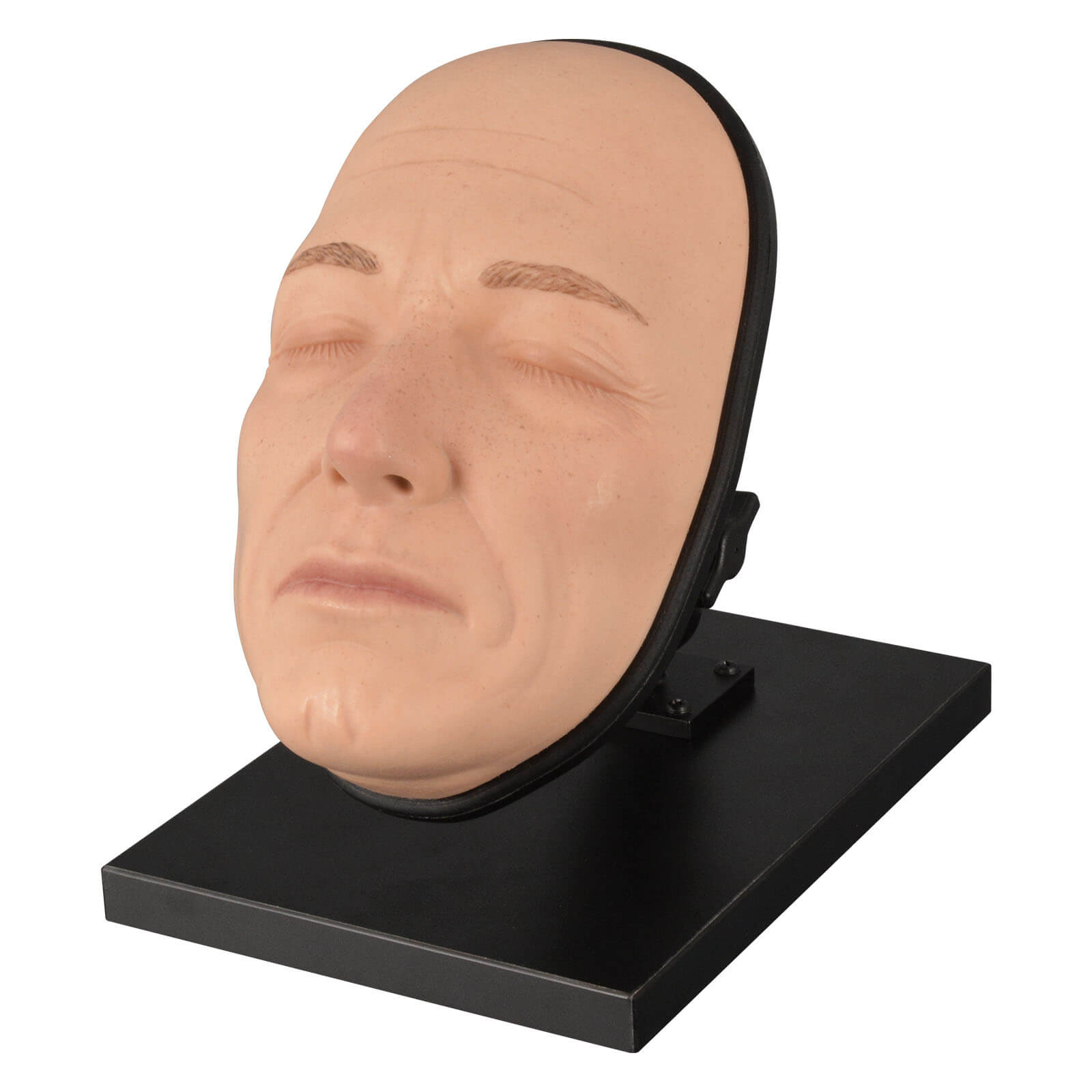
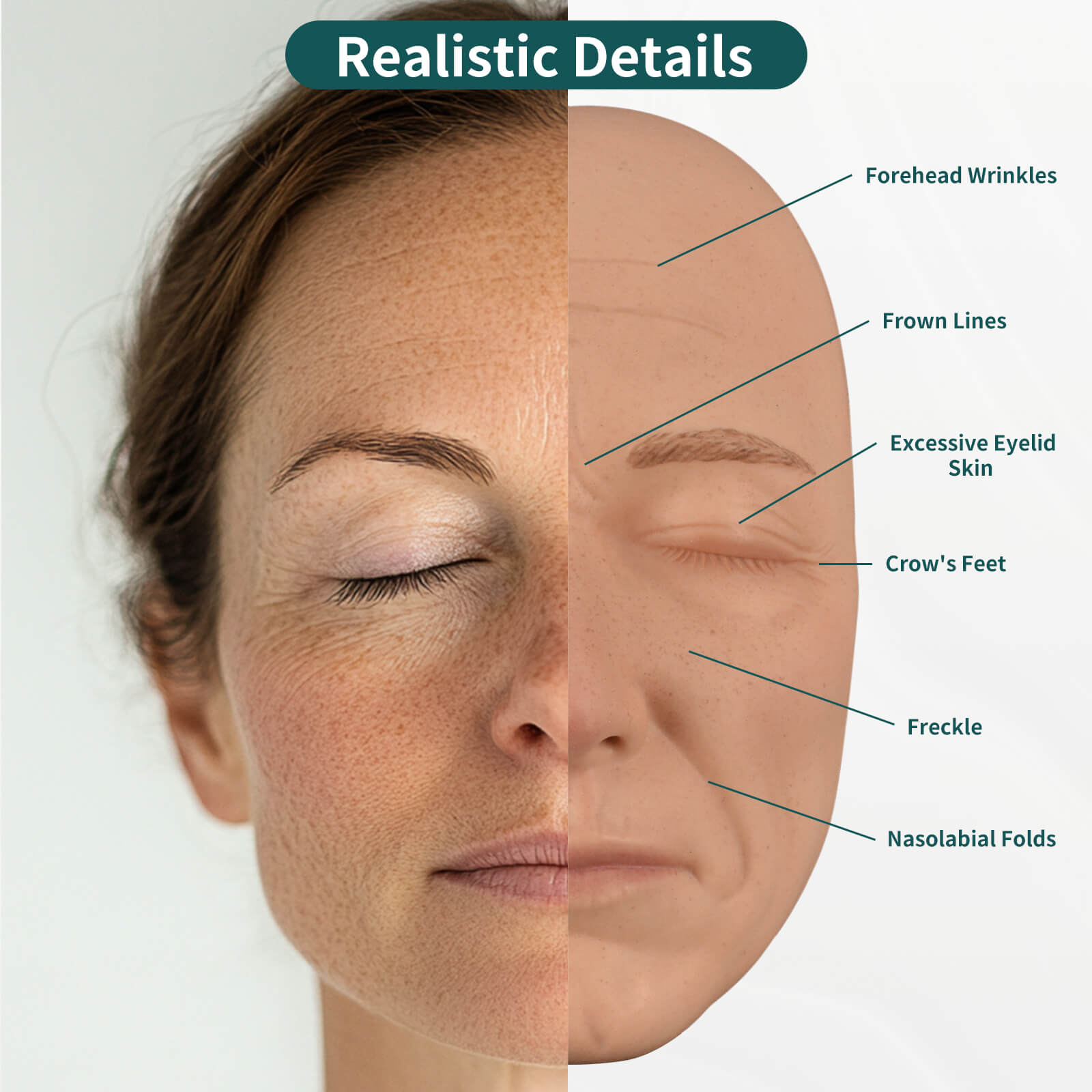
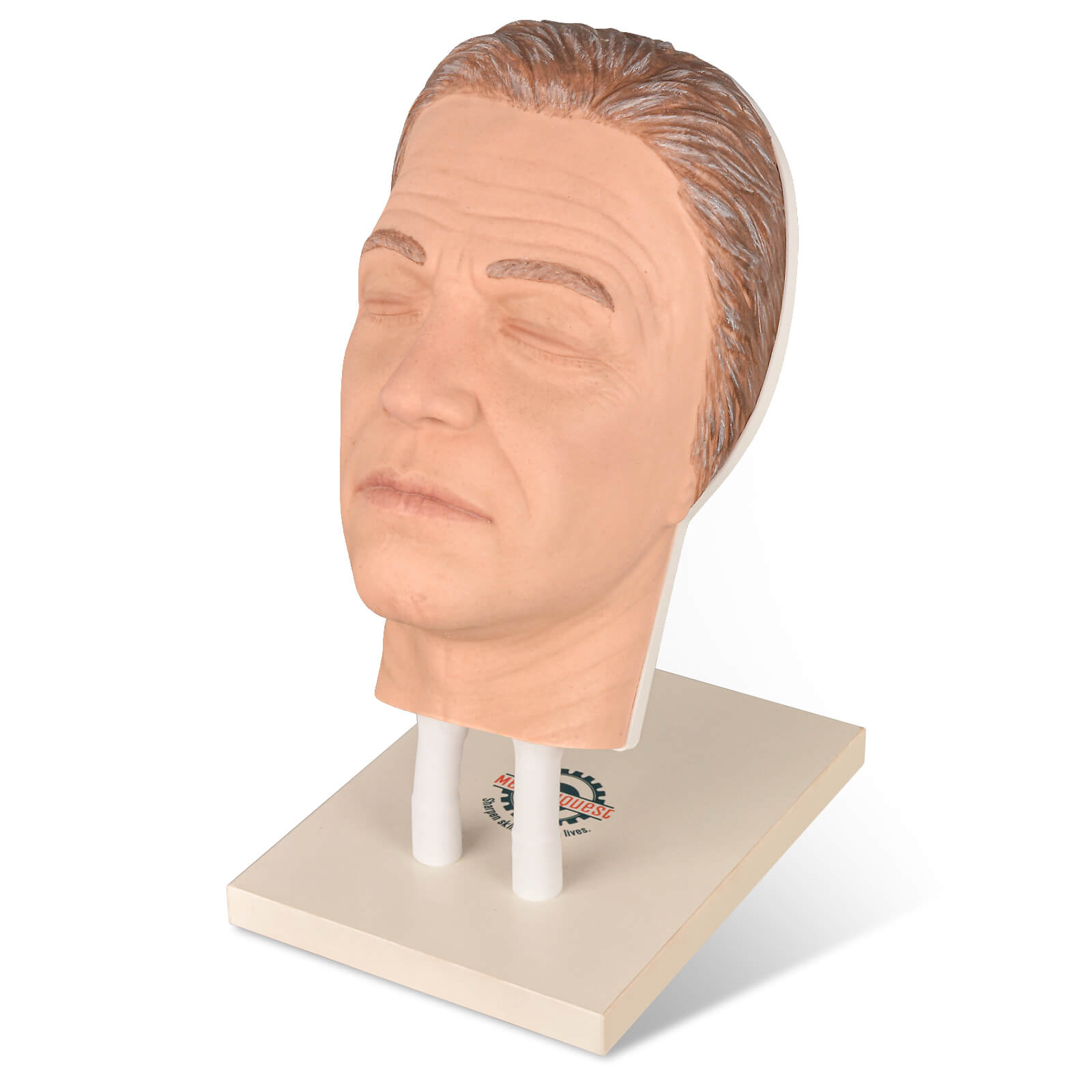
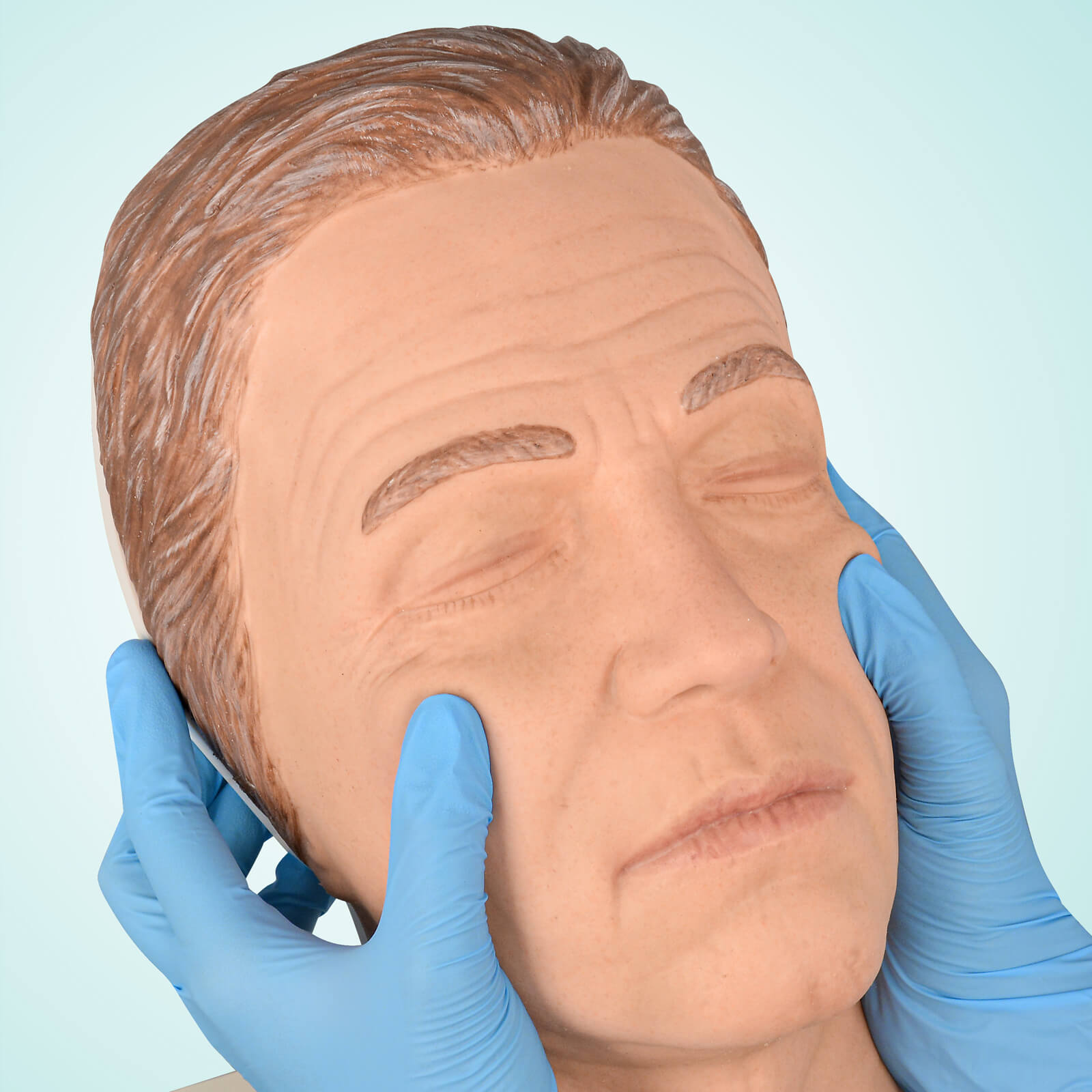
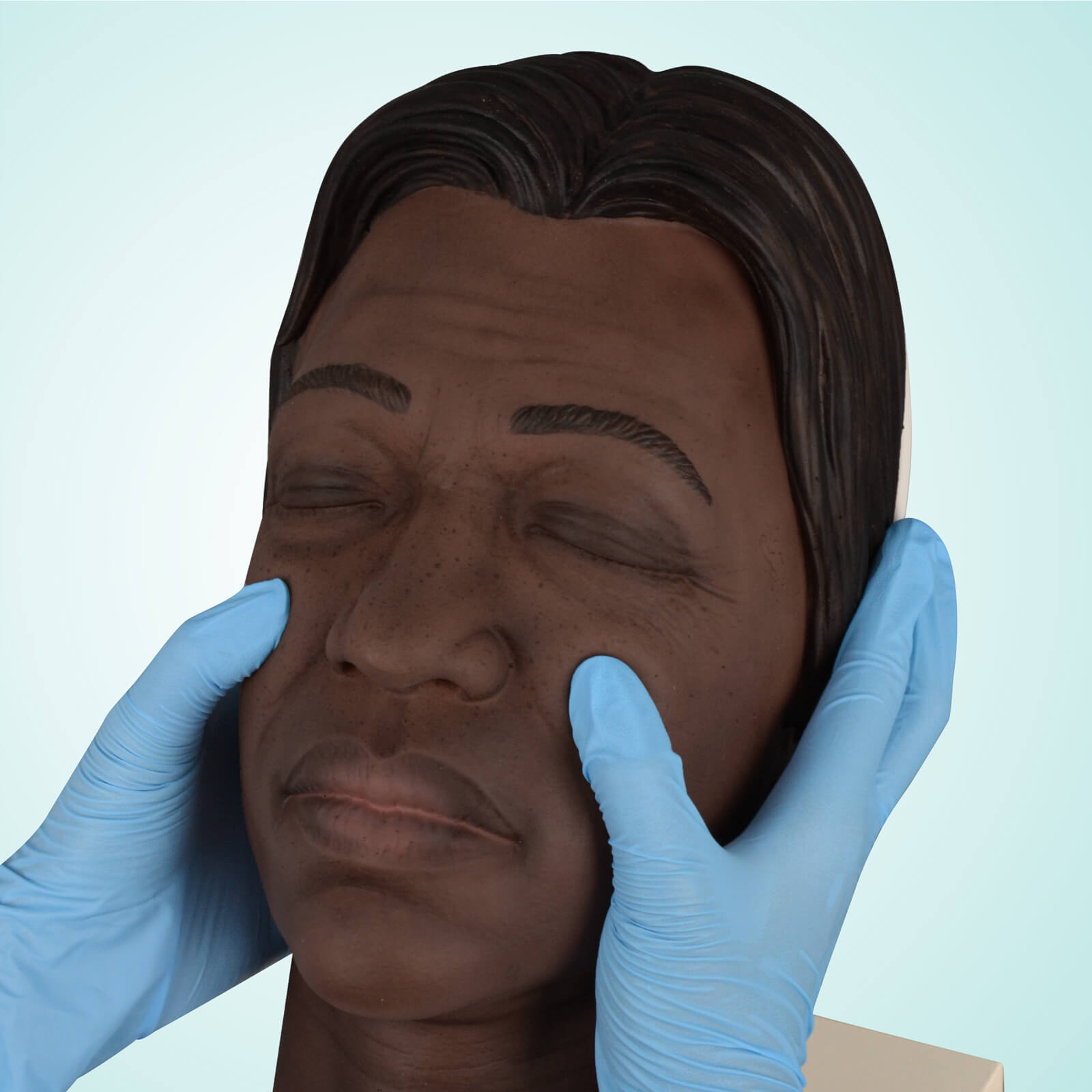
High-quality practice models help bridge the gap between theory and real procedures. Products like lip models for filler and injection practice and transparent facial mannequins allow learners to visualize filler placement and understand how technique affects results.
MedEduQuest offers a range of facial injection training models designed for realistic practice, helping learners transition smoothly from simulation to clinical settings.
From Practice to Precision
Consistent practice improves:
- Technique accuracy
- Injection confidence
- Patient safety
Well-trained practitioners rely on preparation, not improvisation.
FAQ
Q1: What are the different lip filler injection techniques?
Common techniques include linear threading, serial puncture, micro-droplet injections, and cannula-based approaches.
Q2: How can I train to do lip fillers safely?
Training should begin with lip filler simulators and lip filler practice model before performing procedures on real patients.
Q3: Do lip filler simulators really help?
Yes. Lip Filler Simulators allow repeated practice, depth control, and technique refinement without patient risk.
.jpeg?w=1500&h=1500)
.jpeg?w=1500&h=1500)

.jpeg?w=1600&h=1600)
.jpeg?w=1600&h=1600)