
A foot puncture wound might seem small on the surface, but because our feet bear weight and are frequently exposed to bacteria, these injuries can easily become complicated. Understanding the causes, potential risks, and proper treatment steps can help prevent serious infection or long-term damage. For healthcare learners, practicing wound care skills on a puncture wound simulation model ensures readiness for real-life cases.
Common Causes of Foot Puncture Wounds
- Stepping on sharp objects: nails, glass, or metal shards are the most frequent culprits.
- Outdoor injuries: thorns, splinters, and animal bites.
- Workplace hazards: construction sites and factories where debris and tools can cause deep punctures.
- Sports and activities: barefoot running or hiking on rough terrain.
Because the sole of the foot is thick and covered with calluses, wounds here may penetrate deeper than expected.
Risks Associated with Foot Puncture Wounds
- Infection: feet are often moist and enclosed in shoes, creating ideal conditions for bacterial growth.
- Retained foreign bodies: small fragments like wood splinters or metal pieces can remain embedded.
- Tetanus risk: punctures from rusty nails are notorious for tetanus exposure.
- Osteomyelitis: in severe cases, bacteria can spread into bones.
- Delayed healing: constant pressure and friction slow recovery.
Treatment Tips
- Immediate Cleaning: Rinse the wound with clean water and gently remove visible debris.
- Disinfection: Apply antiseptic solution to reduce bacterial risk.
- Pressure and Dressing: Control bleeding, then cover with a sterile dressing.
- Medical Attention: Seek care if the wound is deep, dirty, or caused by a contaminated object.
- Follow-Up: Monitor for redness, swelling, pus, or increasing pain - these can signal infection.
Prevention Strategies
- Wear sturdy footwear outdoors and in high-risk environments.
- Keep tetanus vaccinations up to date.
- Use protective equipment in workplaces with sharp debris.
Practice and Training
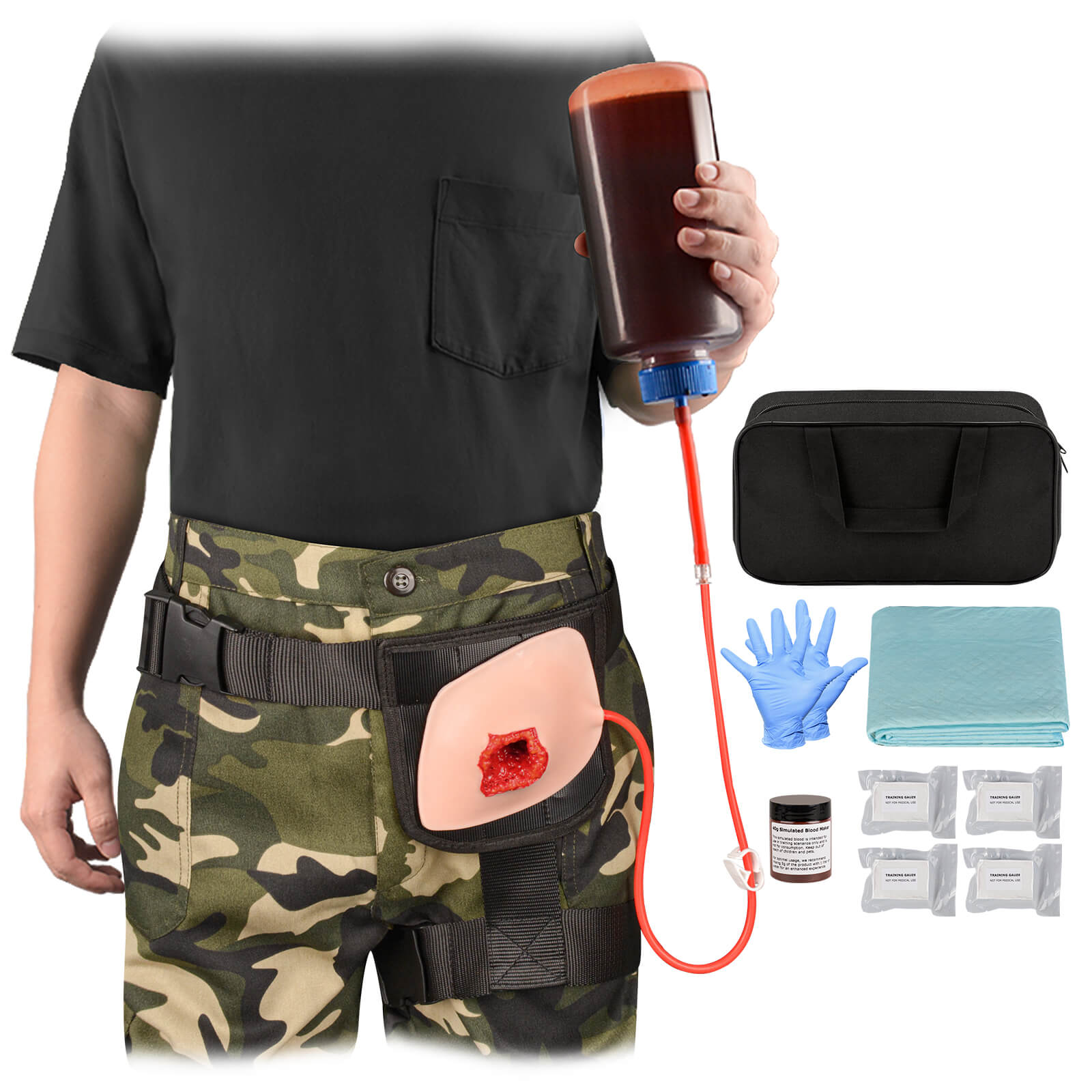
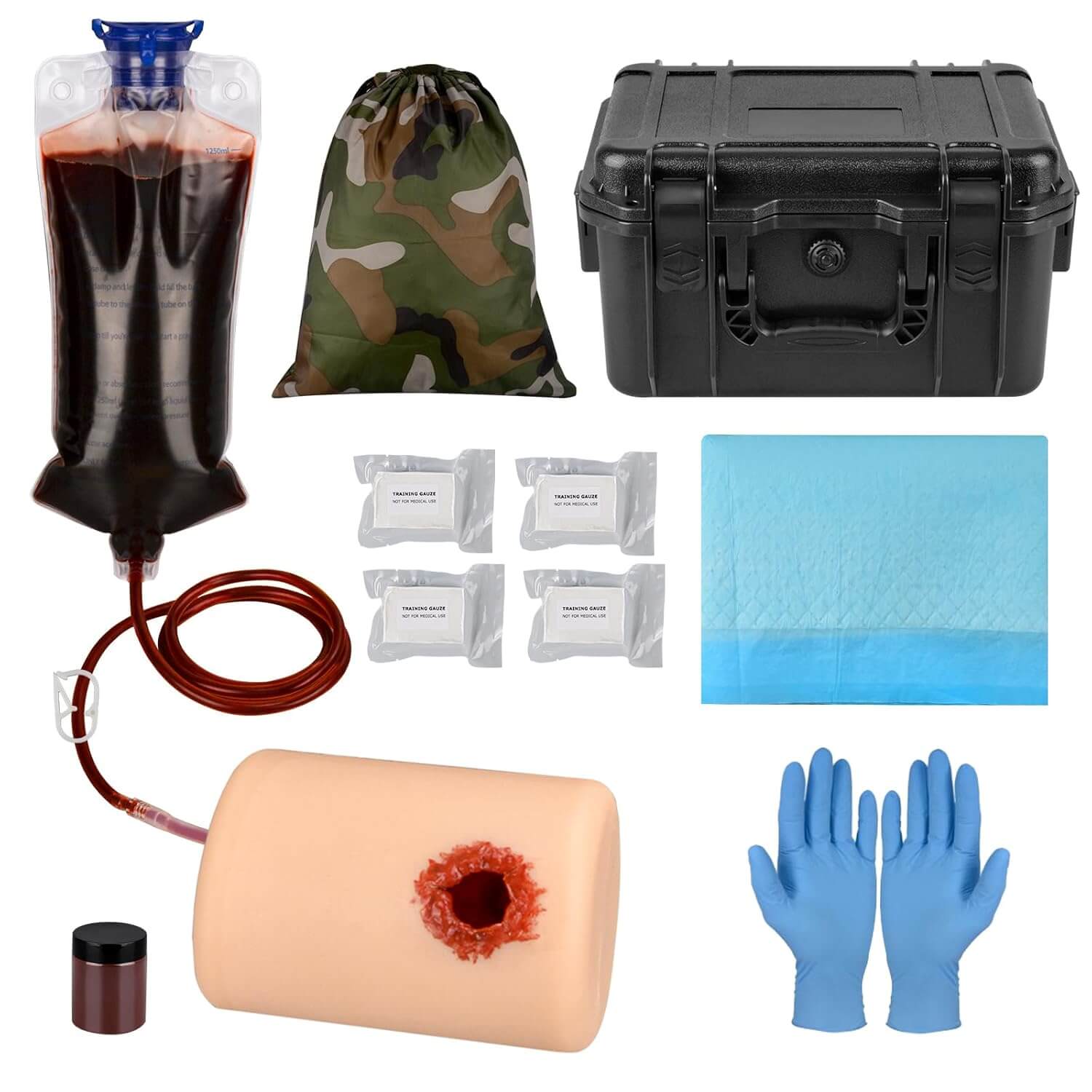
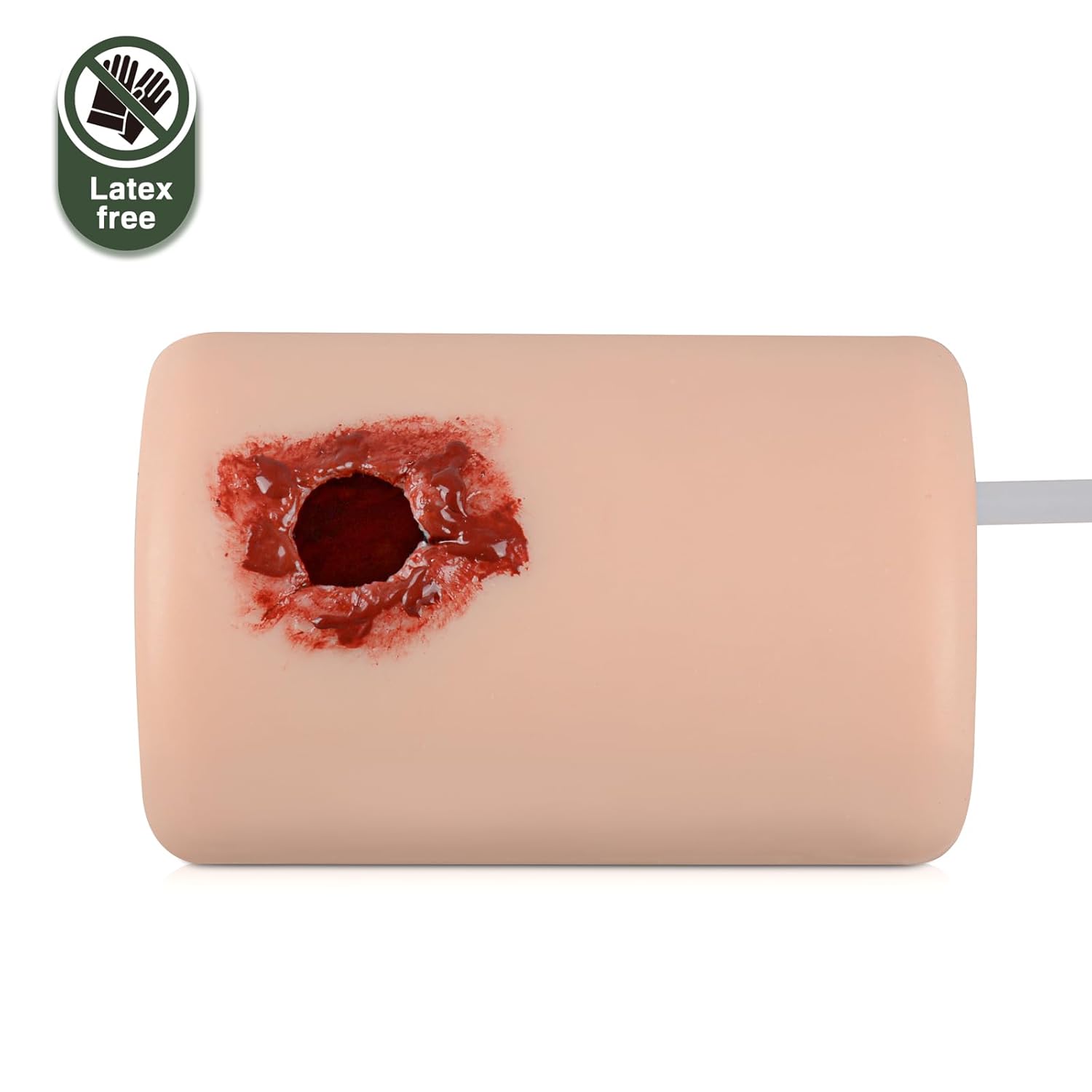
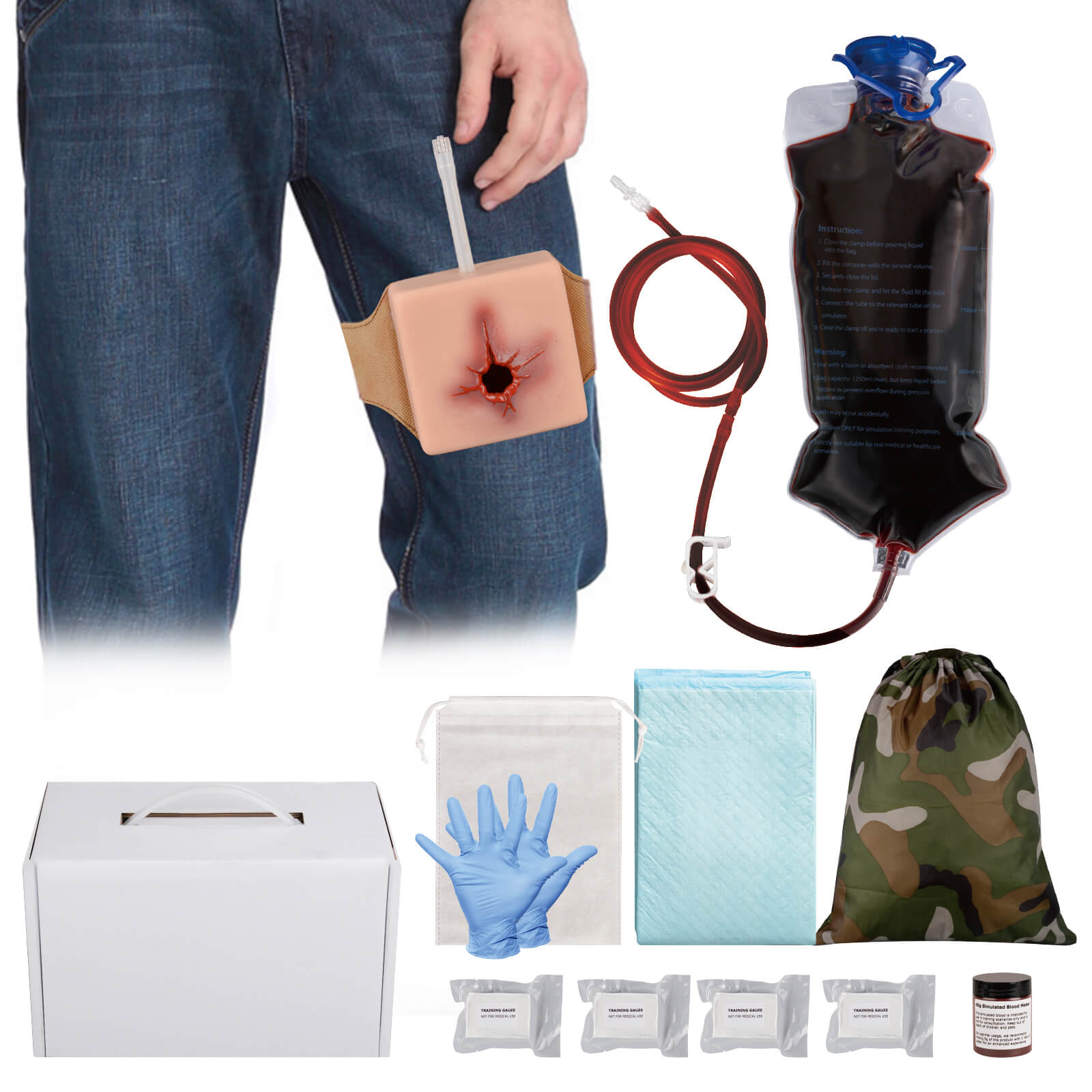
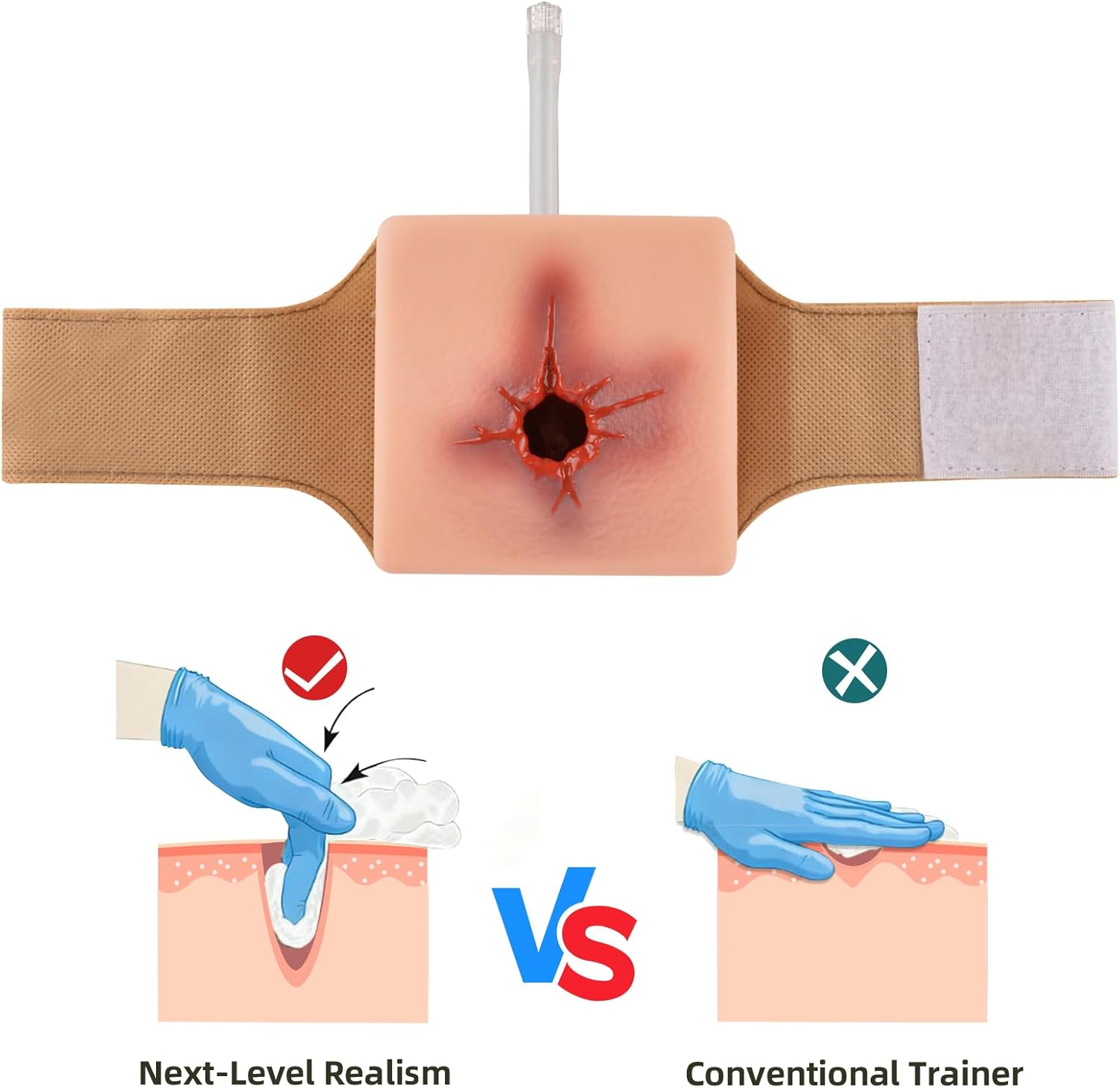
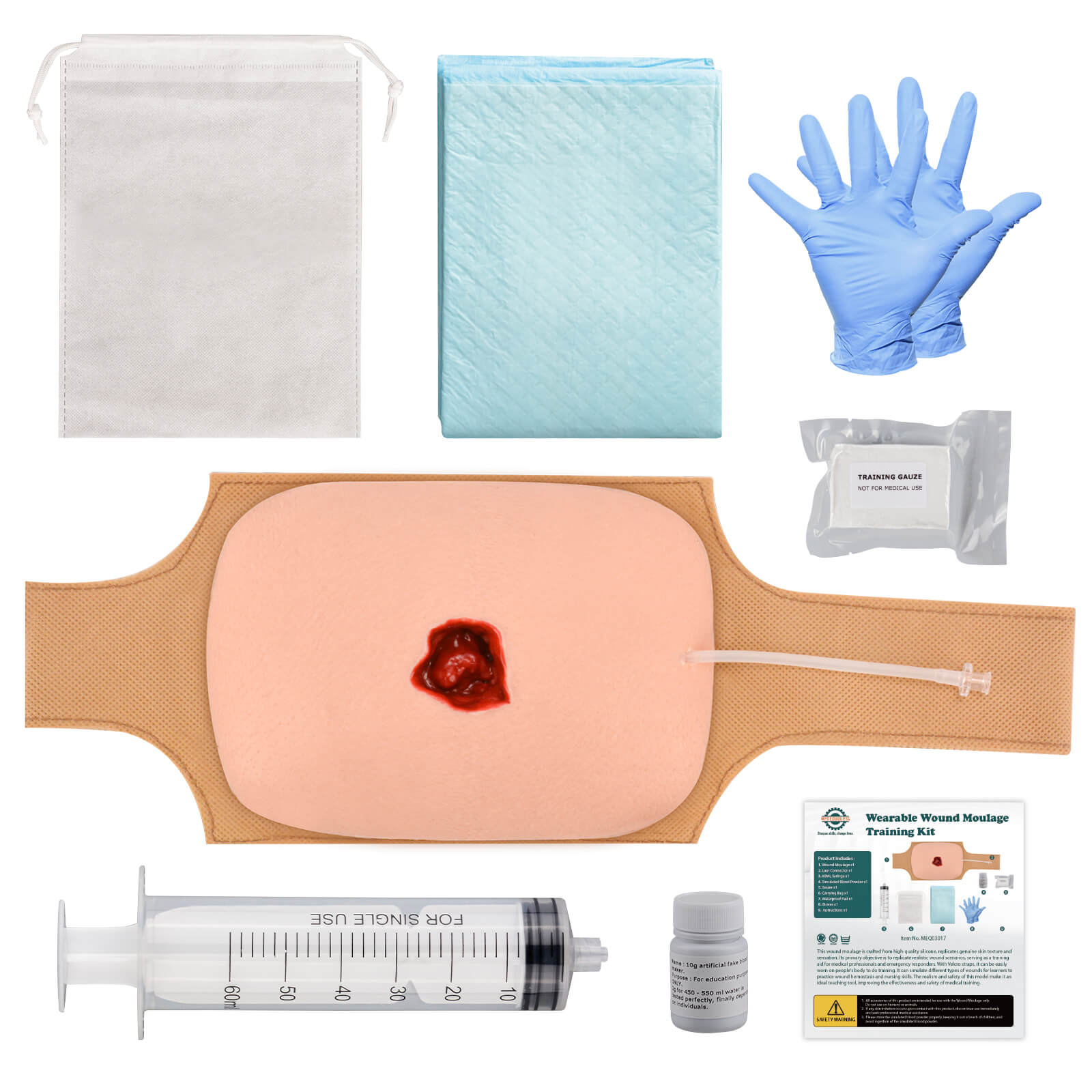
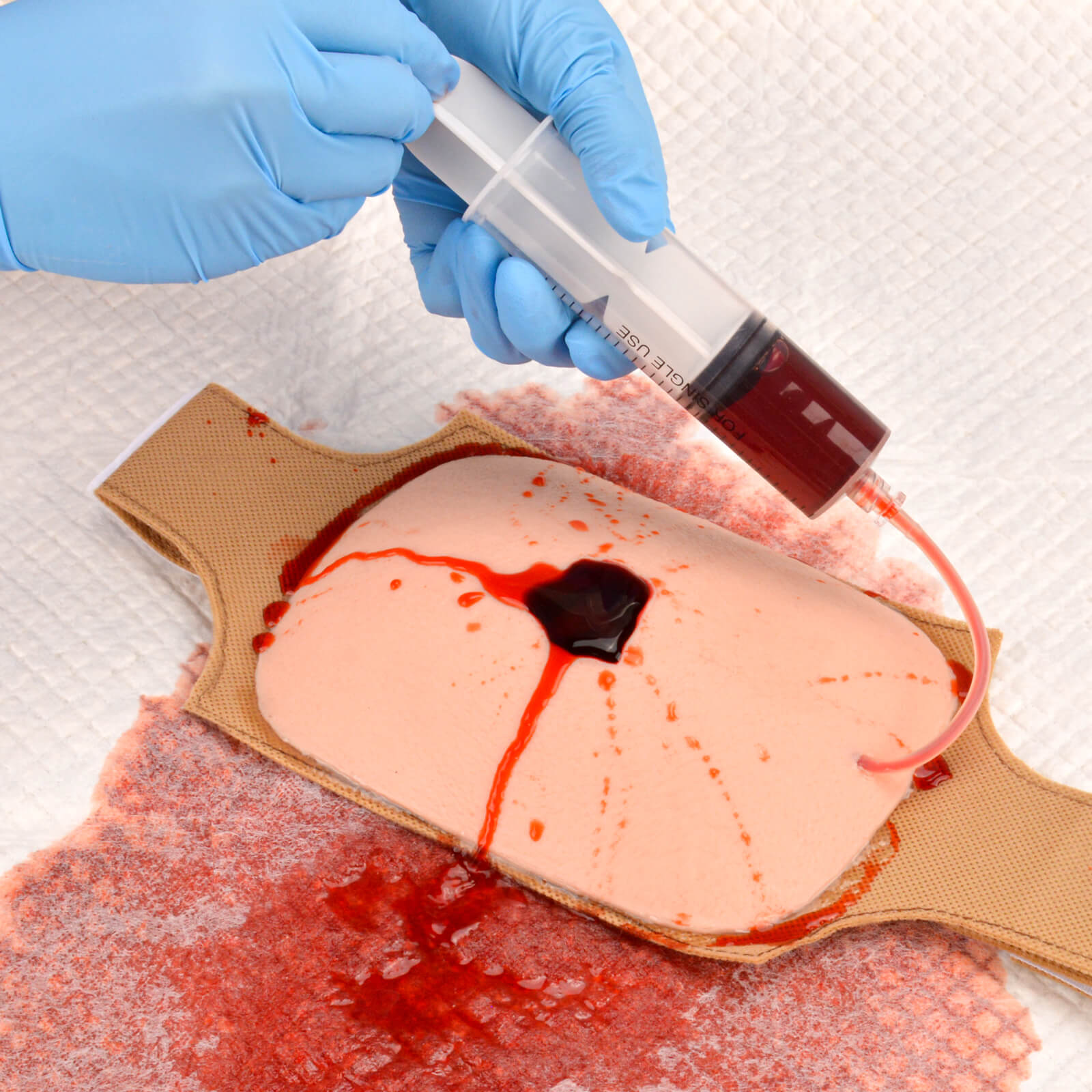
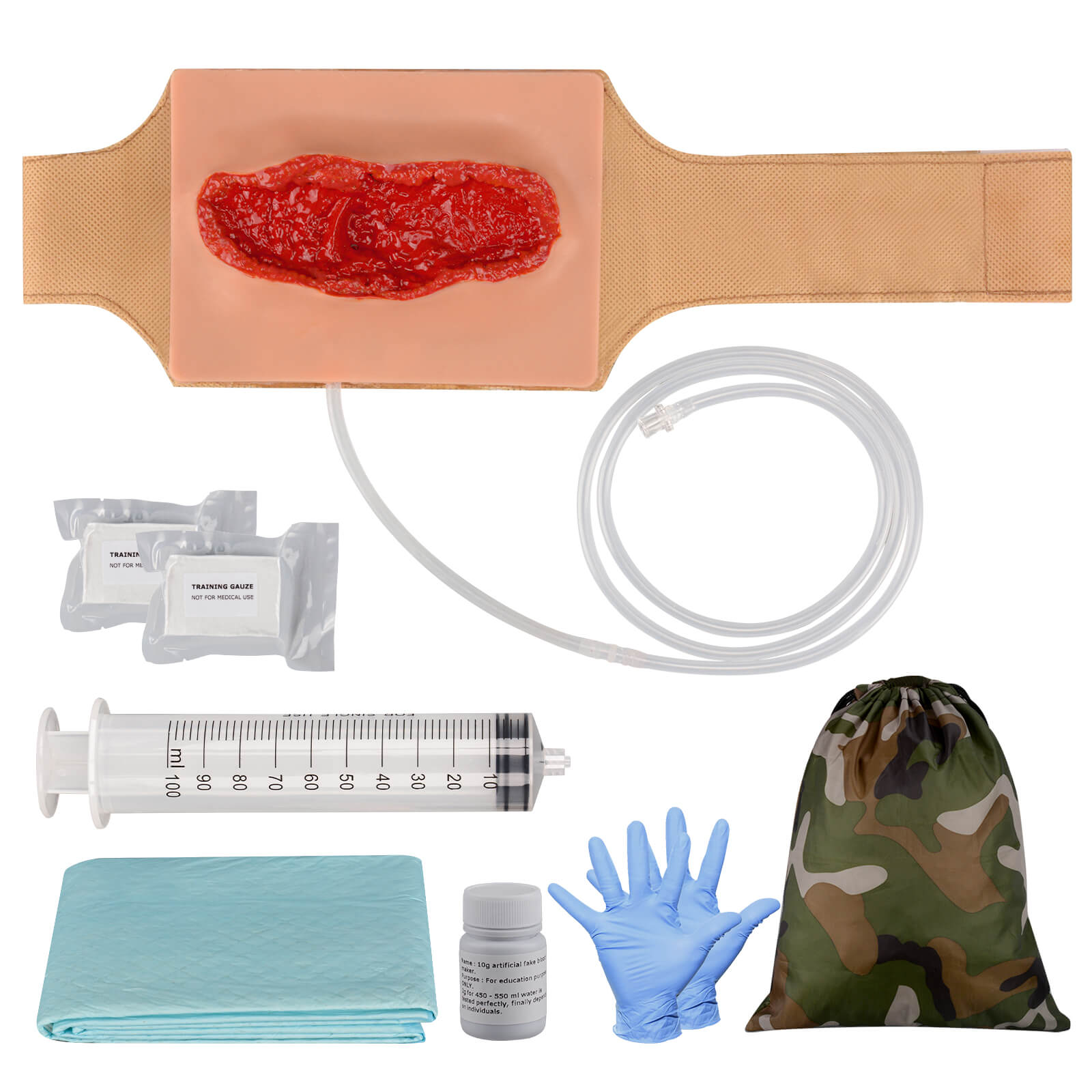
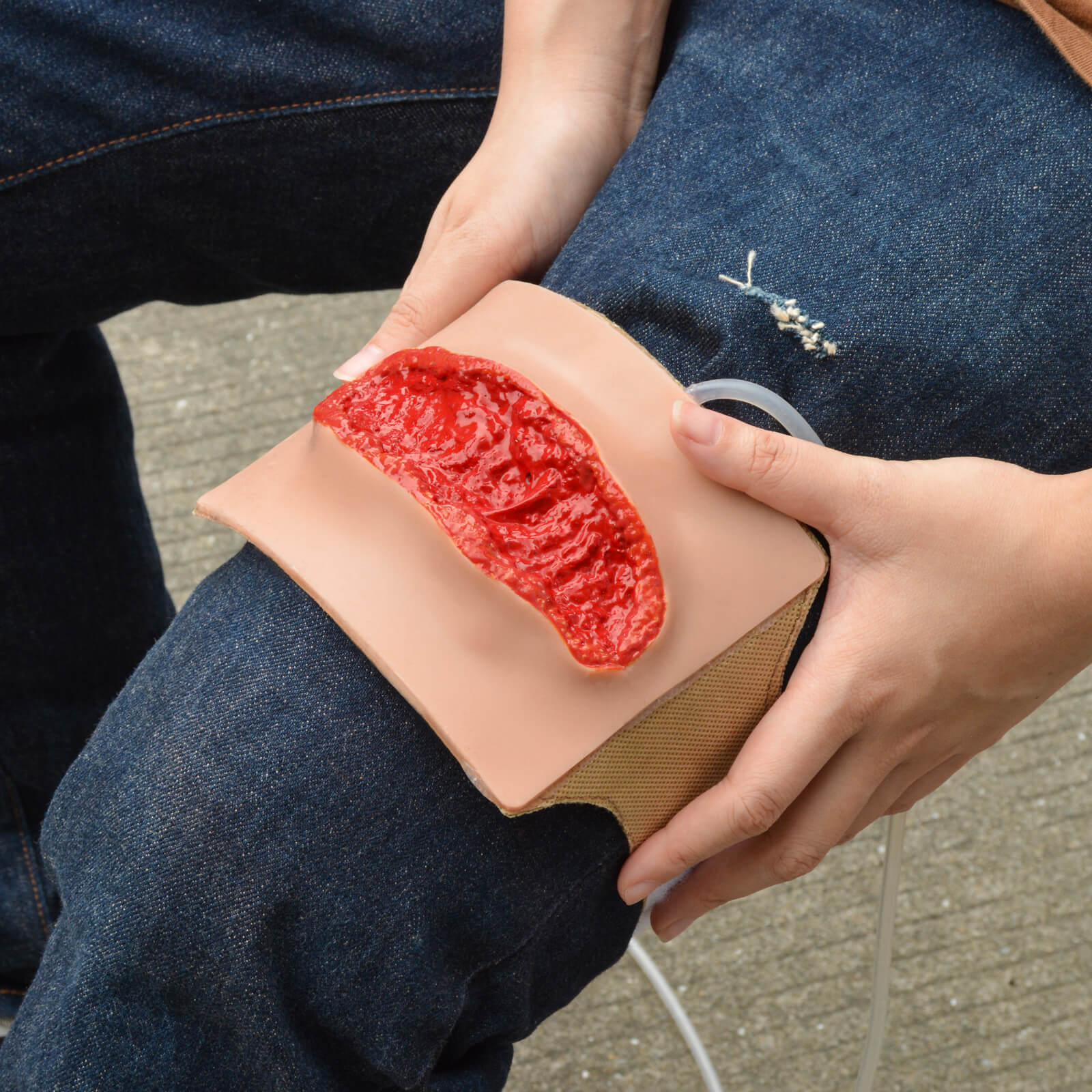
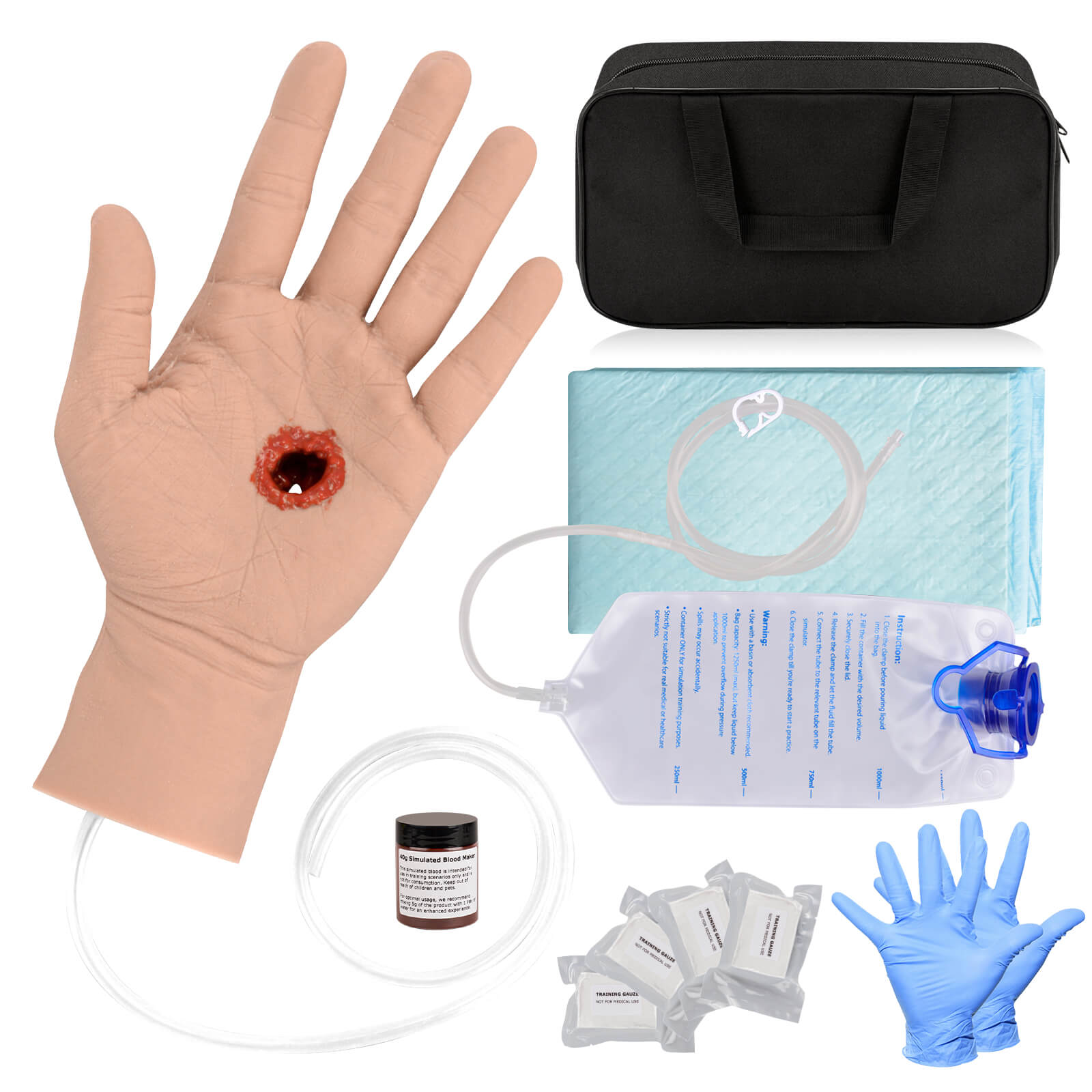
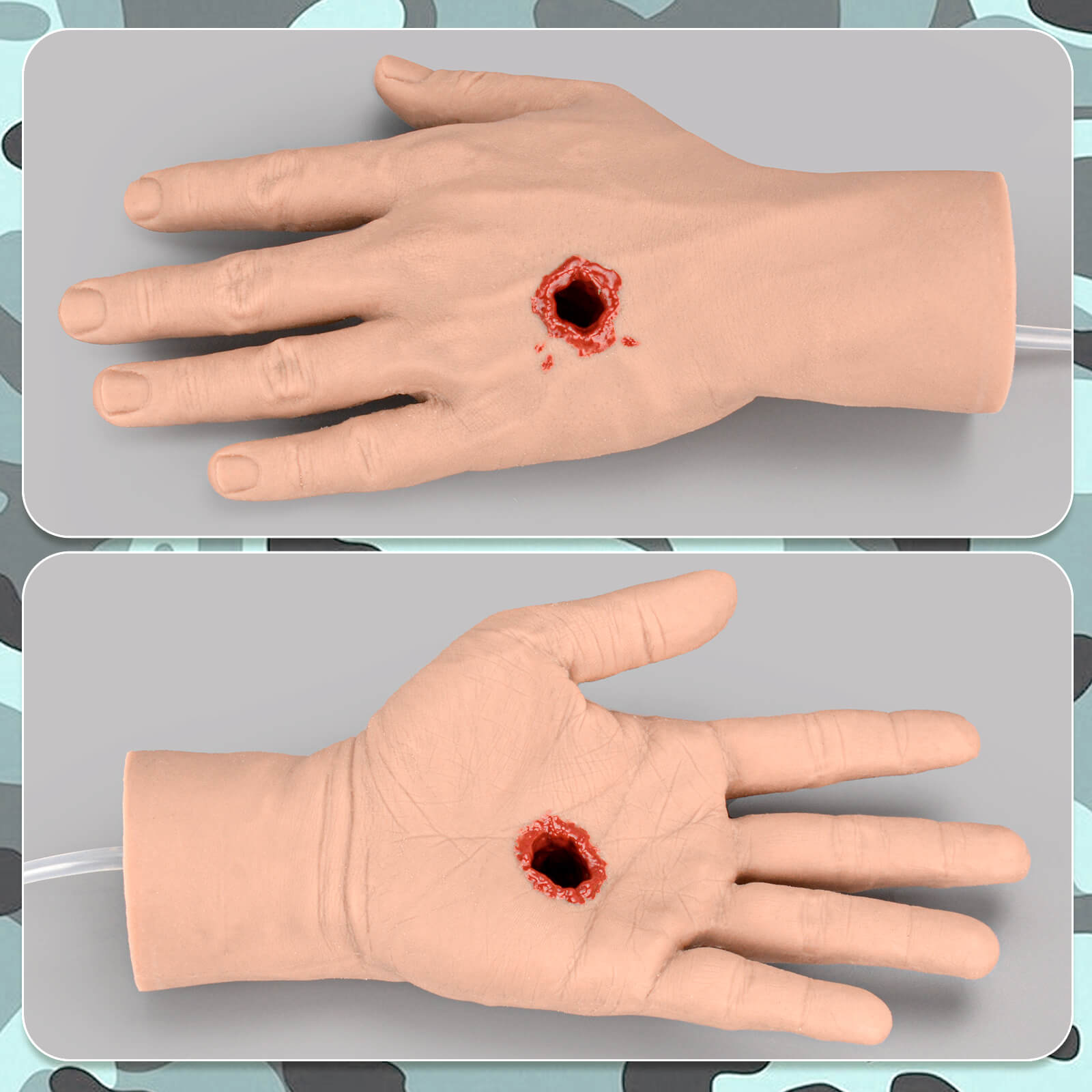
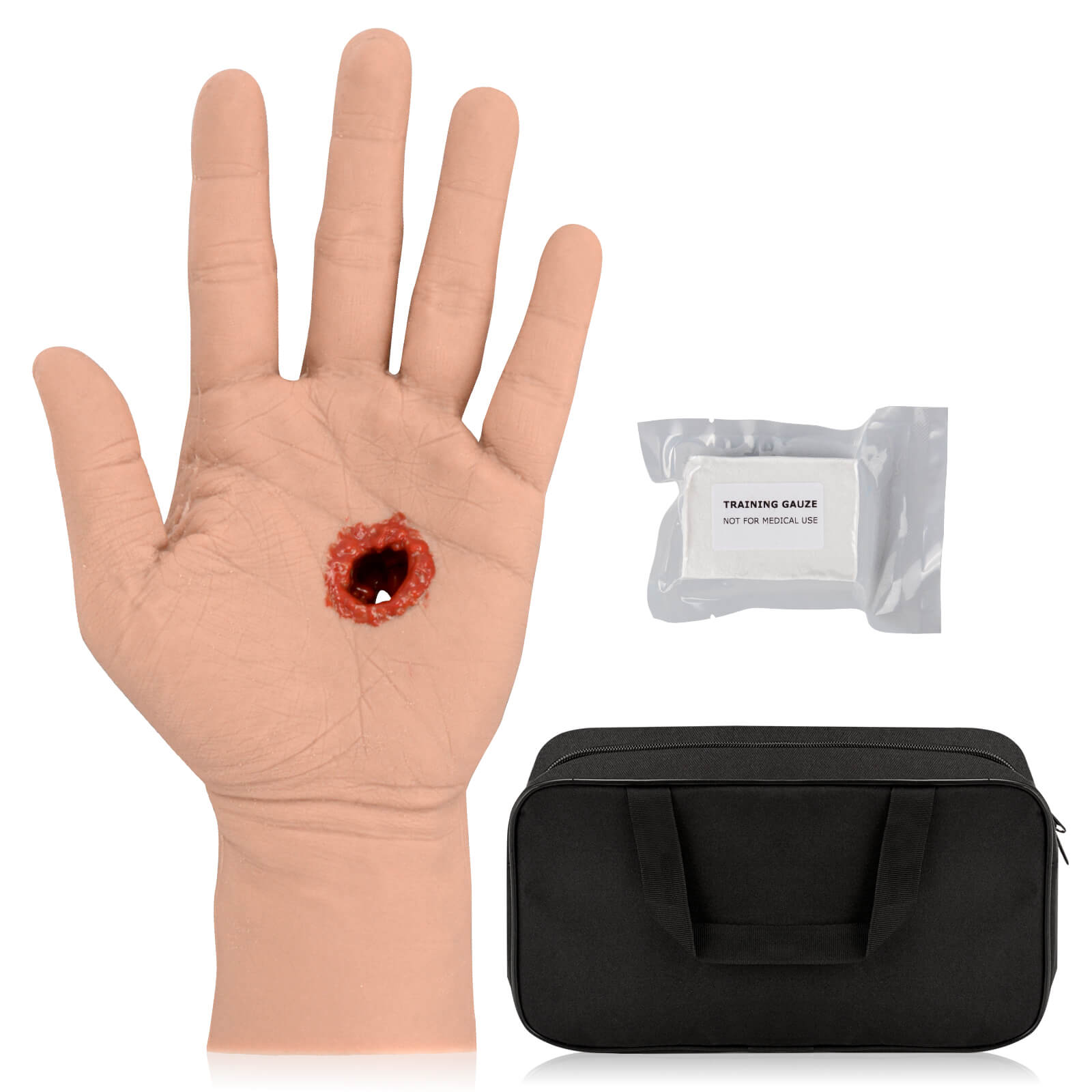
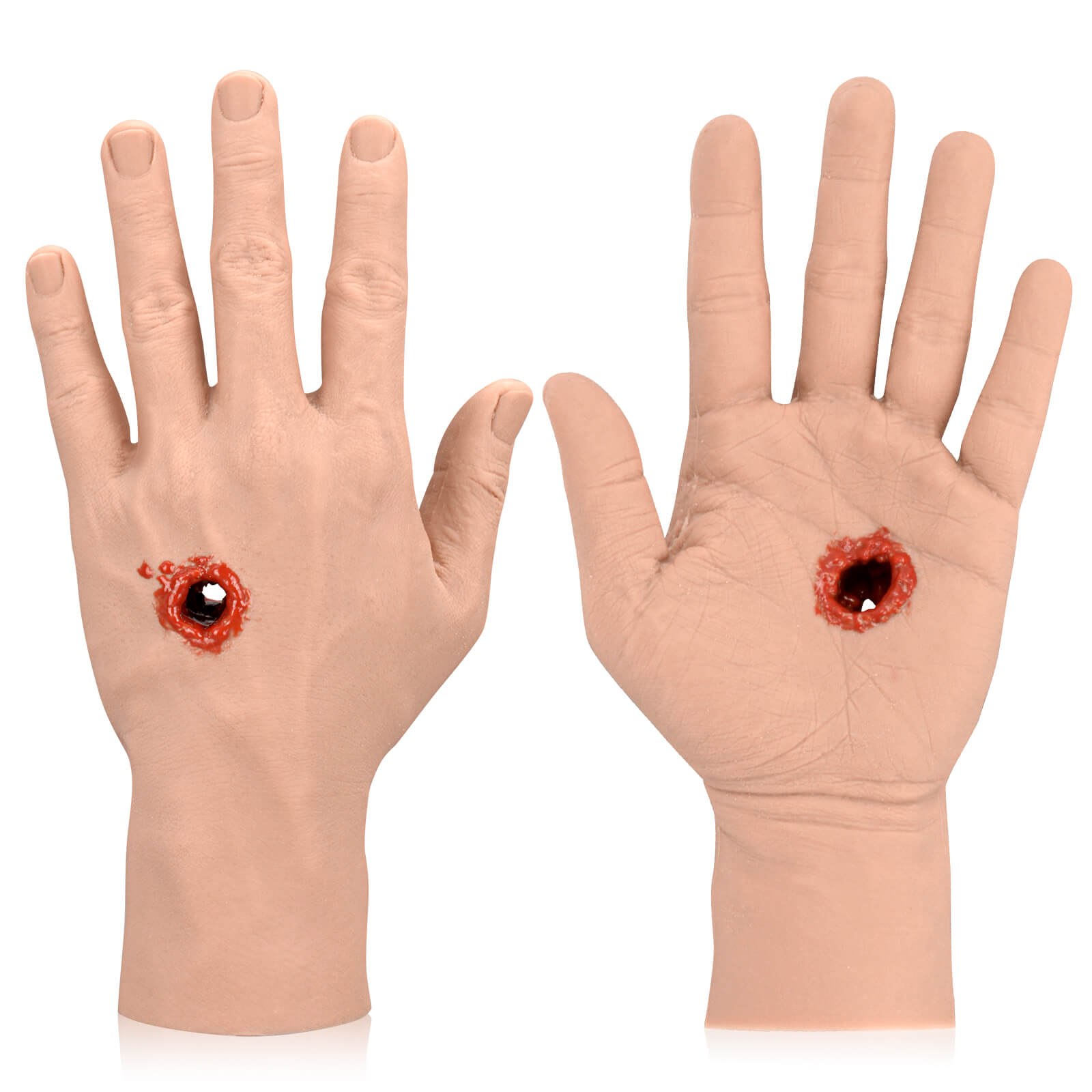
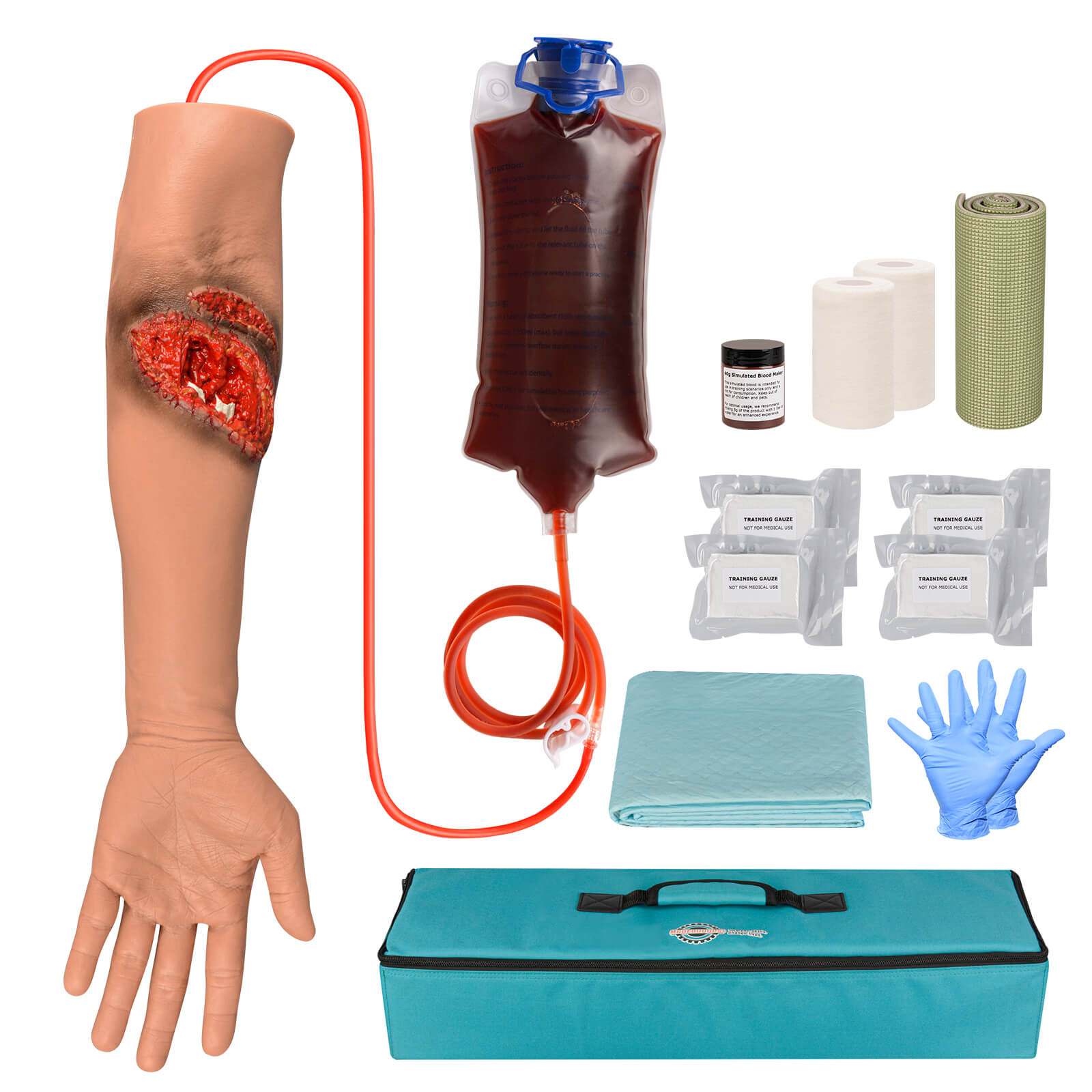
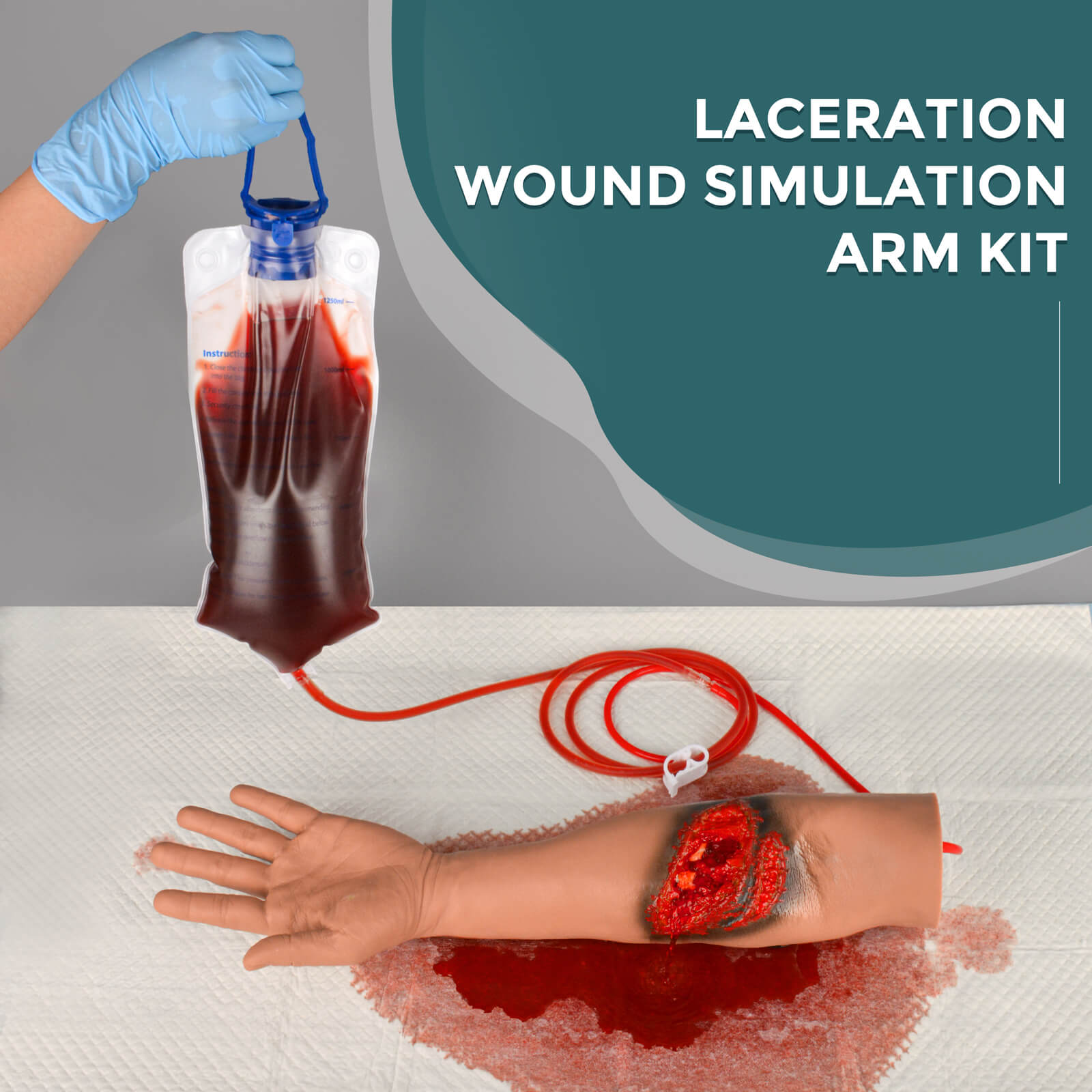
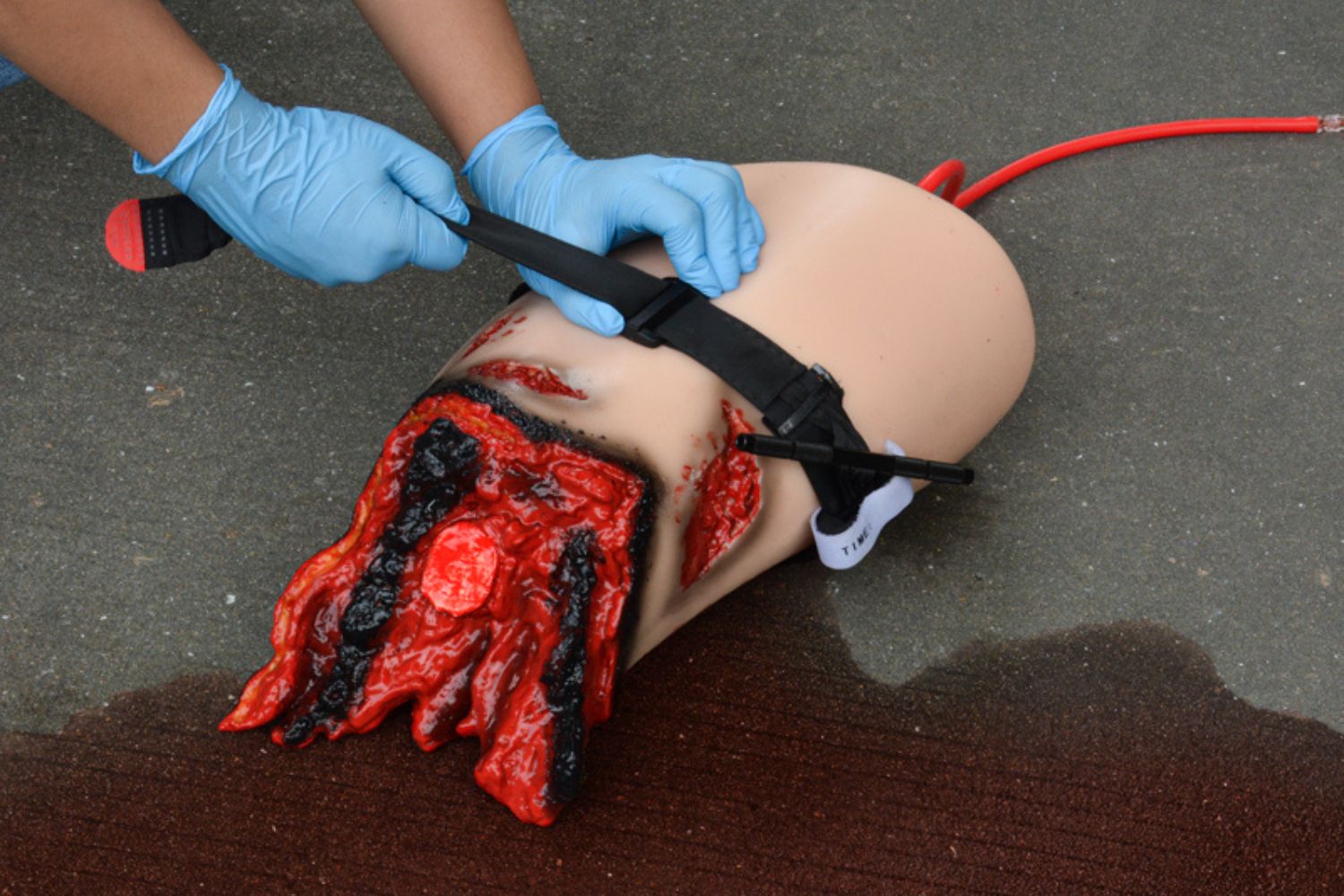
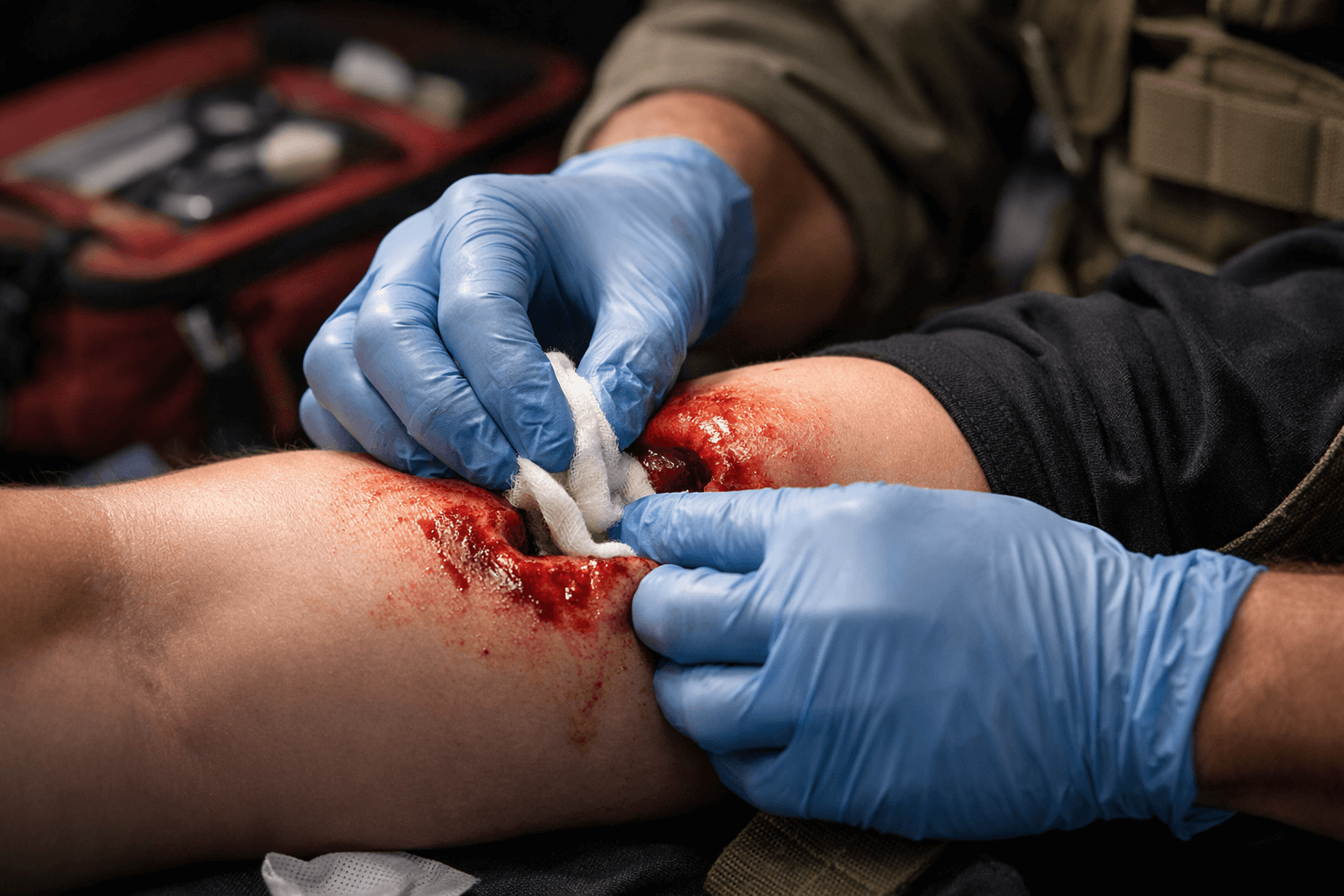
For nursing and EMT students, hands-on training with a foot puncture wound moulage or wearable bleeding control trainer allows realistic practice in debridement, wound packing, and infection prevention strategies. Using a puncture wound practice kit helps reinforce classroom knowledge and prepares learners for high-stakes emergency care.
.jpeg?w=1600&h=1600)
.jpeg?w=1600&h=1600)
.jpg?w=1600&h=1600)
.jpg?w=1600&h=1600)
.jpeg?w=1500&h=1500)
.jpg?w=1000&h=1000)
.jpg?w=1000&h=1000)


.jpeg?w=1500&h=1500)
.jpeg?w=1500&h=1500)

.jpeg?w=1600&h=1600)
.jpeg?w=1600&h=1600)
.jpg?w=1600&h=1600)
.jpg?w=1600&h=1600)
.jpg?w=1500&h=1500)
.jpg?w=1500&h=1500)
.jpg?w=1500&h=1500)
.jpg?w=1500&h=1500)
.jpg?w=1500&h=1500)
.jpg?w=1500&h=1500)