
When facing severe bleeding, many students and non-medical responders ask the same questions:
"When should I pack a wound?"
"If I have a tourniquet, do I still need wound packing?"
The answer is not either-or. Wound packing and tourniquets solve different bleeding problems. And in many cases, they work best together. This guide clearly explains when to use each, how they differ, and when to combine them.
- Use a tourniquet for life-threatening bleeding on arms or legs when it can be placed above the wound.
- Pack a wound when bleeding comes from a deep cavity, junctional area, or penetrating wound where a tourniquet cannot be applied.
- Use both together for severe limb trauma, especially gunshot or blast injuries.
What is the Difference?
What is Wound Packing?
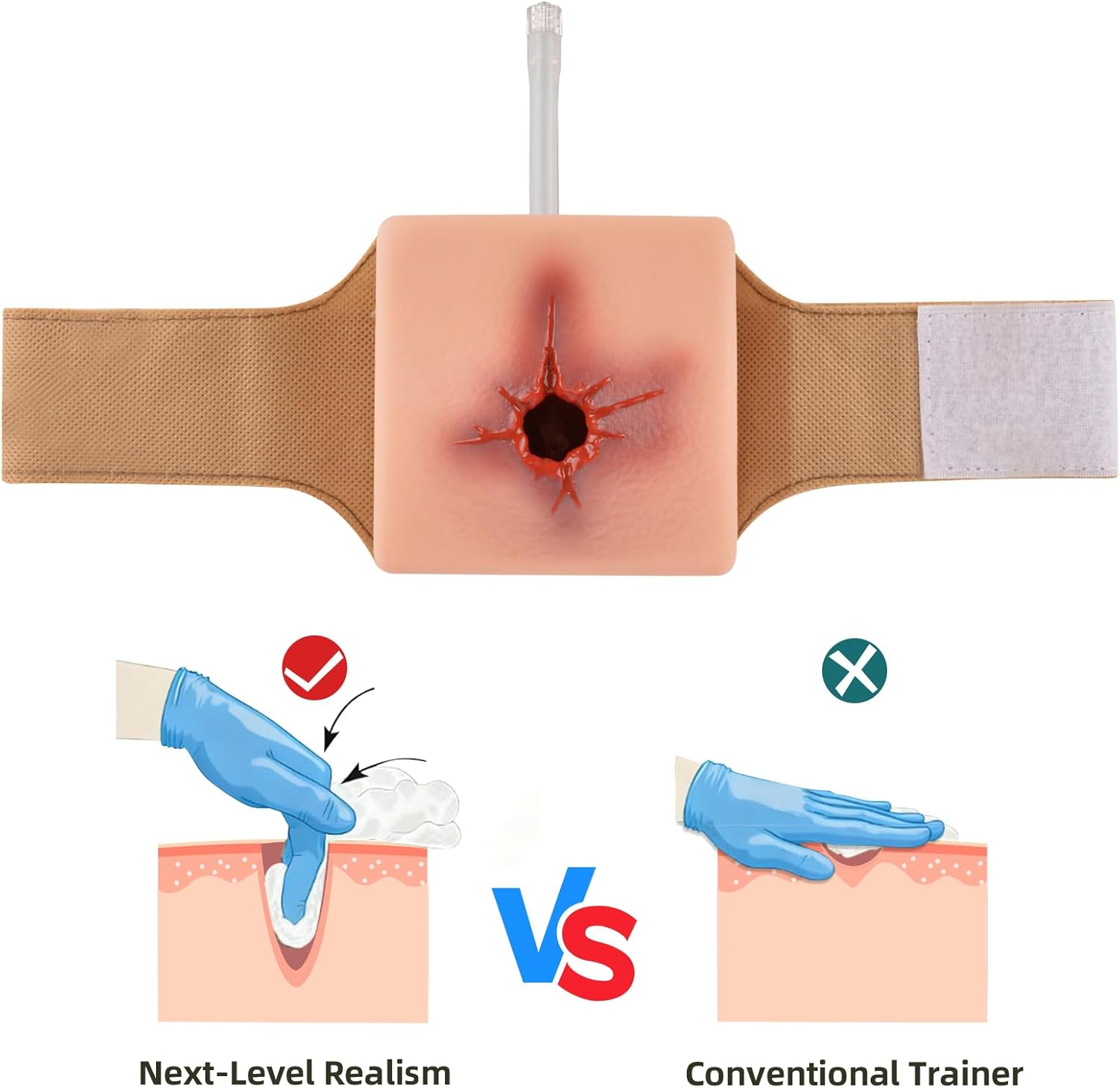
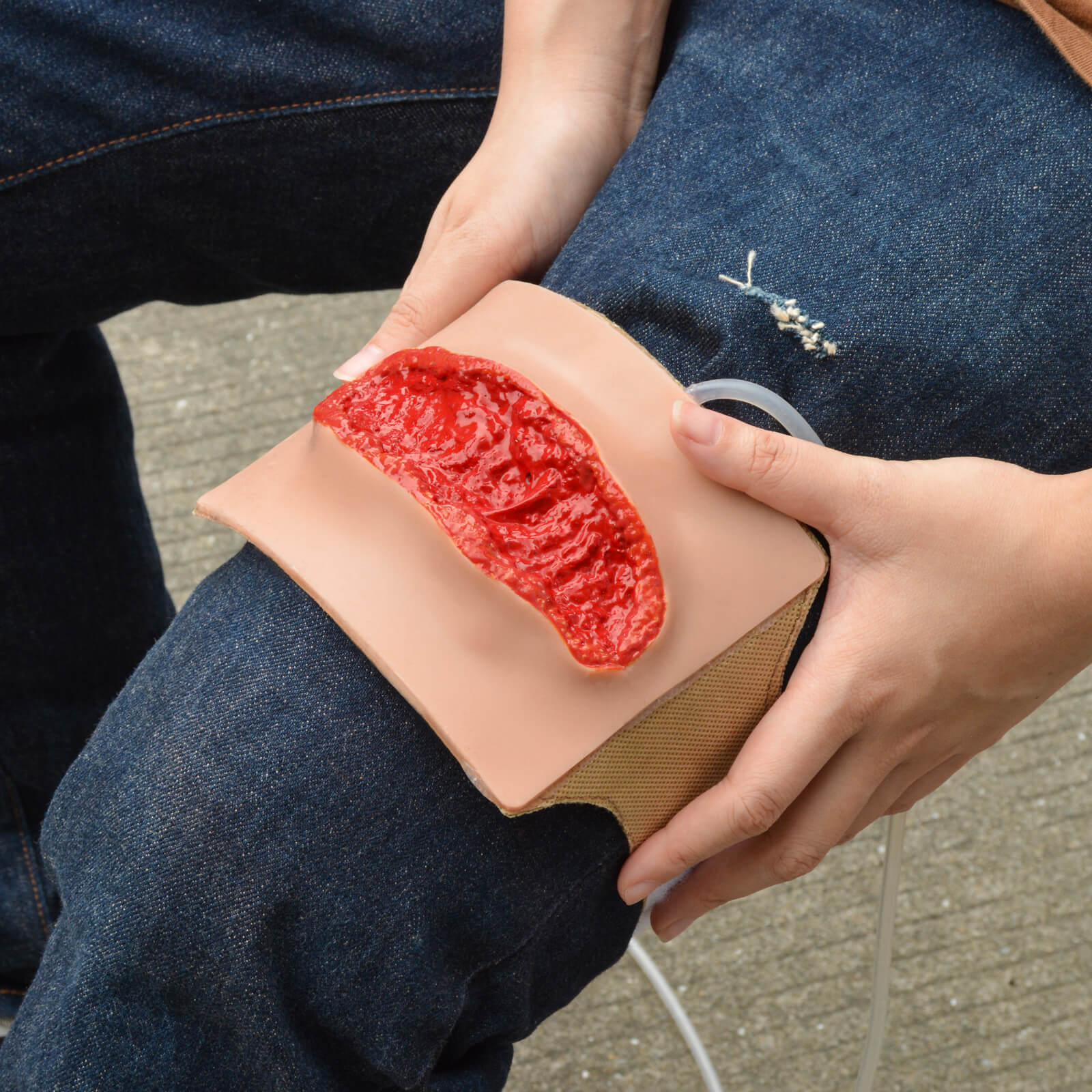
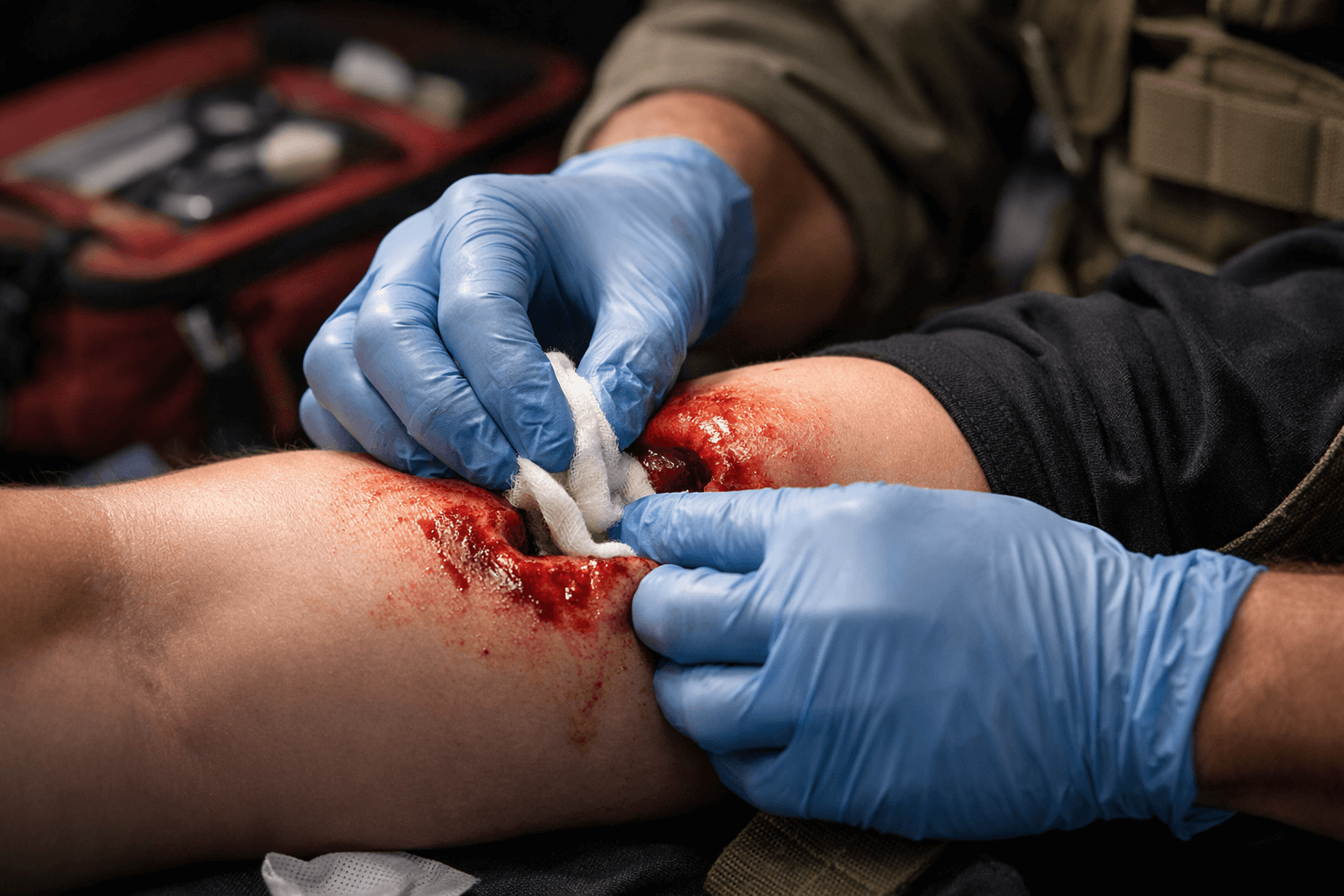
Wound packing means filling a deep or penetrating wound with gauze (often hemostatic) while applying firm pressure to compress the bleeding source inside the wound. Learn the fundamentals in this guide on how to pack a wound correctly.
Purpose:
- Control bleeding at its source
- Eliminate dead space inside the wound
- Support clot formation
What is a Tourniquet?
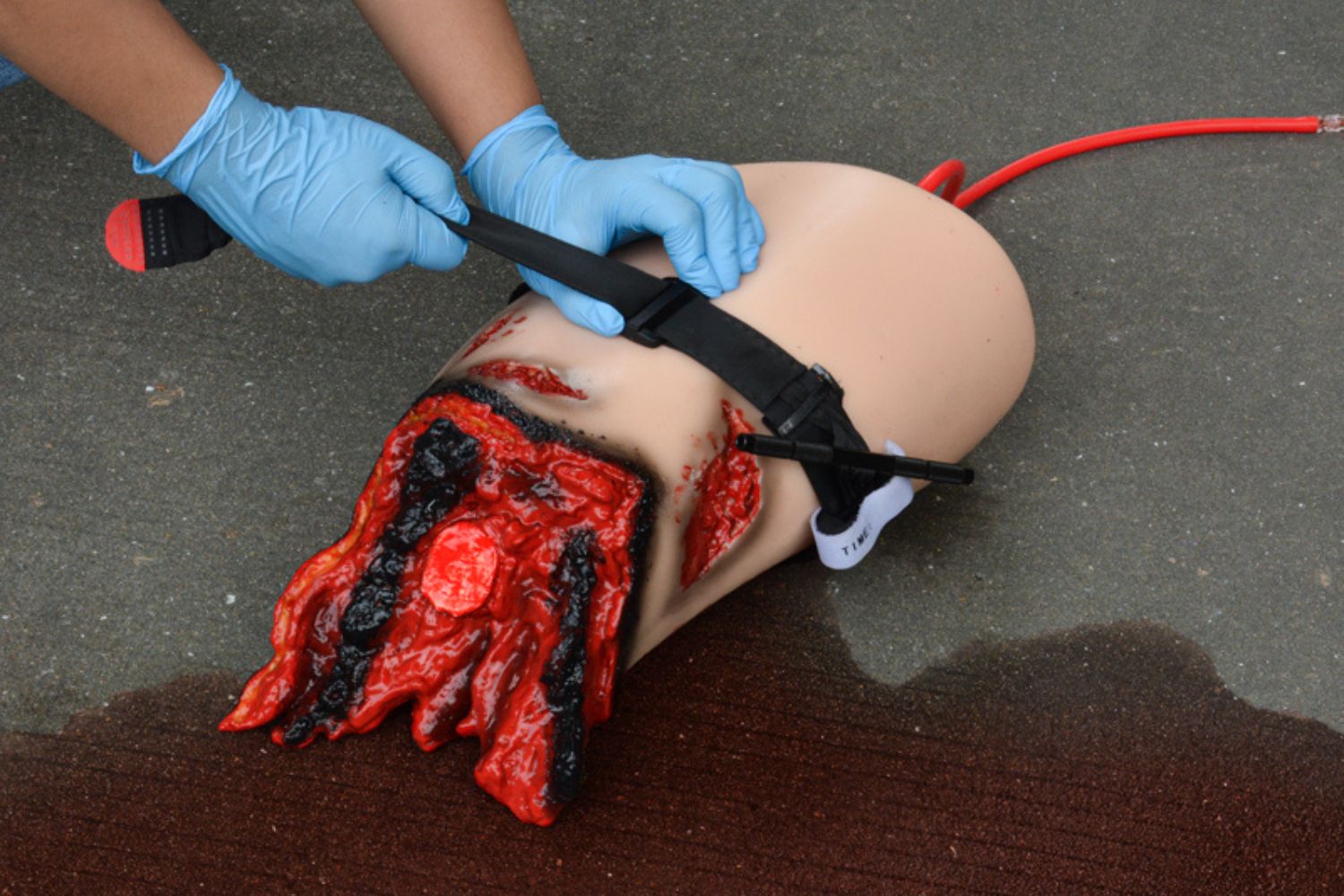
A tourniquet is a device placed tightly around a limb to stop blood flow completely below the point of application.
Purpose:
- Rapidly stop massive limb hemorrhage
- Buy time until advanced care is available
Basic Principles (Not Step-by-Step)
How Wound Packing Works
- Gauze is packed deeply and firmly into the wound cavity
- Pressure is directed inside the wound, not just on the surface
- Often combined with a pressure bandage
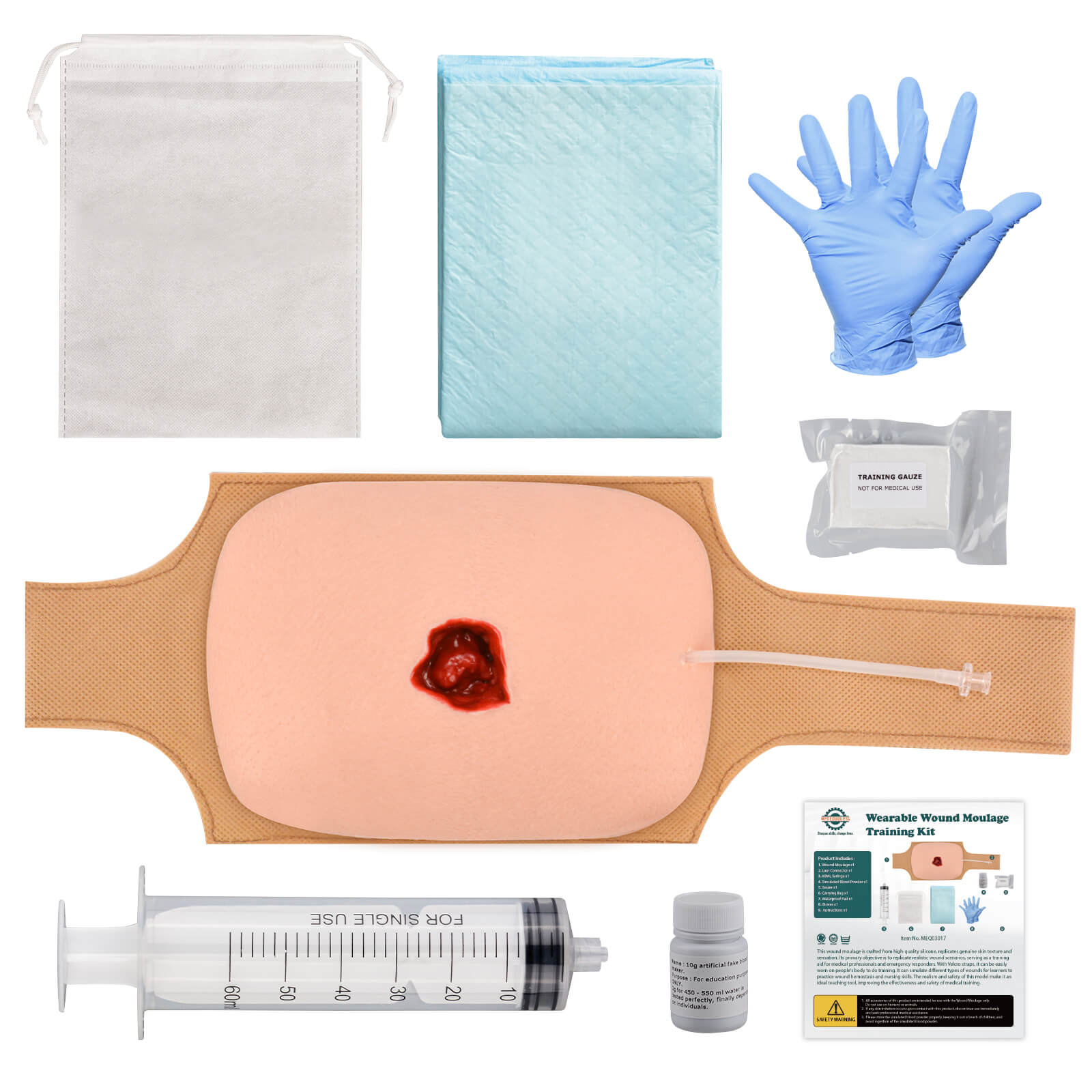
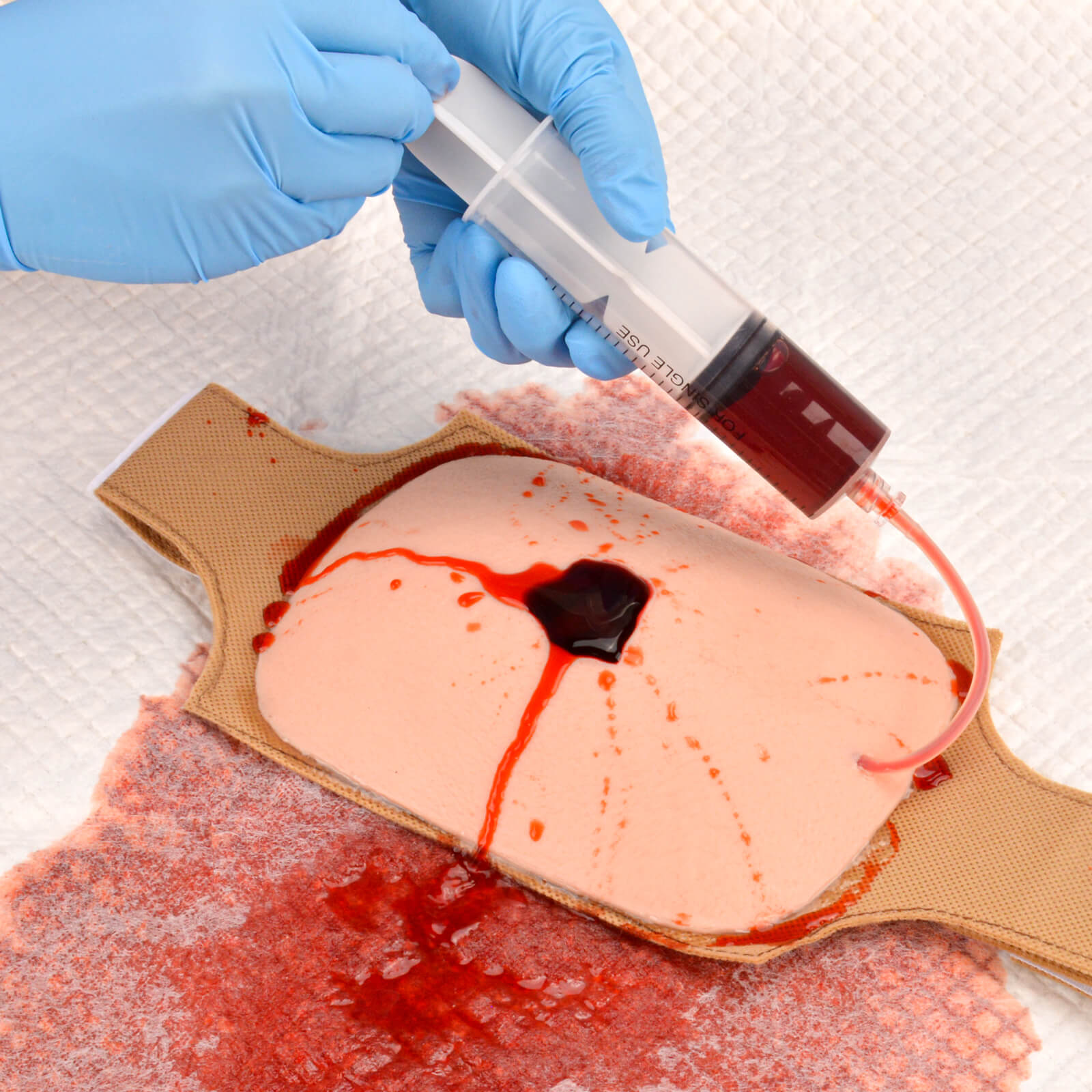
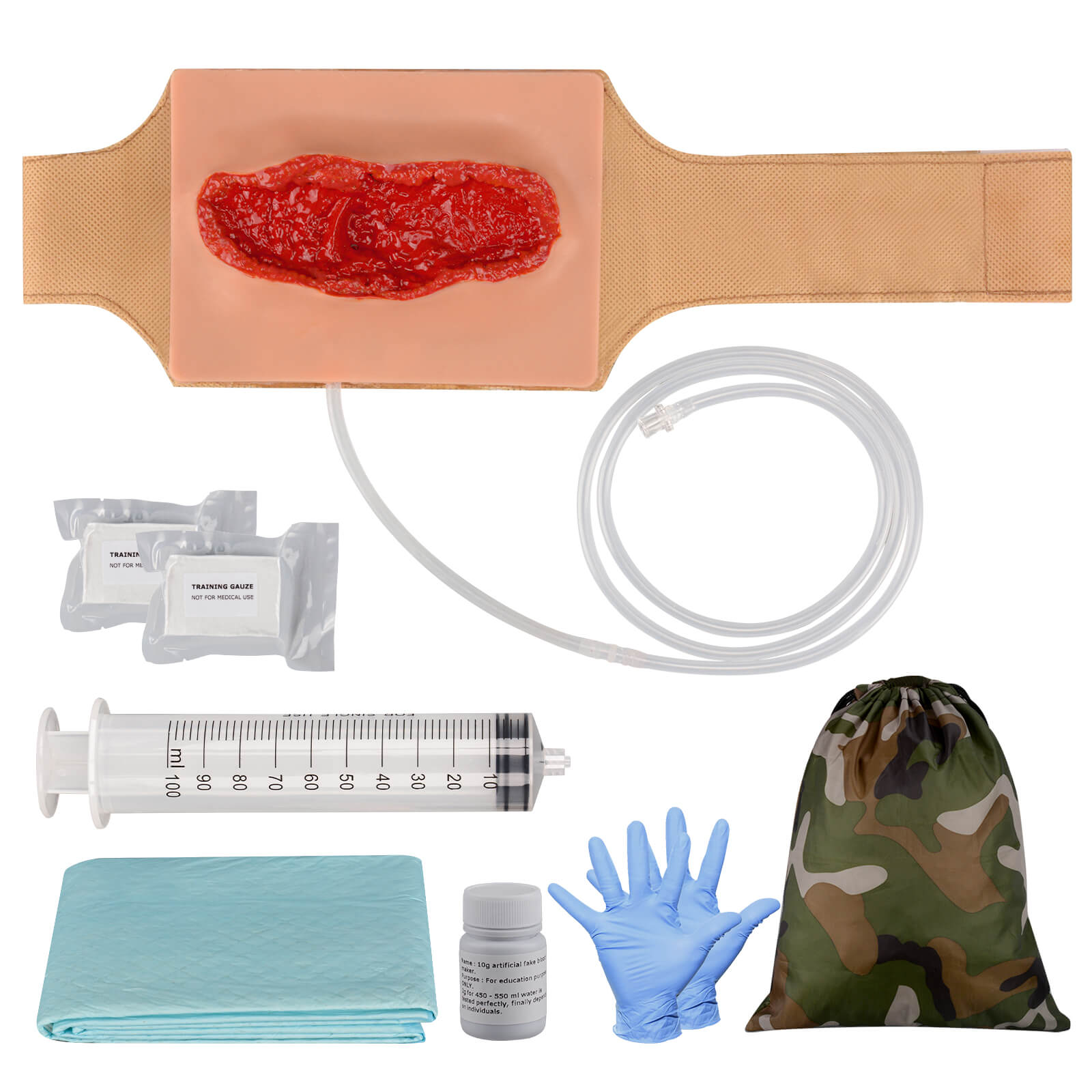
Training should always start with a wound packing trainer, not a real patient.
How a Tourniquet Works
- Applied high and tight above the bleeding site
- Tightened until bleeding stops
- Requires monitoring time on limb
Realistic practice is best done with a dedicated tourniquet trainer.
When to Choose Which?
Use Wound Packing When:
- Bleeding comes from a deep wound cavity
- Injuries occur in junctional areas (groin, shoulder, neck)
- There is a penetrating injury such as a gunshot or stab wound
- Tourniquet placement is impossible or ineffective
Use a Tourniquet When:
- Bleeding is on an arm or leg
- Hemorrhage is life-threatening and uncontrolled
- The wound is proximal enough for proper placement
Use Both Together When:
- There is severe limb trauma
- A gunshot wound causes both deep cavity bleeding and arterial flow
- Packing controls internal bleeding while a tourniquet stops arterial flow
| Aspect | Wound Packing | Tourniquet |
|---|---|---|
| Meaning | Packing gauze into wound cavity | Cutting off limb blood flow |
| How it works | Direct internal pressure | External vascular occlusion |
| Best for | Deep, junctional, penetrating wounds | Massive limb hemorrhage |
| Speed | Slower but targeted | Very fast |
| Can combine? | Yes | Yes |
Practice Both Skills Together
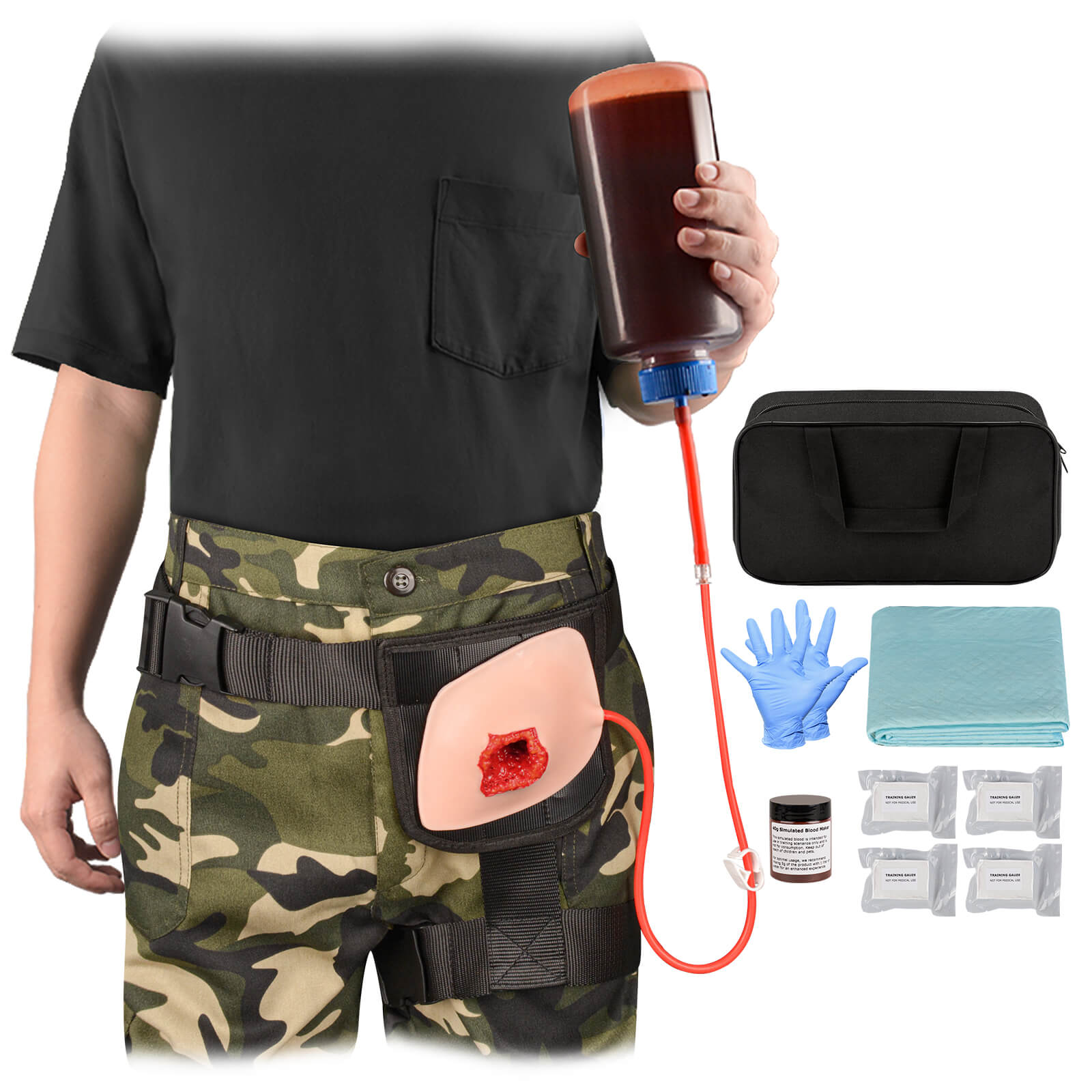
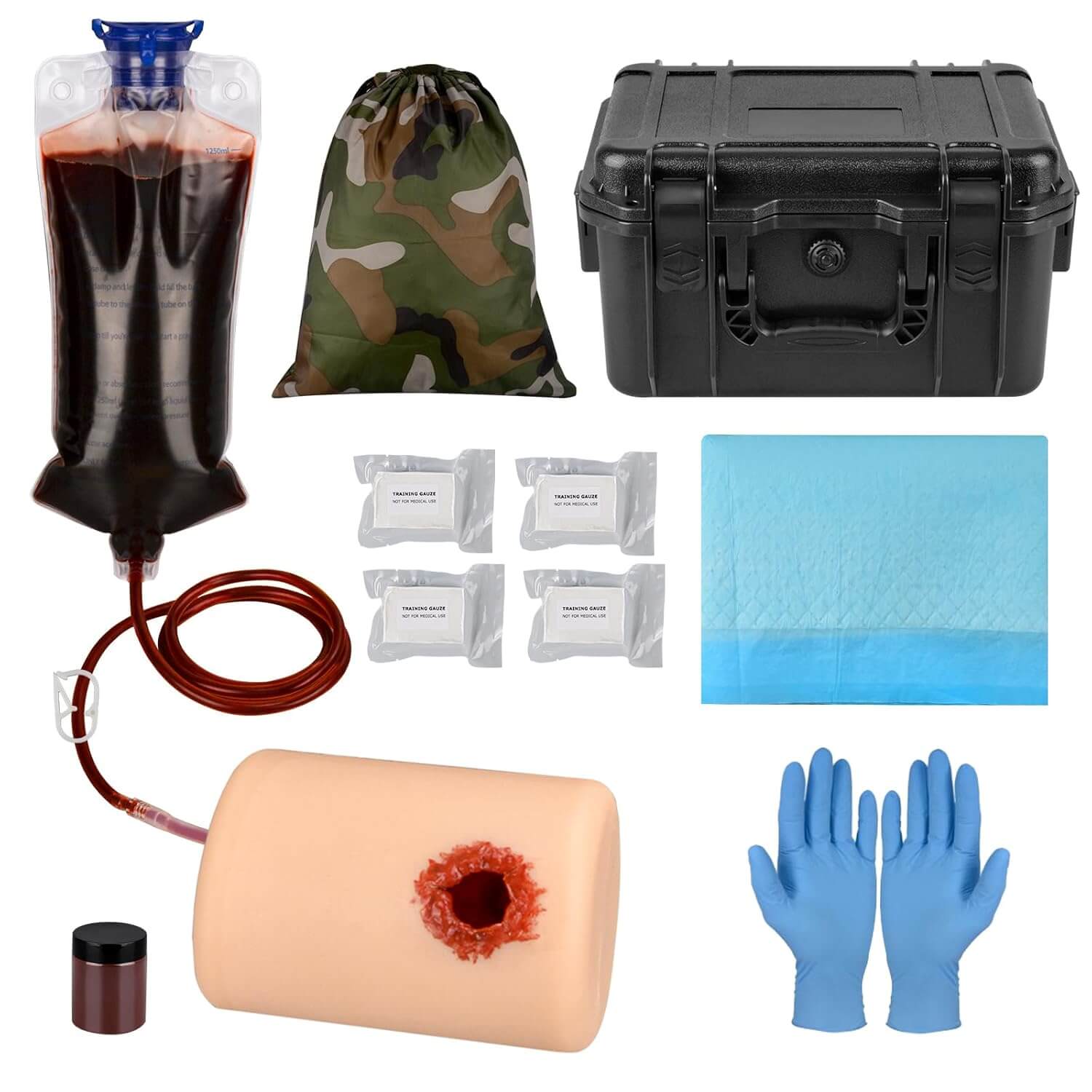
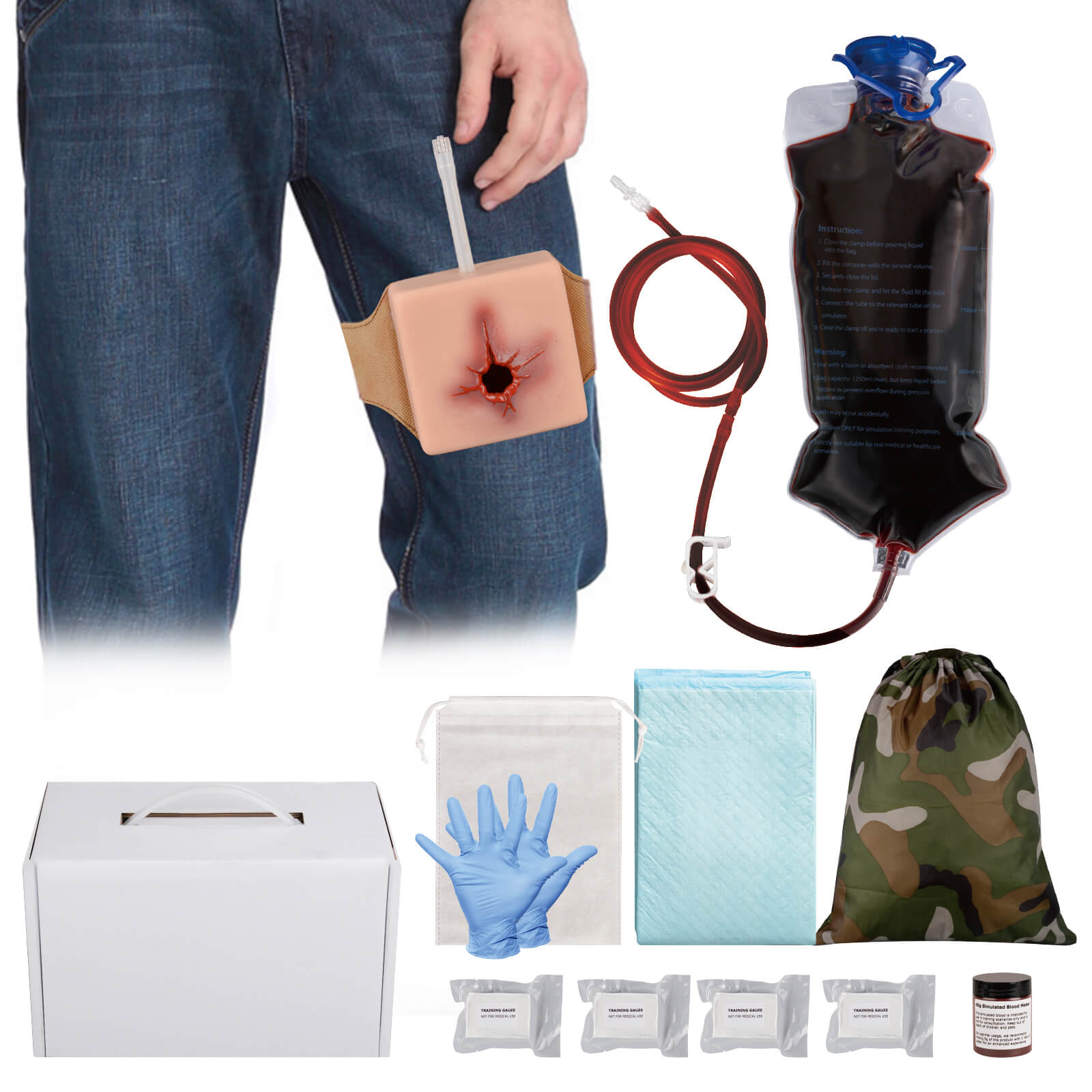
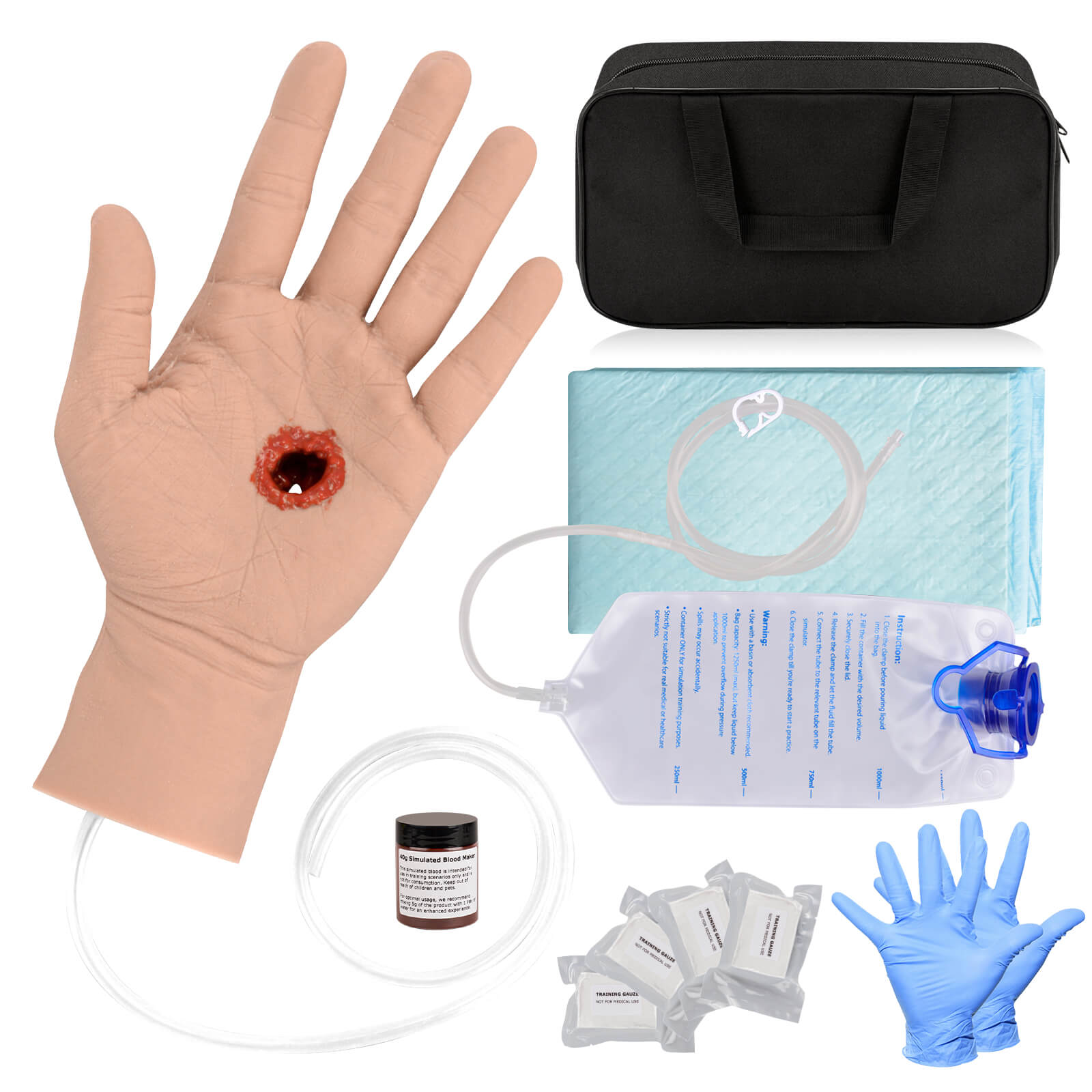
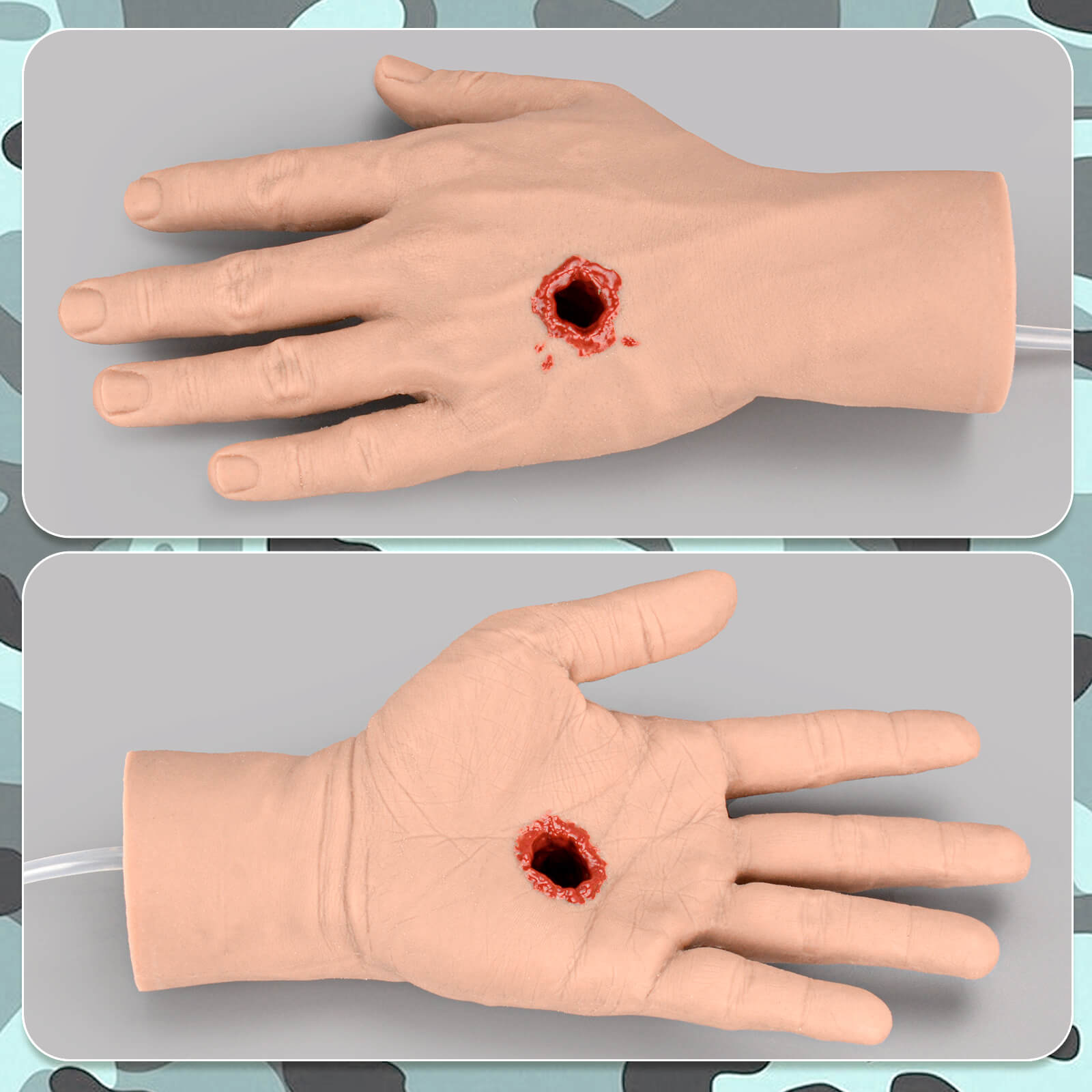
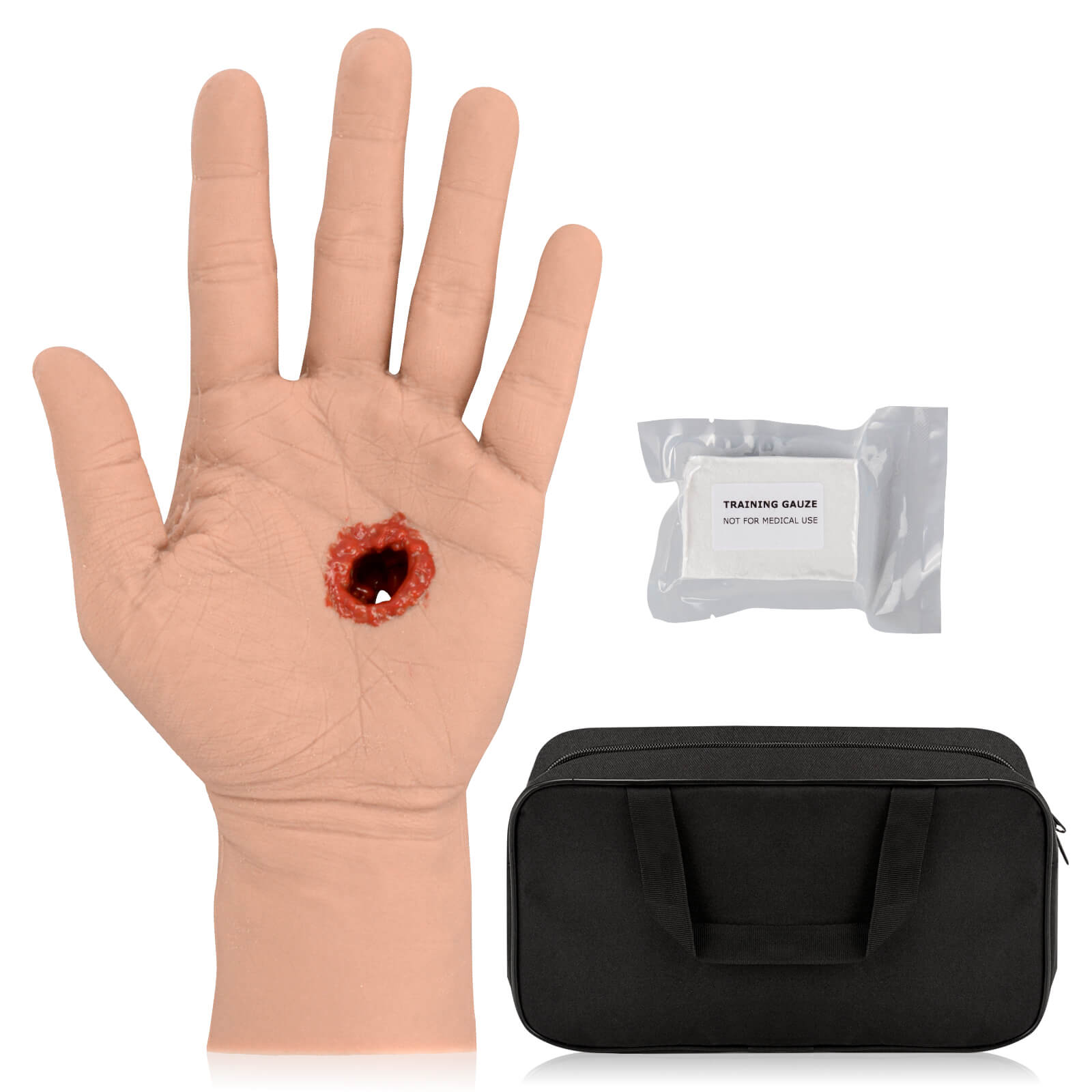
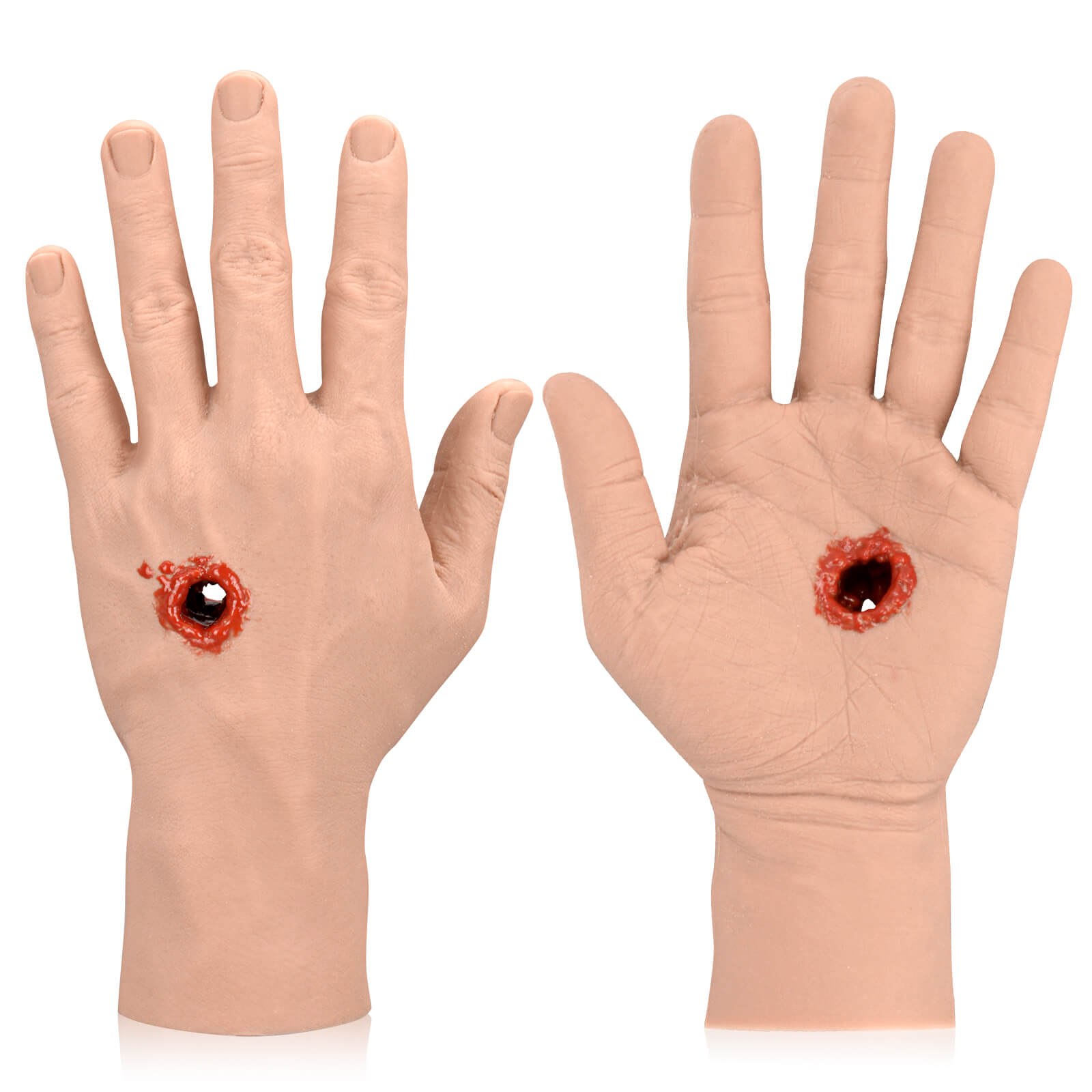
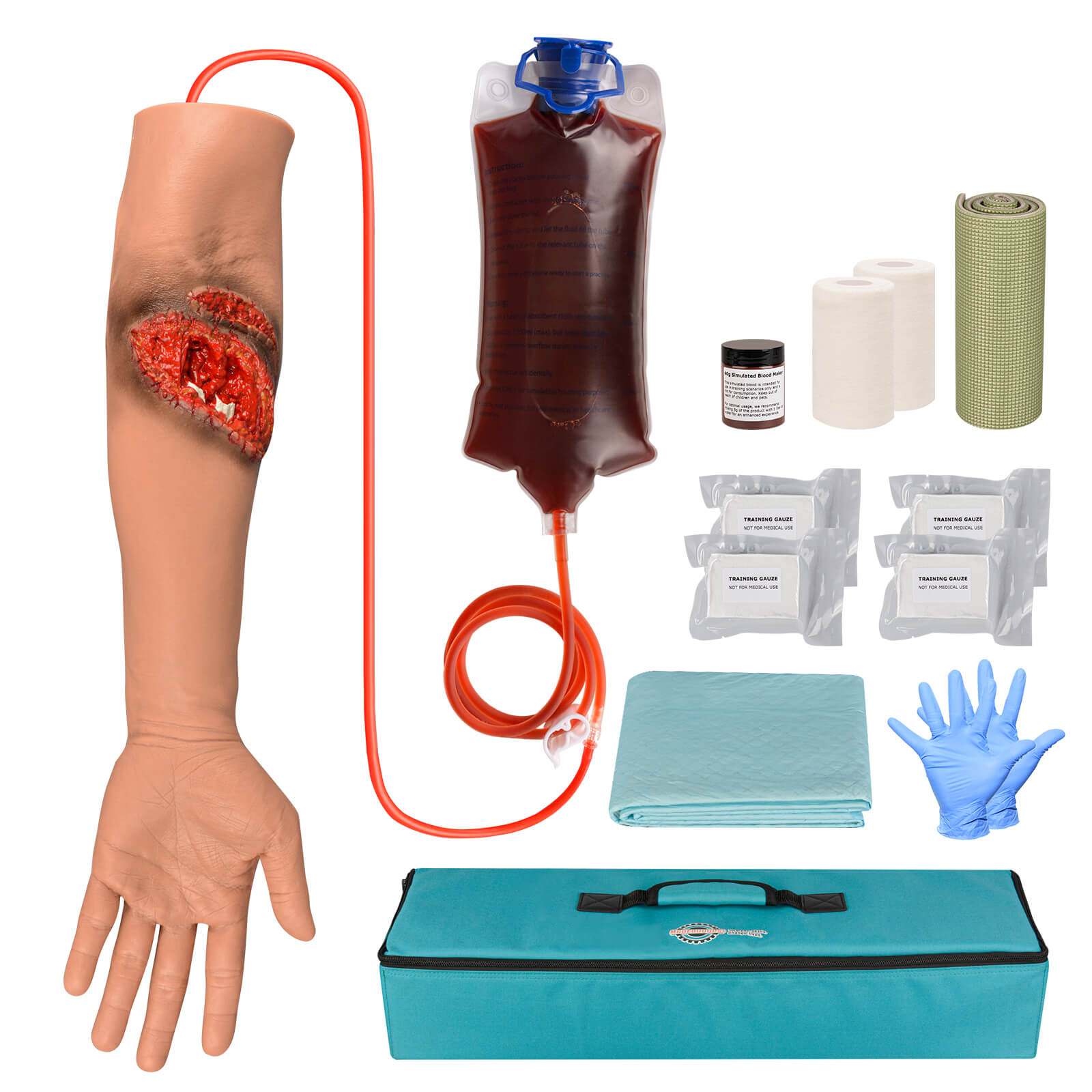
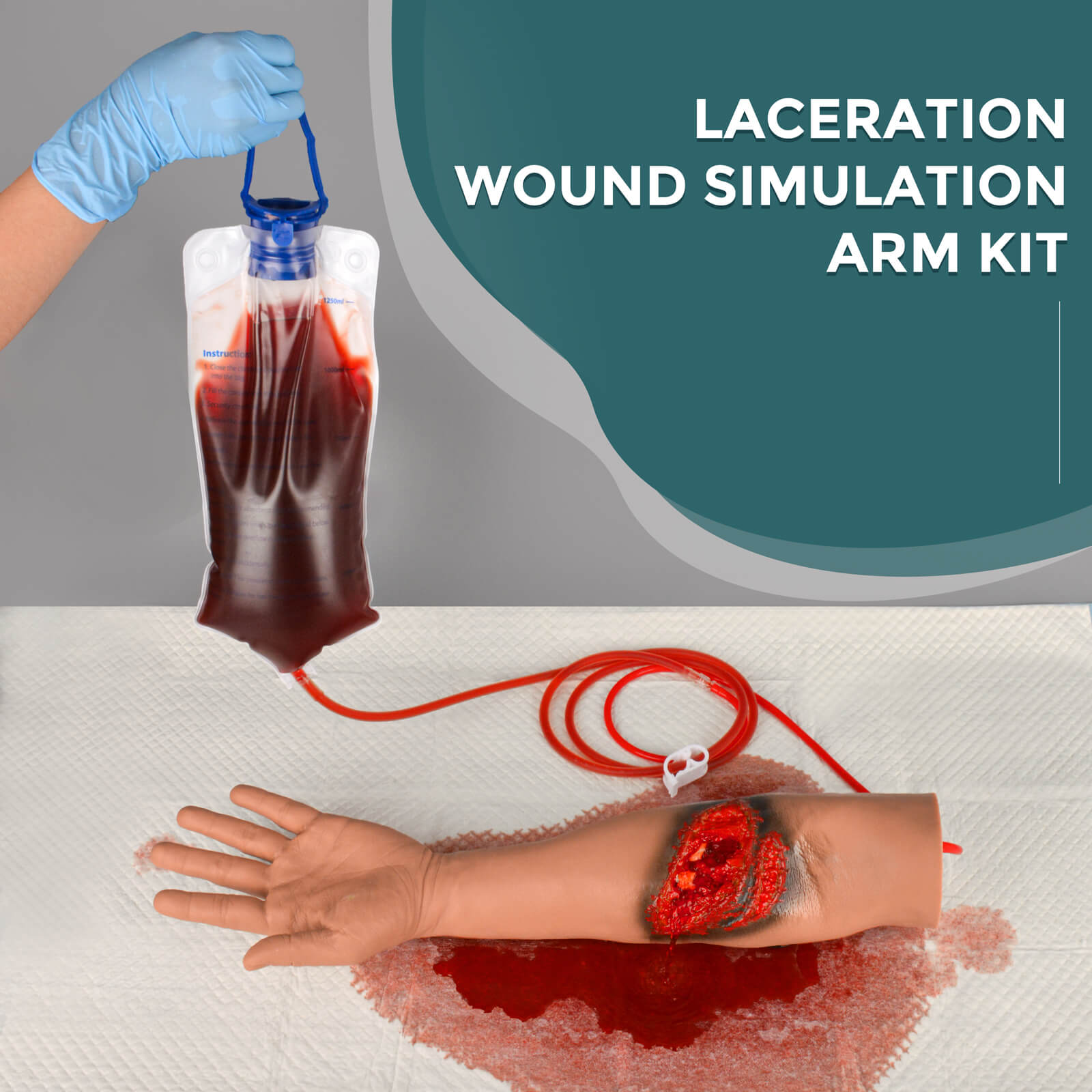
Many modern wound simulators allow combined hemorrhage control training, helping learners understand when to pack, when to tourniquet, and how to transition between them.
Examples include:
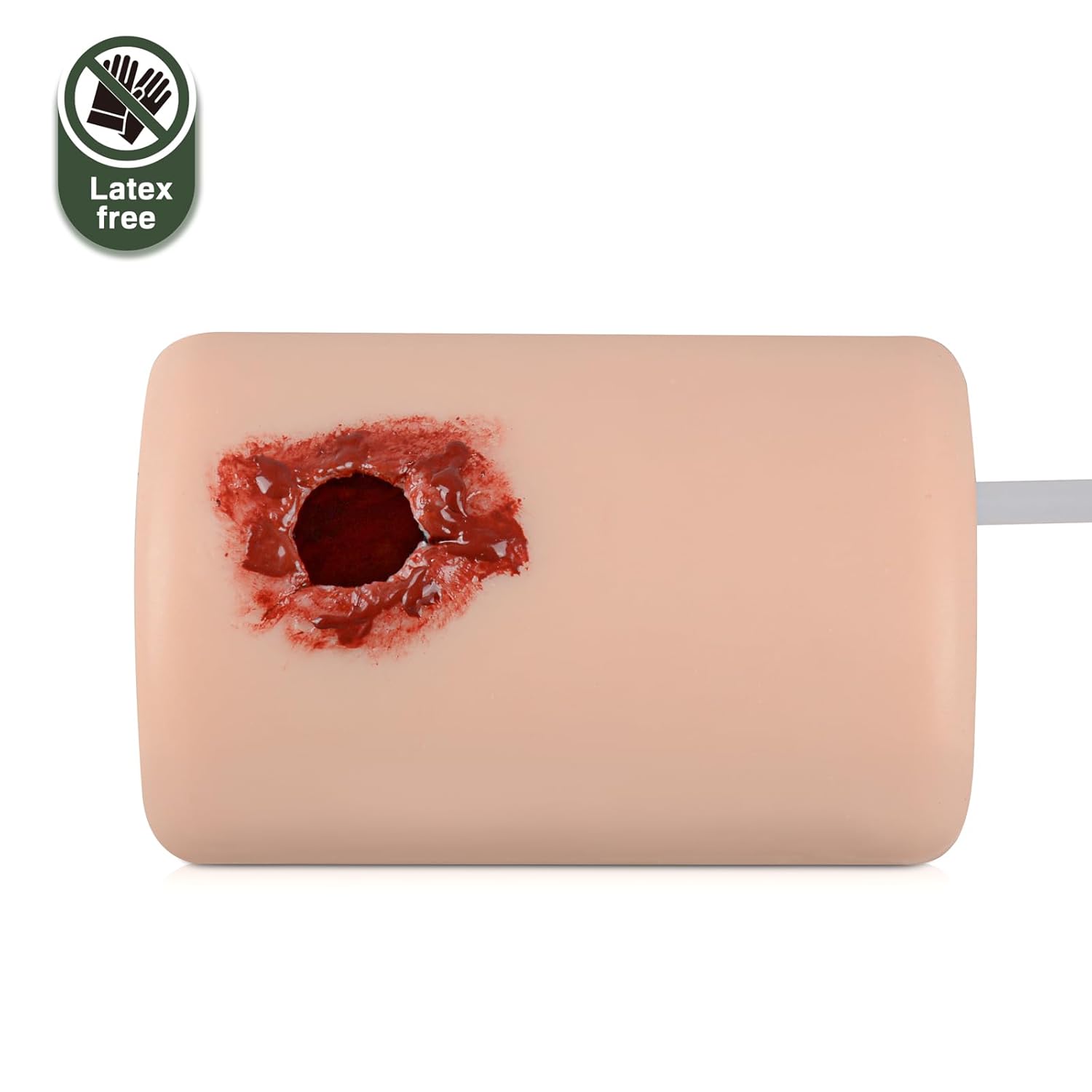
- GSW Through-Leg Trainer
- Covered GSW Wound Packing & Tourniquet Training Kit
- Multiple Wounds Haemorrhage Control Arm Trainer
- Wearable Arm Amputation Trauma Trainer
- Thigh Amputation Tourniquet & Wound Packing Trainer
These hybrid models reinforce decision-making, not just technique.
FAQs
Q1: Do I always need a tourniquet if I have one?
No. Tourniquets only work on limbs and do not control deep cavity bleeding.
Q2: Can wound packing replace a tourniquet?
No. Packing cannot fully stop arterial flow in major limb vessels.
Q3: Which should I try first?
If the wound is on a limb and bleeding is massive, apply a tourniquet first. If bleeding continues or packing is needed inside the wound, use both.
Q4: Is wound packing safe for non-professionals to learn?
Yes, with proper training models, not real patients.
.jpeg?w=1600&h=1600)
.jpeg?w=1600&h=1600)
.jpg?w=1600&h=1600)
.jpg?w=1600&h=1600)
.jpeg?w=1500&h=1500)
.jpg?w=1000&h=1000)
.jpg?w=1000&h=1000)
.jpeg?w=1500&h=1500)
.jpeg?w=1500&h=1500)
.jpeg?w=1600&h=1600)
.jpeg?w=1600&h=1600)
.jpg?w=1600&h=1600)
.jpg?w=1600&h=1600)
.jpg?w=1500&h=1500)
.jpg?w=1500&h=1500)
.jpg?w=1500&h=1500)
.jpg?w=1500&h=1500)
.jpg?w=1500&h=1500)
.jpg?w=1500&h=1500)
.jpg?w=1500&h=1500)
.jpg?w=1500&h=1500)