
I still remember during my early clinical placement, a patient came in with a diabetic foot ulcer that had turned black and emitted a strong odor. At first, I thought it was just a scab, but my preceptor explained: this is necrosis. That experience stayed with me because wound necrosis is not only distressing to see, but also dangerous if left untreated.
So, what is wound necrosis? In simple terms, necrosis is the death of tissue. When blood supply is cut off, whether from infection, pressure, or vascular compromise - cells die, and the wound bed cannot heal properly.
Causes of Wound Necrosis
- Ischemia (lack of blood flow): Common in patients with peripheral arterial disease or diabetes.
- Infection: Bacteria release toxins that damage tissue, accelerating necrosis.
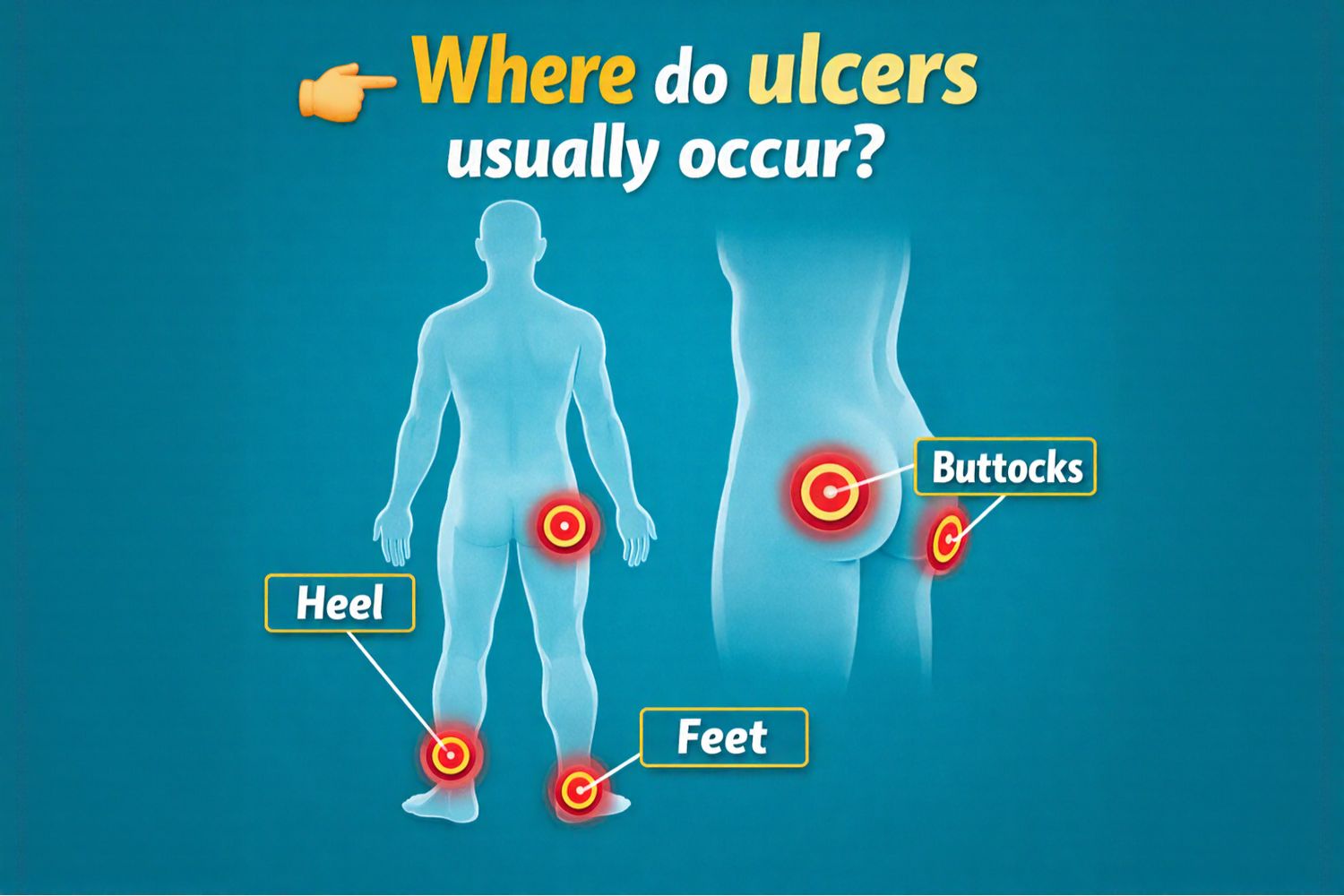
- Pressure injuries: Bedsores and pressure ulcers often progress to necrosis if untreated.
- Trauma or surgical complications: Severe injuries or poor perfusion at a surgical site.
Wound Necrosis Symptoms
Recognizing necrosis early is crucial. Typical signs include:
- Black, brown, or yellow dead tissue (eschar)
- Foul odor or unusual discharge
- Delayed healing or stagnant wound bed
- Pain, swelling, or redness around the wound
If you see these wound necrosis symptoms, it's not just cosmetic. It indicates that healing is impaired.
Necrosis Wound Care and Treatment
The foundation of management is to remove dead tissue and restore a healthy wound bed:
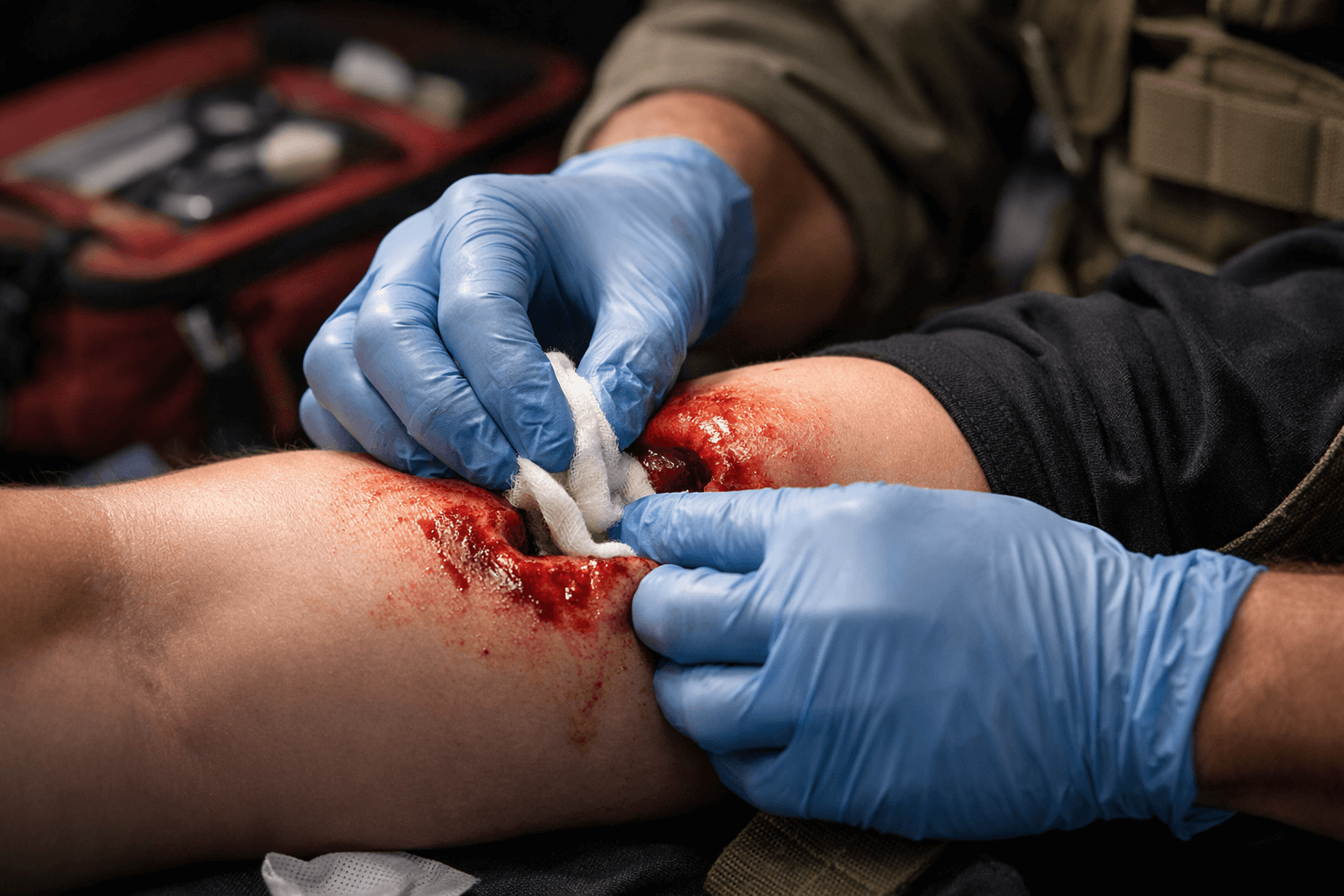
- Debridement: Surgical, enzymatic, or mechanical methods to clear necrotic tissue.
- Dressings: Moist wound dressings (e.g., hydrogels) to aid autolytic debridement.
- Infection control: Topical or systemic antibiotics if infection is present.
- Nutritional support: Protein and micronutrients are essential for healing.
- Education and monitoring: Patients must be taught when to seek help.
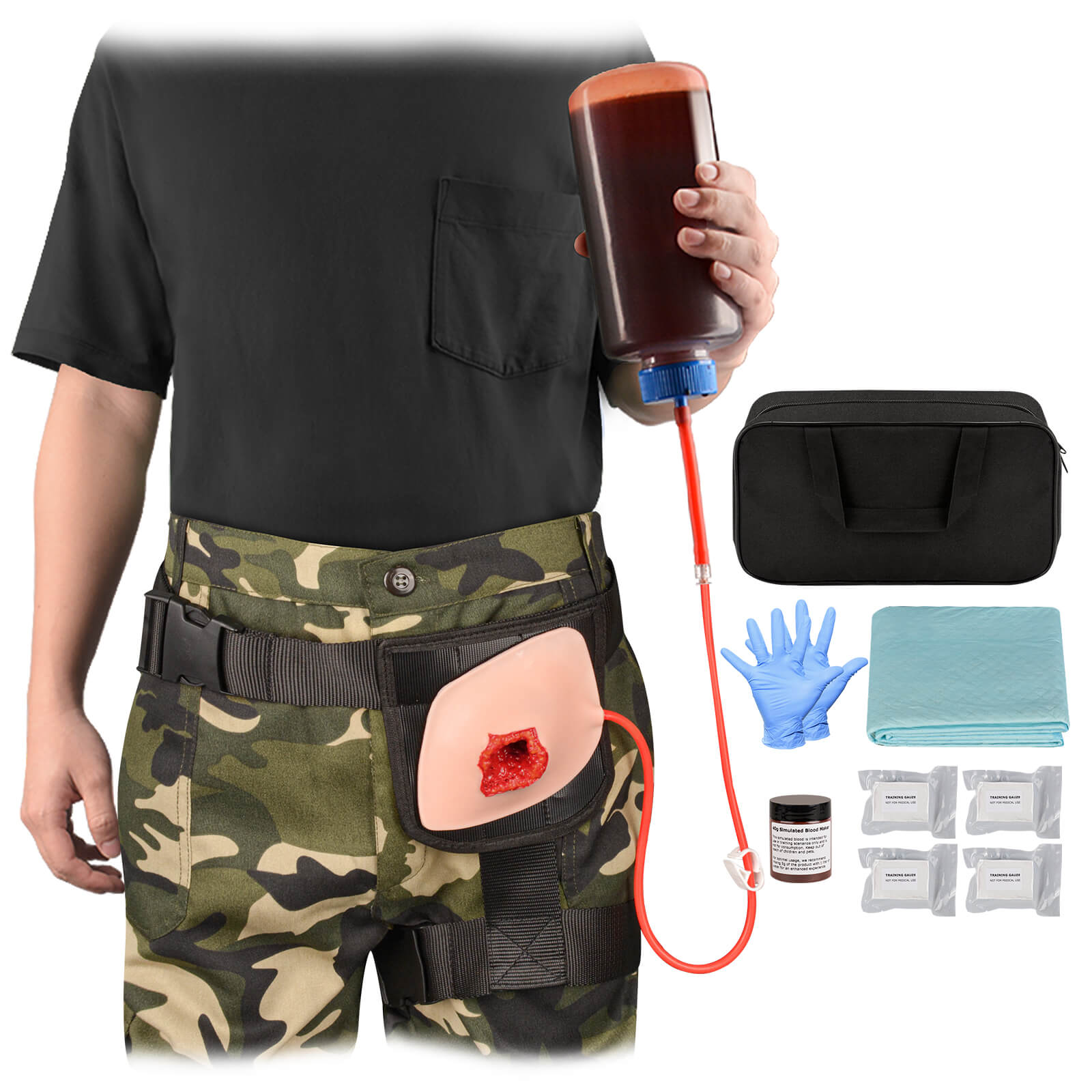
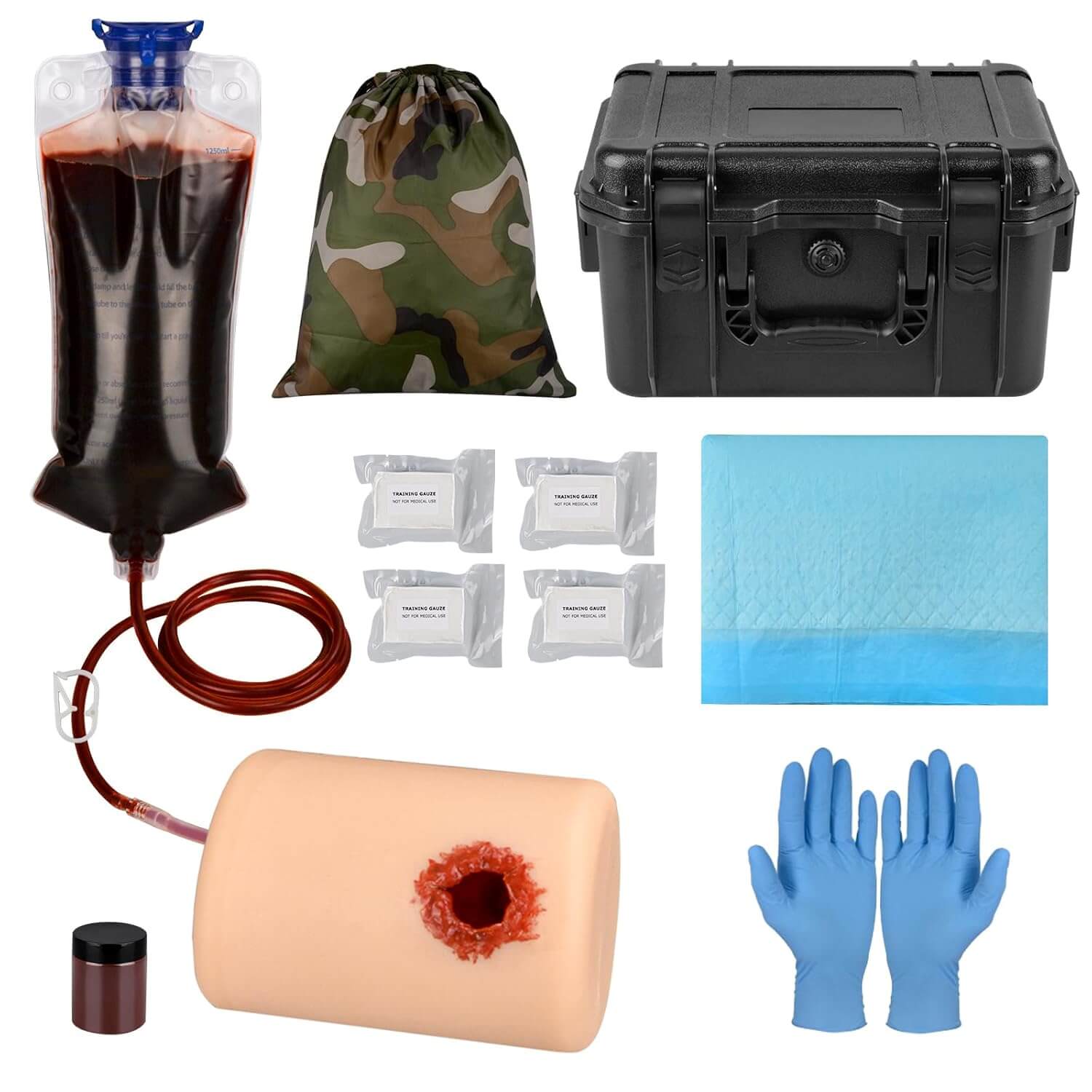
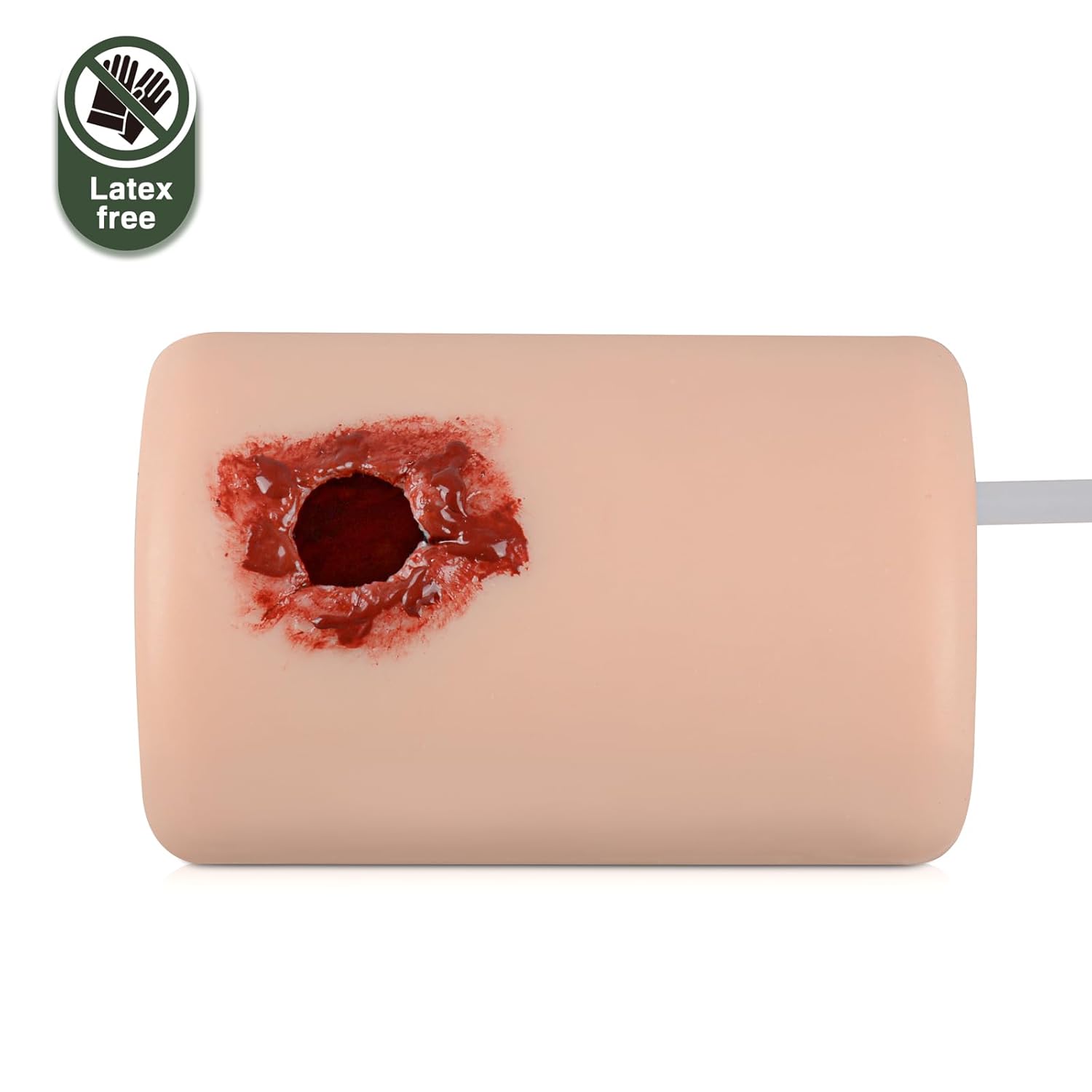
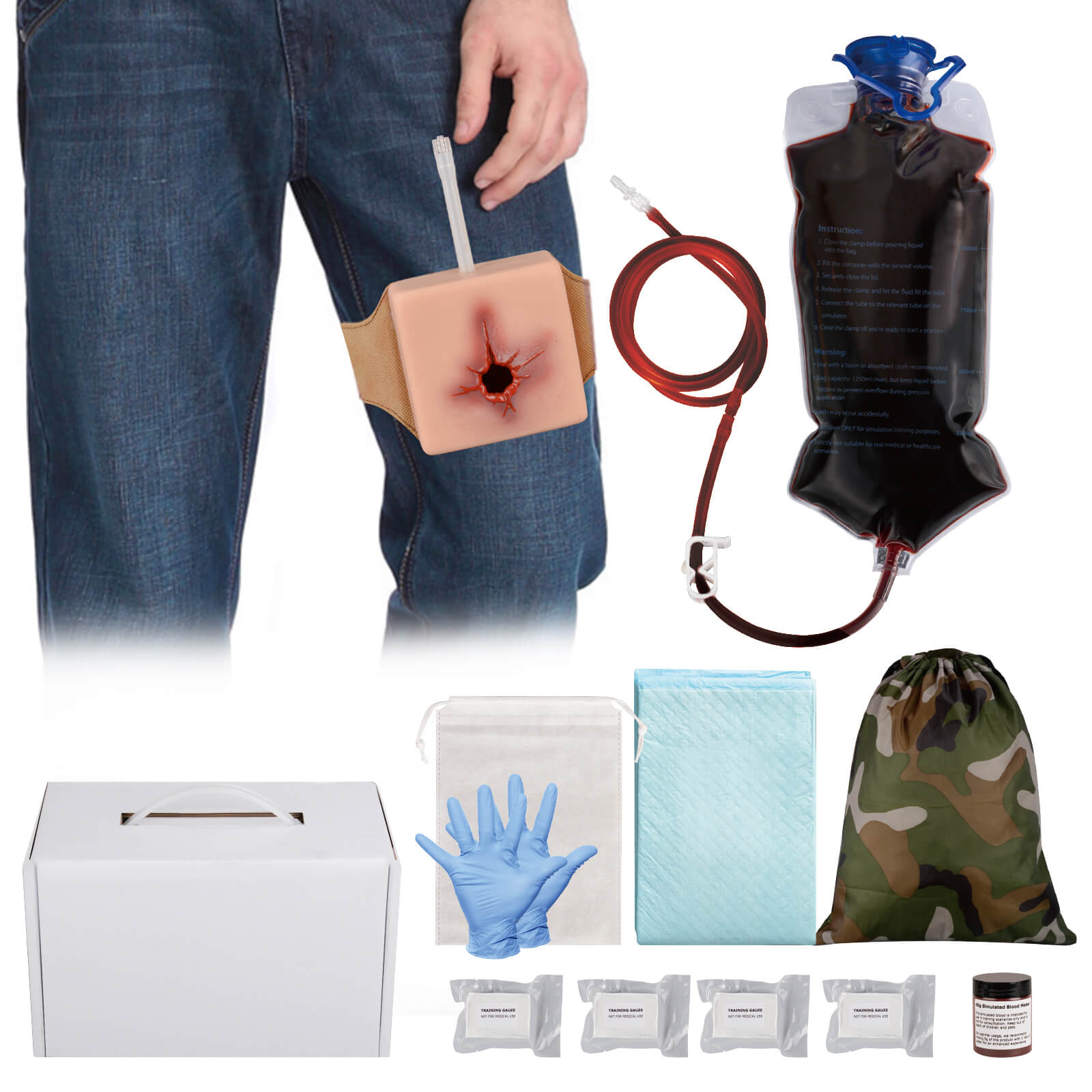
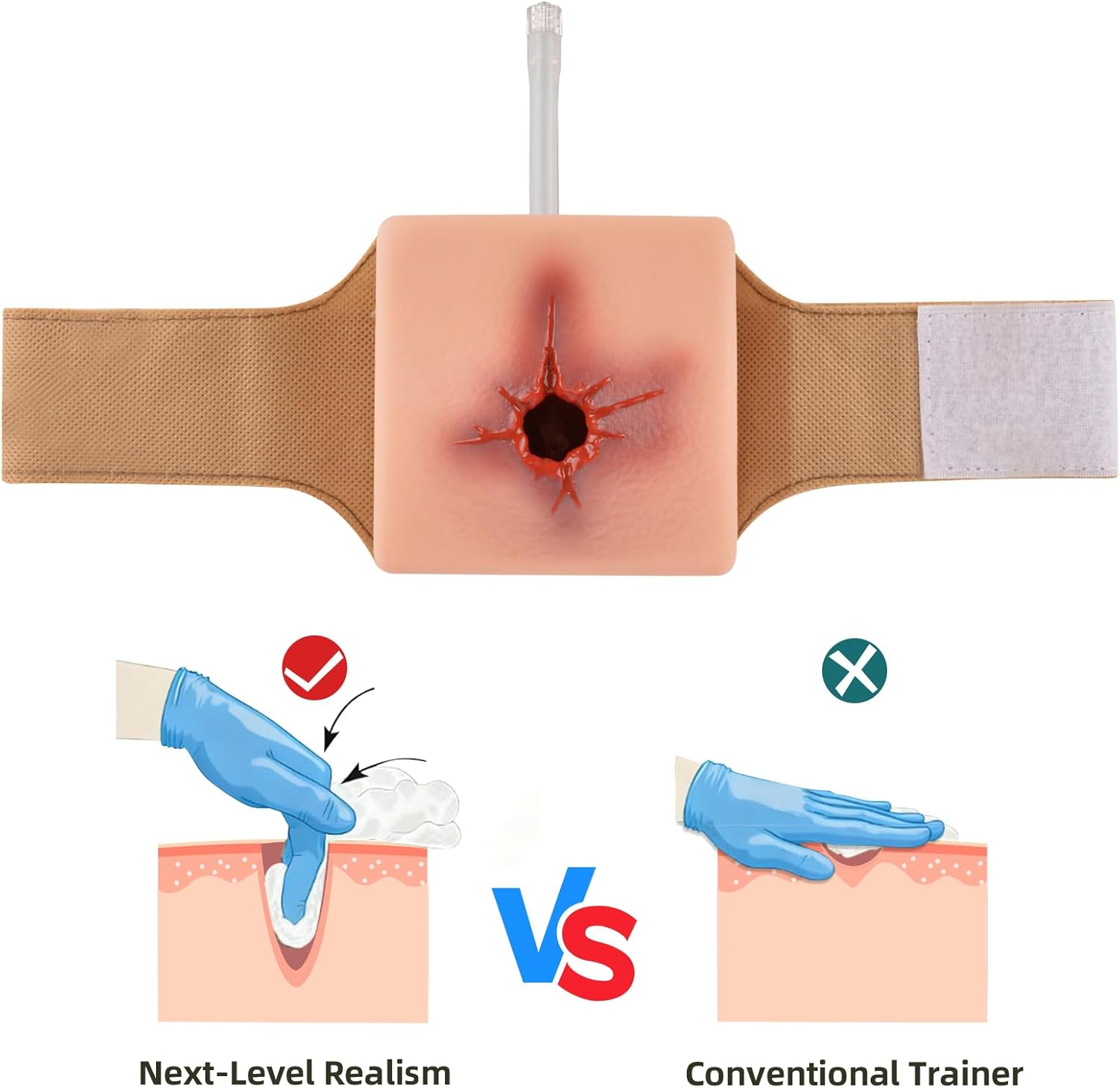
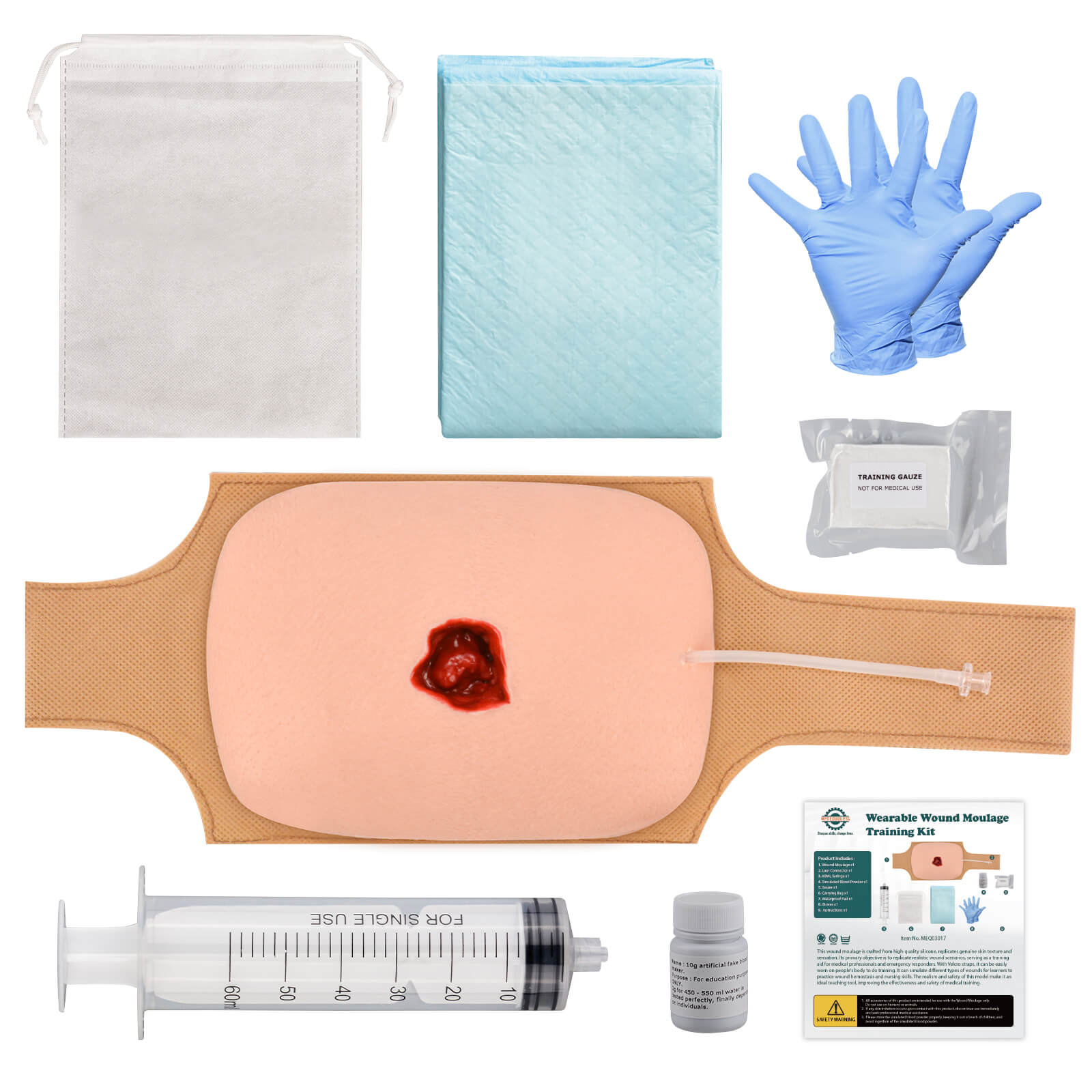
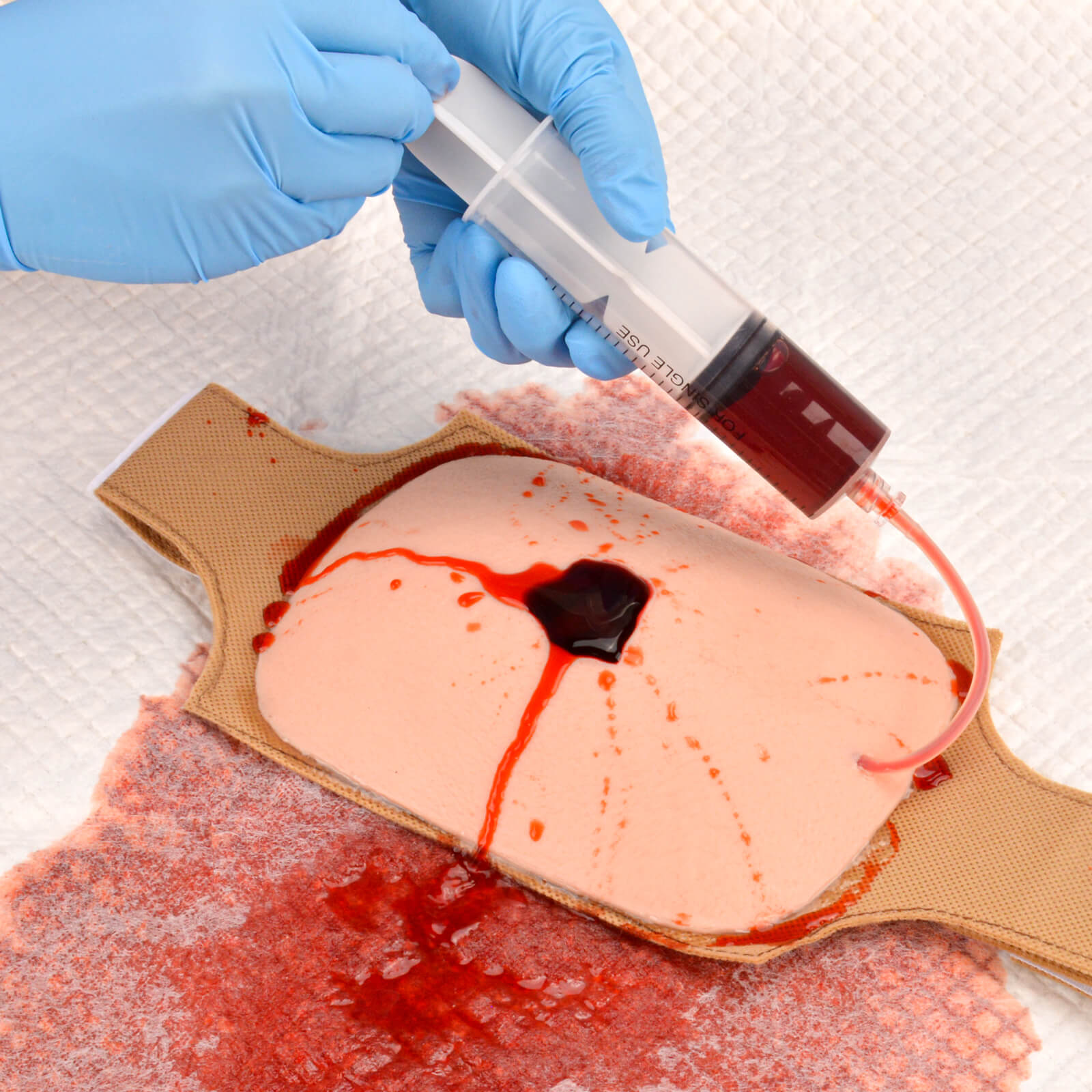
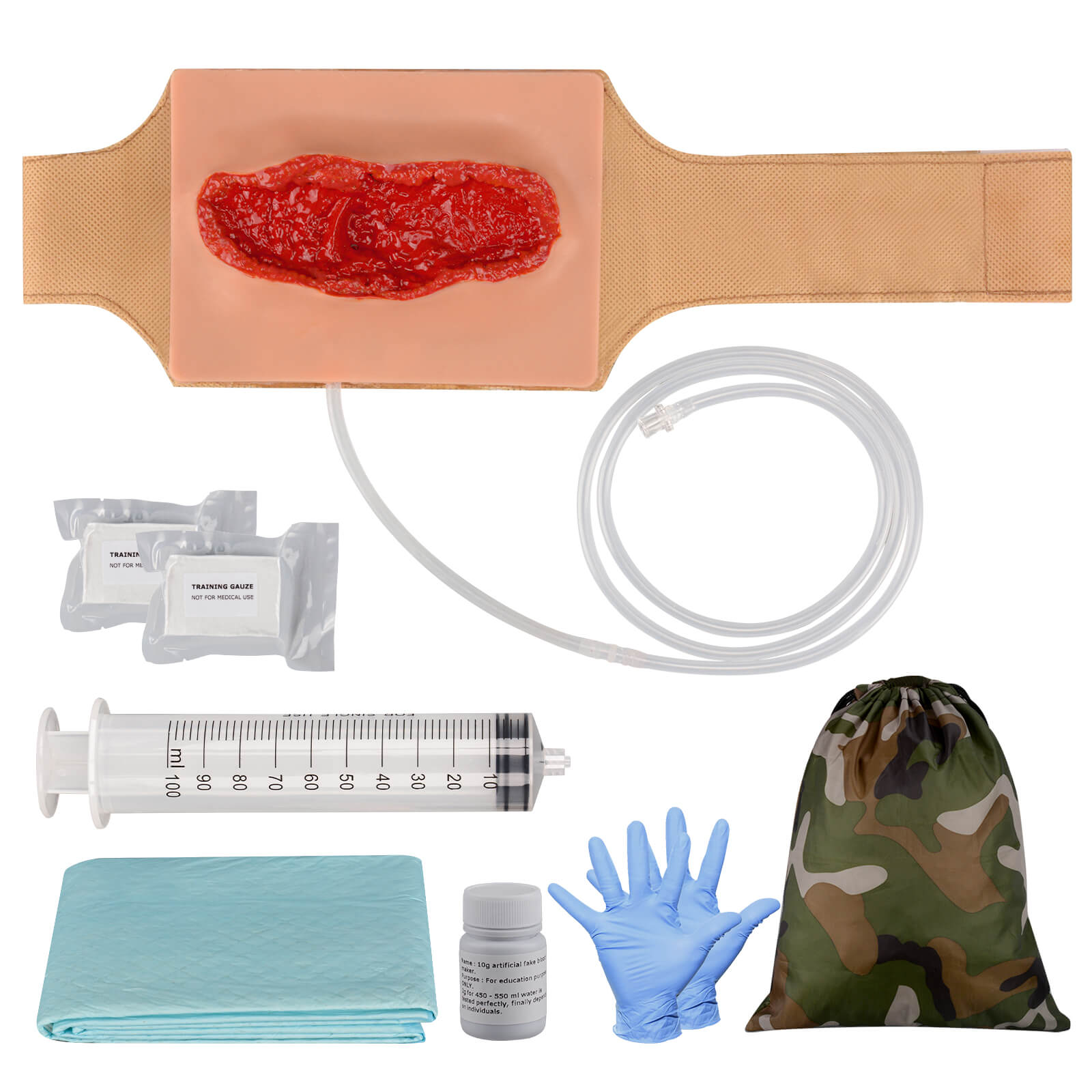
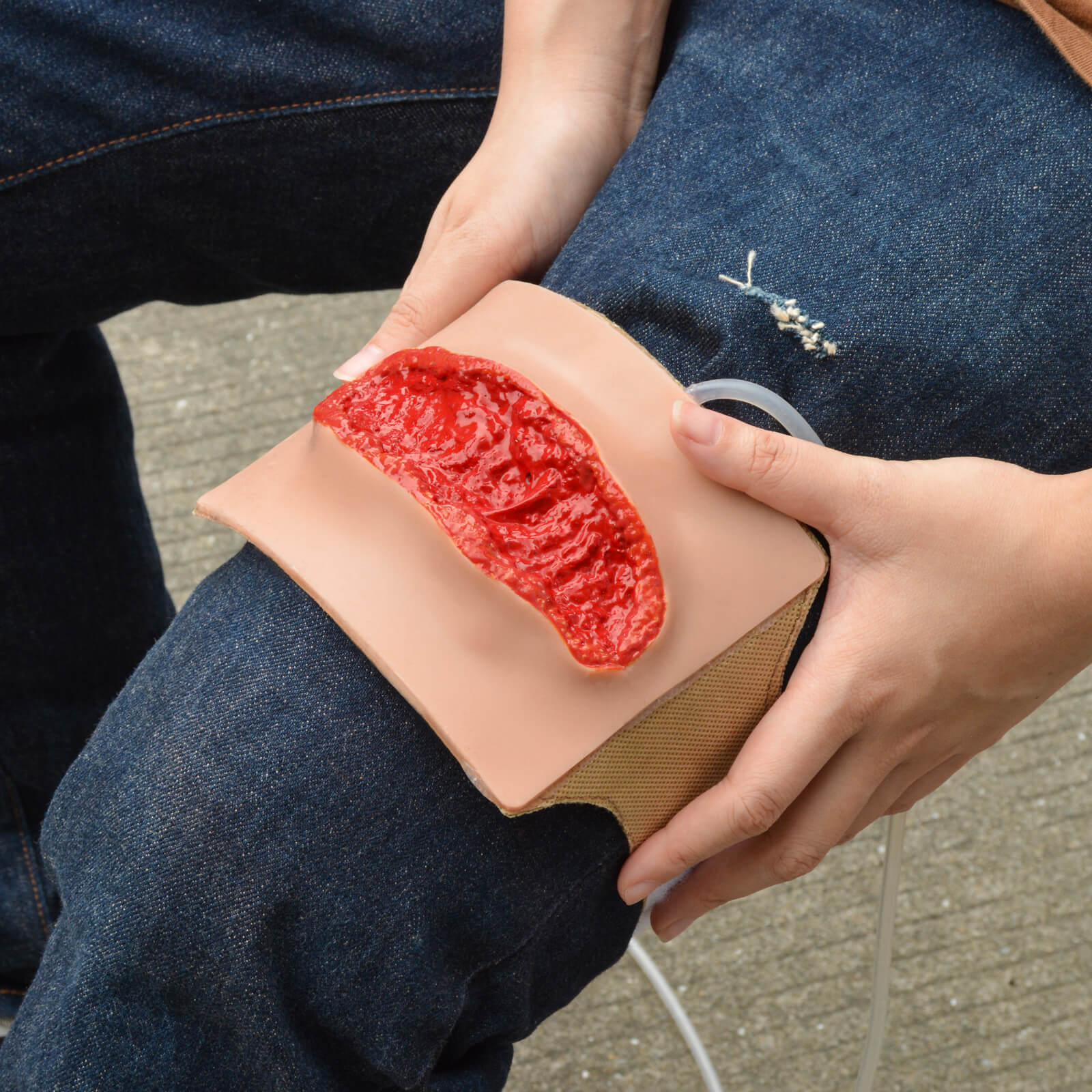
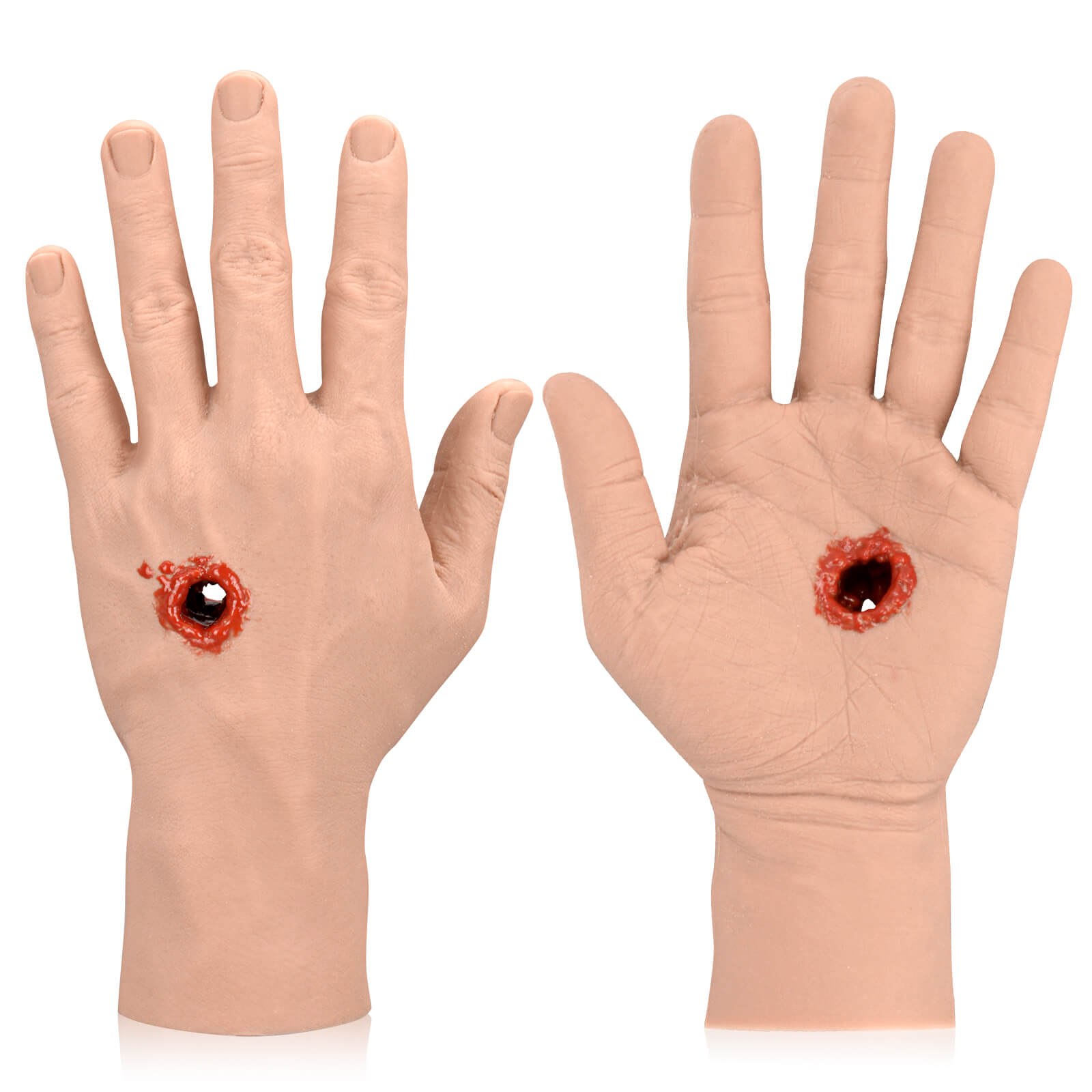
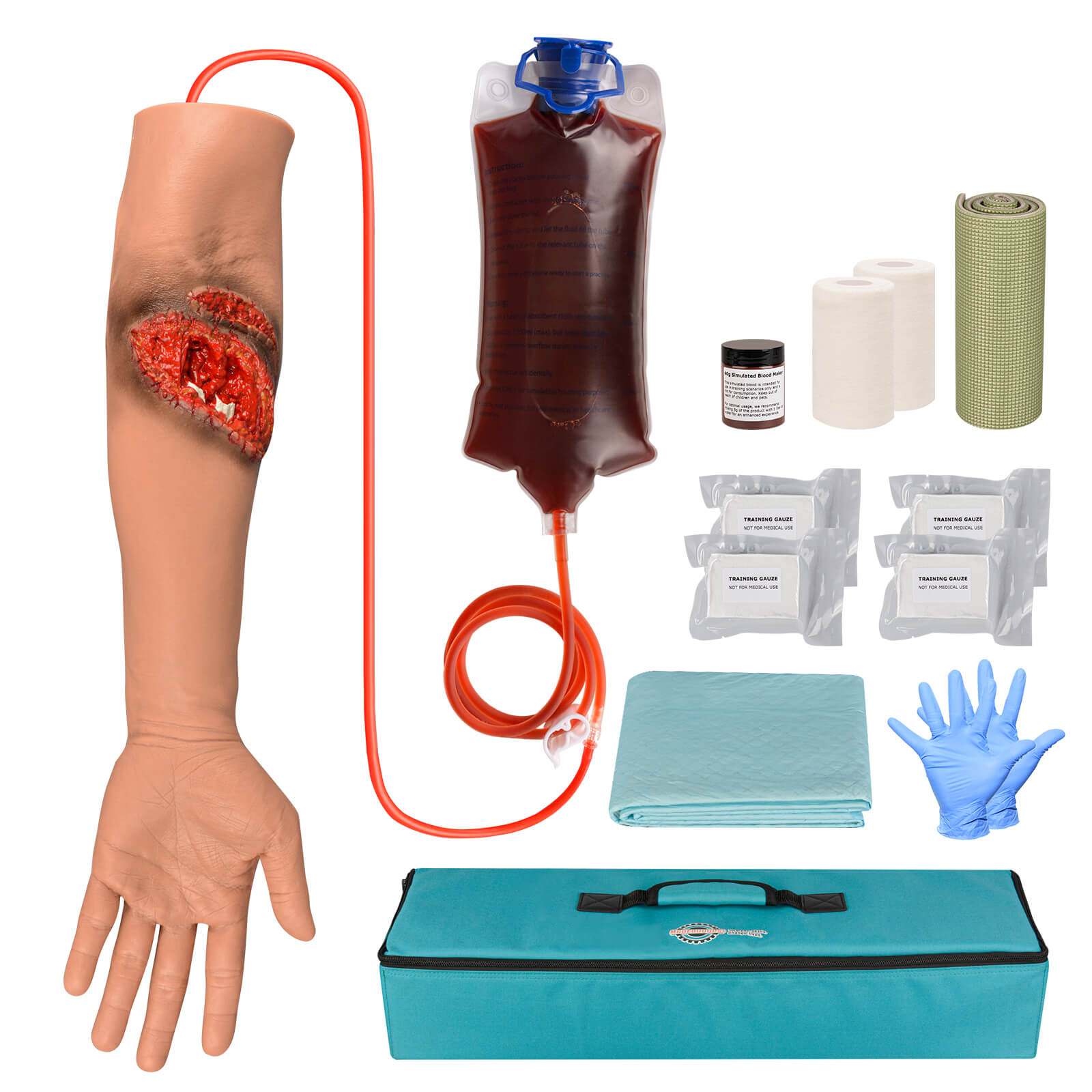
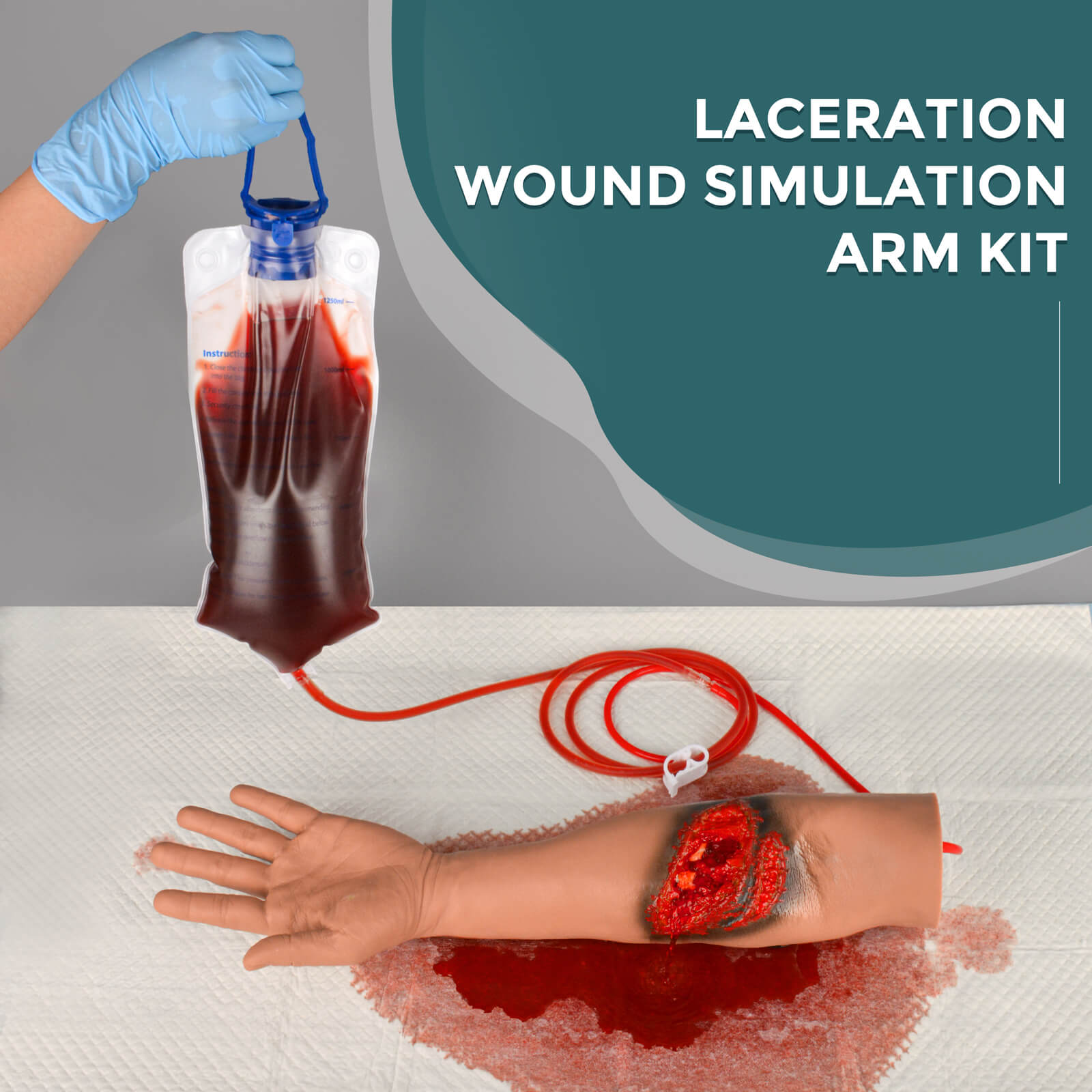
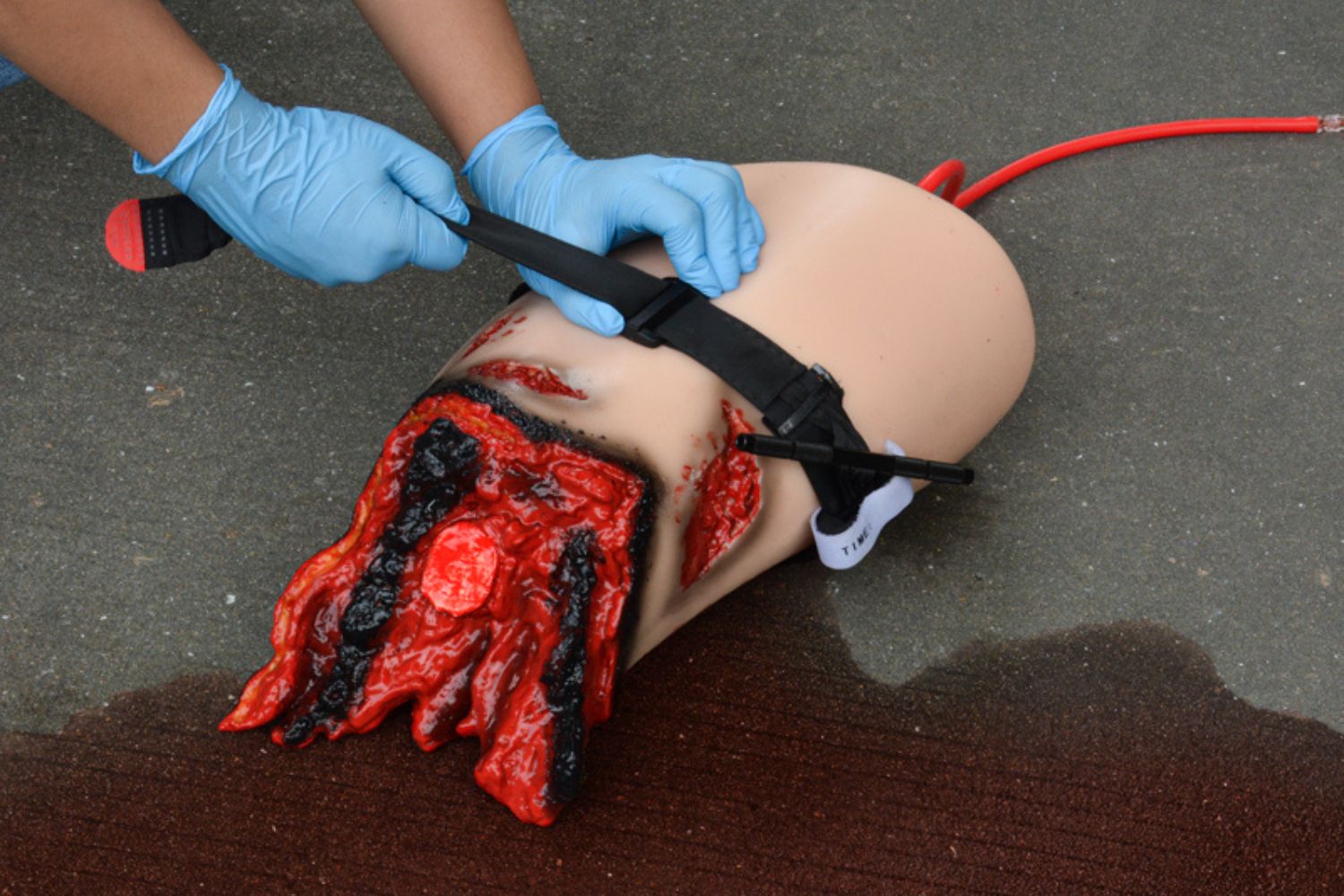
For educators and trainers, using a necrotic wound simulation model is an effective way to demonstrate what necrosis looks like and how different treatments are applied in real practice. Card-sized Necrotic Wound Simulation Models offer a compact and practical teaching solution.
Related Reading
If you're interested in the role of debridement, check out our article: Wound Necrosis and Debridement: Why Timely Treatment Matters.
.jpeg?w=1600&h=1600)
.jpeg?w=1600&h=1600)
.jpg?w=1600&h=1600)
.jpg?w=1600&h=1600)
.jpeg?w=1500&h=1500)
.jpg?w=1000&h=1000)
.jpg?w=1000&h=1000)



.jpeg?w=1500&h=1500)
.jpeg?w=1500&h=1500)

.jpeg?w=1600&h=1600)
.jpeg?w=1600&h=1600)
.jpg?w=1600&h=1600)
.jpg?w=1600&h=1600)
.jpg?w=1500&h=1500)
.jpg?w=1500&h=1500)
.jpg?w=1500&h=1500)
.jpg?w=1500&h=1500)
.jpg?w=1500&h=1500)
.jpg?w=1500&h=1500)
.jpg?w=1500&h=1500)
.jpg?w=1500&h=1500)