
One of my professors used to say: "A wound with necrosis is like a garden full of weeds—you can't expect flowers to grow unless you clear the ground first." That metaphor stuck with me, especially the first time I saw a wound improve dramatically after debridement.
Why Necrotic Tissue Must Be Removed
Dead tissue blocks new cells from forming, harbors bacteria, and increases infection risk. Without timely debridement, necrosis wound healing is delayed and complications escalate.
Types of Debridement
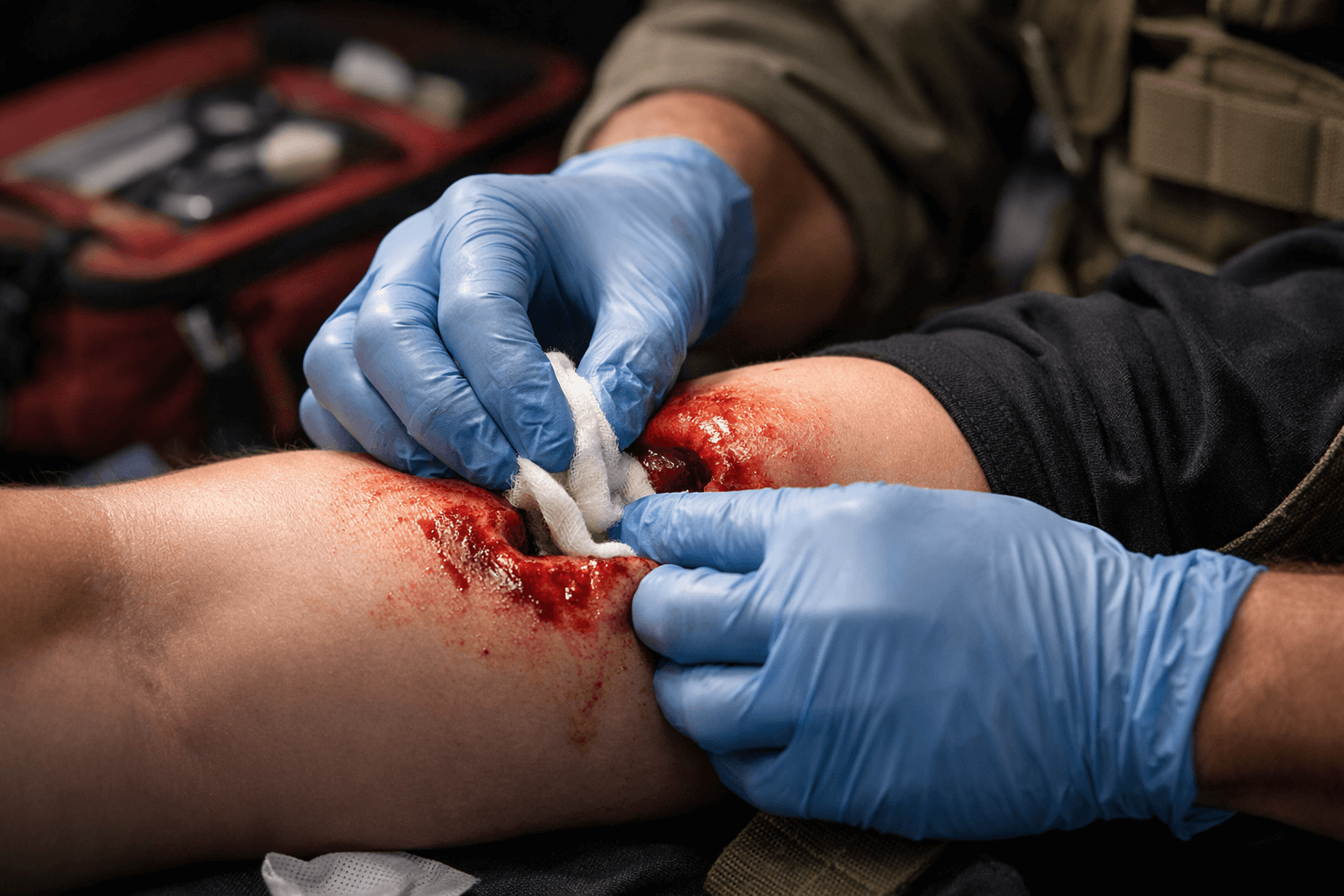
- Surgical/Sharp Debridement: Quick, effective, but requires trained professionals.
- Mechanical Debridement: Wet-to-dry dressings or irrigation; less precise.
- Enzymatic Debridement: Topical agents that dissolve necrotic tissue.
- Autolytic Debridement: Moist dressings that use the body's own enzymes.
- Negative Pressure Wound Therapy (NPWT): Aids debridement and granulation.
Clinical Importance
- Prevents infection from colonizing necrotic areas
- Promotes granulation tissue formation
- Reduces odor and exudate
- Prepares wound for advanced therapies (e.g., grafts)
Simulation in Education
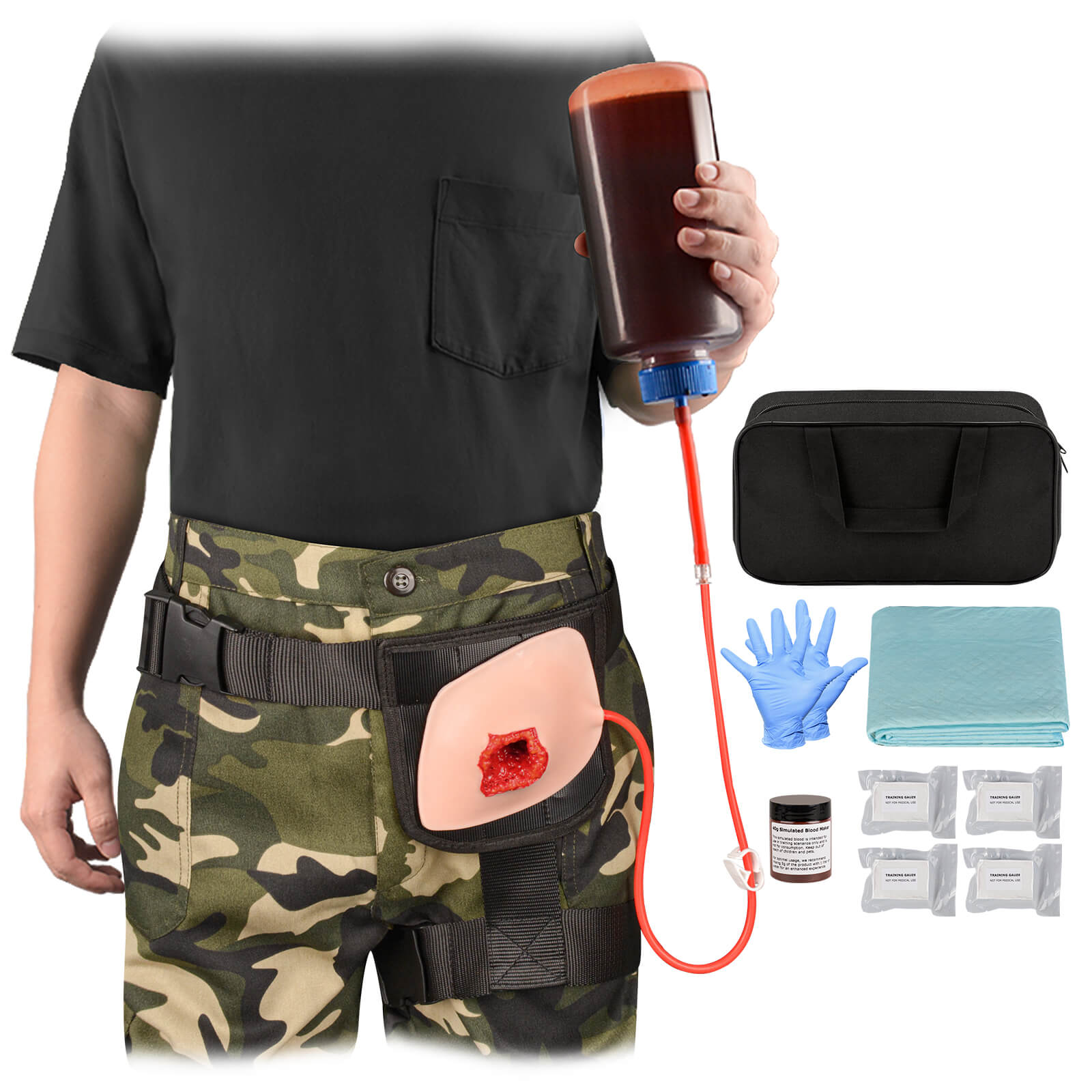
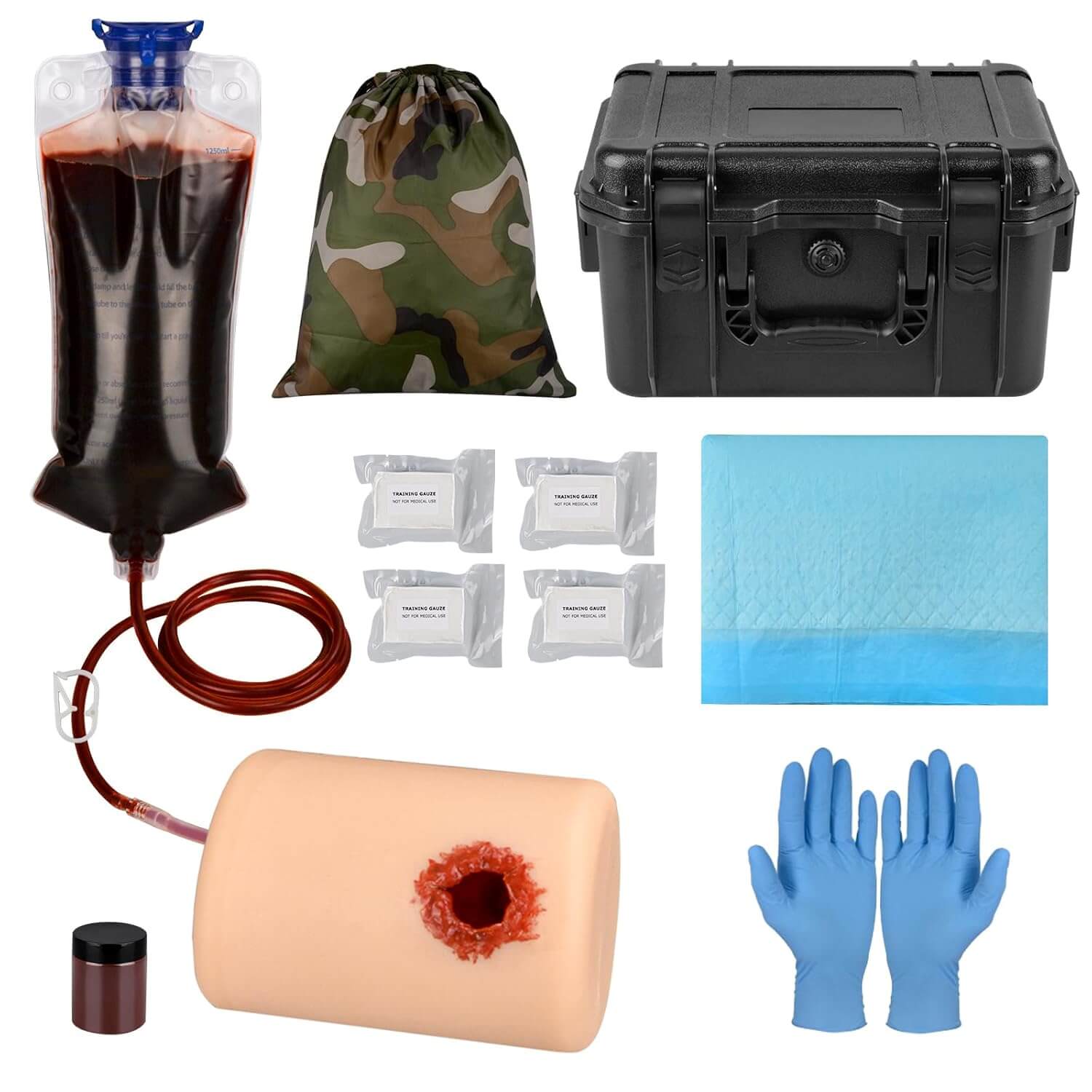
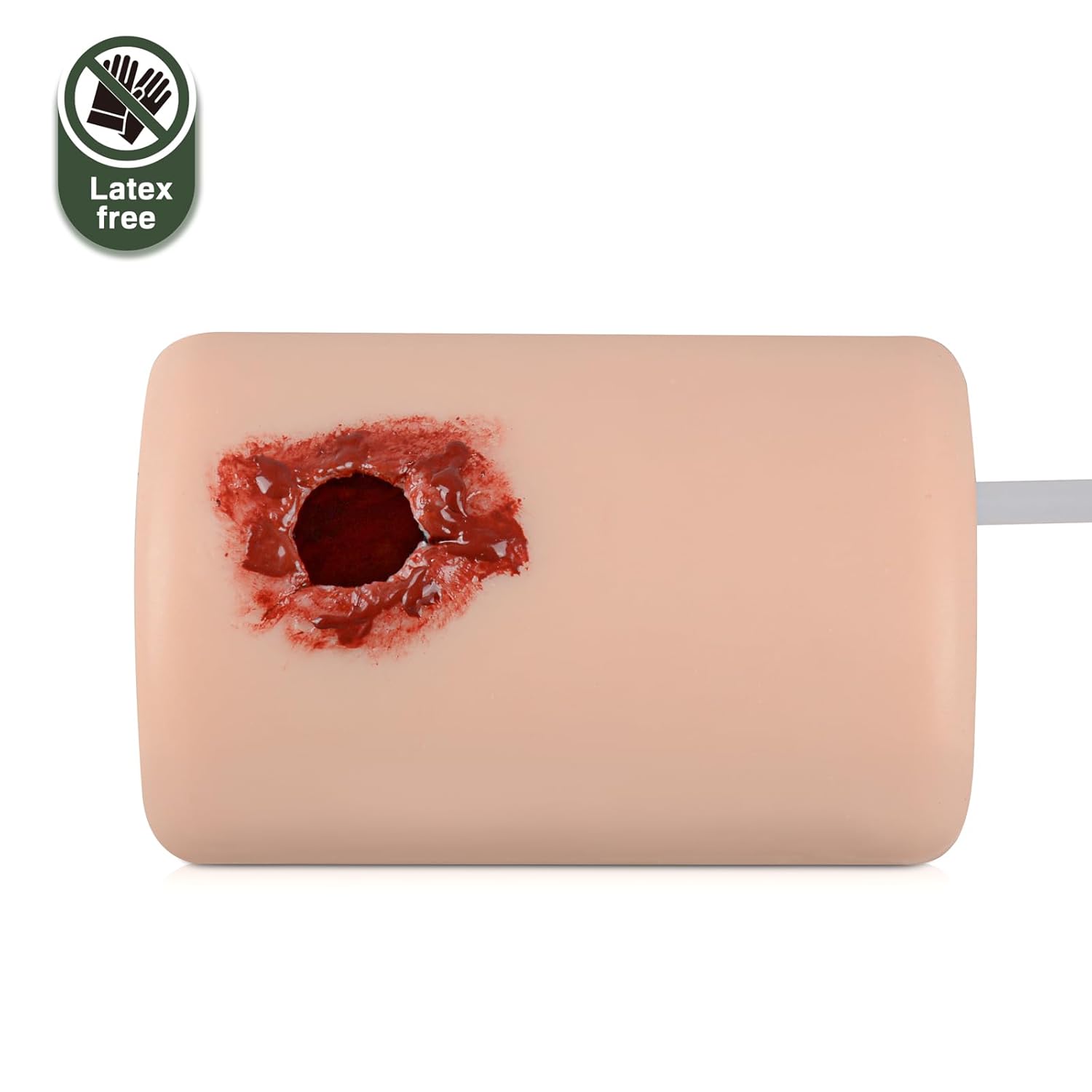
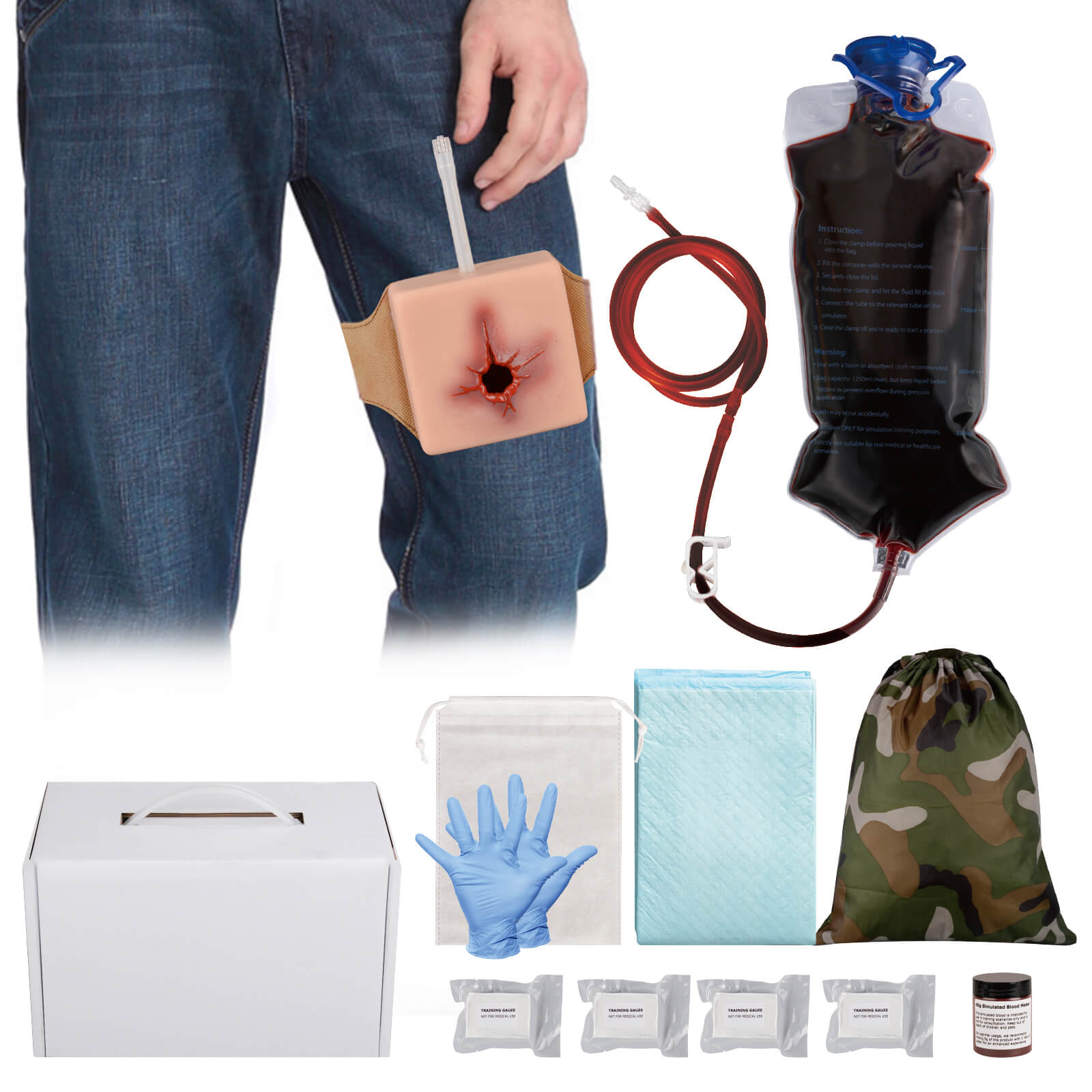
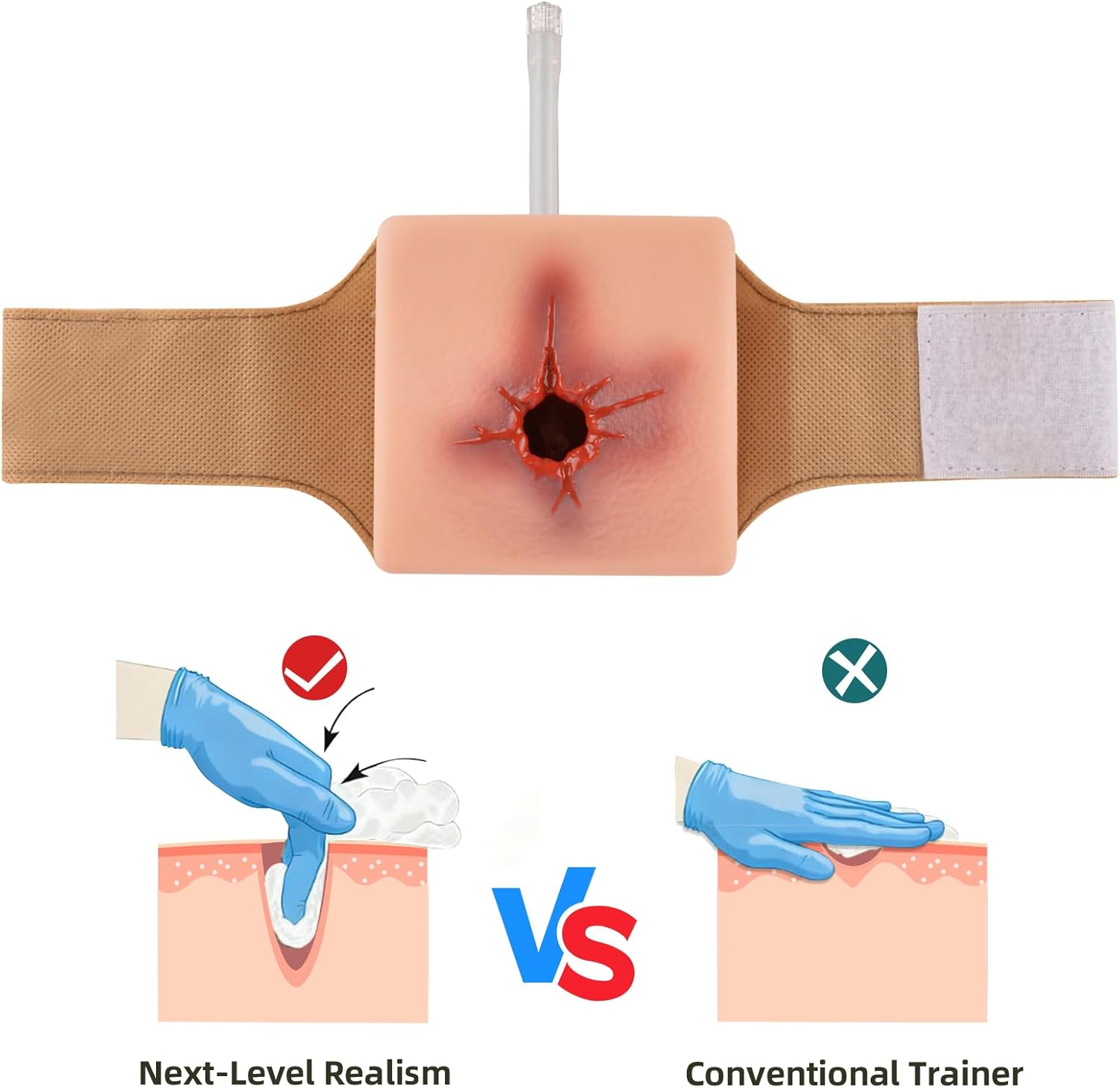
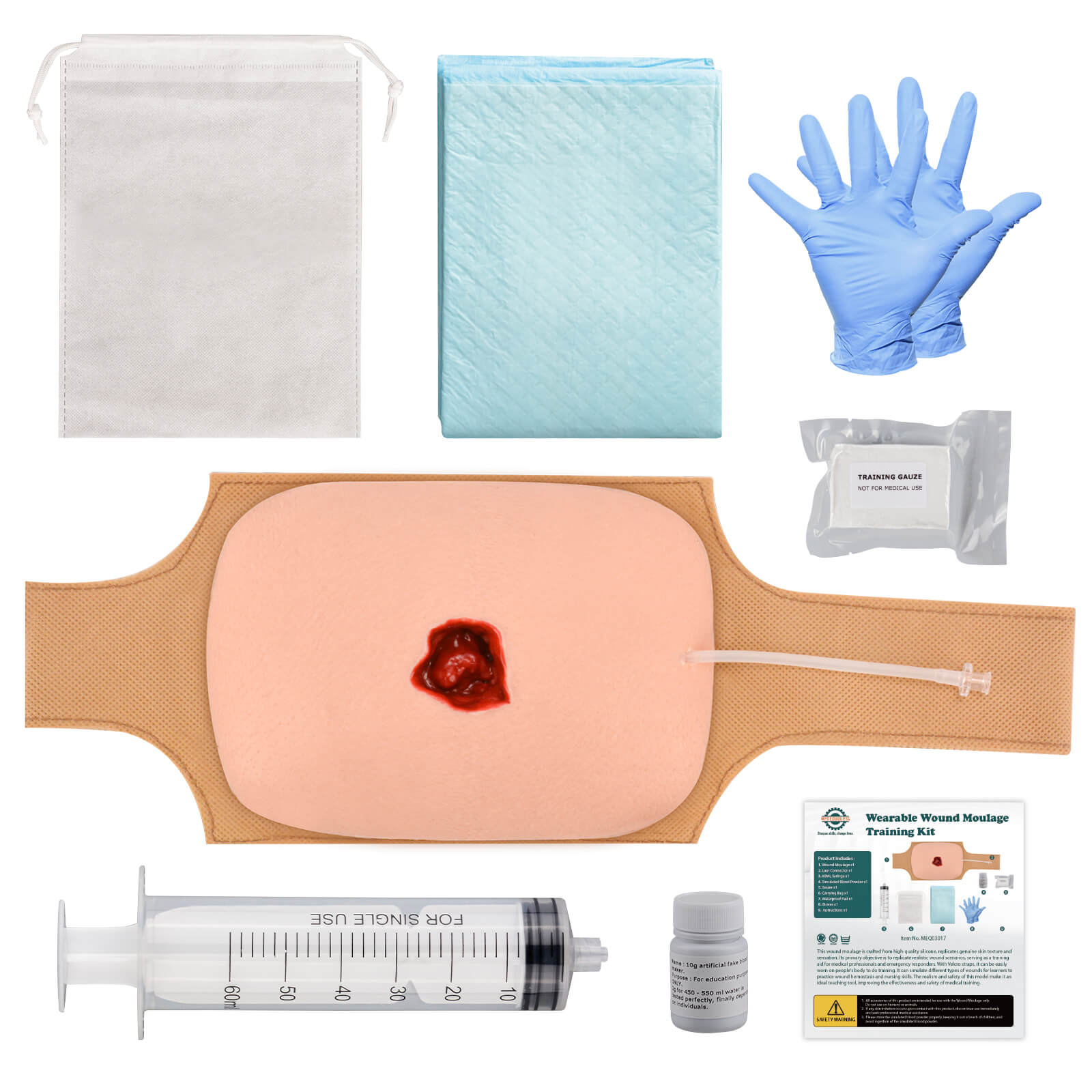
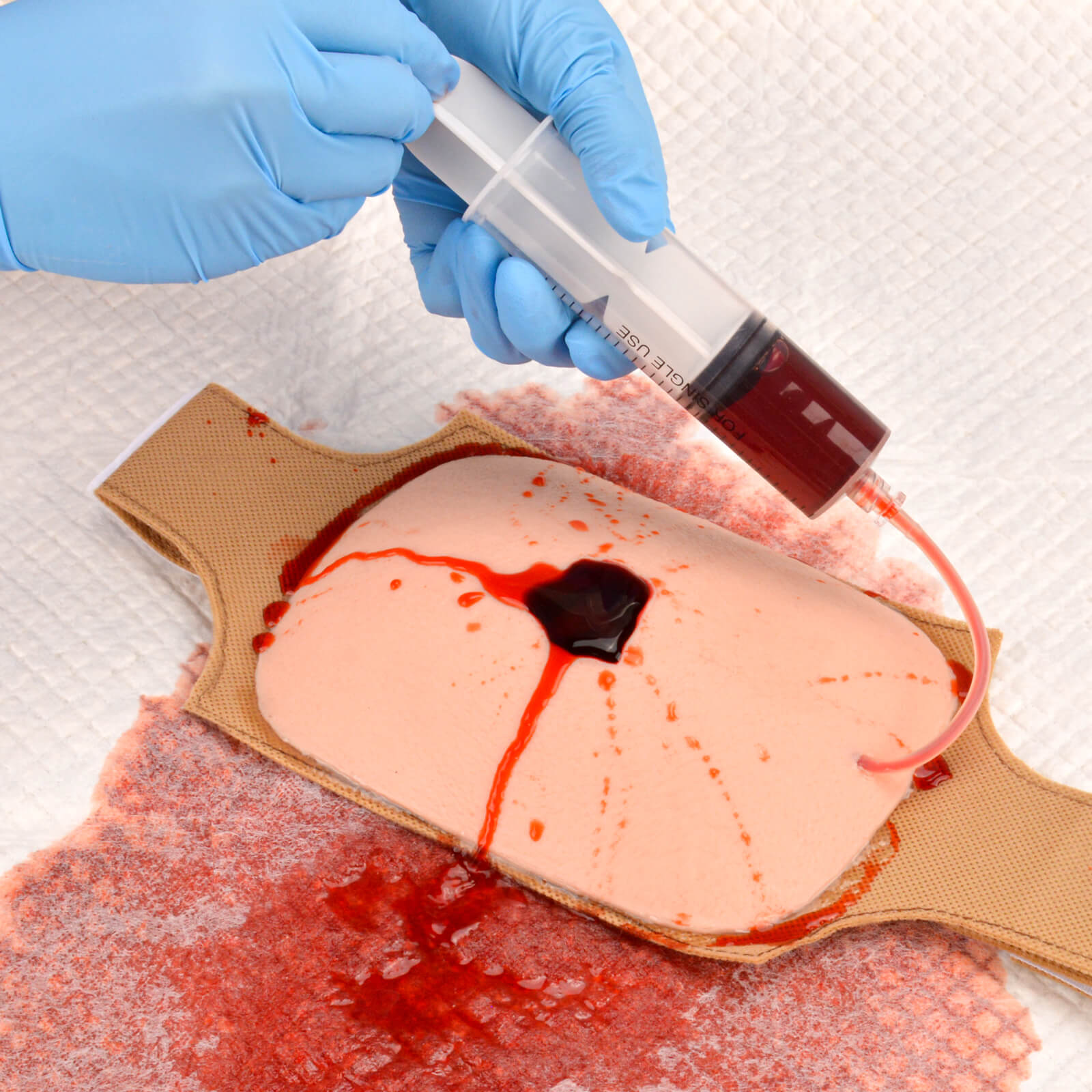
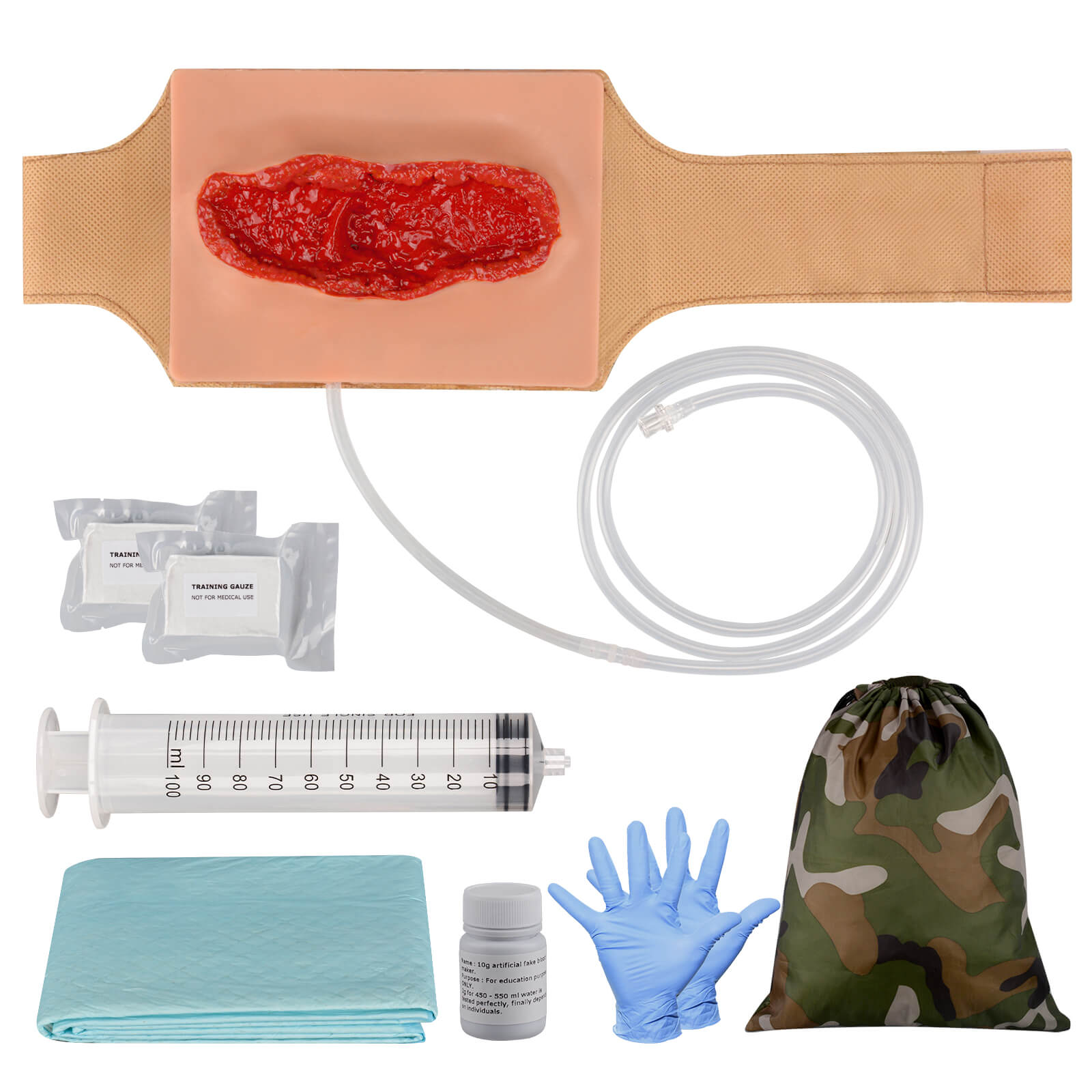
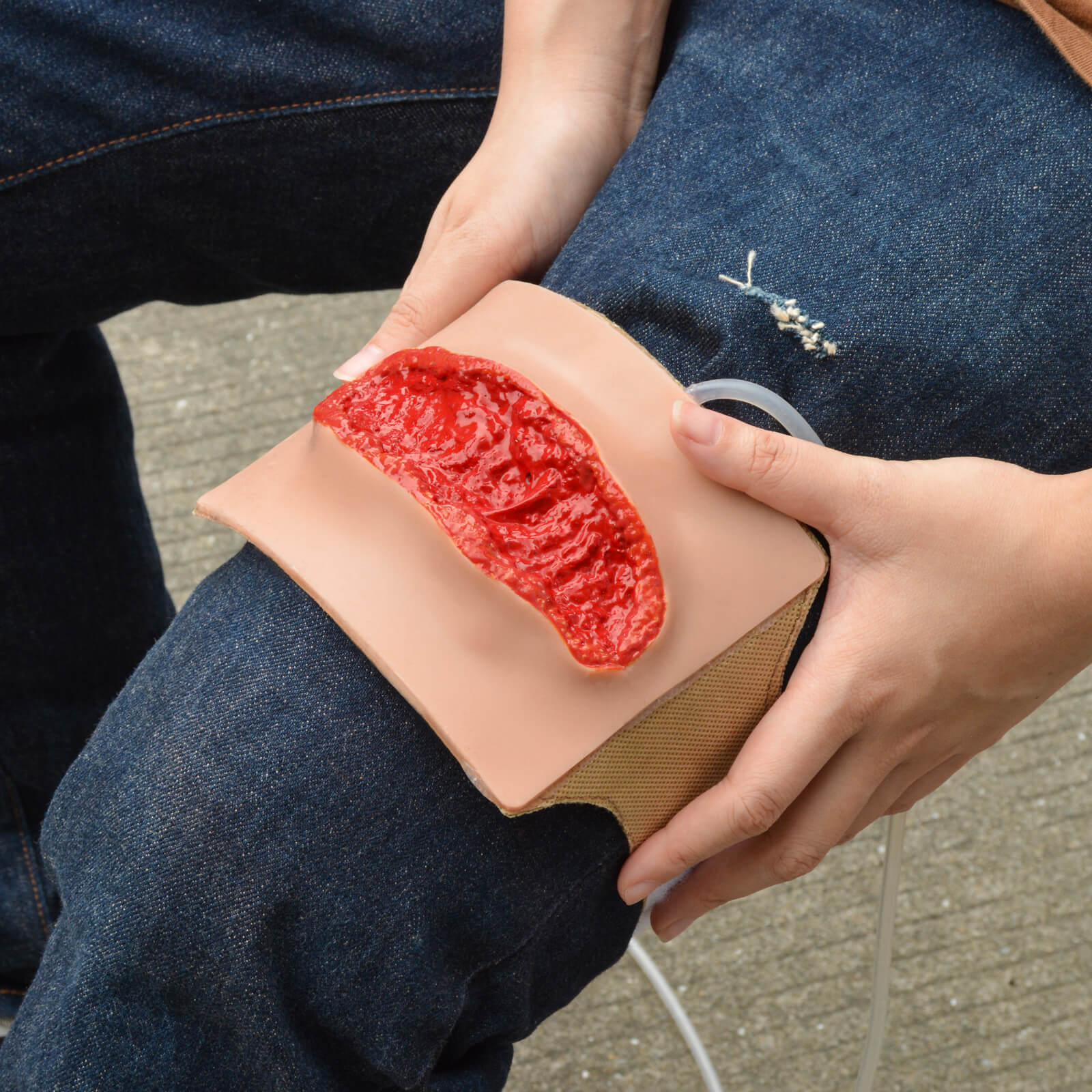
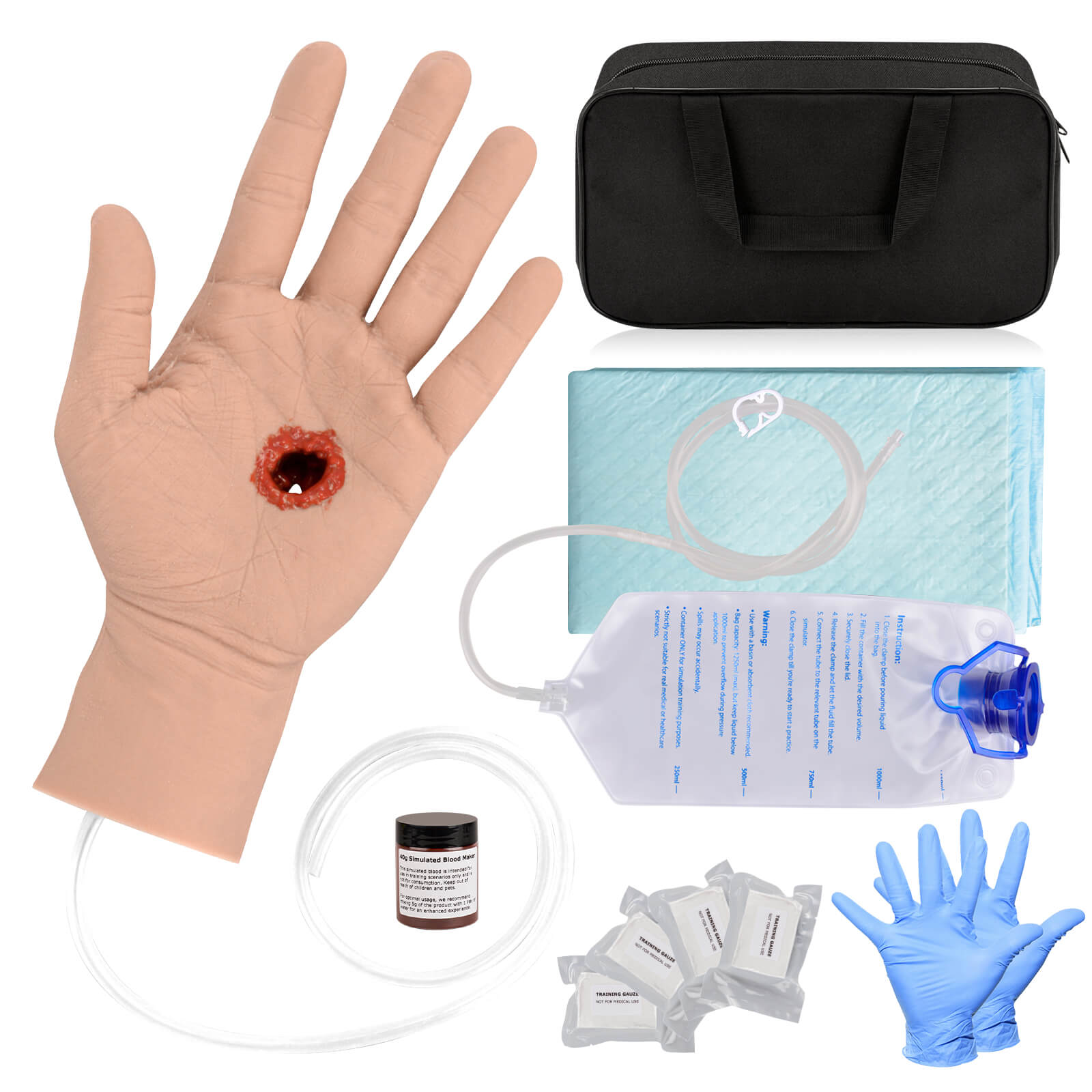
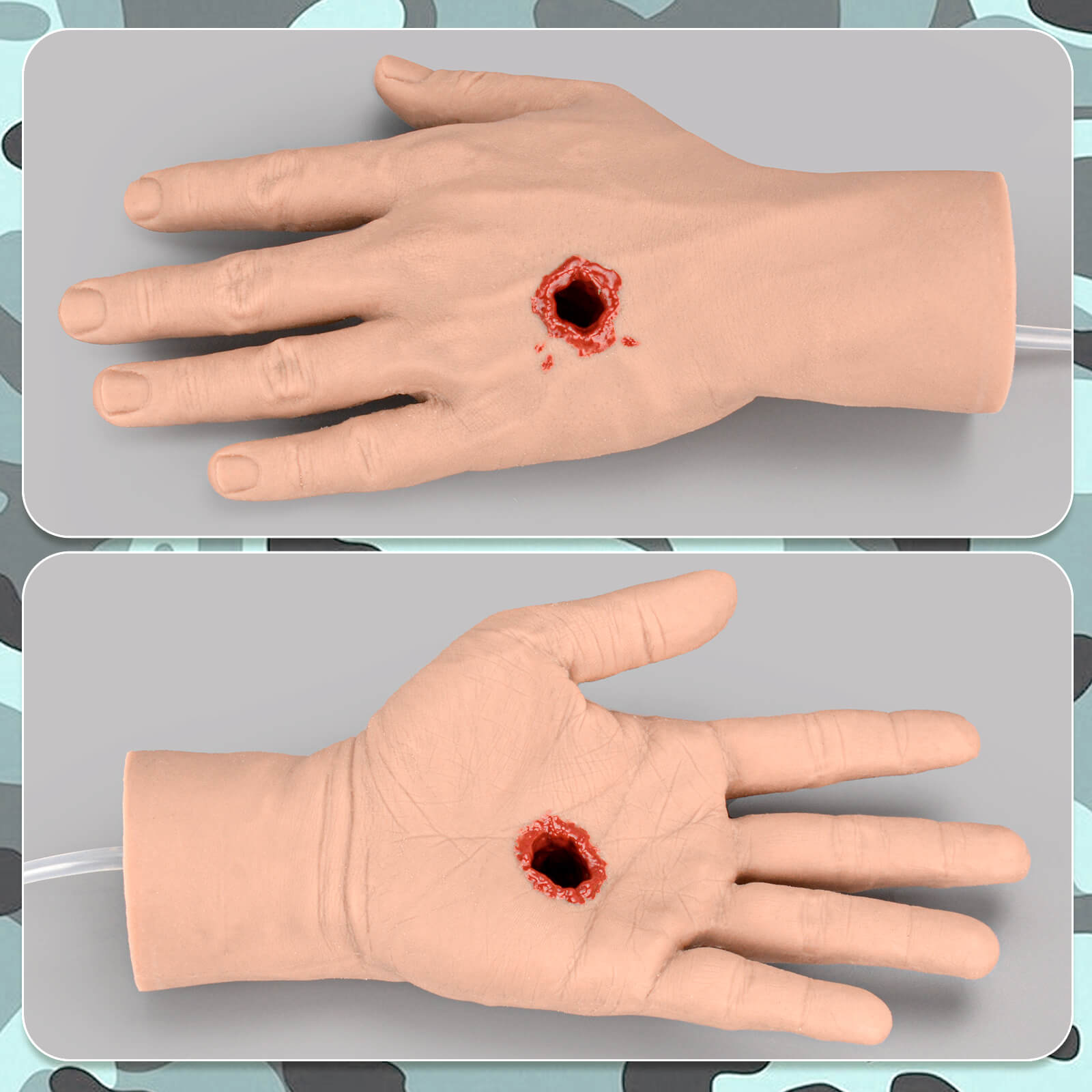
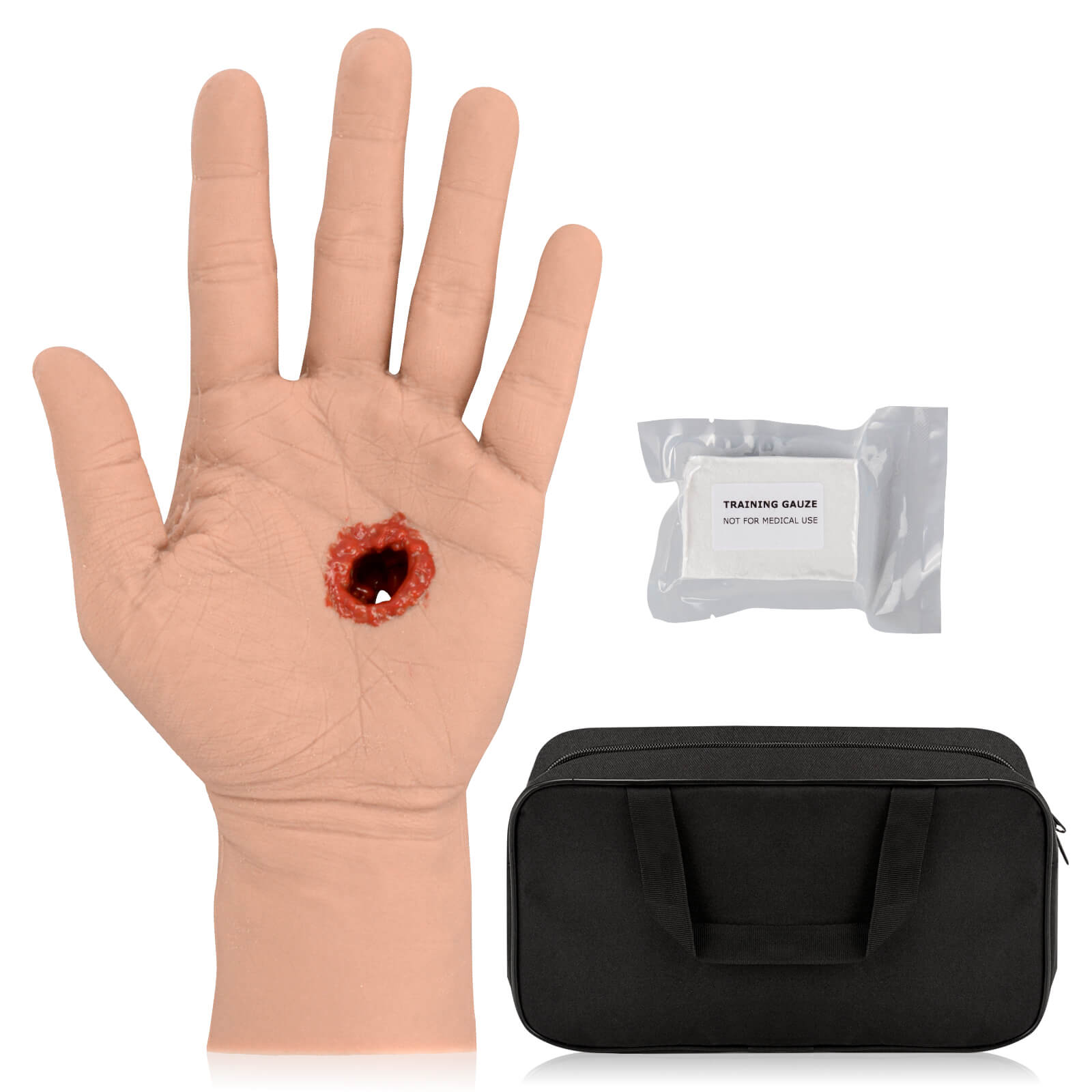
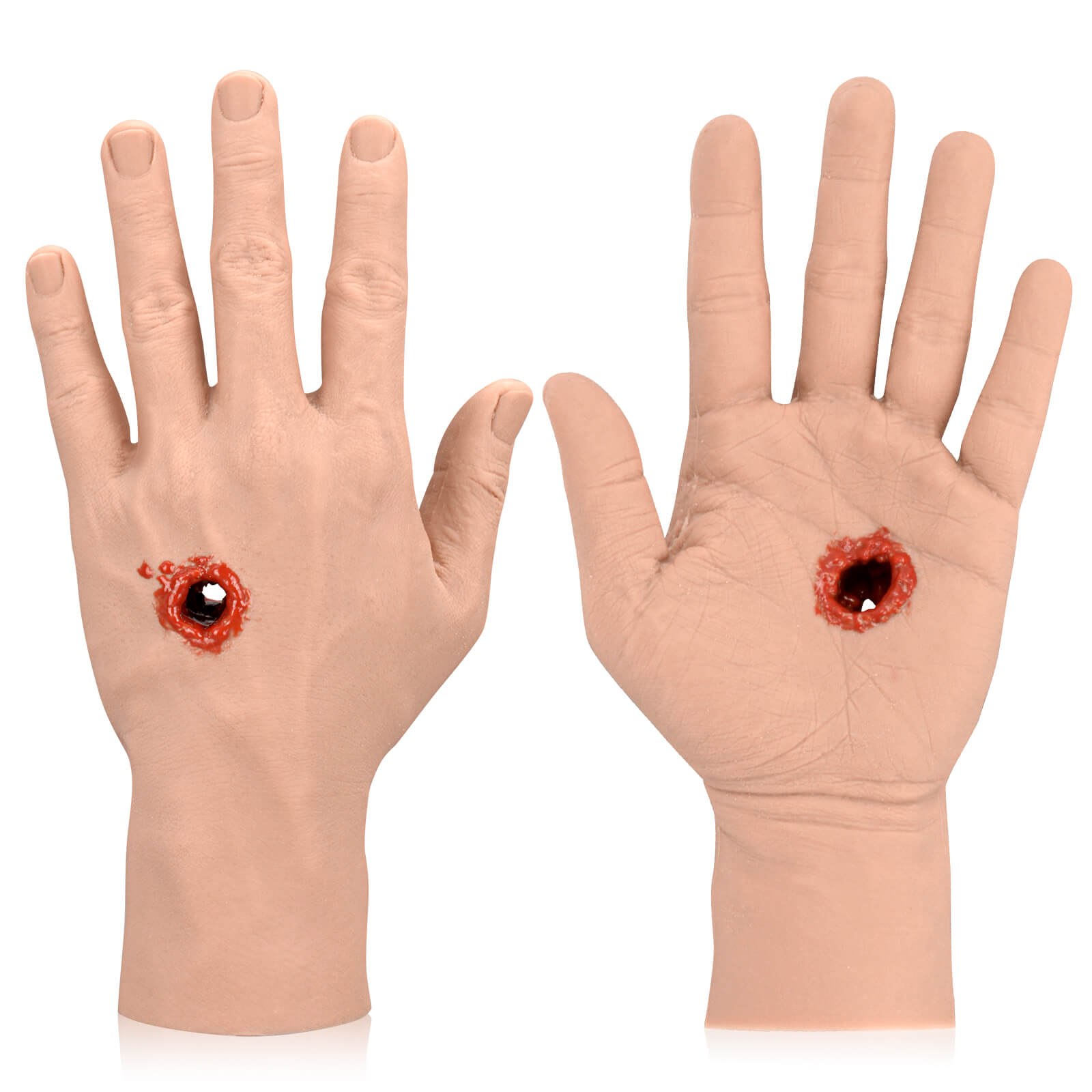
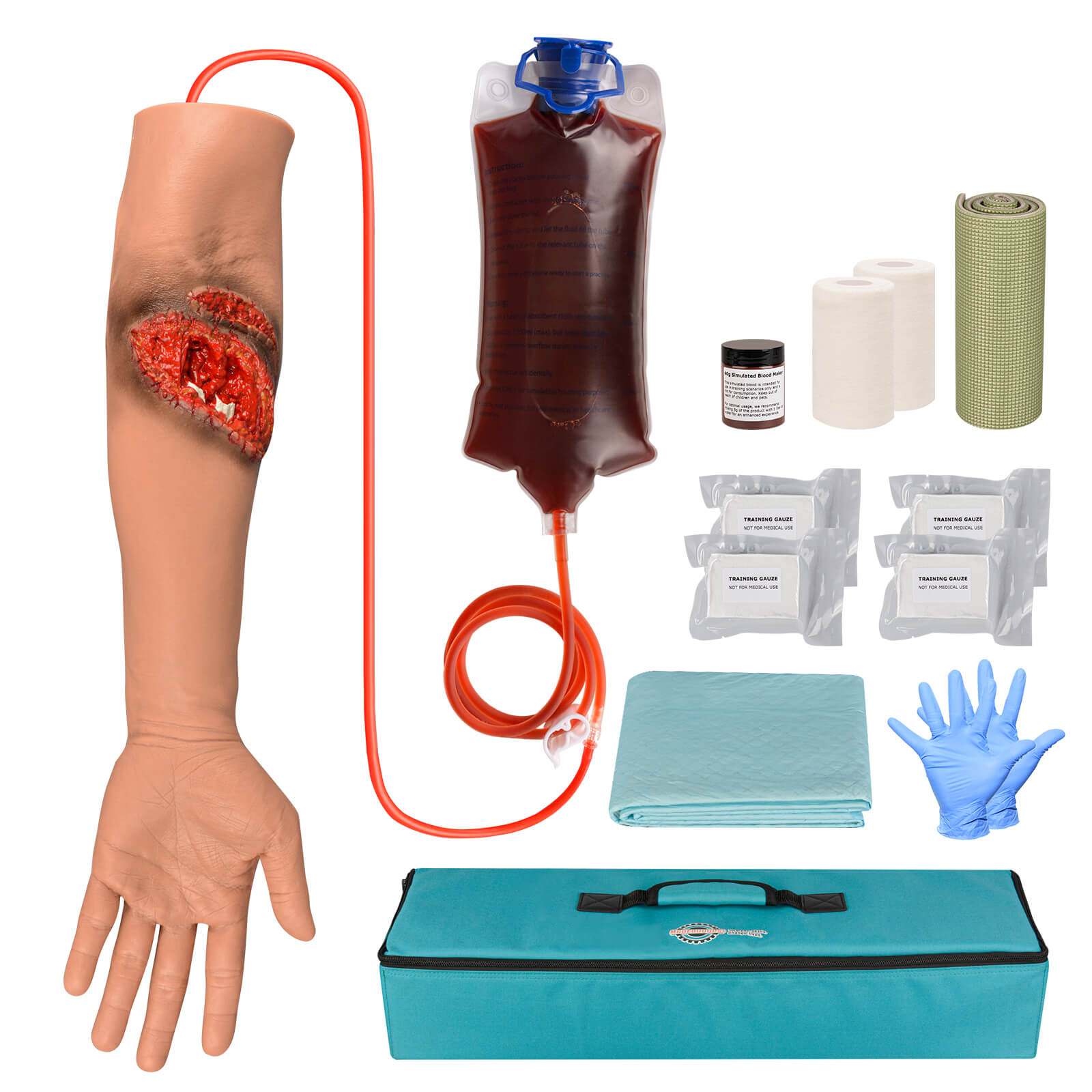
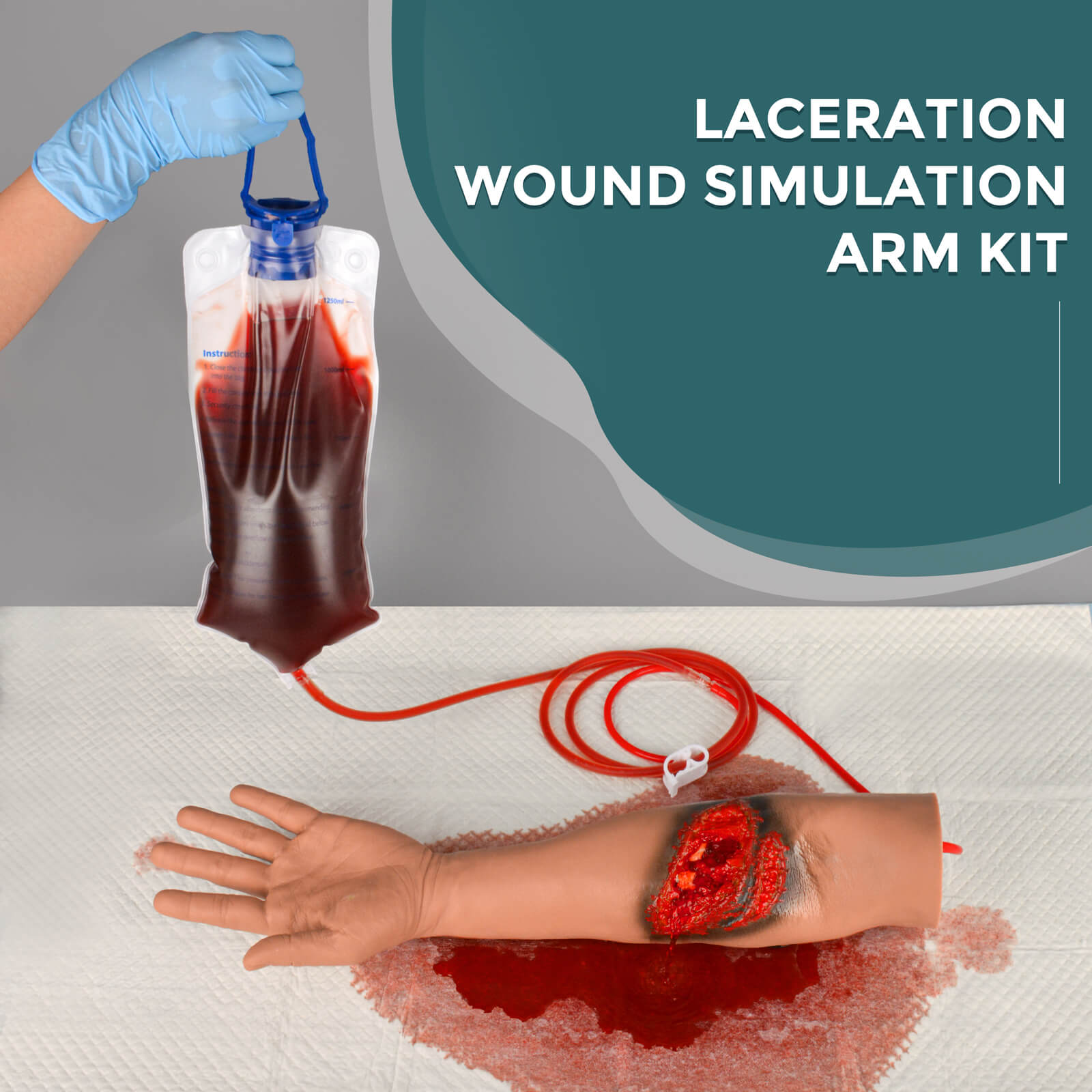
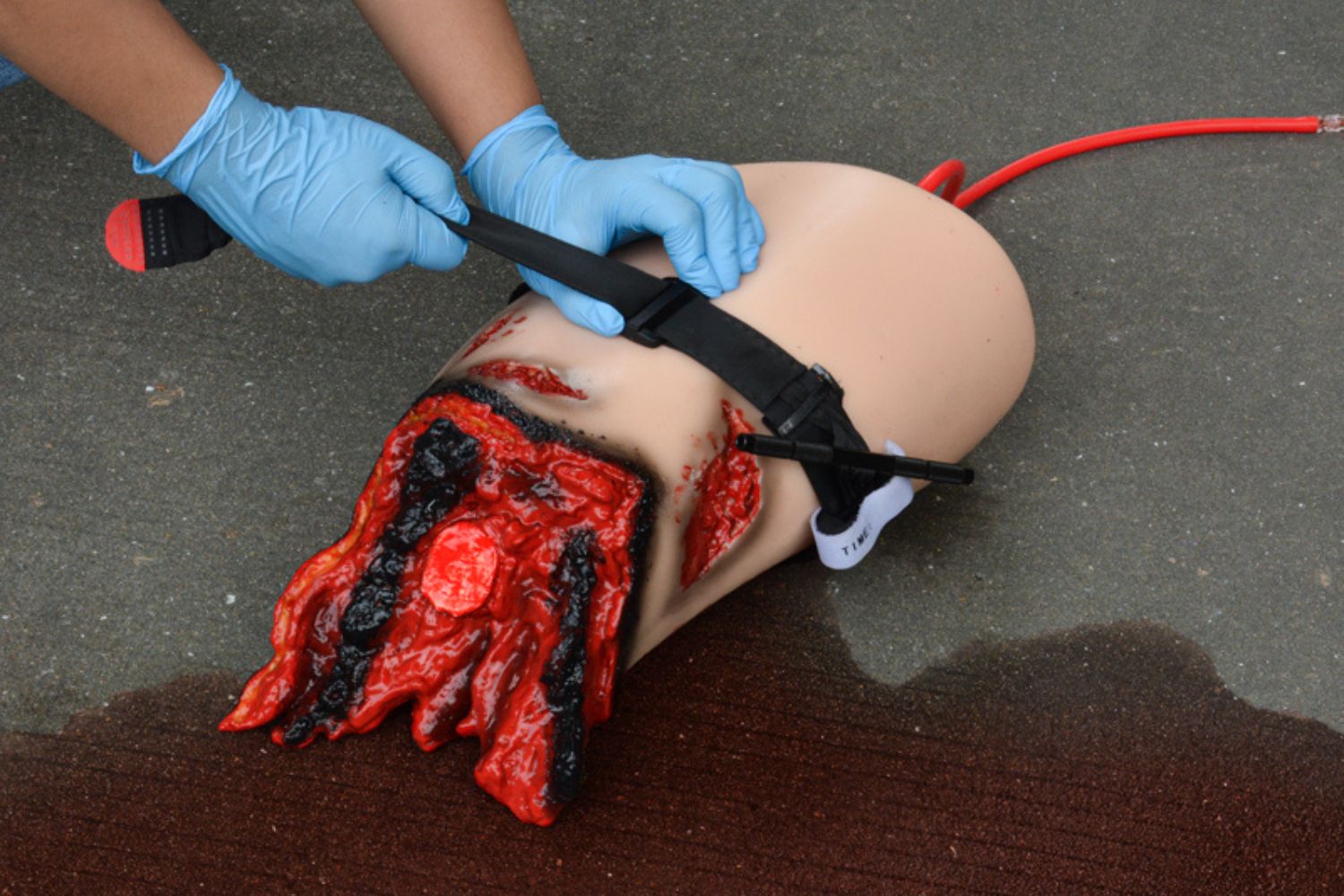
Practicing debridement on real patients can be intimidating for students. That's why simulation-based teaching is so valuable. The Necrotic Wound Simulation Models are designed to help learners understand when and how debridement is needed, without patient risk.
Related Reading
If you want to learn the basics, check our introduction: [What is Wound Necrosis? Causes, Symptoms, and Treatment].
Also see: [Surgical Wound Necrosis: Prevention and Management in Clinical Practice].
.jpeg?w=1600&h=1600)
.jpeg?w=1600&h=1600)
.jpg?w=1600&h=1600)
.jpg?w=1600&h=1600)
.jpeg?w=1500&h=1500)
.jpg?w=1000&h=1000)
.jpg?w=1000&h=1000)

.jpeg?w=1500&h=1500)
.jpeg?w=1500&h=1500)
.jpeg?w=1600&h=1600)
.jpeg?w=1600&h=1600)
.jpg?w=1600&h=1600)
.jpg?w=1600&h=1600)
.jpg?w=1500&h=1500)
.jpg?w=1500&h=1500)
.jpg?w=1500&h=1500)
.jpg?w=1500&h=1500)
.jpg?w=1500&h=1500)
.jpg?w=1500&h=1500)