
During my surgical nursing rotation, I met a patient recovering from abdominal surgery. Initially, the incision looked clean. But a week later, part of the wound turned dark, and there was tissue breakdown along the sutures. It was my first real-life case of surgical wound necrosis, and it highlighted how quickly postoperative recovery can be compromised.
Why Surgical Wound Necrosis Happens
Surgical wounds are especially vulnerable because the tissue has already been cut and sutured. Common risk factors include:
- Diabetes and vascular disease → impair blood supply
- Infection at the incision site → accelerates tissue death
- Poor oxygenation or smoking → reduces healing capacity
- Excessive tension on sutures → compromises perfusion
Clinical Monitoring and Early Detection
Recognizing necrosis early can save a patient from reoperation. Key signs:
- Black or discolored tissue at wound edges
- Delayed healing despite proper closure
- Increased pain, swelling, or drainage
- Separation of sutures
Management of Surgical Wound Necrosis
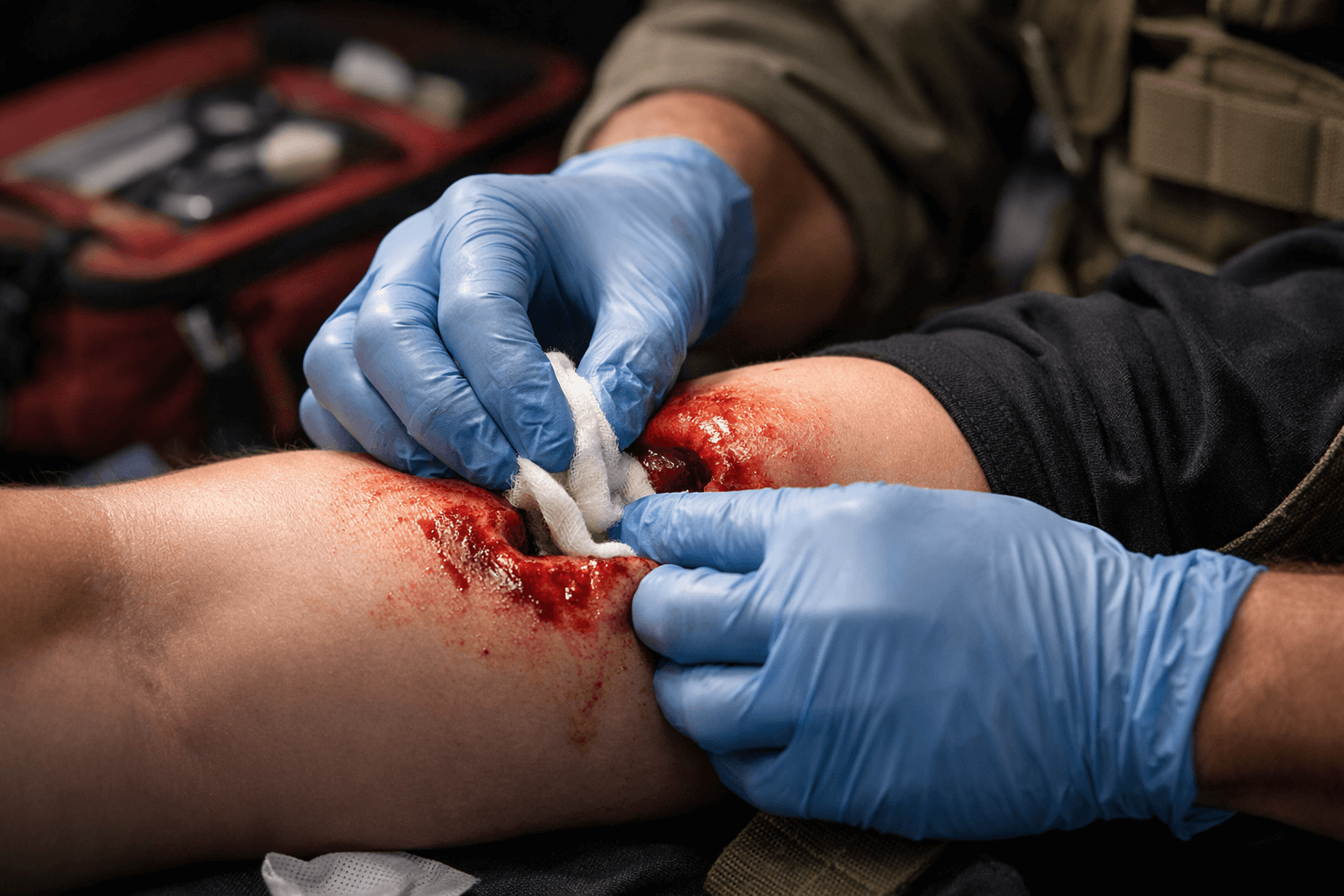
- Debridement: Removing necrotic tissue surgically or with dressings.
- Wound dressings: Negative pressure wound therapy (NPWT) often supports healing.
- Antibiotic therapy: Prevents deeper infection or sepsis.
- Optimizing patient factors: Blood sugar control, good nutrition, and mobilization.
Simulation in Surgical Training
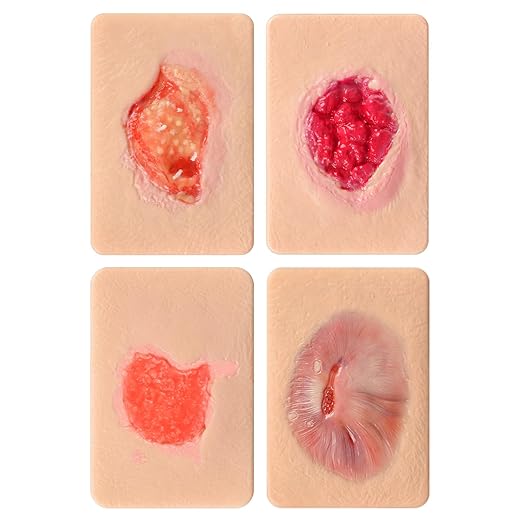
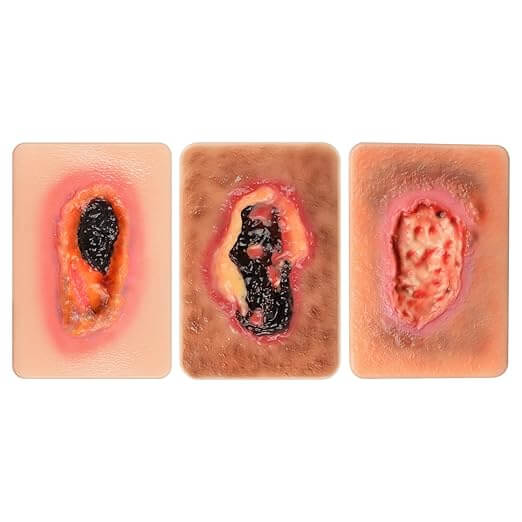
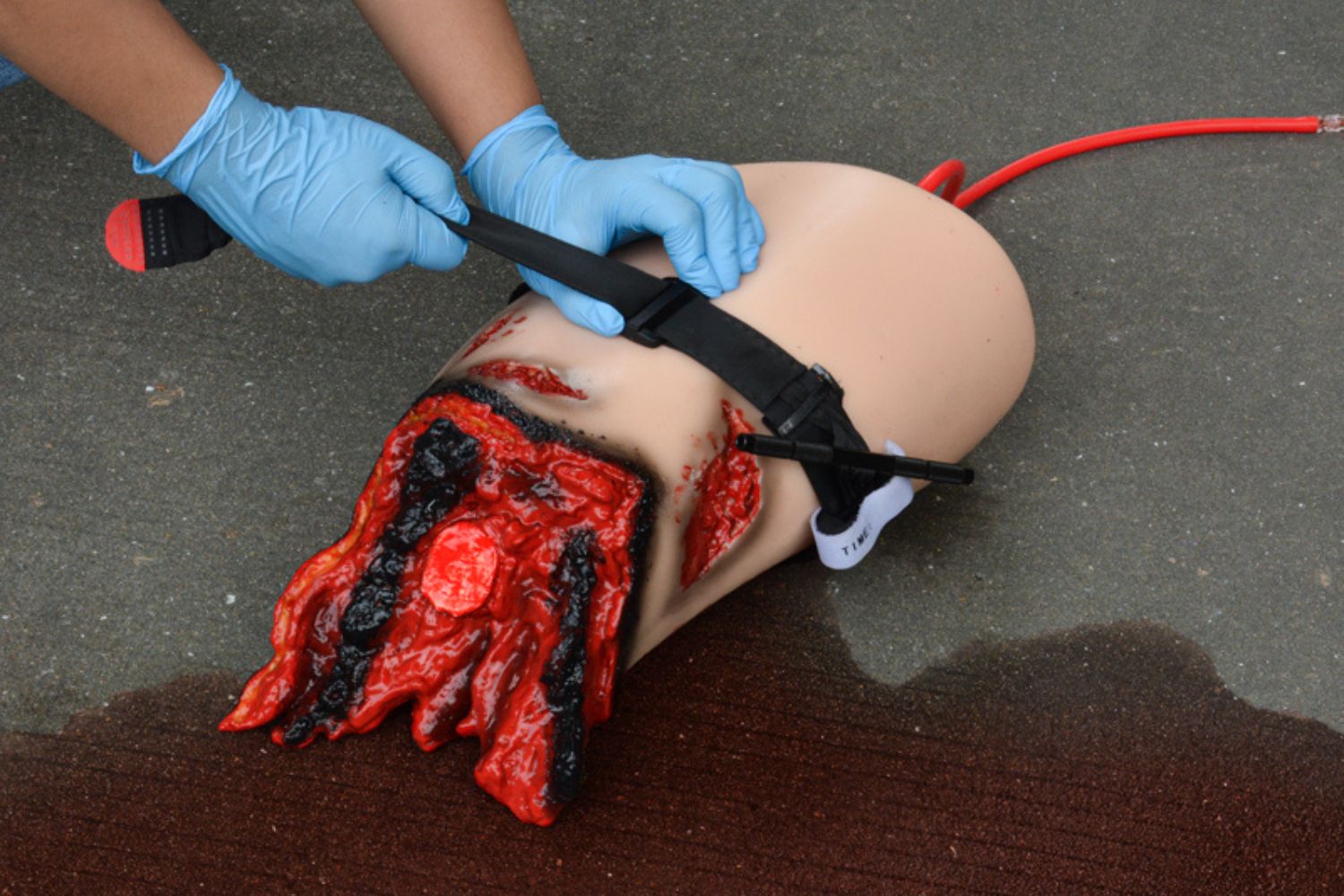
Teaching medical students and residents how to recognize and manage necrosis is critical. Simulation-based education provides a safe learning environment. Tools like the Card-sized Necrotic Wound Simulation Models allow learners to identify necrotic tissue visually and practice decision-making before treating real patients.
Related Reading
For more on wound care fundamentals, read our beginner guide: [What is Wound Necrosis? Causes, Symptoms, and Treatment].
.jpeg?w=1500&h=1500)
.jpg?w=1500&h=1500)
.jpg?w=1500&h=1500)
.jpeg?w=1600&h=1600)
.jpeg?w=1600&h=1600)
.jpg?w=1600&h=1600)
.jpg?w=1600&h=1600)
.jpg?w=1600&h=1600)
.jpg?w=1600&h=1600)
.jpg?w=1000&h=1000)
.jpg?w=1600&h=1600)
.jpg?w=1500&h=1500)
.jpg?w=1600&h=1600)
.jpg?w=1600&h=1600)
.jpg?w=1600&h=1600)
.jpg?w=1600&h=1600)
.jpeg?w=1500&h=1500)

.jpg?w=1000&h=1000)
.jpg?w=1000&h=1000)



.jpeg?w=1500&h=1500)
.jpeg?w=1500&h=1500)

.jpeg?w=1600&h=1600)
.jpeg?w=1600&h=1600)
.jpg?w=1600&h=1600)
.jpg?w=1600&h=1600)
.jpg?w=1500&h=1500)
.jpg?w=1500&h=1500)
.jpg?w=1500&h=1500)
.jpg?w=1500&h=1500)