
Lehre der Stomaversorgung in einem Pflegefähigkeitenlabor erfordert mehr als nur das Demonstrieren von Beutelwechseln oder das Erklären von Verfahren.
Die Studierenden benötigen Gelegenheiten, Stomata zu beurteilen, das Management von Hilfsmitteln zu üben, mit Patienten zu kommunizieren und Vertrauen in einer realistischen, aber sicheren Lernumgebung zu entwickeln.
Ein gut gestaltetes Stomaversorgungsfähigkeitenlabor kombiniert Wissen aus dem Unterricht, simulationsbasiertes Stomaversorgungstraining und Feedback von Lehrkräften, um den Studierenden zu helfen, den Übergang von der Theorie zur klinischen Praxis zu vollziehen.
Warum das Training im Stomaversorgungsfähigkeitenlabor wichtig ist
Die Stomaversorgung ist eine praktische Pflegefähigkeit, die Genauigkeit, Vertrauen und Aufmerksamkeit für die Bedürfnisse der Patienten erfordert.
Die Studierenden müssen lernen, wie man:
- Das Aussehen des Stomas und der umliegenden Haut beurteilt
- Verschiedene Stomaarten identifiziert
- Stomahilfen misst und anpasst
- Undichtigkeiten und Hautreizungen verhindert
- Patienten über Selbstpflege aufklärt
- Emotionale Unterstützung und Kommunikation bietet
Ohne praktische Übungen können die Studierenden die Konzepte der Stomaversorgung verstehen, sich jedoch unsicher fühlen, wenn sie sich um echte Patienten kümmern.
Fähigkeitenlabore bieten eine kontrollierte Umgebung, in der die Studierenden Verfahren wiederholen und ihre Technik verbessern können.
Schritt 1: Einführung in Stoma-Konzepte vor praktischen Übungen
Bevor die Simulationsaktivitäten beginnen, sollten die Lehrkräfte sicherstellen, dass die Studierenden verstehen:
- Grundlegende Stoma-Anatomie
- Gründe für eine Stoma-Operation
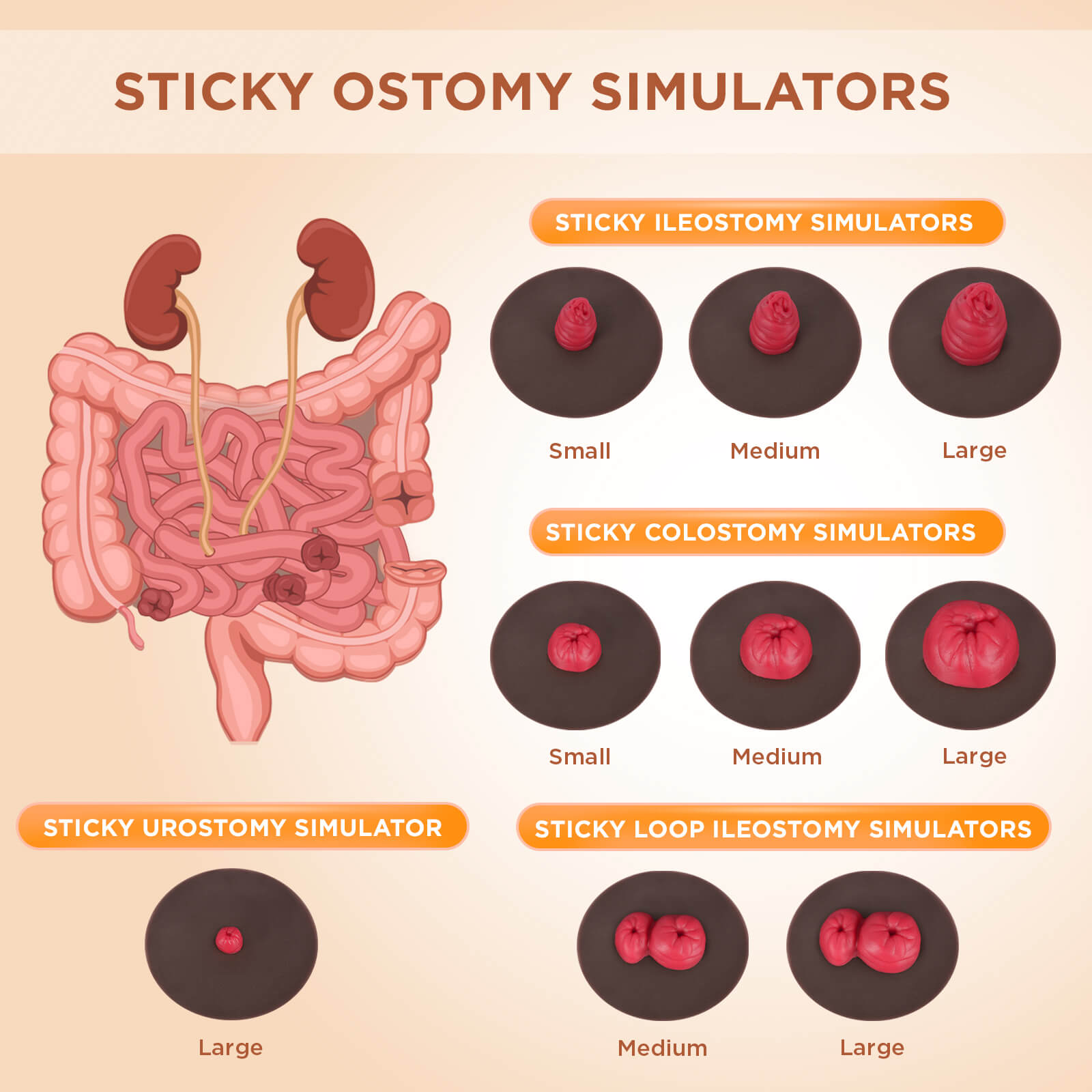
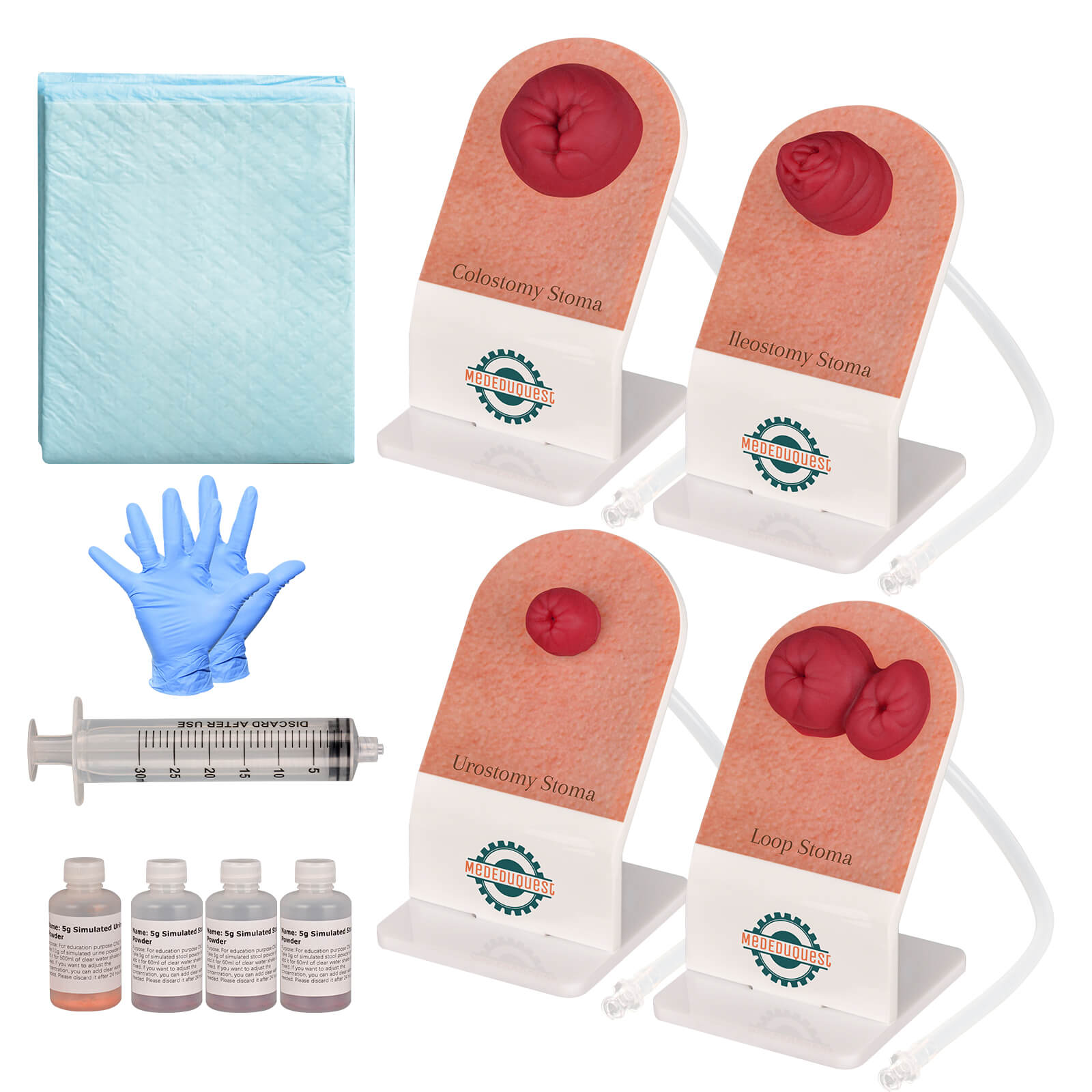
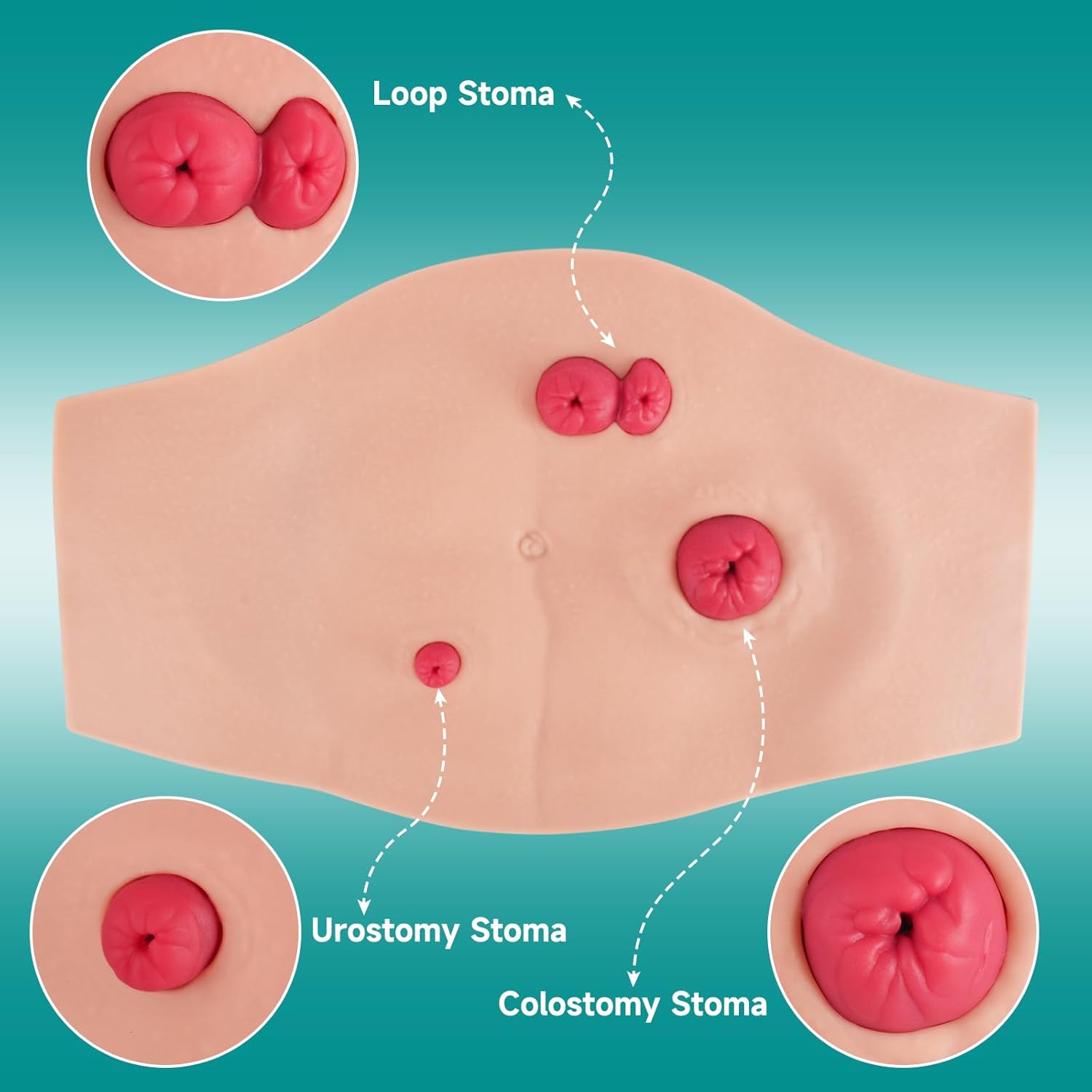
- Unterschiede zwischen Kolostomie, Ileostomie, Urostomie und Schleifenstoma
- Häufige Komplikationen
- Prinzipien des Hautschutzes
Ein starkes Wissensfundament hilft den Studierenden zu verstehen, warum jeder Pflegeschritt durchgeführt wird.
Schritt 2: Demonstration wesentlicher Stomaversorgungsverfahren
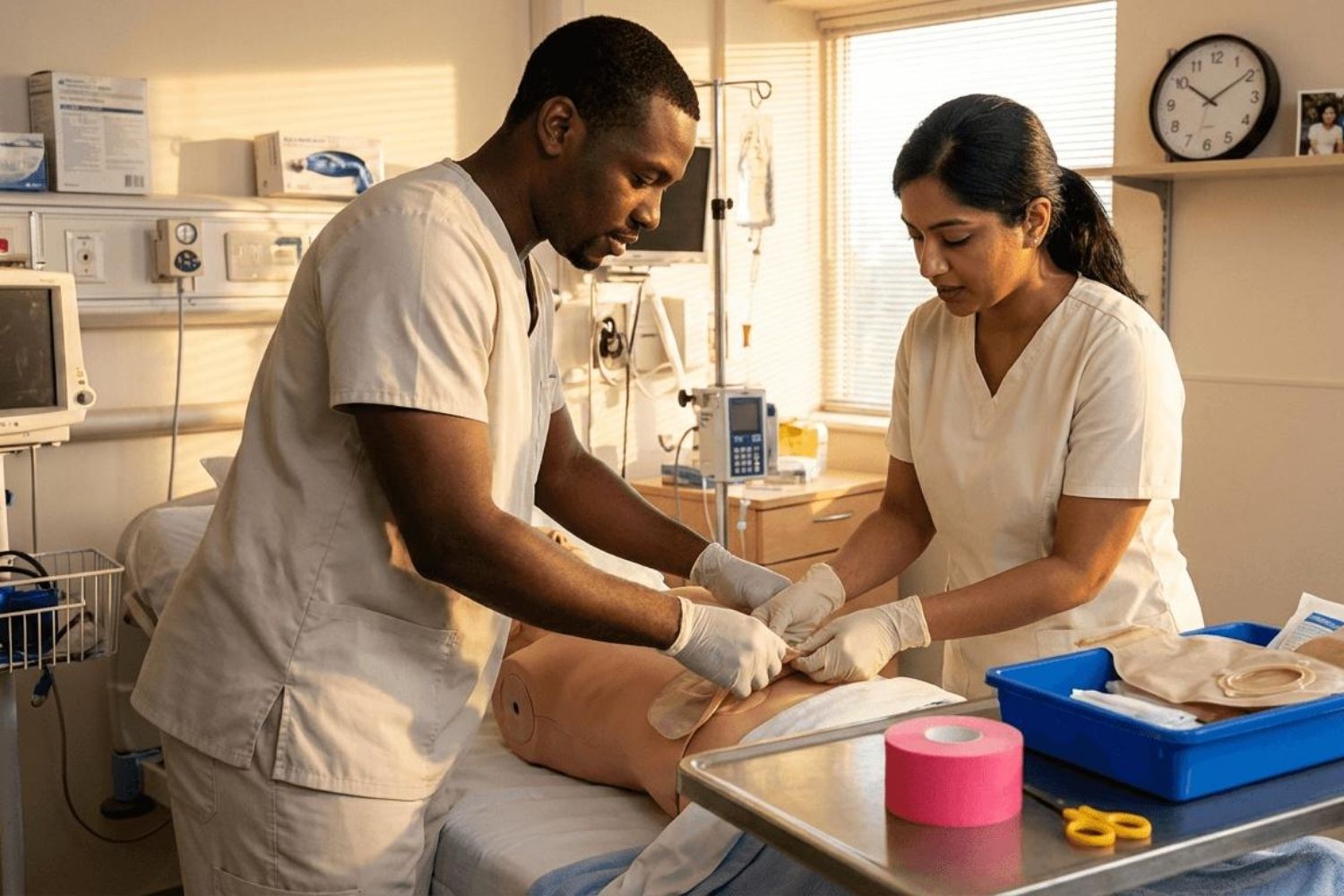
Die Demonstrationen der Lehrkräfte ermöglichen es den Studierenden, die richtigen Techniken zu beobachten, bevor sie selbstständig üben.
Wichtige Demonstrationen sollten Folgendes umfassen:
Stoma-Bewertung
Die Studierenden sollten lernen, zu bewerten:
- Stomafarbe
- Größe und Form
- Zustand der umliegenden Haut
- Anzeichen von Reizungen oder Komplikationen
Management von Hilfsmitteln
Demonstrieren:
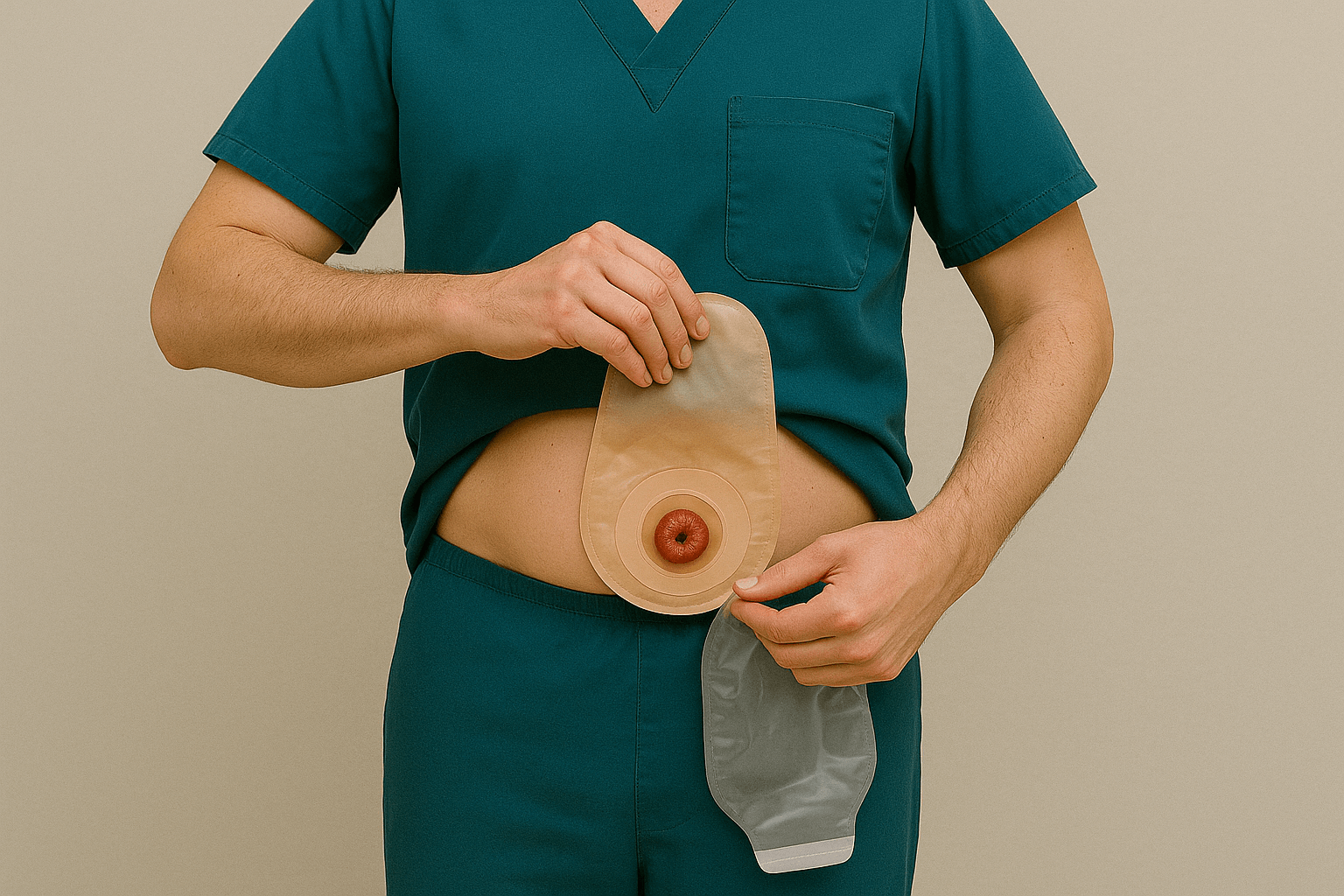
- Sicheren Beutelwechsel
- Wafer-Messung
- Hautvorbereitung
- Anwendung des neuen Beutels
- Überprüfung des endgültigen Dichtungs
Die Aufteilung des Verfahrens in klare Schritte hilft den Studierenden, Vertrauen aufzubauen.
Schritt 3: Verwendung von Simulationsmodellen für praktische Übungen
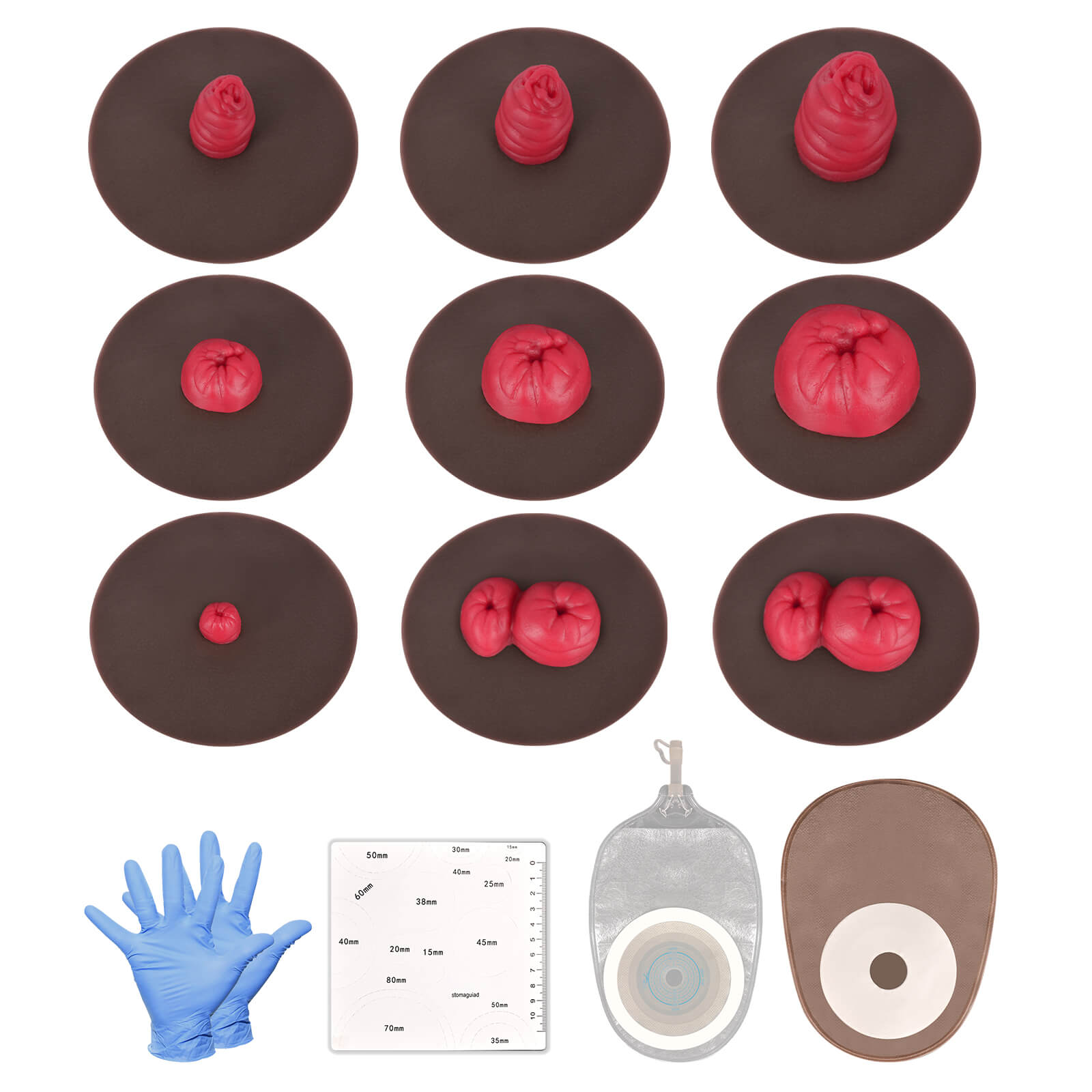
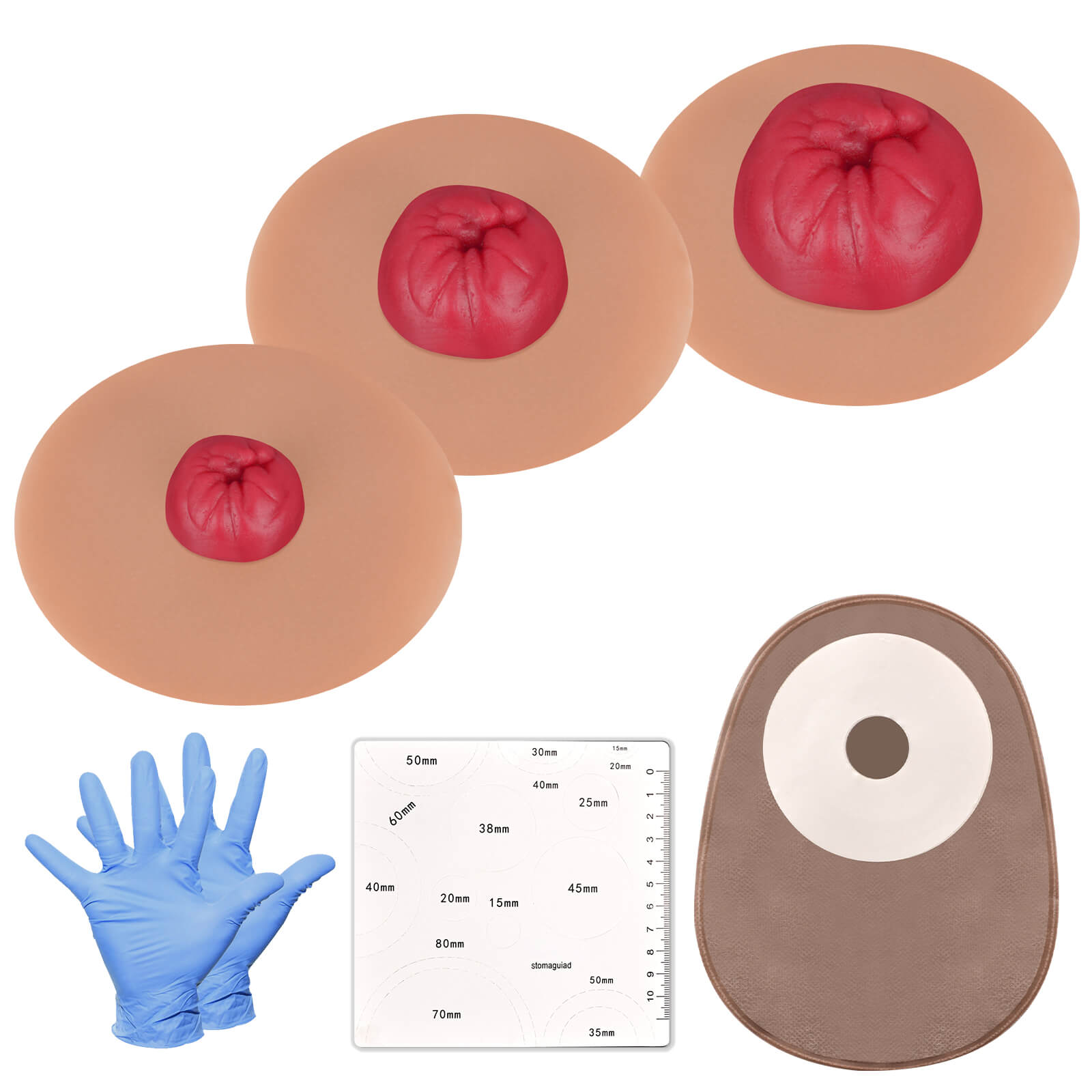
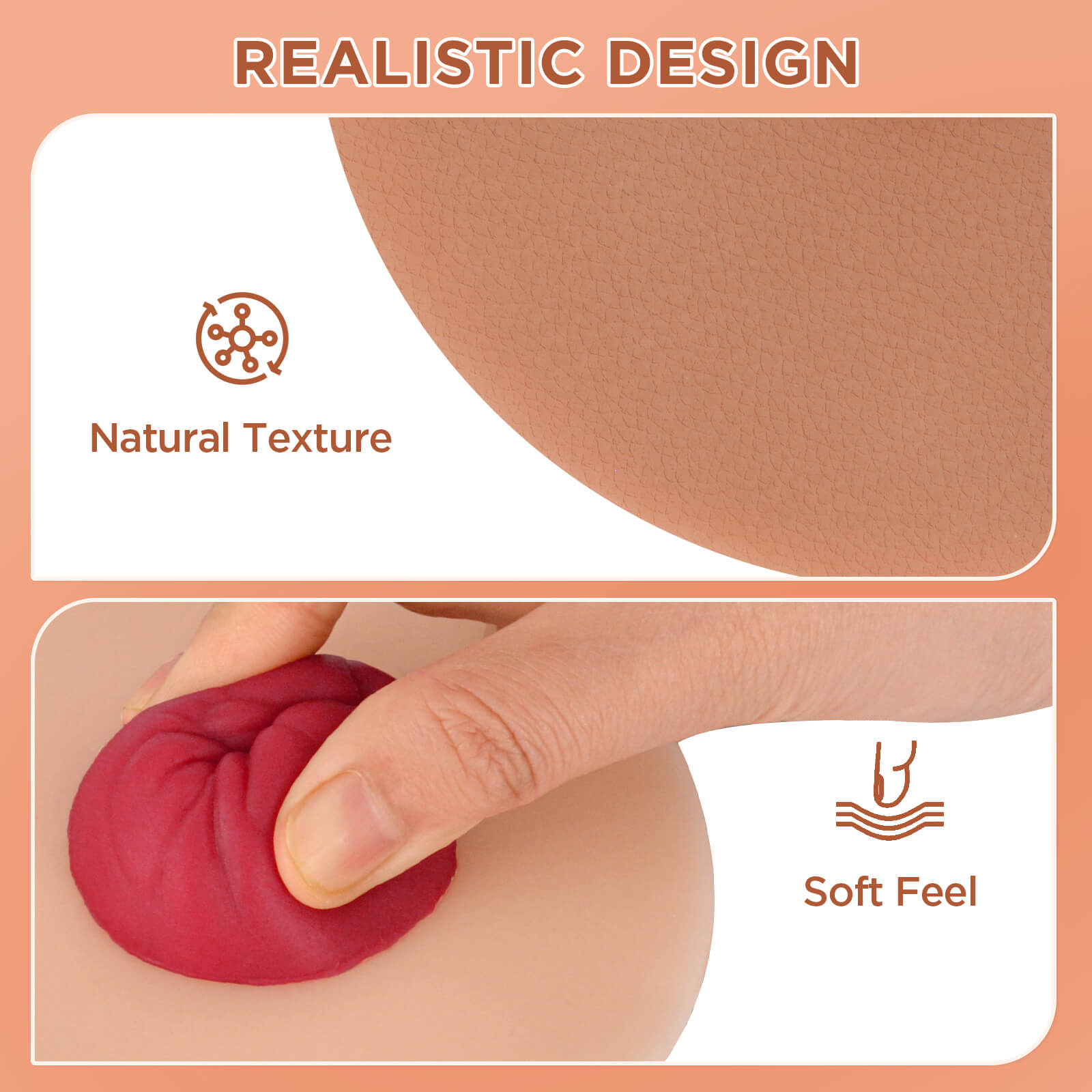
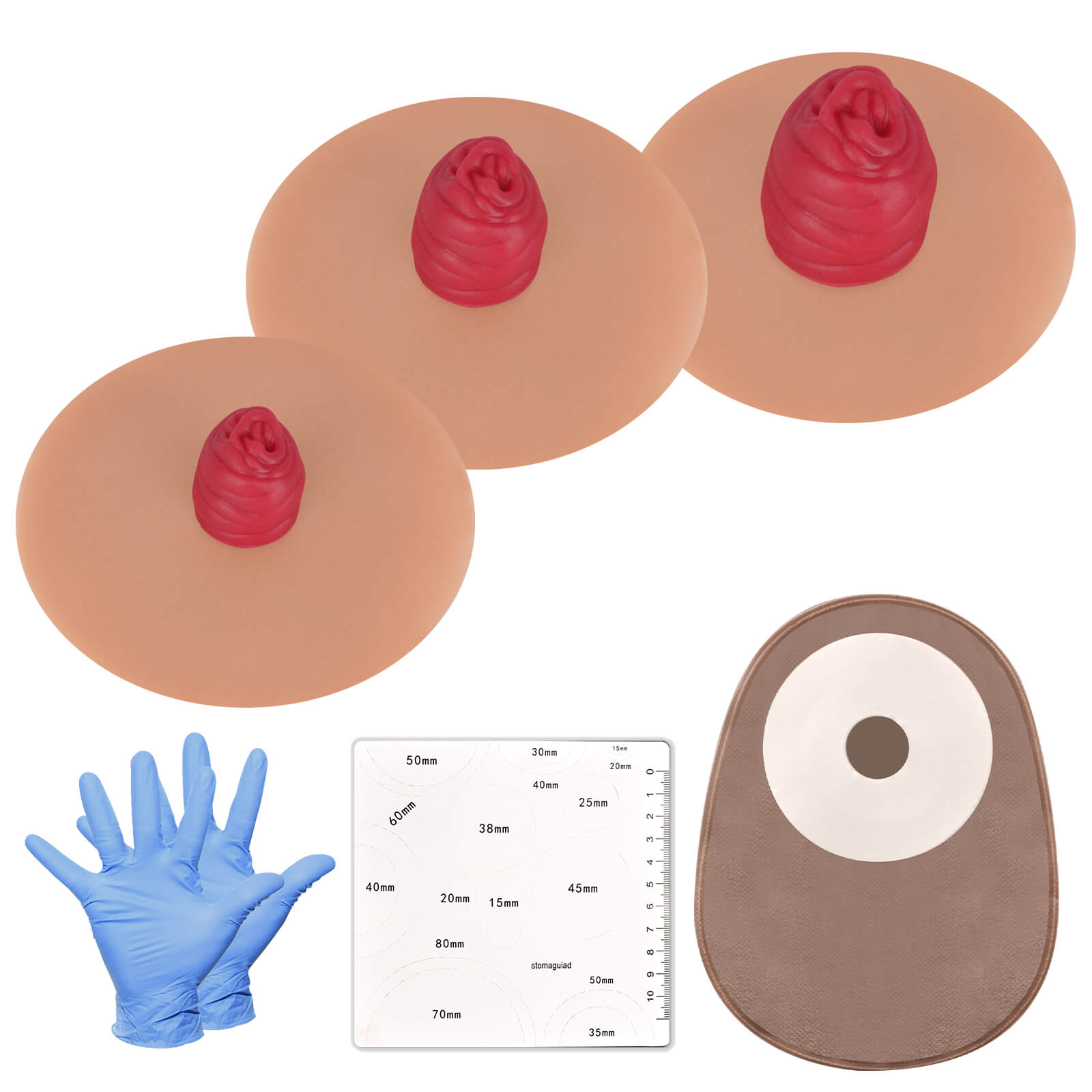
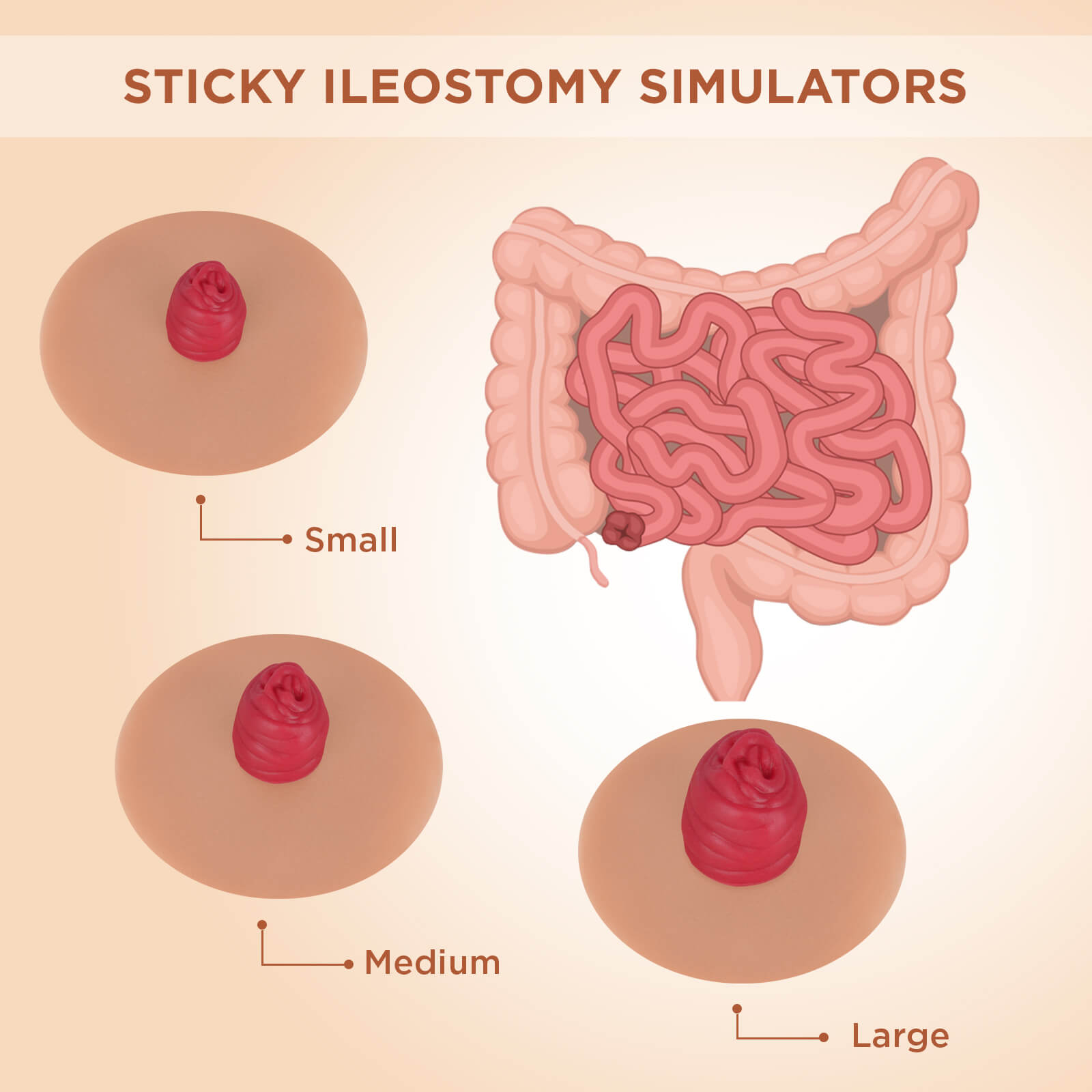
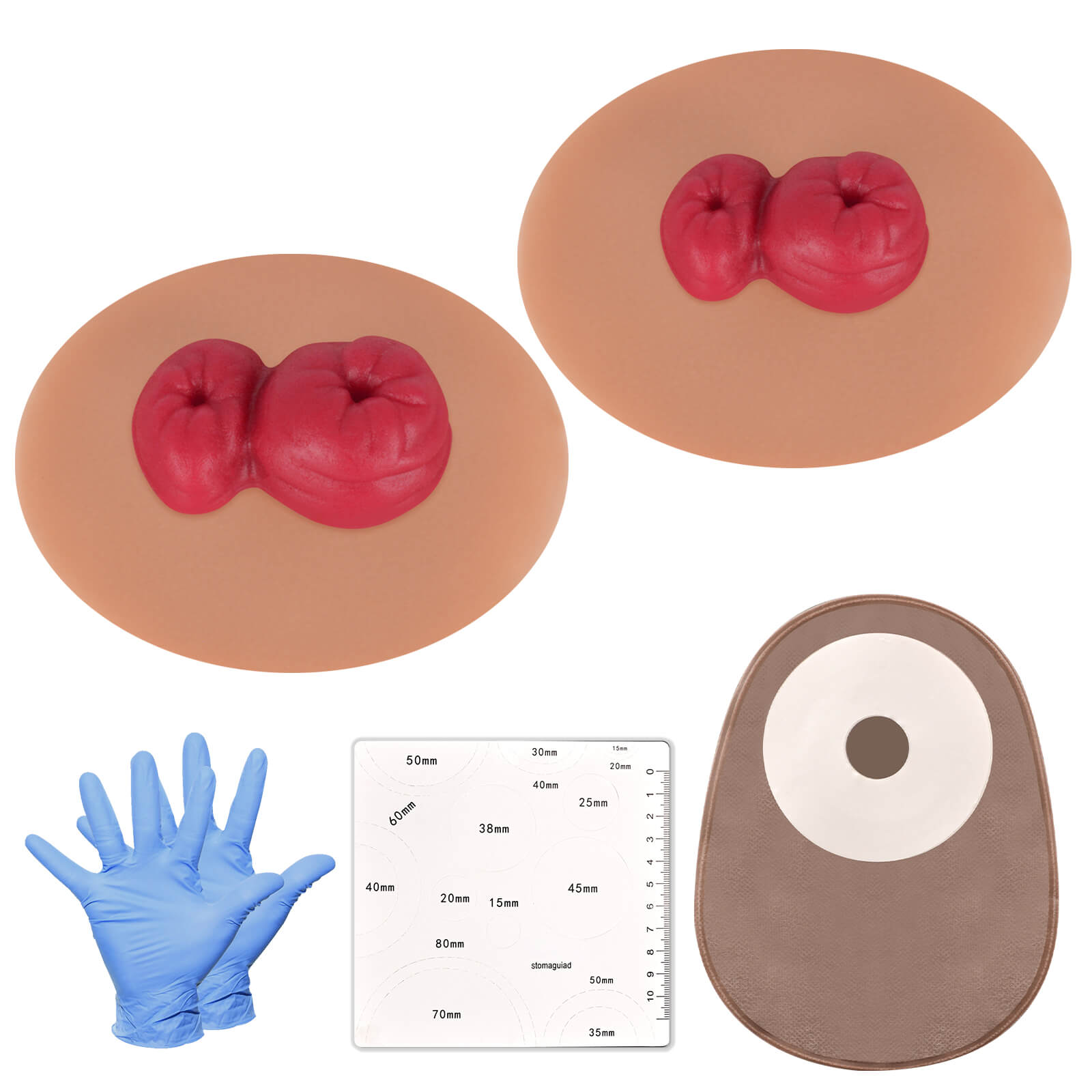
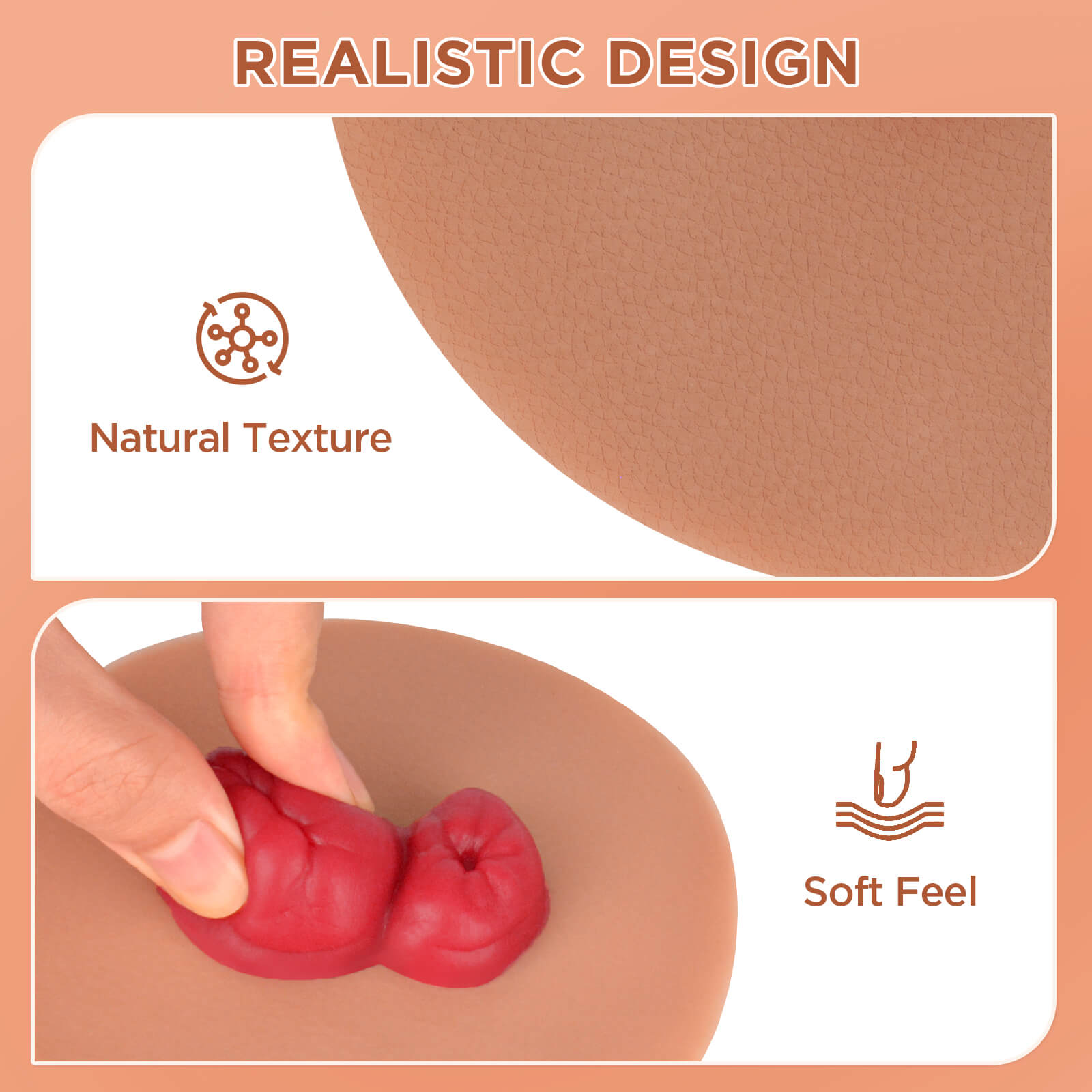
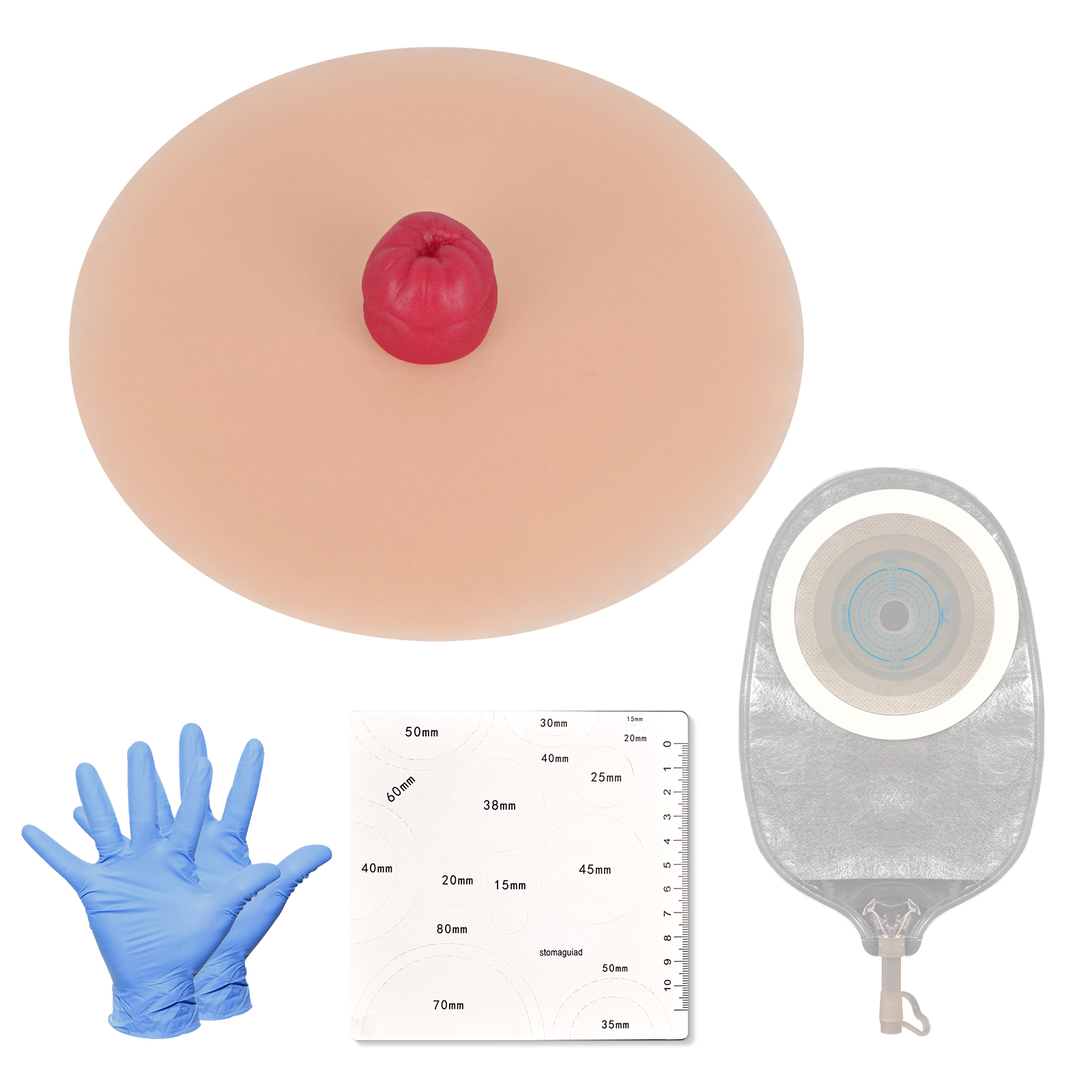
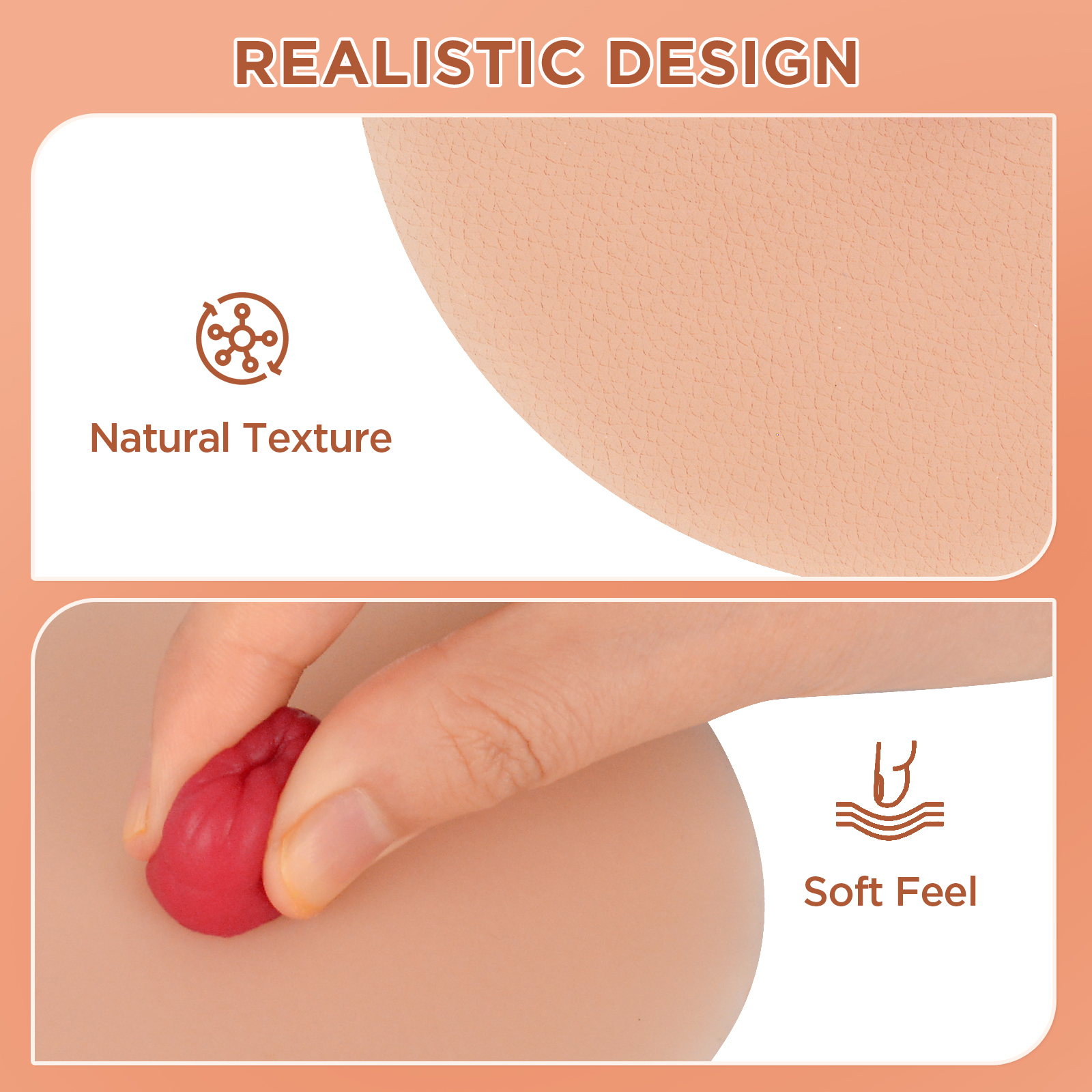
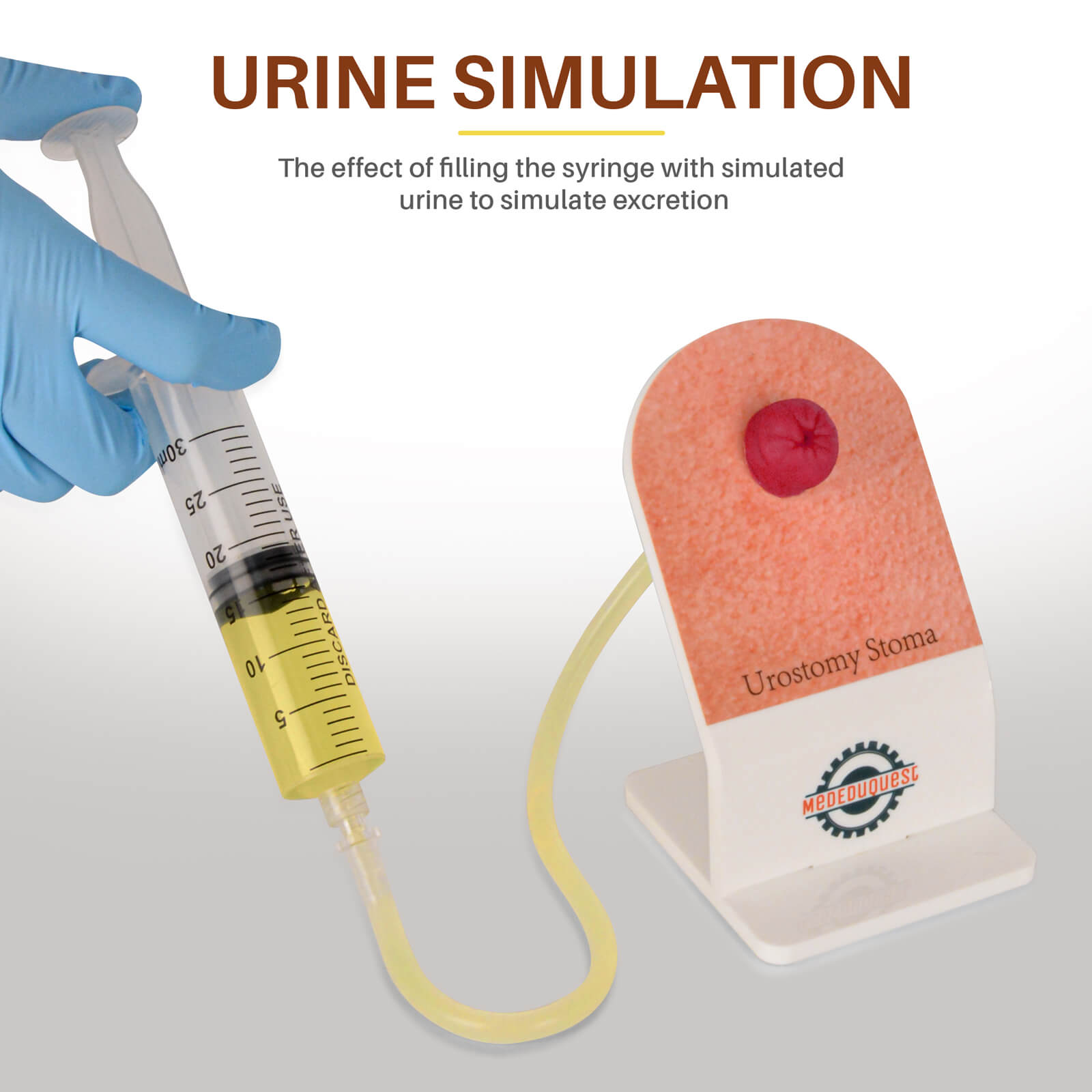
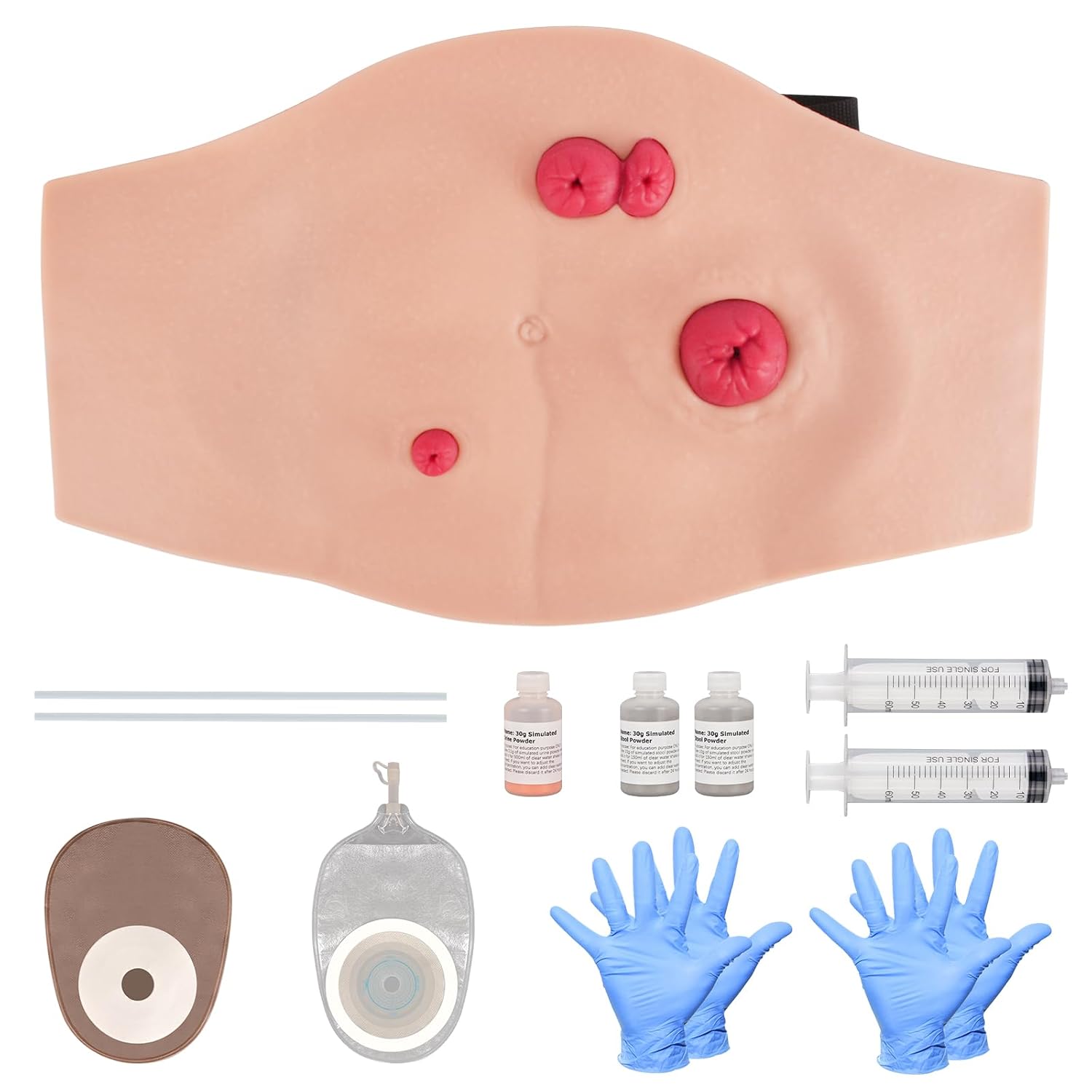
Realistische Stomatrainingsmodelle ermöglichen es den Studierenden, Verfahren wiederholt ohne Risiko für Patienten zu üben.
Simulationsaktivitäten können Folgendes umfassen:
- Übungen zur Stoma-Bewertung
- Übung des Hilfsmittelwechsels
- Szenarien zur Verhinderung von Undichtigkeiten
- Patientenpflege-Simulationen
Tisch-Stoma-Modelle sind nützlich für Demonstrationen durch Lehrkräfte und Gruppenlernen, während tragbare Modelle realistischere Erfahrungen in der Patientenversorgung bieten.
Schritt 4: Erstellung von Gruppenaktivitäten im Fähigkeitenlabor
Fähigkeitenlabore funktionieren am besten, wenn die Studierenden aktiv teilnehmen, anstatt nur Demonstrationen zuzusehen.
Die Lehrkräfte können organisieren:
Übungsstationen
Beispielstationen:
Station 1: Stoma-Bewertung
Station 2: Hautvorbereitung und Wafer-Anpassung
Station 3: Beutel-Anwendung
Station 4: Patientenaufklärung
Die Studierenden rotieren durch jede Station und üben verschiedene Fähigkeiten.
Schritt 5: Einbeziehung patientenzentrierter Szenarien
Die Stomaversorgung ist nicht nur ein technisches Verfahren.
Die Studierenden sollten Kommunikationsfähigkeiten durch realistische Szenarien üben.
Beispiele:
- Erklärung von Beutelwechseln an einem neu diagnostizierten Patienten
- Ansprechen von Bedenken bezüglich des Körperbildes
- Lehren von Selbstpflegetechniken
- Unterstützung der Unabhängigkeit des Patienten
Simulationsaktivitäten helfen den Studierenden, sowohl klinische Kompetenz als auch Empathie zu entwickeln.
Schritt 6: Bewertung der Schülerleistung
Die Bewertung ist ein wesentlicher Bestandteil der Ausbildung im Fähigkeitenlabor.
Die Lehrkräfte können bewerten:
- Technische Genauigkeit
- Praktiken zur Infektionskontrolle
- Fähigkeiten zur Anpassung von Hilfsmitteln
- Kommunikationsfähigkeit
- Techniken zur Patientenaufklärung
Die Verwendung einer Checkliste für Stomapflegefähigkeiten für die Studierenden hilft den Lehrkräften, die Leistung konsistent zu bewerten und gezieltes Feedback zu geben.
Schritt 7: Förderung von Reflexion und Feedback
Nach Abschluss der Simulationsaktivitäten sollten die Studierenden über Folgendes nachdenken:
- Welche Fähigkeiten waren herausfordernd?
- Welche Techniken müssen verbessert werden?
- Wie könnte die Patientenkommunikation verbessert werden?
Das Feedback der Lehrkräfte hilft den Studierenden, Fehler zu korrigieren und das klinische Vertrauen zu stärken.
Gestaltung eines effektiven Lehrplans für Stomafähigkeitenlabor
Eine erfolgreiche Stomatrainingssitzung sollte Folgendes kombinieren:
- Wissen
Die Studierenden verstehen Anatomie und Pflegeprinzipien.
- Demonstration
Die Lehrkräfte zeigen die richtigen Verfahren.
- Praxis
Die Studierenden wiederholen Fähigkeiten mit Simulationsmodellen.
- Bewertung
Die Studierenden erhalten Feedback und Kompetenzbewertung.
Diese Struktur hilft, ein vollständiges Lernerlebnis zu schaffen.
Unterstützung der Stomaausbildung mit realistischen Trainingsmodellen
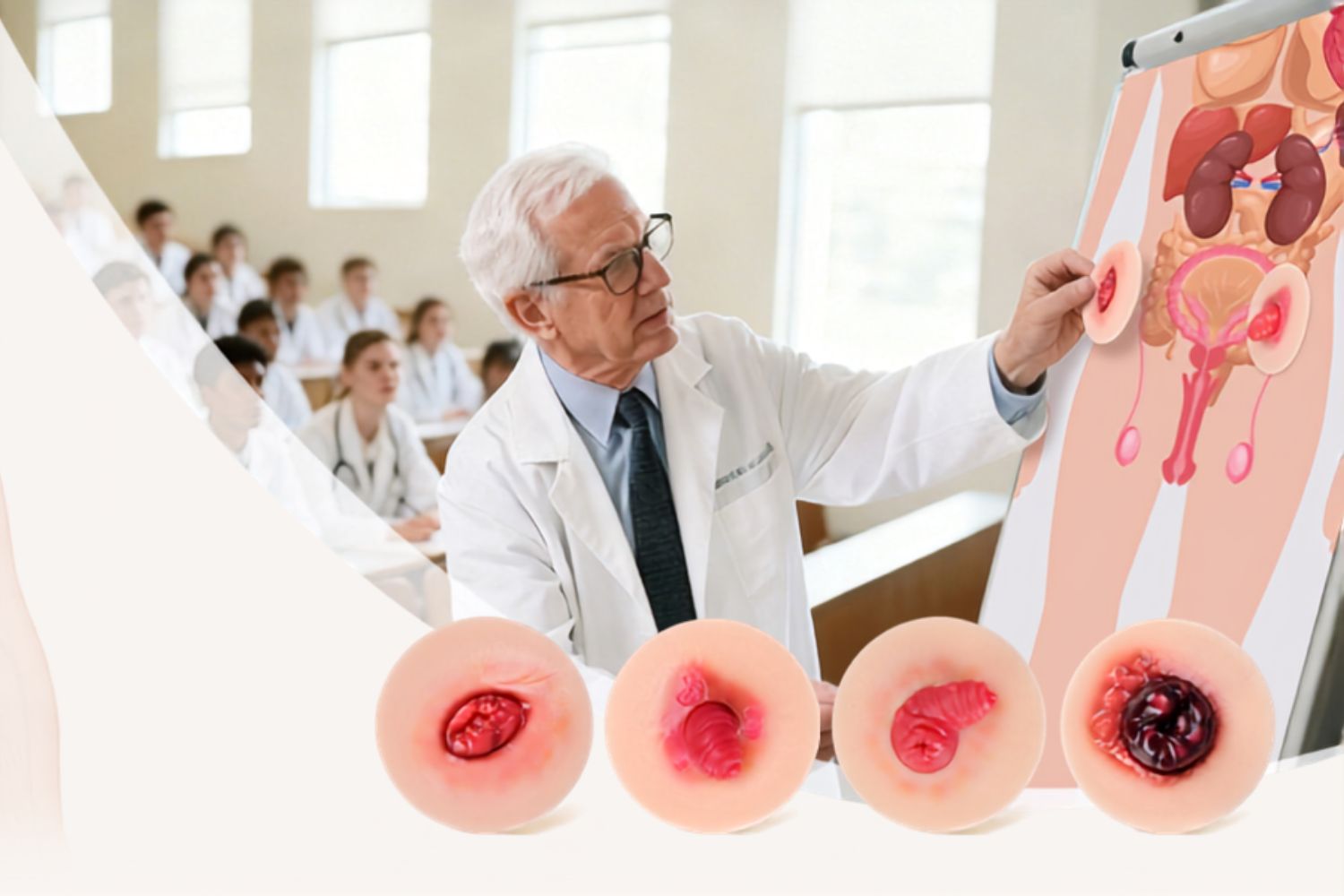
Realistische Stomasimulationsmodelle helfen Pflegepädagogen, effektive Erfahrungen im Fähigkeitenlabor zu schaffen.
Sie unterstützen Trainingsaktivitäten wie:
- Stoma-Bewertung
- Management von Hilfsmitteln
- Hautpflegepraxis
- Patientenaufklärung
- Simulation klinischer Szenarien
Die MedEduQuest Stomatrainingsmodelle sind für Pflegeschulen, Simulationszentren und Gesundheitsbildungsprogramme konzipiert, die zuverlässige Werkzeuge für die praktische Anleitung benötigen.
Fazit
Die effektive Lehre der Stomaversorgung erfordert strukturierte Aktivitäten im Fähigkeitenlabor, realistische Simulationen und bedeutungsvolles Feedback.
Durch die Kombination von Wissensvermittlung mit praktischen Übungen können Pflegepädagogen den Studierenden helfen, das Vertrauen und die Fähigkeiten zu entwickeln, die für eine sichere, patientenzentrierte Stomaversorgung erforderlich sind.
Ein gut gestaltetes Stomafähigkeitenlabor überbrückt die Kluft zwischen dem Lernen im Klassenzimmer und der klinischen Praxis und bereitet zukünftige Pflegekräfte auf die Patientenversorgung in der realen Welt vor.
.jpg?w=1600&h=1600)
.jpg?w=1600&h=1600)
.jpeg?w=1600&h=1600)
.jpeg?w=1600&h=1600)
.jpeg?w=1600&h=1600)
.jpeg?w=1600&h=1600)
.jpg?w=1000&h=1000)
.jpg?w=1000&h=1000)
.jpeg?w=1500&h=1500)
.jpeg?w=1500&h=1500)
.jpeg?w=1600&h=1600)
.jpeg?w=1600&h=1600)
.jpg?w=1600&h=1600)
.jpg?w=1600&h=1600)
.jpg?w=1500&h=1500)
.jpg?w=1500&h=1500)
.jpg?w=1500&h=1500)
.jpg?w=1500&h=1500)
.jpg?w=1500&h=1500)
.jpg?w=1500&h=1500)