
Ostomieversorgung erfordert mehr als nur das Erlernen, wie man einen Beutel wechselt. Pflegekräfte müssen die wesentlichen Fähigkeiten zur Stomaversorgung für Pflegekräfte verstehen, einschließlich Stomabeurteilung, Hautschutz und ordnungsgemäße Handhabung des Hilfsmittels, bevor sie potenzielle Komplikationen effektiv erkennen und managen können.
Für Pflegekräfte und Gesundheitsfachkräfte ist das Verständnis häufiger Ostomiekomplikationen entscheidend, um eine sichere und effektive Patientenunterstützung zu bieten.
Die frühzeitige Identifizierung von Problemen wie Hautreizungen, Leckagen oder Veränderungen im Aussehen des Stomas kann den Komfort des Patienten verbessern und helfen, schwerwiegendere Komplikationen zu verhindern.
Warum Pflegekräfte Ostomiekomplikationen verstehen müssen
Patienten mit Stomata können nach der Operation physische und emotionale Herausforderungen erleben.
Pflegekräfte spielen eine wichtige Rolle bei:
- Beurteilung des Stomazustands
- Identifizierung von Frühwarnzeichen
- Prävention von Komplikationen
- Aufklärung der Patienten über die richtige Pflege
- Unterstützung des langfristigen Selbstmanagements
Durch angemessene Schulung und praktische Übungen können Pflegekräfte das nötige Vertrauen entwickeln, um häufige Ostomieprobleme zu erkennen und anzugehen.
1. Peristomale Hautreizung
Peristomale Hautreizung ist eine der häufigsten Herausforderungen in der Ostomieversorgung.
Sie tritt auf, wenn die Haut um das Stoma beschädigt oder entzündet wird.
Häufige Ursachen:
- Leckage von Stomaausfluss auf die umliegende Haut
- Falsche Größe des Wafers
- Schlechte Passform des Hilfsmittels
- Häufiges Entfernen des Hilfsmittels
- Unzureichender Hautschutz
Pflegeüberlegungen:
Pflegekräfte sollten Folgendes beurteilen:
- Hautrötung
- Feuchtigkeitsschäden
- Schmerzen oder Unbehagen
- Veränderungen nach der Verwendung des Hilfsmittels
Eine ordnungsgemäße Anpassung und Techniken zum Hautschutz sind entscheidend, um weitere Reizungen zu verhindern.
2. Leckage des Ostomiehilfsmittels
Leckagen können sowohl den physischen Komfort als auch das Vertrauen des Patienten beeinträchtigen.
Häufige Ursachen sind:
- Falsche Passform des Beutels
- Veränderungen in der Stomagröße
- Unebene Hautoberfläche
- Unsachgemäße Anwendung des Hilfsmittels
Pflegeüberlegungen:
Pflegekräfte sollten Folgendes bewerten:
- Stomamaßnahmen
- Größe der Öffnung des Wafers
- Qualität des Dichtungsrings
- Anwendungstechnik des Patienten
Die Patienten in den richtigen Methoden zur Anwendung des Beutels zu schulen, kann die Probleme mit Leckagen erheblich reduzieren.
3. Stomaretraktion
Stomaretraktion tritt auf, wenn das Stoma unter die Hautoberfläche wandert.
Mögliche Bedenken sind:
- Schwierigkeiten bei der Aufrechterhaltung der Haftung des Hilfsmittels
- Erhöhtes Risiko von Leckagen
- Hautreizungen
Pflegeüberlegungen:
Pflegekräfte sollten Veränderungen im Aussehen des Stomas überwachen und den Patienten helfen, geeignete Hilfsmittel auszuwählen.
4. Stomaprolaps
Ein prolapsiertes Stoma tritt auf, wenn das Stoma weiter als erwartet von der Bauchoberfläche herausragt.
Mögliche Anzeichen sind:
- Erhöhte Stomallänge
- Veränderungen im Aussehen
- Unbehagen des Patienten
Pflegeüberlegungen:
Beurteilung und angemessenes klinisches Management sind wichtig, um weitere Komplikationen zu verhindern.
5. Stomablutungen oder Farbveränderungen
Pflegekräfte sollten das normale und abnormale Aussehen des Stomas verstehen.
Ein gesundes Stoma ist typischerweise:
- Feucht
- Rosa bis rot in der Farbe
- Ähnlich im Aussehen wie inneres Schleimhautgewebe
Veränderungen wie ungewöhnliche Verdunkelung, anhaltende Blutungen oder signifikante Veränderungen im Aussehen können eine weitere Bewertung erfordern.
6. Mukokutane Trennung
Mukokutane Trennung tritt auf, wenn die Verbindung zwischen dem Stoma und der umliegenden Haut getrennt wird.
Mögliche Ursachen sind:
- Schlechte Heilung
- Infektion
- Chirurgische Komplikationen
Pflegeüberlegungen:
Frühe Beurteilung und angemessenes Wundmanagement können die Heilung unterstützen und Komplikationen reduzieren.
7. Psychologische und emotionale Herausforderungen
Ostomiekomplikationen sind nicht nur physisch.
Patienten können erleben:
- Angst vor Leckagen
- Bedenken bezüglich des Körperbildes
- Schwierigkeiten bei der Anpassung an Lebensstiländerungen
Pflegekräfte sollten Folgendes bieten:
- Aufklärung
- Emotionale Unterstützung
- Ermutigung zum Selbstmanagement
Patientenzentrierte Kommunikation ist ein wichtiger Teil einer effektiven Ostomieversorgung.
Wie Simulationstraining Pflegekräfte dabei hilft, Ostomiekomplikationen zu erkennen
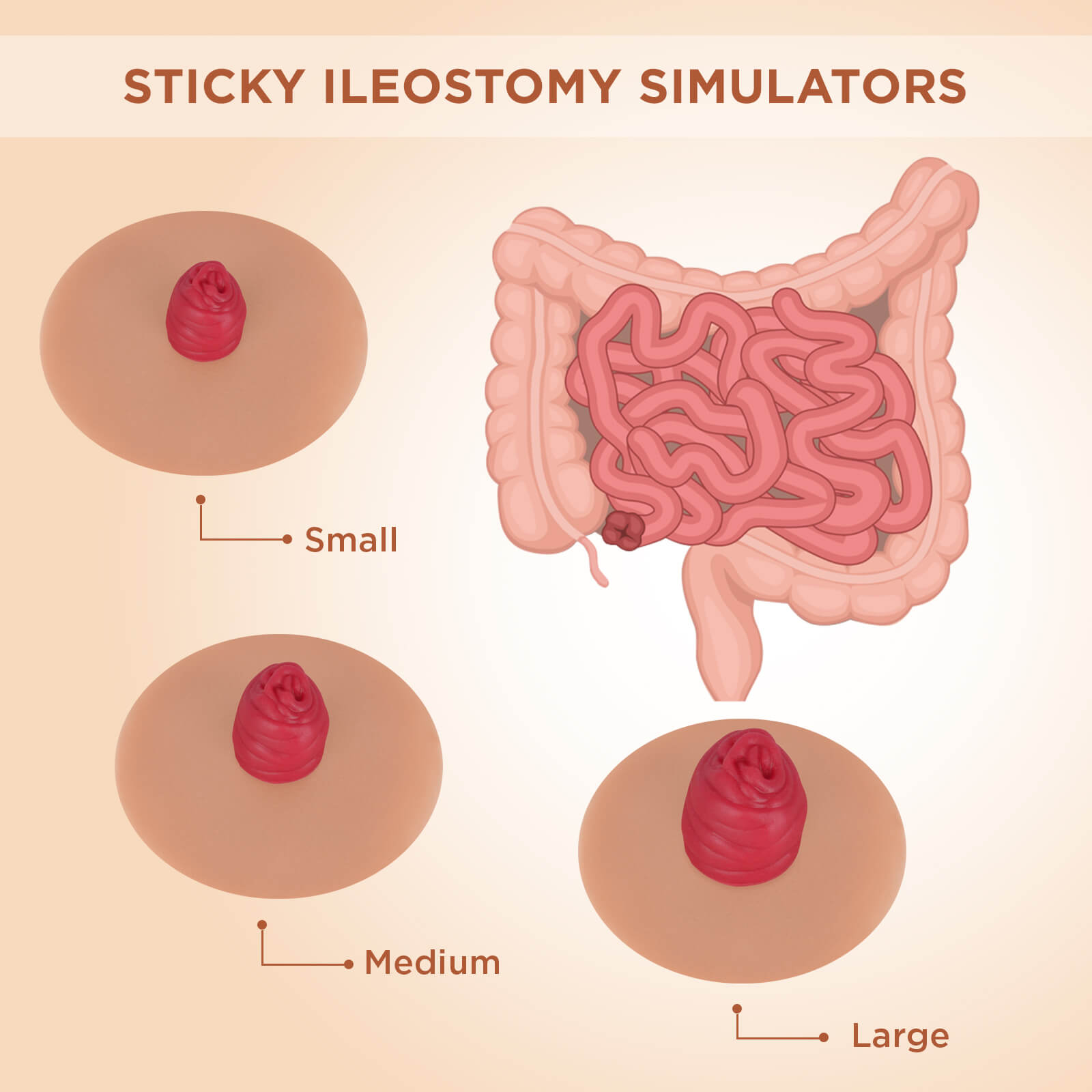
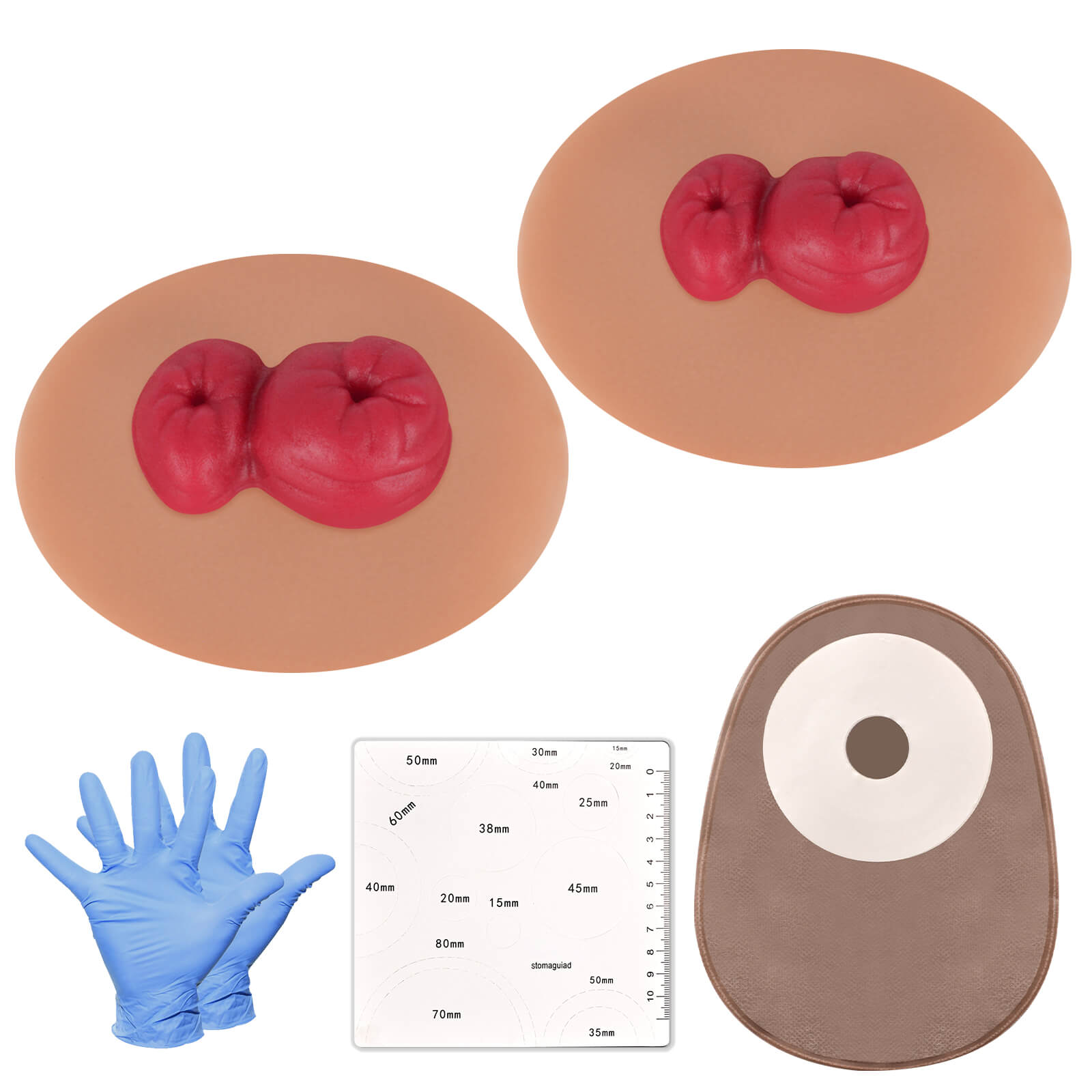
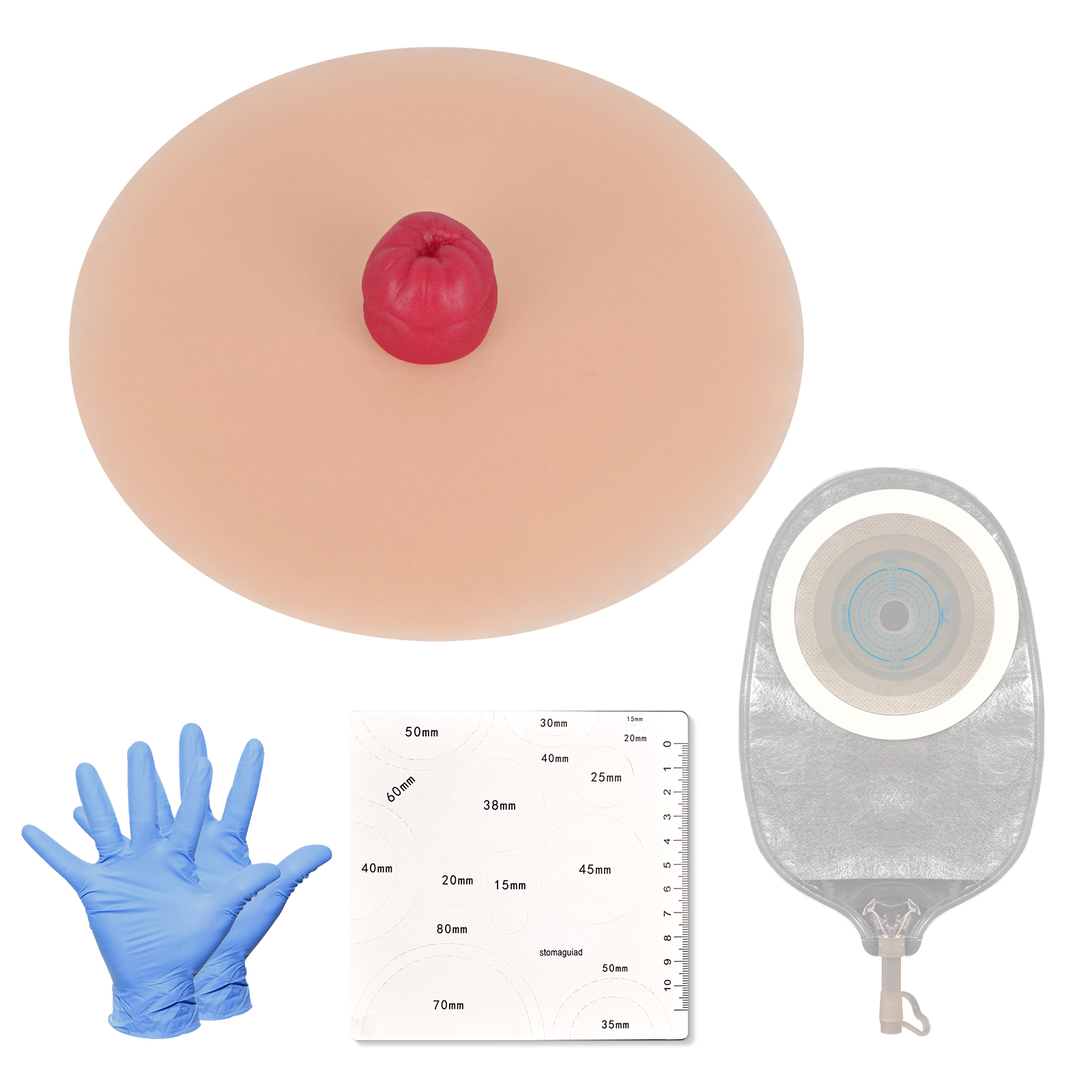
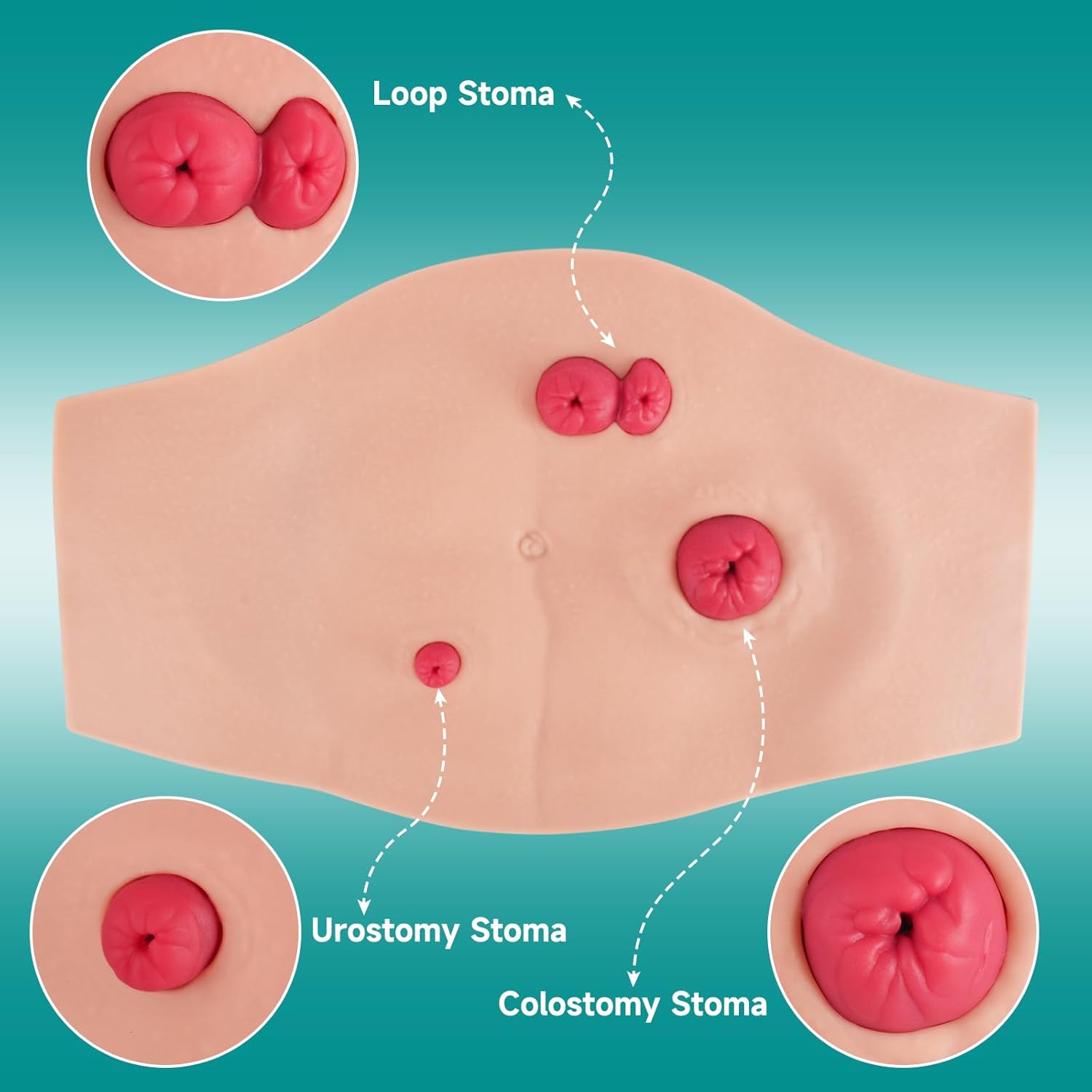
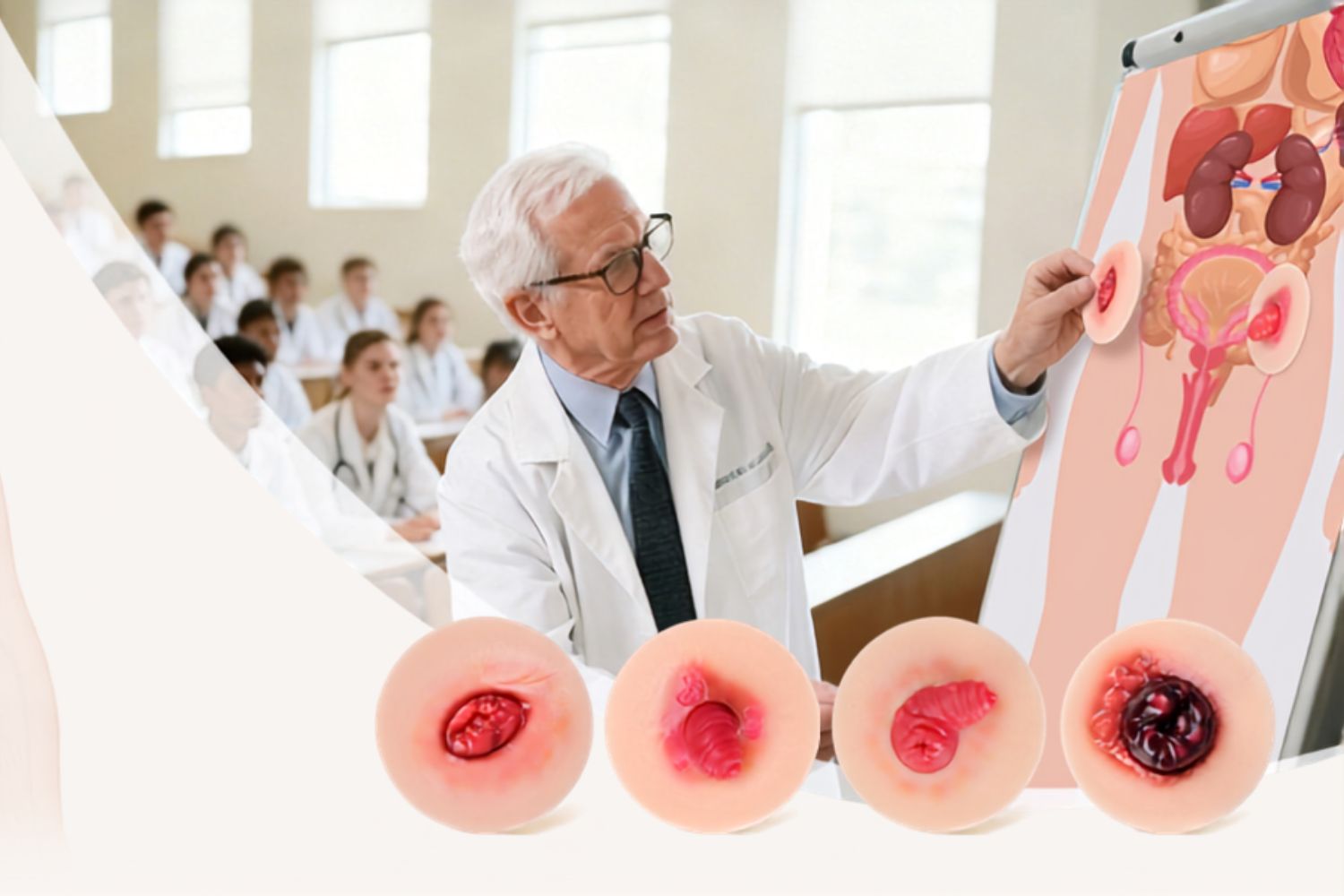
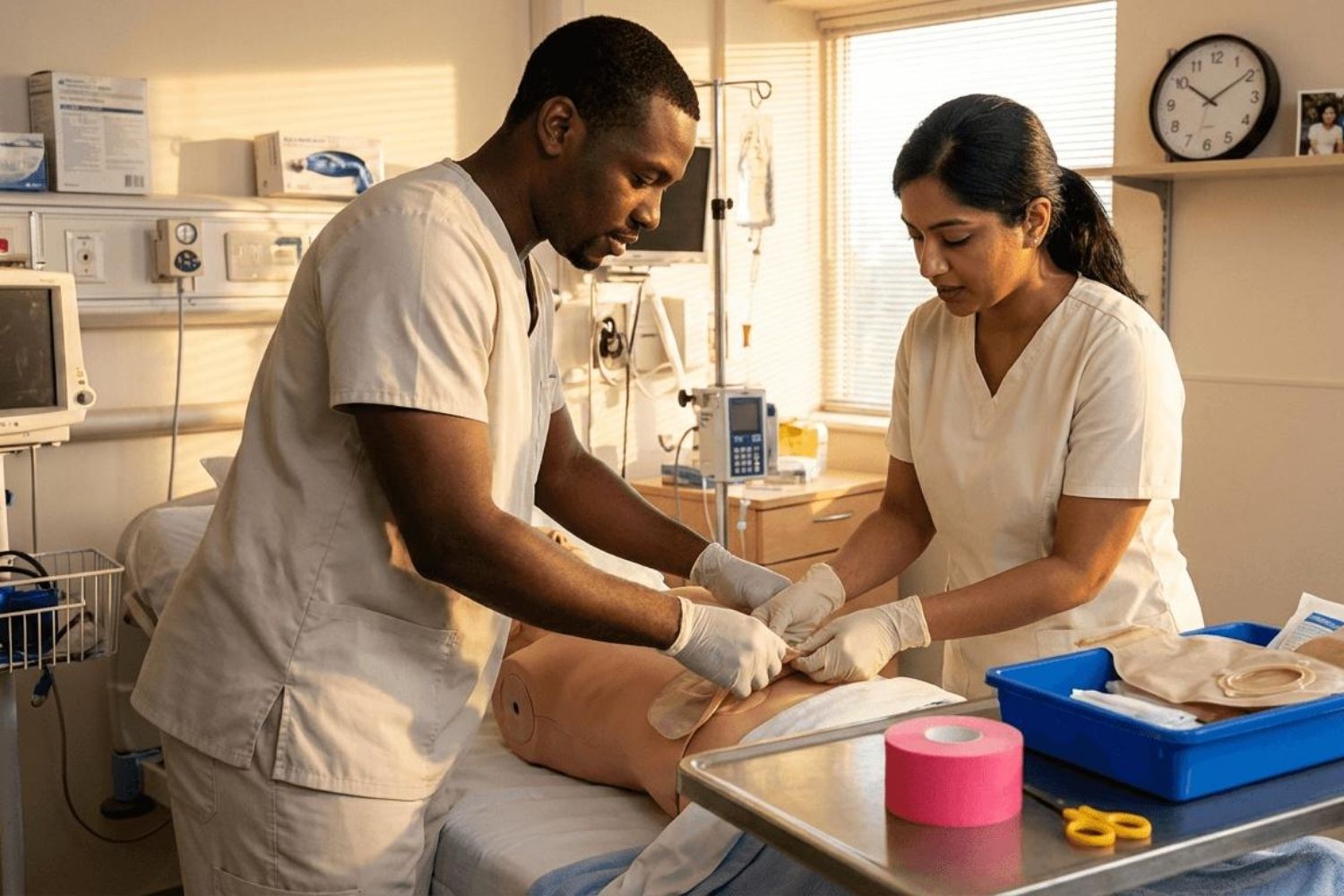
Praktische Übungen helfen Pflegekräften, Beurteilungsfähigkeiten zu entwickeln, bevor sie in klinische Umgebungen eintreten. Durch simulationsbasiertes Ostomieversorgungstrainingkönnen die Studierenden das Erkennen von Komplikationen üben, das klinische Urteilsvermögen verbessern und Vertrauen in einer sicheren Lernumgebung aufbauen.
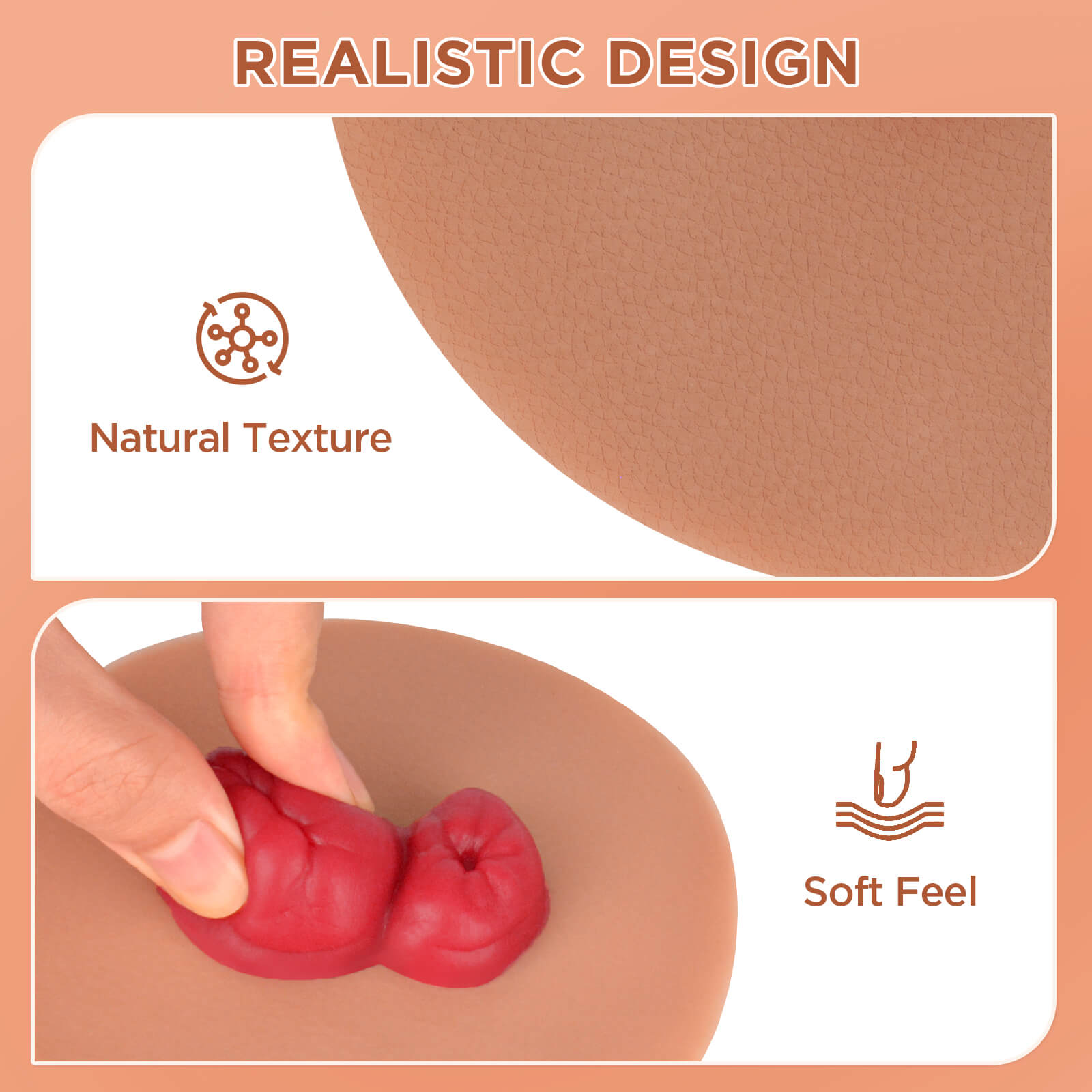
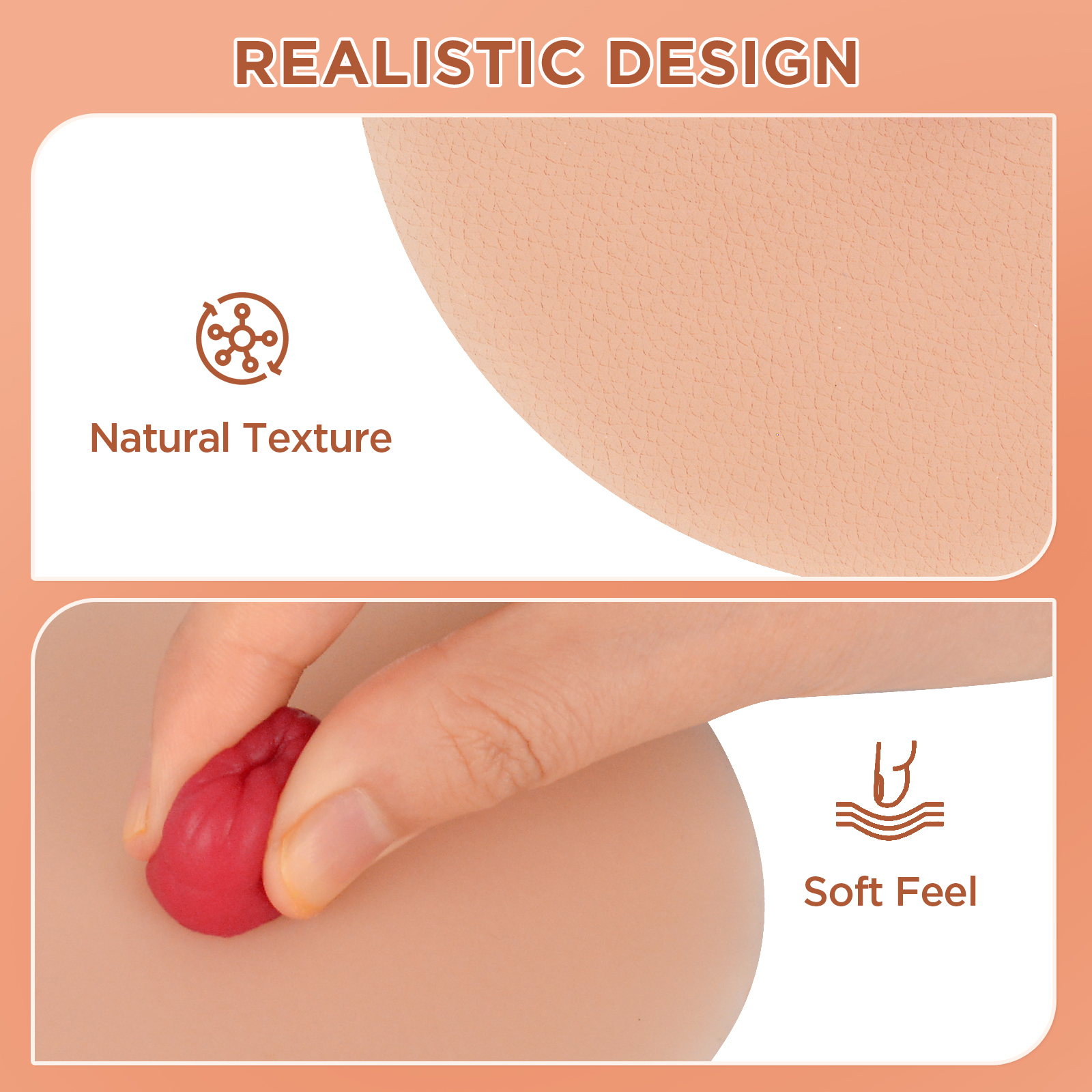
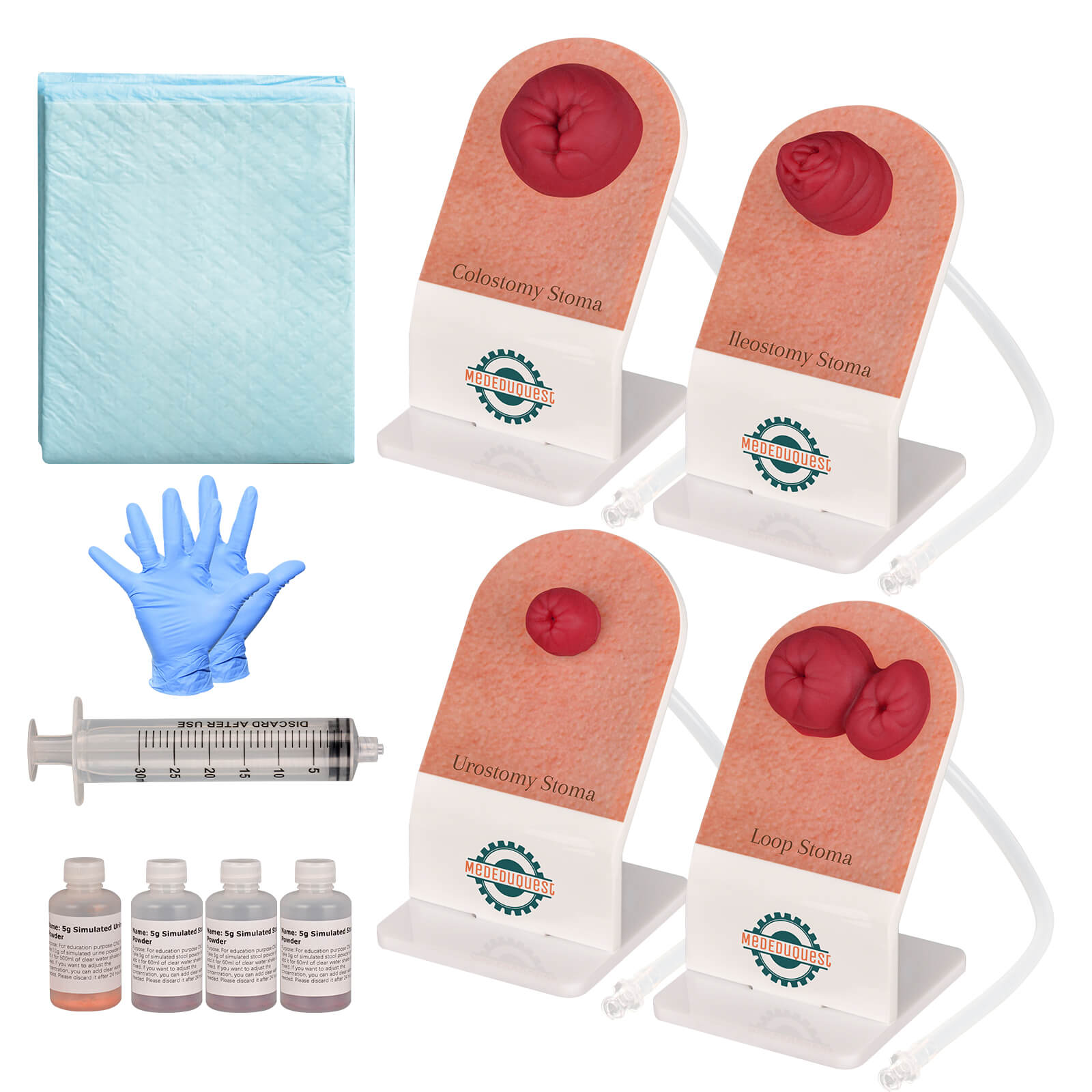
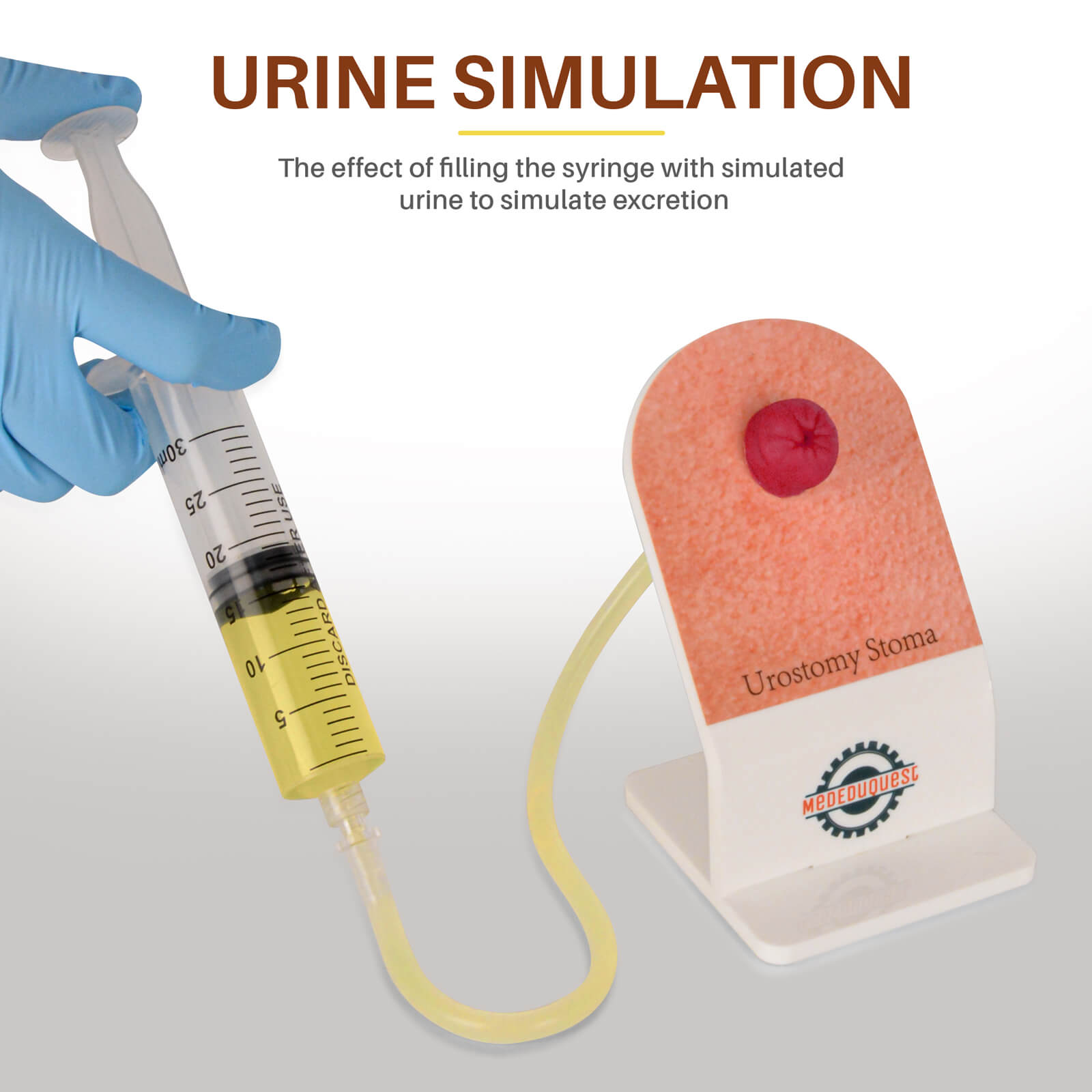
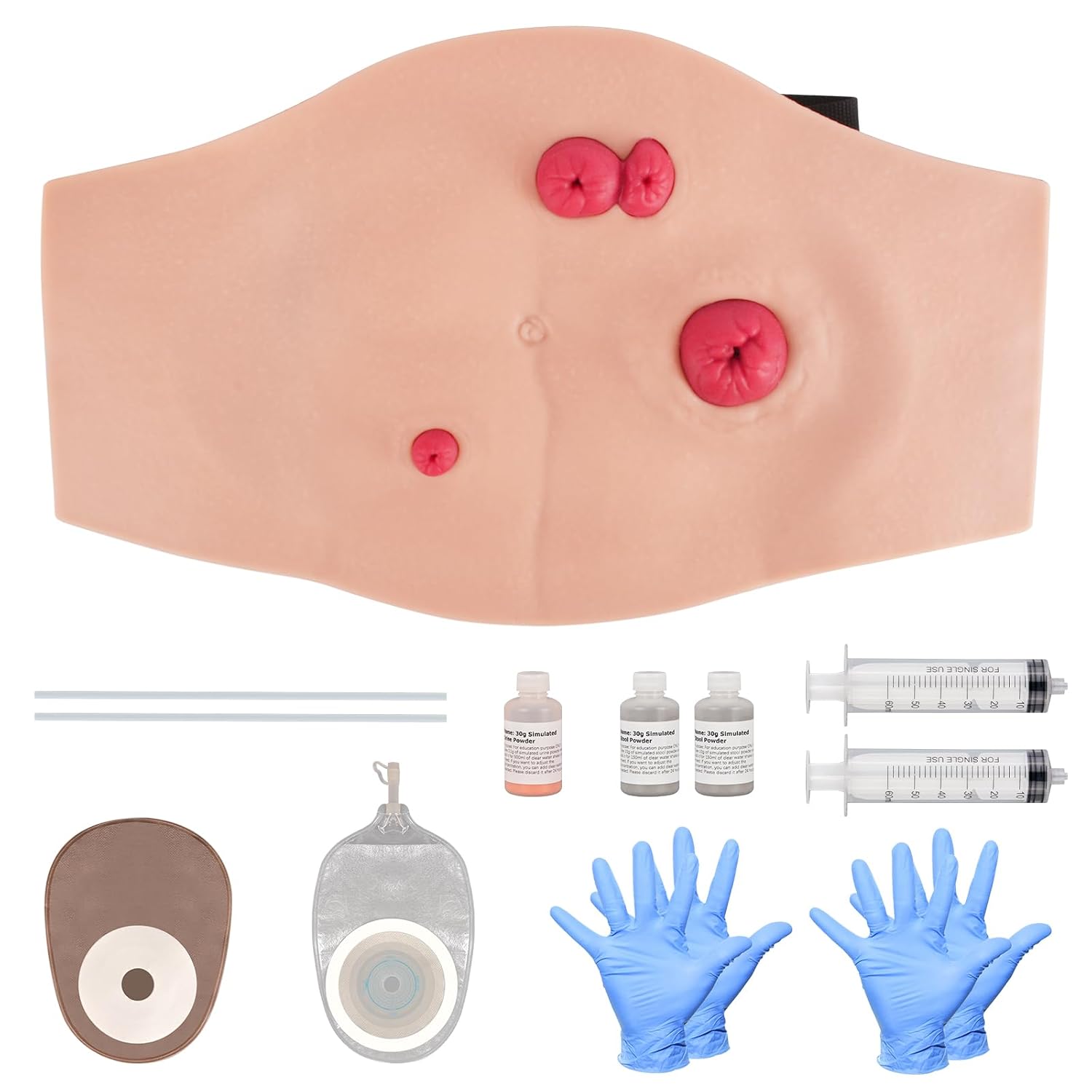
Mit realistischen Ostomietrainingsmodellen können die Studierenden üben:
- Normale und abnormale Stomacharakteristika zu identifizieren
- Zustände der umliegenden Haut zu beurteilen
- Probleme bei der Anpassung des Hilfsmittels zu beheben
- Strategien zur Patientenversorgung zu besprechen
Simulation schafft eine sichere Umgebung, in der Lernende durch wiederholtes Üben Vertrauen aufbauen und Feedback erhalten können, bevor sie echte Patienten versorgen.
Lehren von Ostomiekomplikationen in der Pflegeausbildung
Bildungseinrichtungen können Komplikationsszenarien in die Fähigkeitenausbildung integrieren, indem sie fallbasierte Aktivitäten erstellen.
Beispiele:
Szenario 1:
Ein Patient hat wiederholt Leckagen des Beutels.
Die Studierenden identifizieren:
- Mögliche Ursachen
- Probleme mit der Anpassung des Hilfsmittels
- Präventionsstrategien
Szenario 2:
Ein Patient berichtet über Unbehagen und Hautreizungen.
Die Studierenden üben:
- Hautbeurteilung
- Patientenaufklärung
- Pflegeempfehlungen
Fallbasierte Simulation hilft den Studierenden, klinisches Urteilsvermögen zu entwickeln, anstatt Verfahren auswendig zu lernen.
Prävention häufiger Ostomiekomplikationen
Eine effektive Prävention umfasst:
- Ordnungsgemäße Beurteilung
Regelmäßige Bewertung des Stomazustands und der umliegenden Haut, um frühe Anzeichen von Reizungen, Leckagen oder anderen potenziellen Problemen zu identifizieren.
- Korrekte Anpassung des Hilfsmittels
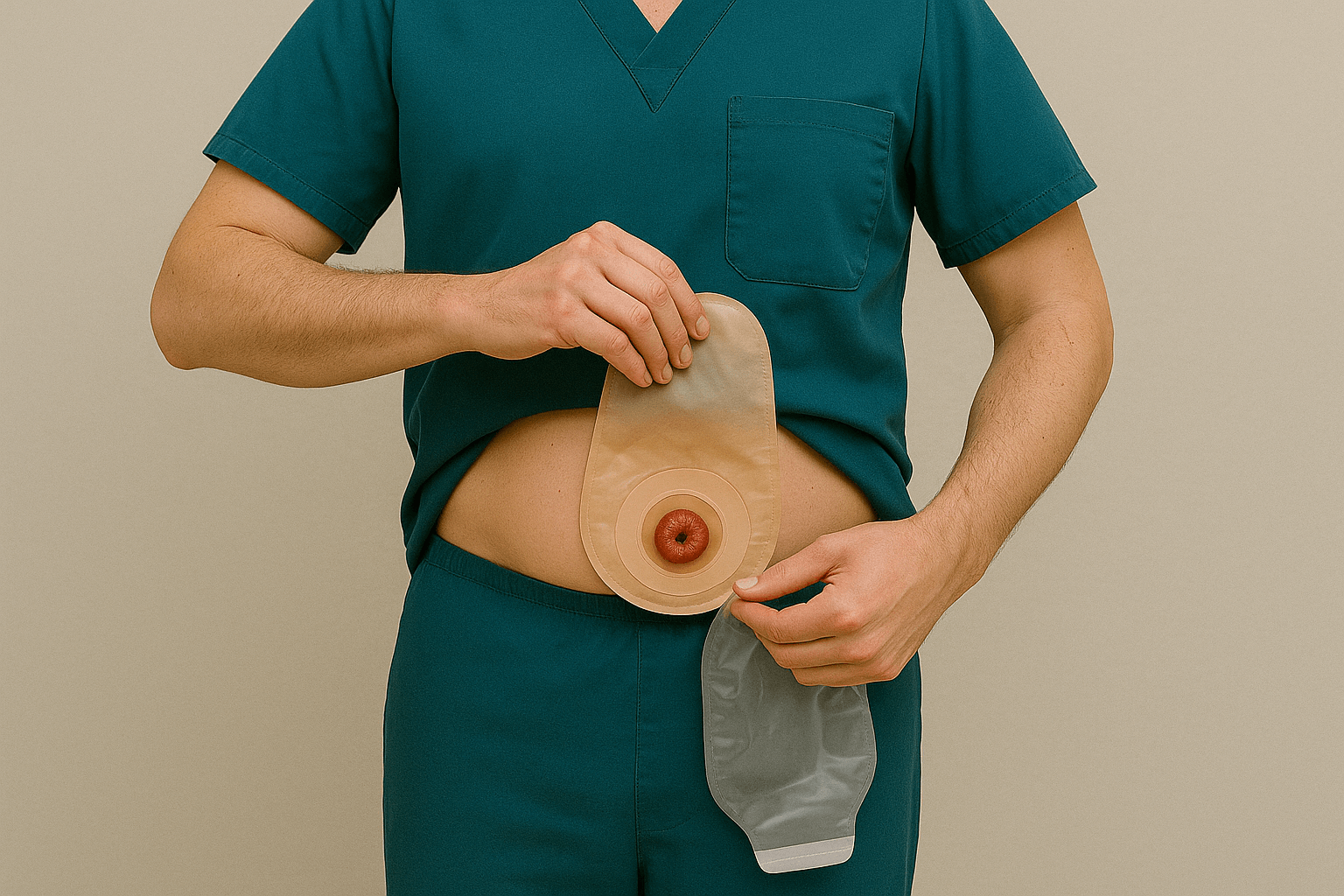
Sicherstellen, dass das Beutelsystem sicher sitzt und die richtigen Anwendungstechniken befolgt werden, um Leckagen und Hautschäden zu reduzieren.
- Patientenaufklärung
Den Patienten beibringen, wie sie die Pflege selbstständig verwalten und frühe Warnzeichen erkennen, die Aufmerksamkeit erfordern.
- Kontinuierliche Fähigkeitenentwicklung
Wiederholtes Üben verbessert Vertrauen und Genauigkeit. Für Pflegekräfte kann die Verwendung einer Checkliste für Ostomiefähigkeiten für Studierende helfen, wesentliche Pflegeschritte zu organisieren, die Leistung zu bewerten und sicherzustellen, dass wichtige Verfahren während des Trainings nicht übersehen werden.
Unterstützung der Ostomieversorgungsausbildung mit realistischen Trainingsmodellen
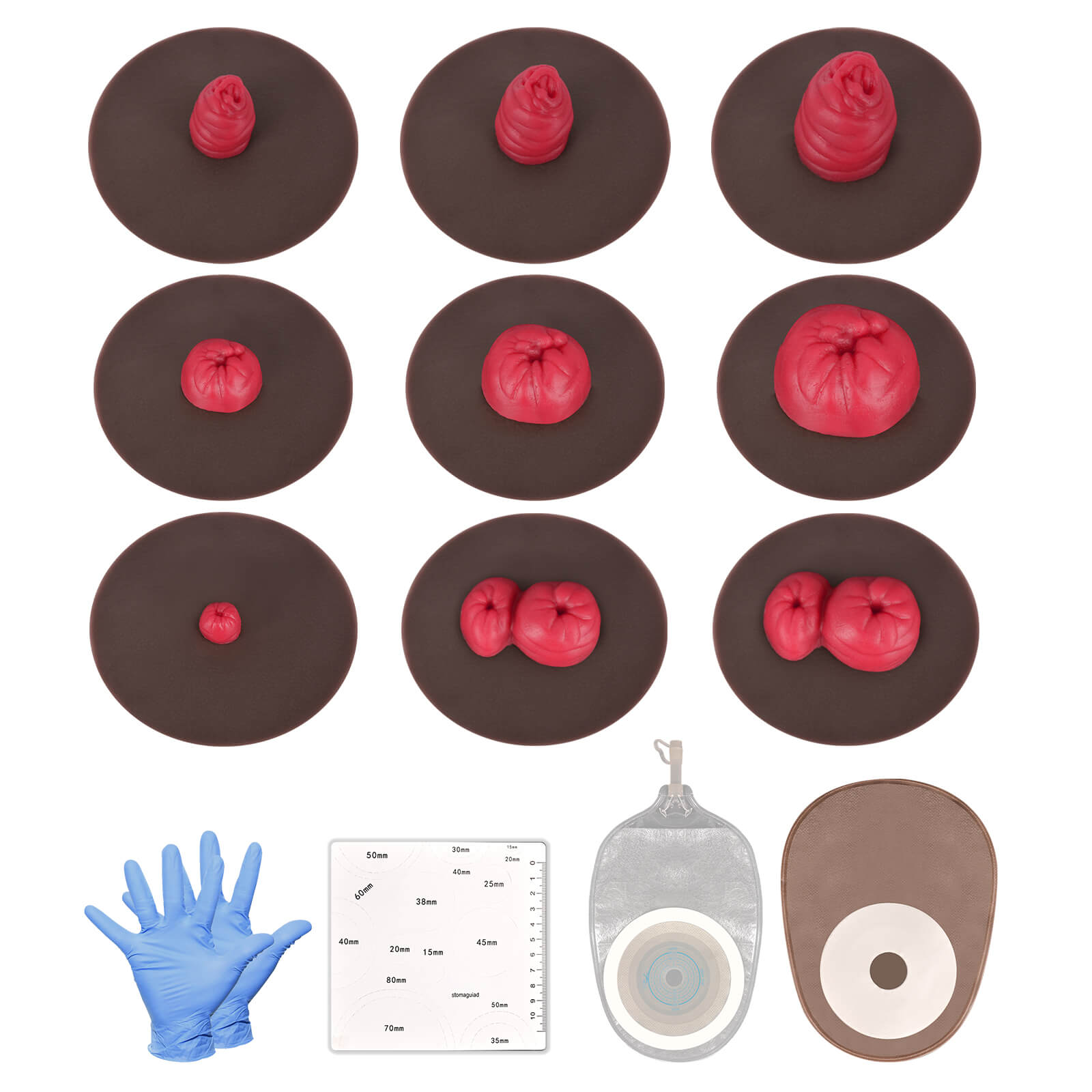
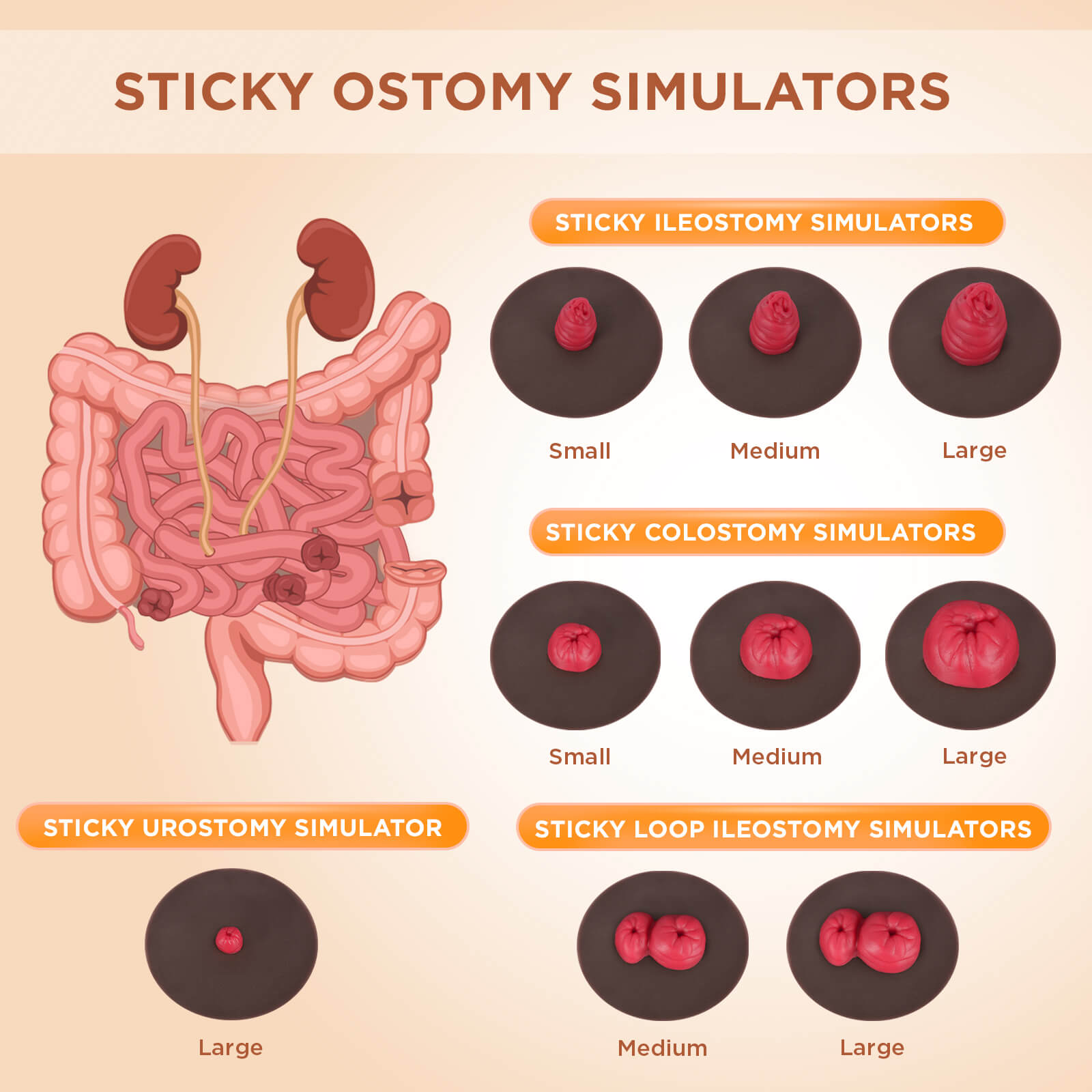
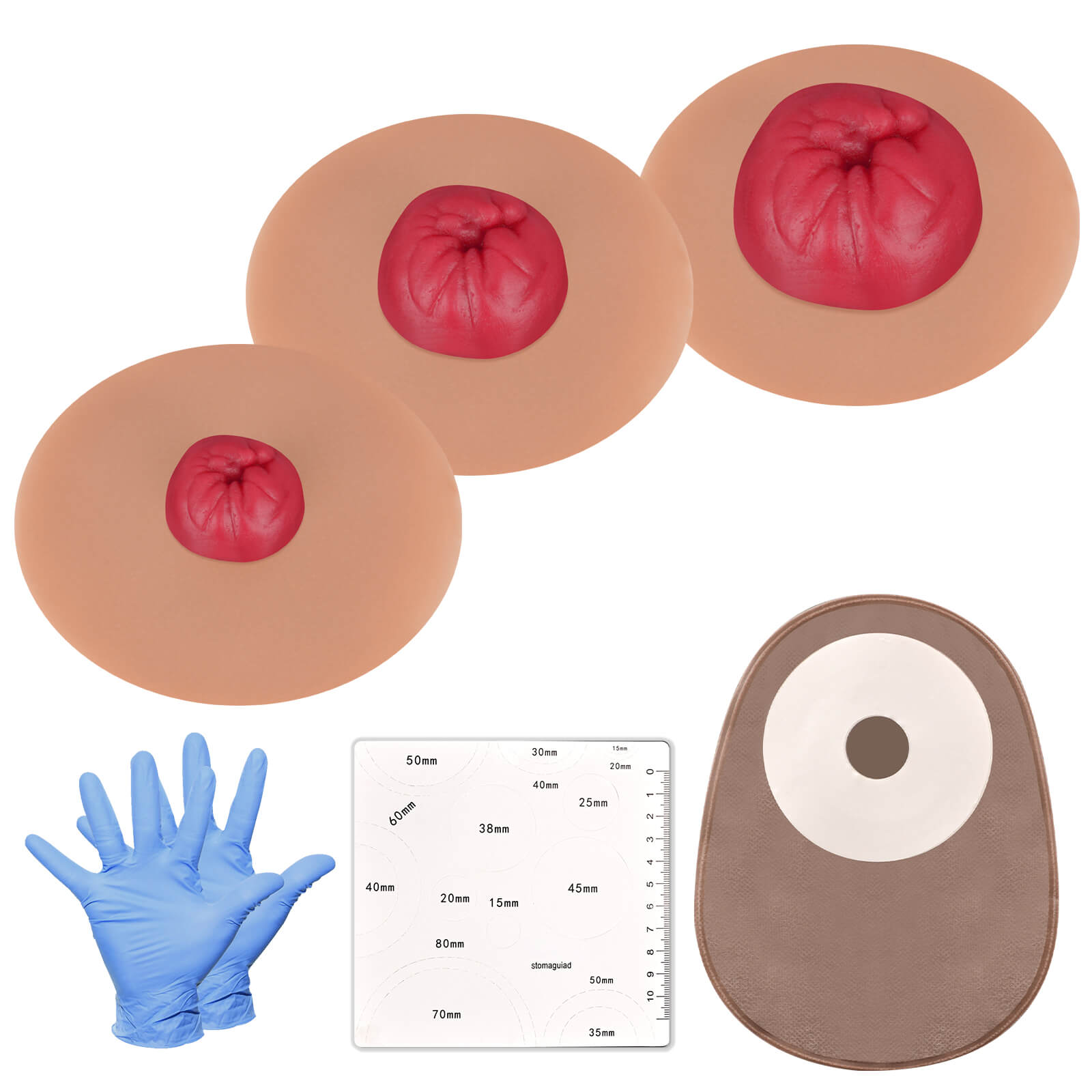
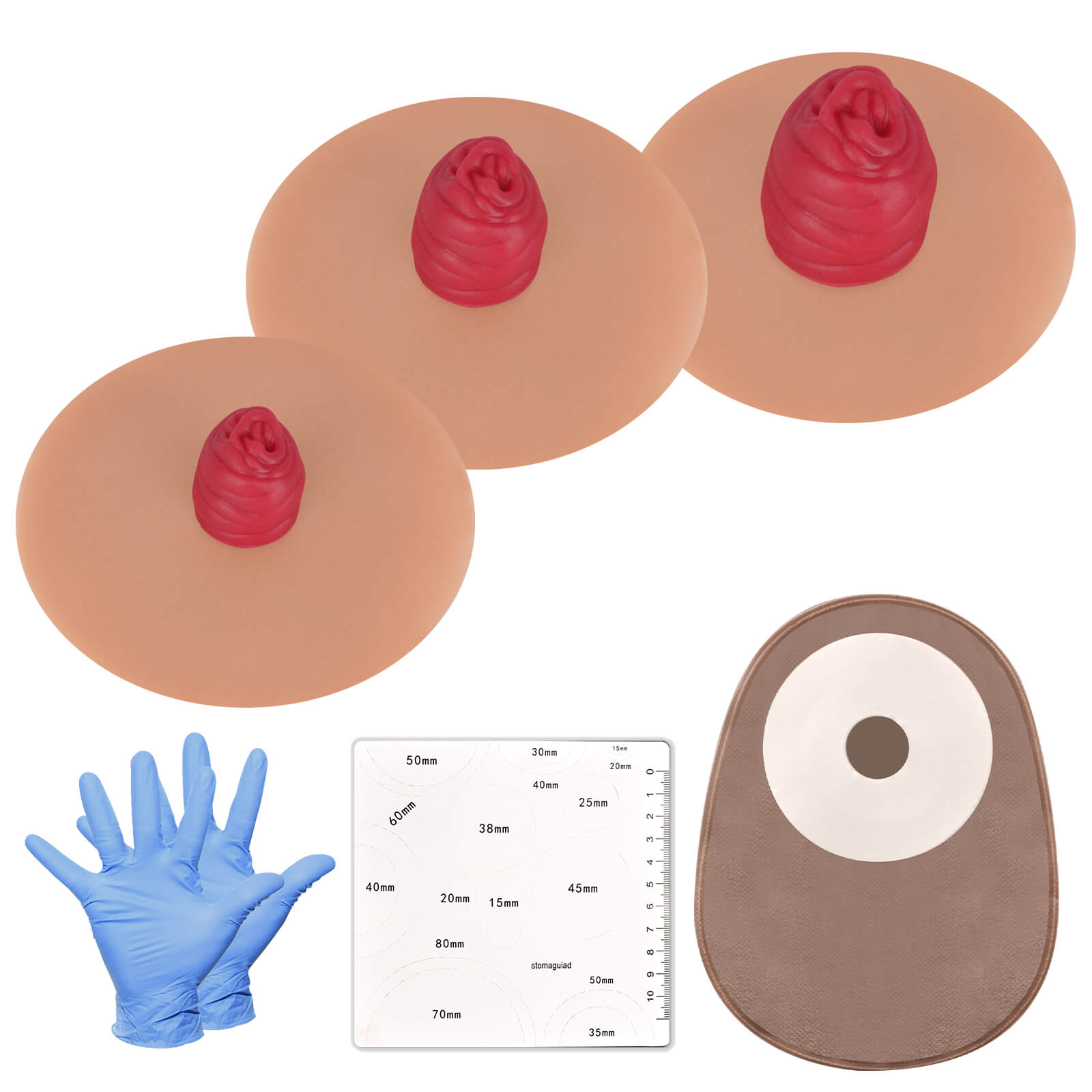
Realistische Simulationsmodelle ermöglichen es Pflegekräften und Gesundheitsfachkräften, Ostomiebeurteilungs- und Pflegetechniken in einer kontrollierten Umgebung zu üben.
MedEduQuest Ostomietrainingsmodelleunterstützen die Ausbildung in Bereichen wie:
- Stomabeurteilung
- Hilfsmittelmanagement
- Hautpflegeausbildung
- Patientenversorgungssimulation
Durch das Üben häufiger Szenarien vor der klinischen Platzierung können Lernende stärkere technische Fähigkeiten und Vertrauen entwickeln.
Fazit
Das Verständnis häufiger Komplikationen in der Ostomieversorgung ist entscheidend für Pflegekräfte, die sichere und effektive Patientenversorgung bieten.
Durch ordnungsgemäße Beurteilung, Patientenaufklärung und simulationsbasiertes Üben können Pflegefachkräfte Probleme frühzeitig besser erkennen und Patienten während ihrer Ostomireise unterstützen.

.jpg?w=1600&h=1600)
.jpg?w=1600&h=1600)
.jpeg?w=1600&h=1600)
.jpeg?w=1600&h=1600)
.jpeg?w=1600&h=1600)
.jpeg?w=1600&h=1600)
.jpg?w=1000&h=1000)
.jpg?w=1000&h=1000)

.jpeg?w=1500&h=1500)
.jpeg?w=1500&h=1500)
.jpeg?w=1600&h=1600)
.jpeg?w=1600&h=1600)
.jpg?w=1600&h=1600)
.jpg?w=1600&h=1600)
.jpg?w=1500&h=1500)
.jpg?w=1500&h=1500)
.jpg?w=1500&h=1500)
.jpg?w=1500&h=1500)
.jpg?w=1500&h=1500)
.jpg?w=1500&h=1500)
.jpg?w=1500&h=1500)
.jpg?w=1500&h=1500)