
Enseñar el cuidado de ostomías en un laboratorio de habilidades de enfermería requiere más que demostrar cambios de bolsa o explicar procedimientos.
Los estudiantes necesitan oportunidades para evaluar estomas, practicar la gestión de dispositivos, comunicarse con los pacientes y desarrollar confianza en un entorno de aprendizaje realista pero seguro.
Un laboratorio de habilidades de cuidado de ostomías bien diseñado combina el conocimiento del aula, entrenamiento en cuidado de ostomías basado en simulación y retroalimentación del instructor para ayudar a los estudiantes a hacer la transición de la teoría a la práctica clínica.
Por qué importa la capacitación en el laboratorio de habilidades de cuidado de ostomías
El cuidado de ostomías es una habilidad práctica de enfermería que requiere precisión, confianza y atención a las necesidades del paciente.
Los estudiantes deben aprender a:
- Evaluar la apariencia del estoma y la piel circundante
- Identificar diferentes tipos de ostomías
- Medir y ajustar dispositivos de ostomía
- Prevenir fugas e irritación de la piel
- Educar a los pacientes sobre el autocuidado
- Proporcionar apoyo emocional y comunicación
Sin práctica práctica, los estudiantes pueden entender los conceptos de cuidado de ostomías pero sentirse inseguros al cuidar a pacientes reales.
Los laboratorios de habilidades proporcionan un entorno controlado donde los estudiantes pueden repetir procedimientos y mejorar su técnica.
Paso 1: Introducir conceptos de ostomía antes de la práctica práctica
Antes de comenzar las actividades de simulación, los educadores deben asegurarse de que los estudiantes comprendan:
- Anatomía básica de la ostomía
- Razones para la cirugía de ostomía
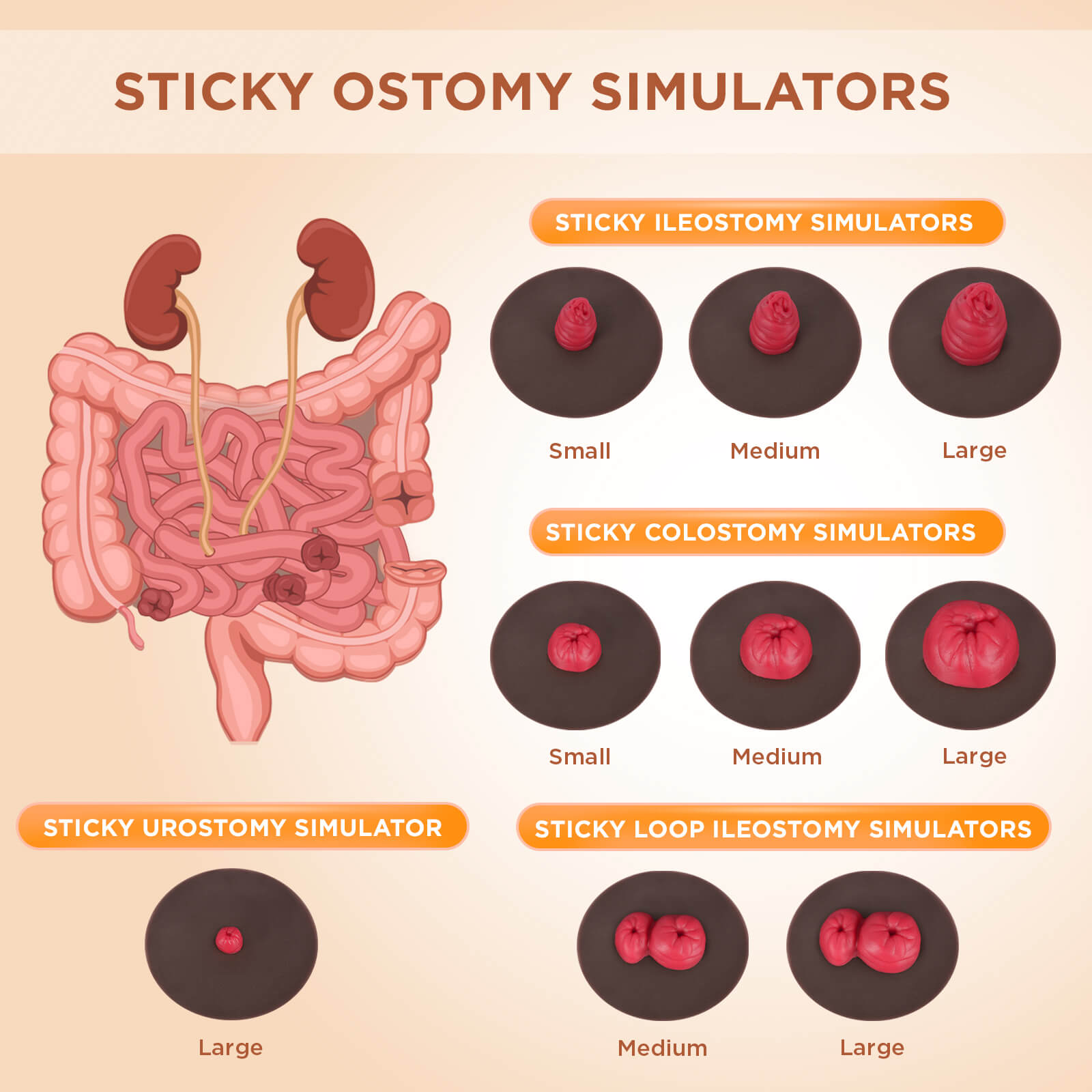
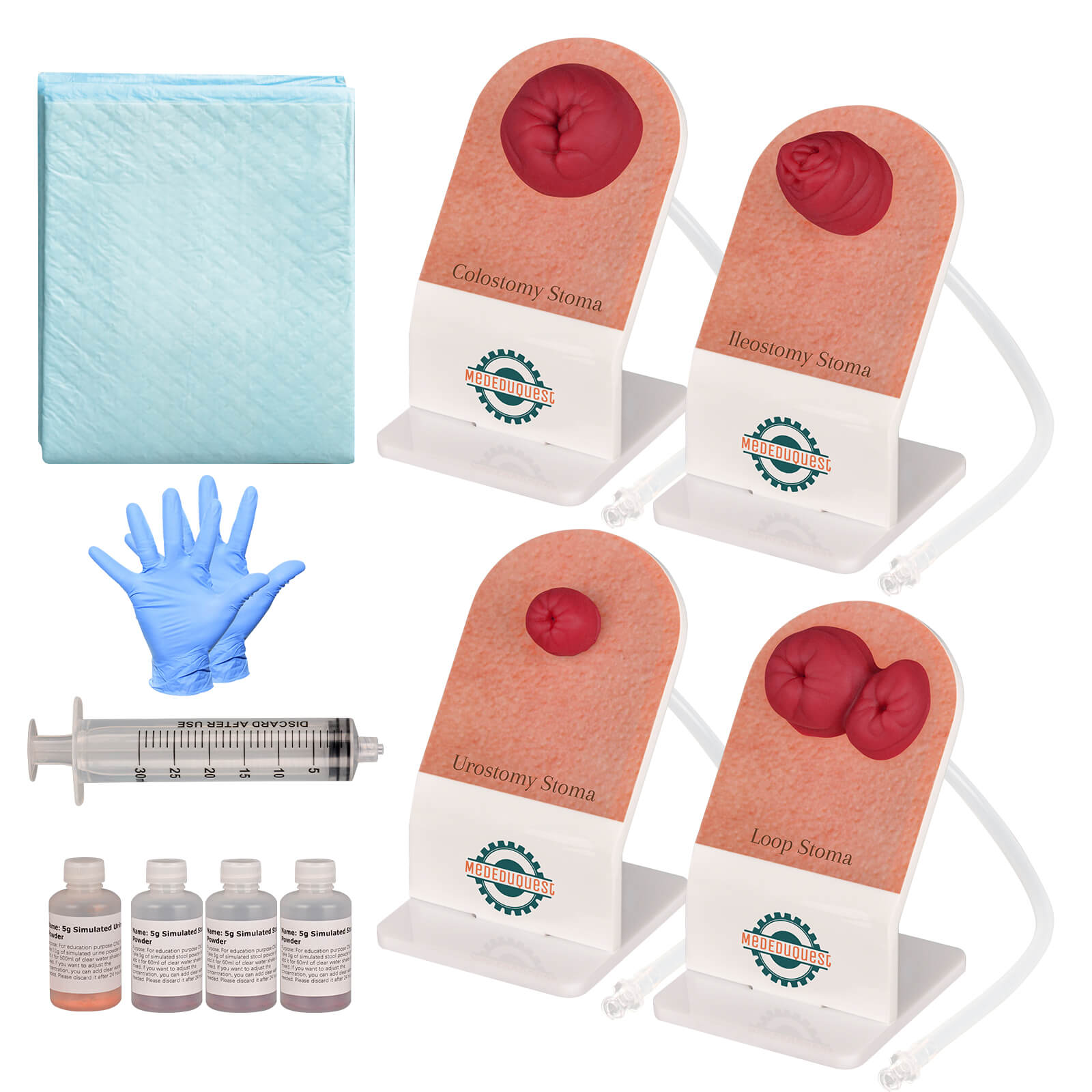
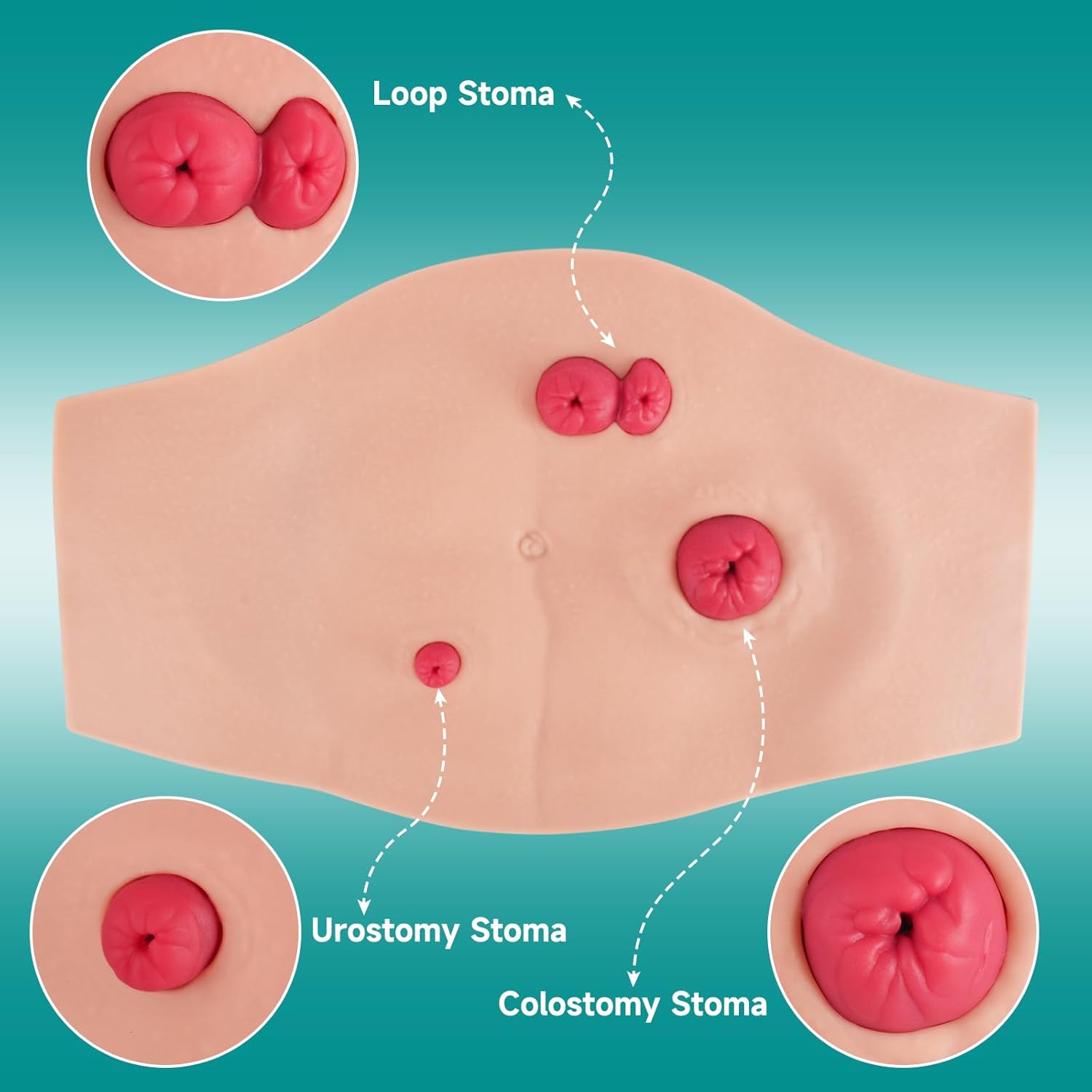
- Diferencias entre colostomía, ileostomía, urostomía y estoma en asa
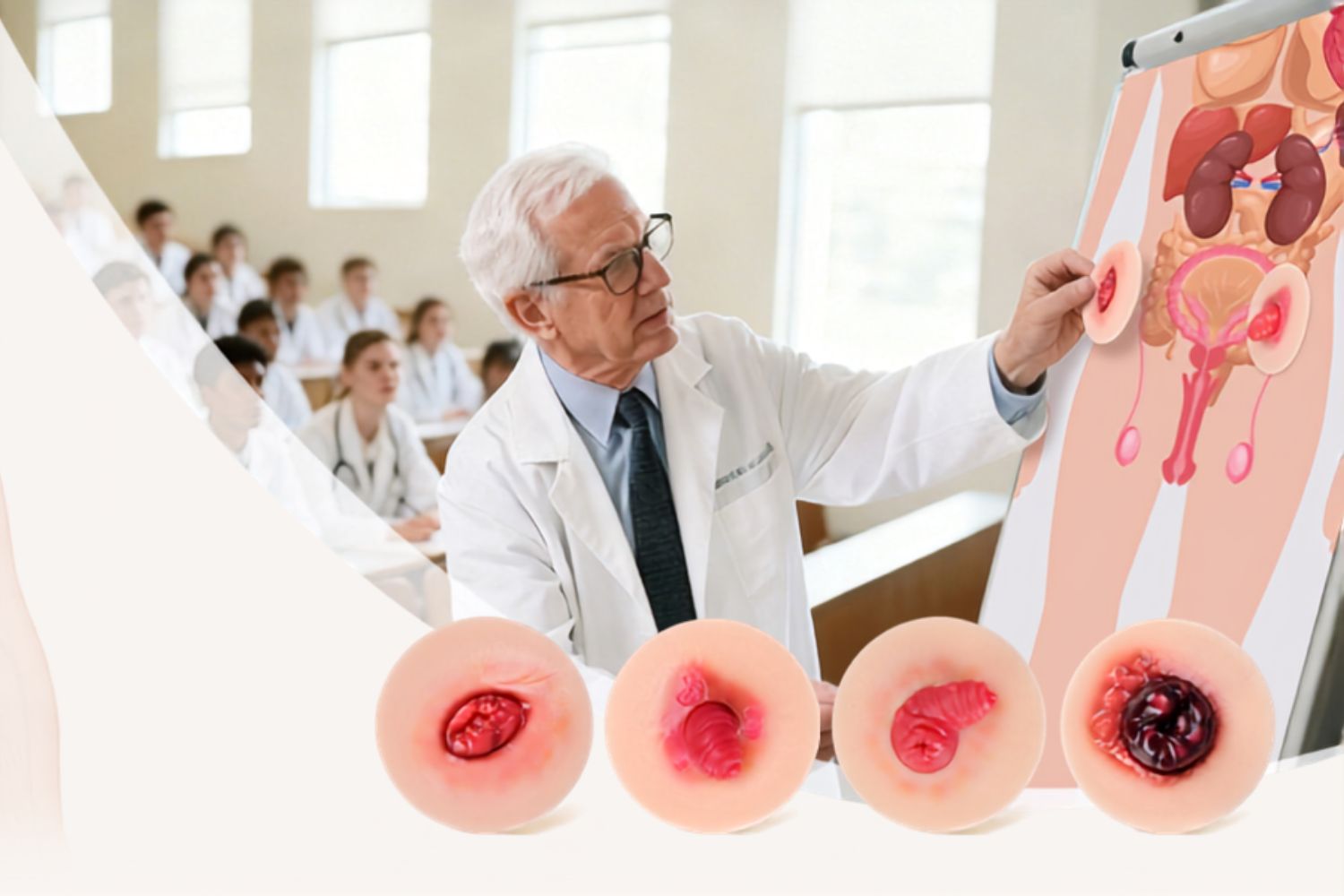
- Complicaciones comunes
- Principios de protección de la piel
Una sólida base de conocimiento ayuda a los estudiantes a entender por qué se realiza cada paso de cuidado.
Paso 2: Demostrar procedimientos esenciales de cuidado de ostomías
Las demostraciones del instructor permiten a los estudiantes observar técnicas adecuadas antes de practicar de forma independiente.
Las demostraciones clave deben incluir:
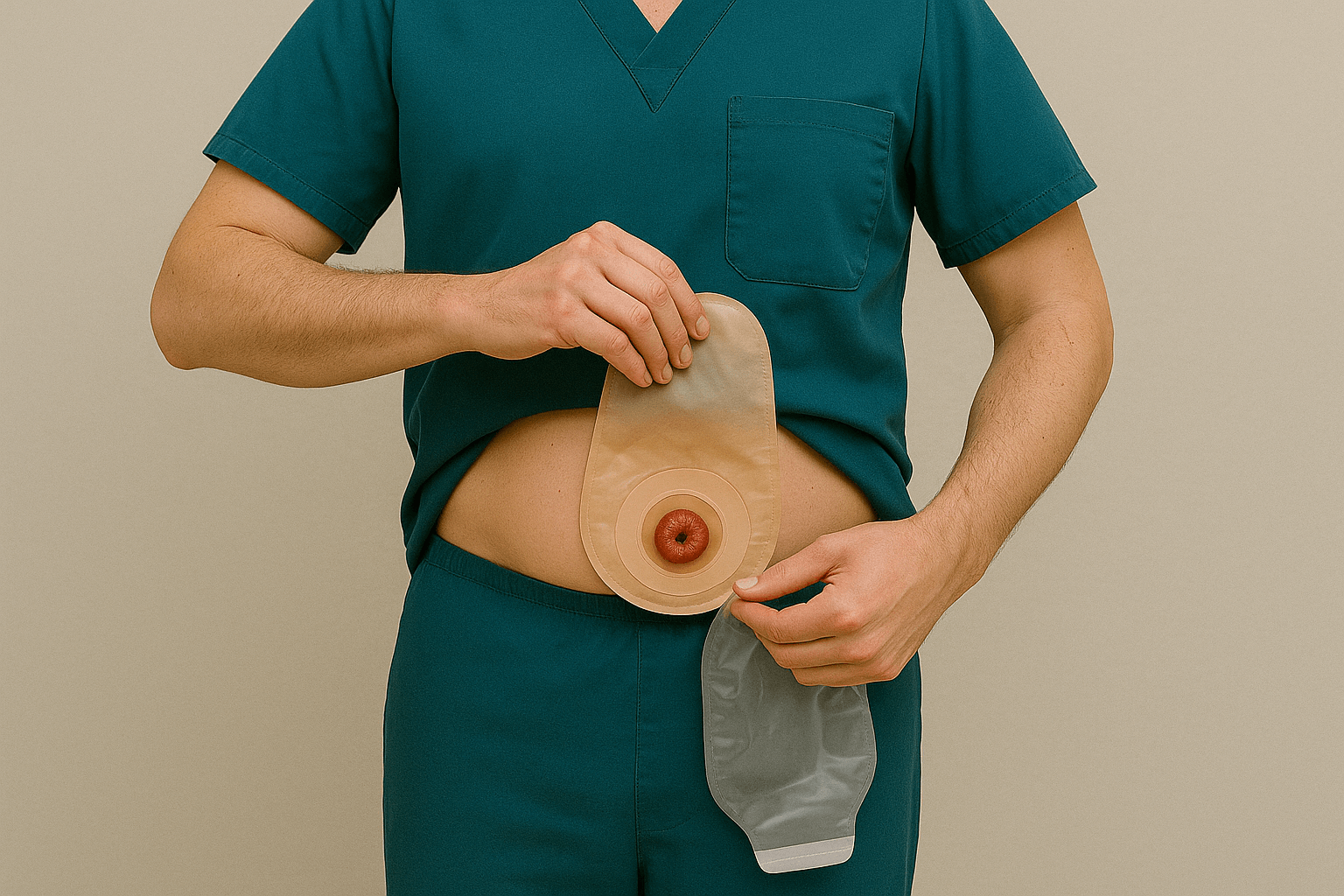
Evaluación del estoma
Los estudiantes deben aprender a evaluar:
- Color del estoma
- Tamaño y forma
- Condición de la piel circundante
- Signos de irritación o complicaciones
Gestión del dispositivo
Demostrar:
- Retiro seguro de la bolsa
- Medición de la placa
- Preparación de la piel
- Aplicación de la nueva bolsa
- Verificación del sellado final
Dividir el procedimiento en pasos claros ayuda a los estudiantes a construir confianza.
Paso 3: Usar modelos de simulación para la práctica práctica
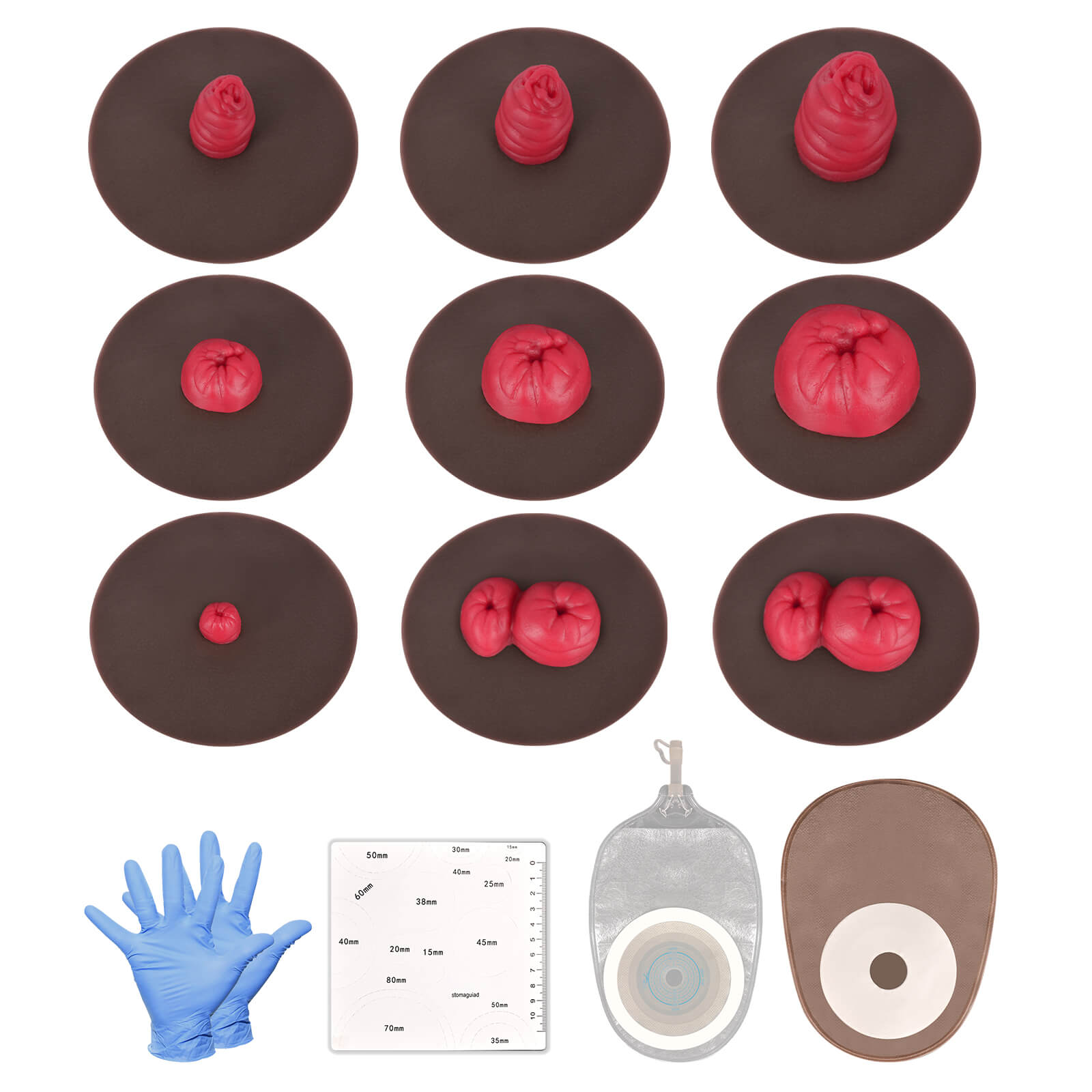
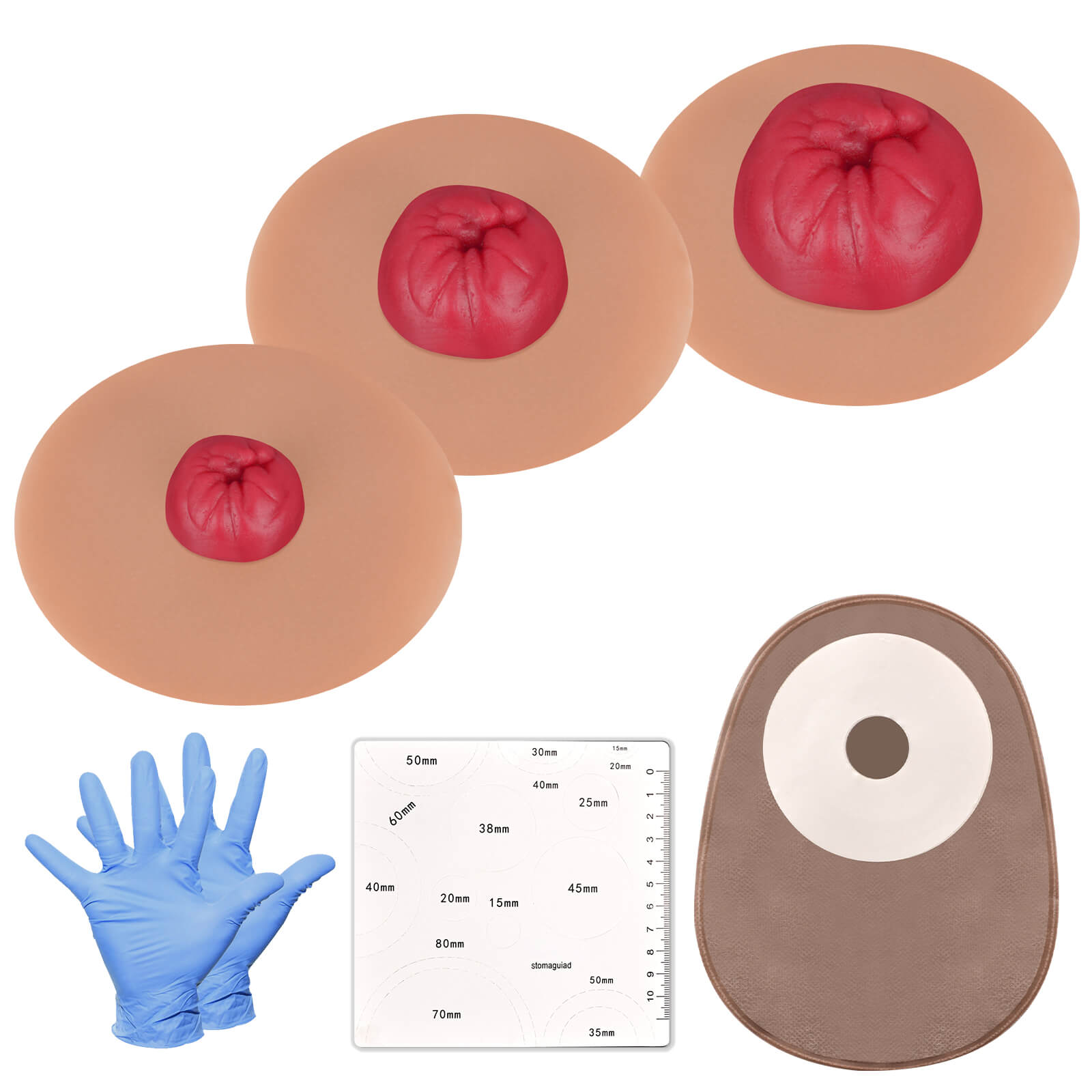
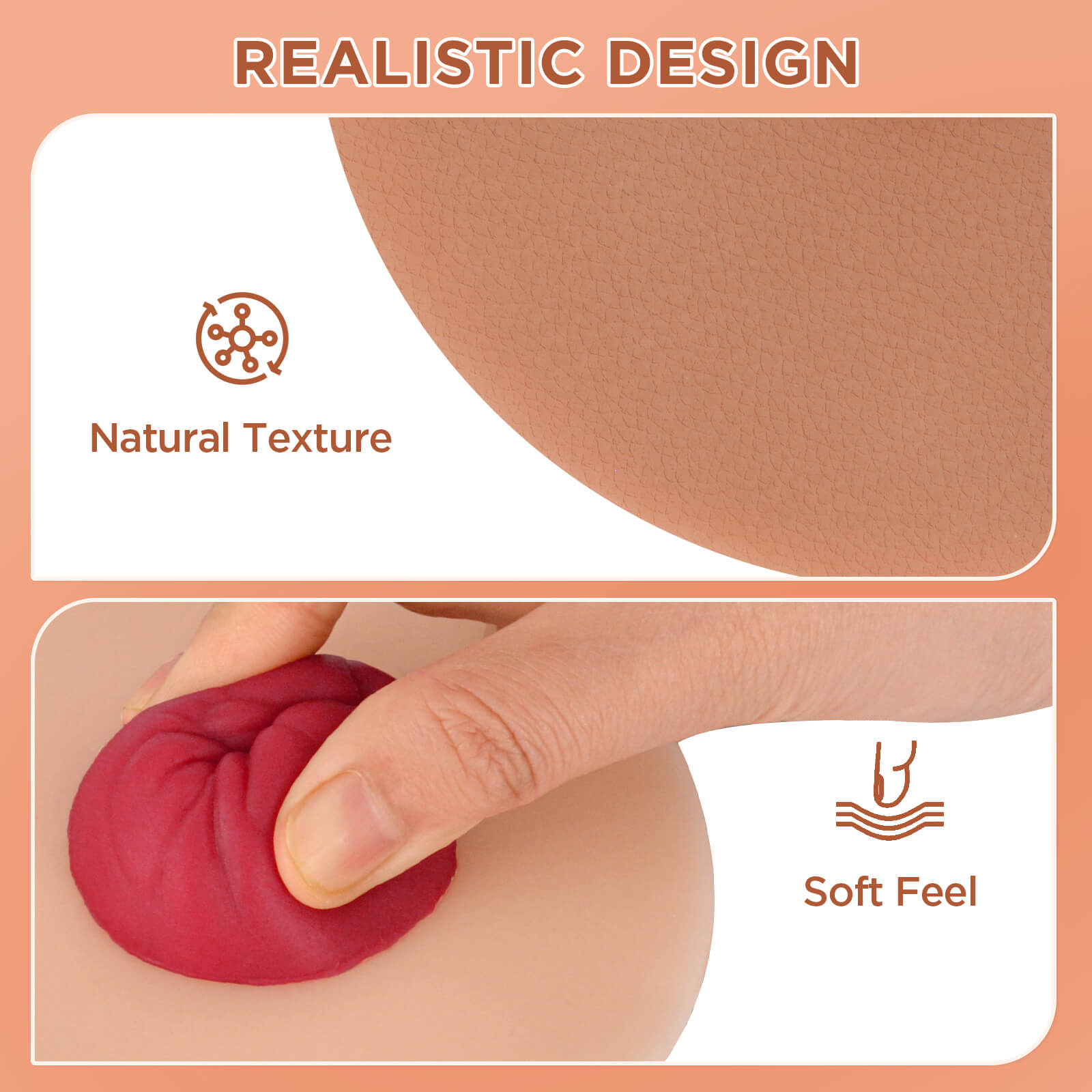
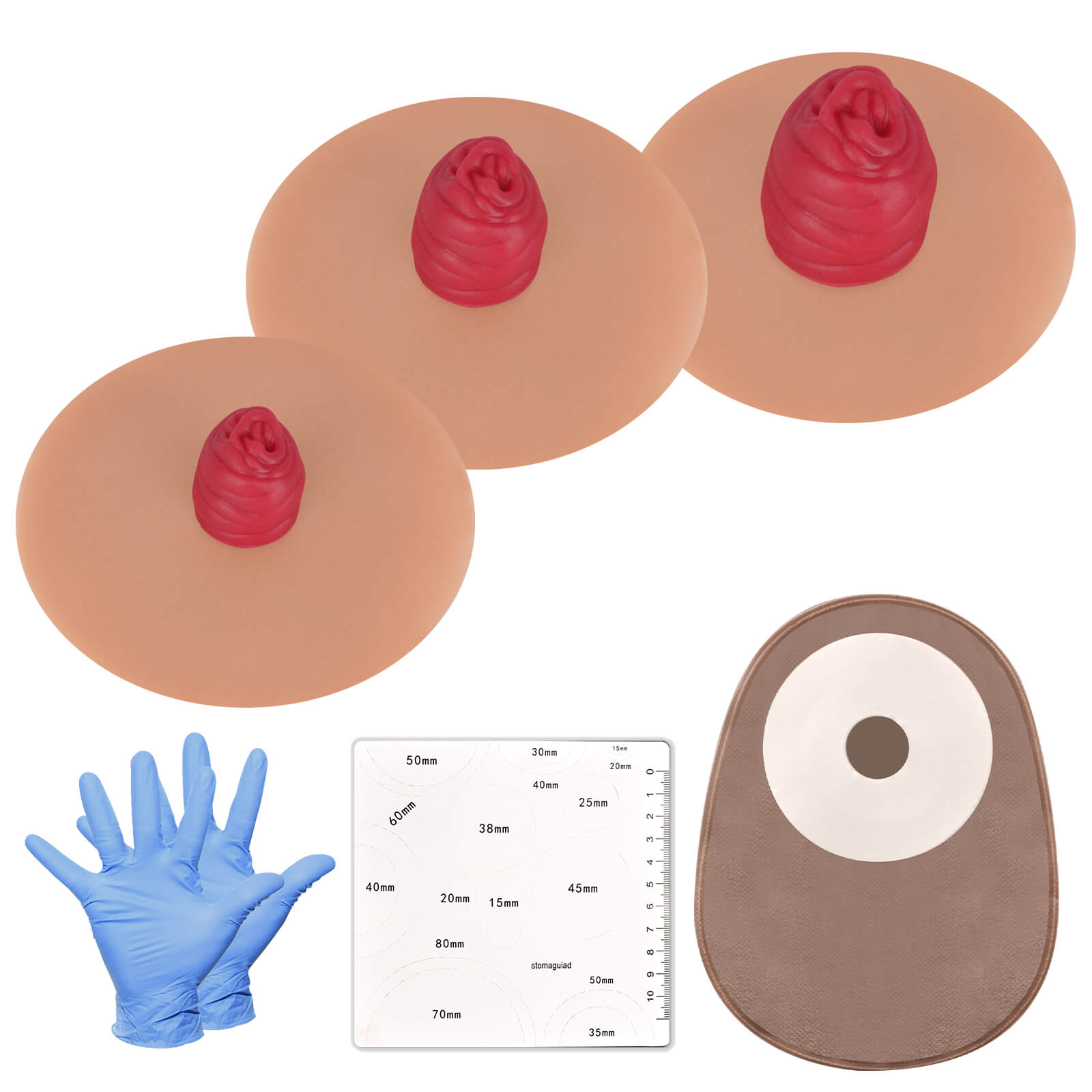
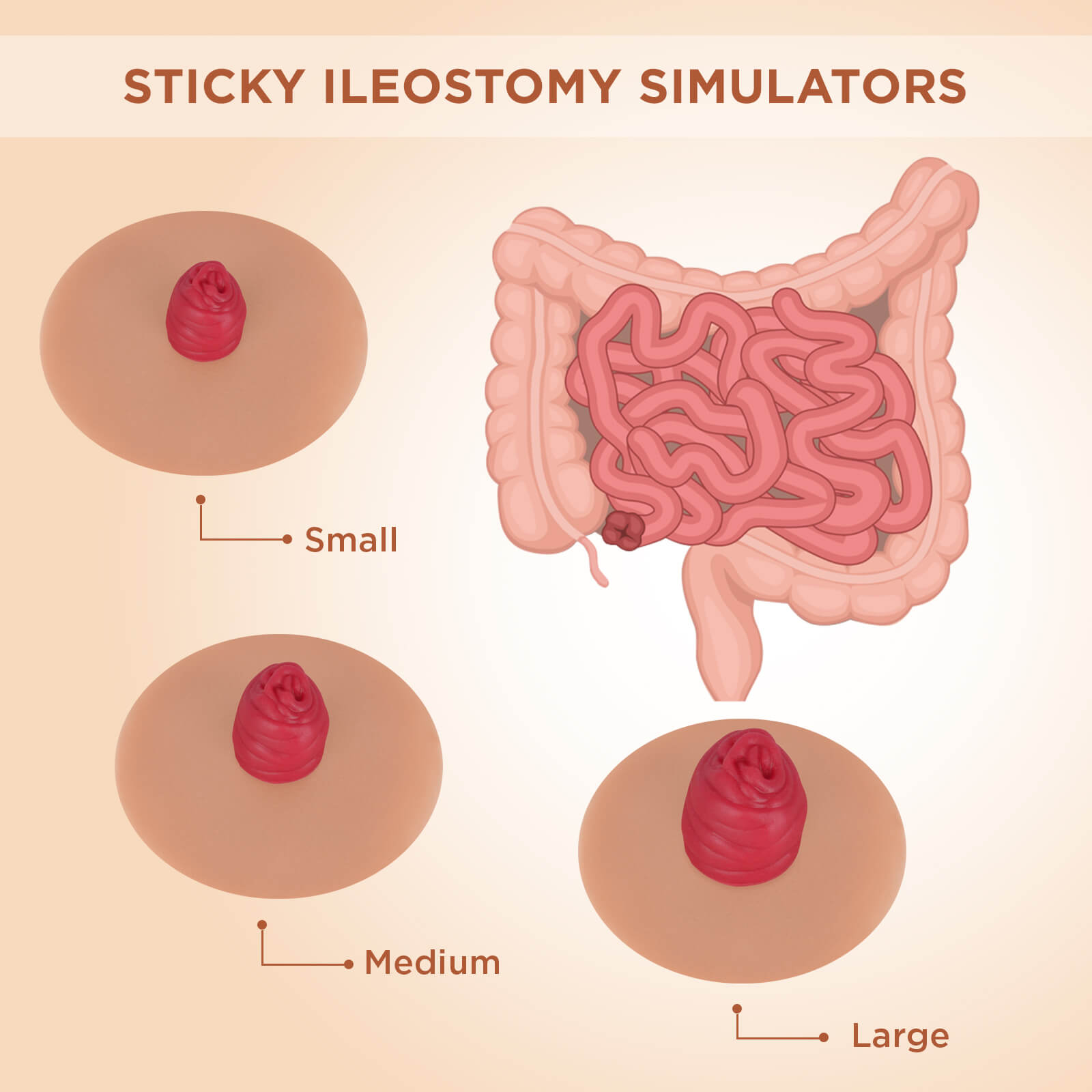
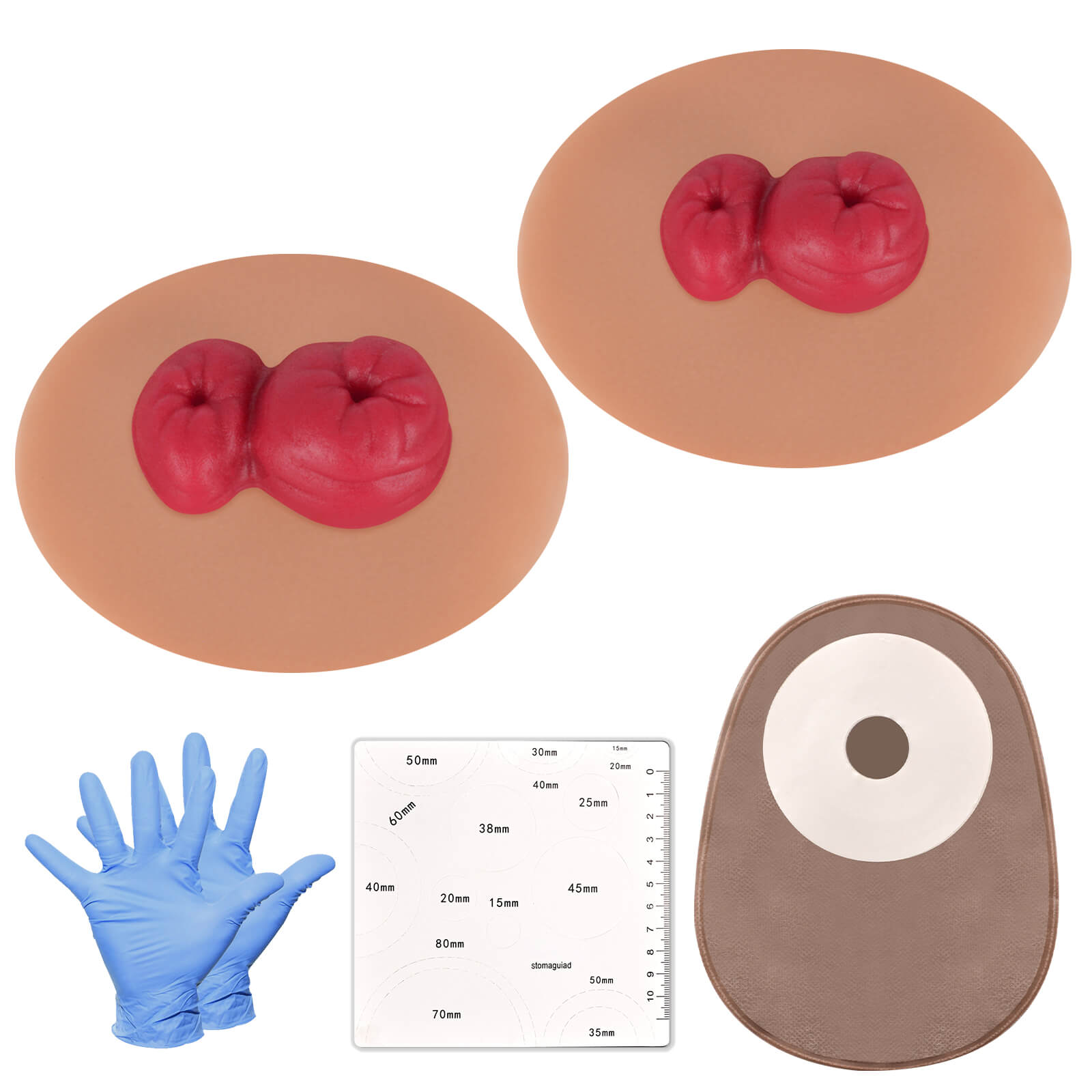
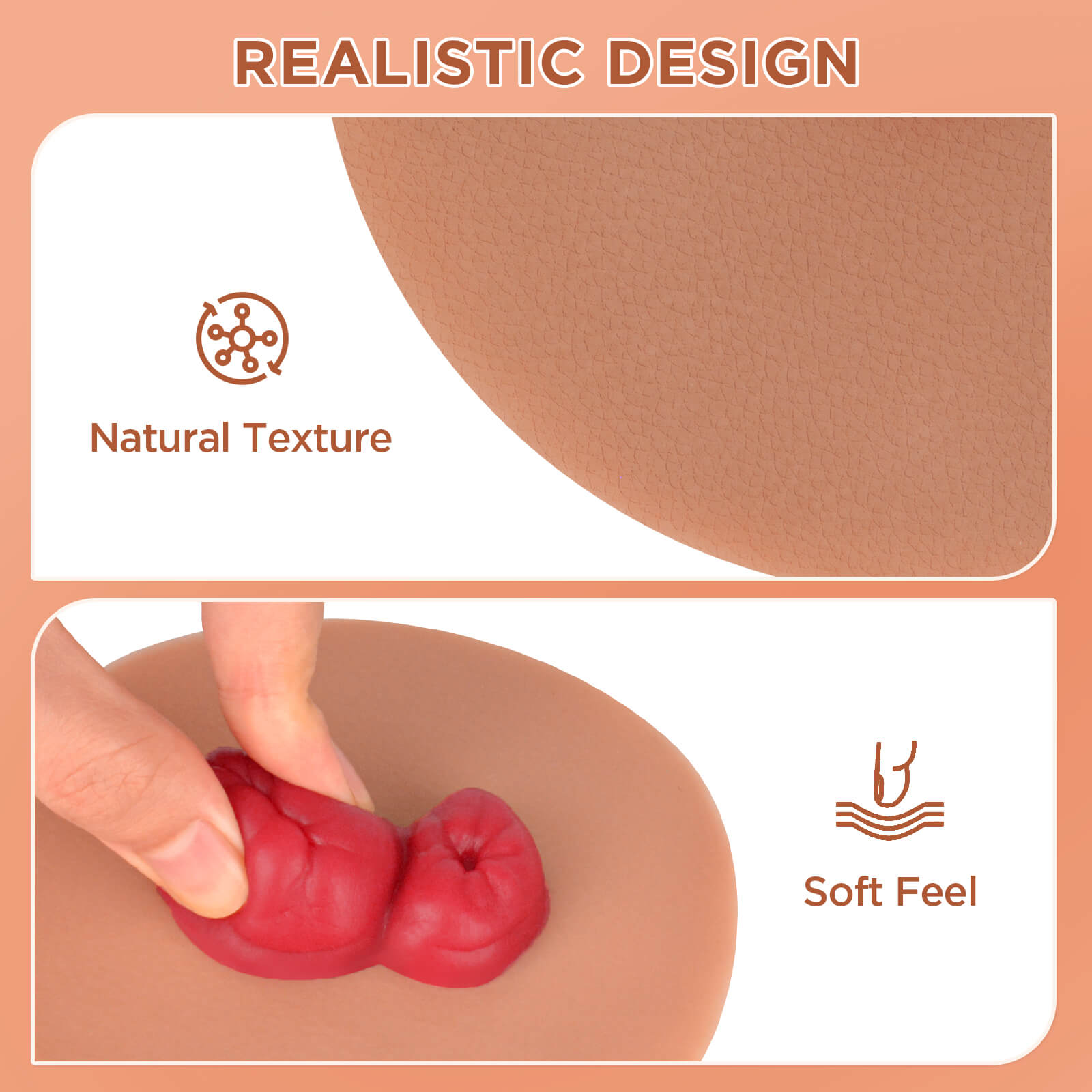
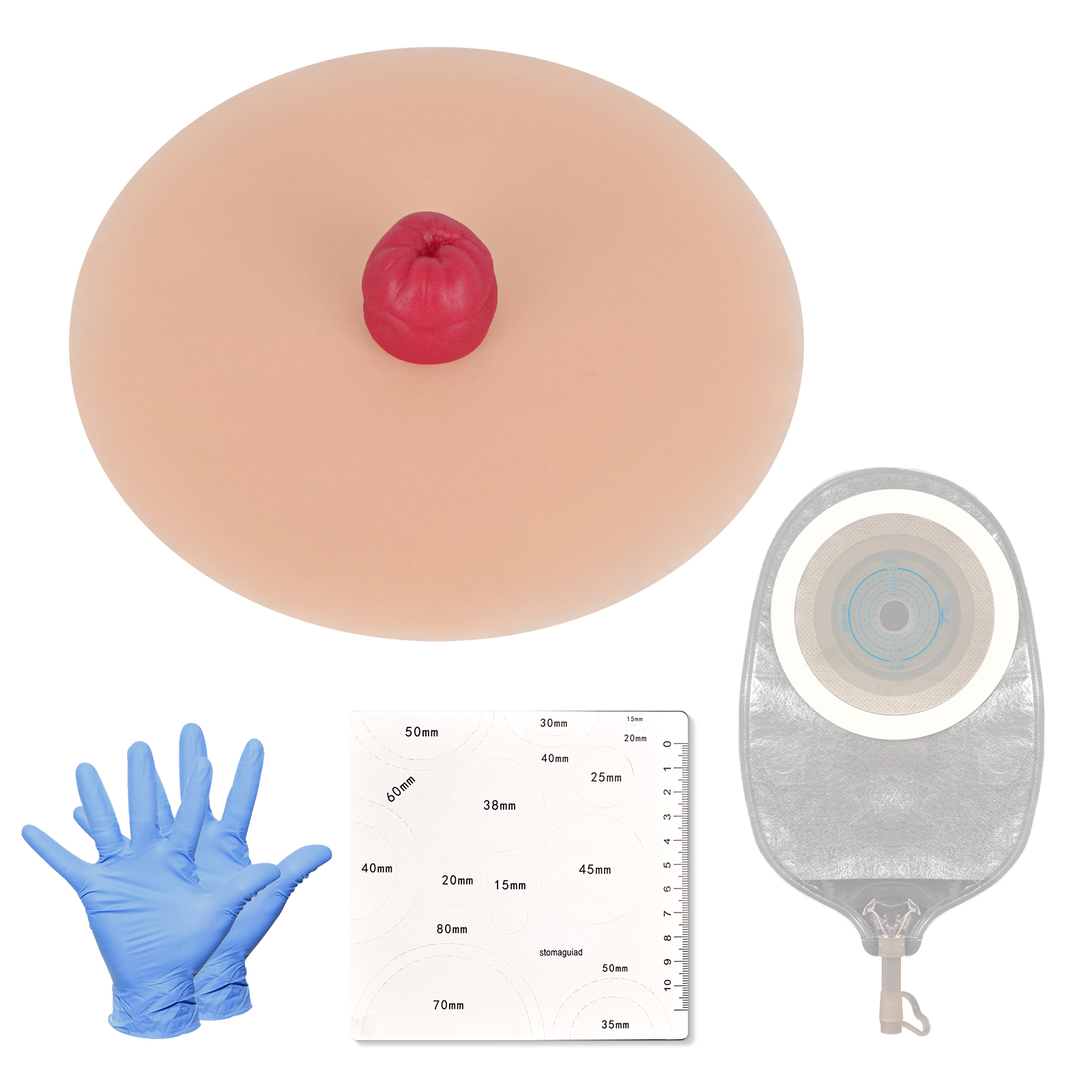
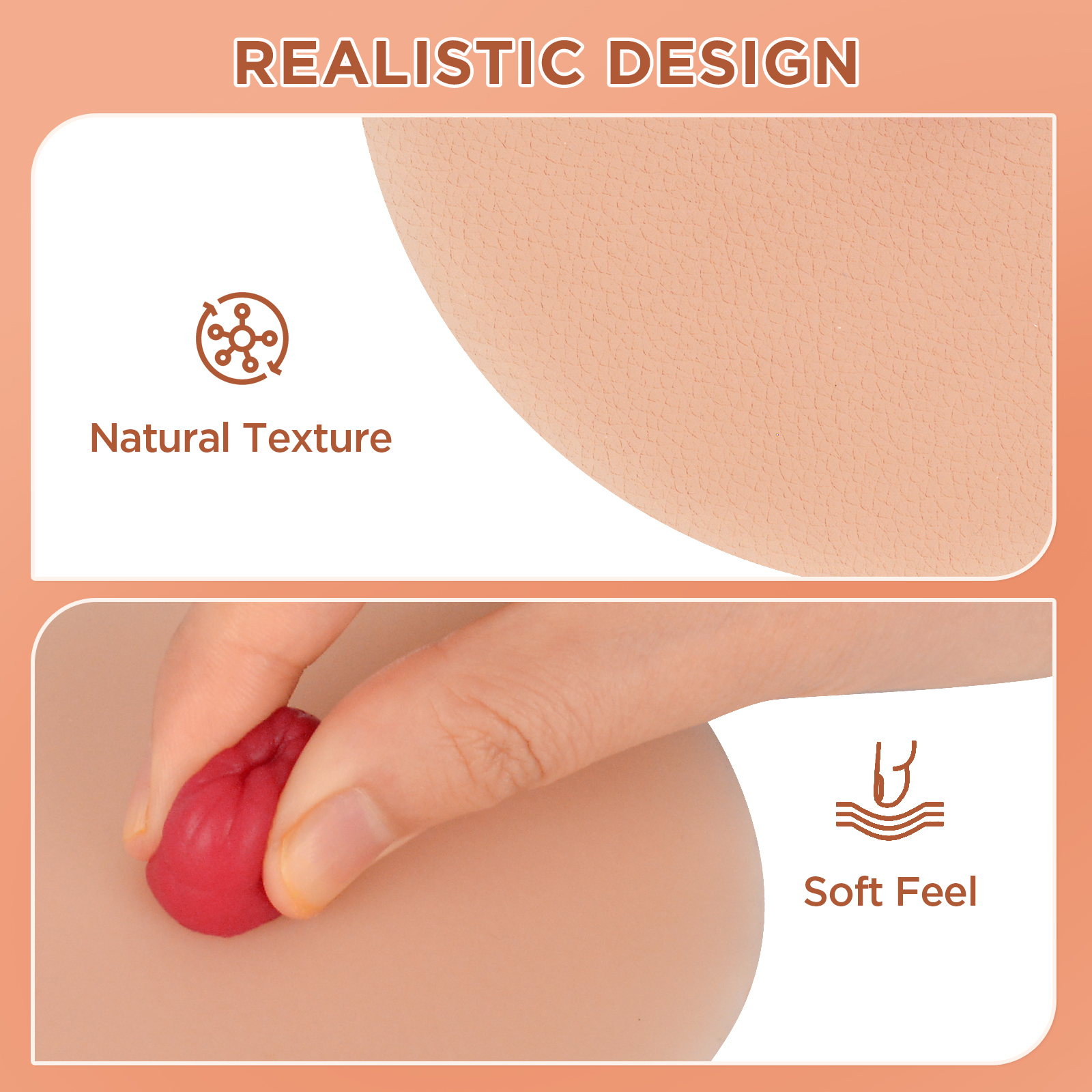
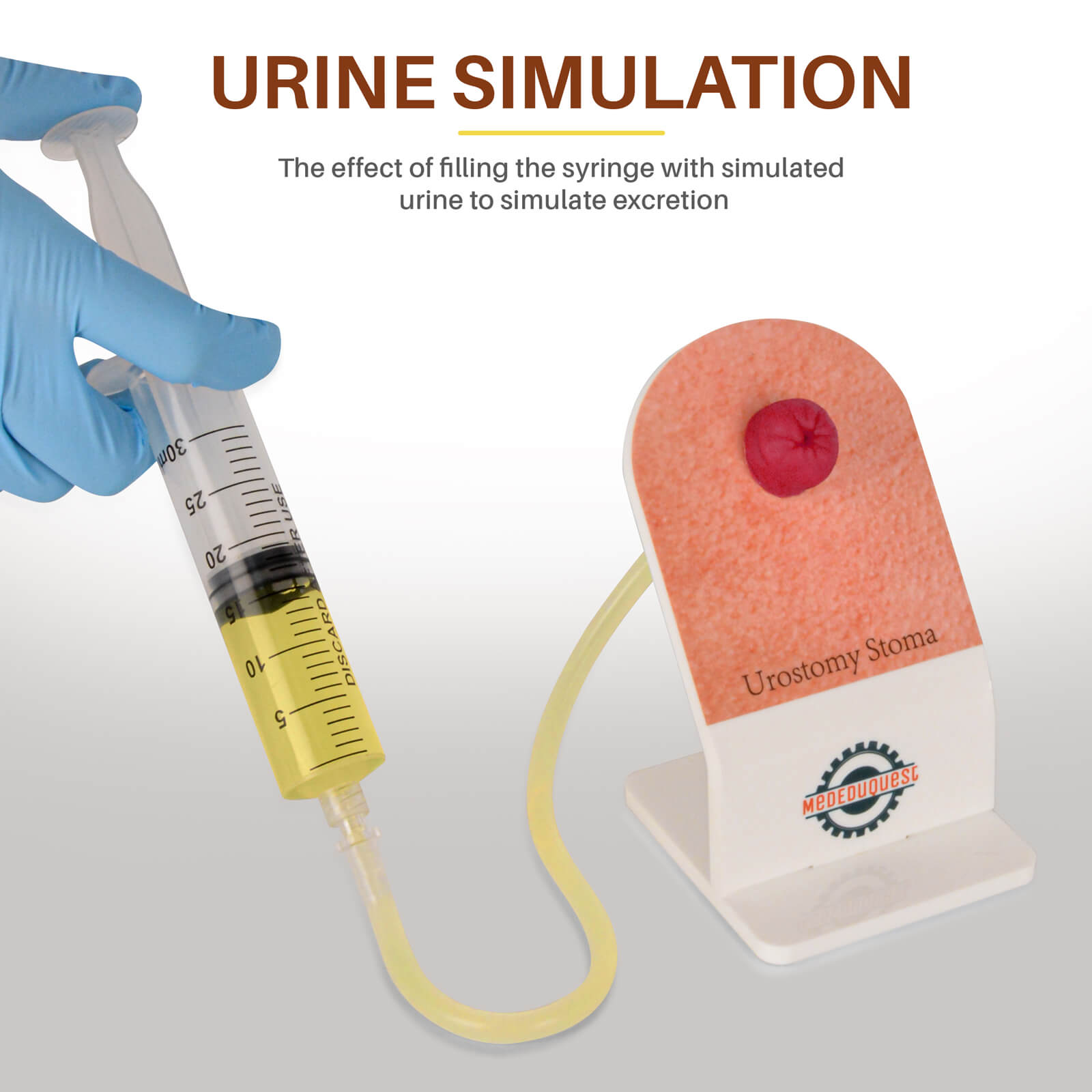
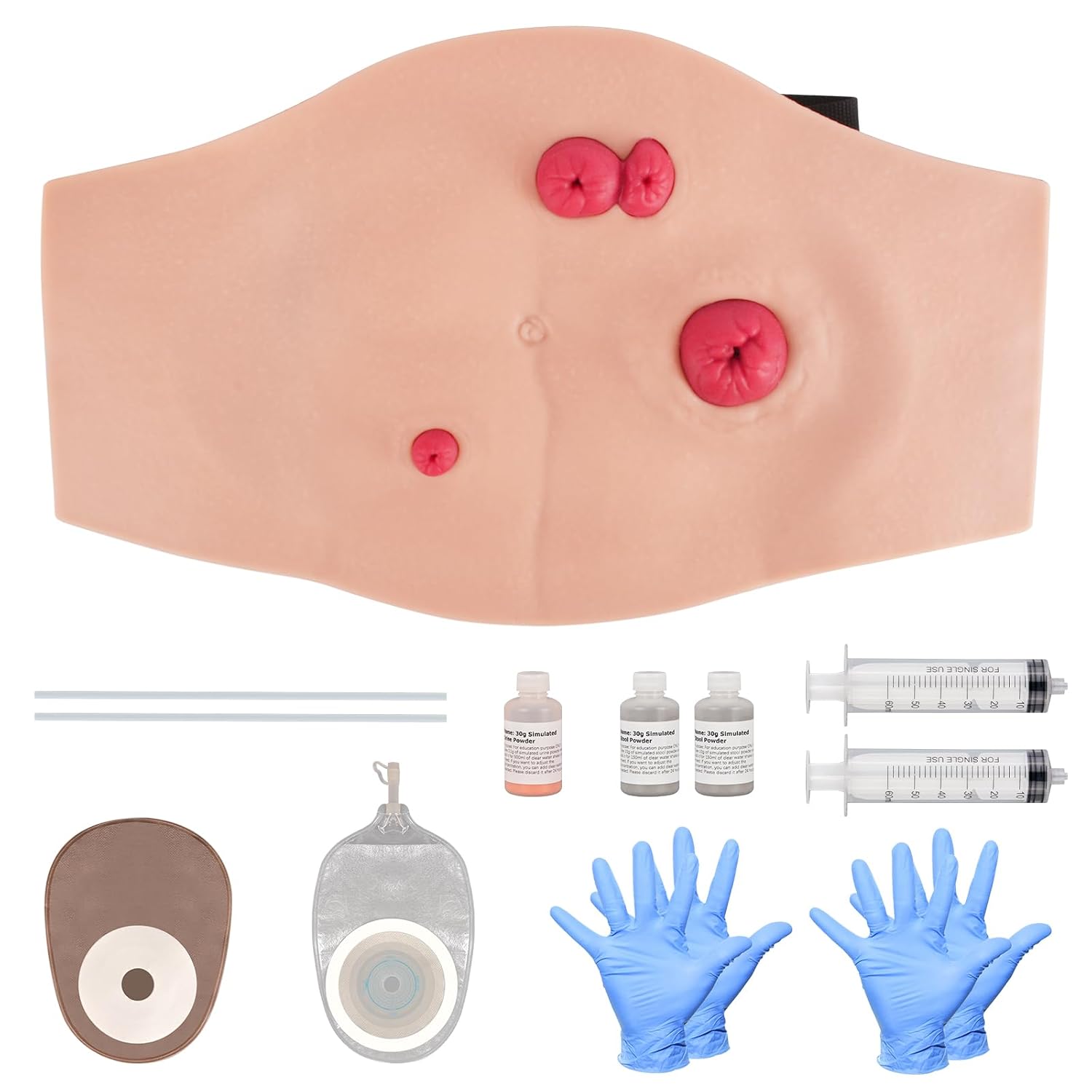
Modelos de entrenamiento de ostomíarealistas permiten a los estudiantes practicar procedimientos repetidamente sin riesgo para los pacientes.
Las actividades de simulación pueden incluir:
- Ejercicios de evaluación del estoma
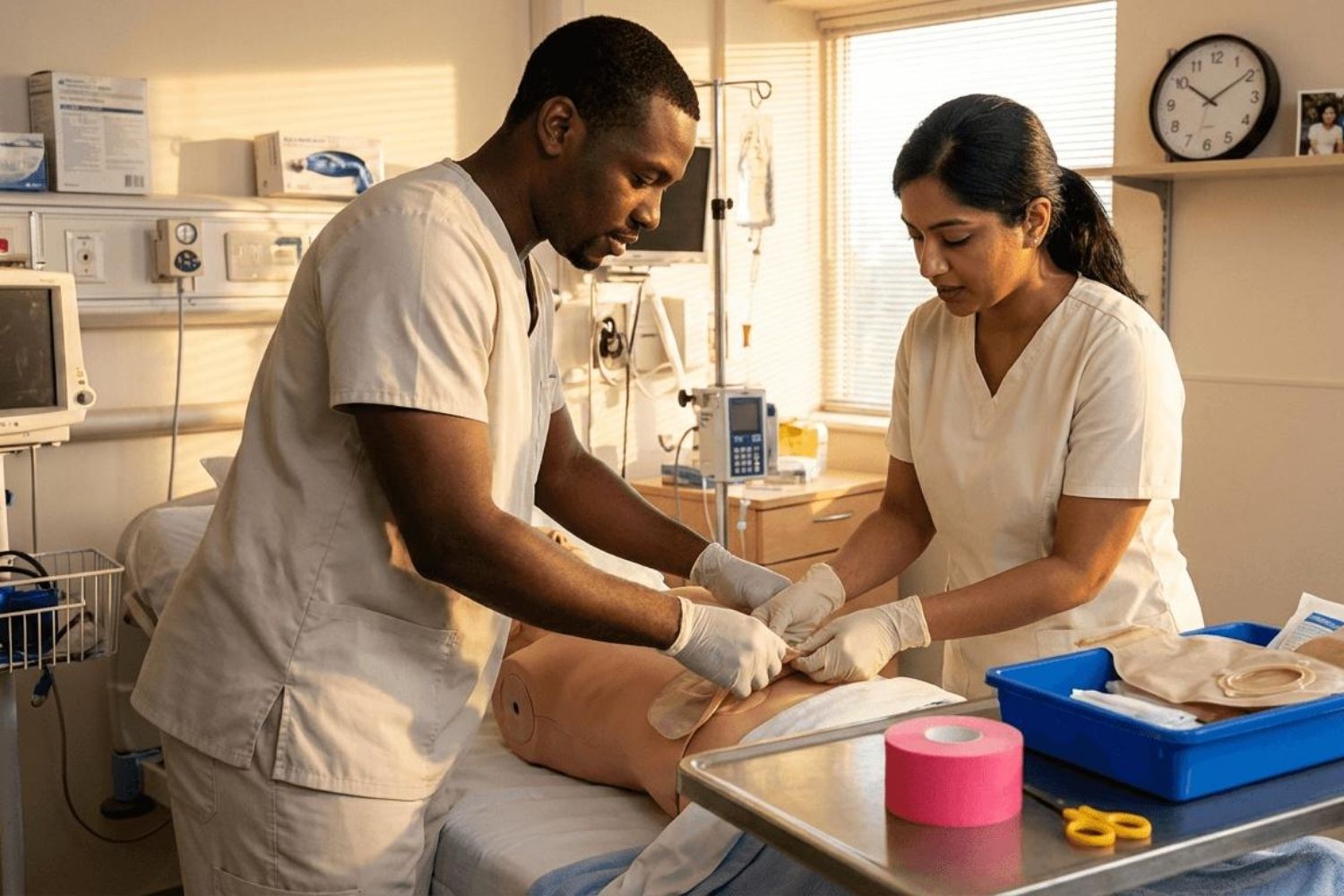
- Práctica de cambio de dispositivo
- Escenarios de prevención de fugas
- Simulaciones de atención al paciente
Los modelos de ostomía de mesa son útiles para demostraciones del instructor y aprendizaje en grupo, mientras que los modelos portátiles proporcionan experiencias de atención más realistas en la cama.
Paso 4: Crear actividades de laboratorio de habilidades en grupos pequeños
Los laboratorios de habilidades funcionan mejor cuando los estudiantes participan activamente en lugar de solo observar demostraciones.
Los educadores pueden organizar:
Estaciones de práctica
Ejemplos de estaciones:
Estación 1: Evaluación del estoma
Estación 2: Preparación de la piel y ajuste de la placa
Estación 3: Aplicación de la bolsa
Estación 4: Educación al paciente
Los estudiantes rotan a través de cada estación y practican diferentes habilidades.
Paso 5: Incluir escenarios centrados en el paciente
El cuidado de ostomías no es solo un procedimiento técnico.
Los estudiantes deben practicar habilidades de comunicación a través de escenarios realistas.
Ejemplos:
- Explicar cambios de bolsa a un paciente recién diagnosticado
- Abordar preocupaciones sobre la imagen corporal
- Enseñar técnicas de autocuidado
- Apoyar la independencia del paciente
Las actividades de simulación ayudan a los estudiantes a desarrollar tanto competencia clínica como empatía.
Paso 6: Evaluar el rendimiento del estudiante
La evaluación es una parte esencial de la educación en el laboratorio de habilidades.
Los educadores pueden evaluar:
- Precisión técnica
- Prácticas de control de infecciones
- Habilidades de ajuste de dispositivos
- Capacidad de comunicación
- Técnicas de educación al paciente
Usar una lista de verificación de habilidades de enfermería en ostomíapara estudiantes ayuda a los instructores a evaluar el rendimiento de manera consistente y proporcionar retroalimentación específica.
Paso 7: Fomentar la reflexión y la retroalimentación
Después de completar las actividades de simulación, los estudiantes deben reflexionar sobre:
- ¿Qué habilidades fueron desafiantes?
- ¿Qué técnicas necesitan mejora?
- ¿Cómo podría mejorarse la comunicación con el paciente?
La retroalimentación del instructor ayuda a los estudiantes a corregir errores y fortalecer la confianza clínica.
Diseñando un currículo efectivo para el laboratorio de habilidades de ostomía
Una sesión de capacitación en ostomía exitosa debe combinar:
- Conocimiento
Los estudiantes comprenden la anatomía y los principios de cuidado.
- Demostración
Los educadores muestran los procedimientos correctos.
- Práctica
Los estudiantes repiten habilidades utilizando modelos de simulación.
- Evaluación
Los estudiantes reciben retroalimentación y evaluación de competencia.
Esta estructura ayuda a crear una experiencia de aprendizaje completa.
Apoyando la educación en ostomía con modelos de entrenamiento realistas
Modelos de simulación de ostomía realistas ayudan a los educadores de enfermería a crear experiencias efectivas en el laboratorio de habilidades.
Apoyan actividades de capacitación como:
- Evaluación del estoma
- Gestión de dispositivos
- Práctica de cuidado de la piel
- Educación al paciente
- Simulación de escenarios clínicos
Los modelos de entrenamiento de ostomía de MedEduQuest están diseñados para escuelas de enfermería, centros de simulación y programas de educación en salud que necesitan herramientas confiables para la instrucción práctica.
Conclusión
Enseñar el cuidado de ostomías de manera efectiva requiere actividades estructuradas en el laboratorio de habilidades, simulación realista y retroalimentación significativa.
Al combinar la instrucción de conocimiento con la práctica práctica, los educadores de enfermería pueden ayudar a los estudiantes a desarrollar la confianza y las habilidades necesarias para un cuidado de ostomía seguro y centrado en el paciente.
Un laboratorio de habilidades de ostomía bien diseñado cierra la brecha entre el aprendizaje en el aula y la práctica clínica, preparando a las futuras enfermeras para el cuidado de pacientes en el mundo real.
.jpg?w=1600&h=1600)
.jpg?w=1600&h=1600)
.jpeg?w=1600&h=1600)
.jpeg?w=1600&h=1600)
.jpeg?w=1600&h=1600)
.jpeg?w=1600&h=1600)
.jpg?w=1000&h=1000)
.jpg?w=1000&h=1000)
.jpeg?w=1500&h=1500)
.jpeg?w=1500&h=1500)
.jpeg?w=1600&h=1600)
.jpeg?w=1600&h=1600)
.jpg?w=1600&h=1600)
.jpg?w=1600&h=1600)
.jpg?w=1500&h=1500)
.jpg?w=1500&h=1500)
.jpg?w=1500&h=1500)
.jpg?w=1500&h=1500)
.jpg?w=1500&h=1500)
.jpg?w=1500&h=1500)