When I first started teaching wound care, one of the most common questions from students was: "Why does the wound look so different week to week?" That's because wounds heal in stages, and one of the most important phases is the granulation stage.
The stages of wound healing typically follow four key steps:
- Hemostasis – The body stops bleeding by clotting.
- Inflammation – White blood cells clean up bacteria and debris.
- Proliferation (Granulation Stage) – New tissue and blood vessels fill the wound bed.
- Maturation/Remodeling – Collagen strengthens and the wound fully closes.
The granulation stages are crucial because they bridge the gap between a wound being "cleaned" and a wound being "closed." During this phase, the wound develops granulation tissue, which looks moist, red, and bumpy. This tissue is fragile but represents progress - without it, wounds cannot properly heal.
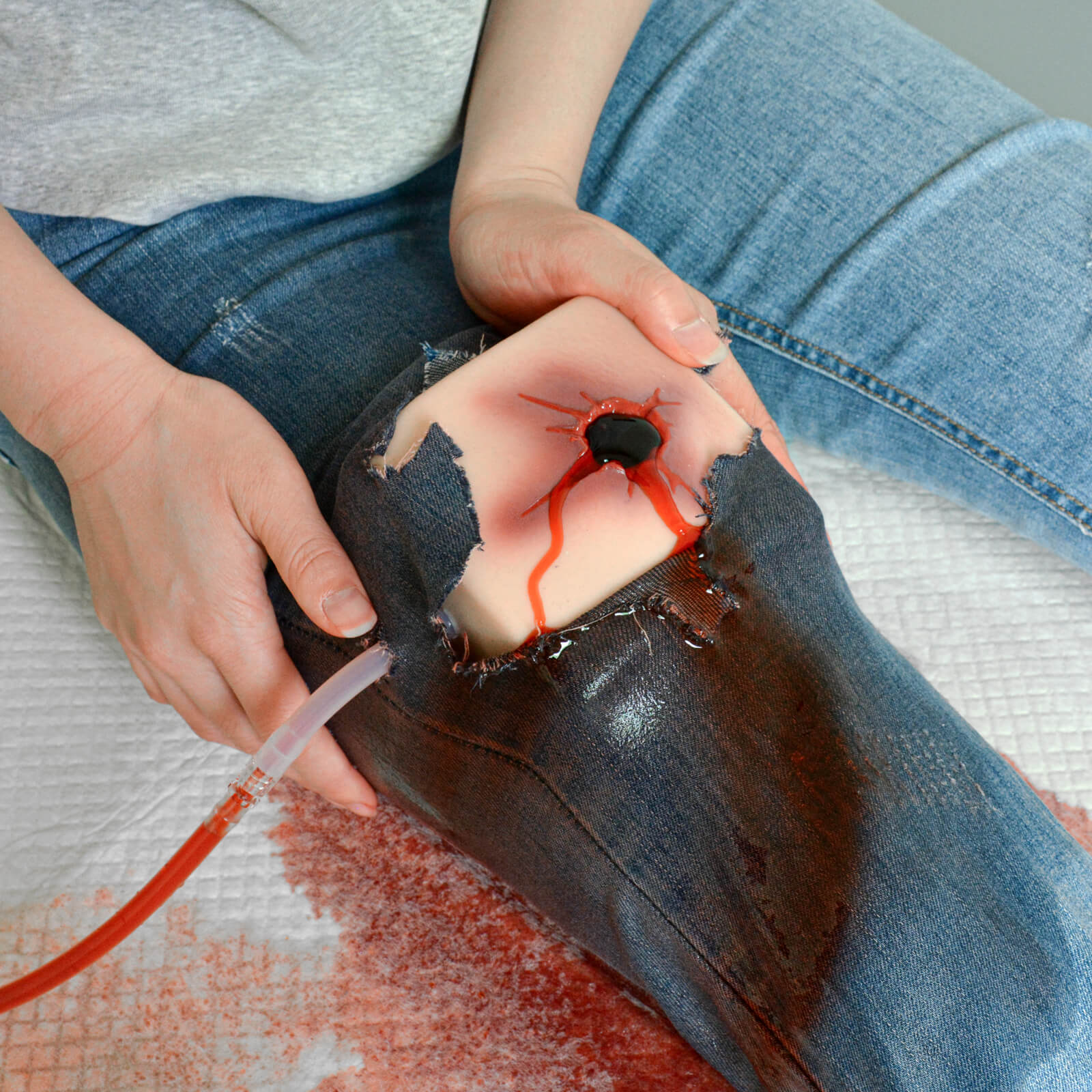
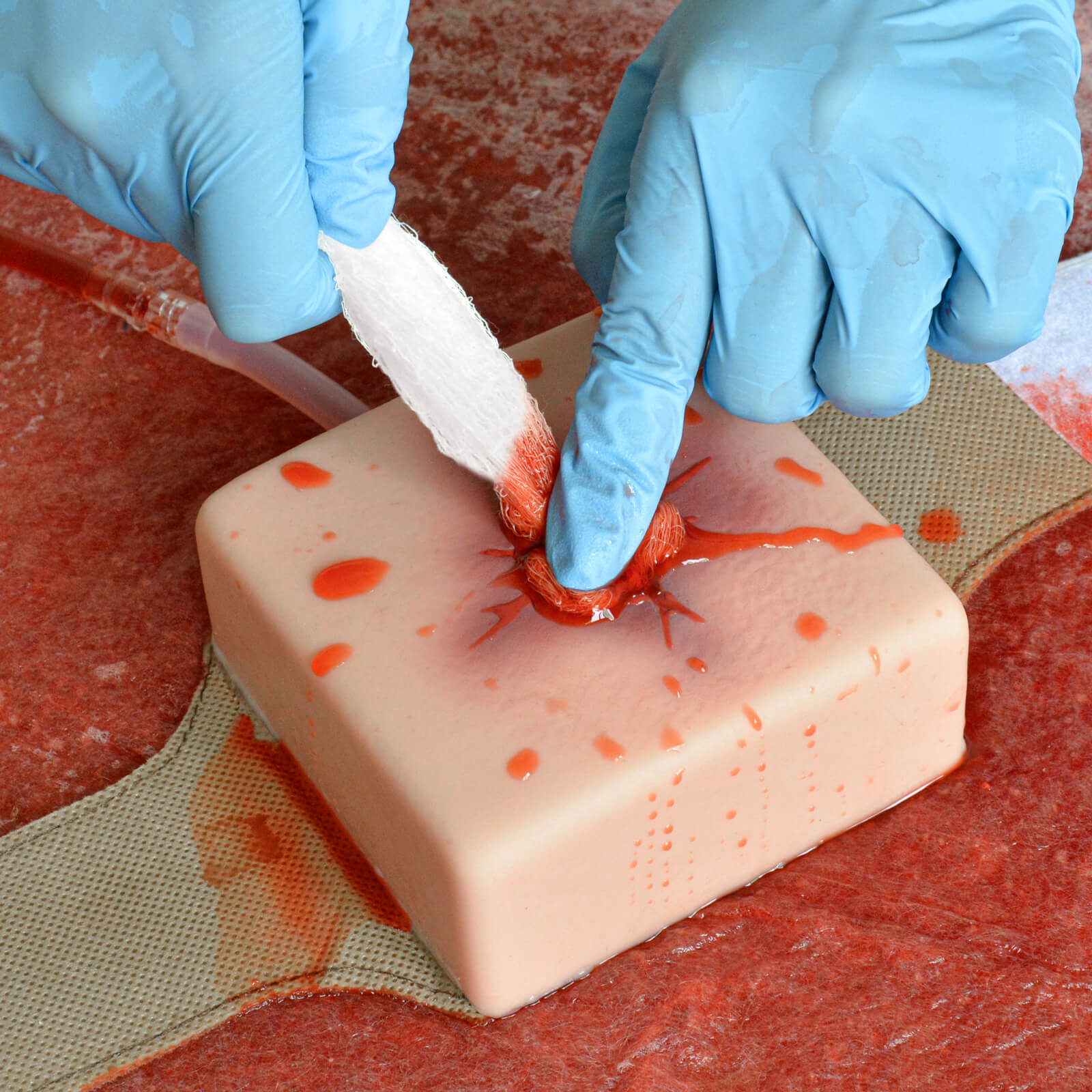
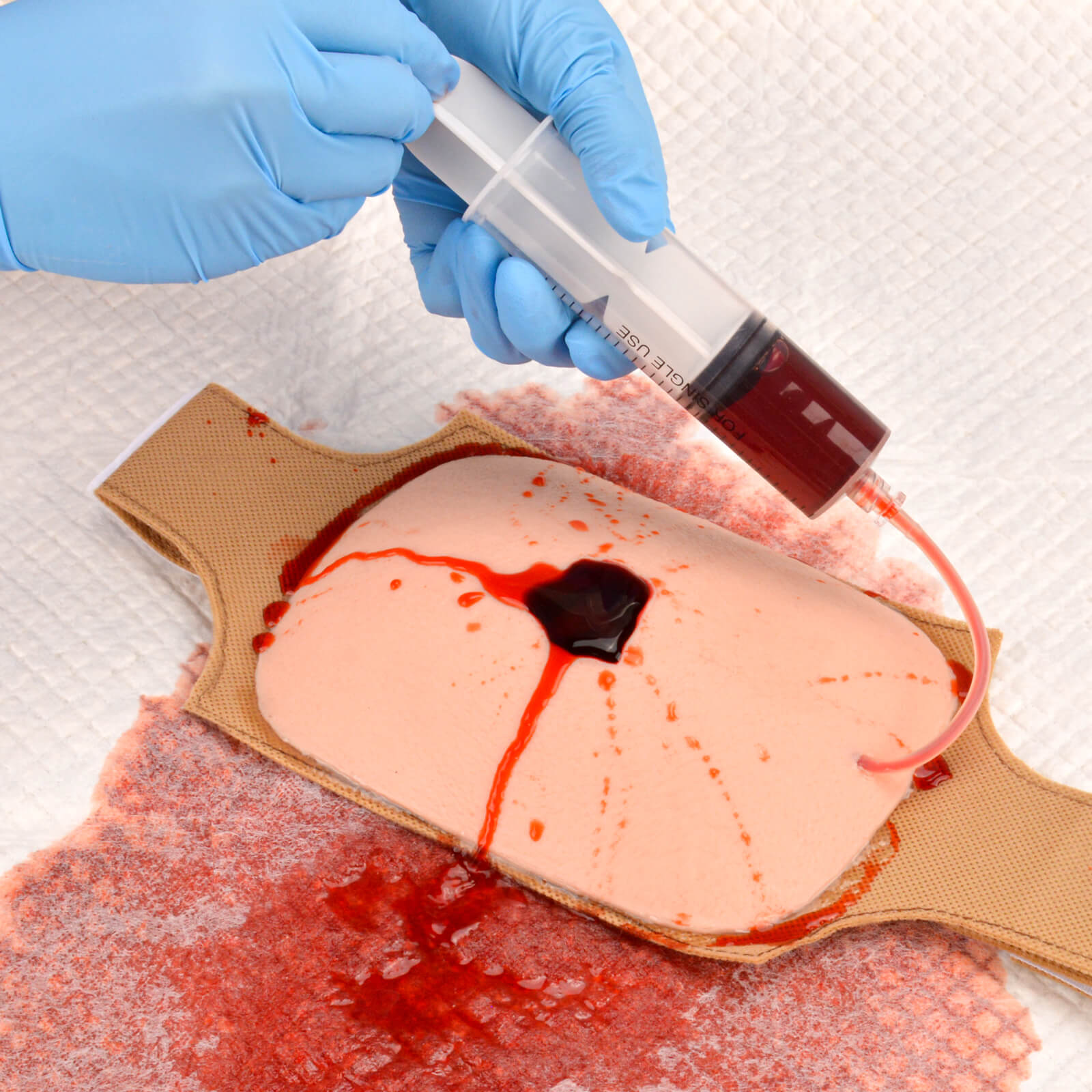
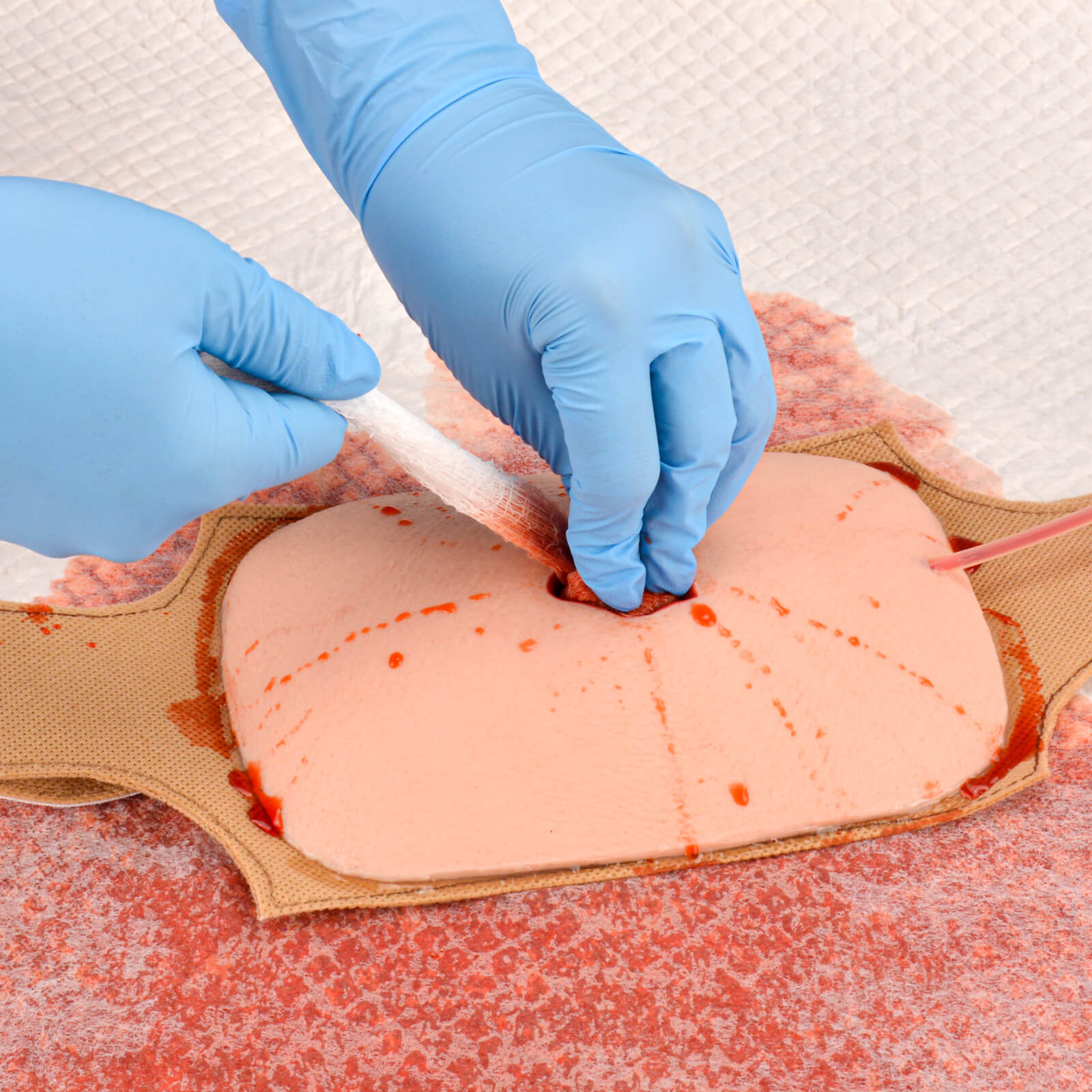
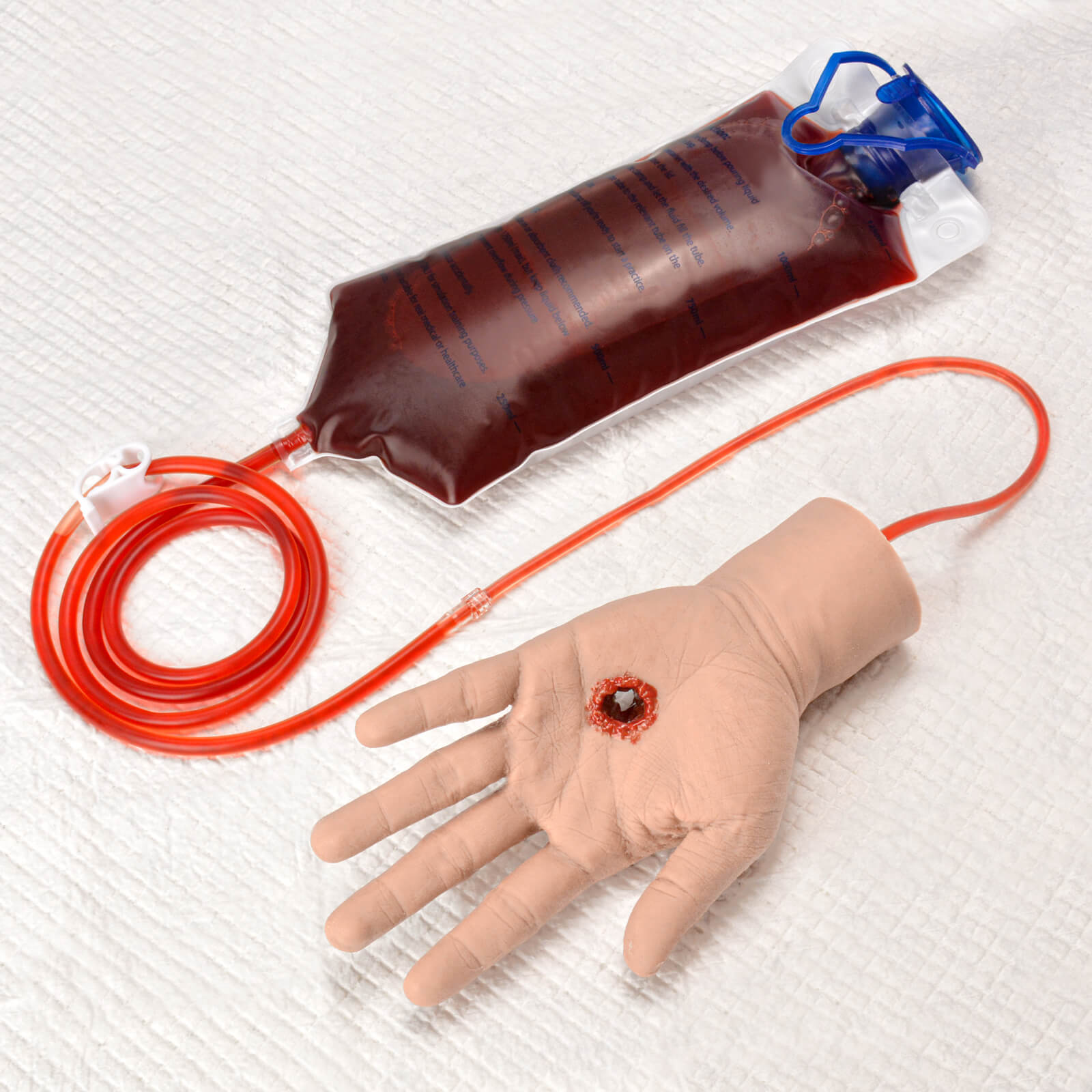
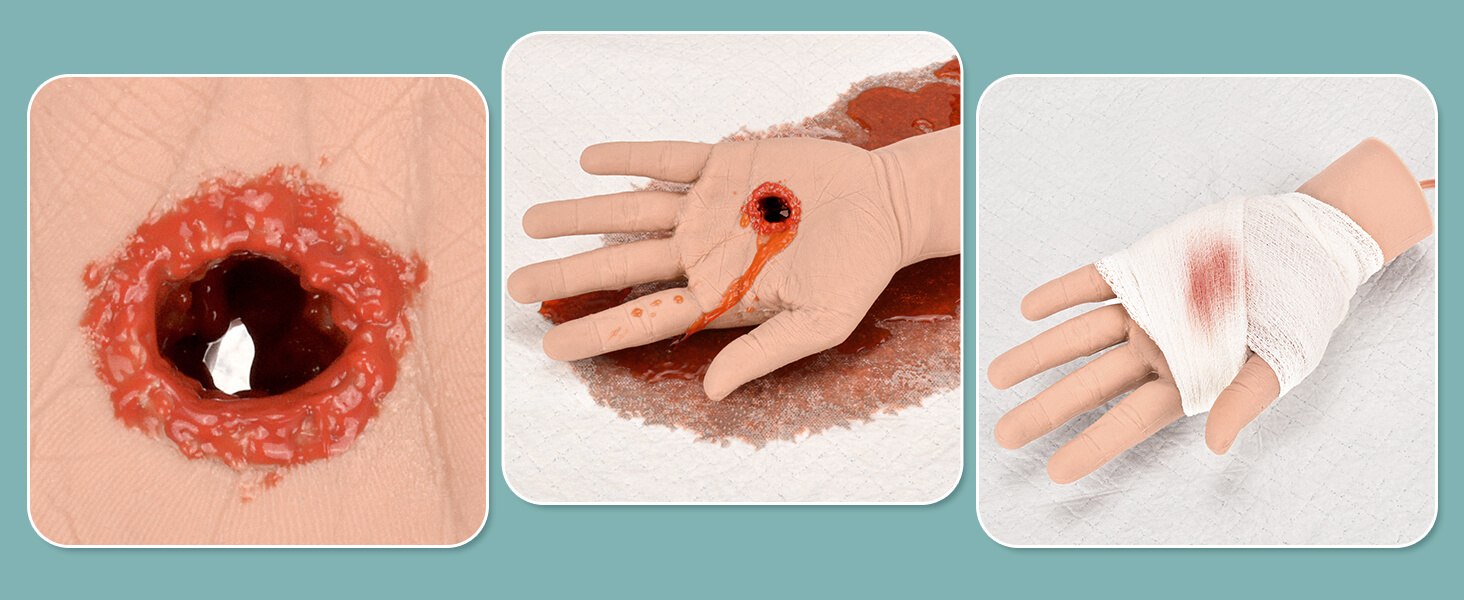
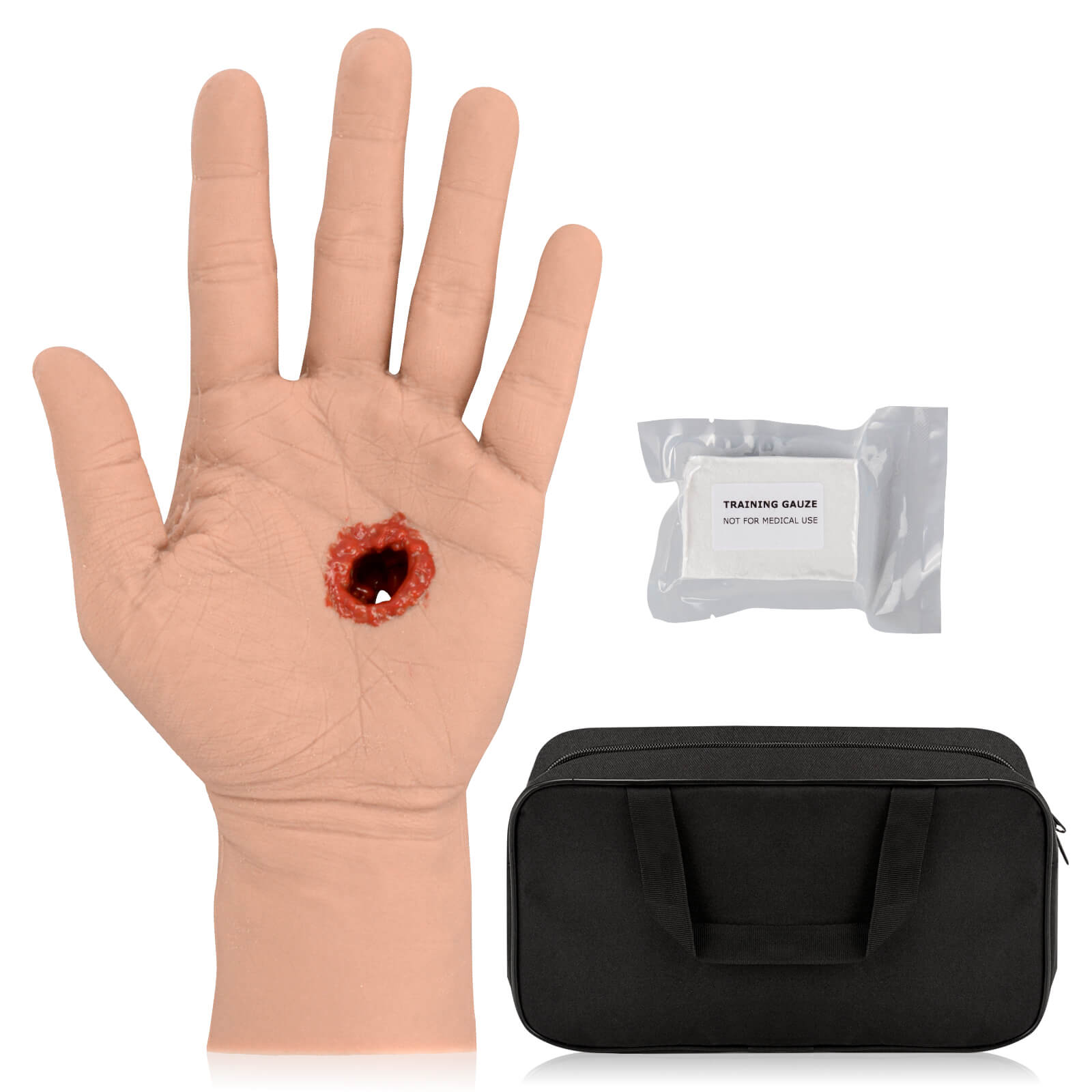
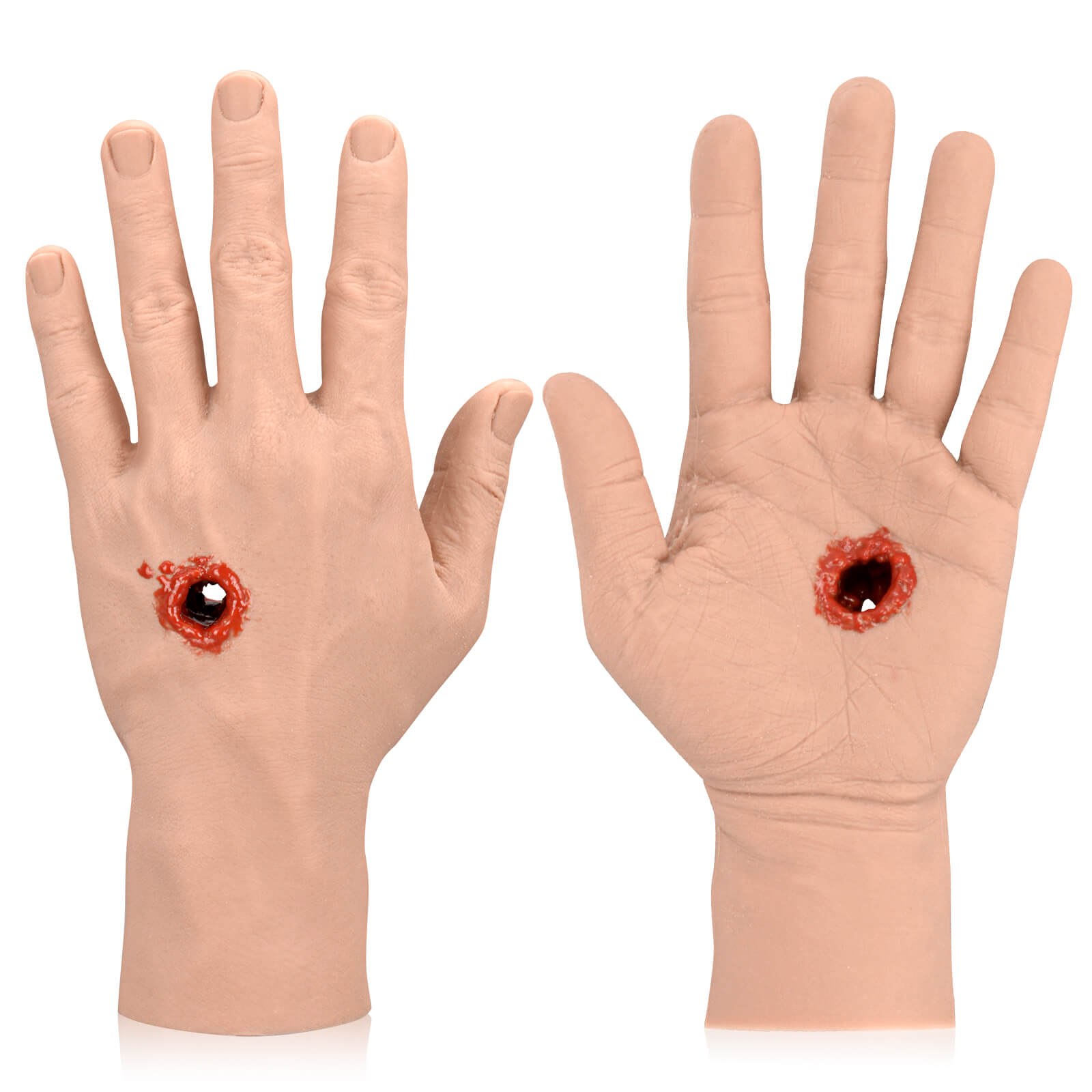
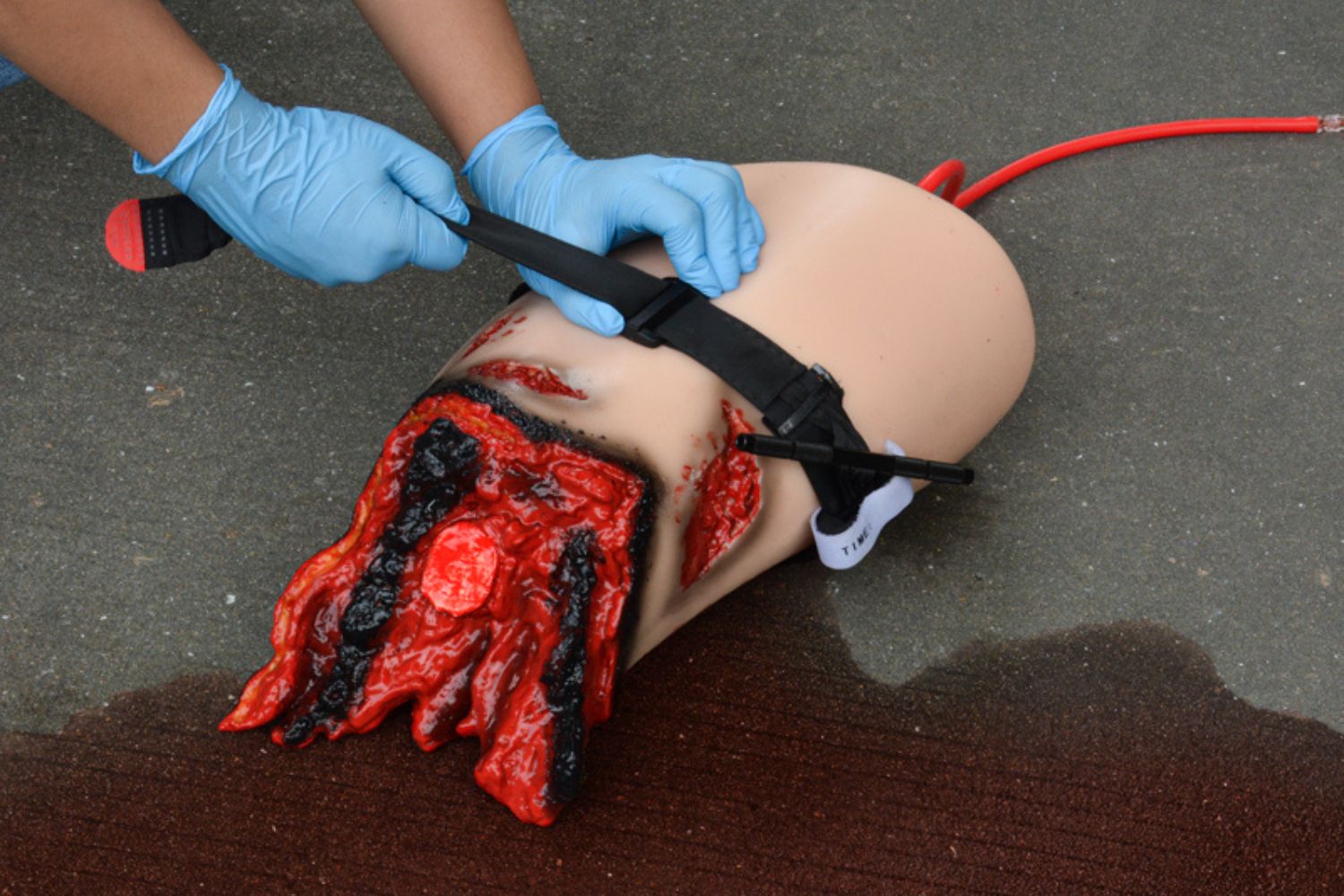
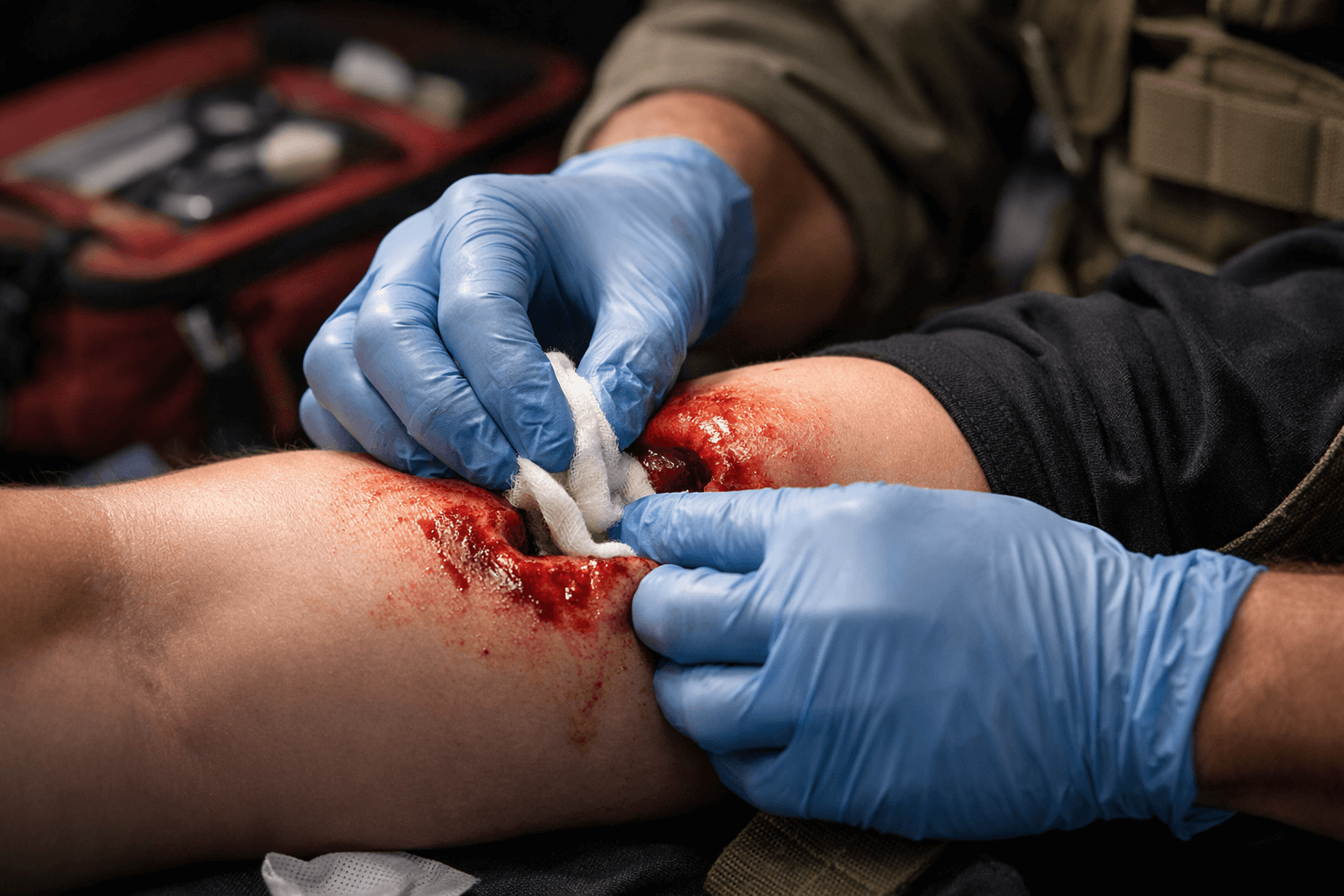
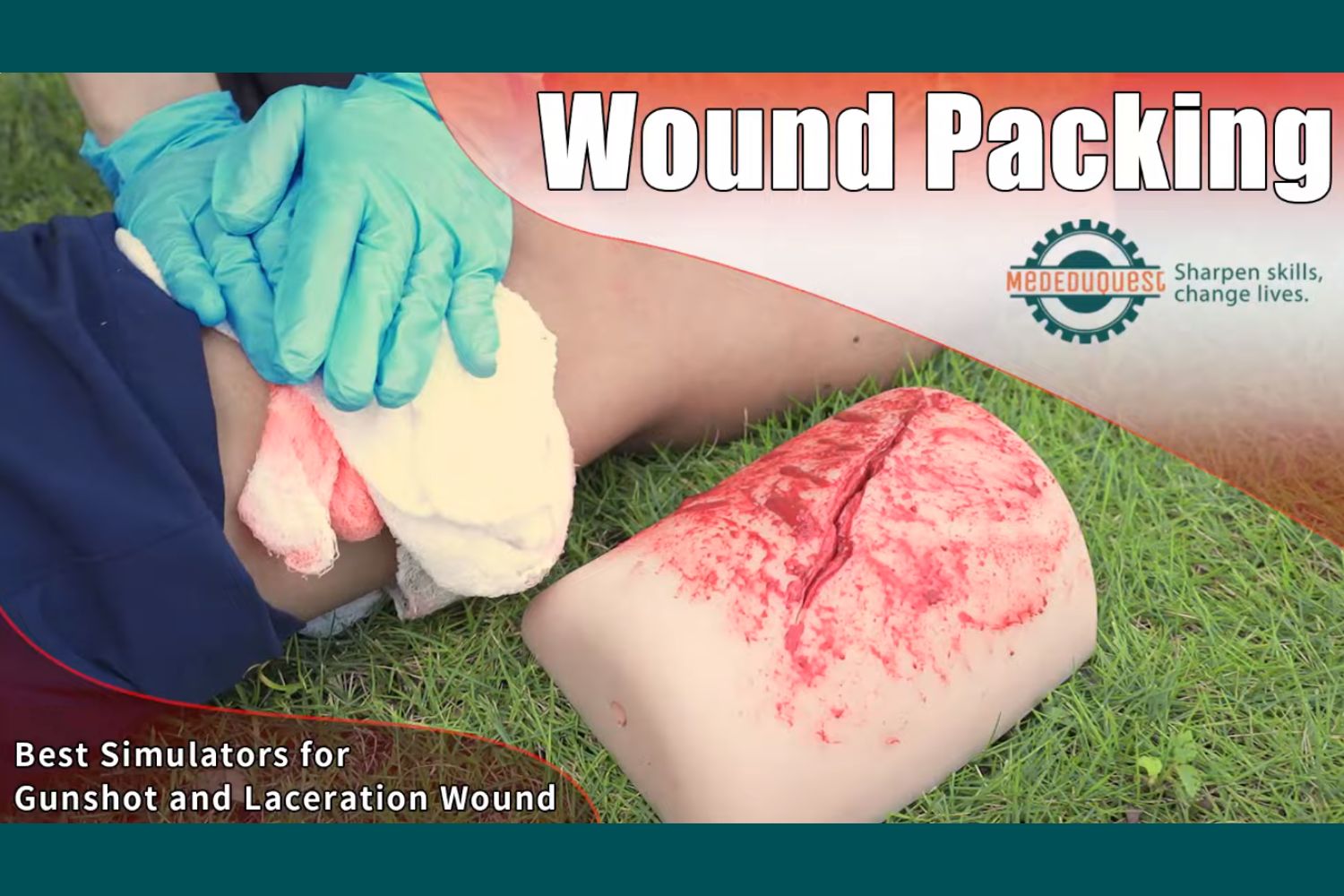
Learners often struggle to visualize these stages in textbooks. That's why we recommend using realistic wound models. Our granulation tissue wound simulation models allow students to literally hold the stages of healing in their hands, making abstract concepts concrete.
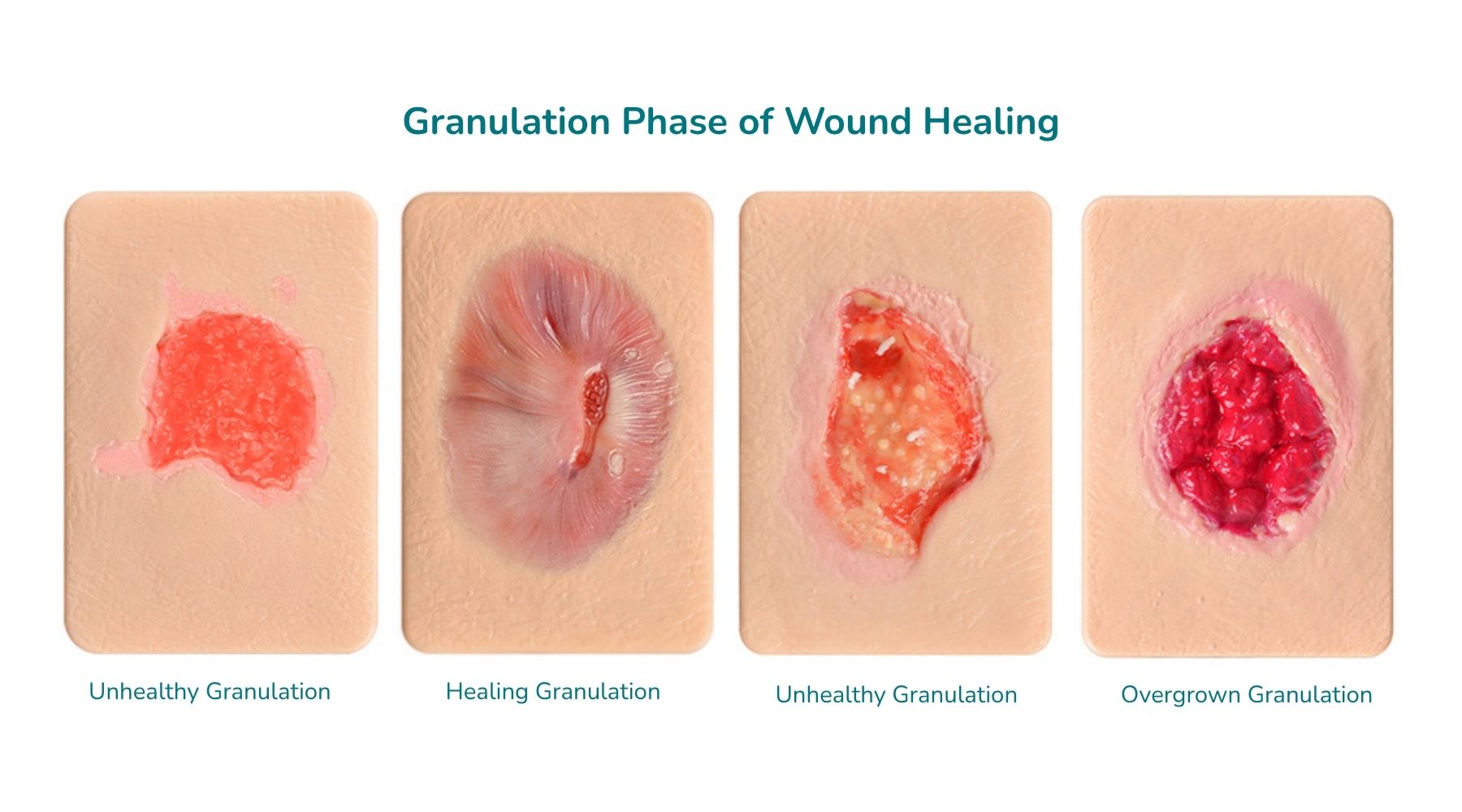
If you'd like to understand the tissue itself in more detail, see: Understanding Granulation Tissue in Wound Healing. And if you're just starting out in wound care, begin here: What is a Granulation Wound?.
.jpeg?w=1600&h=1600)
.jpeg?w=1600&h=1600)
.jpeg?w=1600&h=1600)
.jpeg?w=1600&h=1600)
.jpeg?w=1600&h=1600)
.jpeg?w=1600&h=1600)
.jpeg?w=1500&h=1500)
.jpg?w=1600&h=1600)
.jpg?w=1600&h=1600)
.jpeg?w=1500&h=1500)
.jpeg?w=1500&h=1500)



.jpeg?w=1600&h=1600)
.jpeg?w=1600&h=1600)