
I still remember the first time I showed a group of nursing students a patient's wound that had started forming bright red, bumpy tissue. Their initial reaction was concern - "Is this infection?" one student asked. That moment was the perfect opportunity to explain granulation, one of the most positive signs that the body is healing.
A granulation wound simply means a wound where granulation tissue has begun to form. But what is a granulation wound really? In plain words, when the body repairs itself, it fills the wound bed with new connective tissue and blood vessels. This looks like moist, reddish tissue with a slightly rough, granular appearance. It might not look "pretty," but it's a reassuring stage in wound recovery.
Granulation tissue forms after the inflammatory stage of wound healing, signaling that the body is actively repairing itself. Without it, wounds stay open, dry, or necrotic. For medical students and EMTs, learning to distinguish between granulation and infection is critical - confusing the two can lead to unnecessary interventions or delayed care.
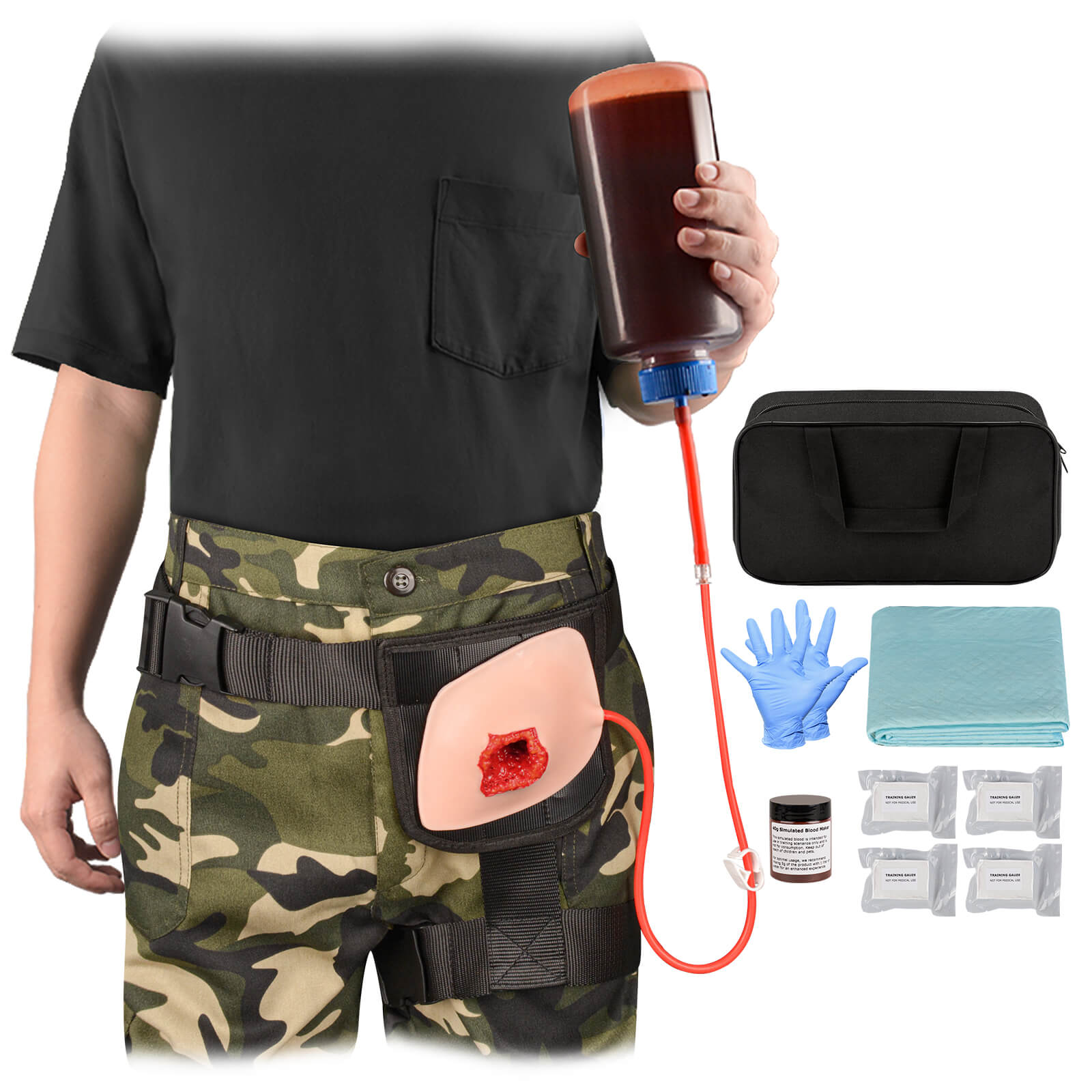
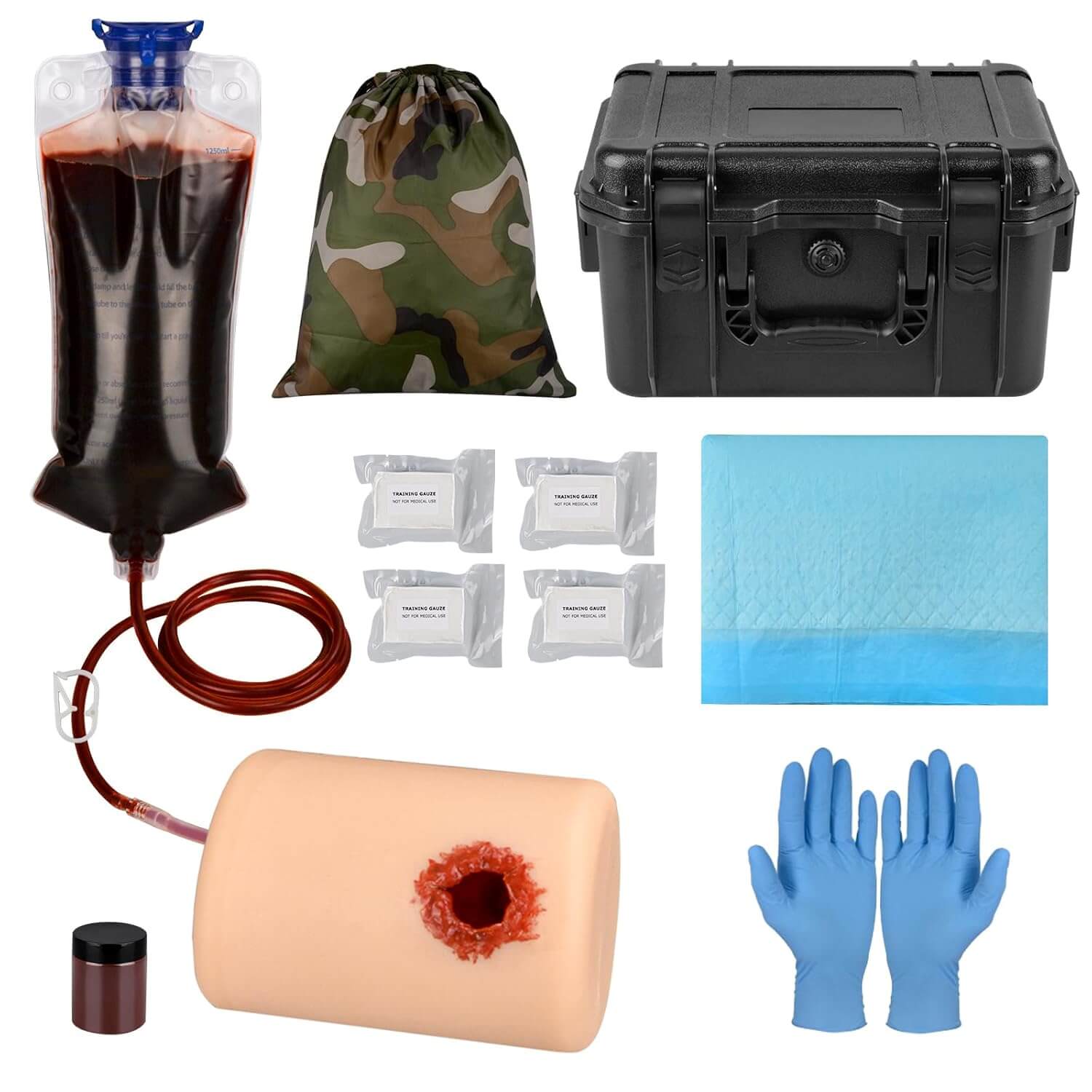
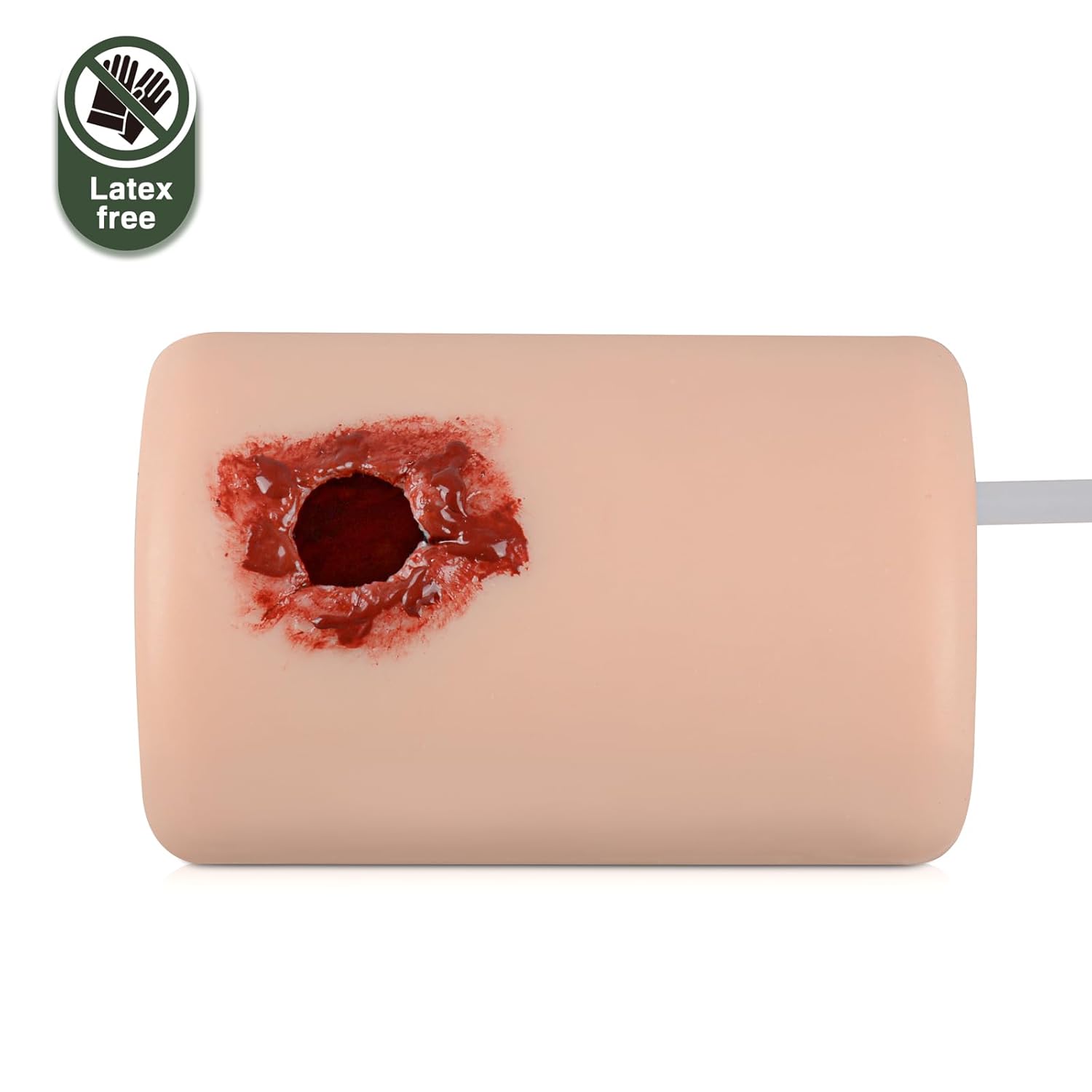
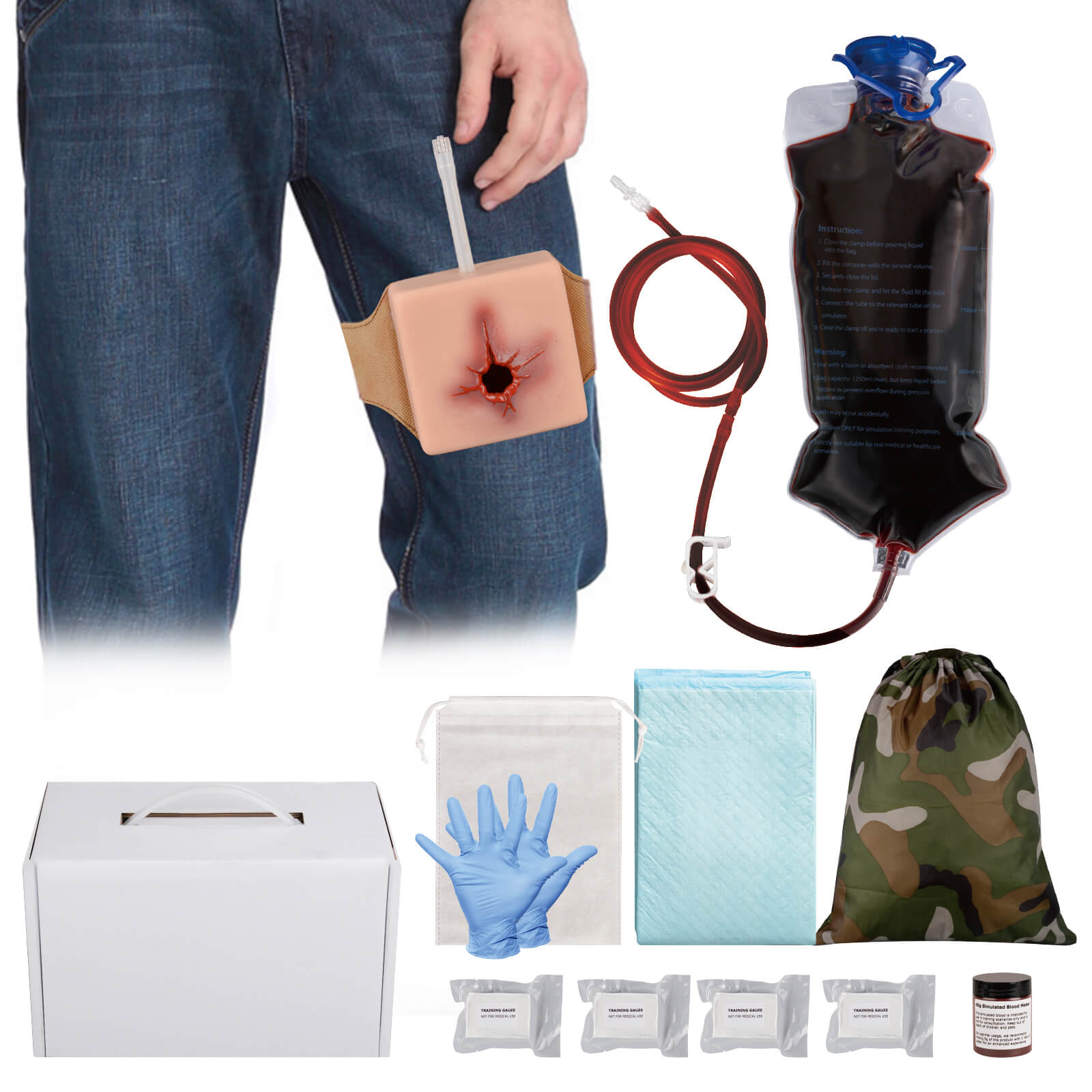
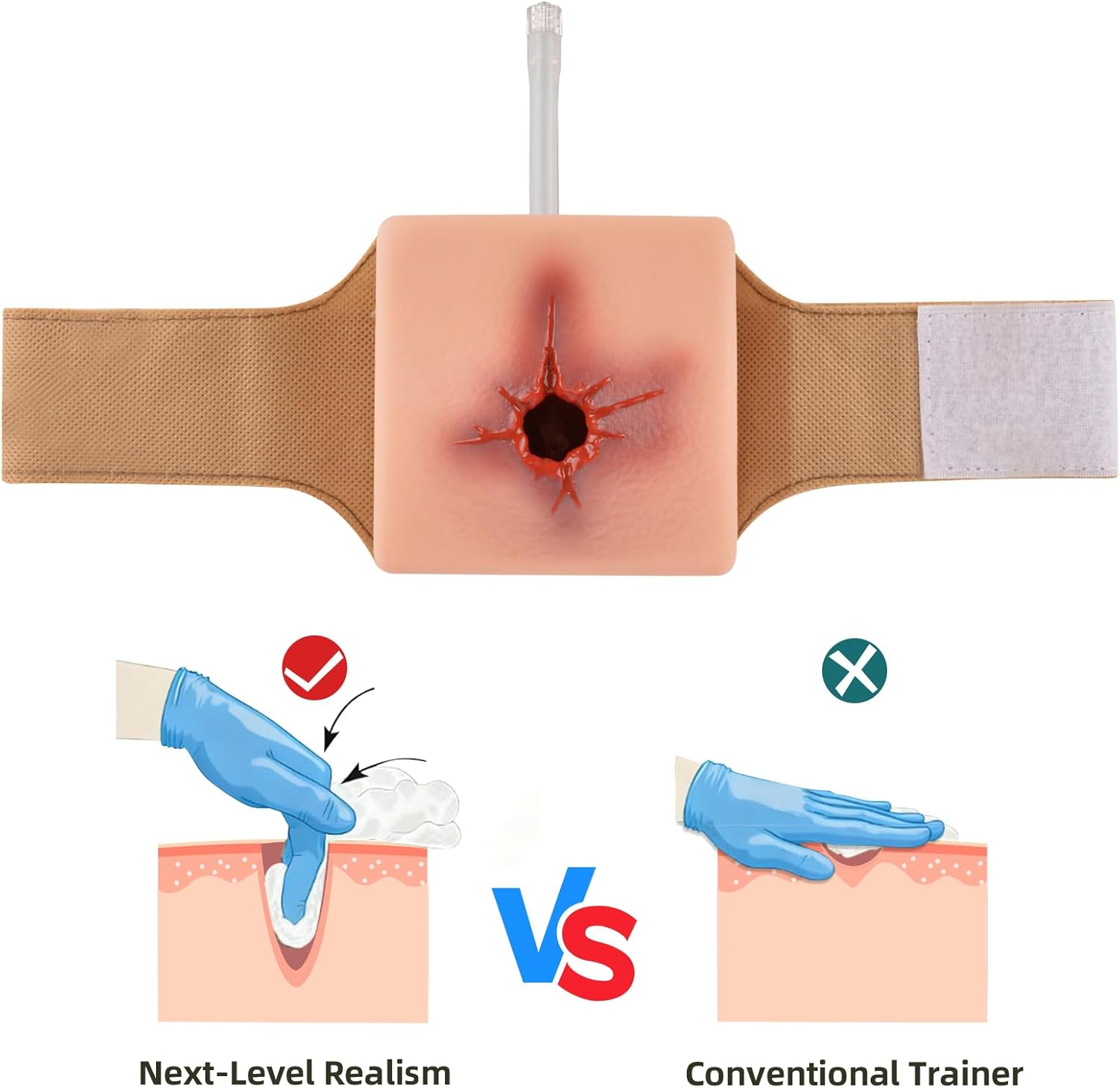
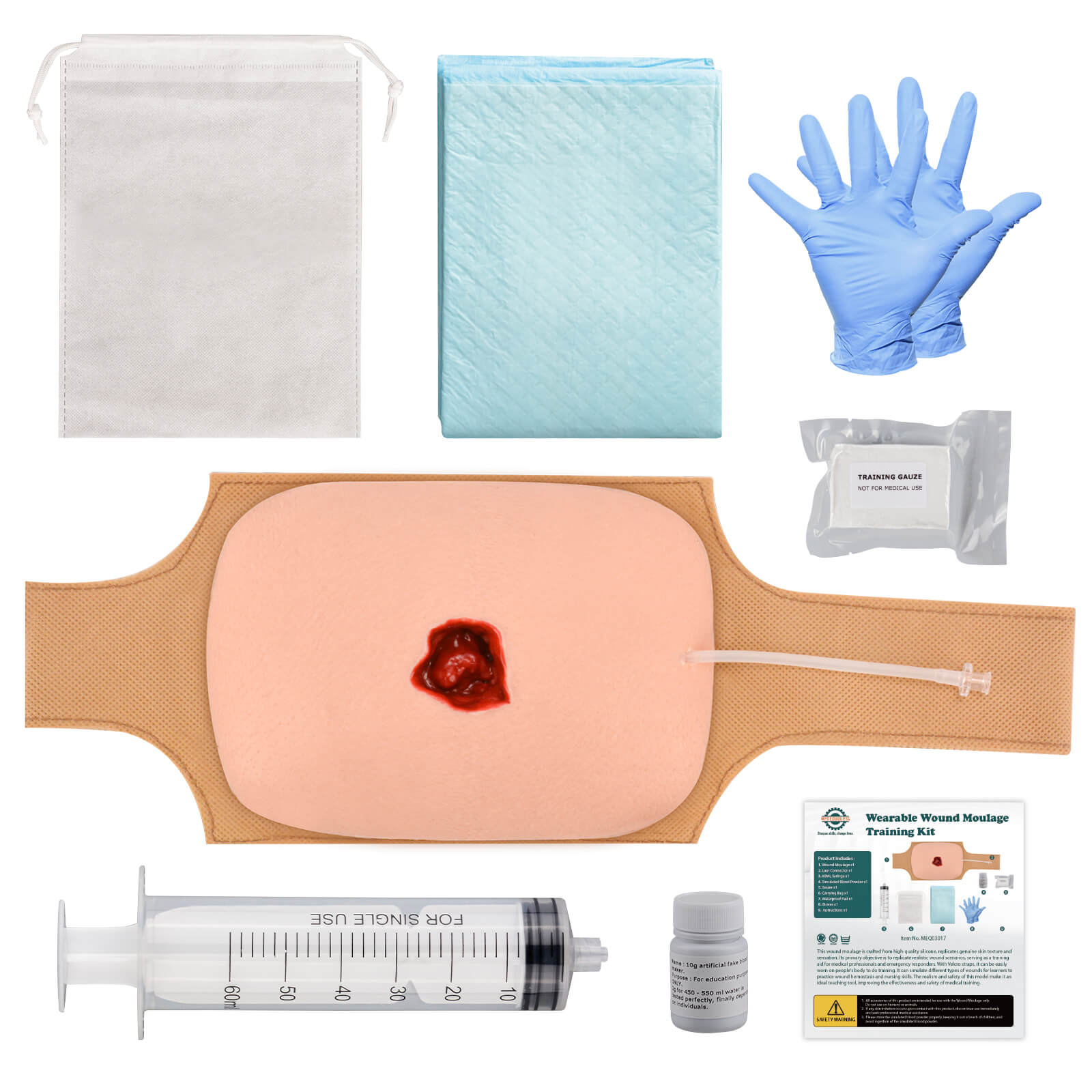
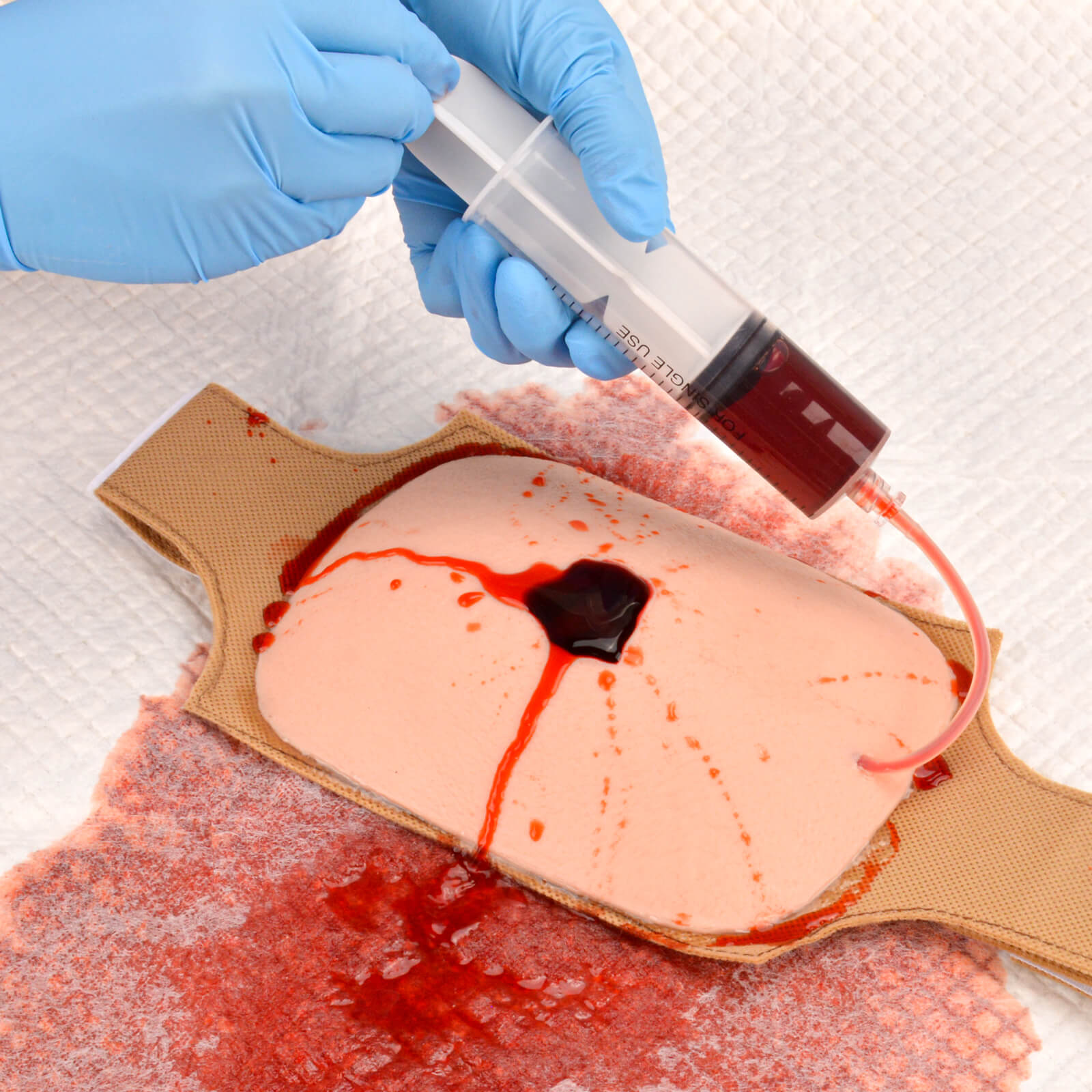
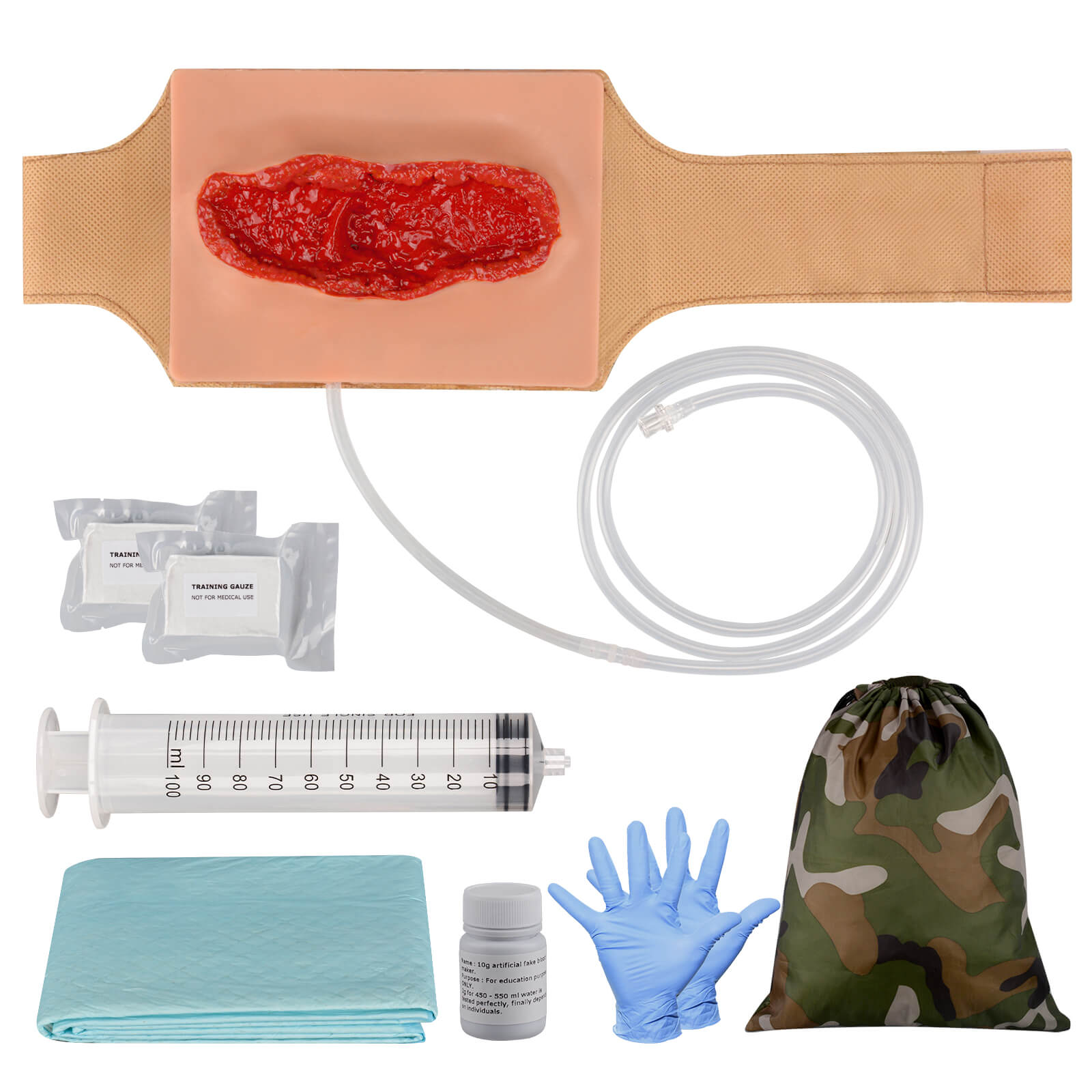
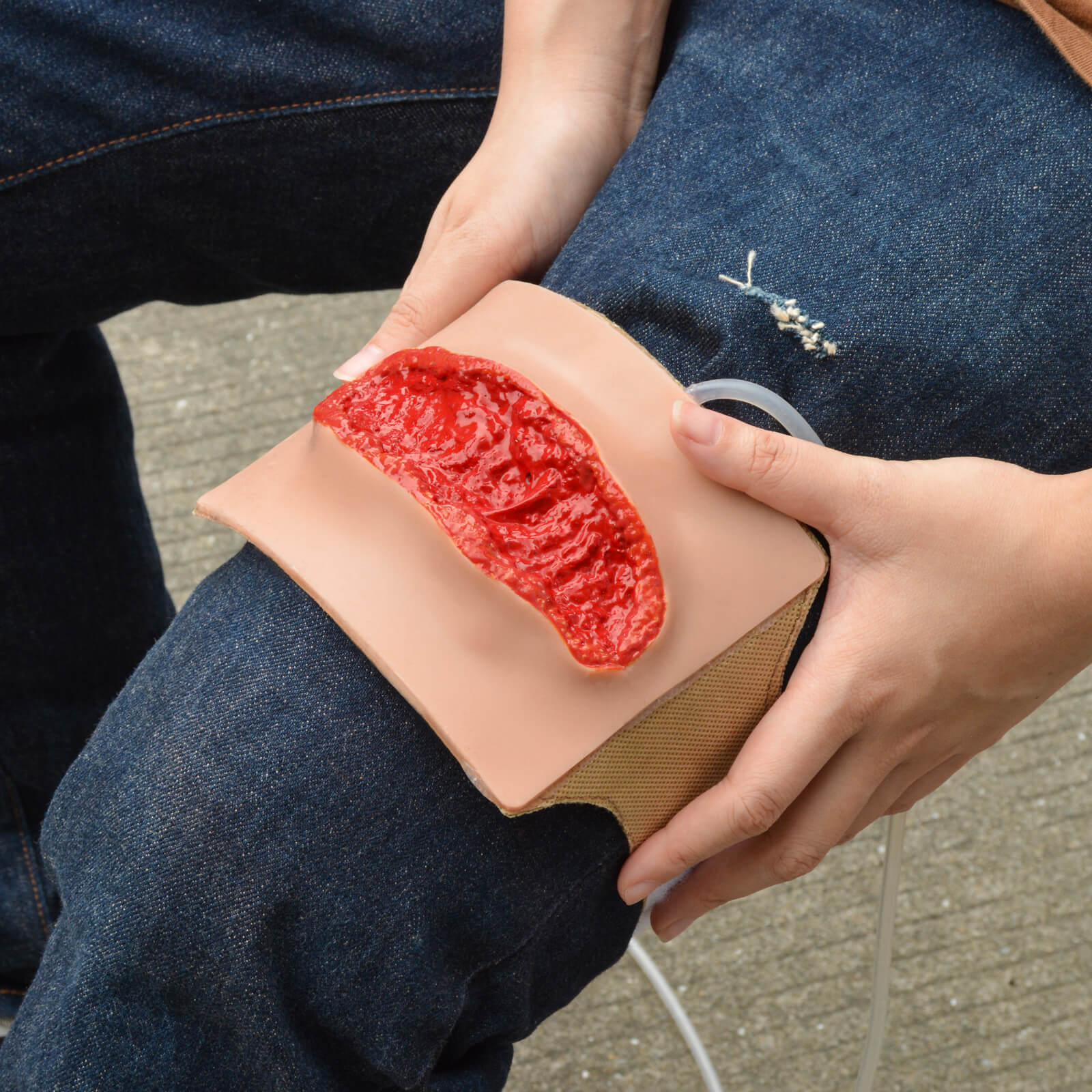
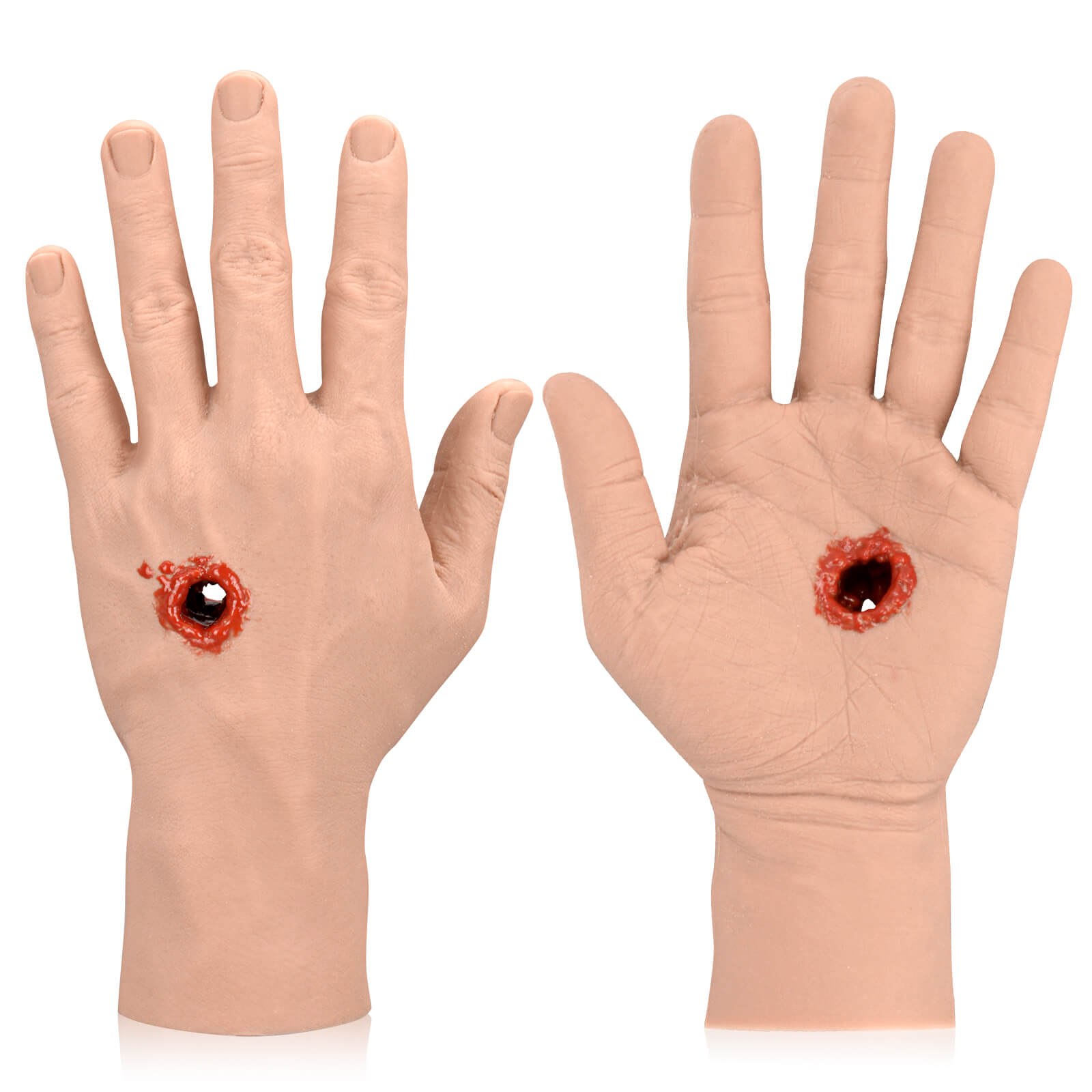
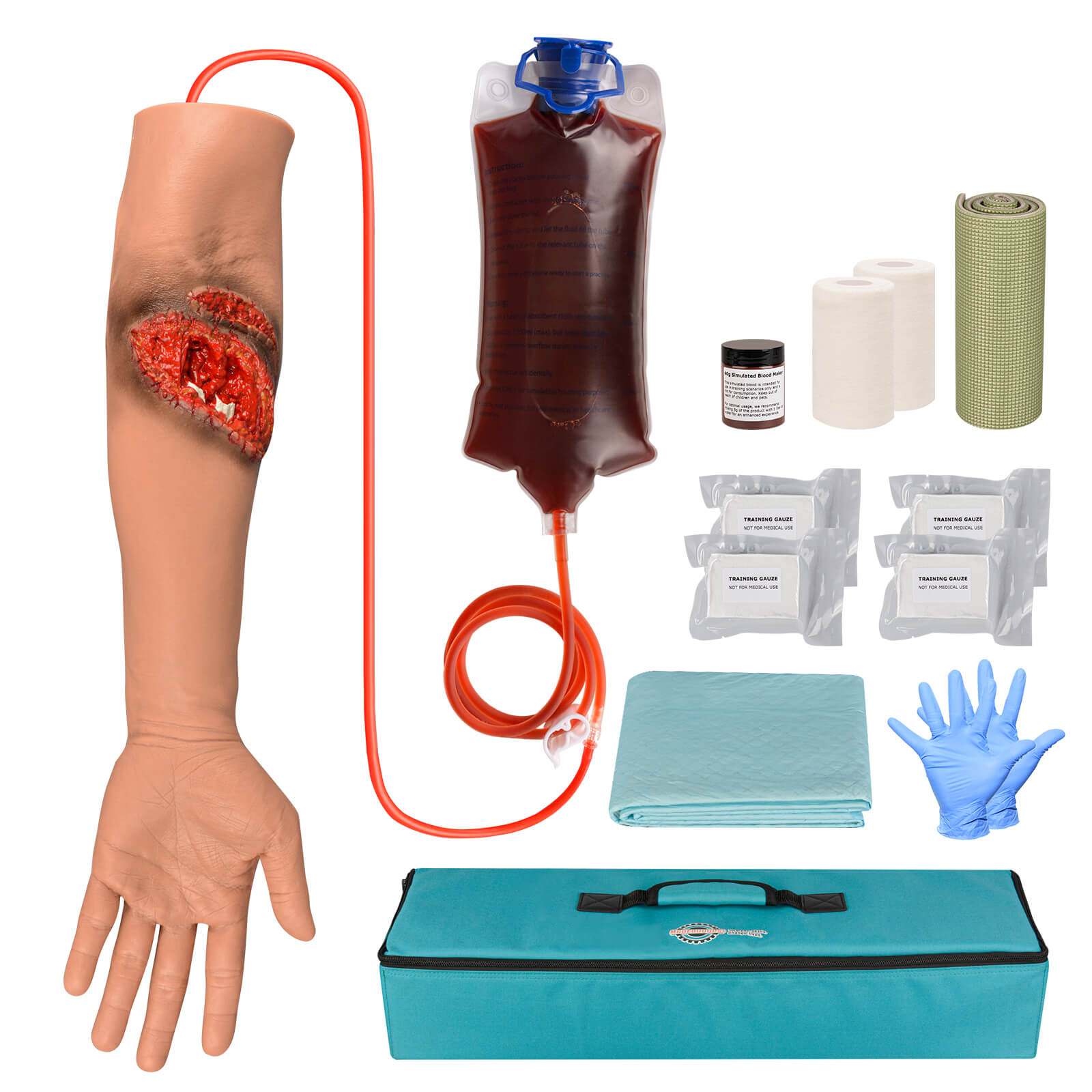
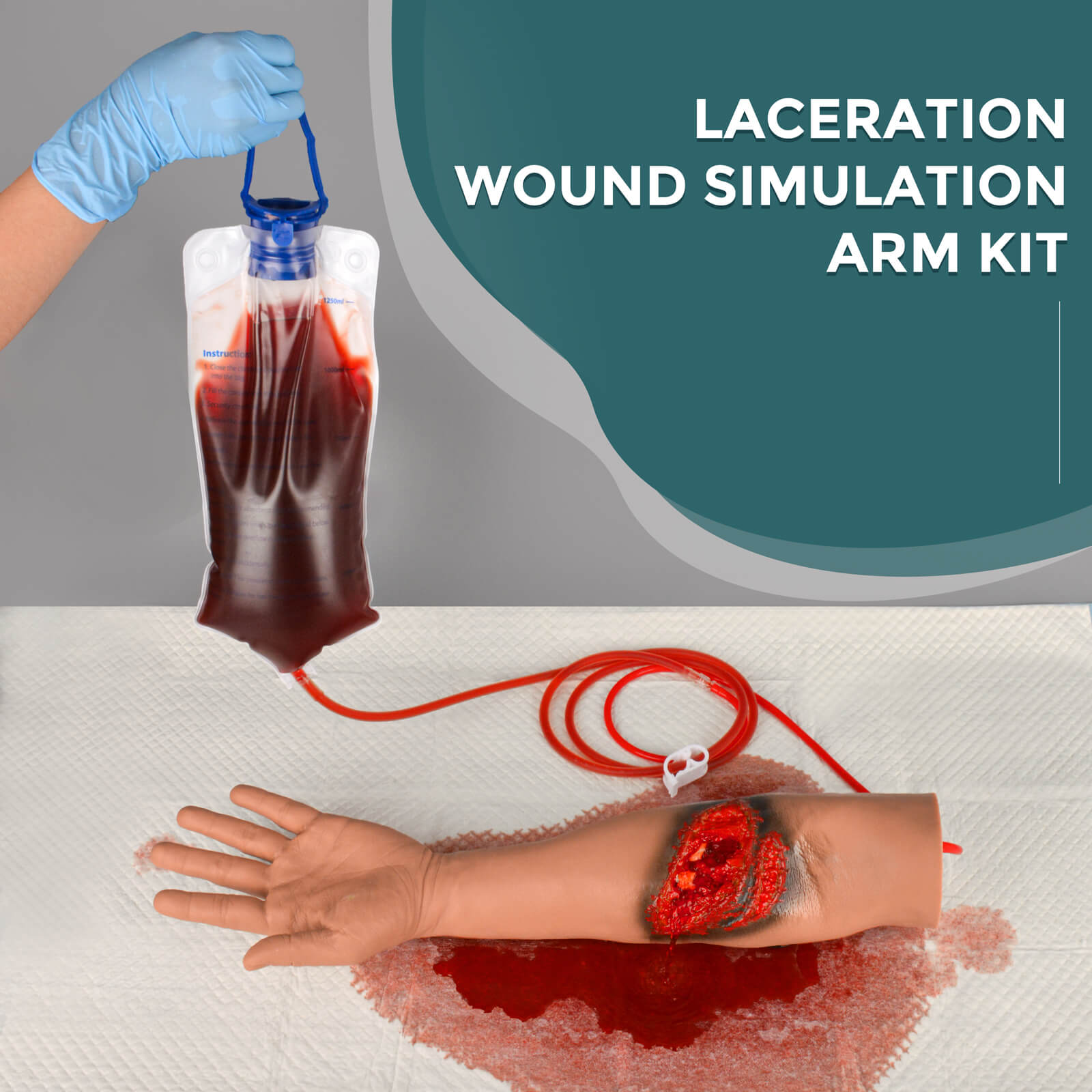
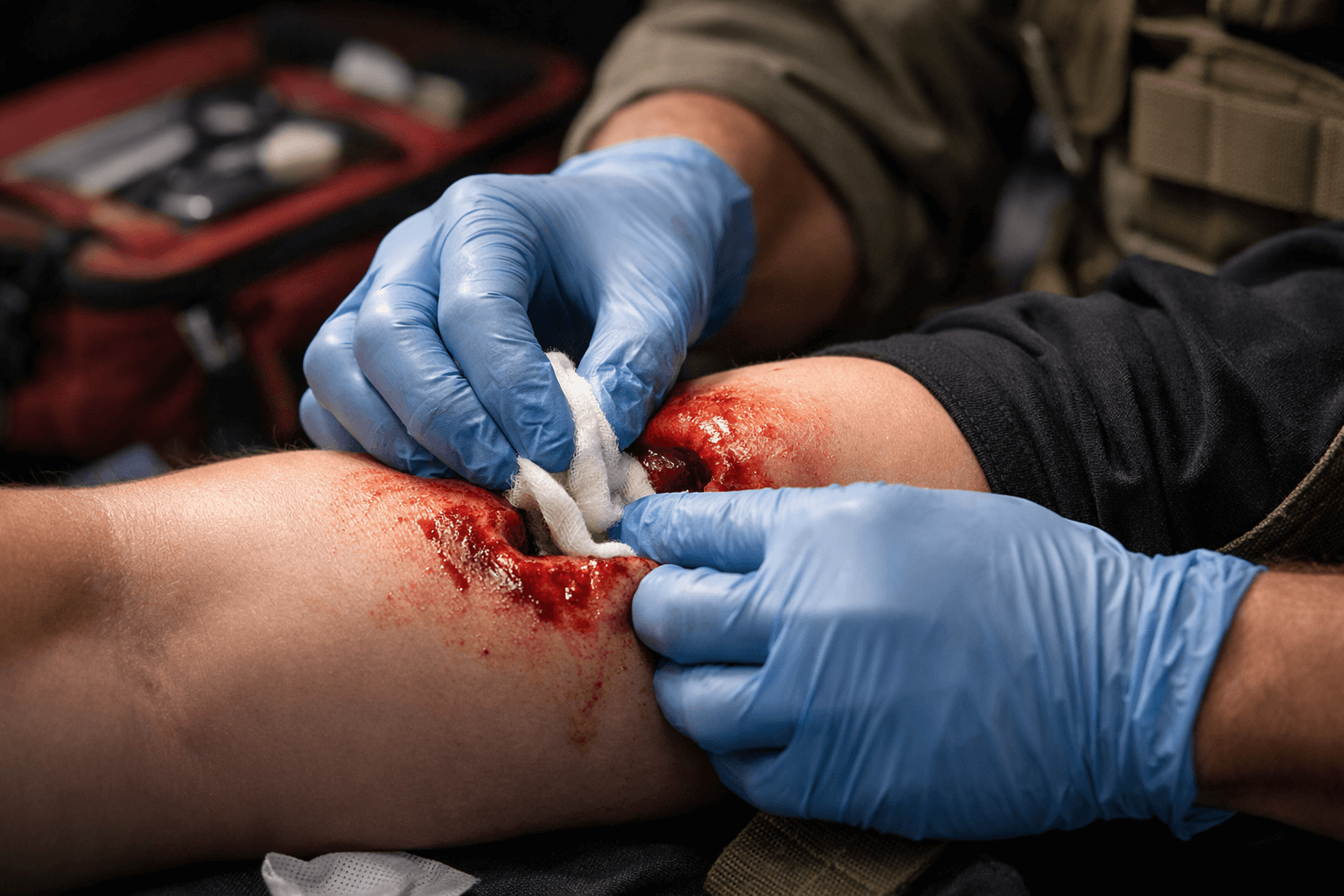
To make this clearer in training, simulation models can be incredibly useful. For instance, our Card-sized Granulation Wound Simulation Models allow learners to practice wound assessment in a safe, repeatable environment. This way, when they see a real granulation wound in clinical practice, they can identify it with confidence.
If you'd like to dive deeper into the role of granulation tissue itself, check out our next article: Understanding Granulation Tissue in Wound Healing.
.jpeg?w=1600&h=1600)
.jpeg?w=1600&h=1600)
.jpg?w=1600&h=1600)
.jpg?w=1600&h=1600)
.jpeg?w=1500&h=1500)

.jpg?w=1000&h=1000)
.jpg?w=1000&h=1000)



.jpeg?w=1500&h=1500)
.jpeg?w=1500&h=1500)

.jpeg?w=1600&h=1600)
.jpeg?w=1600&h=1600)
.jpg?w=1600&h=1600)
.jpg?w=1600&h=1600)
.jpg?w=1500&h=1500)
.jpg?w=1500&h=1500)
.jpg?w=1500&h=1500)
.jpg?w=1500&h=1500)
.jpg?w=1500&h=1500)
.jpg?w=1500&h=1500)
.jpg?w=1500&h=1500)
.jpg?w=1500&h=1500)