
During one clinical rotation, I worked with a patient recovering from a surgical incision. Each day, we inspected the wound for changes. One morning, the surgical site had developed moist, red, pebble-like tissue. While some students thought it was a complication, it was in fact a classic sign of healthy granulation tissue.
So, what exactly is granulation tissue in wound healing? It's new connective tissue made up of fibroblasts, collagen, and tiny capillaries that grow into the wound bed. Its bright red color comes from rich blood supply, and its slightly uneven texture gives wounds that "granular" look. A granulation tissue wound is therefore a wound filled with this new growth.
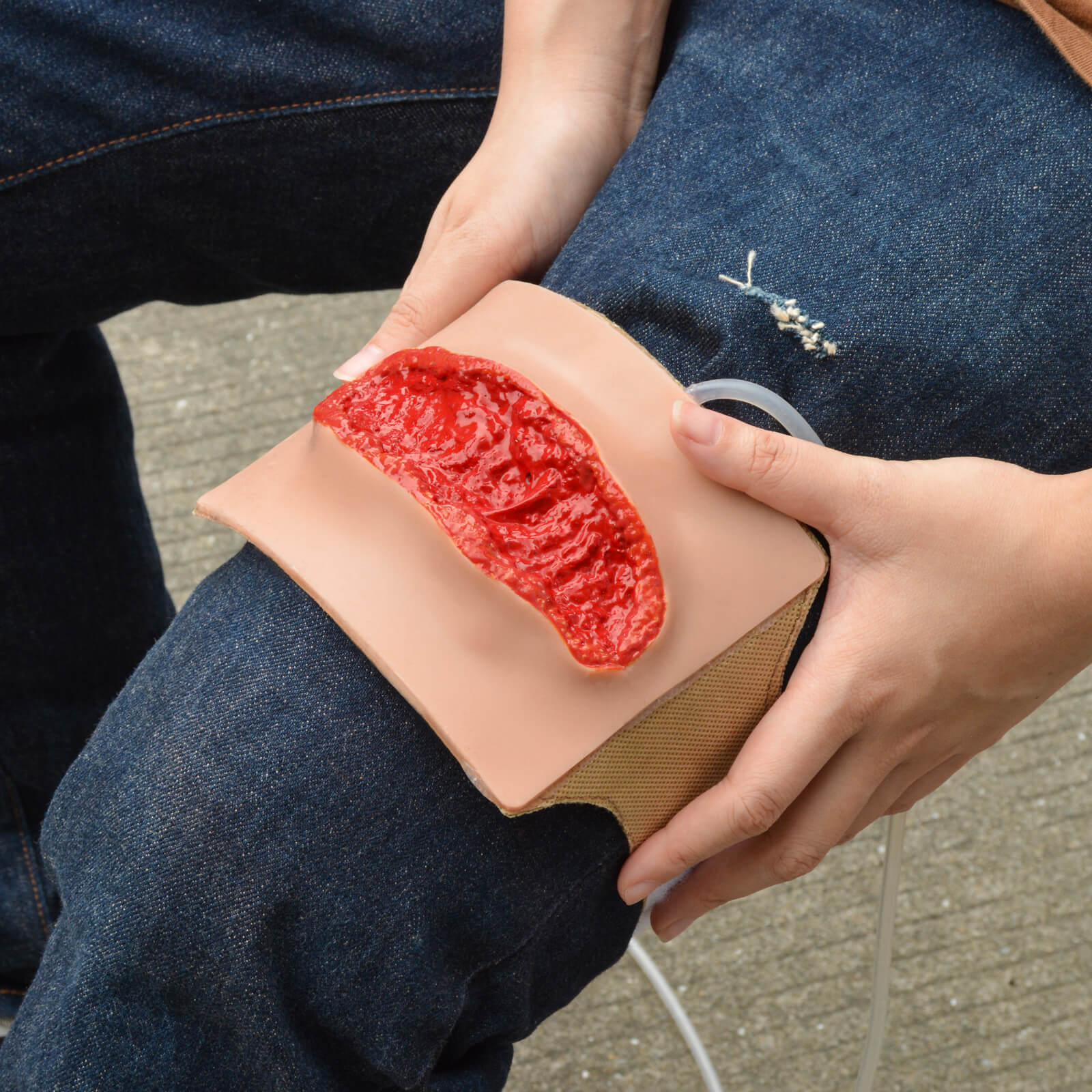
Healthy granulation tissue should look moist, beefy-red, and slightly raised. However, clinicians must also learn to recognize abnormal patterns. For example, pale or fragile granulation may indicate poor oxygenation, while overgrown tissue (sometimes called "proud flesh") can actually slow closure.
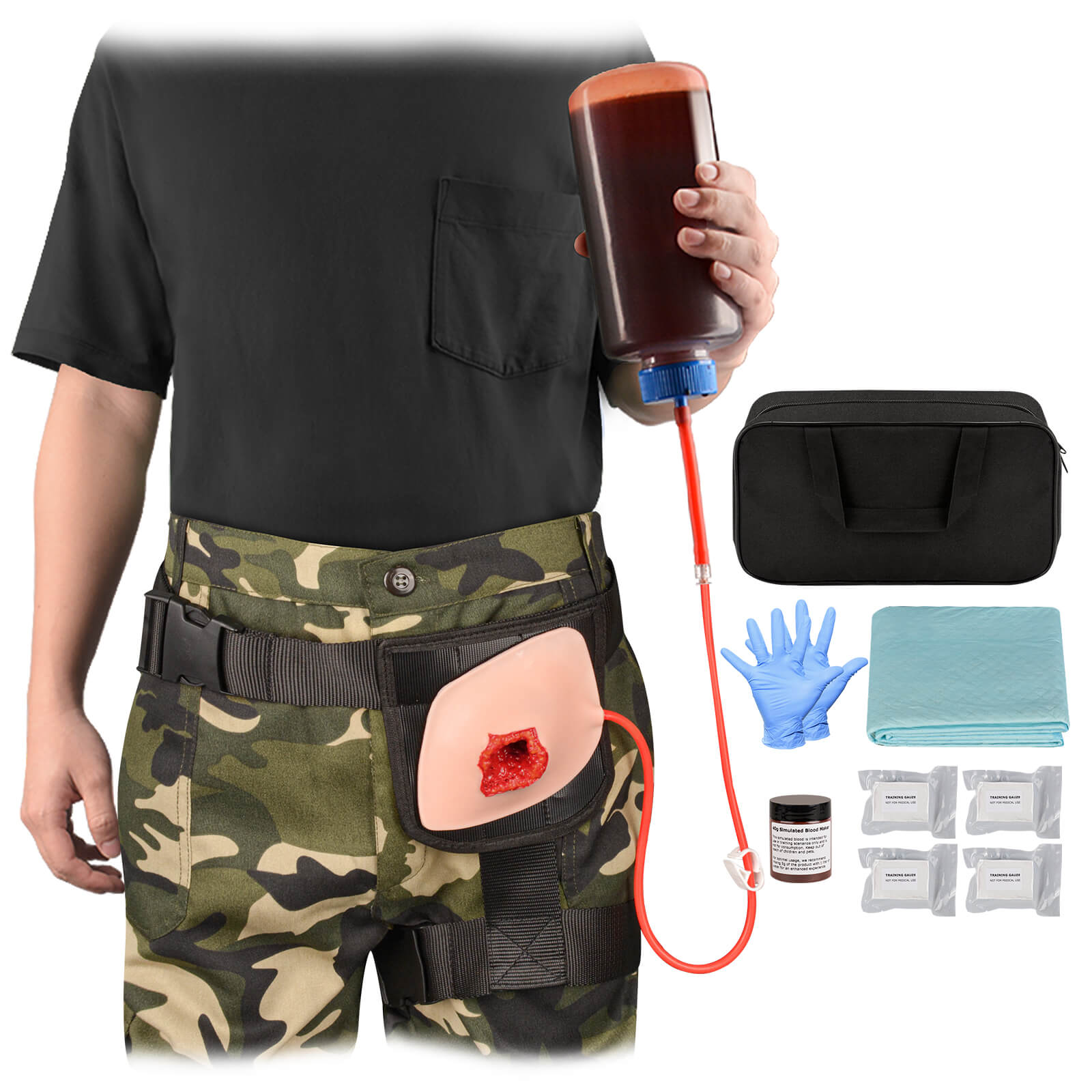
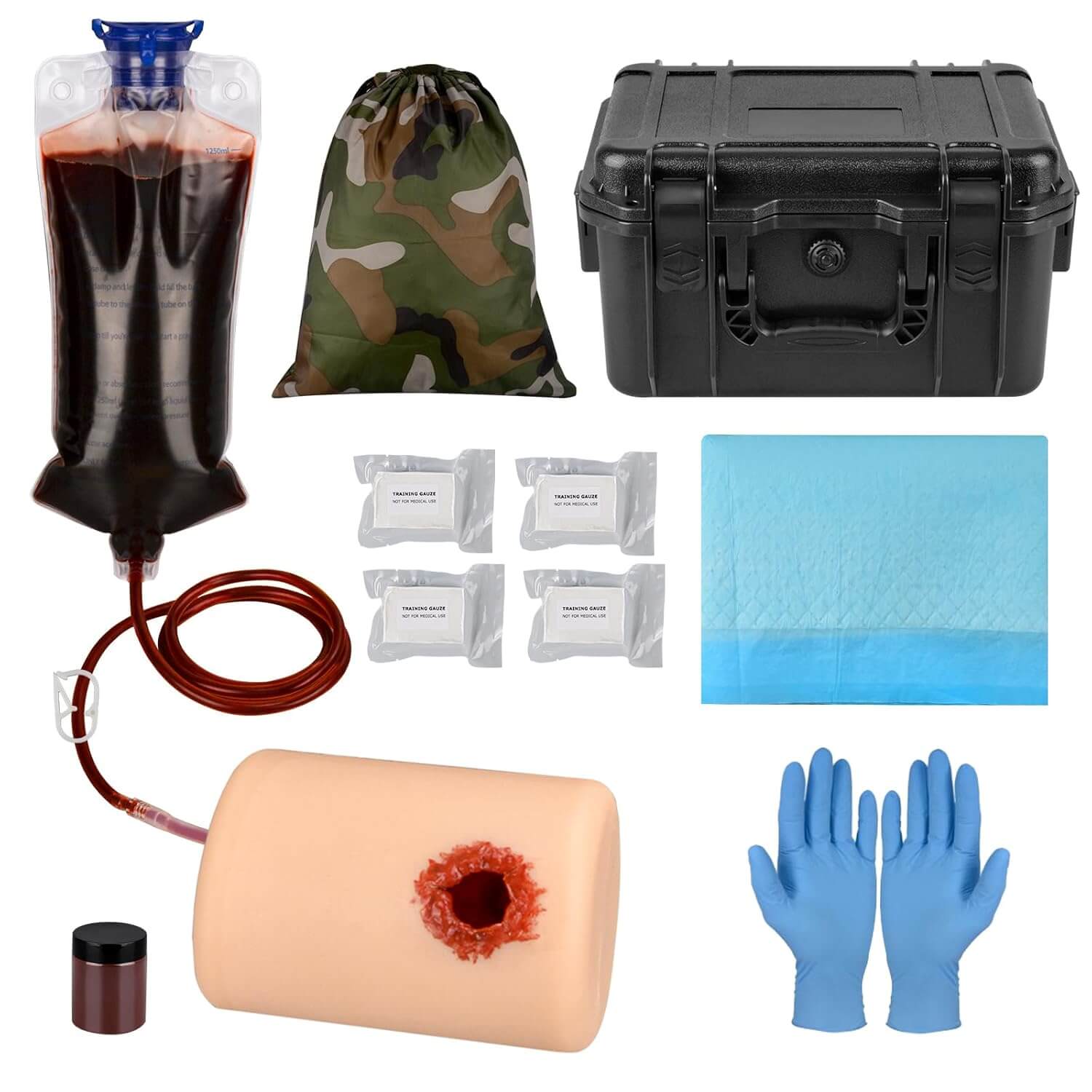
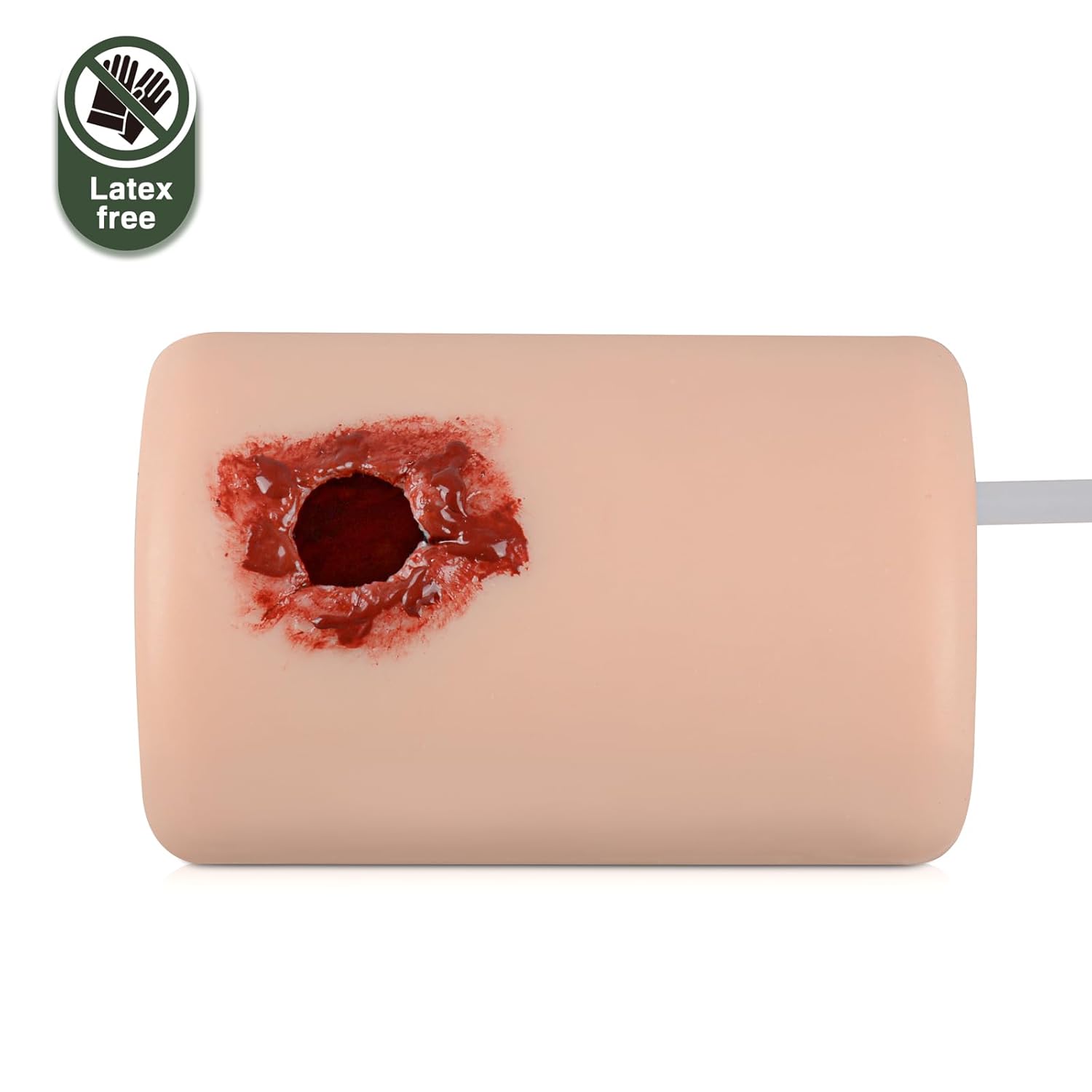
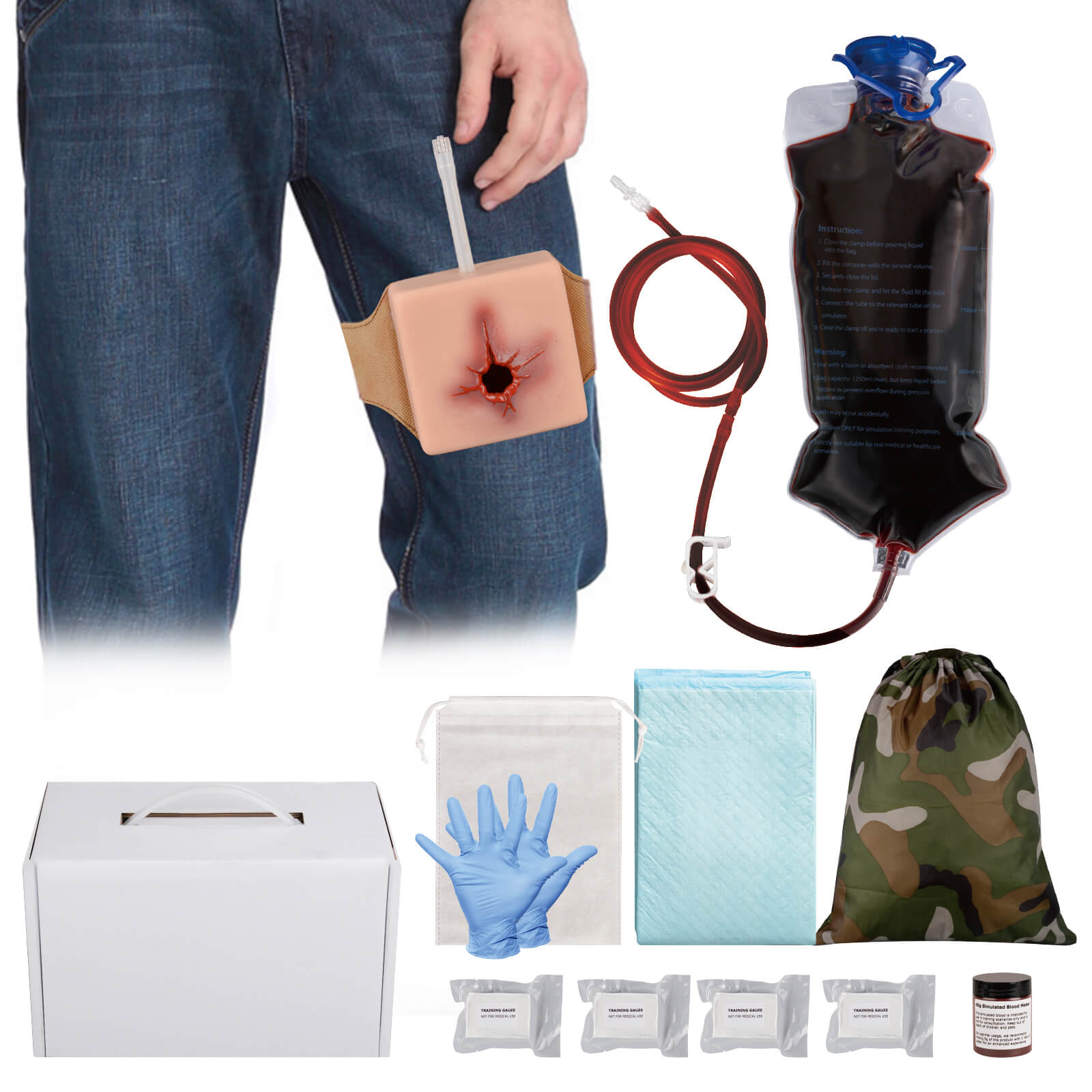
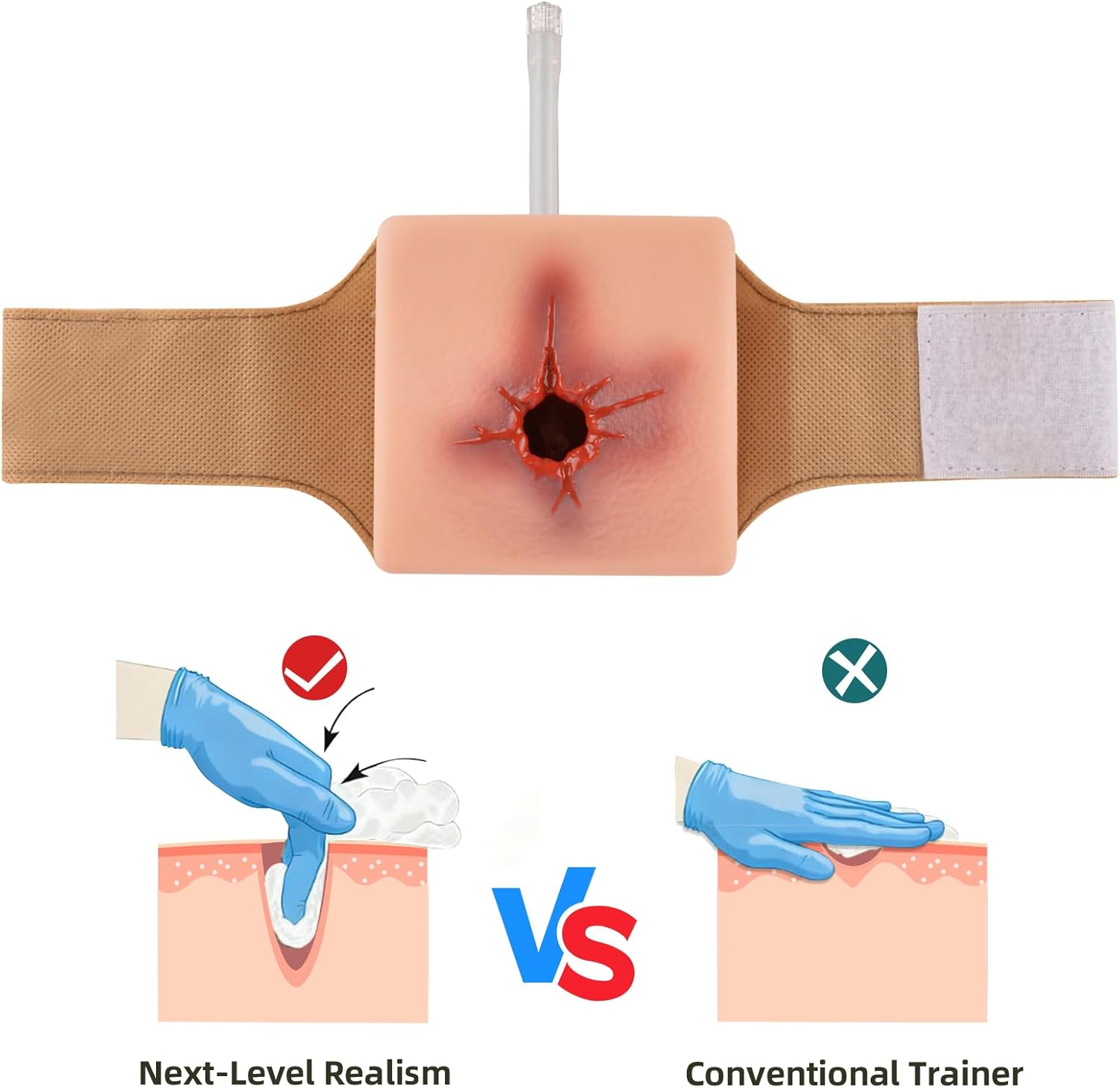
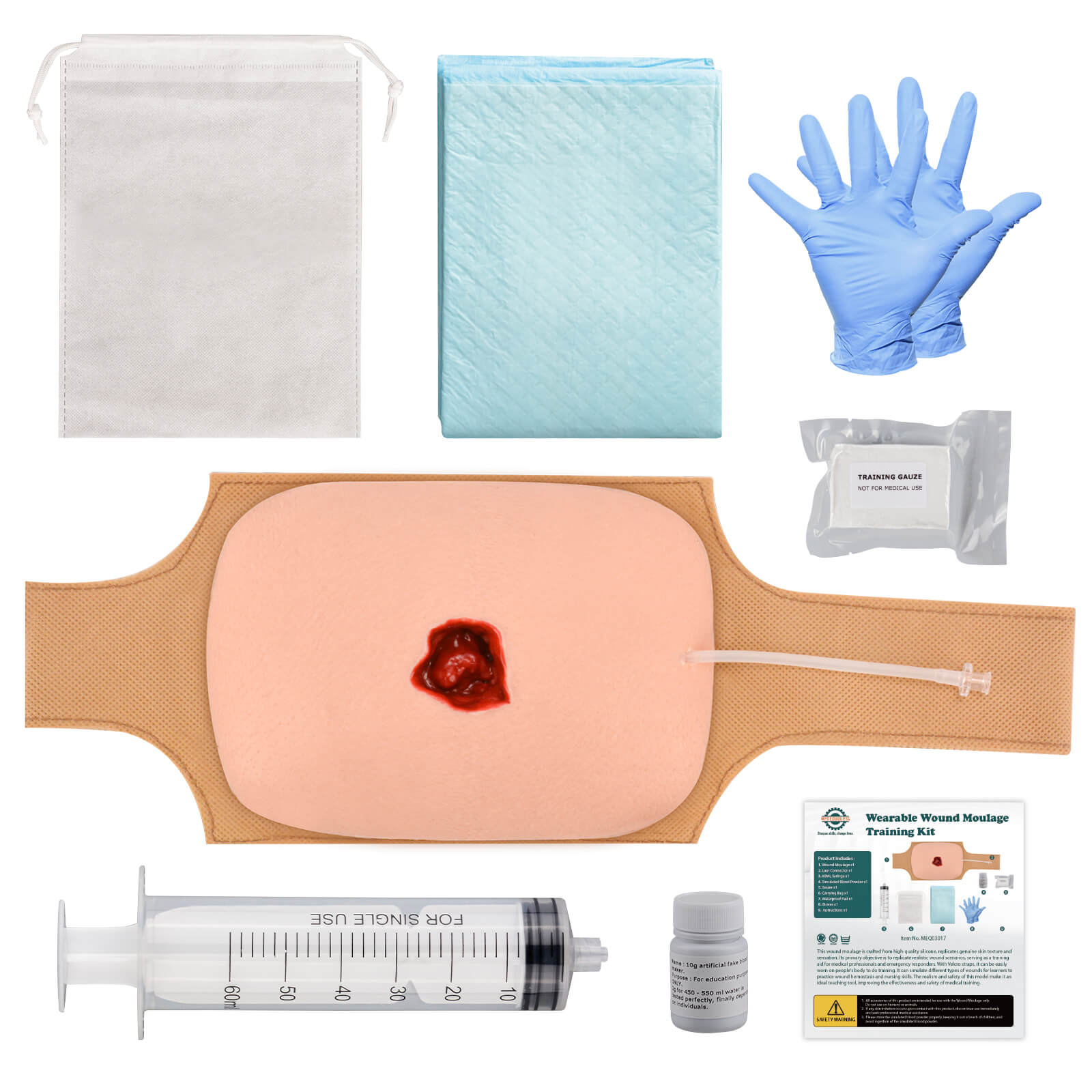
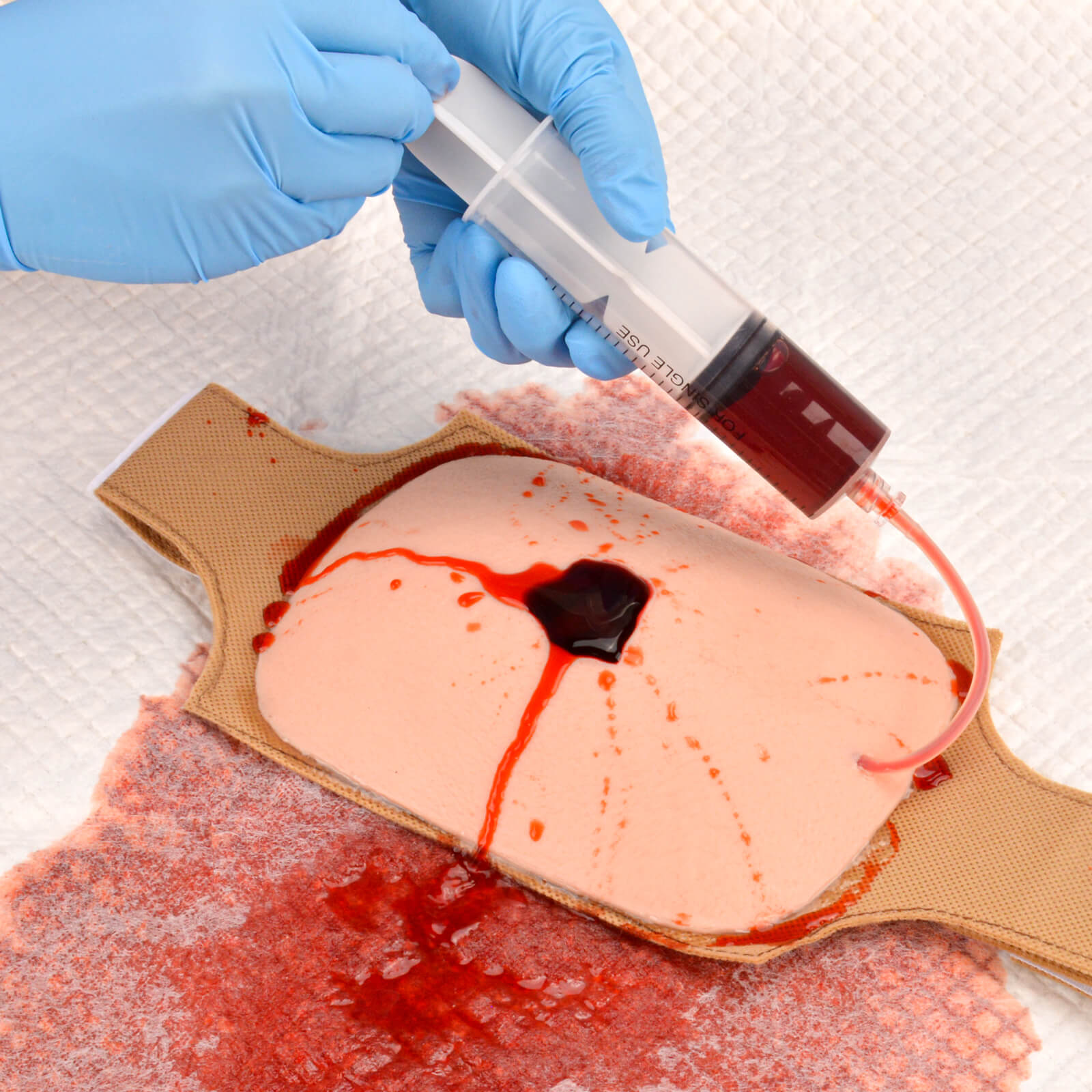
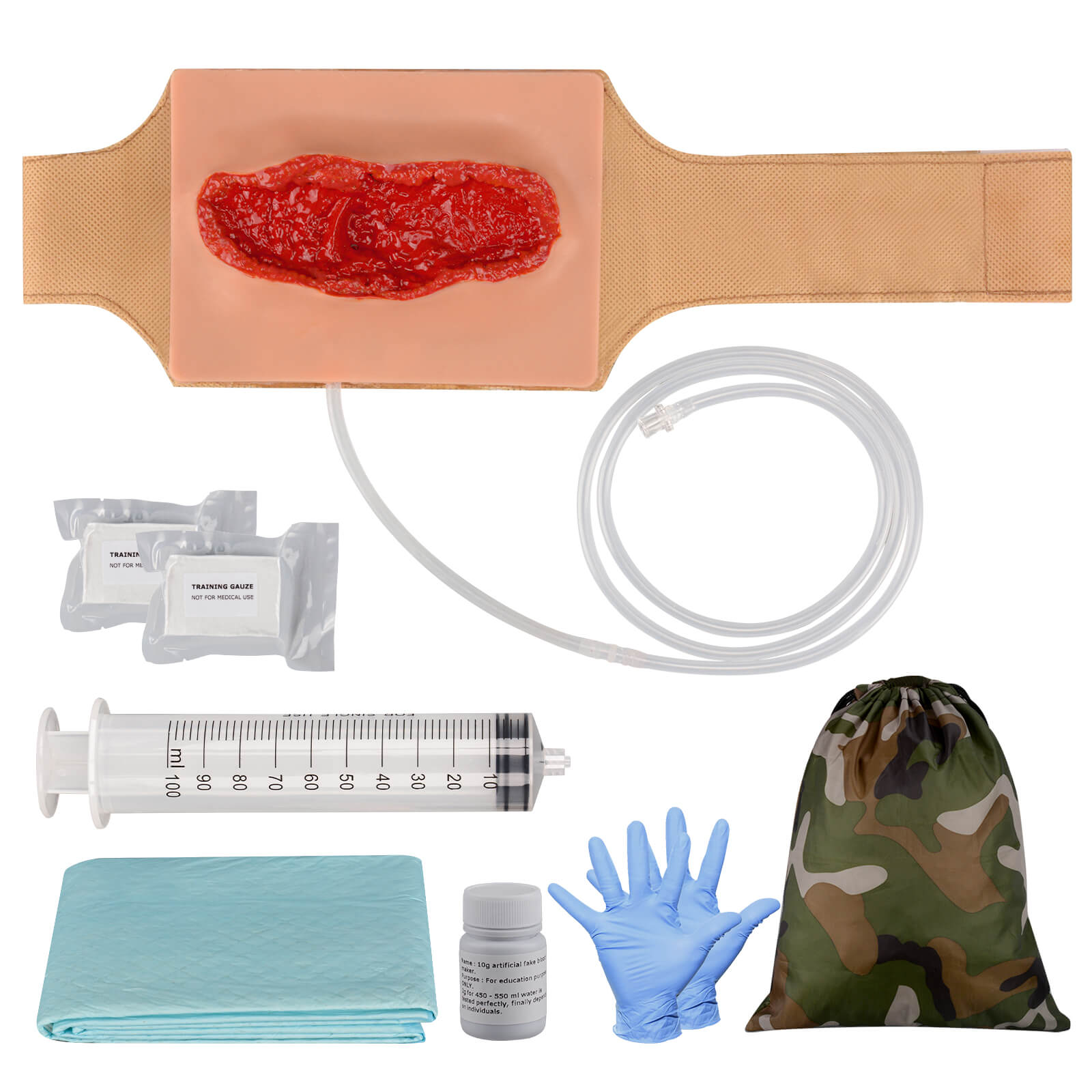
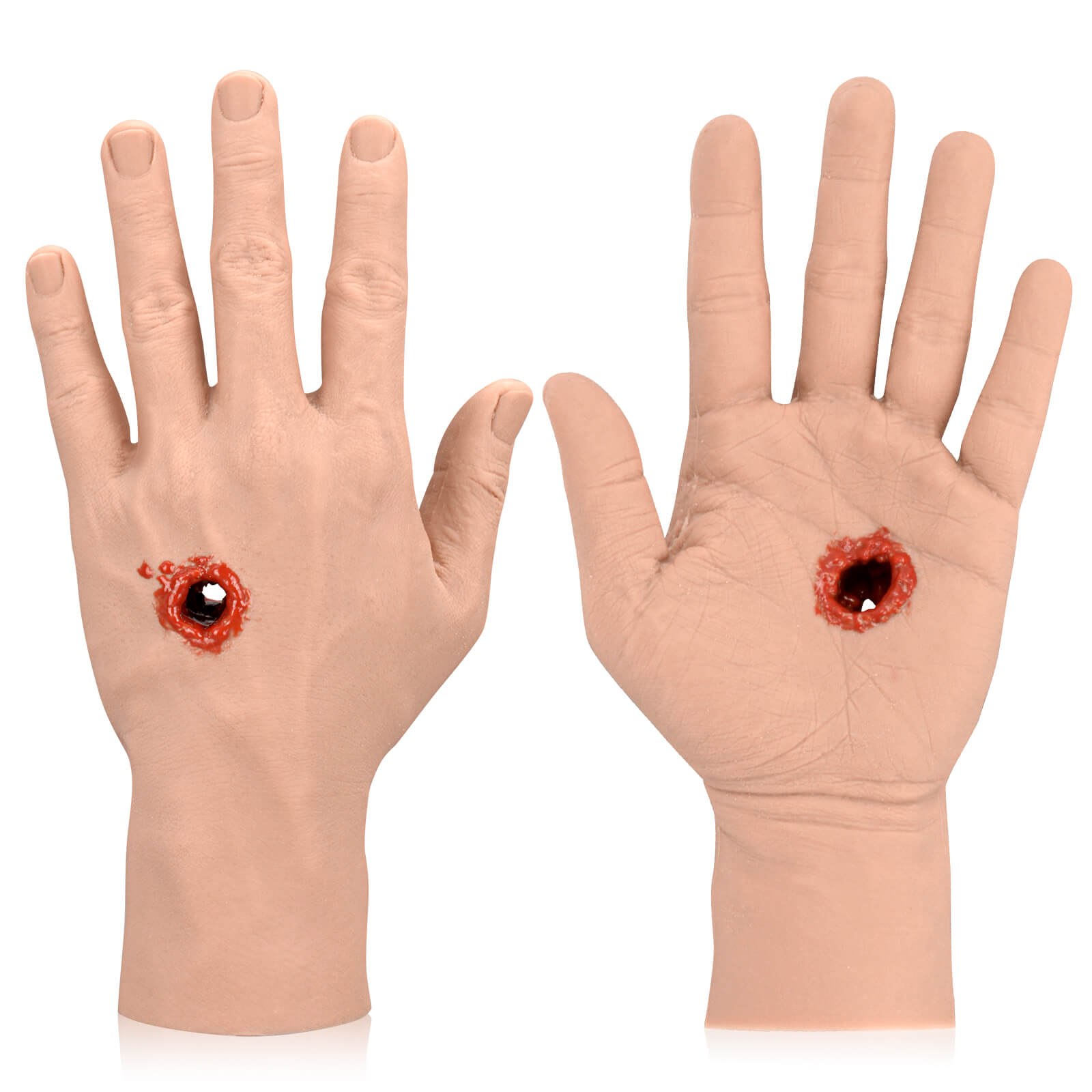
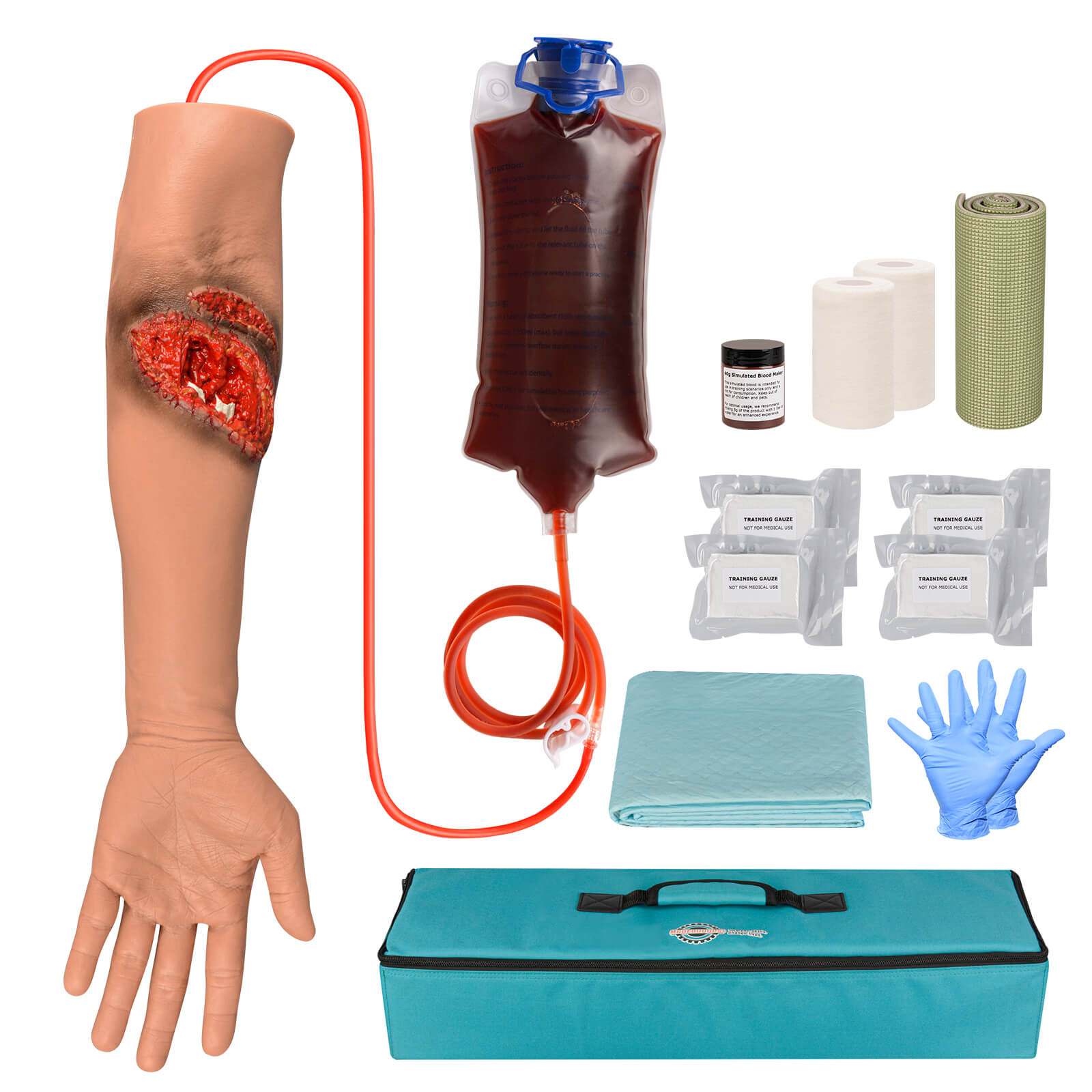
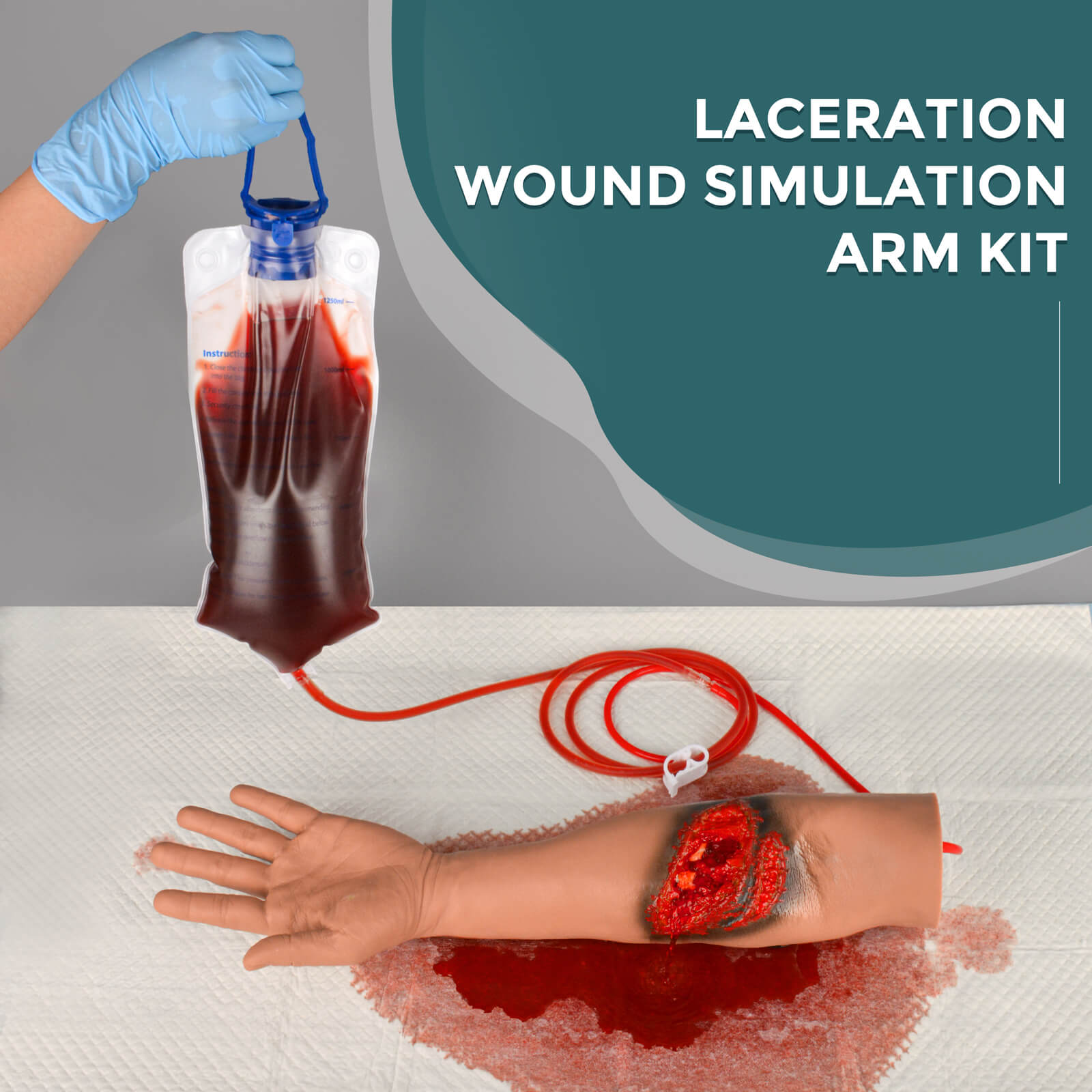
For teaching purposes, simulation models offer a safe way to demonstrate these differences. Our granulation wound simulation cards provide realistic visuals and textures, so students can practice assessment without the stress of a live patient.
Understanding the difference between healthy and abnormal tissue is a cornerstone skill. If you're new to wound healing, you may want to start with our introduction: What is a Granulation Wound?. And for those curious about where granulation fits in the broader healing journey, don't miss our article: Granulation Stages in the Wound Healing Process.
.jpeg?w=1600&h=1600)
.jpeg?w=1600&h=1600)
.jpg?w=1600&h=1600)
.jpg?w=1600&h=1600)
.jpeg?w=1500&h=1500)

.jpg?w=1000&h=1000)
.jpg?w=1000&h=1000)



.jpeg?w=1500&h=1500)
.jpeg?w=1500&h=1500)

.jpeg?w=1600&h=1600)
.jpeg?w=1600&h=1600)
.jpg?w=1600&h=1600)
.jpg?w=1600&h=1600)
.jpg?w=1500&h=1500)
.jpg?w=1500&h=1500)
.jpg?w=1500&h=1500)
.jpg?w=1500&h=1500)
.jpg?w=1500&h=1500)
.jpg?w=1500&h=1500)