
During my first clinical rotation in the emergency department, I remember seeing a patient who had accidentally stepped on a rusty nail. The wound looked tiny on the surface - barely a pinprick - but the patient complained of deep throbbing pain. My mentor explained that puncture wounds can be misleading: small on the outside, but potentially dangerous inside. That day, I began paying close attention not just to the appearance of a wound, but to subtle symptoms indicating deeper injury.
Understanding Puncture Wound Symptoms
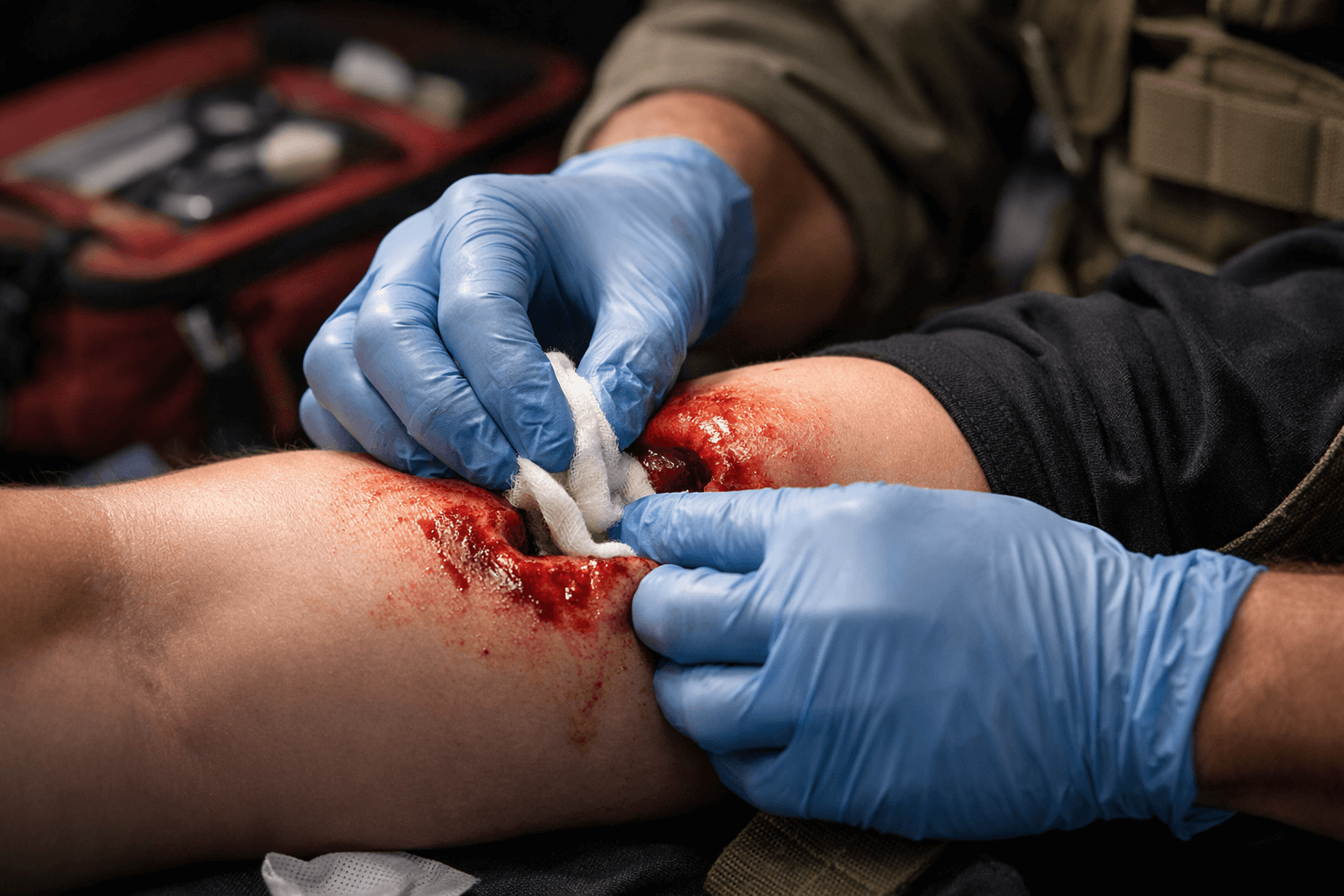
A puncture wound occurs when a sharp object penetrates the skin, often creating a small entry point. Unlike cuts or abrasions, the danger lies beneath the surface. Recognizing the signs and symptoms of a puncture wound is crucial for timely treatment and infection prevention.
Common Signs of a Puncture Wound
- Small, Deep Opening
The wound may appear as a tiny hole, but the depth can be significant. A narrow entry point can hide damage to muscles, tendons, or even bone. - Pain and Tenderness
Pain is often localized but deep. It may intensify with movement or pressure, signaling possible tendon or ligament involvement. - Bleeding
Bleeding from a puncture wound is often minimal at first. However, deeper injuries may bleed internally or cause slow oozing, which can be missed without careful examination. - Swelling and Redness
Inflammation around the site is a typical sign. Redness spreading outward or increasing swelling may indicate infection. - Discharge or Pus
Thick, yellow, or greenish discharge is a warning sign of bacterial infection. This may appear hours to days after the initial injury. - Fever or Systemic Symptoms
In more severe cases, patients may develop fever, chills, or malaise, suggesting the infection is spreading beyond the wound. - Limited Range of Motion
If the wound is on a joint or near tendons, difficulty moving the affected limb can indicate deeper structural involvement.
Special Considerations for Foot and Hand Puncture Wounds
- Foot punctures: Stepping on nails or contaminated surfaces can introduce bacteria deep into tissue, sometimes reaching bone (osteomyelitis). See our guide on Foot Puncture Wounds: Causes, Risks, and Treatment Tips.
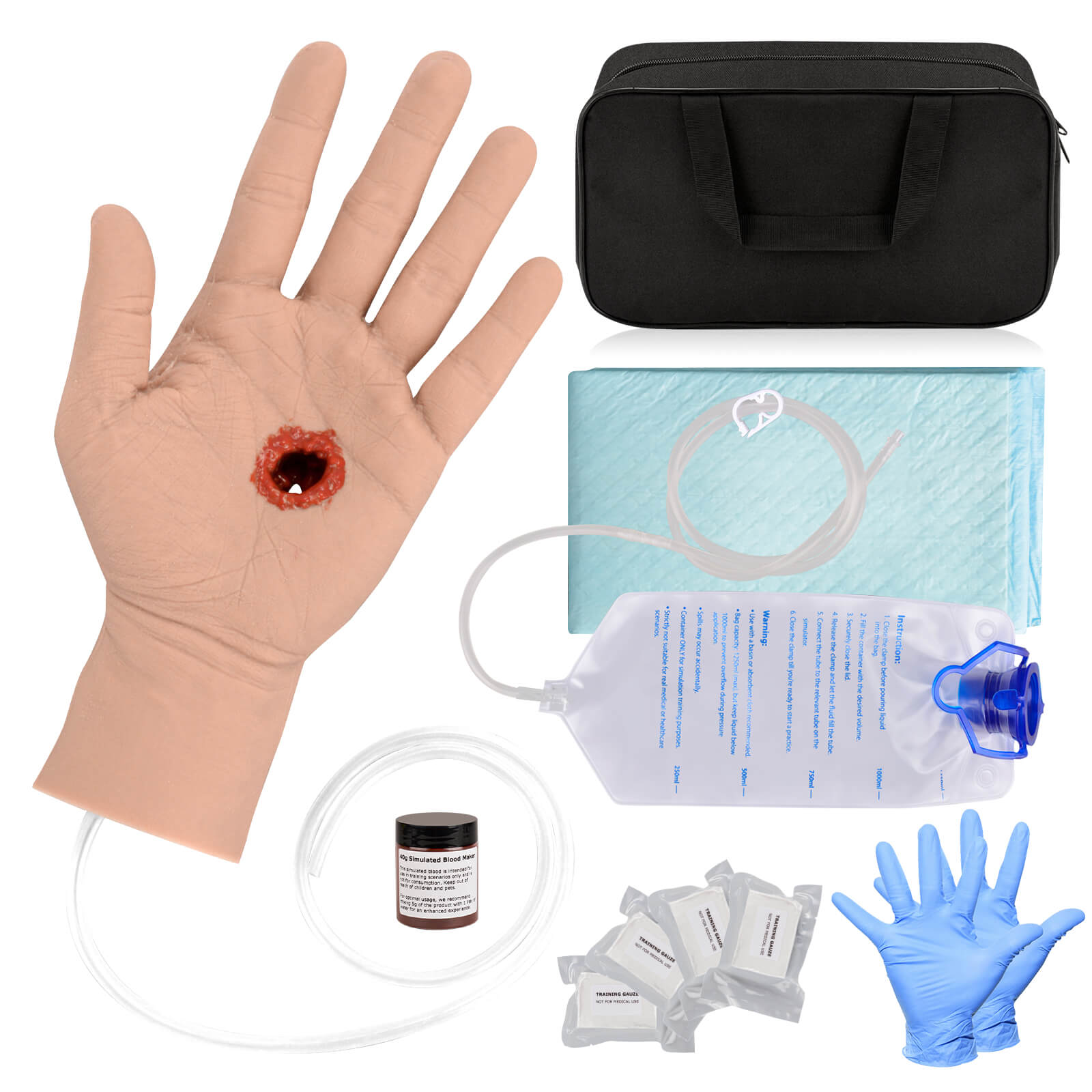
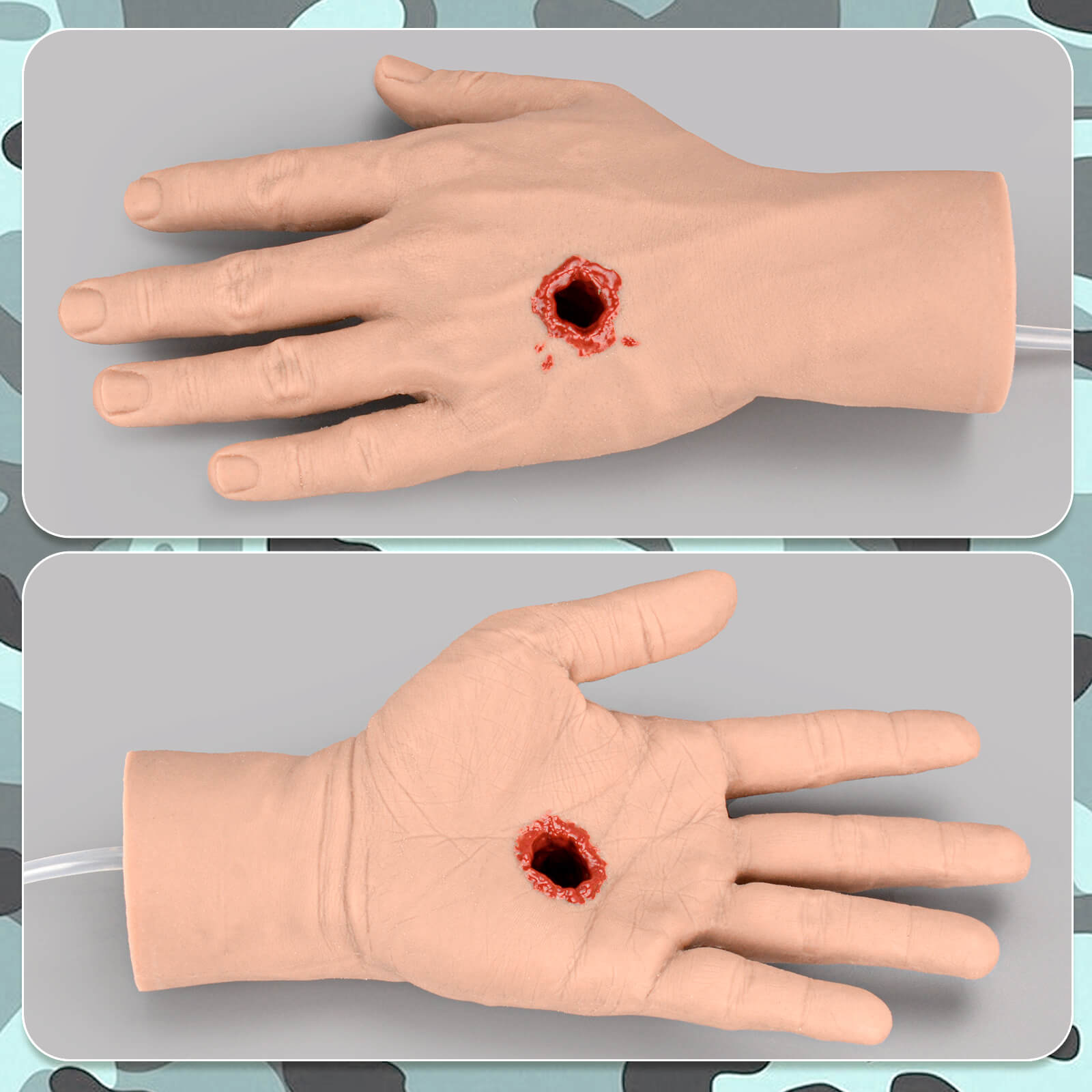
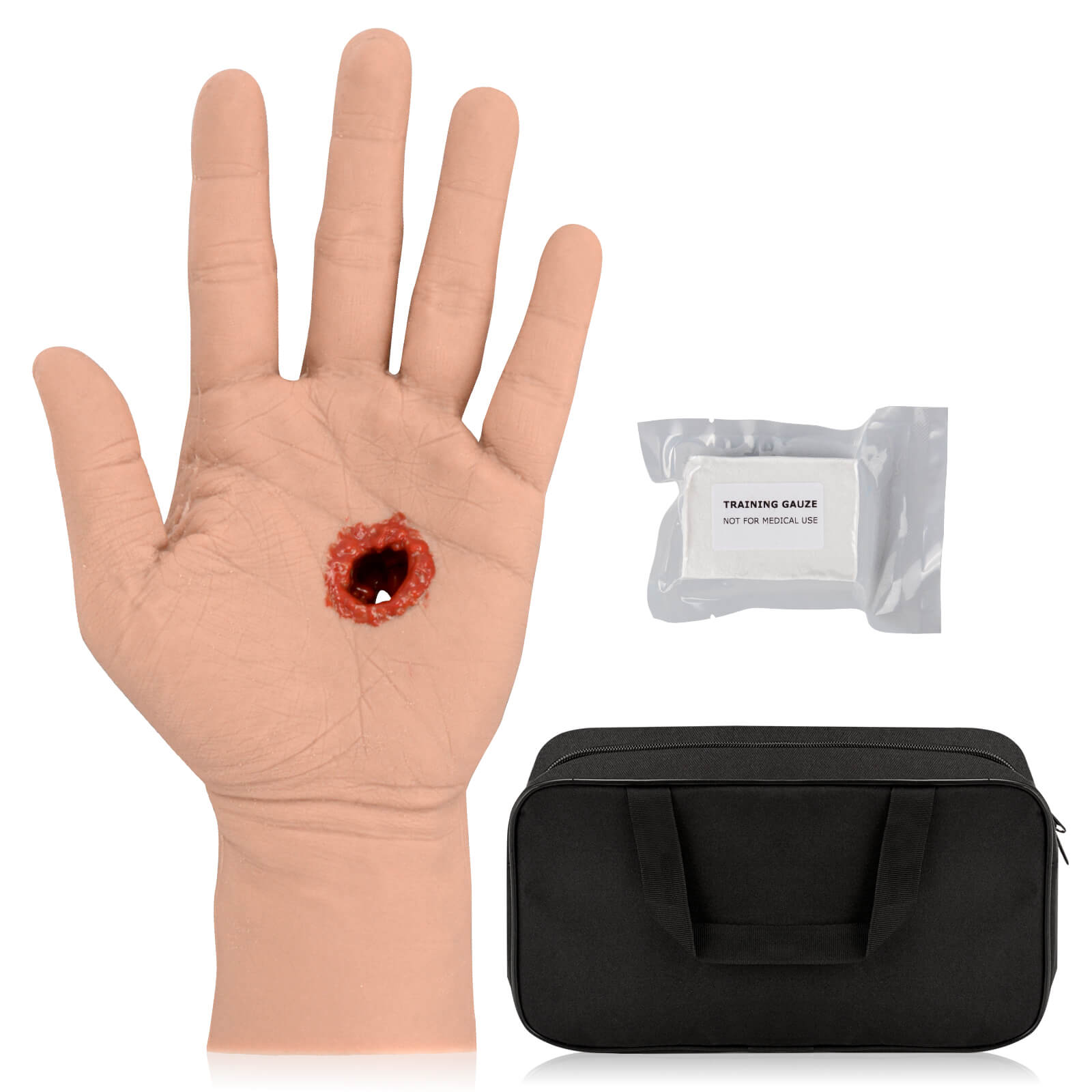
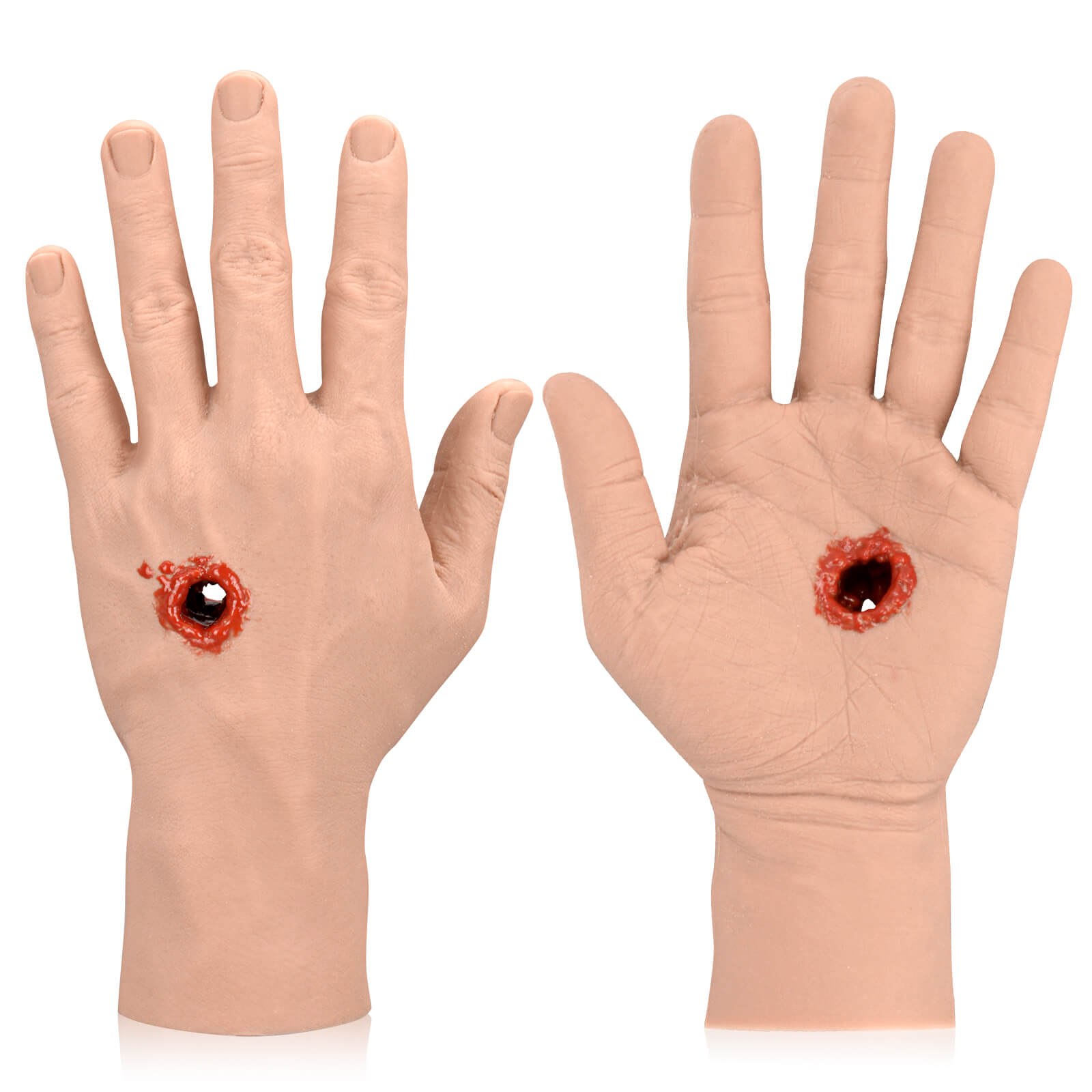
- Hand punctures: These wounds may involve tendons or nerves, potentially affecting dexterity. Timely medical intervention is critical, and simulation models can help students practice assessment safely. Check Hand Puncture Wounds: When to Seek Medical Care.
Simulation Models in Wound Training
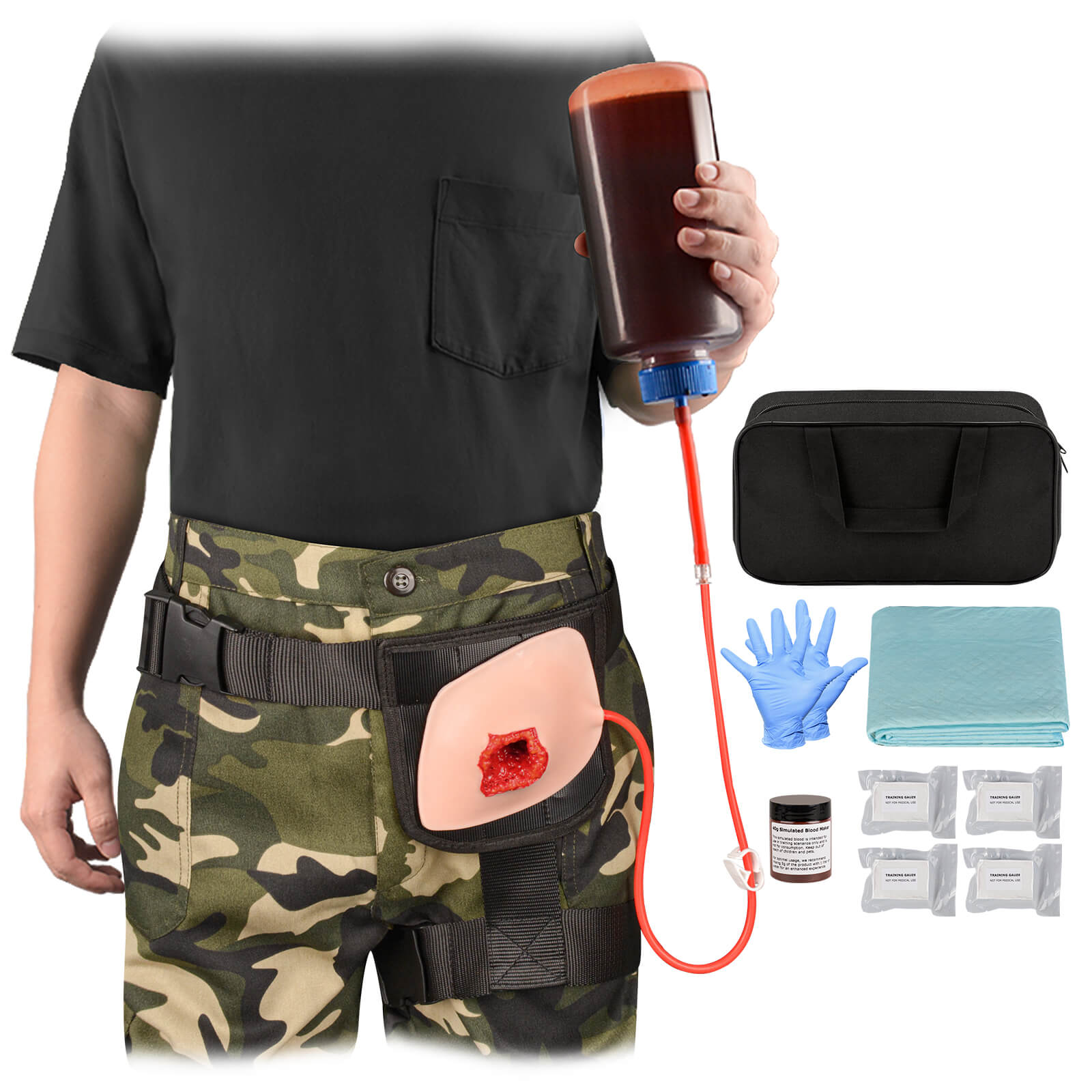
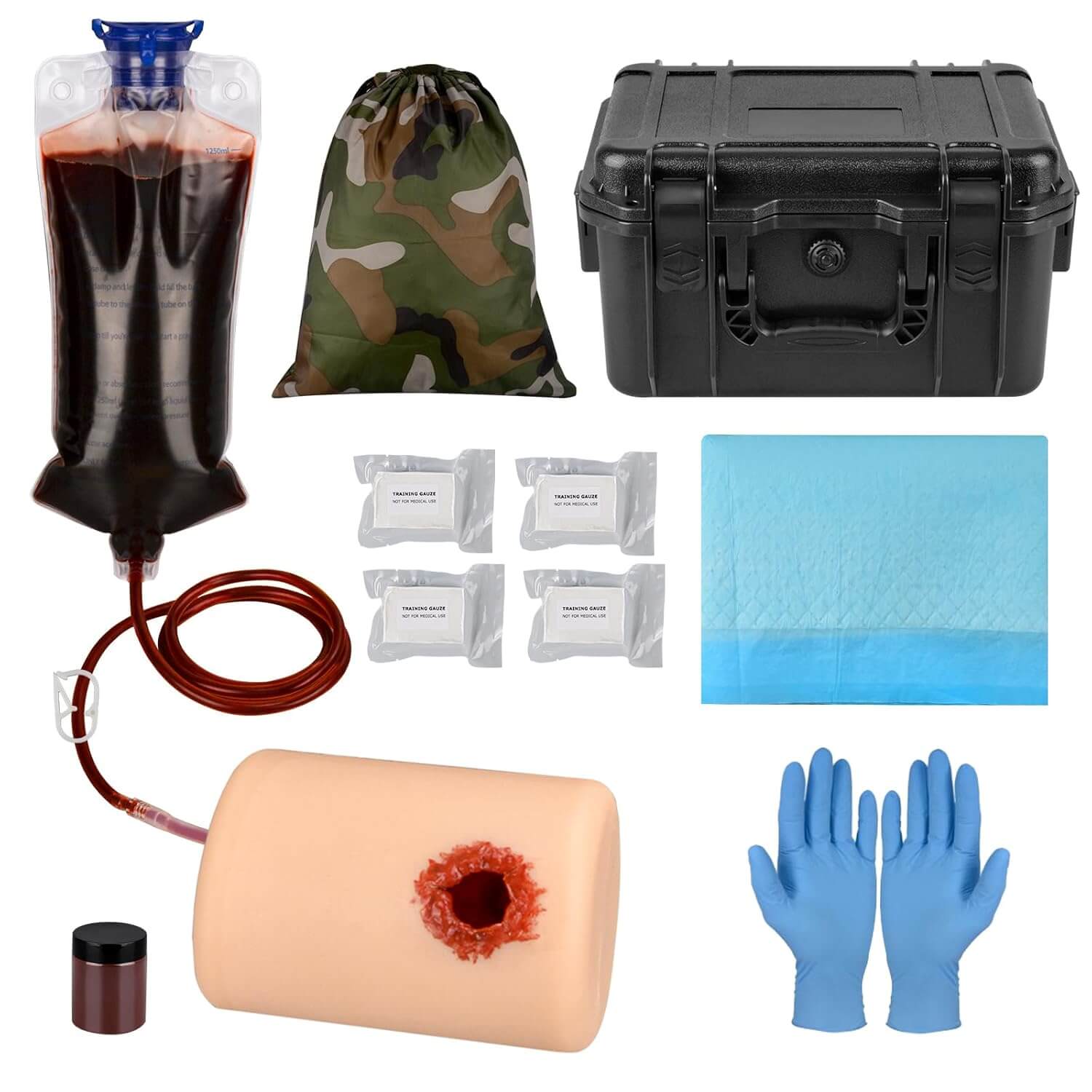
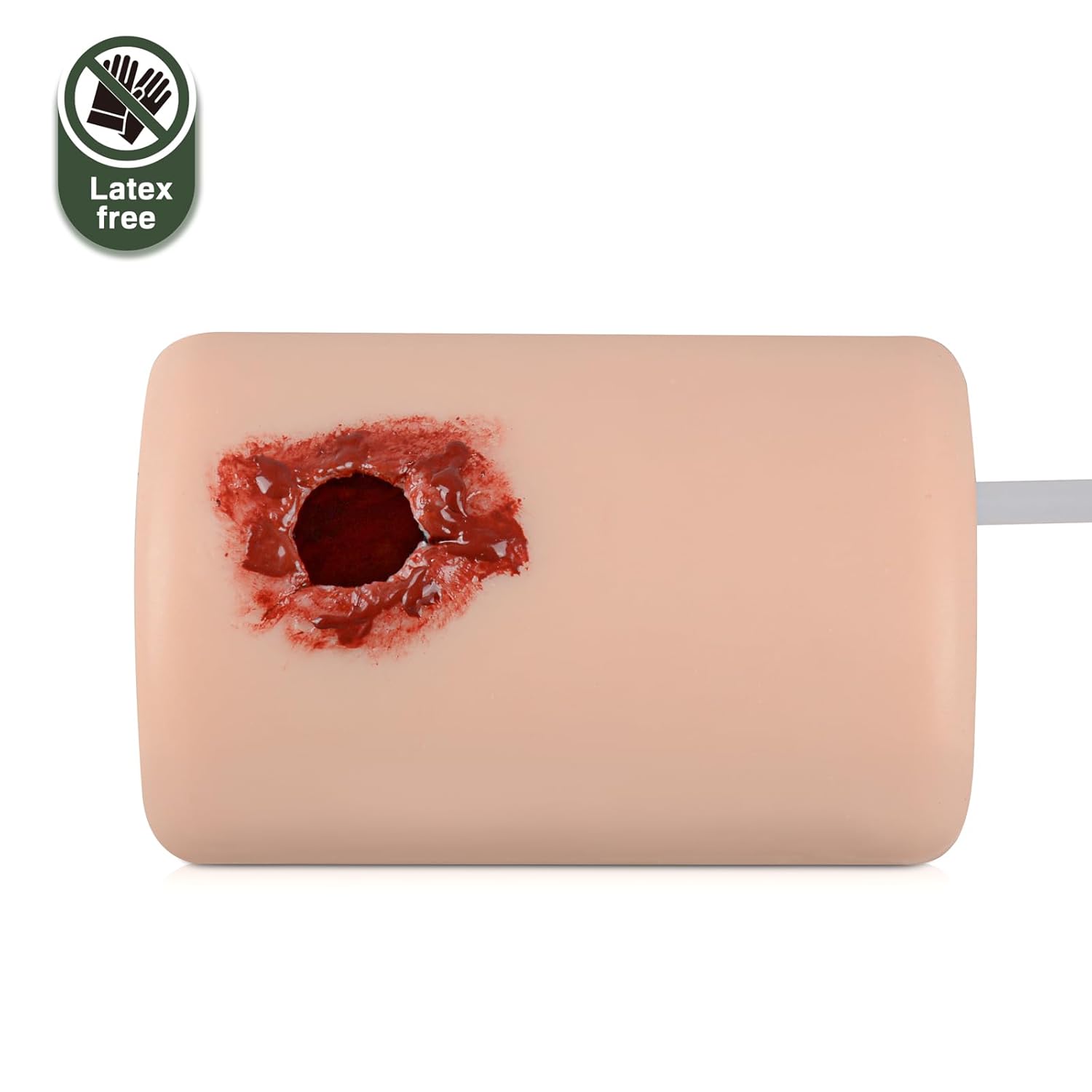
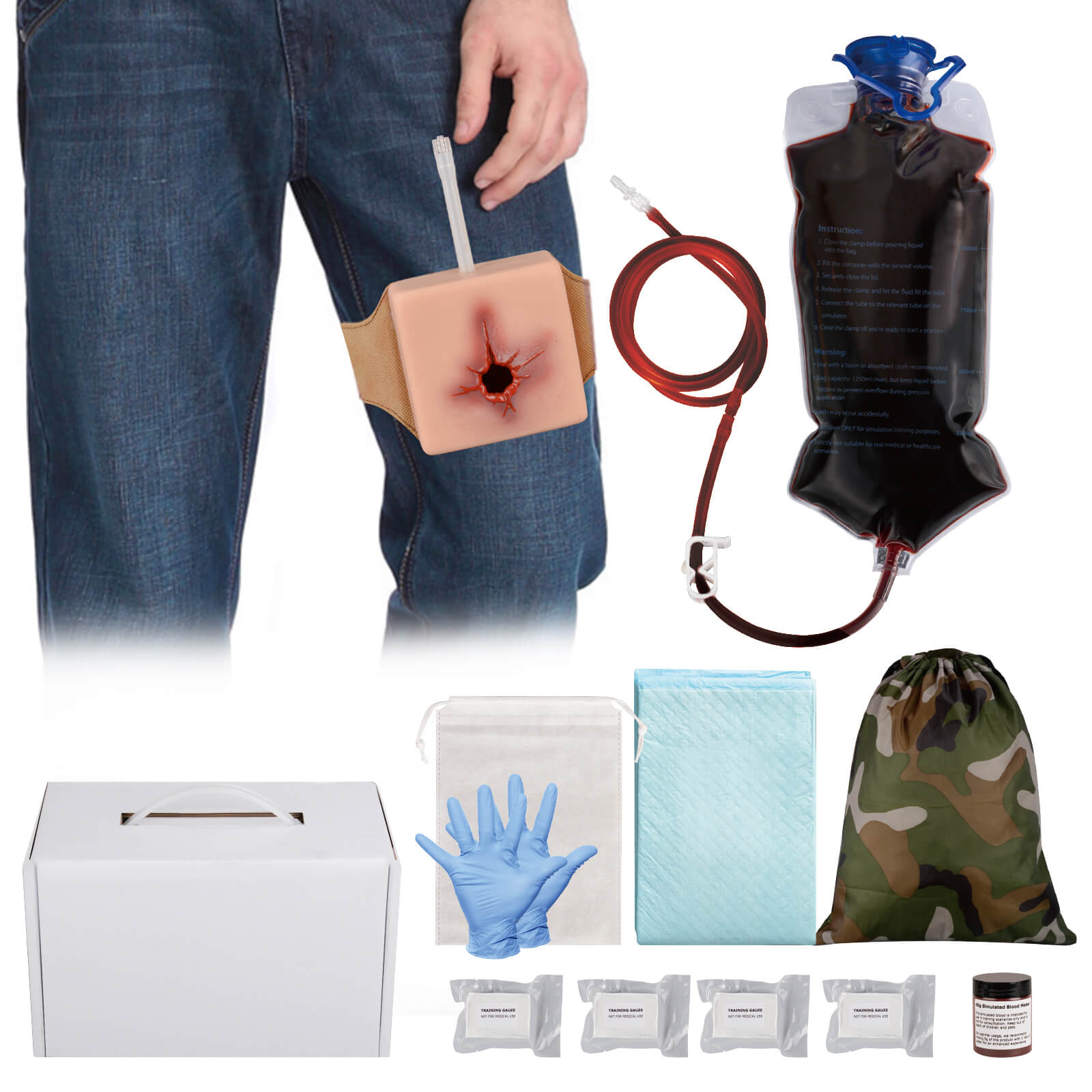
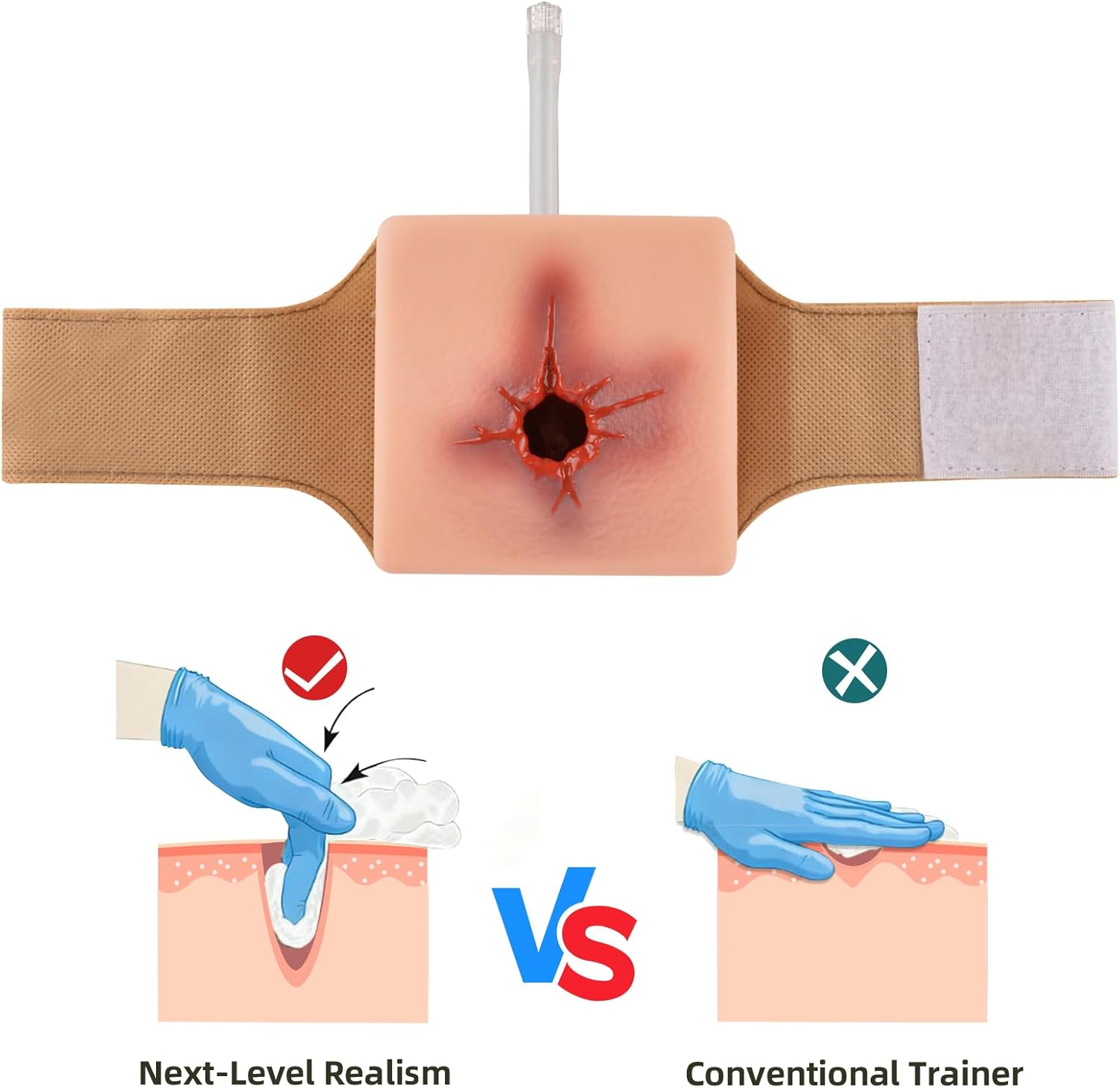
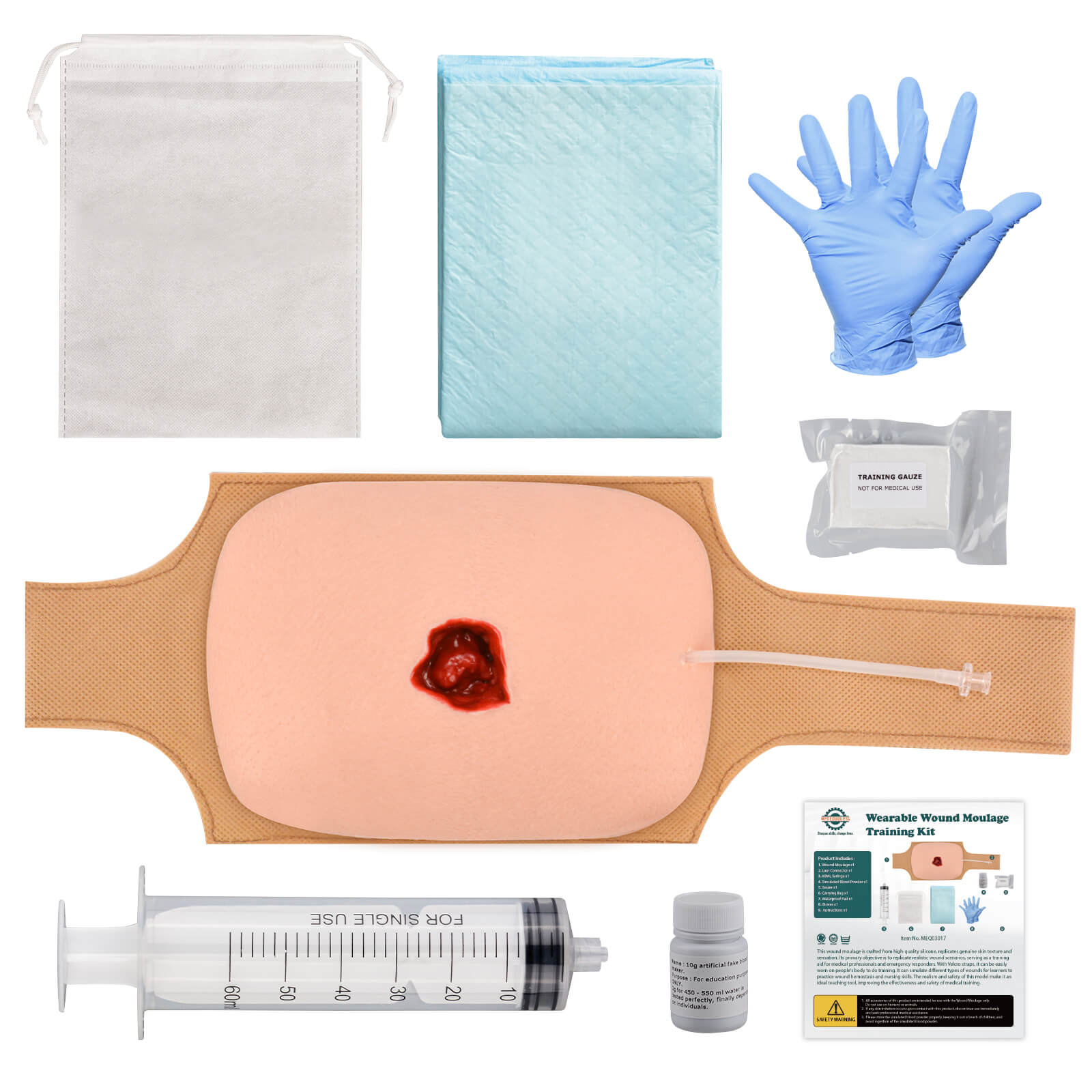
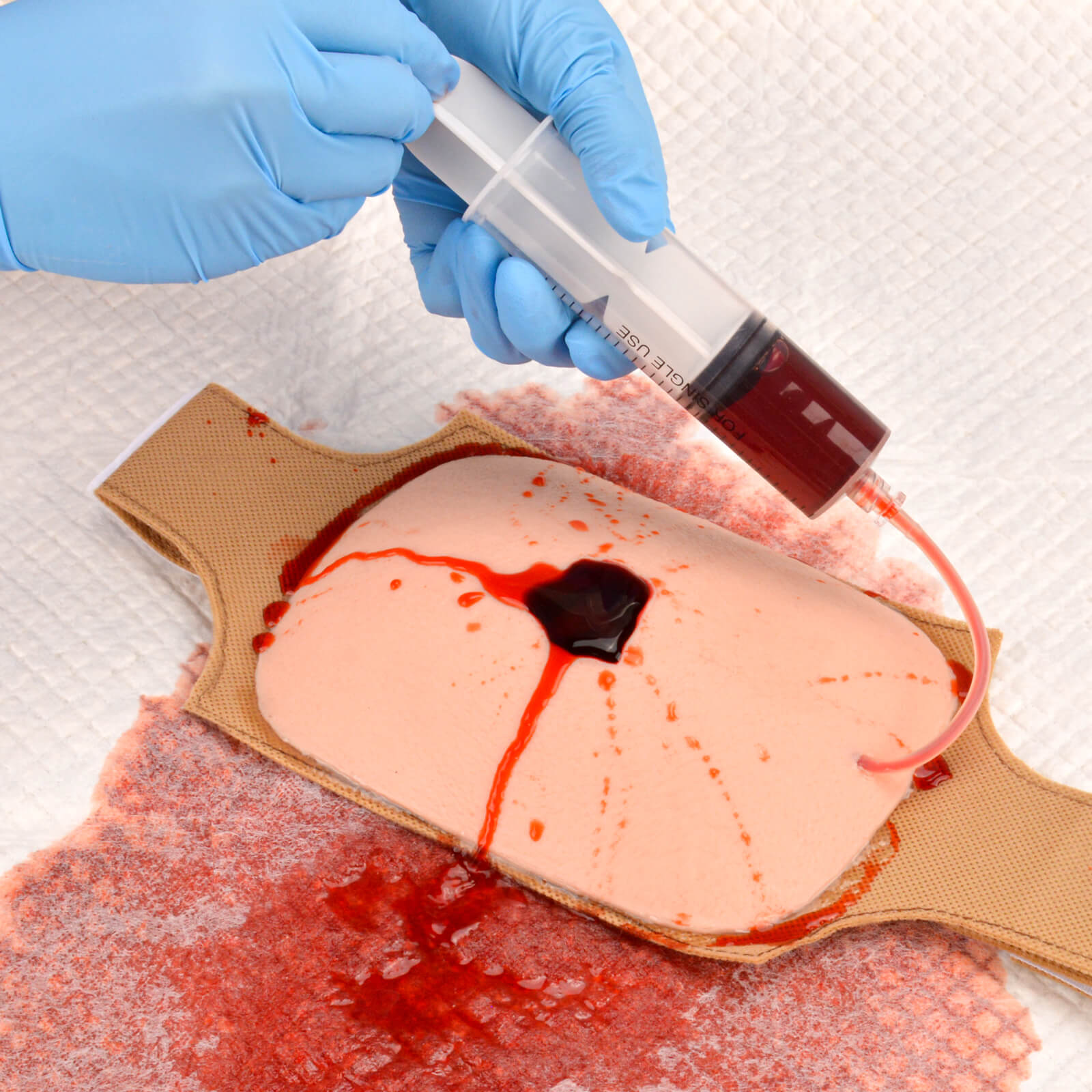
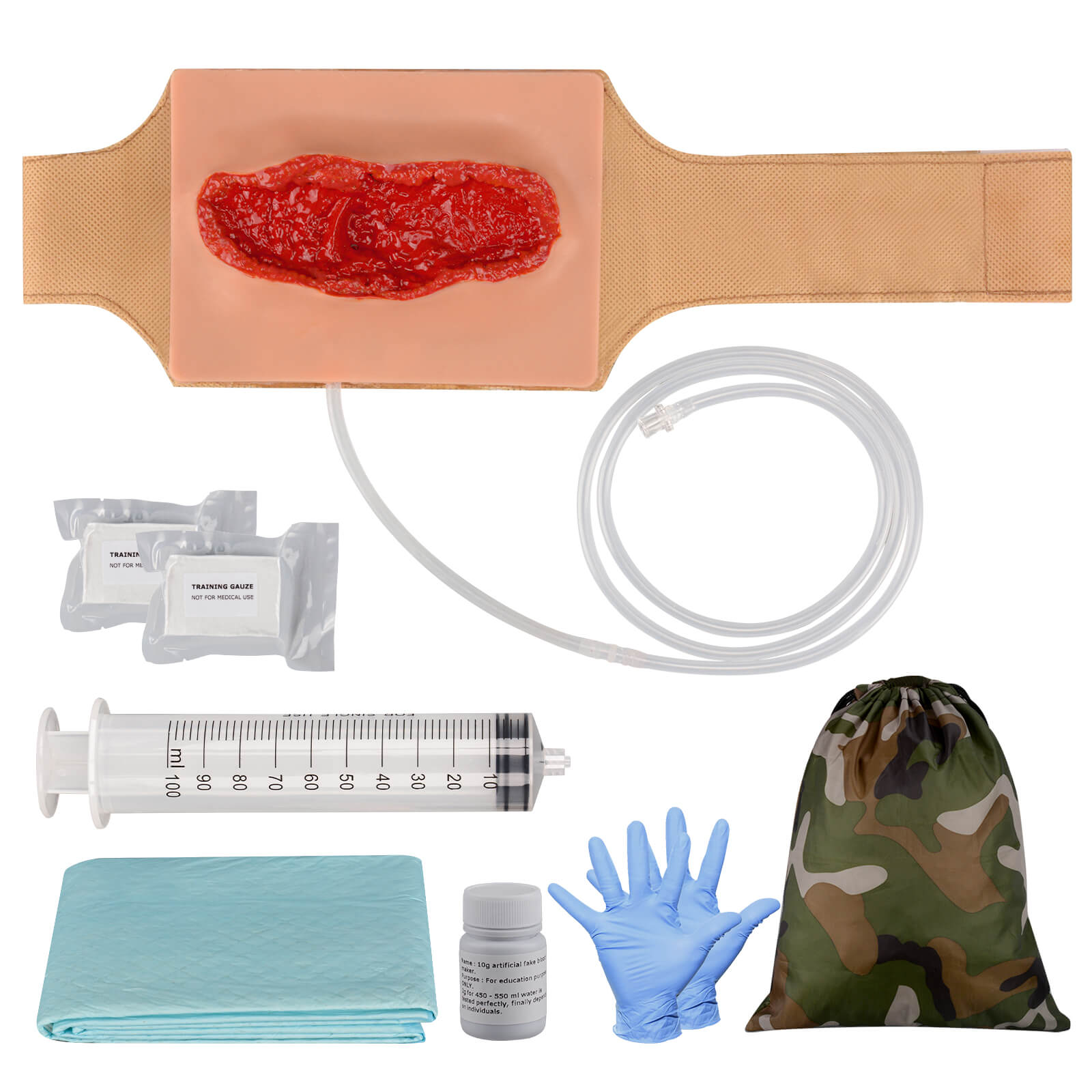
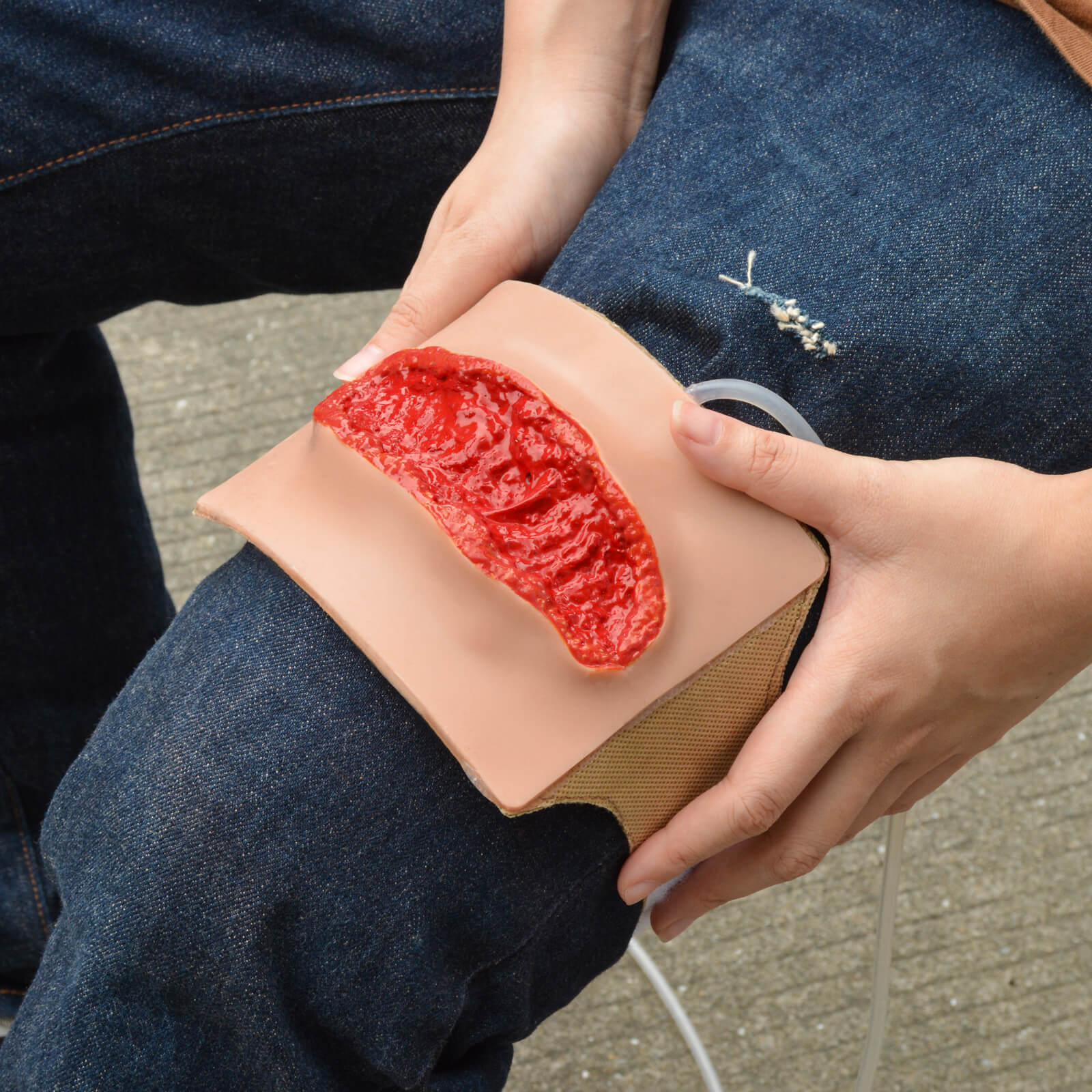
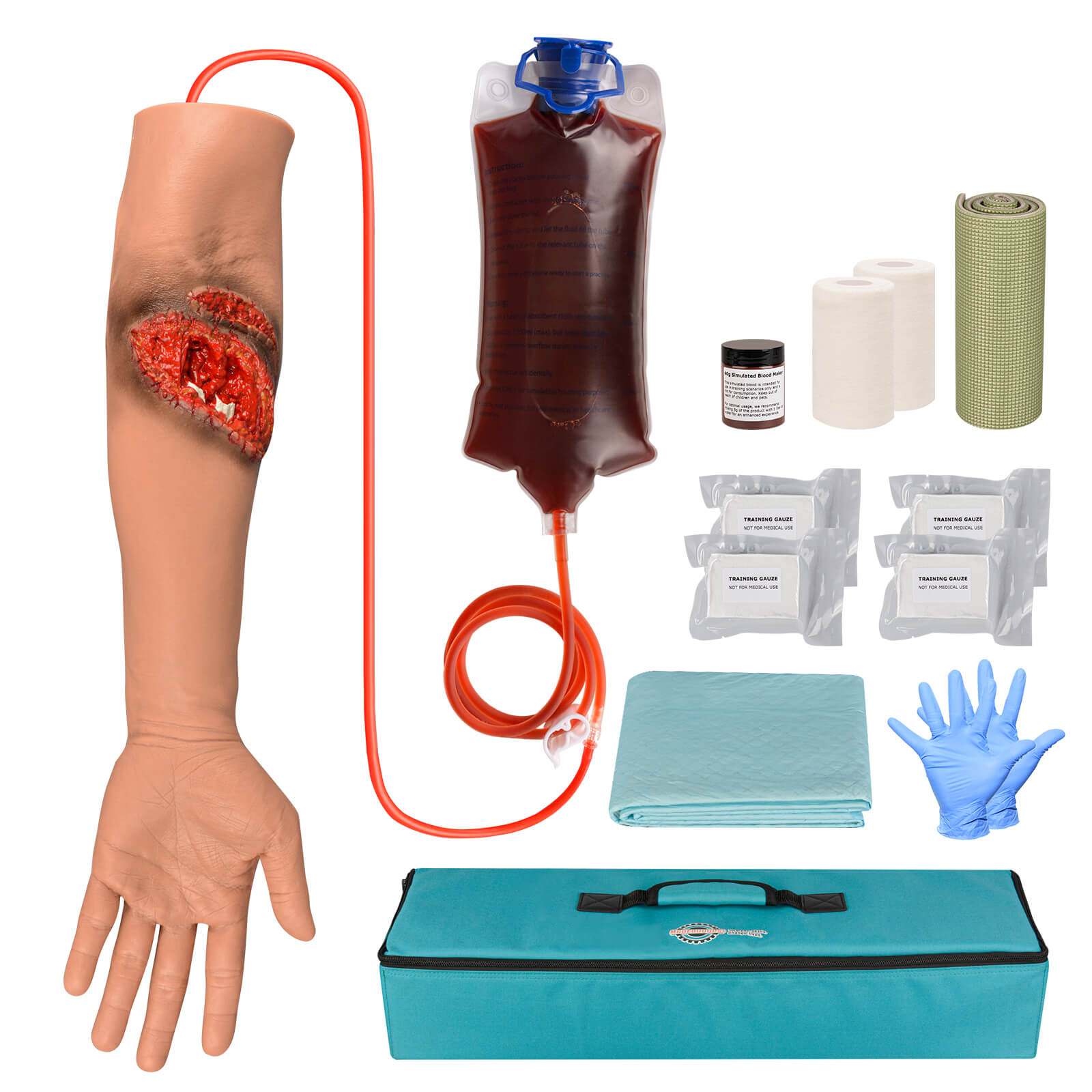
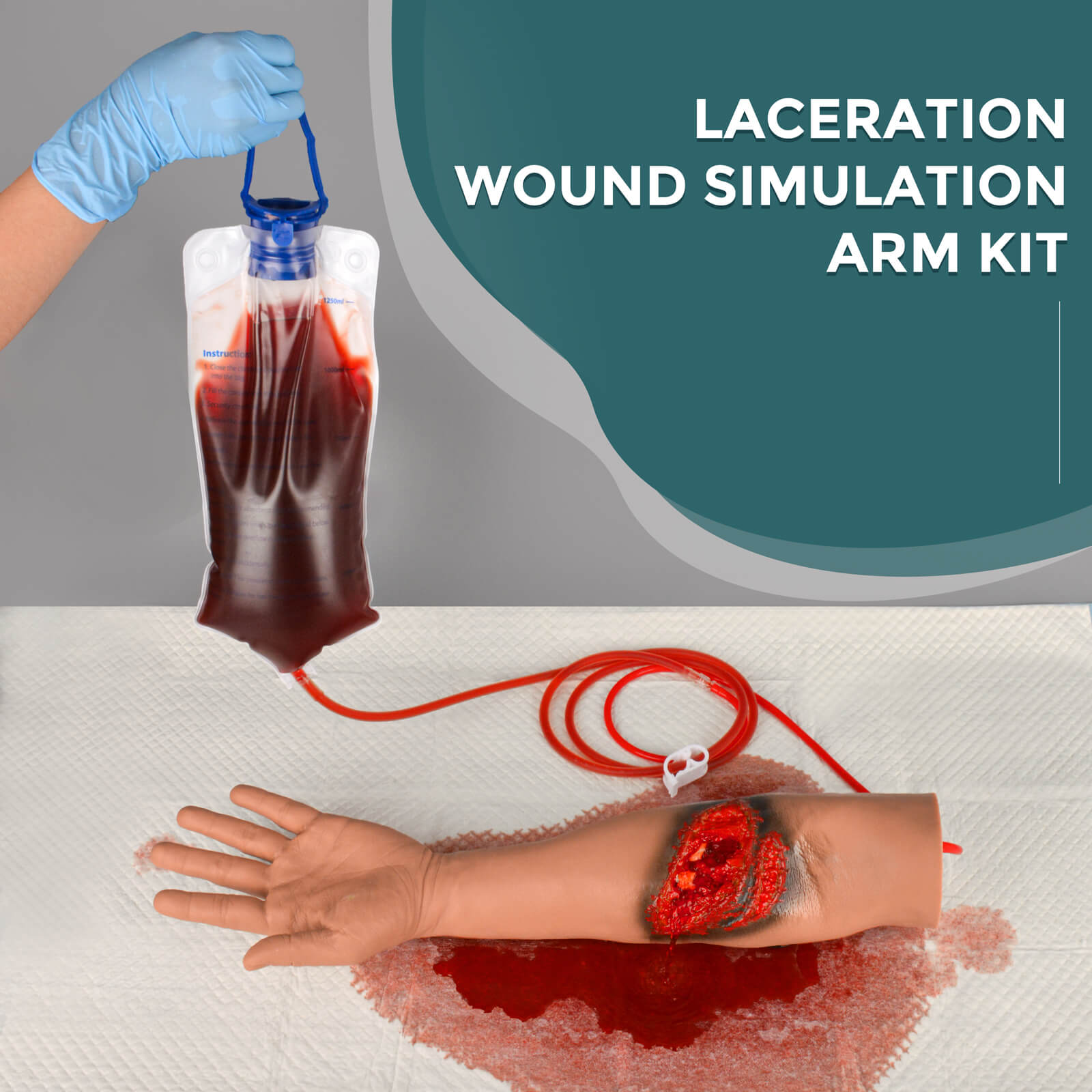
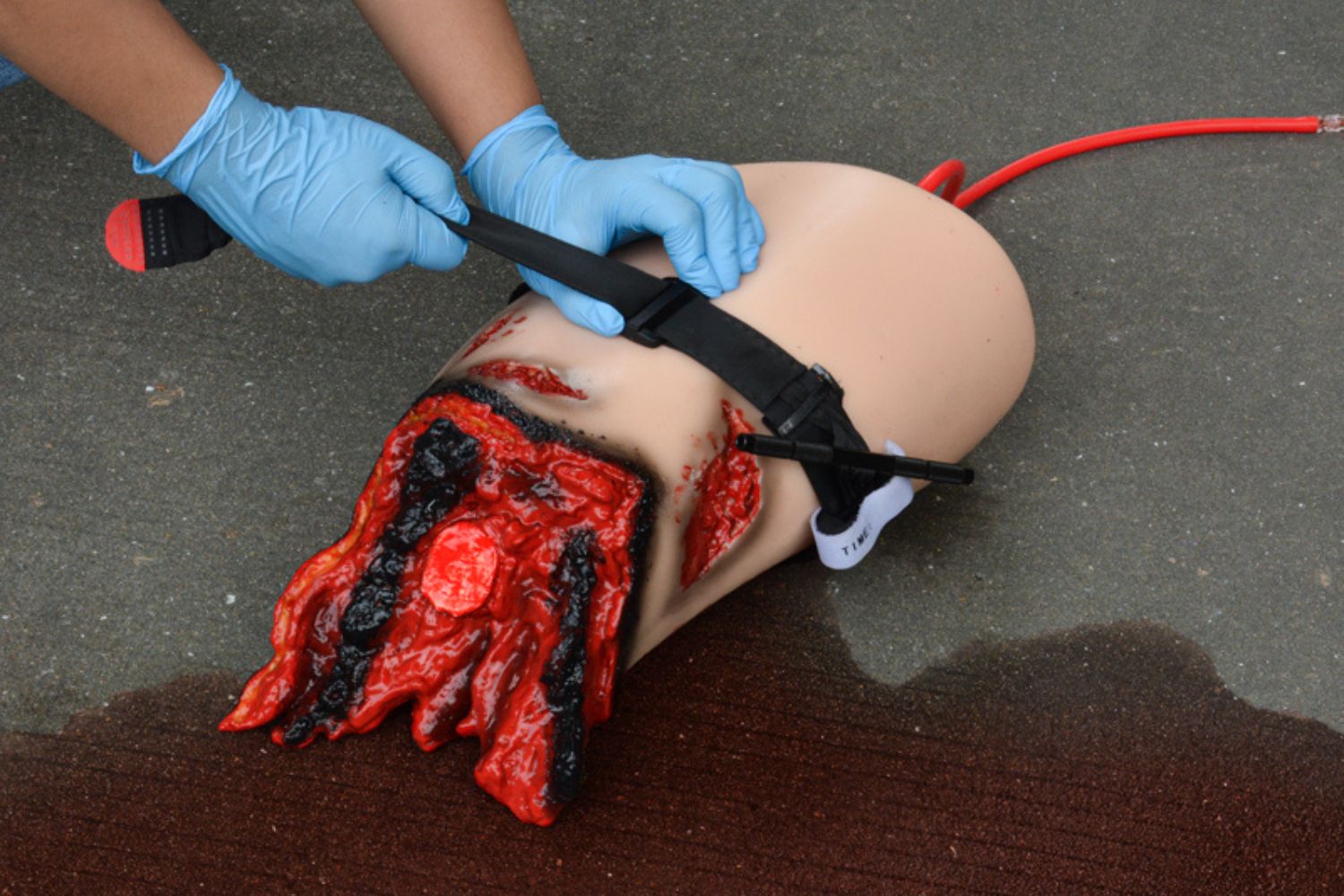
For healthcare trainees, hands-on experience is invaluable. The Wearable Thigh Puncture Wound Bleeding Control Trainer allows learners to identify subtle signs such as swelling, bleeding patterns, and tissue resistance. This practice reinforces the clinical skills needed to assess real puncture wounds confidently.
Key Takeaways
- Puncture wounds often look minor externally but can be serious internally.
- Pain, swelling, discharge, and systemic symptoms are critical red flags.
- Special attention is needed for foot and hand injuries due to deeper anatomical structures.
- Simulation models provide a safe environment to learn recognition and response strategies.
By combining careful observation, clinical knowledge, and hands-on training, medical students, nurses, and first responders can accurately assess puncture wounds, reduce complications, and provide timely care.
.jpeg?w=1600&h=1600)
.jpeg?w=1600&h=1600)
.jpg?w=1600&h=1600)
.jpg?w=1600&h=1600)
.jpeg?w=1500&h=1500)
.jpg?w=1000&h=1000)
.jpg?w=1000&h=1000)


.jpeg?w=1500&h=1500)
.jpeg?w=1500&h=1500)

.jpeg?w=1600&h=1600)
.jpeg?w=1600&h=1600)
.jpg?w=1600&h=1600)
.jpg?w=1600&h=1600)
.jpg?w=1500&h=1500)
.jpg?w=1500&h=1500)
.jpg?w=1500&h=1500)
.jpg?w=1500&h=1500)
.jpg?w=1500&h=1500)
.jpg?w=1500&h=1500)